Category: ARM ARTICLES

This category presents a post from ARM Magazine, spotlighting African researchers and their contributions.

  • Addressing Climate Change in Ghana: Building Resilient Agriculture and Sustainable Development Pathways

    Addressing Climate Change in Ghana: Building Resilient Agriculture and Sustainable Development Pathways

    Africa, despite contributing minimally to global greenhouse gas emissions, is experiencing some of the harshest effects of climate change. The continent is grappling with intensified weather events such as droughts, erratic rainfall, windstorms, and cyclones. These phenomena exacerbate land degradation, diminish soil fertility, and lead to pest proliferation, all of which threaten Africa’s health, livelihoods, and food security.

    Ghana, like many African nations, is witnessing shifts in temperature, altered rainfall patterns, and a rise in the frequency and severity of extreme weather events. Floods are more common in high-rainfall areas in the center and west of the country, while droughts predominantly impact the north and southeast. Additionally, storms have intensified over recent decades. These climatic changes significantly affect Ghana’s economy, food security, and the lives of its people, given that agriculture is the backbone of the country’s economy.

    Agriculture supports over 50% of Ghana’s workforce, contributes more than 60% of rural household income, and plays a crucial role in food security through smallholder farmers. These farmers, often among the poorest in the country, are particularly vulnerable to climate change due to their limited resources and capacity to manage unforeseen crises. Hence, targeted policies and practices that enhance resilience to climate impacts are essential. Adapting to climate change requires localized and context-specific strategies tailored to the unique challenges faced by different communities.

    Addressing these challenges involves adopting an integrated approach to agriculture and environmental management, enhancing risk preparedness, promoting sustainable energy production, modernizing transportation systems, and building resilient infrastructure. The Ghanaian government has initiated several reforms to transform the agricultural sector, with the flagship “Planting for Food and Jobs” (PFJ) program aimed at improving food security and livelihoods. This program focuses on enhancing public expenditure, strengthening extension systems, improving market access, promoting relevant agricultural technologies, and building capacity among key sector players. Strategic investments in infrastructure have also been made to boost sector efficiency.

    Investing in climate-resilient practices across the agricultural value chain—encompassing production, storage, processing, and marketing—is crucial yet challenging. An integrated approach that combines climate change adaptation with agricultural interventions is necessary to stabilize crop yields, enhance incomes, improve nutritional value, and build systems for early warning and resource management. These efforts at the community level can collectively contribute to national impact.

    Ghana’s Nationally Determined Contributions (NDCs) and National Adaptation Policy Framework underscore the importance of community-led adaptation and contextually relevant climate measures. These policies highlight the need for sustainable forest management, climate-resilient agriculture, expanded agricultural insurance, community-led conservation, early warning systems for floods, droughts, and pest infestations, and strengthened disaster risk management. However, Ghana, like many African countries, must ensure that national policies and resources are effectively integrated and outcome focused.

    To address the unpredictable challenges posed by climate change, Africa must build its development pathways on a foundation of evidence, science, and continuous learning. Data-driven research and evidence-based policies are essential for identifying effective interventions. For instance, research can determine the most resilient agricultural practices to drought, enabling policymakers and the private sector to support farmers in adapting to a changing climate. Similarly, scientific analysis can uncover the root causes of economic downturns, guiding the development of targeted policies for growth and job creation. Predictive modeling and evidence-based policymaking are vital for designing interventions that avoid unintended consequences.

    In the upcoming week, AGRA, ICED, and their partners will gather in Accra, Ghana, to showcase evidence-based approaches and learning in building resilience. Their focus will include climate-smart agriculture, seed system development, integrated soil health, and regenerative systems. This convergence underscores the importance of leveraging evidence and science to navigate Africa’s complex food systems and build a more resilient future.

  • Book Review: Strategic intelligence: Business intelligence, competitive intelligence, and knowledge management

    Book Review: Strategic intelligence: Business intelligence, competitive intelligence, and knowledge management

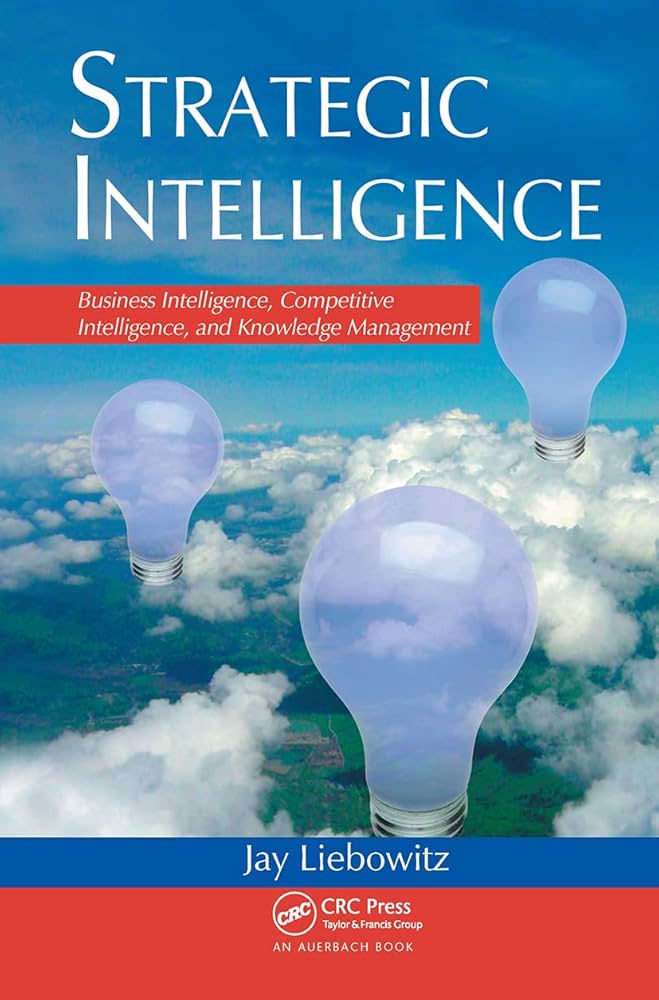
    The book titled, Strategic intelligence: Business intelligence, competitive intelligence, and knowledge management was edited by Jay Liebowitz. The book, entailing 244 pages, was published in 2006 by Auerbach Publications of Taylor & Francis Group in the United States of America. As an edited book chapter, it has seventeen (17) contributors examining related several issues within the context of this book.

    According to editor of the book, Jay Liebowitz, strategic intelligence (SI) has mostly been used in military and defense settings, but its worth goes well beyond that limited role. His view of Strategic Intelligence is that every organization should be doing it, as it applies towards improving the strategic decision making process of an entity as it is thrust of this book. Furthermore, the editor’s experience in the knowledge management (KM), business intelligence (BI), and competitive intelligence (CI) fields has indicated that there are tremendous synergies between these areas. The ultimate goal is how to best use internal and external intelligence for making better decisions. In the same way that knowledge management is being used to break down the silos, so does this need to happen as a whole with the KM, BI, and CI disciplines. Each of these communities seems to be working in isolation; the walls should be demolished to maximize the collective value of what these disciplines offer to the organization. To help better understand the role of SI in the organization as the KM, BI, and CI fields merge, this book aids the decision maker in applying its underlying concepts.

    Going further, the first part of the book discusses the convergence of KM, BI, and CI into SI. The second part of the book describes case studies written by respected individuals/contributors from leading organizations in the various fields of KM, BI, and CI. The cases reinforce some of the concepts presented in the first part of the book. For clarity of purpose, this review or critique would be done in two parts; part 1 contains conceptual explanations to key variables in the book while Part 2 contains case study reports.

    PART 1 (Chapters 1 to 6)

    In the first chapter of this book in Part 1, the editor explores the title, from individual transformation to organizational intelligence, which sees change as an omnipresent entity. According to the editor, there are certainly many events in life that may change a person. However, some believe that the genetic composition of an individual enforces a certain stability and pattern such that the environment may change, but the person never really changes. The same argument is made for knowledge management. It was noted in this chapter that, knowledge management involves best leveraging knowledge internally and externally in an organization and creating a process for valuing the organization’s intangible assets. Some people say that knowledge cannot be managed, i.e., the environment in which knowledge is housed, transferred, and used can change, but knowledge itself cannot be controlled. In this chapter, the editor ascribes to the philosophy that knowledge, as well as the environment itself, can be managed. Furthermore, it is discussed that culture, change management, and individual transformation are, among others, important components leading to organizational transformation and a heightened organizational intelligence.

    Chapter 2 of this book focuses on the intelligentsia galore. This chapter holds the view that, there could be ways to consolidate and synthesize the various types of intelligentsia such as artificial intelligence (AI), business intelligence (BI), competitive intelligence (CI), into a meaningful framework. The narration in chapter upholds that many of the AI techniques could be useful in these other intelligentsia (such as knowledge representation techniques for developing knowledge ontologies or case-based reasoning for help desk applications or business rule engines); however, most of these other intelligentsia do not necessarily use AI in practice. While examining the state in chapter 2, AI deals with how we think, it seems only natural that KM should embrace some of these concepts to help people capture, organize, and share knowledge within the organization and externally with the stakeholders. From the conclusion of this chapter, it was noted that BI forms the next layer of the intelligentsia onion after KM, and then CI becomes the next layer by using both internal and external information and knowledge to develop a systematic and ethical program to manage, analyze, and apply this information and know-how for improving organizational decision making. Finally, the aggregation of all these various intelligentsia becomes SI for the organization to best make strategic decisions.

     Chapter 3 explores the title, organizational intelligence through strategic intelligence. This chapter submits that, a synergy of business intelligence (BI), competitive intelligence (CI), and knowledge management (KM) has contributed to the formation and development of strategic intelligence (SI). Organizations need to apply these catalysts to foster strategic intelligence for improved decision making. It was noted from this chapter that, when looking at an organization’s intelligence, there are four general types of capital that can be harnessed and nurtured. The first is human capital, which is the brainpower of your employees (essentially, the knowledge that your employees possess). Structural capital is the second type, which refers to the knowledge gained from things you cannot easily take home with you from the office, like intellectual property rights. The third type of capital is customer capital (sometimes referred to as social or relationship capital). This is the knowledge gained from your customers and stakeholders, and you incorporate this knowledge into your own organization’s knowledge base. The last main type of capital is called competitive capital, which is the knowledge gained from your competitors. These four main types of knowledge will help an organization determine its IQ or intellectual capital.

    Chapter 4 discusses the lessons learning in the intelligentsia melting pot. In understanding the basis of the analysis drawn from this chapter, it is noted that business intelligence cannot exist without knowledge management. According to the editor, whether talking about business intelligence (BI) or competitive intelligence (CI), a key ingredient must exist — is, knowledge management (KM). It was stated that, KM is determining how to best leverage knowledge internally and externally in an organization and how to create value out of the organization’s intangible assets. Specifically, KM is the process of identifying, capturing, sharing, applying, disseminating, and creating knowledge in the organization’s context. Besides knowledge dissemination techniques, KM can enhance the BI process through its emphasis on knowledge elicitation and sharing techniques. Most people in the KM community classify knowledge as tacit and explicit, or fluid and sticky.  As BI and CI evolve, an understanding of the various links of entities and knowledge sources becomes important. The KM field has been applying social network analysis techniques to map the knowledge flows and detect knowledge gaps in the organization. In so doing, several case study research was done to validate the submissions in this chapter.

    Chapter 5 is on competitive intelligence. In this chapter, it is believed that competitive intelligence is really involved with developing a systematic program for capturing, analyzing, and managing external (and internal) information and knowledge to improve the organization’s decision-making capabilities. As explained in this chapter, knowledge management (KM) and business intelligence (BI) are closely linked with CI. KM deals with how best to leverage knowledge internally within the organization and externally to the organization’s customers and stakeholders. Certainly, some cultures are more permissive and receptive to knowledge sharing. For example, in Jonathan Calof’s study at the University of Ottawa (performed for the Society of Competitive Intelligence Professionals), Canada was more open toward knowledge sharing versus the United Kingdom and France. This influences how willing people are toward sharing their information and knowledge. Similarly, BI deals with how best to capture and share internal information to make it widely available throughout the organization. KM and BI are close cousins to CI. Summarily, CI is as simple as that — collect, analyze, develop, and manage; collect the appropriate information and knowledge, analyze the information and knowledge, develop an approach based on the synthesis of the results, and manage your expectations and strategy, and adjust accordingly.

    Chapter 6 discusses how strategic intelligence is the core of executive decision making. This chapter explains that, the essence of SI applies to all organizations — that is, how organizations can improve their strategic decision-making process. From the foregoing, it could be deduced that convergence and application of knowledge management (KM), business intelligence (BI), and competitive intelligence (CI) can lead to the development and implementation of strategic intelligence (SI). It is also explained in the chapter that, to help reduce this risk, executives can use structured decision-making approaches such as multicriteria decision making. Executives are typically faced with multicriteria decision making when addressing strategic decisions. The alternatives used in multicriteria decision making are often competing, and there are numerous criteria to be factored into the decision- making process. To provide some SI to senior leader decision making, human insight and gut feeling can be augmented by applying techniques to help structure one’s decision-making process. We have already highlighted the use of SWOT analysis, the balanced scorecard, scenario planning, etc., to help senior leaders better structure their decision process for making informed decisions. More importantly, one multicriteria decision-making-based approach that can be very useful to help quantify subjective judgments in decision making is the Analytic Hierarchy Process (AHP), which was developed by Thomas Saaty (University of Pittsburgh). The goal of the decision is first determined, and then criteria and subcriteria are developed, as well as various alternative solutions. A tree hierarchy is created with the goal at the top, the criteria and subcriteria in the middle, and the alternatives at the lower level. Through pairwise comparisons, the criteria are compared and weighted against each other with respect to the goal. This creates weights on the criteria that sum to one. Then, the alternatives are compared with respect to each criterion to get the weighting of the alter natives per criterion. Finally, a synthesis is made where the weights of the criteria and the weights of the alternatives per criterion are combined to get an overall weighting and ranking of the alternatives. This approach has been used by hundreds of organizations throughout the world to help them better structure their decision-making process, especially for strategic type of decisions.

    PART 2 (9 Case Studies were presented)

    Thomas E. Kern examined knowledge management and organizational learning at the Annie E. Casey Foundation: A case study. The contributor revealed that, the study began by identifying the obstacles to knowledge sharing that were impeding staff from breaking out of their program silos. An analysis and detailed staff survey brought several issues to the fore. First, accessing the most current and relevant knowledge across all programs was hindered by the lack of a centralized system for finding information. Second, staff members’ heavy workloads meant that they had limited time to spend publicizing new knowledge, especially when there was no structured way for doing this. Third, Casey’s organizational culture made over-reliance on informal (and, therefore, potentially less comprehensive) networks for exchanging knowledge the norm.

    Maritza Morales did a case study in strategic scenario development. This case study is about the use of scenarios to define the strategic focus of Motorola, a leader in telecommunications industry. The key strategic question raised by the management team was: should Motorola continue to invest heavily in Asia in the expectation that increasing shares of its revenues will come from the Far East? Or does the long-term outlook favor the United States or Europe? In going through this process, it was very important to keep in mind that scenario planning does not predict the future. No matter how likely one scenario appears to be, the organization must take advantage of the insights achieved to prepare for a future that would largely be a combination of two or more of the scenarios envisioned. Also, the strategic insights resulting from the meritocracy scenario did provide the right focus to capitalize on the growth of the Asian region, especially the opportunities presented by China and Southeast Asia and the chief challenge that resulted from the 2010 scenario exercise was the need to drive momentum for a stronger China/Asia business throughout the company while keeping ahead of opportunities in Europe.

    Peter Mckenney examined CI at a major telecommunications company. This case study will explore a collaborative relationship between a CI consulting firm and a Fortune 500 telecommunications corporation. This partnership has evolved over time and illustrates a unique, cost-effective method of integrating CI within a corporation. This innovative approach delivers a solid return on investment by optimizing the use of scarce resources.

    Shereem Remez examined strategic in AARP. As it is stated, today’s organizations, whether in the profit or nonprofit sectors, are finding that technology and data-driven analysis can really provide a tremendous competitive edge. The journey, however, is a difficult one. It requires leadership, vision, discipline, teamwork, execution, and perseverance. At AARP, many steps have been taken toward building this SI infrastructure that is hoped allow members to serve the organization and society at large.

    Stephan Berwick examines Northrop Grumman Information Technology: Business Intelligence Case Study on “Information Assurance” Competitive Analysis. While Todd Drake, Bill McGilvery and Liza Puterman looked at transforming data into actionable intelligence: Case studies using analyst’s Notebook and other i2 products. Going further, Keith B. Johnson and Cint Gauvin examined surviving and thriving despite the loss of a major customer at the analysis corporation. From their study, it was revealed that, the Analysis Corporation (TAC) was faced with the unexpected and nearterm loss of their largest contract. As this contract represented over 80 percent of TAC’s revenue, loss of this contract threatened its ability to continue as a viable business. Although a short-term solution to this problem was found, it was necessary to get more business to replace this contract. Through the use of business and competitive intelligence and leveraging of specialized knowledge, TAC was able to turn this threat into an advantage and expand its customer base.

    Furthermore, Francisco J. Cantu, Silvia P. Mora, Aldo Díaz, Héctor Ceballos, Sergio O. Martínez, and Daniel R. Jiménez examined a methodology for strategic intelligence: A Roadmap Model, a Knowledge-Based Tool, and a Bio-MEMS Case Study. This study believes that strategic intelligence (SI) has become an indispensable task for competitiveness and enterprise development in the modern economy. Adding that, the synergy among business intelligence (BI), competitive intelligence (CI), and knowledge management (KM) for improving the organization’s strategic decision-making ability, SI offers decision makers a repertoire of methods, tools, and best practices for these three areas for accomplishing the company’s objectives.

    Finally, Arik Johnson examined semiconductor CI — from current awareness to predictive decision making: Building a best-of-breed ci program at a top-tier global IC manufacturer. The study reveals that even among this rich, though myopic, universe of current-awareness-driven CI practices, there is very rarely concern directed toward more predictive capabilities of “strategic” CI or its ability to assist executive decision making, despite its increasing importance in an era in which regulators and shareholders alike demand greater reliability of forecasted earnings.
  • Book Review: Strategic Business Development for Information Centres and Libraries

    Book Review: Strategic Business Development for Information Centres and Libraries

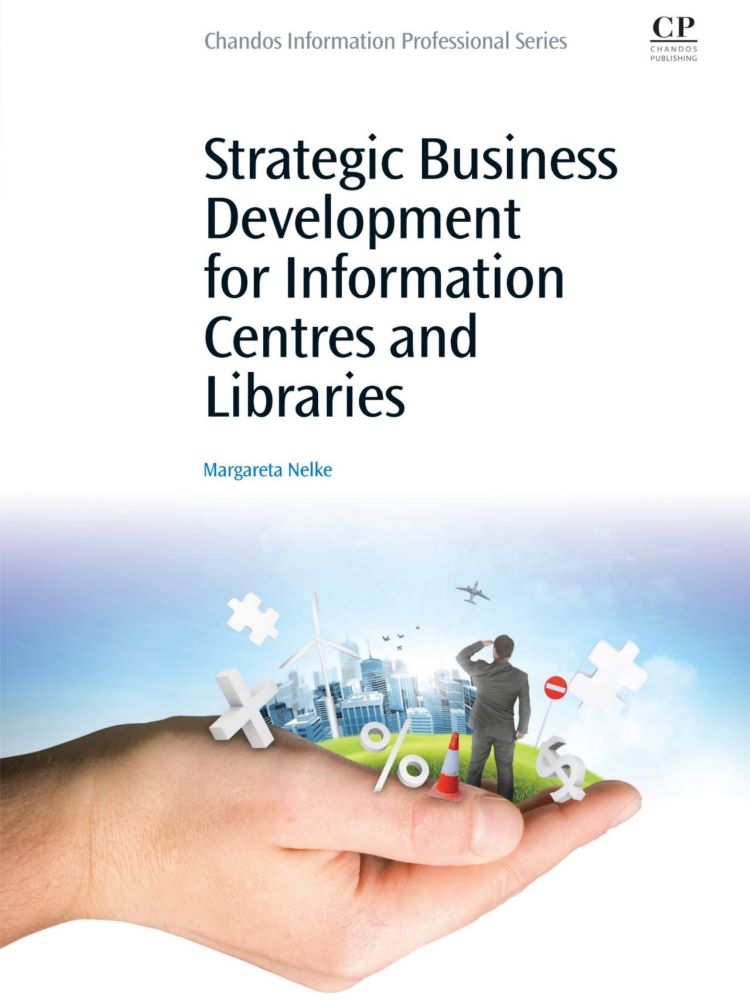
    The book, Strategic Business Development for Information Centres and Libraries, was authored by Margareta Nelke. The book comprises 172 pages (ISBN: ISBN: 978–1–84334–661–6) written in English and published by Candos Publishing in the United Kingdom in 2012.

    The book provides a nine (9) chapter summarization of the place of strategic business development in libraries and information centres. As identified by author, Margareta Nelke, she argues that, business development is essential for all business; not least the library and information service (LIS) sector. To work with strategic business development is particularly essential to ensure a viable future business that provides benefits to customers and stakeholders.

    Chapter 1 of this book examines the necessary business development and planning. In this chapter, the author explains that, strategic business development and planning are the focus of this book. This chapter provides insights regarding what library and information managers should know concerning business development. In so doing, the author states that strategic business development is characterised by its long-term perspective and its focus on the direction of the business rather than by concrete action plans. According to Margareta, the purpose of strategic business development is to ensure that the business delivers value and benefits for the parent organisation. The book describes the process of developing the business and the business plan, and the important work that should precede the formulation of the strategic business plan.

    Chapter 2 of this book focuses on leadership and change management. The author believes that, equipping organisations for change is one of the most important motives for strategic business development. Adding that, leaders and team members have responsibility to participate in the development process and to promote the business to the key stakeholders and to the users. The author in this chapter submits that, manager’s main responsibility is to make sure that the aim of the business and the way it is fulfilled contribute to the parent organisation’s mission and goals. Networking and building alliances as well as promoting the business and making it visible are also important responsibilities. According to Margarata, the team members have, besides their ordinary duties, important responsibilities to collaborate in business development, to make sure that their own professional development is proceeding and to contribute to promotion of the business. To involve staff in development and planning is a key factor to success; however, the timing for the involvement should be carefully chosen and it is particularly important in times of budget restrictions and other major changes to have an involved and engaged staff.

    Chapter 3 is on competitive intelligence. The author conceptualizes that, competitive intelligence is the continuous and systematic monitoring and analysing of what is happening in our business environment and how it influences and impacts business. From the book, it is an essential activity, not least for strategic and long-term business development. In view of the author’s disposition, competitive intelligence is best done as teamwork to ensure that different views and perspectives are included. According to Margarata, the work can be organised as a process following the intelligence cycle PCMAC – plan and prioritise, capture, manage, analyse and communicate. The first phase – plan and prioritise – is of crucial importance for the success of the activity as a whole. In this phase, we answer the questions why we do it, which business processes and decisions the intelligence is to support, for whom we do it, and which key intelligence topics and questions we should monitor and analyse.

    In Chapter 4, which focuses on business concepts and information strategies, the author thinks that there is a need for strategic planning and professional management of such an important and valuable asset as information. This is because corporations and organisations lose large sums annually due to deficits in information management. Furthermore, the author upholds that, the strategic business development and planning entail the formulation of the business concept, setting down the information strategies and the long-term goals, and the formulation of strategies for implementation, evaluation and follow-up. Also, the author is of the opinion that, business concept is an important part, which consists of the formulation of vision, goals and the commission, to identify the stakeholders, to investigate and map the needs, to formulate a value proposition to confirm which benefits and value the LIS function delivers to the parent organisation, to analyse the consequences and risks, and to prioritise among the alternatives.

    Chapter 5 of this book which is entitled, the business plan, concludes that strategic business plan is the visible outcome of strategic business development. This chapter states that, even if there is a standardised form to be used for the plan, it is important to see it as a tool for business development and not just a form to be filled in. The author sees business plan is also a good tool for promoting the business and making it visible. The important elements of the business plan are listed in the book as identified by the author. While examining this chapter, the author states that there is an annual process for drawing up the business plan and an example of this process is described, starting with formulating the business concept and ending with the presentation and discussion of the plan with the key stakeholders.

    Going further, Chapter 6 explores the strategic goals, measurement and evaluation for business. In so doing, the author states that the goals should be SMART (specific, measurable, achievable, realistic and time-related). Adding that, the goals set must be measured and evaluated by appropriate qualitative or quantitative measurement methods. The author emphasizes that, when doing this we must look out for pitfalls such as measuring only what is easy to measure or being obsessed by statistics and quantitative metrics. In this chapter, it was noted that, continuity is necessary for measurements and evaluation as we want to catch changes in performance from one year to another.

    Also, Chapter 7 discusses the implementation of strategic decisions. From the book, the author reveals that the implementation of strategic decisions resulting in major changes must be prepared carefully to be successful. For example, changes in the service offerings could be questioned by users and other key stakeholders; therefore, the author submits that it is important that the senior management understands and agrees with the forces behind the change. The author adds that, it is also important to communicate the changes in a good way and to ensure that the timing of the implementation is as optimal as possible. The author also describes how changes derived from the business development process and how they were implemented.

    Furthermore, in Chapter 8 which is entitled, tools, the author describes some methods which can be used in many contexts, for example in competitive intelligence, for the prioritisation of services, for general business development and for evaluation. The author in this chapter submits that when working with business development and planning there are some tools which can be useful in the process. These tools can also be used in other contexts. Tools for brainstorming, analysis and visualizing are described in detail with the purpose to be of help when organising such activities as identified by the author. However, the author suggests the use of PESTLE-M (Political, economic, social, technological, legal, environmental and media), SWOT (Strength, Weakness, Opportunity and Threat), spider diagram and benchmarking as tools for evaluating business information.

    Finally, Chapter 9 discusses the changes and challenges. As impressed by the author, it is believed that, rapid changes occur in the information business and these changes have an impact on the LIS functions. The author argues that, some of the changes we can influence and on other changes we have no influence whatsoever, but we must relate to them in one way or another. As noted by the author, the World Wide Web and the shift to electronic media with the subsequent fast development of new devices and solutions for producing, searching, accessing and delivering information are part of the major changes seen in recent decades. Other changes are commercialisation of metadata, the growing importance of copyright issues for electronic information, the changing role of the information professional, the needs for new competence and increased demand for cooperation and collaboration with stakeholders and colleagues, both within and outside the organization, hence the LIS business continues to strive to be an embedded part of the parent organisation’s business processes. However, the author submits that the challenges of today and for the future are to manage both physical and electronic information resources at the same time, to deliver nicely packaged and compiled information to different platforms, to interact with users and clients, to be an embedded part of the parent organisation’s business processes, to demonstrate visible benefits and value, and to meet increased competition and general economic restrictions.

    Throughout this book, Margareta Nelke takes an important step to support the improvement of the strategy work focusing primarily on the LIS sector. The book is excellent for both people who are familiar with working with strategic planning and for the ones not familiar with this. For the accustomed person, the book gives new perspectives, new ideas and a very good systematic review of the field. The unaccustomed person gets comprehensive theories, tips and tools on how the strategy work can be accomplished. The book combines theory with examples from practice, which give a deeper and better understanding of the importance of strategic planning. One section contains a number of tools that create a good basis for the strategic business development. Two important aspects from the book are, on the one hand, the significance of monitoring and analysing the outside world and, on the other hand, to involve all employees in the strategy work.

    Summarily, the author submits that, there is need to have a clear picture of the aims of our business, where we are heading and what we must do to achieve our goals. The technology in the world around us is constantly changing, which in turn alters the media we manage as well as the behaviour and expectations of customers. This of course affects the basic conditions for the business, not least in the LIS field.

  • Feeding Africa: How Satellite Data and EO Technology Combat Food Insecurity

    Feeding Africa: How Satellite Data and EO Technology Combat Food Insecurity

    On July 11, 2024, Space in Africa hosted an insightful episode of its webinar series, “Feeding Africa – Satellite Data for Food Insecurity in Africa.” This event shed light on the pressing issue of food security in Africa and how cutting-edge space technology is being employed to address this challenge. The webinar featured a panel of experts, including Laure Boudinaud from the World Food Programme (WFP), Edward Boamah from Digital Earth Africa, and Stephen Korir from Amini, moderated by Mustapha Iderawumi from Space in Africa. This post aims to elaborate on the key concepts discussed during the webinar and their implications for food security in Africa.

    The Challenge of Food Insecurity in Africa

    Africa’s food security challenges are multifaceted, involving climatic, socio-economic, and technological factors. Many African countries have a significant proportion of their populations living in rural areas, primarily engaged in agriculture. However, the food produced often barely meets the needs of these communities, making them highly vulnerable to climate risks and other disruptions.

    Role of Earth Observation (EO) Technology

    Edward Boamah highlighted the transformative potential of Earth Observation (EO) technology in addressing food insecurity. EO technology provides real-time data on weather patterns, crop health, and land use, offering a comprehensive understanding of the agricultural landscape. This data is crucial for developing early warning systems for natural disasters, supporting precision agriculture, and enhancing market access monitoring. For instance, Digital Earth Africa provides services like the NDVI anomaly, crop masks, and fractional cover data, which are essential for monitoring vegetation and climate conditions.

    Laura Boudinaud shared her experiences with the WFP, particularly in using satellite imagery to monitor hard-to-reach areas in conflict zones. A notable project in Mali utilized Sentinel-2 satellite imagery to observe the impacts of insecurity and violence on farming activities. This approach allowed for more precise targeting and organization of emergency response efforts, significantly improving the efficiency and effectiveness of humanitarian interventions.

    Innovative Approaches and Technologies

    Stephen Korir discussed the critical impact of remote sensing and EO data on improving food security. Traditional methods of assessing food availability often rely on observational techniques and statistics. However, remote sensing and EO data enable the creation of machine learning models for crop type detection and yield prediction. This technology allows for accurate estimations of crop production, helping to manage food distribution and ensure food security.

    Korir also highlighted the role of precision farming, which optimizes resource use for better yields. Precision farming involves soil analysis, monitoring crop health, and using technologies like GPS trackers and remote sensing to create productivity maps. These maps reveal spatial variability in nutrient levels, enabling targeted interventions such as fertilization and pesticide application.

    The Impact of Climate Change

    Climate change poses a significant threat to agriculture in Africa. Edward Boamah emphasized the importance of utilizing EO technology to understand and mitigate the effects of climate change on food security. By integrating EO data with climate information, stakeholders can make informed decisions to promote sustainable agricultural practices and enhance resilience to climate variability.

    A specific example from Kenya involved using EO datasets in a mobile app that helps farmers monitor climate conditions. This app provides early warnings about potential floods, droughts, and other extreme weather conditions, allowing farmers to adjust planting schedules and implement water management strategies.

    Geo-targeting for Better Humanitarian Responses

    Geo-targeting, as explained by Laura Boudinaud, involves using geographical data to assess and address food insecurity more precisely. This approach is invaluable for informing humanitarian responses and estimating the number of people needing assistance. For example, in Mali, Sentinel-2 imagery detected significant cropland abandonment in certain localities, allowing the WFP to plan and implement responses ahead of the lean season.

    Future Prospects

    The future of addressing food insecurity in Africa lies in leveraging advanced technologies such as generative AI and foundation models. These models can learn underlying patterns from large EO datasets and require less data for tasks like crop type mapping, making them more efficient. Additionally, innovations in extension services can bridge the gap between farmers and the information they need, ensuring that EO data and other relevant insights reach them in an understandable and actionable form.

    Conclusion

    The webinar “Feeding Africa: Satellite Data for Food Insecurity in Africa” highlighted the immense potential of satellite data and EO technology in tackling one of Africa’s most pressing issues—food security. By providing real-time data, supporting precision agriculture, and enabling better-targeted humanitarian responses, these technologies can significantly enhance food security across the continent. As Africa continues to face the challenges posed by climate change and socio-economic factors, the integration of advanced technologies and innovative approaches will be crucial in ensuring sustainable agricultural practices and resilient food systems.

  • Sudan’s Humanitarian Crisis 2024: How You Can Help Amid Escalating Conflict and Displacement

    Sudan’s Humanitarian Crisis 2024: How You Can Help Amid Escalating Conflict and Displacement

    Sudan tops the IRC’s 2024 Watchlist, a list of countries most likely to experience a deteriorating humanitarian crisis. The escalating conflict, mass displacement, economic collapse, and healthcare crisis have plunged Sudan into a dire situation. Here’s a detailed overview of the crisis and how you can help.

    At a Glance

    • Over 10 million people internally displaced since April 2023 (of 12 million total IDPs).
    • Over 2 million refugees have fled to neighboring countries since April 2023.
    • Over half of the population (25 million people) are in need of humanitarian aid.
    • 222,000 children could die of malnutrition in the coming months, according to the U.N.

    The Conflict

    The power struggle between the Sudanese Armed Forces (SAF) and the Rapid Support Forces (RSF) erupted into a large-scale conflict in April 2023. Conservative estimates say the conflict has killed at least 15,500 people, while some estimates are as high as 150,000.

    Before the conflict, Sudan was already experiencing a severe humanitarian crisis. Long-term political instability and economic pressures meant that 15.8 million people were in need of humanitarian aid. The conflict has only exacerbated these conditions, leaving almost 25 million people — more than half of Sudan’s population — in need.

    The brutal conflict has forced millions of people to flee their homes, pushing the number of displaced people to around 12 million by June 2024. The vast majority—over 10 million people—remain within Sudan, representing the largest displacement crisis in the world. Amidst mass displacement and reports of mass killings, humanitarian access has been severely curtailed, making it extremely hard for aid to reach vulnerable communities.

    Humanitarian Needs

    • Displacement: The conflict has displaced over 10 million people within Sudan, making it the largest displacement crisis globally. More than 2 million people have fled to neighboring countries.
    • Health Crisis: More than 70% of health facilities in conflict-affected regions are inoperable or closed. Disease outbreaks, including measles and cholera, are rampant, with the number of suspected cholera cases surpassing 11,000 as of May 2024.
    • Economic Collapse: Nearly half of Sudan’s population is unemployed. The Sudanese pound has lost at least 50% of its value, and the looting of businesses and humanitarian aid warehouses has further contributed to food shortages.
    • Food Insecurity: 18 million people are experiencing severe levels of acute food insecurity, with 5 million at risk of catastrophic hunger. High rates of malnutrition, a debilitated health system, and low levels of immunization exacerbate the crisis.

    How to Help

    • Donate to the IRC: The International Rescue Committee (IRC) is on the ground, providing vital support through economic empowerment services, health and nutrition programs, water, sanitation, and hygiene (WASH) services, and protection and empowerment services for women and children. Donations can help scale these efforts.
    • Advocate for Humanitarian Access: Advocate for international diplomatic efforts to ensure humanitarian access and protect civilians.
    • Support Refugees: Donate to organizations that are supporting Sudanese refugees in neighboring countries. The IRC, for example, is providing drinking water, running mobile health clinics, and offering protection services in countries like Chad, Uganda, Ethiopia, and South Sudan.
    • Spread Awareness: Share information about the crisis on social media and within your community to raise awareness and support for humanitarian efforts.

    Real Stories

    • Altuma’s Struggle: Conflict forced Altuma, 46, and her nine children to flee their home in Khartoum. Now in Gedaref, they face the challenge of living in temporary housing with limited protection from weather conditions.
    • Fairuz’s Journey: Fairuz Faiz Deng, 60, arrived in Renk, South Sudan, in May 2023 with her brother, his family, and her grandchildren. The conflict has driven families like hers across borders to transit centers.
    • Almas’s Fight for Survival: Almas, 28, a mother displaced from the conflict in Khartoum, holds her son Hermon while receiving vital support from an IRC nutrition specialist in Gedaref.
    • Zakia’s Work: Zakia Yaqoup, a 43-year-old midwife, works with the IRC to offer prenatal care and delivery support to displaced women in Gedaref.

    Conclusion

    The situation in Sudan is a humanitarian catastrophe, but there are ways to help. By donating to the IRC and other humanitarian organizations, advocating for humanitarian access, and spreading awareness, you can make a difference in the lives of millions of Sudanese people. Now more than ever, Sudan needs global support to navigate this crisis and build a path toward recovery.

  • Strengthening Africa’s Climate Resilience: The Urgent Need for Advanced Early Warning Systems and Parametric Insurance

    Strengthening Africa’s Climate Resilience: The Urgent Need for Advanced Early Warning Systems and Parametric Insurance

    Climate change poses significant risks to vulnerable populations and economies across Africa. The continent, home to over 1.2 billion people, faces a dire need for reliable and accurate weather monitoring systems and innovative financing mechanisms. The World Meteorological Organization (WMO) reports that around 60% of Africa’s population remains unprotected by early warning systems. The lack of a robust weather observation network exacerbates the risks posed by extreme weather events, making the continent the world’s most underdeveloped in this regard.

    Early Warning Systems: A Critical Component

    Early warning systems provide essential data for identifying weather patterns, developing risk models, and informing risk mitigation and post-disaster response strategies. However, many African countries either lack these systems or have outdated and poorly maintained technologies. The continent has only 37 radar stations, many of which fail to provide accurate weather forecasts. This shortfall in reliable data has severe consequences for both lives and economies.

    Investment in these systems is prioritized in many National Adaptation Programmes of Action and National Adaptation Plans. Yet, significant gaps remain. A 2023 paper titled “How to Reduce Africa’s Undue Exposure to Climate Risks” by risk experts and climatologists from the UK and Africa highlighted the urgent need for substantial upgrades to hydromet infrastructure to prevent a ballooning loss of life.

    The Impact of Inadequate Systems

    Africa experiences a disproportionate impact from extreme weather events. Floods and droughts have resulted in high mortality rates and severe economic damage. For example, the average number of deaths from flooding in Africa over the last two decades is four times higher than in Europe or North America. Despite experiencing only half of the globally reported droughts, Africa saw the highest number of drought-related deaths during that period.

    Recent events underscore the critical need for better early warning systems. In September 2023, Libya experienced catastrophic flooding that claimed over 4,300 lives, largely due to the absence of effective early warning systems and evacuation planning. Similarly, Kenya and Tanzania have faced deadly floods and landslides, with significant loss of life and displacement of hundreds of thousands of people.

    Conversely, the Eastern and Southern Africa regions are grappling with severe droughts, devastating crops, and threatening food security. The El Niño weather phenomenon has exacerbated these conditions, leading to what the United Nations (UN) describes as the worst food insecurity in a decade for countries like Malawi. The UN’s Global Report on Food Crises highlighted that the worst impacts of El Niño on food security are yet to come, with severe flooding and droughts expected to persist throughout the year.

    Parametric Insurance: A Financial Safety Net

    Early warning systems and parametric insurance are complementary tools for disaster risk management. While early warning systems provide crucial data, parametric insurance offers financial protection based on predefined triggers, such as specific weather events. This type of insurance ensures timely payouts to cover losses that are difficult to model, providing a financial bridge to support recovery efforts.

    The African Risk Capacity (ARC) uses a satellite-based system called Africa RiskView to monitor weather patterns and trigger insurance payouts when specific thresholds are met. This system helps translate predictive weather models into actionable programs that support farmers and disaster response activities. Recognizing the need for financial support to enhance these systems, the US Government has partnered with ARC Ltd. in a three-year, $11.7 million project to increase access to parametric insurance and bolster food security across Africa.

    Key Components of the US-ARC Ltd. Partnership

    The partnership focuses on customizing risk models for each country and integrating parametric insurance into national policy frameworks. ARC Ltd. will collaborate with governments to ensure effective use of parametric insurance and develop contingency plans. Innovative, localized insurance products will be created to meet the specific needs of individual countries.

    Enhancing risk modeling, data collection, and analysis is a core component of the partnership. Joint monitoring of agricultural seasons will help identify high-risk areas and calculate insurance payouts based on estimated impacts. End-of-season reports and post-disaster monitoring will ensure that payouts are used effectively according to pre-agreed plans.

    The ARC Ltd. will also refine the Africa RiskView software and risk indicators, filling gaps in current models and verifying results through additional datasets and in-country assessments. Engagement with the African Union and regional economic communities will drive the adoption of parametric insurance across the continent.

    A Path Forward

    The collaboration between the US Government and ARC Ltd. marks a significant step towards building climate resilience in Africa. By enhancing early warning systems and expanding access to parametric insurance, this partnership aims to safeguard the future of African communities against the increasing threats posed by climate change. Given that only $0.47 of every $100 spent on global development aid is directed towards disaster risk reduction, innovative and collaborative efforts such as this are crucial for protecting the continent’s most vulnerable populations.

  • CropSustaiN Initiative: Reducing Agriculture’s Nitrogen Footprint with Biological Nitrification Inhibition

    CropSustaiN Initiative: Reducing Agriculture’s Nitrogen Footprint with Biological Nitrification Inhibition

    The International Maize and Wheat Improvement Center (CIMMYT) has launched an ambitious research initiative called CropSustaiN, aimed at reducing the nitrogen footprint of agriculture and mitigating climate change impacts through innovative, nature-based solutions. The initiative focuses on developing breakthrough wheat varieties utilizing a natural process known as Biological Nitrification Inhibition (BNI).

    Understanding Biological Nitrification Inhibition (BNI)

    Biological Nitrification Inhibition (BNI) is a process where plants naturally suppress soil nitrification by releasing specific compounds. Nitrification is the microbial conversion of ammonia into nitrate, which can lead to nitrogen leaching and greenhouse gas emissions. BNI leverages the plant’s innate ability to inhibit this process, thus reducing the need for synthetic nitrogen fertilizers. This method contrasts with synthetic nitrification inhibitors, offering a potentially more scalable and cost-effective solution.

    Objectives of CropSustaiN

    CropSustaiN aims to develop wheat varieties that can significantly reduce agriculture’s environmental footprint without compromising yield or soil health. By incorporating genes from wild crop relatives known for better nitrogen use efficiency, such as wild rye, these new varieties are designed to use nitrogen more effectively and suppress nitrification naturally.

    Potential Impact on Global Agriculture

    BNI represents a genetic mitigation strategy that could revolutionize nitrogen management in agriculture. By decreasing the reliance on synthetic fertilizers, BNI could help curb greenhouse gas emissions and water pollution, providing substantial environmental benefits. This approach could potentially reduce nitrogen fertilizer usage by up to 20%, depending on regional farming conditions, making it particularly impactful for the Global South.

    Financial and Research Support

    The CropSustaiN initiative has received a significant boost with a $21.1 million grant from the Novo Nordisk Foundation. This funding will support the development and scaling of BNI-enabled wheat varieties, extending the initiative’s potential benefits to other staple crops like maize and rice. The foundation emphasizes an inclusive approach, ensuring that these innovative seeds are accessible to all farmers without exclusive patent rights.

    Historical and Collaborative Foundation

    CropSustaiN builds on research initiated in 2015 by CIMMYT in collaboration with the Japan International Research Center for Agricultural Sciences (JIRCAS). The joint research has already produced BNI wheat lines tested over three farming seasons, showing promising results. The Novo Nordisk Foundation has also funded related BNI research at institutions like ICRISAT, Aarhus University, the University of Aberdeen, and the University of Copenhagen, fostering a robust ecosystem for innovation.

    Future Directions and Goals

    The agenda for CropSustaiN includes validating the efficacy of BNI across diverse climates and integrating this technology into mainstream agricultural practices. Although the initiative carries risks, its potential rewards are significant. Successful implementation could lead to widespread adoption of BNI, offering valuable insights into sustainable nitrogen management and potentially transforming agricultural practices globally. By leveraging genetic strategies embedded in plant seeds, CropSustaiN aims to benefit both the planet and farmers’ livelihoods, heralding a new era in sustainable agriculture.

  • Boosting Soil Fertility and Crop Yields in Malawi: Innovative Deep Bed Farming and Intercropping Techniques

    Boosting Soil Fertility and Crop Yields in Malawi: Innovative Deep Bed Farming and Intercropping Techniques

    The research conducted by Alan Dixon, Professor of Sustainable Development, University of Worcester examine that Malawi is facing significant agricultural challenges due to increasingly unpredictable rainfall and higher-than-average temperatures. These climatic changes exacerbate soil erosion, leading to decreased soil fertility and water availability, which in turn causes frequent crop failures. This is a critical issue for smallholder farmers, who constitute about 80% of the population and rely heavily on farming, primarily maize, for their livelihood. These farmers often cannot afford chemical fertilizers, which are essential for maintaining soil fertility and crop yields.

    Research Overview

    To address these challenges, the team of soil fertility and sustainable development specialists, in collaboration with sustainable agriculture and environmental researcher Augustine Talababie Phiri, conducted an experiment to improve soil fertility using natural methods. The goal was to discover how different combinations of plants could enhance soil fertility without the need for expensive fertilizers.

    The author conducted trials on farms in northern Malawi, specifically in Msongwe near Mzuzu, over a two-year period. The trials involved testing various combinations of crops grown together and measuring the resulting changes in soil fertility.

    Key Findings

    Traditional Farming vs. Innovative Techniques

    Traditional farming in Malawi typically involves tilling the soil annually and planting a single crop on narrow ridges. These ridges, however, are highly susceptible to soil erosion, which degrades soil quality and reduces crop yields.

    Deep Bed Farming and Intercropping

    The author explored the benefits of combining two innovative techniques: intercropping and deep bed farming.

    • Intercropping: This method involves growing two or more crops side by side. For our experiment, we intercropped maize with legumes such as cowpea and pigeon pea. Legumes have the ability to fix nitrogen from the atmosphere, converting it into forms (like ammonium and nitrate) that plants can use as natural fertilizers.
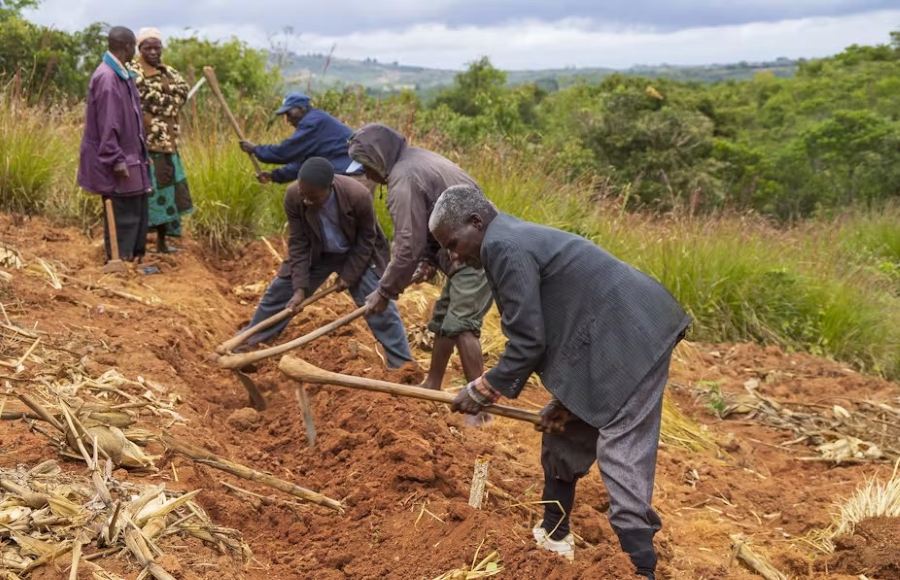
    • Deep Bed Farming: This technique, developed in Malawi, involves breaking up the compacted soil layer (hardpan) near the surface, which hinders root growth. By using a pickaxe to dig through this layer, farmers create deeper beds that allow roots to grow more freely. Additionally, seedlings are planted on soil piles 30cm higher than the ground level, with ditches dug beside these beds to catch and retain rainwater, ensuring the soil remains moist for extended periods.

    Results

    The research demonstrated several significant benefits of combining intercropping with deep bed farming:

    1. Enhanced Soil Fertility
      • The nitrogen-fixing ability of legumes enriched the soil more effectively than traditional chemical fertilizers.
      • Deep bed farming further improved soil fertility by preventing erosion and maintaining soil structure, leading to sustained fertility over the two growing seasons.
    2. Increased Crop Yields
      • Intercropping with legumes resulted in higher maize yields compared to fields planted with maize alone.
      • The combination of intercropping and deep bed farming produced even better results, with significantly higher yields across both growing seasons.
    3. Cost-Effective and Sustainable Farming
      • This method reduces farmers’ reliance on expensive chemical fertilizers, making farming more sustainable and economically viable.
      • Higher crop yields mean farmers can produce more food on the same amount of land, improving food security and nutrition.
    4. Environmental Benefits
      • Deep bed farming reduces soil erosion and compaction, improving the soil’s ability to retain water, which is crucial in drought-prone areas like Malawi.
      • The natural nitrogen-fixing process of legumes reduces the environmental impact of farming by minimizing the need for synthetic fertilizers.

    Conclusion

    The combination of deep bed farming and legume intercropping offers a promising solution to the agricultural challenges posed by climate change. By improving soil fertility, increasing crop yields, and reducing reliance on chemical fertilizers, this method enhances the resilience and productivity of farming systems. As climate change continues to affect agriculture globally, innovative approaches like this will be essential in developing sustainable and robust agricultural practices.

  • TELA Maize Varieties Launched in Nigeria: Boosting Food Security and Sustainable Agriculture

    TELA Maize Varieties Launched in Nigeria: Boosting Food Security and Sustainable Agriculture

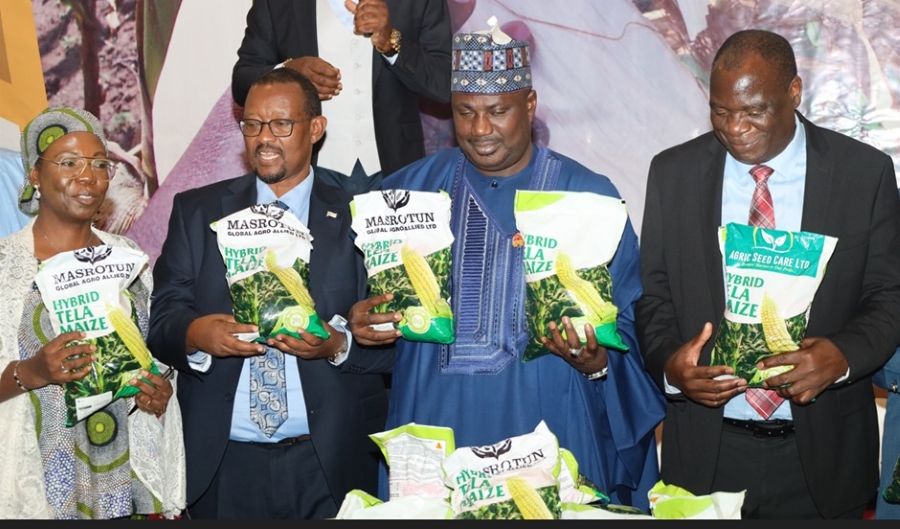
    Nigeria has achieved a noteworthy milestone by introducing four new TELA maize varieties: SAMMAZ 72T, SAMMAZ 73T, SAMMAZ 74T, and SAMMAZ 75T, developed by the Institute for Agricultural Research (IAR) at Ahmadu Bello University in collaboration with the African Agricultural Technology Foundation (AATF). These varieties were publicly launched in Abuja with the aim of addressing key agricultural challenges such as drought and pests, thereby enhancing farmers’ productivity.

    During the launch, Sen. Aliyu Abdullahi, the Minister of State for Agriculture and Food Security, emphasized that these maize varieties align with President Bola Tinubu’s ‘Renewed Hope’ agenda. He assured the public of their safety for both food and feed, underlining rigorous oversight by the National Biosafety Management Agency (NBMA), Federal Ministry of Health, and National Agricultural Seed Council to ensure their safe adoption and application.

    Ado Adamu Yusuf, the Executive Director of IAR, highlighted the extensive development journey of over five years that led to the creation of the SAMMAZ-T series. These hybrids provide comprehensive protection against drought, fall armyworm, and stemborers, offering significant yield advantages while reducing reliance on chemical pesticides, thereby promoting environmental sustainability and cost-effectiveness for farmers.

    The SAMMAZ-75T TELA Maize, coordinated by the Federal Ministry of Agriculture and Food Security, is set to be distributed to farmers across Nigeria, aiming to combat food insecurity and malnutrition. This initiative marks a substantial advancement in agricultural productivity, with potential yields of up to 10 tons per hectare compared to the current average of 3 tons per hectare.

    Aggrey Ambali, Chairman of the board of trustees of AATF, hailed the launch as a pivotal moment for Nigerian agriculture and the broader African continent. He emphasized the transformative potential of biotechnology in agriculture, particularly in bolstering resilience against climate change and pest-related challenges. Ambali called for regional collaboration to embrace innovative technologies that can ensure stable food supplies, strengthen economies, and improve livelihoods across Africa.

    Canisius Kanangire, Executive Director of AATF, underscored the economic and environmental benefits of TELA maize varieties, predicting increased food and income security for Nigerian farmers. By reducing pesticide use and enhancing crop resilience, these varieties promise a more sustainable and profitable farming future.

    In summary, Nigeria’s introduction of TELA maize varieties represents a significant stride toward achieving food security, economic growth, and sustainable agriculture across the continent. The initiative underscores Nigeria’s commitment to embracing cutting-edge agricultural technologies that promise to revolutionize farming practices and improve livelihoods.

  • Enhancing Gender Equality in Cybersecurity: The Crucial Role of Private Sector Technologies

    Enhancing Gender Equality in Cybersecurity: The Crucial Role of Private Sector Technologies

    Technologies developed by the private sector play a pivotal role in creating, enabling, and mitigating gendered cyber harms. These technologies often embed gendered structures, ideals, and assumptions, which are then disseminated and reinforced as the technologies are widely adopted, even if unintentionally. While states and public sector actors have a duty to promote governance that elevates human security to the same level as national or international security, private sector actors, as the designers, developers, and deployers of technology, also bear significant responsibilities. They must consider the gendered impacts of their work and strive to advance gender equality.

    Private Sector Technologies and Gendered Cyber Harms

    Private sector technologies can both endanger and advance gender-transformative cybersecurity. Gender-transformative cybersecurity aims to challenge harmful gender norms, roles, and realities while addressing the wide range of gendered harms experienced in cyberspace. The private sector’s role is crucial in ensuring that technologies do not lead to or exacerbate gendered cyber harms.

    The Experiences of Queer Social Media Platform Users

    The paper includes case studies highlighting real-world effects of gendered cyber harms. For instance, queer social media users in Africa often face cyber threats that are exacerbated by the design and deployment of certain technologies. These threats include online harassment, doxing, and other forms of cyber violence that disproportionately affect marginalized gender and sexual identities.

    The ‘Weaponization’ of Geolocation Data

    The commercialization and ‘weaponization’ of sensitive data, such as geolocation information, is another significant issue. In regions like the US and the Middle East and North Africa, sensitive data can be exploited to harm individuals, particularly women and LGBTQ+ communities. This misuse underscores the importance of private sector vigilance in data protection and privacy.

    Private Sector–State Interaction in Response to Gendered Cyber Harms

    Private sector technologies can also be leveraged to improve cybersecurity and combat gender-based violence. For instance, in South Korea and India, certain technological advancements have been made to protect women from cyber harassment and to support victims of gender-based violence. These technologies highlight the potential positive impact of private sector involvement in cybersecurity.

    Recommendations

    The paper concludes with a set of recommendations for private sector stakeholders aiming to design and deploy secure and gender-transformative technologies:

    1. Critically Evaluating Data Sharing: Private sector actors should adopt a human rights and gender perspective when evaluating data sharing and cooperation with state entities to map potential harms.
    2. Assessing User Privacy Settings: The efficacy of user privacy and data sharing settings for all technologies should be assessed, ensuring these options are accessible and easy to change.
    3. Mapping Technological Relationships: Companies should map their technological relationships with commercial partners and identify potential risks associated with these partnerships.
    4. Implementing Technical Features: Additional technical features and mitigations should be implemented to enable users to reduce risks.
    5. Incorporating User Feedback: User experiences and feedback should be incorporated into technology design, redesign, and readaptation processes.
    6. Building Gender Expertise: Companies should build independent internal gender expertise and connect to international networks that promote best practices in gender-transformative cybersecurity.

    Conclusion

    The private sector has a crucial role to play in advancing gender-transformative cybersecurity. As developers, designers, and deployers of technology, they bear significant responsibility for ensuring that their technologies do not lead to or exacerbate gendered cyber harms. Given these important responsibilities, private sector actors should commit to recognizing and addressing such harms and advancing a stable, secure cyberspace for all.