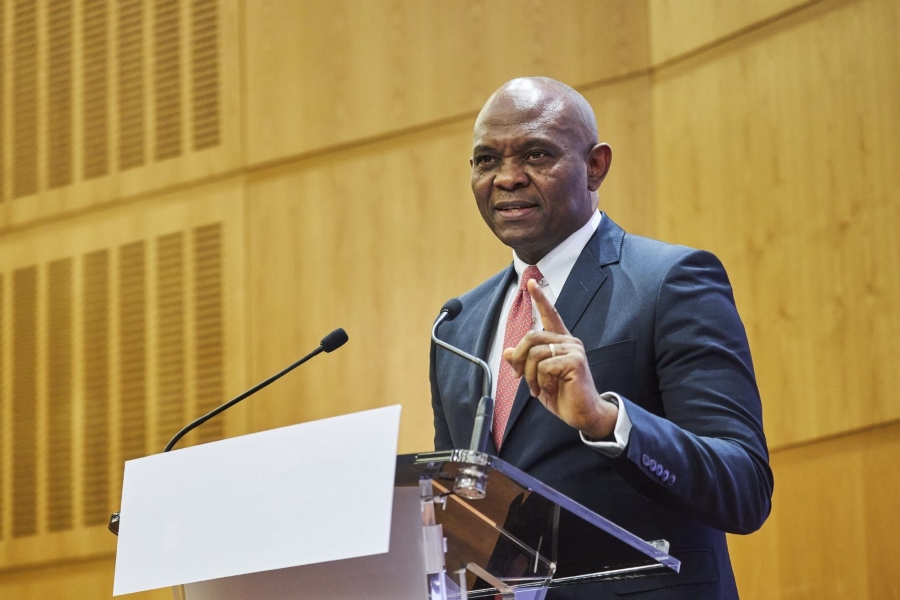
Tony Elumelu, Chairman of the United Bank for Africa (UBA), highlighted the significant challenges facing Africa’s healthcare systems, citing limited budgets and inadequate infrastructure. Speaking at the Abu Dhabi Global Healthcare Week in the UAE, invited by his friend Badr Jafar, Elumelu underscored the global implications of Africa’s healthcare issues.
Elumelu pointed out that climate change exacerbates healthcare challenges, noting that 40% of healthcare facilities in Africa lack a reliable power supply. He emphasized the interconnectedness of global health, using the rapid spread of COVID-19 from China as an example, to illustrate how poor health outcomes in one region can affect the entire world. He urged global stakeholders to prioritize health equity, stressing that improving healthcare in the world’s poorest regions is essential for global health security.
Solutions for Global Health Equity
Elumelu called for collaborative efforts from the private sector, public institutions, and the development community to allocate appropriate capital and invest in health research and technology. He shared that the Tony Elumelu Foundation (TEF) has supported 700 healthcare entrepreneurs, with a nearly equal gender distribution, demonstrating the potential for entrepreneurial initiatives to enhance healthcare delivery in Africa.
He further stressed the importance of reforming the current patent system to balance incentivizing innovation and ensuring accessibility. He advocated for incentives to encourage big pharmaceutical companies to engage in research and development (R&D) for diseases prevalent in lower-income countries and to establish manufacturing facilities in developing regions. This approach, according to Elumelu, would leverage the global trade system to foster global health equity.
Energy Deficiency and Healthcare Delivery
Addressing Africa’s energy deficiency, Elumelu called on the global renewable energy sector to help bridge this gap. Reliable energy is critical for effective healthcare delivery, and innovation in both thermal and hydro energy sectors could significantly improve health outcomes in Africa.
Climate Change and Healthcare Delivery
Elumelu highlighted the compounded impact of climate change on healthcare, advocating for a multifaceted approach involving private sector innovation, funding from foundations and financial institutions, supportive health policies, and cross-sector collaboration. He believes that such an integrated strategy can drive humanity forward and improve health outcomes globally.
Conclusion
Tony Elumelu’s remarks at the Abu Dhabi Global Healthcare Week underline the urgent need for a collective global effort to address healthcare challenges in Africa. By fostering innovation, reforming systems, and investing in sustainable energy solutions, he argues that the world can achieve better health outcomes for all, illustrating the profound interconnectedness of global health.
Africa is home to some of the most abundant and important wildlife populations on the planet, boasting a significant portion of the planet’s tropical biodiversity. However, the increased scarcity of natural resources as a consequence of climate change, and the urbanisation due to a growing human population both contribute to the progressive encroachment of wildlife into human-inhabited zones. Consequently, the persisting problem of human-wildlife conflicts poses a substantial threat to wildlife conservation efforts. The strained relationship between Indigenous people and local communities and wildlife, coupled with conflicts involving conservation organizations, has resulted in alarming levels of biodiversity loss in African ecosystems. Despite existing research and mitigation policies, governmental wildlife conservation institutions in Africa have a limited understanding of the causes (which are also changing and dynamic), and consequences of wildlife conflicts as well as what the most effective solutions could be.
The proposed Research Network is designed to address this pressing issue by establishing a prominent scientific research and knowledge platform comprising all stakeholders involved in wildlife conflicts in Africa. This inclusive network encompasses academia, government bodies, non-governmental organizations, private sector organisations, and community groups. In this way, the Network aims to enhance access to research findings on human-wildlife conflicts, increase the visibility of African researchers involved in this field, and empower them to advocate for human-wildlife conflict policies at local and continental level. One of the primary objectives of our Research Network is to create a centralized online repository that consolidates information on human-wildlife conflict issues in Africa. In addition, an online communication platform will be established to facilitate the timely exchange of information among stakeholders. Moreover, the network is set to provide a dedicated forum for experts and stakeholders to engage in focused discussions regarding human-wildlife conflicts. In this way, the Research Network aims to bridge the gap between academic research and wildlife management efforts in Africa, thereby fostering better coexistence between humans and wildlife.
About the HWCRN
The HWCRN is led by a team of African scholars from top-tier research universities in the United States (Oregon State University, Pennsylvania State University and the University of Vermont) and East Africa (Makerere University in Uganda, Moi University in Kenya, and Sokoine University of Agriculture in Tanzania) and Shared Planet (a stakeholder engagement consultancy based in London). We envision this Network as a leading platform for stakeholders involved in wildlife conflicts across the continent, including academics, government officials, nongovernmental and private organizations, and community organizations. It will facilitate greater accessibility to human-wildlife conflict research outcomes, enhance the visibility of African researchers addressing wildlife conflicts, and enable them to advocate for effective human-wildlife coexistence policies in Africa.
The HWCRN mission
The Network aims to enhance human-wildlife coexistence in Africa through the following objectives:
1. Foster trust and collaboration between wildlife practitioners and the scientific community by sharing knowledge and expertise with wildlife managers.
2. Empower and incorporate local community perspectives, needs, and voices into human-wildlife conflict policies and practices, through engagement, exchange, co-creation approaches.
3. Improve the quality of human-wildlife co-existence policymaking by providing governments with context situated and place-based insights and access to various scientific experts.
4. Enhance the capacity of frontline practitioners by providing easy access to the latest academic research findings and recommendations.
HWCRN core activities
The HWCRN will undertake various activities to foster collaboration and transform human-wildlife conflict management in Africa. These activities include:
1. Creating a research repository of relevant research: Establish an online-based platform for researchers and practitioners in Africa, enabling access to emerging human-wildlife relationships research insights.
2. Translating scientific findings into practical tools: Delivering timely, research-based information on human-wildlife relationships to national wildlife agencies, national parks, and park managers, providing them with actionable insights.
3. Connecting wildlife management practitioners with academic experts: Establishing a real-time connection between wildlife managers and academic experts/scholars working on human-wildlife relationships, enabling park managers to seek immediate expert advice and discuss emerging conflict issues that can be further explored through research.
4. Building a community: Bringing together African scholars, communities, wildlife practitioners, governments, NGOs, and other stakeholders involved in human-wildlife relationships to foster a cohesive African community dedicated to addressing human-wildlife co-existence challenges in Africa.
HWCRN Quotes
“The HWCRN’s primary mission is to serve as a strategic platform for coordination and collaboration. We believe that by leveraging the collective strength of all stakeholders involved in human-wildlife relationships, we can achieve our common goal of sustainable development and wildlife conservation in Eastern Africa.”
– Dr. Edwin Sabuhoro, Assistant Professor of Recreation, Park and Tourism Management and African Studies at the Pennsylvania State University.
“Establishing our Research Network signifies a pivotal step towards harmonious human-wildlife coexistence in Africa. By uniting wildlife practitioners, academics, and local communities, we not only foster trust and collaboration but also empower frontline practitioners with science-driven policy solutions, bridging academia and practice gaps and ensuring that local perspectives informed science is accessible to policymakers and guides impactful policymaking and ultimately enhances the well-being of both people and wildlife.”
– Dr. Ian E. Mananura, Associate Professor of Forest Ecosystems & Society at the Oregon State University
“The HWCRN’s website will be an important tool for our work. I am particularly excited about the website’s Knowledge Hub section, which serves as a unique repository of research publications, policies, and other documentation on human-wildlife conflicts that are relevant not only to the Eastern African context but also to the rest of the continent. I believe this platform can become a leading resource for researchers and practitioners addressing this critical issue of biodiversity conservation and human development in Africa, enabling greater accessibility to existing and emerging research insights.”
– Dr. Ida Nadia S. Djenontin, Assistant Professor of Human-Environment Geography at the Pennsylvania State University
“The HWCRN offers a valuable tool to support the Uganda Wildlife Authority’s work in engaging with local communities and other stakeholders to conserve, economically develop, and sustainably manage Uganda’s wildlife and protected areas. Through our work with the HWCRN, the Uganda Wildlife Authority can strengthen these collaborative relationships, sharing our on-the-ground expertise while learning from others.”
– Ms. Sharon Kamuganga Kagwisa, Reservations Officer at the Uganda Wildlife Authority (UWA)
“Encouraging knowledge sharing means establishing a lasting working relationship between academia and the different actors involved in wildlife management at all levels. This will enable park managers, for instance, to access immediate expert advice to address new and emerging HWC issues more effectively.”
– Dr. Jim Ayorekire, Senior Lecturer of Tourism Planning and Management at Makerere University.
The Human Wildlife Co-Existence Research Network (HWCRN) has launched in Eastern Africa to promote multi-stakeholder collaborations and bolster progress on human-wildlife relationships on the continent.
In Africa, the persisting human-wildlife conflicts pose growing challenges to both wildlife conservation efforts and the safeguarding of local communities’ livelihoods. Despite the numerous research and mitigation policies addressing human-wildlife conflicts, African governments and wildlife conservation organisations still encounter persistent challenges with human-wildlife interactions. These challenges include the development and execution of wildlife-conflict mitigation policies, which often lack scientific knowledge and community perspectives.
Led by a team of African scholars from top-tier research universities in the United States (Oregon State University, Pennsylvania State University and the University of Vermont), the Research Network has launched to foster traditional and scientific knowledge-driven policy solutions enhancing human-wildlife co-existence in Eastern Africa. The research network also includes collaborators from universities in East Africa, such as Makerere University in Uganda, Moi University in Kenya, Sokoine University of Agriculture in Tanzania, and future partner universities and institutions. The creation and management of the Network is supported by UK-based consultancy, Shared Planet.
The HWCRN is an innovative multi-stakeholder platform whose mission is to improve human-wildlife relationships in the region – specifically tailored to and focusing on Africa, starting with East Africa but then extending to other parts of the continent post-2025. The HWCRN brings together a diverse range of stakeholders to foster collaboration, learning and enhanced solutions addressing human-wildlife coexistence in Uganda, Tanzania, Rwanda, and Kenya. This includes a significant emphasis on empowering local communities in the development and implementation of wildlife co-existence policies. The HWCRN seeks to foster science-based decision-making that balances wildlife conservation with East African communities’ needs and aspirations. The HWCRN aims to showcase the stories and lived experiences of the people involved in wildlife management on the continent, including conservationists, local community members and wildlife managers.
Dr. Edwin Sabuhoro, an Assistant Professor of Recreation, Park, and Tourism Management and African Studies at the Pennsylvania State University and a co-founder of the HWCRN, said: “The issue of human-wildlife conflict in Africa calls for the development of a new model that takes into account the environmental factors of the continent. This model should involve all stakeholders in human-wildlife co-existence and promote effective sharing of knowledge and capacity-building efforts. By creating an African-specific approach, we can address this complex issue in a comprehensive and inclusive manner”.
Through the HWCRN online knowledge platform, existing knowledge and new insights on HWC are publicly available to increase awareness of best practices and knowledge about emerging human wildlife interaction challenges and solutions to foster co-existence. Importantly, the website includes a knowledge hub featuring peer-reviewed scientific publications, policy documents, reports, and other documentation of potential value to the different actors involved in the human-wildlife ecosystem in Eastern Africa. Organisations and individuals at the frontline of human-wildlife conflicts, including those in academia, government, non-profits, community-based, and private sector, are welcome to join the Network.
Dr. Ida Djenontin, a human-environment and development geographer, Assistant Professor in the department of Geography at the Pennsylvania State University and a co-founder of the HWCRN, said, “We want this to be an inclusive network where all stakeholders have the opportunity to come together, learn from one another and share best practices. We also want to leverage transdisciplinary approaches to co-create knowledge relevant for science-based policy on human-wildlife co-existence in the region. In doing so, we will embrace hitherto neglected dimensions of governance and institutions as a lens through which the pervasive conflicts can be examined.”
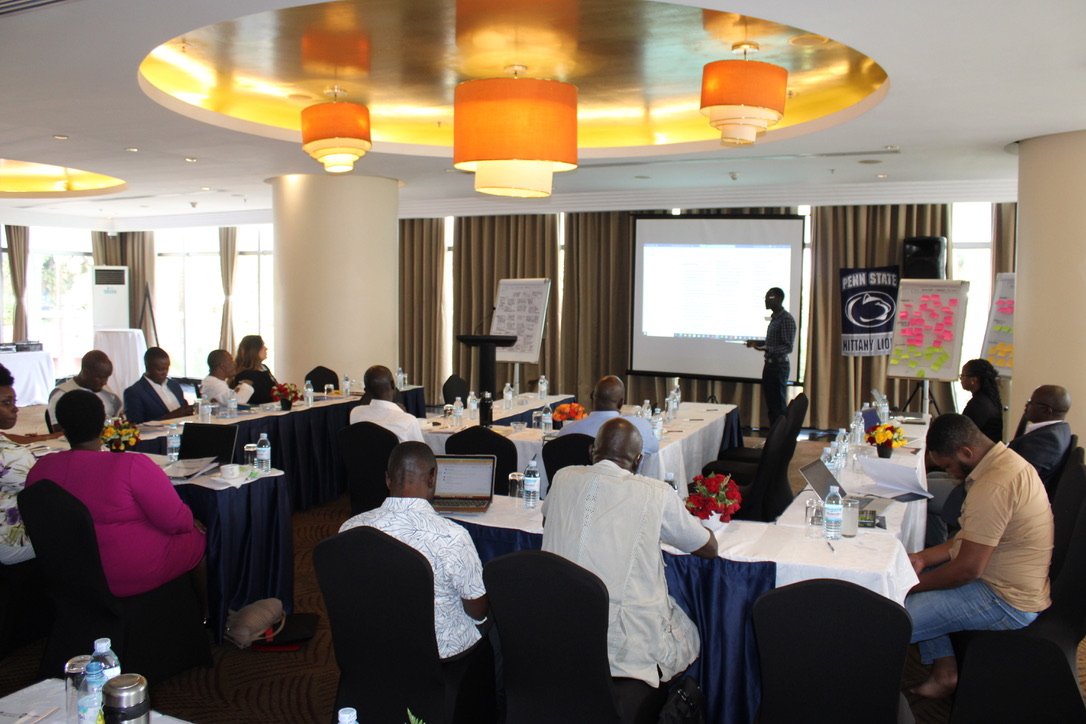
The establishment of country-level Chapters within East African and broader African countries is an important step in the direction of creating the HWCRN across Africa. The HWCRN aims to cultivate a positively transformative impact on human-wildlife coexistence through collaborative knowledge sharing and engaging key organizations, such as wildlife management authorities, nongovernmental conservation organizations, community leaders and groups, and academic institutions. At the end of July 2023, the HWCRN held its inaugural workshop in Kampala, Uganda and created its first national chapter in Uganda. In the summer of 2024, the HWCRN will expand to Tanzania to build its Tanzanian Chapter. Rwanda and Kenya Chapters will follow in 2025.
Dr. Ian Manunara, an Associate Professor of Forest Ecosystems and Society at Oregon State University and a co-founder of HWCRN, confirmed that
“Establishing our Research Network signifies a pivotal step towards harmonious human-wildlife coexistence in Africa. By uniting wildlife practitioners, academics, and local communities, we not only foster trust and collaboration but also empower frontline practitioners with science-driven policy solutions, bridging academia and practice gaps and ensuring that local perspectives informed science is accessible to policymakers and guides impactful policymaking and ultimately enhances the well-being of both people and wildlife.”
Information and membership applications to the HWCRN are available via its website at www.hwcrn.org.
______________________________
About the HWCRN: The Human-Wildlife Co-existence Research Network (HWCRN) for Africa is a multi-stakeholder platform on human-wildlife relationships in East Africa. It brings together diverse stakeholders, including researchers, practitioners, individuals with lived experiences, and policymakers, to collaborate, educate and better manage human-wildlife relationships in Uganda, Tanzania, Rwanda, and Kenya.
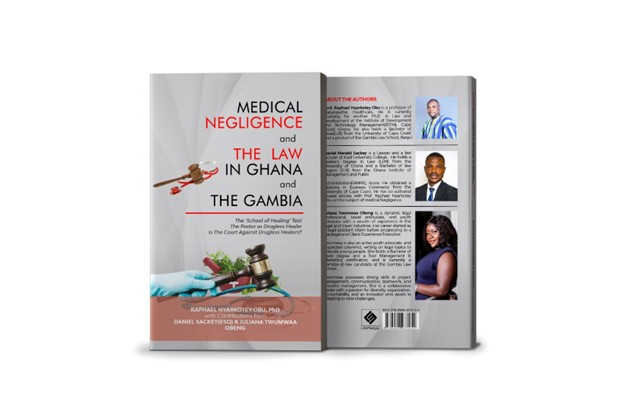
This article provides a comprehensive overview of Prof. Raphael Nyarkotey Obu’s contributions to the field of natural medicine literature, particularly focusing on his book “Medical Negligence and The Law in Ghana and The Gambia.” Here are some key points:
1. Author’s Background: The article outlines Prof. Nyarkotey’s diverse background, encompassing expertise in naturopathy, law, and academia.
2. Book Overview: It highlights the key themes and chapters of the book, which delve into topics such as medical negligence, the Bolam principle, complementary and alternative medicine, chiropractic care, and the spirituality of drugless healing.
3. Legal Framework and Case Studies: The article discusses how the book examines legal frameworks surrounding medical negligence, citing notable cases and legal principles such as the Bolam Test and the Montgomery v Lanarkshire Health Board judgment.
4. Writing Style and Impact: The article praises the author’s writing style, describing it as clear, colloquial, and humorous. It suggests that Prof. Nyarkotey’s book appeals not only to legal professionals and academics but also to a broader audience, including laypeople.
5. Contribution to Scholarship: The article acknowledges Prof. Nyarkotey’s significant contribution to scholarship in the field of natural medicine in Ghana and Africa, particularly in bridging the gap between legal and medical perspectives.
Overall, the article below provides a positive assessment of Prof. Nyarkotey’s work, emphasizing its academic rigour, readability, and relevance to both legal and medical communities.
Prof. Raphael Nyarkotey Obu, Professor of Naturopathy
For the past year, Prof. Raphael Nyarkotey Obu, Professor of Naturopathy, Author, Medical Journalist & Columnist who also had his legal training at the Gambia Law School, Banjul, and currently pursuing another Doctor of Philosophy(Ph.D) in Law and Development at the Institute of Development and Technology Management(IDTM), affiliated to the University of Cape Coast, Ghana, has speedily enriched the natural medicine literature by writing six important and interesting books including the literature of natural medicine Law and Negligence.
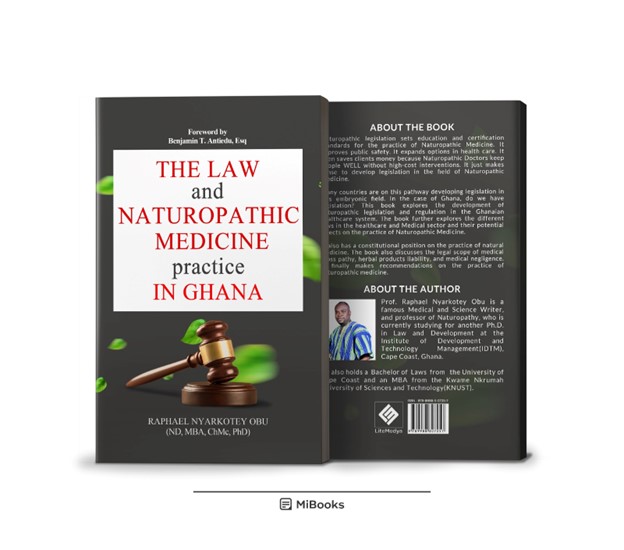
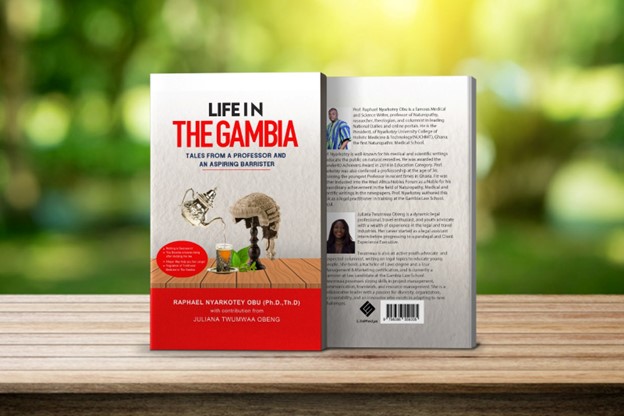
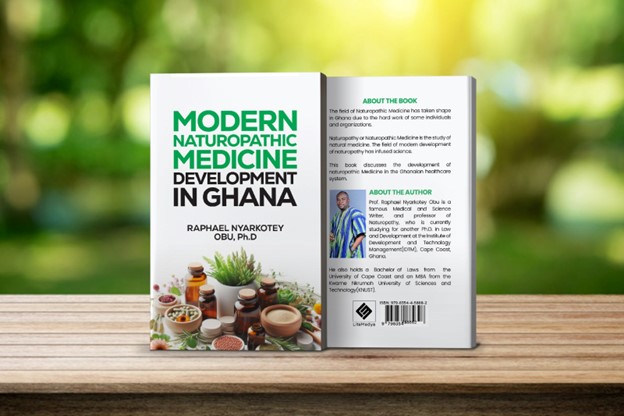
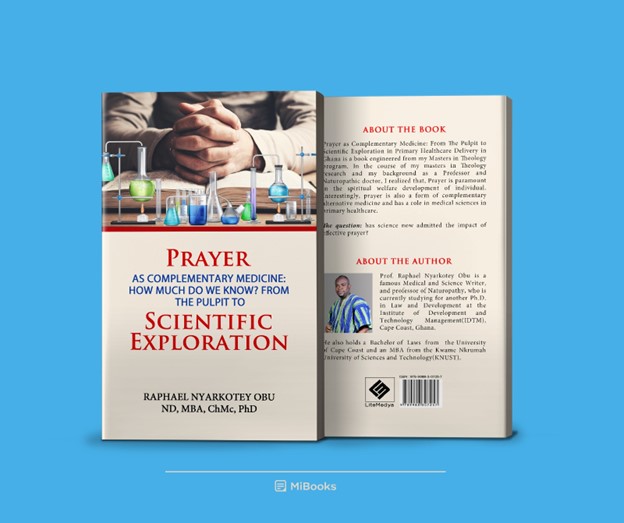
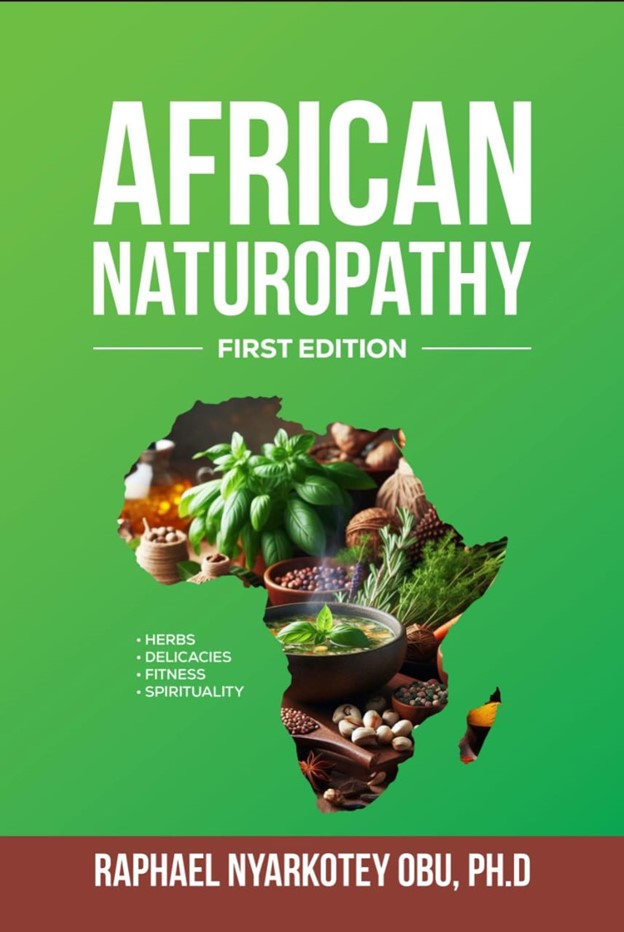
These are Medical Negligence and The Law in Ghana and The Gambia; Life in The Gambia: Tales from a Professor and an Aspiring Barrister; African Naturopathy, Prayer as Complimentary Medicine: How Much We Know? From the pulpit to Scientific Exploration, Modern Naturopathic Medicine Development in Ghana, The Law and Naturopathic Medicine Practice in Ghana, and The Regulatory Framework of Traditional Medicine in the Gambia.
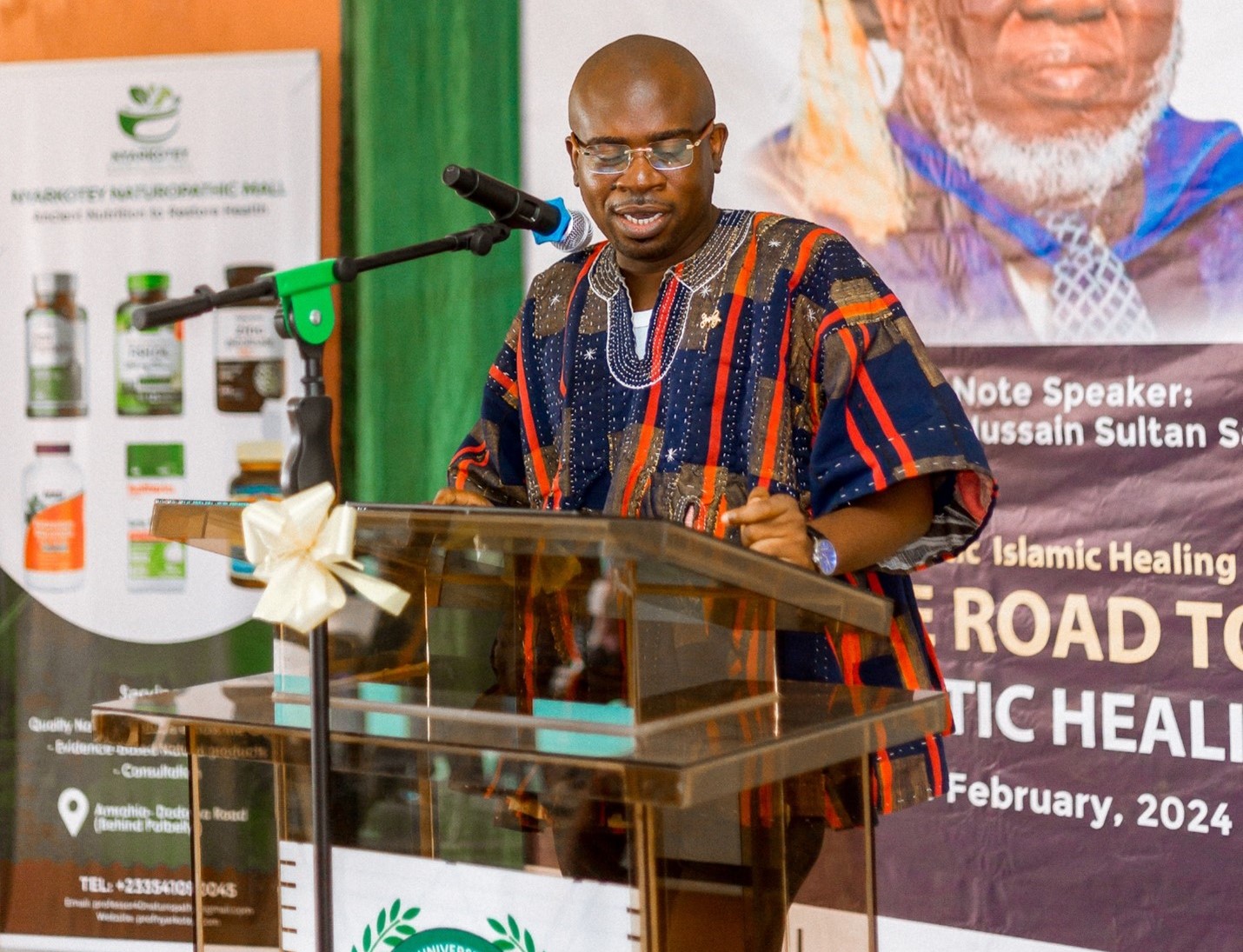
Medical Negligence and The Law in Ghana and The Gambia, this Review’s subject matter, was written to mark the Nyarkotey 2nd Public Lecture and Book Launch. According to him, this launch’s theme is: “Contributions of Herbal Medicine in the Ghanaian Healthcare Sector.”
“. . . The questions that should be moulded and shaped to meet the needs and opinions of today” are:
1) what is the state of negligence in the natural healthcare profession? And
2) And is the court biased toward practitioners in the drugless industry?
To answer the above concerning negligence, the court does not have a different test. Still, it holds all medical practitioners of all fields to the same standard as medical men and, on some occasions, their colleagues in the same industry.
It may be rightly said that, to a large extent, he, despite odds and stressful circumstances, has succeeded in moulding a considerable branch of the law to suit the Legal, Medical, social, and economic needs of our century, Ghana.
This book has five chapters and is centred on medical negligence in the healthcare sector as well as in the trade of natural healthcare. You will also understand the doctrine in the Bolam principle, commonly known as the Bolam Test: “A doctor is not guilty of negligence if he has acted in accordance with a practice accepted as proper by a responsible body of medical men skilled in that particular art.” The author described this as the old Mantra Test.
The key passages from Montgomery v Lanarkshire Health Board [2015] UKSC 11 (11 March 2015) judgment involve what a patient would consider being a material risk: “The doctor is therefore under a duty to take reasonable care to ensure that the patient is aware of any material risks involved in any recommended treatment and of any reasonable alternative or variant treatments. This is what the author treats as the new Mantra Test.
Besides these fundamental cases, as the Lawyers would describe as locus classicus cases, the author would have been incomplete in his work if the book was without mention of the following cases: Candler v. Crane Christmas & Co. [1951] 1 All E.R. 426, C.A. on negligent statements; Bonsor v. Musicians’ Union [1954] 1 All E.R. 822, C.A. on trade union disputes; Conway v. Rimmer [1967] 2 All E.R. 1260, C.A. about Crown privilege; Padfield v. Minister of Agriculture, Fisheries and Food [1968] A.C. 997, C.A. about ministerial discretion; and Schorsch Meier GmbH v. Hennin [1975] 1 All E.R. 152, C.A. about judgments in foreign currency.
On the General law of negligence discussed in chapter one of the book, the learned author traces its history and comments that this is the area of the law that twentieth-century and twenty-first-century judges have done well to develop most. Donoghue v. Stevenson apart, Prof. Nyarkotey has also, well in discussing the principle of negligent statements in the famous decision in Candler’s case, which was approved by the House of Lords in Hedley Byrne & Co. Ltd. v. Heller & Partners Ltd. [1964] A.C. 465.
In Complementary and Alternative Medicine to the Tort of Negligence (Chapter Two), expressing the same elements, the author provides readers with an understanding and the Legal definition of Traditional and Alternative Healing, The Burden of Proof in drugless healing, The School of Healing Test and its consequential question of discrimination against the Traditional healers, the author went on to suggest the Courts Determination the School of Healing Test, again “The school of healing rule is not sacrosanct”. The question the author posts here is, Should the court abandon the School of Healing test?
The author of this chapter wrote succinctly on the drugless healer’s duty to advise the patient and the drugless healer’s liability when an expert witness disagrees. Finally, Medical Doctors practice Alternatives. The established principles of practice for the guidance of its members concerning methods, diagnosis, and remedies, which each member is supposed to adhere to, had been decided by the court in Nelson v. Harrington (1888), and this, the author emphasized in page 137 of this main edition. With many other cases of law to the emphasis the author referred us to the case of McPeak v. Vanderbilt University Hospital, the case in the court suggests a wide range of alternative treatments. Therefore, in our jurisdictions like “Ghana and Gambia” which is the pivot of the title of this book is the traditional medicine treatment that Medical Doctors in substantive medical centres should rely on. It is vitally clear that the book emphasizes medical negligence to include liability against the traditional medical practitioner who, under his practice, owes standard care.
Chiropractors and Negligence is the main topic for Chapter Three. According to Prof. Nyarkotey, the main consideration is the “interest” of the traditional and alternative medical systems apart from the standard medical systems, all providing different healthcare services to restore the “patient”. The Author points out the rising cases of medical negligence or malpractice found in all the medical systems under a duty of care and causation. Apart from that, the Learned Author is not only simplistic in Language, but his writing style alone will cause no eye to wink when reading through the maiden book ever written from the Western views to the African views by laying emphasis that all fields of the practice are the application of the general negligence theory.
From the language to the style, the Author took time to build the history of Chiropractic, giving it a clear definition to authorities. Emphasizing Walkenhorst v. Kesler, the position of the law in Chiropractic has been simplified with further cases like Lowman v. Kuecker, a case that held that “…. the practice of chiropractic is the practice of medicine”. The author, in his writing up, applied the cases of Maryland Casualty Company v. Hill, Willette v. Rowekamp, Cucchiara v. Funicelli, Yagodinski v. Sutton,Wallace v. La Vine, Janssen v. Mulder,Beech v. Hunter; Nelson v. Dalil; Kuechler v. Volgmann; Treptau v. Behrens Spa; and Kuechler v.Volgnann; Bakewell v. Kahle; Kelly v. Carrol; the author advanced us with more cases to make the book an “Evidence-based book”. See:
Grainger v. Still,187 Mo. 197, 85 S.W. 1114, 70 L.R.A. 49 (1905), (osteopathic physician and surgeon).
There are many more cases in which the author uses the subject of this book.
Chapter Four deals with the Chiropractor as an Expert Testimony. This is a twofold standard, as the author indicated: “Chiropractors will not be judged the same way as medical doctors because the court recognizes their training regimes to be different from medical doctor training. The author’s emphasis is on the fact that a chiropractor is competent to testify as an expert witness in his special field of medicine. He buttresses his argument in this book with the cases of Alger v. Schine Theatrical Company; Yagodinski v. Sutton; The court in Dickman v. Struble made it clear that the competency of expert witnesses rests largely in the discretion of the trial judge, as seen in the City of Akron v. Public Utilities Commission. Therefore, in Tully v. Mahoning Express Company, a witness seeking to qualify as an expert must first state his education, skills, and experience in the subject area where he is to testify. The praises may be too small, but one cannot escape the author’s sterling knowledge and wide range of discussion in this book on medical negligence.
This Review would be incomplete if the popular case is omitted — Klop v. College of Naturopathic Physicians of British Columbia —. The Learned Author, in this book, clarifies the principle by referring to other cases, i.e. R. v. Javanmardi, Director of Consumer Affairs Victoria v Gibson (No 2) [2017] FCA 366; and in Alfredo Bowman and Dr Sebi LLC v. Michael Jackson [2004].
The principles from the above cases:
“The Healing Power of Nature (Vis Medicatrix Naturae) …
Identify and Treat the Causes (Tolle Causam) …
First Do No Harm (Primum Non Nocere) …
Doctor As Teacher (Docere) …
Treat the Whole Person (Tolle Totum) …
Prevention (Preventare)”
Chapter Five of the book deals with the spirituality of “The Pastor as a Drugless Healer”. The author emphasizes that the reason for this force is that most of them assert that orthodox medicines alone are not enough; they must be supplemented with anointing oils, counselling from pastors, herbal medicines, and other possible solutions. The Author again applied the cases of Nally v. Grace Community Church, 253 Cal. Rptr. 97 (1988), which was decided to address the “clergy malpractice,”
Apart from the main theme of law reform, Medical Negligence and The Law in Ghana and The Gambia have other attractions. The language and style in which the story is clothed are worth noting. In simple, clear, and colloquial language, the great Author can state the law in a way that the layman can understand. In his staccato and laconic style, he tells the world his views on Medical Negligence as it is for now and as it should be in the future.
Humour comes next. It is not only what matters but how to say it. Prof Nyarkotey is aware of this, and in his book, he expresses humour in writing as he does in his speech. Some critics comment on the book on Medical Negligence and the Law in Ghana & The Gambia. it is observed, “His reputation is founded on a rare combination of intellectual brilliance, a vivid speaking and writing style, and an unquenchable zest for reforming the law. Prof. Nyarkotey’s book reflects these qualities.” he describes the book as “an ebullient, readable and vigorous defence of his judicial career . . .”
For the law student, the academic lawyer, the practitioner of Law, the practitioner of medicine, and the judge, MEDICAL NEGLIGENCE AND THE LAW IN GHANA & GAMBIA should have several attractions. Even the layman may find it fascinating.
Other Legal books by Prof. Nyarkotey on the legal aspect of Naturopathy.
Congratulations on showing academic and legal scholarship in the profession of natural medicine in Ghana and Africa.
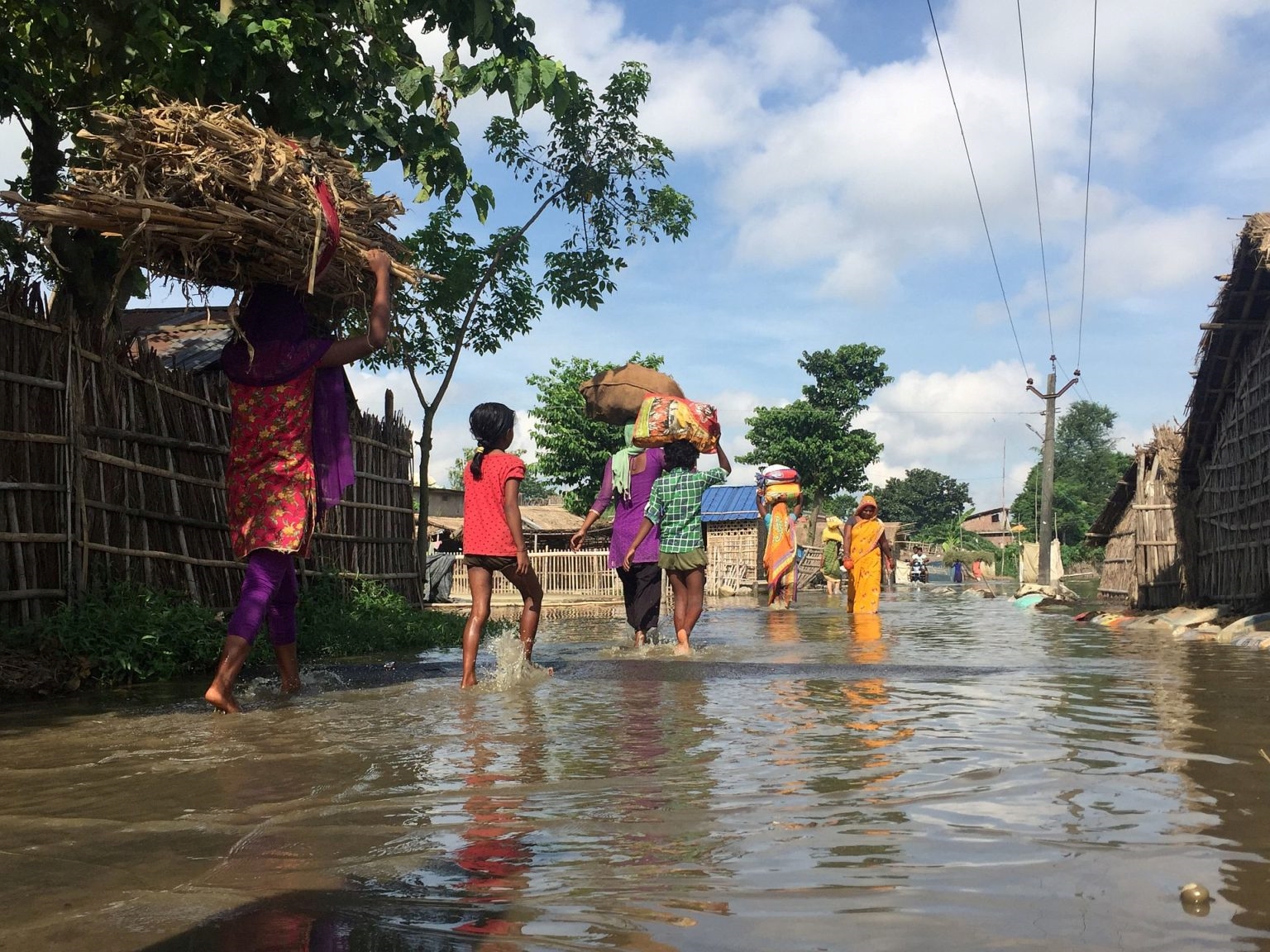
The recent floods in Kenya have resulted in the tragic loss of at least 228 lives and have displaced over 212,630 people, while torrential rains have triggered mudslides and severely damaged infrastructure across East Africa. This disaster is a stark reminder of the urgent need for integrated planning and effective disaster response systems. The unusually intense precipitation in April has exposed vulnerabilities in preparedness and underscored the importance of robust forecasting, reliable communication, and sustainable land-use planning.
The International Water Management Institute (IWMI) has provided critical insights into the flood situation through its flood maps, which utilize data from Sentinel-1 satellites to visualize the extent of flooding in regions such as Nairobi, Kiambu, and Machakos. The combination of intense rainfall, steep terrains, and rapid runoff has caused rivers to overflow, leading to widespread damage and disruption. With forecasts predicting continued heavy rain, immediate action is essential to prevent further catastrophe. Understanding rainfall patterns and their impacts is key to building long-term resilience against such disasters.
IWMI’s Early Warning, Early Action and Early Finance (AWARE) platform offers a proactive approach to disaster management. By facilitating early detection and mitigation strategies, AWARE enables countries to respond to disasters before they escalate. The current floods in Kenya have revealed the interconnected nature of environmental and infrastructural systems, demonstrating that effective resilience strategies must encompass multi-sectoral planning. Coordination across different agencies, including those managing dams, land use, and weather forecasting, is crucial to prevent confusion and delays during emergency situations.
AWARE serves as a central hub for comprehensive information, providing data on climate patterns, market trends, health, nutrition, and population displacement. This platform encourages collaboration among diverse stakeholders and promotes joint action to strengthen disaster preparedness and streamline response mechanisms. Designed for anticipatory action, AWARE prioritizes multi-level coordination to ensure that responses are both timely and effective.
To address the complex challenges posed by disasters like the floods in Kenya, policymakers must adopt a holistic approach. This includes integrating early warning systems, promoting sustainable land-use practices, and fostering cross-agency collaboration. By embracing these strategies, governments and organizations can better prepare for and respond to future crises, ultimately reducing the impact on vulnerable communities.
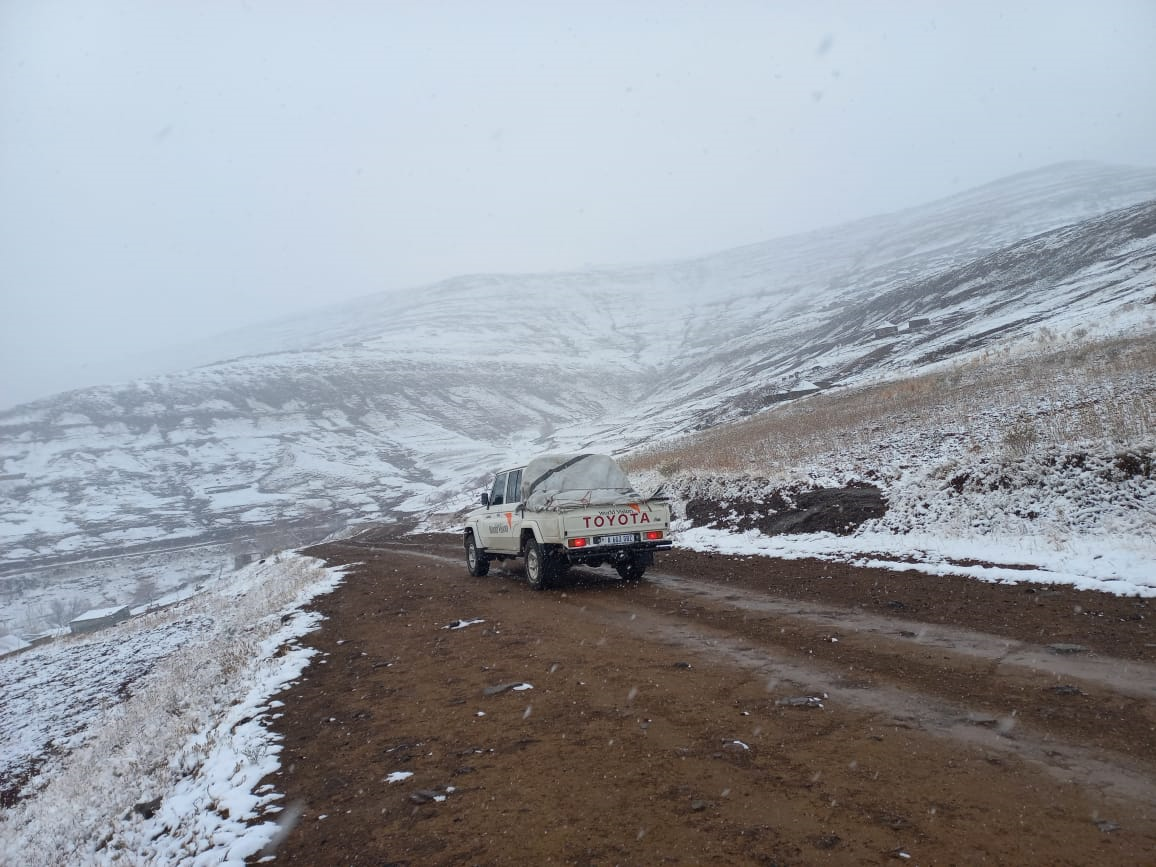
Lesotho, a small, landlocked country in Southern Africa, is vulnerable to climate change-induced weather extremes, such as droughts, floods, and heavy snowfall. Although it is not prone to frequent natural disasters like earthquakes or hurricanes, climate change has resulted in erratic weather patterns that impact various sectors, especially education.
These disruptions often lead to school closures, hazardous conditions for students, and difficulties in maintaining regular educational activities. Climate-related disasters can damage infrastructure, making school buildings unsafe, and cause transportation problems, impacting students’ ability to attend classes. Additionally, these events can displace families, create economic strains, and lead to health risks, further complicating the educational landscape.
The Impact on Education
When disasters strike, children are among the most affected. In Lesotho, more than 50% of those impacted by such events are children, leading to significant disruptions in their education. School buildings may be damaged, transportation becomes challenging due to flooded roads or snow-covered paths, and families may be displaced, forcing children to miss school. Health risks, such as waterborne diseases and respiratory illnesses, can also lead to extended school absences.
Challenges Faced by Students and Schools
In rural areas, where resources are limited, schools face additional hardships. Many schools lack clean water, proper sanitation facilities, and safe buildings, posing significant risks to students’ health and safety. Economic constraints from disasters can further limit children’s access to education, as families struggle to afford school fees or supplies. Additionally, the psychological trauma resulting from these events can affect children’s ability to concentrate in school, requiring additional support from educators and mental health professionals.
World Vision’s Efforts to Build Resilient Education Systems
World Vision International Lesotho, with support from the European Union Humanitarian Aid, is implementing the “Consolidating and Strengthening Disaster Risk Reduction (CSDRR)” project. This initiative aims to enhance both national and community capacities for effective disaster preparedness and response, with a specific focus on safeguarding children’s education. Through comprehensive approaches, the project promotes anticipatory action and community-level resilience.
The project’s coordinator, Ms. ‘Mamokobo Lebeko, emphasized the importance of strengthening disaster response capabilities to protect children’s education. This involves training teachers on disaster risk reduction, developing School Disaster Preparedness Plans (SDPPs), and integrating Disaster Risk Reduction and Management (DRRM) into the school curriculum. These efforts aim to ensure that children continue their education even during emergencies.
Collaborative Approaches to Strengthening Disaster Response
World Vision collaborates with Lesotho’s Disaster Management Authority (DMA) and the Ministry of Education & Training to foster a coordinated response to disasters. By engaging in dialogues with key stakeholders, they aim to develop integrated strategies to address the lack of resources during emergencies. This collaborative effort underscores the need for nationwide coordination to support education during disasters.
Mr. Tseliso Ncheke, World Vision’s Grants & Acquisition Lead, highlighted the importance of pooling resources and sharing initiatives to strengthen Lesotho’s disaster response. He referenced lessons learned from the COVID-19 pandemic, emphasizing that if society does not address current challenges, the same issues that arose during the pandemic could resurface.
Conclusion: Building Resilient Education Systems in Lesotho
Addressing disaster risks and strengthening education systems in Lesotho requires a comprehensive approach involving multiple stakeholders. World Vision International Lesotho’s efforts to build resilience and improve disaster preparedness aim to ensure that children have access to education, even in the face of climate-related challenges.
To achieve these goals, a collaborative effort involving government institutions, multilateral agencies, educational institutions, civil society organizations, and the business community is essential. By pooling resources and implementing strategic interventions, Lesotho can create a more resilient education system that withstands climate-induced disruptions. These efforts will ensure that children can continue to learn, grow, and thrive, regardless of the challenges they face.
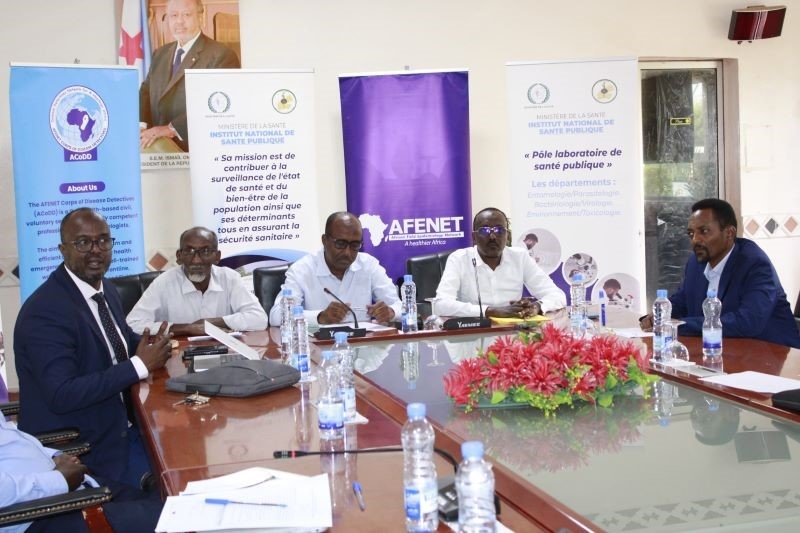
The Horn of Africa has taken a pivotal step in enhancing its public health readiness through a groundbreaking regional disaster preparedness and response Training of Trainers (ToT) held in Arta Region, Djibouti, from May 5 to May 9, 2024. This five-day training program represents a collaborative effort involving the US Centers for Disease Control and Prevention (CDC), the African Field Epidemiology Network (AFENET), and Djibouti’s Ministry of Health. The initiative aims to foster a coordinated approach to managing disasters and public health emergencies across the region.
High-Profile Inauguration and Attendance
The ToT inauguration was graced by an array of dignitaries and key stakeholders. His Excellency Mohammod Ali, the Secretary General of Djibouti’s Ministry of Health, officially opened the event, signaling its significance to the country’s health policy framework. Among the notable attendees were Dr. Houssein Youssouf Darar, Director General of Djibouti’s National Institute of Health; Elmi Bouh, President of the Regional Council of Arta; and Hassan Dabaleh, Prefect of the Arta region. The event also saw participation from representatives of the US-CDC, including Dr. Bayleyegn Tesfaye and Dr. Schnall Amy, both from the National Center for Environmental Health, and Dr. Tatek Bogale, the AFENET Regional Technical Coordinator for the Horn of Africa.
Training Focus and Objectives
The training brought together 24 healthcare professionals from various AFENET member countries, including Djibouti, Ethiopia, and Somaliland/Somalia. Using the latest Disaster Epidemiology and Toxic Outbreak Investigation materials, participants underwent rigorous training designed to equip them with advanced skills for conducting rapid needs assessments and setting up effective surveillance systems. These skills are critical for effective disaster response and public health emergency management. The ultimate goal is for these trained professionals to become trainers themselves, enabling them to share their knowledge and skills within their respective countries, thereby strengthening regional resilience.
Acknowledgment of Partnerships and Collaborative Efforts
During the opening ceremony, the speakers highlighted the invaluable role of the US-CDC and AFENET in supporting the initiative. Their contributions have been instrumental in enhancing the region’s capacity to respond to public health crises. The collaboration between Djibouti’s Ministry of Health, the National Institute of Health, and other stakeholders was emphasized as key to building a robust health system in the region.
Importance of Regional Preparedness
The regional disaster preparedness and response training represents more than just a capacity-building exercise; it marks a significant stride toward creating a coordinated and robust public health infrastructure in the Horn of Africa. The ability to respond swiftly to disasters and public health emergencies can save lives and mitigate broader societal impacts. The skills and knowledge shared through this training aim to ensure that healthcare professionals across the region are better prepared to handle emergencies, thus strengthening the overall resilience of the health system.
Looking Forward
As the training concludes, the participants return to their respective countries with a wealth of knowledge and a mandate to disseminate what they have learned. The continued collaboration among regional health authorities, international partners, and local stakeholders will be crucial in maintaining and building upon the progress made during this training. The success of such initiatives not only improves immediate response capabilities but also contributes to the long-term goal of creating a more resilient and health-secure Horn of Africa.
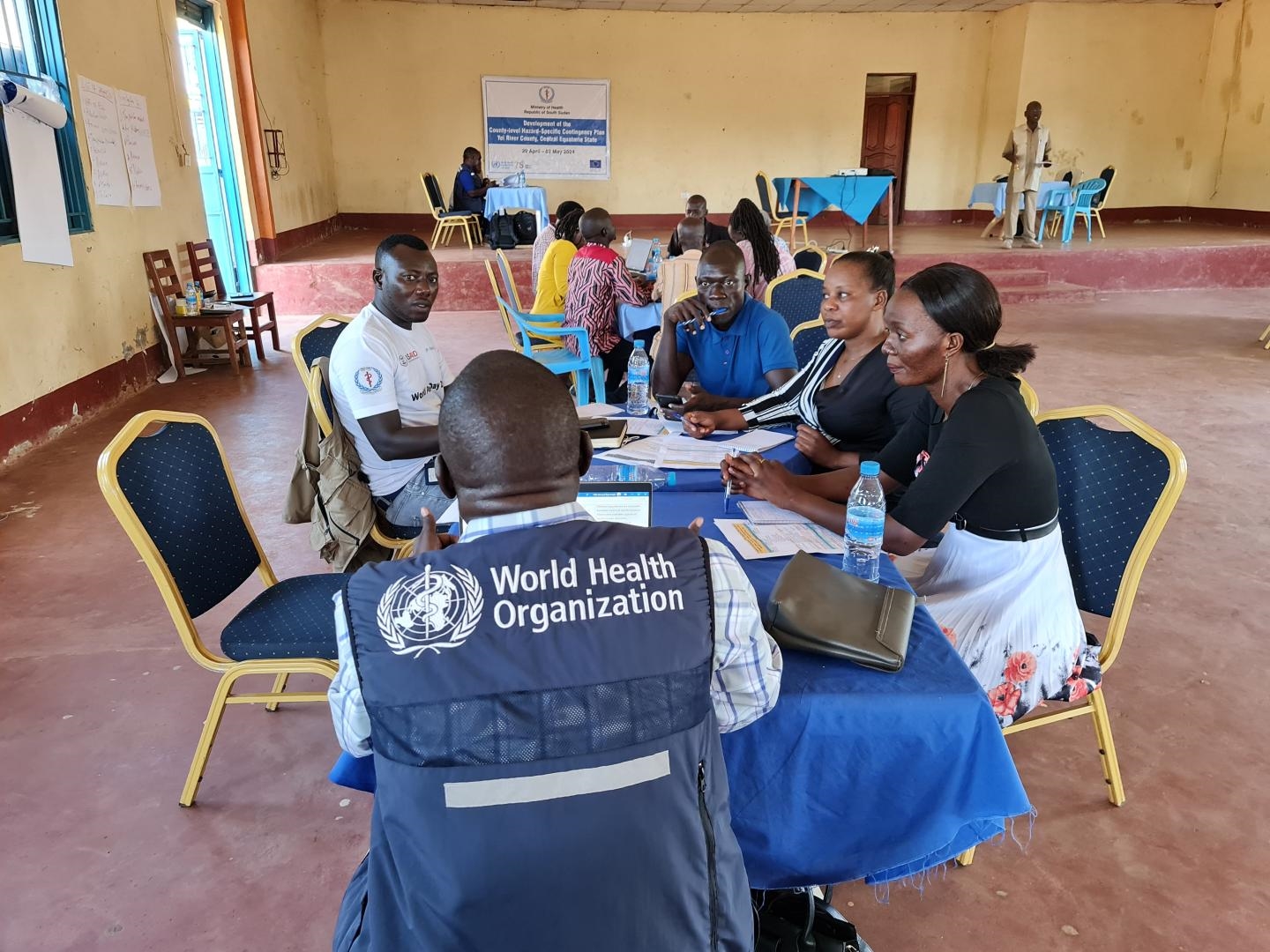
In a world prone to sudden emergencies and unexpected disasters, the importance of strategic preparation is undeniable. Central Equatoria State in South Sudan is making strides in building resilience to potential threats through the creation of county-level hazard-specific contingency plans. By proactively addressing the risks, the State aims to protect public health and safety while fostering a culture of resilience among its citizens.
The newly developed plans take into account the unique characteristics and risks of each county, particularly in regions like Yei River County, which are prone to specific hazards. Ms. Agnes Agnes Nyoka, Primary Health Care Supervisor for Yei River County, explains, “The County contingency plans are designed to prepare for potential hazards and ensure a swift and effective response. These plans include hazard-specific strategies, response scales, scenarios, and a multi-hazard core response mechanism.”
Assessing Risks at a Local Level
Central Equatoria State faces a range of threats, from armed conflict to infectious diseases and environmental challenges. A comprehensive sub-national risk assessment conducted in October 2023 provided valuable insights into the specific risks that the State faces. The assessment identified a spectrum of dangers, including malaria, Ebola Virus Disease (EVD), and road traffic accidents, among others.
Based on these findings, Central Equatoria State developed hazard-specific contingency plans tailored to individual counties. The initiative focused on Kajo-keji, Morobo, and Yei River Counties, selected due to their unique geographical attributes and varying levels of risk. The goal of these plans is not only to respond to emergencies and disasters but also to proactively mitigate their impact through effective preparation.
Developing County-Level Contingency Plans
The county-level contingency plans are designed with several key objectives in mind. First, they aim to anticipate potential threats and vulnerabilities, allowing the State to implement proactive measures to minimize harm to public health. The plans identify specific needs associated with each hazard and outline customized mitigation actions to address them.
A detailed roadmap is also provided for implementing these actions, covering resource allocation, time estimates, and other logistical considerations. These plans include the mobilization of necessary resources—personnel, equipment, logistics capabilities, and supplies—to support effective response efforts. Furthermore, ongoing monitoring and evaluation are built into the process to ensure that the plans remain effective and adaptable to changing conditions.
Building a Culture of Resilience
By focusing on proactive planning, monitoring, and coordination, Central Equatoria State aims to build a culture of resilience within its communities. The State’s commitment to disaster risk reduction and community involvement is evident in its approach. As Mr. Yona Kenyi, Surveillance Officer for Central Equatoria State, notes, “South Sudan has taken proactive steps to address public health challenges. Our approach prioritizes community involvement in identifying potential hazards and ensures that county-level, hazard-specific contingency plans are developed and fully understood.”
The development of these contingency plans involved collaboration across various sectors and partner organizations. This inclusive approach ensured a comprehensive understanding of risks and incorporated expertise from a wide range of stakeholders. By involving the community, the State seeks to foster a sense of ownership and commitment to implementing the plans.
A Model for Disaster Preparedness
The significance of Central Equatoria State’s initiative extends beyond its borders. The generous support from the European Union for Humanitarian Aid has been crucial in driving this initiative, which now serves as a model for other States facing similar challenges. As Dr. Humphrey Karamagi, WHO Representative for South Sudan, points out, “By prioritizing preparedness, disaster risk reduction, and collaboration, Central Equatoria State demonstrates that proactive measures can mitigate even the most daunting hazards. This approach ensures a safer and more resilient future for all.”
By investing in proactive preparedness and fostering collaboration across different sectors, Central Equatoria State is taking a significant step toward building a safer, more resilient community. The initiatives in place are not just reactive; they are designed to anticipate and address the unique risks that each county may face, ensuring that the State can respond swiftly and effectively when emergencies occur.
Africa Finance Corporation (AFC) has committed $14.1 million to the Morocco-UK Power Project, an ambitious initiative by Xlinks aimed at delivering affordable, clean energy from Morocco to the United Kingdom. This massive project intends to harness renewable energy sources like wind and solar from the Sahara Desert to generate electricity that can be transmitted via a subsea cable to the UK. The estimated capacity is sufficient to power up to seven million British homes, presenting a significant contribution to Europe’s green energy transition.
The project is more than just a transcontinental energy solution; it promises to create new job opportunities and foster the development of a robust renewable energy ecosystem within Morocco. By investing in this project, AFC is not only endorsing its potential to reduce greenhouse gas emissions but also its potential to stimulate economic growth in Morocco.
Samaila Zubairu, AFC’s President & CEO, emphasized that this initiative underscores Africa’s critical role in supporting global net-zero targets. Zubairu stated, “Africa, with its immense renewable energy potential and vast natural resources, stands at the forefront of global net zero aspirations.” He added that the Morocco-UK Power Project epitomizes how African energy sources can power Europe’s transition to sustainable energy while addressing urgent climate challenges.
Furthermore, Zubairu pointed out that the project would significantly contribute to Morocco’s economic growth through substantial export revenues and stimulate the growth of local clean energy industries. This suggests that the project’s impact extends far beyond its primary goal of supplying renewable energy; it could also transform Morocco into a hub for clean energy technology and expertise.
James Humfrey, CEO of Xlinks First, expressed excitement about the collaboration with AFC, highlighting their joint focus on African infrastructure development. AFC’s investment in the project is a testament to its strategic importance and adds to a growing list of notable backers, including Abu Dhabi National Energy Company (TAQA), TotalEnergies, and Octopus Energy.
By bringing together these major players in the energy sector, the Morocco-UK Power Project could set a precedent for future transcontinental energy collaborations, demonstrating that clean energy infrastructure can transcend borders and play a significant role in tackling global climate challenges.
OCP Group, a major player in plant nutrition and phosphate-based fertilizers, has entered into a joint venture (JV) with Fortescue Energy, part of the Australian global green energy, metals, and technology company Fortescue Ltd. This new partnership aims to establish a significant supply chain for green hydrogen, ammonia, and fertilizers in Morocco, with potential distribution to European and global markets.
Joint Venture Overview
The joint venture seeks to achieve equal collaboration between the two companies, leveraging their expertise to develop manufacturing facilities and research and development (R&D) hubs. The overall objective is to advance Morocco’s growing renewable energy industry and expand the reach of green energy products. The JV aligns with the shared goal of both companies to reduce carbon emissions and embrace sustainability.
The four key projects proposed under this JV include:
Green Ammonia and Green Fertilizer Production: This project aims to develop large-scale facilities for producing green ammonia and fertilizers. The process encompasses renewable energy generation, electrolysis, ammonification, and fertilizer production, ensuring a sustainable approach to these industries.
Manufacturing of Green Technology and Equipment: This segment focuses on producing equipment necessary for green energy production, fostering a domestic manufacturing industry and reducing dependence on imports.
Research and Development Hub: Located near the Mohammed VI Polytechnic University (UM6P) in Marrakech, this R&D hub will concentrate on innovations in renewable energy, green hydrogen, and mineral processing. It is intended to support the joint venture, as well as the broader ecosystem, by fostering research and attracting other players in the sector.
Investment in Green Technology: The JV plans to establish corporate venture capital funds to drive investment in key technology advancements, further bolstering the renewable energy ecosystem in Morocco.
Strategic Importance
The collaboration between OCP Group and Fortescue is a pivotal step toward Morocco’s transformation into a green energy powerhouse. Morocco’s abundant wind and solar resources, coupled with its strategic location with access to both Europe and the Americas, make it an ideal base for developing renewable energy projects. The joint venture has the potential to create thousands of jobs and invigorate local industries, contributing to Morocco’s economic growth and sustainability goals.
Company Backgrounds
OCP Group, headquartered in Morocco, has a long history of expertise in plant nutrition and phosphate-based fertilizers. With a turnover exceeding USD 9 billion in 2023, the company serves customers across five continents. OCP’s strategic plan includes a USD 13 billion investment in renewable energy from 2023 to 2027, aiming to achieve 100% renewable energy by 2027 and carbon neutrality by 2040. The group also targets increased water desalination capacity and green fertilizer production.
Fortescue Energy, part of Fortescue Ltd, is focused on green energy, hydrogen, and technology development. It is dedicated to producing green hydrogen, which involves zero carbon emissions when derived from renewable energy sources. This form of hydrogen could revolutionize heavy industry, providing an environmentally friendly alternative to fossil fuels. Fortescue’s aim is to lead the green industrial revolution, building a global portfolio of renewable green hydrogen and green ammonia projects, while contributing to the decarbonization of hard-to-abate sectors.
Concluding Remarks
The joint venture between OCP Group and Fortescue represents a significant move toward a sustainable and green energy future. With a focus on innovation, renewable energy, and technology, this partnership holds promise for Morocco’s economic development and the global transition to greener industries. The success of these projects could serve as a blueprint for similar ventures around the world, driving forward the collective effort to combat climate change and promote sustainability.