Category: ARM ARTICLES

This category presents a post from ARM Magazine, spotlighting African researchers and their contributions.

  • Urban Mining: A Sustainable Solution for Resource Recovery and Waste Management in Cities

    Urban Mining: A Sustainable Solution for Resource Recovery and Waste Management in Cities

    Urban mining offers a sustainable approach to resource recovery by treating waste as a valuable resource rather than a problem. As cities consume more and generate unprecedented volumes of waste, the urgency to find solutions to resource scarcity and waste management grows. Traditional mining methods deplete natural resources, often with environmental and financial consequences. Urban mining, by contrast, focuses on recovering valuable materials like metals and plastics from urban waste, reducing the need to dig new resources from the earth. This method can apply to various waste streams, from electronic waste (e-waste) to building materials.

    The Importance of Urban Mining Amidst a Global Waste Crisis

    The global environmental crisis is driven by pollution, waste, climate change, and biodiversity loss, pushing societies to rethink how they handle resources. Inger Andersen, the Executive Director of the United Nations Environment Programme (UNEP), has called for a shift in perspective: instead of treating waste as a problem, we should see it as a resource. Urban mining is a key part of this shift, as it allows valuable materials to be recovered from discarded products and infrastructure.

    Urban mines, or stores of valuable materials in waste, are often found in cities, where discarded electronics, appliances, and construction materials contain significant amounts of metals and other reusable components. For example, e-waste is a goldmine for materials like gold, copper, and lithium, often at concentrations higher than those found in naturally occurring ores. The UN’s Global E-waste Monitor estimates that roughly USD 62 billion worth of recoverable resources was discarded globally as e-waste in 2022 alone, underlining the potential of urban mining.

    Types of Waste Recovered in Urban Mining

    Urban mining involves retrieving materials from waste streams like buildings, electronics, infrastructure, and consumer goods. Recyclable materials include metals (gold, copper, lithium, aluminum, steel), glass, and plastic, which can be recovered using mechanical or chemical processes. This avoids the environmental and financial costs of disposing of these materials. In Australia, for instance, 10% of waste is classified as hazardous, and rising landfill costs reflect the difficulty of finding disposal sites as urban spaces become limited.

    The demand for raw materials has skyrocketed and is predicted to double by 2060, according to OECD forecasts. Urban mining addresses this growing demand by salvaging materials from waste, which both reduces environmental impact and creates economic opportunities in areas like recycling infrastructure, labor, and product design.

    Global Progress on Urban Mining

    Urban mining has gained momentum globally, with different regions focusing on distinct types of waste. In Europe, for example, construction and demolition waste (accounting for over a third of the region’s waste) is a primary focus. The European Commission’s urban mining strategy targets a 70% recovery rate for non-hazardous construction and demolition waste by 2030. Meanwhile, Asia concentrates on e-waste, though recycling rates vary widely. For example, East Asia recycles 20% of its e-waste, while South Asia and Southeast Asia lag behind, with much lower rates.

    In Australia, efforts are concentrated on construction materials, achieving an impressive 80% recovery rate for demolition waste by 2022. However, e-waste recovery remains at just one-third of the potential, indicating room for improvement. In Africa, initiatives such as the Nairobi Declaration on E-waste and the Durban Declaration on E-waste Management have emerged, emphasizing the growing value of urban mining for sustainable development.

    Environmental and Economic Benefits of Urban Mining

    Urban mining directly addresses greenhouse gas emissions and the pressures of resource extraction. By sourcing materials from local waste, cities can minimize the transportation costs and emissions associated with shipping raw materials over long distances. The practice supports the shift toward a circular economy, where materials are reused or recycled instead of being discarded. “Deposit and return” schemes, like those in Sydney, Darwin, and San Francisco, reward citizens for returning items like e-waste for recycling, promoting sustainable consumption.

    For example, San Francisco has committed to halving its landfill disposal and incineration rates by 2030 while reducing solid waste generation by 15%. By embracing urban mining and similar circular economy strategies, cities can manage their waste more effectively, reduce dependency on finite resources, and create jobs in recycling and materials recovery industries.

    Challenges and the Role of Policy in Urban Mining

    Despite its promise, urban mining faces challenges that need attention from policymakers. Governments can incentivize urban mining by implementing policies, regulations, and recycling targets. For instance, the European Union has set ambitious recycling goals: 80% for ferrous metals and 60% for aluminum packaging. Australia’s 2019 legislation prohibits landfills from accepting e-waste (anything with a plug, battery, or cord), setting an example of regulatory support.

    Product design is another critical factor. Manufacturers must balance product efficiency with recyclability. Urban mining research promotes sustainable product design that prioritizes easy-to-recycle components and efficient energy use. Product stewardship programs, which assign responsibility for recycling to manufacturers, encourage such designs, ultimately influencing consumer behavior and reducing waste generation.

    Moving Toward a Sustainable, Circular Economy

    As the world embraces urban mining, better information and data on available resources are essential. Platforms like the Urban Mine Platform, ProSUM, and the Waste and Resource Recovery Data Hub collect and centralize data on e-waste, batteries, vehicles, and construction waste. This helps stakeholders make informed decisions on waste management, urban mining initiatives, and sustainable practices.

    Urban mining represents a critical step toward a circular economy, where resources are continuously repurposed, reducing the demand for raw material extraction. This sustainable approach supports global goals for reduced waste, lower emissions, and increased resource independence. By making urban mining a central part of waste management strategies, cities worldwide can transform waste into a valuable resource, creating a sustainable future.

  • Cybersecurity in Africa: Automating and Predicting Threats for a Secure Digital Transformation

    Cybersecurity in Africa: Automating and Predicting Threats for a Secure Digital Transformation

    As digital transformation accelerates worldwide, the vast amount of data being generated presents significant opportunities for innovation and growth. However, this surge in data also creates heightened risks for cybercrime. In Africa, where digital adoption is increasing rapidly, the threats posed by cybercriminals are more sophisticated than ever before. The continent’s evolving digital landscape makes it a target for cyberattacks that could cause severe financial losses, disrupt business operations, and compromise sensitive information.

    A Growing Market for Cybersecurity

    The global digital economy is expanding, with the big data market projected to grow from USD 138.9 billion in 2020 to USD 229.4 billion by 2025. Much of this growth is driven by the demand for data-driven decision-making, which is transforming how businesses operate. However, with the increased collection, storage, and analysis of data comes the need for more robust cybersecurity measures.

    In Africa, where digital infrastructure is developing rapidly, the cyber risk profile is also growing. With internet users on the continent expected to reach 1.1 billion by 2029, cybersecurity is a critical concern. South Africa, for example, ranks cyber incidents as the second most pressing risk, behind infrastructure failures, according to the Allianz Risk Barometer. The continent is already grappling with a range of cyber threats, from ransomware and phishing to malware and large-scale data breaches.

    Unfortunately, many African organizations are ill-equipped to handle these sophisticated attacks. Outdated legacy security systems that rely on manual processes are struggling to keep up with the scale of the data being generated. This gap leaves businesses vulnerable to attacks that can go undetected until it’s too late.

    The Role of Automation and Predictive Analysis

    In response to the increasing complexity and frequency of cyberattacks, businesses in Africa are turning to advanced technology companies, such as Liquid Intelligent Technologies, to implement automation in their cybersecurity strategies. Automation enables the handling of tasks traditionally done by human analysts, including network monitoring, vulnerability detection, and incident response. This shift leads to greater efficiency, fewer errors, and significantly faster response times, freeing up human resources to focus on other critical aspects of the business.

    Even more transformative is the integration of predictive analytics. Powered by machine learning algorithms, predictive analytics analyze the massive amounts of data generated by businesses to detect patterns and predict potential threats before they manifest. Unlike traditional manual systems that react after an attack occurs, predictive analytics can proactively address vulnerabilities, significantly improving an organization’s defenses.

    These intelligent systems offer continuous monitoring and real-time analysis, identifying abnormal behavior and signs of potential threats far more accurately than older, manual approaches. The ability to learn from data patterns and adapt over time makes these systems invaluable, especially as the number of internet-connected devices in Africa continues to grow.

    Legislative Support for Cybersecurity

    African governments are also recognizing the critical importance of cybersecurity. In South Africa, for example, the Cybercrimes Act of 2020 establishes a legal framework for combating cyber threats. Such legislation creates a foundation for countries across the continent to develop more comprehensive cybersecurity policies, which are essential as Africa becomes more interconnected and digitally driven.

    A Multi-Layered Approach to Cyber Defense

    One of the key strengths of modern cybersecurity solutions is the ability to combine multiple layers of protection. A collaborative approach, using a variety of technologies in tandem, ensures that businesses are protected on multiple fronts. For instance, companies like Liquid Intelligent Technologies use a combination of AI-driven tools to monitor networks for threats, block suspicious traffic, and isolate devices showing signs of malicious activity.

    Automated platforms are also employed to analyze logs from various systems, detecting anomalies that could indicate a security breach. Chatbots assist security teams by guiding them through response protocols during potential incidents. Machine learning algorithms assess risk, suggest fixes for vulnerabilities, and optimize security measures based on real-time data. This multi-layered defense strategy offers businesses the highest level of protection, ensuring that all aspects of their digital infrastructure are covered.

    Preparing Africa for Digital Transformation

    Although advanced automation and predictive analytics represent the future of cybersecurity, the journey toward full digital transformation in Africa is complex. Many countries still face challenges related to infrastructure, such as fiber connectivity, as well as issues like limited awareness, skills shortages, and economic disparities.

    However, organizations that have already begun adopting these cutting-edge technologies are experiencing significant benefits. As they embrace digital transformation, they are able to innovate and grow while knowing that their digital assets are protected from cybercriminals. For Africa to fully realize its digital potential, investments in infrastructure, education, and cyber awareness must accompany the introduction of advanced cybersecurity solutions. Only then can the continent move forward securely into the digital age.

    In conclusion, the future of cybersecurity in Africa lies in embracing automation and predictive technologies. These innovations will play a pivotal role in protecting businesses from the ever-evolving threats posed by cybercriminals, ensuring that Africa’s digital transformation is not only successful but secure.

  • FOCAC 2024: China’s Expanding Digital Influence in Africa Raises Human Rights Concerns

    FOCAC 2024: China’s Expanding Digital Influence in Africa Raises Human Rights Concerns

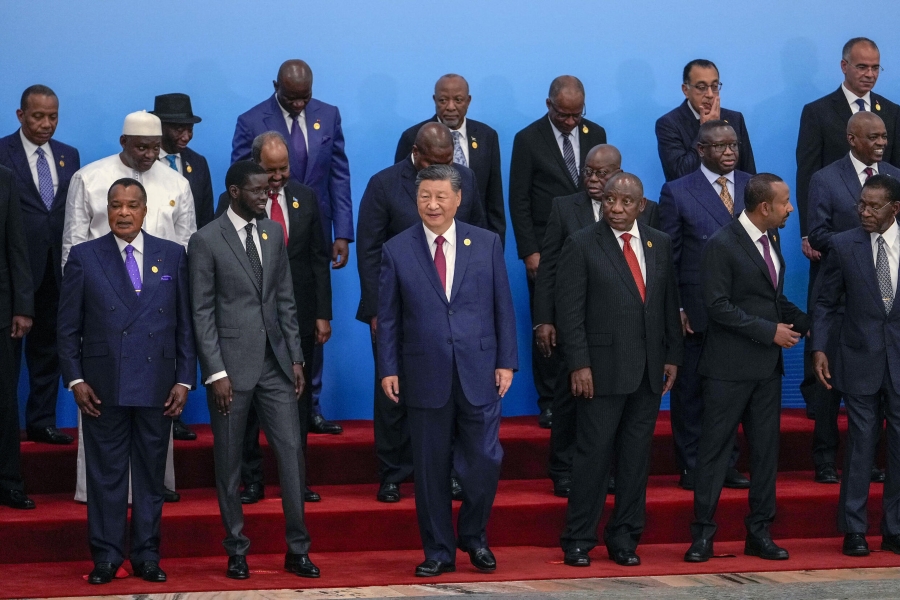
    The 9th Forum on China-Africa Cooperation (FOCAC), held from September 4 to 6, 2024, marked another chapter in China’s deepening relations with African nations. This summit, hosted in Beijing, was designed to strengthen cooperation across various sectors, but one area that has raised particular concerns is the intersection of digital governance, freedom of expression, and human rights in Africa. Despite China’s promotion of its growing investment in infrastructure and technology, critics are concerned about the implications for freedom of expression and privacy on the continent, given China’s track record in digital governance.

    China has long utilized FOCAC as a platform to showcase its influence in Africa, and this year’s summit was no different. Among the key areas of focus were cybersecurity, artificial intelligence (AI), and the development of digital norms, all tied to China’s broader efforts to establish itself as a leader in global digital governance. However, these efforts come with significant concerns about potential human rights violations, particularly in terms of freedom of expression and privacy.

    China’s Expanding Digital Influence in Africa

    China is already Sub-Saharan Africa’s largest bilateral trading partner, with a trade volume of $282 billion USD in 2023, according to the International Monetary Fund (IMF). Over the last decade, this partnership has expanded beyond traditional infrastructure projects to include digital development under the Belt and Road Initiative (BRI). China’s Digital Silk Road, a subset of the BRI, has further solidified its role in shaping Africa’s digital landscape.

    At the 2024 FOCAC, China pledged $51 billion USD in funding over the next three years, continuing its investment in Africa’s digital infrastructure. While this is an increase from 2021’s $40 billion USD, it remains lower than the $60 billion USD committed in 2018. In line with President Xi Jinping’s vision of focusing on “small but smart” projects, China has shifted its approach from large-scale infrastructure to smaller initiatives in areas like green technology and AI.

    While these developments may offer opportunities for technological advancement in Africa, they also carry risks. China’s model of digital governance is characterized by state control, surveillance, and censorship, raising concerns that African nations adopting Chinese technologies could inadvertently erode free speech and privacy rights.

    Digital Governance and Human Rights Concerns

    A key concern emerging from FOCAC 2024 is China’s influence on digital governance in Africa. Beijing’s emphasis on cybersecurity, AI, and data sovereignty reflects its broader goal of exporting an authoritarian model of internet governance, where state control supersedes individual rights. The term “digital sovereignty,” introduced by China over a decade ago, reflects a governance model that allows nations to control and regulate their internet spaces according to state interests. This model runs counter to global human rights norms, which prioritize multi-stakeholder internet governance and uphold freedom of expression.

    One of the documents guiding China-Africa digital cooperation is the “Initiative on Jointly Building a Community with a Shared Future in Cyberspace,” introduced by Xi Jinping in 2015. This framework promotes China’s version of internet governance, where the state has significant control over the digital space. Critics warn that this model undermines the universality of human rights in favor of a more authoritarian structure that stifles dissent and restricts free expression.

    The potential for mass surveillance is another significant concern. China has already deployed sophisticated AI-driven surveillance technologies domestically, particularly in Xinjiang and Tibet, where these systems are used to monitor and control minority populations. If these technologies are exported to African nations, they could be used to suppress political opposition and curtail civil liberties.

    Media and Information Control

    Another area of focus at the 2024 FOCAC summit was media cooperation. China has pledged to deepen its media partnerships with African nations, ostensibly to promote mutual understanding and strengthen the narrative of China-Africa cooperation. However, this move raises red flags about potential information manipulation and media control.

    China’s strategy of “telling China’s story well” – a directive given by Xi Jinping in 2013 – involves shaping international narratives in favor of the Chinese government’s policies and values. This propaganda effort extends to Africa, where China has invested in media training programs and encouraged African media outlets to join the Belt and Road News Network (BRNN), which is chaired by China’s Communist Party media outlet, the People’s Daily. By promoting pro-China narratives, these media initiatives could limit the space for critical journalism in Africa and contribute to the spread of state-controlled information.

    The Role of Cybersecurity in Expanding China’s Influence

    Cybersecurity cooperation between China and Africa is a critical area of concern. Under the 2024 FOCAC Action Plan, both parties agreed to enhance cybersecurity cooperation, including cross-border case studies, information sharing, and emergency response coordination. While cybersecurity is vital for protecting digital infrastructure, there are fears that China’s involvement may introduce surveillance backdoors, as seen in the African Union’s headquarters in Addis Ababa, which was built with Chinese support. In 2018, it was revealed that China had installed digital backdoors in the building, allowing sensitive data to be transferred to China for several years.

    Increased cooperation on cybersecurity also positions China to normalize its practices in Africa. The Chinese government’s National Computer Network Emergency Response Technical Team (CNCERT), which is responsible for enforcing the Great Firewall and other censorship mechanisms, could export these tools and strategies to African nations under the guise of cybersecurity collaboration. This raises the prospect of African nations adopting more restrictive internet governance models that undermine freedom of expression and personal privacy.

    The Future of China-Africa Cooperation

    Moving forward, it is clear that China’s vision for its partnership with Africa prioritizes its own strategic goals, particularly in the digital space. The 2024 FOCAC Action Plan reflects China’s expanding ambitions to lead global rule-making in digital governance, which could result in the spread of its censorship and surveillance practices across the African continent.

    While African nations stand to benefit from Chinese investments in infrastructure and technology, they must also be vigilant in safeguarding human rights. Independent monitoring and greater transparency are essential to ensuring that these partnerships do not come at the cost of freedom of expression and privacy. African nations must work to balance their digital development needs with their international human rights obligations, ensuring that cooperation with China does not lead to the erosion of democratic freedoms.

    Conclusion

    China’s growing influence in Africa, especially in the digital and media sectors, presents a complex challenge for the continent. While the cooperation outlined at FOCAC 2024 offers opportunities for technological advancement, it also carries significant risks. The adoption of China’s authoritarian digital governance model could undermine freedom of expression, stifle dissent, and restrict civil liberties across Africa. Therefore, it is crucial for African governments and civil society to engage in careful oversight, ensuring that human rights and transparency are not sacrificed in pursuit of development.

  • How Indigenous Knowledge and Gorilla Behavior Unveil Medicinal Plant Properties in Gabon

    How Indigenous Knowledge and Gorilla Behavior Unveil Medicinal Plant Properties in Gabon

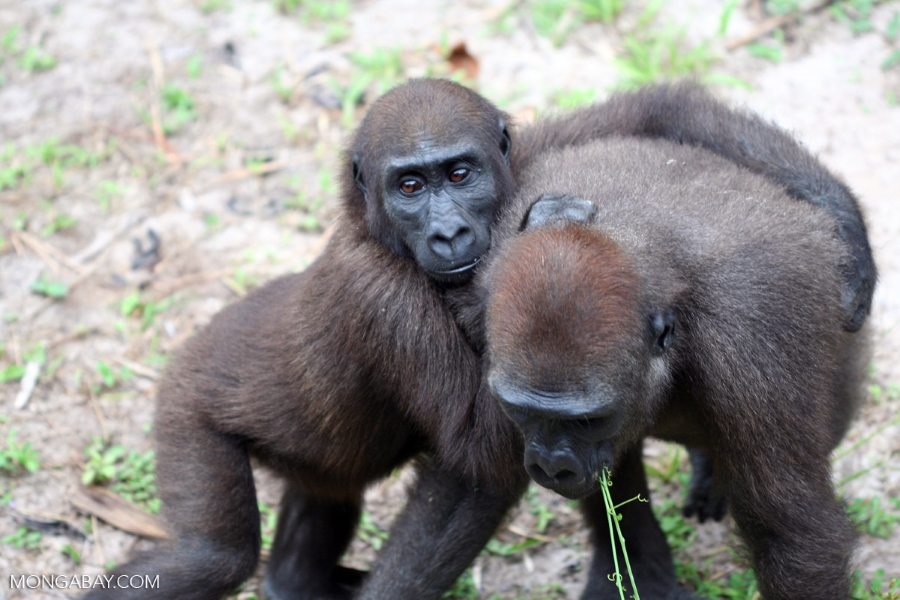
    A recent study conducted in Gabon reveals how the symbiotic relationship between humans and gorillas, along with traditional Indigenous knowledge, has uncovered potential medicinal properties in certain plants. The research team, seeking plants with bioactive compounds, turned to two sources for guidance: the Vungu healers, a group of Indigenous people living near Gabon’s Moukalaba-Doudou National Park, and the park’s resident western lowland gorillas (Gorilla gorilla gorilla). Gorillas are known to harbor pathogens such as E. coli without developing serious illnesses, suggesting that their diet may hold clues to their resilience.

    In an innovative approach, the researchers conducted interviews with Vungu healers and herbalists to learn about their use of local plants for medicinal purposes. Simultaneously, they observed gorillas within the park, focusing on the plant species the apes consumed. Over 10 days in August 2022, botanists on the team, guided by the Vungu community’s traditional knowledge, collected samples from plants that were part of both human and gorilla diets. The research team eventually narrowed their focus to four species: Ceiba pentandra, Myrianthus arboreus, Ficus spp., and Milicia excelsa.

    Subsequent lab tests on bark extracts from these plants revealed promising bioactive properties. The extracts demonstrated antimicrobial and antioxidant activities, along with organic compounds known to combat malaria, diarrhea, inflammation, and muscle spasms. This reinforces the medicinal value of these plants and underscores their potential for pharmaceutical applications.

    One of the key takeaways from the study is the shared evolutionary history between humans and gorillas. Both species have long coexisted in these ecosystems, relying on similar plant species for medicinal purposes. For the Vungu people, who are intimately familiar with these forest environments, the gorillas’ use of medicinal plants was unsurprising. They have long observed the animals’ behaviors and recognize the therapeutic benefits of the same plant species.

    The study, published in PLOS ONE and led by Leresche Oyaba Yinda from the Interdisciplinary Medical Research Center of Franceville in Gabon, illustrates the value of combining ethnobotanical knowledge with modern science. Yinda emphasized that the collaboration with Indigenous communities was pivotal to the success of the research. The Vungu people expressed interest in the findings, recognizing that the study could enhance their knowledge of traditional medicine.

    The implications of this research go beyond understanding gorillas’ dietary habits. The results highlight the need to preserve the rich biodiversity of tropical rainforests, where both humans and gorillas live in harmony. Protecting these ecosystems not only conserves species like gorillas but also safeguards a natural pharmacy that could provide future medicinal resources.

    Experts like Cameroonian primatologist Denis Ndeloh Etiendem, who previously studied the relationship between humans and Cross River gorillas, believe the study underscores the interconnectedness between humans and other great apes. He warns that the extinction of gorillas due to habitat loss and hunting would have devastating effects—not only on biodiversity but on human survival. Gorillas’ knowledge of medicinal plants could be key to advancing human medicine, particularly as they live in areas rich with known and emerging infectious diseases.

    Ultimately, the research serves as a reminder of the profound wisdom embedded in traditional ecological knowledge. It highlights the necessity of protecting both the species that use these plants and the habitats that sustain them, ensuring that humans and gorillas can continue to benefit from these natural resources for generations to come.

  • AI-Powered African Drug Discovery: Unlocking the Potential of Biodiversity for Homegrown Healthcare Solutions

    AI-Powered African Drug Discovery: Unlocking the Potential of Biodiversity for Homegrown Healthcare Solutions

    In an exciting development reported by Gavi, the Vaccine Alliance, African researchers are using cutting-edge artificial intelligence (AI) to uncover the potential of the continent’s natural biodiversity for drug discovery. This effort is spearheaded by Fidele Ntie-Kang, an associate professor at the University of Buea in Cameroon, who leads a multidisciplinary team striving to create homegrown healthcare solutions using Africa’s vast array of unique plant species.

    A Vision for Homegrown Solutions

    With over 40,000 unique plant species, Africa represents a vast and largely untapped resource for natural compounds that could lead to groundbreaking treatments for neglected diseases. Ntie-Kang emphasized that AI is pivotal to speeding up this process, which has traditionally been slow, costly, and complex. He explains, “By tapping into our own natural and human resources and applying new technologies like AI, we can develop homegrown solutions to our healthcare challenges.”

    The potential for this approach is immense. For instance, the team’s research is focused on screening hundreds of natural compounds to discover less toxic, more effective treatments, reducing reliance on external pharmaceutical solutions. This could mark a significant shift in Africa’s ability to tackle its healthcare challenges independently, using its natural resources in combination with cutting-edge technology.

    Unexplored Potential of African Medicinal Plants

    Africa’s medicinal plants have long been a cornerstone of traditional healthcare, with over 80% of the population relying on natural remedies for their primary healthcare needs. Despite this, the medicinal properties of many of these plants remain unstudied or insufficiently explored. According to Ntie-Kang, the continent boasts more than 40,000 plant species, with at least 5,000 used in traditional African medicine. These plants contain unique molecules that have been key to the development of modern drugs, such as quinine for malaria and salicylic acid for aspirin. However, limited systematic exploration by pharmaceutical researchers has left the vast potential of these plants largely untapped.

    This disparity is partly due to the challenges associated with drug discovery itself, which has historically been a resource-intensive process. Infrastructure challenges, such as frequent power outages in research facilities, have also hindered progress. Ntie-Kang noted that his team overcame these obstacles by installing solar panels to ensure uninterrupted research.

    Overcoming Systemic Barriers

    Beyond infrastructural challenges, African researchers face difficulties in sourcing necessary research materials and establishing international collaborations. Ntie-Kang explained that sourcing reagents from Europe can take weeks or even months, while European researchers can have similar orders fulfilled in days at a fraction of the cost. Furthermore, restrictive visa policies have made it difficult for African scientists to receive training abroad or collaborate with international research institutions.

    To counteract these barriers, Ntie-Kang’s team is building a comprehensive online database of African natural compounds. This platform will be freely accessible to researchers across the continent and will feature compounds derived from fungi, plants, corals, and bacteria. Such a resource is crucial for accelerating drug discovery and ensuring that Africa’s natural products are integrated into global pharmaceutical development.

    Revolutionizing Drug Discovery with AI

    The integration of AI into drug discovery is transforming the way molecules are screened and studied. What once took weeks or months to complete can now be done in less than a day with the help of machine learning algorithms, which can efficiently identify molecules that interact with proteins in beneficial ways. Ntie-Kang’s team has made remarkable progress by adopting these AI-powered techniques to screen hundreds of African natural compounds, with the goal of identifying new antiviral drugs for diseases such as COVID-19 and HIV.

    The team is in the process of establishing a state-of-the-art regional drug discovery center at the University of Buea, which will utilize over 400 natural compounds to develop novel treatments for a range of viral diseases. This interdisciplinary effort brings together experts in biology, chemistry, genetics, and computer science to implement innovative screening techniques.

    Broader Implications for African Healthcare

    The implications of this work are profound. Not only does it promise new, locally sourced treatments for diseases like tuberculosis, malaria, and neglected tropical diseases such as schistosomiasis and chikungunya, but it also showcases Africa’s capability to lead innovative drug discovery efforts. By leveraging both its natural biodiversity and human capital, Africa could reduce its dependence on foreign pharmaceutical solutions and develop treatments tailored to its specific healthcare needs.

    Ntie-Kang’s team is playing a critical role in changing the narrative around African medicinal research. Through their work, they are gradually dispelling the skepticism that has long surrounded the continent’s potential in drug discovery. By publishing in reputable scientific journals and building capacity within the continent, they are laying the foundation for Africa’s future as a hub of biomedical innovation.

    In summary, this initiative underscores the transformative power of combining Africa’s natural resources with modern technologies like AI. It holds the promise of developing sustainable, homegrown solutions for Africa’s pressing healthcare challenges while contributing to global efforts to discover new, less toxic treatments for diseases that have long plagued the continent.

  • Unlocking Africa’s Bioeconomy: Sustainable Growth through Biodiversity and Innovation

    Unlocking Africa’s Bioeconomy: Sustainable Growth through Biodiversity and Innovation

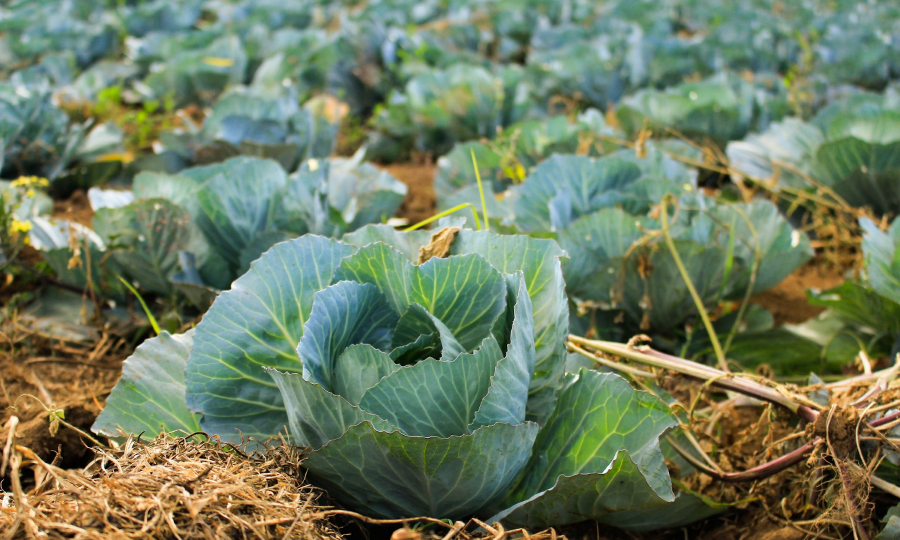
    Developing a bioeconomy in Africa presents a significant opportunity to drive nature-positive economic growth, leveraging the continent’s rich biodiversity and emerging innovations in sustainable technologies. Key to this vision is the potential to turn natural resources and waste materials into valuable products, creating jobs and addressing socio-economic challenges in the process. The water hyacinth, one of the world’s most invasive aquatic plants, is a case in point. Often clogging rivers and disrupting ecosystems, it is now being transformed into biogas, packaging materials, fertilizers, and even thermal insulation. This transformation reflects the broader goals of a bioeconomy, where nature is used sustainably to generate economic value.

    One area of innovation is the use of mushroom mycelium (the root system of fungi) to create biodegradable composites. These mycelium-based materials, which are cultivated by feeding fungi on organic biomass like agricultural waste, offer an eco-friendly alternative to traditional building materials. Without requiring high-tech equipment, these materials can be grown anywhere, making them accessible and sustainable. They can replace plastic-based packaging, serve as insulation, and even be used for floor tiles and furniture. Importantly, they are being studied for their potential to create self-healing and self-growing structures, which could transform construction in Africa and beyond.

    Such technologies exemplify the bioeconomy’s potential to merge biological processes with cutting-edge innovation. Ventures like this help to diversify value chains and bring sustainability to industries traditionally reliant on harmful processes. As young innovators across sub-Saharan Africa explore these possibilities, the bioeconomy offers a unique platform for youth-driven solutions to environmental and economic challenges. With 70% of the region’s population under 30, there is immense potential to tap into the creativity and resourcefulness of millions of young people, harnessing their ideas to reshape industries and unlock new economic opportunities.

    At a global level, the G20 Initiative on the Bioeconomy, introduced by Brazil’s presidency, aims to position the bioeconomy as a catalyst for sustainable development. This initiative aligns with goals for social inclusion, climate action, and nature-positive growth. According to the World Bioeconomy Forum, the current global bioeconomy is valued at $4 trillion, and estimates suggest that it could grow to $30 trillion by 2050, signaling the massive potential for growth.

    Africa’s bioeconomy can be broadly divided into three categories. First, there are products for which there is already a market, and Africa is a leading or unique supplier. Moringa, for example, is a tropical tree native to Africa whose seeds can be used as a natural coagulant for water purification. Moringa also has industrial potential in the production of biodiesel, fertilizer, and livestock feed. Similarly, wood processing, which benefits from Africa’s forests, could contribute billions to the economy if industrialized, potentially creating millions of jobs. However, single-species plantations must be managed carefully to avoid negative impacts on biodiversity.

    Second, there are goods for which Africa has intrinsic competitiveness but lacks sufficient market demand. In Kenya and Rwanda, businesses are turning food waste into fertilizers and animal feed. Such ventures can position Africa as a green processing and export hub, helping pioneer sustainable industries. Additionally, there is untapped potential in wild African foods like South Africa’s buchu and rooibos or West Africa’s shea tree, all of which have global appeal in the health and wellness sectors.

    Lastly, there are opportunities in bio-based innovation and technology. Mushroom-derived mycelium materials, for instance, have already gained popularity in Europe and the U.S. as alternatives to plastic and conventional building materials. In Africa, these mycelium composites could help address environmental problems while adding value to agricultural waste streams, providing a greener route for waste management, including plastics and other carbon-based materials.

    Realizing the full potential of Africa’s bioeconomy, however, requires the integration of these efforts into national and regional economic plans. There is a need for more research, development, and innovation to ensure sustainable use of bio-resources. This also includes developing biodegradable biomaterials and avoiding harmful practices, like using essential food crops for biofuel production or engaging in mass monoculture, which could damage ecosystems.

    Financial support is critical in scaling the bioeconomy. Both public and private sectors need to realign financial flows toward nature-positive outcomes, supporting the development of green industries. African countries must move quickly up the technological innovation curve to fully capitalize on the bioeconomy’s potential. This requires not only policy and regulatory reforms but also the attraction of investors who understand the economic and environmental opportunities within this sector. Achieving this will involve overcoming challenges such as global debt, technological gaps, and the impacts of climate change, all while fostering sustainable development and social inclusion across the continent.

    James Irungu Mwangi, founder of Africa Climate Ventures and the Climate Action Platform – Africa, and Simon Zadek, co-chief executive of NatureFinance, highlight that scaling Africa’s bioeconomy will not only drive economic growth but also serve as a key tool in tackling climate change and promoting sustainable jobs.

  • New IITA-CGIAR and China Agriculture University Partnership Boosts African Agricultural Innovation, Trade, and Development

    New IITA-CGIAR and China Agriculture University Partnership Boosts African Agricultural Innovation, Trade, and Development

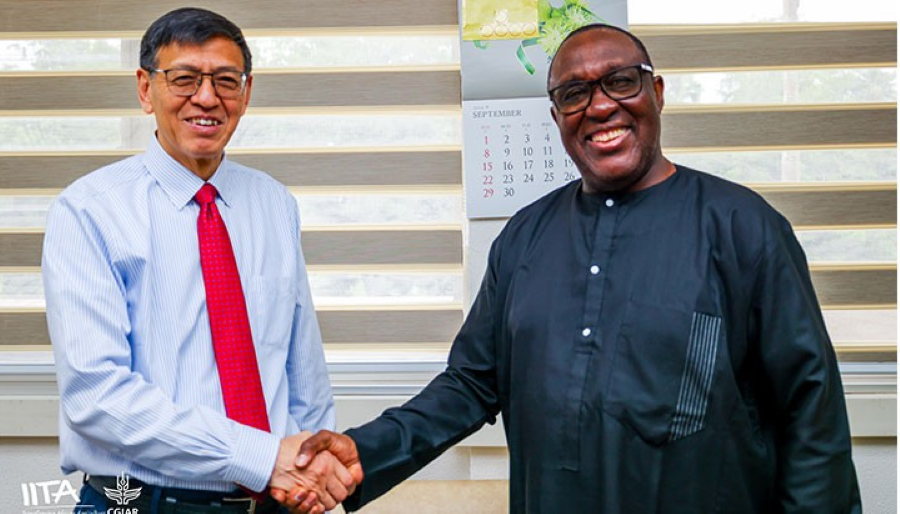
    In a significant development aimed at fostering agricultural research and trade collaboration between Africa and China, the International Institute of Tropical Agriculture (IITA-CGIAR) and China Agriculture University (CAU) have forged a new partnership. From 28 August to 1 September 2024, a Chinese delegation led by IITA Board member Dr. Fan Shenggen visited the IITA-CGIAR headquarters to explore avenues for joint research, agricultural development, and innovation across the African continent. The visit marked an important step toward strengthening ties between China and Africa in key areas like climate-smart agriculture, mechanization, and trade.

    During the week-long visit, IITA Director General and CGIAR Regional Director for Continental Africa, Dr. Simeon Ehui, welcomed the delegation, which comprised both academic and research experts. Dr. Ehui emphasized the importance of learning from China’s advancements in agricultural technology and expressed optimism about the opportunities this partnership would create. He stated, “There is so much Africa can learn from China. With this partnership, we can explore many opportunities like staff exchange, student exchange, research collaboration, and more.” The visit also involved IITA research scientists and management staff, who engaged in productive discussions on various collaboration fronts.

    Dr. Fan Shenggen underscored the Chinese government’s commitment to supporting agricultural development in Africa, particularly through academic research and technology transfer. “We are excited about forging collaborations with IITA in the area of breeding and research, especially in academics. We are also keen on nutrition and climate-smart agriculture,” he stated. These collaborations aim to enhance the resilience of African agriculture in the face of climate change and other pressing challenges.

    Several key areas of collaboration were highlighted during the discussions, including academic exchange programs for young researchers, small-scale mechanization to improve agricultural productivity, and digital data collection to facilitate precision agriculture. These initiatives will allow Africa and China to share knowledge and expertise, creating a mutually beneficial relationship that fosters innovation.

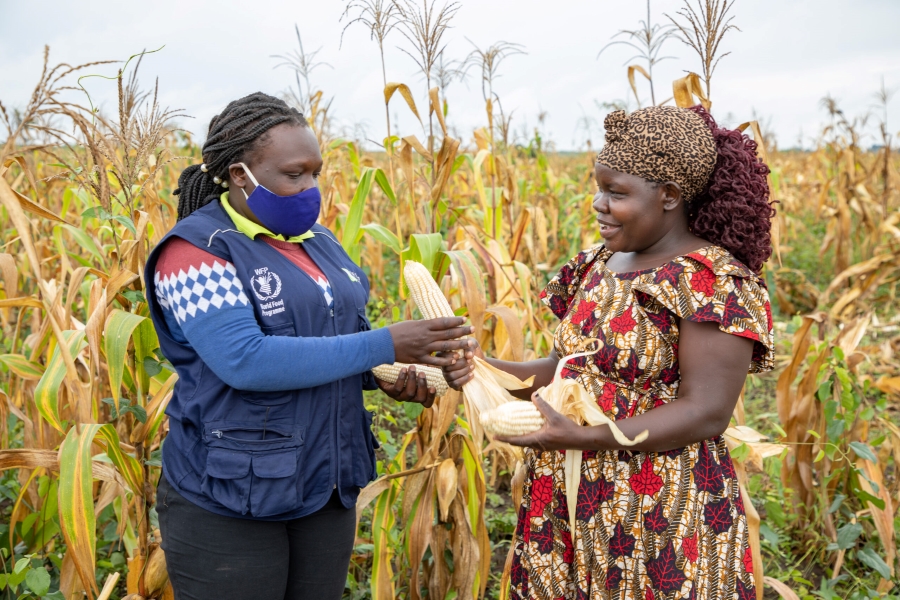
    One of the most critical points raised was the need for enhanced trade relations, particularly addressing issues that hinder Africa’s agricultural exports. The teams discussed trade analysis and how factors like aflatoxin contamination have negatively impacted the export of crops such as maize and groundnuts, resulting in reduced incomes for African farmers. Aflatoxin is a naturally occurring toxin produced by certain molds that can grow on food crops, and its presence in crops has been a significant barrier to accessing global markets. By leveraging IITA’s research capacity, the partnership seeks to tackle such barriers and boost trade opportunities for African farmers.

    To address these issues, both parties proposed the establishment of dedicated export zones in Nigeria, which would focus on improving the quality and safety of agricultural produce for international markets. These zones could significantly enhance the livelihoods of local farmers by providing them with better access to global markets while ensuring that their products meet international quality standards.

    The delegation also identified the importance of empowering youth by improving their access to agricultural technologies and innovations. One way to achieve this is through data collection for nutrition surveys, leveraging IITA’s expertise to enhance the nutritional quality of food systems in Africa. The focus on youth engagement in agricultural development reflects the need to equip the next generation of farmers and researchers with the tools and skills necessary to lead Africa’s agricultural transformation.

    Both teams committed to setting clear goals and timelines for implementing the initiatives discussed. Actionable plans were drawn up, with milestones to measure progress and deliverables to ensure accountability. Future meetings in China and other CGIAR Centers in Africa were also proposed to further strengthen this partnership and expand its scope.

    In summary, this new collaboration between IITA-CGIAR and China Agriculture University has the potential to transform African agriculture by combining China’s technological advancements and Africa’s rich agricultural resources. By focusing on areas such as climate-smart agriculture, mechanization, trade enhancement, and youth empowerment, the partnership aims to foster sustainable agricultural development across the continent.

  • Achieving Sustainable Abundance: A Strategic Vision for Future Growth and Innovation

    Achieving Sustainable Abundance: A Strategic Vision for Future Growth and Innovation

    A Vision for the Future

    Sustainable abundance represents a strategic aim to meet our present needs while ensuring that future generations can also meet theirs. This concept requires forward-thinking planning and innovation to reconcile economic growth with environmental stewardship, ensuring resources are both accessible and affordable. Business leaders and policymakers face increasing demands to shape a future that balances these dual objectives through a collaborative, multi-stakeholder approach.

    The Context of Change

    We are at a critical juncture in history. Each generation confronts its unique set of challenges and opportunities, which often seem unprecedented. Today, technological advancements—particularly in artificial intelligence (AI) and synthetic biology—offer tremendous potential benefits but also pose significant risks. These technologies are reshaping traditional economic and societal systems, and combined with political, geopolitical, and environmental shifts, they create a complex landscape requiring large-scale, innovative responses.

    The current global climate necessitates a radical shift from traditional economic models. While previous generations have tackled monumental issues, today’s problems demand a unified and visionary approach. The idea of sustainable abundance challenges the conventional trade-offs between economic growth and environmental sustainability, advocating for a balanced approach that integrates economic, social, and environmental objectives.

    The Concept of Sustainable Abundance

    Sustainable abundance is rooted in the principles outlined by the 1987 United Nations Brundtland Commission report. It emphasizes the need to provide for current generations without depleting resources or compromising the ability of future generations to do the same. This approach demands a significant departure from traditional practices, focusing on reducing environmental impacts while ensuring equitable access to essential resources.

    Achieving sustainable abundance involves a holistic strategy that harmonizes human desires for survival, prosperity, and environmental preservation. This requires innovative solutions across various sectors, from energy production and food supply to economic models and policy frameworks. Leadership and collective commitment are essential to drive these innovations and create a balanced, inclusive future.

    Addressing Contemporary Challenges

    In today’s world, several critical areas require attention:

    1. Responsible Business Practices: The historical emphasis on maximizing short-term shareholder value has led to significant negative externalities. Moving towards stakeholder capitalism, which focuses on creating value for all stakeholders, is crucial for fostering sustainable abundance.
    2. Reimagining Globalization: While globalization has previously driven economic growth, its benefits have been uneven. Modern globalization is characterized by distributed innovation and shared global challenges. Businesses must adapt to this dynamic landscape, balancing global interdependence with local resilience.
    3. The Role of Government: Effective government intervention has historically spurred innovation and industrial success. Today, there is a renewed need for strategic government involvement to address global challenges and coordinate efforts across sectors.
    4. Networked Power: Power dynamics are shifting from centralized to decentralized forms. Digital platforms and grassroots movements are reshaping economic and social structures, demanding new approaches to governance and collaboration.
    5. Radical Technological Advances: Technologies such as biotechnology and nanotechnology are driving rapid advancements. Businesses and governments must leverage these technologies to address global challenges and drive progress.

    The Innovation Agenda

    To move towards sustainable abundance, several key areas of focus are emerging:

    1. Ensuring Essentials: Innovating ways to provide basic needs—food, water, and energy—sustainably is fundamental. This includes developing new technologies and practices that minimize environmental impact and enhance resource efficiency.
    2. Advancing Human Progress: Reimagining education, healthcare, and community development is essential for promoting well-being and ensuring equitable access to opportunities.
    3. Reconnecting with Nature: Embracing indigenous knowledge, biomimicry, and synthetic biology can help integrate human activities with natural systems, fostering environmental stewardship and sustainability.
    4. Reducing Environmental Footprints: Adopting circular economy principles, advancing materials science, and embracing digital technologies are critical for minimizing ecological impacts and promoting sustainable practices.

    Business Leadership and Strategic Innovation

    Business leaders play a pivotal role in driving this agenda. They must:

    • Learn from Past Movements: The pursuit of sustainability can be likened to the quality movement in its potential for transformative impact, requiring comprehensive and collaborative efforts.
    • Cultivate Innovation Intelligence: Staying informed about emerging technologies and trends is essential for shaping the future and remaining competitive.
    • Explore Beyond Monetization: Transformative innovations often start with fundamental questions that transcend mere profit, opening up new possibilities and value creation.
    • Accelerate Collaboration: Partnering with startups and other organizations can expedite the development and deployment of sustainable solutions.
    • Forge Ecosystems for Innovation: Collaboration across industries can drive breakthroughs and facilitate radical progress.
    • Integrate Long-Term Strategies: Balancing short-term gains with long-term investments is crucial for sustainable development and innovation.

    Conclusion

    No single entity can single-handedly shape the path to sustainable abundance. However, each can contribute to the collective effort required to implement this vision over the coming decade. As transformative changes unfold, businesses and leaders have a choice: to lead and shape these changes or to follow those who do. Embracing sustainable abundance is not just a strategic investment but a moral imperative, honoring the legacy of past generations and securing a better future for all.

  • Kenya Space Agency Installs Transient Array Radio Telescope (TART), Boosting East Africa’s Space Research

    Kenya Space Agency Installs Transient Array Radio Telescope (TART), Boosting East Africa’s Space Research

    The Kenya Space Agency (KSA) has successfully completed the installation of the Transient Array Radio Telescope (TART), marking a significant milestone in the advancement of radio astronomy within East Africa. This groundbreaking development was announced during a week-long workshop hosted by the Technical University of Kenya (TUK), in collaboration with the South African Radio Astronomy Observatory (SARAO) and the Electronic Research Foundation of New Zealand.

    The TART network, which comprises a series of low-cost radio telescopes, is designed to facilitate real-time observations of astronomical phenomena. This innovation promises to significantly enhance Kenya’s capabilities in space research and is poised to make a substantial impact on the broader African scientific community. The TART network will be deployed across seven additional African countries, further strengthening the continent’s position in the global space research arena.

    With the installation of TART, Kenya joins South Africa and Mauritius as one of the few African nations equipped with advanced radio astronomy technology. This positions Kenya as a pivotal player in space science on the continent, highlighting its growing role in global scientific endeavors.

    The workshop provided an invaluable opportunity for students, astronomers, and researchers to gain hands-on experience with the TART telescope. The event not only demonstrated the telescope’s functionalities but also fostered knowledge exchange between Kenyan participants and South African experts. This collaborative learning is expected to enhance Kenya’s technical expertise and contribute to future scientific discoveries in the field of radio astronomy.

    Brig. Hillary Kipkosgey, CEO of the Kenya Space Agency, underscored the importance of such initiatives for Kenya’s aspirations to become a central hub for space science in Africa. “By introducing radio astronomy through this workshop, we have laid the foundation for the development of essential infrastructure, academic programs, and research projects that will drive Kenya’s future in space science,” Kipkosgey remarked.

    Looking ahead, the Kenya Space Agency plans to further expand its capabilities by establishing an astronomical observatory in Kitui later this year. This new facility is set to play a crucial role in advancing the nation’s space research infrastructure and will contribute to its growing prominence in the global space community.