Category: ARM ARTICLES

This category presents a post from ARM Magazine, spotlighting African researchers and their contributions.

  • Strengthening Cybersecurity: The Vital Role of Internal Audit in Governance and Risk Management

    Strengthening Cybersecurity: The Vital Role of Internal Audit in Governance and Risk Management

    In an era marked by rapidly evolving cybersecurity threats, organizations face significant challenges in protecting their digital assets and sensitive information. The role of internal audit functions has become increasingly vital in navigating these challenges and enhancing cybersecurity measures. As the third line of defense in cybersecurity governance, internal auditors provide independent assurance and evaluation, playing a pivotal role in ensuring robust risk management practices and regulatory compliance.

    Assessing Cybersecurity Governance

    Effective cybersecurity governance is essential for aligning cybersecurity objectives with the organization’s overall strategic goals. Internal auditors assess the establishment and effectiveness of cybersecurity policies, procedures, and frameworks. This includes evaluating the clarity of roles and responsibilities within the organization. By scrutinizing the governance structure, internal audit functions can identify areas for improvement and ensure that cybersecurity efforts are integrated into the organization’s overarching governance framework.

    Statistical Insights

    1. Cybersecurity Governance Impact: A study by the International Data Corporation (IDC) revealed that organizations with strong cybersecurity governance frameworks experience 30% fewer security incidents compared to those with inadequate governance structures.
    2. Internal Audit Contribution: Research by the Institute of Internal Auditors (IIA) found that 82% of organizations view internal audit functions as instrumental in assessing and improving cybersecurity governance.
    3. Organizational Integration: According to the Grant Thornton Business Pulse report, 45% of mid-market businesses have implemented a cybersecurity framework, 37% have defined cyber strategies, policies, and procedures, but only 29% have a dedicated team focusing on cybersecurity.

    These statistics highlight the critical role of internal audit functions in reinforcing cybersecurity governance within organizations.

    Evaluating Risk Management Practices

    Cybersecurity risk management involves identifying, analyzing, and mitigating risks related to information technology and security. Internal auditors play a crucial role in evaluating the organization’s risk management practices. This includes the identification of cyber risks, the effectiveness of risk assessment methodologies, and the adequacy of risk mitigation strategies. By conducting comprehensive risk assessments and evaluating risk management processes, internal audit functions help organizations prioritize their cybersecurity efforts and allocate resources effectively.

    The “Cost of a Data Breach Report 2023” by IBM Security and the Ponemon Institute highlighted that the global average cost of a data breach increased by 2.3% compared to the previous year, reaching $4.45 million. The report also noted that the average time to identify and contain a data breach was 196 days, underscoring the prolonged exposure of sensitive data and the potential for extensive damage.

    Data Privacy Concerns

    Data privacy has emerged as a significant risk for businesses, with data breaches posing substantial threats to organizational reputation and financial stability. Various countries have responded by implementing stringent data privacy laws and regulations. Internal audit functions are well-positioned to assess and mitigate these risks effectively, ensuring compliance with regulatory requirements and protecting sensitive data.

    Enhancing Control Processes

    Cybersecurity control processes serve as the frontline defenses against cyber threats. Internal auditors assess the design and effectiveness of these controls, which include technical controls, administrative controls, and physical controls. By evaluating processes such as access controls, encryption mechanisms, and incident response procedures, internal audit functions help identify weaknesses and vulnerabilities in the organization’s cybersecurity defenses. Furthermore, internal auditors ensure that control processes are properly implemented and monitored to detect and respond to cyber threats in a timely manner.

    Cloud Security Challenges

    One area where companies often fall short is in cloud assurance. Major cloud service providers like Microsoft Azure and Amazon Web Services offer robust security measures, but the responsibility for configuring and securing the environment ultimately lies with the organization. In the shared cloud model, ensuring the proper configuration and implementation of security measures becomes even more critical. Many companies mistakenly believe that migrating to the cloud automatically addresses all security concerns. However, inadequately configured environments can leave organizations vulnerable to cyber threats.

    According to a recent survey by McAfee, 83% of organizations store sensitive data in the cloud, yet only 29% have implemented proper security measures to protect it. This highlights the urgent need for organizations to enhance their cloud security practices.

    Leveraging Cybersecurity Topical Requirements

    The cybersecurity topical requirements published by the IIA provide a structured approach to assessing cybersecurity practices. These requirements cover key areas such as governance, risk management, and control processes. By following these guidelines, internal audit teams can ensure their assessments are comprehensive and aligned with industry standards. Additionally, using cybersecurity topical requirements facilitates consistency and comparability across internal audit engagements, enabling organizations to benchmark their cybersecurity practices against industry peers.

    Conclusion

    Internal audit functions play a crucial role in enhancing cybersecurity within organizations. By leveraging established frameworks and standards, such as the cybersecurity topical requirements published by the IIA, internal auditors help organizations assess and improve their cybersecurity governance, risk management, and control processes. Through thorough assessments and valuable insights, internal audit functions contribute to strengthening the organization’s cyber posture and mitigating the risks associated with cyber threats.
  • USF Researchers Use AI for Advanced Mosquito Surveillance to Combat Malaria in Africa

    USF Researchers Use AI for Advanced Mosquito Surveillance to Combat Malaria in Africa

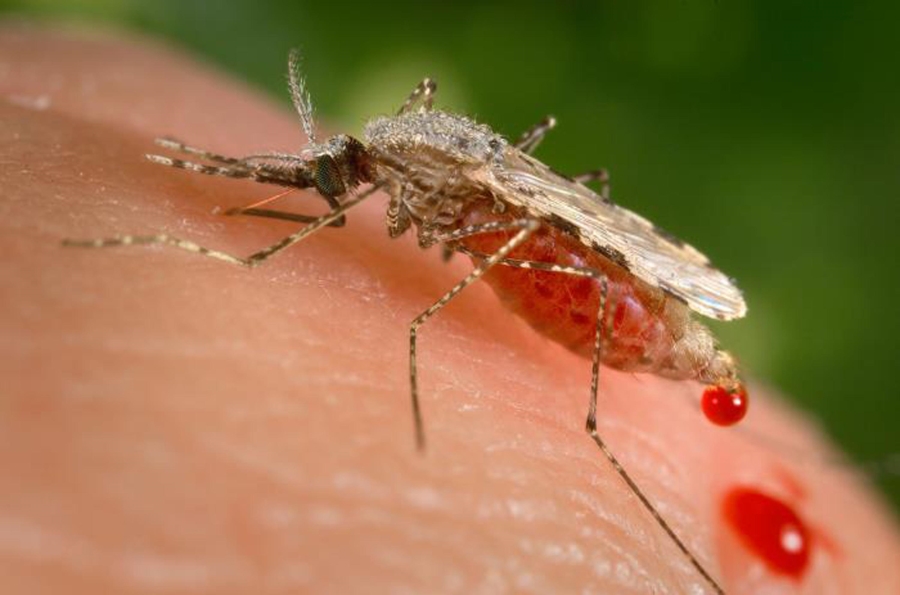
    Researchers at the University of South Florida (USF) are leveraging artificial intelligence to transform mosquito surveillance in a groundbreaking effort to combat malaria in Africa. Spearheaded by Ryan Carney, an associate professor of integrative biology, and Sriram Chellappan, a professor in the department of computer science and engineering, this interdisciplinary initiative aims to develop real-time solutions for targeting malaria-infected mosquitoes.

    Funded by a $3.6 million grant from the National Institute of Allergy and Infectious Diseases (NIAID), part of the National Institutes of Health (NIH), the project, known as EMERGENTS (Enhancing Malaria Epidemiology Research through Genomics and Translational Systems), will establish a new International Center for Excellence for Malaria Research in west-central Africa, involving expertise from Nigeria and Cameroon. According to the World Health Organization (WHO), there were 249 million new malaria cases globally in 2022, resulting in 608,000 deaths, with Africa bearing 95% of these fatalities.

    Objectives and Scope of EMERGENTS

    Over the next five years, the center will focus on evidence-based strategies for malaria eradication and elimination. This includes training a new generation of African scientists, enhancing the understanding of insecticide resistance, and investigating the spread of Anopheles stephensi, an urban malaria vector that has recently invaded Africa. The gathered data will contribute to the global management of malaria. While Africa is the primary focus, the developed technology and methodologies have significant implications for the United States, particularly in Florida, a state vulnerable to mosquito-borne illnesses due to its climate and high international travel rate.

    Advanced Mosquito Surveillance Technology

    Carney and Chellappan will lead efforts in image-driven mosquito surveillance, training local scientists to utilize citizen science through mosquitodashboard.org. This global mosquito-tracking dashboard, created by Carney and Chellappan in 2022 with National Science Foundation funding, integrates hundreds of thousands of mosquito observations from various platforms into an interactive, real-time data portal using photos uploaded by the public from their smartphones.

    Chellappan is also developing an AI-enabled smart trap to lure, capture, and monitor Anopheles stephensi. This patent-pending smart trap will be deployed across west-central Africa during the project to automate the identification of Anopheles stephensi in real-time.

    Innovative AI Algorithms

    “Our team is uniquely capable of using anatomy-based classification from a single photo to identify mosquitoes,” Chellappan stated. “Our algorithm automatically identifies specific anatomical components such as the head, thorax, abdomen, wings, and legs, using these to determine the mosquito species—such as the wings for Anopheles stephensi.”

    The dashboard and smart traps provide real-time data to researchers and mosquito-control personnel, aiding in the early detection of invasive and disease-carrying mosquitoes. Carney and Chellappan’s previous studies, in collaboration with the Centers for Disease Control and Prevention (CDC), have successfully piloted these tools in countries like Ethiopia and Madagascar since 2022. The additional funding will refine these algorithms and include more species, focusing primarily on Anopheles stephensi.

    “Anopheles stephensi is a highly efficient malaria vector, adapted to human environments,” Carney explained. “It can cause significant epidemics in urban centers, as we’ve begun to see in Africa. While this species hasn’t been detected in the U.S. yet, our citizen science infrastructure and identification technologies ensure we’re prepared for such threats.”

    Future Prospects and Collaboration

    Chellappan hopes that as technology advances, these smart traps can be sold at an affordable price, enhancing community-led mosquito surveillance and control locally and internationally.

    This global interdisciplinary project includes collaborators from the University of Florida, African Centre of Excellence for Genomics of Infectious Diseases, Centre for Research in Infectious Diseases, University of North Carolina at Chapel Hill, Africa CDC, Brown University, Centre Pasteur du Cameroun, CERMEL Gabon, DELGEME Plus Mali, Naval Medical Research Unit-3 Italy, and the University of Dschang in Cameroon.

    USF’s participation is funded under NIAID grant number U19AI181594 to the University of Florida. The content is solely the responsibility of the authors and does not necessarily represent the official views of the National Institutes of Health.

  • Combating Malaria and Schistosomiasis: Heroes, Strategies, and Innovations in West Africa

    Combating Malaria and Schistosomiasis: Heroes, Strategies, and Innovations in West Africa

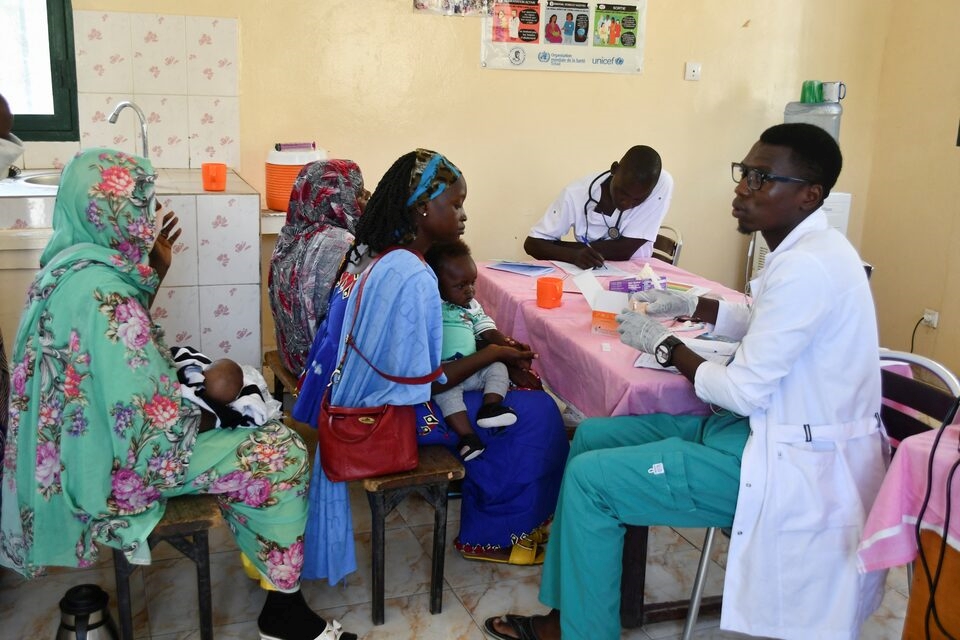
    Malaria and schistosomiasis, two of the most prevalent and deadly diseases in West Africa, are at the forefront of public health efforts in the region. Malaria, a preventable yet potentially fatal disease caused by parasites transmitted by mosquitoes, accounted for approximately 94% of global cases in the WHO African Region in 2022. Tragically, 78% of these deaths were children under the age of five. This dire situation has galvanized scientists and healthcare professionals to intensify their research and intervention strategies, with substantial support from the Special Programmed for Research and Training in Tropical Diseases (TDR).

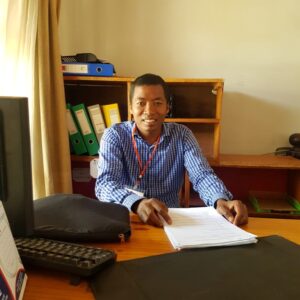
    One notable figure in this battle is Dr. Mamy Andrianirina Rakotondratsara, a medical doctor and research technician at Madagascar’s National Institute of Public and Community Health (INSPC). Rakotondratsara, hailing from an endemic region in eastern Madagascar, was personally affected by malaria, having lost his older brother to the disease. This personal loss fueled his dedication to combating malaria through rigorous research and practical interventions.

    A Journey Fueled by Personal Loss and Academic Pursuits

    Rakotondratsara pursued his master’s in public health at the Cheikh Anta Diop University of Dakar (UCAD), supported by a TDR fellowship. During his studies, he completed TDR’s Massive Open Online Course (MOOC) on implementation research, which equipped him with the skills to design and conduct effective health interventions. His research focuses on the correlation between the frequency of malaria episodes and mosquito bed net coverage in Madagascar’s rural Anosibe An’Ala district. Although the results are pending, this study aims to provide actionable insights for improving malaria prevention strategies.

    Dr Mamy Andrianirina Rakotondratsara

    Illustrative Image: Dr Mamy Andrianirina Rakotondratsara
    Image Source & Credit: healthpolicy-watchnews
    Ownership and Usage Policy

    Training the Next Generation of Public Health Professionals

    The TDR global postgraduate training scheme plays a crucial role in building the capacity of public health professionals in West Africa. This program, co-sponsored by UNICEF, UNDP, WHO, and the World Bank, focuses on interdisciplinary research that addresses barriers and opportunities for better uptake of preventative and treatment methods. UCAD, along with the University of Sciences, Techniques and Technologies in Bamako, Mali, serves as a sub-regional training center for Francophone Africa, providing students with the skills needed to tackle infectious diseases.

    Rakotondratsara reflects on the transformative impact of the TDR training: “The TDR training allowed us to have a new vision of the health system. It changed my way of asking questions when faced with poor health indicators. Regarding my Master’s thesis, it gave me an idea of issues to be explored in the mosquito net distribution process, starting with the quantification of needs to end point use.” His experience has empowered him to integrate these insights into his work at INSPC and pursue further specialization in implementation research.

    Tackling Schistosomiasis: A Lesser-Known but Deadly Foe

    Schistosomiasis, also known as bilharzia, is the second most prevalent disease after malaria in Senegal and much of sub-Saharan Africa. Urogenital schistosomiasis, the most common form, can cause significant damage to the bladder, urethra, and kidneys. This parasitic disease thrives in tropical and subtropical regions with limited access to clean water, such as the Senegal River Basin.

    Dr. Oumy Kaltome Boh, a physician from Dakar, has dedicated her career to addressing the burden of neglected tropical diseases (NTDs) like schistosomiasis. Inspired by her desire to see these diseases eradicated by 2030, Boh pursued a Masters in Health Programme Management at UCAD and an International Inter-University Diploma in Emerging Infections. With a TDR grant, she conducted a study examining the lifestyle practices and environmental factors that facilitate schistosomiasis transmission in Senegal.

    Her study, in collaboration with Senegal’s national bilharziasis program, involved 287 children and assessed the effectiveness of praziquantel, the only available treatment for schistosomiasis. The results showed a 98% reduction in parasite eggs by day 21, demonstrating the drug’s efficacy. Now serving as the deputy chief medical officer in Saint-Louis, Senegal, Boh applies the skills she acquired through the TDR program to manage public health challenges, particularly for people living with HIV or tuberculosis.

    Embracing Innovative Approaches for Disease Control

    TDR-supported training programs are instrumental in introducing new health research and management approaches to West African students. Among these is the One Health approach, which examines disease emergence from a holistic, ecosystem-oriented perspective, considering the interconnected roles of humans, animals, plants, and microorganisms. This comprehensive approach is critical for addressing the complex factors that contribute to the spread of infectious diseases.

    By combining scientific rigor with strategic implementation training, TDR grants enable students to evaluate and enhance health interventions against poverty-related infectious diseases. These opportunities not only benefit the students but also contribute to the broader goal of achieving the Sustainable Development Goals (SDGs) by addressing the neglect of diseases that disproportionately affect vulnerable populations.

    This article is part of a series on TDR’s research capacity strengthening program, which aims to build the skills of public health researchers, implementers, health practitioners, and policymakers in the rapidly evolving field of implementation research. Through this program, TDR continues to empower the next generation of public health leaders in French-speaking Africa to make a lasting impact on the health of their communities.

  • Unlocking University-Industry Partnerships: Advancing Agricultural Education in Africa for Economic Growth

    Unlocking University-Industry Partnerships: Advancing Agricultural Education in Africa for Economic Growth

    University and industry partnerships in Africa are becoming increasingly crucial for fostering well-paying jobs, facilitating technology transfer, and promoting innovative research. This trend is highlighted by a recent study examining the agricultural faculties of eight universities across Eastern, Northern, and Western Africa. The study, titled “Unlocking the Potential of University-Industry Collaborations in African Higher Education: A Comprehensive Examination of Agricultural Faculties,” was published in the journal Industry and Higher Education on 12 May 2024. It was co-authored by Maria Sassi, an associate professor of agricultural economics at Pavia University in Italy, and Patience Mshenga, an associate professor of agribusiness management at Egerton University in Kenya.

    Study Overview

    The researchers explored the benefits and challenges of integrating industrial aspects into African agricultural higher education through case studies from eight universities. These universities include the University of Abomey-Calavi and the National University of Agriculture in Benin, Egerton University and Pwani University in Kenya, Gulu University and Uganda Martyrs University in Uganda, and Morocco’s Mohammed VI Polytechnic University and Institute of Agronomy and Veterinary Medicine Hassan II.

    Evolving Role of Universities

    The study is part of the AgriENGAGE project, which aims to enhance agri-entrepreneurship and community engagement training in East, West, and North Africa. Supported by the Erasmus+ program of the European Union, this three-year project emphasizes that universities are evolving from mere centers of knowledge transfer to catalysts for skills development, innovation, and entrepreneurship.

    Sassi and Mshenga argue that universities must now nurture skills essential for societal progress, while industries seek a workforce with relevant, up-to-date skills. The universities selected for the study have shown a commitment to fostering linkages between academia and industry through practices such as internships, research collaborations, curriculum development, technology transfer, networking, mentoring, and the involvement of guest lecturers and experts.

    Diverse Institutional Goals

    The study found that each university has distinct priorities and goals. For example, the University of Abomey-Calavi, Egerton University, Gulu University, and Uganda Martyrs University prioritize the employability of their graduates through practical training opportunities. In contrast, Pwani University and Mohammed VI Polytechnic view university-industry linkages as avenues for networking and career development.

    Moreover, universities like Egerton, Gulu, and Mohammed VI Polytechnic emphasize community outreach, especially in agricultural entrepreneurship. Gulu University stands out with its public relations office dedicated to linking the university with the community, while Mohammed VI Polytechnic leverages digital platforms for outreach.

    Stages of Development

    Universities in Africa are at various stages of developing industry partnerships and community outreach programs. Sassi and Mshenga describe this as an inverted pyramid, with sustainable scientific and technical cooperation and the hiring of talented graduates still in their infancy. However, research interactions with industry are becoming more common, and field attachments, internships, joint supervision, curriculum development, and guest lectures are widespread across the universities studied.

    Challenges and Opportunities

    Despite the progress, several challenges hinder the development of robust university-industry linkages. Many small and medium-sized enterprises (SMEs) in Sub-Saharan Africa lack the capacity to support university research and innovation. Additionally, there is often a lack of budget allocation for research within the industrial sector, and universities themselves face limited funding for research, restricting resources for joint projects.

    The issue of intellectual property rights in collaborative research also poses a challenge, with industries concerned about protecting their innovations. Segun Ogunwale, co-founder and CEO of Bridgia, a Nigerian start-up, emphasizes the need for assurances of market advantages resulting from joint research.

    Recommendations for Improvement

    To overcome these challenges, Sassi and Mshenga recommend adopting the N-tuple Helix Model, which promotes cooperation among universities, industry, and government. This model ensures that university-industry linkages go beyond mere alternative avenues for universities and become integral to their mission.

    Professor John Ssebuwufu, former vice-chancellor of Makerere University, notes that while some universities benefit from industry partnerships through commissioned research, equipment, and scholarships, few have captured significant financial gains. Ogunwale and Professor Peter Azikiwe Onwualu argue that linkage agreements need specific deliverables to result in tangible outcomes.

    Despite the shortcomings, Sassi and Mshenga highlight the growing number of university-industry linkages and their benefits, including increased government support, growing research demand, and international assistance. Many students have gained entrepreneurial skills through internships and field attachments.

    Conclusion

    The development of university-industry linkages in Africa is a complex and evolving process. Limited public and private funding for research remains a significant obstacle. Universities must assess the practical skills their students acquire from industry partners to ensure they are prepared for well-paying jobs. Strategic foresight, adaptability, and effective management are crucial for navigating the opportunities and threats of such partnerships.

    Overall, while challenges persist, the potential for university-industry collaborations in Africa to drive societal progress and economic development remains significant.

  • Enhancing Food Security in Africa: TAAT and VACS Partner for Sustainable Agriculture and Soil Health

    Enhancing Food Security in Africa: TAAT and VACS Partner for Sustainable Agriculture and Soil Health

    A cassava research center in Zambia. Cassava is one of the crops targeted for increased food production by the Bank’s TAAT program and the U.S. State Department’s VACS program. On the sidelines of the African Fertilizer and Soil Health Summit in Nairobi, leading development organizations have pledged to forge partnerships aimed at expanding the Vision for Adapted Crops and Soils (VACS). This initiative focuses on building resilient African food systems through the cultivation of diverse, nutritious, and climate-adapted crops in healthy soils.

    The African Union’s Commissioner for Rural Development and Agriculture, Ambassador Josefa Leonel Correia Sacko, African Development Bank Group Vice President Dr. Beth Dunford, and other leaders have called for African countries to join the VACS strategic partnership. This partnership aligns with the African Development Bank’s flagship initiative, Technologies for African Agricultural Transformation (TAAT). Both TAAT and VACS target five priority crops: cassava, orange-fleshed sweet potato, sorghum, millet, and high-iron beans. These crops were identified as essential for food security and climate resilience in Africa.

    TAAT Initiative and VACS Partnership

    Launched by the U.S. Department of State, the African Union, and the United Nations Food and Agriculture Organization in February 2023, VACS seeks to advance agricultural practices that improve soil health and crop productivity. Dr. Beth Dunford emphasized the importance of this collaboration, noting how the TAAT initiative, the United States Department of State, the African Union, IFAD (International Fund for Agricultural Development), and CGIAR centers are working together to support VACS. This collaboration also extends to initiatives like Feed the Future and the African Union’s Fertilizer and Soil Health Action Plan, along with the Soil Initiative for Africa.

    TAAT, part of the African Development Bank Group’s Feed Africa strategy, provides heat-tolerant, drought-resistant, and climate-smart certified seeds to millions of smallholder farmers across Africa. The goal is to produce 120 million additional tons of food and lift 130 million people out of poverty by enhancing agricultural productivity and resilience.

    Soil Health and Productivity

    The Soil Initiative for Africa, mandated by the African Union Commission, aims to systematically improve soil health and productivity across the continent. This initiative addresses the critical need for sustainable agricultural practices, as highlighted by the stark statistics shared by U.S. Special Envoy for Food Security Dr. Cary Fowler. According to Fowler, only 25% of Sub-Saharan Africa’s agricultural production growth since 2000 has come from crop yield improvement, while 75% has resulted from the expansion of cropland areas, a trend deemed unsustainable. Projections suggest that over half of the currently arable land may become unusable by 2050 if current practices continue.

    Calls for Action

    During the summit, leaders stressed the urgency of implementing concrete actions to address these challenges. Commissioner Sacko voiced frustration with the lack of tangible outcomes from numerous meetings, expressing strong support for the VACS initiative due to its potential for delivering real results.

    Participants in the summit’s side event, titled “Advancing the Soil Initiative for Africa through the Vision for Adapted Crops and Soil,” included notable figures such as Lindiwe Sibanda, Chair of the CGIAR System Board, Malawi’s Minister for Agriculture Sam Kawale, IFAD Vice President Dr. Gerardine Mukeshimana, and Italy’s Ambassador to Kenya, Roberto Natali. Additionally, Mildred Pita, Head of Public Affairs, Science, and Sustainability for Africa at Bayer, announced a $1 million donation in kind to support VACS.

    Building Consensus and Collaboration

    Wole Fatunbi, Agriculture Director of Research and Innovation with the Forum for Agricultural Research in Africa, moderated the side event. The African Fertilizer and Soil Health Summit, organized by the African Union in collaboration with AUDA-NEPAD, regional economic communities, and other partners, concluded with leaders endorsing the African Union’s Soil Initiative for Africa framework statement and the Fertilizer and Soil Health Action Plan. These documents aim to address the widespread decline in soil quality across African farmland and promote sustainable agricultural practices.

    By fostering partnerships and aligning strategic initiatives, these development organizations are taking significant steps towards enhancing food security and agricultural sustainability in Africa. Through efforts like TAAT and VACS, Africa is poised to build resilient food systems that can withstand the challenges posed by climate change and ensure a prosperous, food-secure future for its population.

  • Egerton and Makerere Universities Lead Climate-Smart Agriculture Initiatives to Boost Food Security in East Africa

    Egerton and Makerere Universities Lead Climate-Smart Agriculture Initiatives to Boost Food Security in East Africa

    Two prominent universities, Kenya’s Egerton University and Uganda’s Makerere University, are spearheading efforts to bolster agricultural productivity and resilience through sustainable, climate-smart agricultural practices aimed at improving food and nutrition security in East Africa. This initiative is crucial as the region grapples with increasing food insecurity driven by climate change.

    Establishing Centers of Food Security and the Environment

    Egerton and Makerere Universities are aligning with global trends by establishing institutes dedicated to food security and environmental studies. These centers are pivotal in helping governments identify and address challenges related to food security.

    “These centers, integrated within our faculties, directorates, and institutes, are expected to propose solutions to the complex issues surrounding food systems and the growing challenge of feeding a rapidly increasing population,” stated Professor Isaac Ongubo Kibwage, Vice-Chancellor of Egerton University.

    Launching the Centre of Excellence in Regenerative Agriculture

    The universities are key players in the Reduce, Reuse, Recycle Rice Initiative for Climate Smart Agriculture (R4iCSA) project. This initiative, driven by Kilimo Trust, a non-profit organization focused on sustainable agricultural development, aims to promote science-based, market-driven agricultural practices in East Africa. Kilimo Trust is also establishing a Centre of Excellence in Regenerative Agriculture at Egerton University, as announced by Anthony Mugambi, Kilimo Trust Kenya team leader, during the Africa Fertilizer and Soil Health Summit organized by the African Union in Nairobi.

    R4iCSA Project Phases and Goals

    The R4iCSA project commenced with a pilot phase in 2020 and entered its second phase in October 2022. Funded by the IKEA Foundation, this five-year, $5 million project initially benefited 5,000 smallholder farmers in Kenya and Uganda and now aims to reach 10,000 households.

    Egerton University’s Agro-Sciences Park Seed Unit hosts the Kilimo Trust’s Kenya office. Established as part of Kenya’s Vision 2030 development program, this unit is instrumental in transferring technology from the lab to the market, supporting economic growth through innovative agricultural practices.

    Strategic Activities and Research Focus

    The Agro Sciences Park Seed Unit’s strategic activities include:

    • Providing infrastructure for incubating agro-innovations.
    • Facilitating partnerships in agro-value chain development.
    • Managing knowledge and technology transfer between universities, the private sector, and entrepreneurs.

    The unit, led by Professor Paul Kimurto, a specialist in dryland research and drought stress physiology, has successfully introduced high-yielding upland rice varieties in Kenya and Uganda. This marks the first-time upland rice is being cultivated in semi-arid regions, showcasing significant potential for enhancing food security.

    Multi-Partner Collaboration and EAC Support

    Recognizing the critical role of agricultural faculties in addressing food security, the East African Community (EAC) supports research initiatives aimed at building resilience and increasing agricultural productivity. The R4iCSA project involves collaboration among EAC governments, universities, the private sector, and research institutions such as KALRO (Kenya Agriculture and Livestock Research Organization), NARO (National Agricultural Research Organization), and NACRRI (National Crops Resources Research Institute).

    Makerere University works closely with the Buginyanya Zonal Agricultural Research and Development Institute (BugiZARDI) under NARO’s guidance. BugiZARDI focuses on protocols involving biochar, vermicast, and rice-legume integration to improve rice production and soil health.

    Generating Evidence for Sustainable Practices

    The second phase of the R4iCSA project aims to generate robust evidence on the economic benefits of sustainable and regenerative agricultural practices. This evidence will support stakeholder engagement and policy development to promote regenerative agriculture in the rice sub-sector.

    Expected outcomes of R4iCSA II include:

    • Increased adoption of sustainable rice production practices.
    • Enhanced awareness of wetland conservation.
    • Greater integration of legumes with rice farming.
    • Improved access to markets for rice and its by-products.
    • Influencing policy shifts through evidence-based knowledge products.

    Addressing Climate Challenges

    With climate change disproportionately affecting Africa, targeted government support for research and development in agriculture is vital. The EAC’s new strategy to improve rice production aims to reduce import dependence and boost intra-regional trade. This strategy, supported by the Coalition for African Rice Development, was adopted in May 2023 to consolidate efforts in the rice sub-sector.

    Egerton and Makerere Universities, through their innovative research and strategic partnerships, are playing a crucial role in addressing the pressing issues of food security and agricultural sustainability in East Africa.

  • The Secret Behind Beetle Diversity: Chemical Defenses and Evolutionary Success

    The Secret Behind Beetle Diversity: Chemical Defenses and Evolutionary Success

    As life on Earth diversified, certain groups of organisms thrived exceptionally well, while others dwindled or went extinct. One of the greatest mysteries in evolutionary science is understanding why evolution favors some groups over others. Beetles, with their extraordinary diversity, epitomize evolutionary success. Around 400,000 beetle species are known, comprising about a quarter of all described lifeforms, and potentially hundreds of thousands more await discovery. The diversity and beauty of beetles captivated both Charles Darwin and Alfred Russell Wallace, the co-discoverers of natural selection. But what accounts for their remarkable success?

    Traditional Hypotheses on Beetle Diversification

    Several theories have been proposed to explain beetles’ diversity. One suggests that beetles gained an advantage through the evolution of elytra, the hardened forewings that protect their delicate flight wings, allowing them to inhabit a variety of ecological niches. Another hypothesis posits that beetles co-evolved with flowering plants, with the diversification of these plants driving the diversification of beetles that feed on them.

    The Enigma of Rove Beetles

    These theories, however, do not fully explain the success of the rove beetles (Staphylinidae), the largest beetle family with over 66,000 species. Rove beetles are particularly puzzling as they have largely forsaken the protective elytra and are predominantly predatory rather than herbivorous. Despite this, they have colonized virtually every terrestrial habitat over the past 200 million years.

    Discovering the Chemical Secret to Success

    A new study led by researchers in Joe Parker’s lab at Caltech, including former postdoctoral scholar Sheila Kitchen, sheds light on the rove beetles’ evolutionary success. Published on June 17 in the journal Cell, the study identifies the evolution of two cell types forming a chemical defense gland as a key factor behind their global radiation.

    In 2021, Parker’s lab investigated the “tergal gland” in rove beetles, located at the tip of their flexible abdomens. They discovered that this gland comprises two unique cell types: one producing toxic benzoquinones and another producing a solvent in which the benzoquinones dissolve, creating a potent defensive mixture against predators.

    The Genetic Basis of Chemical Defense

    In their latest research, Kitchen, Parker, and their team assembled whole genomes from various rove beetle species and analyzed the genes expressed in the tergal gland’s two cell types. This analysis uncovered an ancient genetic toolkit that evolved over 100 million years ago, enabling these beetles to develop their powerful chemical defenses.

    Kitchen, now an assistant professor at Texas A&M University, notes the remarkable similarity in the genetic architecture of the gland across diverse beetle species. By examining specific gene families, the team identified hundreds of ancient genes repurposed for the gland and a small set of new genes essential for its function.

    Evolutionary Innovation and Diversification

    The study revealed that rove beetles evolved a mechanism to safely produce and secrete toxic benzoquinones, akin to how plants manage their chemical defenses. This mechanism involves binding the toxin to a sugar molecule to render it inactive, cleaving the toxin from the sugar only when it is safely outside the beetle’s cells. This innovation, which evolved in the Early Cretaceous, sparked a significant diversification of rove beetles into tens or possibly hundreds of thousands of species. Related lineages lacking this gland have not diversified to the same extent.

    Adaptive Chemistries for Diverse Niches

    Further exploration of rove beetle chemistries showed that while the two cell types of the tergal gland remained consistent, the chemicals they produce evolved dramatically. This adaptability allowed rove beetles to specialize in various ecological niches. For example, some rove beetles produce mite sex pheromones to prey on mites, while others secrete chemicals that pacify ants, enabling them to live symbiotically and prey upon them within ant colonies.

    The Gland’s Role in Evolutionary Success

    The tergal gland acts as a versatile chemical laboratory, allowing beetles to synthesize compounds needed for new environments. However, in some cases, the gland became redundant. For instance, beetles living inside army ant colonies lost their glands, as the ants provided protection, eliminating the need for chemical defenses.

    Conclusion: Evolution at the Cellular Level

    This study highlights how changes at the cellular level can drive significant ecological and evolutionary diversification, contributing to the incredible success of beetles. The interdisciplinary team of evolutionary biologists, chemical ecologists, protein biochemists, and microscopists at Caltech has provided valuable insights into the molecular innovations that underlie the vast diversity of beetles. This research underscores nature’s “inordinate fondness for beetles” and the intricate evolutionary mechanisms that have enabled their proliferation across the globe.

  • Reversing Africa’s Healthcare Brain Drain: Strategies for Sustainable Development and Improved Health Systems

    Reversing Africa’s Healthcare Brain Drain: Strategies for Sustainable Development and Improved Health Systems

    Cairo — The adage “health is wealth” underscores a critical reality: without robust health systems, Africa’s aspirations for escaping poverty and achieving high human development are unattainable. True development transcends mere GDP growth; it encompasses GDP per capita and critical human development indicators such as quality healthcare, education, nutrition, access to safe water, and life expectancy.

    The Collapse of Africa’s Health Systems

    Africa’s healthcare infrastructure is crumbling, leaving millions without access to adequate medical services. A significant contributing factor is the mass exodus of health professionals—doctors, nurses, pharmacists, and laboratory scientists—seeking better opportunities abroad. This “brain drain” depletes the continent of essential skilled workers, exacerbating its healthcare crisis.

    Despite housing 18% of the world’s population, Africa has only 3% of the global health workforce. This disparity highlights the severe impact of one-directional migration, which benefits the receiving countries while devastating the source nations. The trend of skilled professionals leaving Africa has persisted for decades and shows no signs of abating. This migration is particularly detrimental in the healthcare sector.

    For instance, 65% of Egypt’s doctors are employed overseas. Nigeria lost 9,000 doctors between 2016 and 2018, primarily to the UK, USA, and Canada—a phenomenon known locally as the “japa” syndrome, from a Yoruba term meaning “to run” or “to flee”. Between 1986 and 1995, 61% of graduates from one Ghanaian medical school migrated abroad. An Ethiopian official once lamented that there were more Ethiopian doctors in Chicago than in Ethiopia.

    Underappreciated Healthcare Workers

    The governance of most African countries does not reflect the critical importance of healthcare workers. Recognition, appreciation, and reward—beyond financial aspects—are lacking. This includes social status and the value attributed to scientific research and professional publications.

    Africa and the developed world are divided between the “brain drainers” and the “brain drained”. Fifteen of the world’s wealthiest countries host 55,000 African doctors and an even greater number of nurses and other healthcare professionals. These numbers may be conservative.

    The UK, USA, France, Canada, Germany, Ireland, and Australia are the primary destinations for African health professionals. In contrast, Egypt, Nigeria, South Africa, Algeria, and Sudan are the top countries experiencing this brain drain. Political instability, insecurity, weak economies, and insufficient investment in public health systems drive skilled practitioners to Europe and North America. Inadequate equipment, drug supplies, and low pay—where healthcare workers earn between $200 and $500 monthly—further motivate this migration, as their counterparts in developed countries earn significantly more.

    Consequences and Solutions

    The failure of wealthy nations to invest adequately in training their healthcare workforce, coupled with aging populations, has made them increasingly reliant on skilled workers from Africa. For example, the UK saw a 38% increase in new doctor registrations from abroad between 1993 and 2022. In England, the need for doctors and nurses has dramatically increased over the past decades.

    The COVID-19 pandemic exacerbated these needs, leading to aggressive recruitment campaigns targeting health workers from developing countries. The lack of effective health insurance in these countries further complicates the situation.

    The brain drain has severe repercussions for Africa. The World Health Organization (WHO) recommends a minimum ratio of 1 doctor to 600 people, yet Nigeria’s ratio is 1 to 9,000, and South Africa’s is 1 to 3,198. Interns and residents bear most of the workload, leading to overwork and burnout, with dangerous implications for health outcomes.

    A Call to Action

    Reversing the brain drain requires urgent and strategic action. It should be a top priority for public policy, but few African countries currently prioritize healthcare. The future of many African nations hinges on their ability to retain and support their healthcare workforce.

    A state exists to foster the welfare and prosperity of its citizens, enabling them to thrive. Health is a fundamental aspect of this equation. Without it, economic productivity and personal fulfillment are unattainable. The following strategies are essential to address the healthcare brain drain:

    1. Invest in Healthcare Systems: African Union member countries pledged in 2001 to allocate 15% of their national budgets to health. To date, only Eritrea, Mauritius, and Seychelles have met this target. Effective investments, coupled with efficient spending and robust monitoring and evaluation, are crucial.
    2. Expand Training Programs: A significant shift in education policies is needed to prioritize science, technology, and health sciences. Training more health professionals, including nurses and laboratory technologists, is vital.
    3. Improve Incentive Structures: Enhanced remuneration for public sector healthcare workers is necessary. Incentives should also be provided for those working in underserved rural areas.
    4. Increase Health Insurance Coverage: Viable health systems require comprehensive health insurance policies to subsidize costs and adequately compensate medical workers.
    5. Engage the Diaspora: Establishing and investing in Diaspora return strategies, particularly for healthcare and education, is critical. A proposed Diaspora Fund could incentivize returnees by offering 50-75% of their developed country salaries for a fixed period.
    6. Leverage Remote Work and Telemedicine: Skills training for remote healthcare work could create a “brain gain”. Telemedicine can allow African healthcare professionals abroad to support health systems in their home countries.
    7. Enhance Economic Conditions: Improving the overall productivity of African economies, through better infrastructure, security, and housing, will help retain health workers.
    8. Control Population Growth: Slowing population growth is essential as it outpaces economic growth and healthcare advancements.
    9. Engage with WHO’s Global Code of Practice: African countries need to actively participate in the WHO’s framework for ethical recruitment of health personnel. Only eight African countries have reported on its implementation as of 2022.

    Africa must address the brain drain challenge with determination. Migration, driven by various factors, is part of human history, but a serious response is necessary to retain a viable health workforce. Without this, effective healthcare delivery remains a distant dream, and with it, true development.

  • Impact of Global Health Volunteers in Zambia: Examining Relational Harm and Healthcare Dynamics

    Impact of Global Health Volunteers in Zambia: Examining Relational Harm and Healthcare Dynamics

    Every year, thousands of global health volunteers, predominantly from the United States, travel to Africa with the goal of improving health outcomes and gaining insight into “global health.” These volunteers come from diverse backgrounds and have varying levels of medical expertise, including surgeons, anesthesiologists, nurses, and medical students.

    Research Overview

    James Wintrup, a senior researcher, has investigated the impact of these volunteers in Zambia. Between 2014 and 2016, he conducted research at a rural hospital where medical volunteers from the US provided various forms of medical care, including eye surgeries, cesarean sections, and treatments for malaria, tuberculosis, and HIV.

    Wintrup’s latest research paper delves into how the presence of these volunteers affected the lives and relationships of local Zambian healthcare professionals and patients, identifying a significant form of “relational harm.”

    Key Findings: Relational Harm

    Wintrup’s key finding is that the presence of medical volunteers has caused damage to the relationships between Zambian health professionals and their patients. This relational harm is crucial because effective healthcare delivery relies not only on material infrastructure—such as power, water, hospital beds, medical gloves, and technical devices—but also on strong relationships of cooperation, trust, and mutual recognition.

    Impact on Local Relationships

    Based on long-term ethnographic research and interviews with Zambian health workers and patients, Wintrup discovered divided local opinions about global health volunteers:

    • Patients’ Perspective: Patients often praised the volunteers, noting their dedication and perceived higher quality of care compared to local staff. For instance, one patient described a volunteer as having “a heart for patients,” indicating a lack of discrimination in their care approach. Volunteers often had the means to provide additional support, such as transport money, which endeared them to patients.
    • Health Workers’ Perspective: Many Zambian health professionals were critical of the volunteers. They felt overshadowed by the volunteers’ ability to offer extended care hours, use newer technologies, and provide financial incentives to patients. This created a perception of disparity in the quality of care, leading to feelings of inadequacy and resentment among local staff. One Zambian staff member noted that the volunteers appeared superior, not due to better skills but because they had fewer external obligations and more resources.

    Consequences of Volunteer Presence

    The study revealed several negative consequences of the volunteers’ presence:

    • Erosion of Trust: The preference of patients for foreign volunteers, sometimes even those with less expertise, undermined the trust and rapport between local health professionals and their patients.
    • Feelings of Alienation: Zambian health workers felt like strangers in their own country when patients explicitly requested treatment from white volunteers, exacerbating racial and professional tensions.
    • Long-term Tensions: These dynamics fostered anxiety, resentment, and division, with potential long-term impacts on the healthcare environment even after the volunteers departed.

    Recommendations for the Future

    Wintrup’s findings contribute to ongoing debates about the benefits and risks of global health volunteering. Critics argue that medical volunteering can reinforce inequality and paternalism and cause direct harm through medical negligence. Supporters claim that these risks can be mitigated through responsible and informed volunteer practices.

    Focusing on the relational impact offers a new perspective on this debate. Wintrup suggests that global health volunteers and the organizations that promote them should critically reflect on whether their work is harming relationships within healthcare settings. In under-resourced contexts, these relationships are particularly fragile.

    Conclusion

    Volunteers must consider whether they are leaving healthcare relationships in a better or worse condition than they found them. If the aim is to improve health outcomes, they should focus on using their resources to strengthen these relationships rather than undermine them. Effective global health initiatives should prioritize building and maintaining strong, trusting relationships within local healthcare systems to ensure sustainable and positive outcomes.

  • Addressing the Lung Cancer Crisis in Nigeria and Sub-Saharan Africa: Insights from Prof. Kelechi Okonta’s Landmark Lecture

    Addressing the Lung Cancer Crisis in Nigeria and Sub-Saharan Africa: Insights from Prof. Kelechi Okonta’s Landmark Lecture

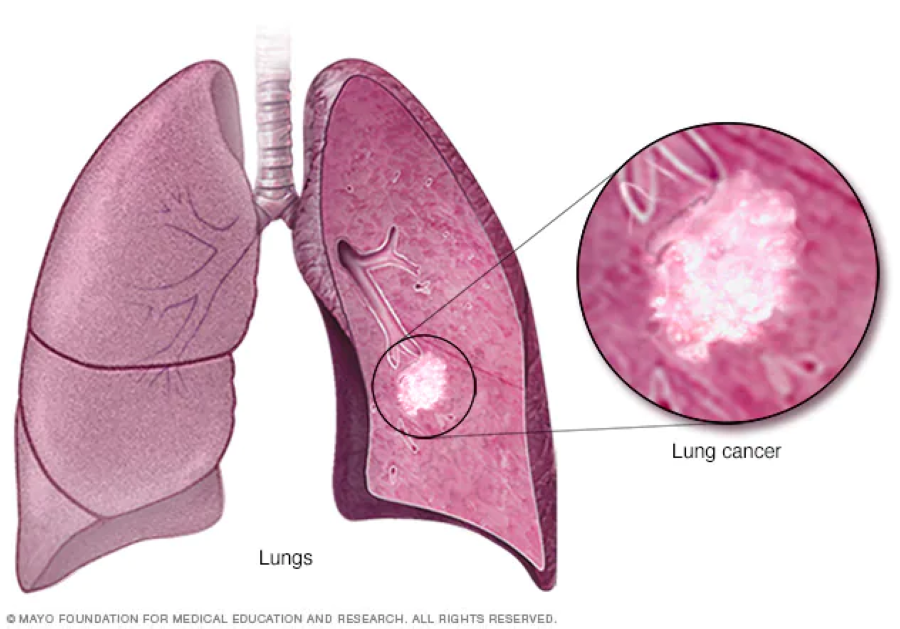
    The burden of lung cancer is significant and severely underreported in Nigeria and across sub-Saharan Africa, according to Professor Kelechi Okonta. Prof. Okonta, a consultant cardiothoracic surgeon and public health expert at the University of Port Harcourt Teaching Hospital in Rivers State, Nigeria, emphasized this issue during a lecture at the Princess Margaret Cancer Centre, Prosserman Centre for Health Research, Mount Sinai Hospital, University of Toronto, Canada. This occasion marked the first time an African was invited to present a lecture on lung cancer at the institution, underscoring Prof. Okonta’s prominence in lung cancer research globally.

    During his lecture titled “Epidemiological Molecular Characteristics and Challenges with the Management of Lung Cancer: An Inquisitive Look at Nigeria and Sub-Saharan Africa,” Prof. Okonta highlighted that many individuals in these regions suffer from lung cancer without being aware of it, largely due to a lack of awareness and proper diagnostic facilities.

    Challenges in Reporting and Diagnosing Lung Cancer

    Prof. Okonta pointed out that the poor reportage of lung cancer in Nigeria and sub-Saharan Africa poses a severe challenge to the health systems of these regions. The underreporting stems from inadequate data collection, poor recording practices, and the absence of a lung cancer registry in Nigeria. This lack of structured data hinders effective lung cancer awareness and management strategies.

    He also noted that the risk of lung cancer is higher among populations infected with Human Immunodeficiency Virus (HIV) compared to the general population. Despite a consistent association between lung cancer and cigarette smoking, many lung cancer patients in Nigeria are non-smokers. This indicates that other carcinogens, particularly those from petroleum products, may play a significant role in the development of lung cancer. Prof. Okonta highlighted the impact of polycyclic aromatic hydrocarbons present in both tobacco and petroleum products, which are known to cause cancer after prolonged exposure.

    Environmental and Occupational Risk Factors

    Increased refinery activities, urban pollution, and occupational exposure to various chemicals significantly contribute to the rising incidence of lung cancer in Nigeria and sub-Saharan Africa. Prof. Okonta emphasized that various chemicals emitted during refinery processes can cause cancer following prolonged exposure to their carcinogens.

    Systemic Challenges in Lung Cancer Care

    Prof. Okonta identified several systemic challenges that hinder effective lung cancer care in Nigeria:

    • Resource Limitations: There is a gross lack of resources and general awareness regarding the burden of lung cancer and the available diagnostic and treatment resources.
    • Impact of Smoking: The negative impact of cigarette smoking is exacerbated by the absence of a centrally coordinated population-based lung cancer registry.
    • Lack of National Strategy: There is no centrally coordinated, well-designed, evidence-based national lung cancer control plan. The referral system within the national healthcare framework is cumbersome.
    • Screening and Guidelines: Nigeria lacks a clear national lung cancer screening strategy, relevant policies, treatment algorithms, and care pathways, particularly for early disease detection. Additionally, the implementation of multidisciplinary teams (MDTs) for comprehensive care is uncommon.

    Proposed Solutions

    To address these challenges, Prof. Okonta proposed several solutions:

    • Skill Development and Technology: Emphasis should be placed on skills development in diagnostics and addressing the technological gaps in practice.
    • Healthcare Funding: The issue of underdiagnosis and inadequate healthcare funding needs to be resolved.
    • Minimally Invasive Diagnostics: There should be a focus on minimally invasive methods for obtaining lung cancer biopsies and subjecting them to molecular testing to identify targetable driver mutations.
    • Awareness and Data Collection: Creating lung cancer awareness through dedicated websites and comprehensive data collection is crucial.
    • Advanced Therapies and Research Collaboration: Newer targeted therapies and advancements in genetic research should be pursued, along with collaboration and peer review in research. Prof. Okonta also advocated for molecular profiling in patient management to improve survival rates.

    Building International Collaboration

    The ultimate aim of Prof. Okonta’s lecture was to foster collaboration with the Princess Margaret Cancer Centre in Toronto in the area of lung cancer research and treatment, starting from Nigeria and extending to sub-Saharan Africa. Prof. Geoffrey Liu, the host of the lecture, expressed enthusiasm for collaborating with Prof. Okonta, recognizing his extensive contributions to lung cancer research.

    This collaboration aims to leverage international expertise to address the significant challenges of lung cancer in Nigeria and sub-Saharan Africa, improving diagnosis, treatment, and overall patient outcomes.