Category: ARM ARTICLES

This category presents a post from ARM Magazine, spotlighting African researchers and their contributions.

  • How Satellite Technology Is Helping Preserve Earth’s Mangrove Forests and Combat Climate Change

    How Satellite Technology Is Helping Preserve Earth’s Mangrove Forests and Combat Climate Change


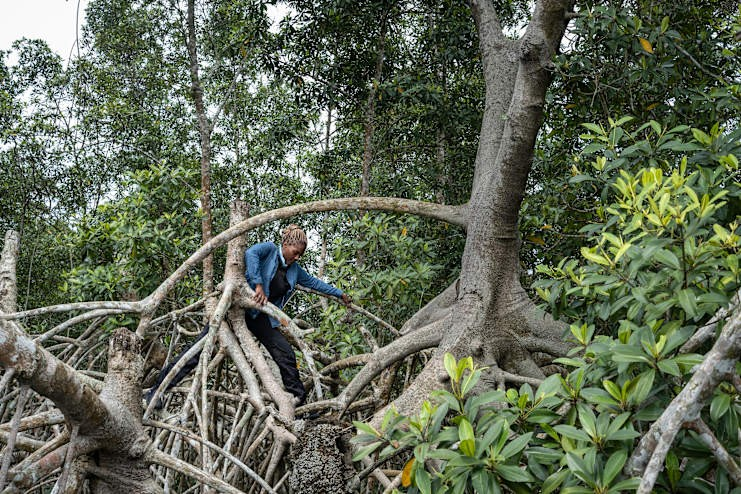
    Illustrative Image: How Satellite Technology Is Helping Preserve Earth’s Mangrove Forests and Combat Climate Change
    Image Source & Credit: National Geographic
    Ownership and Usage Policy

    Beneath the canopy of twisted roots and salt-soaked leaves, coastal wetlands hide worlds that few humans ever get to see. These mysterious mangrove forests—thriving at the delicate intersection between land and sea—are some of Earth’s most valuable yet least accessible ecosystems. Their dense roots, muddy terrain, and briny waters make them difficult to navigate on foot. But behind their wild tangle lies one of nature’s most remarkable climate solutions: a natural mechanism for capturing and storing vast amounts of carbon.

    Mangroves are not ordinary trees. They are powerful carbon sinks, capable of storing up to ten times more carbon than most tropical rainforests. By trapping carbon in their soils and biomass for centuries, they play an outsized role in mitigating climate change. Yet, these crucial ecosystems are disappearing at an alarming rate—cleared for coastal development, aquaculture, and infrastructure, and further threatened by intensifying cyclones and rising sea levels.

    National Geographic Explorer and former NASA scientist Dr. Lola Fatoyinbo is on a mission to protect these overlooked guardians of the planet. Her pioneering research uses satellite remote sensing—a blend of cutting-edge technology and planetary observation—to study mangroves from above. For regions where even the most determined field scientists struggle to tread, satellites become the eyes of discovery.

    From her orbital vantage point, Fatoyinbo employs LiDAR (Light Detection and Ranging) and radar imaging to measure mangrove height, density, and canopy structure, as well as to quantify how much carbon they absorb and store. These technologies send electromagnetic pulses toward Earth’s surface, allowing researchers to reconstruct detailed, three-dimensional maps of mangrove ecosystems. Such insights are crucial for tracking changes over time—whether from deforestation, natural disasters, or climate-related impacts—and for identifying areas most in need of conservation.

    This marriage of ecology and space science represents a transformative shift in how humanity understands and manages its natural resources. Remote sensing allows scientists to monitor global biodiversity at a scale never before possible—without physically disturbing fragile environments. In the case of mangroves, it reveals how these forests grow, adapt, and sustain life in environments often deemed inhospitable.

    Fatoyinbo’s connection to her work is deeply personal. Growing up in Ivory Coast and Benin, she witnessed firsthand the toll of deforestation and pollution—environmental issues that disproportionately affect low-income communities. These experiences sparked her determination to use science for social and ecological justice. Later, as a university student, a single satellite image of Africa changed her trajectory forever. “When I saw that first image of Africa from space,” she recalls, “I realized that this data could unlock an entirely new way of exploring Earth—especially the places most overlooked or hardest to reach.”

    Her passion bridges the gap between outer space and the mud-laden shores of coastal Africa. While her satellites orbit thousands of kilometers above Earth, Fatoyinbo often journeys into the mangrove forests herself, collecting ground-truth data to verify what satellites record. These expeditions—often involving days wading through thick mud and tangled roots—are essential for calibrating remote observations, ensuring that the data truly reflects reality on the ground.

    Mangroves, meanwhile, are not only carbon reservoirs but the foundation of rich, interdependent ecosystems. Their submerged roots provide shelter and breeding grounds for fish, mollusks, and crustaceans that sustain local fisheries and communities. Above water, monkeys, birds, and even large predators like tigers find refuge among the dense foliage. In many coastal regions, mangroves serve as natural barriers, protecting human settlements from storm surges, erosion, and flooding. When these forests vanish, the consequences ripple across both ecological and human systems.

    Fatoyinbo’s work is more than a scientific pursuit—it’s a call to reimagine exploration itself. Her research demonstrates that space-based observation is not detached from Earth’s struggles but rather a powerful ally in solving them. By studying our planet from above, she reveals connections between technology, climate resilience, and human well-being.

    In her view, protecting mangroves means protecting the delicate balance between atmosphere, ocean, and land. It means harnessing innovation to restore ecosystems that quietly safeguard the planet’s future. Fatoyinbo’s story exemplifies a new era of environmental science—where the frontier of space meets the frontlines of conservation, and where understanding Earth from orbit becomes a means of healing it from within.

  • Legal Harmonization in Africa’s Space Sector: The Transformative Role of the African Space Agency (AfSA)

    Legal Harmonization in Africa’s Space Sector: The Transformative Role of the African Space Agency (AfSA)


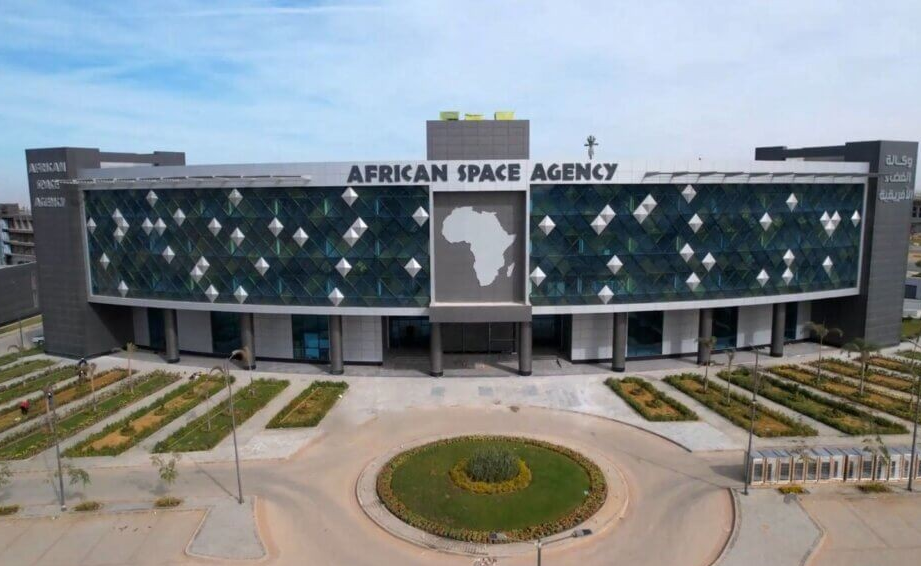
    Illustrative Image: Legal Harmonization in Africa’s Space Sector: The Transformative Role of the African Space Agency (AfSA)
    Image Source & Credit: Torch Media Africa
    Ownership and Usage Policy

    Introduction

    Africa’s engagement with outer space has undergone a remarkable transformation. Once seen primarily as a passive participant in the global space race—relying largely on partnerships and technology transfers from more developed nations—the continent is now asserting itself as an active and strategic player. From deploying satellites to developing launch capabilities, African states are increasingly recognizing that space technology is not a luxury but a strategic necessity for sustainable development.

    Space technologies are indispensable tools in addressing Africa’s developmental priorities: they enhance agricultural productivity through precision farming, improve climate monitoring and disaster management, enable telemedicine and remote learning, and bridge the digital divide across the continent. As these applications multiply, the number of national space agencies and programs continues to grow—from South Africa to Egypt, Nigeria, Kenya, and beyond.

    Yet, this expansion has exposed a pressing challenge: the absence of a unified and coherent legal and regulatory framework. Without harmonization, overlapping jurisdictions, inconsistent licensing standards, and regulatory uncertainty could stifle innovation and deter investment.

    The African Space Agency (AfSA), formally inaugurated by the African Union Commission (AUC) in 2025, headquartered in Egypt, stands as the institutional answer to this challenge. AfSA’s creation marks not merely a symbolic milestone but a structural turning point, positioning the agency as a continental hub for coordination, legal harmonization, and policy integration in Africa’s burgeoning space sector.

    The Current State of African Space Governance

    Africa’s national space governance architecture is far from uniform; it reflects diverse political priorities, institutional cultures, and legal traditions. Three distinct governance models currently dominate the continental landscape:

    1. The Defense-Oriented Model – exemplified by the Kenya Space Agency (KSA) under the Ministry of Defense. This model prioritizes national security and sovereignty concerns but can restrict commercial activity and transparency, creating legal friction when balancing defense objectives with private-sector participation.

    2. The Science and Technology Model – represented by institutions such as the South African National Space Agency (SANSA) and the Nigerian National Space Research and Development Agency (NASRDA). These agencies emphasize scientific research, technological development, and capacity building but often lack full regulatory authority, leading to fragmentation between promotion and enforcement functions.

    3. The Executive-Affiliated Model – as seen in the Egyptian Space Agency, established as a public economic authority directly accountable to the Presidency. This model allows for decisive execution of national projects and political alignment but centralizes power, potentially limiting transparency and shared governance.

    This heterogeneity matters profoundly. It creates inconsistencies in how states fulfill their international obligations under Article VI of the 1967 Outer Space Treaty, which requires states to authorize and continually supervise national space activities. The divergent structures and mandates of African space agencies impede the creation of a coherent, continent-wide regulatory system—precisely the gap AfSA is mandated to bridge.

    The Mandate for Continental Coordination

    The African Space Policy and Strategy (ASPS), adopted by the African Union in 2016, laid the foundation for a unified continental approach. Rooted in Agenda 2063, the policy articulates six guiding principles, including the promotion of regional markets, coordination of African space activities, and the pursuit of user-driven applications that respond to Africa’s socio-economic priorities.

    The establishment of AfSA in 2025 operationalizes this vision. Under Articles 2 and 4 of the AfSA Statute, the agency’s primary mission is to promote, coordinate, and implement the ASPS while leveraging space technologies for sustainable development. AfSA also serves as Africa’s collective interlocutor with international space actors, ensuring that the continent’s voice is unified and influential in global space governance.

    However, beyond coordination, AfSA’s most transformative role lies in legal harmonization. Its statutory mandate includes the development of model laws, regulatory templates, and best practices that member states can domesticate within their national frameworks. This does not imply a top-down imposition of uniform laws but rather the creation of a harmonized ecosystem—a legal architecture that preserves national sovereignty while ensuring coherence and predictability across borders.

    Such harmonization will enhance Africa’s attractiveness to investors and ensure that commercial and governmental actors operate under a consistent legal regime governing licensing, liability, data use, and safety. Moreover, it reduces regulatory duplication and bureaucratic bottlenecks, thus accelerating Africa’s participation in the global space economy.

    Translating Policy into Practice: The Role of National Legislation

    National space legislation is the cornerstone of effective implementation. It translates international treaties and continental principles into enforceable domestic law.

    • South Africa remains the most advanced example, with its Space Affairs Act (1993) and SANSA Act (2008) creating a clear separation between regulatory (through the South African Council for Space Affairs, SACSA) and promotional functions (through SANSA).

    • Nigeria’s NASRDA Act (2010) establishes a comprehensive legal basis for space development, mandating local capacity building and licensing of private operators.

    • Kenya, through the Kenya Space Agency (2017) and its forthcoming Space Bill (2024), seeks to formalize regulatory oversight for satellite launches, remote sensing, and international collaborations.

    These examples highlight growing national awareness of the importance of legal infrastructure. Yet, they also underscore fragmentation. AfSA’s role is therefore to synchronize these national frameworks into a coherent continental regime that facilitates inter-state collaboration and ensures compliance with shared obligations.

    Enforcement Challenges and the Need for a Unified Front

    African space agencies perform dual roles: promotion (research, education, infrastructure development) and regulation (licensing, authorization, supervision). However, most struggle with limited funding, scarce technical expertise, and institutional overlaps.

    Countries that consolidate both roles in one institution risk conflicts of interest, while those that separate them face coordination difficulties. AfSA can mitigate these challenges by providing technical assistance, legal toolkits, and training programs, as well as by developing regional licensing standards and compliance protocols that national bodies can adopt.

    Moreover, by coordinating continental enforcement strategies, AfSA can strengthen Africa’s capacity to supervise both governmental and commercial actors—thereby ensuring compliance with international liability regimes, debris mitigation standards, and environmental norms.

    Navigating Contemporary Legal and Policy Frontiers

    As Africa’s presence in space grows, new and complex challenges demand coordinated legal responses. AfSA is well positioned to lead Africa’s engagement on several pressing issues:

    1. Space Security

    With the increasing militarization and congestion of outer space, African satellites are vulnerable to global tensions and debris risks. AfSA can serve as the institutional voice advancing Africa’s commitment to peaceful uses of outer space, advocating for the Prevention of an Arms Race in Outer Space (PAROS) and promoting Transparency and Confidence-Building Measures (TCBMs).

    2. Space Traffic Management (STM) and Orbital Debris

    The rise of mega-constellations demands standardized monitoring and mitigation protocols. AfSA can coordinate regional space situational awareness networks, support member states in adopting debris mitigation legislation, and align African practices with UN Long-Term Sustainability (LTS) Guidelines.

    3. Space Resource Utilization (SRU)

    The legal ambiguity surrounding space mining—wherein the Outer Space Treaty (Article II) forbids national appropriation but remains silent on resource extraction—poses significant governance challenges. AfSA can champion a common African position that ensures equitable benefit-sharing, protects developing nations’ interests, and advances the principle that outer space is the province of all humankind.

    4. Data Sovereignty and Technology Transfer

    AfSA can ensure that Africa’s growing space sector prioritizes data localization, equitable partnerships, and transparent intellectual property frameworks, ensuring that foreign collaborations yield real technological dividends for African states.

    By uniting African voices in these debates, AfSA provides not only legal coordination but also diplomatic leverage, enabling the continent to shape global space governance norms rather than merely adapt to them.

    Conclusion

    Africa’s entry into the space age is not just a scientific pursuit—it is a project of sovereignty, equity, and transformation. The establishment of the African Space Agency symbolizes a collective commitment to using space as a platform for sustainable development and strategic autonomy.

    Through legal harmonization, AfSA can bridge fragmented national systems, align Africa’s policies with global standards, and ensure that space activities advance both development and security objectives. Its success will depend on sustained political will, investment in capacity building, and the active participation of member states.

    Ultimately, the strength of Africa’s space future lies not only in the rockets it launches or the satellites it operates, but in the legal and institutional frameworks that ensure those ventures are conducted responsibly, inclusively, and for the benefit of all Africans.

    AfSA’s mission—to harmonize, coordinate, and empower—is thus not merely bureaucratic; it is foundational to Africa’s vision of a united, innovative, and sovereign future in the global space order.
  • Fighting Tuberculosis: Nigeria as a Model for Africa and the World

    Fighting Tuberculosis: Nigeria as a Model for Africa and the World

    Fighting Tuberculosis: Nigeria as a Model for Africa and the World

    HUMAN Diagnostics hosts high-level expert meeting in Wiesbaden

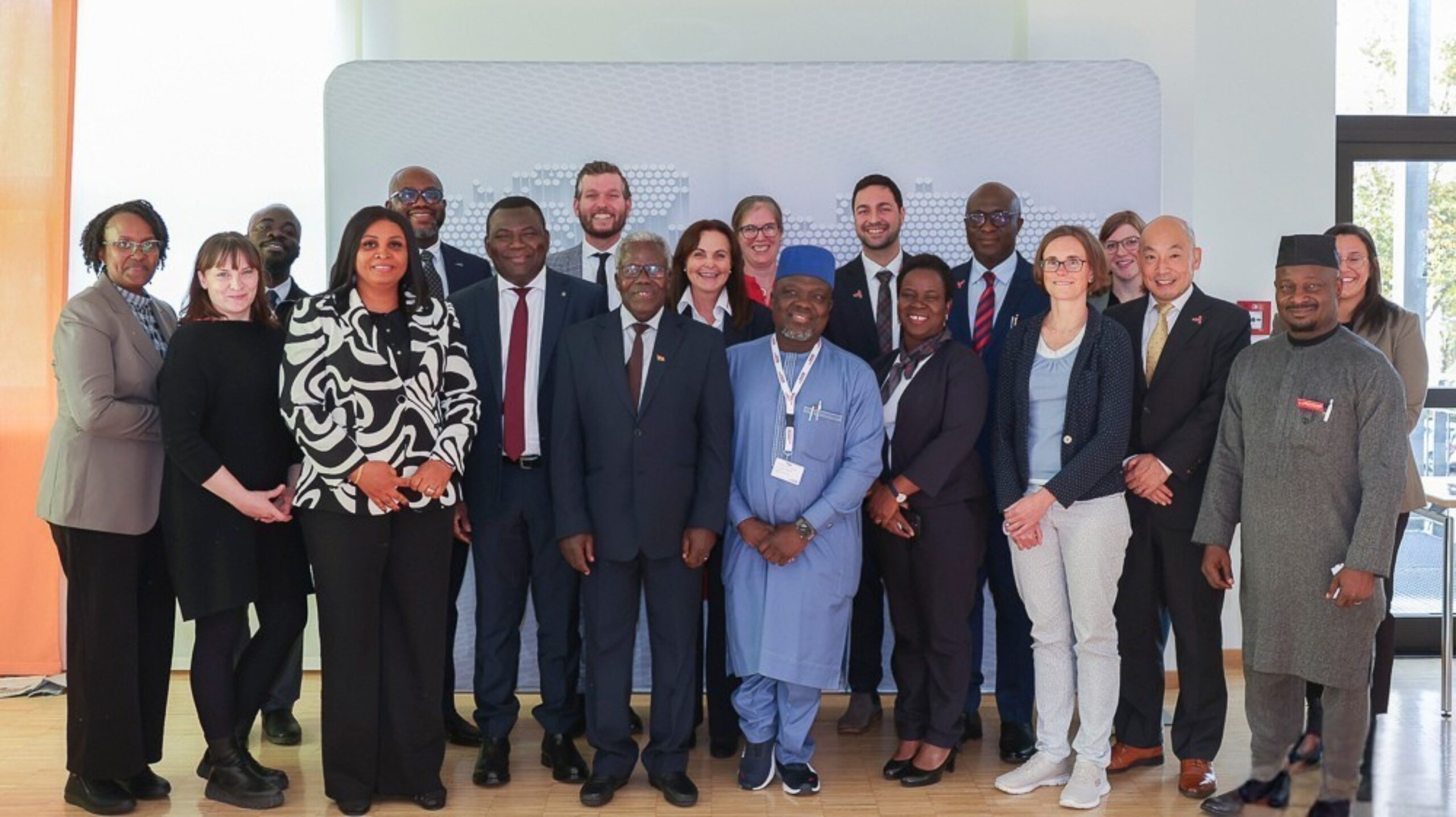
    Diplomats, health officials, and industry experts gathered at HUMAN Diagnostics’ headquarters in Wiesbaden for an international expert event to discuss innovative strategies to accelerate the elimination of tuberculosis (TB). The focus was on the successful implementation of the molecular diagnostic solution TB-LAMP, distributed by HUMAN Diagnostics, which has achieved remarkable results in Nigeria.

    In his keynote presentation, “Accelerating TB Eradication: Lessons from Nigeria for Africa and the Rest of the World,” Dr. Bethrand Odume, Managing Director of the KNCV Tuberculosis Foundation Nigeria, shared impressive outcomes from the nationwide rollout of TB-LAMP. Supported by USAID and the Global Fund, and implemented in partnership with Nigeria’s National Tuberculosis, Leprosy and Buruli Ulcer Control Programme (NTBLCP), the project has become a milestone in TB diagnostics across Africa.

    Since its launch with five pilot sites in 2021, the network has grown to more than 100 TB-
    LAMP instruments across all 36 Nigerian states. In just four years, over 500,000 suspected TB samples have been tested, leading to a 35% increase in case detection. At the same time, the diagnostic gap between reported and estimated TB cases has been significantly reduced—especially in rural areas with limited electricity access (see presentation attached).

    Dr. Odume emphasized that TB-LAMP, with its solar-powered, user-friendly design and a test duration of under two hours, is ideally suited to Nigeria’s conditions. “Our experience shows that innovation must be practical,” said Dr. Odume. “By adapting technology to local realities, we close diagnostic gaps and move much closer to the global goal of a TB-free world.”

    The participants were welcomed by Diederik J. van Vliet and Dr. Christine Hettmann- Dreuw, Managing Directors of HUMAN Diagnostics. Application Specialist Dr. Salma Hamed provided a live demonstration of TB-LAMP technology. Distinguished guests included H.E. Prof. Ohene Adjei, Ambassador of Ghana to Germany; H.E. Dr. Yakubu A. Dadu, Consul General of Nigeria in Frankfurt; representatives from the Embassy of Uganda; and delegates from the Hessian Ministry of Economic Affairs and Hessen Trade & Invest (HTAI). Partners such as EIKEN Chemical Co., Ltd. (Japan) and McPage Nigeria, HUMAN’s local service partner, also attended.

    A highlight of the event was the symbolic donation ceremony, underscoring the shared commitment to strengthening diagnostics across Africa. Dr. Christine Hettmann-Dreuw and Jasmin Zahn from HUMAN Diagnostics, together with Junji Arita (Head of the Global Health Team, EIKEN Chemical Co., Ltd., manufacturer of TB-LAMP), presented HumaLoop T instruments—compact devices for sample preparation, amplification, and simple visual TB result interpretation—along with 200 test kits to country representatives.

    In addition, Dr. Bethrand Odume received a symbolic scholarship for Nigerian students, representing an investment in the nation’s future and HUMAN’s long-term commitment to partnership, education, and sustainable development—toward a healthy and self-empowered Africa strengthened through knowledge transfer and innovation.

    The event concluded with networking and professional exchange, as well as a group
    photo—sending a strong signal for international collaboration and innovation on the
    path toward the WHO’s vision of a TB-free world by 2030.

  • Artificial Intelligence in Agriculture: Transforming Farming and Food Security in Sub-Saharan Africa

    Artificial Intelligence in Agriculture: Transforming Farming and Food Security in Sub-Saharan Africa


    Illustrative Image: Artificial Intelligence in Agriculture: Transforming Farming and Food Security in Sub-Saharan Africa
    Image Source & Credit: CIAT/Georgina Smith
    Ownership and Usage Policy

    A quiet revolution in Africa’s farmlands

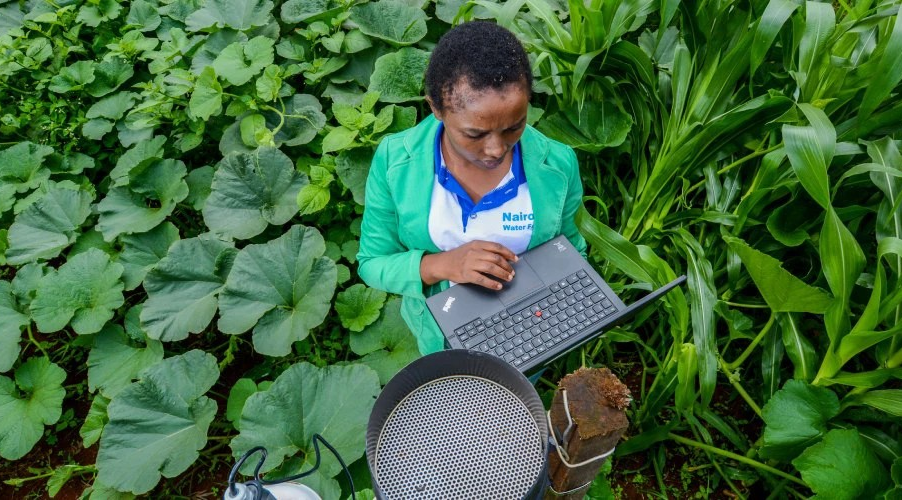
    Across Sub-Saharan Africa, a digital transformation is unfolding—one that could redefine the very foundations of food production. Artificial Intelligence (AI), once confined to laboratories and tech startups, is now making its way into the fields and farms of smallholder producers. From Kenya’s semi-arid plains to Ghana’s fertile valleys, AI-powered tools are reshaping the way farmers plant, monitor, and harvest crops.

    This shift is not merely technological—it represents a broader socioeconomic transformation. AI is emerging as a key driver in addressing three interlinked crises that have long challenged the region: food insecurity, environmental degradation, and economic inequality.

    AI’s transformative potential in modern agriculture

    Globally, the integration of AI in agriculture is growing at an unprecedented pace, projected to expand from $1.7 billion in 2023 to $4.7 billion by 2028, at a compound annual growth rate of 23%. In Sub-Saharan Africa, the agri-tech ecosystem has mirrored this surge: private investment rose from under $10 million in 2014 to nearly $600 million by 2022—a sign that investors recognize the sector’s transformative potential.

    The driving forces behind AI adoption are multifaceted. As farmers grapple with labor shortages, rising input costs, and climate-induced unpredictability, AI offers precision, efficiency, and foresight.

    Precision agriculture, powered by AI, integrates data from satellite imagery, drones, and geographic information systems (GIS) to provide real-time insights into crop health, soil fertility, and moisture levels. These insights enable farmers to use fertilizers, water, and pesticides precisely where needed—reducing waste and environmental impact while boosting yields.

    AI also supports computer vision systems that detect pests and weeds early, allowing for targeted pesticide use. Through machine learning algorithms, these systems learn from image data collected via smartphones or drones, enabling early disease detection and reducing potential crop losses.

    Furthermore, predictive analytics—AI models trained on years of climatic and agronomic data—help farmers anticipate weather extremes, plan optimal planting schedules, and prepare for droughts or floods. Meanwhile, AI-driven robotics, including autonomous tractors and harvest drones, are beginning to fill labor gaps created by urban migration and ageing rural populations.

    AI success stories across the region

    Several AI-driven initiatives in Sub-Saharan Africa have already demonstrated tangible results. Many of these efforts are supported by the World Bank Group and local innovation hubs.

    • Hello Tractor (Nigeria and Kenya) – Dubbed the “Uber for tractors”, this platform uses AI and mobile technology to connect smallholder farmers with tractor owners. Through predictive algorithms, it tracks tractor usage, forecasts weather, and coordinates service delivery via text messaging—enabling access even in areas with limited internet. Since its inception in 2014, Hello Tractor has digitized over 3.5 million acres of farmland, increased food production by five million metric tons, and created over 6,000 jobs.

    • Kenya Agricultural Observatory Platform (KAOP) – Serving over 1.1 million farmers, this AI-based system delivers localized weather forecasts and crop condition analyses in real time. It is now being scaled through the Food System Resilience Program, with the potential to benefit six million farmers across West Africa by optimizing planting and harvesting cycles.

    • AI crop diagnosis in Cameroon – A mobile app leveraging computer vision allows farmers to upload photos of diseased crops and receive instant diagnoses with treatment suggestions. Critically, the app functions offline, making it usable in remote areas with limited connectivity.

    • AI-based soil testing in Ghana and digital marketplaces in Tanzania – These solutions use machine learning to provide customized fertilizer recommendations and directly link farmers with buyers, cutting out middlemen and ensuring fairer pricing and market transparency.

    These examples demonstrate that AI is not just a concept—it’s already reshaping livelihoods, boosting productivity, and bridging the gap between traditional farming and modern agribusiness.

    Barriers to AI adoption in African agriculture

    Despite its promise, the widespread adoption of AI in agriculture faces several structural and systemic challenges.

    1. Digital divide and infrastructure gaps – Many smallholder farmers still lack access to basic digital infrastructure, including reliable electricity, mobile networks, and affordable internet. Without these enablers, the full potential of AI tools remains out of reach.

    2. Skills and capacity constraints – The region’s educational systems have yet to fully integrate digital literacy and agricultural technology training. There is a pressing need for programs that teach farmers how to interpret data, use AI applications, and adapt new farming methods.

    3. Financial barriers – High upfront costs for AI hardware, sensors, and software licences can be prohibitive. Innovative financing mechanisms such as microcredit, pay-as-you-grow models, and public-private partnerships are needed to democratize access.

    4. Data limitations and governance issues – AI systems depend on high-quality data—large in volume, diverse, accurate, and timely. However, fragmented datasets, poor data-sharing practices, and insufficient local data often hinder model reliability. In addition, concerns over data ownership, privacy, and ethical use highlight the need for robust governance frameworks.

    The path forward: Building a resilient AI-powered agricultural ecosystem

    Unlocking the full value of AI in African agriculture requires strategic collaboration between governments, research institutions, private innovators, and farmers. Policymakers must design a supportive ecosystem that balances innovation with inclusivity and sustainability.

    Short-term (1–2 years):

    • Expand digital infrastructure and improve rural internet access.

    • Launch training and demonstration programs to show farmers low-cost AI tools.

    • Create open-access agricultural data platforms.

    • Provide financial incentives for early AI adopters and local tech startups.

    Medium-term (3–5 years):

    • Strengthen data infrastructure through IoT networks and satellite systems.

    • Integrate AI literacy into agricultural education curricula.

    • Develop regional data governance frameworks and scale successful AI pilots focused on climate adaptation, pest management, and post-harvest efficiency.

    Long-term (5+ years):

    • Align AI strategies with national food security and development goals.

    • Foster homegrown AI innovation to reduce dependency on imported technologies.

    • Promote inclusive access for women, youth, and marginalized farmers.

    • Establish evaluation systems to monitor AI’s long-term social and environmental impact.

    Conclusion: AI as a catalyst for sustainable food futures

    Artificial intelligence holds transformative potential for Sub-Saharan Africa’s agriculture. If harnessed responsibly, it can help the region move from subsistence farming toward data-driven, climate-smart, and globally competitive food systems.

    By investing in infrastructure, education, ethical data management, and inclusive innovation, African nations can position AI not merely as a tool for efficiency but as a cornerstone of resilient, equitable, and sustainable agricultural growth.

    The World Bank Group remains committed to supporting this transition, ensuring that technology serves as a bridge—not a barrier—between innovation and inclusive development across Africa’s farmlands.

  • How Africa’s Traditional Farming Practices Can Feed the World and Restore the Planet

    How Africa’s Traditional Farming Practices Can Feed the World and Restore the Planet


    Illustrative Image: How Africa’s Traditional Farming Practices Can Feed the World and Restore the Planet
    Image Source & Credit: TRT AFRIKA
    Ownership and Usage Policy

    Introduction: A Growing World, A Pressing Challenge

    The world’s population has expanded at an unprecedented rate since the Industrial Revolution. In 1950, there were just 2.5 billion people on the planet; by November 2022, that number had reached 8 billion. Projections by the United Nations estimate that the global population will rise to approximately 9.7 billion by 2050, and peak around 10.4 billion by the mid-2080s.

    Nowhere is this growth more rapid than in Africa. From a population of 283 million in 1960, the continent now hosts about 1.5 billion people, with forecasts suggesting that figure will double to 2.5 billion by 2050. More than half of the world’s population growth between 2022 and 2050 will occur in Africa alone.

    Such demographic change presents enormous challenges — especially in food security. Feeding a rapidly growing population while sustaining natural ecosystems has become a global priority, enshrined in Sustainable Development Goal 2 (Zero Hunger). However, Africa’s agricultural systems face an uphill battle: soil degradation, erratic climate conditions, pests, and poor access to markets all threaten productivity.

    To sustainably meet global food needs, the world’s agricultural output will need to double by 2050. But how can this be achieved without further degrading the environment? Increasingly, the answer points toward Africa’s smallholder farmers and traditional agricultural practices — time-tested systems that enhance productivity while protecting ecosystems.

    Africa’s Agricultural Backbone: Smallholders and Traditional Practices

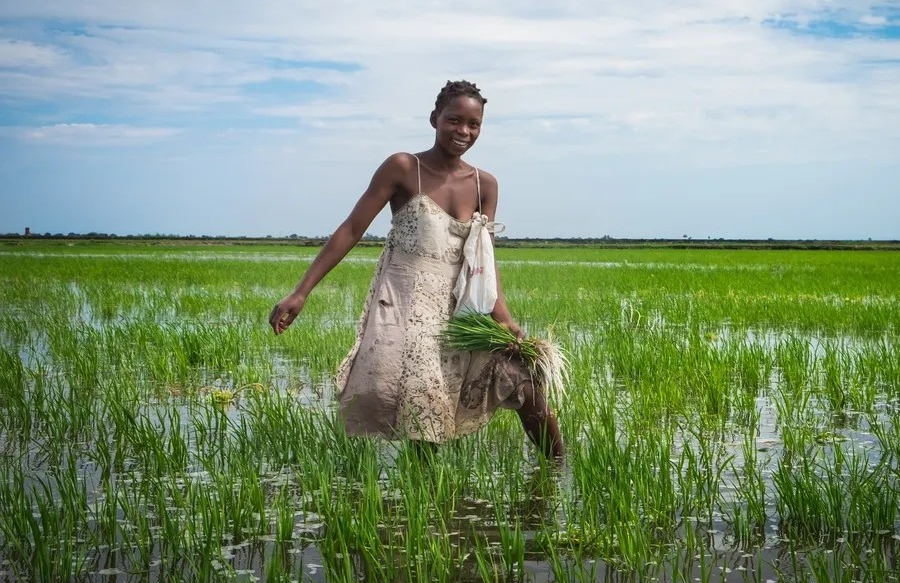
    Across Africa, smallholder farmers account for over 60% of the agricultural labor force and produce nearly 80% of the continent’s food. These farmers operate on limited land, often using low-cost and indigenous methods refined over centuries of observation and adaptation to local environments.

    Traditional African agricultural techniques include:

    • Crop rotation – alternating crops on the same land to maintain soil fertility.

    • Cover cropping – planting vegetation to protect the soil between main crops.

    • Agroforestry – integrating trees with crops or livestock to enrich soil and prevent erosion.

    • Mulching and composting – recycling organic waste into natural fertilizer.

    • Fallowing and shifting cultivation – allowing land to rest and regenerate after cultivation cycles.

    Far from being outdated, these approaches offer sophisticated ecological and agronomic benefits. They restore soil fertility, encourage microbial diversity, enhance water retention, and reduce erosion. Over time, they also increase carbon sequestration, helping mitigate climate change while improving crop resilience and yield stability.

    These methods form the essence of regenerative agriculture, a concept now celebrated in global sustainability circles but deeply rooted in Africa’s agrarian traditions.

    The Industrial Agriculture Dilemma

    Since the 1970s, many global agricultural policies have favored large-scale, industrial farming — characterized by heavy mechanization, monocropping, and extensive use of chemical fertilizers and pesticides. While these systems can deliver high short-term yields, they also bring significant environmental and social costs.

    Industrial agriculture:

    • Depletes soil nutrients and reduces biodiversity.

    • Pollutes water systems through agrochemical runoff.

    • Emits large amounts of greenhouse gases, especially nitrous oxide from fertilizers.

    • Contributes to “hidden hunger” — where crops are high in calories but low in essential nutrients.

    In developing regions, these systems also tend to displace smallholder farmers, increase rural inequality, and erode local knowledge systems. The long-term impacts are degraded soils and unsustainable dependence on imported chemical inputs.

    The Food and Agriculture Organization (FAO) warns that up to 90% of the world’s arable soils could be degraded by 2050 if current industrial practices persist—an alarming signal that the global food system must evolve.

    Reviving Traditional Systems for Modern Sustainability

    The path forward lies not in discarding modern science but in harmonizing it with Africa’s traditional ecological knowledge. Smallholder agricultural systems embody a holistic understanding of the land — one that integrates soil health, water conservation, and biodiversity.

    When combined with modern innovations (such as improved seed varieties, organic certification, and digital extension services), traditional methods can form the foundation for climate-smart, regenerative agriculture.

    For example:

    • Crop diversification reduces pest outbreaks and stabilizes yields under climate stress.

    • Organic soil management improves carbon retention, creating both climate and productivity gains.

    • Community seed banks and indigenous crops preserve genetic diversity and resilience.

    These approaches turn farms into living ecosystems rather than extractive factories — ensuring food systems that are productive, adaptive, and sustainable.

    Policy and Investment: Unlocking the Potential

    Despite their promise, smallholder and traditional farming systems face structural challenges: limited access to credit, markets, and extension services. Moreover, traditional methods often yield benefits only after several seasons, making it difficult for resource-poor farmers to adopt them without short-term incentives.

    Governments and development partners can change this dynamic through policy innovation and targeted investment:

    • Incentives and subsidies for farmers practicing regenerative or eco-friendly agriculture.

    • Crop insurance and risk-sharing schemes to protect farmers during the transition period.

    • Market linkages through off-taker agreements that guarantee buyers for sustainably produced crops.

    • Education and extension programs to promote awareness of the environmental and health benefits of traditional practices.

    Countries like Kenya, Rwanda, and Ghana are already experimenting with such models. Kenya’s Food Systems Resilience Program, Rwanda’s Voice for Change Partnership, and Ghana’s Planting for Food and Jobs (PFJ) all emphasize resilience, nutrition, and smallholder support. Similarly, Ghana’s School Feeding Program integrates local produce into school meals, creating a direct market for small farmers while improving child nutrition.

    If scaled effectively, these initiatives can create a circular system where eco-friendly farming, healthy consumption, and local economic development reinforce one another.

    Conclusion: Africa’s Gift to the Future

    Feeding a global population of nearly 10 billion will not be achieved through technology or industrial expansion alone. It requires reimagining how food is produced — and by whom. Africa’s smallholder farmers and their traditional practices offer a blueprint for a sustainable, regenerative, and inclusive food system.

    By recognizing, investing in, and scaling these indigenous agricultural systems, the world can achieve two simultaneous goals: ending hunger and healing the planet.

    Africa’s traditional agriculture is not a relic of the past — it is the pathway to the future of global food security.

  • IITA Strengthens Nigeria’s Food Security with Research-Driven Agricultural Innovations

    IITA Strengthens Nigeria’s Food Security with Research-Driven Agricultural Innovations


    Illustrative Image: IITA Strengthens Nigeria’s Food Security with Research-Driven Agricultural Innovations
    Image Source & Credit: IITA
    Ownership and Usage Policy

    The International Institute of Tropical Agriculture (IITA) has reiterated its unwavering commitment to driving agricultural transformation and enhancing food security across Nigeria through research-driven partnerships and coordinated, multi-stakeholder interventions.

    During a recent mission to Abuja, Dr. Simeon Ehui, IITA’s Director General and CGIAR Regional Director for Continental Africa, engaged in high-level discussions with Mr. Mohamed Malick Fall, the United Nations Resident and Humanitarian Coordinator for Nigeria. The dialogue focused on fostering collaboration to advance sustainable agriculture, youth-led agripreneurship, and resilient food systems across the nation.

    Dr. Ehui emphasized the institute’s key research milestones and its tangible impact in addressing critical challenges confronting Africa’s agrifood systems. He highlighted areas such as soil fertility management, robust seed systems, and plant health—essential components for increasing productivity and ensuring sustainable farming practices.

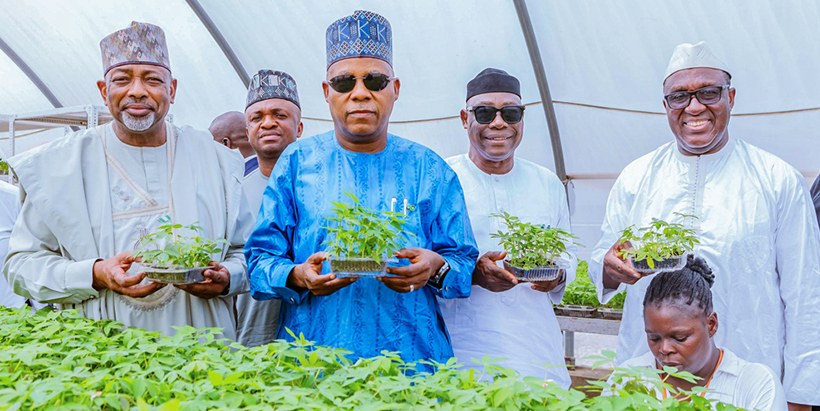
    Among IITA’s notable innovations is the award-winning Semi-Autotrophic Hydroponics (SAH) technology, which significantly enhances crop propagation and yields across diverse ecological zones. This technology has been instrumental in enabling farmers to increase production efficiently while conserving resources, marking a major step toward modernizing agriculture in the region.

    “Scaling proven technologies from laboratories to farms remains our greatest challenge,” Dr. Ehui noted. “Strategic partnerships are crucial. By collaborating closely with development organizations like the United Nations, we aim to ensure Africa achieves food self-sufficiency.”

    In his remarks, Mr. Fall reaffirmed the UN’s commitment to supporting Nigeria’s agricultural transformation, aligning these efforts with the broader goal of achieving the Sustainable Development Goals (SDGs). He stated, “This visit has been high on my agenda—not merely to connect with IITA, but to establish a strong bridge for cooperation. Agriculture holds immense potential for economic transformation in Nigeria, provided the right investments and interventions are made.”

    The meeting highlighted a shared vision between IITA, CGIAR, and the United Nations: to deliver science-based, inclusive, and sustainable solutions that strengthen food systems, improve livelihoods, and enhance economic opportunities across Africa. Through these strategic alliances, the partners aim to bridge research innovations with practical implementation, ensuring that cutting-edge agricultural solutions reach farmers and communities where they matter most.

    By focusing on technology deployment, youth engagement, and sustainable practices, IITA continues to position itself as a cornerstone in Africa’s journey toward agricultural resilience and food security.

  • Global Security in Crisis: Why Governments Must Fund Peace, Not Just War

    Global Security in Crisis: Why Governments Must Fund Peace, Not Just War


    Illustrative Image: Global Security in Crisis: Why Governments Must Fund Peace, Not Just War
    Image Source & Credit: Crisisgroup
    Ownership and Usage Policy

    A Planet Under Siege

    Global security is in a state of profound crisis. Indicators across nearly every region reveal an alarming deterioration in peace and stability. In 2024, the world experienced the highest number of state-based armed conflicts since the end of the Second World War in 1946. Military expenditure, already rising for a decade, surpassed a staggering US$2.7 trillion, reflecting the world’s growing dependence on arms rather than diplomacy.

    But behind these numbers lies a more troubling reality — a world increasingly defined by fear, polarization, and ecological collapse. Millions of people, particularly women and children, continue to bear the brunt of armed conflict. As global tensions multiply, the fragile gains in human rights, democracy, and gender equality are being systematically eroded.

    Interlinked Crises: Climate, Conflict, and Collapse

    The world is not only grappling with more wars — it is also confronting the compounding effects of climate change, food insecurity, and social fragmentation. These crises are intertwined. Rising global temperatures exacerbate water scarcity, food shortages, and mass displacement — conditions that make conflict more likely.

    The United Nations Summit for the Future in 2024 sought to address what Secretary-General António Guterres described as “the collapse of the post-Cold War multilateral system.” Yet, even as global leaders meet to discuss cooperation, the underlying structure of peacekeeping, mediation, and diplomacy continues to weaken.

    Moreover, militaries themselves are among the world’s largest polluters. The environmental footprint of warfare — from the destruction of ecosystems to carbon emissions from military operations — constitutes a form of ecocide. The irony is striking: the very systems built to “defend” humanity are accelerating the planet’s destruction.

    The Global Arms Race Intensifies

    In response to growing insecurity, governments have overwhelmingly chosen militarization over mediation. The 2025 NATO summit exemplified this trend, with member states pledging to allocate up to 5% of GDP to defence and security expenditures by 2035. This follows a decade of consistent military expansion in Europe, the United States, China, and Russia.

    In Europe, fears of Russian aggression after the 2022 invasion of Ukraine continue to shape political priorities. Russian drones have recently violated NATO airspace, deepening anxieties and justifying further rearmament. Meanwhile, China has increased military spending for 30 consecutive years, and the United States — the world’s largest spender — continues to pour billions into global conflicts, including extensive aid to Israel amid accusations of genocide in Gaza.

    The logic is circular: insecurity justifies arms spending, and arms spending fuels insecurity.

    The Cost of Neglecting Peace

    While defence budgets soar, institutions dedicated to peacebuilding are being dismantled or defunded. The United States Institute of Peace (USIP) — established by Congress under President Ronald Reagan — was shuttered in early 2025 under the Trump administration. Although its closure is being contested in court, its dissolution symbolizes a broader pattern: peace is no longer politically profitable.

    Peace organizations face shrinking budgets, donor fatigue, and a shift toward short-term, project-based funding that undermines their ability to pursue structural and long-term peacebuilding. Women-led peace initiatives are especially underfunded, despite the 25th anniversary of the UN Women, Peace and Security Agenda, which recognizes women’s indispensable role in preventing and resolving conflicts.

    The result is devastating. From Afghanistan, where the Taliban’s rule institutionalizes gender apartheid, to Palestine, where international observers have described the systematic killing of women and girls as a femigenocide, the erosion of peace and gender justice go hand in hand.

    The Fragmentation of Global Peace Architecture

    The architecture of global peace — institutions, treaties, norms, and diplomatic mechanisms — is eroding under the weight of nationalism and great-power rivalry. Humanitarian crises are escalating not only because of violence but also because international coordination has broken down.

    In this fragmented world, the pursuit of peace is often replaced by what analysts call “deal-making”: transactional negotiations that prioritize immediate political or military gains over long-term stability and justice. Temporary ceasefires or “tactical pauses” are substituted for genuine peace agreements. The emphasis has shifted from resolution to containment.

    Such practices undermine the core principles of liberal peacemaking — inclusivity, impartiality, and sustainability — and create the illusion of stability while perpetuating cycles of violence.

    Investing in Peace: A Strategic Imperative

    The idea that military power ensures safety is a myth. History has shown that arms build deterrence, not peace. Without addressing the root causes of violence — inequality, injustice, political exclusion, and environmental degradation — no amount of defence spending can secure the future.

    True security is multidimensional. It requires not only national defence but also:

    • Investment in peace research and early warning systems to identify and de-escalate conflicts before they erupt.

    • Support for mediation and reconciliation processes that prioritize dialogue over dominance.

    • Empowerment of women and marginalized communities, whose participation is proven to enhance the durability of peace agreements.

    • Sustainable development and climate adaptation, which reduce the structural drivers of instability.

    As Chris Coulter, Executive Director of the Berghof Foundation, aptly notes:

    “A truly secure world needs dialogue and peacebuilding, not just defence budgets.”

    A Call for a Paradigm Shift

    Humanity stands at a crossroads. Governments must confront an uncomfortable truth: investing in war has become easier than investing in peace. Yet, the moral and existential cost of this imbalance grows daily.

    If the current trajectory continues — with defence budgets expanding while peace institutions wither — the international order will face irreversible decline. The alternative is clear: redirect a portion of the world’s vast military expenditure toward peacebuilding, education, diplomacy, and climate resilience.

    In doing so, the global community can redefine what it means to be secure — not through domination, but through cooperation, justice, and human dignity.

    The survival of our species depends not on how many weapons we can build, but on how much peace we can create.

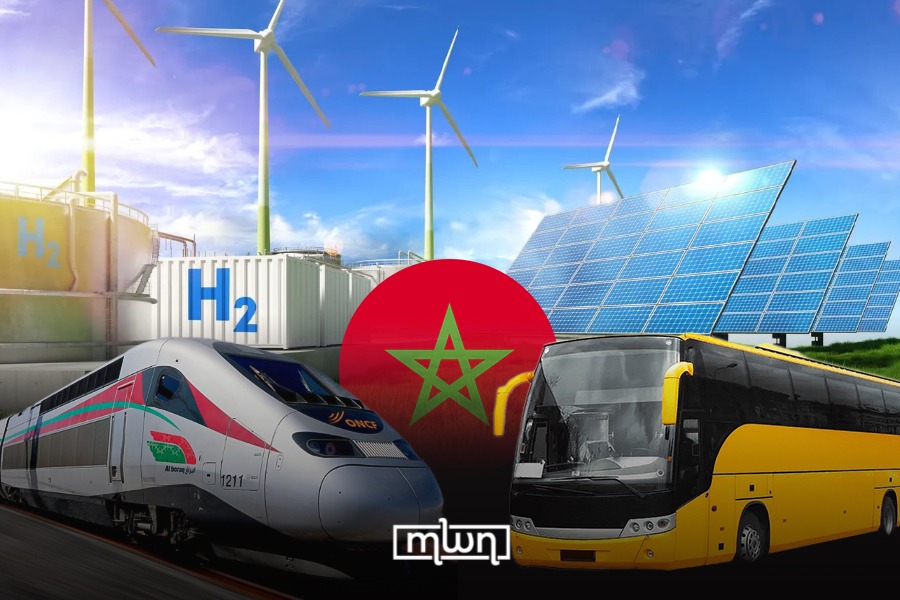
  • Morocco’s Green Tech Revolution: Powering Africa’s Sustainable Future

    Morocco’s Green Tech Revolution: Powering Africa’s Sustainable Future


    Illustrative Image: Morocco’s Green Tech Revolution: Powering Africa’s Sustainable Future
    Image Source & Credit: Moroccoworldnews
    Ownership and Usage Policy

    Introduction

    As the world grapples with climate change and the urgent need for cleaner energy systems, Morocco is steadily emerging as a hub for sustainable innovation in Africa. With its ambitious renewable energy targets, cutting-edge research institutions, and rapidly expanding green technology sector, the country is positioning itself as a vital bridge between Africa and Europe in the clean energy transition.

    At the heart of this movement is Professor Ahmed Chebak, Director of the Green Tech Institute (GTI) and Professor of Electrical Engineering at University Mohammed VI Polytechnic (UM6P). Through his leadership and vision, Morocco is not only investing in renewable energy infrastructure but also cultivating the next generation of scientists, engineers, and innovators who will drive Africa’s sustainability agenda.

    Morocco’s Renewable Energy Ambitions

    Morocco has committed to an ambitious trajectory in renewable energy development. The country aims to generate 52% of its electricity from renewable sources by 2030 and an even more striking 80% by 2050. These targets are supported by multi-billion-dollar investments in solar, wind, and emerging green hydrogen technologies.

    By 2027, Morocco plans to add 6.5 GW of solar and wind capacity, significantly reducing its reliance on fossil fuels and aligning its development strategy with the United Nations Sustainable Development Goals (SDGs). This push not only addresses Morocco’s growing domestic energy demand but also strengthens its role as a clean energy exporter in regional and global markets.

    The Role of UM6P and the Green Tech Institute

    The University Mohammed VI Polytechnic (UM6P) in Benguerir is more than just a university; it is a living laboratory for sustainability. With a curriculum deeply tied to industry and innovation, UM6P focuses on solving Africa’s pressing challenges in energy, agriculture, climate, and digital technology.

    The Green Tech Institute (GTI), founded in collaboration with the Green Energy Park, is central to Morocco’s renewable energy vision. Its mission extends beyond traditional academics—it develops hands-on training programs, research partnerships, and applied projects that bridge the gap between academia and industry.

    For example:

    • Living Labs & Smart Campuses: UM6P’s African Supercomputing Centre, partly powered by renewable energy, supports advanced research in genomics, climate modeling, and sustainable agriculture.

    • Specialized Programs: GTI’s Master’s in Electrical Engineering for Renewable Energies and Smart Grids (RESMA) equips students with the skills needed to integrate renewables into modern power systems.

    • Practical Experience: Students engage directly with digital twins, smart grids, and simulation-based energy modeling, ensuring they are industry-ready upon graduation.

    Driving Innovation: Smart Grids, Digital Twins, and Energy Storage

    One of the most transformative areas of Morocco’s energy transition lies in smart grid technologies and digital twins. Smart grids enable real-time monitoring and optimization of electricity systems by incorporating AI, IoT, and advanced sensors, while digital twins provide virtual replicas of power systems for predictive analysis, testing, and efficiency optimization.

    GTI equips students and researchers to work with these advanced tools, preparing them to:

    • Design and manage resilient grid systems.

    • Improve energy efficiency and reduce losses.

    • Integrate renewable energy sources into existing infrastructure.

    Equally crucial is Morocco’s investment in advanced battery storage technologies, which help manage the intermittency of solar and wind energy. This includes new ventures in electric vehicle (EV) batteries—leveraging Morocco’s rich reserves of cobalt and phosphates, essential minerals for the global battery industry.

    Pioneering Green Hydrogen and Sustainable Mobility

    Perhaps the most exciting frontier for Morocco is its work in green hydrogen. Through collaborations with Chariot Hydrogen and Oort Energy, UM6P is piloting electrolyser projects that aim to scale up hydrogen production. Green hydrogen has the potential to revolutionize industries such as transport, agriculture, and manufacturing by offering a zero-emissions fuel alternative.

    Morocco’s strong automotive industry also benefits from this green transition. A new EV battery gigafactory in Tangier underscores the country’s commitment to sustainable mobility. Research at GTI is focused on:

    • EV-smart grid integration, ensuring that electric vehicles can both consume and feed energy back into the grid.

    • Hydrogen storage solutions for transport, enhancing Morocco’s role in the future of green mobility.

    • Electric traction systems design, preparing engineers for the next wave of automotive innovation.

    Academia-Industry Collaboration: Building a Green Economy

    The GTI model thrives on collaboration. By working with global leaders such as Capgemini Engineering, EDF Renouvelables, and Managem, UM6P ensures that research innovations are rapidly transferred into practical, scalable solutions.

    These partnerships:

    • Support research in hydrogen production and renewable integration.

    • Provide students with real-world industry experience.

    • Accelerate the commercialization of renewable technologies in Africa.

    This dynamic ecosystem allows Morocco to export both technology and talent, further strengthening its position as a continental leader in sustainability.

    Looking Ahead: Morocco as a Green Energy Hub

    According to Professor Chebak, the most promising innovations for accelerating the global energy transition include:

    • Advanced Battery Storage: Solving intermittency challenges of renewable energy.

    • AI-Powered Smart Grids: Enhancing efficiency, reliability, and resilience.

    • Green Hydrogen Applications: Creating sustainable fuels for hard-to-decarbonize sectors.

    Through investments in these technologies, Morocco is not only securing its own energy independence but also creating opportunities for Africa to leapfrog into a climate-resilient future.

    Conclusion

    Morocco’s bold green technology strategy—anchored by UM6P and GTI—demonstrates how education, innovation, and industry collaboration can transform a country into a renewable energy powerhouse. By combining its geographical advantages, resource wealth, and intellectual capital, Morocco is building a future where Africa does not just adopt sustainable technologies but actively shapes the global green economy.

    With initiatives spanning solar, wind, smart grids, hydrogen, EVs, and digital innovation, Morocco is paving the way for an energy-secure and sustainable continent, proving that Africa can lead the world in the transition to clean energy.

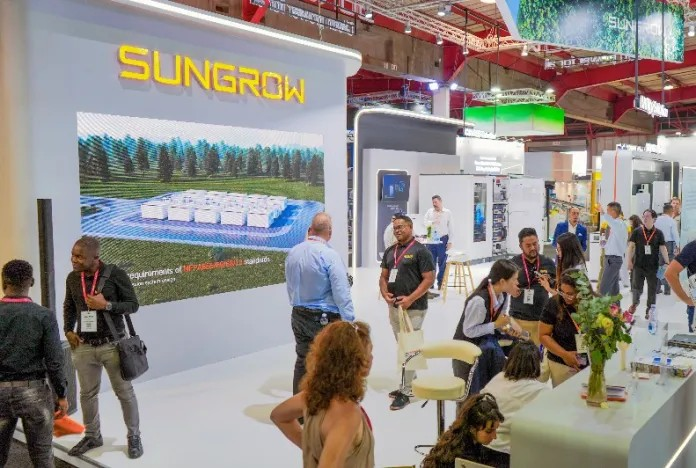
  • Sungrow Showcases Advanced Solar & Storage Solutions to Accelerate Africa’s Clean Energy Transition at Solar & Storage Live 2025

    Sungrow Showcases Advanced Solar & Storage Solutions to Accelerate Africa’s Clean Energy Transition at Solar & Storage Live 2025


    Illustrative Image: Sungrow Showcases Advanced Solar & Storage Solutions to Accelerate Africa’s Clean Energy Transition at Solar & Storage Live 2025
    Image Source & Credit: Solarquarter
    Ownership and Usage Policy

    As Africa accelerates its journey toward sustainable, affordable, and reliable power, Sungrow — a global pioneer in solar inverters and energy storage systems — is positioning itself at the forefront of this transformation. At the Solar & Storage Live Africa 2025 event, the company showcased its most advanced innovations designed to stabilize power grids, reduce energy costs, and expand access to clean electricity across the continent.

    Powering Africa’s Just and Sustainable Energy Transition

    Africa’s energy transition is not simply about replacing fossil fuels with renewables; it is about ensuring energy security, affordability, and inclusivity in regions that often face unstable grids, high tariffs, and unequal access to electricity. Speaking at the event, Ezzat Sankari, Channel Business Director for MEA & CA at Sungrow, reiterated the company’s mission to deliver scalable, cost-effective, and long-lasting clean energy solutions.

    “By combining cutting-edge technology with local partnerships, Sungrow ensures that renewable energy is not only sustainable but also accessible to industries, communities, and households across Africa,” Sankari emphasized.

    Transformative Solutions for Diverse Sectors

    One of Sungrow’s flagship offerings making waves in Africa is the PowerStack 200CS hybrid system, integrated with the SG150CX string inverter. This combination is already in operation in shopping malls, eco-lodges, and data centres, ensuring seamless transitions between grid and off-grid supply. Its ability to stabilise frequency, reduce peak demand charges, and lower operational costs makes it particularly valuable for energy-intensive industries like mining, manufacturing, and digital infrastructure.

    Beyond individual businesses, Sungrow has also spearheaded large-scale projects across Africa.

    • In South Africa, a 516 MWh energy storage system has been deployed to strengthen grid resilience and reduce load-shedding.

    • In Ghana, Sungrow supported a major rooftop solar project, cutting emissions while powering urban infrastructure.

    • In South Africa’s mining sector, two 100MW solar projects are reducing both costs and carbon footprints, showing how renewable adoption directly fuels economic competitiveness.

    Storage as the Backbone of a Resilient Energy Future

    A highlight of Sungrow’s exhibition was the unveiling of the PowerTitan 2.0 energy storage system. Unlike traditional batteries, this next-generation solution leverages AI-driven energy dispatch to balance supply and demand more intelligently. By storing excess solar and wind energy and shifting it to peak demand periods, PowerTitan 2.0 not only reduces reliance on fossil fuel peaker plants but also stabilises grid frequency and prevents blackouts.

    This technology is particularly significant for South Africa’s Just Energy Transition (JET) goals, where phasing out coal must be balanced with providing reliable power for households, industries, and essential services. Advanced storage ensures that renewable energy remains dependable, affordable, and capable of supporting industrial growth without sacrificing stability.

    Bridging the Energy Gap in Underserved Communities

    Sungrow’s mission also extends beyond industrial players and national grids. Across rural and peri-urban Africa, millions remain underserved by electricity infrastructure. Sungrow is deploying solar-plus-storage microgrids and household systems that power clinics, schools, small businesses, and community services. These decentralized solutions foster economic resilience and social equity, enabling communities to grow even in regions where the national grid remains weak or absent.

    “By bridging the energy gap, we’re not just powering homes — we’re powering opportunities, businesses, and futures,” Sankari noted.

    Built for Africa’s Environment and Future Needs

    Africa presents unique challenges for renewable deployment — from extreme heat in the Sahel to high humidity in coastal regions and pervasive dust in arid zones. Sungrow’s products are engineered to withstand these environmental stresses, ensuring durability and reliability in real-world African conditions.

    Moreover, Sungrow’s portfolio is built on the principle of scalability. Whether it’s a homeowner seeking energy independence, a business optimizing costs, or a nation building gigawatt-scale solar farms, Sungrow provides customized solutions that evolve alongside Africa’s growing demand for energy.

    Toward a Greener, More Resilient Africa

    By prioritizing innovation, scalability, and long-term resilience, Sungrow is helping Africa leapfrog traditional energy pathways. The company’s solutions go beyond simply providing renewable power — they enable energy sovereignty, reduce dependency on fossil fuels, and ensure that Africa’s growth is powered sustainably.

    As Sankari concluded:
    “Through advanced technology, global expertise, and deep local engagement, Sungrow remains committed to building a cleaner, more reliable, and economically inclusive energy future for Africa.”

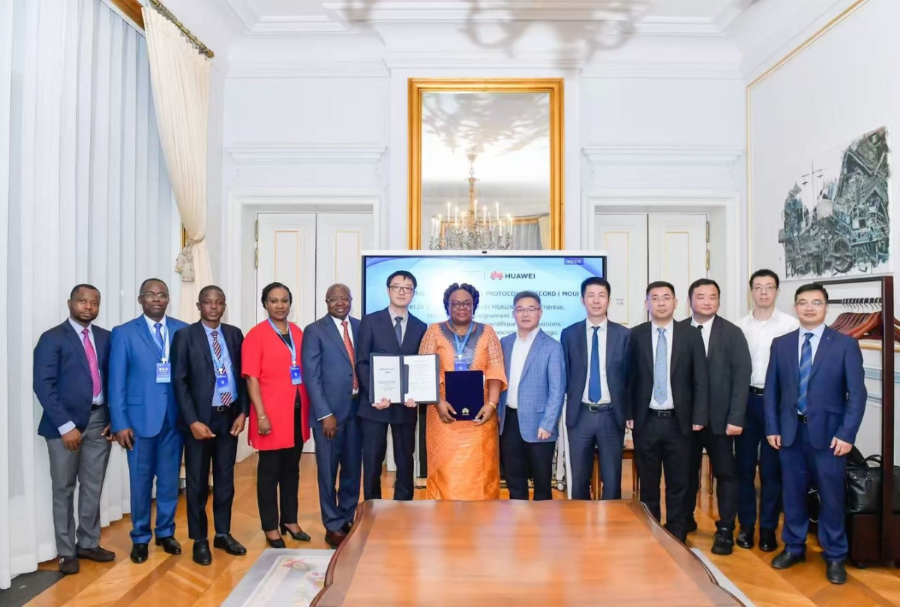
  • Huawei Partners with African Nations to Drive Inclusive Education Through AI and Digital Technologies

    Huawei Partners with African Nations to Drive Inclusive Education Through AI and Digital Technologies


    Illustrative Image: Huawei Partners with African Nations to Drive Inclusive Education Through AI and Digital Technologies
    Image Source & Credit: Techafricanews
    Ownership and Usage Policy

    At the Global Smart Education Conference 2025, held in Beijing from August 18 to 20, Huawei made a strong commitment to the future of inclusive education in Africa. The event brought together education ministry officials, policymakers, and university representatives from more than 30 African countries, including Egypt, Algeria, Senegal, the Democratic Republic of the Congo (DRC), and Cameroon.

    A key highlight was the inaugural African Inclusive Education Forum, where Huawei signed several Memorandums of Understanding (MoUs) and Letters of Intent (LOIs) with African governments and institutions. These agreements aim to deepen cooperation on integrating digital and intelligent technologies into Africa’s education systems, with a focus on building ecosystems that make learning accessible to all.

    Breaking Barriers with Technology

    Digital and AI-driven innovations are transforming education globally by making learning more personalized, efficient, and adaptive. For Africa—where disparities in infrastructure, resources, and geographical access remain pressing challenges—these technologies hold the potential to level the playing field. Through tools such as smart classrooms, affordable cloud terminals, campus connectivity, and AI-driven digital teachers, Huawei envisions breaking down barriers that prevent learners from disadvantaged regions or backgrounds from accessing quality education.

    Ye Ziping, Vice President and Chief Digital Officer of Huawei Northern Africa, emphasized the company’s commitment to “designing targeted inclusive education solutions” tailored to the realities of African countries. By combining technological expertise with local needs, Huawei seeks to ensure equitable access to education and empower every student and teacher.

    Building Skills for the Digital Era

    The conference underscored that ICT talent development is central to long-term success. Over the past decade, Huawei has collaborated with more than 3,000 universities worldwide, established Huawei ICT Academies, and trained over one million students. These efforts highlight a recognition that the future of education is not just about hardware and connectivity but also about human capacity-building.

    Peter Zhang, Vice President of Huawei’s Global Public Sector BU, reiterated that technology must go hand-in-hand with talent cultivation to drive sustainable growth in the education sector. By working with partners, Huawei plans to expand training opportunities and prepare African youth for the digital economy.

    Lessons from China’s Experience

    China’s own journey in digital education was showcased at the conference by Professor Wu Yonghe, Director of CELTSC under China’s Ministry of Education. He noted that national policies, aligned with local implementation, have enabled AI to be integrated into every stage of the teaching process—from lesson planning and classroom instruction to student assessment. This integration has improved both the quality and inclusivity of education, benefiting millions of students and teachers.

    Huawei’s Inclusive Solutions for Africa

    Liu Yue, Director of Inclusive Education at Huawei Northern Africa, detailed the company’s end-to-end “device-pipe-cloud-intelligence” approach. By combining hardware, connectivity, and cloud-based solutions, Huawei aims to extend the classroom beyond physical walls, bridging urban-rural divides and enhancing educational equity.

    The initiatives include:

    • Smart classrooms equipped with digital tools.

    • Affordable cloud-based terminals to widen access.

    • Campus connectivity solutions to ensure seamless learning.

    • AI-driven platforms that personalize education for students.

    By leveraging these tools, Huawei hopes to accelerate Africa’s transition toward digital-intelligent education ecosystems aligned with the UN’s goal of universal access to quality education.

    Strengthening Partnerships in Africa

    Several significant agreements were signed during the event. In the DRC, Minister Prof. Dr. Sombo Ayanne Safi Mukuna Marie-Thérèse signed an LOI with Huawei to expand digital infrastructure for universities, introduce smart classrooms, and establish a joint innovation lab to nurture local digital talent.

    In Senegal, Minister of National Education Moustapha Mamba Guirassy signed an MoU with Huawei and Sonatel to boost digital teaching equipment, infrastructure, and talent development. These partnerships illustrate a growing recognition across African governments that digital transformation in education is essential for future growth.

    Toward a Shared Digital Future

    The event also allowed African delegates to visit education industry showcases in Beijing, Shenzhen, and Dongguan, where they exchanged experiences with Chinese peers. These interactions highlighted the shared challenges and opportunities of digital education.

    Ultimately, Huawei’s pledge reflects a broader vision: technology as a tool of empowerment. By investing in inclusive education, Huawei and its partners seek to build a future where every African learner—regardless of location, background, or resources—can access high-quality education and thrive in the digital era.