Category: ARM ARTICLES

This category presents a post from ARM Magazine, spotlighting African researchers and their contributions.

  • Margaret Obiageli Olele: Advancing U.S.-Nigeria Trade and Technology through Effective Communication and Collaboration

    Margaret Obiageli Olele: Advancing U.S.-Nigeria Trade and Technology through Effective Communication and Collaboration

    Margaret Obiageli Olele, the current Chief Executive Officer and Executive Secretary of the American Business Council (ABC), recently emphasized the critical role that effective communication plays in enhancing the impact of significant events like the Global Tech Africa (GTA) conference. In an exclusive interview, she discussed the Council’s mission, the value of international collaborations for economic growth, and the role of communication in fostering technological innovation in Nigeria and across Africa.

    The Vision of the American Business Council: Expanding U.S.-Nigeria Trade Relations

    Olele highlighted that the primary vision of the American Business Council is to serve as a pivotal vehicle for expanding trade and investment opportunities between Nigeria and the United States. The Council focuses on advocating for policies that support business operations, facilitating cross-border trade, and promoting cultural exchange. By nurturing strong partnerships between the two nations, the ABC aims to significantly contribute to Nigeria’s economic transformation and the prosperity of American businesses in the region.

    International Collaborations: A Catalyst for Economic and Technological Progress

    Drawing from her extensive experience in the pharmaceutical and food industries, Olele emphasized the indispensable nature of international collaborations in driving economic growth and technological advancement in Nigeria. She pointed out that through platforms like the Global Tech Africa conference, key stakeholders can come together to address complex challenges—such as vaccine accessibility and counterfeit drug detection in the pharmaceutical sector—by leveraging global expertise and innovation. Olele believes that such collaborations are crucial for improving vital sectors like healthcare, agriculture, and education, thereby creating jobs and boosting Nigeria’s economic development.

    American Business Council’s Sponsorship of the Global Tech Africa Conference: Motivations and Goals

    The ABC’s sponsorship of the Global Tech Africa conference is rooted in its commitment to Nigeria’s digital transformation, particularly in the technology sector. Olele explained that technology is a powerful tool for driving economic growth and creating opportunities for both businesses and individuals. The Council’s ICT Committee, which actively participated in the conference, underscores ABC’s vested interest in the tech ecosystem. By sponsoring this event, ABC aims to connect Nigeria’s dynamic tech community with American businesses, facilitating knowledge exchange and identifying potential partnerships. The ultimate goal is to support Nigeria’s rise as a leading tech hub in Africa.

    Effective Communication: Key to Amplifying the Impact of the GTA Conference

    Olele asserted that effective communication is essential for maximizing the impact of the Global Tech Africa conference. A multi-channel communication strategy, combining both traditional and digital media, is necessary to reach a diverse audience. By showcasing the conference’s potential to drive innovation, generate employment, and improve living standards, the Council hopes to spark widespread interest and engagement. Leveraging social media platforms to foster discussions, share success stories, and build a robust online community is also a key part of this strategy.

    Leveraging Relationships for Enhanced Collaboration in the Tech Ecosystem

    With her deep background in public affairs and communication, Olele plans to leverage her relationships with government committees and trade associations to enhance collaboration between American businesses and the African tech ecosystem. During the GTA conference, members of ABC’s ICT Committee participated in panel discussions, providing insights into forging partnerships with larger corporations and the government. Post-conference, ABC intends to build on these connections to create tangible opportunities for knowledge transfer, technology adoption, and joint ventures, all aimed at accelerating Africa’s digital transformation and fostering sustainable economic growth.

    The Role of American Businesses in Africa’s Technological and Economic Development

    Olele highlighted several areas where American businesses can significantly contribute to Africa’s technological and economic development. These include infrastructure development, fintech innovation, healthcare technology, education, and skills development. Companies like Amazon Web Services, Visa, Google, and Zipline are already making impactful contributions in these areas through initiatives like cloud computing education, financial inclusion programs, and the use of drones for medical deliveries. Such collaborations not only drive economic growth but also address critical socio-economic challenges in Africa.

    Lessons from Healthcare for Sustainable Growth in the Tech Sector

    Olele’s extensive experience in the healthcare sector has taught her the importance of public-private partnerships, capacity building, and impact-focused strategies. She believes these principles are equally applicable to the tech sector. To ensure sustainable growth, partnerships between government and businesses must be prioritized, workforce development should be a key focus, and the impact of technological innovations should be regularly assessed to ensure they address real-world challenges and improve lives.

    Building Strong Partnerships for a Conducive Business Environment

    Olele’s approach to fostering strong partnerships involves active engagement with the Nigerian government, knowledge sharing among businesses, advocacy for supportive policies, and maintaining trust through consistent delivery of commitments. These efforts are crucial for creating a conducive environment for American businesses to thrive in Nigeria.

    Navigating Challenges in the African Tech Landscape

    Olele acknowledged that there are challenges in facilitating greater involvement of American businesses in Africa’s tech landscape, such as regulatory complexities, infrastructure deficits, and policy inconsistencies. However, the American Business Council is actively addressing these challenges by advocating for regulatory reforms, providing market intelligence, and engaging in continuous dialogue with the Nigerian government to create a more business-friendly environment.

    A Bright Future for American-Nigerian Business Relations

    In conclusion, Olele expressed optimism about the future of American-Nigerian business relations and technological collaboration. She views the Global Tech Africa conference as a crucial platform for stakeholders to come together, share ideas, and build partnerships that will shape the future of the continent. By working collaboratively, the U.S. and Nigeria can unlock the full potential of Africa’s tech sector and create a more prosperous and inclusive future.

    Margaret Obiageli Olele: A Brief Profile

    Margaret Obiageli Olele is the CEO and Executive Secretary of the American Business Council. With over 30 years of experience engaging African governments on behalf of the private sector and 25 years of leadership in the food and pharmaceutical industries, Olele has a wealth of expertise in public affairs, business development, regulatory compliance, and communication. She has been instrumental in various initiatives to improve healthcare access and strengthen health systems across Africa. Olele is also a Fellow of the Advertising Practitioners’ Council of Nigeria and holds multiple academic degrees, including a BA in English and Literature, an MA in English, and an MSc in Mass Communication. She is passionate about teaching and has served as an adjunct faculty member at the Pan Atlantic University. Through her work, Olele continues to make significant contributions to the growth and development of business and technology in Nigeria and Africa.
  • AAU Unveils Ambitious 6-Year Strategic Plan: Key Focus on Research, Mobility, and Capacity-Building in African Higher Education

    AAU Unveils Ambitious 6-Year Strategic Plan: Key Focus on Research, Mobility, and Capacity-Building in African Higher Education

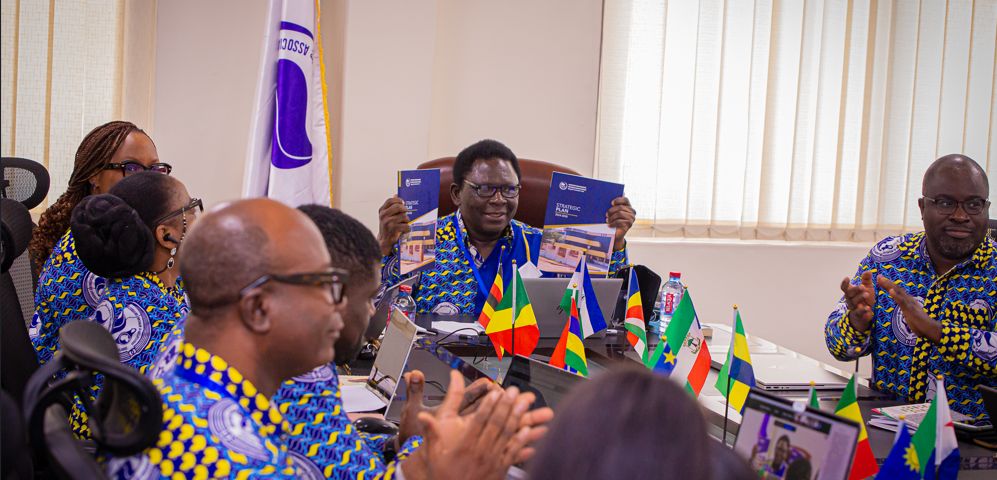
    The Association of African Universities (AAU) has unveiled an ambitious six-year strategic plan, delineating 11 key focal areas to steer its operations. This plan places a strong emphasis on enhancing research, expanding access to higher education, fostering mobility, and addressing new and emerging challenges in the academic landscape. The strategy also prioritizes capacity-building, empowerment, and the growth of the African Higher Education Centres of Excellence (ACEs) model, along with nurturing the AAU Diaspora Programme.

    The document outlines a comprehensive approach to revitalizing continental initiatives, enhancing collaborations, and expanding networking opportunities. A significant part of this effort is dedicated to strengthening the Africa Research, Innovation, and Development Network (AFRID), which was established in 2023 to champion research across the continent. The AAU also aims to bolster its public outreach through its television and broadcasting services.

    Strengthening Research

    In its commitment to strengthening research, the AAU aims to position higher education as a cornerstone of science, technology, and innovation in Africa. This involves cultivating a new generation of researchers, with a particular focus on climate change and the support of the United Nations Sustainable Development Goals (SDGs). The AAU plans to balance this emphasis by also promoting the arts, social sciences, and languages. The concept of knowledge diplomacy will be central to these efforts, as will initiatives aimed at “greening” higher education and fostering engaged universities.

    Enhancing Mobility and Access

    One of the top priorities in the new strategic plan is increasing access to higher education and promoting mobility across the continent. This includes the promotion of staff exchange programs, strengthening relationships among higher education stakeholders, and encouraging youth mobility schemes. Staff mobility and study-in-Africa programs are also key components. The AAU aims to showcase Africa’s excellent universities to attract international students and reduce the outflow of African students to other continents.

    Responding to Emerging Issues

    The AAU recognizes the importance of adapting to emerging issues, particularly in the realm of new technologies. The strategic plan emphasizes the integration of artificial intelligence, machine learning, and other technological advancements into teaching and learning. There will be a renewed focus on arts, culture, and social sciences, as well as the promotion of African languages within the educational system.

    Leadership and Management

    Improving leadership and management within universities is another critical area of focus. The AAU plans to offer capacity-building initiatives for staff, including librarians, registrars, bursars, and other support personnel. Additionally, webinars aimed at enhancing ICT and digital skills, academia-industry linkages, and regional integration will be prioritized under the capacity-building and empowerment component. The AAU is committed to promoting regional integration and South-South collaborations, ensuring that African universities can connect with global institutions and participate in programs led by virtual diaspora faculties.

    Communication and Outreach

    Effective communication is a central pillar of the new strategic plan. The AAU intends to launch AAU TV programs and news, strengthen its social media presence, and revamp its website. Under the AFRID platform, the AAU will work to enhance networking among African researchers, brand African universities with specialized research areas, and promote a viable study-in-Africa program.

    Strategic Result Areas

    The strategic plan outlines five overarching result areas. These include creating a favorable higher education policy environment supported by evidence-based advocacy, strengthening the capacities of member universities, and harmonizing curricula to enhance inter-institutional collaboration, networking, and competitiveness. Another key goal is to advance research excellence and management as a mechanism for impacting Africa’s development.

    Alignment with Continental Goals

    This strategic plan is designed to catalyze higher education’s contribution to achieving the Sustainable Development Goals and the African Union’s Agenda 2063. These goals emphasize inclusive growth, good governance, democracy, respect for human rights, justice, the rule of law, and people-driven development that unleashes the potential of women and youth. The AAU’s strategy is directly aligned with the continental education strategy for Africa, ensuring that it remains relevant and responsive to the needs of the region.

    Evaluation and Adaptation

    The AAU has built in a mechanism for continuous evaluation of the strategic plan. A mid-term evaluation will be conducted in 2027 to assess the effectiveness of the strategies and make necessary adjustments. A comprehensive final evaluation at the end of the six-year period will measure the success of the plan in achieving its anticipated outputs and outcomes, and will document lessons learned.

    Stakeholder Engagement

    The strategic plan was developed through a participatory approach that involved multiple consultations with stakeholders across various levels. Surveys in four international languages spoken in Africa were conducted, involving vice-chancellors, development partners, students, and other higher education stakeholders. The AAU expects stakeholders to support its mission to raise academic excellence and research in Africa, foster collaborations, and create partnership opportunities for faculty, staff, and students.

    The AAU also anticipates that stakeholders such as industry partners will engage in collaborative research and act as a talent pipeline, contributing to workforce development. Government agencies are expected to support policy-relevant research and knowledge-led economic growth, while community organizations will be engaged for higher social impact. Accreditation bodies and professional associations will play roles in ensuring quality assurance, standards, and professional development.

    This strategic plan represents a bold and comprehensive effort by the AAU to position African higher education as a global leader, while addressing the unique challenges and opportunities faced by the continent.

  • WHO and Angola’s MESCTI Strengthen Collaboration to Enhance Health and Education through Strategic Research Initiatives

    WHO and Angola’s MESCTI Strengthen Collaboration to Enhance Health and Education through Strategic Research Initiatives

    LUANDA, 15 August 2024 – The intersection of health and education is a critical nexus for sustainable development and societal well-being. Education serves as a conduit for disseminating scientific knowledge, fostering innovation, and ensuring that health practices are grounded in robust evidence. The synergy between these two sectors is vital for the formulation of effective policies and programs that benefit the entire population. In this light, the World Health Organization (WHO) and the Ministry of Higher Education, Science, Technology, and Innovation (MESCTI) of Angola convened a highly productive meeting to fortify their collaborative efforts. This partnership aims to drive scientific research with a focus on enhancing health outcomes in Angola through strategic alliances with academic institutions and the launch of new joint initiatives.

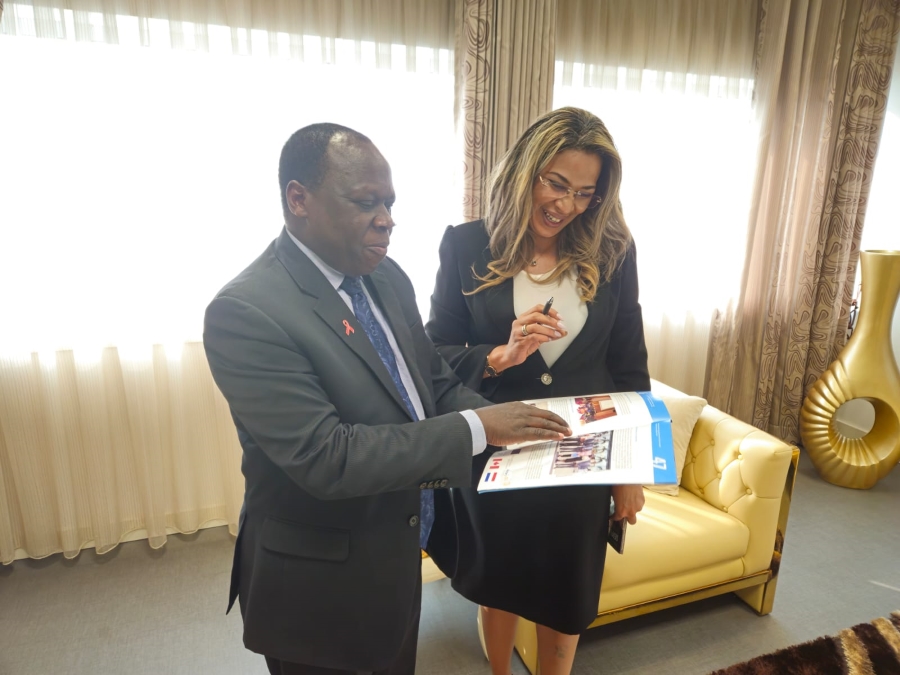
    During the meeting, Dr. Zabulon Yoti, the WHO Acting Representative in Angola, accompanied by Mr. Omotola Akindipe, WHO’s External Relations Officer in Angola, extended congratulations to Dr. Paula Regina Simões de Oliveira on her recent appointment as Minister of MESCTI. Dr. Yoti reaffirmed WHO’s steadfast commitment to supporting Angola in a comprehensive manner, transcending the health sector alone. He emphasized WHO’s strategic priorities, which include “promoting health, ensuring universal access to healthcare, and strengthening responses to health emergencies.”

    The discussion underscored the critical importance of collaboration between WHO and Angolan universities. Existing partnerships, formalized through Memoranda of Understanding (MoUs) with institutions such as the Private University of Angola, Agostinho Neto University in Luanda, and Katyavala Bwila University in Benguela, were highlighted. Minister Paula de Oliveira voiced MESCTI’s dedication to deepening these collaborations, particularly in the realm of research. She stressed that “research is essential for the advancement of the research sector in Angola,” and is a cornerstone for scientific and technological progress.

    One of the meeting’s key highlights was Angola’s recent inclusion in the global research platform, Research4Life. This platform grants access to a vast repository of peer-reviewed academic content, significantly bolstering the research capabilities of Angolan institutions. The discussion also touched on ongoing research endeavors, including a comprehensive study on vaccine coverage and hesitancy across eight provinces. This study is aimed at addressing the challenges of suboptimal vaccination rates and improving public health outcomes.

    Both parties expressed a strong commitment to exploring new initiatives. These include organizing a health research dissemination event to bridge the gap between research findings and practical implementation, and formalizing their collaboration through a structured protocol. This meeting represents a pivotal step towards a more robust partnership, one that will not only enhance health education and research but also contribute significantly to Angola’s sustainable development.

    This strengthened collaboration between WHO and MESCTI underscores the vital role of interdisciplinary partnerships in driving progress. By integrating health and education, Angola is poised to develop more effective, evidence-based policies and programs that will benefit the entire population, ensuring a healthier, more prosperous future.

  • Understanding the Hidden Cognitive Load of Household Chores: How Unequal Distribution Impacts Mothers’ Mental Health

    Understanding the Hidden Cognitive Load of Household Chores: How Unequal Distribution Impacts Mothers’ Mental Health

    Household chores are often viewed through the lens of physical tasks: washing dishes, running errands, or preparing meals. It’s well-known that mothers frequently shoulder a significant portion of these tasks. However, there’s an often-overlooked dimension of domestic work: the cognitive effort involved in managing household responsibilities. This cognitive burden includes anticipating needs, planning, organizing, and delegating tasks. In other words, someone has to remember to restock the dish soap and decide which vegetables to prepare.

    Recent research has highlighted the disproportionate cognitive load carried by mothers and its substantial impact on their mental health. Published in the Archives of Women’s Mental Health, the study reveals that this mental load—often termed the “mental load”—is not only unevenly distributed between partners but also contributes significantly to mothers’ psychological stress.

    The Study’s Findings

    The study involved 322 mothers of young children and explored how household tasks were divided between partners. Collaborating with the creators of the Fair Play system—a tool designed to quantify and address household labor division—the researchers broke down each task into two components: cognitive (planning, anticipating, and organizing) and physical (the actual execution of the tasks). The findings showed a stark gender imbalance: mothers were responsible for approximately 73% of the cognitive load and 64% of the physical tasks, while fathers handled 27% of the cognitive load and 36% of the physical tasks.

    The only area where fathers performed more was taking out the garbage, although they also handled more maintenance tasks. Despite this, mothers typically managed more of the planning related to these tasks. This disparity was consistent across all tasks surveyed, with cognitive labor being disproportionately high for women.

    Impact on Mental Health

    The study underscores that while an unequal division of physical chores affects relationship quality, the cognitive load has a more profound impact on women’s mental well-being. Mothers who bear a greater share of cognitive household labor report higher levels of stress, depression, burnout, and relationship dissatisfaction. This mental load, often invisible and unacknowledged, drains mental energy and detracts from other personal and professional priorities.

    Broader Implications

    The unequal distribution of household labor has far-reaching consequences, contributing to gender inequities both at home and in the workplace. It limits women’s ability to fully participate in paid work and affects their overall health and well-being. This study is pioneering in its focus on cognitive labor and its implications for maternal mental health, suggesting that this often-underestimated aspect of domestic work deserves more attention.

    Future research could expand on these findings by including both partners in surveys, directly observing household tasks, and exploring different relationship configurations, such as same-sex couples. Additionally, understanding the long-term effects of cognitive labor on women’s mental health and cognitive functioning remains an area for further investigation.

    Addressing the cognitive load of household chores is crucial for improving relationship dynamics and mental health. Couples’ therapists, mental health counselors, and relationship educators should consider this aspect of domestic work in their practices to foster more equitable and supportive home environments.

  • Addressing Africa’s Mental Health Crisis: Innovative Solutions and Community-Based Initiatives

    Addressing Africa’s Mental Health Crisis: Innovative Solutions and Community-Based Initiatives

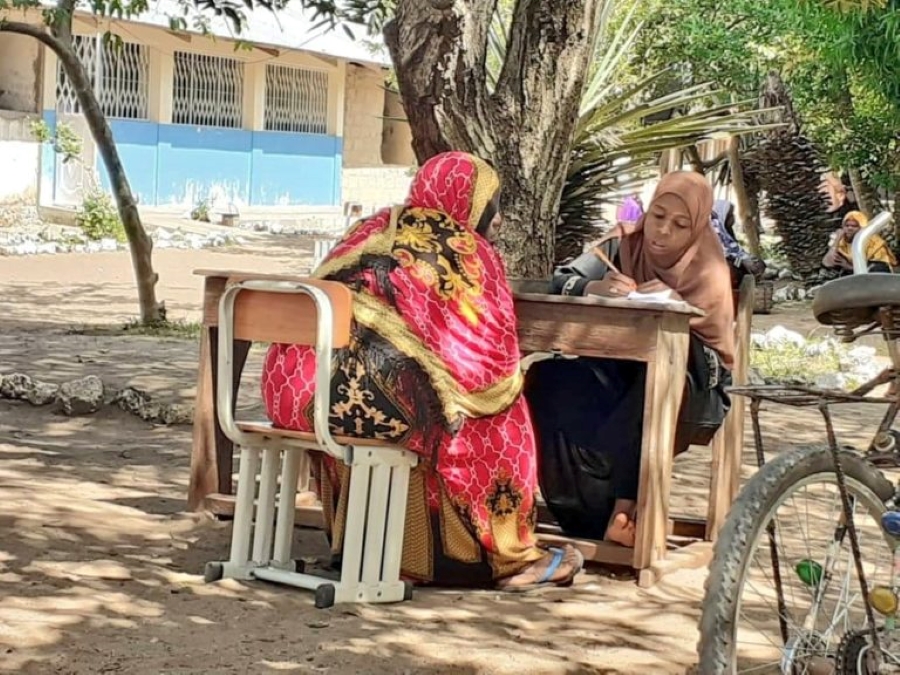
    In a small gathering in Zanzibar, participants meet at a Friendship Bench, a community initiative designed to tackle the growing mental health crisis across the African continent. This scene is part of a broader effort to combat the alarming rates of suicide and mental illness in Africa, a region that paradoxically faces the highest suicide rates in the world while having the lowest per capita spending on mental health services. The challenges are exacerbated by a severe shortage of community health workers and facilities, which are critical in preventing mental health conditions from deteriorating further.

    Recent high-profile suicides in Tanzania have cast a harsh light on the nation’s deepening mental health crisis, reflecting a wider struggle across Africa. On May 16, 2024, Archbishop Joseph Bundala of the Methodist Church in Tanzania was tragically found dead, having taken his own life inside his church in the Dodoma Region. Just days later, on May 21, 25-year-old Rogassion Masawe, a Roman Catholic seminarian, was discovered hanged in his room at a seminary. These incidents are emblematic of a larger, pervasive issue—a continent in the throes of a mental health emergency.

    The Scope of Africa’s Mental Health Crisis

    Africa has the world’s highest suicide rate, driven primarily by depression and anxiety. According to the World Health Organization (WHO), Africa records approximately 11 suicides per 100,000 people, significantly higher than the global average of 9 per 100,000. African men are particularly vulnerable, with suicide rates soaring to 18 per 100,000, well above the global male average of 12.2 per 100,000. These statistics are likely underestimates, as mental health data collection in Africa is often inadequate.

    Despite the severity of the crisis, mental health services across Africa remain grossly underfunded. In 2020, Africa spent less than $1 per capita on mental health, in stark contrast to Europe’s $46.49 per capita expenditure. This underinvestment correlates directly with higher suicide rates and poorer mental health outcomes across the continent. Africa’s average of one mental health worker per 100,000 people pales in comparison to the global average of nine, creating a significant treatment gap. As a result, many Africans who need mental health care do not receive it. The annual rate of mental health outpatient visits in Africa is a mere 14 per 100,000 people, far below the global rate of 1,051.

    Tanzania: A Microcosm of the Continental Crisis

    Tanzania’s mental health workforce reflects the broader continental challenges. With just 1.31 mental health workers per 100,000 people—including 38 psychiatrists, 495 mental health nurses, 17 psychologists, and 29 social workers for a population of 65.5 million—the country is ill-equipped to meet the growing demand for mental health services. Community-based mental health services are sparse, and despite policies aimed at integrating mental health into primary healthcare, resources remain woefully inadequate, particularly for children and adolescents.

    The situation at Tanzania’s only mental health hospital, Mirembe National Mental Health Hospital in Dodoma, is dire. Perched on the rolling hills outside the capital, the facility struggles with overcrowding and limited resources. With only 600 beds in the capital and an additional 300 in satellite buildings, Mirembe is overburdened and under-resourced. Patients’ recovery and discharge times average six weeks, but many relapse due to long distances from the hospital, financial difficulties, and the side effects of antipsychotic medications. The lack of preventive services at the community level often results in patients with mental health issues ending up in prison, where conditions can be harsh and inhumane.

    At Isanga Correctional Facility, a unit designated for convicted criminals with mental health issues, the situation is bleak. Aggressive patients are sometimes chained to metal beds, a practice defended by officials as necessary to prevent violence, though it is a stark reminder of the systemic inadequacies in Tanzania’s mental health care.

    Beyond the immediate care challenges, Mirembe Hospital faces another troubling issue: some fully recovered patients remain on the hospital grounds because their families refuse to take them back. Without familial support, these patients remain in limbo, unable to reintegrate into society. This abandonment not only increases the hospital’s costs but also prevents it from caring for new patients who desperately need help.

    The Role of Socioeconomic Factors and Cultural Stigma

    Socioeconomic crises, including unemployment, failed relationships, and domestic abuse, are strongly correlated with suicide rates in Africa. In Tanzania, poverty and unemployment are major contributors to the mental health crisis, leading to chronic stress, anxiety, and depression. The lack of basic needs and uncertainty about the future exacerbates these conditions, with inadequate nutrition further compromising brain function and development, increasing vulnerability to mental health disorders.

    Cultural stigma also plays a significant role in the mental health crisis. Traditional beliefs and societal expectations often prevent individuals, particularly men, from seeking help for mental health issues. Mental illness is frequently perceived as a sign of weakness or a failure to conform to societal norms, leading many to suffer in silence.

    Desperate Need for Solutions at the Primary Healthcare Level

    The Health Ministry in Tanzania is exploring innovative solutions to bridge the mental health care gap. One promising approach involves leveraging mobile technology to connect patients with health workers, potentially reducing the need for patients to physically visit hospitals. A recent feasibility study conducted by Perpetua Mwambingu at the University of Dodoma suggests that an ICT/mobile phone-driven platform could significantly improve mental health service delivery by allowing patients to receive medical advice, medication reminders, and therapeutic interventions remotely.

    Grassroots Initiatives and Long-term Strategies

    In response to the mental health crisis, several grassroots initiatives have emerged across Africa. The Friendship Bench (FB) project, an innovative mental health initiative founded in Zimbabwe, exemplifies how community-based approaches can make a significant impact. The FB project employs ‘grandmothers’ as lay health workers who provide problem-solving therapy to individuals suffering from anxiety and depression. Since 2006, the project has trained over 600 grandmothers who have provided free therapy to more than 30,000 people in over 70 communities. This model has expanded beyond Zimbabwe to Malawi, Zanzibar, and even New York City, demonstrating the potential of low-cost, community-driven mental health interventions.

    In Zanzibar, the Zanzibar Mental Health Shamba (ZAMHS) has been instrumental in enhancing mental health services, particularly in rural areas. Established in 2014 by UK mental health nurses, ZAMHS has provided consistent support for mental health care, including medication delivery to remote areas. Despite limited resources, these initiatives have made significant progress, but the challenges remain immense.

    The Path Forward

    Experts emphasize the need for long-term strategies to build a robust mental health support system in Africa. These strategies include policy reform to prioritize mental health, workforce development to increase the number of mental health professionals, and infrastructure expansion to improve facilities and services. Community-based care initiatives, education campaigns to reduce stigma, and increased research and innovation are also crucial. Improved data collection and policy advocacy will be essential to guide these efforts effectively and address the diverse mental health needs of Africa’s population.

    In a region where the mental health crisis is deepening, innovative solutions and strong community-based initiatives offer a glimmer of hope. However, without significant investment and a commitment to integrating mental health into primary healthcare systems, Africa will continue to face the devastating consequences of its mental health crisis.

  • Prof. Stella Ifeanyi Smith: Pioneering Helicobacter pylori Research and Advancing Medical Science in Africa

    Prof. Stella Ifeanyi Smith: Pioneering Helicobacter pylori Research and Advancing Medical Science in Africa

    Prof. Stella Ifeanyi Smith, the Director of Research in Molecular Biology and Biotechnology at the Nigerian Institute of Medical Research (NIMR) and a Professor of Microbiology at Mountain Top University, has established herself as a formidable force in medical research. Her groundbreaking work on Helicobacter pylori, a bacterium known for causing ulcers, has not only made a significant impact in Africa but also gained international recognition. Her contributions have earned her esteemed positions, including Fellowships at the Nigerian Academy of Science (FAS), the Academy of Medicine Specialties of Nigeria (FAMedS), and the African Academy of Sciences (FAAS).

    In addition to these accolades, Prof. Smith was appointed as the sole African Consultant for the European Maastricht VI/Florence Italy Consensus project and the Real-World Gastritis Initiative (RE.GA.IN) project, which includes 29 countries and 42 members. Further solidifying her leadership in the field, Prof. Smith launched the African Helicobacter and Microbiota Study Group (AHMSG) in 2022, where she serves as the Founding President. With an impressive portfolio of 206 publications and a Google Scholar citation of 4,954, her work is globally recognized and respected.

    On Being Elected as a Fellow

    Prof. Smith reflects on her recent election as a Fellow of the Academy of Medicine Specialties of Nigeria and the African Academy of Sciences with a sense of accomplishment and gratitude. She attributes her success to hard work, consistency, and divine grace. “These Fellow awards are a confirmation of years of dedication to my field,” she states, emphasizing that such recognition comes with perseverance and a deep commitment to one’s area of specialty.

    The Unexpected Journey

    When Prof. Smith began her journey in 1999, she never imagined that her work with Helicobacter pylori would lead to such significant professional achievements. At the time, the research landscape was dominated by studies on HIV/AIDS, tuberculosis, malaria, and more recently, COVID-19. These areas attracted substantial funding and attention, while H. pylori remained largely neglected. However, Prof. Smith, driven by a passion to address this oversight, dedicated her career to advancing the diagnosis and management of H. pylori in Africa.

    Her determination led to the establishment of the African Helicobacter and Microbiota Study Group, an initiative aimed at improving the diagnosis and treatment of H. pylori infections across the continent. This group will hold its first scientific conference in Cape Town, South Africa, in August, bringing together international experts to discuss the latest advancements in this field.

    Career Progression and Challenges

    Prof. Smith’s career began at the Nigerian Institute of Medical Research, where she was mentored by Dr. D. K. Olukoya, the Head of the Division of Genetics and Blood Disorders. It was under his guidance that she developed a keen interest in molecular epidemiology, particularly focusing on pathogens of significant medical importance. Her work on H. pylori began after a pre-doctoral fellowship in the UK in 1994 and has been the cornerstone of her research ever since.

    Despite facing numerous challenges, including the difficulty of working with H. pylori due to the expensive reagents and the lack of funding, Prof. Smith’s commitment never wavered. She secured a seven-year grant from the German Research Foundation (DFG), which provided the resources needed to advance her research. This persistence has earned her recognition both within and outside Nigeria, culminating in the formation of the African Helicobacter and Microbiota Study Group.

    Global Recognition

    Prof. Smith’s unwavering focus on H. pylori has earned her a prestigious role as the sole African representative in the Maastricht VI and RE.GA.IN projects. These initiatives, which involve leading researchers from around the world, are dedicated to improving the diagnosis and treatment of gastrointestinal diseases, including those caused by H. pylori. Her extensive experience and consistent contributions to the field have made her a vital member of these projects.

    Founding the African Helicobacter and Microbiota Study Group

    The African Helicobacter and Microbiota Study Group (AHMSG), established in 2022, is one of Prof. Smith’s most significant accomplishments. The group aims to address the gaps in the diagnosis and management of H. pylori infections in Africa. By bringing together researchers and healthcare professionals from across the continent, AHMSG seeks to develop region-specific solutions to combat the bacterium and its associated diseases.

    The upcoming conference in Cape Town will be a landmark event, featuring experts from Europe, the US, and Japan. The gathering will provide a platform for researchers to share their findings, collaborate on new projects, and strengthen the global network of scientists dedicated to this cause. At the conference, Prof. Smith will hand over the presidency of the group to Prof. Mashiko Setshedi of South Africa, ensuring that the work she started will continue to thrive under new leadership.

    Commitment to Capacity Building

    Beyond her research, Prof. Smith is also passionate about education and capacity building. Since 2009, she has been organizing molecular biology hands-on training workshops, aimed at equipping the next generation of scientists with the skills needed to conduct high-quality research. These workshops have been instrumental in training university lecturers, medical laboratory scientists, and other stakeholders in Nigeria.

    In recent years, she has extended this training to the students of Mountain Top University, where she annually teaches final-year students the intricacies of polymerase chain reaction (PCR) techniques. Her commitment to mentoring young scientists ensures that her legacy will continue through those she has trained.

    Personal Life and Inspirations

    Prof. Smith’s passion for research is deeply rooted in her upbringing and personal values. Despite losing her father at a young age, her mother, Mrs. Stella Okwui Ebigwei, instilled in her the importance of discipline, hard work, and faith. These values have guided Prof. Smith throughout her career and personal life. Her role models include her mother, Bishop Mike and Peace Okonkwo, and her mentor, Professor D. K. Olukoya.

    Her strong Christian faith is reflected in her lifestyle, including her simple approach to fashion, where she emphasizes natural beauty and modesty. Prof. Smith’s marriage of nearly 32 years is a testament to the support and encouragement she receives from her husband, who has been instrumental in her success. Together, they manage their household without external help, relying on each other to balance work and family life.

    Looking Forward

    As Prof. Smith prepares to hand over the presidency of the AHMSG, she remains committed to advancing research in Africa. Her most inspiring moments come from seeing those she has mentored succeed in their careers. With a strong foundation in place, she is confident that the work she has started will continue to grow, bringing better health outcomes to millions across Africa and beyond.

  • Unlocking South Africa’s Constitutional Potential: Strategies for Effective Governance in a New Multiparty Era

    Unlocking South Africa’s Constitutional Potential: Strategies for Effective Governance in a New Multiparty Era

    In the wake of South Africa’s 2024 general election, which resulted in a multiparty government, the country’s constitution stands as its most formidable asset amidst severe socioeconomic and political challenges. South Africa faces high unemployment, rampant crime, ineffective policing, and a dysfunctional public service. Despite the 1996 constitution’s remarkable provisions, its full potential has often been undermined. Francois Venter, who played a role in drafting South Africa’s 1993 transitional and 1996 final constitutions, argues that applying the constitution effectively could provide solutions to these pressing issues.

    The Constitution’s Potential and Its Implementation Challenges

    The 1996 constitution is widely esteemed for its forward-thinking framework, designed to foster broad cooperation and reconstruction of the nation. It envisions a government that is effective, transparent, accountable, and coherent, as outlined in Chapter 3’s principles of “cooperative government.” Despite this, the promise of cooperative reconstruction has been marred by instances of governance failure, notably during President Jacob Zuma’s tenure (2009-2018). Zuma’s administration saw a weakening of parliamentary oversight, which contributed to significant state capture.

    Initially, the 1993 transitional constitution proposed a system with two executive deputy presidents to preside over cabinet meetings, promoting consensus. However, the 1996 final constitution consolidated both the executive and legislative powers in the presidency, a move that concentrated authority and allowed subsequent presidents to exert near-total control over the cabinet and legislative processes.

    The principles enshrined in the constitution, such as those governing public administration in Section 195, aimed to uphold a professional civil service and prevent corruption. Additionally, the principles of participatory democracy in Sections 59, 72, and 118 were intended to ensure public involvement in lawmaking. Yet, these principles have often been sidelined, leading to political favoritism and ineffective public administration.

    Remedies for Effective Governance

    To address these issues, the new multiparty government must negotiate a robust coalition agreement that aligns with constitutional values. This agreement should outline how parties will cooperate, ensuring adherence to constitutional principles while allowing for practical governance. The coalition pact should define how the constitution will be implemented and may include provisions for cabinet autonomy and mechanisms to resolve policy deadlocks.

    The coalition agreement should emphasize:

    1. Effective Public Administration: Ending political favoritism in state appointments and enhancing accountability are crucial for restoring public service functionality.
    2. Abandoning Ideological Rigidity: A diverse country like South Africa requires a departure from narrow ideological frameworks and slogans. Coalition partners must focus on pragmatic solutions rather than ideological purity.
    3. Promoting Participatory Democracy: Introducing citizens’ assemblies could revitalize democratic engagement. These assemblies, based on objective criteria rather than political elections, can facilitate genuine public consultation and participation in governance.

    Prioritizing Reconstruction and Cooperation

    To govern effectively, the unity government should adopt a clear and inclusive approach, such as “cooperative reconstruction.” This banner would embody the necessity for both cooperation among parties and the reconstruction of a nation in crisis. Key areas of focus should include:

    • Reforming Public Administration: Addressing corruption and political favoritism.
    • Adopting Pragmatic Ideologies: Moving beyond traditional catchphrases to practical governance strategies.
    • Enhancing Participatory Democracy: Implementing mechanisms like citizens’ assemblies to improve public engagement in governance.

    The enduring strength of South Africa’s constitution, coupled with a well-structured coalition pact, provides a foundation for addressing the nation’s crises. By harnessing the constitutional principles of cooperative governance and participatory democracy, the new government can work towards a more effective and inclusive administration, capable of navigating the complex challenges facing South Africa today.


    Disclosure: Francois Venter has previously received funding from the South African National Research Foundation and the Alexander von Humboldt-Stiftung for research in constitutional law. The Conversation is funded by several academic institutions and strategic partners, including the Bill & Melinda Gates Foundation.

  • South Africa’s Science Sector: New Chapter with Independent DSI Under Blade Nzimande

    South Africa’s Science Sector: New Chapter with Independent DSI Under Blade Nzimande

    In June 2024, South Africa entered a new chapter in its political history, with the African National Congress (ANC) forming its first coalition government since the advent of democracy in 1994. This shift was accompanied by significant changes in the administration of the country’s science and education sectors. The president, Cyril Ramaphosa, made a notable decision to separate the Department of Science and Innovation (DSI) from the Department of Higher Education, which had previously been merged as part of a cost-saving measure. Blade Nzimande, the former minister of higher education, was appointed as the head of the newly independent DSI.

    Himla Soodyall, a renowned human geneticist and the executive officer of the Academy of Science of South Africa (ASSAf), shared her insights on these developments. Soodyall, who was involved in the international Genographic Project that mapped human migrations using DNA, expressed optimism about the separation of the two departments. She highlighted that the standalone DSI would allow for greater focus on science, technology, and innovation, which she sees as crucial responsibilities of the state.

    She acknowledged that while the merger of the two departments had created opportunities for alignment and synergies, the DSI and its affiliated entities, including ASSAf, had always operated with a degree of independence. This autonomy, she argued, allowed them to manage their responsibilities effectively, even when collaboration with the Department of Higher Education was necessary. With the DSI now functioning independently, Soodyall believes that the department can better implement its goals, particularly those outlined in the Science, Technology, and Innovation Decadal Plan 2022-2032.

    Despite her confidence in the new structure, Soodyall did not shy away from discussing the challenges facing South African science. One of the most pressing issues is the significant budget cuts that have affected the National Research Foundation (NRF), the main conduit for government funding to research institutions. These cuts have led to a reduction in support for postgraduate students, particularly those from disadvantaged backgrounds. Soodyall explained that while the NRF has tried to ensure that students who do receive support are adequately funded, this has resulted in fewer students being supported overall, which could have long-term implications for the country’s research output.

    The situation is further complicated by the high attrition rates among postgraduate students, particularly those in disciplines like pathology, where internships are required for graduation. These internships are in short supply, and the lack of support for them means that fewer graduates are entering the workforce with the skills they need. Soodyall emphasized that this creates a gap in the system, where the training and education provided do not fully translate into employable skills.

    Soodyall also touched on the role of the private sector in supporting scientific research and training. While she acknowledged that public-private partnerships are desirable, she pointed out that the private sector often relies on the public sector to produce skilled graduates. Given the economic challenges brought about by the COVID-19 pandemic, there is uncertainty about the extent to which the private sector can step in to fill the funding gaps left by government cuts.

    Despite these challenges, Soodyall remains optimistic about the future of science in South Africa. She believes that the DSI, under the leadership of Blade Nzimande, is well-positioned to continue its work in advancing science and innovation. She also stressed the importance of better communication from the department to ensure that the public is aware of the significant scientific advancements being made in the country. Soodyall concluded by expressing confidence in the quality of South African science, which she believes is on par with international standards, and she called for continued efforts to build on the progress made so far.

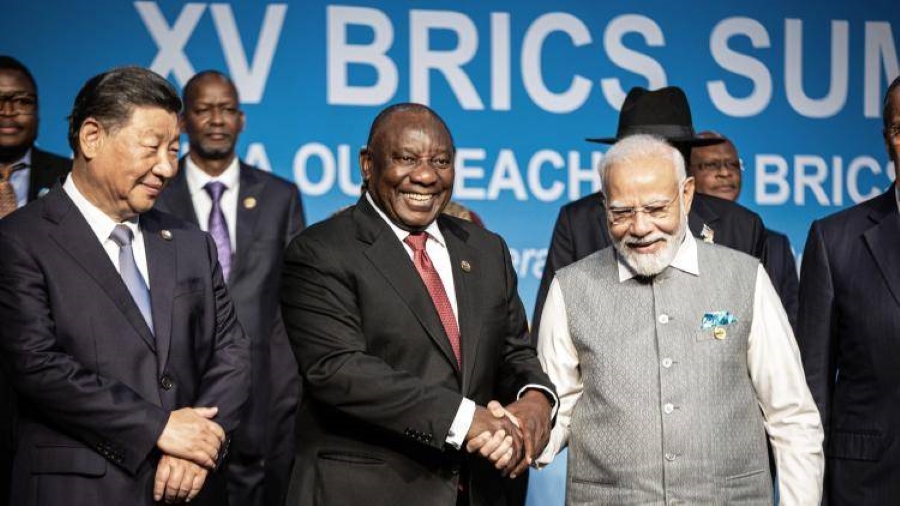
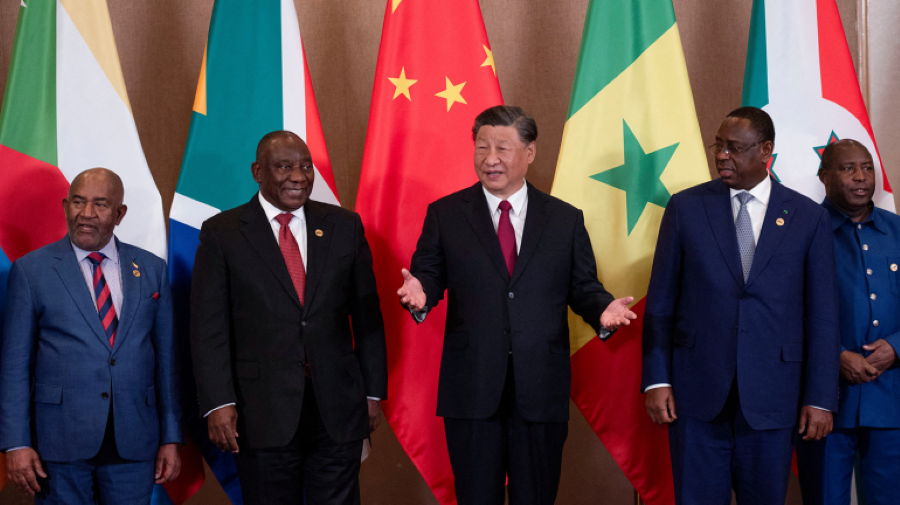
  • China’s Growing Influence in Africa: CCP’s Political Party Training and Its Impact on Governance

    China’s Growing Influence in Africa: CCP’s Political Party Training and Its Impact on Governance

    The article, “China Escalates Its Political Party Training in Africa” by Paul Nantulya, explores the increasing influence of the Chinese Communist Party (CCP) in shaping political and governance models in Africa. Despite China’s long-standing principle of non-interference in the internal affairs of other nations, recent developments indicate a shift in this approach, particularly concerning Africa. The CCP is actively promoting its dominant party model across the continent through various training programs designed for African party and government officials.

    China’s Evolving Strategy in Africa

    Historically, China has maintained that it does not export its governance model to other nations. However, the article highlights a significant change in this stance, especially under CCP General Secretary Xi Jinping’s leadership. Xi’s “new model of party-to-party relations” has led to an escalation in the CCP’s training initiatives across Africa, targeting ruling parties and government officials in various countries. This effort aligns with China’s broader strategy of deepening ties with the Global South, particularly Africa, where political party training has become a key tool of influence.

    Institutionalizing China’s Governance Model in Africa

    One of the most prominent examples of China’s influence is the Mwalimu Julius Nyerere Leadership School, established in 2022. This institution, modeled after the CCP Central Party School, serves as a training ground for members of the Former Liberation Movements of Southern Africa (FLMSA) coalition, which includes ruling parties from Angola, Mozambique, Namibia, South Africa, Tanzania, and Zimbabwe. The school represents a new level of engagement, as it is the first of its kind to cater to multiple African political parties simultaneously, marking a departure from China’s earlier, more localized efforts.

    China’s involvement in Africa’s political education is not limited to physical institutions. The CCP has also supported the refurbishment of the Herbert Chitepo School of Ideology in Zimbabwe, a ZANU-PF party school. Additionally, the CCP’s National Academy of Governance, which functions as the external arm of the CCP Central Party School, has established year-round training partnerships with governance academies in countries such as Algeria, Ethiopia, Kenya, and South Africa. These efforts underscore China’s growing role in shaping the governance structures of African nations, with a particular focus on entrenching single, dominant party models.

    The Appeal of China’s Political Model

    China’s governance model, characterized by party supremacy, fragmented authoritarianism, political meritocracy, and party-led economic governance, is particularly appealing to many African ruling parties. This model emphasizes the dominance of the ruling party over the state and government, a concept that resonates with the leadership of several African nations. The CCP’s training programs often stress the benefits of a strong, centralized party system, which some African leaders view as a means to maintain power and stability without the “messiness” of multiparty democracy.

    The article points out that China’s model is attractive to African elites because it offers a template for maintaining political control while pursuing economic development. However, this model is fundamentally at odds with the multiparty democratic systems that many African constitutions and the African Union (AU) conventions endorse. Despite this, the CCP’s governance and party training programs are gaining traction across the continent, with a growing number of African ruling parties seeking Chinese support to solidify their political dominance.

    Implications for African Democracy and Governance

    The expansion of CCP training in Africa raises significant concerns about the future of democracy on the continent. While China’s economic model has been admired for its success, its political model has not been as widely embraced by African citizens. According to polls, nearly 80 percent of Africans reject one-party rule, preferring instead the democratic systems that many countries adopted during the 1990s. However, the CCP’s influence threatens to undermine these democratic gains by promoting single-party systems that could entrench authoritarian rule.

    The article emphasizes the disconnect between the ruling elites in Africa and the democratic aspirations of their citizens. Many African ruling parties are eager to replicate China’s model, seeing it as a way to extend their rule indefinitely. However, this approach is at odds with the desires of the African populace, who overwhelmingly favor democracy. The entrenchment of single-party rule could lead to increased corruption, societal divisions, and instability, as history has shown that autocratic governance often exacerbates these issues.

    The Broader Context of China-Africa Relations

    China’s increasing involvement in Africa’s political and governance systems is part of a broader strategy to expand its influence on the continent. The CCP’s extensive network of over 3,000 political schools, many of which have established training programs in Africa, reflects the systematic and expansive nature of this effort. The CCP has ongoing relations with 110 African ruling and opposition parties, 35 parliaments, and 59 politically oriented organizations, underscoring the depth of its engagement.

    The CCP’s training programs are not just about spreading its governance model; they are also a means of shaping the future leadership of African nations. By targeting younger generations of party and government leaders through scholarships and training programs, China is positioning itself as a key player in the development of Africa’s political landscape. This long-term strategy is likely to have lasting implications for the continent, particularly if the trend towards single-party dominance continues.

    Conclusion

    China’s escalation of political party training in Africa represents a significant shift in its approach to the continent. By promoting its dominant party model, the CCP is influencing the governance structures of numerous African nations, potentially entrenching authoritarian rule and undermining democratic gains. While this model is appealing to some African ruling parties, it is at odds with the preferences of the majority of African citizens, who continue to favor democracy. As China’s influence in Africa grows, the future of governance on the continent remains uncertain, with significant implications for both political stability and economic development.

  • Climate Resilience: How Leshan Koisikir is Transforming Pastoral Communities in Narok, Kenya

    Climate Resilience: How Leshan Koisikir is Transforming Pastoral Communities in Narok, Kenya

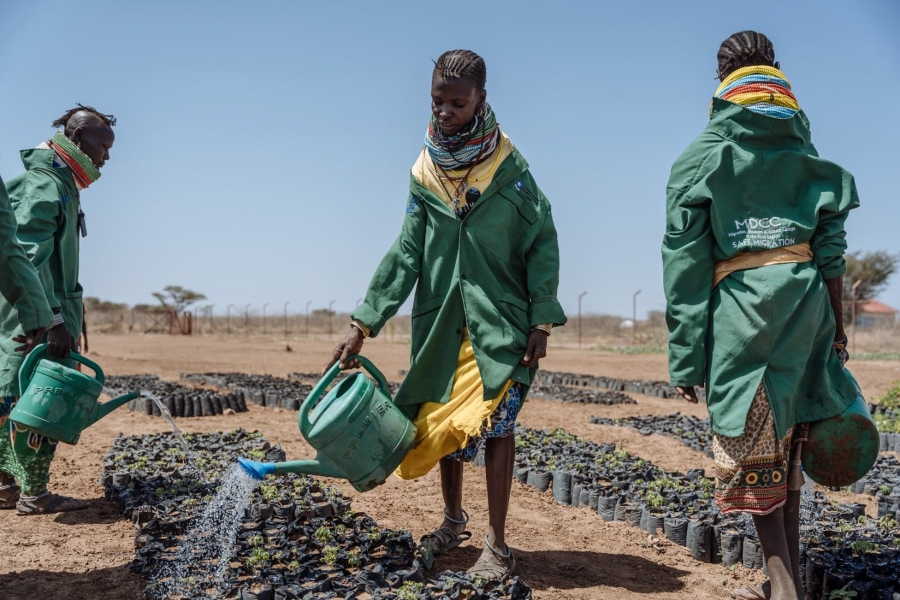
    In the arid and semi-arid regions of Narok, Kenya, pastoral communities are making significant shifts in their livelihoods to adapt to the changing climate. Leshan Koisikir, a 29-year-old environmentalist, exemplifies this transformation at his Olepolos farm. With a background in Community Health and Development from Moi University, Leshan turned to environmental conservation and agriculture after struggling to find stable employment in his field.

    Embracing Agribusiness for Sustainability

    Leshan’s 20-acre farm, inherited from his father, is a model of diversified agriculture. He cultivates beans, maize, sorghum, vegetables, and sweet potatoes, along keeping bees, poultry, and rabbits. His efforts are bolstered by the proximity of the Ewaso Nyiro River, which provides essential water for irrigation in an area that experiences minimal rainfall. Additionally, he grows fruit trees like avocados and sweet berries, as well as indigenous trees, underscoring his commitment to both agribusiness and environmental conservation.

    Challenges and Community Impact

    Despite his success, Leshan faces significant challenges, including a lack of market access for his honey and inadequate professional harvesting equipment. Yet, his work is crucial, especially given the climate crisis that threatens traditional pastoral livelihoods. His father, James Koisikir, also an environmentalist, acknowledges the profound impact of climate change on their community. “Residents now keep livestock in proportion to their land size and are gradually adopting farming,” James notes.

    Adapting to Climate Change

    Experts like Kennedy Oyugi, an agricultural economist at Africa Harvest, emphasize the importance of short-season crops in ensuring food security for pastoral homes. “Diversification allows pastoralists to harvest crops despite limited rainfall,” Oyugi explains. This adaptation is vital, as agriculture accounts for approximately 40% of human-caused methane emissions, a potent greenhouse gas. Reducing methane emissions is one of the fastest ways to slow global warming, and livestock farming is a major contributor.

    Innovative Practices for Emission Reduction

    To tackle methane emissions, practices such as maintaining productive herds, selling animals when their productivity declines, feeding livestock protein-rich fodder, and managing manure are recommended. Dr. Joel Onyango from the African Centre of Technology Studies highlights the goal of reducing emission intensity rather than absolute emissions. “The aim is to emit less methane per unit of product,” he says.

    Global and Local Efforts

    Kenya is a signatory to the global methane pledge, aiming to reduce methane emissions by 30% by 2030. Although Leshan Koisikir may not be aware of this pledge, his daily efforts contribute to this global goal. Roy Bouwer from the African Climate Action Partnership supports the idea of pastoralists diversifying their agricultural practices. “This gradual adaptation increases their income and enhances resilience to climate change,” Bouwer asserts.

    Vision for the Future

    Leshan envisions his land as a demonstration farm, inspiring others in his community to embrace agricultural diversification. “I want my farm to be a learning center where people can implement new practices on their own land,” he says. By selling livestock and adopting farming, his pastoral community is slowly but surely adapting to the new environmental realities, ensuring both their livelihoods and food security in the face of climate change.

    This shift among pastoralists like Leshan Koisikir underscores the broader efforts to mitigate climate change impacts and promote sustainable agricultural practices in Kenya and beyond.