
Author: AR Managing Editor

  • Boosting Soil Fertility and Crop Yields in Malawi: Innovative Deep Bed Farming and Intercropping Techniques

    Boosting Soil Fertility and Crop Yields in Malawi: Innovative Deep Bed Farming and Intercropping Techniques

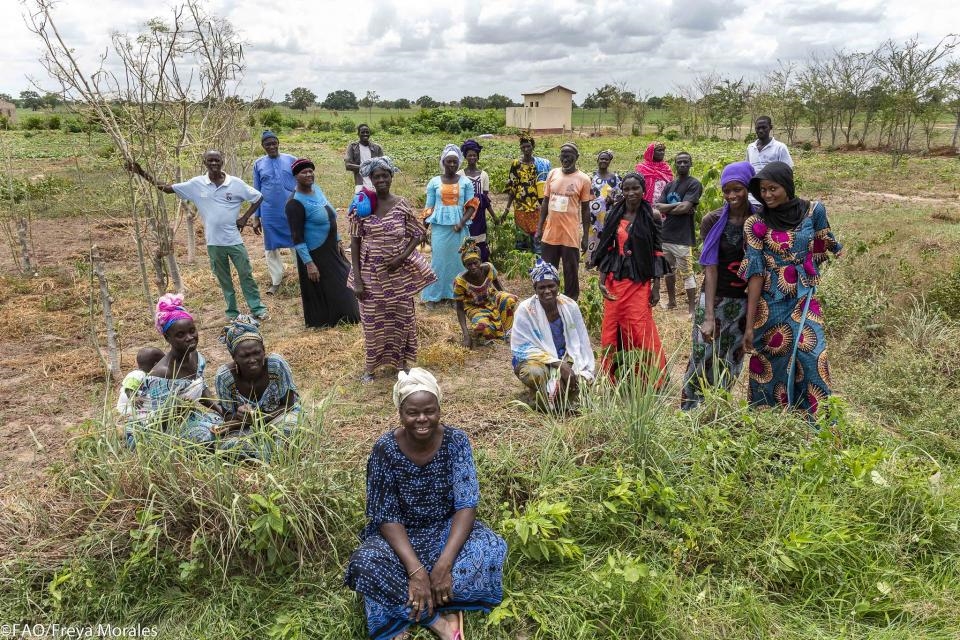
    The research conducted by Alan Dixon, Professor of Sustainable Development, University of Worcester examine that Malawi is facing significant agricultural challenges due to increasingly unpredictable rainfall and higher-than-average temperatures. These climatic changes exacerbate soil erosion, leading to decreased soil fertility and water availability, which in turn causes frequent crop failures. This is a critical issue for smallholder farmers, who constitute about 80% of the population and rely heavily on farming, primarily maize, for their livelihood. These farmers often cannot afford chemical fertilizers, which are essential for maintaining soil fertility and crop yields.

    Research Overview

    To address these challenges, the team of soil fertility and sustainable development specialists, in collaboration with sustainable agriculture and environmental researcher Augustine Talababie Phiri, conducted an experiment to improve soil fertility using natural methods. The goal was to discover how different combinations of plants could enhance soil fertility without the need for expensive fertilizers.

    The author conducted trials on farms in northern Malawi, specifically in Msongwe near Mzuzu, over a two-year period. The trials involved testing various combinations of crops grown together and measuring the resulting changes in soil fertility.

    Key Findings

    Traditional Farming vs. Innovative Techniques

    Traditional farming in Malawi typically involves tilling the soil annually and planting a single crop on narrow ridges. These ridges, however, are highly susceptible to soil erosion, which degrades soil quality and reduces crop yields.

    Deep Bed Farming and Intercropping

    The author explored the benefits of combining two innovative techniques: intercropping and deep bed farming.

    • Intercropping: This method involves growing two or more crops side by side. For our experiment, we intercropped maize with legumes such as cowpea and pigeon pea. Legumes have the ability to fix nitrogen from the atmosphere, converting it into forms (like ammonium and nitrate) that plants can use as natural fertilizers.
    • Deep Bed Farming: This technique, developed in Malawi, involves breaking up the compacted soil layer (hardpan) near the surface, which hinders root growth. By using a pickaxe to dig through this layer, farmers create deeper beds that allow roots to grow more freely. Additionally, seedlings are planted on soil piles 30cm higher than the ground level, with ditches dug beside these beds to catch and retain rainwater, ensuring the soil remains moist for extended periods.

    Results

    The research demonstrated several significant benefits of combining intercropping with deep bed farming:

    1. Enhanced Soil Fertility
      • The nitrogen-fixing ability of legumes enriched the soil more effectively than traditional chemical fertilizers.
      • Deep bed farming further improved soil fertility by preventing erosion and maintaining soil structure, leading to sustained fertility over the two growing seasons.
    2. Increased Crop Yields
      • Intercropping with legumes resulted in higher maize yields compared to fields planted with maize alone.
      • The combination of intercropping and deep bed farming produced even better results, with significantly higher yields across both growing seasons.
    3. Cost-Effective and Sustainable Farming
      • This method reduces farmers’ reliance on expensive chemical fertilizers, making farming more sustainable and economically viable.
      • Higher crop yields mean farmers can produce more food on the same amount of land, improving food security and nutrition.
    4. Environmental Benefits
      • Deep bed farming reduces soil erosion and compaction, improving the soil’s ability to retain water, which is crucial in drought-prone areas like Malawi.
      • The natural nitrogen-fixing process of legumes reduces the environmental impact of farming by minimizing the need for synthetic fertilizers.

    Conclusion

    The combination of deep bed farming and legume intercropping offers a promising solution to the agricultural challenges posed by climate change. By improving soil fertility, increasing crop yields, and reducing reliance on chemical fertilizers, this method enhances the resilience and productivity of farming systems. As climate change continues to affect agriculture globally, innovative approaches like this will be essential in developing sustainable and robust agricultural practices.


  • TELA Maize Varieties Launched in Nigeria: Boosting Food Security and Sustainable Agriculture

    TELA Maize Varieties Launched in Nigeria: Boosting Food Security and Sustainable Agriculture

    Nigeria has achieved a noteworthy milestone by introducing four new TELA maize varieties: SAMMAZ 72T, SAMMAZ 73T, SAMMAZ 74T, and SAMMAZ 75T, developed by the Institute for Agricultural Research (IAR) at Ahmadu Bello University in collaboration with the African Agricultural Technology Foundation (AATF). These varieties were publicly launched in Abuja with the aim of addressing key agricultural challenges such as drought and pests, thereby enhancing farmers’ productivity.

    During the launch, Sen. Aliyu Abdullahi, the Minister of State for Agriculture and Food Security, emphasized that these maize varieties align with President Bola Tinubu’s ‘Renewed Hope’ agenda. He assured the public of their safety for both food and feed, underlining rigorous oversight by the National Biosafety Management Agency (NBMA), Federal Ministry of Health, and National Agricultural Seed Council to ensure their safe adoption and application.

    Ado Adamu Yusuf, the Executive Director of IAR, highlighted the extensive development journey of over five years that led to the creation of the SAMMAZ-T series. These hybrids provide comprehensive protection against drought, fall armyworm, and stemborers, offering significant yield advantages while reducing reliance on chemical pesticides, thereby promoting environmental sustainability and cost-effectiveness for farmers.

    The SAMMAZ-75T TELA Maize, coordinated by the Federal Ministry of Agriculture and Food Security, is set to be distributed to farmers across Nigeria, aiming to combat food insecurity and malnutrition. This initiative marks a substantial advancement in agricultural productivity, with potential yields of up to 10 tons per hectare compared to the current average of 3 tons per hectare.

    Aggrey Ambali, Chairman of the board of trustees of AATF, hailed the launch as a pivotal moment for Nigerian agriculture and the broader African continent. He emphasized the transformative potential of biotechnology in agriculture, particularly in bolstering resilience against climate change and pest-related challenges. Ambali called for regional collaboration to embrace innovative technologies that can ensure stable food supplies, strengthen economies, and improve livelihoods across Africa.

    Canisius Kanangire, Executive Director of AATF, underscored the economic and environmental benefits of TELA maize varieties, predicting increased food and income security for Nigerian farmers. By reducing pesticide use and enhancing crop resilience, these varieties promise a more sustainable and profitable farming future.

    In summary, Nigeria’s introduction of TELA maize varieties represents a significant stride toward achieving food security, economic growth, and sustainable agriculture across the continent. The initiative underscores Nigeria’s commitment to embracing cutting-edge agricultural technologies that promise to revolutionize farming practices and improve livelihoods.

  • ECOWAS’ Battle Against Small Arms Proliferation in West Africa: A Critical Analysis of Challenges and Recommendations

    ECOWAS’ Battle Against Small Arms Proliferation in West Africa: A Critical Analysis of Challenges and Recommendations

    A recent article by Osimen, et al., (2024) titled “The Role of ECOWAS in the Fight against the Proliferation of Small Arms and Light Weapons in West-Africa Sub-Region” published in International Journal of Interdisciplinary and Multidisciplinary Research shows that the proliferation of small arms and light weapons (SALW) in West Africa has severe socio-economic and human consequences, surpassing even the threats of HIV/AIDS or COVID-19.

    SALW proliferation in West Africa causes severe socio-economic and human impacts, challenging ECOWAS despite ongoing efforts.– Osimen, et al., 2024

    This article explores the proliferation of small arms and light weapons (SALW) in the West African sub-region and the role of ECOWAS (Economic Community of West African States) in combating this issue. The article highlights the severe impact of SALW proliferation in West Africa, comparing its socio-economic and human consequences to those of HIV/AIDS or COVID-19. The authors examine ECOWAS’s actions and the ECOWAS Convention’s effectiveness in addressing SALW proliferation, noting challenges such as weak national controls and lack of international cooperation. The lack of comprehensive data and political will among states is identified as a major obstacle in resolving gun policy debates in the region.

    How the Study was Conducted

    The study involved collecting data on the number of illicit SALW in West Africa, the efforts of ECOWAS to eradicate the menace, and the effectiveness of the ECOWAS Convention. The study examined the causes of SALW proliferation, such as weak national controls and lack of international cooperation, and its socio-economic and human consequences. The study assessed the role of ECOWAS and its strategies, including the Program of Action and the Convention, in combating SALW proliferation.

    What the Authors Found

    The authors found that the proliferation of small arms and light weapons (SALW) in West Africa has severe socio-economic and human consequences, surpassing even the threats of HIV/AIDS or COVID-19. Despite ECOWAS’ efforts to eradicate this menace, over one hundred million illicit SALW continue to fuel conflicts in the region.

    Why is this Important

    Human Security: The proliferation of small arms and light weapons (SALW) poses a direct threat to human security. These weapons fuel conflicts, violence, and criminal activities, resulting in loss of life, displacement, and suffering.
    Regional Stability: West Africa faces persistent instability due to armed conflicts. Understanding the causes and consequences of SALW proliferation helps policymakers devise effective strategies to enhance regional stability.
    ECOWAS’ Role: The study sheds light on the limitations of ECOWAS’ efforts in combating SALW. By identifying gaps and challenges, it provides a roadmap for improving ECOWAS’ policies and interventions.

    What the Authors Recommend

    • The authors recommend that Member states should enhance their national controls over SALW, including stricter regulations, monitoring, and enforcement mechanisms. This involves improving licensing procedures, record-keeping, and tracing of weapons.
    • ECOWAS member states must collaborate more effectively to combat SALW proliferation. This includes sharing intelligence, coordinating border controls, and harmonizing legal frameworks to prevent illicit transfers.
    • The study emphasizes the importance of transparency among member states. Regular reporting on SALW stockpiles, transfers, and seizures can help identify trends and gaps.
    • In addition, the study emphasizes that ECOWAS should invest in capacity-building programs for law enforcement agencies, customs, and border control personnel. Training and resources are essential to effectively combat SALW trafficking.
    • Furthermore, raising awareness about the dangers of SALW and involving civil society organizations can promote advocacy for stronger regulations and disarmament efforts.

    In conclusion, the proliferation of small arms and light weapons in West Africa poses significant socio-economic and human challenges, surpassing even those presented by HIV/AIDS and COVID-19. Despite ECOWAS’ efforts through the Program of Action and the ECOWAS Convention, the region continues to grapple with the severe impacts of over one hundred million illicit SALW. To address this pressing issue, it is imperative for member states to enhance national controls, improve international cooperation, and invest in capacity-building programs. By fostering transparency, sharing intelligence, and engaging civil society, ECOWAS can develop more effective strategies to combat SALW proliferation and enhance regional stability and security.

  • Revolutionizing TB Treatment: READ-TB Assay Enables Low-Cost, BSL-2 Monitoring with Acetic Acid

    Revolutionizing TB Treatment: READ-TB Assay Enables Low-Cost, BSL-2 Monitoring with Acetic Acid

    A recent article by Palekyte, et al., (2024) titled “Acetic Acid Enables Molecular Enumeration of Mycobacterium Tuberculosis from Sputum and Eliminates the Need for a Biosafety Level 3 Laboratory” published in Clinical Chemistry, examines that acetic acid is effective in killing Mycobacterium tuberculosis in sputum and preserving RNA for analysis, enabling processing at a lower biosafety level (BSL-2).

    READ-TB assay uses acetic acid to safely process TB samples at BSL-2, enhancing accessibility.– Palekyte, et al., 2024

    The article highlights a significant advancement in tuberculosis (TB) treatment monitoring with the development of the READ-TB assay. This innovative study introduces the use of acetic acid to enumerate Mycobacterium tuberculosis from sputum samples, enabling sample processing at a lower biosafety level (BSL-2) instead of the more stringent BSL-3. The READ-TB assay is semi-automated, rapid, and demonstrates strong correlation with the previously established molecular bacterial load assay (MBLA). This makes it a more accessible and practical option for TB treatment monitoring, particularly in low- and middle-income countries.

    One of the key breakthroughs of this assay is the dual role of acetic acid, which not only effectively kills the TB bacteria but also preserves mycobacterial RNA. This preservation ensures accurate enumeration of bacteria even after long-term storage at various temperatures, enhancing the reliability of the results. The READ-TB assay’s ability to function effectively without the need for BSL-3 laboratories is poised to transform TB treatment monitoring in resource-limited settings.

    Moreover, the introduction of this assay is expected to enhance the efficiency of clinical trials for new anti-TB drugs by providing a reliable and accessible method for monitoring treatment progress. With its potential to improve TB treatment outcomes and streamline clinical research, the READ-TB assay represents a significant leap forward in the global fight against tuberculosis.

    How the Study was Conducted

    Human sputum samples were obtained, anonymized, and authorized for assay development. They were spiked with H37Rv or BCG and preserved using various methods for RNA extraction. The authors tested acetic acid as a bactericidal agent that preserves mycobacterial RNA. It was compared to guanidine thiocyanate (GTC) and DNA/RNA Shield for its effectiveness. The Rapid Enumeration and Diagnostic for Tuberculosis (READ-TB) assay was developed. It is semiautomated, rapid, and correlates with the Molecular Bacterial Load Assay (MBLA) when tested on human sputum samples. The authors validated READ-TB and compared it directly to MBLA using sputum collected from individuals with tuberculosis5. The study also tested compatibility with the GeneXpert MTB/RIF Ultra test

    What the Authors Found

    The authors of the study found that acetic acid is effective in killing Mycobacterium tuberculosis in sputum and preserving RNA for analysis, enabling processing at a lower biosafety level (BSL-2). The study posit that the Rapid Enumeration and Diagnostic for Tuberculosis (READ-TB) assay is a semiautomated, rapid method that correlates well with the Molecular Bacterial Load Assay (MBLA) for monitoring tuberculosis treatment. In addition, RNA from sputum samples treated with acetic acid remains stable for 2 weeks at 25°C and for a year at -20°C, which is beneficial for laboratories without access to -70°C freezers3. Furthermore, READ-TB can be adopted by clinical microbiology laboratories, especially in low- and middle-income countries, to monitor tuberculosis treatment without the need for a BSL-3 lab4. It is also compatible with the GeneXpert MTB/RIF Ultra test5.

    Why is this Important

    Improved TB Treatment Monitoring: The development of the READ-TB assay allows for more efficient and accessible monitoring of tuberculosis treatment. By using acetic acid to preserve mycobacterial RNA, laboratories can process samples at a lower biosafety level (BSL-2) instead of requiring a BSL-3 lab. This is especially significant for settings with limited resources or lacking BSL-3 facilities.
    Global Impact: Tuberculosis remains a major global health concern, affecting millions of people each year. The READ-TB assay’s compatibility with the GeneXpert MTB/RIF Ultra test and its potential adoption by clinical microbiology laboratories in low- and middle-income countries could significantly enhance TB management and patient outcomes.
    Scientific Advancement: The study demonstrates innovative approaches to TB diagnosis and monitoring. The use of acetic acid as a bactericidal agent and RNA preservative opens up new possibilities for other infectious disease assays and research.

    What the Authors Recommend

    The article doesn’t explicitly mention recommendations made by the authors. However, based on the study’s findings, here are some potential recommendations:

    • The authors might recommend the adoption of the READ-TB assay in clinical microbiology laboratories, especially in resource-constrained settings. This would allow for more accessible and efficient tuberculosis treatment monitoring.
    • Given the promising results, the authors may suggest further research to validate the assay’s performance across diverse populations, including different TB strains and patient demographics.
    • Collaboration with public health agencies, researchers, and policymakers could help implement the READ-TB assay in real-world scenarios and improve TB management.

    In conclusion, the study by Palekyte et al. represents a significant leap forward in tuberculosis treatment and monitoring. The innovative READ-TB assay, utilizing acetic acid to preserve mycobacterial RNA, enables safe and efficient processing of sputum samples at a lower biosafety level. This advancement holds great promise for improving TB management, particularly in resource-constrained settings, and enhancing the efficacy of clinical trials for new treatments. By making advanced TB diagnostics more accessible, the READ-TB assay has the potential to transform global TB care and significantly impact public health outcomes.

  • Genetic Diversity in Cowpea: Study Reveals Key Traits for Breeding Resilient Varieties under Insect Stress

    Genetic Diversity in Cowpea: Study Reveals Key Traits for Breeding Resilient Varieties under Insect Stress

    A recent study by Dairo, O. O. (2024) titled “Genetic Diversity in Cowpea (Vigna unguiculata (L.) Walp) under Two Growing Conditions” published in Advances in Bioscience and Biotechnology, shows that some genotypes displayed unique traits under specific conditions, suggesting their use in breeding programs for developing improved cowpea varieties.

    The article delves into the genetic diversity of cowpea (Vigna unguiculata) under two distinct growing conditions: with and without insecticide application. Conducted over a three-year period from 2015 to 2017 at the Federal University of Agriculture in Abeokuta, Nigeria, this comprehensive study evaluated forty cowpea accessions. The primary objective was to investigate genetic variability to facilitate the genetic improvement of cowpeas, particularly in response to the stress caused by insect infestations.

    Genetic diversity in cowpea enables breeding resilient varieties crucial for enhancing agricultural productivity and sustainability.– Dairo, O. O. 2024

    Using Principal Component Analysis (PCA), the study identified significant traits contributing to genetic variation under both growing conditions. Key traits included plant height, leaf length, and seed weight. The analysis revealed that while some cowpea accessions maintained consistent performance across both conditions, others exhibited traits that were specific to either the insecticide-treated or untreated environment. This differentiation is crucial for understanding how various accessions respond to insect pressure and other environmental stresses.

    The identification of accessions with desirable traits holds great promise for future genetic improvement efforts in cowpea cultivation, not only in Nigeria but also in other regions facing similar agricultural challenges. The study underscores the critical role of genetic diversity in breeding programs, which is essential for enhancing agricultural productivity and resilience.

    Furthermore, the research acknowledges the valuable contributions from various institutions and individuals, emphasizing the collaborative nature of this scientific endeavor. By highlighting the importance of genetic diversity, the study provides a foundation for breeding programs aimed at developing cowpea varieties with improved resistance to pests and adaptability to different growing conditions. This, in turn, has the potential to significantly boost agricultural productivity and food security in regions reliant on cowpea as a staple crop.

    How the Study was Conducted

    The author utilized 40 cowpea accessions from the National Centre for Genetic Resources and Biotechnology (NACGRAB), Ibadan. The author conducted experiments at the Federal University of Agriculture, Abeokuta, using a randomized complete block design with insecticide and non-insecticide groups. The author also measured various traits such as plant height, leaf dimensions, flowering time, pod and seed characteristics, and overall seed yield. In addition, the author employed principal component analysis and single linkage cluster analysis to assess genetic diversity and identify significant traits contributing to variation among accessions.

    What the Authors Found

    The study found significant genetic variation among cowpea accessions, particularly in response to insect infestation stress. PCA revealed that certain traits like plant height, leaf length, and seed weight significantly contributed to the variation under different growing conditions. The author also found that accessions like SAMPEA6, SAMPEA10, IFE-Brown, and IFE-BPE showed consistent performance across conditions, indicating promise for future genetic improvement efforts. Certain genotypes demonstrated distinct traits under specific conditions, suggesting their potential use in breeding programs to develop improved cowpea varieties. These findings highlight the importance of genetic diversity in cowpea and its potential to enhance crop performance and adaptation

    Why is this Important

    Crop Resilience: Understanding genetic variation helps breeders develop more resilient cowpea varieties. By identifying accessions with desirable traits, we can enhance crop performance and adaptability.
    Food Security: Cowpea is a staple food in many regions, especially in sub-Saharan Africa. Improving its genetic diversity ensures stable yields and contributes to food security.
    Sustainable Agriculture: Diverse crops are less susceptible to pests and diseases. By studying genetic variation, we can promote sustainable agricultural practices.
    Climate Adaptation: As climate change affects growing conditions, genetically diverse cowpea varieties can better adapt to new environmental challenges.

    What the Authors Recommend

    • The study suggests that breeders should focus on accessions with desirable traits, such as SAMPEA6, SAMPEA10, IFE-Brown, and IFE-BPE. These genotypes consistently performed well across conditions and could be valuable for developing improved cowpea varieties.
    • Efforts to enhance cowpea genetic diversity should continue. Identifying and preserving diverse accessions ensures resilience against pests, diseases, and changing environmental conditions.
    • The study acknowledges contributions from institutions like the National Centre for Genetic Resources and Biotechnology (NACGRAB). Collaborative efforts among researchers, institutions, and farmers are essential for sustainable crop improvement.

    In conclusion, the study by Dairo, O. O. underscores the critical importance of genetic diversity in cowpea for enhancing crop resilience and productivity. By identifying key traits and accessions that perform well under varying environmental conditions, this research provides a valuable foundation for breeding programs aimed at developing improved cowpea varieties. Such advancements hold significant promise for boosting food security, promoting sustainable agriculture, and ensuring that cowpea crops can adapt to the challenges posed by climate change and pest pressures. Collaborative efforts among researchers, institutions, and farmers are essential to continue this vital work and secure the future of cowpea cultivation.

  • Transformative Role of Biotechnology in Healthcare: Global Trends, Precision Medicine, and Equitable Access

    Transformative Role of Biotechnology in Healthcare: Global Trends, Precision Medicine, and Equitable Access

    A recent study by Anyanwu, et al., (2024) titled “The Role of biotechnology in Healthcare: A Review of Global Trends” published in World Journal of Advanced Research and Reviews, shows that biotechnology is driving transformative advancements in healthcare, particularly in diagnostics, treatment modalities, and healthcare delivery.

    Biotechnology drives transformative healthcare advancements, particularly in diagnostics, personalized medicine, and treatment, emphasizing ethical considerations and equitable global access.– Anyanwu, et al., 2024

    The article delves into a comprehensive review that explores the significant role of biotechnology in healthcare, focusing on global trends and its impact on diagnostics, treatment modalities, and healthcare delivery. It delves into various aspects such as precision medicine, personalized healthcare, diagnostic revolutions, and integrating biotechnology with artificial intelligence and data analytics. The authors also discuss collaborative research initiatives, ethical considerations, regulatory frameworks, and the need for equitable access to biotechnological advancements in healthcare systems worldwide. The authors explore gene and cell therapies, CRISPR-Cas9 technology, and the transformative potential of biotechnology in fostering a new era of proactive and personalized healthcare. The article emphasizes the importance of biotechnology in improving patient outcomes globally and addresses the disparities in adoption across different healthcare systems.

    How the Study was Conducted

    The study is a detailed examination of the multifaceted role of biotechnology in healthcare. The authors analyze global trends to understand the impact of biotechnological innovations worldwide. The study includes a critical analysis of precision medicine, diagnostics, collaborative research initiatives, therapeutic innovations, and integrating biotechnology with artificial intelligence. It addresses ethical considerations, regulatory frameworks, and accessibility challenges associated with biotechnological advancements in healthcare.

    What the Authors Found

    The authors found that biotechnology is driving transformative advancements in healthcare, particularly in diagnostics, treatment modalities, and healthcare delivery. Innovations in biotechnology are enabling personalized medicine, allowing for tailored interventions based on individual genetic profiles

    Why is this Important

    Precision Medicine: Biotechnology enables personalized medicine by tailoring treatments to an individual’s genetic makeup. This approach improves patient outcomes and reduces adverse effects.
    Diagnostic Innovations: Biotechnological advancements enhance diagnostic accuracy, allowing early disease detection and timely interventions.
    Global Impact: Collaborative research initiatives across borders accelerates progress. Biotechnology fosters global collaboration, leading to shared knowledge and improved healthcare systems.
    Ethical Considerations: Addressing ethical concerns ensures responsible use of biotechnological tools. Balancing innovation with ethical guidelines is essential.
    Equitable Access: The study emphasizes the need for equitable access to biotechnological breakthroughs. Ensuring accessibility benefits all populations.

    What the Authors Recommend

    • The authors emphasize on encouraging the adoption of precision medicine approaches that tailor treatments to individual genetic profiles. This can lead to better patient outcomes and reduced adverse effects.
    • Emphasize cross-disciplinary collaboration and global partnerships. Collaborative efforts accelerate biotechnological advancements and knowledge sharing.
    • The authors advocate on developing and adhering to ethical guidelines for biotechnological applications. Responsible use ensures societal benefits without compromising values.
    • In addition, the authors advocate for equitable access to biotechnological innovations. All populations should benefit from these advancements.

    In conclusion, the study by Anyanwu et al. underscores the transformative impact of biotechnology on healthcare, highlighting its pivotal role in advancing diagnostics, treatment modalities, and overall healthcare delivery. By fostering precision medicine and personalized care, biotechnology promises to improve patient outcomes significantly. The integration of biotechnology with artificial intelligence and data analytics further propels healthcare innovations, enabling early disease detection and timely interventions. However, the study also emphasizes the importance of ethical considerations, robust regulatory frameworks, and equitable access to ensure that the benefits of biotechnological advancements are shared globally. Through collaborative research and cross-disciplinary partnerships, the potential of biotechnology to revolutionize healthcare and promote global health equity is immense and promising.

  • July 2024: Dr. Bonaventure Okere – African Male Researcher of the Month

    July 2024: Dr. Bonaventure Okere – African Male Researcher of the Month

    African Researchers AwardJuly 2024: Dr. Bonaventure Okere – African Male Researcher of the Month

    Early Life and Education

    Dr. Bonaventure Okere has established herself as a prominent figure in the field of astronomy and space science in Nigeria and Africa. Her journey into the world of astronomy began with a deep-rooted passion for the stars and the mysteries of the universe. She pursued her undergraduate studies in Physics at a renowned Nigerian university, where her fascination with space science blossomed. Dr. Okere later obtained her Ph.D. in Astronomy, focusing her research on stellar formations and galactic structures.

    Professional Career

    Dr. Okere’s professional career is marked by significant contributions to the field of astronomy and education. She has held various key positions within NASRDA, demonstrating her leadership and dedication to advancing space science in Nigeria. As the Director of CBSSA, Dr. Okere oversees numerous research projects and initiatives aimed at enhancing Nigeria’s capabilities in space research and education.

    Founding of the Pan-African School for Emerging Astronomers (PASEA)

    One of Dr. Okere’s most notable achievements is the founding of the Pan-African School for Emerging Astronomers (PASEA). The inception of PASEA occurred during the IAU 28th General Assembly in Beijing, driven by her vision to improve Science, Technology, Engineering, and Mathematics (STEM) education across Africa. PASEA aims to nurture the next generation of African astronomers by providing high-quality educational experiences and practical training. The program has successfully trained over 300 students from 18 African countries, with its sixth school held in Tunisia.

    Award Recognition

    In 2024, Dr. Okere received the prestigious International Astronomical Union (IAU) prize for astronomy education in Africa. The IAU’s Press Officer, Guido Schwarz, announced the winners, recognizing individuals and organizations for their outstanding contributions to astronomy outreach, development, and education. Dr. Okere, along with her collaborator Linda Strubbe, was awarded the IAU Astronomy Outreach, Development, and Education (ODE) Education prize. This accolade celebrates their leadership in creating impactful educational experiences in astronomy for African university students.

    Contribution to STEM Education and Astronomy Outreach

    Dr. Okere’s work in astronomy education is characterized by a strong evidence-based approach, integrating professional development for PASEA instructors with comprehensive student learning evaluations. The inquiry-based curriculum developed under her guidance intertwines teaching content with scientific practices, earning high regard from students and educators alike. Dr. Okere’s vision leverages world-class astronomy facilities on the African continent, contributing significantly to the development of a critical mass of African astronomers.

    Future Impact and Vision

    The impact of Dr. Okere’s initiatives and leadership is immense and continues to grow. Her collaborative journey with Linda Strubbe and other partners has set a strong foundation for future generations of African astronomers. Dr. Okere envisions a thriving community of astronomers who will play key roles in African observatories and contribute to global scientific advancements. Her dedication to STEM education and her commitment to nurturing young talent in astronomy are paving the way for a brighter future for space science in Africa.

    Additional Achievements

    • Dr. Okere has contributed to numerous research publications and presentations in international conferences, enhancing the visibility of African astronomy on the global stage.
    • She has been instrumental in securing partnerships and collaborations with international space agencies and research institutions.
    • Under her leadership, CBSSA has launched several outreach programs aimed at promoting space science among young students and the general public in Nigeria.

    Personal Attributes

    Dr. Okere is known for her unwavering dedication, visionary leadership, and passion for education. Her ability to inspire and mentor young scientists has earned her respect and admiration within the scientific community. She continues to be a driving force in the advancement of astronomy and space science in Africa, making significant strides towards achieving her goal of transforming the continent’s scientific landscape.

    In summary, Dr. Bonaventure Okere’s contributions to astronomy education and her recent recognition with the IAU prize underscore her pivotal role in advancing space science in Africa. Her visionary efforts and dedication to nurturing young talent are setting new benchmarks for STEM education and astronomical research on the continent.

  • July 2024: Esther Kimani – African Female Researcher of the Month

    July 2024: Esther Kimani – African Female Researcher of the Month

    African Researchers AwardJuly 2024: Esther Kimani – African Female Researcher of the Month

    Introduction

    Esther Kimani, a trailblazing Kenyan innovator, has made significant strides in the field of agricultural technology with her groundbreaking invention aimed at combating pests and diseases that plague smallholder farmers. Her innovation, a solar-powered tool utilizing artificial intelligence (AI) and machine learning, has garnered international recognition, culminating in her winning the prestigious Africa Prize for Engineering Innovation.


    Early Life and Inspiration

    Esther Kimani hails from Tigoni, a village in Nyandarua county, Kenya. Growing up, she witnessed firsthand the challenges that smallholder farmers in her community faced due to pests and diseases. These challenges often led to significant crop losses, affecting the livelihoods of farmers and their families. Inspired by the struggles of her parents, who would lose up to 40% of their crops each farming season, Esther was determined to find a sustainable solution that would help farmers reduce losses and increase productivity.


    Educational Background

    Esther pursued a degree in Computer Science at the University of Eldoret, where she laid the foundation for her future innovations. It was during her time at the university that she began developing her pioneering technology, which would later become a lifeline for farmers across Kenya.


    Innovation: Farmer Lifeline Technologies

    Esther’s innovation, known as Farmer Lifeline Technologies, is a solar-powered tool equipped with AI and machine learning-enabled cameras. This device swiftly detects and identifies agricultural pests and diseases, providing real-time alerts to farmers. Within five seconds of detecting an infestation, the device sends tailored intervention suggestions to the farmer via SMS. This immediate response helps mitigate crop losses and can increase yields by as much as 40%.

    The tool uses computer vision algorithms to accurately identify crop pests, pathogens, or diseases, as well as the nature of the infection or infestation. This precise detection allows farmers to take timely and appropriate actions to protect their crops. Additionally, the device alerts government agricultural officers to the presence of diseases or pests, contributing to broader agricultural management efforts.


    Business Model and Impact

    Esther’s company, Farmer Lifeline Technologies, leases the devices to farmers at an affordable rate of $3 per month. This cost-effective model ensures that even smallholder farmers can access cutting-edge technology without the financial burden of traditional detection methods, such as hiring drones or agricultural inspectors. Currently, the company works with around 5,000 farmers in central Kenya, with plans to double this number by the end of the year as they expand to five more counties.

    The impact of Esther’s innovation has been profound. By reducing crop losses by up to 30% and increasing yields, Farmer Lifeline Technologies empowers farmers to enhance their income and improve their standard of living. The technology is particularly beneficial to women, who make up a significant portion of smallholder farmers.


    Award and Recognition

    In a ceremony held at a Nairobi hotel, Esther Kimani was named the winner of the Africa Prize for Engineering Innovation, an event that brought together over 80 innovators from across Africa. She received a prize of Sh8.3 million, which she plans to invest in further developing her innovation and expanding its reach to more smallholder farmers.

    Speaking after receiving the award, Esther expressed her gratitude and reaffirmed her commitment to empowering farmers and enhancing food production and security in Kenya and beyond. Her goal is to scale her technology to reach one million farmers in the next five years.


    Future Aspirations

    Esther Kimani’s vision extends beyond Kenya. She aims to create a robust network of farmers across Africa who can leverage her technology to combat agricultural pests and diseases effectively. By doing so, she hopes to contribute to the continent’s food security and economic development.

    Her innovation is not just a technological breakthrough but a testament to the power of resilience and the impact of addressing local challenges with scalable engineering solutions. Esther’s journey from Tigoni to becoming an internationally recognized innovator is an inspiring story of how determination and ingenuity can lead to transformative change.


    Conclusion

    Esther Kimani’s achievements highlight the critical role of engineering and technology in addressing agricultural challenges. Her innovative approach, combining AI, machine learning, and solar power, offers a sustainable solution to a pressing problem, demonstrating the potential for technology to improve lives and drive economic development. As she continues to develop and expand her technology, Esther Kimani stands as a beacon of innovation and hope for farmers across Africa.

  • Enhancing Gender Equality in Cybersecurity: The Crucial Role of Private Sector Technologies

    Enhancing Gender Equality in Cybersecurity: The Crucial Role of Private Sector Technologies

    Technologies developed by the private sector play a pivotal role in creating, enabling, and mitigating gendered cyber harms. These technologies often embed gendered structures, ideals, and assumptions, which are then disseminated and reinforced as the technologies are widely adopted, even if unintentionally. While states and public sector actors have a duty to promote governance that elevates human security to the same level as national or international security, private sector actors, as the designers, developers, and deployers of technology, also bear significant responsibilities. They must consider the gendered impacts of their work and strive to advance gender equality.

    Private Sector Technologies and Gendered Cyber Harms

    Private sector technologies can both endanger and advance gender-transformative cybersecurity. Gender-transformative cybersecurity aims to challenge harmful gender norms, roles, and realities while addressing the wide range of gendered harms experienced in cyberspace. The private sector’s role is crucial in ensuring that technologies do not lead to or exacerbate gendered cyber harms.

    The Experiences of Queer Social Media Platform Users

    The paper includes case studies highlighting real-world effects of gendered cyber harms. For instance, queer social media users in Africa often face cyber threats that are exacerbated by the design and deployment of certain technologies. These threats include online harassment, doxing, and other forms of cyber violence that disproportionately affect marginalized gender and sexual identities.

    The ‘Weaponization’ of Geolocation Data

    The commercialization and ‘weaponization’ of sensitive data, such as geolocation information, is another significant issue. In regions like the US and the Middle East and North Africa, sensitive data can be exploited to harm individuals, particularly women and LGBTQ+ communities. This misuse underscores the importance of private sector vigilance in data protection and privacy.

    Private Sector–State Interaction in Response to Gendered Cyber Harms

    Private sector technologies can also be leveraged to improve cybersecurity and combat gender-based violence. For instance, in South Korea and India, certain technological advancements have been made to protect women from cyber harassment and to support victims of gender-based violence. These technologies highlight the potential positive impact of private sector involvement in cybersecurity.

    Recommendations

    The paper concludes with a set of recommendations for private sector stakeholders aiming to design and deploy secure and gender-transformative technologies:

    1. Critically Evaluating Data Sharing: Private sector actors should adopt a human rights and gender perspective when evaluating data sharing and cooperation with state entities to map potential harms.
    2. Assessing User Privacy Settings: The efficacy of user privacy and data sharing settings for all technologies should be assessed, ensuring these options are accessible and easy to change.
    3. Mapping Technological Relationships: Companies should map their technological relationships with commercial partners and identify potential risks associated with these partnerships.
    4. Implementing Technical Features: Additional technical features and mitigations should be implemented to enable users to reduce risks.
    5. Incorporating User Feedback: User experiences and feedback should be incorporated into technology design, redesign, and readaptation processes.
    6. Building Gender Expertise: Companies should build independent internal gender expertise and connect to international networks that promote best practices in gender-transformative cybersecurity.

    Conclusion

    The private sector has a crucial role to play in advancing gender-transformative cybersecurity. As developers, designers, and deployers of technology, they bear significant responsibility for ensuring that their technologies do not lead to or exacerbate gendered cyber harms. Given these important responsibilities, private sector actors should commit to recognizing and addressing such harms and advancing a stable, secure cyberspace for all.

  • Strengthening Cybersecurity: The Vital Role of Internal Audit in Governance and Risk Management

    Strengthening Cybersecurity: The Vital Role of Internal Audit in Governance and Risk Management

    In an era marked by rapidly evolving cybersecurity threats, organizations face significant challenges in protecting their digital assets and sensitive information. The role of internal audit functions has become increasingly vital in navigating these challenges and enhancing cybersecurity measures. As the third line of defense in cybersecurity governance, internal auditors provide independent assurance and evaluation, playing a pivotal role in ensuring robust risk management practices and regulatory compliance.

    Assessing Cybersecurity Governance

    Effective cybersecurity governance is essential for aligning cybersecurity objectives with the organization’s overall strategic goals. Internal auditors assess the establishment and effectiveness of cybersecurity policies, procedures, and frameworks. This includes evaluating the clarity of roles and responsibilities within the organization. By scrutinizing the governance structure, internal audit functions can identify areas for improvement and ensure that cybersecurity efforts are integrated into the organization’s overarching governance framework.

    Statistical Insights

    1. Cybersecurity Governance Impact: A study by the International Data Corporation (IDC) revealed that organizations with strong cybersecurity governance frameworks experience 30% fewer security incidents compared to those with inadequate governance structures.
    2. Internal Audit Contribution: Research by the Institute of Internal Auditors (IIA) found that 82% of organizations view internal audit functions as instrumental in assessing and improving cybersecurity governance.
    3. Organizational Integration: According to the Grant Thornton Business Pulse report, 45% of mid-market businesses have implemented a cybersecurity framework, 37% have defined cyber strategies, policies, and procedures, but only 29% have a dedicated team focusing on cybersecurity.

    These statistics highlight the critical role of internal audit functions in reinforcing cybersecurity governance within organizations.

    Evaluating Risk Management Practices

    Cybersecurity risk management involves identifying, analyzing, and mitigating risks related to information technology and security. Internal auditors play a crucial role in evaluating the organization’s risk management practices. This includes the identification of cyber risks, the effectiveness of risk assessment methodologies, and the adequacy of risk mitigation strategies. By conducting comprehensive risk assessments and evaluating risk management processes, internal audit functions help organizations prioritize their cybersecurity efforts and allocate resources effectively.

    The “Cost of a Data Breach Report 2023” by IBM Security and the Ponemon Institute highlighted that the global average cost of a data breach increased by 2.3% compared to the previous year, reaching $4.45 million. The report also noted that the average time to identify and contain a data breach was 196 days, underscoring the prolonged exposure of sensitive data and the potential for extensive damage.

    Data Privacy Concerns

    Data privacy has emerged as a significant risk for businesses, with data breaches posing substantial threats to organizational reputation and financial stability. Various countries have responded by implementing stringent data privacy laws and regulations. Internal audit functions are well-positioned to assess and mitigate these risks effectively, ensuring compliance with regulatory requirements and protecting sensitive data.

    Enhancing Control Processes

    Cybersecurity control processes serve as the frontline defenses against cyber threats. Internal auditors assess the design and effectiveness of these controls, which include technical controls, administrative controls, and physical controls. By evaluating processes such as access controls, encryption mechanisms, and incident response procedures, internal audit functions help identify weaknesses and vulnerabilities in the organization’s cybersecurity defenses. Furthermore, internal auditors ensure that control processes are properly implemented and monitored to detect and respond to cyber threats in a timely manner.

    Cloud Security Challenges

    One area where companies often fall short is in cloud assurance. Major cloud service providers like Microsoft Azure and Amazon Web Services offer robust security measures, but the responsibility for configuring and securing the environment ultimately lies with the organization. In the shared cloud model, ensuring the proper configuration and implementation of security measures becomes even more critical. Many companies mistakenly believe that migrating to the cloud automatically addresses all security concerns. However, inadequately configured environments can leave organizations vulnerable to cyber threats.

    According to a recent survey by McAfee, 83% of organizations store sensitive data in the cloud, yet only 29% have implemented proper security measures to protect it. This highlights the urgent need for organizations to enhance their cloud security practices.

    Leveraging Cybersecurity Topical Requirements

    The cybersecurity topical requirements published by the IIA provide a structured approach to assessing cybersecurity practices. These requirements cover key areas such as governance, risk management, and control processes. By following these guidelines, internal audit teams can ensure their assessments are comprehensive and aligned with industry standards. Additionally, using cybersecurity topical requirements facilitates consistency and comparability across internal audit engagements, enabling organizations to benchmark their cybersecurity practices against industry peers.

    Conclusion

    Internal audit functions play a crucial role in enhancing cybersecurity within organizations. By leveraging established frameworks and standards, such as the cybersecurity topical requirements published by the IIA, internal auditors help organizations assess and improve their cybersecurity governance, risk management, and control processes. Through thorough assessments and valuable insights, internal audit functions contribute to strengthening the organization’s cyber posture and mitigating the risks associated with cyber threats.