Author: AR Managing Editor

  • Floating Photovoltaics in Africa: Enhancing Energy Security and Sustainability

    Floating Photovoltaics in Africa: Enhancing Energy Security and Sustainability

    A recent study by Arnold, et al., (2024) titled “Floating photovoltaics may reduce the risk of hydro-dominated energy development in Africa” published in Nature Energy, examine that floating photovoltaics (FPV) in Africa can significantly complement hydropower, offering sustainable, reliable energy while mitigating environmental and economic risks.

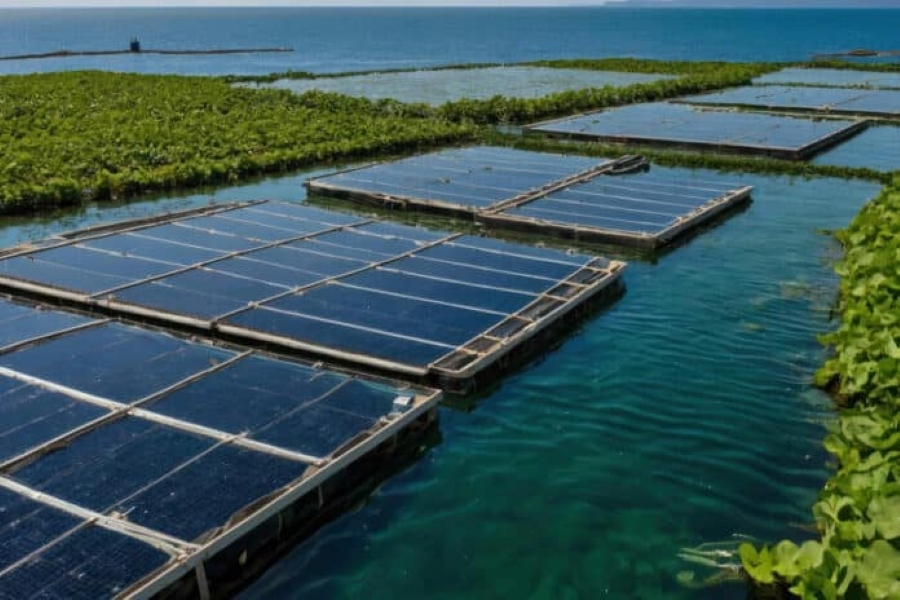
    As Africa seeks sustainable solutions to its growing energy needs, Floating Photovoltaics (FPV) have emerged as a promising alternative to traditional hydropower development. This innovative technology could transform the continent’s energy landscape by leveraging existing water bodies for solar energy production, thereby offering multiple advantages over conventional hydropower.

    Floating photovoltaics can significantly supplement planned hydropower in Africa, ensuring stable and sustainable energy production. – Arnold, et al 2024

    Advantages of FPV Over Hydropower

    FPV systems can generate a significant portion of the electricity anticipated from planned hydropower projects. Unlike hydropower, which is highly dependent on water levels and can fluctuate with seasonal and climatic changes, FPV offers a more stable and predictable energy output. This stability is crucial for maintaining a reliable power supply, particularly as climate change makes hydrological patterns increasingly unpredictable. Strategic investment in FPV can be more cost-efficient than constructing new dams. The initial capital expenditure for FPV installations is generally lower, and the long-term maintenance costs are also reduced compared to those associated with large-scale hydropower infrastructure. Additionally, FPV installations avoid the significant social and environmental impacts that come with building new dams, such as displacement of communities and ecosystem disruption. FPV installations on existing reservoirs can boost overall energy output. By utilizing the surface area of these water bodies, FPV systems can complement existing hydropower facilities, ensuring a more robust and reliable power supply. This is particularly important in the face of climate change, as FPV systems are less vulnerable to variations in water availability and can thus provide a steadier flow of electricity.

    A detailed analysis of the Zambezi watercourse underscores the potential of FPV to offset hydropower losses and support sustainable energy development in Africa. The Zambezi River, one of the largest river systems on the continent, is heavily relied upon for hydropower generation. However, the river’s flow is subject to significant seasonal variation, which can disrupt energy production. The study suggests that integrating FPV into the existing hydropower infrastructure on the Zambezi could mitigate these fluctuations. FPV installations on the river’s reservoirs could harness solar energy, providing a supplementary power source that compensates for periods of low water flow. This hybrid approach not only enhances the resilience and reliability of the energy supply but also maximizes the use of existing resources, promoting a more sustainable and efficient energy system.

    How the Study was Conducted

    The study employed the OSeMOSYS-TEMBA Model, this energy system model is used for long-term capacity planning in Africa. It evaluates cost-optimal trajectories of Floating Photovoltaics (FPV) expansion from 2015 to 2050, considering uncertainties in socio-economic development, energy demand, and emissions policy. The study considers potential FPV deployments at existing and under-construction dams, with FPV system capacities set to incremental multiples of adjacent hydroelectric dam plant capacities. The model includes constraints to avoid overstating physical engineering limits and interference with other reservoir uses. This river basin-scale model explores synergies, tradeoffs, and vulnerabilities within and across hydropower, irrigation supply, and environmental objectives3. It includes existing reservoirs, one run-of-the-river hydropower plant, irrigation districts, and major planned reservoirs.
    The study also employed the SAPP Electricity System Model, developed with PowNet, this model simulates the operations of the South African Power Pool’s power systems. It schedules least-cost operations that balance supply and demand over a 24-hour period, accounting for technical and economic constraints. The authors utilized Joint Hydropower–FPV Capacity Expansion Optimization: This optimization process designs alternative reservoir operating rules, irrigation diversion policies, and FPV capacities. It generates Pareto-efficient solutions representing tradeoffs across energy, food, environment, and economic objectives. The study assesses the feasibility of FPV peak capacities and their integration into the grid, considering transmission line capacity and the area required for FPV panels.

    What the Authors Found

    The authors found that Floating photovoltaics (FPV) could produce 20–100% of the electricity expected from Africa’s planned hydropower, depending on FPV deployment scale and its cost and efficiency relative to land-based photovoltaics. The authors also found that capital investment planned for dams in the Zambezi watercourse could be more efficiently used by building fewer reservoirs and substituting energy supply with FPV, resulting in less variable and more robust energy output. FPV can avoid the environmental, social, and financial risks associated with hydro-dominated energy development, potentially outweighing its impacts on existing reservoir uses. In addition, the authors posit that strategically integrating FPV with hydropower could lead to sustainable, low-carbon energy development, ensuring a stable energy supply robust to hydrological changes.

    Why is this Important

    Energy Transition: As Africa aims to transition to cleaner energy sources, understanding the potential of floating photovoltaics (FPV) is crucial. FPV can complement existing hydropower infrastructure and provide a more resilient energy supply.
    Cost-Effectiveness: By strategically integrating FPV with hydropower, countries can optimize their capital investments. Instead of building numerous dams, they can allocate resources more efficiently by substituting some energy supply with FPV.
    Environmental Impact: FPV offers environmental benefits by avoiding the risks associated with large-scale dam construction. It minimizes the impact on ecosystems, local communities, and water resources.
    Energy Security: FPV installations on existing reservoirs enhance energy security. They provide a stable power supply even during droughts or changing hydrological conditions.

    What the Authors Recommend

    • The author recommends that policymakers and energy planners should strategically deploy floating photovoltaics (FPV) alongside existing hydropower infrastructure. This approach can optimize capital investments and enhance energy security.
    • When planning new reservoirs, consider the environmental, social, and financial risks associated with large dams. FPV can be a more sustainable alternative, minimizing these impacts.
    • Policymakers should integrate energy systems that combine FPV, hydropower, and other renewable sources. Such systems can provide a stable and resilient energy supply while minimizing environmental harm.
    • Governments should create policies that incentivize FPV deployment and encourage research and development in this field. This includes addressing regulatory barriers and providing financial support.

    In conclusion, the integration of floating photovoltaics (FPV) with existing hydropower infrastructure presents a transformative opportunity for Africa’s energy sector. By leveraging solar energy from water bodies, FPV not only enhances energy security and sustainability but also mitigates environmental and economic risks associated with traditional hydropower development. Strategic deployment of FPV, supported by robust policy frameworks and technological innovation, holds the potential to foster a resilient, low-carbon future for the continent while meeting its burgeoning energy demands.

  • 2024 DAAD PRIME Fellowship Program: Fully Funded Postdoctoral Research Opportunity in Germany and Europe

    2024 DAAD PRIME Fellowship Program: Fully Funded Postdoctoral Research Opportunity in Germany and Europe

    The German Academic Exchange Service (DAAD) invites applications for the 2024 DAAD PRIME Fellowship Program. This prestigious fellowship offers comprehensive funding, including an annual salary of up to €80,000, travel expenses, accommodation, and support for dependents accompanying the fellow abroad for more than one month.

    Fellowship Overview

    • Host Country: Germany
    • Study Abroad Locations: Various locations in Europe
    • Category: Fellowships
    • Eligible Countries: All countries
    • Reward: Full sponsorship, €80,000/year salary, travel costs
    • IELTS Requirement: None
    • Application Deadline: August 30, 2024

    Program Details

    The DAAD PRIME Fellowship supports postdoctoral researchers with temporary positions at German universities to facilitate their international mobility. Funded by the Federal Ministry of Education and Research (BMBF), the program includes a mandatory return phase for reintegration into the German science system, aiming to enhance participants’ qualifications for a career in science.

    The program is targeted at postdoctoral researchers who envision their long-term career in Germany. It provides funding for an independent research stay abroad, anchored by temporary employment at a German university.

    Eligibility Requirements

    To be eligible for the DAAD PRIME Fellowship Program 2024, applicants must meet the following criteria:

    • Possess above-average qualifications from any faculty.
    • Open to applicants of all nationalities.
    • Commit to both the research stay abroad and the return phase to Germany as mandatory parts of the program.
    • State an intent to continue their research career in Germany upon completion of the return phase if living abroad.
    • Not hold a permanent employment contract with the prospective host institution for the intended research activity.
    • Apply within six years of obtaining their first doctorate.
    • Have completed their doctorate with excellent results before the start of funding.

    Benefits

    The fellowship includes:

    • Salary: An 18-month temporary employment contract at a German university according to pay scale TV-L EG 13 (€70,000 – 80,000), with exact pay determined by the university based on prior experience.
    • Expatriate Allowance: A monthly expatriate allowance based on the destination’s area classification and the fellow’s gross income.
    • Travel Allowance: A DAAD lump sum travel subsidy for postdoctoral scientists.
    • Family Support: Travel allowance for spouses and children accompanying the fellow for at least one month during the research stay abroad.
    • Duration: An 18-month employment contract, which includes a 12-month research stay abroad followed by a 6-month return phase in Germany.
    • Flexibility: Option to combine stays at several research institutions in one or more countries during the 12 months abroad.

    Required Documents

    Applicants must prepare and submit the following documents:

    • Application Form
    • EU Standard Curriculum Vitae
    • Binding Declaration from the German Host University (form)
    • Invitation Letter from the German Host
    • Time Schedule for the planned work abroad and in Germany
    • Detailed and independently prepared Research Proposal
    • Confidential Letter of Recommendation from a University Professor
    • Short Summary/Abstract of the Research Project
    • One-page Career Plan

    Application Procedure

    To apply for the DAAD PRIME Fellowship Program 2024, follow these steps:

    1. Visit the DAAD Website: Access the fellowship section.
    2. DAAD Application Portal: The application form is available on the DAAD application portal. Click on “Stipendiendatenbank für Deutsche” to access the portal.
    3. Portal Registration: Complete the portal registration to generate and download the recommendation letter form.
    4. Upload Documents: After entering applicant data, upload all required documents, including the letter of recommendation, in PDF format.
    5. Submission Language: Except for certificates, submit all documents in English for evaluation and selection by international reviewers and committees.
    6. Update Applications: Applications submitted before the deadline can be updated and supplemented until the deadline.

    The DAAD PRIME Fellowship Program offers an exceptional opportunity for postdoctoral researchers to advance their careers through international research experience and reintegration into the German scientific community. Apply by August 30, 2024, to take advantage of this fully funded fellowship.

    Click here to apply 

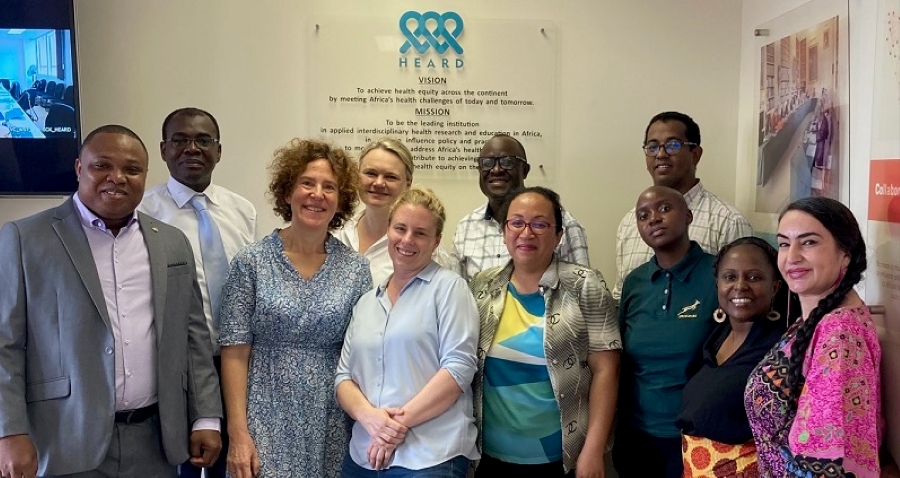
  • Post-Doctoral Research Fellow Opportunity at HEARD and CRESPPA: Join the AWASA Project to Advance Women’s Health and Rights in Sub-Saharan Africa

    Post-Doctoral Research Fellow Opportunity at HEARD and CRESPPA: Join the AWASA Project to Advance Women’s Health and Rights in Sub-Saharan Africa

    The Health Economics and HIV and AIDS Research Division (HEARD) at the University of KwaZulu-Natal (UKZN), South Africa, is seeking a post-doctoral researcher for a collaborative project with the Centre de Recherches Sociologiques et Politiques de Paris (CRESPPA), France.

    About HEARD and CRESPPA

    HEARD is an interdisciplinary social science research institute renowned for its applied research on vulnerable populations in East and Southern Africa, with a strong emphasis on sexual and reproductive health and rights. CRESPPA, affiliated with Université Paris 8, Nanterre University, and the French National Centre for Scientific Research (CNRS), is a leading social science research center in France, particularly known for its work on gender equality.

    Position Details

    Position Title: Post-Doctoral Researcher (AWASA Project)
    Type: One-Year Fixed Term Post-Doctoral Scholarship (with potential for renewal based on performance and funding)
    Location: University of KwaZulu-Natal, Durban, South Africa

    Project Overview

    The position is part of the “Advancing Women’s Access to Safe Abortion through Coalition Building and Strengthening Strategic Advocacy in Sub-Saharan Africa” (AWASA) project. Funded by the CNRS, this four-year research initiative aims to drive normative change by forming coalitions among researchers, civil society, decision-makers, and journalists. The project focuses on advocating for Termination of Pregnancy (TOP) law reforms and the comprehensive implementation of abortion care policies across Côte d’Ivoire, Madagascar, Malawi, Republic of Tanzania, Senegal, and Zambia.

    Objectives:

    • Coalition Building: Forming networks of actors committed to ensuring safe abortion access.
    • Capacity Building: Enhancing the ability of civil society to use scientific evidence for advocacy.
    • Media Engagement: Training journalists to report on abortion issues with evidence-based information.
    • Policy Advocacy: Developing local and regional networks of parliamentarians and decision-makers to advocate for safe abortion access.

    Eligibility Criteria

    • Education: A doctoral degree in a relevant social sciences discipline obtained within the past five years, with expertise in sexual and reproductive health and rights and/or gender studies.
    • Research Interest: A strong interest in intersectional feminist analysis and gender studies.
    • Skills:
      • Excellent analytical and writing skills in English, as evidenced by peer-reviewed journal articles.
      • Fluency in French is advantageous.
      • Proficiency in presenting research at academic conferences.
      • Collaborative skills for working with academics, NGOs, students, and target groups.
      • Networking abilities to engage with various stakeholders.
    • Residency: The candidate must be based at HEARD for the scholarship duration.
    • Preference: Candidates from Sub-Saharan Africa are eligible, with a preference for South African citizens or permanent residents.

    Application Process

    To apply, submit the following:

    1. Cover Letter: Motivating your suitability for the position.
    2. Research Summary: A one-page outline of your research interests and how this fellowship will advance your professional trajectory.
    3. Curriculum Vitae: Detailing conference attendance, publications, and other scholarly output.
    4. Academic Documents: Copies of qualification certificates and academic transcripts.
    5. Identification: A copy of your ID or passport and visa (if applicable).
    6. References: Contact details for at least two referees who have supervised or collaborated with you.

    Submission Details

    • Closing Date: Friday, 28th June 2024
    • Contact: Email applications and queries to Mrs. Robyn-Lee Wagner at heardhr@ukzn.ac.za or call 031 260 7873.
    • Email Subject: Application for Postdoctoral Fellowship: AWASA project

    Incomplete or late applications will not be considered. Scholarships are awarded competitively, based on the applicant’s academic achievements.

    Take this opportunity to contribute to impactful research and advocacy on women’s health and rights in Sub-Saharan Africa while collaborating with leading international institutions.

    For more details visit HEARD

  • Driving African Entrepreneurship: Overcoming Challenges and Fostering Growth

    Driving African Entrepreneurship: Overcoming Challenges and Fostering Growth

    A recent study by Odeyemi, et al., (2024) titled, “Entrepreneurship in Africa: A Review of Growth and Challenges” published in the International Journal of Management & Entrepreneurship Research, shows that African entrepreneurship is driven by demographic trends, urbanization, support, partnerships, and innovation, but faces infrastructure, financial, regulatory, and educational challenges.

    African entrepreneurship’s growth driven by demographics, urbanization, innovation, but hindered by infrastructure, finance, regulation challenges.– Odeyemi, et al., 2024

    The article explores a comprehensive review of entrepreneurship in Africa, discussing its growth, challenges, and socio-economic impact. The study identifies factors contributing to the growth of entrepreneurship in Africa, such as population dynamics, urbanization, government initiatives, international partnerships, and a culture of innovation. The authors posit that entrepreneurs in Africa face obstacles like infrastructure deficits, limited access to financing, regulatory complexities, and political instability. Entrepreneurial growth in Africa has significant implications for job creation, economic diversification, and social empowerment. These elements collectively provide a nuanced understanding of the entrepreneurial landscape in Africa. The study emphasizes the need for tailored support mechanisms and comprehensive strategies to foster sustainable economic development.

    What the Authors Found

    The authors found that the growth of African entrepreneurship is driven by a young and growing population, urbanization, government support, international partnerships, and a culture of innovation, especially in the tech sector. Authors also found that entrepreneurs in Africa face obstacles such as infrastructure deficits, limited access to financing, complex regulations, and political instability. In addition, educational disparities and gender inequities present additional challenges that need to be addressed to foster a robust entrepreneurial ecosystem.

    Why is this Important

    Economic Growth: Entrepreneurship drives economic growth by creating jobs, fostering innovation, and contributing to GDP. A thriving entrepreneurial ecosystem can lead to sustainable economic development.
    Poverty Alleviation: Successful entrepreneurs can lift themselves and others out of poverty. By creating employment opportunities and generating income, they contribute to poverty reduction.
    Innovation and Technology: Entrepreneurs often introduce innovative products, services, and business models. This innovation can lead to technological advancements and improve overall quality of life.
    Social Empowerment: Entrepreneurship empowers individuals, especially women and marginalized groups, by providing them with economic independence and a platform to express their creativity.
    Regional Competitiveness: A robust entrepreneurial environment enhances a country’s competitiveness on the global stage. It attracts investment, encourages collaboration, and fosters a culture of resilience.

    What the Authors Recommend

    • The authors recommend that Africa should engage in simplifying bureaucratic processes and reduce red tape for entrepreneurs. Clear and efficient regulations can encourage business growth.
    • The authors advocate improved access to capital for startups and small businesses. This could involve creating specialized funds, promoting venture capital, and supporting microfinance institutions.
    • Strengthen entrepreneurship education at all levels, from schools to universities. Equipping aspiring entrepreneurs with relevant skills and knowledge is essential.
    • Furthermore, African countries should address gender disparities by encouraging more women to participate in entrepreneurship. Initiatives like mentorship programs and funding opportunities can help.
    • In addition, the authors suggest fostering partnerships with global organizations, investors, and other countries. International collaboration can bring expertise, funding, and market access.

    In conclusion, the study underscores the dynamic landscape of entrepreneurship in Africa, highlighting its drivers such as demographic shifts and innovation culture, alongside formidable obstacles including infrastructure gaps and regulatory complexities. Addressing these challenges through targeted support mechanisms and strategic initiatives not only fosters economic growth and innovation but also holds the promise of substantial social empowerment and regional competitiveness, crucial for sustainable development across the continent.

  • Technological Innovation and CO2 Reduction in South Africa: Insights from Dynamic ARDL Simulations

    Technological Innovation and CO2 Reduction in South Africa: Insights from Dynamic ARDL Simulations

    A recent study by Udeagha, M. C., & Ngepah, N. (2024) titled “A Roadmap to a Green Economy in South Africa: Modeling Technological Innovation and Energy Consumption in the Novel Dynamic ARDL Simulations Framework” published in Cogent Economics & Finance, show that technological innovation is found to contribute to the reduction of CO2 emissions in South Africa in both the short and long terms

    Technological innovation significantly reduces CO2 emissions in South Africa, highlighting its crucial role in sustainable environmental management.– Udeagha, M. C., & Ngepah, N. 2024

    The study focuses on the critical role of technological innovation in mitigating CO2 emissions in South Africa. Utilizing a dynamic ARDL (Autoregressive Distributed Lag) simulations framework, the research explores how advancements in technology can contribute to reducing greenhouse gas emissions. The study highlights that technological progress, particularly in energy-related sectors, is essential for achieving significant reductions in CO2 emissions. In addition to technological innovation, the study examines the impact of energy consumption on environmental quality. It considers how various forms of energy use, both renewable and non-renewable, influence CO2 emissions. The analysis extends to the role of foreign direct investment (FDI) and industrial value-added activities in shaping environmental outcomes. By understanding the interplay between these factors, the study provides insights into how energy consumption patterns affect ecological integrity.

    How the Study was Conducted

    The study employed a novel dynamic autoregressive distributed lag (DARDL) simulations framework. This advanced technique models and forecasts changes in data, assessing short-term and long-term relationships between variables. Additionally, the research used frequency domain causality (FDC) to explore causality over various time scales. Structural breaks were considered, accounting for their influence on relationships between technological advancement, energy usage, and CO2 emissions. A novel measure of trade openness was introduced to investigate the relationship between innovation and environmental quality while considering trade dimensions.

    What the Authors Found

    The authors found that technological innovation is found to contribute to the reduction of CO2 emissions in South Africa in both the short and long terms and energy consumption, foreign direct investment, and industrial value-added are identified as having negative impacts on environmental quality.

    Why is this Important

    Climate Action: By understanding the impact of technological innovation on CO2 emissions, policymakers can prioritize clean technology adoption. This contributes to global climate action and aligns with international agreements like the Paris Agreement.
    Economic Growth and Environment: The Environmental Kuznets Curve (EKC) hypothesis suggests that economic growth initially harms the environment but eventually leads to improvements. South Africa can use this insight to balance economic development with environmental protection.
    Policy Decisions: Policymakers can design targeted policies to promote clean energy, reduce energy consumption, and attract sustainable foreign investment. These decisions can shape South Africa’s environmental trajectory.
    Trade and Environment: The study highlights the trade-off between trade openness and environmental quality. Policymakers must carefully manage trade policies to avoid becoming a “pollution haven.”

    What the Authors Recommend

    • The authors suggest that policymakers should prioritize investments in technological innovation. Encouraging research and development in clean energy technologies can lead to significant reductions in CO2 emissions.
    • While economic growth is essential, it’s crucial to strike a balance between development and environmental protection. The authors posit that policies should consider the long-term impact on ecological integrity.
    • The study advocates implementing energy efficiency measures across sectors. This includes promoting energy-saving practices, adopting renewable energy sources, and incentivizing energy-efficient technologies.
    • Be cautious about trade openness. While trade can boost economic growth, it’s essential to prevent becoming a “pollution haven.” Trade policies should align with environmental goals.
    • In addition, the authors recommend Raising awareness about the importance of sustainable practices among businesses, communities, and individuals. Education and outreach can drive positive behavioral changes.

    In conclusion, the study underscores the pivotal role of technological innovation in South Africa’s efforts to mitigate CO2 emissions. By promoting clean energy technologies and balancing economic growth with environmental protection, policymakers can chart a sustainable path forward. It is imperative to implement targeted policies that foster energy efficiency, attract sustainable investments, and manage trade-offs carefully to safeguard environmental integrity while advancing national development goals. Awareness and education on sustainable practices will further bolster these efforts, ensuring a harmonious balance between economic prosperity and environmental stewardship in South Africa.

  • Technological Advancements in Food Supply Chain Management: Comparative Study of the U.S. and Africa

    Technological Advancements in Food Supply Chain Management: Comparative Study of the U.S. and Africa

    A recent study by Oriekhoe, et al., (2024) titled “Review of Technological Advancements in Food Supply Chain Management: A Comparative Study Between the US and Africa” published in International Journal of Management & Entrepreneurship Research, examines that the U.S. has a sophisticated food supply chain with advanced technologies like blockchain, IoT, and AI to enhance transparency and efficiency.

    U.S. employs advanced technologies, Africa innovates with context-specific solutions in food supply chains.-Oriekhoe, et al., 2024

    The article comprehensively reviews technological advancements in food supply chain management, comparing the approaches between the United States and Africa. The study examines how the U.S., as a developed nation, integrates advanced technologies like blockchain, IoT, and AI to enhance transparency, traceability, and efficiency in its food supply chain. The authors highlight the unique challenges faced by Africa, such as infrastructural constraints and diverse agricultural practices, and how the continent leverages technology like mobile platforms and data analytics to overcome these issues. By comparing the technological landscapes of the U.S. and Africa, the study identifies common trends, best practices, and region-specific innovations that contribute to a holistic understanding of global and regional food supply chains.

    How the Study was Conducted

    The authors employed a comparative analysis of technological advancements in food supply chain management between the U.S. and Africa. The study also examines how each region adopts technology to address challenges like demand volatility, perishability, and the need for efficient practices. The study contrasts the U.S.’s sophisticated supply chain with Africa’s unique challenges and innovations, such as mobile-based platforms and blockchain for transparent transactions.

    What the Authors Found

    The authors found that the U.S. has a sophisticated food supply chain with advanced technologies like blockchain, IoT, and AI to enhance transparency and efficiency. Africa, while facing infrastructural challenges, is innovating with mobile-based platforms and data analytics for smallholder farmers. The authors also found that both regions exhibit common trends in technology adoption, with region-specific innovations. The study provides insights for policymakers and industry stakeholders, promoting cross-cultural learning and collaborative efforts.

    Why is this Important

    Global Food Security: Understanding how technology impacts food supply chains is crucial for ensuring global food security. Efficient supply chains help prevent food waste, improve distribution, and stabilize prices.
    Sustainable Practices: By comparing the U.S. and Africa, policymakers can identify sustainable practices that benefit both developed and developing regions. Innovations like blockchain and mobile platforms can enhance transparency and accountability.
    Inclusive Solutions: Recognizing Africa’s unique challenges highlights the need for inclusive solutions. Technology can empower smallholder farmers and bridge gaps in infrastructure, promoting economic growth and reducing hunger.
    Collaboration and Learning: Cross-cultural learning and collaboration between regions can lead to better practices. Sharing insights and best practices can drive positive change in food supply chains worldwide.

    What the Authors Recommend

    • The authors suggested that policymakers and industry stakeholders should invest in technology adoption across the food supply chain. This includes implementing blockchain, IoT, and AI solutions to enhance transparency, traceability, and efficiency.
    • The authors argue that recognizing each region has unique challenges. In Africa, where infrastructural constraints exist, focus on context-specific innovations like mobile-based platforms that can empower smallholder farmers.
    • Furthermore, the authors advocate on fostering cross-cultural learning and collaboration between the U.S. and Africa. Sharing best practices and insights can lead to better supply chain management globally.
    • Also, the study argues that policy makers should encourage sustainable practices that reduce food waste, improve distribution, and stabilize prices. Technology can play a key role in achieving these goals.

    In conclusion, the comparative study by Oriekhoe et al. (2024) underscores the pivotal role of technological advancements in transforming food supply chain management in both the U.S. and Africa. While the U.S. leverages sophisticated technologies like blockchain, IoT, and AI to enhance transparency and efficiency, Africa is making significant strides with mobile-based platforms and data analytics tailored to its unique challenges. This study highlights the importance of understanding regional specificities and fostering cross-cultural collaboration to drive innovation and sustainable practices in global food supply chains. Policymakers and industry stakeholders are encouraged to invest in technology adoption and share best practices to enhance food security, promote economic growth, and reduce hunger worldwide.

  • Unlocking University-Industry Partnerships: Advancing Agricultural Education in Africa for Economic Growth

    Unlocking University-Industry Partnerships: Advancing Agricultural Education in Africa for Economic Growth

    University and industry partnerships in Africa are becoming increasingly crucial for fostering well-paying jobs, facilitating technology transfer, and promoting innovative research. This trend is highlighted by a recent study examining the agricultural faculties of eight universities across Eastern, Northern, and Western Africa. The study, titled “Unlocking the Potential of University-Industry Collaborations in African Higher Education: A Comprehensive Examination of Agricultural Faculties,” was published in the journal Industry and Higher Education on 12 May 2024. It was co-authored by Maria Sassi, an associate professor of agricultural economics at Pavia University in Italy, and Patience Mshenga, an associate professor of agribusiness management at Egerton University in Kenya.

    Study Overview

    The researchers explored the benefits and challenges of integrating industrial aspects into African agricultural higher education through case studies from eight universities. These universities include the University of Abomey-Calavi and the National University of Agriculture in Benin, Egerton University and Pwani University in Kenya, Gulu University and Uganda Martyrs University in Uganda, and Morocco’s Mohammed VI Polytechnic University and Institute of Agronomy and Veterinary Medicine Hassan II.

    Evolving Role of Universities

    The study is part of the AgriENGAGE project, which aims to enhance agri-entrepreneurship and community engagement training in East, West, and North Africa. Supported by the Erasmus+ program of the European Union, this three-year project emphasizes that universities are evolving from mere centers of knowledge transfer to catalysts for skills development, innovation, and entrepreneurship.

    Sassi and Mshenga argue that universities must now nurture skills essential for societal progress, while industries seek a workforce with relevant, up-to-date skills. The universities selected for the study have shown a commitment to fostering linkages between academia and industry through practices such as internships, research collaborations, curriculum development, technology transfer, networking, mentoring, and the involvement of guest lecturers and experts.

    Diverse Institutional Goals

    The study found that each university has distinct priorities and goals. For example, the University of Abomey-Calavi, Egerton University, Gulu University, and Uganda Martyrs University prioritize the employability of their graduates through practical training opportunities. In contrast, Pwani University and Mohammed VI Polytechnic view university-industry linkages as avenues for networking and career development.

    Moreover, universities like Egerton, Gulu, and Mohammed VI Polytechnic emphasize community outreach, especially in agricultural entrepreneurship. Gulu University stands out with its public relations office dedicated to linking the university with the community, while Mohammed VI Polytechnic leverages digital platforms for outreach.

    Stages of Development

    Universities in Africa are at various stages of developing industry partnerships and community outreach programs. Sassi and Mshenga describe this as an inverted pyramid, with sustainable scientific and technical cooperation and the hiring of talented graduates still in their infancy. However, research interactions with industry are becoming more common, and field attachments, internships, joint supervision, curriculum development, and guest lectures are widespread across the universities studied.

    Challenges and Opportunities

    Despite the progress, several challenges hinder the development of robust university-industry linkages. Many small and medium-sized enterprises (SMEs) in Sub-Saharan Africa lack the capacity to support university research and innovation. Additionally, there is often a lack of budget allocation for research within the industrial sector, and universities themselves face limited funding for research, restricting resources for joint projects.

    The issue of intellectual property rights in collaborative research also poses a challenge, with industries concerned about protecting their innovations. Segun Ogunwale, co-founder and CEO of Bridgia, a Nigerian start-up, emphasizes the need for assurances of market advantages resulting from joint research.

    Recommendations for Improvement

    To overcome these challenges, Sassi and Mshenga recommend adopting the N-tuple Helix Model, which promotes cooperation among universities, industry, and government. This model ensures that university-industry linkages go beyond mere alternative avenues for universities and become integral to their mission.

    Professor John Ssebuwufu, former vice-chancellor of Makerere University, notes that while some universities benefit from industry partnerships through commissioned research, equipment, and scholarships, few have captured significant financial gains. Ogunwale and Professor Peter Azikiwe Onwualu argue that linkage agreements need specific deliverables to result in tangible outcomes.

    Despite the shortcomings, Sassi and Mshenga highlight the growing number of university-industry linkages and their benefits, including increased government support, growing research demand, and international assistance. Many students have gained entrepreneurial skills through internships and field attachments.

    Conclusion

    The development of university-industry linkages in Africa is a complex and evolving process. Limited public and private funding for research remains a significant obstacle. Universities must assess the practical skills their students acquire from industry partners to ensure they are prepared for well-paying jobs. Strategic foresight, adaptability, and effective management are crucial for navigating the opportunities and threats of such partnerships.

    Overall, while challenges persist, the potential for university-industry collaborations in Africa to drive societal progress and economic development remains significant.

  • Unlock PIRA Funding: Apply for Innovative Research Grants to Transform Lives in Africa – Deadline August 14, 2024

    Unlock PIRA Funding: Apply for Innovative Research Grants to Transform Lives in Africa – Deadline August 14, 2024

    Overview

    The Alliance for African Partnership (AAP), a consortium of ten leading African universities, a distinguished research network, and Michigan State University (MSU), invites proposals for the Partnerships for Innovative Research in Africa (PIRA) funding program. This program offers tiered funding to support collaborative research partnerships at various stages of development, from exploring new relationships to scaling existing ones.

    One unique aspect of these grants is the emphasis on fair and equitable partnerships. Organizations are expected to involve local stakeholders throughout the project, respect their knowledge and expertise, and adapt to the local context. Proposals should outline how such partnerships will be established and maintained, ensuring equitable collaboration among all members, including consortium members if multiple organizations are involved.

    Proposals must align with at least one of AAP’s priority areas: agri-food systems; water, energy, and environment; culture and society; youth empowerment; education; health and nutrition; and science, technology, and innovation.

    Fields of Eligibility

    Proposals are welcome from diverse disciplinary perspectives, provided they address at least one of AAP’s pillars:

    1. Building Bridges: Bringing people and organizations together to work toward common goals. Activities might include thematic symposia, workshops, travel for proposal preparation, network development, digital innovations, or dissemination of knowledge through online journals and forums.
    2. Transforming Institutions: Promoting sustainable and effective partnerships among institutions, enhancing resources, and increasing institutional capacity. Activities could include capacity development at universities or NGOs, improving teaching and learning, and increasing proposal development skills.
    3. Transforming Lives: Supporting research with real-world impact that improves African lives and livelihoods. Activities might involve evidence-based outreach, early-stage impactful research, dissemination of research outputs to practitioners and policymakers, and designing innovative research-into-practice methodologies.

    Eligibility Criteria

    • Lead Investigators: Must be from MSU and AAP African member universities. Proposals may also include partners from other institutions globally.
    • Participation: Teams are encouraged to include partners from the private sector, governments, civil society organizations, and pan-African/global institutions.
    • Previous Grant Recipients: Individuals who were principal investigators (PIs) or co-PIs on previous PIRA or AAP strategic partnership grants are not eligible to lead new proposals but may participate as team members.
    • MSU ISP Staff: Not eligible to lead proposals.

    Funding Tiers

    The program offers two funding tiers to support partnerships at different stages of maturity:

    1. Planning Grants (Up to $50,000): Support for inception and early-stage partnership activities, such as co-developing joint proposals, short-term capacity building, network development, research symposia, and travel (in line with MSU guidelines).
    2. Scaling Grants (Up to $100,000): For ongoing partnerships that can significantly scale their research, capacity building, or outreach activities. This includes broader institutional linkages and other activities aligning with AAP’s themes and strategic objectives.

    Application Process

    All submissions must include a cover sheet, a proposal narrative, a budget and budget narrative using the provided template, and letters of support. Submit all application materials via the application portal by Wednesday, August 14, 11:59 PM EST.

    Required Documents:

    1. Cover Sheet: Including project title, names, institutional affiliations, and titles of all principal investigators, along with a brief (100-word) project summary.
    2. Proposal Narrative: Not to exceed 5,000 words (with one appendix for references), including:
      • Partnership Description: Capacity statements from each partner institution, a brief history of the partnership (if applicable), the rationale for the partnership, and evidence of equitable, sustainable collaboration.
      • Problem Statement: Identification of shared challenges, theory of change, and relevance to AAP’s themes and pillars.
      • Objectives: Clearly defined partnership objectives.
      • Program Activities: Detailed description and logical framework connecting activities with intended outputs, outcomes, and objectives.
      • Timeline: Schedule of activities.
      • Monitoring and Evaluation Plan: Indicators and collection methods.
      • Funding Sources: Identification of potential additional funding sources.
    3. Budget and Budget Narrative: Using the provided template.
    4. Letters of Support: From each partner’s department, institution, or organization.
    5. CV/Resume: For each principal investigator (1-page maximum).
    6. Institutional Buy-in: Letter of support from each PI’s dean or head of department, using the provided template.

    Benefits

    • Tiered Funding: Support at different stages of partnership development to foster long-term engagement.
    • Equity and Collaboration: Emphasis on fair and equitable partnerships that respect local knowledge and expertise.
    • Broad Impact: More awards at the planning grant level to ensure wide-reaching impact.

    Submit your proposals to harness the power of collaborative research, transform institutions, and improve lives across Africa through the PIRA funding program. For more details, visit the AAP website and apply by August 14, 2024.

    Click here to apply

  • Empowering African Scholars: Moses Mapesa Research Grant for Heritage Studies

    Empowering African Scholars: Moses Mapesa Research Grant for Heritage Studies

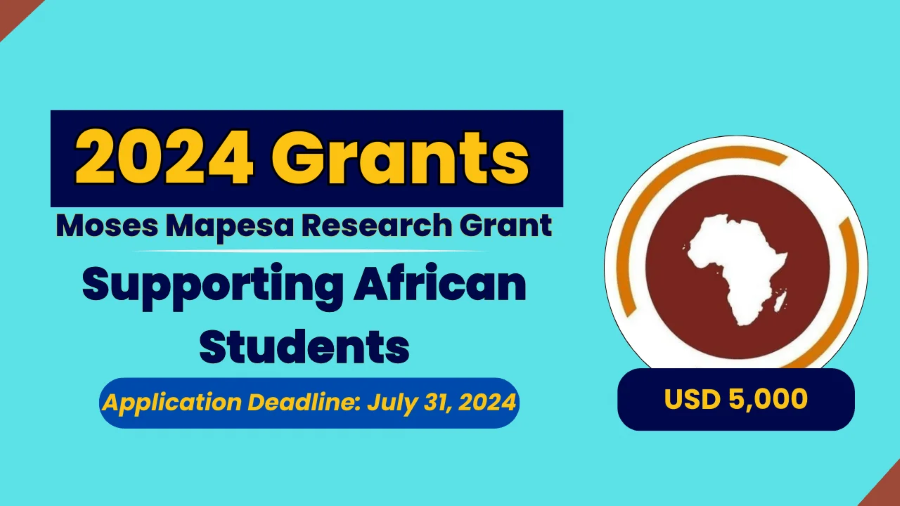
    The African World Heritage Fund (AWHF) has announced the 2024 Moses Mapesa Research Grant, aimed at supporting African doctoral and master’s students specializing in natural and cultural heritage. This grant honors Moses Mapesa’s legacy and contributes to the sustainable conservation and management of Africa’s invaluable heritage by supporting research, particularly fieldwork, on World Heritage sites and those on the tentative list in Africa.

    Established in 2006, the AWHF, an intergovernmental organization, plays a crucial role in conserving and promoting Africa’s cultural and natural heritage of outstanding universal value. Despite Africa’s rich heritage, its sites are underrepresented on the UNESCO World Heritage List, and many face challenges in conservation and management. The AWHF, operating as a UNESCO category center, supports African State Parties in implementing the UNESCO World Heritage Convention adopted in 1972.

    Grant Details

    • Application Deadline: July 31, 2024
    • Type: Postgraduate
    • Grant Value: Up to USD 5,000
    • Funding Type: Partially Funded
    • Sponsor: African World Heritage Fund (AWHF)
    • Gender: Open to Men and Women

    Benefits

    The grant provides funding for research proposals with a maximum award of USD 5,000. Research must be completed within 9 months, from May 2025 to February 2026, and focus on World Heritage or tentatively listed African sites. The areas of focus include:

    • Heritage and Law
    • Heritage and Digital Technologies
    • Heritage Management and Conservation
    • Heritage and Sustainable Development
    • Heritage and Climate Change
    • Heritage and Economics/Entrepreneurship
    • Heritage Promotion and Awareness
    • Heritage in Conflict and Post-Conflict Situations
    • Risk Management and Preparedness
    • Traditional Management Systems

    Eligibility Criteria

    Applicants must meet the following requirements:

    • Academic Enrollment: Currently enrolled or planning to register in 2025 for a Doctoral or Master’s program (master’s 2 for Francophone countries) at an African university, focusing on natural or cultural heritage at an African World Heritage Site.
    • Language Proficiency: Fluent in English, French, or Portuguese.
    • Citizenship: Citizen of an African Union Member State that is a party to the World Heritage Convention.

    Grant Requirements

    Awardees must provide:

    • Initial Research Description: Detailed research description at the beginning of the grant period, including proof of registration.
    • Final Report: Comprehensive final report covering research results, dissertation, or thesis.
    • Financial Report: Detailed financial report on grant fund utilization.

    All documents must be presented in French, English, or Portuguese.

    Evaluation and Selection Process

    Applications are reviewed by an interdisciplinary and cross-regional selection committee based on:

    • Eligibility of Applicant: Compliance with eligibility criteria.
    • Application Package: Completeness of the application package (application form, CV, motivation letter, transcript, and research proposal).
    • Research Quality and Relevance: Quality and relevance of the proposed research.
    • Diversity: Gender, language, and geographic representation.

    Applicants will be notified of the outcome by January 31, 2025.

    Application Documents

    Applicants must submit:

    1. Completed Application Form: Co-signed by the supervisor.
    2. University Transcript: Current transcript.
    3. Updated CV: Limited to 2 pages.
    4. Motivation Letter: Concise, 1-page maximum.
    5. Research Proposal: 2 pages maximum, including:
      • Basic Information: Full name, affiliated university, country, degree level, and research title.
      • Research Description: Goals, objectives, research questions, relevance, significance, and scope.
      • Research Methodology: Approach, timeframe, and analysis methods.
      • Bibliography: Relevant sources.
      • Budget: Allocation of grant funds for fieldwork items with justifications.

    How to Apply

    1. Request Application Form: Email bridgetd@dbsa.org to obtain the form in English, French, or Portuguese.
    2. Submit Application: Email the completed application form and supporting documents to info@awhf.net and bridgetd@dbsa.org before the deadline.

    For more details, visit the AWHF website.

    Empowering African Scholars: Preserving Heritage through the Moses Mapesa Research Grant

    The Moses Mapesa Research Grant offered by the African World Heritage Fund (AWHF) plays a pivotal role in advancing research opportunities for African doctoral and master’s students in the realms of natural and cultural heritage. This initiative is crucial as it provides significant financial support, up to USD 5,000 per awardee, tailored to the specific research proposals of successful applicants. By focusing on World Heritage and tentative listed sites across Africa, the grant encourages fieldwork, which is essential for gaining firsthand insights and data collection in these critical areas.

    Moreover, the grant’s eligibility criteria prioritize students from African universities, ensuring that local scholars are empowered to study and contribute to the preservation and understanding of Africa’s rich heritage. The emphasis on fluency in English, French, or Portuguese and citizenship of African Union Member States enhances inclusivity and regional participation in heritage research.

    The diverse range of research topics supported, from traditional management systems to climate change impacts and digital technologies, reflects the multidimensional nature of heritage preservation and management challenges in Africa. This broad scope not only encourages innovative approaches but also addresses pressing issues that affect the sustainability and resilience of heritage sites across the continent.

    In terms of research grants available to Africans, the Moses Mapesa Research Grant stands out for its clear focus on empowering young scholars to undertake meaningful research that contributes directly to the conservation, management, and promotion of Africa’s natural and cultural heritage. By supporting these initiatives, the AWHF not only honors the legacy of Moses Wafula Mapesa but also fosters a new generation of experts who will play a crucial role in safeguarding Africa’s heritage for future generations. The structured application process and rigorous evaluation by an interdisciplinary committee ensure that funds are allocated to projects with the highest potential for impact and contribution to knowledge in the field.

    Overall, this grant represents a significant opportunity for African researchers to expand their expertise, contribute to global heritage discourse, and drive positive change in their communities and beyond.

  • Enhancing Food Security in Africa: TAAT and VACS Partner for Sustainable Agriculture and Soil Health

    Enhancing Food Security in Africa: TAAT and VACS Partner for Sustainable Agriculture and Soil Health

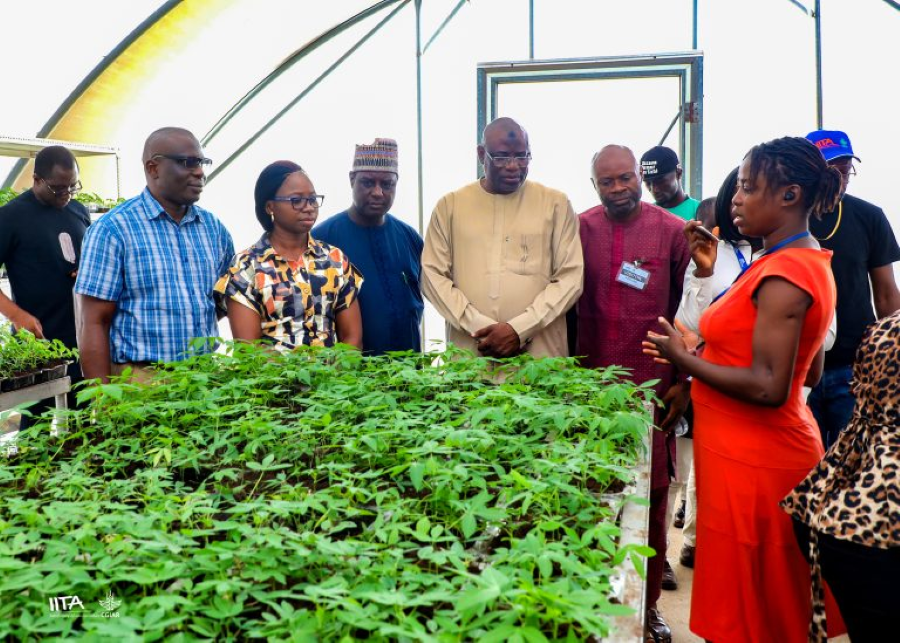
    A cassava research center in Zambia. Cassava is one of the crops targeted for increased food production by the Bank’s TAAT program and the U.S. State Department’s VACS program. On the sidelines of the African Fertilizer and Soil Health Summit in Nairobi, leading development organizations have pledged to forge partnerships aimed at expanding the Vision for Adapted Crops and Soils (VACS). This initiative focuses on building resilient African food systems through the cultivation of diverse, nutritious, and climate-adapted crops in healthy soils.

    The African Union’s Commissioner for Rural Development and Agriculture, Ambassador Josefa Leonel Correia Sacko, African Development Bank Group Vice President Dr. Beth Dunford, and other leaders have called for African countries to join the VACS strategic partnership. This partnership aligns with the African Development Bank’s flagship initiative, Technologies for African Agricultural Transformation (TAAT). Both TAAT and VACS target five priority crops: cassava, orange-fleshed sweet potato, sorghum, millet, and high-iron beans. These crops were identified as essential for food security and climate resilience in Africa.

    TAAT Initiative and VACS Partnership

    Launched by the U.S. Department of State, the African Union, and the United Nations Food and Agriculture Organization in February 2023, VACS seeks to advance agricultural practices that improve soil health and crop productivity. Dr. Beth Dunford emphasized the importance of this collaboration, noting how the TAAT initiative, the United States Department of State, the African Union, IFAD (International Fund for Agricultural Development), and CGIAR centers are working together to support VACS. This collaboration also extends to initiatives like Feed the Future and the African Union’s Fertilizer and Soil Health Action Plan, along with the Soil Initiative for Africa.

    TAAT, part of the African Development Bank Group’s Feed Africa strategy, provides heat-tolerant, drought-resistant, and climate-smart certified seeds to millions of smallholder farmers across Africa. The goal is to produce 120 million additional tons of food and lift 130 million people out of poverty by enhancing agricultural productivity and resilience.

    Soil Health and Productivity

    The Soil Initiative for Africa, mandated by the African Union Commission, aims to systematically improve soil health and productivity across the continent. This initiative addresses the critical need for sustainable agricultural practices, as highlighted by the stark statistics shared by U.S. Special Envoy for Food Security Dr. Cary Fowler. According to Fowler, only 25% of Sub-Saharan Africa’s agricultural production growth since 2000 has come from crop yield improvement, while 75% has resulted from the expansion of cropland areas, a trend deemed unsustainable. Projections suggest that over half of the currently arable land may become unusable by 2050 if current practices continue.

    Calls for Action

    During the summit, leaders stressed the urgency of implementing concrete actions to address these challenges. Commissioner Sacko voiced frustration with the lack of tangible outcomes from numerous meetings, expressing strong support for the VACS initiative due to its potential for delivering real results.

    Participants in the summit’s side event, titled “Advancing the Soil Initiative for Africa through the Vision for Adapted Crops and Soil,” included notable figures such as Lindiwe Sibanda, Chair of the CGIAR System Board, Malawi’s Minister for Agriculture Sam Kawale, IFAD Vice President Dr. Gerardine Mukeshimana, and Italy’s Ambassador to Kenya, Roberto Natali. Additionally, Mildred Pita, Head of Public Affairs, Science, and Sustainability for Africa at Bayer, announced a $1 million donation in kind to support VACS.

    Building Consensus and Collaboration

    Wole Fatunbi, Agriculture Director of Research and Innovation with the Forum for Agricultural Research in Africa, moderated the side event. The African Fertilizer and Soil Health Summit, organized by the African Union in collaboration with AUDA-NEPAD, regional economic communities, and other partners, concluded with leaders endorsing the African Union’s Soil Initiative for Africa framework statement and the Fertilizer and Soil Health Action Plan. These documents aim to address the widespread decline in soil quality across African farmland and promote sustainable agricultural practices.

    By fostering partnerships and aligning strategic initiatives, these development organizations are taking significant steps towards enhancing food security and agricultural sustainability in Africa. Through efforts like TAAT and VACS, Africa is poised to build resilient food systems that can withstand the challenges posed by climate change and ensure a prosperous, food-secure future for its population.