Author: AR Managing Editor

  • USF Researchers Use AI for Advanced Mosquito Surveillance to Combat Malaria in Africa

    USF Researchers Use AI for Advanced Mosquito Surveillance to Combat Malaria in Africa

    Researchers at the University of South Florida (USF) are leveraging artificial intelligence to transform mosquito surveillance in a groundbreaking effort to combat malaria in Africa. Spearheaded by Ryan Carney, an associate professor of integrative biology, and Sriram Chellappan, a professor in the department of computer science and engineering, this interdisciplinary initiative aims to develop real-time solutions for targeting malaria-infected mosquitoes.

    Funded by a $3.6 million grant from the National Institute of Allergy and Infectious Diseases (NIAID), part of the National Institutes of Health (NIH), the project, known as EMERGENTS (Enhancing Malaria Epidemiology Research through Genomics and Translational Systems), will establish a new International Center for Excellence for Malaria Research in west-central Africa, involving expertise from Nigeria and Cameroon. According to the World Health Organization (WHO), there were 249 million new malaria cases globally in 2022, resulting in 608,000 deaths, with Africa bearing 95% of these fatalities.

    Objectives and Scope of EMERGENTS

    Over the next five years, the center will focus on evidence-based strategies for malaria eradication and elimination. This includes training a new generation of African scientists, enhancing the understanding of insecticide resistance, and investigating the spread of Anopheles stephensi, an urban malaria vector that has recently invaded Africa. The gathered data will contribute to the global management of malaria. While Africa is the primary focus, the developed technology and methodologies have significant implications for the United States, particularly in Florida, a state vulnerable to mosquito-borne illnesses due to its climate and high international travel rate.

    Advanced Mosquito Surveillance Technology

    Carney and Chellappan will lead efforts in image-driven mosquito surveillance, training local scientists to utilize citizen science through mosquitodashboard.org. This global mosquito-tracking dashboard, created by Carney and Chellappan in 2022 with National Science Foundation funding, integrates hundreds of thousands of mosquito observations from various platforms into an interactive, real-time data portal using photos uploaded by the public from their smartphones.

    Chellappan is also developing an AI-enabled smart trap to lure, capture, and monitor Anopheles stephensi. This patent-pending smart trap will be deployed across west-central Africa during the project to automate the identification of Anopheles stephensi in real-time.

    Innovative AI Algorithms

    “Our team is uniquely capable of using anatomy-based classification from a single photo to identify mosquitoes,” Chellappan stated. “Our algorithm automatically identifies specific anatomical components such as the head, thorax, abdomen, wings, and legs, using these to determine the mosquito species—such as the wings for Anopheles stephensi.”

    The dashboard and smart traps provide real-time data to researchers and mosquito-control personnel, aiding in the early detection of invasive and disease-carrying mosquitoes. Carney and Chellappan’s previous studies, in collaboration with the Centers for Disease Control and Prevention (CDC), have successfully piloted these tools in countries like Ethiopia and Madagascar since 2022. The additional funding will refine these algorithms and include more species, focusing primarily on Anopheles stephensi.

    “Anopheles stephensi is a highly efficient malaria vector, adapted to human environments,” Carney explained. “It can cause significant epidemics in urban centers, as we’ve begun to see in Africa. While this species hasn’t been detected in the U.S. yet, our citizen science infrastructure and identification technologies ensure we’re prepared for such threats.”

    Future Prospects and Collaboration

    Chellappan hopes that as technology advances, these smart traps can be sold at an affordable price, enhancing community-led mosquito surveillance and control locally and internationally.

    This global interdisciplinary project includes collaborators from the University of Florida, African Centre of Excellence for Genomics of Infectious Diseases, Centre for Research in Infectious Diseases, University of North Carolina at Chapel Hill, Africa CDC, Brown University, Centre Pasteur du Cameroun, CERMEL Gabon, DELGEME Plus Mali, Naval Medical Research Unit-3 Italy, and the University of Dschang in Cameroon.

    USF’s participation is funded under NIAID grant number U19AI181594 to the University of Florida. The content is solely the responsibility of the authors and does not necessarily represent the official views of the National Institutes of Health.

  • Combating Malaria and Schistosomiasis: Heroes, Strategies, and Innovations in West Africa

    Combating Malaria and Schistosomiasis: Heroes, Strategies, and Innovations in West Africa

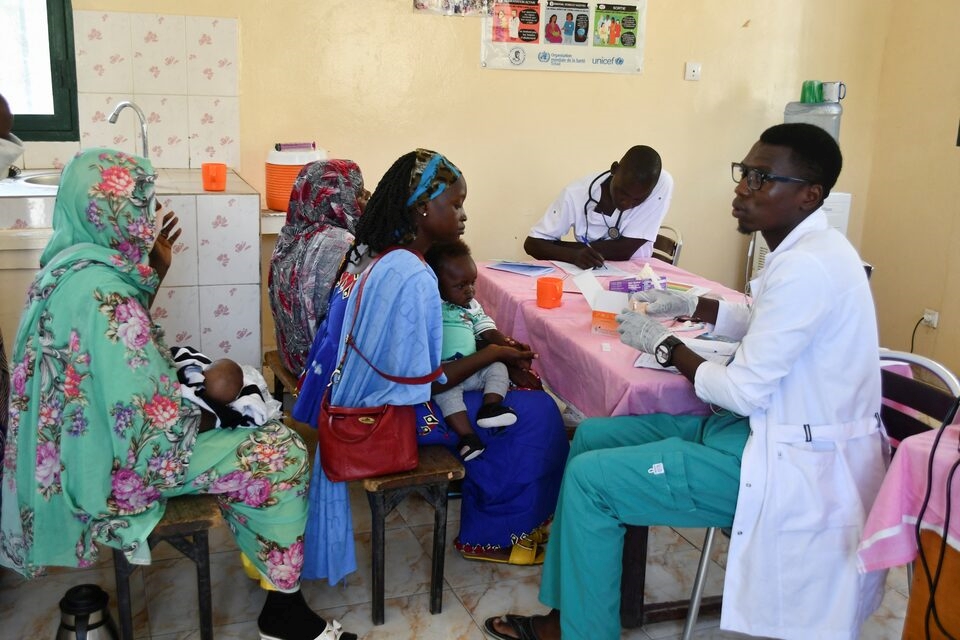
    Malaria and schistosomiasis, two of the most prevalent and deadly diseases in West Africa, are at the forefront of public health efforts in the region. Malaria, a preventable yet potentially fatal disease caused by parasites transmitted by mosquitoes, accounted for approximately 94% of global cases in the WHO African Region in 2022. Tragically, 78% of these deaths were children under the age of five. This dire situation has galvanized scientists and healthcare professionals to intensify their research and intervention strategies, with substantial support from the Special Programmed for Research and Training in Tropical Diseases (TDR).

    One notable figure in this battle is Dr. Mamy Andrianirina Rakotondratsara, a medical doctor and research technician at Madagascar’s National Institute of Public and Community Health (INSPC). Rakotondratsara, hailing from an endemic region in eastern Madagascar, was personally affected by malaria, having lost his older brother to the disease. This personal loss fueled his dedication to combating malaria through rigorous research and practical interventions.

    A Journey Fueled by Personal Loss and Academic Pursuits

    Rakotondratsara pursued his master’s in public health at the Cheikh Anta Diop University of Dakar (UCAD), supported by a TDR fellowship. During his studies, he completed TDR’s Massive Open Online Course (MOOC) on implementation research, which equipped him with the skills to design and conduct effective health interventions. His research focuses on the correlation between the frequency of malaria episodes and mosquito bed net coverage in Madagascar’s rural Anosibe An’Ala district. Although the results are pending, this study aims to provide actionable insights for improving malaria prevention strategies.

    Dr Mamy Andrianirina Rakotondratsara

    Illustrative Image: Dr Mamy Andrianirina Rakotondratsara
    Image Source & Credit: healthpolicy-watchnews
    Ownership and Usage Policy

    Training the Next Generation of Public Health Professionals

    The TDR global postgraduate training scheme plays a crucial role in building the capacity of public health professionals in West Africa. This program, co-sponsored by UNICEF, UNDP, WHO, and the World Bank, focuses on interdisciplinary research that addresses barriers and opportunities for better uptake of preventative and treatment methods. UCAD, along with the University of Sciences, Techniques and Technologies in Bamako, Mali, serves as a sub-regional training center for Francophone Africa, providing students with the skills needed to tackle infectious diseases.

    Rakotondratsara reflects on the transformative impact of the TDR training: “The TDR training allowed us to have a new vision of the health system. It changed my way of asking questions when faced with poor health indicators. Regarding my Master’s thesis, it gave me an idea of issues to be explored in the mosquito net distribution process, starting with the quantification of needs to end point use.” His experience has empowered him to integrate these insights into his work at INSPC and pursue further specialization in implementation research.

    Tackling Schistosomiasis: A Lesser-Known but Deadly Foe

    Schistosomiasis, also known as bilharzia, is the second most prevalent disease after malaria in Senegal and much of sub-Saharan Africa. Urogenital schistosomiasis, the most common form, can cause significant damage to the bladder, urethra, and kidneys. This parasitic disease thrives in tropical and subtropical regions with limited access to clean water, such as the Senegal River Basin.

    Dr. Oumy Kaltome Boh, a physician from Dakar, has dedicated her career to addressing the burden of neglected tropical diseases (NTDs) like schistosomiasis. Inspired by her desire to see these diseases eradicated by 2030, Boh pursued a Masters in Health Programme Management at UCAD and an International Inter-University Diploma in Emerging Infections. With a TDR grant, she conducted a study examining the lifestyle practices and environmental factors that facilitate schistosomiasis transmission in Senegal.

    Her study, in collaboration with Senegal’s national bilharziasis program, involved 287 children and assessed the effectiveness of praziquantel, the only available treatment for schistosomiasis. The results showed a 98% reduction in parasite eggs by day 21, demonstrating the drug’s efficacy. Now serving as the deputy chief medical officer in Saint-Louis, Senegal, Boh applies the skills she acquired through the TDR program to manage public health challenges, particularly for people living with HIV or tuberculosis.

    Embracing Innovative Approaches for Disease Control

    TDR-supported training programs are instrumental in introducing new health research and management approaches to West African students. Among these is the One Health approach, which examines disease emergence from a holistic, ecosystem-oriented perspective, considering the interconnected roles of humans, animals, plants, and microorganisms. This comprehensive approach is critical for addressing the complex factors that contribute to the spread of infectious diseases.

    By combining scientific rigor with strategic implementation training, TDR grants enable students to evaluate and enhance health interventions against poverty-related infectious diseases. These opportunities not only benefit the students but also contribute to the broader goal of achieving the Sustainable Development Goals (SDGs) by addressing the neglect of diseases that disproportionately affect vulnerable populations.

    This article is part of a series on TDR’s research capacity strengthening program, which aims to build the skills of public health researchers, implementers, health practitioners, and policymakers in the rapidly evolving field of implementation research. Through this program, TDR continues to empower the next generation of public health leaders in French-speaking Africa to make a lasting impact on the health of their communities.

  • Apply Now for the Fully Funded Humboldt Research Fellowship 2024 in Germany

    Apply Now for the Fully Funded Humboldt Research Fellowship 2024 in Germany

    The Humboldt Research Fellowship is a fully funded program that sponsors researchers from around the world to carry out research in Germany. The fellowship offers a grant of €38,040 per year, allowing researchers at various stages of their careers to conduct independent research in collaboration with a host at a German research institution of their choice. Sponsored by the Alexander von Humboldt Foundation, this program targets researchers with above-average qualifications from all nationalities.

    Researchers from developing and emerging countries whose research contributes to sustainable development should consider applying for the Georg Forster Research Fellowship, which is equivalent to the Humboldt Research Fellowship.

    Eligibility Requirements

    To be eligible for the Humboldt Research Fellowship Program, applicants must meet the following criteria:

    • Nationality: Must not be a German national. German nationals who obtained their university degree and doctorate in Germany can apply if they have lived and worked abroad for over ten years.
    • Expert Reviews: Must provide two expert reviews.
      • Postdocs: Reviews from the doctoral supervisor and one other researcher, preferably outside the applicant’s institute.
      • Experienced Researchers: Reviews from key collaborative partners and/or researchers from the applicant’s own institute and other institutes, preferably outside their country of origin.
    • Language Skills:
      • Natural Sciences and Engineering: Good knowledge of German or English.
      • Humanities, Social Sciences, and Medicine: Good knowledge of German if necessary for research, otherwise, good knowledge of English suffices.

    Benefits

    • Postdoctoral Researchers: Monthly fellowship amount of €2,670 for 6 to 24 months.
    • Experienced Researchers: Monthly fellowship amount of €3,170 for 6 to 18 months, which can be divided into up to three stays within three years.
    • Additional Support:
      • Personal support throughout the sponsorship.
      • Intensive language course for the fellow and their marital partner before starting the research fellowship.
      • Financial support including family benefits for children and marital partners, subsidies for private health insurance, and travel allowances.

    Required Documents

    Applicants must submit the following documents on the application page:

    • Curriculum vitae (two pages max)
    • Research outline (five pages max)
    • Complete list of publications
    • List of selected key publications
    • Key publications
    • Doctoral certificate or proof of successful completion, or confirmation of expected completion within six months
    • German language certificate, if required
    • Publisher’s acceptance notifications and/or summaries/translations of key publications not available in German or English (if required)
    • Host’s statement and confirmation that research facilities are available
    • Two expert reviews uploaded by hosts and reviewers

    For more details and to apply, visit the official application page.

    By participating in this program, fellows will benefit from individual support, access to a diverse sponsorship portfolio, and the opportunity to advance their research in Germany.

  • Apply Now for the 2024 Cambridge-Africa ALBORADA Research Fund: Up to £20,000 in Grants for Collaborative Research”

    Apply Now for the 2024 Cambridge-Africa ALBORADA Research Fund: Up to £20,000 in Grants for Collaborative Research”

    Applications are now open for the 2024 edition of the Cambridge-Africa ALBORADA Research Fund. Established in 2012 with generous support from The ALBORADA Trust, this fund aims to foster collaborative research between the University of Cambridge (or affiliated institutions such as the Welcome Trust Sanger Institute, NIAB, and the British Antarctic Survey) and African institutions. It supports pairs of researchers at the post-doctoral level and above across all disciplines to initiate or strengthen their research collaborations.

    Benefits

    The Cambridge-Africa ALBORADA Research Fund offers competitive grants ranging from £1,000 to £20,000. These grants can be used for:

    • Research Costs: This includes expenses for reagents, fieldwork, and equipment essential for conducting research.
    • Research-Related Travel: Funding is available for travel between Cambridge and Africa to facilitate collaborative research.
    • Research Training Activities: Grants can also be used to conduct research training activities in Africa, such as setting up courses or workshops to enhance research skills and knowledge.

    How to Apply

    The application process is managed through an online form designed to be user-friendly for both the Cambridge-based and Africa-based applicants. The Cambridge-based applicant must initiate the application by registering on the platform.

    1. Register: The Cambridge-based applicant must register using their institutional email address from the domains @cam.ac.uk, @sanger.ac.uk, @babraham.ac.uk, @bas.ac.uk, or @niab.com. Register here.
    2. Log In: After registration, the Cambridge-based applicant must log in to the Cambridge-Africa ALBORADA Research Fund application portal.
    3. Invite Co-Applicant: Within the application form, the Cambridge-based applicant will see an option to “Invite a 2nd applicant to view/edit this submission.” By clicking on this link, the Cambridge-based applicant can invite their Africa-based counterpart to register and edit the application forms collaboratively.

    If you are eligible to apply but encounter issues with the registration process, please contact the support team at alboradafund@cambridge-africa.cam.ac.uk for assistance.

    For more detailed information and to apply, visit the Official Webpage of the Cambridge-Africa ALBORADA Research Fund.

    By fostering these partnerships, the Cambridge-Africa ALBORADA Research Fund aims to build sustainable research networks, enhance research capacity, and contribute to solving key challenges in various fields through collaborative efforts between Cambridge and African institutions.

  • Comparative Review of AI-Driven Waste Management Innovations: USA vs. Africa – Sustainable Practices, Community Engagement, and Global Collaboration

    Comparative Review of AI-Driven Waste Management Innovations: USA vs. Africa – Sustainable Practices, Community Engagement, and Global Collaboration

    A recent by Nwokediegwu, et al., (2024) titled “AI-driven waste management systems: a comparative review of innovations in the USA and Africa” published in Engineering Science & Technology Journal, shows that Africa focuses on scalable AI solutions like mobile apps for waste reporting and sensor-equipped smart bins, with an emphasis on community engagement.

    AI-driven waste management systems must be tailored to regional contexts, emphasizing community engagement and scalable solutions. -Nwokediegwu, et al., 2024

    The article is a comprehensive comparative review of AI-driven waste management systems in the USA and Africa, highlighting the distinct strategies and innovations employed in each region to address their unique waste management challenges. Advanced infrastructure utilizing AI to optimize waste collection routes, automate sorting, and predict waste generation patterns, with a focus on recycling efficiency and a circular economy. Emphasis on scalable, adaptable AI solutions like mobile apps for waste reporting and sensor-equipped smart bins, prioritizing community engagement and decentralized solutions. Examines the regional disparities in waste management infrastructures and practices, stressing the importance of tailoring AI-driven innovations to specific socio-economic and infrastructural landscapes. Discusses the challenges and opportunities in transferring AI-driven waste management solutions between regions, advocating for a holistic framework that is adaptable and scalable globally. The article underscores the transformative potential of AI in enhancing waste management systems and the need for global cooperation to develop inclusive, sustainable, and universally applicable strategies.

    How the Study was Conducted

    The study employed historical data to predict waste generation patterns, enabling effective resource allocation. It contrasts the AI technologies used in both regions, such as robotic sorting systems in the USA and mobile applications for waste reporting in Africa. The authors emphasize the role of community engagement in waste management efforts, particularly in Africa. The authors highlight the importance of customizing AI-driven innovations to the socio-economic and infrastructural landscapes of each region.

    What the Authors Found

    The authors found that in the USA, AI is used to optimize waste collection routes, automate sorting processes, and predict waste generation patterns, contributing to efficient recycling and a circular economy. The author also found that Africa focuses on scalable AI solutions like mobile apps for waste reporting and sensor-equipped smart bins, with an emphasis on community engagement.

    Why is this Important

    Sustainable Practices: By understanding the successful strategies employed in both the USA and Africa, policymakers and waste management professionals can adopt sustainable practices that optimize resource utilization and minimize environmental impact.
    Global Collaboration: The study emphasizes the need for a global framework. Collaborating across regions allows for knowledge sharing, technology transfer, and mutual learning, ultimately benefiting waste management efforts worldwide.
    Community Engagement: Recognizing the importance of community involvement in waste management, especially in Africa, highlights the role of social awareness, education, and participation in achieving effective waste reduction and recycling.
    Tailoring Solutions: Customizing AI-driven innovations to specific regional contexts ensures practical and efficient waste management solutions. What works well in one region may not be directly applicable elsewhere.

    What the Authors Recommend

    • The authors recommend that government should establish collaborative networks between waste management professionals, researchers, and policymakers across regions. This facilitates knowledge sharing, technology transfer, and mutual learning.
    • The study posits that the government should prioritize community involvement in waste management efforts. Educate and engage citizens to participate actively in waste reduction, recycling, and reporting.
    • Tailor AI-driven innovations to the specific socio-economic and infrastructural contexts of each region. What works well in one area may not be directly applicable elsewhere.
    • In addition, the study suggests promoting sustainable waste management practices, emphasizing resource optimization, circular economy principles, and environmental impact reduction.

    In conclusion, the study by Nwokediegwu et al. underscores the transformative potential of AI-driven waste management systems in addressing the distinct challenges faced by the USA and Africa. By highlighting the importance of scalable, community-centric solutions and advanced AI technologies, the authors advocate for tailored innovations that align with regional socio-economic and infrastructural contexts. The findings emphasize the need for global collaboration, sustainable practices, and active community engagement to enhance waste management efforts worldwide. Embracing these insights can lead to more efficient, environmentally friendly, and inclusive waste management strategies, paving the way for a cleaner and more sustainable future.

  • Impact of Infrastructure and Urbanization on Poverty Dynamics in Nigeria: Insights from a 2024 Study

    Impact of Infrastructure and Urbanization on Poverty Dynamics in Nigeria: Insights from a 2024 Study

    A recent study by Nwikpugi, J. B. (2024) titled “Modeling the relationship between infrastructure, urbanization, and poverty dynamics in Nigeria” published in Faculty of Natural and Applied Sciences Journal of Mathematical Modeling and Numerical Simulation, shows that urbanization had a short-term negative effect on economic development by increasing poverty.

    Urbanization initially reduces poverty but hinders long-term economic development, while telecommunication infrastructure significantly contributes to increased poverty in Nigeria.– Nwikpugi, J. B. 2024

    The article provides an in-depth analysis of how infrastructure and urbanization impact poverty dynamics in Nigeria. The research delves into the influence of urbanization and infrastructure development, particularly focusing on roads, electric power, and telecommunication, on poverty levels in Nigeria over a period spanning from 1990 to 2022. The study aims to understand the nuanced effects of these factors on economic conditions and poverty rates within the country. The study reveals a complex relationship between urbanization and poverty. In the short term, urbanization appears to have a positive impact, potentially reducing poverty levels. This could be due to the creation of job opportunities and improved access to services in urban areas. However, in the long run, urbanization is found to impede economic development. This long-term hindrance may result from issues such as overpopulation, strain on urban infrastructure, and inadequate urban planning, which can exacerbate poverty. On the other hand, the study identifies telecommunication infrastructure as a significant factor contributing to poverty. The reasons for this negative impact might include the high costs of telecommunication services and inadequate coverage in rural areas, which can limit economic opportunities and access to information for the impoverished population.

    How the Study was Conducted

    The study utilized annual time series data from the Central Bank of Nigeria (CBN), the Statistical Bulletin, the World Bank, and the Debt Management Office (DMO) covering the period from 1990 to 2022. Urbanization was represented by the Urban Population Growth (UPG) rate, while infrastructure was denoted by the number of cemented roads (PRD), electric power supply (EPS), and telecommunication infrastructure (TCI). The poverty headcount served as the dependent variable. The series underwent integration at orders zero and one, as determined by an Augmented Dickey-Fuller stationarity test on the variables. The Autoregressive Distributed Lag (ARDL) approach based on bounds cointegration test was used to ascertain the long-term relationship between the variables. The study employed the Aik model to analyze the impact of infrastructure and urbanization on poverty. The ARDL method was used for estimation, ensuring that the estimated model did not depart from the fundamental tenet of the classical least squares. Post-estimation tests were conducted to check for normality, serial correlation, and heteroskedasticity.

    What the Authors Found

    The author found that urbanization had a short-term negative effect on economic development by increasing poverty. The study also found that the provision of telecommunication infrastructure was identified as the primary cause of poverty.

    Why is this Important

    Policy Implications: Understanding the impact of infrastructure and urbanization on poverty dynamics informs policy decisions. Policymakers can use these insights to design targeted interventions that address poverty effectively.
    Sustainable Development Goals (SDGs): The study aligns with SDG 1 (No Poverty) and SDG 9 (Industry, Innovation, and Infrastructure). By identifying the role of infrastructure in poverty reduction, it contributes to global efforts to eradicate poverty and promote sustainable development.
    Investment Priorities: The recommendation to enhance road infrastructure, telecommunication facilities, and electric power supply highlights areas where investment is needed. Allocating resources strategically can lead to positive economic outcomes.
    Long-Term Planning: Recognizing the short-term negative impact of urbanization on poverty emphasizes the need for long-term planning. Balancing urbanization with poverty reduction efforts is essential for sustainable development.

    What the Authors Recommend

    • The author suggests that investing in better road networks can improve connectivity, facilitate trade, and enhance economic growth. This includes both urban and rural roads.
    • The author also recommends that strengthening telecommunication infrastructure can boost access to information, e-commerce, and digital services. It plays a crucial role in poverty reduction.
    • The author advocates access to reliable electricity is essential for economic activities, education, and healthcare. Efforts should focus on expanding and stabilizing the power grid.
    • In addition, the study argues that while urbanization can contribute to economic growth, policymakers should manage it carefully to avoid short-term negative effects on poverty. Balancing urban development with poverty reduction efforts is crucial.

    In conclusion, the study by Nwikpugi (2024) provides crucial insights into the intricate relationship between infrastructure, urbanization, and poverty dynamics in Nigeria. By highlighting both the short-term and long-term impacts of urbanization and the pivotal role of infrastructure development, particularly in roads, electric power, and telecommunication, this research offers valuable guidance for policymakers. To achieve sustainable economic growth and effectively reduce poverty, strategic investments and careful urban planning are essential. These findings underscore the importance of targeted interventions and long-term planning to balance the benefits of urbanization with the goal of poverty alleviation, aligning with broader sustainable development objectives.

  • AML & Financial Crime Southern Africa Conference 2024: Expert Insights and Strategies

    AML & Financial Crime Southern Africa Conference 2024: Expert Insights and Strategies

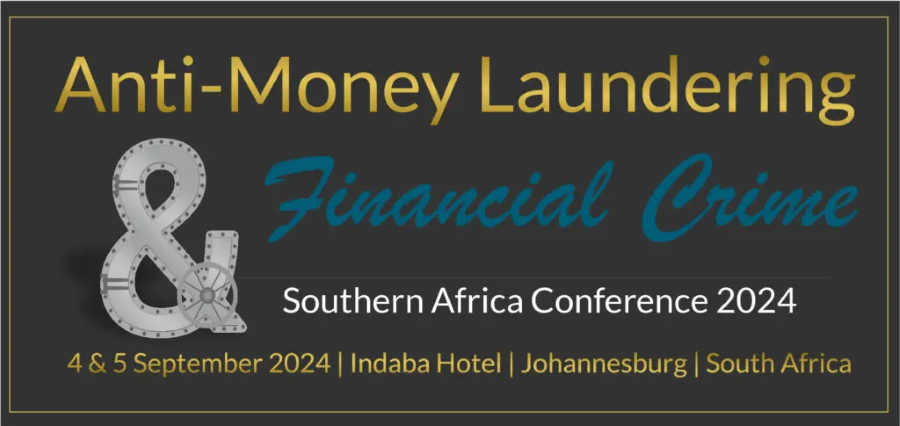
    The AML & Financial Crime Southern Africa Conference, organized by Trade Conference International, is set to take place on 4th and 5th September 2024 at the Indaba Hotel, Johannesburg. As Africa’s largest and most esteemed gathering for anti-money laundering professionals, this conference will delve into pressing issues impacting the SADC region.

    The event will feature a robust program with updated sessions on emerging topics in AML and financial crime. Key discussions will include regulatory updates affecting the SADC region, strategies to address South Africa’s grey-listing status, and insights into the operations of criminal syndicates involved in illicit fund extraction from the country. Other pivotal topics include cross-border transactions, the role of virtual currencies in money laundering, and the nexus between violent extremism and international narratives in Southern Africa.

    Esteemed speakers from institutions such as the Financial Intelligence Centre South Africa, Investec, and Moody’s Analytics will provide expert insights. The conference will be sponsored by leading industry names including NICE Actimize, msg Rethink Compliance, Bateleur Software & IMTF, and Moody’s, with exhibitors such as iiDENTIFii, Ingenuous, Searchworks, and Datanamix showcasing their innovations.

    Event organizer Ryno van Ellewee remarked, “We are committed to advancing discussions on international standards for combating money laundering and financial crime. This conference offers unparalleled networking opportunities and deep dives into critical AML developments.”

    Last year’s conference attracted professionals from major banks, financial services, and independent consultants. To register as a delegate, contact Ryno van Ellewee at ryno@tci-sa.co.za or info@amlconference.co.za, or call 0118031553.

  • Global Tech Africa (GTA) Conference 2024: Uniting International Tech Stakeholders in Lagos for Global Collaborations and Local Transformations

    Global Tech Africa (GTA) Conference 2024: Uniting International Tech Stakeholders in Lagos for Global Collaborations and Local Transformations

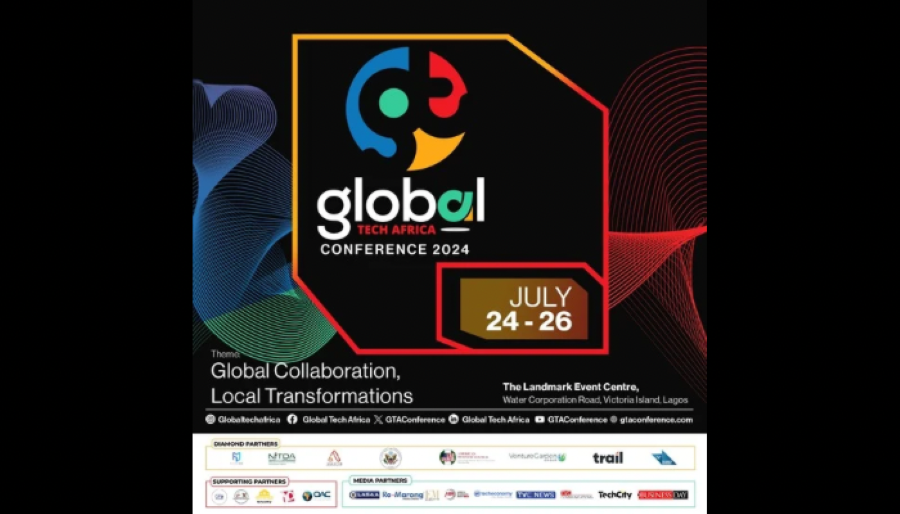
    We are excited to announce the Global Tech Africa (GTA) Conference 2024. Returning for the second year with the theme: Global Collaborations, Local Transformations, the conference will be hosted from July 24th – 26th, 2024 at the Landmark Event Centre, Victoria Island, Lagos.

    GTA is the leading platform for collaboration between African and international tech stakeholders, fostering connections, dialogues, and potential partnerships that will pave the way for the growth of Africa’s tech ecosystem.

    GTA is an initiative of the Future Map Foundation and executed by Ascend Studios Foundation in partnership with the National Information Technology Development Agency (NITDA), the United States Consulate, Venture Garden Group, IHS Towers, American Business Council, and Business Sweden.

    GTA is not just another tech conference but a melting pot for government representatives, investors, founders, policymakers, development partners, academia, inventors, and tech enthusiasts interested in Africa’s tech ecosystem. The 2023 maiden edition hosted over 3,500 participants, 51 speakers, and 12 international delegates. The 2024 edition is gearing up to be bigger, projected to host 10,000 participants and delegates from across Nigeria, Africa, Europe, and North America.

    What to Expect at GTA 2024

    • Bigger Venue with Three Stages:
      • Epicenter (Main Stage): Hosts VVIP guests, international delegations, and keynote speakers.
      • Start-up Stage: Features leading African start-ups from various sub-industries, including Edtech, Healthtech, AgricTech, and FinTech.
      • Tech Naija Club: A stage focused on the future of Africa, to be officially launched at GTA.
    • GTA Deal Room Powered by One Africa: Unlocks investment opportunities, providing investors and international companies unique access to some of Africa’s most attractive start-ups and potential partners.
    • Regional Delegations: Includes tech entrepreneurs and government delegations from South Africa, Egypt, Kenya, Rwanda, and Uganda, along with international partners from Germany, Sweden, the United Kingdom, and the United States.

    Exciting Lineup of Events

    • Keynote Addresses and Insights: Renowned thought leaders and visionaries sharing expertise on the global tech landscape.
    • Interactive Workshops: Hands-on sessions to turn ideas into desired results.
    • Fireside Chats with Industry Titans: Candid conversations exploring challenges and opportunities in Africa’s tech ecosystem.
    • Roundtable Discussions: Deep dives into key tech themes shaping Africa’s future, fostering collaboration and innovation.
    • Networking Opportunities: Forge meaningful connections, explore collaborations, and build partnerships that transcend borders.
    • Cutting-Edge Innovations: Showcase groundbreaking technologies and disruptive solutions emerging from Africa.

    Africa is poised to play a critical role in the global tech ecosystem, providing innovation, talent, and new market opportunities in areas such as mobile technology, e-commerce, fintech, and the digital economy. The GTA conference provides the platform for stakeholders to engage in discussions and explore opportunities for collaboration to shape the future of Africa’s tech landscape.

    Join us at the Global Tech Africa (GTA) Conference, the nexus for policymakers, thought leaders, entrepreneurs, and visionaries converging to discuss, collaborate, and shape the future of Africa’s tech ecosystem.

    Stay tuned for updates, speaker announcements, and registration details. To learn more, visit www.gtaconference.com.

    Conference Details

    • Theme: Global Collaborations, Local Transformations
    • Dates: July 24th – 26th, 2024
    • Venue: Landmark Event Centre, Water Corporation Road, Victoria Island, Lagos.

    For media inquiries and sponsorship opportunities, please contact:
    Email: yd@yettyd.com

  • Unlocking the Potential of Astro-Tourism in Tanzania: Challenges, Opportunities, and Future Directions

    Unlocking the Potential of Astro-Tourism in Tanzania: Challenges, Opportunities, and Future Directions

    A recent study by Batinoluho, L. (2024) titled “Exploring factors affecting astro-tourism development in Tanzania” published in JOURNAL OF TOURISM, CULINARY, AND ENTREPRENEURSHIP (JTCE), shows that Tanzania does not have tourist observatories or facilities with telescopes for Astro-tourism

    Tanzania, known for its breathtaking landscapes and rich wildlife, is now emerging as a promising destination for astro-tourism. The unique combination of natural resources and an equatorial location offers a perfect setting for stargazing and other astronomical activities. This post delves into the potential of astro-tourism in Tanzania, the challenges it faces, its economic impact, and future directions for growth.

    Tanzania lacks astro-tourism facilities and awareness but has significant potential due to its ideal conditions for stargazing and celestial events. -Batinoluho, L. 2024

    Astro-Tourism Potential in Tanzania

    Astro-tourism leverages the beauty of the night sky to attract tourists. Tanzania’s geographical position near the equator provides a distinct advantage, offering clear views of both the northern and southern celestial hemispheres. National parks and remote areas in Tanzania boast some of the darkest skies in the world, free from light pollution. This creates an ideal environment for stargazing, astrophotography, and astronomical research. Astro-tourism holds significant economic potential for Tanzania. By attracting a niche group of tourists interested in astronomy, Tanzania can diversify its tourism offerings and reduce its reliance on traditional wildlife tourism.

    How the Study was Conducted

    A sample of 196 respondents was selected from over 1912 tourism stakeholders. The author employed data through in-depth interviews (56 respondents), focus group discussions (74 respondents), and questionnaires (66 respondents). Focus groups included 8-10 participants each, from various backgrounds to ensure a diversity of perspectives. The author employed qualitative data from interviews and discussions that were transcribed and thematically analyzed, while quantitative data were processed using SPSS software.

    What the Authors Found

    The author found that Tanzania does not have tourist observatories or facilities with telescopes for astro-tourism and there is low awareness of astro-tourism among residents and domestic visitors, but inbound visitors show high interest. The author also found that no policy or legal framework exists for astro-tourism in Tanzania, and there is no specialized training for the discipline.

    Why is this Important

    Economic Impact: Developing astro-tourism in Tanzania could have a positive economic impact. It could contribute to the country’s GDP by attracting tourists interested in stargazing and celestial events. This revenue could support local communities and infrastructure development.
    Untapped Potential: Tanzania’s equatorial location and natural resources make it an ideal destination for astro-tourism. By recognizing this potential, the country can tap into a niche market and differentiate itself from other tourist destinations.
    Sustainable Tourism: Astro-tourism promotes sustainable practices. Unlike traditional wildlife tourism, it doesn’t disturb ecosystems or wildlife. It relies on existing natural resources (such as clear skies) and can be developed without harming the environment.
    Educational Value: Astro-tourism provides educational opportunities. Visitors can learn about astronomy, constellations, and celestial phenomena. This knowledge can inspire interest in science and conservation.

    What the Authors Recommend

    • The author advocates establishing tourist observatories and facilities equipped with telescopes for stargazing. These facilities can attract both domestic and international visitors interested in celestial events.
    • The author suggests that government should create a policy or legal framework specifically for astro-tourism. This will provide guidelines for sustainable development, environmental protection, and safety.
    • Furthermore, the author recommends raising awareness among residents and domestic tourists about the benefits of Astro-tourism. Educational programs, workshops, and community engagement can help spread knowledge.
    • In addition, the study posits that the government should develop specialized training programs for astro-tourism professionals. This will ensure high-quality experiences for visitors and enhance the overall industry.

    In conclusion, Tanzania’s potential as a premier astro-tourism destination is immense. The country’s unique geographical advantages, coupled with its pristine natural environments, position it perfectly to attract a new wave of tourists eager to explore the wonders of the night sky. While challenges such as the lack of infrastructure, low awareness, and absence of regulatory frameworks currently hinder the development of astro-tourism, these can be overcome through strategic investments and policy initiatives. By establishing observatories, raising awareness, and providing specialized training, Tanzania can not only diversify its tourism sector but also promote sustainable practices and educational opportunities. Embracing astro-tourism offers a pathway to economic growth, community development, and environmental conservation, ultimately enhancing Tanzania’s global appeal as a diverse and innovative tourist destination.

  • Comparative Analysis of Telecommunication Regulation: USA vs. Africa and the Role of Emerging Technologies

    Comparative Analysis of Telecommunication Regulation: USA vs. Africa and the Role of Emerging Technologies

    A recent study by Ezeigweneme, et al., (2024) titled “Review of telecommunication regulation and policy: comparative analysis USA and AFRICA” published in Computer Science & IT Research Journal, shows that floating photovoltaics can significantly supplement planned hydropower in Africa, ensuring stable and sustainable energy production.

    Floating photovoltaics can significantly enhance planned hydropower in Africa, ensuring stable and sustainable energy production.– Ezeigweneme, et al., 2024

    This study explores a comprehensive comparative analysis of telecommunication regulation and policy frameworks in the United States (USA) and various African countries. It examines the historical development of regulatory frameworks in both regions, identifying commonalities, disparities, and their impact on market dynamics. The roles and responsibilities of key regulatory bodies, notably the Federal Communications Commission (FCC) in the USA, are explored. The study assesses how regulatory objectives and policy instruments align with socio-economic contexts and their effectiveness in achieving regulatory goals. The study discusses the implications of regulatory frameworks on the deployment of emerging technologies, such as 5G, and summarizes key findings for future research. This study aims to contribute to scholarly discourse and inform policy decisions for sustainable development of the telecommunications sector.

    How the Study was Conducted

    The paper traces the development of regulatory frameworks in the USA and Africa, considering the contextual factors that shaped each region’s approach. The authors examine the roles and responsibilities of key regulatory bodies, notably the FCC in the USA, and explore diverse regulatory approaches adopted by selected African countries. The study conducts a comparative analysis of regulatory objectives and policy instruments between the USA and Africa, evaluating their alignment with socio-economic contexts and effectiveness in achieving regulatory goals.

    What the Authors Found

    The authors found that floating photovoltaics can significantly supplement planned hydropower in Africa, ensuring stable and sustainable energy production.

    Why is this Important

    Economic Development: Effective telecommunications regulation directly impacts economic growth. By fostering competition, innovation, and investment, well-designed policies can contribute to a thriving telecommunications sector.
    Social Inclusion: Access to communication services is essential for social inclusion. Regulatory frameworks that promote affordable and widespread access benefit individuals, communities, and businesses.
    Technological Advancement: Regulations shape the deployment of new technologies. For instance, 5G networks require supportive policies to enable faster speeds, low latency, and connectivity for emerging applications.
    Global Collaboration: Comparative studies encourage collaboration between regions. Policymakers can learn from each other’s successes and challenges, leading to better regulatory outcomes worldwide.

    What the Authors Recommend

    • The authors suggest that policymakers should design regulatory frameworks that consider the unique socio-economic contexts of both the USA and Africa. A one-size-fits-all approach may not be effective.
    • The authors advocate that striking the right balance between market competition and fostering innovation is crucial. Regulations should encourage healthy competition while promoting investment and technological advancement.
    • Policymakers should focus on regulations that facilitate the deployment of advanced technologies, such as 5G networks. Supporting infrastructure development and adoption is essential.
    • In addition, Comparative studies provide an opportunity for collaboration between regions. Policymakers can learn from each other’s experiences and share best practices to improve regulatory outcomes globally.

    In conclusion, the comparative analysis of telecommunication regulation and policy between the USA and Africa highlights the critical role that tailored regulatory frameworks play in fostering economic growth, social inclusion, and technological advancement. The study underscores the importance of context-specific policies, balanced competition, and innovation-friendly regulations in achieving sustainable development goals. By examining the successes and challenges in both regions, policymakers can draw valuable insights to enhance regulatory outcomes, promote the deployment of emerging technologies like 5G, and ensure stable energy production through innovative solutions such as floating photovoltaics. This collaborative approach can lead to more effective and inclusive telecommunication sectors globally.