Author: AR Managing Editor

  • Public Perception of Genetically Modified Crops: Insights on Trust, Risks, and Global Acceptance

    Public Perception of Genetically Modified Crops: Insights on Trust, Risks, and Global Acceptance

    A recent study by Dessie, A. M., & Zegeye, Z. B. (2024) titled “Review on: Public Perception of Biotechnology on Genetically Modified Crops, Bio Policy and Intellectual Property Rights” published in American Journal of Polymer Science and Technology by Science Publishing Group shows that public attitudes towards genetically modified (GM) crops are influenced by trust in government and scientists and distrust in biotechnology corporations.

    Public attitudes towards genetically modified crops are shaped by trust in government and scientists and distrust in biotechnology corporations globally.– Dessie, A. M., & Zegeye, Z. B. (2024

    The study explores the varying public opinions on genetically modified (GM) crops, highlighting both support and opposition based on perceived risks and benefits. The authors cover the importance of biosafety regulations and bio-policies in managing the risks associated with GM crops, including ethical and safety concerns. The study examines the status and challenges of GM crop adoption in different regions, including Africa, Latin America, Europe, North America, Asia, and Oceania. The authors further address the role of intellectual property rights in biotechnology, focusing on patents, trade secrets, and plant variety protection.

    How the study was conducted

    The study employed data from various sources, including surveys, public opinion polls, and existing literature on biotechnology and genetically modified organisms (GMOs). The data was analyzed to identify factors influencing public perception, such as socioeconomic status, education, scientific knowledge, and trust in government and corporations. The study compared public perceptions across different regions, including Europe, North America, Latin America, Africa, Asia, and Australia. The research incorporated scientific, ethical, policy, and regulatory perspectives to assess and manage the risks associated with GMOs.

    What the authors found

    The authors found that public attitudes towards genetically modified (GM) crops are influenced by trust in government and scientists and distrust in biotechnology corporations. In addition, the study shows that Europe has the strongest negative attitudes towards GM foods, while acceptance varies globally, with some regions showing moderate to high acceptance.

    Why is this important

    Food Security and Health: Genetically modified (GM) crops have the potential to address global food security challenges by increasing crop yield, improving resistance to pests and diseases, and enhancing nutritional content. Understanding public perception and acceptance is crucial for informed policy decisions.
    Environmental Impact: GM crops can reduce the need for chemical pesticides and fertilizers, benefiting the environment. However, concerns about unintended effects on ecosystems and biodiversity require careful management.
    Economic Growth: Biotechnology innovations contribute to economic growth by fostering agricultural productivity and creating jobs. Public acceptance influences investment in research and development.
    Ethical and Social Considerations: Public trust in the safety and ethical implications of GM crops affects their adoption. Transparent communication and effective biosafety regulations are essential.
    Global Collaboration: Recognizing regional differences in perception allows for targeted strategies to promote acceptance and responsible use of GM technology worldwide.

    What the authors recommended

    • The authors recommend clear labeling of GM products to inform consumers. Transparent communication about the benefits, risks, and safety measures associated with GM crops is essential.
    • The authors advocate that engaging scientists, policymakers, and the public in open discussions about biotechnology and GM crops can foster understanding and address concerns. Public awareness campaigns and educational initiatives are valuable.
    • Strengthening biosafety regulations ensures the responsible use of GM technology. Rigorous risk assessment and monitoring are crucial to prevent unintended consequences.
    • The authors emphasize the importance of intellectual property rights to incentivize research and development in biotechnology. Balancing patents with accessibility for public benefit is recommended.
    • International collaboration allows sharing of best practices, harmonization of regulations, and coordinated efforts to address global challenges related to GM crops.

    In conclusion, the study by Dessie and Zegeye provides valuable insights into the complex dynamics influencing public perception of genetically modified crops. Trust in government and scientists, alongside skepticism towards biotechnology corporations, plays a pivotal role in shaping attitudes. The findings underscore the need for transparent communication, robust biosafety regulations, and inclusive discussions among stakeholders to address concerns and foster acceptance. As GM technology holds significant potential for enhancing food security, environmental sustainability, and economic growth, understanding and addressing public perception is crucial for the responsible and beneficial deployment of biotechnology worldwide.

  • Feeding Africa: How Satellite Data and EO Technology Combat Food Insecurity

    Feeding Africa: How Satellite Data and EO Technology Combat Food Insecurity

    On July 11, 2024, Space in Africa hosted an insightful episode of its webinar series, “Feeding Africa – Satellite Data for Food Insecurity in Africa.” This event shed light on the pressing issue of food security in Africa and how cutting-edge space technology is being employed to address this challenge. The webinar featured a panel of experts, including Laure Boudinaud from the World Food Programme (WFP), Edward Boamah from Digital Earth Africa, and Stephen Korir from Amini, moderated by Mustapha Iderawumi from Space in Africa. This post aims to elaborate on the key concepts discussed during the webinar and their implications for food security in Africa.

    The Challenge of Food Insecurity in Africa

    Africa’s food security challenges are multifaceted, involving climatic, socio-economic, and technological factors. Many African countries have a significant proportion of their populations living in rural areas, primarily engaged in agriculture. However, the food produced often barely meets the needs of these communities, making them highly vulnerable to climate risks and other disruptions.

    Role of Earth Observation (EO) Technology

    Edward Boamah highlighted the transformative potential of Earth Observation (EO) technology in addressing food insecurity. EO technology provides real-time data on weather patterns, crop health, and land use, offering a comprehensive understanding of the agricultural landscape. This data is crucial for developing early warning systems for natural disasters, supporting precision agriculture, and enhancing market access monitoring. For instance, Digital Earth Africa provides services like the NDVI anomaly, crop masks, and fractional cover data, which are essential for monitoring vegetation and climate conditions.

    Laura Boudinaud shared her experiences with the WFP, particularly in using satellite imagery to monitor hard-to-reach areas in conflict zones. A notable project in Mali utilized Sentinel-2 satellite imagery to observe the impacts of insecurity and violence on farming activities. This approach allowed for more precise targeting and organization of emergency response efforts, significantly improving the efficiency and effectiveness of humanitarian interventions.

    Innovative Approaches and Technologies

    Stephen Korir discussed the critical impact of remote sensing and EO data on improving food security. Traditional methods of assessing food availability often rely on observational techniques and statistics. However, remote sensing and EO data enable the creation of machine learning models for crop type detection and yield prediction. This technology allows for accurate estimations of crop production, helping to manage food distribution and ensure food security.

    Korir also highlighted the role of precision farming, which optimizes resource use for better yields. Precision farming involves soil analysis, monitoring crop health, and using technologies like GPS trackers and remote sensing to create productivity maps. These maps reveal spatial variability in nutrient levels, enabling targeted interventions such as fertilization and pesticide application.

    The Impact of Climate Change

    Climate change poses a significant threat to agriculture in Africa. Edward Boamah emphasized the importance of utilizing EO technology to understand and mitigate the effects of climate change on food security. By integrating EO data with climate information, stakeholders can make informed decisions to promote sustainable agricultural practices and enhance resilience to climate variability.

    A specific example from Kenya involved using EO datasets in a mobile app that helps farmers monitor climate conditions. This app provides early warnings about potential floods, droughts, and other extreme weather conditions, allowing farmers to adjust planting schedules and implement water management strategies.

    Geo-targeting for Better Humanitarian Responses

    Geo-targeting, as explained by Laura Boudinaud, involves using geographical data to assess and address food insecurity more precisely. This approach is invaluable for informing humanitarian responses and estimating the number of people needing assistance. For example, in Mali, Sentinel-2 imagery detected significant cropland abandonment in certain localities, allowing the WFP to plan and implement responses ahead of the lean season.

    Future Prospects

    The future of addressing food insecurity in Africa lies in leveraging advanced technologies such as generative AI and foundation models. These models can learn underlying patterns from large EO datasets and require less data for tasks like crop type mapping, making them more efficient. Additionally, innovations in extension services can bridge the gap between farmers and the information they need, ensuring that EO data and other relevant insights reach them in an understandable and actionable form.

    Conclusion

    The webinar “Feeding Africa: Satellite Data for Food Insecurity in Africa” highlighted the immense potential of satellite data and EO technology in tackling one of Africa’s most pressing issues—food security. By providing real-time data, supporting precision agriculture, and enabling better-targeted humanitarian responses, these technologies can significantly enhance food security across the continent. As Africa continues to face the challenges posed by climate change and socio-economic factors, the integration of advanced technologies and innovative approaches will be crucial in ensuring sustainable agricultural practices and resilient food systems.

  • Sudan’s Humanitarian Crisis 2024: How You Can Help Amid Escalating Conflict and Displacement

    Sudan’s Humanitarian Crisis 2024: How You Can Help Amid Escalating Conflict and Displacement

    Sudan tops the IRC’s 2024 Watchlist, a list of countries most likely to experience a deteriorating humanitarian crisis. The escalating conflict, mass displacement, economic collapse, and healthcare crisis have plunged Sudan into a dire situation. Here’s a detailed overview of the crisis and how you can help.

    At a Glance

    • Over 10 million people internally displaced since April 2023 (of 12 million total IDPs).
    • Over 2 million refugees have fled to neighboring countries since April 2023.
    • Over half of the population (25 million people) are in need of humanitarian aid.
    • 222,000 children could die of malnutrition in the coming months, according to the U.N.

    The Conflict

    The power struggle between the Sudanese Armed Forces (SAF) and the Rapid Support Forces (RSF) erupted into a large-scale conflict in April 2023. Conservative estimates say the conflict has killed at least 15,500 people, while some estimates are as high as 150,000.

    Before the conflict, Sudan was already experiencing a severe humanitarian crisis. Long-term political instability and economic pressures meant that 15.8 million people were in need of humanitarian aid. The conflict has only exacerbated these conditions, leaving almost 25 million people — more than half of Sudan’s population — in need.

    The brutal conflict has forced millions of people to flee their homes, pushing the number of displaced people to around 12 million by June 2024. The vast majority—over 10 million people—remain within Sudan, representing the largest displacement crisis in the world. Amidst mass displacement and reports of mass killings, humanitarian access has been severely curtailed, making it extremely hard for aid to reach vulnerable communities.

    Humanitarian Needs

    • Displacement: The conflict has displaced over 10 million people within Sudan, making it the largest displacement crisis globally. More than 2 million people have fled to neighboring countries.
    • Health Crisis: More than 70% of health facilities in conflict-affected regions are inoperable or closed. Disease outbreaks, including measles and cholera, are rampant, with the number of suspected cholera cases surpassing 11,000 as of May 2024.
    • Economic Collapse: Nearly half of Sudan’s population is unemployed. The Sudanese pound has lost at least 50% of its value, and the looting of businesses and humanitarian aid warehouses has further contributed to food shortages.
    • Food Insecurity: 18 million people are experiencing severe levels of acute food insecurity, with 5 million at risk of catastrophic hunger. High rates of malnutrition, a debilitated health system, and low levels of immunization exacerbate the crisis.

    How to Help

    • Donate to the IRC: The International Rescue Committee (IRC) is on the ground, providing vital support through economic empowerment services, health and nutrition programs, water, sanitation, and hygiene (WASH) services, and protection and empowerment services for women and children. Donations can help scale these efforts.
    • Advocate for Humanitarian Access: Advocate for international diplomatic efforts to ensure humanitarian access and protect civilians.
    • Support Refugees: Donate to organizations that are supporting Sudanese refugees in neighboring countries. The IRC, for example, is providing drinking water, running mobile health clinics, and offering protection services in countries like Chad, Uganda, Ethiopia, and South Sudan.
    • Spread Awareness: Share information about the crisis on social media and within your community to raise awareness and support for humanitarian efforts.

    Real Stories

    • Altuma’s Struggle: Conflict forced Altuma, 46, and her nine children to flee their home in Khartoum. Now in Gedaref, they face the challenge of living in temporary housing with limited protection from weather conditions.
    • Fairuz’s Journey: Fairuz Faiz Deng, 60, arrived in Renk, South Sudan, in May 2023 with her brother, his family, and her grandchildren. The conflict has driven families like hers across borders to transit centers.
    • Almas’s Fight for Survival: Almas, 28, a mother displaced from the conflict in Khartoum, holds her son Hermon while receiving vital support from an IRC nutrition specialist in Gedaref.
    • Zakia’s Work: Zakia Yaqoup, a 43-year-old midwife, works with the IRC to offer prenatal care and delivery support to displaced women in Gedaref.

    Conclusion

    The situation in Sudan is a humanitarian catastrophe, but there are ways to help. By donating to the IRC and other humanitarian organizations, advocating for humanitarian access, and spreading awareness, you can make a difference in the lives of millions of Sudanese people. Now more than ever, Sudan needs global support to navigate this crisis and build a path toward recovery.

  • Managing Flood Risks in Accra: Integrating Traditional Land Tenure with Formal Planning for Resilient Urban Growth

    Managing Flood Risks in Accra: Integrating Traditional Land Tenure with Formal Planning for Resilient Urban Growth

    A recent study by Oteng-Ababio et al. (2024) titled “Flood Risk Reduction and Resilient City Growth in Sub-Saharan Africa: Searching for Coherence in Accra’s Urban Planning” published in Frontiers in Sustainable Cities shows that the coexistence of traditional and statutory land tenure systems creates conflicts and governance challenges, leading to unplanned development and increased flood risks.

    Conflicts between traditional and statutory land tenure systems exacerbate flood risks in Accra’s urban planning.– Oteng-Ababio, et al., 2024

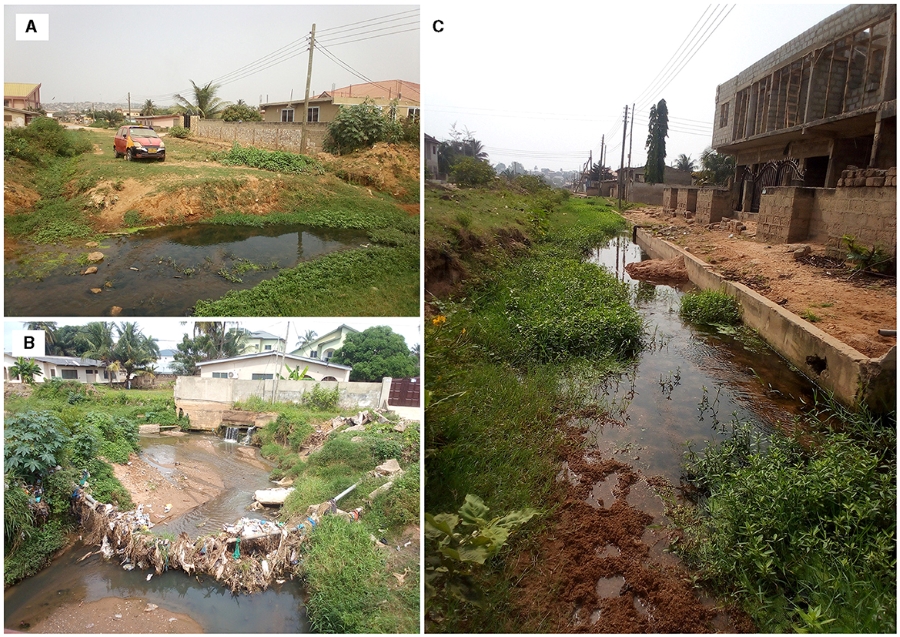
    This study delves into flood risk reduction and fostering resilient urban growth in Accra, Ghana. It investigates how rapid, unplanned urban development and climate change have intensified flood risks in the city. A significant focus is placed on the conflicts between traditional and formal land tenure systems, which complicate effective land use and management. The research highlights how different land ownership and management regimes contribute to increased flood risks. Traditional land tenure systems, often based on communal or customary laws, clash with formal systems that follow governmental regulations. This dichotomy creates inconsistencies in land use, making it difficult to implement cohesive flood risk management strategies. The study underscores the challenges of integrating disaster risk reduction measures into local planning frameworks, which often fail to align with community practices and needs. To illustrate these issues, the study examines Santa Maria, an ecologically sensitive community in Accra. Here, unregulated land development has exacerbated flood risks, providing a tangible example of how a lack of oversight and planning can lead to environmental degradation and increased vulnerability to natural disasters. The case of Santa Maria demonstrates the critical need for improved spatial planning and regulatory enforcement to mitigate flood risks. By addressing the root causes of flood risks and proposing comprehensive solutions, the study aims to provide a holistic approach to managing flood risks in Accra. The ultimate goal is to create a resilient urban environment that can withstand the challenges posed by rapid development and climate change, ensuring sustainable growth and improved quality of life for the city’s residents.

    How the Study was Conducted

    The author investigated the relationship between customary land ownership, administration, and land use planning practices and their role in generating flood risks. The research methodology included direct observation and in-depth interviews with key informants such as municipal planning officers, officials from the National Disaster Management Organization (NADMO), assembly members, traditional authorities, residents’ associations, and transport unions. To document the physical characteristics of the environment, the author conducted transect drives and walks, collected GPS track logs, took photographs, and recorded detailed field notes. The interview data was analyzed using QSR Nvivo software, employing an open-coding process to identify recurring themes and concepts.

    What the Authors Found

    The authors found that the coexistence of traditional and statutory land tenure systems creates conflicts and governance challenges, leading to unplanned development and increased flood risks. The authors posit that the lack of enforcement of spatial planning regulations results in most peri-urban land-use development being led by local developers, often without adequate infrastructure. In addition, unregulated housing developments in flood-prone zones, inadequate drainage systems, and waste management issues exacerbate flood risks.

    Why is this Important

    Urban Resilience: Understanding the challenges posed by traditional and statutory land tenure systems helps policymakers and urban planners develop strategies to enhance the city’s resilience against natural disasters like floods.
    Sustainable Development: By addressing land governance issues and integrating disaster risk reduction into spatial planning, Accra can achieve more sustainable development. This involves balancing economic growth with environmental protection and community well-being.
    Community Engagement: The study emphasizes the importance of involving local communities in planning and decision-making. Their insights and participation are crucial for effective flood risk management and urban growth.
    Policy Implications: The recommendations provided by the research can inform policy changes, leading to better land management practices, improved infrastructure, and reduced flood vulnerability.

    What the Authors Recommended

    • To mitigate conflicts and governance challenges, the authors suggest that Accra should integrate traditional land tenure practices with formal planning. This approach can lead to better land governance and planned development.
    • The author advocates strengthening the enforcement of spatial planning regulations to prevent unplanned development. This includes monitoring land-use changes and ensuring compliance with zoning laws.
    • Incorporate DRR principles into urban planning. This involves designing infrastructure that can withstand floods, improving drainage systems, and managing waste effectively.
    • In addition, the authors recommend involving local communities in decision-making processes. Their insights can inform effective flood risk management strategies and enhance urban resilience.

    In conclusion, addressing the complex interplay between traditional and statutory land tenure systems is crucial for mitigating flood risks and fostering sustainable urban development in Accra. By integrating community insights, enhancing regulatory enforcement, and prioritizing disaster risk reduction in planning, Accra can build a resilient city that balances growth with environmental stewardship and improves the quality of life for its residents.

  • Strengthening Africa’s Climate Resilience: The Urgent Need for Advanced Early Warning Systems and Parametric Insurance

    Strengthening Africa’s Climate Resilience: The Urgent Need for Advanced Early Warning Systems and Parametric Insurance

    Climate change poses significant risks to vulnerable populations and economies across Africa. The continent, home to over 1.2 billion people, faces a dire need for reliable and accurate weather monitoring systems and innovative financing mechanisms. The World Meteorological Organization (WMO) reports that around 60% of Africa’s population remains unprotected by early warning systems. The lack of a robust weather observation network exacerbates the risks posed by extreme weather events, making the continent the world’s most underdeveloped in this regard.

    Early Warning Systems: A Critical Component

    Early warning systems provide essential data for identifying weather patterns, developing risk models, and informing risk mitigation and post-disaster response strategies. However, many African countries either lack these systems or have outdated and poorly maintained technologies. The continent has only 37 radar stations, many of which fail to provide accurate weather forecasts. This shortfall in reliable data has severe consequences for both lives and economies.

    Investment in these systems is prioritized in many National Adaptation Programmes of Action and National Adaptation Plans. Yet, significant gaps remain. A 2023 paper titled “How to Reduce Africa’s Undue Exposure to Climate Risks” by risk experts and climatologists from the UK and Africa highlighted the urgent need for substantial upgrades to hydromet infrastructure to prevent a ballooning loss of life.

    The Impact of Inadequate Systems

    Africa experiences a disproportionate impact from extreme weather events. Floods and droughts have resulted in high mortality rates and severe economic damage. For example, the average number of deaths from flooding in Africa over the last two decades is four times higher than in Europe or North America. Despite experiencing only half of the globally reported droughts, Africa saw the highest number of drought-related deaths during that period.

    Recent events underscore the critical need for better early warning systems. In September 2023, Libya experienced catastrophic flooding that claimed over 4,300 lives, largely due to the absence of effective early warning systems and evacuation planning. Similarly, Kenya and Tanzania have faced deadly floods and landslides, with significant loss of life and displacement of hundreds of thousands of people.

    Conversely, the Eastern and Southern Africa regions are grappling with severe droughts, devastating crops, and threatening food security. The El Niño weather phenomenon has exacerbated these conditions, leading to what the United Nations (UN) describes as the worst food insecurity in a decade for countries like Malawi. The UN’s Global Report on Food Crises highlighted that the worst impacts of El Niño on food security are yet to come, with severe flooding and droughts expected to persist throughout the year.

    Parametric Insurance: A Financial Safety Net

    Early warning systems and parametric insurance are complementary tools for disaster risk management. While early warning systems provide crucial data, parametric insurance offers financial protection based on predefined triggers, such as specific weather events. This type of insurance ensures timely payouts to cover losses that are difficult to model, providing a financial bridge to support recovery efforts.

    The African Risk Capacity (ARC) uses a satellite-based system called Africa RiskView to monitor weather patterns and trigger insurance payouts when specific thresholds are met. This system helps translate predictive weather models into actionable programs that support farmers and disaster response activities. Recognizing the need for financial support to enhance these systems, the US Government has partnered with ARC Ltd. in a three-year, $11.7 million project to increase access to parametric insurance and bolster food security across Africa.

    Key Components of the US-ARC Ltd. Partnership

    The partnership focuses on customizing risk models for each country and integrating parametric insurance into national policy frameworks. ARC Ltd. will collaborate with governments to ensure effective use of parametric insurance and develop contingency plans. Innovative, localized insurance products will be created to meet the specific needs of individual countries.

    Enhancing risk modeling, data collection, and analysis is a core component of the partnership. Joint monitoring of agricultural seasons will help identify high-risk areas and calculate insurance payouts based on estimated impacts. End-of-season reports and post-disaster monitoring will ensure that payouts are used effectively according to pre-agreed plans.

    The ARC Ltd. will also refine the Africa RiskView software and risk indicators, filling gaps in current models and verifying results through additional datasets and in-country assessments. Engagement with the African Union and regional economic communities will drive the adoption of parametric insurance across the continent.

    A Path Forward

    The collaboration between the US Government and ARC Ltd. marks a significant step towards building climate resilience in Africa. By enhancing early warning systems and expanding access to parametric insurance, this partnership aims to safeguard the future of African communities against the increasing threats posed by climate change. Given that only $0.47 of every $100 spent on global development aid is directed towards disaster risk reduction, innovative and collaborative efforts such as this are crucial for protecting the continent’s most vulnerable populations.

  • Exploring the Medicinal and Cultural Significance of Urtica massaica Mildbr. in Rwanda: Implications for Cultivation and Market Development

    Exploring the Medicinal and Cultural Significance of Urtica massaica Mildbr. in Rwanda: Implications for Cultivation and Market Development

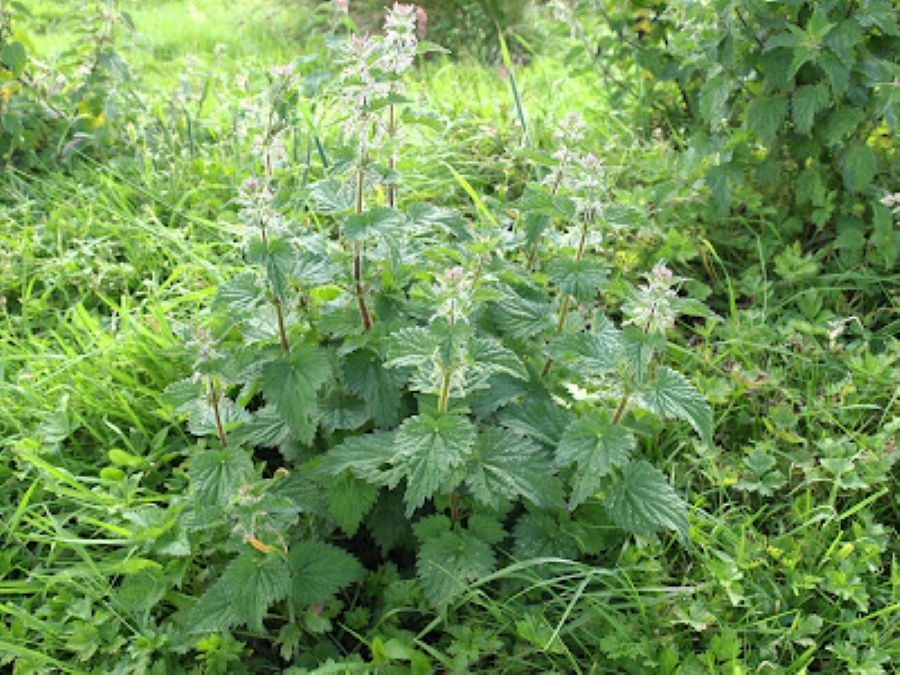
    A recent study by Nduwamungu, et al., (2024) titled “New insights into the indigenous knowledge of the uses of the common stinging nettle (Urtica massaica Mildbr.) in Rwanda” published in Cogent Food & Agriculture, examines that the common stinging nettle (Urtica massaica Mildbr.) in Rwanda is used for the treatment of stomach ulcers, and hypertension is the most common use.

    ‘Igisura’ (Urtica massaica Mildbr.) as crucial for health, culture, and economic growth, urging cultivation for sustainable development in Rwanda– Nduwamungu, et al., 2024

    The article delves into the Indigenous uses and potential for cultivation of the common stinging nettle (Urtica massaica Mildbr.) in Rwanda, locally known as ‘Igisura’. It explores the multifaceted roles of this plant in Rwandan communities, spanning human and veterinary medicine, nutrition, and artisanal crafts. ‘Igisura’ is cherished for its medicinal properties, traditionally employed to treat ailments such as stomach ulcers and hypertension. Beyond its medicinal value, the nettle is recognized for its nutritional benefits, adding significant dietary value. However, despite its cultural and medicinal significance, the stinging nettle remains scarce in Rwanda. The article underscores the importance of promoting its cultivation to enhance its availability and market presence. It advocates for further research into optimal agronomic practices and processing techniques to support successful cultivation and commercialization. In essence, the study provides a comprehensive overview of the stinging nettle’s importance in Rwanda, advocating for increased cultivation and utilization to harness its full potential for both local consumption and economic growth.

    How the Study was Conducted

    A semi-structured questionnaire was utilized for in-depth interviews with 124 respondents, selected via snowball sampling from locations where the stinging nettle grows or is domesticated. Interviews were complemented by personal observations and group discussions at the visited sites. The questionnaire was developed in English, translated into Kinyarwanda, and pretested in Rulindo district. Data were processed using SPSS for descriptive, thematic, and quantitative analysis, providing an overview of indigenous knowledge and enabling comparison of responses. Results were presented through tables and graphical illustrations.

    What the Authors Found

    The authors of the study found that the common stinging nettle (Urtica massaica Mildbr.) in Rwanda is used for the treatment of stomach ulcers, and hypertension is the most common use. The author also found that nettle leaves are consumed as vegetables, tea, and food supplements.

    Why is this Important

    Conservation of Traditional Knowledge: By documenting indigenous knowledge, the study contributes to preserving cultural practices and understanding how local communities interact with their environment.
    Health and Nutrition: The stinging nettle has health benefits, including treating stomach ulcers and hypertension. Understanding its nutritional value can inform dietary choices and promote well-being.
    Market Potential: Recognizing the scarcity of stinging nettle products in the market highlights the potential for cultivation and commercialization. This could benefit local economies and livelihoods.
    Sustainable Livelihoods: Domesticating the stinging nettle could provide an additional income source for farmers and contribute to sustainable agriculture.

    What the Authors Recommended

    • Given the scarcity of stinging nettle products on the market, the authors suggest promoting the domestication of this plant. Cultivating it could increase availability and contribute to sustainable livelihoods.
    • Further research is needed on agronomic practices for nettle cultivation. Understanding optimal growing conditions, soil requirements, and pest management strategies will enhance successful cultivation.
    • Investigate processing methods for stinging nettle products. Developing efficient techniques for harvesting, drying, and packaging will improve market readiness.
    • Efforts should be made to create awareness about the benefits of stinging nettle products. Market development strategies, including value addition and marketing campaigns, can boost demand.

    In conclusion, the study illuminates the rich tapestry of uses for Urtica massaica Mildbr. (‘Igisura’) in Rwanda, emphasizing its role in traditional medicine, nutrition, and cultural heritage. By advocating for increased cultivation and market presence, the research underscores not only the plant’s health benefits and economic potential but also the importance of preserving indigenous knowledge and promoting sustainable livelihoods. Through continued research and community engagement, harnessing the full potential of ‘Igisura’ promises to enhance local well-being and economic growth in Rwanda.

  • Enhancing Digital Infrastructure and Human Capital: Key Drivers of Innovation in Africa

    Enhancing Digital Infrastructure and Human Capital: Key Drivers of Innovation in Africa

    A recent study by Osei, D. B. (2024) titled “Digital Infrastructure and Innovation in Africa: Does Human Capital Mediates the Effect?” published in Telematics and Informatics by science direct, shows that human capital accumulation can indirectly enhance innovation through the development of digital infrastructure.

    Enhancing digital infrastructure and human capital significantly boost innovation and economic growth in Africa.– Osei, D. B. 2024

    The article delves into the intricate relationship between digital infrastructure, human capital, and innovation in Africa. It emphasizes the pivotal role of robust digital infrastructure, particularly broadband services and mobile connectivity, in facilitating access to vital information and enhancing communication. The study explores how human capital acts as a mediator, amplifying the impact of digital infrastructure on innovation. It posits that countries with higher levels of human capital are better equipped to leverage their digital infrastructure to drive innovation effectively. The research underscores several challenges that African countries face in fostering innovation, including inadequate funding and insufficient infrastructure. Despite these hurdles, the study suggests that enhancing both digital infrastructure and human capital can significantly mitigate these challenges and spur innovation across the continent. By improving digital infrastructure, countries can ensure broader access to the internet and related technologies, which is crucial for information dissemination and communication. Concurrently, by investing in human capital, through education and skill development, individuals can better utilize these digital tools to innovate and create new solutions. The article calls for integrated policies that simultaneously target improvements in digital infrastructure and human capital development. Such policies would ensure that advancements in technology are matched by a workforce capable of harnessing these tools for innovation. The study’s analysis, which utilizes data from 28 African countries and employs the Generalized Method of Moments (GMM) estimator, provides empirical support for these claims. It concludes that a dual focus on enhancing digital infrastructure and human capital is essential for driving sustainable innovation in Africa.

    How the Study was Conducted

    The study utilized data from 28 African countries spanning 2011–2019, drawing from five different sources to construct the panel. The dependent variable was the innovation output sub-index of the Global Innovation Index (GII). Digital infrastructure was measured using a composite index involving indicators like mobile cellular subscriptions and internet usage. Human capital was proxied by gross tertiary education enrollment. The study employed the Generalized Method of Moments (GMM) estimator to address potential endogeneity problems and used lagged levels of the regressors as instruments. The author employed sensitivity analysis using an alternative proxy for human capital, which was an index based on the duration of schooling and returns to education. The results were validated using formal tests like the Hansen test and serial correlation test.

    What the Authors Found

    The author found that there is a positive relationship between digital infrastructure and innovation in Africa, and human capital accumulation can indirectly enhance innovation through the development of digital infrastructure.

    Why is this Important

    Economic Growth: Innovation is a key driver of economic growth. By understanding the factors that contribute to innovation, policymakers can create targeted strategies to boost economic development in African countries.
    Digital Divide: Addressing the digital divide is crucial. Improving digital infrastructure can enhance access to information, education, and communication. This, in turn, can foster innovation and bridge gaps between different segments of society.
    Human Capital Investment: The study emphasizes the role of human capital. Investing in education, skills development, and lifelong learning can lead to a more innovative workforce, which is essential for sustainable growth.
    Policy Implications: Policymakers should consider a holistic approach that combines digital infrastructure development with human capital enhancement. This integrated strategy can maximize the impact on innovation.

    What the Authors Recommended

    • The author suggests that policymakers should adopt an integrated approach that simultaneously improves digital infrastructure and enhances human capital. This dual focus can maximize the impact on innovation.
    • Investing in education and skill development is crucial. The author is advocating that by promoting lifelong learning and improving educational systems, countries can build a more innovative workforce.
    • Further, the study recommends that policymakers need to address challenges related to funding, infrastructure, and access. Strategies should aim to bridge the digital divide and create an enabling environment for innovation.

    In conclusion, the study underscores the critical interplay between digital infrastructure, human capital, and innovation in Africa. By fostering robust digital connectivity and investing in education and skills development, countries can create an enabling environment that accelerates innovation and drives sustainable economic growth across the continent. Policymakers are urged to adopt integrated strategies that address both infrastructure gaps and human capital challenges to unlock Africa’s full potential in the digital era.

  • Enhancing Education in Emerging Markets: The Role of Educational Technology for Sustainable Development

    Enhancing Education in Emerging Markets: The Role of Educational Technology for Sustainable Development

    A recent study by Animashaun, et al. (2024) titled “Implementing educational technology solutions for sustainable development in emerging markets” published in International Journal of Applied Research in Social Sciences, shows that educational technology can overcome geographical barriers and reduce costs, providing access to quality education in emerging markets.

    Educational technology can overcome geographical and socio-economic barriers, providing scalable, cost-effective, quality education, crucial for sustainable development in emerging markets.– Animashaun, et al. 2024

    The article provides a thorough review of the implementation of educational technology solutions aimed at enhancing access to quality education and fostering sustainable development in emerging markets. It explores how educational technology can address barriers such as inadequate infrastructure and socio-economic disparities, ultimately offering personalized learning experiences to a broader audience. Educational technology has the potential to bridge gaps in educational access, particularly in regions where traditional infrastructure is lacking. By leveraging digital tools and platforms, students can gain access to a wealth of educational resources that were previously unavailable. This democratization of education is essential for achieving several Sustainable Development Goals (SDGs), particularly those related to inclusive and equitable quality education. The paper highlights the significant role educational technology can play in accelerating progress towards these SDGs. It underscores the importance of creating learning environments that are inclusive and equitable, ensuring that all students, regardless of their socio-economic background, have the opportunity to succeed. Educational technology can provide tailored learning experiences that adapt to the needs of individual students, thereby enhancing learning outcomes. However, the implementation of educational technology is not without its challenges. The paper identifies several obstacles, including the lack of adequate infrastructure in many emerging markets. This includes insufficient internet connectivity, limited access to digital devices, and a general lack of technological literacy among both students and educators. Additionally, socio-economic factors such as poverty and inequality can further hinder the effective use of educational technology.

    How the Study was Conducted

    The authors employ a review methodology, analyzing existing literature and studies to understand the challenges and potential of educational technology in emerging markets. It identifies infrastructural, socio-economic, and cultural barriers to education and explores how technology can address these issues. The study outlines strategies for sustainable implementation, including stakeholder engagement, capacity building, and infrastructure development. It emphasizes the importance of monitoring and evaluation frameworks to assess the impact of educational technology initiatives.

    What the Authors Found

    The authors found that educational technology can overcome geographical barriers and reduce costs, providing access to quality education in emerging markets. In addition, online tools, mobile apps, and virtual classrooms offer cost-effective alternatives to traditional education methods.

    Why is this Important

    Access to Education: Educational technology can overcome geographical barriers and reduce costs, making quality education accessible in emerging markets. This is crucial for promoting lifelong learning and economic development.
    Scalability: Online tools, mobile apps, and virtual classrooms offer scalable solutions. They can reach a large number of learners efficiently, especially in regions with limited physical infrastructure.
    Holistic Approach: The paper emphasizes a comprehensive approach. Sustainable implementation involves stakeholder engagement, capacity building, infrastructure development, cultural alignment, and continuous monitoring. This holistic perspective ensures long-term success.
    Collaboration: Partnerships among governments, private sector, NGOs, and communities are essential. Collaborative efforts leverage resources, share expertise, and ensure ownership of educational initiatives.

    What the Authors Recommended

    • The authors suggest that governments and organizations should invest in robust digital infrastructure, including reliable internet connectivity and hardware devices. This ensures that educational technology can be effectively deployed.
    • Professional development for educators is crucial. The authors suggest that teachers need training to effectively integrate technology into their teaching methods and adapt to online learning environments.
    • High-quality, culturally relevant educational content should be developed. This includes interactive modules, videos, and assessments that engage learners and align with local contexts.
    • Regular monitoring and evaluation are essential. This helps identify challenges, measure impact, and make necessary adjustments to improve the effectiveness of educational technology initiatives.
    • Collaboration between governments, private companies, and nonprofit organizations is recommended. These partnerships can pool resources, share expertise, and create sustainable solutions.

    In conclusion, the study by Animashaun et al. underscores the transformative potential of educational technology in emerging markets. By addressing geographical and socio-economic barriers, educational technology can democratize access to quality education, promoting lifelong learning and economic development. The holistic approach recommended by the authors, which includes stakeholder engagement, infrastructure development, and continuous monitoring, is essential for sustainable implementation. Collaboration between governments, private sector, and non-profit organizations will be crucial in leveraging resources and expertise to create impactful and lasting educational initiatives. As we strive towards achieving the Sustainable Development Goals, embracing educational technology can significantly accelerate progress, ensuring that all students, regardless of their background, have the opportunity to succeed and thrive in an increasingly digital world.

  • Adapting to Climate Change: Camel Milk Production Emerges as a Sustainable Solution in East Africa

    Adapting to Climate Change: Camel Milk Production Emerges as a Sustainable Solution in East Africa

    A recent study by George, A. S. (2024) titled “Camel Milk Production as an Adaptation to Climate Change Induced Drought in East Africa” published in Partners Universal Multidisciplinary Research Journal, shows that East Africa is severely affected by droughts due to climate change, leading to a significant decline in cattle populations.

    Camel milk production is a sustainable adaptation strategy for East African pastoralists facing climate change-induced droughts.– George, A. S. 2024

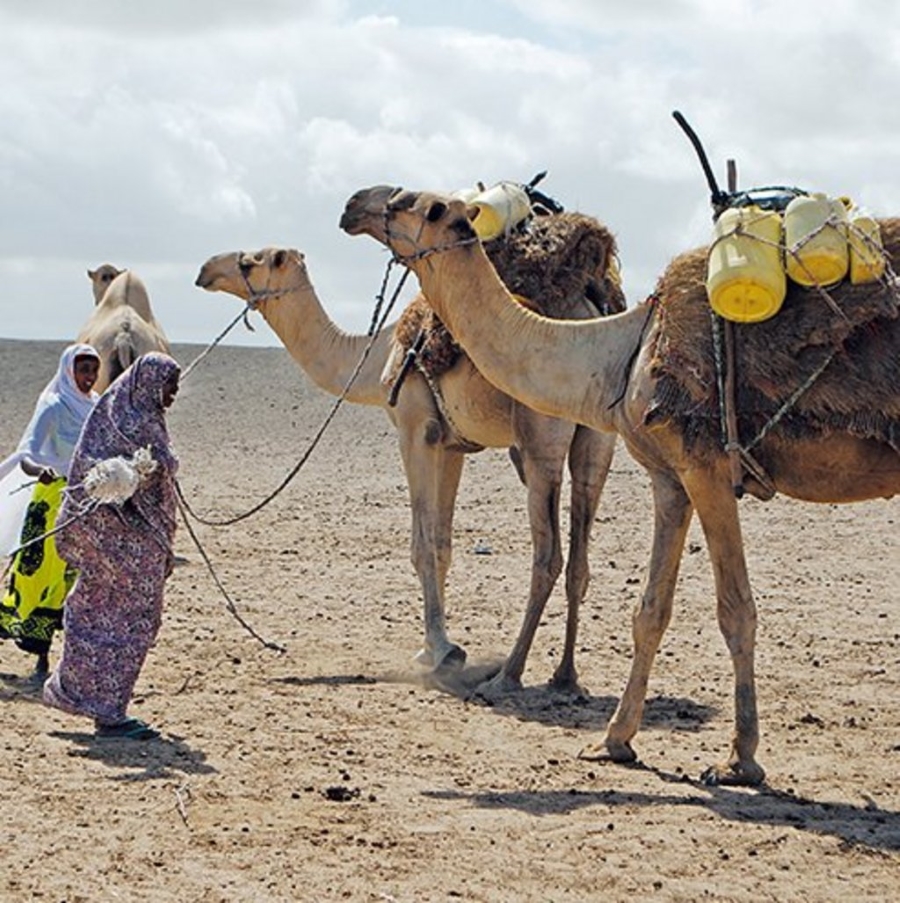
    Climate change has dramatically reshaped the landscapes and livelihoods of East Africa, with global warming triggering severe droughts that have devastated pastoralist communities. These droughts have led to a significant reduction in cow populations, jeopardizing the primary source of income and sustenance for many families. The traditional reliance on cattle is increasingly unsustainable as water sources dwindle and grazing lands become barren. In response to these challenges, East African governments and communities are turning to camels as a more viable livestock option. Camels possess physiological traits that make them far better suited to arid conditions compared to cows. They can survive with less water and endure higher temperatures, making them an ideal livestock choice in the face of prolonged droughts. This shift has given rise to initiatives promoting camel milk production as a sustainable adaptation strategy. The economic potential of camel milk is substantial. The milk from camels is not only rich in nutrients but also increasingly in demand, particularly in the Middle East. Projections indicate that the global market for camel milk could reach a value of $13 billion by 2030. This burgeoning demand offers East African pastoralists a lucrative opportunity to stabilize and grow their incomes despite the adverse effects of climate change.

    How the Study was Conducted

    The author employed a comprehensive literature review to assess camel physiological adaptations that enhance their resilience to heat stress and drought compared to cattle. Secondary data on camel milk production development and demand drivers were evaluated, including market reports and dairy consumption trends. Regional policy trends in Kenya, Ethiopia, and Somalia were analyzed, focusing on programs supporting camel dairying value chains and herd restocking initiatives. Livestock population statistics were analyzed to document changes in cattle and camel herd sizes, reflecting the impact of climate change on pastoral livelihoods.

    What the Authors Found

    The author found that East Africa is severely affected by droughts due to climate change, leading to a significant decline in cattle populations. The author also posits that Camels are more resilient to drought conditions compared to cattle, making them a suitable alternative for pastoralists. In addition, transitioning to camel milk production offers economic benefits and is a viable climate change adaptation strategy.

    Why is this Important

    Livelihood Preservation: Climate change-induced droughts threaten the livelihoods of pastoral communities in East Africa. Understanding alternative strategies, such as transitioning to camel milk production, is crucial for their survival.
    Resilience and Adaptation: The research highlights the physiological advantages of camels over cows in arid conditions. By adopting camel pastoralism, communities can better adapt to changing environmental conditions.
    Economic Opportunities: Camel milk has economic potential, with growing demand in the Middle East. Supporting this transition can boost local economies and improve farmers’ income.
    Policy Implications: The study emphasizes the need for government policies that facilitate camel milk production. Veterinary services, market access, and research are essential for successful adaptation.

    What the Authors Recommend

    • The author advocates encouraging pastoral communities to transition from cattle farming to camel milk production. This involves providing support for camel herding practices and creating awareness about the economic benefits.
    • The author suggests that governments in East Africa should develop policies that facilitate camel milk production. This includes investing in veterinary services, improving market access, and integrating camel farming into existing livestock programs.
    • The author recommends that further research is needed to understand the long-term sustainability of camel milk production. This includes studying market dynamics, consumer preferences, and herd management practices.

    In conclusion, the shift towards camel milk production represents a promising adaptation strategy for East African pastoral communities facing the harsh realities of climate change-induced droughts. Camels’ resilience to arid conditions and the burgeoning global demand for their milk offer a sustainable economic opportunity, potentially transforming livelihoods and stabilizing incomes. For this transition to be successful, it is imperative that governments and policymakers invest in supportive measures such as veterinary services, market access, and awareness campaigns. Further research is essential to ensure the long-term sustainability and profitability of this adaptation, paving the way for a resilient future in the face of climate change.

  • CropSustaiN Initiative: Reducing Agriculture’s Nitrogen Footprint with Biological Nitrification Inhibition

    CropSustaiN Initiative: Reducing Agriculture’s Nitrogen Footprint with Biological Nitrification Inhibition

    The International Maize and Wheat Improvement Center (CIMMYT) has launched an ambitious research initiative called CropSustaiN, aimed at reducing the nitrogen footprint of agriculture and mitigating climate change impacts through innovative, nature-based solutions. The initiative focuses on developing breakthrough wheat varieties utilizing a natural process known as Biological Nitrification Inhibition (BNI).

    Understanding Biological Nitrification Inhibition (BNI)

    Biological Nitrification Inhibition (BNI) is a process where plants naturally suppress soil nitrification by releasing specific compounds. Nitrification is the microbial conversion of ammonia into nitrate, which can lead to nitrogen leaching and greenhouse gas emissions. BNI leverages the plant’s innate ability to inhibit this process, thus reducing the need for synthetic nitrogen fertilizers. This method contrasts with synthetic nitrification inhibitors, offering a potentially more scalable and cost-effective solution.

    Objectives of CropSustaiN

    CropSustaiN aims to develop wheat varieties that can significantly reduce agriculture’s environmental footprint without compromising yield or soil health. By incorporating genes from wild crop relatives known for better nitrogen use efficiency, such as wild rye, these new varieties are designed to use nitrogen more effectively and suppress nitrification naturally.

    Potential Impact on Global Agriculture

    BNI represents a genetic mitigation strategy that could revolutionize nitrogen management in agriculture. By decreasing the reliance on synthetic fertilizers, BNI could help curb greenhouse gas emissions and water pollution, providing substantial environmental benefits. This approach could potentially reduce nitrogen fertilizer usage by up to 20%, depending on regional farming conditions, making it particularly impactful for the Global South.

    Financial and Research Support

    The CropSustaiN initiative has received a significant boost with a $21.1 million grant from the Novo Nordisk Foundation. This funding will support the development and scaling of BNI-enabled wheat varieties, extending the initiative’s potential benefits to other staple crops like maize and rice. The foundation emphasizes an inclusive approach, ensuring that these innovative seeds are accessible to all farmers without exclusive patent rights.

    Historical and Collaborative Foundation

    CropSustaiN builds on research initiated in 2015 by CIMMYT in collaboration with the Japan International Research Center for Agricultural Sciences (JIRCAS). The joint research has already produced BNI wheat lines tested over three farming seasons, showing promising results. The Novo Nordisk Foundation has also funded related BNI research at institutions like ICRISAT, Aarhus University, the University of Aberdeen, and the University of Copenhagen, fostering a robust ecosystem for innovation.

    Future Directions and Goals

    The agenda for CropSustaiN includes validating the efficacy of BNI across diverse climates and integrating this technology into mainstream agricultural practices. Although the initiative carries risks, its potential rewards are significant. Successful implementation could lead to widespread adoption of BNI, offering valuable insights into sustainable nitrogen management and potentially transforming agricultural practices globally. By leveraging genetic strategies embedded in plant seeds, CropSustaiN aims to benefit both the planet and farmers’ livelihoods, heralding a new era in sustainable agriculture.