Author: AR Managing Editor

  • Exploring Homophobia and Xenophobia in Africa: A Comparative Study of Social Attitudes Across Five Countries

    Exploring Homophobia and Xenophobia in Africa: A Comparative Study of Social Attitudes Across Five Countries

    A recent study by Freude, L., & Waites, M. (2023). titled “Analysing homophobia, xenophobia and sexual nationalisms in Africa: Comparing quantitative attitudes data to reveal societal differences” published in Current Sociology by Sage Journals shows that social attitudes toward people outside heterosexual norms and towards immigrants and foreign workers vary across the five African countries.

    Social attitudes towardS people outside heterosexual norms and, towards immigrants and foreign workers vary across the five African countries – Freude, L., & Waites, M. 2023

    This article explores homophobia and xenophobia in Africa. It explores how social attitudes towards people outside heterosexual norms and towards immigrants and foreign workers vary across five African countries, namely Kenya, Mozambique, Nigeria, Senegal, and Zambia.

    Methodology

    The study employed a quantitative data analysis and literature review to examine the social attitudes towards people outside heterosexual norms and towards immigrants and foreign workers across five African countries: Kenya, Mozambique, Nigeria, Senegal, and Zambia. The study also explores a literature review of the historical, cultural, and political factors that shape the patterns of prejudice in each country.

    Findings of the study

    Findings for the study show that social attitudes toward people outside heterosexual norms and towards immigrants and foreign workers vary across the five African countries. The study also posits that the correlation between homophobia and xenophobia in Africa is shaped by historical, cultural, and political factors. The study highlights the importance of understanding the relationship between sexuality and nationalism in African contexts and proposes a more flexible concept of homosexuality-inclusive nationalism to analyze the relationship. Finally, the study acknowledges the limitations of quantitative methods in studying sexuality and nationalism and calls for more contextual interpretation and qualitative research.

    Implications of the study

    The study explores that Mozambique has the lowest level of homophobia and xenophobia among the five countries, and half of the respondents express inclusive attitudes towards both homosexuals and immigrants. The study posits that homophobia has increased in four of the five countries (except Senegal) between the two rounds of the survey. The study proposes that this may be attributed to various factors, such as the global economic crisis, the influence of specific religious forms, or the growth of political homophobia. The study also highlights that Senegal has the highest level of homophobia among the five countries but also the lowest level of xenophobia. The study suggests that this may be due to the role of certain Muslim religious leaders who have mobilized cultural anger against homosexuals, while the government has tried to strike a balance between religious orthodoxy and minority protection. The study claimed that Senegal has a long history of international relations and a substantial tourist industry, which may foster more tolerant attitudes toward foreigners.

    In conclusion, this comprehensive study sheds light on the intricate landscape of homophobia and xenophobia in Africa, unraveling nuanced social attitudes across five diverse countries. The findings underscore the dynamic interplay of historical, cultural, and political factors shaping prejudices. Recognizing the limitations of quantitative methods, the study calls for a more flexible approach and emphasizes the need for contextual interpretation and qualitative research to enrich our understanding. The implications are significant, pointing towards varying levels of acceptance and highlighting Mozambique’s remarkable inclusivity amidst a global rise in homophobia. As societies evolve, acknowledging these complexities becomes imperative for fostering tolerance and promoting inclusive national identities.
  • Empowering Global Development: Unveiling the Impact and Significance of the Global Challenges Research Fund (GCRF) on Sustainable Solutions, with a Focus on African Research Empowerment

    Empowering Global Development: Unveiling the Impact and Significance of the Global Challenges Research Fund (GCRF) on Sustainable Solutions, with a Focus on African Research Empowerment

    The Global Challenges Research Fund (GCRF) is a UK initiative that supports cutting-edge research to address challenges faced by developing countries. The fund operates as part of the UK’s official development assistance (ODA) and is managed by the Department for Science, Innovation, and Technology (DSIT). It collaborates with various partners, including UK Research and Innovation (UKRI), Arts and Humanities Research Council (AHRC), Biotechnology and Biological Sciences Research Council (BBSRC), Engineering and Physical Sciences Research Council (EPSRC), Economic and Social Research Council (ESRC), Innovate UK, Medical Research Council (MRC), Natural Environment Research Council (NERC), Science and Technology Facilities Council (STFC), and others.

    Objectives and Focus Areas

    1. Addressing UN Sustainable Development Goals: The fund aims to align with the United Nations Sustainable Development Goals, focusing on three main themes:
      • Equitable access to sustainable development
      • Sustainable economies and societies
      • Human rights, good governance, and social justice
    2. Key Challenge Portfolios:
      • Cities and sustainable infrastructure
      • Education
      • Food systems
      • Global health
      • Resilience to environmental shocks and change
      • Security, protracted conflict, refugee crises, and forced displacement

    Implementation and Approach

    1. Collaborative Partnerships: The fund operates with various partners, including international organizations like the United Nations Development Programme (UNDP) and domestic entities like the Scottish Funding Council, Higher Education Funding Council for Wales, and others.
    2. Capacity Building: The fund supports projects that strengthen capacity for research, innovation, and knowledge exchange in both the UK and developing countries. It emphasizes collaboration with excellent UK research and researchers.
    3. Emergency Response: GCRF provides an agile response to emergencies where there is an urgent research need.

    Themes and Challenges

    Equitable Access to Sustainable Development

    • Secure and resilient food systems
    • Sustainable health and wellbeing
    • Inclusive and equitable quality education
    • Clean air, water, and sanitation
    • Affordable, reliable, sustainable energy

    Sustainable Economies and Societies

    • Sustainable livelihoods and economic growth
    • Resilience to environmental shocks
    • Sustainable cities and communities
    • Sustainable production and consumption

    Human Rights, Good Governance, and Social Justice

    • Understanding institutions promoting human rights and social justice
    • Addressing forced displacement and refugee crises
    • Conflict reduction, peace promotion, and humanitarian action
    • Poverty and inequality reduction, including gender inequalities

    Achievements and Impact

    1. Project Funding: GCRF has allocated funding to numerous projects, including those addressing dementia assessment, neglected tropical diseases, democracy promotion through culture and art, sustainability in the dairy sector, electricity access in low-income areas, and groundwater use for community resilience.
    2. Interdisciplinary Research Hubs: The fund has supported 12 interdisciplinary research hubs addressing various development challenges, involving collaboration between researchers, governments, NGOs, and community groups in multiple countries.
    3. African Research Universities Alliance Partnership: GCRF has partnered with the African Research Universities Alliance to strengthen UK-Africa research collaborations, improve research capacity, and support research projects in various domains.
    4. Growing Research Capacity: Significant investment (up to £225 million) has been made in 37 projects to grow research capacity globally, fostering skills, expertise, and partnerships to address specific challenges in developing regions.
    5. GCRF Collective Programme: The Collective Programme consists of over 140 projects across 18 funding opportunities, contributing to global health, education, sustainable cities, food systems, conflict resolution, and resilience.

    Empowering African Research: The Transformative Impact of GCRF Research Grants and Collaborative Partnerships

    The Global Challenges Research Fund (GCRF) holds significant importance for African researchers and institutions in terms of research grants. Here are some key aspects highlighting the importance of GCRF research grants for Africans:

    1. Capacity Building: GCRF aims to strengthen research capacity globally, including in African countries. By providing research grants, it supports the development of skills, expertise, and infrastructure in African institutions, contributing to the growth of the research ecosystem on the continent.
    2. Collaboration Opportunities: GCRF encourages collaboration between African researchers and their counterparts in the UK and other countries. The research grants facilitate partnerships, fostering knowledge exchange and collaborative efforts to address global challenges.
    3. Addressing Local Challenges: GCRF supports projects that address challenges specific to African countries, aligning with the UN Sustainable Development Goals. This allows African researchers to focus on issues directly affecting their communities, promoting locally relevant and impactful research.
    4. African Research Universities Alliance Partnership: The partnership between GCRF and the African Research Universities Alliance is particularly important. It not only strengthens UK-Africa research collaborations but also provides funding opportunities for African research teams. This partnership supports the creation of projects that build on current investments, enhancing research capacity in African universities.
    5. Funding Diverse Areas: GCRF covers a wide range of challenge areas, including sustainable development, health, education, food systems, and resilience to environmental shocks. This diversity allows African researchers to explore and address issues that are critical to the well-being and development of their communities.
    6. Interdisciplinary Research Hubs: The GCRF’s support for interdisciplinary research hubs involves collaboration between researchers, governments, NGOs, and community groups in developing countries, including those in Africa. These hubs address complex challenges, providing a platform for African researchers to contribute to holistic and innovative solutions.
    7. Global Impact: GCRF projects funded in Africa contribute to global research efforts and have the potential to generate solutions that can be applied not only locally but also in other regions facing similar challenges. This global impact enhances the visibility and influence of African research on the international stage.
    8. Long-Term Partnerships: GCRF’s emphasis on long-lasting partnerships ensures sustained collaboration between African institutions and their international counterparts. This contributes to the ongoing development of research capabilities, fostering relationships that extend beyond individual project timelines.

    In summary, GCRF research grants are crucial for Africans as they provide funding, capacity-building opportunities, and a platform for collaboration to address pressing challenges. These grants empower African researchers to lead initiatives that have meaningful, sustainable impacts on their communities and contribute to global knowledge and development.

  • Empowering Scientific Excellence: Arturo Falaschi Postdoctoral Fellowships at ICGEB for Life Scientists Worldwide, with a Focus on Empowering African Scholars

    Empowering Scientific Excellence: Arturo Falaschi Postdoctoral Fellowships at ICGEB for Life Scientists Worldwide, with a Focus on Empowering African Scholars

    Are you a highly motivated scientist eager to pursue cutting-edge postdoctoral research in the field of Life Sciences? The International Centre for Genetic Engineering and Biotechnology (ICGEB) presents the prestigious Arturo Falaschi Postdoctoral Fellowships, offering a unique opportunity for talented individuals to thrive in a world-class scientific environment.

    Key Highlights:

    🔬 Research Focus: The Fellowships are tailored for individuals with a passion for Life Sciences, providing a platform to conduct innovative research in an international setting.

    🌍 Global Locations: The program is hosted at three prominent ICGEB locations:

    • Trieste, Italy
    • New Delhi, India
    • Cape Town, South Africa

    📅 Starting Date: Commencing on October 1, 2024, successful applicants will embark on a transformative journey in their research careers.

    Eligibility Criteria:

    To be eligible for this fellowship, applicants must:

    • Be nationals of an ICGEB Member State.
    • Have worked abroad for a minimum of 3 years at the time of application if applying to undertake the fellowship in their country of origin.
    • Hold a recent Ph.D. in Life Sciences or possess at least 3 years of research experience.
    • Preferably be below the age of 35.

    Financial Support and Benefits:

    • Duration: A 2-year fellowship with the possibility of a 1-year extension.
    • Stipend: Generous monthly stipends: Euro 2,000 (Trieste), US$ 1,590 (New Delhi), ZAR 23,000 (Cape Town).
    • Travel: Coverage for travel expenses from the participant’s home country to the ICGEB lab at the start and return travel provision upon completion.
    • Health Insurance: Medical coverage for the duration of the fellowship.
    • Research Costs: All research costs supported by the research group’s budget.
    • Visa/Permit: Application and renewal costs reimbursed.
    • Meetings and Courses: Support provided for participation in relevant events.

    Application Process:

    1. Contact ICGEB Group Leader/PI: Reach out with a motivation letter to determine project availability and define the research proposal.
    2. Written Statement from Group Leader: A mandatory statement from the supporting ICGEB Group Leader is required for the application.
    3. Online Application: Complete the application form, including uploading necessary documents such as CV, academic records, written statement, identification, and English certificate.

    Important Dates:

    • Application Deadline: March 31, 2024
    • Starting Date: October 1, 2024

    Accommodation:

    • ICGEB Trieste: Provides a list of housing contacts.
    • ICGEB New Delhi: Guest House available on campus.
    • ICGEB Cape Town: Accommodation support arranged prior to arrival.

    Selection Criteria:

    Applications will be evaluated by the ICGEB Fellowships Selection Committee, considering scientific excellence, candidate’s CV, and potential benefit for the home country.

    Additional Notes:

    • Family Support: ICGEB does not provide financial or administrative support for family members of participants.

    Empowering African Scholars: The Significance of Arturo Falaschi Postdoctoral Fellowships at ICGEB

    The Arturo Falaschi Postdoctoral Fellowships at the International Centre for Genetic Engineering and Biotechnology (ICGEB) play a pivotal role in fostering scientific excellence and empowering scholars from the African continent. Here’s why these fellowships hold immense importance for African researchers:

    1. Bridging Research Gaps:

    African scholars often face challenges in accessing cutting-edge research opportunities. The ICGEB fellowships serve as a bridge, providing a pathway for talented postdoctoral researchers to engage in world-class scientific environments, thereby narrowing the research gap.

    2. Global Collaboration and Networking:

    By offering fellowships in multiple international locations, including Cape Town, South Africa, the program promotes global collaboration. African scholars can connect with leading researchers, fostering networks that transcend geographical boundaries and enhancing the visibility of African contributions to the scientific community.

    3. Capacity Building:

    These fellowships contribute significantly to capacity building in African nations. By supporting postdoctoral researchers, the program invests in building a pool of skilled scientists equipped to address local challenges and contribute to the global scientific landscape.

    4. Addressing Brain Drain:

    The requirement for applicants to have worked abroad for at least three years addresses the concern of brain drain. This ensures that scholars return to their home countries equipped with advanced skills, knowledge, and a global perspective, thereby positively impacting the scientific ecosystem in Africa.

    5. Catalyzing Early Career Research:

    The provision for successful fellows to apply for ICGEB Early Career Research Grants upon completion of the fellowship serves as a catalyst for the scholars’ transition into independent researchers. This support is instrumental in enabling African scholars to establish their research programs.

    6. Enhancing Research Infrastructure:

    The financial support provided, including stipends, travel coverage, and research budget support, contributes to enhancing research infrastructure in African institutions. This, in turn, has a ripple effect, uplifting the overall research capabilities of the region.

    7. Encouraging Diversity:

    The preference for candidates below the age of 35 ensures the inclusion of young and dynamic scholars in the program. This focus on diversity contributes to a vibrant and inclusive research community, where fresh perspectives are valued.

    8. Advancing Sustainable Development:

    Research in Life Sciences is integral to addressing global challenges, including those faced by African nations. The fellowship program aligns with the broader goal of advancing sustainable development in the region by empowering scholars to contribute to solutions in health, agriculture, and environmental sciences.

    In summary, the Arturo Falaschi Postdoctoral Fellowships not only provide a transformative experience for individual scholars but also contribute to the broader development and sustainability of scientific research in Africa. They stand as a beacon of opportunity, empowering the next generation of African scientists to make lasting contributions to the world of Life Sciences. 🌱🌍 #AfricanScholars #ICGEBFellowship #ResearchExcellence

  • Digital Transformation Imperatives in South African Higher Education: Navigating COVID-19 and 4iR Challenges for Inclusive Innovation

    Digital Transformation Imperatives in South African Higher Education: Navigating COVID-19 and 4iR Challenges for Inclusive Innovation

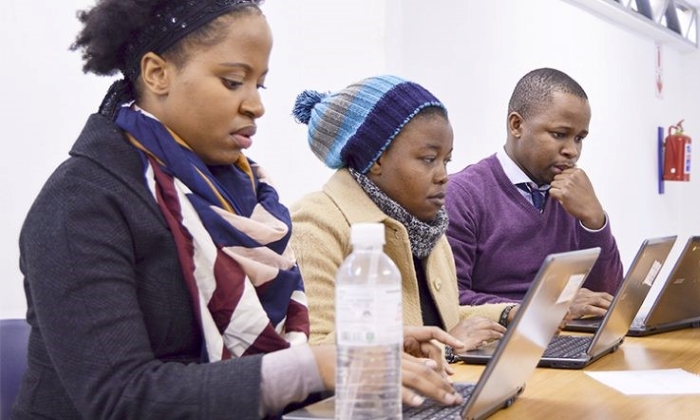
    A recent study by Kanyane, M. (2023) titled “Digital work–transforming the higher education landscape in South Africa” published in New Digital Work by Springer International shows that higher education sector in South Africa needs to adapt and innovate in the face of the digital challenges and opportunities posed by Covid-19 and the Fourth Industrial Revolution (4iR).

    The higher education sector in South Africa needs to adapt and innovate in the face of the digital challenges and opportunities – Kanyane, 2023

    This article explores the challenges and opportunities of digital work and transformation in the higher education landscape in South Africa. It explores the historical and current disparities, inequality and exclusion in the access and use of digital technologies among different public universities in South Africa, especially between historically advantaged and disadvantaged institutions.

    Methodology

    The study employed a qualitative approach to explore the digital environment in the 26 public universities in South Africa and the data was collected from secondary sources, such as academic articles, books, reports, policy documents, and online media. Thematic analysis was also used to identify and interpret the key themes and patterns in the data.

    Findings of the Study

    Findings for the study shows that the higher education sector in South Africa needs to adapt and innovate in the face of the digital challenges and opportunities posed by Covid-19 and the 4iR. The study also posits that academic staff in public universities needs to develop and enhance their digital skills and competencies to effectively teach and learn in the digital society. In addition, the study posits that the government and the industry need to support and collaborate with the higher education sector to ensure digital transformation and inclusion of all institutions and learners, regardless of their historical and socio-economic backgrounds.

    Study Recommendation

    The study therefore recommends that following in order to overcome the challenges and enhance the opportunities of digital work and transformation in the higher education landscape in South Africa as follows:

    • academics needs create ethical standards for digital work and transformation in the higher education sector, such as ensuring privacy, security, and data protection.
    • academics needs to ensure transparency and accountability in the use of digital technologies and resources in the higher education sector, such as open access to information and knowledge.
    • academics needs foster public awareness and education about the benefits and risks of digital work and transformation in the higher education sector, such as promoting digital literacy and critical thinking.
    • academics needs collaborate with the government and the industry to ensure the digital transformation and inclusion of all institutions and learners, regardless of their historical and socio-economic backgrounds.

    In conclusion, the study underscores the pressing need for South African higher education to adapt and innovate in response to the digital challenges and opportunities brought about by COVID-19 and the Fourth Industrial Revolution (4iR). Addressing historical disparities, promoting digital skills among academic staff, and fostering collaboration between the government, industry, and institutions are essential steps toward a more inclusive and equitable digital transformation. The recommendations outlined in this research emphasize the importance of ethics, transparency, education, and partnership in navigating the complex landscape of digital work and transformation within the higher education sector in South Africa.

  • Empowering Animal Research in Africa: PAN-LASE’s Impact on Lab Animal Science & Ethics

    Empowering Animal Research in Africa: PAN-LASE’s Impact on Lab Animal Science & Ethics

    A recent study by Mohr et al. (2023) titled “Sustainable education and training in laboratory animal science and ethics in low-and middle-income countries in Africa–challenges, successes, and the way forward” published in Laboratory Animals by Sage Journals shows that education and training in laboratory animal science and ethics can enhance animal welfare.

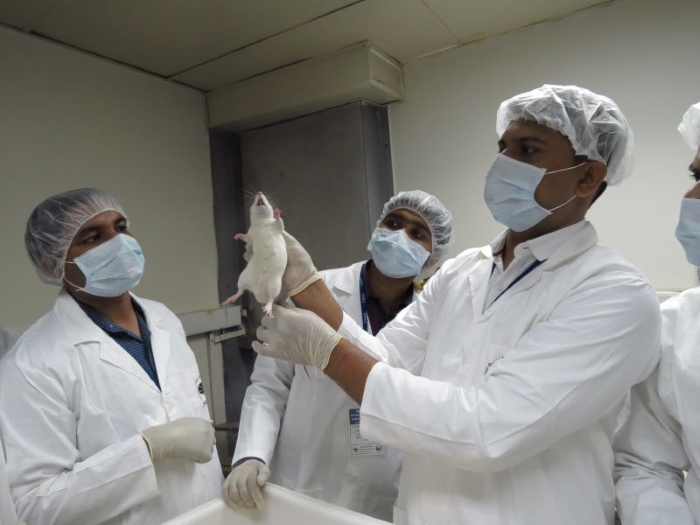
    This article explores the efforts and achievements of the Pan-African Network for Laboratory Animal Science and Ethics (PAN-LASE) in providing education and training in laboratory animal science (LAS) and ethics across Africa. It explores the need and challenges for LAS and ethics education in Africa, such as the lack of opportunities, resources, governance frameworks, ethical review systems and career paths.

    Education and training in laboratory animal science and ethics can enhance animal welfare.
    – Mohr et al., 2023

    About Pan-African Network for Laboratory Animal Science and Ethics (PAN-LASE)

    The network was established in 2017 as a result of a conference that brought together stakeholders from 23 countries, with the goal of promoting good practices in the care and use of animals for scientific and medical purposes in Africa. The network’s priorities include creating accessible, sustainable, and Africa-centric education and training opportunities for all persons involved in animal research; establishing and enhancing sound ethical review and approval systems; supporting the development of appropriate governance frameworks; and empowering the African research community to undertake world-class research.

    PAN-LASE Contribution

    The network has created and delivered various educational activities in nine African countries, using active learning, experiential learning, digital learning, hybrid learning, and consultative approaches. The activities were tailored to the specific needs of the participants and the regions, and were open to researchers, students, veterinarians, para-veterinary professionals, animal caregivers, animal facility managers, technicians, animal ethics committee members, and members of professional, statutory and regulatory bodies.

    The network has also supported the creation of guidelines for the establishment and functioning of Animal Ethics Committees in Africa, as well as a shared open-access digital repository of Africa-centric educational resources. The network has also formed regional sub-groups or Communities of Practice to facilitate networking, communication, mentorship, and resource sharing among stakeholders.

    PAN-LASE Challenges

    The network has faced several challenges, such as funding constraints, weak governance frameworks, lack of institutional commitment, language barriers, IT infrastructure issues, cultural diversity, and the Covid-19 pandemic. The network has overcome these challenges by forming strong, inclusive, collaborative partnerships with stakeholders across the continent and beyond; by being flexible, adaptable, and responsive to changing circumstances; by embedding sustainability and growth mechanisms into the design of educational activities; and by seeking harmonization rather than standardization of standards across Africa.

    Findings of the study

    The study shows that education and training in laboratory animal science and ethics can enhance animal welfare and research quality in Africa, and empower African researchers to address the continent’s challenges.

    The study demonstrates the value of collaborative, inclusive, and adaptable approaches to create and deliver sustainable, accessible, and Africa-centric educational opportunities for all stakeholders involved in animal research.

    The study highlights the need for harmonization of standards and regulations for the care and use of animals for scientific purposes across Africa, and the role of professional, statutory, and regulatory bodies in supporting this process.

    The study provides a model and recommendations for other low- and middle-income countries that seek to develop similar programmes in their own regions.

    Recommendations and Future Directions

    The recommendations and future directions for PAN-LASE and other LMICs to sustain and expand the network, the educational provision, and the ethical review processes include:

    • Formalizing the network by establishing a legal entity, a governance structure, and a strategic plan that reflects the needs and aspirations of all stakeholders.
    • Ensuring the sustainability of education and training programmes by embedding them into the curricula of universities and research institutions, by creating a pool of trainers and mentors across Africa, by using digital technologies to enhance accessibility and flexibility, and by seeking funding from diverse sources.
    • Implementing effective hub-and-spoke models of educational provision that combine face-to-face training with online learning, that use local resources and expertise, that foster peer-to-peer learning and networking, and that are tailored to the specific needs of different regions and sectors.
    • Strengthening governance frameworks at institutional, national, and regional levels by promoting the adoption of international standards and guidelines for animal welfare and research ethics, by creating or enhancing Animal Ethics Committees that are independent, competent, diverse, transparent, and accountable, by monitoring compliance with regulations and guidelines, by promoting responsible conduct of research, and by engaging with policymakers.
    • Ensuring the availability of Africa-centric educational resources that are open-access, peer-reviewed, culturally sensitive, multilingual, and relevant to different audiences.

    In conclusion, the Pan-African Network for Laboratory Animal Science and Ethics (PAN-LASE) stands as a testament to the transformative power of education and training in laboratory animal science and ethics within low- and middle-income countries in Africa. Despite facing numerous challenges, PAN-LASE has demonstrated its ability to enhance animal welfare, elevate research quality, and empower African researchers to tackle the unique challenges of the continent. Through collaboration, adaptability, and a commitment to sustainability, PAN-LASE has paved the way for similar initiatives across LMICs, offering a beacon of hope for responsible and ethical practices in animal research on the African continent and beyond.