Author: AR Managing Editor

  • Reducing Fear in Cancer Care: The Impact of Language on Patient Outcomes in Africa

    Reducing Fear in Cancer Care: The Impact of Language on Patient Outcomes in Africa

    Cancer care in Africa faces a unique challenge: the words used to describe cancer in many African languages evoke fear and stigma, often intensifying the psychological burden on patients. Language, when used thoughtfully, can be a powerful tool to encourage proactive healthcare engagement; however, when it evokes fear, it can become a barrier. Effective communication is vital in raising disease awareness and delivering compassionate care, but in African healthcare settings, linguistic sensitivity remains a significant gap.

    A Growing Health Crisis

    Africa’s cancer rates are rising faster than any other region globally, making effective communication about the disease urgent. Africa’s diversity, with roughly 2,000 languages spoken across the continent, means that culturally sensitive approaches are crucial. Research shows that the way cancer terminology is communicated can deeply impact how patients and communities understand, discuss, and approach cancer care. When cancer-related terms carry fearful or fatalistic connotations, they may deter individuals from seeking diagnosis or treatment. Transforming these language barriers could be a vital step toward reducing fear and promoting early intervention.

    Why Words Matter

    In healthcare, the language chosen to describe diseases significantly influences public perception, often shaping attitudes toward treatment. In a recent study I coauthored, we analyzed cancer-related terms in various African languages and cultural contexts, with a particular focus on terms like “cancer,” “malignant,” “chronic,” and “radiotherapy.” We surveyed 107 healthcare professionals, community health workers, and researchers from 32 African countries, covering 44 languages. Participants provided translations for 16 cancer-related terms and explained their cultural meanings. The findings revealed that many translations contained fearful connotations, referring to the disease in terms of spiritual malevolence or fatalism. This can result in health disparities, as patients may delay or avoid treatment due to fear or misunderstandings about their prognosis.

    Fearful Imagery in Cancer Terminology

    The study revealed that cancer terminology often has negative cultural meanings. For instance, “cancer” was associated with heaviness, overwhelming power, and terminality, often conveying the disease as unbeatable and final. Terms like “malignant” and “chronic” also carried implications of hopelessness or inevitability, shaping cancer as a condition with little to no remedy. Additionally, “radiotherapy” was frequently translated to imply burning or scorching, evoking fire or electricity. Such translations can make life-saving treatments appear frightening, deterring individuals from seeking potentially curative interventions.

    Cultural Metaphors with Potential for Positive Change

    In contrast to the fearful language associated with many cancer terms, African languages also offer rich, culturally resonant metaphors that can powerfully and compassionately convey medical concepts. For example, a Ugandan participant translated “metastasis” (the spread of cancer) into a Luganda metaphor: “ekiziba kyasindika obwana bwayo ahare,” meaning “the mother mass has sent seedlings into another site.” This imagery likens metastasis to the natural spread of seedlings, presenting a vivid and accessible understanding of cancer spread. Similarly, in Wolof, cancer is described as “the wound with which we will be buried,” in Djerma as “forest disease,” and in Shona as “parasitic plant.” Such expressions deepen understanding by linking cancer to cultural elements, which can make the concept less alien and potentially less intimidating.

    Learning from Past Health Campaigns

    The HIV/AIDS epidemic in Africa provides a powerful example of how shifting language can reduce stigma and improve healthcare access. During the early years of the epidemic, terminology surrounding HIV was heavily stigmatizing. However, campaigns aimed at using non-stigmatizing, supportive language helped reshape public perception, fostering greater empathy and encouraging individuals to seek testing and treatment. Similarly, the Stop TB Partnership’s Tuberculosis Language Guide offers lessons in using neutral or positive language to discuss disease. These examples show that with thoughtful changes in language, healthcare providers can shift public attitudes toward cancer from fear to understanding and proactivity.

    Recommendations for Change

    The research suggests that linguists, healthcare professionals, and cultural leaders should collaborate to develop language that conveys medical accuracy while minimizing fear and stigma. Positive alternatives, such as those already used in African oncology programmes like the American Cancer Society’s patient education initiatives and the International Atomic Energy Agency’s Rays of Hope radiotherapy programme, show promise. By working toward compassionate and culturally aligned communication, healthcare systems in Africa can bridge the language gap and promote better outcomes.

    A Call for Culturally Sensitive Terminology

    The language used in healthcare shapes public understanding and individual actions. For cancer care in Africa, moving away from fear-inducing terminology is essential. By developing culturally sensitive and neutral terms, healthcare providers can improve communication, reduce stigma, and encourage more patients to seek timely, life-saving treatments. Redefining cancer communication in Africa is a crucial step toward health equity and compassionate care across the continent.

  • Enhancing Quality Education in Africa Through Financial Inclusion and Educational Technology: Insights from Gombe State, Nigeria

    Enhancing Quality Education in Africa Through Financial Inclusion and Educational Technology: Insights from Gombe State, Nigeria

    A recent study by Dauda et al. (2024) titled “Financial Inclusion and Technological Influence on SDG 4-Quality Education Attainment in Africa: A Case Study of Gombe State” published in Journal of Economics, Management and Trade, shows that awareness and usage of educational technology positively influence attitudes towards education financing.

    Financial inclusion and educational technology access significantly enhance positive attitudes toward education financing in Gombe State, Nigeria.– Dauda et al. 2024

    The article examines the interconnected roles of financial inclusion and technology in advancing Sustainable Development Goal 4 (SDG 4), which focuses on ensuring inclusive, quality education and promoting lifelong learning opportunities for all. Centered on Gombe State, Nigeria, the study investigates how access to financial services and technological advancements impact educational outcomes and attitudes toward financing education. This research delves into multiple factors that shape educational access, particularly financial behavior and the awareness and utilization of educational technologies. Financial inclusion, or the accessibility of financial services to underserved populations, is highlighted as a fundamental element in empowering families and communities to support educational initiatives. By examining access to banking, credit, and savings platforms, the study explores how financial tools can enable households to invest in education, thus removing financial barriers that might otherwise limit educational attainment. In addition, the article addresses the influence of educational technologies, such as online learning platforms and digital resources, which can broaden access to quality education. The study assesses how awareness and effective use of these technologies in Gombe State influence the adoption of modern learning methods, enriching educational experiences for students. It also investigates whether greater access to these tools encourages a stronger commitment to education financing within communities. Overall, the study’s aim is to highlight how financial inclusion and technological innovation intersect to create a supportive environment for achieving SDG 4, recognizing that economic empowerment and technological access are both critical to advancing quality education in Africa. By focusing on the specific context of Gombe State, the research provides insights into localized challenges and opportunities, ultimately contributing to broader efforts to enhance educational outcomes across the continent.

    How the Study was Conducted

    The researchers collected both quantitative and qualitative data. Quantitative data was gathered through surveys distributed to a sample of participants in Gombe State. Qualitative data was obtained through interviews and focus group discussions with key stakeholders, including educators, students, and community leaders. The surveys included questions related to access to financial services, awareness and usage of educational technology, and financial behavior. The aim was to understand how these factors influence attitudes towards education financing. The quantitative data was analyzed using statistical methods to identify patterns and relationships between variables. The qualitative data was analyzed using thematic analysis to identify common themes and insights. The findings from both quantitative and qualitative data were integrated to provide a holistic view of the impact of financial inclusion and educational technology on quality education attainment in Gombe State. This mixed-methods approach allowed the researchers to capture a broad range of data and provided a nuanced understanding of the factors influencing education financing in the region.

    What the Authors Found

    The authors found that there is a significant positive relationship between access to financial services and attitudes towards education financing. This means that individuals who have better access to financial services are more likely to have supportive attitudes towards financing education. The study posits that awareness and usage of educational technology positively influence attitudes towards education financing. This suggests that when people are more aware of and use educational technology, they tend to have a more favorable view of investing in education. In addition, the authors also found that positive financial behaviors, such as savings and prudent financial management, are associated with supportive attitudes towards education financing. This indicates that individuals who manage their finances well are more likely to support education financing.

    Why is this important

    Economic Empowerment: By highlighting the barriers to digital financial services, the study underscores the need for targeted interventions that can empower rural populations economically. Access to digital financial services can help individuals save money, access credit, and make transactions more efficiently.

    Gender Equality: The study’s focus on gender issues reveals how women in rural areas are disproportionately affected by the lack of digital financial inclusion. Addressing these challenges can promote gender equality and ensure that women have equal opportunities to benefit from digital financial services.

    Policy Development: The findings provide valuable insights for policymakers to develop strategies that can bridge the digital divide. By improving infrastructure, providing education and training, and creating supportive policies, governments can enhance digital financial inclusion and reduce socioeconomic inequalities.

    Resilience and Recovery: The COVID-19 pandemic highlighted the importance of digital financial services in maintaining economic stability. Enhancing digital financial inclusion can help rural communities become more resilient to future crises and support their economic recovery.

    What the Authors Recommended

    • The study suggests that policymakers should invest in improving access to electricity and internet connectivity in rural areas to support the use of digital financial services and educational technology.
    • The authors also suggest that stakeholders should develop and implement policies that specifically address the barriers faced by women in accessing digital financial services and education. This includes providing education and training tailored to women’s needs.
    • Implement comprehensive financial literacy programs to educate rural populations about the benefits and usage of digital financial services and how to manage their finances effectively.
    • Encourage collaboration between governments, financial institutions, technology providers, and educational institutions to create an enabling environment for digital financial inclusion and quality education.
    • In addition, the study advocates establishing mechanisms to monitor and evaluate the impact of digital financial inclusion and educational initiatives to ensure they are effective and make necessary adjustments.

    In conclusion, Dauda et al.’s study highlights the powerful role of financial inclusion and educational technology in advancing quality education and achieving Sustainable Development Goal 4 in Africa. By illustrating how access to financial services and technological awareness positively influence education financing attitudes, the research emphasizes the need for targeted policies and collaborative efforts among stakeholders to remove barriers and enhance educational outcomes. Addressing these challenges, particularly in rural areas like Gombe State, can foster a supportive environment where economic empowerment and lifelong learning opportunities drive sustainable development across the continent.

  • Empowering Rural African Women Through Digital Financial Inclusion: Overcoming Infrastructure and Gender Barriers

    Empowering Rural African Women Through Digital Financial Inclusion: Overcoming Infrastructure and Gender Barriers

    A recent study by Modiba, et al (2024) titled “Can the digital economy transform financial inclusion in rural communities? A gendered lens” published in the Journal of Infrastructure, Policy and Development, shows that limited access to electricity and poor infrastructure significantly hinder the availability and use of digital financial products in rural areas

    Limited infrastructure and socio-cultural barriers significantly hinder digital financial inclusion for women in rural African communities.– Modiba, et al 2024

    The article examines the complex challenges and opportunities associated with advancing digital financial inclusion in rural African communities, with a specific focus on gender. It delves into the impact of the digital economy on underserved populations, assessing how digital technologies can bridge or widen gaps in financial access, especially for women. The COVID-19 pandemic highlighted and, in many cases, intensified socioeconomic inequalities in these areas. As movement restrictions limited physical access to banking and financial services, the reliance on digital platforms surged, underscoring the importance of digital inclusion for financial empowerment. However, this shift also revealed the digital divide more starkly, as individuals in rural areas often face limited access to digital infrastructure, affordable internet, and digital literacy training. Using a systematic literature review and thematic analysis, the study explores how financial inclusion efforts have progressed in African contexts, shedding light on both successes and persistent barriers. Key themes include technological accessibility, the affordability of digital services, and the social and cultural factors that influence women’s participation in the digital economy. By adopting a gendered lens, the article underscores how women, who are often primary caregivers and business owners in rural communities, experience unique barriers to financial access. These include not only technological and educational gaps but also socio-cultural norms that may limit women’s autonomy and economic agency.

    How the Study was Conducted

    The researchers collected and reviewed existing literature on digital financial inclusion in rural African communities. This method ensured that the study was comprehensive and included a wide range of sources and perspectives. The authors analyzed the existing literature to identify common themes and patterns. This analysis helped the researchers understand the key challenges and opportunities related to digital financial inclusion in these communities. By combining these methods, the study provided a detailed and nuanced understanding of the current state of digital financial inclusion in rural Africa, with a particular focus on gender issues and infrastructure challenges.

    What the Authors Found

    The authors found that limited access to electricity and poor infrastructure significantly hinder the availability and use of digital financial products in rural areas, and women’s roles and responsibilities in these communities often limit their ability to utilize digital financial services. Cultural and societal norms also play a role in restricting women’s access to these services. The study also found that the pandemic exacerbated existing socioeconomic issues and the digital divide, highlighting the urgent need for digital financial inclusion to support economic recovery and resilience in rural communities.

    Why is this important?

    Economic Empowerment: By highlighting the barriers to digital financial services, the study underscores the need for targeted interventions that can empower rural populations economically. Access to digital financial services can help individuals save money, access credit, and make transactions more efficiently.

    Gender Equality: The study’s focus on gender issues reveals how women in rural areas are disproportionately affected by the lack of digital financial inclusion. Addressing these challenges can promote gender equality and ensure that women have equal opportunities to benefit from digital financial services.

    Policy Development: The findings provide valuable insights for policymakers to develop strategies that can bridge the digital divide. By improving infrastructure, providing education and training, and creating supportive policies, governments can enhance digital financial inclusion and reduce socioeconomic inequalities.

    Resilience and Recovery: The COVID-19 pandemic highlighted the importance of digital financial services in maintaining economic stability. Enhancing digital financial inclusion can help rural communities become more resilient to future crises and support their economic recovery.

    What the Authors Recommend

    • The authors suggest that policymakers should invest in improving access to electricity and internet connectivity in rural areas to support the use of digital financial services.
    • The study emphasizes that African leaders should develop and implement policies that specifically address the barriers faced by women in accessing digital financial services. This includes providing education and training tailored to women’s needs.
    • Policymakers should also implement comprehensive financial literacy programs to educate rural populations about the benefits and usage of digital financial services.
    • Furthermore, the authors recommend that African leaders should encourage collaboration between governments, financial institutions, and technology providers to create an enabling environment for digital financial inclusion.
    • In addition, the authors advocate establishing mechanisms to monitor and evaluate the impact of digital financial inclusion initiatives to ensure they are effective and make necessary adjustments.

    In conclusion, Modiba et al.’s study sheds light on the transformative potential of the digital economy in promoting financial inclusion within rural African communities. By identifying critical barriers, such as limited infrastructure and gender-based challenges, the research highlights the urgent need for targeted interventions to bridge the digital divide. Addressing these issues can empower rural populations, especially women, to participate fully in the digital financial landscape, fostering economic growth, resilience, and gender equality. Moving forward, a collaborative approach among policymakers, financial institutions, and technology providers is essential to create an inclusive digital ecosystem that supports sustainable development and economic empowerment for all.

  • Cost-Effective Tools for Water Quality Monitoring in Rural Communities: Insights from H₂S Testing and Sanitary Inspections

    Cost-Effective Tools for Water Quality Monitoring in Rural Communities: Insights from H₂S Testing and Sanitary Inspections

    A recent study by Murei, et al. (2024) titled “Selection of a diagnostic tool for microbial water quality monitoring and management of faecal contamination of water sources in rural communities” published in Science of the Total Environment, shows that the hydrogen sulphide (H2S) test and sanitary inspections are cost-effective and suitable tools for monitoring faecal contamination in rural areas at the household level.

    Hydrogen sulphide tests and sanitary inspections are cost-effective tools for monitoring faecal contamination in rural water sources.– Murei, et al. 2024

    The article, titled “Selection of a Diagnostic Tool for Microbial Water Quality Monitoring and Management of Faecal Contamination of Water Sources in Rural Communities,” focuses on assessing and selecting effective tools for microbial water quality monitoring in rural settings. Conducted by researchers from Tshwane University of Technology and the University of South Africa, the study explores various methods to monitor water quality at multiple levels. These include sanitary inspections, hydrogen sulphide (H₂S) tests, the enumeration of faecal indicator bacteria, and advanced molecular techniques like qPCR for detecting host-associated genetic markers and pathogens.

    How the Study was Conducted

    The study employed a multi-faceted methodology. Authors from the Tshwane University of Technology and the University of South Africa conducted a comprehensive evaluation of various microbial water quality monitoring tools. The authors utilized methods such as sanitary inspections, hydrogen sulphide (H2S) tests, enumeration of faecal indicator bacteria, and advanced molecular techniques like qPCR for detecting host-associated genetic markers and pathogens. This approach allowed the authors to assess the effectiveness and suitability of different tools for monitoring faecal contamination in rural areas at the household level.

    What the Authors Found

    The authors found that the hydrogen sulphide (H2S) test and sanitary inspections are cost-effective and suitable tools for monitoring faecal contamination in rural areas at the household level.

    Why is this important?

    Health and Safety: Monitoring and managing faecal contamination in water sources is crucial for preventing waterborne diseases, which can have severe health impacts, especially in rural areas.

    Cost-Effective Solutions: The study identifies cost-effective tools like the hydrogen sulphide (H2S) test and sanitary inspections, which are accessible and practical for rural communities.

    Advanced Techniques: By incorporating advanced molecular techniques like qPCR, the study provides a comprehensive approach to water quality monitoring, ensuring more accurate and reliable results.

    Empowering Communities: Providing rural communities with effective tools and knowledge for water quality monitoring empowers them to take control of their water resources and improve their overall quality of life.

    Sustainable Development: Ensuring access to clean water is a fundamental aspect of sustainable development, contributing to better health, economic growth, and environmental sustainability.

    What the Authors Recommended

    • The authors advocates implementing affordable and practical tools like the hydrogen sulphide (H2S) test and sanitary inspections for routine monitoring.
    • Utilizing advanced molecular techniques such as qPCR for detecting host-associated genetic markers and pathogens to complement traditional methods.
    • The authors suggest that the government should engage local communities in the monitoring process to ensure they understand and can act on the results.
    • Furthermore, the study advocates providing training and resources to local stakeholders to build technical expertise and ensure the sustainability of monitoring efforts and combining simple, cost-effective methods with advanced techniques to create a comprehensive monitoring strategy.

    In conclusion, the study by Murei et al. provides a valuable framework for addressing microbial water contamination in rural communities through cost-effective, accessible, and scientifically robust methods. By highlighting the practicality of the hydrogen sulphide (H₂S) test and sanitary inspections, alongside advanced molecular techniques like qPCR, this research empowers local communities to take proactive steps in safeguarding their water sources. The recommendations for government and stakeholder engagement underscore the importance of community involvement and sustainable practices, which are essential for lasting improvements in water quality management. This study ultimately contributes to the broader goal of enhancing public health, fostering community resilience, and supporting sustainable development initiatives in rural areas.

  • Smart Water Management Systems: Innovations, Impacts, and Future Directions in Africa and the United States

    Smart Water Management Systems: Innovations, Impacts, and Future Directions in Africa and the United States

    A recent study by Olatunde, et al. (2024) titled “A review of smart water management systems from Africa and the United States” published in Engineering Science & Technology Journal, shows that smart water management systems have significant potential to improve water conservation, access to clean water, and efficiency gains.

    Smart water management systems significantly enhance water conservation, access to clean water, and operational efficiency through advanced technologies.– Olatunde, et al. 2024

    The article explores a review of smart water management systems from Africa and the United States” comprehensively examines the development, implementation, and impacts of smart water management systems in these regions. The study delves into the theoretical frameworks, technological innovations, and policy and regulatory frameworks that support or hinder these advancements. The study also assesses the environmental, social, and economic impacts of smart water management, highlighting benefits such as water conservation, improved access to clean water, and efficiency gains. Additionally, it critically analyzes the challenges facing the implementation of these systems and discusses future directions for scalability, adaptation, and cross-sectoral and international collaboration.

    How the Study was Conducted

    The study employed a systematic review methodology. This approach involved a comprehensive examination of existing literature on smart water management systems, focusing on their development, implementation, and impacts in both regions. The researchers analyzed theoretical frameworks, technological innovations, and policy and regulatory frameworks that support or hinder these advancements. The authors also assessed the environmental, social, and economic impacts of smart water management, highlighting benefits such as water conservation, improved access to clean water, and efficiency gains.

    What the Authors Found

    The authors found that smart water management systems have significant potential to improve water conservation, access to clean water, and efficiency gains. The authors also identified key technological innovations driving these systems, such as the Internet of Things (IoT), artificial intelligence (AI), and remote sensing.

    Why is this important?

    This study is important because it highlights the transformative potential of smart water management systems in addressing global water challenges.

    Water Conservation: Smart systems can significantly reduce water wastage by monitoring and managing water usage more efficiently.

    Access to Clean Water: These systems can improve the distribution and quality of water, ensuring more people have access to clean and safe water.

    Efficiency Gains: By integrating advanced technologies like IoT and AI, smart water management systems can optimize water resources, leading to cost savings and better resource allocation.

    Environmental Impact: Efficient water management can help mitigate the effects of climate change and reduce the environmental footprint of water usage.

    Policy and Regulation: The study provides insights into the policy and regulatory frameworks needed to support the implementation of smart water management systems, which can guide future legislation and initiatives.

    What the Authors Recommended

    • The study emphasizes combining technological innovations with supportive policy frameworks to ensure effective implementation.
    • The authors recommend involving local communities in the planning and execution of smart water management projects to ensure their needs and perspectives are considered.
    • The study also advocates providing training and resources to build technical expertise among stakeholders.
    • Encouraging collaboration between different sectors, such as government, private companies, and research institutions, to leverage diverse expertise and resources and develop scalable solutions that can be adapted to different contexts and environments.
    • In addition, the study emphasizes securing long-term funding to support the development and maintenance of smart water management systems.

    In conclusion, the study by Olatunde et al. (2024) underscores the transformative potential of smart water management systems in addressing critical global water challenges. By integrating advanced technologies like IoT and AI with supportive policies and community engagement, these systems offer promising solutions for conserving water, enhancing access to clean resources, and improving overall efficiency. The findings highlight the need for cross-sectoral collaboration, adequate funding, and policy reform to ensure sustainable implementation and adaptability of these innovations across diverse regions. As water scarcity and climate concerns intensify, smart water management presents a vital pathway to a more resilient and sustainable future for all.

  • November 2024: Prof. Beckley Ikhajiagbe – African Male Researcher of the Month

    November 2024: Prof. Beckley Ikhajiagbe – African Male Researcher of the Month

    African Researchers AwardNovember 2024: Prof. Beckley Ikhajiagbe, African Male Researcher of the Month

    Overview

    Prof. Beckley Ikhajiagbe is a distinguished academic and researcher in the fields of Plant Ecophysiology and Environmental Biotechnology. He is a full professor at the University of Benin in Benin City, Nigeria, within the Department of Plant Biology and Biotechnology. With over two decades of experience in academia, Prof. Ikhajiagbe is recognized for his extensive contributions to plant science and environmental biotechnology, focusing on innovative and sustainable solutions to ecological challenges. His research integrates cutting-edge principles from bioeconomy, sustainable agronomy, gene-environment interactions, and biostatistics, making him a notable leader in his discipline across Africa.


    Academic and Research Contributions

    Prof. Ikhajiagbe’s academic interests are deeply rooted in Plant Ecophysiology, Remediation Biotechnology, Bioeconomy, and Plant Stress Coping Mechanisms. His work emphasizes sustainable agricultural practices, plant-microbe interactions, and biotechnological applications for environmental restoration. As a prolific researcher, he has authored over 250 publications in peer-reviewed journals and books, with a citation index demonstrating significant influence in his field—1,759 citations and an h-index of 21, reflecting both the volume and impact of his work.

    His research projects span diverse topics, including environmental mutagenesis, phytoremediation, soil bioremediation, environmental biotechnology, and phytotoxicity, with notable contributions to understanding and mitigating heavy metal and petroleum hydrocarbon pollution. Prof. Ikhajiagbe’s studies on bioaccumulation, biosorption, and the bioremediation of hazardous waste are essential resources for advancing environmental sustainability and plant-based solutions to pollution.


    Mentorship and Supervision

    Prof. Ikhajiagbe is committed to fostering the next generation of scientists, having supervised over sixty postgraduate students, including PhD, MPhil, and MSc candidates, within the last decade. His mentorship is notable for its international scope; through the International Association for the Exchange of Students for Technical Experience (IAESTE), he has hosted over ten exchange students from various European universities in his laboratory for internships and collaborative research.


    Leadership and Advisory Roles

    Prof. Ikhajiagbe holds numerous influential positions in academia and beyond. He serves as an external examiner for postgraduate theses across Nigerian universities and is frequently called upon as a resource person for the Nigerian National Universities Commission’s accreditation panels. His advisory expertise extends to Africa’s Centres of Excellence, particularly in areas of Environmental Standards and Biosafety, and he is an esteemed External Assessor on several Appointment and Promotion Boards at research and academic institutions.

    A member of the Technical Working Group of the Africa Biogenome Project (AfricaBP), Prof. Ikhajiagbe is dedicated to advancing the continent’s research infrastructure in plant genomics. His leadership also includes participation in editorial boards for prominent international journals, such as Frontiers in Plant Science, the African Journal of Health, Safety, and Environment, and more.


    Awards, Grants, and Recognition

    Over his career, Prof. Ikhajiagbe has received numerous awards and research grants from prestigious funding agencies, supporting his diverse projects in Bioeconomy, Plant Ecology, Microbiology, and Sustainable Agriculture. His scientific contributions have been acknowledged through his inclusion in SciVal’s 2023 list of 500 African Scholars in Agricultural and Biological Sciences. He also serves on review boards for major publishers like Elsevier, Springer, MDPI, and Taylor & Francis, providing valuable insights into double-blind peer-reviewed processes.


    Professional Memberships and Community Engagement

    Prof. Ikhajiagbe is a Fellow of the Linnean Society of London (FLS), a member of the Biotechnology Society of Nigeria, the Nigerian Environmental Society, and the Genetics Society of Nigeria, among others. His involvement with the Nigerian Bioinformatics and Genomics Network reflects his dedication to the advancement of bioinformatics research in Nigeria.

    Beyond academics, Prof. Ikhajiagbe is a devoted advocate for youth development. With over 15 years of experience as a youth coach, he actively contributes to community engagement and charitable initiatives, embodying a holistic approach to both professional and community life.


    Research Areas of Expertise

    • Plant Ecophysiology: Understanding plant adaptation, tolerance mechanisms, and responses to environmental stressors.
    • Environmental Restoration Biotechnology: Developing and applying biotechnological approaches to restore polluted environments.
    • Sustainable Agriculture: Promoting bioeconomy-driven agricultural practices that balance productivity and environmental stewardship.
    • Gene-Environment Interactions: Investigating how genetic factors and environmental conditions interact to influence plant growth and resilience.
    • Plant-Microbe Interactions: Exploring symbiotic relationships between plants and microorganisms for improved plant health and soil fertility.
    • Biostatistics in Research: Applying statistical methods to analyze and interpret biological data for robust research outcomes.

    Editorial and Peer Review Activities

    Prof. Ikhajiagbe is an editor and reviewer for various scientific journals. He is the Editor-in-Chief of the Journal of Underutilized Legumes and serves on the Journal Advisory Board for the African Journal of Health, Safety, and Environment. His reputation as a meticulous reviewer has made him a valuable asset to several international publishers, including Elsevier, MDPI, Springer, and Science Alert.


    Conclusion

    Prof. Beckley Ikhajiagbe’s profound contributions to plant ecophysiology, environmental biotechnology, and sustainable agronomy mark him as a leading figure in his field. His work is not only advancing academic understanding but is also driving practical solutions to some of Africa’s and the world’s most pressing environmental issues.

  • November 2024: Paper of the Month by Dine, et al. 2024 – 10 Essential Rules for Building Successful and Sustainable African Research Collaborations

    November 2024: Paper of the Month by Dine, et al. 2024 – 10 Essential Rules for Building Successful and Sustainable African Research Collaborations

    African Researchers AwardNovember 2024: Paper of the Month by Dine, et al. 2024 – 10 Essential Rules for Building Successful and Sustainable African Research Collaborations

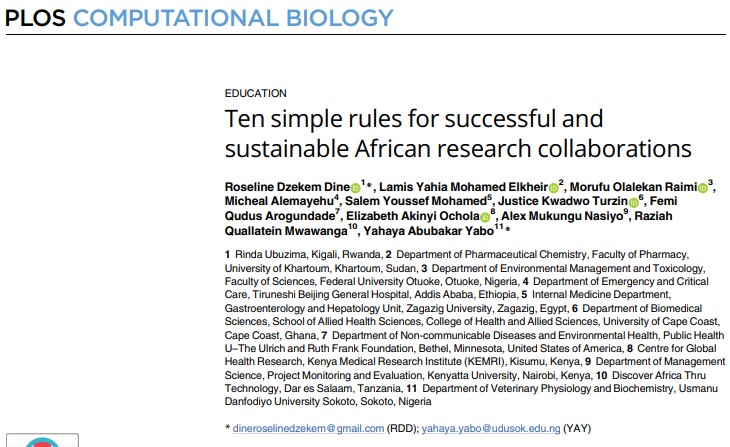
    A recent article by Dine, et al. (2024) titled “Ten simple rules for successful and sustainable African research collaborations” published in the PLOS Computational Biology shows that successful and sustainable African research collaborations require a deep understanding of the continent’s diverse contexts, regular and open communication, responsible exchange of research materials, and support for pan-African research.

    Successful African research collaborations require contextual understanding, open communication, ethical resource sharing, and support for equitable partnerships.-Dine, et al. 2024

    The article titled “Ten simple rules for successful and sustainable African research collaborations” provides guidelines for fostering effective and equitable research partnerships in Africa. It emphasizes understanding the diverse African context, promoting open communication, responsibly exchanging research materials, supporting pan-African research, and ensuring equity and inclusion. The article also highlights the importance of capacity building, following standard publication guidelines, making data-sharing plans, considering local ethical approval policies, and adhering to open science practices. These rules aim to enhance the impact and sustainability of research collaborations on the continent.

    How the Study was Conducted

    The study employed a qualitative research methodology. The authors conducted a comprehensive review of existing literature on research collaborations in Africa. The authors analyzed various sources, including scientific journals, policy documents, and reports from international organizations. Additionally, the study involved interviews with experts in the field to gather insights and data on the current state of research collaborations in Africa. This approach allowed the authors to identify key factors that contribute to successful and sustainable research partnerships on the continent.

    What the Authors Found

    The authors found that successful and sustainable African research collaborations require a deep understanding of the continent’s diverse contexts, regular and open communication, responsible exchange of research materials, and support for pan-African research.

    Why is this important

    This study is crucial because it provides a framework for fostering effective and sustainable research collaborations in Africa. By following the ten simple rules outlined in the article, researchers can:

    1. Enhance Research Quality: Effective collaborations can lead to higher-quality research outputs by combining diverse expertise and resources.
    2. Promote Equity: Ensuring equitable partnerships helps address historical imbalances and promotes fairness in research contributions and benefits.
    3. Build Capacity: Incorporating capacity-building components strengthens the skills and infrastructure of African research institutions, leading to long-term benefits.
    4. Foster Innovation: Open communication and responsible resource exchange can drive innovation and creativity in research projects.
    5. Support Sustainable Development: Collaborative research that addresses local needs and priorities can contribute to sustainable development goals in Africa.

    By implementing these guidelines, researchers can create impactful and lasting partnerships that advance scientific knowledge and address critical challenges on the continent.

    What the Authors Recommend

    The authors recommend several strategies to enhance the success and sustainability of African research collaborations:

    • Researchers should have a deep understanding of Africa’s diverse geographical, social, economic, and political landscapes to conduct meaningful research.
    • Embrace a blend of virtual and in-person communication strategies to overcome geographical barriers and enrich the collaborative process.
    • Researchers should share research materials and resources ethically and equitably to ensure all collaborators benefit.
    • Researchers should enhance intra-African cooperation to address common challenges and leverage the continent’s unique research potential.
    • Researchers should ensure all participants have equal access to opportunities and resources, valuing diverse perspectives.
    • Include comprehensive plans for training and mentorship to strengthen individual and institutional capabilities.
    • Researchers should develop clear publication policies to ensure fair and equitable authorship.
    • Create transparent data-sharing plans that adhere to ethical standards and the FAIR principles.
    • Furthermore, researchers should adhere to local ethical guidelines to build trust and ensure responsible research practices.
    • In addition, researchers should support open science practices by publishing in open-access journals and sharing data in accessible repositories.

    In conclusion, fostering successful and sustainable African research collaborations requires a comprehensive approach that respects the continent’s unique contexts and promotes equitable partnerships. By adhering to the ten simple rules proposed by Dine et al., researchers can enhance the quality and impact of their work, contribute to capacity building, and support the sustainable development of African research institutions. Emphasizing open communication, ethical resource sharing, and inclusive practices, these guidelines provide a solid foundation for impactful research that addresses Africa’s pressing challenges and strengthens its position in the global research community.

  • November 2024: Prof. Stella Ifeanyi Smith – African Female Researcher of the Month

    November 2024: Prof. Stella Ifeanyi Smith – African Female Researcher of the Month

    African Researchers AwardNovember 2024: Prof. Stella Ifeanyi Smith – African Female Researcher of the Month

    Prof. Stella Ifeanyi Smith, the Director of Research in Molecular Biology and Biotechnology at the Nigerian Institute of Medical Research (NIMR) and a Professor of Microbiology at Mountain Top University, has established herself as a formidable force in medical research. Her groundbreaking work on Helicobacter pylori, a bacterium known for causing ulcers, has not only made a significant impact in Africa but also gained international recognition. Her contributions have earned her esteemed positions, including Fellowships at the Nigerian Academy of Science (FAS), the Academy of Medicine Specialties of Nigeria (FAMedS), and the African Academy of Sciences (FAAS).

    In addition to these accolades, Prof. Smith was appointed as the sole African Consultant for the European Maastricht VI/Florence Italy Consensus project and the Real-World Gastritis Initiative (RE.GA.IN) project, which includes 29 countries and 42 members. Further solidifying her leadership in the field, Prof. Smith launched the African Helicobacter and Microbiota Study Group (AHMSG) in 2022, where she serves as the Founding President. With an impressive portfolio of 206 publications and a Google Scholar citation of 4,954, her work is globally recognized and respected.

    On Being Elected as a Fellow

    Prof. Smith reflects on her recent election as a Fellow of the Academy of Medicine Specialties of Nigeria and the African Academy of Sciences with a sense of accomplishment and gratitude. She attributes her success to hard work, consistency, and divine grace. “These Fellow awards are a confirmation of years of dedication to my field,” she states, emphasizing that such recognition comes with perseverance and a deep commitment to one’s area of specialty.

    The Unexpected Journey

    When Prof. Smith began her journey in 1999, she never imagined that her work with Helicobacter pylori would lead to such significant professional achievements. At the time, the research landscape was dominated by studies on HIV/AIDS, tuberculosis, malaria, and more recently, COVID-19. These areas attracted substantial funding and attention, while H. pylori remained largely neglected. However, Prof. Smith, driven by a passion to address this oversight, dedicated her career to advancing the diagnosis and management of H. pylori in Africa.

    Her determination led to the establishment of the African Helicobacter and Microbiota Study Group, an initiative aimed at improving the diagnosis and treatment of H. pylori infections across the continent. This group will hold its first scientific conference in Cape Town, South Africa, in August, bringing together international experts to discuss the latest advancements in this field.

    Career Progression and Challenges

    Prof. Smith’s career began at the Nigerian Institute of Medical Research, where she was mentored by Dr. D. K. Olukoya, the Head of the Division of Genetics and Blood Disorders. It was under his guidance that she developed a keen interest in molecular epidemiology, particularly focusing on pathogens of significant medical importance. Her work on H. pylori began after a pre-doctoral fellowship in the UK in 1994 and has been the cornerstone of her research ever since.

    Despite facing numerous challenges, including the difficulty of working with H. pylori due to the expensive reagents and the lack of funding, Prof. Smith’s commitment never wavered. She secured a seven-year grant from the German Research Foundation (DFG), which provided the resources needed to advance her research. This persistence has earned her recognition both within and outside Nigeria, culminating in the formation of the African Helicobacter and Microbiota Study Group.

    Global Recognition

    Prof. Smith’s unwavering focus on H. pylori has earned her a prestigious role as the sole African representative in the Maastricht VI and RE.GA.IN projects. These initiatives, which involve leading researchers from around the world, are dedicated to improving the diagnosis and treatment of gastrointestinal diseases, including those caused by H. pylori. Her extensive experience and consistent contributions to the field have made her a vital member of these projects.

    Founding the African Helicobacter and Microbiota Study Group

    The African Helicobacter and Microbiota Study Group (AHMSG), established in 2022, is one of Prof. Smith’s most significant accomplishments. The group aims to address the gaps in the diagnosis and management of H. pylori infections in Africa. By bringing together researchers and healthcare professionals from across the continent, AHMSG seeks to develop region-specific solutions to combat the bacterium and its associated diseases.

    The upcoming conference in Cape Town will be a landmark event, featuring experts from Europe, the US, and Japan. The gathering will provide a platform for researchers to share their findings, collaborate on new projects, and strengthen the global network of scientists dedicated to this cause. At the conference, Prof. Smith will hand over the presidency of the group to Prof. Mashiko Setshedi of South Africa, ensuring that the work she started will continue to thrive under new leadership.

    Commitment to Capacity Building

    Beyond her research, Prof. Smith is also passionate about education and capacity building. Since 2009, she has been organizing molecular biology hands-on training workshops, aimed at equipping the next generation of scientists with the skills needed to conduct high-quality research. These workshops have been instrumental in training university lecturers, medical laboratory scientists, and other stakeholders in Nigeria.

    In recent years, she has extended this training to the students of Mountain Top University, where she annually teaches final-year students the intricacies of polymerase chain reaction (PCR) techniques. Her commitment to mentoring young scientists ensures that her legacy will continue through those she has trained.

    Personal Life and Inspirations

    Prof. Smith’s passion for research is deeply rooted in her upbringing and personal values. Despite losing her father at a young age, her mother, Mrs. Stella Okwui Ebigwei, instilled in her the importance of discipline, hard work, and faith. These values have guided Prof. Smith throughout her career and personal life. Her role models include her mother, Bishop Mike and Peace Okonkwo, and her mentor, Professor D. K. Olukoya.

    Her strong Christian faith is reflected in her lifestyle, including her simple approach to fashion, where she emphasizes natural beauty and modesty. Prof. Smith’s marriage of nearly 32 years is a testament to the support and encouragement she receives from her husband, who has been instrumental in her success. Together, they manage their household without external help, relying on each other to balance work and family life.

    Looking Forward

    As Prof. Smith prepares to hand over the presidency of the AHMSG, she remains committed to advancing research in Africa. Her most inspiring moments come from seeing those she has mentored succeed in their careers. With a strong foundation in place, she is confident that the work she has started will continue to grow, bringing better health outcomes to millions across Africa and beyond.

  • Apply Now: TWAS-TÜBITAK Postdoctoral Fellowship Programme 2025 for Researchers from Developing Countries

    Apply Now: TWAS-TÜBITAK Postdoctoral Fellowship Programme 2025 for Researchers from Developing Countries

    The Scientific and Technological Research Council of Türkiye (TÜBİTAK) and the World Academy of Sciences (TWAS) invite applications for their 2025 postdoctoral fellowship programme. This initiative offers a unique “sandwich” fellowship model specifically for researchers from developing countries in the Global South. It aims to support young scientists who wish to advance their PhD research in Turkey, working at public and private universities or TÜBİTAK-affiliated research centers.


    About The World Academy of Sciences (TWAS)

    Founded in 1983 by Nobel laureate Abdus Salam, TWAS was established with the mission of empowering developing nations by strengthening their capacities in science and engineering. By fostering knowledge and skills, TWAS believes developing countries can tackle key issues like hunger, disease, and poverty. Based in Trieste, Italy, TWAS has since received crucial support from Italian scientists and political leaders, and it plays a critical role in promoting scientific collaboration across the Global South.


    Programme Overview: TWAS-TÜBITAK Postdoctoral Fellowship

    Application Deadline: 16 December 2024
    Location: Turkey
    Sponsorship: The World Academy of Sciences (TWAS)
    Eligibility: Open to male and female scholars from developing countries in the Global South.

    This fellowship programme aims to provide promising researchers with resources to further their studies and build robust scientific networks. TWAS will cover travel and visa-related costs, while TÜBİTAK will provide a monthly stipend for accommodation, living expenses, and healthcare for minor illnesses. Tuition and other study-related fees should be waived by the host institution, ensuring minimal costs for the researcher.


    Benefits of the Programme

    • Travel and Visa Support: TWAS will cover round-trip travel expenses between the researcher’s home country and Turkey and manage any necessary visa costs.
    • Living Allowance: TÜBİTAK will grant a monthly stipend to cover accommodation and basic living expenses.
    • Healthcare and Study Fees: Basic healthcare for minor ailments is provided, with all study fees (including tuition and registration) expected to be waived by the host institutions in Turkey.

    Eligibility Criteria

    To qualify, applicants must meet the following requirements:

    1. Nationality and Residency: Must be a permanent resident and national of a developing country in the Global South.
    2. Special Focus: Preference is given to candidates from Science and Technology Lagging Countries (STLC) and female applicants.
    3. Academic Status: Candidates must hold a master’s degree or equivalent in the natural or applied sciences, be no older than 35 by 31 December 2024, and be enrolled in a PhD programme at a recognized institution in their home country or another developing nation. Additionally, they must have either passed their PhD qualifying exams or be at an advanced stage of their PhD research.
    4. Host Institution Acceptance: Applicants must obtain a formal Acceptance Letter from a university or TÜBİTAK research center in Turkey.
    5. English Proficiency: Applicants must provide evidence of English proficiency through official language tests or university-issued certificates.
    6. Commitment to Home Country: Recipients must return to their home country at the end of their fellowship and must not take up other work during the fellowship.

    Required Documents

    Applicants must submit the following:

    • Acceptance Letter: Issued by the chosen Turkish host institution.
    • Registration & No Objection Certificate: Confirms that the applicant is in good standing with their home institution and has permission to participate.
    • Research Proposal: This form, available on TÜBİTAK’s website, outlines the research goals and methodology.
    • Proof of English Proficiency: If applicable, provide test results or a certificate from an academic institution confirming English language skills.

    How to Apply

    Interested candidates should complete the following steps:

    1. Create a Profile: Set up a profile on the TÜBİTAK Researcher Information System (ARBİS) at https://arbis.tubitak.gov.tr.
    2. Submit Application: Applications must be submitted via the TÜBİTAK online application system, accessible through the TYBS portal (giris-tybs.tubitak.gov.tr).

    For additional information, applicants are encouraged to refer to the official guidelines available on TWAS’s website or TÜBİTAK’s page detailing international scholarships.

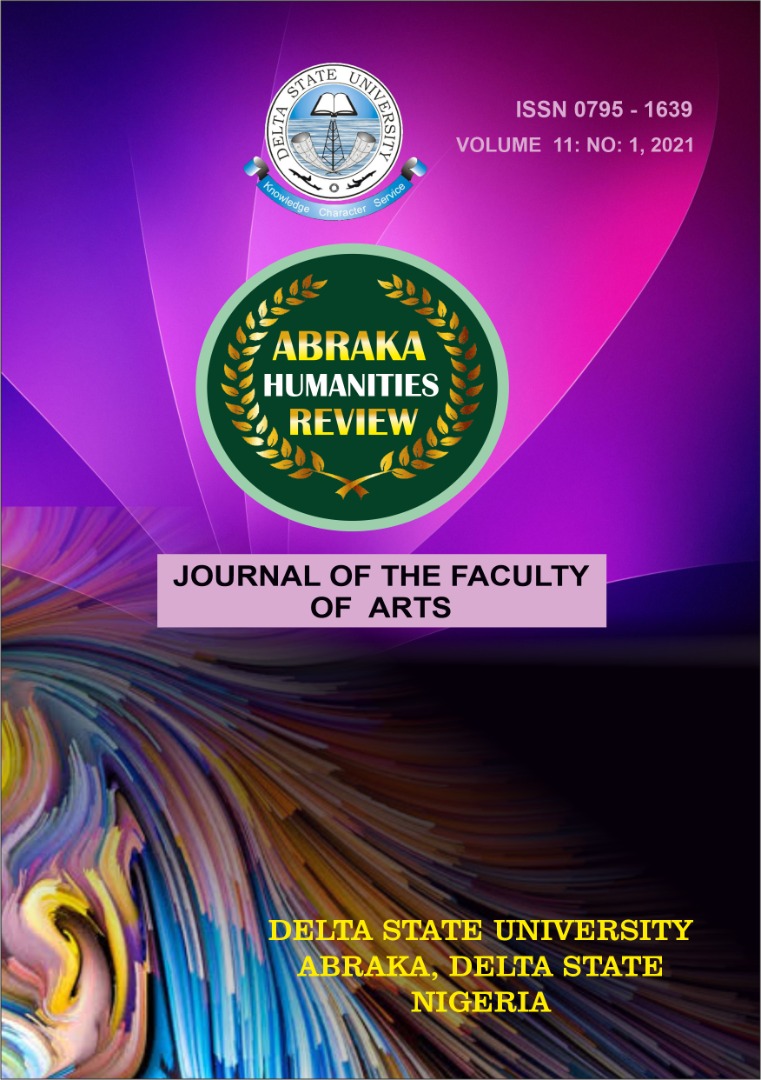
  • Exploring Abraka Humanities Review: A Premier AR-Indexed Journal for African and Global Research in Arts and Humanities

    Exploring Abraka Humanities Review: A Premier AR-Indexed Journal for African and Global Research in Arts and Humanities

    The Abraka Humanities Review (AHR) has carved a distinctive niche in the scholarly landscape as a leading interdisciplinary journal dedicated to advancing research and scholarship on the African continent and globally. Published by Delta State University’s Faculty of Arts in Abraka, Nigeria, AHR is indexed in the AR Index under entry number 559212, affirming its high standard and international recognition in academic circles. Since its inception in 1995, AHR has continually provided a robust platform for well-researched, data-driven studies, connecting the Arts and Humanities with African development across diverse disciplines.

    The Unique Scope of Abraka Humanities Review

    AHR stands out for its rich diversity in subject matter, spanning linguistics, African languages, modern European languages, English language and literature, Fine and Applied Arts, Music, Theatre Arts, Religious Studies and Philosophy, Gender and Diaspora Studies, History and International Studies, and popular and folk culture. The journal’s interdisciplinary nature allows it to reflect the interconnectedness of African studies with global developments, placing it at the forefront of scholarly discourse that transcends traditional boundaries. Each volume comprises meticulously curated research papers from the Faculty’s annual international conferences, supplemented by calls for submissions from experts worldwide.

    Open Access, Rigorous Peer Review, and Transparent Publication Process

    AHR maintains an open-access policy under a CCO license, allowing unrestricted access to its publications, which enhances knowledge sharing and academic collaboration. To uphold academic rigor, AHR employs a double-blinded peer review process, typically spanning 1–2 months with one to two review rounds per article. This rigorous editorial process ensures that only the highest-quality research reaches its readership, establishing AHR as a credible, high-impact journal.

    Supporting Scholars: Transparent Publication Fees

    AHR is committed to supporting authors by keeping submission fees at zero while setting a modest publication fee of $16, making it accessible to a wide range of researchers. This affordability enhances the journal’s inclusivity, encouraging contributions from scholars across the economic spectrum and ensuring that financial constraints do not hinder the dissemination of valuable research.

    Submission Guidelines and Publication Standards

    For authors interested in submitting to AHR, manuscripts are accepted in English or French, with a maximum of 6,000 words (including tables, graphs, and references), and should adhere to the latest APA style guidelines. Each article’s abstract is limited to 200 words and should include up to seven keywords. Longer papers are welcomed when they provide deeper theoretical insights and engage with extensive literature, demonstrating AHR’s commitment to comprehensive, high-quality scholarship.

    Editorial Team and Contact Information

    The journal’s editorial team is led by the Editor, Prof. U.N.O. Edewor, and the Managing Editor, Prof. Macaulay Mowarin. For any inquiries, the journal can be contacted via email at facultyofartsjournal@delsu.edu.ng, and its archive is accessible on the African Journals Online (AJOL) platform.

    In conclusion, Abraka Humanities Review exemplifies academic excellence by fostering interdisciplinary research that addresses Africa’s unique development challenges while engaging with global scholarship. As an indexed journal, AHR continues to be a critical resource for academics, researchers, and practitioners, making significant contributions to the fields of Arts and Humanities.

    For more information, visit the Index Status