Author: AR Managing Editor

  • Addressing Mental Health Challenges Among South African Medical Students: A Scoping Review of Anxiety, Depression, and Support Systems

    Addressing Mental Health Challenges Among South African Medical Students: A Scoping Review of Anxiety, Depression, and Support Systems

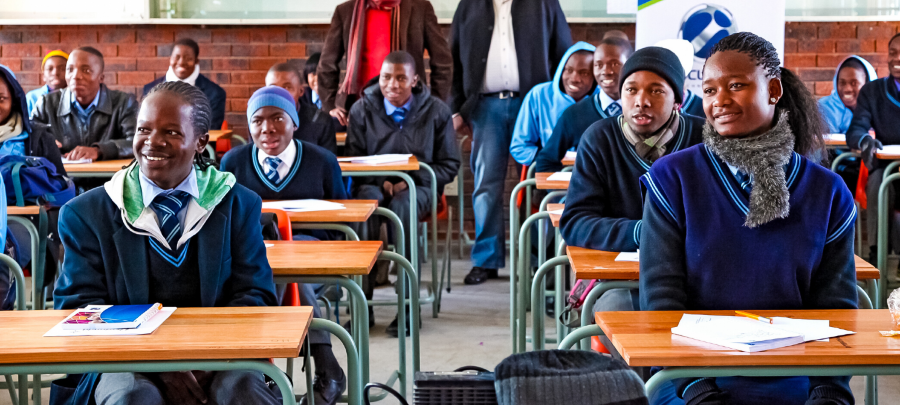
    A recent study by Winter, M. L., & Olivia, S. G. (2024) titled “A Scoping Review of Mental Health Needs and Challenges among Medical Students within South African Universities” published in the International Journal of Environmental Research and Public Health shows that South African medical students experience high anxiety, depression, and burnout, influenced by academic and financial stressors.

    South African medical students experience high anxiety, depression, and burnout due to academic and financial pressures.– Winter, M. L., and Olivia, S. G. (2024

    The article provides a comprehensive review of the mental health challenges faced by medical students in South Africa, aiming to identify gaps, understand contextual factors, and guide the development of tailored interventions and support. Using the scoping review framework by Arksey and O’Malley, the study follows five stages to assess the issue. The search process involved electronic databases like PubMed, Psych-info, Scopus, Google Scholar, and Science Direct, with specific search terms related to medical students, mental health, challenges, South Africa, universities, needs, and support systems. The review included articles published in English from 2010 to 2023, and after a thorough assessment, eight articles met the inclusion criteria. The findings reveal high rates of anxiety, depression, and burnout among medical students, with risk factors including academic pressure, financial stress, cultural and linguistic isolation, and insufficient preparation for higher education. The available support systems at universities include counseling services, peer support groups, mental health awareness campaigns, and access to mental health professionals.

    How the Study was Conducted

    The study follows the scoping review framework by Arksey and O’Malley, which involves five stages. The research is guided by three key questions: What are the prevalent mental health issues among medical students in South Africa? What factors contribute to these mental health challenges? What support systems and interventions are available to address these concerns in South African universities? The authors conducted a comprehensive search using Boolean logic and keyword truncation on electronic databases such as PubMed, Psych-Info, Scopus, Google Scholar, and Medline. Search terms included “medical students,” “mental health,” “challenges,” “South Africa,” “universities,” “needs,” “support systems,” “mental health interventions,” “well-being,” “anxiety,” and “stress.” The search, conducted in December 2023, retrieved 50 studies, of which only 8 met the inclusion criteria. These criteria required studies to be published in peer-reviewed English-language journals between 2010 and 2023, focusing on the mental health needs and challenges of medical students in South Africa. Excluded were non-English articles, studies with inaccessible full texts, research prior to 2010, and studies not addressing the specific mental health needs of South African medical students. Data analysis followed Creswell’s Tesch method, with a reviewer invited to assess consistency. The reviewer generated codes for important themes, which were then compared and merged by the authors. The study identified three primary themes: the prevalence of mental health disorders, risk factors contributing to poor mental health, and the availability of university support systems and interventions. A quality appraisal was conducted using the modified Prisma Checklist 2020, assessing study quality across 13 topics with a Likert scale.

    What the Authors Found

    The authors found high rates of anxiety, depression, and burnout among medical students in South Africa. For instance, a study by Van der Walt et al. reported that 45.9% of medical students had anxiety disorders, and 36.4% had severe depressive disorders. The study found that there are several factors contributing to poor mental health among medical students. These included academic pressure, financial stress, cultural and linguistic isolation, and inadequate preparation for postsecondary education. The demanding academic environment and the competitive nature of medical education were significant stressors

    Why is this important?

    High Prevalence of Mental Health Issues: The review highlights the significant mental health challenges faced by medical students in South Africa, including high rates of anxiety, depression, and burnout. Understanding these issues is essential for developing effective interventions and support systems.

    Identification of Risk Factors: By identifying the risk factors contributing to poor mental health, such as academic pressure, financial stress, and cultural isolation, the study provides valuable insights into the specific challenges faced by medical students. This knowledge can inform targeted strategies to mitigate these risks.

    Support Systems and Interventions: The review underscores the importance of comprehensive mental health support programs within medical education institutions. By evaluating existing support systems and interventions, the study highlights areas for improvement and the need for tailored mental health services.

    Contextual Understanding: The study sheds light on the unique contextual factors affecting the mental health of medical students in South Africa, including historical, cultural, and institutional influences. This understanding is crucial for developing culturally sensitive and contextually relevant mental health interventions.

    Future Research and Policy Development: The findings of this review can guide future research and policy development aimed at improving the mental health and well-being of medical students. By identifying gaps in the existing literature and suggesting areas for further investigation, the study contributes to the ongoing efforts to enhance mental health support in medical education.

    What the Authors Recommended

    • Universities should develop and implement comprehensive mental health support programs tailored to the specific needs of medical students. These programs should include counseling services, peer support groups, mental health awareness campaigns, and access to mental health professionals.
    • Institutions should take proactive measures to reduce academic pressure on medical students. This could involve revising curricula to balance academic demands with students’ well-being, providing flexible scheduling options, and promoting a healthy work-life balance.
    • Universities should organize mental health awareness campaigns to educate students about mental health issues, reduce stigma, and encourage help-seeking behaviors. Creating an environment where students feel comfortable discussing their mental health is crucial.
    • Faculty members should receive training on recognizing and addressing mental health concerns among students. This training can help faculty provide better support and create a more understanding and supportive academic environment.
    • There is a need for further research to evaluate the effectiveness of existing interventions and to develop new strategies for promoting mental health resilience among medical students. This research should focus on the unique contextual factors affecting South African medical students.
    • Collaboration efforts involving students, faculty, administrators, and mental health professionals are necessary to create a supportive environment conducive to the well-being of medical students. Building a sense of community and support within medical schools can help students feel less isolated and more connected.

    In conclusion, the mental health challenges faced by medical students in South Africa, including high rates of anxiety, depression, and burnout, are deeply influenced by academic pressures, financial stress, and cultural factors. This scoping review highlights the urgent need for tailored mental health support systems within universities to address these issues effectively. By identifying key risk factors and evaluating existing interventions, the study provides valuable insights for the development of comprehensive, culturally sensitive programs that can improve students’ well-being. Continued research and collaboration between students, faculty, and mental health professionals are essential in creating a supportive academic environment that fosters both academic success and emotional resilience among medical students.
  • Exploring Mental Health and Well-Being in Sub-Saharan Africa: Key Indicators, Challenges, and Culturally Adaptive Solutions

    Exploring Mental Health and Well-Being in Sub-Saharan Africa: Key Indicators, Challenges, and Culturally Adaptive Solutions

    A recent study by Oladele et al. (2024) titled “A Literature Review of Health and Mental Well-being Indicators and Its Assessment in Sub-Saharan Africa (2014-2022)” published in Journal of Research and Health shows that mental health and well-being assessments often rely on Western-developed or validated instruments.

    Mental health and well-being assessments in Sub-Saharan Africa rely on Western tools, requiring cultural adaptation.– Oladele et al. 2024

    The article offers a comprehensive analysis of existing research on health and mental well-being (MWB) indicators in Sub-Saharan Africa. Aiming to facilitate a holistic understanding of well-being in the region, the study explores the various factors influencing health and MWB. Utilizing the POWER framework and sourcing data from the Web of Science database along with supplementary Google-led searches, the review examines key literature on mental health and well-being. The study identifies critical MWB indicators, including the ability to realize one’s potential, manage everyday stress, work effectively, and engage meaningfully with one’s community. It highlights the increasing recognition of MWB as a multifaceted concept in Sub-Saharan Africa. However, the findings reveal that MWB assessments predominantly rely on instruments developed or validated in Western contexts. The authors emphasize the need for adaptive assessment tools tailored to the African cultural and social landscape, ensuring more accurate evaluations and improved well-being outcomes in the region.

    How the Study was Conducted

    The study utilized the POWER framework—Planning, Operationalizing, Writing, Embedding, and Reflecting—to systematically develop and assess the literature review. This progressive approach guided the lead author in conceptualizing and exploring mental health and well-being (MWB). The planning and operationalizing phases involved gathering relevant information through electronic databases, reference lists, direct internet searches, and grey literature. The Web of Science (WoS) database served as the primary source, supplemented by random Google-led searches, with a focus on MWB literature published between 2014 and 2022. The search yielded 22 studies from South Africa and 5 from Nigeria, spanning diverse disciplines such as health, environment, arts and humanities, agriculture, economics, nursing, psychology, and social sciences. To ensure the findings’ broad applicability, the collected literature was thoughtfully integrated into the review, avoiding dominance by any single source or perspective.

    What the Authors Found

    The study identified crucial mental health indicators, including the ability to realize potential, cope with normal stresses, work productively, and engage meaningfully with the community. These indicators are gaining attention in Sub-Saharan Africa. The review highlighted that mental health and well-being assessments often rely on Western-developed or validated instruments.

    Why is this important?

    Holistic Health Assessment: The study emphasizes the need for a comprehensive evaluation of health and mental well-being, considering both objective and subjective components. This holistic approach is crucial for understanding the full spectrum of well-being in the region.

    Cultural Relevance: By highlighting the reliance on Western-developed assessment tools, the study underscores the necessity for culturally appropriate and context-specific assessments. This is vital for accurate evaluations and effective interventions tailored to the unique cultural and social contexts of Sub-Saharan Africa.

    Policy and Intervention Development: The findings call for the development of adaptive health and mental well-being assessments. This can inform policymakers and healthcare providers in creating more effective and relevant intervention programs that address the specific needs of the population.

    Transdisciplinary Approaches: The study advocates for transdisciplinary approaches to mental health and well-being, involving multiple public sectors and stakeholders. This collaborative effort is essential for addressing the complex and multifaceted nature of mental health issues in the region.

    Improving Mental Health Services: The study highlights the gaps in mental health services and the need for comprehensive and coordinated responses. This can lead to better mental health care infrastructure and services, ultimately improving the overall well-being of the population.

    What the Authors Recommended

    • The authors emphasize developing adaptive health and mental well-being assessments tailored to the African context. This would ensure more accurate evaluations and culturally relevant interventions.
    • The study recommends implementing intervention programs that are culturally suitable, widely accepted, and potentially effective in the specific context of rural, low-literacy, socioeconomically disadvantaged, and highly collectivistic communities in Sub-Saharan Africa.
    • Adopt transdisciplinary approaches involving multiple public sectors and stakeholders to address the complex and multifaceted nature of mental health issues in the region.
    • The authors advocate shifting focus from illness treatment to health promotion and illness prevention, emphasizing the importance of mental health as a state of well-being rather than merely the absence of illness.
    • Furthermore, the study emphasizes ensuring comprehensive and coordinated responses to mental health, involving partnerships with various sectors such as health, education, employment, judicial, housing, and social services.
    • In addition, conduct context-specific research to understand the unique factors affecting mental health and well-being in Sub-Saharan Africa, and develop appropriate assessment tools and interventions based on these findings.

    In conclusion, the study highlights the pressing need for mental health and well-being assessments in Sub-Saharan Africa to move beyond Western-developed tools and be adapted to the unique cultural, social, and economic contexts of the region. By developing culturally relevant, context-specific assessment methods, policymakers and healthcare providers can more accurately evaluate mental health and well-being, leading to more effective interventions and improved outcomes. Furthermore, adopting a transdisciplinary approach that involves multiple sectors will be essential for addressing the complex nature of mental health issues in Sub-Saharan Africa. Ultimately, a shift towards health promotion, illness prevention, and a more holistic view of well-being will better serve the diverse populations of the region and support the development of a more sustainable and inclusive mental health care system.

  • Impact of Plant Growth-Promoting Bacteria (PGPB) on Soil Health and Rice Cultivation in Iron-Rich Soils: Key Findings and Benefits

    Impact of Plant Growth-Promoting Bacteria (PGPB) on Soil Health and Rice Cultivation in Iron-Rich Soils: Key Findings and Benefits

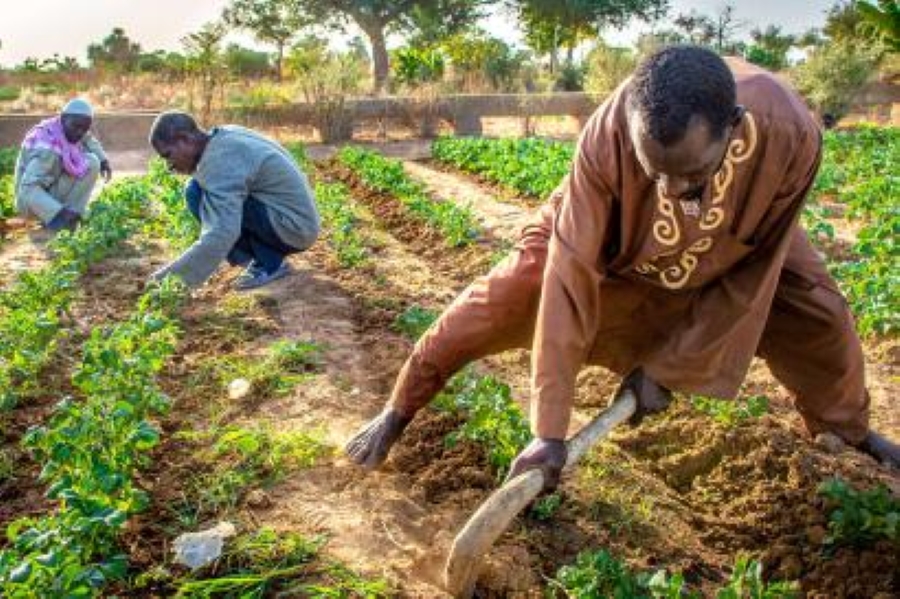
    A recent study by Ibrahim, M. S., & Ikhajiagbe, B. (2024) titled “Effects of plant growth-promoting bacteria (PGPB) rhizo-inoculation on soil physico-chemical, bacterial community structure and root colonization of rice (Oryza sativa l. var. faro 44) grown in ferruginous ultisol conditions” published in the Science World Journal by ResearchGate examines that PGPB significantly reduced soil iron concentrations while enhancing essential nutrients like phosphorus and nitrogen.

    PGPB effectively reduce iron toxicity, enhance soil nutrients, and improve rice root colonization, promoting sustainable agriculture in iron-rich soils.– Ibrahim, M. S., and Ikhajiagbe, B. 2024

    The article examines the impact of plant growth-promoting bacteria (PGPB) on soil properties and rice root colonization in iron-rich soils. The study investigates the use of three bacterial strains—Bacillus cereus (GGBSU-1), Klebsiella variicola (AUH-KAM-9), and Proteus mirabilis (TL14-1)—to mitigate iron toxicity and improve soil nutrient levels. It evaluates soil physico-chemical properties, bacterial community structure, and rice root colonization before and after rhizo-inoculation with these PGPBs. The results demonstrate that PGPB significantly reduced soil iron concentrations while enhancing essential nutrients like phosphorus and nitrogen. The release of acidic exudates by the bacteria facilitated iron chelation, leading to effective iron remediation and nutrient enhancement. Additionally, the study observed an increased microbial population and improved root colonization in treated soils. The findings emphasize the potential of phosphate-solubilizing PGPBs to promote soil health and boost crop productivity in environments with high iron content.

    How the Study was Conducted

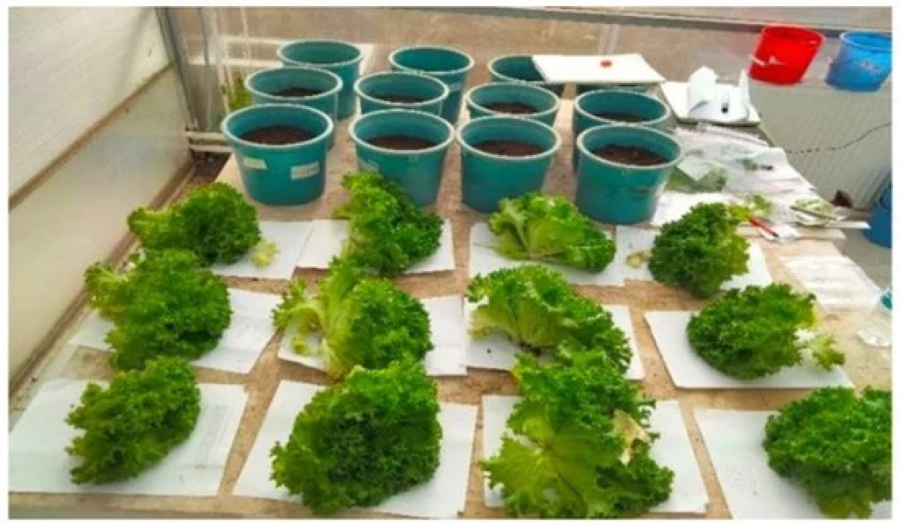
    The study employed a combination of field experiments and laboratory analyses to assess the effects of plant growth-promoting bacteria (PGPB) on soil properties and rice root colonization. Conducted at the experimental garden of the Department of Biology and Forensic Science, Admiralty University of Nigeria, the research utilized ferruginous soils collected from Benin City, Edo State, Nigeria. The soil samples were categorized into three groups: FA (before rhizo-inoculation), FB (after 16 weeks of rhizo-inoculation), and FC (after 16 weeks of natural attenuation).

    Three phosphate-solubilizing bacterial strains were tested: Bacillus cereus (GGBSU-1), Klebsiella variicola (AUH-KAM-9), and Proteus mirabilis (TL14-1), all previously isolated from humus soil and prepared for experimental use. The bacteria’s plant growth-promoting traits were evaluated through their production of indole acetic acid (IAA) and siderophores. IAA production was assessed using Luria Bertani broth, while siderophore production was measured using MB medium. Pure bacterial isolates were streaked onto agar plates, incubated, and subsequently prepared as microbial suspensions for inoculation.

    Rice seedlings were grown in ferruginous soil for 10 days to acclimate their roots before bacterial inocula were administered via syringe to the root zone. The setup was monitored over 16 weeks using a randomized block design, with distilled water applied every three days. Biofilm formation by the bacterial isolates was studied using 96-well cell culture plates and analyzed with a plate reader and scanning electron microscopy (SEM).

    Soil samples from the root zones were analyzed for key parameters, including organic matter, available phosphorus, cation exchange capacity, pH, total nitrogen, organic carbon, and iron levels. Data were reported as means with standard errors across five replicates. A two-way analysis of variance (ANOVA) was used for statistical analysis, with significant differences identified using the Student-Newman-Keuls test. This integrated methodology allowed the researchers to comprehensively evaluate the influence of PGPB on soil health and rice root colonization.

    What the Authors Found

    The authors found that PGPB significantly reduced iron levels in the soil from 200.67 mg/kg to 51.22 mg/kg. The study also posits that there was an increase in bioavailable phosphorus and nitrogen in the soil after rhizo-inoculation, with phosphorus levels rising from 8.01 mg/kg to 20.21 mg/kg and nitrogen levels increasing from 0.20% to 0.33%. In addition, the authors also found that a significant increase in the microbial population in the treated soil, which corresponded with the scanning electron microscopy (SEM) results showing effective root colonization by the PGPB

    Why is this important?

    Soil Health Improvement: The research demonstrates how plant growth-promoting bacteria (PGPB) can significantly improve soil health by reducing iron toxicity and increasing essential nutrients like phosphorus and nitrogen. This is crucial for enhancing soil fertility and ensuring sustainable agricultural practices.

    Crop Productivity: By improving soil properties and promoting root colonization, PGPB can enhance crop productivity. This is particularly important for rice cultivation in iron-rich soils, which are common in many tropical and subtropical regions.

    Environmental Sustainability: The use of PGPB offers a sustainable and eco-friendly approach to soil remediation. Unlike chemical fertilizers, PGPB do not cause secondary pollution and are cost-effective, making them a viable option for large-scale agricultural use.

    Food Security: Improved soil health and crop productivity directly contribute to food security. In regions where iron-rich soils are prevalent, such as parts of Nigeria, this research provides a practical solution to increase agricultural output and support local food systems.

    Scientific Advancement: The study adds to the growing body of knowledge on the use of beneficial microbes in agriculture. It highlights the potential of PGPB in bioremediation and soil enhancement, paving the way for further research and application in different soil types and crops.

    What the Authors Recommended

    • The authors suggest using plant growth-promoting bacteria (PGPB) with phosphate-solubilizing capabilities to remediate iron toxicity in ferruginous soils. This approach can improve soil health and enhance crop productivity.
    • The study recommends applying these PGPB in field conditions to observe their effectiveness in real-world scenarios. This can help validate the laboratory findings and provide practical solutions for farmers dealing with iron-rich soils.
    • The authors encourage further research to explore the long-term effects of PGPB on soil properties and crop yield. They also suggest investigating the potential of other beneficial microbes in combination with PGPB to enhance soil remediation and plant growth.
    • In addition, the authors emphasize the importance of integrating PGPB into sustainable agriculture practices. This can reduce the reliance on chemical fertilizers and promote environmentally friendly farming methods.

    In conclusion, the study by Ibrahim and Ikhajiagbe highlights the transformative potential of plant growth-promoting bacteria (PGPB) in mitigating iron toxicity, enhancing essential soil nutrients, and promoting root colonization in rice grown in ferruginous soils. By demonstrating significant improvements in soil health, microbial populations, and crop productivity, this research underscores the role of PGPB as a sustainable and eco-friendly solution for agricultural challenges in iron-rich environments. The findings not only provide a pathway for improving food security but also contribute to advancing sustainable farming practices that prioritize environmental health and economic viability. Further exploration and application of these beneficial microbes could revolutionize soil management and crop production in diverse agricultural settings.

  • Mother-Child Malnutrition Dyads in Sub-Saharan Africa: Prevalence, Determinants, and Policy Insights

    Mother-Child Malnutrition Dyads in Sub-Saharan Africa: Prevalence, Determinants, and Policy Insights

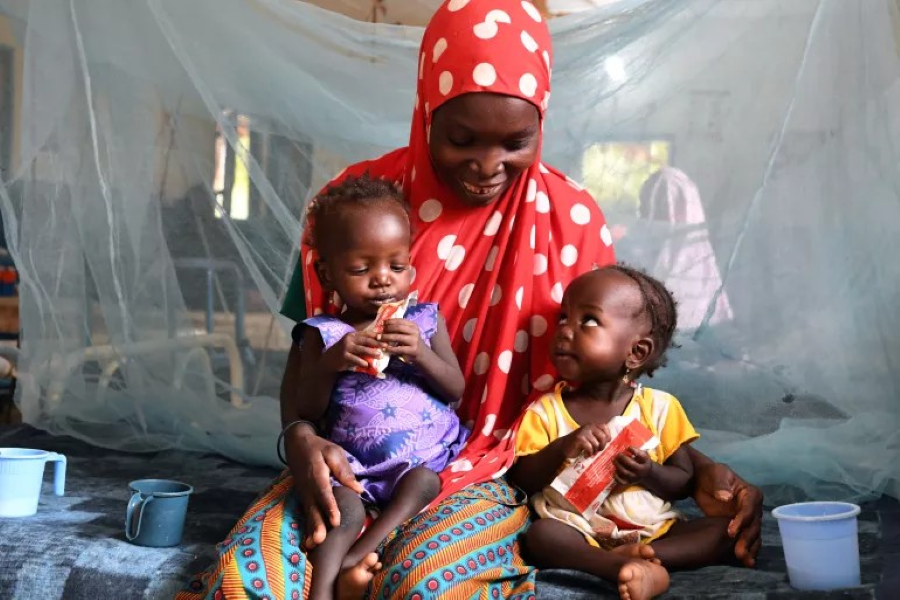
    A recent study by Okyere et al. (2024) titled “Mother-child dyads of overnutrition and undernutrition in sub-Saharan Africa” published in the Journal of Health, Population, and Nutrition shows a significant prevalence of mother-child dyads where the mother is overweight or obese and the child is undernourished in sub-Saharan Africa.

    Prevalence of mother-child malnutrition dyads in sub-Saharan Africa, influenced by maternal, child, and contextual factors.– Okyere et al. 2024

    The article examines the prevalence and determinants of malnutrition among mother-child pairs in sub-Saharan Africa, focusing on the dual burden of overnutrition (overweight or obese mothers) and undernutrition (stunted, underweight, or wasted children) within the same household. Various factors contribute to these nutritional disparities, including maternal characteristics such as age, education, marital status, employment, and breastfeeding practices, as well as child-related factors like age, birth weight, and health conditions. The study highlights that older, educated, and divorced mothers are more likely to belong to overnutrition-undernutrition dyads, whereas working mothers and those who breastfeed face lower odds. Male children and those born later in birth order are at greater risk of these nutritional imbalances. Regional variations were also identified, with some sub-regions experiencing higher or lower prevalence rates. The findings underscore the importance of multidimensional strategies to address malnutrition in the region. Empowering women through education and economic opportunities, alongside implementing and reinforcing comprehensive multisectoral nutrition policies, is critical. Coordinated efforts are essential to combat the complex and interrelated challenges of malnutrition in sub-Saharan Africa.

    The authors also discuss the factors influencing Dyads, which include:

    Maternal Factors: A higher likelihood of these dyads was found among older women (aged 45-49), those with primary or secondary education, and divorced women. Conversely, lower odds were observed among women who were working and those who were breastfeeding.

    Child Factors: Female children were less likely to be part of these dyads compared to male children. Children of all age groups (except those under 1 year) were more likely to be part of these dyads. Other significant factors included low birth weight, having diarrhea, and higher birth order.

    Contextual Factors: Children from households using unimproved toilet facilities, those living in rural areas, and those from Central, Eastern, and Western sub-Saharan Africa were less likely to be part of these dyads.

    Regional Differences: The study highlighted regional differences in the prevalence of these dyads, suggesting that addressing this issue requires tailored policies and interventions that consider regional contexts.

    How the Study was Conducted

    The study employed data from the Demographic and Health Surveys (DHS) of 25 sub-Saharan African countries. The authors analyzed a sample of 125,280 mother-child dyads to explore the prevalence and factors associated with malnutrition among these pairs. The study focused on the coexistence of overnutrition (overweight or obese mothers) and undernutrition (stunted, underweight, or wasted children) within the same households. Various factors influencing these nutritional disparities were identified, including maternal age, education, marital status, employment, breastfeeding practices, and child characteristics such as age, birth weight, and health conditions. In addition, the authors employed statistical methods to analyze the data and identify significant associations between these factors and the prevalence of overnutrition-undernutrition dyads. The study also examined regional differences in the prevalence of these dyads across sub-Saharan Africa.

    What the Authors Found

    The study found significant prevalence of mother-child dyads where the mother is overweight or obese and the child is undernourished in sub-Saharan Africa. This includes combinations such as overweight/obese mothers with stunted, underweight, or wasted children.

    Why is this important?

    Public Health: Malnutrition remains a significant public health issue globally, particularly in sub-Saharan Africa. Understanding the prevalence and factors associated with mother-child dyads of overnutrition and undernutrition can help in developing targeted interventions to address these issues.

    Policy and Interventions: The study highlights the need for multidimensional policies and interventions that empower women through education and economic engagement. By identifying the factors influencing these dyads, policymakers can design more effective strategies to combat malnutrition.

    Regional Differences: The research underscores regional differences in the prevalence of these dyads, suggesting that tailored policies and interventions are necessary to address the specific needs of different regions within sub-Saharan Africa.

    Sustainable Development Goals (SDGs): The findings are crucial for achieving SDG 2, which aims to end hunger, achieve food security and improved nutrition, and promote sustainable agriculture by 2030. Addressing the double burden of malnutrition is essential for meeting these global targets.

    Economic Impact: Malnutrition has significant economic implications, including increased healthcare costs, reduced productivity, and a negative impact on economic development. By addressing malnutrition, countries can improve their economic outcomes and overall development.

    Empowerment and Education: The study emphasizes the importance of empowering women through education and economic opportunities. Educated and economically empowered women are better equipped to provide for their families and ensure their children receive adequate nutrition.

    Comprehensive Nutrition Plans: The research calls for comprehensive and coordinated efforts to implement and strengthen multisectoral nutrition plans across sub-Saharan Africa. Sharing best practices and lessons learned can enhance the effectiveness of nutrition interventions and reduce the prevalence of malnutrition.

    What the Authors Recommended

    • The authors emphasize the need for policies and interventions that empower women through education and economic engagement. This approach can help address the root causes of malnutrition.
    • The authors call for comprehensive and coordinated efforts to implement and strengthen multisectoral nutrition plans across sub-Saharan Africa. This includes sharing best practices and lessons learned to improve the effectiveness and comprehensiveness of nutrition interventions.
    • The study highlights the importance of considering regional differences in the prevalence of mother-child dyads of overnutrition and undernutrition. Tailored policies and interventions that take into account regional contexts are necessary to effectively address malnutrition.
    • Empowering women through education is crucial. Educated women are better equipped to provide for their families and ensure their children receive adequate nutrition.
    • Economic engagement of women is also essential. Women who are economically empowered can make better decisions regarding their family’s nutrition and health.

    In conclusion, the study by Okyere et al. (2024) sheds critical light on the dual burden of malnutrition among mother-child dyads in sub-Saharan Africa, emphasizing the urgent need for multidimensional and region-specific strategies. By addressing the interplay of maternal, child, and contextual factors, empowering women through education and economic opportunities, and fostering coordinated multisectoral nutrition policies, stakeholders can make significant strides toward eradicating malnutrition. This research not only aligns with global efforts to achieve the Sustainable Development Goals but also underscores the importance of holistic and inclusive approaches to improving public health and fostering sustainable development in the region.

  • Mastercard Foundation/CcHub EdTech Fellowship 2025: $100K Funding for African Startups

    Mastercard Foundation/CcHub EdTech Fellowship 2025: $100K Funding for African Startups

    The Mastercard Foundation, in collaboration with the Co-Creation Hub (CcHub), is excited to announce the 2025 EdTech Fellowship Program, designed to accelerate the growth and impact of African educational technology (EdTech) startups. This initiative aims to empower innovative entrepreneurs to revolutionize education across the continent, providing them with the tools, funding, and resources to create meaningful change in learning outcomes and access to quality education.

    Program Overview

    The CcHub-Mastercard Foundation EdTech Fellowship is a groundbreaking partnership that seeks to transform the educational landscape in Africa by nurturing scalable EdTech solutions. Through this program, selected startups receive the support they need to address critical challenges in education, such as access to quality learning, improved teaching effectiveness, and innovative school management tools.

    Program Benefits

    Participants in the fellowship program gain access to a robust suite of benefits that enable them to scale their solutions effectively and sustainably. These include:

    • Equity-Free Funding: A generous financial grant of $100,000 to support the development and scaling of EdTech solutions without equity dilution.
    • Expert Mentoring: Access to multidisciplinary professionals in design, technology, and product optimization, providing critical insights to refine solutions.
    • Investor Exposure: Networking opportunities with prominent investors to secure additional funding and strategic partnerships.
    • Resource Support: Special deals and discounts on tools, technologies, and services that enhance operational efficiency.
    • Marketing Strategy Development: Tailored guidance to achieve product-market fit and effectively engage target audiences.

    Eligibility Criteria

    Startups applying for the fellowship must meet the following requirements:

    1. Africa-Focused Solutions: The startup must primarily address educational challenges within Africa and be incorporated in Nigeria.
    2. Educational Impact: The solution should tackle issues in key areas such as:
      • K-12 education
      • Tertiary education
      • Vocational skills training
    3. Verifiable Impact: The solution must demonstrate measurable results and user engagement, ensuring alignment with the program’s focus on improving:
      • Educational access
      • Student learning outcomes
      • School administration
      • Teacher/trainer effectiveness
    4. Strong Team Composition: Teams should comprise passionate and balanced members, with a strong emphasis on diverse representation, especially female founders.

    Selection Criteria

    Applications will be assessed based on the following:

    • The alignment of the EdTech solution with the program’s focus areas.
    • Proven impact and active user engagement of the solution.
    • The expertise and dedication of the team, with a focus on education-driven passion.
    • Potential for scalability and innovation in addressing educational challenges.

    Timeline and Application Process

    • Application Deadline: January 31, 2025
    • Country of Focus: Nigeria
    • Program Type: Fellowship
    • Eligibility: Open to men and women entrepreneurs
    • Sponsor: Mastercard Foundation

    Interested startups are encouraged to submit their applications promptly by visiting the official application page on Typeform. For detailed information about the program, visit the Mastercard Foundation website.

    About the Mastercard Foundation

    Founded in 2006 by Mastercard, the Mastercard Foundation is a globally recognized non-governmental organization focused on creating opportunities for inclusive development. In 2018, the foundation prioritized Africa through its Young Africa Works strategy, aimed at fostering economic growth by reducing inequality, improving access to education, and expanding job opportunities.

    This fellowship represents a transformative opportunity for African EdTech innovators to not only contribute to the future of education but also scale their solutions to new heights with the backing of a world-class initiative.

  • Achieving Sustainable Development: Africa’s Path from Fossil Fuels to Renewable Energy

    Achieving Sustainable Development: Africa’s Path from Fossil Fuels to Renewable Energy

    The global energy landscape is undergoing a transformative shift, transitioning from fossil fuel dominance to renewable energy sources. This evolution reshapes economies, societies, and the environment, presenting an unparalleled opportunity to drive sustainable development and promote good governance. However, this transition demands critical reflection and strategic action to harmonize the intricate interplay between energy systems, economic growth, and environmental sustainability.

    The Energy-Economy-Environment Nexus

    Energy systems serve as the lifeblood of modern economies, fueling industrialization, creating jobs, and improving livelihoods. Yet, this development often comes at the cost of environmental degradation. Balancing these competing priorities—economic growth, energy access, and environmental sustainability—requires robust governance frameworks characterized by transparency, accountability, and strategic foresight.

    In Africa, energy access is particularly critical. The continent’s energy poverty is a significant impediment to achieving its development potential. According to the World Bank’s 2022 Energy Access Report, Nigeria alone has one of the largest energy deficits globally, with 85 million individuals lacking access to the national power grid. This scenario reflects a broader challenge across sub-Saharan Africa, where over 600 million people live without electricity and 900 million rely on traditional biomass fuels like wood and charcoal for cooking. These unsustainable practices exacerbate deforestation and indoor air pollution, leading to severe health and environmental consequences, including an estimated 600,000 premature deaths annually (WHO, 2022).

    Energy poverty impacts economic growth, education, healthcare, and gender equity, perpetuating inequality and hindering progress. Without access to affordable and reliable energy, the continent cannot achieve its industrialization and innovation goals. This underscores the urgent need for inclusive policies and investments to address energy poverty while fostering economic growth and environmental preservation.

    Insights from Research: Understanding the Nexus

    The relationship between energy consumption, economic growth, and environmental sustainability is multifaceted. Academic hypotheses such as the growth hypothesis, conservation hypothesis, and feedback hypothesis illustrate these dynamics. While some studies highlight that economic growth drives energy consumption, others suggest a two-way causality where energy systems and economic activities influence each other. Research specific to Africa reveals that energy consumption promotes short-term economic growth but often leads to increased carbon emissions, raising critical questions about policy priorities. Should the focus be on economic growth, or should policies prioritize reducing the carbon footprint of energy production?

    Governance and Corruption: The Role of Leadership

    Effective governance is the cornerstone of managing the energy-economy-environment nexus. Corruption undermines energy policies, reduces efficiency, and impedes the adoption of renewable energy. Empirical studies reveal that countries with lower corruption levels achieve better energy efficiency and policy implementation. In Africa, the lack of institutional capacity and governance challenges exacerbates energy poverty and environmental degradation. For instance, Nigeria, Africa’s largest economy, relies heavily on inefficient backup generators due to inadequate grid power, contributing to significant carbon emissions and deforestation.

    Climate Change: A Global Responsibility with Local Impacts

    Despite contributing only 3–4% of global greenhouse gas emissions, Africa bears the brunt of climate change’s adverse effects, including rising sea levels, droughts, and extreme weather conditions. These phenomena threaten livelihoods, reduce agricultural output, and exacerbate health and nutrition challenges across the continent. Climate change also undermines hydropower systems, further complicating energy access. Addressing these challenges requires a holistic approach, where Africa leverages its abundant natural resources to balance development needs and environmental sustainability.

    The Promise of Renewable Energy

    Renewable energy offers a transformative solution. Africa’s vast solar, wind, and hydropower potential could meet the continent’s growing energy demand sustainably. According to the International Renewable Energy Agency (IRENA), 76% of Africa’s energy could come from renewable sources by 2040. However, achieving this potential requires significant investment in infrastructure, innovation, and research. Currently, sub-Saharan Africa receives less than 1.5% of global renewable energy investments, highlighting the need for equitable financing mechanisms and international collaboration.

    The Path Forward: Good Governance and International Cooperation

    Good governance is essential for driving the energy transition. African governments must develop comprehensive energy transition plans that integrate economic growth, environmental sustainability, and social equity. Public-private partnerships, innovative financing, and technology transfer can accelerate the adoption of renewable energy. International cooperation is critical to bridging the financing gap, particularly in countries like Nigeria, where achieving net-zero emissions by 2060 will require an estimated $1.9 trillion with $410 billion above usual expenditures.

    Transparency, accountability, and community engagement must underpin governance frameworks to ensure policies are inclusive and effective. By fostering trust and collaboration among stakeholders, governments can create an enabling environment for sustainable energy development.

    Conclusion: A Collective Responsibility

    The energy transition is not merely a technological shift but a socio-economic imperative. It offers a pathway to prosperity, resilience, and sustainability, especially for Africa, which stands at the crossroads of opportunity and challenge. By embracing renewable energy, fostering good governance, and strengthening international partnerships, Africa can secure a sustainable future for its people while contributing meaningfully to global climate action.

    What we do today will define the legacy we leave for future generations. Let us consume better, innovate boldly, and govern responsibly to build a world where energy drives progress without compromising the planet. Sustainable development is not a distant ideal but an achievable goal if we act decisively and inclusively.

  • LEAP-SE: EU-AU Partnership Drives Sustainable Energy Innovation for Climate Action and Energy Access

    LEAP-SE: EU-AU Partnership Drives Sustainable Energy Innovation for Climate Action and Energy Access

    As global leaders prepare for COP29, the urgency to address climate change while expanding electricity access to underrepresented regions has never been more pressing. To this end, Africa and Europe have launched the second phase of their joint sustainable energy research initiative, ushering in a new era of collaboration.

    The Long-Term Joint EU-AU Research and Innovation Partnership on Sustainable Energy (LEAP-SE) was officially inaugurated on October 10, 2024, at the Politecnico di Milano in Italy. Building on the success of its predecessor, LEAP-RE, this initiative expands its focus from renewable energy to encompass broader sustainable energy solutions. Researchers and private-sector stakeholders from both continents are invited to submit funding applications for the initiative early next year.

    LEAP-SE: A Path to Energy Resilience

    LEAP-SE is a flagship program under the AU-EU High-Level Policy Dialogue (HLPD) on Science, Technology, and Innovation (STI). Its mission aligns with the HLPD’s Research and Innovation Partnership on Climate Change and Sustainable Energy (CCSE), which emphasizes equitable collaboration to mitigate and adapt to climate change.

    This phase represents a strategic shift from traditional donor-recipient models to a co-funding framework, enabling Africa to take a stronger role in shaping research priorities. According to Tinyiko Ntshongwana, Deputy Director for Africa Multilateral Cooperation at South Africa’s Department of Science and Innovation (DSI), this marks a significant move toward building Africa’s capacity for manufacturing, industrialization, and intellectual property retention.

    The LEAP-SE initiative’s €30 million budget is co-funded, with one-third coming from Horizon Europe, the EU’s flagship research and innovation program, and the rest provided by participating countries’ funding agencies and ministries. This funding model underscores a shared commitment to addressing climate change and energy access in a way that benefits both continents equitably.

    Expanding Scope and Impact

    While the first phase, LEAP-RE (2020–2025), focused narrowly on renewable energy, LEAP-SE (2024–2030) takes a more comprehensive approach. It aims to foster innovation in areas critical for the green transition, including:

    • Renewable energy resource assessment and integration into sustainable energy planning.
    • Lifecycle management and environmental impact of renewable energy components.
    • Development of smart stand-alone systems and off-grid smart grids.
    • Creation of sustainable processes for productive uses, such as agriculture and industry.
    • Solutions for priority domestic needs, such as clean cooking and the cold chain for food and medicine.
    • Advancement of green hydrogen production and utilization.

    The initiative also plans to enhance technology commercialization, ensuring research outputs translate into real-world applications that drive both economic growth and climate resilience.

    Addressing Africa’s Energy Challenges

    Africa faces unique energy challenges, including a rapidly growing population and significant energy access deficits. While the continent is rich in renewable energy resources like solar, wind, and geothermal energy, it remains heavily reliant on raw material exports, leaving local economies vulnerable to global market fluctuations.

    Nickson Bukachi Ongeri from the African Energy Commission highlighted Africa’s dual challenge of providing electricity to millions while supporting its economic growth. Countries like Nigeria struggle with frequent power outages, which hinder industrial productivity. However, success stories like Kenya’s geothermal energy sector demonstrate the transformative potential of renewable energy. Kenya’s model not only improves electricity access but also creates jobs and builds local expertise in clean energy technology.

    Harnessing Science Diplomacy

    LEAP-SE is a prime example of science diplomacy in action. It leverages scientific collaboration to address shared global challenges, fostering trust and mutual benefit. As part of the broader AU-EU Innovation Agenda, the initiative emphasizes co-created solutions tailored to Africa’s unique needs. This ensures that research outcomes are locally relevant and aligned with global climate goals.

    The initiative is also poised to address pressing global priorities outlined by European Commission President Ursula von der Leyen, including renewable energy investment and green hydrogen development. These collaborative efforts pave the way for a stronger EU-Africa partnership ahead of the 2025 AU-EU Summit.

    Building on Success

    LEAP-SE builds on the solid foundation laid by LEAP-RE. In its first phase, the program established a network of 85 research partners across 33 countries, funded 31 projects, and facilitated knowledge-sharing workshops. These achievements have created a vibrant research community dedicated to advancing renewable energy solutions.

    Looking ahead, LEAP-SE plans to increase the number of participating countries, secure broader funding, and accelerate the deployment of innovative energy solutions. By actively involving private-sector players and entrepreneurs, the initiative aims to create an ecosystem where sustainable energy research thrives.

    The Road Ahead

    LEAP-SE’s success hinges on its ability to blend cutting-edge research with practical applications, providing scalable solutions to Africa’s energy challenges. With its expanded focus and collaborative model, it has the potential to drive transformative change in sustainable energy development, fostering a greener and more equitable future for both continents.

    The first call for project proposals is anticipated in January 2025, marking the start of a new chapter in global energy collaboration. Researchers, policymakers, and private-sector stakeholders alike are urged to join this ambitious initiative to shape the future of energy resilience and climate action.

  • Enhancing Gender and Youth Inclusion in Agricultural Research: Insights from Africa’s FNSSA Projects

    Enhancing Gender and Youth Inclusion in Agricultural Research: Insights from Africa’s FNSSA Projects

    A recent study by Yami et al. (2024) titled “Factors influencing gender and youth integration in agricultural research and innovation in Africa” published in CABI Agriculture and Bioscience shows that gender and youth inclusion were primarily project-based and strongly tied to donor requirements.

    Gender and youth integration in African agricultural research is primarily donor-driven, with imbalances and limited youth-focused policies reinforcing inequalities. – Yami et al. 2024

    The article emphasizes the importance of integrating gender and youth into Agricultural Research and Innovation (R&I) to enhance the inclusiveness and effectiveness of research initiatives. It highlights the pressing need for this integration in Africa, where entrenched gender and age norms often marginalize the roles of women and youth in food systems. The prevailing perception of women and youth as “helpers” rather than primary farmers perpetuates inequalities in resource access, income opportunities, and decision-making. Recognizing these challenges, the research and development community increasingly acknowledges that effective gender and youth integration in R&I can significantly improve the adoption of agricultural products, services, and processes. The study focuses on ongoing discussions about gender and youth inclusion, particularly through the Food and Nutrition Security and Sustainable Agriculture (FNSSA) project database. It utilizes the gender integration continuum framework to critically assess various approaches to gender integration and their impacts on women and youth in agriculture.

    How the Study was Conducted

    The researchers reviewed published literature on gender and youth integration in agricultural research and innovation (R&I) to gather data on the extent of integration and its impact on food and nutrition security and entrepreneurship. The authors applied a gender lens to the LEAP4FNSSA project documents, reports, publications, and communication materials to determine the extent of gender and youth consideration in R&I. The authors also employed scientific databases such as ScienceDirect and Google Scholar, focusing on keywords related to gender, youth, innovations, and agricultural research. The study involved 30 interviews with key informants engaged in FNSSA projects across various African countries, including Benin, the Democratic Republic of the Congo, Cameroon, Ghana, Madagascar, Nigeria, Kenya, Senegal, Sudan, Togo, and Uganda. Semi-structured questionnaires with open and close-ended questions were used to gather insights on opportunities and challenges for gender-responsive and youth-friendly R&I. An interactive workshop was held with key stakeholders working on gender and youth integration issues across Africa to gather feedback on the key findings. In addition, the study used the gender integration continuum conceptual framework, spearheaded by the Interagency Gender Working Group (IGWG), to critically examine different approaches to gender integration and their impact on women and youth.

    What the Authors Found

    The authors found that gender and youth inclusion were primarily project-based and strongly tied to donor requirements. Projects that included women and youth were mainly designed to target them as primary or sole beneficiaries. Some R&I projects made promising efforts in developing youth and gender-specific work packages and action plans outlining the end-to-end engagement of men, women, and youth in R&I, and also there was an imbalance in gender integration compared to youth integration. Youth received little consideration in R&I policies and practices, reinforcing intergenerational inequality. In addition, the study posits that an intersectional lens is needed for the meaningful involvement of different community groups in R&I interventions and for reducing the various causes of inequalities and marginalization that hamper the transformation of Africa’s food system.

    Why is this important?

    Inclusiveness and Equity: Historically, women and youth have been marginalized in agricultural sectors, often seen as ‘helpers’ rather than primary farmers. This marginalization leads to inequalities in accessing resources, income opportunities, and decision-making processes. By integrating gender and youth, we can work towards more equitable and inclusive agricultural systems.

    Enhanced Adoption of Innovations: Effective gender and youth integration in R&I can significantly increase the adoption of new products, services, and processes. When research initiatives consider the needs and perspectives of women and youth, the resulting innovations are more likely to be accepted and utilized by these groups, leading to broader and more effective dissemination of agricultural technologies.

    Economic and Social Outcomes: Gender and youth integration is central to achieving equal economic and social outcomes in the agricultural sector. By addressing the specific needs of women and youth, R&I can help improve their livelihoods, enhance food security, and promote entrepreneurship and employment opportunities.

    Sustainable Development: Integrating gender and youth aligns with international frameworks such as the United Nations Sustainable Development Goals (SDGs), particularly SDG 5 (Gender Equality) and SDG 10 (Reduced Inequalities). It also supports regional frameworks like the African Union’s Agenda 2063, which emphasizes gender equality for development in Africa.

    Holistic Approach: The study highlights the need for a holistic approach to gender and youth inclusion in R&I. This involves not only targeting these groups as beneficiaries but also involving them in decision-making processes and leadership roles. Such an approach can help address the root causes of gender and age-based inequalities and foster a more inclusive and sustainable agricultural sector.

    What the Authors Recommend

    • They emphasize the need for a holistic approach to gender and youth inclusion in R&I. This involves considering the critical roles that women and youth can play in innovation scaling and ensuring their meaningful involvement throughout the R&I process.
    • There is a call for increased investment in translating R&I interventions into opportunities for entrepreneurship and employment. This includes providing adequate resources and support to ensure that women and youth can benefit from these innovations.
    • The authors recommend using an intersectional lens to involve different community groups meaningfully. This approach helps address the various causes of inequalities and marginalization that hinder the transformation of Africa’s food system.
    • Strengthening the capacity of R&I teams and institutions to integrate gender and youth dimensions effectively is crucial. This includes training and developing the skills needed to address gender and youth issues in R&I projects.
    • The study suggests aligning policies and practices to support gender and youth integration. This includes developing gender- and youth-specific work packages and action plans that outline their engagement in R&I from the beginning.
    • Implementing robust monitoring and evaluation mechanisms to track the progress and impact of gender and youth integration in R&I projects is essential. This helps ensure accountability and continuous improvement.
    • The authors highlight the importance of addressing structural constraints that limit the participation of women and youth in R&I. This includes improving access to resources, leadership roles, and decision-making processes for these groups.

    In conclusion, the study by Yami et al. (2024) underscores the pressing need to integrate gender and youth dimensions into Agricultural Research and Innovation (R&I) to address entrenched inequalities and enhance the inclusiveness of Africa’s food systems. By adopting holistic, intersectional approaches and aligning policies with international and regional frameworks, stakeholders can empower women and youth as active contributors to sustainable agriculture. Strengthened capacity, targeted investments, and robust monitoring mechanisms are pivotal in translating R&I efforts into meaningful socio-economic outcomes, fostering equitable development, and advancing the transformation of Africa’s agricultural sector.

  • Enhancing National Development Through Civic Education in Zambia: Key Findings, Challenges, and Recommendations

    Enhancing National Development Through Civic Education in Zambia: Key Findings, Challenges, and Recommendations

    A recent study by Thelma, C. C. (2024) titled “Civic Education and National Development: A Comprehensive Analysis of Zambia” published in the Asian Journal of Education and Social Studies, shows that civic education improved citizens’ understanding of governance structures, empowering them to engage more effectively in the political process.

    Civic education enhances citizens’ awareness, engagement, and governance understanding, fostering democratic participation, accountability, social cohesion, and national development.-Thelma, C. C. 2024

    The study explores the significant role of civic education in fostering national development in Zambia. Civic education is crucial for developing informed and responsible citizens, promoting democratic values, and strengthening social cohesion. The study examines the relationship between civic education and national development, focusing on fostering democratic values, social cohesion, and economic growth. The studies posit that civic education increases awareness, enhances civic engagement, strengthens community bonds, improves governance understanding, and empowers citizens. However, factors like lack of awareness, limited access to information, distrust in institutions, socioeconomic challenges, and ineffective communication hinder citizen participation. iIn addition, the article emphasizes the importance of civic education in shaping a nation’s development by empowering citizens to actively participate in democratic processes and community development

    How the Study was Conducted

    A descriptive survey design was employed to assess attitudes, opinions, and behaviors related to civic education and its contribution to national development. The research utilized a mixed-methods approach to gather comprehensive data. Both qualitative and quantitative methods were applied, with data collected through interviews and questionnaires. The target population for the study consisted of 1,000 individuals, from which a sample size of 100 respondents, representing 10% of the population, was selected. The sampling process combined purposive sampling—used to choose organizations, government officials, and NGO members—and simple random sampling—applied to select community members. This approach ensured a representative sample that captured diverse viewpoints. Data analysis was conducted using a blend of manual and software-based methods, including Microsoft Access, Microsoft Excel, and SPSS. Quantitative data were presented using tables, graphs, and pie charts, while qualitative data underwent thematic analysis to categorize and interpret insights from interviews and open-ended questionnaire responses. Ethical considerations were meticulously observed throughout the research process. Informed consent was obtained from all participants, and strict measures were implemented to ensure their confidentiality and anonymity.

    What the Author Found

    The author found that civic education significantly raised awareness among citizens about their rights, responsibilities, and the functioning of democratic institutions. Participants who underwent civic education programs showed a greater willingness to participate in community activities, advocate for their rights, and hold elected officials accountable. The study found that civic education improved citizens’ understanding of governance structures, empowering them to engage more effectively in the political process.

    Why is this important?

    Informed Participation: Civic education equips citizens with the knowledge and skills necessary to participate actively in democratic processes. This informed participation is essential for the functioning of a healthy democracy.

    Rights and Responsibilities: Understanding their rights and responsibilities empowers citizens to advocate for themselves and their communities, leading to more equitable and just societies.

    Accountability: Educated citizens are more likely to hold their leaders accountable, which can lead to better governance and reduced corruption.

    Policy Influence: When citizens are knowledgeable about governance, they can influence policy decisions that affect their lives, ensuring that these policies are more reflective of the public’s needs and aspirations.

    Community Bonds: Civic education fosters a sense of shared identity and collective responsibility, which strengthens community bonds and promotes social cohesion.

    Conflict Resolution: By teaching values of tolerance and respect, civic education helps in resolving conflicts and building a more harmonious society.

    Economic Growth: An informed and engaged citizenry can contribute to economic development by participating in community projects, advocating for better infrastructure, and supporting local businesses.

    Sustainable Development: Civic education promotes sustainable development by encouraging citizens to engage in practices that protect the environment and use resources responsibly.

    What the Author Recommended

    • The author recommends that the Ministry of Education should integrate civic education into the national curriculum at all educational levels to ensure widespread exposure and understanding among students.
    • The study advocates investing in comprehensive and accessible civic education programs that target diverse segments of the population, with a focus on rural communities where awareness levels may be lower.
    • Foster active collaboration between government institutions, NGOs, and community-based organizations to ensure a holistic approach to civic education, fostering community involvement and ownership of development initiatives.
    • Establish effective communication channels to disseminate civic education information, ensuring that messages are clear, accessible, and culturally sensitive to reach a broader audience.
    • Provide professional development opportunities for educators to enhance their pedagogical skills and knowledge of civic education content.
    • The study emphasizes implementing robust monitoring and evaluation mechanisms to assess the effectiveness and impact of civic education programs, informing iterative improvements, and evidence-based policymaking.

    In conclusion, civic education plays a pivotal role in fostering national development by empowering citizens with the knowledge and skills to actively participate in democratic processes, advocate for their rights, and contribute to their communities. By addressing the barriers to participation and implementing comprehensive strategies such as integrating civic education into curricula, fostering collaborations, and ensuring accessible communication, Zambia can build a more informed, cohesive, and engaged society. These efforts not only enhance governance and accountability but also pave the way for sustainable economic growth and social harmony, ultimately driving the nation toward a more equitable and prosperous future.

  • Visionary Leadership in Global Health: Addressing Challenges and Driving Impact in Africa and Sri Lanka

    Visionary Leadership in Global Health: Addressing Challenges and Driving Impact in Africa and Sri Lanka

    A recent study by Odugbose et al. (2024) titled “Leadership in Global Health: Navigating Challenges and Opportunities for Impactful Outcomes in Africa and Sri Lanka” published in the International Journal of Management & Entrepreneurship Research, shows that visionary and transformative leadership is essential for addressing the complex challenges and leveraging opportunities to achieve impactful global health outcomes in Africa and Sri Lanka.

    Visionary and transformative leadership is crucial for addressing health challenges, strengthening systems, and achieving equitable global health outcomes – Odugbose et al. 2024

    The article explores the importance of effective leadership in addressing global health challenges, particularly in Africa and Sri Lanka. The study highlights the unique challenges faced by these regions, such as limited resources, political instability, and infrastructural deficiencies in Africa, and emerging health threats and disparities in healthcare access in Sri Lanka. The article emphasizes the need for visionary leadership to leverage partnerships, innovative technologies, and community engagement to strengthen health systems, promote preventive healthcare, and address health inequities. It also discusses the importance of multidisciplinary approaches, cultural competence, and fostering leadership capacity at all levels of the healthcare system to achieve sustainable and impactful outcomes in global health

    How the Study was Conducted

    The study employed a comprehensive review of existing literature and case studies. The authors examined various sources, including academic journals, reports from international health organizations, and relevant policy documents. The authors also analyzed the challenges and opportunities for leadership in global health within the specific contexts of Africa and Sri Lanka, highlighting the socio-political, economic, and cultural factors that influence health outcomes in these regions. In addition, the study also involved a comparative analysis of leadership approaches and their impact on health systems, drawing insights from successful initiatives and identifying key areas for improvement. By synthesizing information from multiple sources, the authors aimed to provide a holistic understanding of the complexities and potential solutions for effective leadership in global health.

    What the Authors Found

    The authors found that visionary and transformative leadership is essential for addressing the complex challenges and leveraging opportunities to achieve impactful global health outcomes in Africa and Sri Lanka. Effective leadership, characterized by clear communication, cultural competence, and a multidisciplinary approach, can navigate local and systemic barriers to improve health equity and strengthen healthcare systems in these regions.

    Why is this Important?

    Addressing Health Inequities: The study highlights the significant disparities in healthcare access and outcomes in Africa and Sri Lanka. By identifying these challenges, the study underscores the need for effective leadership to bridge these gaps and ensure equitable health outcomes for all populations.

    Promoting Transformative Leadership: The study emphasizes the role of visionary and transformative leadership in leveraging partnerships, innovative technologies, and community engagement. This is crucial for strengthening health systems, promoting preventive healthcare, and addressing the root causes of health inequities.

    Guiding Policy and Practice: The findings provide valuable insights for policymakers, healthcare leaders, and practitioners. By understanding the unique challenges and opportunities in these regions, stakeholders can develop targeted strategies and interventions to improve health outcomes and achieve sustainable development goals.

    Fostering Collaboration: The study highlights the importance of multidisciplinary approaches and intersectoral collaboration. This is essential for addressing complex health challenges and achieving impactful outcomes in global health.

    Empowering Local Leadership: The study underscores the need to build leadership capacity at all levels of the healthcare system. Empowering local leaders with the knowledge, skills, and resources to navigate the complexities of global health is crucial for achieving long-term, sustainable improvements in health outcomes.

    What the Authors Recommended

    • The study advocates prioritizing investments in building robust health systems capable of delivering quality, accessible, and equitable healthcare services. This includes improving infrastructure, human resources, supply chains, and information systems, as well as enhancing governance and financing mechanisms.
    • The authors emphasize that Africa leaders should address health inequities by targeting interventions that prioritize marginalized and underserved populations, such as women, children, adolescents, rural communities, and ethnic minorities. This involves addressing social determinants of health, promoting gender equality, and empowering communities to participate in decision-making processes.
    • Africa leaders should invest in preventive measures, health promotion, and disease prevention strategies, including vaccination campaigns, maternal and child health services, and nutrition programs. Strengthening primary healthcare systems, including community-based care and health education, is essential for improving access to essential services and reducing the burden on tertiary care facilities.
    • Africa leaders should embrace digital health technologies and innovation to revolutionize healthcare delivery and improve health outcomes. This includes investing in digital infrastructure, telemedicine, e-health solutions, and health information systems to enhance access, efficiency, and quality of healthcare services.
    • In addition, the authors advocate fostering collaboration and partnership among diverse stakeholders, including governments, civil society, academia, and the private sector. Strengthen global health governance mechanisms to promote coordination, coherence, and accountability in the global health agenda.

    In conclusion, the study by Odugbose et al. underscores the critical role of visionary and transformative leadership in addressing the multifaceted challenges of global health in Africa and Sri Lanka. By fostering collaboration, leveraging innovative technologies, and promoting equity-focused policies, leaders can strengthen health systems and bridge disparities in healthcare access. Empowering local leadership and prioritizing community engagement are essential steps toward achieving sustainable and impactful global health outcomes, ensuring a healthier and more equitable future for all.