Author: AR Managing Editor

  • Urban Mining: A Sustainable Solution for Resource Recovery and Waste Management in Cities

    Urban Mining: A Sustainable Solution for Resource Recovery and Waste Management in Cities

    Urban mining offers a sustainable approach to resource recovery by treating waste as a valuable resource rather than a problem. As cities consume more and generate unprecedented volumes of waste, the urgency to find solutions to resource scarcity and waste management grows. Traditional mining methods deplete natural resources, often with environmental and financial consequences. Urban mining, by contrast, focuses on recovering valuable materials like metals and plastics from urban waste, reducing the need to dig new resources from the earth. This method can apply to various waste streams, from electronic waste (e-waste) to building materials.

    The Importance of Urban Mining Amidst a Global Waste Crisis

    The global environmental crisis is driven by pollution, waste, climate change, and biodiversity loss, pushing societies to rethink how they handle resources. Inger Andersen, the Executive Director of the United Nations Environment Programme (UNEP), has called for a shift in perspective: instead of treating waste as a problem, we should see it as a resource. Urban mining is a key part of this shift, as it allows valuable materials to be recovered from discarded products and infrastructure.

    Urban mines, or stores of valuable materials in waste, are often found in cities, where discarded electronics, appliances, and construction materials contain significant amounts of metals and other reusable components. For example, e-waste is a goldmine for materials like gold, copper, and lithium, often at concentrations higher than those found in naturally occurring ores. The UN’s Global E-waste Monitor estimates that roughly USD 62 billion worth of recoverable resources was discarded globally as e-waste in 2022 alone, underlining the potential of urban mining.

    Types of Waste Recovered in Urban Mining

    Urban mining involves retrieving materials from waste streams like buildings, electronics, infrastructure, and consumer goods. Recyclable materials include metals (gold, copper, lithium, aluminum, steel), glass, and plastic, which can be recovered using mechanical or chemical processes. This avoids the environmental and financial costs of disposing of these materials. In Australia, for instance, 10% of waste is classified as hazardous, and rising landfill costs reflect the difficulty of finding disposal sites as urban spaces become limited.

    The demand for raw materials has skyrocketed and is predicted to double by 2060, according to OECD forecasts. Urban mining addresses this growing demand by salvaging materials from waste, which both reduces environmental impact and creates economic opportunities in areas like recycling infrastructure, labor, and product design.

    Global Progress on Urban Mining

    Urban mining has gained momentum globally, with different regions focusing on distinct types of waste. In Europe, for example, construction and demolition waste (accounting for over a third of the region’s waste) is a primary focus. The European Commission’s urban mining strategy targets a 70% recovery rate for non-hazardous construction and demolition waste by 2030. Meanwhile, Asia concentrates on e-waste, though recycling rates vary widely. For example, East Asia recycles 20% of its e-waste, while South Asia and Southeast Asia lag behind, with much lower rates.

    In Australia, efforts are concentrated on construction materials, achieving an impressive 80% recovery rate for demolition waste by 2022. However, e-waste recovery remains at just one-third of the potential, indicating room for improvement. In Africa, initiatives such as the Nairobi Declaration on E-waste and the Durban Declaration on E-waste Management have emerged, emphasizing the growing value of urban mining for sustainable development.

    Environmental and Economic Benefits of Urban Mining

    Urban mining directly addresses greenhouse gas emissions and the pressures of resource extraction. By sourcing materials from local waste, cities can minimize the transportation costs and emissions associated with shipping raw materials over long distances. The practice supports the shift toward a circular economy, where materials are reused or recycled instead of being discarded. “Deposit and return” schemes, like those in Sydney, Darwin, and San Francisco, reward citizens for returning items like e-waste for recycling, promoting sustainable consumption.

    For example, San Francisco has committed to halving its landfill disposal and incineration rates by 2030 while reducing solid waste generation by 15%. By embracing urban mining and similar circular economy strategies, cities can manage their waste more effectively, reduce dependency on finite resources, and create jobs in recycling and materials recovery industries.

    Challenges and the Role of Policy in Urban Mining

    Despite its promise, urban mining faces challenges that need attention from policymakers. Governments can incentivize urban mining by implementing policies, regulations, and recycling targets. For instance, the European Union has set ambitious recycling goals: 80% for ferrous metals and 60% for aluminum packaging. Australia’s 2019 legislation prohibits landfills from accepting e-waste (anything with a plug, battery, or cord), setting an example of regulatory support.

    Product design is another critical factor. Manufacturers must balance product efficiency with recyclability. Urban mining research promotes sustainable product design that prioritizes easy-to-recycle components and efficient energy use. Product stewardship programs, which assign responsibility for recycling to manufacturers, encourage such designs, ultimately influencing consumer behavior and reducing waste generation.

    Moving Toward a Sustainable, Circular Economy

    As the world embraces urban mining, better information and data on available resources are essential. Platforms like the Urban Mine Platform, ProSUM, and the Waste and Resource Recovery Data Hub collect and centralize data on e-waste, batteries, vehicles, and construction waste. This helps stakeholders make informed decisions on waste management, urban mining initiatives, and sustainable practices.

    Urban mining represents a critical step toward a circular economy, where resources are continuously repurposed, reducing the demand for raw material extraction. This sustainable approach supports global goals for reduced waste, lower emissions, and increased resource independence. By making urban mining a central part of waste management strategies, cities worldwide can transform waste into a valuable resource, creating a sustainable future.

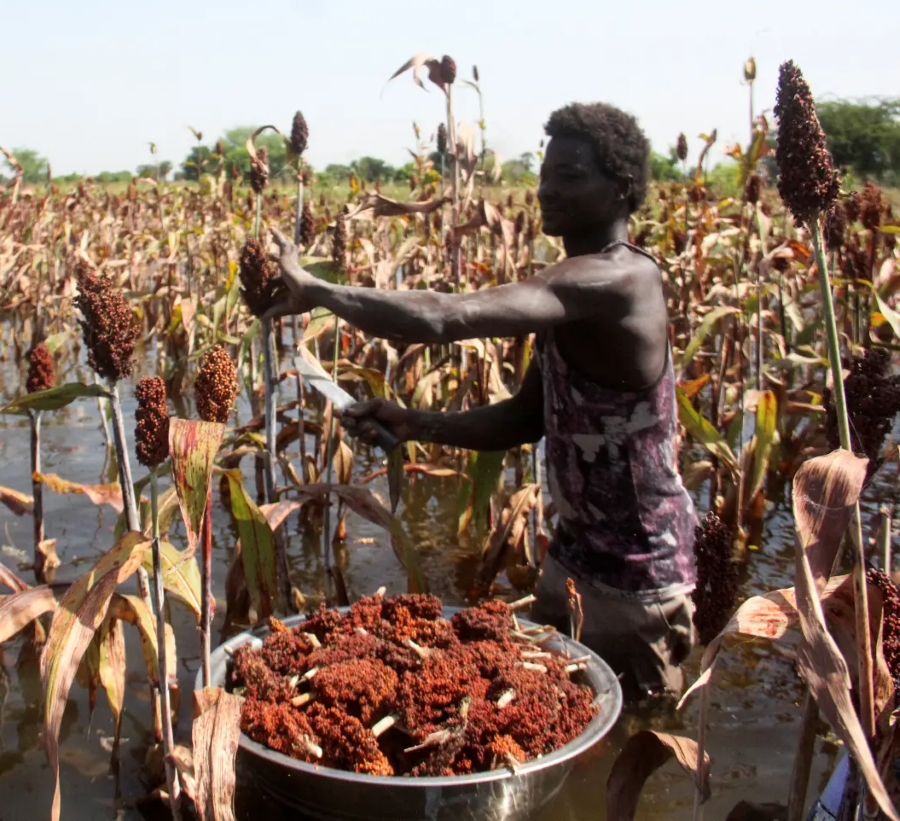
  • GMOs in Africa: Addressing Food Security, Safety, and Sustainability Amid Growing Challenges

    GMOs in Africa: Addressing Food Security, Safety, and Sustainability Amid Growing Challenges

    A study by Gbashi, et al. (2021) titled “Food safety, food security and genetically modified organisms in Africa: a current perspective” published in the Biotechnology and Genetic Engineering Reviews by Taylor & Francis shows that Genetically Modified Organisms (GMOs) offer opportunities to improve crop yields, resistance to pests, and nutritional quality, which can help address food insecurity.

    GMOs offer promising solutions for improving food security in Africa, yet adoption remains cautious due to safety concerns.-Gbashi, et al. 2021

    This article delves into the pressing challenges of food safety and security in Africa, with a particular focus on the potential role of genetically modified organisms (GMOs) in addressing these issues. Africa is grappling with severe food insecurity, driven by multiple complex factors, including widespread poverty, the impacts of climate change, and rapid population growth, which together threaten the region’s ability to achieve stable food supplies. The COVID-19 pandemic has compounded these challenges by disrupting food supply chains, reducing household incomes, and limiting access to essential resources, intensifying hunger and malnutrition across the continent. In this context, GMOs present a promising yet controversial solution. By enabling crops with higher yields, enhanced resistance to pests and diseases, and improved nutrient profiles, genetically modified crops could play a critical role in combating food insecurity and addressing malnutrition. For example, pest-resistant GMO varieties can reduce the need for chemical pesticides, potentially lowering production costs and environmental impacts, while nutrient-fortified GMOs can help address deficiencies in key vitamins and minerals, particularly in vulnerable populations. Despite these potential benefits, the adoption of GMOs in Africa remains cautious and gradual. Concerns around GMO safety, environmental impacts, and the potential influence of multinational corporations have led to varied opinions among policymakers, farmers, and the public. While some stakeholders argue that GMOs can be part of a sustainable solution to food insecurity, others worry about potential health risks and the loss of traditional farming practices. Consequently, the path toward integrating GMOs into African agriculture is complex, requiring careful consideration of both the scientific evidence and the socioeconomic context.

    How the Study was Conducted

    The study on food safety and security challenges in Africa, particularly focusing on GMOs, was conducted through a comprehensive review of existing literature and data. The researchers analyzed various sources, including scientific journals, policy documents, and reports from international organizations. They also considered case studies from different African countries to understand the practical implications and outcomes of GMO adoption.

    What the Authors Found

    The authors found that Africa faces significant food security challenges, with 20% of its population undernourished. Factors include poverty, climate change, and conflicts. The study also found that Genetically Modified Organisms (GMOs) offer opportunities to improve crop yields, resistance to pests, and nutritional quality, which can help address food insecurity. Despite the benefits, the adoption of GMOs in Africa has been slow due to safety concerns and contrasting views.

    Why is this important?

    Food Security: With a significant portion of Africa’s population facing hunger and malnutrition, finding sustainable solutions like GMOs can help improve food availability and quality.
    Economic Impact: Enhancing agricultural productivity through GMOs can boost the economy by increasing farmers’ incomes and reducing reliance on food imports.
    Environmental Benefits: GMOs can reduce the need for chemical pesticides and fertilizers, leading to more sustainable farming practices and less environmental degradation.
    Health Improvements: By enhancing the nutritional content of crops, GMOs can help combat nutrient deficiencies and improve overall public health.
    Policy Development: The study’s recommendations can guide policymakers in creating supportive frameworks for the safe and effective adoption of GMOs, ensuring that the benefits are maximized while addressing safety concerns.

    What the Authors Recommended

    • The authors advocate implementing consistent and effective biosafety regulations across African countries to ensure the safe use of GMOs.
    • The authors emphasize developing policies that encourage the adoption of GMOs while addressing safety concerns and public perceptions and investing in research and development, as well as training for farmers and stakeholders, to effectively utilize GMO technology.
    • In addition, the authors emphasize encouraging collaboration between governments, international organizations, and the private sector to support GMO initiatives and share best practices.

    In conclusion, while genetically modified organisms hold significant potential to address Africa’s food security and nutritional challenges, the path forward demands careful consideration. By implementing robust biosafety regulations, fostering collaboration between key stakeholders, and prioritizing public education, African countries can maximize the benefits of GMOs while addressing public concerns. Through balanced and informed policy decisions, GMOs could serve as a sustainable and transformative tool in the fight against hunger, malnutrition, and economic instability across the continent.

  • Impact of Climate Change on Cereal Production in Sub-Saharan Africa: How Financial Development Can Boost Food Security

    Impact of Climate Change on Cereal Production in Sub-Saharan Africa: How Financial Development Can Boost Food Security

    A recent study by Appiah-Otoo, et al. (2024) titled “Impact of climate change on food security in Sub-Saharan Africa: Can financial development offset the damages? published in the Cogent Food & Agriculture, shows that carbon dioxide emissions negatively affect cereal production in Sub-Saharan Africa (SSA)

    Financial development can offset the negative impact of CO₂ emissions on cereal production in Sub-Saharan Africa.– Appiah-Otoo, et al. 2024

    The article highlights the detrimental impact of climate change, particularly through carbon dioxide (CO₂) emissions, on cereal production in Sub-Saharan Africa (SSA). With rising CO₂ levels exacerbating unpredictable weather patterns, droughts, and other climate-related disruptions, the region faces significant challenges in maintaining food security. The decline in cereal production, a staple food source for millions, threatens both rural livelihoods and the overall food supply, raising concerns about hunger and malnutrition in an already vulnerable area. However, the study also examines the role of financial development, particularly in the form of increased access to domestic credit, as a potential solution to mitigating these adverse effects. The availability of credit can empower farmers by allowing them to invest in climate-resilient agricultural practices, such as adopting improved seeds, irrigation systems, and sustainable farming techniques. By enhancing their capacity to cope with and adapt to changing environmental conditions, farmers can maintain or even increase their cereal production. The research emphasizes a crucial point: financial development must reach a certain threshold before its benefits in combating climate change become significant. Once this level of credit availability is achieved, it can effectively counterbalance the negative impacts of CO₂ emissions on cereal yields. In regions where financial systems are underdeveloped, however, these benefits remain out of reach. The authors advocate for targeted financial reforms in SSA countries, focusing on expanding credit access to farming communities. This could involve policy interventions that encourage banks and microfinance institutions to lend to small-scale farmers, subsidized loan programs, or investment in agricultural insurance schemes. By increasing the flow of financial resources to the agricultural sector, SSA nations could foster greater resilience against climate change and improve food security. These measures would help farmers overcome barriers to modernizing their operations, ensuring a stable cereal supply in the face of mounting environmental challenges.

    How the Study was Conducted

    The authors employed data on cereal production, carbon dioxide emissions, and financial development indicators from various sources, including international databases and national statistics. The study employed econometric models to analyze the relationship between carbon dioxide emissions, financial development, and cereal production. These models helped in understanding how financial development can mitigate the negative impacts of climate change on agriculture. The study included a threshold analysis to determine the level of financial development needed to offset the adverse effects of carbon dioxide emissions on cereal production. This involved identifying a specific point beyond which financial development starts to have a positive impact. To ensure the reliability of their findings, the researchers conducted various robustness checks. These checks involved using different model specifications and data subsets to confirm the consistency of the results.

    What the Authors Found

    The authors found that carbon dioxide emissions negatively affect cereal production in Sub-Saharan Africa (SSA) and financial development, represented by domestic credit, mitigates the negative effects of CO2 emissions on cereal production. In addition, beyond a threshold value of 2.698, financial development helps SSA mitigate the adverse impact of CO2 emissions on cereal production.

    Why is this important

    Food Security: Cereal production is a critical component of food security in Sub-Saharan Africa. Understanding how to mitigate the negative impacts of climate change on agriculture can help ensure a stable food supply for the region.
    Climate Change Adaptation: The findings highlight the role of financial development in helping countries adapt to the adverse effects of climate change. By expanding access to credit, farmers can invest in technologies and practices that improve resilience to climate-related challenges.
    Policy Guidance: The study provides valuable insights for policymakers. By identifying the threshold level of financial development needed to counteract the negative effects of carbon dioxide emissions, the research offers a clear target for financial reforms and investments.
    Economic Development: Enhancing financial development can stimulate broader economic growth. By supporting the agricultural sector, which is a significant part of many SSA economies, financial development can contribute to overall economic stability and development.
    Sustainable Development Goals (SDGs): The study’s recommendations align with several SDGs, including zero hunger, climate action, and decent work and economic growth. Implementing the suggested financial reforms can help SSA countries progress towards these global goals.

    What the Authors Recommend

    • The authors advocate implementing financial reforms to expand credit supply to farming communities. This can help farmers invest in better technologies and practices to improve productivity.
    • The study emphasizes developing policies that support financial development, ensuring that credit is accessible and affordable for farmers.
    • Encourage investments in the agricultural sector, particularly in areas that can help mitigate the impacts of climate change, such as irrigation systems, resilient crop varieties, and sustainable farming practices.
    • Strengthen the capacity of financial institutions to provide tailored financial products and services that meet the specific needs of the agricultural sector.
    • Establish mechanisms to monitor and evaluate the effectiveness of financial development initiatives in supporting agricultural productivity and food security.

    In conclusion, the study by Appiah-Otoo et al. (2024) highlights the pressing challenge of climate change on cereal production in Sub-Saharan Africa, emphasizing the negative impact of rising CO₂ emissions on food security. However, the research also offers hope by demonstrating that financial development, particularly through improved access to credit, can mitigate these effects by empowering farmers to adopt climate-resilient practices. By reaching the necessary threshold of financial development, SSA countries can enhance agricultural productivity, ensure food security, and foster economic stability in the face of ongoing environmental challenges. Targeted financial reforms and investment in the agricultural sector are key to achieving these goals, ultimately contributing to sustainable development and resilience against climate change.

  • Transforming Rural Livelihoods: The Impact of Aquaculture in Seke Rural District, Zimbabwe

    Transforming Rural Livelihoods: The Impact of Aquaculture in Seke Rural District, Zimbabwe

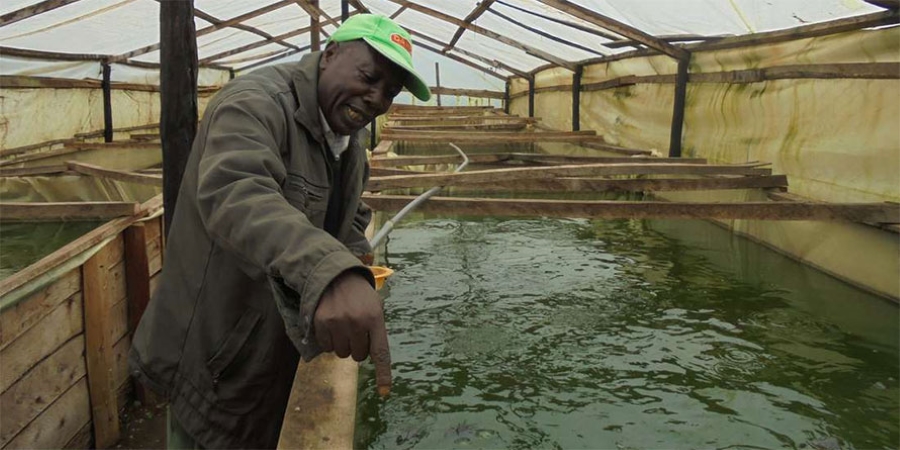
    A recent study by Chipfakacha, C. T. (2024) titled “Aquaculture the New Way of Creating Sustainable Livelihoods Among Rural Populations in Africa. A Case of Seke Rural District Zimbabwe” published in the International Journal of Agricultural Extension and Rural Development Studies, shows that aquaculture has provided a sustainable livelihood for rural populations, especially in areas affected by drought and poor harvests.

    Aquaculture significantly enhances sustainable livelihoods, food security, and employment opportunities for rural populations in Zimbabwe’s Seke District.– Chipfakacha, C. T. 2024

    This article delves into the pivotal role of aquaculture in fostering sustainable livelihoods for rural populations in Africa, with a specific emphasis on the Seke Rural District in Zimbabwe. By examining the emergence of fish farming as a viable alternative to traditional agricultural practices, the article illustrates the numerous benefits associated with aquaculture, including enhanced nutrition and increased employment opportunities, particularly for the youth. Aquaculture has become an essential component of rural development in Seke, addressing food security issues while diversifying income sources for local communities. The nutritional advantages of fish farming are particularly significant, as fish is a valuable source of protein and essential fatty acids, contributing to improved dietary diversity and health outcomes in the region. However, the article also highlights several challenges that aquaculture farmers in Seke face. Water availability remains a critical issue, as many areas struggle with inconsistent access to reliable water sources necessary for fish farming. Additionally, a lack of proper training and technical knowledge among farmers hinders the effective management of aquaculture operations. Economic constraints further exacerbate these challenges, limiting the capacity of farmers to invest in the necessary infrastructure, equipment, and inputs required for successful fish farming. Recognizing the significance of these challenges, the article underscores the crucial role of government and non-governmental organizations (NGOs) in supporting the growth of aquaculture in Seke. Such support can take various forms, including financial assistance, capacity-building training programs, and the provision of essential resources. The author advocates for comprehensive measures to enhance aquaculture practices, such as implementing government subsidies to reduce the financial burden on farmers, developing educational programs to equip them with the necessary skills and knowledge, and promoting better land utilization strategies that optimize the available resources for aquaculture. By addressing these challenges and leveraging the potential of aquaculture, rural communities in Seke can not only improve their economic standing but also work towards achieving sustainable development and food security in the region. The article ultimately calls for a concerted effort among stakeholders to foster a conducive environment for aquaculture to thrive, ensuring that it serves as a catalyst for positive change in the livelihoods of rural populations across Africa.

    How the Study was Conducted

    The author distributed surveys and questionnaires to local fish farmers to gather data on their practices, challenges, and benefits experienced by aquaculture. In-depth interviews were conducted with key stakeholders, including farmers, government officials, and representatives from NGOs, to gain insights into the support systems and policies affecting aquaculture. The author visited various fish farms to observe the farming practices, infrastructure, and environmental conditions firsthand. The collected data was analyzed using statistical tools to identify trends, correlations, and significant factors influencing the success of aquaculture in the region.

    What the Author Found

    The author found that aquaculture has provided a sustainable livelihood for rural populations, especially in areas affected by drought and poor harvests. Fish farming has helped supplement diets with high-protein fish, offering a healthier alternative to red meat. The practice has created jobs, particularly for the youth, who are involved in pond construction and maintenance. In addition, aquaculture has enabled better use of land, including wetlands, which helps preserve the environment and prevent illegal land sales

    Why is this Important?

    Sustainable Livelihoods: Aquaculture has provided a reliable source of income and food security for rural populations, especially in areas affected by drought and poor harvests.
    Nutritional Benefits: Fish farming has improved the nutritional intake of the community by providing a high-protein alternative to red meat.
    Job Creation: The practice has created employment opportunities, particularly for the youth, who are involved in pond construction and maintenance.
    Land Utilization: Aquaculture has enabled better use of land, including wetlands, which helps in preserving the environment and preventing illegal land sales.

    What the Authors Recommended

    • The author suggests increased government involvement through subsidies and funding to help farmers access necessary resources and infrastructure.
    • The study advocates implementing educational programs to train farmers in modern aquaculture techniques and best practices.
    • The study emphasizes improving access to local and regional markets to ensure farmers can sell their produce at fair prices.
    • In addition, developing better water management systems to ensure a reliable water supply for fish farming, especially in drought-prone areas.
    • Furthermore, it encourages further research into sustainable aquaculture practices and the development of resilient fish species.

    In conclusion, the study by Chipfakacha (2024) highlights the transformative potential of aquaculture in Seke Rural District, Zimbabwe, as a viable solution for enhancing sustainable livelihoods among rural populations. By providing a reliable source of income, improving dietary diversity, and creating employment opportunities, fish farming has emerged as a critical strategy for addressing food insecurity, particularly in regions plagued by drought and poor agricultural yields. However, to fully harness the benefits of aquaculture, it is essential to overcome the challenges of water availability, lack of training, and economic constraints. Through increased government intervention, capacity-building initiatives, and improved access to markets, stakeholders can foster an environment where aquaculture thrives. Ultimately, with a collaborative approach and a commitment to sustainable practices, aquaculture can serve as a catalyst for positive change, contributing to the overall development and resilience of rural communities across Africa.

  • Rural Development Challenges: Applying Management Theories for Sustainable Solutions

    Rural Development Challenges: Applying Management Theories for Sustainable Solutions

    A recent study by Evwierhurhoma, F. E. (2024) titled “Rural Development Challenges and Management Theories” published in the Nigerian Agricultural Policy Research Journal (NAPReJ), shows that rural areas still face significant issues like poverty, inequality, and environmental degradation

    Applying diverse management theories is crucial for addressing persistent poverty, inequality, and environmental challenges in rural development.-Evwierhurhoma, F. E. 2024

    The study delves into the intricate issues of rural development, offering insight into how management theories can be applied to address these challenges. Rural development is essential for improving the overall quality of life in these areas, with far-reaching impacts on poverty alleviation, food security, environmental conservation, and social inclusion. Rural areas often face significant challenges, including pervasive poverty, limited access to education and healthcare, inadequate infrastructure (such as roads, clean water, and electricity), and environmental degradation due to overuse of natural resources. These issues are complex and multifaceted, requiring comprehensive strategies for effective development. The study reviews several management theories that have been applied to rural development. Modernization theory suggests that rural areas can progress by adopting practices and technologies from more developed regions, facilitating a transition from traditional to modern ways of living. However, this theory has often been criticized for overlooking the unique cultural and social aspects of rural communities. Dependency theory, on the other hand, highlights the inequalities that arise from the exploitation of rural areas by more developed regions or countries. It argues that the underdevelopment of rural areas is often tied to external economic and political forces that prioritize urban or global interests over rural well-being. This theory calls for a rethinking of rural development in ways that promote self-reliance and reduce dependence on external entities. Sustainable development theory emphasizes the importance of balancing economic growth with environmental protection and social equity. In the rural context, this approach encourages the use of environmentally friendly agricultural practices, conservation of natural resources, and equitable access to social services. The aim is to ensure that development today does not compromise the ability of future generations to meet their needs. The human development theory shifts the focus from mere economic growth to the overall well-being and empowerment of individuals. In rural development, this means investing in education, healthcare, and skills training to enable people to improve their living conditions and contribute more effectively to their communities. Finally, community-based development centers on the idea that local communities are best positioned to identify their needs and implement solutions. This approach advocates for strong community participation, where rural inhabitants take an active role in planning and executing development projects. It fosters a sense of ownership and ensures that solutions are more aligned with local contexts and cultural values.

    How the Study was Conducted

    The article employed a comprehensive survey of academic articles, reports, books, and diverse sources related to management theories pertinent to rural development. Examination of case studies from distinct regions and sectors to understand the practical application and effectiveness of management theories in various rural contexts. The author integrates the results from the literature review and case analysis to provide a holistic understanding and discern implications for future research and practical implementation in rural development.

    What the Author Found

    The authors found that despite progress, rural areas still face significant issues like poverty, inequality, and environmental degradation. The study highlights the relevance of modernization, dependency, sustainable development, human development, and community-based development theories in addressing rural development challenges.

    Why is this Important

    Informed Policy Making: The insights from the study can guide policymakers in designing effective rural development programs that address the specific needs and challenges of rural communities.
    Sustainable Development: By emphasizing sustainability and community participation, the study promotes development strategies that are environmentally friendly and socially inclusive.
    Poverty Reduction: Addressing the persistent issues of poverty and inequality in rural areas can lead to improved living standards and economic opportunities for rural populations.
    Holistic Approach: The integrated approach recommended by the authors ensures that development efforts are comprehensive, considering various aspects such as economic, social, and environmental factors.
    Future Research: The study’s call for further research on community perceptions and local contexts can lead to more tailored and effective development interventions.

    What the Authors Recommended

    • The author emphasizes the importance of involving local communities in the planning and implementation of development projects to ensure that their needs and perspectives are adequately addressed.
    • The study advocates for development strategies that are environmentally sustainable and can be maintained over the long term without depleting resources or causing harm to the environment.
    • Focusing on improving the overall well-being of individuals in rural areas, including access to education, healthcare, and economic opportunities.
    • Furthermore, the study suggests more case studies and research on community perceptions and local contexts to better understand the unique challenges and opportunities in different rural areas.

    In conclusion, the study by Evwierhurhoma (2024) highlights the ongoing challenges faced by rural areas and the importance of applying diverse management theories to address them. By integrating approaches like modernization, dependency, sustainable development, human development, and community-based development, policymakers and stakeholders can craft more effective strategies. These solutions must be tailored to the unique needs of rural communities, focusing on sustainability, social inclusion, and empowerment to drive meaningful, long-lasting progress. Further research and community involvement will be key in ensuring that these development efforts are both impactful and sustainable for future generations.

  • Empowering African Researchers: The African Research Fellowship for Earth Observation Innovations

    Empowering African Researchers: The African Research Fellowship for Earth Observation Innovations

    The African Research Fellowship (ARF) program, initiated in 2021, is a collaborative effort between the European Space Agency (ESA) and the African Union Commission (AUC), aimed at fostering scientific innovation and research in Africa. This program provides African researchers—either PhD holders or individuals with extensive research experience in Earth Observation (EO)—the opportunity to engage in cutting-edge EO research and development (R&D) activities. The ARF program is designed to address some of the continent’s most pressing challenges, including water resource management and food security.

    Key Objectives and Vision

    The ARF is part of the broader EO AFRICA (African Framework for Research, Innovation, Communities, and Applications) initiative, which seeks to develop a sustainable African-European partnership in the realm of space technology and Earth Observation. Aligned with the long-term goals of GMES & Africa (a pan-African initiative led by the AUC), this initiative envisions empowering African researchers to lead innovative, evidence-based solutions for societal, environmental, and economic challenges. It also emphasizes capacity building by integrating EO data with in-situ data and advanced modeling techniques in a cloud environment.

    Fellowship Program

    The fellowship provides four African researchers with a 1-year opportunity to conduct R&D at the ESA-ESRIN premises in Frascati, Italy, in collaboration with ESA scientists. The research aims to maximize the use of EO data for addressing key African challenges, particularly those related to water resources and food security. Selected fellows are encouraged to tackle issues such as water productivity, regenerative agriculture, pest infestations, coastal urbanization, and the impacts of climate change on ecosystems and fisheries.

    Research Focus Areas

    The research areas for the fellowship are aligned with pressing continental challenges, where applicants can propose projects in:

    • Water Resource Management: Projects could focus on optimizing agricultural water use, irrigation systems, or addressing coastal and freshwater challenges.
    • Food Security: Projects could involve improving farming techniques, addressing pest management, or using EO data to boost agricultural productivity and sustainability.

    Additionally, proposals targeting smallholder farming needs, coastal processes, and fisheries, along with issues like nutrient management, algal blooms, and habitat suitability, are highly encouraged.

    Training and Support

    The fellowship is designed to provide not only research opportunities but also substantial training and collaboration. Fellows will have access to the EO AFRICA Space Academy and Digital Campus, gaining scientific tools and training to enhance their research. The EO AFRICA Innovation Lab further promotes collaboration with European scientists, helping fellows refine and implement their research ideas.

    Application Process

    Applicants must submit a comprehensive research proposal, along with a curriculum vitae, identification documents, proof of academic qualifications (PhD or Master’s diploma), and two reference letters. The fellowship will begin in June 2025, and proposals are to be submitted by October 30, 2024.

    The program is a crucial steppingstone for African researchers to leverage EO data for developing solutions to Africa’s environmental and societal challenges while fostering stronger international scientific collaboration.

    Follow this link to apply to the African Research Fellowships

  • Africa Innovation Fellowship 2024: Empowering Female Entrepreneurs in STEM Across Sub-Saharan Africa

    Africa Innovation Fellowship 2024: Empowering Female Entrepreneurs in STEM Across Sub-Saharan Africa

    At the forefront of Africa’s transformation lies the potential of women entrepreneurs. The Africa Innovation Fellowship (AIF) 2024 is designed to empower African women innovators who are passionate about driving change through ground-breaking ideas in Science, Technology, Engineering, Manufacturing, or Mining (STEM). If you are a woman meeting a crucial development need in your country and ready to transform your vision into a thriving business with global impact, we encourage you to apply for this exciting opportunity.

    Since its inception in 2019, the Africa Innovation Fellowship, in partnership with the Royal Academy of Engineering, has been fostering the growth of women-led STEM innovations across sub-Saharan Africa. AIF 2024 offers an eight-month immersive leadership and business development program for early-stage engineering innovators, helping them scale their ideas into sustainable, impactful businesses. Several alumni have gone on to achieve success in initiatives like the Royal Academy of Engineering’s Africa Prize for Engineering Innovation, furthering their ventures on a global stage.

    Program Overview

    The Africa Innovation Fellowship kicks off in November 2024 with a series of virtual masterclasses that cover critical areas such as idea and business incubation, leadership development, funding strategies, and pitch preparation. The program culminates in July 2025 and includes:

    • An intensive, fully funded, in-person entrepreneurship bootcamp.
    • Expert engineering consultations and venture clinics.
    • Comprehensive mentorship and financial coaching to transform innovative concepts into market-ready businesses.

    What You Will Gain:

    • Mentorship: Access to a network of experienced mentors and industry professionals who will guide you throughout your entrepreneurial journey.
    • Workshops and Training: Hands-on workshops covering key aspects of business development such as market entry, product strategy, external challenges, and business models.
    • Co-working Space: Enjoy access to a well-equipped workspace with essential resources to grow your startup.
    • Networking Opportunities: Build connections with fellow entrepreneurs, investors, and collaborators.
    • Pitch Opportunities: Present your startup to potential investors and partners, preparing you for future funding opportunities.
    • Global Exposure: Showcase your innovation to a broader audience, gaining international visibility and recognition.

    Eligibility Criteria

    To apply for the Africa Innovation Fellowship, applicants must meet the following requirements:

    • Innovative STEM-Based Business Idea: Applicants must have a registered, early-stage engineering innovation or startup based in sub-Saharan Africa that addresses a social or environmental need.
    • Sub-Saharan African Citizen: Individual applicants must be citizens of a country in sub-Saharan Africa. If applying as a team, the lead applicant must meet this criterion.
    • Early Commercialization: The innovation must be in the early stages of commercialization with demonstrated potential for impact.
    • Commitment to Entrepreneurship: Applicants should be highly committed to building a sustainable business and be available for the eight-month program from November 2024 to July 2025.
    • Travel Readiness: Applicants must possess a valid passport and be available to travel between February 2025 and May 2025 for program-related events.
    • STEM Passion and Knowledge: A demonstrated passion and in-depth understanding of your chosen STEM field is essential.
    • Active Participation: Applicants must be willing to fully engage in the program and actively participate in all scheduled activities.
    • Female Innovators Only: This fellowship is exclusively for women over the age of 18. There is no upper age limit.

    Important Dates:

    • Application Deadline: 23rd October 2024 (11:59 PM SAST)
    • Interviews: 30th October – 12th November 2024
    • Program Start: 29th November 2024
    • Program Support Duration: 29th November 2024 – July 2025

    Countries Eligible for the Fellowship: Sub-Saharan African countries eligible for this program include: Angola, Benin, Botswana, Burkina Faso, Burundi, Cameroon, Cape Verde, Central African Republic, Chad, Comoros, Republic of Congo, Democratic Republic of Congo, Côte d’Ivoire, Equatorial Guinea, Eritrea, Ethiopia, Gabon, The Gambia, Ghana, Guinea, Guinea-Bissau, Kenya, Lesotho, Liberia, Madagascar, Malawi, Mali, Mauritania, Mauritius, Mozambique, Namibia, Niger, Nigeria, Rwanda, São Tomé and Príncipe, Senegal, Seychelles, Sierra Leone, Somalia, South Africa, South Sudan, Sudan, Eswatini, Tanzania, Togo, Uganda, Zambia, and Zimbabwe.

    Please note: Djibouti is not considered part of sub-Saharan Africa for the purposes of this Fellowship.

    Ready to Make a Difference?

    If you have a passion for entrepreneurship and are eager to make a meaningful impact, apply for the Africa Innovation Fellowship by 23rd October 2024. This program could be the catalyst for turning your innovative idea into a transformative enterprise that not only grows your business but also contributes to the development of the African continent.

    For more information or inquiries, please email aif@womeng.org.


    This reworked version emphasizes the Fellowship’s mission of empowering African female innovators, adding more context about the importance of the program and highlighting the comprehensive support provided to participants. It also gives greater focus on the transformative impact these women can have on their countries and the continent as a whole.

    Apply here

  • Impact of Electrolyte Patterns on Pregnant Women with Hypertensive Disorders: Insights from a Benin City Study

    Impact of Electrolyte Patterns on Pregnant Women with Hypertensive Disorders: Insights from a Benin City Study

    A recent study by Onovughakpo-Sakpa, E. O., & Atoe, K. (2024) titled “Plasma Electrolyte Patterns among Pregnant Women with Hypertensive Heart Disorder in Benin City, Nigeria,” published in the Journal of Applied Sciences and Environmental Management, examines that patient with preeclampsia had significantly lower plasma sodium levels during both the second and third trimesters.

    Preeclamptic women have lower plasma sodium levels, while those with pregnancy-induced hypertension exhibit elevated calcium levels. -Onovughakpo-Sakpa, E. O., & Atoe, K. 2024

    The study investigates the plasma electrolyte patterns in pregnant women diagnosed with hypertensive heart disorders in Benin City, Nigeria, with a particular emphasis on two conditions: preeclampsia and pregnancy-induced hypertension (PIH). Preeclampsia is a pregnancy complication characterized by high blood pressure and signs of damage to other organ systems, often involving the kidneys. In this research, it was observed that patients with preeclampsia had significantly lower plasma sodium levels during both the second and third trimesters. This electrolyte imbalance may be indicative of altered fluid balance and vascular function in these patients, which are critical considerations during pregnancy.

    Conversely, women experiencing pregnancy-induced hypertension exhibited elevated levels of calcium during the same trimesters. The rise in calcium levels may suggest an adaptive response to the increased vascular demands of pregnancy, although the exact mechanisms remain unclear. Interestingly, the study found no significant fluctuations in plasma levels of magnesium, potassium, or chloride across the groups, indicating that these electrolytes might remain stable regardless of the presence of hypertensive heart disorders. These findings highlight that while plasma electrolyte levels are generally stable among pregnant women with hypertensive heart disorders, specific variations emerge based on the trimester and the type of disorder. Such differences could have clinical implications for the management of hypertension in pregnancy, suggesting that healthcare providers should monitor these electrolyte levels closely. To gain a more comprehensive understanding of these variations and their potential impact on maternal and fetal health, further studies are recommended. This future research could explore the underlying mechanisms of electrolyte changes in hypertensive disorders during pregnancy, ultimately aiding in the development of targeted interventions to improve outcomes for both mothers and their infants.

    How the Study was Conducted

    The study involved 190 women who were divided into three groups: those with preeclampsia, those with pregnancy-induced hypertension (PIH), and normotensive controls. Blood samples were collected from these participants and analyzed for various electrolytes, including sodium, calcium, magnesium, potassium, and chloride, using standard laboratory methods. The researchers compared the electrolyte levels across the different groups and trimesters to identify any significant patterns or differences. This approach helped the authors understand how plasma electrolyte levels vary among pregnant women with different hypertensive heart disorders.

    What the Authors Found

    The author found that preeclamptic patients had significantly lower plasma sodium levels in the second and third trimesters compared to normotensive controls and individuals with pregnancy-induced hypertension (PIH) exhibited elevated calcium levels during the second and third trimesters. Furthermore, no significant changes were observed in plasma levels of magnesium, potassium, and chloride across all groups when considering all trimesters. In addition, the study posits that the severity of preeclampsia and body mass index (BMI) had negligible influence on the distribution of electrolytes among preeclamptic patients.

    Why is this Important?

    Clinical Management: Understanding the variations in plasma electrolyte levels among pregnant women with hypertensive disorders can help healthcare providers better manage these conditions. For instance, knowing that preeclamptic patients tend to have lower sodium levels can guide dietary and treatment recommendations.
    Early Detection: Identifying specific electrolyte patterns associated with preeclampsia and PIH can aid in the early detection and monitoring of these conditions, potentially improving outcomes for both mothers and babies.
    Targeted Interventions: The insights gained from this study can lead to more targeted interventions, such as electrolyte supplementation or adjustments in prenatal care, to address the unique needs of women with hypertensive disorders during pregnancy.
    Further Research: The study highlights areas where more research is needed, particularly in understanding the underlying mechanisms driving these electrolyte changes. This can pave the way for future studies that could uncover new treatment strategies or preventive measures.

    What the Authors Recommend

    • The authors emphasize that pregnant women, especially those with hypertensive disorders, should have their plasma electrolyte levels regularly monitored. This can help in early detection and management of potential complications.
    • The study suggests that healthcare providers should offer tailored nutritional advice to pregnant women with preeclampsia or PIH, focusing on maintaining balanced electrolyte levels.
    • More studies are needed to explore the underlying mechanisms of electrolyte changes in hypertensive pregnancies. This could lead to better understanding and new treatment strategies.
    • In addition, the development of clinical protocols that incorporate electrolyte monitoring and management for pregnant women with hypertensive disorders is suggested to improve maternal and fetal outcomes.

    In conclusion, the study by Onovughakpo-Sakpa and Atoe sheds light on the critical relationship between plasma electrolyte levels and hypertensive heart disorders in pregnant women. By highlighting significant variations in sodium and calcium levels among women with preeclampsia and pregnancy-induced hypertension, the research underscores the importance of closely monitoring these electrolytes to improve clinical outcomes. As healthcare providers strive for enhanced management strategies, the findings advocate for tailored nutritional guidance and regular electrolyte assessments, ensuring better health for both mothers and their infants. Furthermore, the call for further research into the underlying mechanisms driving these electrolyte changes opens avenues for future interventions, ultimately aiming to advance maternal-fetal health during pregnancy.

  • Public-Private Partnerships and GM Crops in Africa: Challenges, Impact, and Future Directions for Smallholder Farmers

    Public-Private Partnerships and GM Crops in Africa: Challenges, Impact, and Future Directions for Smallholder Farmers

    A recent study by Dowd‐Uribe et al. (2024) titled “Bridging the gap? Public-private partnerships and genetically modified crop development for smallholder farmers in Africa” published in Plants, People, Planet, shows that GM crop research is concentrated in a few countries, with South Africa and Nigeria being the most prominent.

    The article explores the evolution and influence of genetically modified (GM) crops on smallholder farmers in Africa, with a particular focus on the role of public-private partnerships (PPPs) in fostering innovation and technology transfer. It emphasizes the critical institutional barriers that impede the successful transfer of crop technologies from private sector firms to public research institutes across the continent, limiting the broader application and benefits of GM crops for small-scale agriculture.

    Public-private partnerships in Africa’s GM crop development face significant institutional barriers, limiting smallholder farmer impact.– Dowd‐Uribe et al. 2024

    In analyzing these challenges, the study draws from a comprehensive dataset to assess the scope, progress, and effectiveness of GM crop development initiatives led by PPPs. The findings reveal a complex landscape, with many promising efforts facing suspension or delay. Remarkably, only one GM crop has successfully reached smallholder farmers, underscoring the difficulty of translating research and development efforts into tangible agricultural improvements at the grassroots level. The article further classifies GM crop research according to organizational groups—such as private corporations, government agencies, and non-governmental organizations—and stages of development, ranging from early research phases to field trials and commercialization. This categorization offers a deeper understanding of the crops and traits targeted by research efforts, which are often chosen for their potential to address the specific needs of smallholder farmers. These crops typically focus on enhancing resistance to pests, improving drought tolerance, and increasing yield potential, aiming to mitigate the challenges faced by smallholders in Africa’s unique agricultural environments.

    How the Study was Conducted

    The authors employed data from various public and private organizations involved in GM crop development. This included information on the types of crops and traits being developed, the stages of development, and the partnerships formed. The data was categorized by organizational groups (public, private, and PPPs) and by the stages of development (research, field trials, and commercialization). The study specifically evaluated the effectiveness of public-private partnerships in advancing GM crop development. This involved analyzing the extent of collaboration and the outcomes of these partnerships. The researchers identified and analyzed the institutional challenges that hinder the transfer of crop technologies from private companies to public research institutes. The study assessed the outcomes of GM crop development efforts, noting the number of projects that were suspended and the few that reached the commercialization stage.

    What the Authors Found

    The authors found that public-private partnerships (PPPs) have focused on crops and traits relevant to smallholder farmers, but many efforts have been suspended, with only one crop reaching farmers. The study also posits that PPPs can address some issues in GM crop development but are still constrained by other institutional challenges. GM crop research is concentrated in a few countries, with South Africa and Nigeria being the most prominent. In addition, private companies dominate GM crop research, with public entities contributing significantly but in a geographically limited manner.

    Why is this Important?

    Guiding Policy and Investment: Understanding the challenges and successes of GM crop development can help policymakers and investors make informed decisions about where to allocate resources and how to structure future public-private partnerships.
    Improving Agricultural Productivity: By identifying the crops and traits that are most beneficial to smallholder farmers, the study can help direct research efforts towards innovations that will have the greatest impact on food security and agricultural productivity in Africa.
    Addressing Institutional Barriers: Highlighting the institutional constraints that hinder technology transfer can lead to reforms and improvements in the regulatory and operational frameworks, making it easier for new technologies to reach farmers.
    Fostering Collaboration: The study underscores the importance of collaboration between public and private sectors. By understanding the dynamics of these partnerships, stakeholders can develop more effective strategies for working together.
    Enhancing Sustainability: GM crops have the potential to improve crop yields and resilience to pests and climate change. The study’s insights can help ensure that these benefits are realized in a sustainable and equitable manner.

    What the Authors Recommend

    The authors of the study make several recommendations to improve the development and deployment of GM crops for smallholder farmers in Africa:

    • The authors suggest enhancing the collaboration between the public and private sectors to overcome institutional barriers and ensure that GM crop technologies reach farmers more effectively.
    • The authors recommend policy changes to address regulatory and operational challenges that hinder the transfer of crop technologies from private companies to public research institutes.
    • The study emphasizes the importance of tailoring GM crop research to the specific needs of smallholder farmers, ensuring that the crops and traits developed are relevant and beneficial to them.
    • Investing in building the capacity of local research institutions and scientists is crucial for sustaining GM crop development and ensuring that local expertise is available to support these initiatives.
    • The study suggests expanding GM crop research to more countries in Africa to ensure a broader impact and to avoid over-reliance on a few countries.

    In conclusion, the study by Dowd‐Uribe et al. (2024) sheds light on the complex dynamics of GM crop development for smallholder farmers in Africa, emphasizing the pivotal role of public-private partnerships in advancing agricultural innovation. While promising strides have been made, the findings reveal significant institutional barriers that impede the widespread adoption of GM crops, with only a single crop reaching commercialization. By addressing these challenges through improved collaboration, policy reforms, and investment in local research capacity, there is potential to unlock the transformative benefits of GM crops, ultimately enhancing food security and agricultural resilience for Africa’s smallholder farmers.

  • Exploring Public Perception and Ethical Challenges of Genetically Modified Crops in Africa: Regulatory Frameworks and Adoption Insights

    Exploring Public Perception and Ethical Challenges of Genetically Modified Crops in Africa: Regulatory Frameworks and Adoption Insights

    A recent study by Sadikiel Mmbando, G. (2024) titled “The Adoption of Genetically Modified Crops in Africa: the Public’s Current Perception, the Regulatory Obstacles, and Ethical Challenges” published in GM Crops & Food shows that public perceptions of genetically modified (GM) crops in Africa are highly varied and shaped by a range of cultural, socioeconomic, and environmental influences.

    Public perceptions of genetically modified crops in Africa vary widely, influenced by cultural, socioeconomic, and ethical factors.– Sadikiel Mmbando, G. 2024

    This study explores the Adoption of Genetically Modified Crops in Africa: The Public’s Current Perception, the Regulatory Obstacles, and Ethical Challenges”, The author examines the diverse beliefs and attitudes towards genetically modified (GM) crops in Africa, influenced by cultural, socioeconomic, and environmental factors. The study highlights the complex regulatory frameworks across African countries, ranging from strict prohibitions to cautious acceptance, and their impact on GM crop adoption.  Ethical concerns surrounding the adoption of GM crops are also focal points of the study. It addresses potential risks to biodiversity, where the introduction of GM crops could disrupt natural ecosystems and affect native plant species. Social equity is another ethical challenge as the adoption of GM crops may widen the gap between small-scale farmers and large agribusinesses, further marginalizing vulnerable communities. Additionally, there is apprehension over the potential erosion of traditional agricultural practices, which are deeply rooted in many African societies and often seen as integral to both cultural identity and environmental sustainability.

    How the Study was Conducted

    The study examined existing literature on GM crops, focusing on public perception, regulatory frameworks, and ethical challenges. It compared the adoption rates and regulatory environments of GM crops in Africa with other regions like the USA, Argentina, Canada, Brazil, and India. The study integrated data on public opinion, regulatory obstacles, and ethical concerns to provide a comprehensive view of the factors affecting GM crop adoption in Africa.

    What the Authors Found

    The study revealed that public perceptions of genetically modified (GM) crops in Africa are highly varied, and shaped by a range of cultural, socioeconomic, and environmental influences. Currently, only eleven out of the fifty-four African countries cultivate GM crops, a situation largely attributable to the differing regulatory frameworks and policies in place across the continent. Additionally, there are considerable ethical concerns surrounding the use of GM crops, particularly regarding their potential effects on biodiversity and social equity.

    Why is this Important

    Informed Decision-Making: Policymakers and stakeholders can make better decisions regarding the adoption and regulation of GM crops, ensuring that policies are based on comprehensive and accurate data.
    Public Awareness: By addressing public perception and ethical concerns, the study helps in educating the public about the benefits and risks of GM crops, potentially leading to greater acceptance and informed choices.
    Regulatory Harmonization: The study’s comparative analysis with other regions can guide African countries in harmonizing their regulatory frameworks, making it easier to adopt GM crops and benefit from their advantages.
    Ethical Standards: Highlighting ethical challenges ensures that the adoption of GM crops is done responsibly, considering biodiversity, social equity, and other ethical aspects.
    Economic and Environmental Impact: GM crops have the potential to improve agricultural productivity and sustainability, which is vital for food security and economic development in Africa.

    What the Authors Recommend

    • The author emphasizes increasing efforts to educate and engage the public about the benefits and risks of GM crops to address misconceptions and build trust.
    • The author advocates working towards harmonizing regulatory frameworks across African countries to facilitate the adoption and safe use of GM crops.
    • The study further recommends that the government should ensure that ethical concerns, such as impacts on biodiversity and social equity, are addressed in the development and deployment of GM crops.
    • Invest in local research and development to create GM crops that are tailored to the specific needs and conditions of African agriculture.
    • In addition, Africa’s government should foster international collaboration to share knowledge, resources, and best practices in the field of GM crops.

    In conclusion, the study by Sadikiel Mmbando sheds light on the intricate landscape surrounding genetically modified crops in Africa, revealing a tapestry of public perceptions, regulatory frameworks, and ethical concerns. As only a fraction of African countries have embraced GM crops, understanding the diverse cultural and socioeconomic influences is crucial for fostering informed discussions and policy-making. By addressing misconceptions and highlighting ethical considerations, stakeholders can work towards harmonizing regulatory approaches and promoting responsible adoption of GM technology. Ultimately, the careful integration of GM crops into African agriculture holds the potential to enhance food security, drive economic growth, and ensure environmental sustainability, paving the way for a more resilient agricultural future.