Author: AR Managing Editor

  • 2024 International Conference on Open Science, AI, and Climate Change in Africa: Call for Papers

    2024 International Conference on Open Science, AI, and Climate Change in Africa: Call for Papers

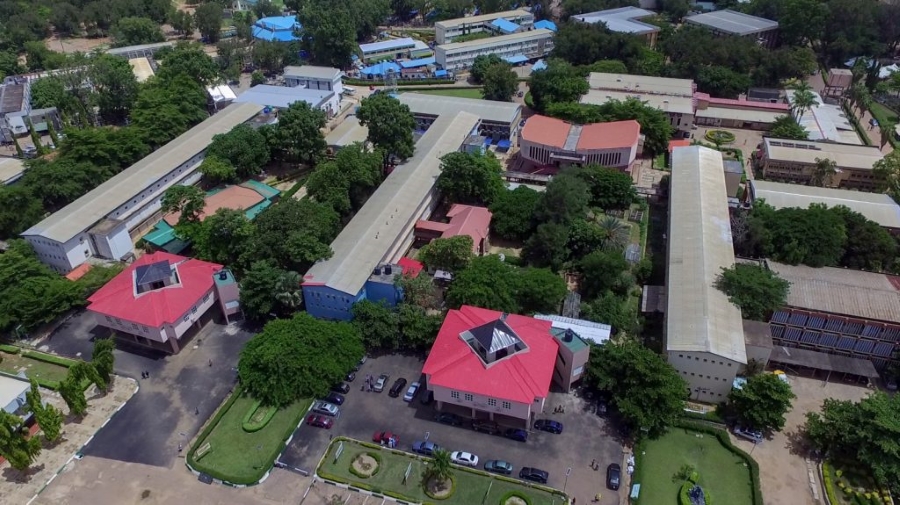
    Organizers: Ahmadu Bello University Library Complex, Zaria
    In collaboration with
    The African Aviation & Aerospace University (AAAU), Abuja


    Theme

    Open Science, Open Knowledge, Artificial Intelligence, and Climate Change in Africa


    Date: December 4–6, 2024
    Venue: CBN Centre of Excellence, Ahmadu Bello University, Zaria


    Call for Papers (CFP)

    About the Conference

    The Ahmadu Bello University Library Complex in collaboration with the African Aviation and Aerospace University (AAAU), Abuja, proudly announces the 2024 International Conference. This year’s event, themed “Open Science, Open Knowledge, Artificial Intelligence, and Climate Change in Africa,” serves as a groundbreaking platform for academic researchers, professionals, and industry stakeholders from a wide range of disciplines.

    With a particular focus on African challenges, the conference aims to examine the dynamic intersections between emerging technologies and open-access knowledge systems. Through this approach, the event aspires to address key issues, from climate resilience to the role of artificial intelligence in sustainable development, fostering collaboration that transcends conventional academic boundaries. The conference will provide a unique opportunity for experts in fields as varied as aviation, aerospace, environmental science, policy, and technology to share insights and explore solutions relevant to the continent’s specific needs.

    Important Dates & Submission Deadlines:

    • Abstract Submission Deadline: November 15, 2024
    • Notification of Acceptance: November 18, 2024
    • Full Paper Submission Deadline: November 25, 2024

    Publication Opportunities

    Accepted abstracts, subject to a vetting fee of N5000, will be peer-reviewed and published in a conference book of abstracts. Full papers will have the opportunity to be published in special issues of IGI Global and other accredited journals, which cover topics relevant to the conference theme. This ensures contributors have their research recognized and accessible to a global audience.

    Registration Fees Per Participant

    • Students: N20,000
    • Authors (Academics/Professionals): N40,000
    • Online Participants: N25,000
    • International Participants: $100 USD
    • International Students and Online Participants: $50 USD

    Payment Details:
    Please make payments to the following account before November 25, 2024.

    • Bank Name: United Bank for Africa
    • Account Number: 2200146474
    • Account Name: Academic Librarians Forum ABU Library Complex

    Send proof of payment via WhatsApp at +234 903 449 8534 or email it to: 3rdinternationalconference2024@gmail.com and diibinaiye@abu.edu.ng


    Submission Guidelines

    Abstracts should be concise (300 words), containing up to five keywords. Full papers should adhere to the following format and structure:

    1. Title of the paper
    2. Author(s)’ Name(s)
    3. Institutional Affiliations & Email Addresses

    Formatting Requirements:

    • Document Type: Microsoft Word (.doc or .docx)
    • Font: Times New Roman, 12 pt
    • Line Spacing: 1.5
    • Orientation: Portrait
    • Length: Maximum of 15 pages or 6,000 words
    • Language: English
    • Citation Style: APA, 7th Edition
    • Plagiarism Check: Less than 15% similarity index

    Submit your abstracts and full papers via email to both 3rdinternationalconference2024@gmail.com and diibinaiye@abu.edu.ng.


    Contact Information

    For further inquiries, please contact:

    • Chairperson, Local Organizing Committee:
      Mrs. Ibinaiye Dorcas
      Lee T. Railsback Library, Faculty of Veterinary Medicine
      Ahmadu Bello University, Zaria
      Phone: +234 903 449 8534
    • Secretary, Local Organizing Committee:
      Hussaini Suleiman
      President Kennedy Library, Kongo, Ahmadu Bello University, Zaria
      Phone: +234 703 586 0259

    Websites:


    Conference Focus:

    This conference aspires to shape a collaborative vision for the future of Open Science and AI in Africa, emphasizing open-access knowledge and climate change action. The interplay of artificial intelligence, open knowledge, and climate research is vital in Africa’s approach to sustainable progress, making this a pivotal event for cross-disciplinary dialogue and impactful solutions. Participants are encouraged to join and contribute to discussions that seek to harness technology’s potential for social, economic, and environmental benefits across Africa.

    For more details, visit 2024 International Conference
  • Inspire Africa Conference 2024: Empowering Tech Leaders and Innovators Across Africa’s Growing Tech Ecosystem

    Inspire Africa Conference 2024: Empowering Tech Leaders and Innovators Across Africa’s Growing Tech Ecosystem

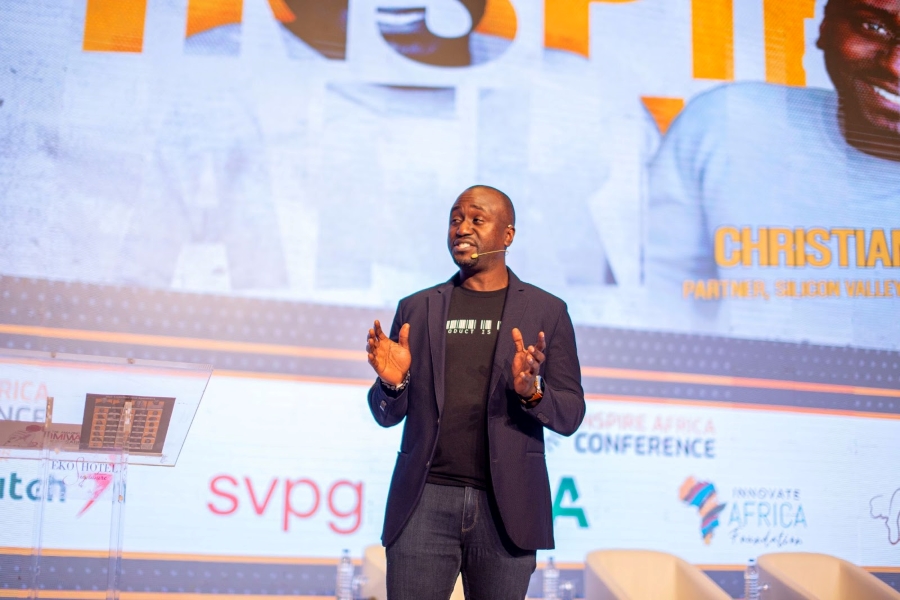
    The 2024 Inspire Africa Conference recently wrapped up a powerful four-day event at Lagos’ esteemed Eko Convention Centre, marking another milestone in advancing Africa’s burgeoning tech product landscape. Held from October 15th to 18th, this year’s event spotlighted the unique challenges and opportunities of building tech products in Africa under the apt theme, “Product Is Hard.”

    As Africa’s largest tech product gathering, the Inspire Africa Conference attracted almost 1,000 attendees, uniting over 100 African tech founders and product leaders with 30+ global speakers and coaches. Through immersive sessions, hands-on training, and invaluable networking, attendees explored how Africa can best leverage its talent and technology to address complex challenges and create scalable impact.

    The Vision Behind Inspire Africa: Equipping a Growing Workforce for the Future

    Christian Idiodi, Founder of the Innovate Africa Foundation, emphasized the strategic purpose behind Inspire Africa. “By 2030, Africa is expected to have the world’s largest working population. This presents a tremendous opportunity to harness this human capital for technology-driven progress,” Idiodi remarked. For him, the conference is about providing Africa’s workforce with both the skills and the financial support needed to thrive in a globalized world, positioning African tech leaders to contribute actively to the continent’s development.

    Championing Africa’s Tech Ecosystem

    Mitchell Elegbe, CEO of headline sponsor Interswitch Group, underscored the importance of conferences like Inspire Africa in his keynote. “Developing the technology value chain and upskilling our workforce is central to driving Africa’s growth. Interswitch is deeply committed to partnerships that enable individuals and communities to prosper across Africa,” he said. Elegbe highlighted that nurturing African-led innovation—by creating avenues for tech talent to grow—remains a core part of Interswitch’s mission.

    Four Days of Transformative Learning and Networking

    The event’s agenda featured an intensive exploration of tech product principles, divided into four distinct days that provided insights for product professionals at every level.

    • Day 1: Set the stage with keynote addresses and panel discussions on tech leadership, talent cultivation, ecosystem building, and funding access. One standout keynote was delivered by Ebi Atawodi, Director of Product Management at YouTube, who spoke on the power of collaboration in building exceptional products.
    • Days 2-4: The remaining days centered around the Silicon Valley Product Group’s expertise. Workshops and masterclasses, led by industry veterans including Marty Cagan—often referred to as the “Godfather of Product”—focused on advanced product strategies that have powered top Silicon Valley companies. Through these sessions, attendees gained practical techniques in product management and team optimization to propel African businesses forward. Notable facilitators like Christian Idiodi, Chidi Afulezi, and Gabrielle Bufrem brought global insights tailored to the African context.

    A Community-Driven Approach to Supporting African Startups

    This year’s conference also introduced the Innovate Africa Fund, which launched with $2.5 million in early 2024 and aims to back 20 African startups in its inaugural year. Through fireside chats and panel discussions, fund representatives Kristin H. Wilson and Christian Idiodi discussed the fund’s mission to bridge the funding gap for African startups and foster a supportive ecosystem for African entrepreneurs.

    Looking Ahead: Inspire Africa 2025 in Kigali, Rwanda

    With the resounding success of the 2024 conference, plans are already underway for the 2025 Inspire Africa Conference, which will be held in Kigali, Rwanda, from October 13th to 16th. By broadening its reach, Inspire Africa seeks to impact even more tech leaders, building Africa’s reputation as a hub for innovative, tech-driven solutions.

    For more details, conference highlights, or to learn about the companies behind Inspire Africa—including Silicon Valley Product Group, Product Leadership Accelerator, Innovate Africa Foundation, Innovate Africa Fund, and Work Nigeria—visit

    inspireafricaconference.com

  • Unlocking Africa’s Scientific Potential: How High-Performance Computing Can Drive Discovery Amidst Key Challenges

    Unlocking Africa’s Scientific Potential: How High-Performance Computing Can Drive Discovery Amidst Key Challenges

    A recent article by Akpan et al. (2024) titled “Accelerating Scientific Discovery Through High Performance Computing: Challenges and Opportunities for Africa Researchers” published in the International Journal of Diplomacy and Political Relations shows that high-performance computing (HPC) has significant potential to advance scientific research in Africa.

    High-performance computing (HPC) can significantly advance scientific research in Africa, despite challenges in access, funding, and expertise.– Akpan et al. 2024

    The article “Accelerating Scientific Discovery Through High Performance Computing: Challenges and Opportunities for African Researchers” examines how high-performance computing (HPC) can drive scientific advancements in Africa. It emphasizes the difficulties African researchers encounter in accessing and effectively using HPC resources and discusses the significant potential of HPC to accelerate scientific discoveries across the continent.

    How the Study was Conducted

    The study’s methodology involved a comprehensive review of existing literature on high-performance computing (HPC) and its applications in scientific research. The researchers from the Federal Polytechnic, Ukana, analyzed the challenges and opportunities faced by African researchers in accessing and utilizing HPC resources. They also conducted interviews with experts in the field to gather insights and data on the current state of HPC in Africa. The study aimed to identify key areas where improvements could be made to enhance the use of HPC for scientific discovery on the continent.

    What the Authors Found

    The authors found that high-performance computing (HPC) has significant potential to advance scientific research in Africa. They identified several key challenges faced by African researchers, including limited access to HPC resources, technical expertise, data infrastructure, and funding constraints. Despite these challenges, the authors emphasized the opportunities that HPC can provide for accelerating scientific discovery on the continent.

    Why is this Important

    This is important because high-performance computing (HPC) has the potential to revolutionize scientific research in Africa. By addressing the challenges and leveraging the opportunities identified in the study, African researchers can significantly accelerate scientific discovery. This can lead to advancements in various fields, such as healthcare, agriculture, and environmental science, ultimately contributing to the continent’s development and improving the quality of life for its people.

    What the Authors Recommended

    • The authors recommend addressing the challenges faced by African researchers in accessing and utilizing high-performance computing (HPC) resources.
    • They suggest increasing investment in HPC infrastructure and training programs to build the necessary technical expertise among African researchers. By doing so, the continent can fully leverage the power of HPC to accelerate scientific discovery and contribute to global scientific knowledge and innovation

    In conclusion, high-performance computing (HPC) holds immense potential to transform scientific research across Africa. By addressing key challenges—such as limited infrastructure, funding, and technical expertise—African researchers can fully harness HPC’s capabilities to drive innovation and contribute meaningfully to global knowledge. Embracing these opportunities can lead to groundbreaking advancements in fields like healthcare, agriculture, and environmental science, ultimately fostering sustainable development and enhancing quality of life throughout the continent.

  • Enhancing Mathematics Education: The Impact of Guided Discovery Learning on Academic Performance

    Enhancing Mathematics Education: The Impact of Guided Discovery Learning on Academic Performance

    A recent study by Mabhoza, Z., & Olawale, B. E. (2024) titled “Chronicling the Experiences of Mathematics Learners and Teachers on the Usage of Guided Discovery Learning (GDL) in Enhancing Learners’ Academic Performance” published in Research in Social Sciences and Technology shows that Guided Discovery Learning (GDL) significantly enhances learners’ academic performance in mathematics.

    Guided Discovery Learning (GDL) significantly improves mathematics students’ academic performance, enhancing critical thinking, problem-solving, and engagement.– Mabhoza, Z., and Olawale, B. E. 2024

    The article, “Chronicling the Experiences of Mathematics Learners and Teachers on the Usage of Guided Discovery Learning (GDL) in Enhancing Learners’ Academic Performance,” investigates the impact of Guided Discovery Learning (GDL) on mathematics students’ academic outcomes. This study examines both students’ and teachers’ experiences with GDL as a teaching method, aiming to understand how this approach can improve learners’ academic performance in mathematics. Through GDL, students are encouraged to engage actively in the learning process, fostering critical thinking and problem-solving skills.

    How the Study was Conducted

    The study on the usage of Guided Discovery Learning (GDL) in enhancing learners’ academic performance in mathematics employed a qualitative research methodology. The authors employed data through interviews, observations, and document analysis to gain insights into the experiences of both learners and teachers. This approach allowed them to explore the effectiveness of GDL in a real-world educational setting and understand the challenges and benefits associated with its implementation

    What the Authors Found

    The authors found that Guided Discovery Learning (GDL) significantly enhances learners’ academic performance in mathematics. They observed that students who engaged in GDL showed improved problem-solving skills, critical thinking, and a deeper understanding of mathematical concepts. Teachers reported that GDL made lessons more interactive and engaging, which helped maintain students’ interest and motivation. However, they also noted challenges such as the need for adequate training and resources to effectively implement GDL in classrooms

    Why is this Important

    The importance of this study lies in its potential to transform mathematics education. Here are a few reasons why it’s significant:

    Enhanced Learning: Guided Discovery Learning (GDL) promotes active engagement and critical thinking, leading to a deeper understanding of mathematical concepts.

    Improved Performance: The study shows that students using GDL perform better academically, which can boost overall educational outcomes.

    Teacher Development: Implementing GDL encourages teachers to adopt innovative teaching methods, enhancing their professional growth.

    Educational Equity: GDL can help bridge the gap for students who struggle with traditional teaching methods, providing a more inclusive learning environment.

    Long-term Benefits: By fostering problem-solving skills and independent thinking, GDL prepares students for future academic and career challenges.

    What the Authors Recommended

    The authors recommend several strategies to enhance the effectiveness of Guided Discovery Learning (GDL) in mathematics education:

    • Teacher Training: Providing comprehensive training for teachers to effectively implement GDL in their classrooms.
    • Resource Allocation: Ensuring that schools have the necessary resources, such as teaching materials and technology, to support GDL.
    • Curriculum Integration: Integrating GDL into the mathematics curriculum to make it a standard teaching approach.
    • Continuous Assessment: Implementing continuous assessment methods to monitor and evaluate the progress of students using GDL.
    • Collaboration: Encouraging collaboration among teachers, students, and parents to create a supportive learning environment.

    In conclusion, the study by Mabhoza and Olawale underscores the transformative potential of Guided Discovery Learning (GDL) in mathematics education. By fostering critical thinking, problem-solving skills, and active engagement, GDL not only enhances students’ academic performance but also supports a more inclusive and dynamic classroom environment. As educators and institutions consider these findings, implementing GDL can pave the way for a richer, more effective educational experience, equipping students with essential skills for future challenges. Through targeted recommendations, this study highlights the importance of investing in teacher training, resources, and continuous assessment to maximize GDL’s impact, ultimately redefining success in mathematics education.

  • Green Tourism Incentive Programme (GTIP) 2025: Funding for Sustainable Energy and Water Solutions in South Africa

    Green Tourism Incentive Programme (GTIP) 2025: Funding for Sustainable Energy and Water Solutions in South Africa

    Application Deadline: 28 February 2025

    The Green Tourism Incentive Programme (GTIP), managed by the Department of Tourism, aims to empower privately-owned tourism enterprises to adopt environmentally sustainable practices. This initiative provides support to tourism businesses to reduce their energy and water consumption, thus lowering operational costs and minimizing environmental impacts. The programme is part of South Africa’s broader commitment to responsible tourism and sustainable development within the sector.

    Focus Areas for Energy and Water Efficiency

    The GTIP focuses on sustainable solutions across various energy and water efficiency categories. Eligible projects include:

    • Renewable Energy Systems: Installation of solar and wind energy systems, where appropriate, to generate renewable power.
    • Energy and Water Efficient Equipment: Upgrades such as solar water heaters, heat pumps, and efficient HVAC systems to reduce energy demand.
    • Efficient Lighting: Implementation of solar-powered and LED lighting to minimize energy usage.
    • Advanced Metering Devices: Use of online metering and sub-metering devices, with subscription support, to track and optimize energy and water use.
    • High-Efficiency Appliances: Appliances like washing machines and dishwashers designed to use less water and energy.
    • Water Efficiency Systems: Installation of dual-flush toilets, aerated taps, efficient shower heads, and waterless urinals.
    • Water Sourcing Solutions: Adoption of rainwater harvesting systems and greywater recycling to conserve water resources.
    • Resource Management Policies: Initiatives for guest and staff awareness, along with policies for linen and towel reuse, to support resource conservation.
    • Other Efficiency Solutions: Efficient devices such as gas stoves, solar cookers, pool pumps, and other systems to reduce energy and water usage.

    Note that large-scale projects such as boreholes and desalination plants are excluded from GTIP funding.

    Programme Structure and Financial Support

    The GTIP provides comprehensive support, including covering the full cost for a new resource efficiency audit or review of an existing audit. Here’s a breakdown of how the programme works:

    1. Resource Efficiency Audit: GTIP assigns an assessor from its approved panel to conduct an energy and water efficiency audit. This assessment helps determine the most suitable solutions for the establishment.
    2. Sliding Scale Grant Funding: GTIP offers a grant covering 50% to 90% of the project cost for approved efficiency solutions, capped at R1 million. The grant percentage varies based on the project’s specifics, with applicants responsible for the balance, which they can fund through their own resources or reputable institutions like the Industrial Development Corporation (IDC).
    3. VAT Requirements: For VAT-registered enterprises, the grant excludes the VAT portion, as these businesses can reclaim VAT. Non-VAT registered enterprises receive the full VAT portion covered by GTIP. However, if they later register for VAT and claim these costs, they are expected to repay the VAT to GTIP.

    Application Process: Two Phases

    GTIP’s application process consists of two key phases:

    1. Phase 1: Conducting an energy and water efficiency audit, leading to the identification of viable solutions.
    2. Phase 2: Application for funding to implement these solutions once the audit is complete.

    Eligibility Criteria

    To be eligible, applicants must meet specific requirements:

    1. Applicant Profile:
      • The business must be a privately-owned, tourism-specific establishment directly catering to tourists. Suppliers or intermediaries are not eligible.
      • For new establishments, applications must demonstrate advanced project development with minimal delay and completion risk. This includes a detailed business plan, full funding, implementation plans, approved building plans, and relevant certifications.
      • Applicants must fall under Exempt Micro Enterprises (EMEs, with revenue below R5 million) or Qualifying Small Enterprises (QSEs, with revenue between R5 million and R45 million) according to the Tourism Broad-Based Black Economic Empowerment (B-BBEE) Scorecard.
    2. Resource Efficiency Commitment:
      • Businesses must commit to a resource efficiency audit conducted by a GTIP-assigned assessor.
      • Applicants must supply 12 months of historical energy and water usage data and occupancy records to aid in the audit.
      • A commitment to obtaining three quotations from qualified service providers/installers is required once solutions are identified.
    3. Documentation Requirements:
      • The application must include a completed form, business registration details, a valid tax compliance PIN, and the latest annual financial statements.

    GTIP is a crucial resource for tourism businesses looking to improve their sustainability practices and reduce costs while contributing to South Africa’s environmental goals. Interested parties can apply or learn more through the Industrial Development Corporation.

  • 2025 Doctoral Dissertation Proposal Fellowship: Support for Peacebuilding Research in Africa

    2025 Doctoral Dissertation Proposal Fellowship: Support for Peacebuilding Research in Africa

    Deadline: January 31, 2025

    The Social Science Research Council (SSRC) is offering its Doctoral Dissertation Proposal Development Fellowships to support doctoral students in advancing their research towards completion, especially for those working in the social sciences. These fellowships target students within Ghana, Kenya, Nigeria, South Africa, Tanzania, and Uganda, with a specific focus on dissertation proposals that address the complex themes of peacebuilding, security, and development in conflict-affected or fragile contexts.

    Purpose and Objectives
    The fellowship aims to foster the next generation of African social science researchers by supporting innovative and impactful dissertation research projects. The program also seeks to cultivate academic contributions that can enhance global scholarly discussions while supporting the advancement of peace, security, and development research across the African continent.

    Research Themes and Priorities

    Eligible research topics span several crucial areas, which may include but are not limited to the following themes:

    1. Climate, Environment, and Resources
      • The intersection of climate change and peacebuilding, exploring how shifts in climate impact regional stability and resources.
      • Energy transitions, natural resource management, and the social and political dimensions of hydropolitics.
      • Analyzing community, national, and regional dynamics of conflict over natural resources.
    2. Justice, Peace, and International Cooperation
      • Peace education initiatives and their role in shaping peaceful African futures.
      • Collaborative frameworks among regional and international entities (UN, AU, EU, RECs) in peace operations and the architecture of peacebuilding.
      • Mechanisms for transitional justice, peacebuilding, and reconciliation efforts in post-conflict regions.
    3. Identity, Nationalism, and Social Cohesion
      • The impact of national and regional identities, cultural diversity, and religion on citizenship and state-building processes.
      • The role of marginalized groups, including women and youth, in peacebuilding and national cohesion.
    4. Governance, Conflict, and Stakeholder Involvement
      • Examining African peace interventions, both military and non-military, and regional norms for addressing conflict.
      • Interconnections between governance, political transitions, and conflict, focusing on elections, governance, and post-conflict rebuilding.
      • Structural causes of violent conflict, transnational crime, and the role of small arms and light weapons in regional security.
    5. Technology, Media, and Arts in Peacebuilding
      • The implications of AI and the fourth industrial revolution on peace and conflict.
      • Digital media’s role in community advocacy and peace promotion, including ethical considerations in knowledge production.
      • The impact of arts—such as music, theater, and other media—on peace narratives and community reconciliation.

    Fellowship Benefits and Program Structure

    Successful applicants, or fellows, will be awarded up to $3,000 USD to support activities crucial for developing their dissertation proposals, such as pre-fieldwork expenses, literature review materials, and professional support for project planning.

    1. Six-Month Developmental Phase:
      Fellows commit to a six-month period to develop their dissertation proposals with an emphasis on creating scholarly contributions relevant to peace, security, and development.
    2. Interactive Workshops:
      Fellows will participate in two workshops in July and January. These workshops, held across African regions, are designed to refine research questions, align research methods with objectives, and engage critically with relevant literature.
    3. Contribution to African Scholarship and Digital Platforms:
      Fellows will contribute insights to SSRC’s digital forums, including Kujenga Amani, Facebook, and X (formerly Twitter), helping to project African perspectives in peace and development.
    4. Community and Mentorship:
      Fellows join a network of African scholars, benefiting from peer mentorship and interaction with experienced academics. This community offers substantial professional development and networking opportunities.

    Eligibility Requirements

    • African Citizenship and Residence: Applicants must be African citizens currently residing in Africa.
    • Doctoral Enrollment: Candidates must be enrolled in a PhD program at an accredited university in one of the eligible countries or be in the process of enrolling.
    • Educational Background: Candidates must hold a master’s degree by the time of application.

    Application Materials

    Applicants must submit the following materials through the SSRC Application Portal by January 31, 2025:

    • A draft of their dissertation proposal.
    • Updated Curriculum Vitae (CV), with no page limit, to reflect relevant academic and professional experiences.
    • Proof of master’s degree or equivalent certification.
    • A proposed research timeline and budget.

    All materials must be submitted in English. In cases where academic records or references are in another language, a certified English translation should be provided in a single, collated document.

    For more information, visit Social Science Research Council.

  • How Artificial Intelligence is Accelerating Africa’s Path to Sustainable Development Goals

    How Artificial Intelligence is Accelerating Africa’s Path to Sustainable Development Goals

    Artificial Intelligence (AI) is transforming Africa’s journey toward achieving the Sustainable Development Goals (SDGs), promising to unlock enormous potential across health, agriculture, economic growth, and infrastructure. With the Global Africa Business Initiative’s (GABI) Unstoppable Africa 2024 event highlighting this momentum, Africa’s digital transformation is gathering speed with a focus on bridging critical gaps and fostering collaboration.

    The SDGs are a global call to action to address challenges such as poverty, inequality, and climate change. While progress remains slow worldwide, Africa stands uniquely positioned to use AI as an engine of inclusive growth. Two essential elements underpin this effort: strong partnerships among stakeholders and expanded access to the necessary skills and technological infrastructure.

    Transforming Health Care Through AI-Driven Solutions

    AI in Africa offers revolutionary possibilities in health care, especially for communities that previously lacked consistent access to medical services. AI-driven solutions are making strides in monitoring maternal and child health, with systems that track pregnancies, predict complications, and enable life-saving interventions. This is directly supporting SDG 3, which focuses on ensuring healthy lives and promoting well-being. Collaborations like those between Google, Jacaranda Health in Kenya, and the OnTime Consortium in Nigeria are already deploying such technologies, helping women take charge of their health with timely, AI-supported information. AI’s influence here is twofold: it delivers essential care while empowering individuals, transforming healthcare accessibility across the continent.

    Tackling Food Security and Climate Challenges with AI

    In agriculture, AI is enhancing productivity and resilience against climate-related challenges, including extreme weather and resource scarcity. By leveraging AI, Africa is addressing SDG 2 (Zero Hunger) through enhanced food security initiatives. For instance, Google’s AI-powered flood forecasting system, already in use across 23 African countries, offers timely alerts to prevent flood-induced disasters, improving readiness and safety by providing forecasts up to seven days in advance. Such applications ensure that rural communities, who often bear the brunt of natural disasters, can mitigate risks to their livelihoods and improve agricultural outcomes.

    Powering Economic Growth and Supporting Startups

    Beyond healthcare and agriculture, AI offers a transformative pathway for economic growth. It opens new opportunities not only for large corporations but also for startups, which are increasingly significant in Africa’s digital economy. The AfriLabs AI Startups Mapping report indicates that the continent’s AI readiness index stands at 26.91, showing a promising yet underdeveloped AI ecosystem. Strategic investments and support for African startups are essential to progress toward SDG 8 (Decent Work and Economic Growth). Google’s initiatives, including the Google Startup Accelerator for Africa, the Hustle Academy, and the $50 million Africa Investment Fund, aim to support and nurture local startups, boosting Africa’s AI-driven entrepreneurial landscape. Policies such as the African Union Startup Model Law further provide an encouraging framework for AI-driven innovation by promoting regulations tailored to facilitate tech startups’ growth.

    Building Strategic Partnerships and Infrastructure for Inclusive AI

    To fully realize AI’s potential, African governments and private enterprises must establish solid partnerships. By investing in connectivity infrastructure, data centers, and STEM education, the continent can create a fertile environment for future AI innovators. Empowering young Africans with these skills is fundamental for a digitally literate generation equipped to harness AI’s potential. Building on SDG 9 (Industry, Innovation, and Infrastructure), regional organizations could play a role in developing a cohesive AI strategy across African countries, with joint projects and knowledge-sharing practices that accelerate AI’s benefits continent-wide.

    Overcoming Barriers and Cultivating a Culture of Innovation

    AI presents Africa with an unprecedented opportunity to overcome long-standing challenges. Beyond investment, governments should cultivate a culture that embraces digital skills and fosters innovation, especially among the civil service, as they are vital in driving public sector transformation. Skills like STEM and coding are crucial, but AI can further simplify access to learning and enhance proficiency in these areas. Regulatory frameworks tailored to African contexts can ensure that AI development adheres to ethical standards, protects data privacy, and encourages innovation. Google’s AI blueprint for Africa, introduced at GABI, aims to outline model policies that will guide governments and institutions in capturing AI’s transformative opportunities ethically and effectively.

    Collaborative Efforts for AI-Driven Transformation

    Africa’s journey toward AI adoption requires a collaborative approach, with cross-border initiatives between African nations and partnerships with global technology leaders. Such cooperation provides access to cutting-edge research, advanced AI technologies, and expertise that can elevate local AI capabilities. Shared successes and resources can break down barriers, ensuring a sustainable and inclusive AI-driven future.

    The Road Ahead: AI as a Catalyst for Sustainable Development

    Africa’s pursuit of the SDGs is inherently complex, but AI can serve as a powerful catalyst, accelerating progress in critical areas like health, agriculture, and economic development. As stakeholders rally together—from governments to private-sector partners—the continent can leverage AI to not only meet its development goals but also foster an environment of sustainable growth and prosperity. With transformative initiatives, strategic investments, and a culture that champions innovation, AI offers a unique and promising pathway for Africa’s sustainable development journey.

  • Nationalizing Ghana’s Mines: Africa Development Council’s Vision for Resource Sovereignty and Economic Independence

    Nationalizing Ghana’s Mines: Africa Development Council’s Vision for Resource Sovereignty and Economic Independence

    For centuries, Ghana’s vast deposits of gold, bauxite, manganese, and other valuable minerals have fueled global industries, yet the country has struggled with the paradox of resource abundance alongside economic challenges. Although multinational corporations such as Newmont and AngloGold Ashanti dominate Ghana’s mining sector, calls for a fundamental shift in resource management are intensifying. A key advocate for this change is the Africa Development Council (ADC), an influential organization focused on economic transformation in Africa. They propose a sweeping reform: to nationalize all mines and give Ghanaians control over the country’s natural wealth. Here, we explore the ADC’s reasoning, the historical context, the potential benefits, and the hurdles that would need to be addressed to make this ambitious vision a reality.

    Historical Context: Ghana’s Struggle with Foreign Dominance in Mining

    Known as the “Gold Coast” during the colonial era, Ghana’s history of resource extraction began in the early 15th century with European exploitation of its gold reserves. Under British rule, mining concessions were granted to foreign companies, which extracted profits while contributing minimally to the local economy. This trend continued post-independence, as multinational corporations continued to control the majority of Ghana’s mining wealth, benefiting from resource extraction while Ghana remained economically underdeveloped.

    Today, despite Ghana being one of the world’s largest producers of gold, a significant portion of the mining sector remains in foreign hands. While multinational corporations contribute jobs and generate revenue through taxes and royalties, the amount of wealth retained in Ghana is relatively small compared to the immense value extracted. The ADC argues that this current structure perpetuates a form of “neocolonialism,” where Ghanaians are unable to fully benefit from their own resources.

    The ADC’s Vision: Nationalization as a Path to Economic Self-Determination

    The Africa Development Council’s proposal to nationalize Ghana’s mining sector reflects a broader vision of resource sovereignty and economic self-sufficiency. According to the ADC, Ghana’s resources are a collective inheritance that should benefit the whole population rather than a handful of foreign investors or local elites. They contend that only nationalization can ensure the nation’s wealth is harnessed for the benefit of its people.

    The ADC has outlined several key objectives in advocating for nationalization:

    1. Resource Ownership: They argue that the minerals beneath Ghana’s soil are a God-given inheritance meant for all Ghanaians. By nationalizing the mining sector, Ghana could transfer ownership of these resources from foreign corporations to the state, giving Ghanaians full control over their management and utilization.
    2. Economic Independence: Nationalizing the mining industry would be a critical step toward economic self-sufficiency. Currently reliant on foreign capital and expertise, Ghana could use this control to develop its industries, including value-added processing sectors that provide higher levels of employment and generate greater income domestically.
    3. Equitable Distribution of Wealth: The ADC believes nationalization would allow for a more equitable distribution of wealth, directing mining revenues into essential areas such as education, healthcare, infrastructure, and sustainable development, rather than seeing profits funneled out of the country.
    4. Environmental Stewardship: Under foreign ownership, mining operations have often led to environmental degradation, including deforestation, pollution of water sources, and the destruction of farmlands. A state-controlled mining industry could prioritize sustainable resource management and environmental rehabilitation, protecting ecosystems and supporting long-term agricultural productivity.
    5. Curbing Illegal Mining (Galamsey): Illegal mining, known locally as “galamsey,” has been linked to severe environmental damage and social conflict. The ADC argues that nationalization would enable stricter regulation and a centralized approach to mining management, reducing illegal activities by bringing all operations under a unified framework.

    Lessons from Other Countries: Nationalization as a Tool for Economic Empowerment

    The ADC’s proposal draws inspiration from examples worldwide where nationalization has successfully fueled economic development and social programs. Some examples include:

    • Botswana: Botswana’s nationalization of its diamond industry, through a partnership with De Beers, transformed the country. Revenues from diamond exports have been reinvested into education, healthcare, and infrastructure, making Botswana one of Africa’s most prosperous nations.
    • Norway: Norway’s decision to nationalize its oil resources enabled the establishment of a sovereign wealth fund now worth over a trillion dollars, funding extensive social welfare programs.
    • Chile: Chile’s state-owned copper company, Codelco, remains the world’s largest copper producer. Revenue from Codelco funds social programs, education, and infrastructure, playing a key role in Chile’s economic stability.

    These examples demonstrate that, when managed effectively, nationalization can serve as a powerful tool for both economic empowerment and social progress.

    Potential Benefits of Nationalization for Ghana

    If implemented successfully, the ADC’s nationalization proposal could bring transformative benefits to Ghana:

    1. Increased Revenue for Development: Full control of the mining sector could allow Ghana to capture a much larger share of the profits from mineral exports. These revenues could directly support government initiatives focused on poverty alleviation, education, healthcare, and industrialization.
    2. Job Creation and Capacity Building: Nationalization would create opportunities for the government to prioritize local employment, fostering local expertise and reducing dependence on foreign labor. It could also spur the growth of mining-related industries, such as equipment manufacturing, refining, and mineral processing.
    3. Environmental Protection and Sustainable Practices: With direct control, Ghana could enforce environmental regulations that ensure mining activities minimize ecological harm. Damaged areas could undergo mandated reclamation, restoring polluted water bodies and degraded land.
    4. Cultural and Economic Sovereignty: Nationalization would represent a significant reclaiming of Ghana’s economic sovereignty, allowing the nation to prioritize local development over foreign profit. This could also foster a sense of national pride, as Ghanaians become direct stewards of their country’s resources.

    Challenges and Considerations

    Despite the clear benefits, there are significant challenges to achieving the ADC’s vision for nationalization:

    1. Capacity and Expertise: Managing a complex industry like mining requires technical skills, advanced technology, and infrastructure that multinational corporations have long dominated. Ghana would need to make substantial investments in workforce training, infrastructure, and mining technology.
    2. Funding and Capital Investment: Nationalization might deter foreign investment, as multinational companies may hesitate to invest in a country that nationalizes private assets. Alternative sources of capital, such as state-owned banks or international development funds, would be essential to sustain mining operations.
    3. International Relations and Trade: Nationalization could lead to diplomatic and trade tensions, particularly with countries heavily invested in Ghana’s mining sector. Careful navigation of these relationships would be critical to prevent sanctions or loss of trade partnerships.
    4. Corruption and Governance: Successful nationalization would require strong governance and transparency to prevent revenues from being misused by political elites. Without proper oversight, there is a risk that nationalization could enable corruption, with little benefit to the broader population.

    Conclusion: A Vision for Ghana’s Future

    The ADC’s call for nationalizing Ghana’s mines reflects a bold vision for reshaping Ghana’s economic landscape, fostering self-reliance, and empowering its people. By reclaiming ownership of its mineral wealth, Ghana could break free from the cycle of foreign exploitation, establishing a future where national resources are managed for the benefit of all citizens. However, realizing this vision will require careful planning, substantial investments in local capacity, and unwavering commitment to transparency and good governance.

    Should nationalization be effectively executed, Ghana has the potential to unlock significant economic growth, develop its human capital, and use its resources sustainably, paving the way for a more prosperous and independent future.

  • Community-Based Natural Resource Management in Ghana: Insights, Challenges, and Conservation Outcomes

    Community-Based Natural Resource Management in Ghana: Insights, Challenges, and Conservation Outcomes

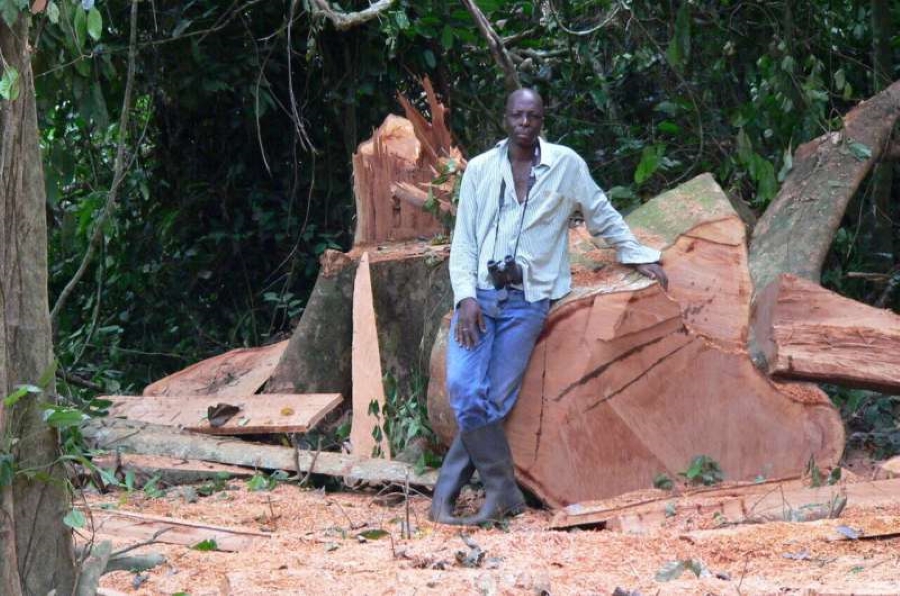
    The study, conducted by Nico Arcilla, sheds light on the perspectives of community members involved in community-based natural resource management (CBNRM) efforts in Ghana. The research emphasizes the urgency of reducing illegal logging, a major threat to forest conservation, biodiversity, and local economies. Illegal logging not only degrades critical habitats but also poses substantial challenges to sustainable development. Arcilla’s findings highlight both the successes and limitations of CBNRM initiatives, providing insight into the expectations and realities of local communities in these efforts.

    Africa’s biodiversity, particularly its emblematic wildlife and unique ecosystems, is under severe threat due to rapid population growth, land use changes, and economic pressures. In West Africa, for example, natural areas once sparsely populated are being intensively developed, impacting both ecosystems and the communities dependent on them. In Ghana, widespread logging and mining operations, along with the expansion of cocoa plantations, have led to the extensive loss of Upper Guinea forests, a biodiversity hotspot of global importance. Today, more than 80% of these forests are gone, replaced by agricultural land and urban development. The consequences for wildlife are devastating, with mammal populations plummeting by over 85% in some areas, including within designated protected zones.

    Despite the pressing need for conservation, West Africa’s conservation efforts have been marred by inadequate law enforcement, limited funding, and systemic challenges. Traditional protected areas alone are insufficient to preserve biodiversity, especially in regions with high human population density. This context has spurred interest in community-driven conservation approaches like CBNRM, which seeks to integrate local communities into conservation planning, management, and benefit-sharing. In Ghana, CBNRM has been implemented through Community Resource Management Areas (CREMAs) for over 20 years. CREMAs aim to manage resources sustainably, reducing emissions from deforestation and forest degradation under programs like REDD+.

    To understand how communities perceive CREMA efforts, Arcilla and colleagues conducted interviews with 881 individuals across 89 communities around eight CREMA sites, including Mole National Park and Bia National Park. Interviews, conducted in local languages with native speakers, captured community members’ views on various conservation, economic, and sociocultural outcomes associated with CREMAs.

    The study revealed that while participants acknowledged some benefits from CREMAs, such as increased conservation awareness, many felt that CREMA initiatives did not fully meet their expectations. Conservation awareness ranked as the highest-achieving outcome, while controlling illegal logging—a vital but challenging goal—ranked much lower, largely due to external dependencies like government enforcement. Illegal logging remains a persistent issue in Ghana, with an estimated 80% of timber harvested illegally, much of it used to meet domestic demand. The study found that community dissatisfaction with ongoing illegal logging reflects a widespread, systemic issue that impedes conservation and sustainable development efforts.

    Interestingly, the study challenges the notion that CREMA participants view conservation purely as a means to economic ends. Instead, participants ranked conservation outcomes as more critical than economic benefits, demonstrating a broader community commitment to conservation objectives. Nevertheless, unmet expectations in areas like improved employment opportunities, financial support, and income generation were prevalent. For instance, while participants appreciated improved food production and alternative livelihoods like honey production, they were disappointed by a lack of job creation and income diversification. This suggests that while CREMAs may contribute to local conservation efforts, they are limited in their ability to drive substantial economic change without external support.

    Sociocultural outcomes, such as collective community action and traditional knowledge preservation, were rated lower in importance but received relatively positive assessments. The most significant performance gap here related to children’s school attendance, which the study identified as an area requiring further community support and resources.

    Overall, Arcilla’s research underscores that while CREMAs can promote conservation awareness and act as buffers to protected areas, they cannot independently achieve broader conservation goals. The success of CBNRM initiatives, like CREMAs, hinges on strong partnerships with government and organizations, dedicated law enforcement, and continued financial investment. To enhance the effectiveness of CREMAs, the study recommends allocating increased resources for capacity building in associated protected areas and involving community members directly as park rangers or extension agents. These efforts could address key economic gaps, such as employment and income generation, while empowering local communities in conservation efforts.

    Future research could deepen understanding by collecting empirical data to evaluate wildlife and natural resource changes within CREMAs. By tracking conservation outcomes quantitatively, researchers and policymakers can gain valuable insights into the success of CBNRM initiatives, ensuring that these community-driven efforts contribute meaningfully to sustainable development and biodiversity preservation.

  • Sustainable Industrialization in Africa: How Renewable Energy Mitigates Environmental Impact of Manufacturing

    Sustainable Industrialization in Africa: How Renewable Energy Mitigates Environmental Impact of Manufacturing

    A recent study by Aquilas, et al. (2024) titled “Industrialization and environmental sustainability in Africa: The moderating effects of renewable and non-renewable energy consumption” published in Heliyon, shows that manufacturing value added has a negative and significant effect on environmental sustainability in Africa.

    Renewable energy use in Africa’s manufacturing sector reduces environmental impact, supporting sustainable industrial growth and climate goals. – Aquilas, et al. 2024

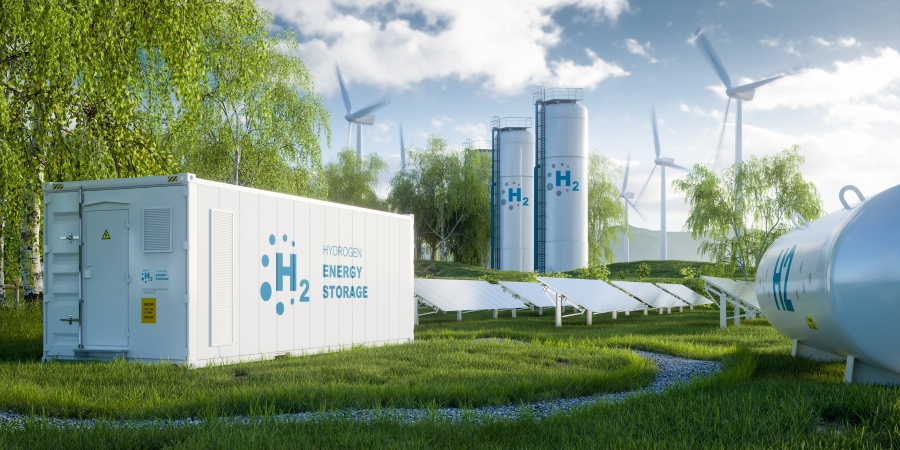
    This article explores the impact of industrialization on environmental sustainability in Africa, with a focus on how renewable and non-renewable energy consumption influence this relationship. Industrial activities, essential for economic growth, often present a challenge to environmental sustainability due to increased emissions, pollution, and resource depletion. However, the study finds that this negative impact can be alleviated by integrating renewable energy sources into industrial processes. When manufacturing and other industrial activities are powered by renewable energy—such as solar, wind, or hydropower—the environmental footprint of these activities is reduced. This approach not only lowers greenhouse gas emissions but also minimizes other environmental risks associated with conventional energy sources. By harnessing renewable energy, industrial growth in Africa could become both sustainable and resilient, offering an opportunity to achieve economic goals without compromising the health of ecosystems. This pathway aligns with global efforts to meet sustainable development goals, particularly those focused on affordable and clean energy and climate action. Conversely, reliance on non-renewable energy sources, like fossil fuels, supports rapid industrial growth but may lead to long-term environmental degradation. The combustion of fossil fuels contributes significantly to air pollution, global warming, and resource scarcity. While non-renewable energy is often more accessible and cost-effective, its environmental costs make it unsustainable for the future. Thus, the transition to renewable energy becomes essential for Africa’s industrial landscape if the region aims to balance economic growth with environmental preservation.

    How the Study was Conducted

    The study employed annual time series data from 2000 to 2022 for 46 African countries. Data sources include the Global Footprint Network, World Bank’s World Development Indicators, and the Food and Agricultural Organization. The dependent variable is the Load Capacity Factor (LCF), a measure of environmental sustainability. Independent variables include manufacturing value-added, renewable energy consumption, GHG emissions, population, openness, total natural resources rents, and GDP per capita. The study employs robust panel fixed effects regression and generalized least squares (GLS) methods to analyze the data, addressing issues like cross-section dependence, heteroskedasticity, and autocorrelation. The empirical model is based on the STIRPAT model and pollution haven hypothesis, incorporating interaction terms to explore the moderating effects of renewable and non-renewable energy on the relationship between manufacturing and environmental sustainability.

    What the Authors Found

    The study found that manufacturing value added has a negative and significant effect on environmental sustainability in Africa. When manufacturing activities are powered by renewable energy, they have a positive effect on environmental sustainability. The authors also found that impact of non-renewable energy on manufacturing and the environment is mixed. While clean fossil fuels like natural gas can support manufacturing without significant harm in the short term, their long-term use is unsustainable.

    Why is this important?

    Environmental Sustainability: It highlights the critical balance between industrial growth and environmental health. Understanding how industrial activities impact the environment helps in formulating strategies to mitigate negative effects.
    Policy Guidance: The findings provide valuable insights for policymakers in Africa. By emphasizing the benefits of renewable energy, the study offers a pathway to sustainable industrialization, which is crucial for long-term economic development.
    Energy Transition: The study underscores the importance of transitioning from non-renewable to renewable energy sources. This transition is vital for reducing greenhouse gas emissions and combating climate change.
    Economic Growth: Sustainable industrialization can drive economic growth without compromising environmental integrity. This is particularly important for developing regions like Africa, where economic development is often prioritized.
    Global Relevance: While focused on Africa, the study’s implications are globally relevant. It contributes to the broader discourse on sustainable development and the role of renewable energy in achieving it.

    What the Authors Recommended

    • The author emphasizes increasing the range of manufactured products to boost economic growth while ensuring environmental sustainability.
    • The study advocates shifting the energy mix towards renewable sources to power industrial activities, reducing the negative environmental impact.
    • The authors posit that governments should implement policies that encourage the use of renewable energy in manufacturing and other industrial sectors.
    • Furthermore, invest in technologies that enhance energy efficiency and reduce greenhouse gas emissions in the industrial sector.
    • In addition, collaborate with international organizations and other countries to share best practices and technologies for sustainable industrialization.

    In conclusion, the study by Aquilas et al. highlights the critical role of renewable energy in enabling sustainable industrial growth across Africa. By transitioning from non-renewable energy sources to cleaner, renewable options, African nations can mitigate the environmental costs of industrialization while driving economic development. This approach not only aligns with global sustainable development goals but also presents a viable pathway for resilient growth that preserves natural resources and promotes environmental health. As policymakers, industries, and international partners collaborate to advance this energy transition, Africa has a unique opportunity to lead in sustainable industrialization, fostering a future where economic progress harmonizes with environmental preservation.