Author: AR Managing Editor

  • Language Shifts in Migrant Communities: Social Integration, Cultural Preservation, and Policy Insights

    Language Shifts in Migrant Communities: Social Integration, Cultural Preservation, and Policy Insights

    A recent study by Akintayo et al. (2024) titled “The dynamics of language shifts in migrant communities: Implications for social integration and cultural preservation” published in the International Journal of Applied Research in Social Sciences shows that proficiency in the dominant language facilitates social integration by enhancing access to employment, education, and public services.

    Migrants adopting the dominant language enhances integration but risks heritage language loss, impacting cultural identity, cohesion, and diversity preservation.– Akintayo et al. 2024

    The article explores the phenomenon of language shifts within migrant communities. It examines the social and cultural implications of adopting a new dominant language while maintaining heritage languages. The study delves into how these dynamics impact community cohesion, identity, and intergenerational communication. The paper discusses the role of educational and social policies in supporting multilingualism and cultural diversity as assets in the integration process. It highlights the complex linguistic adaptation process influenced by historical contexts, socio-economic conditions, and government policies. The phenomenon of language shift, where migrants gradually adopt the dominant language of the host country while potentially losing proficiency in their native language, is a fundamental aspect of this adaptation process. The article also addresses the challenges of linguistic assimilation, such as discrimination, linguistic barriers, and feelings of alienation, and the erosion of native languages within migrant communities. It emphasizes the importance of language policies and educational initiatives in shaping language dynamics and supporting the preservation of linguistic diversity and cultural heritage.

    How the Study was Conducted

    The authors employed an extensive review of existing literature on language shifts, social integration, and cultural preservation to frame their study within the broader academic context. In-depth interviews were conducted with migrants from various communities to gather personal narratives and insights into their experiences with language shifts. These interviews provided rich, qualitative data on the social and cultural impacts of language adaptation. The study utilized structured surveys to collect quantitative data from a larger sample of migrants. The surveys included questions on language use, proficiency, attitudes towards heritage and dominant languages, and the perceived impact on social integration and cultural identity. Specific migrant communities were selected for detailed case studies to provide a comprehensive understanding of the dynamics of language shifts in different contexts. These case studies involved both qualitative and quantitative data collection methods. The authors analyzed educational and social policies related to multilingualism and cultural diversity to understand their role in supporting or hindering language maintenance and shifts. The qualitative data from interviews and case studies were analyzed using thematic analysis to identify common themes and patterns. The quantitative data from surveys were statistically analyzed to identify trends and correlations. This mixed-methods approach allowed the authors to triangulate their findings and provide a nuanced understanding of the complex dynamics of language shifts in migrant communities.

    What the Authors Found

    The authors found that migrants often adopt the dominant language of the host country, leading to a gradual decline in the use of their heritage languages. This shift is influenced by various factors, including socio-economic conditions, historical contexts, and government policies. The study also posits that proficiency in the dominant language facilitates social integration by enhancing access to employment, education, and public services. However, the process of linguistic assimilation can also lead to challenges such as discrimination, linguistic barriers, and feelings of alienation. In addition, the erosion of native languages within migrant communities can result in a sense of loss and disconnection from cultural heritage. This raises concerns about preserving linguistic diversity and the intergenerational transmission of cultural knowledge.

    Why is this Important?

    Social Integration: Understanding language shifts helps policymakers and educators develop strategies to support migrants in learning the dominant language, which is crucial for accessing employment, education, and public services. This facilitates smoother social integration and reduces feelings of alienation and discrimination.

    Cultural Preservation: The study highlights the risk of losing heritage languages, which are vital for maintaining cultural identity and intergenerational communication. By recognizing the importance of preserving these languages, communities can implement measures to keep their cultural heritage alive.

    Policy Development: Insights from the study can inform the creation of educational and social policies that promote multilingualism and cultural diversity. This can lead to more inclusive societies that value and support linguistic and cultural diversity.

    Community Cohesion: Language plays a significant role in shaping a sense of belonging and identity within migrant communities. Understanding the dynamics of language shifts can help in fostering community cohesion and reducing social tensions.

    Educational Initiatives: The findings can guide the development of bilingual education programs and other initiatives that support both the dominant and heritage languages. This can enhance educational outcomes for migrant children and promote a more inclusive learning environment.

    What the Authors Recommend

    • The authors advocate for educational policies that promote multilingualism and support heritage language maintenance. This includes implementing bilingual education programs and providing resources for teaching heritage languages in schools.
    • The authors recommend the establishment of community-based language programs that encourage the use of heritage languages in everyday life. These programs can include language classes, cultural events, and intergenerational activities to foster language transmission.
    • The study emphasizes the need for government policies that recognize and support linguistic diversity. This includes creating language proficiency requirements for citizenship that are inclusive and supportive of multilingualism.
    • The authors suggest launching public awareness campaigns to highlight the importance of preserving heritage languages and cultural diversity. These campaigns can help reduce stigma and discrimination associated with speaking minority languages.
    • Furthermore, the study calls for ongoing research and data collection to monitor language shifts and the effectiveness of language preservation initiatives. This data can inform policy decisions and help tailor programs to the needs of specific communities.
    • In addition, the authors recommend providing support to migrant families to help them navigate the challenges of linguistic assimilation while maintaining their cultural identity. This can include access to language resources, counseling, and community support networks.

    In conclusion, the dynamics of language shifts in migrant communities are complex and multifaceted, deeply intertwined with social integration, cultural preservation, and policy frameworks. While adopting the dominant language of the host country can open doors to economic and social opportunities, it also presents challenges such as the potential erosion of heritage languages and cultural identity. By fostering multilingualism through educational initiatives, community programs, and inclusive policies, societies can embrace linguistic diversity as a strength. Prioritizing both integration and cultural preservation ensures that migrant communities thrive while enriching the cultural fabric of their new environments.
  • AfAS 2024 Seed Research Grant: Apply Now for Funding to Support African Astronomy Research

    AfAS 2024 Seed Research Grant: Apply Now for Funding to Support African Astronomy Research

    The African Astronomical Society (AfAS) is the leading pan-African professional body representing the continent’s astronomers. AfAS is committed to building a globally competitive and collaborative community of astronomers across Africa while promoting the advancement of astronomy to address some of the continent’s pressing economic and social challenges.

    About the AfAS Seed Research Grant

    Launched in 2021 by the Early-Career Researcher Sub-Committee, the AfAS Seed Research Grant is designed to support postgraduate students and early-career researchers based in Africa with their astronomy research projects. This funding initiative aims to foster scientific innovation, collaboration, and capacity building within the African astronomical community.

    For the 2024 cycle, AfAS will award three (3) seed grants, each worth up to 1,200 Euros. These grants are available to PhD students and postdoctoral researchers who demonstrate outstanding research potential. The grant may cover various research-related expenses, including international or domestic travel, accommodation, the purchase of essential computer equipment, or other necessary costs related to advancing the research project.


    Eligibility Criteria

    To be eligible for the AfAS Seed Research Grant, applicants must meet the following requirements:

    1. Affiliation with an African University:
      Applicants may be citizens of any country but must be registered at a university or research institute located in an African country during the 2023-2025 academic years.
    2. Research Focus:
      Applicants must be actively conducting research in astronomy or a closely related field.
    3. Educational Background:
      Applicants must either be currently enrolled in a PhD program or have completed their doctoral degree within the past three years (i.e., no later than December 2021).

    Application Process

    Applicants should prepare the following documents, which must be compiled into a single PDF file and submitted via the AfAS online platform by 25 December 2024:

    1. Curriculum Vitae (CV):
      A detailed CV that includes a full list of academic publications. The CV should also include the contact details of two academic referees who can write recommendation letters on behalf of the applicant.
    2. Research Proposal:
      A comprehensive proposal (maximum of three pages) outlining the following:

      • Research title and abstract.
      • Scientific rationale and significance of the project.
      • Research methodology and expected outcomes.
      • A timeline for the project’s milestones.
      • A budget breakdown indicating how the grant will be used to support the research.
    3. Motivation Letter:
      A personalized letter addressed to the AfAS Seed Research Grant Committee, detailing the applicant’s motivation for seeking the grant and how it will contribute to their academic and professional goals.
    4. Proof of Registration/Employment:
      For PhD students, proof of registration at an African university. For postdoctoral researchers, proof of employment at a research institute.
    5. University Transcripts:
      Official transcripts from the applicant’s completed degrees, confirming their academic background.

    Additionally, two recommendation letters from academic referees must be sent directly to Dr. Sthabile Kolwa by 25 December 2024. One of these letters must be from a senior scientist familiar with the applicant’s research work (e.g., their supervisor or advisor).


    Selection Criteria

    The selection process will be handled by the AfAS Seed Research Grant Committee, comprising experienced astronomers and members of the AfAS Science Committee. Each application will be evaluated based on the following key criteria:

    1. Quality of the Research Proposal:
      The proposal must demonstrate the scientific merit and potential impact of the research, with a clear articulation of the research statement.
    2. Publication Record:
      Applicants’ academic publications will be assessed in relation to their career stage, reflecting their research productivity and quality.
    3. Overall Academic Performance:
      Academic achievements, as reflected in transcripts and previous research accomplishments, will be considered.
    4. Potential for Collaboration:
      The project’s ability to foster research partnerships and collaborations within the African astronomical community will be a significant factor.
    5. Contribution to the Growth of Astronomy in Africa:
      The project should show potential for advancing the field of astronomy in Africa, addressing challenges, and contributing to local and regional development.

    Grant Agreement and Reporting Requirements

    Successful applicants must sign a grant agreement before funds are released. Recipients will also be required to submit a progress report within one year of receiving the award. This report must include updates on the research, a financial summary, and scanned receipts of major expenses incurred during the research project.


    Estimated Timeline

    • Opening of the call: 25 September 2024
    • Deadline for applications: 25 December 2024
    • Review period: January to February 2025
    • Notification of successful applicants: At the AfAS Annual Conference in March 2025
    • Grant disbursement: By 31 March 2025

    Inquiries and Further Information

    For any queries related to the application process or eligibility criteria, please contact:

    AfAS Applications Administration
    Email: admin@afasociety.org
    Website: www.afasociety.org


    This grant offers a valuable opportunity for emerging African astronomers to advance their research, engage in meaningful collaborations, and contribute to the development of astronomy across the continent.

    Visit AFAS webpage for more details 

  • WARC Travel Grant 2025: Apply Now for Funding to Support Intra-African Research Collaboration

    WARC Travel Grant 2025: Apply Now for Funding to Support Intra-African Research Collaboration

    Overview of the WARC Travel Grant 2025

    The West African Research Center (WARC) Travel Grant is an initiative aimed at fostering collaboration and enhancing research partnerships within the African continent. By providing financial support to African scholars and graduate students, the grant promotes intra-African research exchanges between institutions, contributing to the growth and diversity of research across the region. The grant offers travel support and stipends, helping scholars visit other institutions, libraries, archives, or research sites essential to their academic work.

    Application Deadline

    The deadline for applications for the WARC Travel Grant 2025 is October 20, 2024.


    Grant Details

    The WARC Travel Grant is specifically designed to support the mobility of African researchers, enabling them to engage in various academic activities across the continent. Each successful applicant may receive funding to cover travel costs up to $1,500, along with an additional stipend of $1,500 to help cover expenses during the research visit.

    Who Can Apply?

    Eligible applicants must be nationals of West African countries and meet the following requirements:

    • Must be a scholar or graduate student engaged in academic research.
    • Should be affiliated with a university, research institution, or academic program in West Africa.
    • Graduate students must include a letter of recommendation from a professor overseeing their research.

    Eligible Fields

    This grant is open to applicants from various fields of research, allowing for a broad range of academic disciplines to benefit from the opportunities provided.

    Types of Activities Supported

    Grant funds may be used for:

    • Visiting libraries or archives in Africa that house critical resources necessary for the applicant’s research.
    • Engaging in collaborative work with fellow scholars or researchers at other African institutions.
    • Conducting field research at relevant sites in Africa to advance the applicant’s project.

    Application Requirements

    The application process requires the submission of the following documents:

    1. Abstract: A concise (50-80 words) summary of the proposed research activity, including a clear statement of purpose.
    2. Project Description: A detailed, six-page (double-spaced) description of the research or project, explaining why travel is necessary and how it will contribute to the applicant’s work. The description should be written in language that is accessible to non-specialists.
    3. Proposed Budget: A breakdown of the estimated costs involved in the research visit.
    4. Curriculum Vitae (CV): A full CV outlining the applicant’s academic background, research record, and teaching experience (if applicable).
    5. Passport Copy: A photocopy of the applicant’s passport, confirming their West African nationality.
    6. Recommendation Letter: A formal recommendation from a professor or supervisor, particularly for graduate students.
    7. Host Institution Invitation (if applicable): If the applicant is visiting another institution, an invitation letter from the host institution is required.
    8. Archive/Material Description (if applicable): If the applicant intends to consult specific collections or archives, they must provide a detailed description of the materials and their relevance to the research.

    How to Apply

    All applications must be submitted online in PDF format. Visit the official WARC Travel Grant webpage for more details and to access the application portal.

    Selection Process

    The selection process prioritizes West African nationals, particularly those affiliated with West African universities, research institutions, or academic programs. Successful candidates will be chosen based on the quality and relevance of their research proposal, the necessity of travel, and the potential impact of their work on African scholarship.


    Grant Benefits

    Recipients of the WARC Travel Grant will receive:

    • Up to $1,500 in travel expenses.
    • A stipend of $1,500 to cover additional costs during the research visit.

    The grant facilitates access to critical research materials and promotes the exchange of ideas and collaboration between African scholars, helping to elevate the standard of academic work in Africa.

    Contact Information

    For inquiries, applicants may contact:

    The WARC Travel Grant is funded by the Bureau of Educational and Cultural Affairs of the US Department of State through a grant provided by the Council of American Overseas Research Centers.


    Visit the Award Webpage for Details

  • Groundbreaking Mpox Vaccine Trial for Pregnant Women and Infants Launching in DRC

    Groundbreaking Mpox Vaccine Trial for Pregnant Women and Infants Launching in DRC

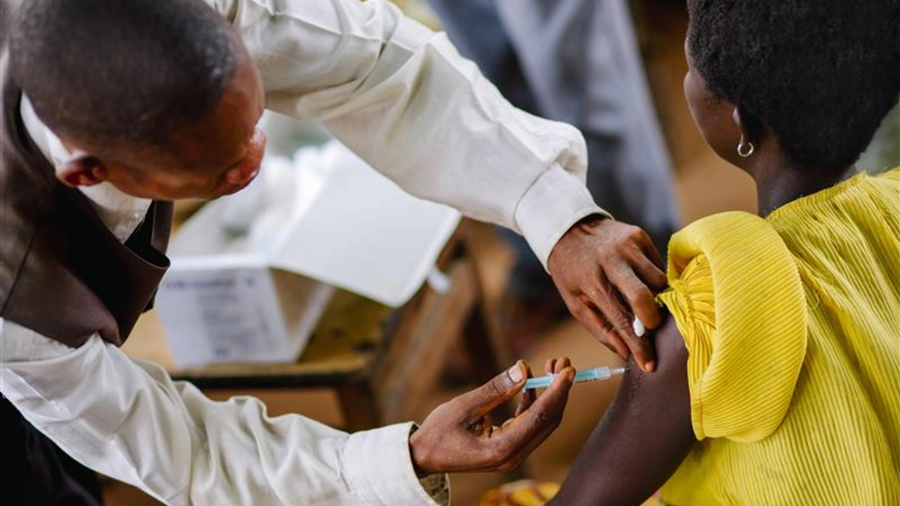
    A groundbreaking clinical trial will soon evaluate the safety and immunogenicity of Bavarian Nordic’s MVA-BN® mpox vaccine in pregnant and breastfeeding women, as well as infants under two years of age. This pioneering effort, set to launch in early 2025 in Boende, Democratic Republic of Congo (DRC), seeks to address critical gaps in vaccine access for populations at heightened risk of severe complications from mpox infections.

    Expanding Access to Vulnerable Populations

    Pregnant women and infants face elevated risks of severe outcomes from mpox, including complications such as adverse fetal health impacts and severe disease manifestations in young children. Yet, these groups remain ineligible for the current MVA-BN® vaccine, the only WHO prequalified mpox vaccine available to healthy adults and adolescents. By generating essential safety and immunogenicity data, this trial aims to unlock equitable vaccine access for these underserved groups, mitigating their vulnerability during outbreaks.

    Trial Details and Objectives

    The clinical trial, funded with $8.1 million from the Coalition for Epidemic Preparedness Innovations (CEPI) and Global Health EDCTP3, will recruit 350 pregnant women and 250 infants aged 6-24 months. It will be conducted as a randomized controlled trial with a 12-month follow-up period. Participants will receive the MVA-BN® vaccine to evaluate its safety and immune response generation.

    • Pregnant Women: In the first phase, participants will receive two doses of the vaccine before or after delivery. Researchers will collect blood samples and breastmilk to examine whether maternal antibodies are transferred to newborns through the placenta or breastfeeding.
    • Infants: The second phase will involve administering full or half doses of the vaccine to children under two years of age, assessing immune response and safety in this age group.

    The University of Antwerp (Belgium) will sponsor the trial, with the University of Kinshasa (DRC) leading scientific research efforts. Key partners include Penta (Italy), ACE Research (Kenya), and Bavarian Nordic, which will supply the vaccine.

    Addressing a Global Health Crisis

    The urgency of the trial is underscored by the ongoing mpox outbreak in the DRC and neighboring nations, the deadliest on record, with over 37,500 suspected cases and 1,040 fatalities reported this year alone. Children represent a significant portion of these fatalities. The outbreak, driven by the Clade Ib strain of the virus, has raised alarms due to its rapid spread and potentially altered transmission dynamics.

    CEPI’s Executive Director of Preparedness and Response, Dr. Nicole Lurie, emphasized the importance of protecting vulnerable populations, stating, “This study is a vital step in ensuring that pregnant women and infants, who are among the most at-risk, can benefit from effective vaccines.”

    A Collaborative Approach

    This initiative reflects a collaborative global effort. The trial is part of CEPI’s broader strategy to accelerate vaccine access in Africa, which includes two additional studies of the MVA-BN® vaccine in the region. Global Health EDCTP3’s Executive Director, Dr. Michael Makanga, lauded the trial’s focus on addressing unmet health needs, noting its potential to inform global vaccination strategies while enhancing local research capacity.

    Future Implications

    The findings from this trial could shape vaccine policy for priority populations worldwide. The research will be openly published, ensuring that the data benefits the global public health community. This work aligns with CEPI’s mission to compress vaccine development timelines, a critical goal in combating epidemic and pandemic threats.

    Strengthening Global Health

    This study not only aims to address a pressing public health need but also to strengthen local healthcare infrastructure in Africa. The trial aligns with efforts to expand access through existing immunization programs, such as the Expanded Programme on Immunisation (EPI) and antenatal care consultations.

    As Professor Hypolite Muhindo Mavoko of the University of Kinshasa remarked, “This trial is an essential step in addressing critical health gaps for vulnerable populations while also enhancing our capacity to respond to future crises.”

    By fostering equitable vaccine access, the trial represents a significant advance in global health preparedness, offering hope for better protection against mpox for those who need it most.

  • Strengthening Africa’s Diagnostic Capacity and Disease Surveillance: Challenges, Insights, and Solutions

    Strengthening Africa’s Diagnostic Capacity and Disease Surveillance: Challenges, Insights, and Solutions

    In the wake of the COVID-19 pandemic, Africa has made strides in its technical capacity to diagnose infectious diseases. However, the continent still faces critical challenges in disease surveillance and diagnostic readiness, underscoring an urgent need to bridge these gaps. Research recently published in Frontiers in Public Health highlights these shortcomings and offers insights into strengthening Africa’s health systems against future outbreaks.

    The Africa Centres for Disease Control and Prevention (Africa CDC) reports that in 2023 alone, the continent experienced 180 public health emergencies. A staggering 90% of these were due to infectious diseases, with 75% being zoonotic in nature. The outbreaks included mpox, diphtheria, dengue, Lassa fever, measles, poliomyelitis, Rift Valley fever, and cholera. These figures emphasize the pressing need for robust diagnostic and surveillance mechanisms.

    Prioritizing Epidemic-Prone Diseases

    Africa CDC has developed a risk-ranking tool—a list of priority epidemic-prone diseases—to guide research, preparedness, and response strategies. This framework not only informs the development of vaccines, diagnostics, and therapeutics but also adapts based on emerging evidence to remain relevant to current challenges.

    “The study conducted by the Africa CDC identifies diagnostic and surveillance gaps, offering valuable insights to guide policymaking, resource allocation, and interventions,” said Dr. Aytenew Ashenafi of the Centre of Laboratory Systems Division, Africa CDC, who led the research.

    Assessing Diagnostic Capacities Across Africa

    The research involved an online self-assessment survey conducted from February to April 2023, covering 15 African Union (AU) Member States. It examined the diagnostic capacity for 22 priority epidemic-prone diseases. The survey aimed to:

    1. Assess existing diagnostic technologies.
    2. Explore challenges in building and maintaining diagnostic capacity.
    3. Analyze current surveillance programs.

    Participating countries spanned all five African regions, including South Africa, Lesotho, and Madagascar in the south; Ethiopia and Somalia in the east; and The Gambia and Sierra Leone in the west. However, significant gaps in participation from certain regions reflect disparities in infrastructure and resources.

    The Africa Laboratory Technical Working Group validated the survey, which was available in English and French, ensuring its robustness.

    Findings: Major Barriers to Diagnostics and Surveillance

    Key challenges identified in the study include:

    • Inconsistent Laboratory Supplies (85%): A critical barrier, with shortages of essential materials like PCR reagents and extraction kits.
    • Inadequate Infrastructure (45%): Many laboratories lack the physical resources required to perform advanced diagnostics.
    • Limited Government Funding (43%): Chronic underinvestment hampers progress in health system development.
    • Inadequate Equipment Management (35%) and Human Resources (25%): These deficiencies limit operational efficiency and scalability.

    Implications and Recommendations

    The variation in laboratory capacities across AU Member States was striking, with some countries exhibiting pronounced limitations. These disparities highlight the need for tailored investments to build resilient diagnostic systems.

    To address these gaps, the study proposes several strategies:

    1. Adopting Rapid Diagnostic Tests and Portable Technologies: These tools can improve accessibility and timeliness in disease detection, especially in remote areas.
    2. Strengthening Laboratory Networks: Collaboration at national and regional levels can foster resource sharing and standardization.
    3. Enhancing Funding Mechanisms: Increased government and international funding is critical to sustain and expand diagnostic capacities.
    4. Fostering Human Resource Development: Training programs can build a skilled workforce to manage and operate advanced diagnostic systems effectively.

    A Roadmap for Resilience

    The study’s findings provide a comprehensive roadmap for AU Member States to enhance laboratory and surveillance capabilities. Targeted investments and informed policymaking can significantly improve Africa’s preparedness for health crises.

    “African countries must prioritize diagnostics, fortify infrastructure, and cultivate regional collaboration to combat future epidemics,” Dr. Ashenafi emphasized.

    By addressing these challenges, Africa can establish a robust public health framework capable of mitigating the impacts of disease outbreaks and ensuring the well-being of its populations. This proactive approach is essential for building a resilient health system that safeguards the continent against future pandemics.

  • AI and Machine Learning Revolutionizing Water Cybersecurity: Insights from African and U.S. Challenges

    AI and Machine Learning Revolutionizing Water Cybersecurity: Insights from African and U.S. Challenges

    A recent study by Adelani et al. (2024) titled “Theoretical Frameworks for the Role of AI and Machine Learning in Water Cybersecurity: Insights from African and US Applications” published in Computer Science & IT Research Journal, shows that AI and ML are essential in identifying, predicting, and mitigating cyber threats in the water sector.

    The article delves into the transformative potential of Artificial Intelligence (AI) and Machine Learning (ML) in fortifying cybersecurity within the water sector. It provides a comparative analysis of the African and U.S. contexts, focusing on how these technologies can address the unique cybersecurity vulnerabilities faced by water infrastructure systems. The paper emphasizes the growing importance of AI and ML in detecting, predicting, and mitigating cyber threats, offering innovative solutions to safeguard critical water resources and infrastructure. In its exploration, the article underscores the distinctive challenges that water systems face, such as outdated infrastructure, limited digital integration in certain regions, and the evolving nature of cyber threats. These issues are particularly pronounced in Africa, where resource constraints often intersect with technological and regulatory gaps, and in the U.S., where highly interconnected systems create complex vulnerabilities. AI and ML emerge as indispensable tools for real-time threat detection, anomaly prediction, and the automation of incident response, enhancing the resilience and efficiency of water cybersecurity measures.

    AI and ML are essential for identifying, predicting, and mitigating unique cybersecurity challenges in water infrastructure across Africa and the U.S.– Adelani et al. 2024

    The study also addresses ethical considerations that accompany the deployment of AI and ML in water cybersecurity. These include issues of data privacy, the potential for algorithmic bias, and the need for equitable access to technological advancements. Furthermore, it explores the regulatory frameworks necessary for implementing these technologies responsibly, emphasizing the importance of global standards and region-specific policies to ensure that cybersecurity measures are both effective and socially acceptable. In addition to ethical and regulatory dimensions, the article discusses the technical, socioeconomic, and data privacy challenges that hinder the broader adoption of AI and ML in the water sector. Technical challenges include the need for robust and secure data pipelines, the lack of interoperability among systems, and the scarcity of domain-specific datasets for training AI and ML models. Socioeconomic factors, such as the high cost of implementing advanced technologies and the need for skilled personnel, further complicate the deployment process, particularly in resource-constrained settings.

    How the Study was Conducted

    The study employed a comprehensive review of existing literature and theoretical frameworks. The authors analyzed various AI and ML techniques applied in water cybersecurity, focusing on their effectiveness in identifying, predicting, and mitigating cyber threats. They also examined the ethical considerations, regulatory frameworks, and technical challenges associated with deploying these technologies in both African and U.S. contexts. In addition, the study employed a qualitative approach, synthesizing insights from multiple sources to provide a holistic understanding of the current state and future directions of AI and ML in water cybersecurity. This included an evaluation of the socioeconomic and data privacy challenges, as well as potential research areas and strategies for overcoming existing barriers

    What the Authors Found

    The authors found that AI and ML are essential in identifying, predicting, and mitigating cyber threats in the water sector. These technologies offer advanced capabilities that traditional cybersecurity measures often lack. The study also posits that the water sector faces unique cybersecurity challenges, particularly in the African and U.S. contexts. These challenges include technical, socioeconomic, and data privacy issues.

    Why is this important

    Enhancing Cybersecurity: The water sector is critical infrastructure, and ensuring its cybersecurity is vital for public health and safety. AI and ML can significantly improve the detection and mitigation of cyber threats.

    Addressing Unique Challenges: The study highlights the unique cybersecurity challenges faced by the water sector in both African and U.S. contexts. Understanding these challenges is crucial for developing effective solutions.

    Ethical and Regulatory Considerations: By discussing ethical considerations and regulatory frameworks, the study ensures that the deployment of AI and ML in water cybersecurity is responsible and compliant with legal standards.

    Future Directions: The study identifies emerging trends and future directions in AI and ML, providing a roadmap for researchers and practitioners to follow. This can lead to innovative solutions and advancements in the field.

    Socioeconomic Impact: The study also addresses the socioeconomic and data privacy challenges associated with AI and ML in water cybersecurity. This is important for ensuring that the benefits of these technologies are accessible and equitable.

    What the Authors Recommended

    • The authors emphasize the importance of integrating AI and ML into water cybersecurity strategies to enhance the detection and mitigation of cyber threats.
    • The authors highlight the need for robust ethical and regulatory frameworks to guide the deployment of AI and ML technologies in the water sector.
    • The study recommends addressing the technical challenges associated with AI and ML, such as data privacy and the complexity of implementing these technologies.
    • The study suggests that future research should focus on emerging trends and potential advancements in AI and ML that could further improve water cybersecurity.
    • In addition, the authors stress the importance of considering socioeconomic factors and ensuring that the benefits of AI and ML are accessible and equitable.

    In conclusion, the study by Adelani et al. (2024) underscores the transformative role of AI and ML in enhancing water cybersecurity across diverse contexts, such as Africa and the U.S. By addressing unique technical, ethical, and regulatory challenges, these technologies offer innovative solutions to safeguard critical water infrastructure. As the sector faces evolving threats, integrating AI and ML becomes essential not only for detecting and mitigating cyber risks but also for fostering equitable, responsible, and sustainable advancements. This research provides a vital roadmap for future exploration, emphasizing the need for collaboration among policymakers, technologists, and stakeholders to ensure resilient and secure water systems worldwide.

  • China-Africa Renewable Energy Partnership: Driving Sustainable Growth and Energy Security Across the Continent

    China-Africa Renewable Energy Partnership: Driving Sustainable Growth and Energy Security Across the Continent

    China and Africa are set to deepen their collaboration in renewable energy, driven by Africa’s vast natural resources and China’s advanced capabilities in wind and solar power technologies. Experts highlight that this growing partnership holds the potential not only to secure energy supplies across the continent but also to propel Africa onto a greener, more sustainable path. This synergy promises numerous benefits, including sustainable economic growth, energy security, and climate resilience for African nations.

    The economic landscape in Africa is evolving, with an increase in both industrialization and urbanization leading to a continuous rise in energy demands. Projections from the African Union Development Agency’s Continental Power System Masterplan suggest that by 2040, Africa’s electricity consumption could soar to nearly 3,842 terawatt-hours, underscoring the urgent need for energy expansion and diversification. The International Renewable Energy Agency further predicts that by 2030, nearly 25 percent of this demand can be met by renewable sources, positioning clean energy as a pivotal component of Africa’s future.

    China has already played a substantial role in addressing Africa’s energy needs through various renewable energy projects, which have helped African nations reduce energy deficits and transition toward sustainable development models. However, experts emphasize that more significant advancements could be achieved by localizing technology production, investing in green financing, and fostering talent within African countries. This approach could deepen the roots of China-Africa renewable energy cooperation, fostering more self-sustaining growth in the sector and maximizing the benefits of these projects within African economies.

    Lu Junling, Chief Economist at China’s National Energy Administration, points out that China-Africa energy collaboration aligns with mutual strategic interests, laying a strong foundation for extensive future cooperation. He advocates for practical measures to accelerate this partnership, such as exchanging knowledge and project insights, creating forums for collaboration, and utilizing think tanks to bolster outcomes. This emphasis on collaborative frameworks aims to build a more cohesive, robust foundation for long-term energy initiatives across the continent.

    Timing and Opportunities for Green Collaboration

    Li Sheng, head of the China Renewable Energy Engineering Institute (CREEI), underscores that the time is right for intensified renewable energy cooperation between China and Africa. For this collaboration to reach its full potential, Li suggests further development of cooperative mechanisms, greater support for joint research and planning, as well as policy alignment. By advancing technological innovation and tailoring projects to address local needs, the partnership could deliver impactful, community-focused green energy solutions.

    A recent report on China-Africa renewable energy cooperation—jointly authored by CREEI and the New Partnership for Africa’s Development, an African Union economic initiative—emphasizes the immense potential for renewable energy development in Africa. Despite this potential, Africa’s current renewable energy production and consumption levels remain modest; as of 2022, renewables constituted only 9.67 percent of the continent’s total energy consumption.

    Installed Capacity and Growth Trends

    Africa’s installed power generation capacity reached 252.8 gigawatts by 2023, with fossil fuels still dominating at approximately 75 percent of the total. Hydropower represents the largest renewable segment, with 37.1 GW of installed capacity, amounting to 3 percent of global hydropower capacity. Wind and solar, although growing, contribute only modestly, with 8.7 GW and 13.5 GW, respectively—each less than 1 percent of the global share.

    However, Africa’s renewable energy capacity is expanding rapidly. Excluding pumped storage, renewable installations have grown by 23.2 percent over the last five years—far outpacing the 6.4 percent growth rate in fossil fuel power generation. This shift signals Africa’s accelerating transition to renewable energy sources, but also highlights the need for continued investment and innovation to fully realize the continent’s green potential.

    Through this robust China-Africa renewable energy partnership, Africa has an opportunity to meet its growing energy needs sustainably while establishing itself as a leader in the global green energy transition. With an expanded focus on green finance, technology transfer, and local workforce development, this collaboration can set a new standard for international cooperation in the fight against climate change and in building resilient, sustainable economies.

  • Challenges and Opportunities in Advancing Bioinformatics Proficiency Among African Students: A Comprehensive Study

    Challenges and Opportunities in Advancing Bioinformatics Proficiency Among African Students: A Comprehensive Study

    A recent study by Akintola et al. (2024) titled “Bioinformatics proficiency among African students” published in Frontiers in Bioinformatics, examines that students face significant barriers to gaining proficiency in bioinformatics, including limited access to resources, educational infrastructure, and training opportunities.

    African students face significant barriers to bioinformatics proficiency, including limited resources, inadequate infrastructure, and training challenges.– Akintola et al. 2024

    The article examines the current landscape of bioinformatics literacy among students across Africa, emphasizing the crucial role bioinformatics plays in the advancement of the life sciences. As an interdisciplinary field that merges biology, computer science, and data analytics, bioinformatics has become foundational in research areas such as genomics, personalized medicine, agricultural biotechnology, and environmental conservation. However, African students face unique challenges in achieving proficiency in this vital field due to several limitations, such as restricted access to essential resources, inadequate educational infrastructure, and a scarcity of specialized training opportunities. These obstacles hinder the full participation of African students in bioinformatics, ultimately affecting their ability to engage meaningfully in global scientific progress. For instance, many educational institutions across Africa lack the necessary computational resources, such as high-performance computing facilities, which are essential for processing complex biological data. Additionally, a shortage of trained educators and mentors in bioinformatics limits the ability to provide a robust curriculum that covers essential concepts and tools, from basic coding to advanced data analytics and machine learning. By empowering African students with bioinformatics proficiency, the article envisions a future where they can make significant contributions to critical sectors such as healthcare, where genomics and personalized medicine can improve disease prevention and treatment; agriculture, where bioinformatics can enhance crop resilience and productivity; and biodiversity conservation, where genetic analysis can aid in preserving threatened species. Advancing bioinformatics literacy among African students not only strengthens the continent’s scientific capabilities but also holds promise for improving overall quality of life across Africa, enabling local researchers to devise innovative, sustainable solutions to the continent’s unique challenges.

    How the Study was Conducted

    The study employed a comprehensive methodology to assess the current state of bioinformatics literacy and identify challenges and potential solutions. The study gathered data through surveys and questionnaires distributed to students across various African universities. These instruments were designed to capture information on students’ access to bioinformatics resources, their level of proficiency, and the challenges they face in learning bioinformatics. The study involved organizing bioinformatics training sessions, both virtual and onsite, in collaboration with international institutions. These training programs aimed to enhance student’s skills and provide hands-on experience with bioinformatics tools and techniques. Participants’ satisfaction with the training programs was assessed through surveys that evaluated the quality of presentations, demonstrations, and exercises. Feedback from these surveys was used to gauge the effectiveness of the training and identify areas for improvement. The study leveraged free online bioinformatics resources and tools to overcome the limitations posed by expensive proprietary software. This approach aimed to make bioinformatics education more accessible to students with limited financial means.

    What the Authors Found

    The authors found that African students face significant barriers to gaining proficiency in bioinformatics, including limited access to resources, educational infrastructure, and training opportunities. Issues such as poor internet connectivity, lack of high-performance computing facilities, and insufficient bioinformatics educators were highlighted

    Why is this important?

    Advancing Healthcare: Bioinformatics plays a pivotal role in understanding genetic diseases, developing personalized medicine, and improving public health strategies. By enhancing bioinformatics literacy, African students can contribute to innovative healthcare solutions tailored to the continent’s unique challenges.

    Agricultural Development: Bioinformatics can significantly impact agriculture by improving crop yields, developing disease-resistant varieties, and enhancing livestock breeding programs. This can lead to increased food security and sustainable farming practices in Africa.

    Biodiversity Conservation: Africa is home to a rich diversity of flora and fauna. Bioinformatics tools can help in the conservation of this biodiversity by aiding in species identification, understanding ecological relationships, and managing natural resources effectively.

    Scientific Capacity Building: Developing bioinformatics skills among students fosters a skilled workforce capable of conducting cutting-edge research. This can lead to scientific advancements and innovations that address local and global challenges.

    Economic Growth: Proficiency in bioinformatics can open up job opportunities and entrepreneurial ventures in the growing fields of genomics and data-driven life sciences. This can contribute to economic development and reduce brain drain by retaining talent within the continent.

    Global Collaboration: Bioinformatics is a global field, and proficiency in it allows African researchers to participate in international collaborations, share knowledge, and contribute to global scientific endeavors. This fosters inclusivity and diversity in scientific research.

    What the Authors Recommended

    • The authors emphasize increasing access to up-to-date bioinformatics resources, including scientific journals, textbooks, software, and databases. This can be achieved through partnerships with international institutions and organizations.
    • The study ought government to address the issues of poor internet connectivity, lack of high-performance computing facilities, and unstable power supply. Governments and funding agencies should invest in improving these infrastructures to support bioinformatics education and research.
    • The authors argue that the government should encourage partnerships between African universities and international institutions. Collaborative training programs, workshops, and faculty exchange initiatives can help bridge the knowledge gap and provide students with access to global expertise.
    • Incorporate bioinformatics into existing life sciences curricula and establish specialized bioinformatics programs. This will ensure that students receive comprehensive training tailored to the specific needs of the region.
    • The authors advocate for open data-sharing policies and support local data generation initiatives. This will enhance the accessibility and quality of data necessary for bioinformatics research.
    • Furthermore, the study emphasizes creating a conducive environment for professional growth and scholarly opportunities within Africa. Offering competitive salaries, research grants, and recognition for contributions can help retain bioinformatics professionals on the continent.
    • In addition, involve students in research projects to provide hands-on experience and practical skills. This will not only enhance their proficiency but also contribute to innovative solutions in healthcare, agriculture, and biodiversity conservation.

    In conclusion, enhancing bioinformatics proficiency among African students is essential for empowering the continent’s next generation of scientists to address pressing healthcare, agricultural, and environmental challenges. By overcoming barriers such as limited resources, inadequate infrastructure, and a lack of specialized training, African nations can foster a skilled bioinformatics workforce capable of driving innovation and contributing to global scientific progress. Implementing the study’s recommendations—including improving access to resources, integrating bioinformatics into curricula, and establishing collaborative partnerships—will not only strengthen Africa’s scientific capabilities but also support sustainable development, economic growth, and inclusive participation in the global research community.

  • Antibiotic Use in Sub-Saharan Africa: Key Insights from the ANDEMIA Study on Infection Patterns and Antimicrobial Resistance

    Antibiotic Use in Sub-Saharan Africa: Key Insights from the ANDEMIA Study on Infection Patterns and Antimicrobial Resistance

    A recent study by Wieters, et al. (2024) titled “Reported antibiotic use among patients in the multicenter ANDEMIA infectious diseases surveillance study in sub-Saharan Africa” published in Antimicrobial Resistance & Infection Control by Springer Nature shows that the use of antibiotics varied significantly by disease syndrome, country, and health facility location.

    Antibiotic use in sub-Saharan Africa varies significantly by disease type, country, and facility location, impacting AMR.

    – Wieters, et al. 2024

    The article explores a comprehensive analysis of antibiotic usage patterns across multiple health facilities in sub-Saharan Africa. The study, which ran from February 2018 to May 2022, focused on understanding the prevalence and nature of antibiotic use in both urban and rural healthcare settings within Côte d’Ivoire, Burkina Faso, the Democratic Republic of the Congo, and South Africa. By examining antibiotic usage in these diverse settings, the study addresses a critical data gap on antibiotic consumption in sub-Saharan Africa, which is vital for developing effective strategies to combat antimicrobial resistance (AMR) in the region. The authors targeted patients presenting with specific types of infections: acute respiratory infections (RTI), acute gastrointestinal infections (GI), and acute febrile diseases of unknown cause (AFDUC). The study enrolled a total of 19,700 patients, gathering extensive data on clinical, demographic, socio-economic, and behavioral factors through standardized questionnaires. This multifaceted data collection allowed for a nuanced analysis of how these factors influenced antibiotic use among the patient population. The study revealed marked variations in antibiotic use based on the type of infection, country, and health facility location. For instance, antibiotic use was influenced not only by the disease syndrome (whether RTI, GI, or AFDUC) but also by socio-economic and behavioral factors that varied widely across countries and between urban and rural settings. These findings underscore the need for a differentiated approach to managing antibiotic use across different healthcare contexts in sub-Saharan Africa. The high prevalence of WHO Watch antibiotics used in these settings highlights the urgent need for targeted interventions that consider local patterns of antibiotic access and affordability. Such interventions could support more rational antibiotic use, help reduce inappropriate prescribing, and ultimately contribute to reducing the spread of antimicrobial resistance. The study advocates for further research and policy evaluation focused on improving access to appropriate antibiotics and ensuring affordable treatment options for patients, particularly in low-resource settings where overuse and misuse of antibiotics are prevalent.

    How the Study was Conducted

    The study is a descriptive analysis of data from the ANDEMIA (African Network for Improved Diagnostics, Epidemiology and Management of Common Infectious Agents) infectious disease surveillance network. Data were collected from 12 urban and rural health facilities in Côte d’Ivoire, Burkina Faso, Democratic Republic of the Congo, and Republic of South Africa between February 2018 and May 2022. Patients with acute respiratory infection (RTI), acute gastrointestinal infection (GI), and acute febrile disease of unknown cause (AFDUC) were enrolled. Clinical, demographic, socio-economic, and behavioral data were collected using standardized questionnaires. The data included information on patient demographics, current symptoms, medical history, past and current hospitalization, medication, and socio-economic factors. The authors recorded antibiotic use in the ten days prior to study enrollment. This included self-medication, prescribed antibiotics, and antibiotics administered at the health facility before study enrollment. The antibiotics were categorized according to the WHO AWaRe classification (Access, Watch, Reserve, and Not recommended). The authors analyzed data using Stata software. Antibiotic use was defined as the self-reported use of one or more antibiotics in the ten days prior to study enrollment. The antibiotics were analyzed by total reported antibiotics and by patients who received one or more antibiotics. The analysis also included stratification by location, disease syndrome, and individual patient factors. Furthermore, the study adhered to national legislation and ethical standards, including the Declaration of Helsinki. Institutional ethics approval was obtained in all participating countries. Patient data were pseudonymized and only accessible to selected trained study staff.

    What the Authors Found

    A notable finding from the study was that 36.8% of patients reported using antibiotics within the ten days prior to enrollment. The most commonly reported antibiotic was ceftriaxone, a WHO Watch antibiotic, accounting for 31.7% of the reported antibiotics. Other frequently used antibiotics included amoxicillin and amoxicillin/clavulanic acid. The study also found that the use of antibiotics varied significantly by disease syndrome, country, and health facility location. For example, Watch antibiotic use ranged from 17.4% among RTI patients in urban facilities in Côte d’Ivoire to 73.7% among AFDUC patients in urban facilities in Burkina Faso. In addition, the study observed an increase in the use of Watch antibiotics during the COVID-19 pandemic. Before the pandemic, 40.7% of reported antibiotics were from the Watch group, which increased to 50.6% during the pandemic.

    Why is this important?

    Combatting Antimicrobial Resistance (AMR): Antibiotic misuse and overuse are major drivers of AMR, which poses a significant global health threat. Understanding antibiotic use patterns helps in planning and implementing strategies to combat AMR effectively.

    Data Scarcity: There is limited data on antibiotic use in sub-Saharan Africa. This study provides valuable insights into the region’s antibiotic use, which is essential for developing targeted interventions.

    Health Policy and Interventions: The findings highlight the need for differentiated approaches to antibiotic use interventions. This includes evaluating the accessibility and affordability of treatments, which can inform health policies and improve patient outcomes.

    Public Health Impact: High rates of antibiotic use, especially of WHO Watch antibiotics like ceftriaxone, indicate potential misuse. Addressing this can reduce the risk of developing resistant infections, improving overall public health.

    COVID-19 Influence: The study also shows an increase in Watch antibiotic use during the COVID-19 pandemic, underscoring the need to monitor and manage antibiotic use during health crises.

    What the Authors Recommended

    • The authors emphasize the need for a more differentiated approach to antibiotic use interventions. This includes evaluating the accessibility and affordability of patient treatment in various settings.
    • The study highlights the importance of targeted strategies to manage antibiotic use, considering the significant differences in antibiotic use by disease syndrome, country, and health facility location.
    • The authors call for further evaluation of the factors influencing antibiotic use, such as socio-economic and behavioral factors, to develop more effective interventions.
    • The study recommends ongoing monitoring of antibiotic use and the implementation of antimicrobial stewardship programs to ensure appropriate use of antibiotics and combat antimicrobial resistance (AMR).

    In conclusion, the ANDEMIA study provides crucial insights into antibiotic use patterns across diverse healthcare settings in sub-Saharan Africa, underscoring the urgent need for targeted interventions to combat antimicrobial resistance (AMR) in the region. By revealing significant variations in antibiotic use influenced by disease type, country, and health facility location, the study highlights the complexity of AMR challenges in low-resource settings. These findings call for differentiated approaches to managing antibiotic access and affordability, along with improved stewardship programs to guide appropriate antibiotic usage. Addressing these factors through policy and research efforts is essential to safeguard public health, particularly as the COVID-19 pandemic has exacerbated antibiotic misuse risks. As AMR continues to threaten global health, this study serves as a critical foundation for more effective, localized strategies in antibiotic stewardship and public health planning.

  • How African Startups Are Tackling Health Challenges with Innovative Tech Solutions

    How African Startups Are Tackling Health Challenges with Innovative Tech Solutions

    A Personal Mission to Improve Nigeria’s Blood Supply System

    For Mathew Okwoli, a software engineer from Nigeria, a tragic personal experience sparked a mission to address a significant gap in his country’s health system. After losing his aunt due to a shortage of blood at a local hospital, Okwoli investigated the causes and discovered systemic issues in blood storage and distribution across Nigeria. Many hospitals lacked the facilities to store blood properly or the ability to connect with nearby blood banks. Inspired to find a solution, Okwoli co-founded Betalife Health, an innovative health-tech startup aiming to ensure timely access to blood for hospitals and physicians.

    At the core of Betalife’s offerings is a subscription-based software platform and mobile app that allows healthcare providers to access real-time information on blood bank inventories, with plans to integrate AI-driven demand prediction based on health data such as disease prevalence. This predictive capacity could optimize blood supply management in a country of over 230 million people, where the need for blood far outstrips the available donations. With Nigeria’s annual requirement of 2 million pints and a donation rate yielding only 500,000 pints, Betalife’s mission is to bridge the critical gap.

    Betalife was one of nine African startups selected to participate in the African Impact Challenge, a University of Toronto business incubator program aimed at accelerating innovative solutions for African markets. During a pitch session held in Toronto in June 2024, each startup had three minutes to present their case to an audience of potential investors and strategic partners.

    The African Impact Challenge and Africa Health Collaborative

    The African Impact Challenge is a part of the Africa Health Collaborative, a U of T project funded by the Mastercard Foundation that offers entrepreneurs a three-month residency at U of T. This program connects African entrepreneurs with the university’s academic resources and industry connections, providing valuable insights into best practices and innovations from Toronto’s dynamic startup ecosystem. For Okwoli, the experience was transformative: “These visits have provided me with insights into industry best practices and innovations,” he said.

    According to Osas Obano, the African Impact Challenge’s program manager, this initiative is designed to empower African entrepreneurs to create solutions tailored to their communities, making it a more sustainable and impactful approach than traditional foreign aid. “Instead of donating medical supplies, we support health-care startups. Each year, we go to African communities and look for innovators who are building good solutions,” Obano explained. The aim is not only to make healthcare more accessible and affordable in Africa but to eventually expand these solutions to global markets.

    As Joseph Wong, a professor at the Munk School of Global Affairs and Public Policy and U of T’s vice-president for international affairs, noted, “Our contributions to this collaborative are in the service of African development, for Africans by Africans.” The program also benefits U of T by fostering student recruitment and research collaborations with African institutions, creating a mutually beneficial exchange of knowledge and resources.

    Mental Health Support Designed for South African Realities

    Another African Impact Challenge participant, Mahlodi Letsie, founded Bare Mind, a mental health and wellness platform tailored to address the unique challenges of mental health in South Africa. Letsie’s journey into entrepreneurship was fueled by personal struggles with anxiety and imposter syndrome during her undergraduate studies, compounded by witnessing a family member’s severe mental health challenges.

    Mental health support in South Africa faces significant obstacles, including a lack of culturally relevant resources and vocabulary in African languages to describe mental distress. With Bare Mind, Letsie aims to create a comprehensive platform that combines mental health services such as stress management and mindfulness programs with resources for nutrition, fitness, and sleep. Bare Mind’s wellness tracker, powered by AI, adds a gamification element to encourage users to set and achieve their health goals.

    Letsie’s entrepreneurial journey began with a leap of faith. After losing her job during the COVID-19 pandemic, she attended an executive program at Harvard Business School, where she was encouraged to pitch her idea online. Through cold outreach, she connected with a software engineer specializing in African language processing, a critical step in developing the language-sensitive platform for Bare Mind.

    By 2024, Bare Mind had grown to include a team of part-time coders and secured a contract with Adcorp, a prominent South African company, to provide mental health content for its employees. Reflecting on her path, Letsie emphasized the importance of community support, particularly through the African Impact Challenge: “Being able to tap into a vibrant community of brilliant founders who are dedicated to building solutions for the benefit of Africa and the world at large has been nothing short of inspirational.”

    A Growing Network of Support and Investment

    The startups participating in the African Impact Challenge are given initial funding of $5,000 to $25,000, but many seek additional support, whether through grants, traditional financing, or partnerships. For instance, Bare Mind was pursuing strategic partnerships, while other startups sought conventional investment to scale their operations.

    One potential investor, James Fraser, CEO of Madiro.org, attended the pitch session in June. Madiro, an impact investment fund focused on health-tech solutions, supports African startups with the potential for broad social impact. Since its establishment in 2021, Madiro has invested in numerous African health-tech companies. Fraser highlighted U of T’s Africa Health Collaborative as a “significant and important pipeline of innovation.”

    U of T’s Wong reported that the Challenge program attracts hundreds of applicants each year, demonstrating the program’s rising profile. The program’s alumni have built a growing network of entrepreneurs, investors, and academics, spanning countries and continents. Fraser emphasized that Africa’s young, tech-savvy population is a crucial factor in the continent’s economic growth.

    Global Potential and a Vision for the Future

    Okwoli and Letsie are both committed to scaling their startups beyond Africa. “I want to find ways to position Bare Mind as a global business, given that mental health is a global phenomenon,” Letsie stated. Okwoli echoed this sentiment, envisioning Betalife as “a global solution that ensures hospitals and patients have timely access to blood.”

    As the African Impact Challenge continues to foster entrepreneurial talent, it exemplifies the power of local innovation, turning Africa’s health challenges into opportunities for sustainable, scalable solutions that could benefit communities worldwide.