Category: ARM ARTICLES

This category presents a post from ARM Magazine, spotlighting African researchers and their contributions.

  • Air Pollution and Cardiovascular Diseases in Africa: A Growing Public Health Crisis

    Air Pollution and Cardiovascular Diseases in Africa: A Growing Public Health Crisis

    Experts have raised urgent concerns about the need for more comprehensive research and monitoring of air pollution across Africa to curb the rise of cardiovascular diseases (CVDs). A recent report highlights the potential for heart attacks, strokes, and other cardiovascular illnesses to surpass infectious diseases as the leading cause of death on the continent.

    The study, conducted by researchers from the Universities of Edinburgh and Essex in collaboration with the World Heart Federation (WHF), underscores the dire consequences of inadequate monitoring and the lack of evidence-based policies tailored to African contexts. Without sufficient data, interventions designed to mitigate these health risks remain ineffective, leaving millions vulnerable.

    Alarming Gaps in Air Quality Monitoring

    The research, published in the Journal of the American College of Cardiology, reveals startling statistics about air quality monitoring in Africa: only 30% of African countries have legal mandates to track air quality, and just 18% require reporting of their findings. This lack of comprehensive oversight hampers efforts to understand the true scale of air pollution’s impact on cardiovascular health.

    Furthermore, the study shows that research on this topic is extremely limited. To date, only six academic studies have investigated the relationship between air pollution and cardiovascular diseases on the continent, with most of them focused on urban areas in South Africa. This narrow focus makes it challenging to gauge the broader implications for rural areas and other regions across Africa.

    A Looming Public Health Crisis

    The WHF’s 2024 Global Report reinforces these findings, indicating that only 24 of Africa’s 54 nations have any mechanisms for measuring air quality. This lack of data is particularly concerning as the continent’s population—currently over one billion—becomes increasingly urbanized. Within the next decade, it is estimated that half of Africa’s population will live in cities, where air pollution is often most severe.

    Professor Mariachiara Di Cesare, a member of the World Heart Observatory expert group, has described the situation as a “time bomb.” She warns that the rising burden of CVDs combined with escalating air pollution levels will lead to disproportionate mortality and morbidity rates, particularly in low- and middle-income regions with limited access to healthcare.

    Dr. Mark Miller, Chair of the Air Pollution and Climate Change Expert Group at the WHF, adds that while air pollution is a global health issue, Africa faces unique challenges. High levels of pollution, compounded by other health stressors and inadequate medical infrastructure, create a perfect storm for cardiovascular health crises.

    Pathways to Prevention

    To mitigate this impending crisis, the researchers emphasize the need for robust, region-specific strategies. These include:

    1. Improved Air Quality Monitoring: Establishing systems to measure air pollution across diverse regions, including rural and urban areas, to create a more accurate picture of exposure levels.
    2. Source Identification and Mitigation: Identifying primary sources of pollution and implementing targeted strategies to reduce emissions and exposure.
    3. Community Engagement: Developing public health guidelines tailored to local conditions and educating communities about the risks of air pollution.
    4. Expanded Research: Conducting longitudinal studies to explore both short- and long-term links between air pollution and cardiovascular health. This includes examining out-of-hospital health events and clinical outcomes.
    5. Policy and Multi-Sector Collaboration: Encouraging policymakers, healthcare sectors, and community organizations to collaborate on initiatives that prioritize both air quality improvement and cardiovascular health.

    The Human Cost of Inaction

    Without immediate action, Africa is likely to face a disproportionate share of global cardiovascular mortality. This growing burden underscores the urgent need for data-driven solutions and proactive measures to safeguard public health. By addressing air pollution now, Africa can take a significant step toward improving life expectancy and quality of life for its rapidly growing population.

    As the report makes clear, air pollution is more than an environmental issue; it is a silent but deadly threat to millions, particularly in regions with fragile healthcare systems. Addressing this challenge requires both local and global efforts, ensuring that Africa is equipped to meet its evolving health challenges.
  • Achieving Sustainable Development: Africa’s Path from Fossil Fuels to Renewable Energy

    Achieving Sustainable Development: Africa’s Path from Fossil Fuels to Renewable Energy

    The global energy landscape is undergoing a transformative shift, transitioning from fossil fuel dominance to renewable energy sources. This evolution reshapes economies, societies, and the environment, presenting an unparalleled opportunity to drive sustainable development and promote good governance. However, this transition demands critical reflection and strategic action to harmonize the intricate interplay between energy systems, economic growth, and environmental sustainability.

    The Energy-Economy-Environment Nexus

    Energy systems serve as the lifeblood of modern economies, fueling industrialization, creating jobs, and improving livelihoods. Yet, this development often comes at the cost of environmental degradation. Balancing these competing priorities—economic growth, energy access, and environmental sustainability—requires robust governance frameworks characterized by transparency, accountability, and strategic foresight.

    In Africa, energy access is particularly critical. The continent’s energy poverty is a significant impediment to achieving its development potential. According to the World Bank’s 2022 Energy Access Report, Nigeria alone has one of the largest energy deficits globally, with 85 million individuals lacking access to the national power grid. This scenario reflects a broader challenge across sub-Saharan Africa, where over 600 million people live without electricity and 900 million rely on traditional biomass fuels like wood and charcoal for cooking. These unsustainable practices exacerbate deforestation and indoor air pollution, leading to severe health and environmental consequences, including an estimated 600,000 premature deaths annually (WHO, 2022).

    Energy poverty impacts economic growth, education, healthcare, and gender equity, perpetuating inequality and hindering progress. Without access to affordable and reliable energy, the continent cannot achieve its industrialization and innovation goals. This underscores the urgent need for inclusive policies and investments to address energy poverty while fostering economic growth and environmental preservation.

    Insights from Research: Understanding the Nexus

    The relationship between energy consumption, economic growth, and environmental sustainability is multifaceted. Academic hypotheses such as the growth hypothesis, conservation hypothesis, and feedback hypothesis illustrate these dynamics. While some studies highlight that economic growth drives energy consumption, others suggest a two-way causality where energy systems and economic activities influence each other. Research specific to Africa reveals that energy consumption promotes short-term economic growth but often leads to increased carbon emissions, raising critical questions about policy priorities. Should the focus be on economic growth, or should policies prioritize reducing the carbon footprint of energy production?

    Governance and Corruption: The Role of Leadership

    Effective governance is the cornerstone of managing the energy-economy-environment nexus. Corruption undermines energy policies, reduces efficiency, and impedes the adoption of renewable energy. Empirical studies reveal that countries with lower corruption levels achieve better energy efficiency and policy implementation. In Africa, the lack of institutional capacity and governance challenges exacerbates energy poverty and environmental degradation. For instance, Nigeria, Africa’s largest economy, relies heavily on inefficient backup generators due to inadequate grid power, contributing to significant carbon emissions and deforestation.

    Climate Change: A Global Responsibility with Local Impacts

    Despite contributing only 3–4% of global greenhouse gas emissions, Africa bears the brunt of climate change’s adverse effects, including rising sea levels, droughts, and extreme weather conditions. These phenomena threaten livelihoods, reduce agricultural output, and exacerbate health and nutrition challenges across the continent. Climate change also undermines hydropower systems, further complicating energy access. Addressing these challenges requires a holistic approach, where Africa leverages its abundant natural resources to balance development needs and environmental sustainability.

    The Promise of Renewable Energy

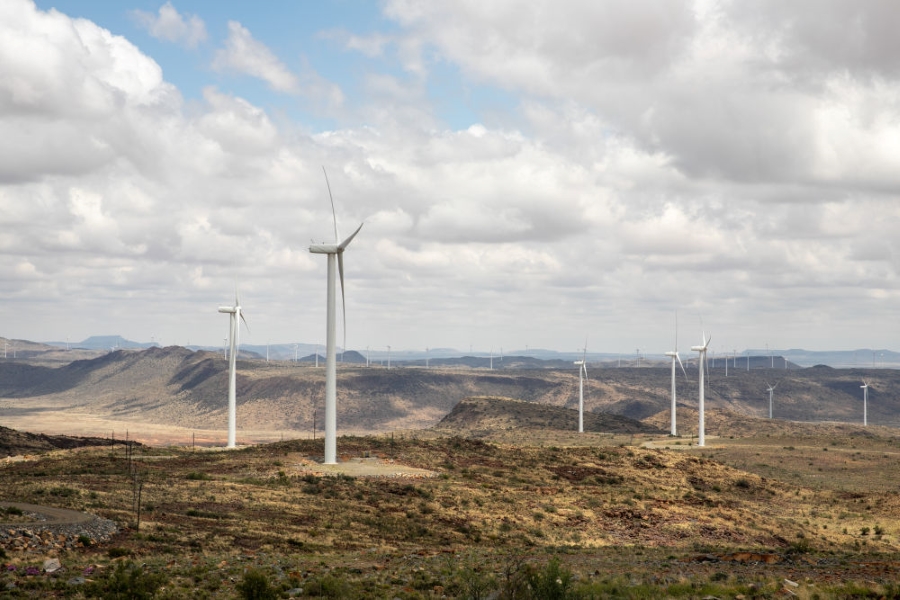
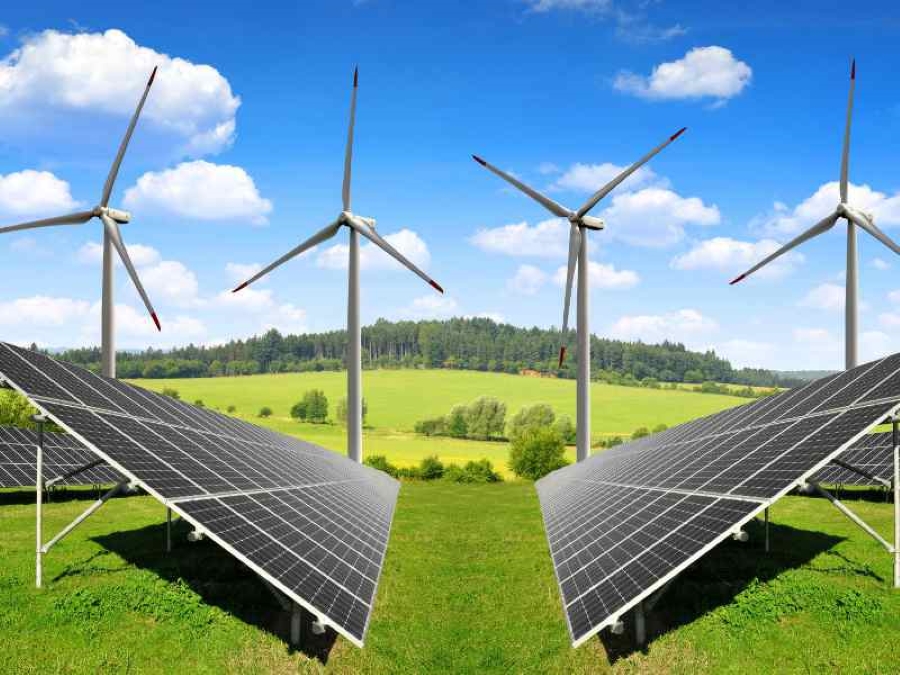
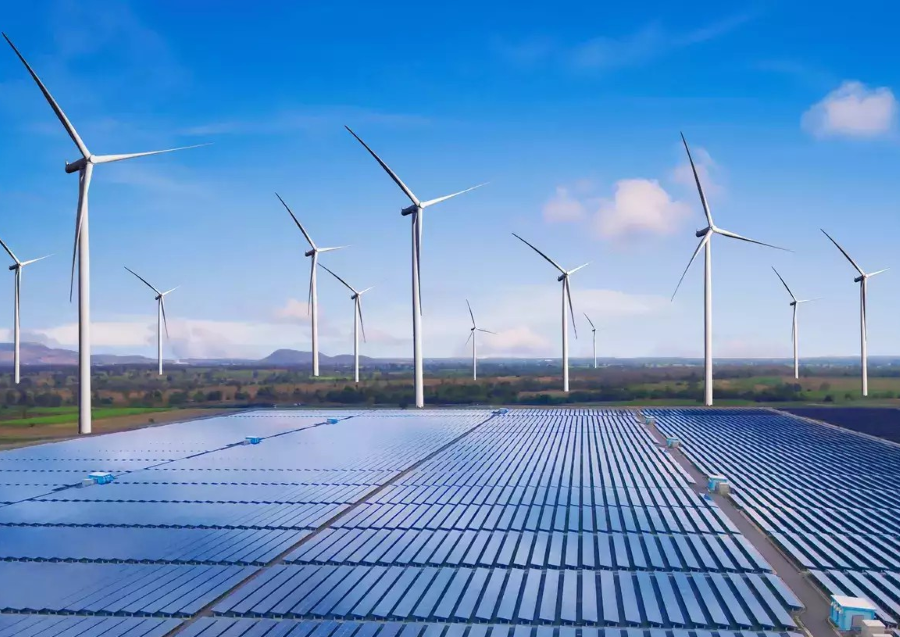
    Renewable energy offers a transformative solution. Africa’s vast solar, wind, and hydropower potential could meet the continent’s growing energy demand sustainably. According to the International Renewable Energy Agency (IRENA), 76% of Africa’s energy could come from renewable sources by 2040. However, achieving this potential requires significant investment in infrastructure, innovation, and research. Currently, sub-Saharan Africa receives less than 1.5% of global renewable energy investments, highlighting the need for equitable financing mechanisms and international collaboration.

    The Path Forward: Good Governance and International Cooperation

    Good governance is essential for driving the energy transition. African governments must develop comprehensive energy transition plans that integrate economic growth, environmental sustainability, and social equity. Public-private partnerships, innovative financing, and technology transfer can accelerate the adoption of renewable energy. International cooperation is critical to bridging the financing gap, particularly in countries like Nigeria, where achieving net-zero emissions by 2060 will require an estimated $1.9 trillion with $410 billion above usual expenditures.

    Transparency, accountability, and community engagement must underpin governance frameworks to ensure policies are inclusive and effective. By fostering trust and collaboration among stakeholders, governments can create an enabling environment for sustainable energy development.

    Conclusion: A Collective Responsibility

    The energy transition is not merely a technological shift but a socio-economic imperative. It offers a pathway to prosperity, resilience, and sustainability, especially for Africa, which stands at the crossroads of opportunity and challenge. By embracing renewable energy, fostering good governance, and strengthening international partnerships, Africa can secure a sustainable future for its people while contributing meaningfully to global climate action.

    What we do today will define the legacy we leave for future generations. Let us consume better, innovate boldly, and govern responsibly to build a world where energy drives progress without compromising the planet. Sustainable development is not a distant ideal but an achievable goal if we act decisively and inclusively.

  • LEAP-SE: EU-AU Partnership Drives Sustainable Energy Innovation for Climate Action and Energy Access

    LEAP-SE: EU-AU Partnership Drives Sustainable Energy Innovation for Climate Action and Energy Access

    As global leaders prepare for COP29, the urgency to address climate change while expanding electricity access to underrepresented regions has never been more pressing. To this end, Africa and Europe have launched the second phase of their joint sustainable energy research initiative, ushering in a new era of collaboration.

    The Long-Term Joint EU-AU Research and Innovation Partnership on Sustainable Energy (LEAP-SE) was officially inaugurated on October 10, 2024, at the Politecnico di Milano in Italy. Building on the success of its predecessor, LEAP-RE, this initiative expands its focus from renewable energy to encompass broader sustainable energy solutions. Researchers and private-sector stakeholders from both continents are invited to submit funding applications for the initiative early next year.

    LEAP-SE: A Path to Energy Resilience

    LEAP-SE is a flagship program under the AU-EU High-Level Policy Dialogue (HLPD) on Science, Technology, and Innovation (STI). Its mission aligns with the HLPD’s Research and Innovation Partnership on Climate Change and Sustainable Energy (CCSE), which emphasizes equitable collaboration to mitigate and adapt to climate change.

    This phase represents a strategic shift from traditional donor-recipient models to a co-funding framework, enabling Africa to take a stronger role in shaping research priorities. According to Tinyiko Ntshongwana, Deputy Director for Africa Multilateral Cooperation at South Africa’s Department of Science and Innovation (DSI), this marks a significant move toward building Africa’s capacity for manufacturing, industrialization, and intellectual property retention.

    The LEAP-SE initiative’s €30 million budget is co-funded, with one-third coming from Horizon Europe, the EU’s flagship research and innovation program, and the rest provided by participating countries’ funding agencies and ministries. This funding model underscores a shared commitment to addressing climate change and energy access in a way that benefits both continents equitably.

    Expanding Scope and Impact

    While the first phase, LEAP-RE (2020–2025), focused narrowly on renewable energy, LEAP-SE (2024–2030) takes a more comprehensive approach. It aims to foster innovation in areas critical for the green transition, including:

    • Renewable energy resource assessment and integration into sustainable energy planning.
    • Lifecycle management and environmental impact of renewable energy components.
    • Development of smart stand-alone systems and off-grid smart grids.
    • Creation of sustainable processes for productive uses, such as agriculture and industry.
    • Solutions for priority domestic needs, such as clean cooking and the cold chain for food and medicine.
    • Advancement of green hydrogen production and utilization.

    The initiative also plans to enhance technology commercialization, ensuring research outputs translate into real-world applications that drive both economic growth and climate resilience.

    Addressing Africa’s Energy Challenges

    Africa faces unique energy challenges, including a rapidly growing population and significant energy access deficits. While the continent is rich in renewable energy resources like solar, wind, and geothermal energy, it remains heavily reliant on raw material exports, leaving local economies vulnerable to global market fluctuations.

    Nickson Bukachi Ongeri from the African Energy Commission highlighted Africa’s dual challenge of providing electricity to millions while supporting its economic growth. Countries like Nigeria struggle with frequent power outages, which hinder industrial productivity. However, success stories like Kenya’s geothermal energy sector demonstrate the transformative potential of renewable energy. Kenya’s model not only improves electricity access but also creates jobs and builds local expertise in clean energy technology.

    Harnessing Science Diplomacy

    LEAP-SE is a prime example of science diplomacy in action. It leverages scientific collaboration to address shared global challenges, fostering trust and mutual benefit. As part of the broader AU-EU Innovation Agenda, the initiative emphasizes co-created solutions tailored to Africa’s unique needs. This ensures that research outcomes are locally relevant and aligned with global climate goals.

    The initiative is also poised to address pressing global priorities outlined by European Commission President Ursula von der Leyen, including renewable energy investment and green hydrogen development. These collaborative efforts pave the way for a stronger EU-Africa partnership ahead of the 2025 AU-EU Summit.

    Building on Success

    LEAP-SE builds on the solid foundation laid by LEAP-RE. In its first phase, the program established a network of 85 research partners across 33 countries, funded 31 projects, and facilitated knowledge-sharing workshops. These achievements have created a vibrant research community dedicated to advancing renewable energy solutions.

    Looking ahead, LEAP-SE plans to increase the number of participating countries, secure broader funding, and accelerate the deployment of innovative energy solutions. By actively involving private-sector players and entrepreneurs, the initiative aims to create an ecosystem where sustainable energy research thrives.

    The Road Ahead

    LEAP-SE’s success hinges on its ability to blend cutting-edge research with practical applications, providing scalable solutions to Africa’s energy challenges. With its expanded focus and collaborative model, it has the potential to drive transformative change in sustainable energy development, fostering a greener and more equitable future for both continents.

    The first call for project proposals is anticipated in January 2025, marking the start of a new chapter in global energy collaboration. Researchers, policymakers, and private-sector stakeholders alike are urged to join this ambitious initiative to shape the future of energy resilience and climate action.

  • Groundbreaking Mpox Vaccine Trial for Pregnant Women and Infants Launching in DRC

    Groundbreaking Mpox Vaccine Trial for Pregnant Women and Infants Launching in DRC

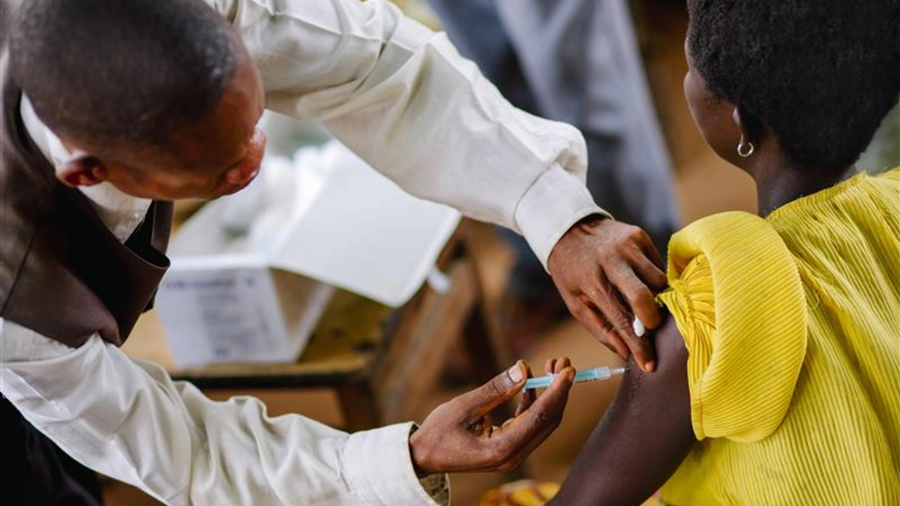
    A groundbreaking clinical trial will soon evaluate the safety and immunogenicity of Bavarian Nordic’s MVA-BN® mpox vaccine in pregnant and breastfeeding women, as well as infants under two years of age. This pioneering effort, set to launch in early 2025 in Boende, Democratic Republic of Congo (DRC), seeks to address critical gaps in vaccine access for populations at heightened risk of severe complications from mpox infections.

    Expanding Access to Vulnerable Populations

    Pregnant women and infants face elevated risks of severe outcomes from mpox, including complications such as adverse fetal health impacts and severe disease manifestations in young children. Yet, these groups remain ineligible for the current MVA-BN® vaccine, the only WHO prequalified mpox vaccine available to healthy adults and adolescents. By generating essential safety and immunogenicity data, this trial aims to unlock equitable vaccine access for these underserved groups, mitigating their vulnerability during outbreaks.

    Trial Details and Objectives

    The clinical trial, funded with $8.1 million from the Coalition for Epidemic Preparedness Innovations (CEPI) and Global Health EDCTP3, will recruit 350 pregnant women and 250 infants aged 6-24 months. It will be conducted as a randomized controlled trial with a 12-month follow-up period. Participants will receive the MVA-BN® vaccine to evaluate its safety and immune response generation.

    • Pregnant Women: In the first phase, participants will receive two doses of the vaccine before or after delivery. Researchers will collect blood samples and breastmilk to examine whether maternal antibodies are transferred to newborns through the placenta or breastfeeding.
    • Infants: The second phase will involve administering full or half doses of the vaccine to children under two years of age, assessing immune response and safety in this age group.

    The University of Antwerp (Belgium) will sponsor the trial, with the University of Kinshasa (DRC) leading scientific research efforts. Key partners include Penta (Italy), ACE Research (Kenya), and Bavarian Nordic, which will supply the vaccine.

    Addressing a Global Health Crisis

    The urgency of the trial is underscored by the ongoing mpox outbreak in the DRC and neighboring nations, the deadliest on record, with over 37,500 suspected cases and 1,040 fatalities reported this year alone. Children represent a significant portion of these fatalities. The outbreak, driven by the Clade Ib strain of the virus, has raised alarms due to its rapid spread and potentially altered transmission dynamics.

    CEPI’s Executive Director of Preparedness and Response, Dr. Nicole Lurie, emphasized the importance of protecting vulnerable populations, stating, “This study is a vital step in ensuring that pregnant women and infants, who are among the most at-risk, can benefit from effective vaccines.”

    A Collaborative Approach

    This initiative reflects a collaborative global effort. The trial is part of CEPI’s broader strategy to accelerate vaccine access in Africa, which includes two additional studies of the MVA-BN® vaccine in the region. Global Health EDCTP3’s Executive Director, Dr. Michael Makanga, lauded the trial’s focus on addressing unmet health needs, noting its potential to inform global vaccination strategies while enhancing local research capacity.

    Future Implications

    The findings from this trial could shape vaccine policy for priority populations worldwide. The research will be openly published, ensuring that the data benefits the global public health community. This work aligns with CEPI’s mission to compress vaccine development timelines, a critical goal in combating epidemic and pandemic threats.

    Strengthening Global Health

    This study not only aims to address a pressing public health need but also to strengthen local healthcare infrastructure in Africa. The trial aligns with efforts to expand access through existing immunization programs, such as the Expanded Programme on Immunisation (EPI) and antenatal care consultations.

    As Professor Hypolite Muhindo Mavoko of the University of Kinshasa remarked, “This trial is an essential step in addressing critical health gaps for vulnerable populations while also enhancing our capacity to respond to future crises.”

    By fostering equitable vaccine access, the trial represents a significant advance in global health preparedness, offering hope for better protection against mpox for those who need it most.

  • Strengthening Africa’s Diagnostic Capacity and Disease Surveillance: Challenges, Insights, and Solutions

    Strengthening Africa’s Diagnostic Capacity and Disease Surveillance: Challenges, Insights, and Solutions

    In the wake of the COVID-19 pandemic, Africa has made strides in its technical capacity to diagnose infectious diseases. However, the continent still faces critical challenges in disease surveillance and diagnostic readiness, underscoring an urgent need to bridge these gaps. Research recently published in Frontiers in Public Health highlights these shortcomings and offers insights into strengthening Africa’s health systems against future outbreaks.

    The Africa Centres for Disease Control and Prevention (Africa CDC) reports that in 2023 alone, the continent experienced 180 public health emergencies. A staggering 90% of these were due to infectious diseases, with 75% being zoonotic in nature. The outbreaks included mpox, diphtheria, dengue, Lassa fever, measles, poliomyelitis, Rift Valley fever, and cholera. These figures emphasize the pressing need for robust diagnostic and surveillance mechanisms.

    Prioritizing Epidemic-Prone Diseases

    Africa CDC has developed a risk-ranking tool—a list of priority epidemic-prone diseases—to guide research, preparedness, and response strategies. This framework not only informs the development of vaccines, diagnostics, and therapeutics but also adapts based on emerging evidence to remain relevant to current challenges.

    “The study conducted by the Africa CDC identifies diagnostic and surveillance gaps, offering valuable insights to guide policymaking, resource allocation, and interventions,” said Dr. Aytenew Ashenafi of the Centre of Laboratory Systems Division, Africa CDC, who led the research.

    Assessing Diagnostic Capacities Across Africa

    The research involved an online self-assessment survey conducted from February to April 2023, covering 15 African Union (AU) Member States. It examined the diagnostic capacity for 22 priority epidemic-prone diseases. The survey aimed to:

    1. Assess existing diagnostic technologies.
    2. Explore challenges in building and maintaining diagnostic capacity.
    3. Analyze current surveillance programs.

    Participating countries spanned all five African regions, including South Africa, Lesotho, and Madagascar in the south; Ethiopia and Somalia in the east; and The Gambia and Sierra Leone in the west. However, significant gaps in participation from certain regions reflect disparities in infrastructure and resources.

    The Africa Laboratory Technical Working Group validated the survey, which was available in English and French, ensuring its robustness.

    Findings: Major Barriers to Diagnostics and Surveillance

    Key challenges identified in the study include:

    • Inconsistent Laboratory Supplies (85%): A critical barrier, with shortages of essential materials like PCR reagents and extraction kits.
    • Inadequate Infrastructure (45%): Many laboratories lack the physical resources required to perform advanced diagnostics.
    • Limited Government Funding (43%): Chronic underinvestment hampers progress in health system development.
    • Inadequate Equipment Management (35%) and Human Resources (25%): These deficiencies limit operational efficiency and scalability.

    Implications and Recommendations

    The variation in laboratory capacities across AU Member States was striking, with some countries exhibiting pronounced limitations. These disparities highlight the need for tailored investments to build resilient diagnostic systems.

    To address these gaps, the study proposes several strategies:

    1. Adopting Rapid Diagnostic Tests and Portable Technologies: These tools can improve accessibility and timeliness in disease detection, especially in remote areas.
    2. Strengthening Laboratory Networks: Collaboration at national and regional levels can foster resource sharing and standardization.
    3. Enhancing Funding Mechanisms: Increased government and international funding is critical to sustain and expand diagnostic capacities.
    4. Fostering Human Resource Development: Training programs can build a skilled workforce to manage and operate advanced diagnostic systems effectively.

    A Roadmap for Resilience

    The study’s findings provide a comprehensive roadmap for AU Member States to enhance laboratory and surveillance capabilities. Targeted investments and informed policymaking can significantly improve Africa’s preparedness for health crises.

    “African countries must prioritize diagnostics, fortify infrastructure, and cultivate regional collaboration to combat future epidemics,” Dr. Ashenafi emphasized.

    By addressing these challenges, Africa can establish a robust public health framework capable of mitigating the impacts of disease outbreaks and ensuring the well-being of its populations. This proactive approach is essential for building a resilient health system that safeguards the continent against future pandemics.

  • China-Africa Renewable Energy Partnership: Driving Sustainable Growth and Energy Security Across the Continent

    China-Africa Renewable Energy Partnership: Driving Sustainable Growth and Energy Security Across the Continent

    China and Africa are set to deepen their collaboration in renewable energy, driven by Africa’s vast natural resources and China’s advanced capabilities in wind and solar power technologies. Experts highlight that this growing partnership holds the potential not only to secure energy supplies across the continent but also to propel Africa onto a greener, more sustainable path. This synergy promises numerous benefits, including sustainable economic growth, energy security, and climate resilience for African nations.

    The economic landscape in Africa is evolving, with an increase in both industrialization and urbanization leading to a continuous rise in energy demands. Projections from the African Union Development Agency’s Continental Power System Masterplan suggest that by 2040, Africa’s electricity consumption could soar to nearly 3,842 terawatt-hours, underscoring the urgent need for energy expansion and diversification. The International Renewable Energy Agency further predicts that by 2030, nearly 25 percent of this demand can be met by renewable sources, positioning clean energy as a pivotal component of Africa’s future.

    China has already played a substantial role in addressing Africa’s energy needs through various renewable energy projects, which have helped African nations reduce energy deficits and transition toward sustainable development models. However, experts emphasize that more significant advancements could be achieved by localizing technology production, investing in green financing, and fostering talent within African countries. This approach could deepen the roots of China-Africa renewable energy cooperation, fostering more self-sustaining growth in the sector and maximizing the benefits of these projects within African economies.

    Lu Junling, Chief Economist at China’s National Energy Administration, points out that China-Africa energy collaboration aligns with mutual strategic interests, laying a strong foundation for extensive future cooperation. He advocates for practical measures to accelerate this partnership, such as exchanging knowledge and project insights, creating forums for collaboration, and utilizing think tanks to bolster outcomes. This emphasis on collaborative frameworks aims to build a more cohesive, robust foundation for long-term energy initiatives across the continent.

    Timing and Opportunities for Green Collaboration

    Li Sheng, head of the China Renewable Energy Engineering Institute (CREEI), underscores that the time is right for intensified renewable energy cooperation between China and Africa. For this collaboration to reach its full potential, Li suggests further development of cooperative mechanisms, greater support for joint research and planning, as well as policy alignment. By advancing technological innovation and tailoring projects to address local needs, the partnership could deliver impactful, community-focused green energy solutions.

    A recent report on China-Africa renewable energy cooperation—jointly authored by CREEI and the New Partnership for Africa’s Development, an African Union economic initiative—emphasizes the immense potential for renewable energy development in Africa. Despite this potential, Africa’s current renewable energy production and consumption levels remain modest; as of 2022, renewables constituted only 9.67 percent of the continent’s total energy consumption.

    Installed Capacity and Growth Trends

    Africa’s installed power generation capacity reached 252.8 gigawatts by 2023, with fossil fuels still dominating at approximately 75 percent of the total. Hydropower represents the largest renewable segment, with 37.1 GW of installed capacity, amounting to 3 percent of global hydropower capacity. Wind and solar, although growing, contribute only modestly, with 8.7 GW and 13.5 GW, respectively—each less than 1 percent of the global share.

    However, Africa’s renewable energy capacity is expanding rapidly. Excluding pumped storage, renewable installations have grown by 23.2 percent over the last five years—far outpacing the 6.4 percent growth rate in fossil fuel power generation. This shift signals Africa’s accelerating transition to renewable energy sources, but also highlights the need for continued investment and innovation to fully realize the continent’s green potential.

    Through this robust China-Africa renewable energy partnership, Africa has an opportunity to meet its growing energy needs sustainably while establishing itself as a leader in the global green energy transition. With an expanded focus on green finance, technology transfer, and local workforce development, this collaboration can set a new standard for international cooperation in the fight against climate change and in building resilient, sustainable economies.

  • Reducing Fear in Cancer Care: The Impact of Language on Patient Outcomes in Africa

    Reducing Fear in Cancer Care: The Impact of Language on Patient Outcomes in Africa

    Cancer care in Africa faces a unique challenge: the words used to describe cancer in many African languages evoke fear and stigma, often intensifying the psychological burden on patients. Language, when used thoughtfully, can be a powerful tool to encourage proactive healthcare engagement; however, when it evokes fear, it can become a barrier. Effective communication is vital in raising disease awareness and delivering compassionate care, but in African healthcare settings, linguistic sensitivity remains a significant gap.

    A Growing Health Crisis

    Africa’s cancer rates are rising faster than any other region globally, making effective communication about the disease urgent. Africa’s diversity, with roughly 2,000 languages spoken across the continent, means that culturally sensitive approaches are crucial. Research shows that the way cancer terminology is communicated can deeply impact how patients and communities understand, discuss, and approach cancer care. When cancer-related terms carry fearful or fatalistic connotations, they may deter individuals from seeking diagnosis or treatment. Transforming these language barriers could be a vital step toward reducing fear and promoting early intervention.

    Why Words Matter

    In healthcare, the language chosen to describe diseases significantly influences public perception, often shaping attitudes toward treatment. In a recent study I coauthored, we analyzed cancer-related terms in various African languages and cultural contexts, with a particular focus on terms like “cancer,” “malignant,” “chronic,” and “radiotherapy.” We surveyed 107 healthcare professionals, community health workers, and researchers from 32 African countries, covering 44 languages. Participants provided translations for 16 cancer-related terms and explained their cultural meanings. The findings revealed that many translations contained fearful connotations, referring to the disease in terms of spiritual malevolence or fatalism. This can result in health disparities, as patients may delay or avoid treatment due to fear or misunderstandings about their prognosis.

    Fearful Imagery in Cancer Terminology

    The study revealed that cancer terminology often has negative cultural meanings. For instance, “cancer” was associated with heaviness, overwhelming power, and terminality, often conveying the disease as unbeatable and final. Terms like “malignant” and “chronic” also carried implications of hopelessness or inevitability, shaping cancer as a condition with little to no remedy. Additionally, “radiotherapy” was frequently translated to imply burning or scorching, evoking fire or electricity. Such translations can make life-saving treatments appear frightening, deterring individuals from seeking potentially curative interventions.

    Cultural Metaphors with Potential for Positive Change

    In contrast to the fearful language associated with many cancer terms, African languages also offer rich, culturally resonant metaphors that can powerfully and compassionately convey medical concepts. For example, a Ugandan participant translated “metastasis” (the spread of cancer) into a Luganda metaphor: “ekiziba kyasindika obwana bwayo ahare,” meaning “the mother mass has sent seedlings into another site.” This imagery likens metastasis to the natural spread of seedlings, presenting a vivid and accessible understanding of cancer spread. Similarly, in Wolof, cancer is described as “the wound with which we will be buried,” in Djerma as “forest disease,” and in Shona as “parasitic plant.” Such expressions deepen understanding by linking cancer to cultural elements, which can make the concept less alien and potentially less intimidating.

    Learning from Past Health Campaigns

    The HIV/AIDS epidemic in Africa provides a powerful example of how shifting language can reduce stigma and improve healthcare access. During the early years of the epidemic, terminology surrounding HIV was heavily stigmatizing. However, campaigns aimed at using non-stigmatizing, supportive language helped reshape public perception, fostering greater empathy and encouraging individuals to seek testing and treatment. Similarly, the Stop TB Partnership’s Tuberculosis Language Guide offers lessons in using neutral or positive language to discuss disease. These examples show that with thoughtful changes in language, healthcare providers can shift public attitudes toward cancer from fear to understanding and proactivity.

    Recommendations for Change

    The research suggests that linguists, healthcare professionals, and cultural leaders should collaborate to develop language that conveys medical accuracy while minimizing fear and stigma. Positive alternatives, such as those already used in African oncology programmes like the American Cancer Society’s patient education initiatives and the International Atomic Energy Agency’s Rays of Hope radiotherapy programme, show promise. By working toward compassionate and culturally aligned communication, healthcare systems in Africa can bridge the language gap and promote better outcomes.

    A Call for Culturally Sensitive Terminology

    The language used in healthcare shapes public understanding and individual actions. For cancer care in Africa, moving away from fear-inducing terminology is essential. By developing culturally sensitive and neutral terms, healthcare providers can improve communication, reduce stigma, and encourage more patients to seek timely, life-saving treatments. Redefining cancer communication in Africa is a crucial step toward health equity and compassionate care across the continent.

  • How Artificial Intelligence is Accelerating Africa’s Path to Sustainable Development Goals

    How Artificial Intelligence is Accelerating Africa’s Path to Sustainable Development Goals

    Artificial Intelligence (AI) is transforming Africa’s journey toward achieving the Sustainable Development Goals (SDGs), promising to unlock enormous potential across health, agriculture, economic growth, and infrastructure. With the Global Africa Business Initiative’s (GABI) Unstoppable Africa 2024 event highlighting this momentum, Africa’s digital transformation is gathering speed with a focus on bridging critical gaps and fostering collaboration.

    The SDGs are a global call to action to address challenges such as poverty, inequality, and climate change. While progress remains slow worldwide, Africa stands uniquely positioned to use AI as an engine of inclusive growth. Two essential elements underpin this effort: strong partnerships among stakeholders and expanded access to the necessary skills and technological infrastructure.

    Transforming Health Care Through AI-Driven Solutions

    AI in Africa offers revolutionary possibilities in health care, especially for communities that previously lacked consistent access to medical services. AI-driven solutions are making strides in monitoring maternal and child health, with systems that track pregnancies, predict complications, and enable life-saving interventions. This is directly supporting SDG 3, which focuses on ensuring healthy lives and promoting well-being. Collaborations like those between Google, Jacaranda Health in Kenya, and the OnTime Consortium in Nigeria are already deploying such technologies, helping women take charge of their health with timely, AI-supported information. AI’s influence here is twofold: it delivers essential care while empowering individuals, transforming healthcare accessibility across the continent.

    Tackling Food Security and Climate Challenges with AI

    In agriculture, AI is enhancing productivity and resilience against climate-related challenges, including extreme weather and resource scarcity. By leveraging AI, Africa is addressing SDG 2 (Zero Hunger) through enhanced food security initiatives. For instance, Google’s AI-powered flood forecasting system, already in use across 23 African countries, offers timely alerts to prevent flood-induced disasters, improving readiness and safety by providing forecasts up to seven days in advance. Such applications ensure that rural communities, who often bear the brunt of natural disasters, can mitigate risks to their livelihoods and improve agricultural outcomes.

    Powering Economic Growth and Supporting Startups

    Beyond healthcare and agriculture, AI offers a transformative pathway for economic growth. It opens new opportunities not only for large corporations but also for startups, which are increasingly significant in Africa’s digital economy. The AfriLabs AI Startups Mapping report indicates that the continent’s AI readiness index stands at 26.91, showing a promising yet underdeveloped AI ecosystem. Strategic investments and support for African startups are essential to progress toward SDG 8 (Decent Work and Economic Growth). Google’s initiatives, including the Google Startup Accelerator for Africa, the Hustle Academy, and the $50 million Africa Investment Fund, aim to support and nurture local startups, boosting Africa’s AI-driven entrepreneurial landscape. Policies such as the African Union Startup Model Law further provide an encouraging framework for AI-driven innovation by promoting regulations tailored to facilitate tech startups’ growth.

    Building Strategic Partnerships and Infrastructure for Inclusive AI

    To fully realize AI’s potential, African governments and private enterprises must establish solid partnerships. By investing in connectivity infrastructure, data centers, and STEM education, the continent can create a fertile environment for future AI innovators. Empowering young Africans with these skills is fundamental for a digitally literate generation equipped to harness AI’s potential. Building on SDG 9 (Industry, Innovation, and Infrastructure), regional organizations could play a role in developing a cohesive AI strategy across African countries, with joint projects and knowledge-sharing practices that accelerate AI’s benefits continent-wide.

    Overcoming Barriers and Cultivating a Culture of Innovation

    AI presents Africa with an unprecedented opportunity to overcome long-standing challenges. Beyond investment, governments should cultivate a culture that embraces digital skills and fosters innovation, especially among the civil service, as they are vital in driving public sector transformation. Skills like STEM and coding are crucial, but AI can further simplify access to learning and enhance proficiency in these areas. Regulatory frameworks tailored to African contexts can ensure that AI development adheres to ethical standards, protects data privacy, and encourages innovation. Google’s AI blueprint for Africa, introduced at GABI, aims to outline model policies that will guide governments and institutions in capturing AI’s transformative opportunities ethically and effectively.

    Collaborative Efforts for AI-Driven Transformation

    Africa’s journey toward AI adoption requires a collaborative approach, with cross-border initiatives between African nations and partnerships with global technology leaders. Such cooperation provides access to cutting-edge research, advanced AI technologies, and expertise that can elevate local AI capabilities. Shared successes and resources can break down barriers, ensuring a sustainable and inclusive AI-driven future.

    The Road Ahead: AI as a Catalyst for Sustainable Development

    Africa’s pursuit of the SDGs is inherently complex, but AI can serve as a powerful catalyst, accelerating progress in critical areas like health, agriculture, and economic development. As stakeholders rally together—from governments to private-sector partners—the continent can leverage AI to not only meet its development goals but also foster an environment of sustainable growth and prosperity. With transformative initiatives, strategic investments, and a culture that champions innovation, AI offers a unique and promising pathway for Africa’s sustainable development journey.

  • Nationalizing Ghana’s Mines: Africa Development Council’s Vision for Resource Sovereignty and Economic Independence

    Nationalizing Ghana’s Mines: Africa Development Council’s Vision for Resource Sovereignty and Economic Independence

    For centuries, Ghana’s vast deposits of gold, bauxite, manganese, and other valuable minerals have fueled global industries, yet the country has struggled with the paradox of resource abundance alongside economic challenges. Although multinational corporations such as Newmont and AngloGold Ashanti dominate Ghana’s mining sector, calls for a fundamental shift in resource management are intensifying. A key advocate for this change is the Africa Development Council (ADC), an influential organization focused on economic transformation in Africa. They propose a sweeping reform: to nationalize all mines and give Ghanaians control over the country’s natural wealth. Here, we explore the ADC’s reasoning, the historical context, the potential benefits, and the hurdles that would need to be addressed to make this ambitious vision a reality.

    Historical Context: Ghana’s Struggle with Foreign Dominance in Mining

    Known as the “Gold Coast” during the colonial era, Ghana’s history of resource extraction began in the early 15th century with European exploitation of its gold reserves. Under British rule, mining concessions were granted to foreign companies, which extracted profits while contributing minimally to the local economy. This trend continued post-independence, as multinational corporations continued to control the majority of Ghana’s mining wealth, benefiting from resource extraction while Ghana remained economically underdeveloped.

    Today, despite Ghana being one of the world’s largest producers of gold, a significant portion of the mining sector remains in foreign hands. While multinational corporations contribute jobs and generate revenue through taxes and royalties, the amount of wealth retained in Ghana is relatively small compared to the immense value extracted. The ADC argues that this current structure perpetuates a form of “neocolonialism,” where Ghanaians are unable to fully benefit from their own resources.

    The ADC’s Vision: Nationalization as a Path to Economic Self-Determination

    The Africa Development Council’s proposal to nationalize Ghana’s mining sector reflects a broader vision of resource sovereignty and economic self-sufficiency. According to the ADC, Ghana’s resources are a collective inheritance that should benefit the whole population rather than a handful of foreign investors or local elites. They contend that only nationalization can ensure the nation’s wealth is harnessed for the benefit of its people.

    The ADC has outlined several key objectives in advocating for nationalization:

    1. Resource Ownership: They argue that the minerals beneath Ghana’s soil are a God-given inheritance meant for all Ghanaians. By nationalizing the mining sector, Ghana could transfer ownership of these resources from foreign corporations to the state, giving Ghanaians full control over their management and utilization.
    2. Economic Independence: Nationalizing the mining industry would be a critical step toward economic self-sufficiency. Currently reliant on foreign capital and expertise, Ghana could use this control to develop its industries, including value-added processing sectors that provide higher levels of employment and generate greater income domestically.
    3. Equitable Distribution of Wealth: The ADC believes nationalization would allow for a more equitable distribution of wealth, directing mining revenues into essential areas such as education, healthcare, infrastructure, and sustainable development, rather than seeing profits funneled out of the country.
    4. Environmental Stewardship: Under foreign ownership, mining operations have often led to environmental degradation, including deforestation, pollution of water sources, and the destruction of farmlands. A state-controlled mining industry could prioritize sustainable resource management and environmental rehabilitation, protecting ecosystems and supporting long-term agricultural productivity.
    5. Curbing Illegal Mining (Galamsey): Illegal mining, known locally as “galamsey,” has been linked to severe environmental damage and social conflict. The ADC argues that nationalization would enable stricter regulation and a centralized approach to mining management, reducing illegal activities by bringing all operations under a unified framework.

    Lessons from Other Countries: Nationalization as a Tool for Economic Empowerment

    The ADC’s proposal draws inspiration from examples worldwide where nationalization has successfully fueled economic development and social programs. Some examples include:

    • Botswana: Botswana’s nationalization of its diamond industry, through a partnership with De Beers, transformed the country. Revenues from diamond exports have been reinvested into education, healthcare, and infrastructure, making Botswana one of Africa’s most prosperous nations.
    • Norway: Norway’s decision to nationalize its oil resources enabled the establishment of a sovereign wealth fund now worth over a trillion dollars, funding extensive social welfare programs.
    • Chile: Chile’s state-owned copper company, Codelco, remains the world’s largest copper producer. Revenue from Codelco funds social programs, education, and infrastructure, playing a key role in Chile’s economic stability.

    These examples demonstrate that, when managed effectively, nationalization can serve as a powerful tool for both economic empowerment and social progress.

    Potential Benefits of Nationalization for Ghana

    If implemented successfully, the ADC’s nationalization proposal could bring transformative benefits to Ghana:

    1. Increased Revenue for Development: Full control of the mining sector could allow Ghana to capture a much larger share of the profits from mineral exports. These revenues could directly support government initiatives focused on poverty alleviation, education, healthcare, and industrialization.
    2. Job Creation and Capacity Building: Nationalization would create opportunities for the government to prioritize local employment, fostering local expertise and reducing dependence on foreign labor. It could also spur the growth of mining-related industries, such as equipment manufacturing, refining, and mineral processing.
    3. Environmental Protection and Sustainable Practices: With direct control, Ghana could enforce environmental regulations that ensure mining activities minimize ecological harm. Damaged areas could undergo mandated reclamation, restoring polluted water bodies and degraded land.
    4. Cultural and Economic Sovereignty: Nationalization would represent a significant reclaiming of Ghana’s economic sovereignty, allowing the nation to prioritize local development over foreign profit. This could also foster a sense of national pride, as Ghanaians become direct stewards of their country’s resources.

    Challenges and Considerations

    Despite the clear benefits, there are significant challenges to achieving the ADC’s vision for nationalization:

    1. Capacity and Expertise: Managing a complex industry like mining requires technical skills, advanced technology, and infrastructure that multinational corporations have long dominated. Ghana would need to make substantial investments in workforce training, infrastructure, and mining technology.
    2. Funding and Capital Investment: Nationalization might deter foreign investment, as multinational companies may hesitate to invest in a country that nationalizes private assets. Alternative sources of capital, such as state-owned banks or international development funds, would be essential to sustain mining operations.
    3. International Relations and Trade: Nationalization could lead to diplomatic and trade tensions, particularly with countries heavily invested in Ghana’s mining sector. Careful navigation of these relationships would be critical to prevent sanctions or loss of trade partnerships.
    4. Corruption and Governance: Successful nationalization would require strong governance and transparency to prevent revenues from being misused by political elites. Without proper oversight, there is a risk that nationalization could enable corruption, with little benefit to the broader population.

    Conclusion: A Vision for Ghana’s Future

    The ADC’s call for nationalizing Ghana’s mines reflects a bold vision for reshaping Ghana’s economic landscape, fostering self-reliance, and empowering its people. By reclaiming ownership of its mineral wealth, Ghana could break free from the cycle of foreign exploitation, establishing a future where national resources are managed for the benefit of all citizens. However, realizing this vision will require careful planning, substantial investments in local capacity, and unwavering commitment to transparency and good governance.

    Should nationalization be effectively executed, Ghana has the potential to unlock significant economic growth, develop its human capital, and use its resources sustainably, paving the way for a more prosperous and independent future.

  • Community-Based Natural Resource Management in Ghana: Insights, Challenges, and Conservation Outcomes

    Community-Based Natural Resource Management in Ghana: Insights, Challenges, and Conservation Outcomes

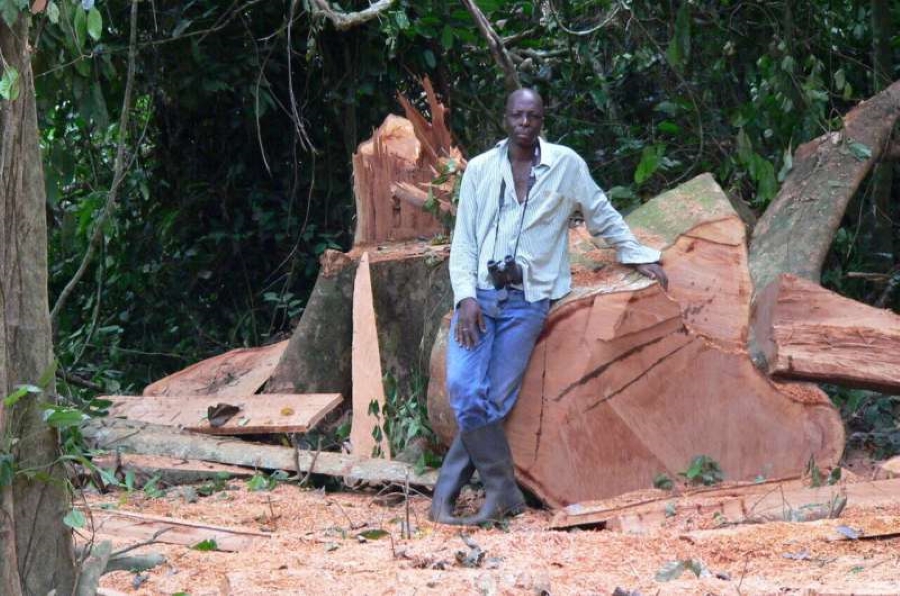
    The study, conducted by Nico Arcilla, sheds light on the perspectives of community members involved in community-based natural resource management (CBNRM) efforts in Ghana. The research emphasizes the urgency of reducing illegal logging, a major threat to forest conservation, biodiversity, and local economies. Illegal logging not only degrades critical habitats but also poses substantial challenges to sustainable development. Arcilla’s findings highlight both the successes and limitations of CBNRM initiatives, providing insight into the expectations and realities of local communities in these efforts.

    Africa’s biodiversity, particularly its emblematic wildlife and unique ecosystems, is under severe threat due to rapid population growth, land use changes, and economic pressures. In West Africa, for example, natural areas once sparsely populated are being intensively developed, impacting both ecosystems and the communities dependent on them. In Ghana, widespread logging and mining operations, along with the expansion of cocoa plantations, have led to the extensive loss of Upper Guinea forests, a biodiversity hotspot of global importance. Today, more than 80% of these forests are gone, replaced by agricultural land and urban development. The consequences for wildlife are devastating, with mammal populations plummeting by over 85% in some areas, including within designated protected zones.

    Despite the pressing need for conservation, West Africa’s conservation efforts have been marred by inadequate law enforcement, limited funding, and systemic challenges. Traditional protected areas alone are insufficient to preserve biodiversity, especially in regions with high human population density. This context has spurred interest in community-driven conservation approaches like CBNRM, which seeks to integrate local communities into conservation planning, management, and benefit-sharing. In Ghana, CBNRM has been implemented through Community Resource Management Areas (CREMAs) for over 20 years. CREMAs aim to manage resources sustainably, reducing emissions from deforestation and forest degradation under programs like REDD+.

    To understand how communities perceive CREMA efforts, Arcilla and colleagues conducted interviews with 881 individuals across 89 communities around eight CREMA sites, including Mole National Park and Bia National Park. Interviews, conducted in local languages with native speakers, captured community members’ views on various conservation, economic, and sociocultural outcomes associated with CREMAs.

    The study revealed that while participants acknowledged some benefits from CREMAs, such as increased conservation awareness, many felt that CREMA initiatives did not fully meet their expectations. Conservation awareness ranked as the highest-achieving outcome, while controlling illegal logging—a vital but challenging goal—ranked much lower, largely due to external dependencies like government enforcement. Illegal logging remains a persistent issue in Ghana, with an estimated 80% of timber harvested illegally, much of it used to meet domestic demand. The study found that community dissatisfaction with ongoing illegal logging reflects a widespread, systemic issue that impedes conservation and sustainable development efforts.

    Interestingly, the study challenges the notion that CREMA participants view conservation purely as a means to economic ends. Instead, participants ranked conservation outcomes as more critical than economic benefits, demonstrating a broader community commitment to conservation objectives. Nevertheless, unmet expectations in areas like improved employment opportunities, financial support, and income generation were prevalent. For instance, while participants appreciated improved food production and alternative livelihoods like honey production, they were disappointed by a lack of job creation and income diversification. This suggests that while CREMAs may contribute to local conservation efforts, they are limited in their ability to drive substantial economic change without external support.

    Sociocultural outcomes, such as collective community action and traditional knowledge preservation, were rated lower in importance but received relatively positive assessments. The most significant performance gap here related to children’s school attendance, which the study identified as an area requiring further community support and resources.

    Overall, Arcilla’s research underscores that while CREMAs can promote conservation awareness and act as buffers to protected areas, they cannot independently achieve broader conservation goals. The success of CBNRM initiatives, like CREMAs, hinges on strong partnerships with government and organizations, dedicated law enforcement, and continued financial investment. To enhance the effectiveness of CREMAs, the study recommends allocating increased resources for capacity building in associated protected areas and involving community members directly as park rangers or extension agents. These efforts could address key economic gaps, such as employment and income generation, while empowering local communities in conservation efforts.

    Future research could deepen understanding by collecting empirical data to evaluate wildlife and natural resource changes within CREMAs. By tracking conservation outcomes quantitatively, researchers and policymakers can gain valuable insights into the success of CBNRM initiatives, ensuring that these community-driven efforts contribute meaningfully to sustainable development and biodiversity preservation.