Category: ARM ARTICLES

This category presents a post from ARM Magazine, spotlighting African researchers and their contributions.

  • African Youth Entrepreneurs Explore South Korea’s Tech Ecosystem to Drive Innovation and Growth

    African Youth Entrepreneurs Explore South Korea’s Tech Ecosystem to Drive Innovation and Growth

    A group of twenty talented young entrepreneurs from across Africa’s tech ecosystem has embarked on a transformative two-week study tour to the Republic of Korea. Selected by the African Development Bank Group’s (AfDB) Innovation and Entrepreneurship Lab, these innovators represent some of the brightest minds in African technology ventures. The initiative seeks to connect African startups with South Korea’s dynamic technology landscape, fostering knowledge exchange, partnership opportunities, and investment in Africa’s burgeoning tech sector.

    The entrepreneurs, chosen from a competitive pool of 133 ventures that participated in the recent Africa Tech Startup Forum, showcased exceptional business models during the Forum’s virtual market access and acceleration program. This program provided intensive preparation, training, and opportunities to connect with global markets, setting the stage for their Korean tour.

    A Cross-Continental Collaboration for Innovation

    Hailing from eight diverse nations—Egypt, Ghana, Kenya, Morocco, Nigeria, Rwanda, South Africa, and Uganda—the delegation spans a variety of high-impact technological sectors, including agritech, health tech, and fintech. The study tour aligns with the Lab’s broader Leveraging the Entrepreneurial and Innovation Success of Korea to Strengthen African Enterprise Support project, an initiative designed to harness Korea’s technological success to bolster Africa’s entrepreneurial landscape.

    The delegation’s itinerary includes visits to South Korea’s most prestigious innovation hubs, including the Global Startup Centre, LG Science Park, and the Korea Software Technology Association. These entrepreneurs will also engage with unicorn startups—companies valued at over $1 billion—and institutions like the Global Digital Innovation Network, which supports the scaling of South Korean startups globally.

    Building Bridges Across Borders

    Uche Ezadinachi, founder of Kenya-based health tech company Zuri Health, expressed her excitement about the trip.

    “Korea is a leading technology-driven society, and this tour presents a unique opportunity to learn from their advancements. We aim to bring those innovations back to Africa to address pressing challenges in health and other sectors,” she said.

    Ezadinachi also emphasized the reciprocal nature of the tour. “This isn’t just about learning from Korea—it’s about collaboration. We’ll share our experiences and perspectives as African entrepreneurs, fostering mutual growth.”

    David Chen, co-founder of Rwandan health data venture Kapsule, highlighted the importance of the trip in creating meaningful connections.

    “This tour allows us to build relationships through face-to-face interactions with Asian health tech companies. These connections could be pivotal for future collaborations and scaling efforts,” he noted.

    Empowering Africa’s Next Generation of Entrepreneurs

    The delegation, composed of young leaders aged 18 to 35, reflects a strong commitment to diversity and inclusion, with over one-third of participants being women. Their agenda includes participation in key South Korean events like the K Startup Grand Challenge, an accelerator program supported by the South Korean government; the Africa Innovation Networking Gala; and COMEUP Korea, an event linking Korean startups with global investors and corporations.

    This initiative is financially supported by the Korea-Africa Economic Cooperation Trust Fund and forms part of the AfDB’s broader Jobs for Youth in Africa Strategy.

    The Broader Vision

    Martha Phiri, Director of Human Capital, Youth, and Skills Development at the African Development Bank, highlighted the initiative’s transformative potential.

    “This program equips young entrepreneurs with critical skills to expand their businesses and create jobs. By fostering innovation and enterprise, we can accelerate Africa’s economic growth and development,” she stated.

    Ndeye Absa Gningue, Innovation Platform Officer managing the Bank’s Innovation and Entrepreneurship Lab, stressed the long-term benefits of the program.

    “Platforms like the Africa Tech Startup Forum empower young people to nurture their talents and grow their ventures. Our work doesn’t stop here; we will continue supporting these entrepreneurs as they develop into global players,” she remarked.

    A Blueprint for Future Growth

    As the entrepreneurs immerse themselves in South Korea’s cutting-edge tech ecosystem, this initiative represents more than a learning opportunity—it’s a strategic move toward redefining Africa’s role in the global innovation landscape. By bridging continents and fostering collaboration, the African Development Bank’s program is sowing the seeds for a vibrant future where African startups not only thrive locally but also make a global impact.

    This tour is a testament to the power of cross-border collaboration in driving technological advancement, economic empowerment, and sustainable development.


  • Antimicrobial Resistance in Africa: The Silent Epidemic Threatening Millions

    Antimicrobial Resistance in Africa: The Silent Epidemic Threatening Millions

    By Eniola Akinkuotu

    In the face of an ongoing global health crisis, antimicrobial resistance (AMR) has emerged as a stealthy, deadly epidemic—claiming more lives in Africa than malaria, HIV, and tuberculosis combined. Unlike these well-known diseases, AMR often goes undetected until it is too late, making it one of the most significant but invisible threats to public health in the 21st century.

    What is AMR?

    Antimicrobial resistance occurs when microorganisms—bacteria, viruses, fungi, or parasites—develop the ability to withstand the medications designed to kill or inhibit them. This resistance renders standard treatments ineffective, leaving infections to persist and spread unchecked. The World Health Organization (WHO) describes AMR as a “silent killer,” responsible for over 1.3 million deaths annually and contributing to an additional five million fatalities worldwide.

    In Africa, where infectious diseases remain a significant public health burden, AMR compounds an already dire situation. The African Centre for Disease Control (CDC) reports that the continent has the highest mortality rate from AMR globally, with 27.3 deaths per 100,000 people.

    A Personal Face to the Crisis

    Isaiah’s Story
    Fourteen-year-old Isaiah, a sickle-cell anaemia patient from Nigeria, has become resistant to common malaria medications. His condition exemplifies how indiscriminate use of antimalarial drugs has driven resistance in his community. For years, his family relied on a popular prophylactic antimalarial medication taken weekly—a practice common in Nigerian households.

    When Isaiah fell ill in 2022, doctors prescribed a new antimalarial treatment. However, the drugs failed to alleviate his symptoms, leaving him in a constant cycle of illness. His recurring bouts of malaria have disrupted his education and dashed his dreams of becoming a lawyer.

    The Tragedy of Kingsley Ogbonna
    Isaiah’s plight mirrors that of Kingsley Ogbonna, a 62-year-old trader living with HIV. Despite accessing free antiretroviral therapies provided by the government, his condition worsened due to drug resistance. His inability to afford a $29 drug resistance test prevented timely intervention. Kingsley eventually succumbed to complications, leaving behind a legacy of sorrow and highlighting the socioeconomic barriers that exacerbate the AMR crisis.

    Drivers of the Epidemic

    1. Self-Medication and Drug Misuse
    Self-medication is rampant in many African nations, including Nigeria, where antibiotics and other medicines are easily accessible without prescriptions. Many individuals discontinue treatment as soon as symptoms subside, unaware that incomplete courses of antibiotics fuel resistance by allowing surviving pathogens to adapt and thrive.

    Additionally, unregulated traditional remedies—such as “agbo,” a herbal concoction often mixed with antibiotics—further contribute to the misuse of antimicrobial drugs. Consumers unknowingly ingest sub-therapeutic doses, which weaken the potency of these life-saving treatments.

    2. Overuse in Agriculture
    Antimicrobial agents are widely used in farming to promote growth and prevent disease in livestock. These practices introduce resistant bacteria into the food chain and environment, ultimately affecting human populations.

    3. Environmental Contamination
    Pharmaceutical wastewater and agricultural runoff containing residual antibiotics contaminate water sources, promoting the spread of resistant microbes. This environmental exposure compounds the AMR problem, creating a feedback loop that reinforces resistance across ecosystems.

    Economic and Social Consequences

    The financial burden of AMR is staggering. Testing for drug resistance in HIV patients can cost up to $180 in Nigeria, an insurmountable expense in a country where the monthly minimum wage is $45. This cost disparity denies access to critical diagnostic tools for millions, leaving them vulnerable to ineffective treatments.

    Globally, AMR is projected to result in $100 trillion in economic losses by 2050, surpassing the financial impact of cancer. In Africa, where healthcare infrastructure is already strained, the repercussions could be catastrophic, further deepening poverty and inequality.

    Addressing the Crisis

    1. Strengthening Healthcare Policies
    Efforts like Nigeria’s Second National Action Plan on Antimicrobial Resistance (AMR 2.0) aim to address the issue comprehensively. This initiative seeks to regulate drug usage, increase awareness, and enhance surveillance systems. However, the success of such programs hinges on robust funding and sustained political will.

    2. Improving Access to Diagnostics
    Subsidizing drug resistance tests and integrating them into universal healthcare schemes can ensure early detection and timely intervention. Investments in local manufacturing of diagnostics and treatments could reduce costs and improve accessibility.

    3. Public Education Campaigns
    Widespread educational initiatives are needed to promote responsible drug use. Communities must understand the risks associated with self-medication and incomplete treatments.

    4. Global Collaboration
    AMR is a global problem that requires international cooperation. High-income nations must support African countries through technology transfer, funding for research, and capacity building.

    A Call to Action

    Antimicrobial resistance threatens to dismantle decades of progress in global health. Without immediate and coordinated action, this silent epidemic will continue to devastate communities, economies, and healthcare systems worldwide. Africa, bearing the brunt of this crisis, must prioritize AMR in public health strategies and mobilize resources to protect its population from this invisible killer.

  • Unlocking Africa’s Genetic Potential: The African Genomics Program Transforming Global Healthcare

    Unlocking Africa’s Genetic Potential: The African Genomics Program Transforming Global Healthcare

    The African Genomics Program (AGP) is an ambitious initiative uniting African researchers, governments, non-profit organizations, multilateral bodies, and the private sector to accelerate genomic research across the African continent. This transformative collaboration seeks to address the significant gaps in genomic data representation, which have historically limited scientific and medical advancements in understanding human diversity. By harnessing Africa’s unparalleled genomic richness, the program aims to enhance healthcare, drive innovation, and advance personalized medicine, not only for Africans but also for global populations.

    Genomics: A Gateway to Understanding Human Health

    Genomic research holds the key to revolutionizing healthcare. It provides profound insights into how genetic variations influence health, disease, and responses to medications. Beyond the realm of genetics, genomic discoveries enable scientists and clinicians to:

    • Improve the safety and efficacy of treatments: Tailoring medical interventions based on genetic profiles enhances outcomes and reduces adverse effects.
    • Optimize clinical trials: Diverse genomic data ensures trials are inclusive and outcomes are broadly applicable.
    • Develop preventive strategies: Understanding genetic predispositions helps design interventions to mitigate risks.
    • Enhance drug development: Genomic insights double the success rate of identifying viable drug targets.

    Africa’s Untapped Genomic Wealth

    Africa is home to the most genetically diverse population on the planet, with over 99% of human evolutionary history rooted on the continent. Despite this, less than 3% of global genomic datasets derive from individuals of recent African descent. This imbalance limits scientific understanding and perpetuates inequities in global health research. Compounding this issue is the underrepresentation of Africa in global R&D investment (1.3%) and clinical trials (2.5%).

    The African Genomics Program is designed to bridge these gaps, leveraging Africa’s rich genetic tapestry to propel scientific advancements. By focusing on inclusive and equitable representation, the program has the potential to address global health disparities and enable groundbreaking medical discoveries.

    The Vision of the African Genomics Program

    The AGP, spearheaded by Roche, aims to establish a robust, African-led genomic research ecosystem. This ecosystem will feature an open, federated network of clinical, genomic, and outcome biobanks hosted across the continent. The program’s five pillars of action include:

    1. Expanding Data Access
      Supporting African institutions in hosting and managing genomic data while ensuring open accessibility for researchers within and beyond Africa.
    2. Accelerating Research
      Sequencing over 50,000 genomes from diverse African samples, leading genomic consortiums, and fostering research collaborations to amplify impact.
    3. Building Capacity
      Investing in talent development, infrastructure, and scientific networks to empower African researchers and institutions.
    4. Partnerships for Greater Impact
      Creating synergies among African researchers, healthcare providers, NGOs, governments, academia, and industry to maximize efficiency and reach.
    5. Investing in Personalized Healthcare
      Using population-level data to inform health policies and develop precision medicine tailored to African populations.

    Key Partnerships Driving Change

    The AGP collaborates with numerous institutions and initiatives to achieve its goals:

    • Together for Change Genomics Initiative: The world’s largest study of African American ancestry, complemented by the collection of 20,000 African genomic samples.
    • AREF-Roche Fellowship: Empowering emerging African scientists with training in clinical pharmacology, pathology, and human genetics, including a nine-month residency at Genentech laboratories.
    • Discover Me South Africa: A pioneering research initiative integrating health and genetic data from 100,000 South African participants to build extensive genetic datasets.
    • Swiss Tropical and Public Health Institute (Swiss TPH): Collaborating to expand genomic research in Côte d’Ivoire, focusing on chronic diseases, environmental exposures, and dual disease burdens.
    • Genomic Centers of Excellence (GenCoE): Establishing Africa’s first unified network of genomic research centers to drive discovery, train the next generation of scientists, and reduce global health disparities.
    • University of the Witwatersrand: Supporting the Sydney Brenner Institute for Molecular Bioscience through the Roche Research Chair for Precision Medicine and Genomics, fostering cutting-edge research tailored to Africa’s unique challenges.

    Transforming the Future of Genomics in Africa

    Through the African Genomics Program, Africa is poised to become a global leader in genomic science. By empowering African scientists, fostering collaborations, and investing in infrastructure, the program lays the groundwork for transformative breakthroughs in healthcare. These advancements will benefit not only Africa but also the global community, addressing health challenges with innovative, equitable solutions.

    As the AGP continues to grow, it underscores a critical truth: the future of genomics is inextricably linked to Africa’s genetic diversity. Roche and its partners remain committed to this inspiring journey, striving to advance science and improve health outcomes for all. The African Genomics Program exemplifies the power of collaboration in achieving sustainable, impactful change in global healthcare.

  • Celebrating 30 Years of ECOFAC: Achievements and Challenges in Central Africa’s Biodiversity Conservation

    Celebrating 30 Years of ECOFAC: Achievements and Challenges in Central Africa’s Biodiversity Conservation

    The Support Program for the Preservation of Biodiversity and Fragile Ecosystems in Central Africa (ECOFAC) has reached a significant milestone—celebrating three decades of conservation efforts in the region. Launched in 1992 by the European Union (EU), ECOFAC has made notable strides in biodiversity protection, conservation of endangered species, and the reduction of poaching, though it has faced considerable challenges along the way. A comprehensive evaluation report highlights both its successes and areas for improvement, providing insights into the complex dynamics of biodiversity conservation in Central Africa.

    The Evolution of ECOFAC

    ECOFAC, now in its sixth and final phase, has been the EU’s longest-running program in Central Africa, having invested over EUR 250 million into the region’s environmental conservation. Implemented under the coordination of the Economic Community of Central African States (ECCAS), ECOFAC has spanned several countries including Cameroon, the Democratic Republic of Congo (DRC), Gabon, Central African Republic (CAR), Chad, Sao Tomé & Principe, Equatorial Guinea, and the Republic of Congo (RoC). Its overarching mission has been to balance the sustainability of forest ecosystems with the rational use of natural resources, contributing to both environmental protection and socio-economic development.

    From the outset, ECOFAC sought to increase knowledge of Central Africa’s forest ecosystems, raise awareness of conservation issues, train specialists, and restore protected areas. It has also focused on poverty reduction, enhancing local infrastructure, and improving surveillance to combat illegal activities such as poaching and deforestation. The program’s broad goals reflect a holistic approach to sustainable development, striving to harmonize conservation efforts with economic growth in the region.

    Evaluating ECOFAC’s Impact

    The recent evaluation of ECOFAC’s three-decade journey involved a multifaceted assessment that used a triangulation approach. Data was collected through 15 in-depth interviews, a global survey of 371 experts, satellite imagery analysis, and case studies of two protected areas—Gabon’s Lopé National Park and Cameroon’s Dja Wildlife Reserve. This approach allowed the evaluators to measure both direct and indirect impacts across a range of domains: species and habitat conservation, socio-economic development, institutional capacity, resilience to climate change, and more.

    Martin Tchamba, a researcher involved in the report, emphasized the effectiveness of this method in gaining a comprehensive understanding of the program’s outcomes. However, he also noted limitations, including a lack of full representation of all ECOFAC stakeholders and challenges with satellite data analysis. These limitations highlight the complexities of measuring conservation success, particularly in such vast and ecologically diverse areas.

    Key Achievements of ECOFAC

    Despite the challenges of implementation, ECOFAC has recorded significant achievements. One of the most notable successes has been the expansion of protected areas. Prior to ECOFAC’s launch, there were 103 protected areas covering 497,345 square kilometers. Today, there are 233 protected areas spanning 835,814 square kilometers, with 28 of these areas having joined the ECOFAC program. This expansion is crucial for conserving biodiversity, especially in a region where many species are endangered.

    The program has also made strides in improving the protection of wildlife, with 41 percent of threatened species and 29 percent of endemic species benefiting from enhanced conservation measures. Moreover, the establishment of wildlife corridors has improved connectivity between protected areas, facilitating the movement of species and enhancing biodiversity. These efforts have helped to combat the growing threat of habitat fragmentation, which is a major concern in the region.

    ECOFAC has also contributed to the reduction of deforestation and degradation of critical habitats. In some areas, it has helped to slow the conversion of forests into agricultural land, though challenges persist. The development of tourism in protected areas, such as Lopé National Park, has created new income-generating opportunities for local communities, further integrating conservation with socio-economic development.

    Challenges and Limitations

    Despite these successes, ECOFAC’s evaluation report underscores several ongoing challenges in the region. The population pressures around protected areas have been steadily increasing, leading to conflicts between human activities (such as agriculture and livestock grazing) and wildlife conservation. These conflicts continue to pose a significant threat to biodiversity, and conservation efforts must account for the social and economic needs of local communities to be truly effective.

    Moreover, the issue of poaching remains prevalent, with illegal hunting still a serious problem, especially in areas with limited enforcement capacity. The rise of heavily armed poachers and illegal miners, combined with climate change impacts, further complicates the conservation landscape. As Richard Eba’a Atyi, a senior scientist at CIFOR, points out, the geographical distribution of threatened species has worsened, requiring more robust management and protection strategies.

    The Future of Conservation in Central Africa: NaturAfrica

    As ECOFAC draws to a close, the EU has introduced a new initiative for 2024—NaturAfrica, which is set to replace ECOFAC. NaturAfrica is a forward-looking program that emphasizes a people-centered approach to biodiversity conservation across the African continent. Unlike ECOFAC, which primarily focused on protected areas, NaturAfrica aims to integrate conservation into broader societal development, recognizing the critical role that local communities, Indigenous peoples, and national governments play in sustaining natural resources.

    NaturAfrica will build on the lessons learned from ECOFAC, seeking to address the socio-economic and ecological challenges that remain in the region. It aims to empower communities to take active roles in conservation, promote sustainable land-use practices, and foster collaboration among various stakeholders.

    Conclusion: A Legacy of Progress and Challenges

    ECOFAC’s legacy in Central Africa is one of significant progress, but also one of lessons learned. It has made substantial contributions to the protection of biodiversity, the establishment of protected areas, and the development of conservation-related infrastructure. However, challenges such as population pressures, human-wildlife conflict, poaching, and the impacts of climate change remain significant barriers to long-term success.

    As ECOFAC transitions to NaturAfrica, it is clear that conservation in Central Africa must continue to evolve, integrating both environmental and socio-economic factors to ensure sustainable outcomes. The experience gained from ECOFAC offers invaluable insights into the complexities of conservation in this ecologically diverse and resource-rich region. Moving forward, a more holistic, inclusive, and adaptive approach will be crucial to preserving the natural heritage of Central Africa for future generations.

  • FOLAREP: Kenya’s Bold Strategy for Tackling Land Degradation and Climate Change

    FOLAREP: Kenya’s Bold Strategy for Tackling Land Degradation and Climate Change

    Tackling Land Degradation in Kenya: A Critical Priority

    Land degradation and climate change are global crises that directly affect over 1.3 billion people worldwide, particularly those residing on degraded agricultural lands. These challenges are drivers of food insecurity, poverty, and environmental instability, necessitating urgent and innovative solutions. Kenya is no exception, grappling with severe deforestation, intense land-use competition, overgrazing, and erratic climatic changes. The country faces alarming annual forest loss of approximately 5,000 hectares, underscoring the critical need for effective and sustainable strategies to restore degraded ecosystems.

    Restoring these landscapes is more than an environmental goal—it is a nature-based solution with far-reaching implications for local, national, and global efforts to combat climate change. Forest and landscape restoration (FLR) is emerging as a comprehensive approach to address these challenges. FLR combines ecological restoration with the socio-economic well-being of communities, offering an integrated pathway to enhance biodiversity, productivity, ecosystem services, and the overall quality of life for affected populations.

    FOLAREP: A Strategic Framework for Restoration

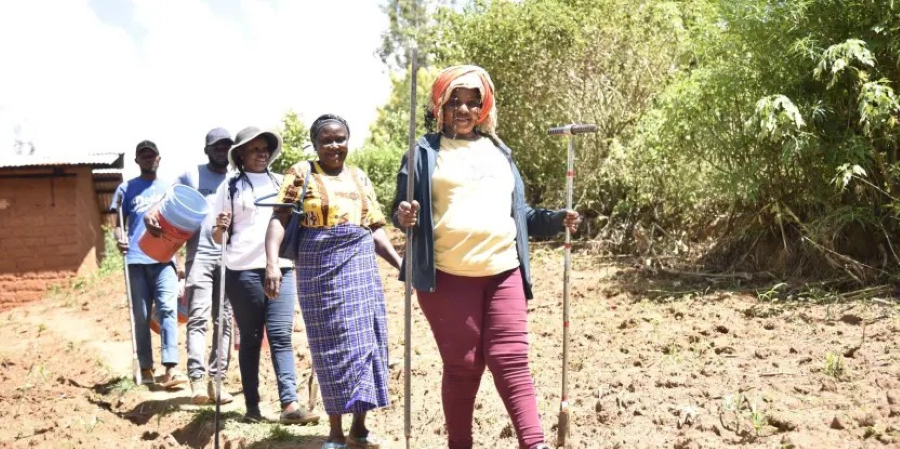
    In a landmark effort to combat land degradation, the Center for International Forestry Research and World Agroforestry (CIFOR-ICRAF) has partnered with the Food and Agriculture Organization (FAO) and the African Wildlife Foundation (AWF) to implement the Forest and Landscape Restoration Implementation Action Plan (FOLAREP) 2024–2032. This initiative focuses on Taita-Taveta and Makueni counties, located in Kenya’s arid and semi-arid regions, where land degradation and deforestation have severely impacted ecosystems and livelihoods.

    FOLAREP aligns with Kenya’s National Landscape and Ecosystem Restoration Strategy and supports the country’s commitment to global restoration targets such as the Bonn Challenge and the AFR100. These initiatives aim to restore 5.1 million hectares of degraded land by 2030, with the broader national goal of restoring 10.6 billion hectares by 2032. The plan’s domestication at the county level in Taita-Taveta and Makueni represents a crucial step toward achieving these ambitious objectives.

    Funded by the UK PACT Nature-based Solutions Project, FOLAREP focuses on bridging policy gaps and enhancing institutional capacity to deliver nature-based solutions. This initiative integrates technical expertise, local knowledge, and community participation to ensure sustainable and inclusive restoration outcomes.

    Developing FOLAREP: A Collaborative Process

    Taita-Taveta and Makueni counties were selected for the initial implementation of FOLAREP due to their significant restoration potential and vulnerability to degradation. The domestication process began in November 2023 with the formation of technical working groups comprising diverse stakeholders, including national agencies, county governments, community representatives, and environmental experts.

    The participatory approach ensures that the perspectives, needs, and aspirations of all stakeholders are integrated into the plan. A series of workshops, consultations, and technical reviews have guided the formulation of the restoration strategies, emphasizing inclusivity and collaboration at every stage.

    In Taita-Taveta County, a milestone was achieved during a two-part workshop held in September 2024. The County Executive Committee and County Assembly endorsed the FOLAREP plan after extensive sensitization and deliberation. This approval marked the transition to the implementation phase, with Governor Andrew Mwadime voicing strong support for the initiative. The plan is now being finalized for official signing and launch.

    Makueni County has also made significant progress, completing the formulation stages and adapting the national strategy to its unique local context. The county aims to restore 200,000 hectares of degraded land, leveraging FLR techniques to enhance environmental resilience and socio-economic outcomes.

    Transformative Goals and Long-Term Vision

    The Taita-Taveta FOLAREP aims to restore 226,420 hectares of degraded landscapes, incorporating forests, rangelands, croplands, riparian zones, grasslands, and urban areas. By employing integrated FLR techniques, this plan will accelerate Kenya’s national restoration objectives and serve as a replicable model for other counties.

    Governor Andrew Mwadime emphasized the importance of collaboration in addressing the pressing challenges facing his county. “Our equitable share, given our large land area and small population, falls short of adequately supporting essential services. Therefore, I deeply value the support of our esteemed partners in achieving sustainable restoration outcomes,” he remarked.

    A Model for Sustainable Development

    The success of FOLAREP in Taita-Taveta and Makueni is expected to provide evidence-based recommendations for scaling up restoration efforts across Kenya. By addressing both ecological and institutional challenges, the initiative aims to deliver nature-based solutions that enhance ecosystem health, improve livelihoods, and build community resilience against climate change.

    In conclusion, the Forest and Landscape Restoration Implementation Action Plan (FOLAREP) exemplifies Kenya’s commitment to tackling land degradation and climate change through collaborative, evidence-based, and nature-driven approaches. By restoring degraded landscapes in Taita-Taveta and Makueni counties, the initiative not only aligns with global restoration targets but also strengthens local ecosystems, enhances livelihoods, and promotes long-term sustainability. As a model for future restoration efforts, FOLAREP underscores the transformative power of partnerships and integrated strategies in securing a greener, more resilient future for Kenya and beyond.

  • Obstetric Violence in Sub-Saharan Africa: Addressing Maternal Care Abuse and Systemic Failures

    Obstetric Violence in Sub-Saharan Africa: Addressing Maternal Care Abuse and Systemic Failures

    In August 2013, Josephine Majani, a mother of three from Bungoma County in Kenya, endured an appalling birth experience. Despite her desperate cry for help during labor, hospital nurses ignored her plight. Struggling to walk to the labor ward amid excruciating pain, she discovered that all the beds were occupied. With no alternative, she was forced to give birth on the cold concrete floor.

    Majani’s ordeal did not end there. The attending nurses subjected her to verbal and physical abuse, even compelling her to carry her placenta back to the labor ward. Seeking justice for this traumatic experience, she turned to Kenya’s judiciary. In February 2024, Kenya’s Court of Appeal upheld an earlier High Court decision in her favor—a ruling that came six years after the initial judgment and eleven years after the incident.

    Her story sheds light on obstetric violence, a widespread but underreported form of abuse in maternal healthcare across Sub-Saharan Africa. This case underscores urgent systemic failures that allow such mistreatment to persist, raising critical questions about the state of maternal care in Kenya and beyond.

    The Silent Epidemic of Obstetric Violence

    Obstetric violence, as defined by the United Nations Special Rapporteur on Violence Against Women, encompasses verbal and physical abuse, neglect, non-consensual medical procedures, and unlawful detention for unpaid medical bills during childbirth. It is a gender-based violation of women’s rights to health, dignity, autonomy, and freedom from cruel, inhumane treatment.

    Despite its prevalence, obstetric violence remains underreported, earning it the label of a “silent epidemic.” Data on the issue is sparse even globally, limiting understanding of its true scope. Where data does exist, the findings are alarming. For instance, 20% of women in Kenya report mistreatment during childbirth—a figure mirrored in countries like Tanzania, Ghana, Nigeria, and Ethiopia. Given the lack of comprehensive statistics, the actual rates are likely higher.

    Addressing obstetric violence requires a multifaceted approach, including increased research funding to illuminate its prevalence and nuanced solutions tailored to specific countries.

    Abuse and Neglect Across the Region

    Kenya:
    Even with initiatives like Linda Mama, which offers free maternity services, Kenya’s public hospitals remain chronically underfunded, understaffed, and overwhelmed. Reports indicate that approximately one-third of adolescent mothers experience stigma or abuse from healthcare workers, with 10% suffering outright neglect during childbirth.

    Although Kenya’s Constitution guarantees the right to the highest attainable standard of health (Article 43(1)(a)) and the Maputo Protocol affirms women’s rights to dignity and health, implementation remains weak. Josephine Majani’s court victory, while a step forward, underscores the systemic obstacles women face when seeking justice.

    Uganda:
    In Uganda, one of the most egregious forms of obstetric violence is the detention of women post-delivery for failing to pay medical fees. This practice not only violates international human rights laws but also highlights the systemic inequalities in access to maternal care. With a maternal mortality rate of 375 deaths per 100,000 live births, women—especially in rural areas—face compounded risks from inadequate healthcare access.

    Despite ratifying international human rights instruments, Uganda struggles with enforcement, leaving countless women vulnerable to mistreatment.

    Nigeria:
    In Nigeria, chronic underfunding of the healthcare system exacerbates obstetric violence. In 2024, Nigeria allocated just 4.47% of its national budget to healthcare, falling far short of the 15% target set by the Abuja Declaration. High maternal mortality rates and widespread mistreatment during childbirth remain stark reminders of systemic inadequacies.

    While the African Commission on Human and Peoples’ Rights acknowledged the gravity of Nigeria’s maternal health crisis in a 2024 decision, aligning these efforts with international human rights standards remains a critical challenge.

    The Systemic Drivers of Obstetric Violence

    The persistence of obstetric violence is rooted in intersecting systemic issues:

    1. Weak Accountability Mechanisms:
      Healthcare systems often lack oversight structures to prevent and address mistreatment. This allows abuse to continue unchecked, particularly in resource-constrained settings.
    2. Societal Norms:
      Deeply entrenched gender inequalities marginalize vulnerable women, especially those from rural or impoverished backgrounds.
    3. Resource Deficits:
      Chronic underfunding of maternal healthcare leads to overwhelmed facilities, inadequate staffing, and insufficient training, creating environments where abuse thrives.

    Strategies for Addressing Obstetric Violence

    Combatting obstetric violence requires a multi-pronged approach:

    1. Strengthen Accountability:
      Ombudsman systems should be established in hospitals to provide women with transparent, impartial avenues for reporting mistreatment. This model, effective in countries like Malawi, could be adopted in Kenya, Uganda, and Nigeria.
    2. Legal Advocacy:
      Strategic litigation, like Josephine Majani’s case, plays a pivotal role in setting legal precedents and compelling governments to address systemic violations.
    3. Enhance Research and Data Collection:
      Governments and international bodies must prioritize funding for research to accurately capture the prevalence and drivers of obstetric violence. Such data is essential for crafting targeted, effective policies.
    4. Increase Healthcare Investment:
      Nations must align with international commitments, such as the Abuja Declaration, by allocating adequate resources to maternal healthcare. This includes addressing staffing shortages, improving infrastructure, and providing essential medical supplies.
    5. Training Healthcare Workers:
      Mandatory training on respectful and dignified maternity care is essential to curb abuse and ensure adherence to human rights standards.

    A Path to Dignity

    The battle against obstetric violence is not just about improving healthcare systems—it is about affirming women’s fundamental rights to dignity, respect, and safe maternal care. Governments across Sub-Saharan Africa must translate human rights commitments into actionable reforms that prioritize the well-being of mothers.

    Ending obstetric violence requires a collective commitment to systemic change, driven by accountability, advocacy, and investment. Only then can women like Josephine Majani give birth in environments that honor their humanity rather than degrade it.

  • Digital Transformation of Welfare in Africa: Challenges, Opportunities, and Inclusive Solutions

    Digital Transformation of Welfare in Africa: Challenges, Opportunities, and Inclusive Solutions

    The digital transformation of welfare systems in Africa represents both a milestone in accessibility and a critical challenge for inclusivity. Welfare payments—government financial support provided to individuals who cannot work due to pregnancy, disability, illness, or old age—constitute an essential part of social protection. This framework is vital for upholding basic human rights, alleviating poverty, and ensuring societal dignity and health.

    Historically, social protection systems are funded through a mix of worker contributions and general taxation, creating a safety net for those in need. As of 2010, only five African nations—Ethiopia, Ghana, Malawi, Rwanda, and South Africa—had comprehensive social protection policies. By 2019, this number had grown to 35 out of 54 countries, showcasing the continent’s commitment to expanding these programs.

    The Digital Leap in Social Protection

    Recent years have seen a rapid shift toward digitalizing social protection systems. Digital platforms allow individuals to apply for and receive welfare payments online or via mobile phones. This shift offers numerous advantages: reduced travel to government offices, decreased waiting times, elimination of excessive paperwork, and the convenience of 24/7 access to services.

    However, the digital transformation also reveals significant inequalities. Millions of marginalized people face barriers that prevent them from benefiting from these advancements. The two largest obstacles are a lack of internet access and smartphones, compounded by inadequate digital literacy.

    The Digital Divide in Sub-Saharan Africa

    In sub-Saharan Africa, only about 51% of the population owns a smartphone, and less than one-third have internet access. These statistics highlight the inequities of digital transformation, particularly for vulnerable groups such as informal sector workers, people with disabilities, and rural communities. While digital systems streamline processes for some, they unintentionally exclude those most in need of social protection.

    Research Findings: Challenges in Digital Social Protection

    A 2023 study—the largest of its kind—investigated the impacts of digital social protection systems on marginalized workers across seven African nations: Ghana, Kenya, Nigeria, South Africa, Tanzania, Uganda, and Zambia. Conducted in partnership with labor, disability, and digital rights organizations, the research involved 276 surveys, 36 interviews with key informants, and 421 focus group participants.

    The study unveiled numerous barriers marginalized workers face:

    1. Availability: Many workers live in areas without reliable 4G networks or electricity, rendering digital systems inaccessible. These infrastructural gaps hinder registration and payment processes.
    2. Affordability: The high costs of smartphones and mobile data remain prohibitive. As a domestic worker from Zambia explained, “Most of us don’t have big phones with internet.”
    3. Awareness: Workers often lack awareness of their rights or knowledge of how to access digital systems. Campaigns to educate informal workers on these platforms are insufficient.
    4. Abilities: The lack of digital literacy, financial skills, and access to services in local languages limits participation. Online forms are predominantly in English, further excluding non-English speakers.
    5. Accessibility: Platforms often fail to accommodate disabilities. For instance, blind users lack adaptive technologies, and ATMs are not wheelchair-friendly.
    6. Accountability: Digital systems can diminish accountability and transparency. When errors occur, there is no human intermediary to assist, leaving workers frustrated and powerless. Additionally, concerns about data privacy and misuse of personal information were repeatedly raised.

    Structural Drivers of Digitalization

    The study highlighted that the shift to digital systems was largely driven by senior managers seeking efficiency gains and development donors like the World Bank, Mastercard, and private IT corporations. While proponents emphasize reduced corruption and cost savings, the top-down nature of these initiatives often excludes the voices of the very people they aim to serve. Marginalized workers, particularly those in the informal sector, are rarely consulted or involved in designing these systems.

    Addressing the Six “A”s of Social Protection Access

    The research findings stress the importance of addressing six critical dimensions to ensure equitable access to social protection systems:

    1. Availability: Expanding network and electricity infrastructure is essential for broader access.
    2. Affordability: Reducing the cost of smartphones and mobile data is necessary to bridge the economic divide.
    3. Awareness: Launching robust awareness campaigns to educate workers about their rights and system usage is crucial.
    4. Ability: Providing training in digital and financial literacy can empower marginalized groups.
    5. Accessibility: Designing platforms with inclusivity in mind—offering services in local languages and accommodating disabilities—is vital.
    6. Accountability: Ensuring mechanisms for error correction and data protection can build trust in the system.

    The Way Forward: Inclusivity and Participatory Design

    To prevent digital exclusion, governments must retain non-digital options for accessing social protection systems, such as in-person registration and cash payments. Furthermore, marginalized groups and their representatives must be actively involved in every stage of the design, implementation, and evaluation of digital systems. Collaborative governance ensures that the tools meet the diverse needs of all stakeholders and leave no one behind.

    In conclusion, while the digitalization of welfare systems in Africa holds promise for greater efficiency and convenience, it must prioritize equity and inclusivity. By addressing systemic barriers and involving marginalized communities, governments can ensure that technological advancements benefit everyone, not just the digitally privileged.

  • Project A Black Planet: Exploring Pan-Africanism’s Impact on Art and Culture at the Art Institute of Chicago (2024-2025)

    Project A Black Planet: Exploring Pan-Africanism’s Impact on Art and Culture at the Art Institute of Chicago (2024-2025)

    The Art Institute of Chicago is proud to present a groundbreaking exhibition, “Project A Black Planet: The Art and Culture of Pan-Africa,” running from December 15, 2024, to March 30, 2025. This ambitious exhibition is the first of its kind, offering a comprehensive exploration of the profound influence of Pan-Africanism on art and culture. Spanning more than a century, the exhibition brings together over 350 objects created by artists across four continents—Africa, North America, South America, and Europe—highlighting the enduring and expansive impact of Pan-Africanist ideologies.

    Unpacking Pan-Africanism Through Art

    Pan-Africanism, coined around 1900, embodies a vision of global solidarity and self-determination among people of African descent. While it is often associated with political movements and activism, its influence on art, culture, and identity is equally significant but less thoroughly explored. This exhibition bridges that gap, presenting a multidisciplinary collection that includes paintings, video installations, record albums, sculptures, and historical documents. These works collectively tell the story of Pan-Africanism’s evolution and its ability to inspire generations of artists and thinkers.

    “Many visitors will recognize iconic symbols of Pan-Africanism, such as the red, green, and black of the Pan-African flag,” says Antawan I. Byrd, Associate Curator of Photography and Media at the Art Institute of Chicago and Assistant Professor of Art History at Northwestern University. “However, they may be less aware of how deeply these ideas have shaped artistic practices and cultural identities for over a century. This exhibition reveals the layered and dynamic history of Pan-Africanist thought as expressed through art.”

    Key Movements in Focus

    The exhibition is structured around three foundational Pan-Africanist movements:

    1. Garveyism – Inspired by Marcus Garvey, this movement emphasized Black pride, economic independence, and the reclamation of African heritage.
    2. Négritude – Emerging from Francophone Africa and the Caribbean, this literary and cultural movement celebrated Black identity and resilience in the face of colonialism.
    3. Quilombismo – Rooted in Brazil, this movement connects the struggle of Afro-Brazilian communities with broader Pan-African ideals of resistance and cultural preservation.

    Through these lenses, “Project A Black Planet” examines how Pan-Africanism transcended borders and influenced artistic expression globally.

    A Collaborative Citywide Effort

    This exhibition is part of a broader initiative involving nearly a dozen organizations throughout Chicago. The Art Institute has already set the stage with complementary installations exploring African history and cinema, culminating in “After the End of the World: Pictures from Panafrica,” a photography exhibition running through April 21, 2025. This show delves into themes of environmental sustainability, spiritual renewal, and freedom, offering additional perspectives on Pan-Africanist ideals.

    “Pan-Africanism is inherently collaborative,” says Matthew S. Witkovsky, Vice President for Strategic Art Initiatives and Sandor Chair of Photography and Media at the Art Institute. “Through partnerships and diverse installations, we aim to create an enriching experience that reveals new dimensions of this multifaceted movement.”

    A Richly Illustrated Publication

    Accompanying the exhibition is a major catalog, produced by the Art Institute in collaboration with Polymode Studio. Featuring essays by the exhibition’s four curators and contributions from twelve external scholars, the publication offers a comprehensive visual timeline of Pan-Africanism alongside analyses of its cultural impact. Adom Getachew, Professor of Political Science at the University of Chicago, describes the catalog as “a vital resource that invites deeper exploration of Pan-Africanism’s cultural reach and its enduring significance.”

    Curatorial Vision

    The exhibition is curated by:

    • Antawan I. Byrd, Associate Curator of Photography and Media, Art Institute of Chicago
    • Elvira Dyangani Ose, Director, Museu d’Art Contemporani de Barcelona
    • Adom Getachew, Professor of Political Science and Race, Diaspora, and Indigeneity, University of Chicago
    • Matthew S. Witkovsky, Vice President for Strategic Art Initiatives, Art Institute of Chicago

    Their collaboration reflects the interdependence that Pan-Africanism itself embodies, bringing together diverse perspectives to illuminate its cultural significance.

    Themes of Restoration and Representation

    A central theme of the exhibition is the restoration of African heritage, including the restitution of looted artefacts, a cause championed by Pan-Africanist movements. Works like Kerry James Marshall’s “Africa Restored (Cheryl as Cleopatra)”—a sculptural installation reimagining African identity through layered historical references—underscore the ongoing struggle to reclaim and celebrate Africa’s cultural legacy.

    Support and Sponsorship

    The exhibition is supported by a diverse group of foundations, organizations, and individuals, including:

    • The Chauncey and Marion Deering McCormick Family Foundation
    • The Emily Hall Tremaine Foundation (seed funding)
    • The National Endowment for the Humanities
    • Members of the Luminary Trust

    A Global Conversation

    As “Project A Black Planet” opens its doors, it invites global audiences to engage with Pan-Africanism not only as a historical or political movement but as a living, evolving cultural force. By showcasing how Pan-Africanism has influenced art and identity across continents, the exhibition challenges us to reconsider the role of culture in shaping a shared future.

    Visit the Art Institute of Chicago from December 15, 2024, to March 30, 2025, to experience this landmark exploration of Pan-Africanism’s transformative power.

  • How South Africa’s G20 Presidency Can Elevate Africa’s Arts and Culture on the Global Stage

    How South Africa’s G20 Presidency Can Elevate Africa’s Arts and Culture on the Global Stage

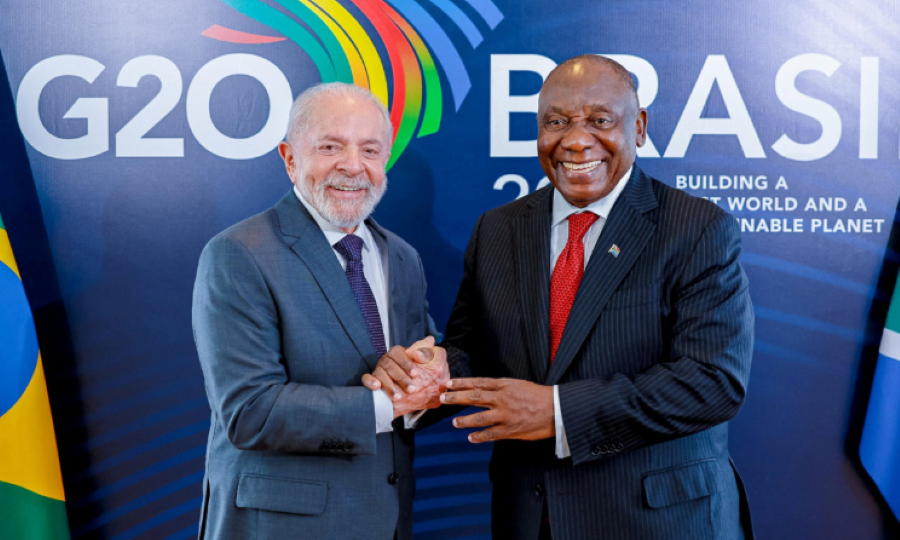
    The G20 Rio de Janeiro Leaders’ Declaration, adopted in November 2024, provides a groundbreaking framework that underscores the transformative role of arts and culture in fostering global unity, sustainability, and dialogue. For Africa, this declaration arrives at a pivotal juncture, offering an opportunity to assert the continent’s cultural richness as a driver of global progress. However, the real challenge lies in translating this aspirational framework into actionable policies that address the struggles faced by the arts and culture sector across Africa.

    A Historic Leadership Opportunity

    In an unprecedented milestone, South Africa assumed the G20 presidency following the conclusion of the summit in Rio de Janeiro. This marks the first time an African nation has held the reins of this influential global forum. President Cyril Ramaphosa’s declaration that Africa’s development will be central to the G20 agenda under the theme “Solidarity, Equality, and Sustainability” reflects a commitment to inclusive growth, food security, and the exploration of technologies like artificial intelligence (AI). Yet, while these goals are commendable, the omission of arts and culture from the list of priorities highlights a recurring oversight: culture, despite its significant economic and social contributions, remains underrepresented in global development discussions.

    Culture’s Untapped Potential in Africa

    Culture is not merely a repository of traditions or entertainment—it is an economic powerhouse, a vehicle for social cohesion, and a spark for innovation. Across Africa, however, the arts and culture sector faces chronic underfunding and neglect. The African Union’s pledge to allocate 1% of national budgets to culture by 2030 is a step in the right direction, but implementation has been inconsistent. Countries like Zambia allocate less than 0.1% of their budgets to cultural initiatives, a stark disparity given the sector’s potential to diversify economies and create jobs.

    Artistic Freedom and Policy Gaps

    One of the key pillars of the G20 declaration is the promotion of artistic freedom, a principle that resonates deeply in Africa, where creators often face challenges such as political interference, censorship, and economic insecurity. In nations like Mozambique and Uganda, the absence of robust legal protections leaves artists vulnerable. The G20’s emphasis on fair pay and decent work for cultural workers is promising, but without active enforcement mechanisms, these commitments risk remaining abstract ideals. African artists need champions who can advocate for their rights and ensure that international policies translate into tangible protections on the ground.

    The Digital Frontier and Copyright Challenges

    Digital platforms and AI offer both opportunities and challenges for Africa’s creative industries. The Salvador da Bahia Declaration, crafted during the G20 Culture Ministers’ meeting, calls for equitable policies in the digital sphere, including robust copyright enforcement and fair remuneration for creators. This is particularly relevant in African countries like Nigeria, where a thriving music industry continues to grapple with piracy and exploitative contracts. By leveraging the G20 platform, Africa can advocate for international frameworks that address these vulnerabilities, ensuring creators are fairly compensated in the digital economy.

    Heritage Preservation and Restitution

    Africa’s cultural heritage is not only a source of identity but also a vital link to its historical legacy. However, this heritage faces existential threats from climate change, conflict, and illegal trade. The G20’s commitment to safeguarding cultural memory aligns with the African Union’s Agenda 2063, which prioritizes the restitution of looted artefacts as a step toward healing and reclaiming African identity. South Africa’s G20 presidency presents an opportunity to bring these issues into sharper focus on the global stage, ensuring that heritage preservation and restitution are recognized as essential components of sustainable development.

    A Platform for Unity and Advocacy

    South Africa’s leadership at the G20 provides a unique platform to spotlight the continent’s rich cultural diversity and advocate for its integration into global development agendas. For South Africa, this is a chance to showcase its achievements in culture, heritage, and innovation. For the broader continent, it is a rare opportunity to unite around shared goals such as increased public investment, stronger protections for artistic freedom, and improved access to global markets.

    By prioritizing culture as a core pillar of development, Africa can redefine its narrative on the global stage. Creativity is not just an expression of identity; it is a cornerstone for economic growth, social cohesion, and sustainable progress.

    Seizing the Moment

    The question is not whether Africa has the capacity to lead in cultural advocacy but whether it will seize this historic moment. South Africa, as the G20 president, has the power to champion a transformative cultural agenda that benefits the entire continent. By doing so, it can demonstrate that culture is not secondary to development but integral to achieving a future of equality, solidarity, and sustainability. Let this presidency mark the beginning of a new chapter where Africa’s artistic and cultural potential takes center stage in shaping a more equitable and inclusive global order.

  • Silent Asthma Epidemic in Africa: Causes, Impact, and Urgent Solutions

    Silent Asthma Epidemic in Africa: Causes, Impact, and Urgent Solutions

    Millions of adolescents across Africa may unknowingly suffer from asthma, a chronic respiratory condition that affects millions globally, due to underdiagnosis and limited access to treatment. A study recently published in The Lancet highlights a pressing issue in African healthcare systems: the lack of awareness, diagnosis, and treatment for asthma among young people. This silent epidemic has serious implications for public health, given that asthma is a leading cause of chronic respiratory death worldwide.

    Key Findings of the Study

    Conducted between 2018 and 2021, researchers from Queen Mary University of London (QMUL) studied over 20,000 adolescents aged 12 to 14 in six urban centers: Blantyre (Malawi), Durban (South Africa), Harare (Zimbabwe), Kampala (Uganda), Kumasi (Ghana), and Lagos (Nigeria). The results are alarming:

    • Prevalence of Symptoms: About 12% of participants showed severe asthma symptoms, yet 80% had never been diagnosed by a clinician.
    • Lack of Treatment: One-third of adolescents previously diagnosed with asthma reported severe symptoms but were not using medication to manage their condition. Many lacked awareness of asthma therapies and underestimated the severity of the disease.
    • Geographical Disparities: Durban had the highest prevalence of asthma symptoms, while Blantyre had the lowest. This variance reflects how environmental and socio-economic factors influence asthma prevalence across regions.

    The study suggests that if these results were extrapolated, as many as 15 million adolescents in sub-Saharan Africa could have undiagnosed asthma, leaving them vulnerable to complications and preventable deaths.

    The Burden of Asthma in Africa

    Asthma is a chronic disease characterized by inflammation of the airways that leads to breathing difficulties, wheezing, chest tightness, and coughing. While asthma can be managed effectively with proper treatment, the condition remains a significant health burden in Africa.

    • Rising Cases: The number of asthma cases on the continent increased from 94 million in 2000 to 119 million in 2010. Adolescents account for roughly 14% of cases.
    • Underdiagnosis: Poor access to healthcare and limited awareness about asthma contribute to underdiagnosis, particularly in low-income areas.
    • High mortality rates: severe asthma can lead to fatal complications, with mortality rates disproportionately higher in African countries due to inadequate treatment options.

    Urbanization and Environmental Factors

    Africa’s rapid urbanization, the fastest in the world at 3.5% annually, has contributed significantly to the rise in asthma cases. Expanding cities bring economic opportunities but also increase exposure to environmental triggers, including:

    • Air Pollution: Vehicle emissions, industrial waste, and coal-powered energy plants contribute to poor air quality. For instance, South Africa’s reliance on coal for electricity has resulted in some of the worst pollution levels on the continent.
    • Climate Change: Global warming exacerbates asthma risks by intensifying dust storms, wildfires, and temperature fluctuations.

    Socioeconomic Barriers to Asthma Management

    Economic inequality remains a significant barrier to asthma care in Africa. Over 60% of urban dwellers live in informal settlements, where access to healthcare is limited. Additionally, the high cost of asthma medication is prohibitive for many families. In Nigeria, for example, the price of inhalers has tripled recently due to inflation and the exit of major pharmaceutical companies like GlaxoSmithKline.

    Impacts on Adolescents

    Asthma’s impact on adolescents extends beyond physical health:

    • Education: Frequent absences from school due to asthma attacks hinder academic performance.
    • Mental Health: Chronic illness, stigma, and anxiety about asthma attacks can affect psychological well-being.
    • Social Activities: Limited participation in sports and play due to breathing difficulties isolates affected adolescents from their peers.

    Solutions and Recommendations

    To address this silent epidemic, a multifaceted approach is required:

    1. Improved Air Quality: Governments must prioritize controlling urban air pollution by adopting clean energy policies and enforcing emissions standards.
    2. Enhanced Healthcare Access: Investments in healthcare infrastructure and subsidies for asthma medications can make treatment more accessible. This includes preventive care, which is cost-effective in the long term compared to crisis-driven approaches.
    3. Community Awareness: Public health campaigns are essential to educate families and schools about asthma symptoms, triggers, and management strategies.
    4. School-Based Interventions: Mobile clinics that visit schools to screen for asthma, provide diagnoses, and offer treatments could significantly improve early detection rates. With high attendance rates at the start of secondary school, this approach could efficiently reach adolescents at risk.
    5. Research and Data Collection: More localized studies are needed to understand regional variations in asthma prevalence and inform tailored healthcare policies.

    A Call to Action

    The asthma crisis in Africa highlights the urgent need for systemic change in how respiratory diseases are identified and managed. Collaboration between governments, international health organizations, and pharmaceutical companies is critical to ensuring that adolescents receive timely diagnoses and affordable treatments. Proactive measures today can save lives and improve the quality of life for millions across the continent.