Category: ARM ARTICLES

This category presents a post from ARM Magazine, spotlighting African researchers and their contributions.

  • Understanding and Addressing the Global Obesity Epidemic: Causes, Consequences, and Solutions

    Understanding and Addressing the Global Obesity Epidemic: Causes, Consequences, and Solutions

    In the modern world, obesity and overweight have emerged as critical health issues, affecting individuals across all ages and regions. These conditions, characterized by excessive fat deposits, not only impact physical health but also pose significant challenges to societal well-being.

    The Magnitude of the Problem

    As of 2022, the prevalence of obesity and overweight has reached alarming levels. Statistics reveal that 1 in 8 individuals worldwide grapple with obesity, marking a substantial increase since 1990. Shockingly, adolescent obesity has quadrupled within the same timeframe, underscoring the gravity of the situation. In absolute terms, approximately 2.5 billion adults and 390 million children and adolescents are classified as overweight. Moreover, the prevalence of obesity among adults has more than doubled since 1990, with devastating consequences for public health.

    Defining Obesity and Overweight

    The diagnosis of obesity and overweight is primarily based on the Body Mass Index (BMI), a metric derived from an individual’s weight and height. For adults, a BMI greater than or equal to 25 signifies overweight, while a BMI exceeding 30 indicates obesity. Similarly, for children and adolescents, BMI-for-age measurements are used to determine overweight and obesity status.

    Causes and Consequences

    The root causes of obesity and overweight are multifaceted, stemming from a complex interplay of environmental, genetic, and socio-economic factors. An environment conducive to overeating and sedentary lifestyles exacerbates the problem, perpetuating a cycle of weight gain and health complications. Notably, the health risks associated with obesity extend beyond physical ailments to encompass psychological distress and societal stigma.

    Health Impacts and Economic Burden

    The health consequences of obesity are dire, contributing to a myriad of noncommunicable diseases such as cardiovascular disorders, diabetes, and certain cancers. Alarmingly, childhood obesity not only jeopardizes immediate health but also predisposes individuals to a lifetime of chronic ailments. Moreover, the economic ramifications of the obesity epidemic are staggering, with projected costs soaring into trillions of dollars by 2030.

    Addressing the Challenge

    Addressing obesity and overweight requires a multifaceted approach spanning individual interventions, healthcare initiatives, and policy reforms. At the individual level, adopting healthy lifestyle practices from an early age can mitigate the risk of obesity-related complications. Health practitioners play a pivotal role in promoting healthy behaviors and providing comprehensive obesity management services. Furthermore, concerted efforts are needed to create supportive environments that prioritize healthy eating and active living.

    A Call to Action

    Recognizing the urgency of the obesity crisis, the World Health Organization (WHO) has spearheaded global initiatives aimed at combating this pervasive threat. Through targeted interventions and policy advocacy, WHO endeavors to halt the rise of obesity and foster a culture of health and well-being worldwide.

    In conclusion, tackling the obesity epidemic requires collaborative efforts at all levels of society. By prioritizing prevention, promoting healthy behaviors, and fostering supportive environments, we can stem the tide of obesity and safeguard the health of future generations.

  • Groundbreaking Initiative: African Scientists Secure $7.2M for TB and Malaria Research

    Groundbreaking Initiative: African Scientists Secure $7.2M for TB and Malaria Research

    In a monumental stride towards combating tuberculosis (TB) and malaria, a consortium of African scientists has secured a groundbreaking US$7.2 million investment from LifeArc and the Bill & Melinda Gates Foundation. This substantial funding injection will drive forward the Grand Challenges Africa Drug Discovery Accelerator Programme (GC ADDA), marking a pivotal moment in the continent’s contribution to global health initiatives.

    Addressing Critical Health Challenges

    Malaria and TB stand as formidable adversaries to public health in Africa, claiming the lives of nearly one million individuals annually. Despite strides made in combating these diseases, the emergence of drug-resistant strains underscores the urgent need for innovative solutions. With malaria cases on the rise and TB presenting multidrug-resistant forms, the imperative for novel treatments becomes increasingly pressing.

    The GC ADDA Initiative

    The Grand Challenges Africa Drug Discovery Accelerator Programme (GC ADDA) embodies a concerted effort to propel drug discovery projects forward in Africa while fostering a collaborative network of scientific expertise. By pooling resources and expertise, the initiative aims to advance global health agendas while empowering African researchers to lead the charge against endemic diseases.

    Leadership in Drug Discovery

    At the forefront of malaria drug discovery efforts are Dr. Richard Amewu from the University of Ghana and Prof. Lyn-Marié Birkholtz from the University of Pretoria. Their pioneering work seeks to harness existing knowledge and capacities to develop innovative antimalarial drugs tailored to African contexts. Supported by a network of esteemed scientists across the continent, including Prof. Fabrice Boyom in Cameroon and Prof. Amanda Rousseau in South Africa, this collaborative effort epitomizes the spirit of collective action in scientific innovation.

    Tackling Multidrug-Resistant TB

    In the battle against multidrug-resistant TB, Prof. Erick Strauss of Stellenbosch University leads a multidisciplinary team dedicated to exploring uncharted avenues in drug discovery. Their endeavor, complemented by partnerships with institutions such as Rhodes University and the University of KwaZulu-Natal, underscores the importance of interdisciplinary collaboration in addressing complex health challenges.

    Fostering Scientific Excellence

    The Pan Africa DMPK Centre of Excellence, under the guidance of Professor Collen Masimirembwa, serves as a cornerstone of support for both malaria and TB research endeavors. Additionally, Dr. Fidele Ntie-Kang’s initiative to screen natural products for disease-fighting potential exemplifies Africa’s rich reservoir of biodiversity as a source of therapeutic innovation.

    A Milestone in African Science

    The grant represents a significant milestone in Africa’s scientific landscape, signaling a paradigm shift towards self-reliance and innovation in addressing pressing health concerns. Through strategic partnerships and collaborative frameworks, African scientists are poised to redefine the trajectory of drug discovery on the continent.

    Conclusion

    As African scientists embark on this transformative journey, their efforts underscore the profound impact of localized solutions in combating global health challenges. With unwavering dedication and collective resolve, the GC ADDA initiative heralds a new era of scientific innovation and progress in Africa’s fight against TB and malaria.

  • Advancing African Science: Innovative Funding Models and Urgent Calls for R&D Investment

    Advancing African Science: Innovative Funding Models and Urgent Calls for R&D Investment

    Africa stands at a pivotal juncture in its scientific advancement, with innovative funding systems emerging as critical tools to combat inequities within its research landscape. Susan Gichoga, a grants officer at the Science for Africa Foundation in Nairobi, Kenya, advocates for a transformative approach to funding African research and development (R&D). She highlights the pressing need for African countries to increase investment in R&D, emphasizing that while external grants currently sustain much of the continent’s scientific endeavors, true sovereignty in research can only be achieved through internal commitment and financial backing.

    Gichoga underscores the inherent limitations of merit-based grant systems, which often favor researchers and institutions from affluent nations, perpetuating disparities in access and opportunity. To address this imbalance, she champions the hub-and-spoke model as a promising paradigm shift in funding allocation. In this model, a central hub, typically an African research institution, receives funding and strategically distributes resources to satellite institutions or “spokes,” fostering collaboration and knowledge exchange.

    Central to the hub-and-spoke model is its emphasis on diversity and equity. Gichoga emphasizes the importance of inclusivity in grant allocation, advocating for a balanced distribution of funding across diverse research entities. By prioritizing African institutions and fostering global partnerships, this model aims to democratize access to research opportunities while amplifying the continent’s scientific voice on the world stage.

    DELTAS Africa, spearheaded by the Science for Africa Foundation, exemplifies the successful implementation of the hub-and-spoke model, with support from prominent international funders like Welcome and the UK Foreign, Commonwealth, and Development Office. Through DELTAS Africa, Gichoga highlights the strides made towards gender parity and inclusive representation within the scientific community, challenging conventional norms and promoting a more equitable research ecosystem.

    However, Gichoga acknowledges the inherent complexities and challenges of implementing such innovative funding mechanisms. Cultural differences, administrative hurdles, and performance evaluation pose significant obstacles to effective grant management. Nonetheless, she contends that the benefits outweigh the challenges, as evidenced by the model’s ability to enhance proposal quality, foster collaboration, and maximize research impact.

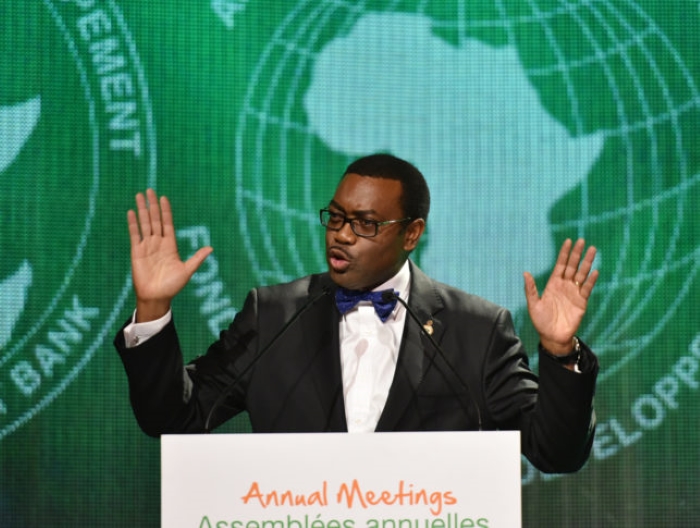
    Paul Adepoju, echoing Gichoga’s sentiments, emphasizes the urgency of bolstering R&D investment across the continent. As president of the African Development Bank, Adepoju advocates for a paradigm shift in Africa’s approach to research funding, citing the continent’s dismal track record in R&D expenditure compared to the global average. He underscores the critical role of research in addressing Africa’s unique public health challenges and reducing reliance on imported pharmaceuticals.

    Advancing African Science: Innovative Funding Models and Urgent Calls for R&D Investment

    Illustrative Image: Advancing African Science: Innovative Funding Models and Urgent Calls for R&D Investment
    Image Source & Credit: Carb-X
    Ownership and Usage Policy

    Adepoju’s call to action resonates with Janet Midega and her colleagues, who emphasize the integral link between higher education and scientific research. They highlight the need for African universities to expand their research infrastructure and integrate teaching with hands-on scientific inquiry. However, they lament the pervasive challenges facing many African universities, including inadequate funding, resource shortages, and prolonged periods of unrest.

    In response to these challenges, Adepoju emphasizes the imperative of stable learning environments and well-supported faculty to drive meaningful scientific progress. He underscores the detrimental impact of protracted strikes and institutional instability on knowledge dissemination and scientific innovation, advocating for greater governmental accountability and investment in higher education.

    In conclusion, Gichoga and Adepoju offer a compelling vision for advancing African science through innovative funding models, collaborative partnerships, and sustained investment in research and development. Their impassioned advocacy underscores the transformative potential of equitable funding mechanisms to catalyze scientific innovation, address systemic inequities, and propel Africa towards a more prosperous and sustainable future.

  • Unlocking Africa’s Rice Sector: Sustainable Agronomic Practices for Enhanced Productivity

    Unlocking Africa’s Rice Sector: Sustainable Agronomic Practices for Enhanced Productivity

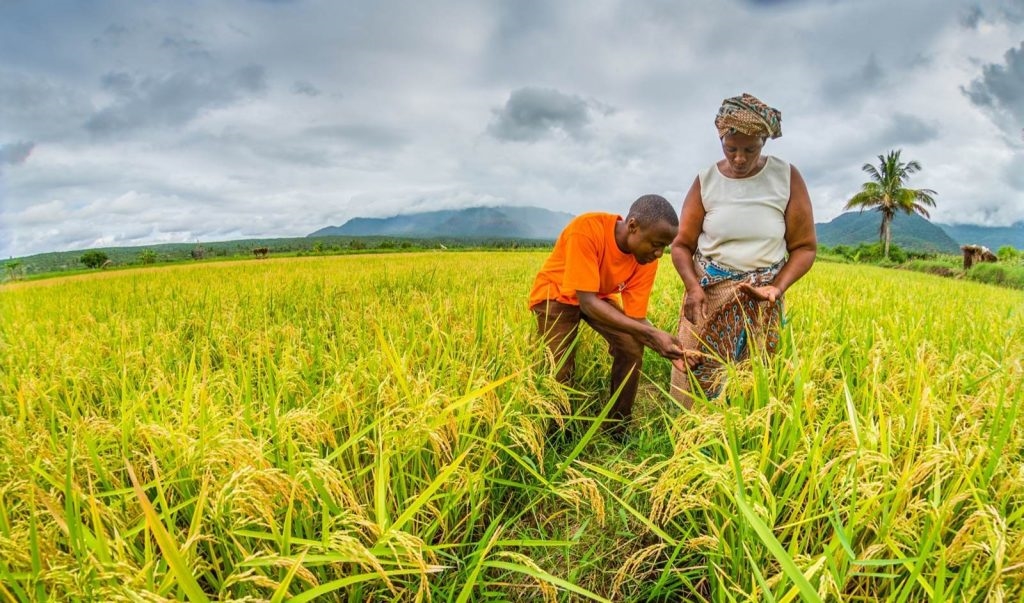
    A recent study, led by international scientists and published in the prestigious journal Nature Communications, sheds light on significant opportunities for Africa’s rice sector to enhance its productivity without resorting to extensive land conversion. The research, which involved contributions from the University of Nebraska-Lincoln, Huazhong Agricultural University, Africa Rice Center, and Wageningen University and Research, underscores the potential for Africa to increase its rice yields through improved agronomic practices.

    Currently, Africa’s rice production meets only about 60% of the continent’s demand, leading to heavy dependence on rice imports, which account for nearly 40% of consumption. With Africa’s population growth and rising rice consumption projected to double demand over the next 25 years, the continent faces challenges in ensuring food security and reducing import reliance.

    The study emphasizes that enhancing agronomic practices, such as land development, soil and plant nutrition, weed control, and water management, presents a viable path to boost rice yields across Africa. By leveraging advanced techniques like process-based crop simulation modeling and comprehensive on-the-ground data collection, researchers found that Africa’s current rice yield is substantially lower than its potential with improved practices.

    Importantly, the research indicates that by intensifying rice production without expanding cultivation areas, Africa can meet future demand projections without exacerbating environmental concerns related to land conversion. This approach not only enhances food security but also mitigates the continent’s vulnerability to external supply disruptions and price fluctuations in the global rice market.

    Moreover, the collaborative effort received support from the Bill and Melinda Gates Foundation, underscoring the importance of international partnerships in addressing food security challenges. The findings of the study have practical implications not only for Africa but also for global agriculture. The process-based crop simulation modeling approach highlighted in the research is deemed a valuable tool for evaluating and identifying opportunities for crop improvement, with relevance extending to producers worldwide, including those in Nebraska.

    The study’s implications extend beyond academic research, highlighting the significance of global cooperation in agricultural innovation and food security. It underscores the role of sustainable agronomic practices in addressing pressing challenges such as food insecurity, import dependence, and environmental sustainability, while paving the way for enhanced agricultural productivity and stability both in Africa and globally.

    In conclusion, the collaborative study underscores the critical role of sustainable agronomic practices in enhancing Africa’s rice sector productivity without expanding cultivation areas. By leveraging advanced techniques and international partnerships, the research offers a pathway towards addressing food security challenges, reducing import dependence, and ensuring environmental sustainability. The findings not only benefit Africa but also hold significance for global agriculture, emphasizing the importance of cooperative efforts in fostering innovation and stability in food production worldwide.

  • Nigeria’s Soft Power: Unveiling the Influence of Fashion and Creative Industries

    Nigeria’s Soft Power: Unveiling the Influence of Fashion and Creative Industries

    Soft power, as perceived from an African standpoint, encapsulates an actor’s ability to shape the behaviors and perceptions of others through non-coercive means, leveraging its philosophy, culture, values, and policies. Despite Nigeria’s multifaceted challenges, its soft power assets, including Nollywood, Afrobeats, literature, and fashion, stand as beacons of cultural influence on the global stage. However, negative perceptions stemming from issues like corruption and conflict have constrained Nigeria’s soft power potential. This comprehensive post delves into the nuanced dynamics of Nigerian soft power, with a particular focus on its burgeoning fashion industry, highlighting its potential to shape global perceptions and foster cross-cultural dialogue. Nigeria’s cultural exports, particularly Nollywood and Afrobeats, have played pivotal roles in reshaping perceptions and reducing anti-Nigerian sentiments globally. These industries have fostered admiration for Nigerian culture, language, and cuisine, exemplifying the power of soft influence in transcending borders and fostering positive engagement.

    About the Author

    Oluwaseun Tella is the Head of Future Diplomacy at the Institute for the Future of Knowledge, University of Johannesburg, South Africa. His research focuses on the intersection of culture, diplomacy, and soft power in African contexts.

    The Creative Sector as a Soft Power Dynamo

    The creative sector, epitomized by Nollywood, Afrobeats, literature, and fashion, has emerged as a potent force in enhancing Nigeria’s global image. Nigerian artists and literary giants have captured international attention, contributing to the country’s soft power arsenal and showcasing its rich cultural tapestry to the world.

    Uncovering the Potential of Nigerian Fashion

    While Nollywood and Afrobeats have received ample scholarly attention regarding soft power, the Nigerian fashion industry remains underexplored. Historically, Nigeria boasted a thriving textile sector, contributing significantly to the economy. Despite facing neglect and decline, recent years have witnessed a resurgence in Nigerian fashion, with designers gaining recognition on the global stage. The industry, contributing around 10% to Nigeria’s GDP, holds immense potential to further elevate Nigeria’s soft power profile and stimulate economic growth.

    Conclusion: In conclusion, Nigeria’s soft power transcends its socio-economic and political challenges, finding expression in its vibrant creative industries, including fashion. As Nigeria continues to harness its cultural assets and foster global connections, its soft power footprint is poised for expansion, offering a platform for dialogue, exchange, and mutual understanding in an increasingly interconnected world.

  • Empowering Africa: A Strategic Call to Prioritize Science and Innovation for Sustainable Development

    Empowering Africa: A Strategic Call to Prioritize Science and Innovation for Sustainable Development

    With a population representing 15% of the global populace, the African continent bears a disproportionate 25% of the world’s disease burden. A complex interplay of health issues, including rising non-communicable diseases, persistent infectious diseases, and emerging infections, necessitates a radical shift in priorities. To foster sustainable economic development and mitigate the disease burden, African nations must make substantial investments in education, research, and scientific infrastructure.

    Challenges in Research and Development

    Africa’s research and development sector faces chronic underinvestment, stifling innovation. Contributing only 2% of the world’s research output and accounting for a mere 1.3% of research spending, the continent grapples with a 0.1% share of global patents. Over-reliance on Western funding models hampers the prioritization of issues most pertinent to Africans. This dependence also perpetuates inequitable decision-making and underrepresentation of African researchers on both local and global fronts.

    The Role of Scientific Knowledge

    Scientific knowledge is integral to economic development, health, and environmental sustainability. Despite a 2006 commitment by African Union members to allocate 1% of GDP to research and development, this goal remains unmet. The neglect of science can be indicative of governance failures, especially in nations with challenging political landscapes. African scientists must actively engage in politics and policy-making to ensure a scientific agenda takes center stage.

    Prioritizing Science in National Development

    Beyond health ministry budgets, research and development should be embedded as a pillar of national development and security. Advocacy for increased domestic funding by scientists is crucial to realizing long-term development aspirations. Once funding is secured, governments must invest in scientific infrastructure, creating an ecosystem conducive to innovation, discovery, and rapid market entry.

    Investing in Human Capital and Education

    To bridge the skills gap, Africa needs to invest in world-class education. Currently boasting 198 researchers per million people, the continent must strive for the world average, necessitating an additional million researchers with PhDs. Retaining talent and reversing the brain drain to Europe and the USA requires creating an environment where researchers have access to modern equipment, reliable utilities, ample funding, and collaboration with other talented individuals.

    Breaking Philanthropic Dependency

    The current model of philanthropic aid perpetuates Africa’s dependence on the Global North. To break free from this cycle, African governments need a clear and implementable strategy, leading decisions on fund utilization. Philanthropic organizations must align with Africa’s development goals, and African leaders must be transparent and accountable in managing financial assistance. The focus should be on creating an independent and resilient African health and economic system.

    Conclusion: Transforming Africa’s economic growth requires a paradigm shift towards strategic investments in science and innovation. By prioritizing research and development, fostering scientific infrastructure, investing in human capital, and breaking dependency on external aid, African nations can chart a course towards a future characterized by self-reliance, resilience, and sustained economic growth. Ifeyinwa Aniebo’s call for active involvement of scientists in shaping the continent’s destiny reflects the urgency and potential for transformative change.

  • Empowering Financial Inclusion: ADFI’s Human-Centered Design for Gender-Focused Digital Financial Solutions in Africa

    Empowering Financial Inclusion: ADFI’s Human-Centered Design for Gender-Focused Digital Financial Solutions in Africa

    In the quest to enhance financial inclusion and economic empowerment, the Africa Digital Financial Inclusion Facility (ADFI) has adopted innovative research approaches, particularly human-centered design, to understand and address barriers faced by marginalized groups, including women, youth, rural dwellers, and small-business owners. The focus is on creating digital financial solutions that are not only accessible and affordable but also culturally and socially relevant.

    Innovative Initiatives by Yello Digital Financial Services

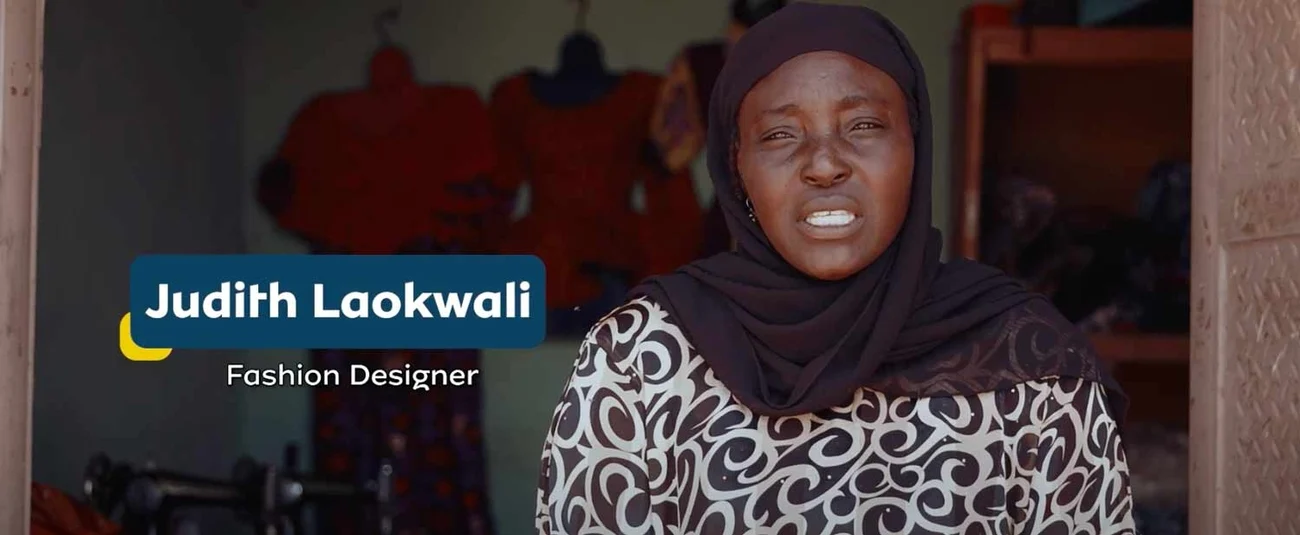
    One notable initiative involves Yello Digital Financial Services Ltd, a fintech subsidiary of MTN Nigeria Communications Plc, which has developed gender-focused mobile money (MoMo) agent networks. These networks aim to empower women entrepreneurs by providing them with training on digital financial solutions, overcoming challenges posed by cultural and social norms. This initiative enables women like Judith Laokwali to better manage customer payments and improve their economic activities.

    Empowering Financial Inclusion: ADFI's Human-Centered Design for Gender-Focused Digital Financial Solutions in Africa

    Illustrative Image: Empowering Financial Inclusion: ADFI’s Human-Centered Design for Gender-Focused Digital Financial Solutions in Africa
    Image Source & Credit: African Development Bank Group
    Ownership and Usage Policy

    Human-Centered Design Approach

    Human-centered design research has played a pivotal role in shaping digital credit solutions offered by M-KOPA. By involving women in the design process, M-KOPA has tailored loan repayment options and facilitated access to digital credit using pay-as-you-go smartphone services as collateral. This approach has been piloted in Kenya, leading to increased women’s participation in a PAYG financial inclusion pathway.

    Similarly, Pula Advisors has utilized ADFI grants to conduct research and develop gender-centric microinsurance solutions for women smallholder farmers in Kenya, Nigeria, and Zambia. The research focuses on understanding social, cultural, and economic factors affecting women farmers’ access to microinsurance. The outcome is expected to be the creation of insurance products and services aligned with the specific needs of women farmers, ultimately closing the gender gap in microinsurance adoption.

    Innovative Initiatives by Yello Digital Financial Services:

    ADFI’s overarching strategy involves catalytic and strategic investments in digital financial solutions across three main pillars: digital infrastructure, policy and regulation, and products and innovation, with gender inclusion and capacity building as cross-cutting themes. By involving participants in the design process and addressing specific needs through research, ADFI aims to break down barriers to digital financial solutions’ growth and uptake, thereby accelerating financial inclusion and reducing gender disparities.

    Through initiatives like these, ADFI is not only empowering individuals like Judith Laokwali and women smallholder farmers but also contributing to the development of replicable and innovative human-centered design frameworks for digital financial services. The goal is to enable individuals to champion their own needs, actively participate in product design, and influence their communities on the benefits of digital financial solutions. This approach holds the promise of fostering sustainable economic growth and resilience among traditionally underserved populations.

  • Securing South Africa: Cybersecurity Challenges, Underfunding, and the Path to Robust Cyber Diplomacy

    Securing South Africa: Cybersecurity Challenges, Underfunding, and the Path to Robust Cyber Diplomacy

    A recent article by Devanny and Buchan highlights the cybersecurity challenges faced by South Africa, emphasizing the country’s vulnerability to ransomware attacks and its current inadequacies in cyber defense. Despite being the most internet-addicted nation globally, South Africa is grappling with the dark underbelly of the internet, particularly in the form of cyber threats.

    Cybersecurity is the practice of protecting systems, networks, and programs from digital attacks that aim to access, change, or destroy sensitive information, extort money, or interrupt normal business processes. Common categories of cybersecurity, such as network security, application security, information security, operational security, disaster recovery and business continuity, and end-user education.

    Cybersecurity Challenges and Underfunding

    South Africa, spending an average of 9.5 hours online per day, has become the eighth most targeted country globally for ransomware attacks, according to the South African Council for Scientific and Industrial Research. The nation’s cyber strategy is deemed underfunded, with the government lacking a clear stance in cyber governance debates, as outlined by researchers Joe Devanny and Russell Buchan from the Carnegie Endowment for International Peace. While South Africa introduced the Cybercrimes and Cybersecurity Bill in 2015 and established entities such as the military Cyber Command and the Computer Security Incident Response Team (CSIRT), the researchers argue that cybersecurity remains a low priority. The under-resourced Cyber Command, in particular, has faced challenges in developing sophisticated cyber capabilities due to deprioritization of defense expenditure.

    Geopolitical Ambiguity in Cyber Diplomacy

    The study sheds light on South Africa’s ambiguous geopolitical position in international cyber governance debates. Despite its historical commitment to promoting human rights and democracy, critics argue that the country’s foreign policy has lost its principled stance. In cyber governance discussions, South Africa has demonstrated a nuanced approach, aligning with both Western states and Russia. While participating in initiatives like the UN Group of Governmental Experts (GGE) and the Budapest Convention, it has also engaged in negotiations for a new cybercrime treaty, reflecting alignment with Russian initiatives. The Devanny and Buchan highlight the need for clarity in South Africa’s stance on regulating cyberspace, especially regarding whether existing international laws are deemed sufficient or if new legal initiatives should be developed.

    Recent Cyber Attacks

    Devanny and Buchan outline major cyber-attacks in South Africa, including incidents targeting City Power, Life Healthcare Group, Experian, Transnet, the Department of Justice and Constitutional Development, and the South African National Defence Force (SANDF). These attacks have caused disruptions to critical infrastructure, economic harm, and data breaches, underscoring the urgent need for a robust cybersecurity strategy.

    Conclusion

    Devanny and Buchan conclude by emphasizing that there is still an opportunity to shape South Africa’s cyber diplomacy. They urge the government to prioritize cybersecurity, invest in cyber capabilities, and take a clearer stance in global cyber governance discussions. The article underscores the importance of addressing underfunding issues and adopting stronger leadership in cybersecurity to safeguard the nation’s digital infrastructure and information.

  • Unlocking Africa’s Water Towers: Urgent Need for Global Recognition and Protection

    Unlocking Africa’s Water Towers: Urgent Need for Global Recognition and Protection

    Africa, home to 1.4 billion people, faces significant water stress with only 9% of the world’s freshwater resources. As the population is projected to reach close to 2.5 billion by 2050, the demand for limited freshwater will intensify. However, amidst the challenges, Africa possesses crucial “natural water towers” that serve as nature-based solutions to water and climate issues. This post sheds light on the importance of these water towers, the oversight they have faced, and the urgent need for their protection.

    The Significance of Natural Water Towers

    Natural water towers, like the Angolan Highlands Water Tower, play a pivotal role in sustaining ecosystems and human life downstream. The Angolan Highlands Water Tower, for example, feeds lakes and rivers across seven southern African countries, supporting food and water security, livelihoods, and millions of people. Additionally, it is the primary source of the Okavango Delta, a UNESCO World Heritage Site, and sustains a diverse range of wildlife, including the largest concentration of African elephants.

    The Global Recognition Gap

    While global attention has been directed towards water towers with a focus on ice and snow, Africa and Australia have been largely excluded from this analysis. The Water Tower Index, which ranked 78 water towers worldwide based on water storage and vulnerability, omitted Africa and Australia, leaving these regions out of the global concern spotlight.

    Challenges in Research and Recognition

    Africa’s limited research capacity, compared to regions like Australia, has exacerbated the oversight of its water towers. The lack of a continent-wide rivers and freshwater research institute has made it challenging to identify and study critical water systems. For instance, the Angolan Highlands Water Tower was only defined within academic literature last year, despite its significant hydrological and economic importance.

    The Africa Water Atlas, compiled by the UN Environment Programme in 2010, offers a limited perspective by categorizing water towers based on elevation, precipitation, and contributions to regions beyond their boundaries. This simplistic definition fails to capture the diverse ecosystems and freshwater environments across the African continent, leaving out several critical water towers.

    Unlocking Africa's Water Towers: Urgent Need for Global Recognition and Protection

    Illustrative Image: Unlocking Africa’s Water Towers: Urgent Need for Global Recognition and Protection
    Image Source & Credit: Kostadin Luchansky/National Geographic Okavango Wilderness Project.
    Ownership and Usage Policy

    The Way Forward

    Collaborative initiatives involving local experts, international organizations, and governments have begun addressing these gaps. However, increased funding, technological advancements, and interdisciplinary research are crucial for the sustainable management and conservation of Africa’s diverse freshwater resources. Future research must recognize the continent’s diversity and move beyond broad-based definitions to ensure the protection of Africa’s Water Towers.

    Conclusion: In the coming decade, climate change poses a threat to drinking water, agriculture, industry, and ecosystems. Africa’s water towers, supporting the world’s fastest-growing population, demand urgent attention for their scientific, cultural, and ecological significance. It is time to challenge traditional definitions and elevate Africa’s water towers to the global forefront, ensuring the resources they provide and the communities that depend on them receive the protection they deserve.

  • Revolutionizing Africa’s Transportation: UNEP Report Unveils Promising Future for Electric Two- and Three-Wheelers

    Revolutionizing Africa’s Transportation: UNEP Report Unveils Promising Future for Electric Two- and Three-Wheelers

    Africa, a continent marked by its vibrant energy and bustling urban centers, is witnessing a potential revolution in its transportation sector. The focus is on motorcycle taxis, a ubiquitous and dominant force in the region. A recently launched report by the United Nations Environment Programme (UNEP) sheds light on the electrification prospects of two- and three-wheelers, presenting a promising trajectory for cleaner, more sustainable alternatives.

    Current Landscape

    Over the past three decades, Internal Combustion Engine (ICE) motorcycles have proliferated across Africa, totaling an estimated 27 million two and three-wheelers. However, 99% of these vehicles still rely on traditional ICE technology. Notably, motorcycle taxis, particularly prevalent in high-density urban areas, are emerging as a dominant segment.

    Key Insights

    Tom Courtright, Research Director at Africa e-Mobility Alliance and lead researcher for the African region in the UNEP report, highlighted the underlying potential of electric two-wheelers. Factors such as an abundance of motorcycles, lower electrification costs, and high efficiency make them a prime candidate for electrification. In contrast to the expensive conversion costs of four-wheelers, electric motorcycle conversions can cost less than $1000, as reported by Nairobi-based e-motorcycle manufacturer Roam.

    Challenges and Solutions

    Despite the immense potential, challenges loom large. Tax incentives are identified as critical for realizing the potential of electric two- and three-wheelers. Financing and investment issues, high capital costs, and delays in deploying favorable models are hurdles that need attention. The report underscores the need for addressing grid infrastructure limitations in rural areas to ensure the full-scale expansion of the sector.

    Opportunities Beyond Two-Wheelers

    While two-wheelers steal the spotlight, electric three-wheelers present significant opportunities in markets like Somalia and northern Nigeria. However, challenges such as grid infrastructure limitations, high capital costs, and delays in deploying favorable models persist.

    Future Trends and Innovations

    Researchers project that battery swapping could emerge as a noteworthy trend on the continent, offering a solution to range anxiety and charging infrastructure challenges. Startups like Spiro and Ampersand are already making strides in the electric two- and three-wheeler market. The industry, currently with less than 1% electric penetration, is witnessing the active participation of over 60 startups.

    In Conclusion, Africa’s economic growth, combined with the surge in two- and three-wheelers, suggests a promising future for electric mobility. As the continent address’s challenges and harnesses opportunities, concerted efforts in tax incentives, financing, and infrastructure development will play a pivotal role in propelling Africa towards a cleaner, more sustainable transportation future. The continent stands at the cusp of a significant transformation, and with strategic interventions, the growth of electric two- and three-wheelers is expected to continue into the foreseeable future.