Category: ARM ARTICLES

This category presents a post from ARM Magazine, spotlighting African researchers and their contributions.

  • Unlocking Efficiency and Safety: The Rise of Mining Automation Solutions | Market Trends and Key Players

    Unlocking Efficiency and Safety: The Rise of Mining Automation Solutions | Market Trends and Key Players

    In the realm of mining, automation stands as a beacon of innovation, harnessing advanced technologies like robotics, artificial intelligence, and remote monitoring to revolutionize traditional practices. By automating tasks such as drilling, blasting, and mineral processing, mining companies can unlock a plethora of benefits, ranging from heightened productivity to improved safety and environmental sustainability.

    The global mining automation market is poised for exponential growth, projected to surge at an impressive CAGR of 10.10% between 2024 and 2031. This surge is driven by the imperative for mining firms to confront challenges such as declining ore grades, escalating energy expenses, and stringent regulatory demands. Embracing automation is not just advantageous; it’s increasingly becoming imperative for sustaining competitiveness and profitability in the global mining landscape. At the forefront of this transformation are key players such as Rockwell Automation, Autonomous Solutions, ABB, and Trimble, among others, spearheading the development and deployment of cutting-edge automation solutions across various facets of the mining lifecycle.

    Segments and Applications/Regional Coverage

    The scope of mining automation is extensive, spanning from exploration and development to extraction, processing, and transportation of minerals. Surface and underground mining operations alike stand to benefit from automation solutions, which optimize equipment control, fleet management, and material handling processes. Moreover, automation technologies play a pivotal role in enhancing safety measures, with autonomous systems minimizing human exposure to hazardous environments and reducing the risk of accidents. Segmentation of the mining automation market delineates key areas of focus, including excavators, robotic trucks, and drillers, catering to diverse applications in surface and underground mining operations. Regional coverage spans across North America, Europe, Asia-Pacific, South America, and the Middle East and Africa, reflecting the global scale of automation adoption in the mining sector.

    Recent Developments/Benefits and Considerations

    Recent advancements in mining automation have centered on bolstering capabilities, reliability, and scalability to meet evolving industry needs. Innovations such as autonomous drilling systems, robotic mining equipment, and AI-driven predictive maintenance are driving efficiency gains and operational excellence across mining operations. Investing in mining automation yields multifaceted benefits for stakeholders. Notably, it enhances safety by mitigating risks associated with human error and hazardous environments. Additionally, it boosts productivity by optimizing equipment utilization and reducing downtime, ultimately driving down operational costs. Furthermore, automation fosters better resource management and environmental stewardship, aligning with sustainability objectives.

    However, the adoption of mining automation isn’t devoid of challenges. Upfront investment costs, interoperability concerns, and cybersecurity risks pose hurdles that necessitate careful consideration and strategic planning. Addressing these challenges mandates collaboration between mining companies, technology vendors, and regulatory bodies to ensure the seamless integration and sustainable deployment of automation technologies. In essence, mining automation represents a paradigm shift in the industry, offering a pathway to greater efficiency, safety, and sustainability. As the market continues to evolve, stakeholders must navigate challenges while leveraging the transformative potential of automation to secure a prosperous future for the mining sector.

  • Adesina Criticizes Natural Resource-Backed Loans in Africa: Calls for Transparency and Sustainable Development

    Adesina Criticizes Natural Resource-Backed Loans in Africa: Calls for Transparency and Sustainable Development

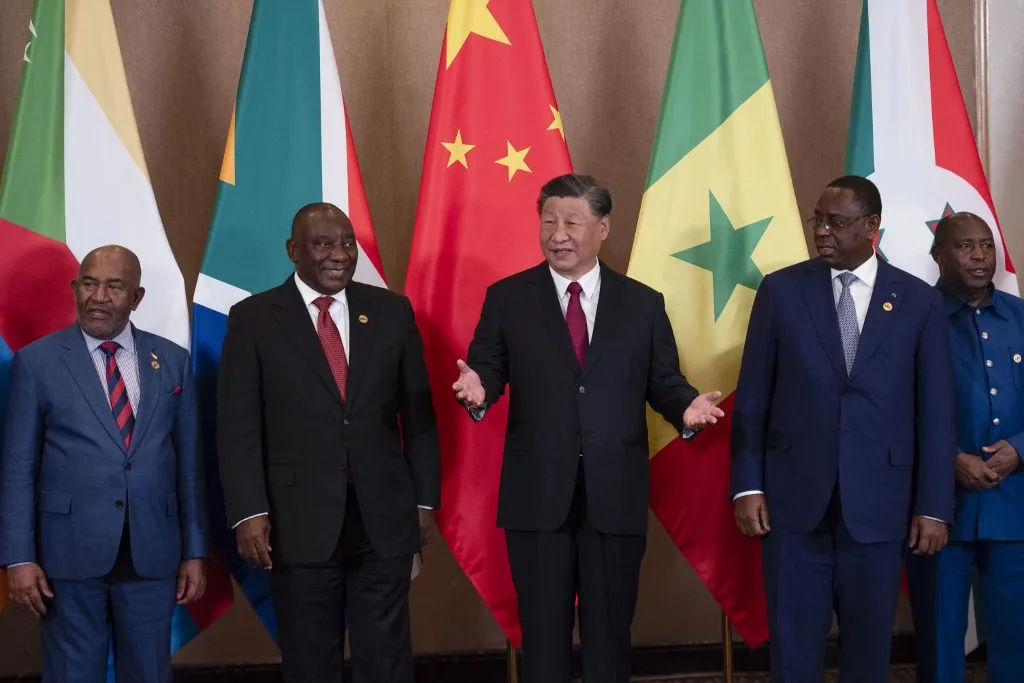
    The President of the African Development Bank, Akinwumi Adesina, has strongly criticized the practice of granting loans to African countries in exchange for their natural resources, such as oil or critical minerals used in modern technologies like smartphones and electric car batteries. He argues that such deals, which often involve China, have detrimental effects on African nations, leading to financial crises and granting undue control over resource extraction to external powers. Adesina points out several key issues with these arrangements. Firstly, pricing natural resources for long-term loan contracts is inherently challenging, leading to potential exploitation and unfair terms for African countries. Moreover, these deals are often negotiated in an uneven manner, with lenders exerting significant influence and African nations facing difficulties in securing transparent and favorable terms. This power imbalance, combined with a lack of transparency and potential for corruption, exacerbates the risk of exploitation.

    The African Development Bank president emphasizes the need to end these natural resource-backed loans and advocates for renegotiating existing agreements that are deemed unfair or opaque. He highlights the detrimental impact of such loans on sustainable debt management, as countries are forced to allocate a significant portion of their natural resource revenues towards loan repayment, hindering their economic development. Adesina cites examples such as Chad’s financial crisis following an oil-backed loan from Glencore, which resulted in the country using most of its oil proceeds to service its debt. Additionally, he mentions Angola and the Republic of Congo seeking IMF support after facing similar challenges with resource-backed loans.

    While China is a major player in providing these loans, Adesina stresses that the issue is not limited to a single country, emphasizing the importance of improving African countries’ negotiation capacity and debt management practices. In response to criticisms, Chinese authorities have claimed to operate with transparency and openness in their dealings with Africa. However, concerns persist, particularly regarding agreements like the one between China and Congo, where the benefits for the African nation are perceived as insufficient compared to the value of the resources extracted. To address these challenges, the African Development Bank is launching initiatives such as the Alliance for Green Infrastructure in Africa, aiming to mobilize funds for sustainable infrastructure projects in sectors like energy and transport. By promoting bankable and transparent investments, Adesina hopes to reduce reliance on problematic financing tied to natural resources.

    In conclusion, Akinwumi Adesina’s critique of natural resource-backed loans in Africa sheds light on the detrimental effects of such arrangements on African nations’ economic development and sovereignty. The call for transparency, fair negotiation terms, and sustainable debt management practices is crucial in ensuring Africa’s long-term prosperity and resilience. Through initiatives like the Alliance for Green Infrastructure, there’s hope for mobilizing funds towards sustainable development projects, reducing reliance on exploitative financing models and paving the way for a more equitable future for the continent.

  • Unlocking Africa’s Development Potential: The Migration Policy Framework for Sustainable Growth

    Unlocking Africa’s Development Potential: The Migration Policy Framework for Sustainable Growth

    Migration in Africa has undergone significant transformations in recent years, reflecting a complex interplay of socio-economic, political, and security factors. Across the continent, migration has evolved beyond a mere phenomenon to a dynamic survival strategy for communities grappling with poor living conditions, political instability, conflict, and civil unrest. Notably, the feminization of migration, the surge in youth migration, and the proliferation of irregular migratory flows, including human trafficking and migrant smuggling, underscore the multifaceted nature of this trend.

    Recognizing the potential benefits of migration for development, the African Union (AU) has developed the Migration Policy Framework for Africa (2018–2030). This framework offers comprehensive guidelines to AU Member States and Regional Economic Communities (RECs) for managing migration in a coherent manner, thereby harnessing its potential for development.

    The framework addresses eight thematic areas crucial for effective migration management:

    1. Migration Governance: Establishing robust governance structures to oversee migration policies and practices at national and regional levels, ensuring coherence and effectiveness.
    2. Labour Migration and Education: Developing transparent and gender-responsive policies to facilitate regular labour migration, integrating migrants into the labour market, and providing social protection for migrant workers.
    3. Diaspora Engagement: Fostering policies and conditions conducive to diaspora participation in the development of their countries of origin, recognizing their potential contributions to national and continental development.
    4. Border Governance: Strengthening cross-border cooperation in security, immigration, and development to promote effective border governance and stimulate economic integration.
    5. Irregular Migration: Addressing the root causes of irregular migration through expanding legal migration pathways, raising awareness about the dangers of irregular migration, and enhancing transnational cooperation to combat migrant smuggling and human trafficking.
    6. Forced Displacement: Developing mechanisms to support and protect populations displaced by conflict, persecution, and environmental disasters, ensuring their rights and dignity are upheld.
    7. Internal Migration: Understanding and addressing the drivers and impacts of internal migration within African countries, ensuring the protection and rights of internal migrants.
    8. Migration and Trade: Leveraging migration to facilitate trade and economic integration, particularly in the context of initiatives like the Continental Free Trade Area and the AU Free Movement of Persons Protocol.

    Central to the framework is the recognition of migration as a potential driver of development, particularly through the remittances sent by migrants to their home countries. Remittances not only provide vital support to families but also contribute to poverty reduction and investments in education, health, and income-generating activities.

    Moreover, the framework emphasizes the importance of addressing the securitization of migration and borders without resorting to border closures or hindering integration efforts. Instead, it advocates for intensified cross-border cooperation in security, immigration, and development to ensure effective border governance while promoting economic integration.

    In conclusion, by adopting a coherent and comprehensive approach to migration management, African nations and regional bodies can harness the potential of migration for sustainable development, thereby realizing the aspirations outlined in Agenda 2063.

  • Unlocking Libya’s Oil Potential: Overcoming Challenges for Sustainable Growth

    Unlocking Libya’s Oil Potential: Overcoming Challenges for Sustainable Growth

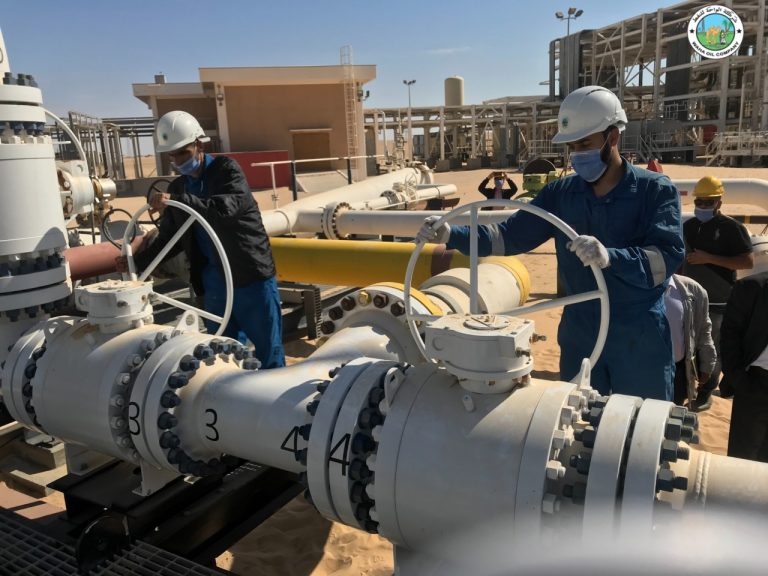
    Libya, once a dominant force in the global oil market, now faces substantial hurdles in realizing its oil potential, stemming from a tumultuous history marked by political turmoil, sanctions, and internal strife. Back in 1970, Libya stood as the world’s second-largest Arab oil producer, boasting a production peak of nearly 3.4 million barrels per day (mb/d). However, more than fifty years later, its current production stands at a mere 32 percent of that peak, ranking it 18th globally. Despite harboring aspirations to reach an output of 2 million barrels per day by 2030, the nation’s progress has been stymied by political and governance challenges.

    Over the last four decades, Libya’s proven oil reserves have doubled, solidifying its status as Africa’s largest reserve holder. Yet, the country’s ability to capitalize on this wealth has been hampered by persistent political instability and governance issues. Oil revenue constitutes a staggering 98 percent of government income and 60 percent of the GDP, leaving the economy highly susceptible to fluctuations in the sector.

    Libya’s turbulent past, characterized by periods of international isolation, sanctions, and internal conflicts, has deterred potential investors in the oil sector. Ongoing political fragmentation, with rival governments based in Tripoli and eastern Libya, further complicates matters. Key oil production facilities are distributed along these political lines, falling under different authorities’ jurisdictions.

    Despite holding oil reserves that could sustain production for nearly 340 years at current levels, the lack of investment and a fractured government pose significant threats to realizing Libya’s potential. The nation’s influence on global oil markets has dwindled drastically, with its market share plummeting from 7 percent in 1970 to a mere 1.2 percent in 2022.

    While Libya maintains its status as an oil exporter, primarily to Europe, persistent political and security risks, combined with governance deficiencies, present substantial challenges for international oil companies. Initiatives aimed at attracting investors, such as the planned oil and gas licensing round in 2024, must address these above-ground risks. The resurgence of international oil companies could bolster production yet achieving the ambitious 2 million barrels per day target by 2030 remains uncertain. The International Energy Agency (IEA) projects modest growth, forecasting a reach of 1.2 million barrels per day by 2028, underscoring the critical need for improved governance and stability for Libya to leverage its significant oil reserves, particularly as the energy transition gains momentum.

  • Addressing Africa’s Rising Cyber Threats: AI-Powered Attacks and Critical Infrastructure Vulnerabilities

    Addressing Africa’s Rising Cyber Threats: AI-Powered Attacks and Critical Infrastructure Vulnerabilities

    In recent years, Africa has witnessed a surge in cyber threats, with cybercriminals increasingly targeting critical infrastructure and employing sophisticated techniques powered by artificial intelligence (AI). This trend underscores the evolving nature of cyber warfare and the need for robust cybersecurity measures across the continent.

    Changing Landscape of Cyber Threats

    Despite a decrease in overall cyber threats across several major economies in Africa, countries like Kenya and South Africa have experienced significant spikes in specific types of cyber-attacks. Ransomware attacks in Kenya rose by 68%, while phishing attacks targeting sensitive information surged by 29% in South Africa.

    Cyber attackers are now leveraging advanced technologies, including AI and large language models (LLMs), to conduct more convincing social engineering attacks. Maher Yamout, lead security researcher at Kaspersky, highlights the alarming trend of cybercriminals incorporating AI into their toolkits to enhance the effectiveness of their tactics.

    The Role of AI in Cyber Attacks

    The use of AI technologies such as LLMs has lowered the barrier to entry for cybercriminals, enabling them to create convincing phishing emails, synthetic identities, and deepfake content. These AI-powered threats pose significant challenges to cybersecurity experts, requiring organizations to continually adapt their defense strategies to combat evolving attack vectors.

    However, the rise of AI-driven cyber threats exacerbates existing social and economic inequalities. Issues such as biased facial recognition systems, financial fraud, and AI-powered targeting disproportionately impact African citizens, highlighting the need for comprehensive regulatory frameworks and ethical guidelines in AI development and deployment.

    Targeting Critical Infrastructure

    Critical infrastructure systems in Africa are increasingly vulnerable to cyber-attacks, with a significant percentage of operational technology (OT) computers encountering threats. Cybercriminals and nation-state groups exploit vulnerabilities in OT systems, posing risks to economic stability, public safety, and national security.

    As tensions escalate on economic, political, and climate fronts, hacktivism has emerged as a prominent threat. Diverse motives drive hacktivist groups, ranging from country-specific protests to socio-cultural and macro-economic agendas like eco-hacktivism, complicating the threat landscape further.

    Rise of Mobile Threats

    Mobile devices serve as the primary gateway to the Internet for many Africans, making them susceptible to mobile threats. In 2023, Kaspersky reported a 10% increase in threats targeting mobile devices, including ransomware and SMS phishing attacks.

    The normalization of remote work globally has contributed to the rise in mobile threats, posing additional challenges for organizations. Protecting remote employees requires robust security measures and adherence to best practices to safeguard personal and corporate data.

    Mitigating Cyber Risks

    To mitigate cyber risks effectively, organizations must prioritize patching software, managing credentials, and securing endpoints. Proactive measures such as regular training and certification of cybersecurity personnel can enhance their capabilities in preventing and responding to cyber-attacks.

    In conclusion, the escalation of cyber threats and the proliferation of AI-powered attacks underscore the urgent need for collaborative efforts among governments, organizations, and cybersecurity experts to bolster Africa’s cyber resilience. By adopting proactive strategies and leveraging emerging technologies responsibly, Africa can navigate the evolving cybersecurity landscape and mitigate the risks posed by sophisticated cyber threats.

  • Understanding the Dynamics of China’s Digital Investments in Africa: Bridging Divides, Navigating Dependencies, and Geopolitical Implications

    Understanding the Dynamics of China’s Digital Investments in Africa: Bridging Divides, Navigating Dependencies, and Geopolitical Implications

    In recent years, the relationship between Africa and China has evolved into a complex interplay of digital development and geopolitical influence. While Chinese tech investments have significantly advanced Africa’s digital infrastructure, the partnership is not without its concerns and implications.

    Bridging the Digital Divide:

    Digital technologies offer immense potential for socio-economic development in African countries. They facilitate access to essential services like healthcare, education, and financial inclusion. However, the continent faces significant hurdles in realizing these benefits, including inadequate infrastructure and financial constraints.

    China has emerged as a crucial partner in Africa’s digital transformation journey. Through various initiatives and investments, Chinese companies have played a pivotal role in expanding Africa’s fiber-optic networks and data centers, thereby improving connectivity and access to the internet.

    The Cost of Dependency

    While Chinese involvement has accelerated Africa’s digital progress, it has also raised concerns about long-term dependency and potential geopolitical ramifications. Many African countries rely heavily on Chinese technology and financing for their digital infrastructure projects. This dependency raises questions about sovereignty and the ability of African nations to chart their own technological futures.

    Chinese companies like Huawei and ZTE offer attractive full-package solutions, including financing, which can be enticing for cash-strapped African governments. However, such arrangements may come with strings attached, including adherence to Chinese technological standards and norms.

    Geopolitical Implications

    China’s digital investments in Africa are part of its broader global strategy, including the Belt and Road Initiative and the Digital Silk Road. Through these initiatives, China aims to extend its influence and promote its technological standards globally. This could potentially reshape the digital landscape and challenge Western dominance in the technology sector.

    Moreover, concerns have been raised about the security implications of Chinese-made infrastructure. There are fears that Chinese equipment could be used for espionage or surveillance purposes, compromising the privacy and security of African citizens.

    Seeking Solutions

    To mitigate the risks associated with overreliance on Chinese technology, African countries must diversify their infrastructure suppliers and foster interoperability. By promoting competition and flexibility in the market, African nations can reduce their vulnerability to geopolitical pressures and technological lock-in.

    Additionally, there is a need for greater investment in domestic technological capacity-building. African countries should strive to develop their own infrastructure and expertise, reducing dependence on external actors and ensuring greater control over their digital futures.

    In conclusion, while China’s digital support has been instrumental in bridging Africa’s digital divide, it also raises important questions about sovereignty, security, and long-term sustainability. African countries must navigate these complexities carefully, striving for a balance between progress and autonomy in the digital age.

  • SARChI Impact: Prof. Umezuruike Linus Opara’s Journey in Postharvest Technology and Africa’s Research Legacy

    SARChI Impact: Prof. Umezuruike Linus Opara’s Journey in Postharvest Technology and Africa’s Research Legacy

    The South African Research Chairs Initiative (SARChI) has been a cornerstone of research and innovation in South Africa since its establishment in 2006 by the Department of Science and Technology and the National Research Foundation (NRF). This initiative, spanning up to 15 years, aims to foster excellence in research and innovation across public universities and science councils in the country.

    Over the years, SARChI has awarded 275 chairs to 23 public universities and nine science councils, representing a significant investment in research capacity. As chairs reach the end of their tenure, questions arise about their impact and the future of the research networks they’ve cultivated. One such chair, held by Professor Umezuruike Linus Opara, focused on Postharvest Technology. Opara’s journey from a farming village in rural Nigeria to becoming a Distinguished Professor at Stellenbosch University exemplifies the transformative power of education and dedication to research.

    Throughout his tenure as a SARChI Chair, Opara achieved remarkable milestones, including publishing extensively, receiving prestigious awards, and earning recognition as a highly cited researcher. His work in Postharvest Technology addresses critical aspects of the agri-food system, emphasizing the importance of efficient handling, packaging, and distribution of crops to maximize their value.

    SARChI Impact: Prof. Umezuruike Linus Opara's Journey in Postharvest Technology and Africa's Research Legacy

    Illustrative Image: SARChI Impact: Prof. Umezuruike Linus Opara’s Journey in Postharvest Technology and Africa’s Research Legacy
    Image Source & Credit: Stellenbosch, South Africa
    Ownership and Usage Policy

    A key aspect of SARChI is capacity-building, and Opara’s legacy includes supervising numerous master’s and doctoral students from South Africa and beyond. His commitment to mentorship and nurturing talent has created a network of researchers poised to contribute to agricultural development across the continent. The establishment of the Africa Institute for Postharvest Technology at Stellenbosch University ensures continuity and sustainability beyond Opara’s tenure. This institute serves as a platform to build on the achievements of the SARChI Chair, fostering research, and collaboration in Postharvest Technology.

    Opara’s Afrocentric approach underscores his belief in Africa’s potential to address its developmental challenges through homegrown solutions. He advocates for leveraging the continent’s abundant natural resources and investing in human capital development to drive innovation and progress. Looking ahead, Opara envisions dedicating his remaining active years to traveling across Africa, sharing knowledge, and inspiring others to realize the continent’s potential. His journey exemplifies the impact of SARChI in nurturing research excellence and fostering a new generation of academics committed to Africa’s development.

  • Empowering African Women and Youth in Agriculture: Insights from CABI’s Research

    Empowering African Women and Youth in Agriculture: Insights from CABI’s Research

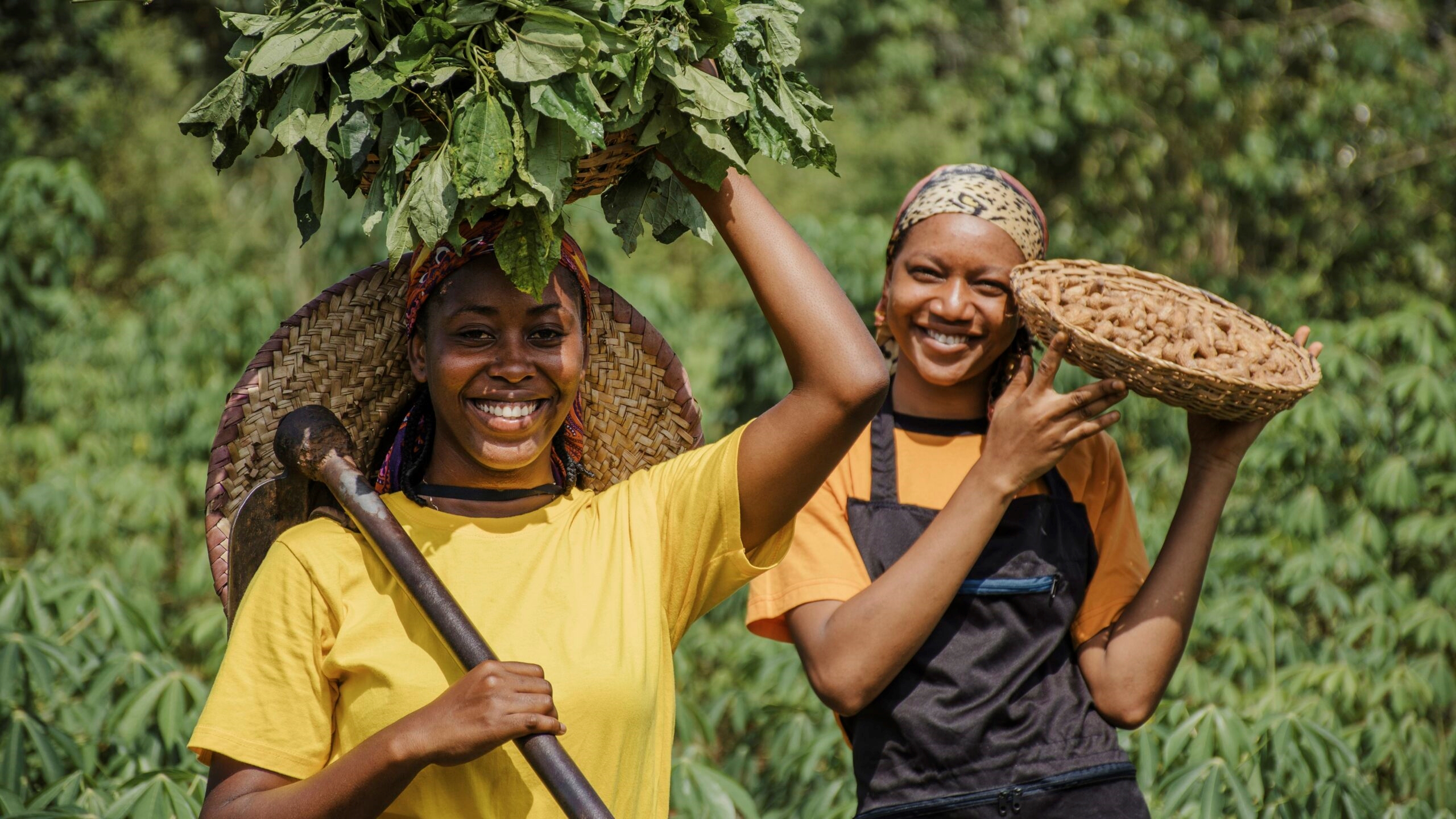
    A recent study led by CABI sheds light on the involvement of African women and young individuals in agricultural service provision, as outlined in the CABI Agriculture and Bioscience journal. By amalgamating a literature review with ongoing action research conducted in Kenya, the study delves into the fundamental characteristics, advantages, and drawbacks of business models aimed at engaging women and youth in agricultural service provision across Africa.

    The findings underscore that while involving African women and youth in agricultural service provision isn’t a universal solution to the array of challenges they encounter, such as limited decision-making power in production processes and income generation, it has proven beneficial in various respects. The researchers argue that certain business models have effectively contributed to economic empowerment, increased entrepreneurial activities, and enhanced the skill sets of women and young individuals involved as service providers.

    Successful business models, according to the study, are those that are localized and community-centric, driven by market demands, and deeply integrated within value chains. Nonetheless, challenges persist due to a multitude of factors. Thus, the study emphasizes the imperative for multi-sectoral, inter-institutional collaborations that secure funding and advocate for private sector involvement to ensure sustainability.

    Notably, women comprise 55% of Africa’s agricultural workforce, while nearly 60% of the continent’s population was under the age of 25 in 2019, making Africa the world’s youngest continent. Dr. Mariam Kadzamira, the lead author of the study and Senior Researcher at CABI, stresses the pivotal role that women and youth play in Africa’s agricultural landscape. She highlights the necessity for sustained engagement and empowerment through dedicated funding, which should encompass continuous capacity building and access to affordable credit for service providers.

    Dr. Monica Kansiime, co-author and Deputy Director of Development and Outreach for Africa at CABI, underscores the importance of industry and private sector involvement in incorporating women and youth into their business strategies and networks. She emphasizes the need for market-driven approaches that not only benefit agribusinesses but also tap into the abundant yet underutilized human resource represented by local women and youth.

    The study suggests that future research should focus on expanding the evidence base to ascertain the impact of including women and youth in agricultural service provision on agricultural policies. Additionally, there’s a need to assess the gender dynamics within successful agricultural service business models and identify strategies to overcome socio-cultural barriers, institutional constraints, and financial obstacles that hinder women’s participation in agriculture.

    In conclusion, the researchers advocate for comprehensive transdisciplinary research to validate the insights gleaned from action research and similar initiatives. They underscore the importance of quantifying the remuneration of service providers and evaluating the willingness of farmers to pay for services rendered by local women and youth compared to other providers. Such efforts are crucial for fostering inclusive and sustainable agricultural development across Africa.

  • Decoding the Alliance of Sahel States: West Africa’s Geopolitical Shift and Implications

    Decoding the Alliance of Sahel States: West Africa’s Geopolitical Shift and Implications

    In a profound geopolitical shift, Burkina Faso, Mali, and Niger announced the formation of the Alliance of Sahel States (AES) on 16 September 2023, marking a pivotal moment in West African politics. This alliance, forged amidst internal turmoil and external pressures, has reverberations that challenge established regional dynamics and international relations.

    The Decision to Form the Alliance

    The decision to establish the AES was catalyzed by a series of military coups and unrest within the member states. Mali experienced successive coups led by Colonel Assimi Goita, while Burkina Faso faced its own political upheaval with two military takeovers in 2022. Similarly, Niger witnessed the overthrow of its democratically elected president, Mohamed Bazoum, further exacerbating instability across the region. The underlying catalyst for these coups was the failure of governments to address longstanding grievances, including poverty, inequality, and corruption. Moreover, the erosion of trust between these nations and former colonial powers, notably France, strained diplomatic relations and fueled anti-colonial sentiment.

    The Withdrawal from ECOWAS

    A significant consequence of the AES’s formation was the withdrawal of Burkina Faso, Mali, and Niger from the Economic Community of West African States (ECOWAS). This withdrawal disrupted decades of regional integration efforts and signaled a rupture in established political alliances. The AES’s departure from ECOWAS underscored a broader reconfiguration of power dynamics within West Africa. It highlighted the waning influence of traditional actors such as France and the potential for emerging powers like Russia to fill the void left by receding Western presence.

    Security Imperatives and Economic Cooperation

    Central to the AES’s mandate is a commitment to mutual defense and security cooperation, particularly in regions plagued by insurgency and political violence. The Liptako-Gourma Charter, signed by the alliance members, exemplifies their shared resolve to address the security challenges emanating from their porous borders and volatile territories. However, beyond its security dimensions, the AES also aspires to foster economic collaboration among its member states. With a combined population of millions and vast untapped resources, the alliance holds the promise of economic revitalization and poverty alleviation. Yet, realizing this potential requires robust financial and technical support, as well as coherent economic policies that prioritize inclusive growth and development.

    Implications for Regional and Global Dynamics

    The emergence of the AES has profound implications for both regional and global actors. It signals a shifting geopolitical landscape where traditional alliances are tested, and new alignments emerge. France’s diminishing influence in the Sahel region, coupled with Russia’s expanding footprint, portends a potential proxy competition for strategic interests and resources. Moreover, the AES’s formation underscores the complexities of post-colonial statehood and the enduring legacy of colonialism in shaping regional dynamics. It reflects a broader quest for autonomy and self-determination among African nations, albeit within a framework of regional cooperation and solidarity.

    Looking Ahead

    As the AES navigates its nascent stages, key questions remain about its sustainability and efficacy. Can the alliance transcend geopolitical rivalries and internal discord to realize its vision of a secure and prosperous Sahel region? Will external powers respect the sovereignty and agency of member states, or will the region become embroiled in a new era of proxy conflicts? Ultimately, the success of the Alliance of Sahel States hinges on its ability to balance security imperatives with economic aspirations, navigate complex geopolitical dynamics, and forge a path towards inclusive and sustainable development. As West Africa stands at a crossroads, the AES represents both a beacon of hope and a harbinger of uncertain times ahead.

    In conclusion, the formation of the Alliance of Sahel States (AES) marks a pivotal moment in West African politics, reflecting a region grappling with internal turmoil and external pressures. As Burkina Faso, Mali, and Niger unite to address longstanding grievances and pursue security and economic cooperation, they challenge established regional dynamics and international relations. The AES’s emergence underscores the complexities of post-colonial statehood and the quest for autonomy within a framework of regional solidarity. As the alliance navigates its nascent stages, the path ahead is fraught with uncertainties yet brimming with potential. The success of the AES hinges on its ability to balance security imperatives with economic aspirations, navigate complex geopolitical dynamics, and forge a path towards inclusive and sustainable development in the Sahel region.

  • Unlocking the Silent Crisis: HIV Among Older Adults in Rural South Africa – Insights from Haalsa Project

    Unlocking the Silent Crisis: HIV Among Older Adults in Rural South Africa – Insights from Haalsa Project

    In rural South Africa, a significant and often neglected issue has emerged: a considerable portion of older adults are living with HIV. Despite the nation’s robust antiretroviral therapy programs, which have provided treatment to over 5 million people, there remains a gap in addressing HIV among older demographics.

    Traditionally, HIV prevention efforts have primarily targeted adolescents and young adults, leaving older populations underserved and vulnerable. However, research, notably the Health and Aging in Africa: Longitudinal Studies in South Africa (Haalsa), is shedding light on the realities of HIV among adults over 40. The Haalsa project, conducted by the University of the Witwatersrand and Harvard University, has been pivotal in understanding the dynamics of HIV in older populations. Through a decade-long study of over 5,000 adults in rural South Africa, key insights have been uncovered.

    One striking revelation is the prevalence of sexual activity among older adults, with 56% reporting sexual activity in the past 24 months. Moreover, condom usage varies significantly among different HIV status groups, indicating a need for tailored prevention strategies. HIV-related stigma remains a pervasive issue among older adults, hindering testing and treatment engagement. A quarter of respondents reported experiencing stigma, emphasizing the importance of destigmatizing HIV and promoting testing, especially through methods such as self-testing, which offers privacy and autonomy.

    In terms of treatment, Haalsa’s findings underscore the significance of viral suppression for healthy aging. Older adults with virally suppressed HIV exhibit significantly longer life expectancies compared to those with unsuppressed HIV. Moving forward, interventions must be tailored to address the unique needs of older adults at risk of or living with HIV in rural South Africa. These interventions should include targeted prevention strategies, awareness campaigns, and support services aimed at achieving and maintaining viral suppression.

    Ultimately, addressing the overlooked HIV crisis among older South Africans in rural areas requires a multifaceted approach that prioritizes awareness, destigmatization, and access to testing and treatment services. By doing so, we can work towards reducing HIV transmission and promoting healthy aging in these communities and beyond.