Category: ARM ARTICLES

This category presents a post from ARM Magazine, spotlighting African researchers and their contributions.

  • Alarming Decline of African Raptors: Urgent Conservation Measures Needed to Safeguard Ecosystems

    Alarming Decline of African Raptors: Urgent Conservation Measures Needed to Safeguard Ecosystems

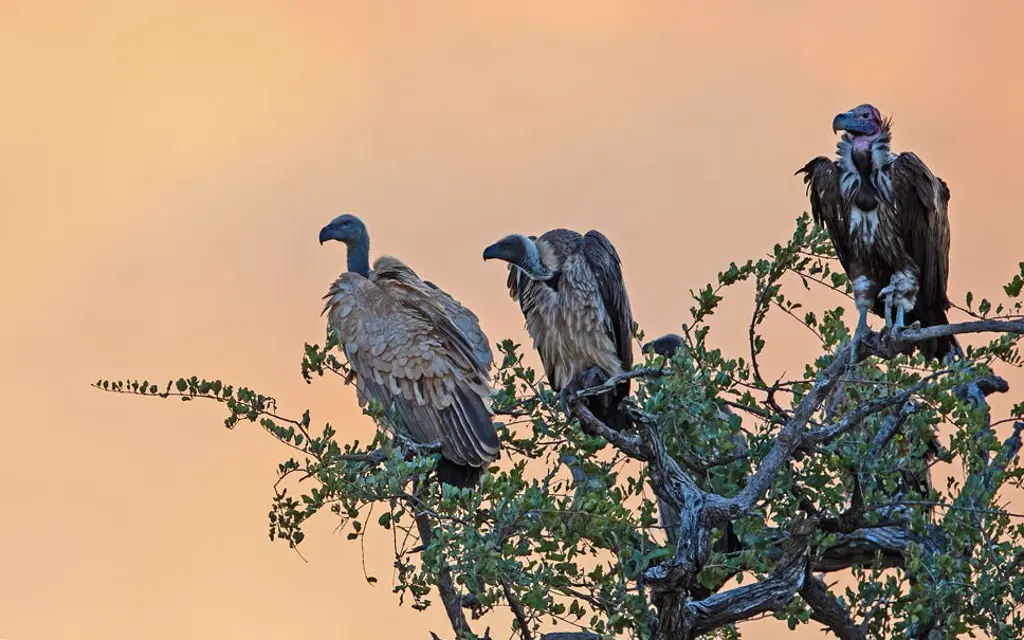
    Silhouettes of raptors once dominated African skies, but a comprehensive study published in the peer-reviewed journal Nature Ecology & Evolution reveals a staggering decline in 88% of the 42 African raptor species surveyed over the past 20 to 40 years. Conducted across sub-Saharan regions, the study indicates that 69% of these species are now more endangered or meet criteria for being threatened with extinction, sounding a critical alarm for conservation efforts.

    Darcy Ogada, the African program director at the Peregrine Fund and co-author of the study, emphasizes that these declines are observed in iconic species crucial for the continent’s ecosystems. Raptors play vital ecological roles as both apex predators and scavengers, regulating species populations and recycling nutrients. Losing these species could have profound impacts on the entire ecosystem.

    Unraveling the Threats: Understanding the Multifaceted Factors Behind the Alarming Decline of African Raptors and the Urgent Need for Conservation Action

    Factors contributing to the decline include habitat loss, poaching for food and ritual use, poisoning, electrocution, collisions with power lines and wind turbines, and climate change. Eagles and vultures are particularly vulnerable due to their long lifespans, slow breeding, and extensive range. The study also reveals significant population losses even within national parks, highlighting the existence of “paper parks,” where protections exist in name only.

    The extent of the losses is alarming, with an estimated 85% decline in secretary birds and a 90% decline in martial eagles, emphasizing the severity of the situation. The study identifies habitat loss, environmental degradation, and other threats as reaching a tipping point, even affecting species categorized as “least concern” on the International Union for Conservation of Nature Red List.

    While only five species showed population increases, the researchers suspect that the situation might be even worse for the continent’s other 60-plus raptor species. Nocturnal species like owls, facing persecution out of superstition, and those inhabiting different ecosystems like forests and swamps are likely faring poorly as well.

    Path to Preservation:

    The study suggests the need for urgent action, including revising conservation statuses, engaging local communities in biodiversity conservation, protecting more land in areas of high biodiversity, and minimizing the impact of infrastructure development on birds. To address the crisis, the researchers launched the African Raptor Leadership Grant, an education and mentorship initiative aimed at involving more Africans in raptor research and conservation.

    In conclusion, the decline of African raptors poses a significant threat to the continent’s ecosystems, necessitating immediate conservation efforts, community involvement, and strategic planning to protect these iconic species and the vital roles they play in maintaining ecological balance.
     

  • Revolutionizing Rice Farming: CRISPR Genome Editing Defeats Rice Yellow Mottle Virus, Boosting Crop Resilience in Africa

    Revolutionizing Rice Farming: CRISPR Genome Editing Defeats Rice Yellow Mottle Virus, Boosting Crop Resilience in Africa

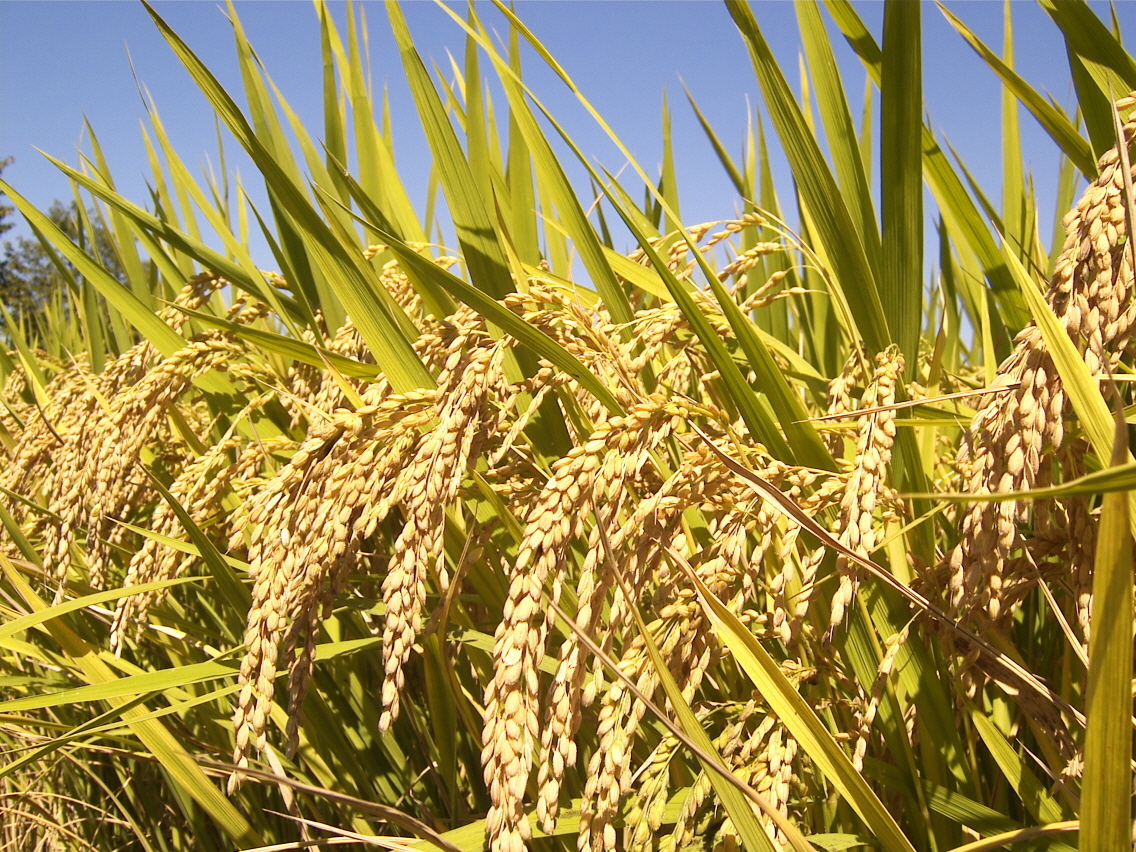
    Researchers at Heinrich Heine University Düsseldorf and the French National Research Institute for Sustainable Development have achieved a major milestone in the fight against the Rice Yellow Mottle Virus (RYMV), a primary cause of crop losses for small-scale farmers in Africa. This virus, transmitted by beetles and through direct leaf-to-leaf contact, has been responsible for significant rice harvest losses, posing a severe threat to the livelihoods of impoverished farmers in the region.

    About Rice Yellow Mottle Virus (RYMV)

    Rice Yellow Mottle Virus (RYMV) is a plant pathogenic virus that belongs to the genus Sobemovirus. It was first reported in Kenya in 1966 and has since been detected in many countries in sub-Saharan Africa. The virus has a massive impact on rice crops, causing streaking, mottling, discoloration, and malformation of leaves, as well as the death of infected young plants. Crop losses can be as high as 25–100%. The virus is most commonly transmitted by animals, wind-mediated leaf contact, and irrigation water.

    Unveiling the Genetic Arsenal: RYMV1, RYMV2, and RYMV3 – Focus on CPR5.1

    The research team employed advanced genome editing techniques to create rice lines that exhibit resistance to RYMV. This breakthrough is a crucial step toward developing locally adapted elite rice varieties capable of withstanding the virus, thereby benefiting small-scale food producers in Africa. The team identified key resistance genes, specifically RYMV1, RYMV2, and RYMV3, with particular emphasis on RYMV2, also known as CPR5.1. This resistance gene was initially found in poor-yielding African rice varieties but required transfer to high-yield Asian rice varieties commonly cultivated in Africa.

    Conventional methods of introducing the resistance gene faced challenges due to sterility issues in hybrid descendants. However, the researchers successfully utilized the CRISPR/Cas genome editing method to introduce mutations in the RYMV2 gene in an Asian rice variety, resulting in resistance to the virus. The next phase of the project involves applying the same editing approach to relevant African elite rice varieties, aiming to make them resistant and accessible to small-scale producers.

    The international research consortium, known as the “Healthy Crops” project and led by Heinrich Heine University, is dedicated to enhancing crop yields for small-scale producers in Africa and Asia. In addition to the successful development of RYMV resistance, the project has implemented effective strategies against bacterial blight in rice, demonstrating its commitment to addressing various agricultural challenges.

    The groundbreaking research findings highlight the pivotal role of targeted genome editing in the development of disease-resistant crops, offering a promising solution to mitigate the devastating impact of the Rice Yellow Mottle Virus on rice production in Africa. The interdisciplinary collaboration within the Healthy Crops project underscores the global effort to provide sustainable solutions for smallholder farmers and enhance food security in vulnerable regions. This achievement marks a significant stride towards creating resilient and thriving agricultural practices in the face of emerging threats.

    Conclusion

    In conclusion, the successful application of CRISPR genome editing techniques by the international research consortium within the ‘Healthy Crops’ project marks a significant breakthrough in the ongoing battle against the devastating Rice Yellow Mottle Virus. By identifying and harnessing key resistance genes, particularly RYMV2 (CPR5.1), the research team has paved the way for the development of resilient, disease-resistant rice varieties tailored to the needs of small-scale farmers in Africa. This accomplishment not only addresses the immediate threat posed by the virus but also underscores the global commitment to sustainable agriculture, offering hope for enhanced food security and thriving farming practices in vulnerable regions. The collaborative efforts exemplify the power of scientific innovation in creating transformative solutions for the challenges faced by agriculture, reinforcing the path towards a more resilient and secure future for farmers and their communities.

  • Empowering Africa: The Urgent Imperative for Local Vaccine Production and Health Security

    Empowering Africa: The Urgent Imperative for Local Vaccine Production and Health Security

    In an article penned by Thelma Chioma Abeku on January 10, 2024, the imperative for Africa to embark on vaccine production for its populace takes center stage. UN Secretary-General Antonio Guterres underscored the significance of vaccine equity in February 2021, emphasizing it as the “biggest moral test before the global community.” This resonated during the COVID-19 pandemic, exposing the vulnerability of Africa’s health systems and amplifying the need for self-reliance in addressing public health challenges.

    The 3rd International Conference on Public Health in Africa (CPHIA) in Zambia delved into the challenges and opportunities associated with advancing local production in vaccines, diagnostics, and therapeutics. The African Union, along with member states and partners, set an ambitious goal of achieving at least 60 percent vaccine manufacturing on the continent by 2040. Just as good governance entails providing national security and infrastructure, vaccine production is framed as a global public good essential for safeguarding community health.

    The article acknowledges the pivotal role played by institutions such as the Institut Pasteur in Dakar, dedicated to researching infectious diseases affecting Africa. While commendable, there’s a consensus that more needs to be done to drive the vaccine manufacturing process forward. Africa bears a significant burden of infectious diseases globally, necessitating a local, African-led approach to innovation in vaccine production for self-sufficiency.

    Challenges to Overcome

    The challenges outlined include the need for collaboration to address infrastructure gaps and create a conducive ecosystem for manufacturing facilities. H.E Dr. Jean Kaseya, Director General of the Africa Centre for Disease Control, stressed the importance of a robust ecosystem capable of producing vaccines and medical products in a harmonized manner. This underscores the call for significant investments in research and development, driven by collaborations between governments, the private sector, and international partners.

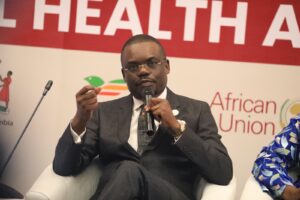
    H.E Dr. Jean Kaseya, Director General of the Africa Centre for Disease Control, stressed the importance of a robust ecosystem capable of producing vaccines and medical products in a harmonized manner

    Illustrative Image: H.E Dr. Jean Kaseya, Director General of the Africa Centre for Disease Control, stressed the importance of a robust ecosystem capable of producing vaccines and medical products in a harmonized manner
    Image Source & Credit: African Union
    Ownership and Usage Policy

    Regulatory processes also emerge as a crucial point, emphasizing the necessity to streamline regulations across African countries for cross-border collaboration and adherence to international quality benchmarks. The article advocates for the need to assure vaccine demand and distribution alongside prioritizing research and development, aligning the vaccine production agenda with the needs of Africa’s growing population.

    Ms. Shingai Machingaidze, Ag. Chief Science Officer at the Africa Centre for Diseases Control, stresses Africa’s need to take the lead in vaccine development for diseases prevalent on the continent rather than relying on external assistance. The author highlights the positive impact of Gavi, the Vaccine Alliance’s $1.8 billion pledge to strengthen Africa’s vaccine manufacturing efforts, including the establishment of the African Vaccine Manufacturing Accelerator (AVMA).

    The Way Forward

    To move forward, Prof. Abderrahmane Maaroufi, Director of Institut Pasteur Maroc, outlines four pillars for African vaccine manufacturing: political commitment, capacity building, effective regulation, and sustained funding. Political commitment involves mobilizing local manufacturers and firms through efficient public-private partnerships, with Morocco serving as an example. Capacity building emphasizes enhancing human competencies and infrastructure to support manufacturing activities across the continent. Establishing robust regulatory systems and sustaining funding through mechanisms like public-private partnerships are crucial for ensuring high-quality products and local resource mobilization.

    As the vaccine manufacturing landscape evolves, African leaders are encouraged to promote knowledge sharing, technological transfer, and collaboration between high-income and lower-middle-income countries. This, the author argues, will enable Africa to redefine its global health role by leading in local vaccine, diagnostics, and therapeutic manufacturing, ensuring health security through strategic investments and partnerships.

  • World Bank’s Holistic Approach to Alleviate Food and Nutrition Crises in Sahel and Horn of Africa: Achievements, Challenges, and Future Goals

    World Bank’s Holistic Approach to Alleviate Food and Nutrition Crises in Sahel and Horn of Africa: Achievements, Challenges, and Future Goals

    In the Sahel and Horn of Africa regions, where persistent food and nutrition crises are exacerbated by drought, conflict, and fragility, the World Bank is intensifying its efforts to address the challenges. The approach is multifaceted, involving financial support, technical assistance, and analytics. The Bank’s commitment of $45 billion, including $13.2 billion for West and Central Africa and $10.6 billion for East Africa, underscores its dedication to enhancing food and nutrition security.

    Key Highlights of World Bank Interventions:

    • In Burkina Faso, Chad, and Mali, 1.8 million beneficiaries received food rations and vouchers, while 8 million people in Ethiopia were provided with food and cash assistance.
    • Anti-locust assistance in Kenya, Djibouti, and Ethiopia covered 3.3 million hectares of land, benefiting food production.
    • Drought impacts on 1.6 million pastoralists in Djibouti, Ethiopia, Kenya, and Somalia were mitigated.
    • Somalia experienced a 200 percent increase in households able to consume two meals a day after receiving assistance post-2017 drought.

    Challenges:

    • The global food and nutrition crisis has intensified since 2014, affecting 221 million people across 54 IDA countries.
    • Causes include conflict, population displacements, weather extremes, disrupted food systems, regional trade barriers, poor policies, and COVID-19 fallout.
    • The war in Ukraine has further escalated food prices and volatility.

    World Bank Approach:

    • The Bank employs a multi-sectoral approach, addressing short-term and long-term needs in four areas: supporting food production, facilitating trade, assisting vulnerable households, and investing in sustainable food and nutrition security.
    • Financing, technical assistance, and analytics are deployed across sectors to ensure a comprehensive response.
    • Notable programs like the West Africa Food System Resilience Program (FSRP) and FSRP for Eastern and Southern Africa aim to increase food system resilience.

    Results and Regional Solutions:

    • In the G5 Sahel, emergency measures, including CERCs, CRW ERF, and reallocation, reached almost 5 million beneficiaries.
    • In the Horn of Africa, programs like the Emergency Locust Response Program (ELRP) supported swarm surveillance and control, benefiting countries like Kenya, Ethiopia, and Djibouti.
    • Country-specific projects, such as the Kenya Climate Smart Agriculture Project and the National Agriculture Rural Inclusive Growth Project, target farmers, particularly women, with input, extension services, and market access.

    Social Protection and Collaboration:

    • Social protection programs, like Somalia’s Baxnaano initiative, play a vital role in supporting vulnerable households facing high food prices and shortages.
    • The World Bank collaborates with various partners, including the Global Alliance on Food Security (GAFS), regional organizations (AU, IGAD, ECOWAS), and country-level partners like WFP, FAO, UNICEF, UNOCHA, and ICRC.

    Looking Ahead:

    • The World Bank emphasizes the impact of climate change on food security and has identified Food and Nutrition Security as one of its global challenges.
    • The Global Challenge Program on Food and Nutrition Security aims to strengthen food stability, availability, utilization, and access while enhancing crisis preparedness and early warning systems.
    • Future goals include improving sustainable impacts of public spending and mobilizing private investment in resilient food systems to break the cycle of food and nutrition insecurity by 2030.

    In conclusion, the World Bank’s unwavering commitment and multifaceted approach to addressing food and nutrition crises in the Sahel and Horn of Africa regions demonstrate a dedicated effort to tackle complex challenges. Through financial support, technical assistance, and collaborative initiatives, the Bank has made significant strides in providing immediate relief and building long-term resilience. Despite persistent challenges such as conflict, climate change, and global disruptions, the World Bank’s integrated strategies and partnerships with various organizations pave the way for a more sustainable and secure future. As the world faces evolving crises, the Bank’s forward-looking goals underscore its determination to break the cycle of food and nutrition insecurity, emphasizing the importance of global collaboration, innovation, and holistic solutions for lasting impact.

  • Empowering Africa: Grassroots AI Movement Shapes Future Amidst Challenges and Collaboration

    Empowering Africa: Grassroots AI Movement Shapes Future Amidst Challenges and Collaboration

    In the heart of South Africa, where universities are scarce, racial disparities persist, and economic challenges prevail, a burgeoning community of AI enthusiasts is reshaping the landscape. Spearheading this movement is the University of Johannesburg, which recently hosted the 2023 Southern African Conference for Artificial Intelligence Research. The conference, centered on human-centered AI, took place against the backdrop of the Gauteng Province’s red-dirt landscape, teeming with wildlife and rich human ancestral history.

    Avishkar Bhoopchand, a South African research engineer at Google DeepMind in London, noted the unique dynamics propelling AI in Africa. While big tech dominates North America and government policies steer AI in Europe, Africa is witnessing a surge driven by what locals term “grassroots AI.” This movement, characterized by a diverse network of students, professors, researchers, industry practitioners, and enthusiasts, has organically evolved to address the challenges faced by the continent.

    Vukosi Marivate, Associate Professor of Computer Science at the University of Pretoria, emphasized the need for agility in the face of geopolitical realities, advocating for a sprint rather than a walk. With too few universities, historical racial inequities, and a growing population of low-income students, the grassroots AI movement fills crucial gaps, outpacing traditional institutions.

    In the context of South Africa’s higher education landscape, where universities are limited, and racial disparities persist due to historical legacies, grassroots AI becomes a vital support system. The movement transcends borders, with individuals and institutions collaborating to accelerate AI research in Africa. Marivate’s vision extends beyond academic boundaries, creating a mental map that overlays the continent with resources and expertise to support AI students.

    What began as a grassroots effort is now attracting global attention from tech giants like Google, Apple, and OpenAI. The challenge, however, lies in ensuring that African AI researchers transition from being mere observers to active contributors and shapers of technological advances. The current juncture, despite its challenges, holds immense promise for the future.

    South Africa’s higher education challenges extend beyond limited seats, touching upon racial disparities ingrained in the system. Only 8 percent of South Africans aged 25 to 64 hold bachelor’s, master’s, or doctoral degrees, reflecting the difficulties in accessing higher education. Additionally, historical inequities in education persist, with certain schools lacking the necessary resources to prepare students adequately.

    Educational opportunities across sub-Saharan Africa face limitations, with insufficient computing curricula and unreliable infrastructure. Despite these obstacles, African AI enthusiasts are eager to participate in the global AI boom. However, the preference of companies like Google DeepMind for university graduates poses a challenge for those without degrees, even if they possess excellent coding skills.

    Grassroots AI Movement:

    The grassroots AI movement becomes a lifeline for aspiring AI researchers, offering support beyond institutional constraints. Marivate’s concept of a mental map underscores the importance of networking and collaboration across the continent. The movement’s impact reaches beyond academic pursuits, providing a bubble for computer science students to focus on their research without undue obstacles.

    Deep Learning Indaba:

    The Deep Learning Indaba, an annual conference initiated less than a decade ago, has played a pivotal role in fostering collaboration among African AI researchers. Starting with a few attendees, the conference has grown into a significant gathering, engaging over 3,000 participants annually. Despite some challenges faced by grassroots gatherings, Indaba has been instrumental in putting African AI on the global map.

    Future Prospects and Funding:

    Foreign investments, such as the UK’s £80 million and the Bill and Melinda Gates Foundation’s $30 million, signal a recognition of Africa’s AI potential. However, Marivate urges Africans to “think bigger—much bigger” and take ownership of their AI path. The continent’s burgeoning population, coupled with a lag in AI readiness, presents both a challenge and an opportunity. The call is clear: Africans must build AI research capacity rapidly while shaping the trajectory of their AI development.

    In the midst of South Africa’s diverse wildlife, the collaborative spirit among African AI researchers mirrors the symbiotic relationships observed in nature. Wildebeests and zebras collaborate to thrive in their ecosystem, and similarly, Africans are called upon to collaborate and be counted in the global AI race. The road ahead may be challenging, but the grassroots AI movement, with its resilience and collaborative ethos, is steering Africa toward a future where it actively contributes to the unfolding AI narrative.

    Conclusion: The grassroots AI movement and initiatives like the Deep Learning Indaba underscore Africa’s determination to actively participate in the global AI landscape. While challenges persist, the collaborative spirit and community-driven approach demonstrate the potential for African researchers to make significant contributions to AI development, both locally and internationally.

  • Betty Jahateh: Swansea University Environmental Biology Student and National Geographic Young Explorer Making Waves in Climate Science

    Betty Jahateh: Swansea University Environmental Biology Student and National Geographic Young Explorer Making Waves in Climate Science

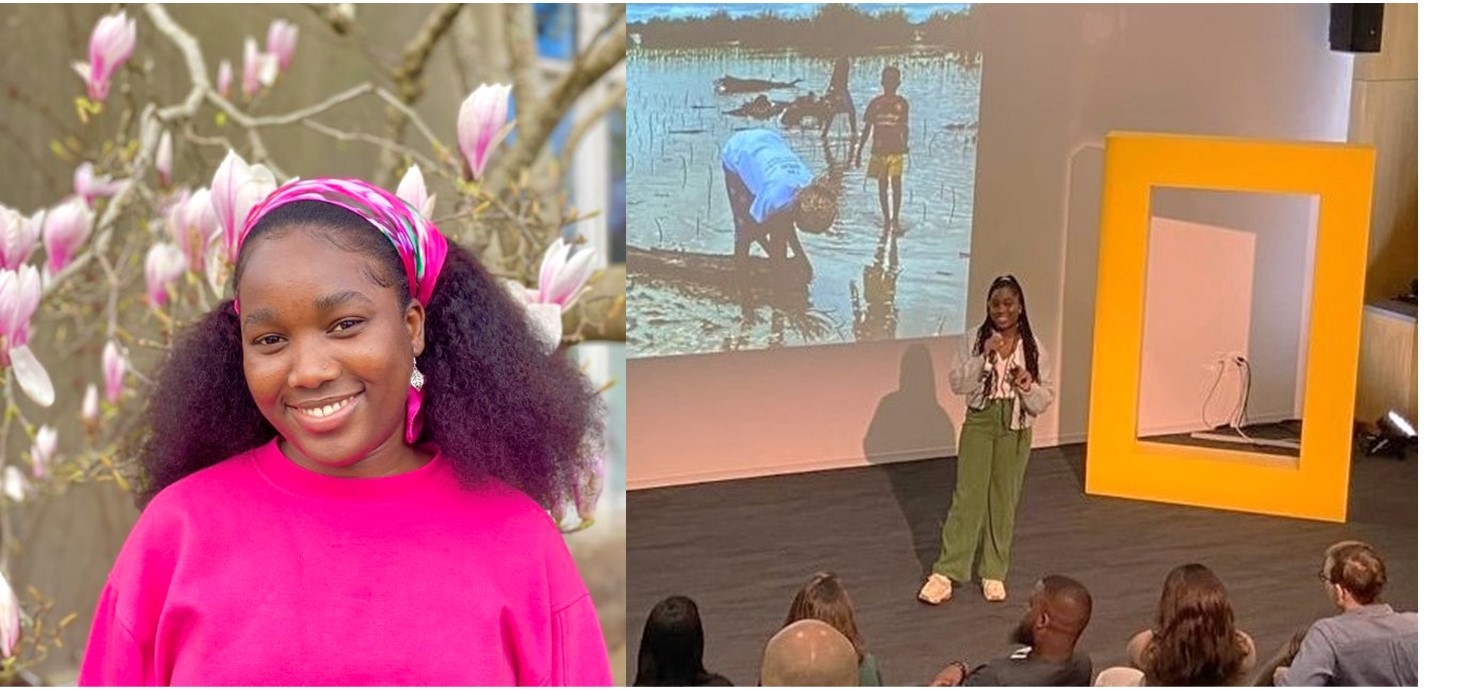
    Swansea University’s environmental biology student, Betty Jahateh from The Gambia, has earned a coveted spot among National Geographic’s Young Explorers, a prestigious group recognizing individuals excelling in scientific discovery and understanding of our world. Betty, pursuing an MSc in Environmental Biology: Conservation & Resource Management, recently showcased her research on salt intrusion effects along the tributaries of the River Gambia at National Geographic’s headquarters in Washington, DC.

    Betty’s expertise in marine and freshwater sciences has not only impacted over 1,500 students but also involved coordinating environmental monitoring projects with citizen scientists and leading initiatives on saltwater intrusion. Her dedication extends to training students on mangrove ecology and restoration, underscoring her commitment to environmental education. Having attended COP27 to address climate challenges in West Africa, Betty actively contributes to understanding climate change impacts and advocating for environmental education in coastal communities in the Gambia. Her project, “Salty Much?” funded by National Geographic, investigates salt intrusion effects in the River Gambia’s tributaries.

    The National Geographic Society, renowned for funding outstanding individuals, has recognized Betty for her exceptional courage, leadership, and impact-driven solutions. Betty’s experience at the National Geographic Young Explorer meeting in Washington, DC, left her deeply impressed by the supportive and collaborative atmosphere within the organization. She described it as a family where everyone cheers for success and readily offers resources.

    Dr. Aisling Devine, Programme Director of MSc Environmental Biology at Swansea University, commended Betty’s achievement, foreseeing her as a future leader in environmental science. Swansea University’s Biosciences department, known for its world-leading research, offers accredited undergraduate courses and collaborative projects with local, national, and international organizations.

    Swansea University actively contributes to the UN Sustainable Development Goals, with a notable impact on health, clean water, sustainable cities, responsible consumption, climate action, and more. The university’s commitment is reflected in its ranking within the top 200 globally, with specific recognition in several SDGs.

    Betty’s success underscores Swansea University’s dedication to fostering environmental leaders and making meaningful contributions to global sustainability. The university’s diverse habitats, including the Gower Peninsula and Brecon Beacons National Park, provide an ideal backdrop for biosciences studies. Moreover, the department’s new £1.3 million research vessel enhances students’ and researchers’ capabilities in conducting impactful activities in Swansea Bay and beyond.

  • Unlocking Food Security: Mercy Oso’s Genetic Journey for Sustainable Agriculture in Nigeria

    Unlocking Food Security: Mercy Oso’s Genetic Journey for Sustainable Agriculture in Nigeria

    Mercy Oso, a graduate in Animal Health and Production, has embarked on a journey from her early interest in genetics to becoming a research fellow at Kent State University, focusing on molecular biology and genetics. In this interview, she sheds light on the critical role of genetics, particularly in animal breeding, and its profound implications for food security in Nigeria.

    Interest in Genetics

    Mercy’s fascination with genetics began in her teenage years, driven by her observations of the diversity in species, shapes, colors, and sizes of plants and animals. This curiosity led her to delve into the introductory class in genetics in Nigeria, sparking a passion that continues to fuel her research in the field.

    Genetics and Its Impact on Food Security

    Highlighting the importance of genetics in animal breeding, Mercy emphasizes its significant role in ensuring and enhancing food security in Nigeria. Understanding the genetic makeup of local breeds is crucial for making informed decisions in breeding programs, selecting desirable traits, and improving overall animal production quality. The ability to identify specific advantageous traits, such as increased milk production, disease resistance, and adaptability, is vital for sustainable agriculture. Selective breeding, facilitated by genetic knowledge, allows for the enhancement of desirable traits while minimizing undesirable ones. Mercy acknowledges the transformative potential of advances in genetic technologies, including genetic engineering and genomics, as game-changers in making precise and efficient improvements in breeding programs.

    Progress in Molecular Genetic Techniques in Africa

    Despite challenges, significant strides have been made in integrating molecular genetic techniques into research in Africa, particularly Nigeria. Technology has played a pivotal role in overcoming historical obstacles, and capacity-building initiatives have enhanced the skills of researchers and technicians, fostering a knowledgeable workforce.

    Overcoming Cultural Biases

    Mercy addresses prevalent cultural biases in Africa, emphasizing that such biases are universal. However, she notes the positive impact of increased accessibility to information and consistent efforts to overcome these barriers. Using her research as an example, she discusses the challenges of importing breeds for turkey production due to environmental differences, prompting a focus on optimizing local breeds through molecular genetic techniques.

    Contributions to Food Security

    Mercy’s research on indigenous turkey breeds has uncovered several growth traits with the potential to enhance body weight. The significance lies in incorporating these findings into the breeding process for local breeds, embodying desirable and robust growth. While promising, Mercy acknowledges that her research represents a step in the journey, underscoring the need for further exploration and practical application in the field.

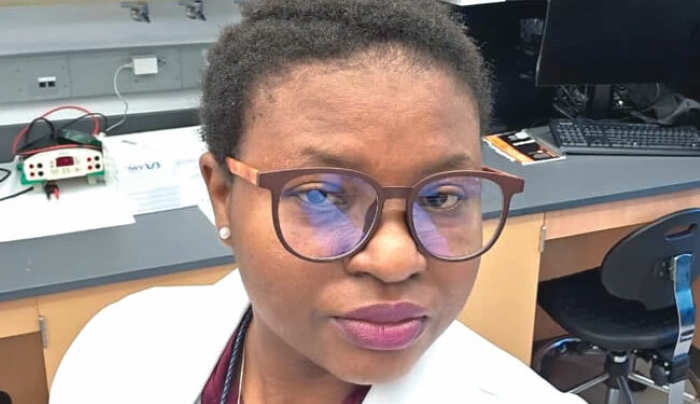
    Unlocking Food Security: Mercy Oso's Genetic Journey for Sustainable Agriculture in Nigeria

    Illustrative Image: Unlocking Food Security: Mercy Oso’s Genetic Journey for Sustainable Agriculture in Nigeria
    Image Source & Credit: Poultry World

    Ultimate Goals

    Personally, Mercy aims to contribute to the development of an improved local turkey breed characterized by hardiness, substantial body weight, and commercial viability. Bridging the gap between research findings and on-the-ground implementation is crucial for making substantial progress and addressing concerns related to food security. The envisioned outcome is a locally improved turkey breed that can significantly impact the poultry industry, contributing to sustainable agricultural practices and securing food resources. The key lies in dedication and consistency in efforts to fully harness the potential of genetic approaches in Nigeria.

  • Pioneering Robotics Research in South Africa: Unveiling the African Robotics Unit’s Innovations in Marine Systems, Spatial Intelligence, and Biology-Inspired Robotics

    Pioneering Robotics Research in South Africa: Unveiling the African Robotics Unit’s Innovations in Marine Systems, Spatial Intelligence, and Biology-Inspired Robotics

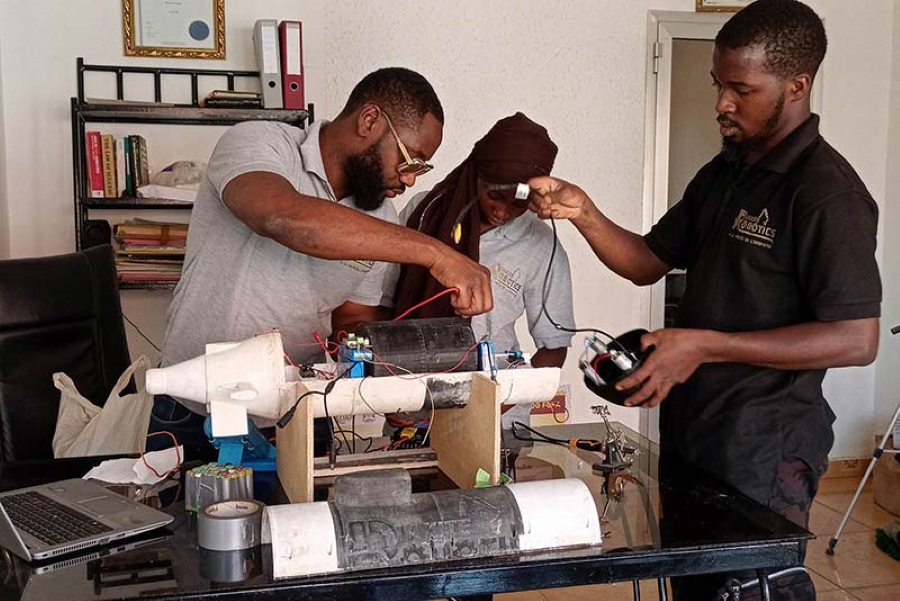
    In the realm of robotics, South Africa may not be the first country that comes to mind, but the African Robotics Unit (ARU) at the University of Cape Town has been pioneering groundbreaking research, capitalizing on the unique opportunities presented by the country’s distinct challenges and advantages. The authors explore the multifaceted initiatives undertaken by the ARU, shedding light on their contributions to both international robotics research and local scientific endeavors.

    Location-Specific Opportunities

    South Africa’s intricate challenges, from inconsistent electricity supply to harsh climatic conditions, might appear unfavorable for robotics research. However, the ARU has identified specific opportunities within these challenges. Over the past decade, the ARU has empowered local scientists to leverage South Africa’s location-specific advantages, notably in marine systems research and biodiversity-inspired robotics.

    Autonomous Marine Systems Lab

    In collaboration with the UCT Centre for Marine and Antarctic Research for Innovation and Sustainability (MARIS), the ARU’s Autonomous Marine Systems Lab focuses on designing scalable autonomous platforms and sensors for ocean science research. South Africa’s strategic location at the convergence of the Atlantic, Southern, and Indian oceans provides a unique gateway for exploring the Southern Ocean, a vital component in understanding global climate dynamics. The lab’s recent deployment of novel waves-in-ice instruments in Antarctica represents a pioneering effort, generating a first-of-its-kind dataset for the region.

    Spatial Intelligence Lab

    The ARU’s Spatial Intelligence Lab addresses fundamental technical and social barriers hindering the widespread deployment of robots in the South African and African context. From the cost challenges associated with robotic platforms to niche problems like operating agricultural robots in extreme temperatures, the lab strives to make robotics more accessible within the Southern African context.

    Biology-Inspired Robotics

    Given South Africa’s rich biodiversity, it is unsurprising that a significant portion of the ARU’s work lies in biology-inspired robotics. Starting with Dima, a wheeled robot inspired by cheetah tail movements, the ARU has delved into rapid maneuverability. Current projects include Baleka, a quasi-direct drive bipedal robot, and Kemba, a quadruped with a unique combination of electric motors and pneumatic actuators. The ARU’s collaboration with cheetah sanctuaries and advancements in machine learning have enabled the creation of AcinoSet, the first dataset of three-dimensional reconstructions of running cheetahs.

    Growing Robotics Presence

    The ARU’s endeavors are part of a larger trend in South African research institutions. The Robotics, Autonomous Intelligence, and Learning (RAIL) Lab at the University of Witwatersrand and the Electronic Systems Lab (ESL) at Stellenbosch University contribute to the country’s growing robotics presence. These institutions focus on acquiring environmental knowledge, developing novel behaviors for autonomous systems, and expanding into automation across various domains.

    Conclusion: In a hypothetical scenario where African ingenuity could flourish unencumbered, South Africa’s robotics groups would undoubtedly lead the world. The ARU’s initiatives extend beyond robotics, shaping a brighter future for scientists in South Africa and contributing valuable insights to global research endeavors.

  • Halidou Tinto: Malaria Research Pioneer Driving Breakthroughs in Africa, Leading R21 Vaccine Trials

    Halidou Tinto: Malaria Research Pioneer Driving Breakthroughs in Africa, Leading R21 Vaccine Trials

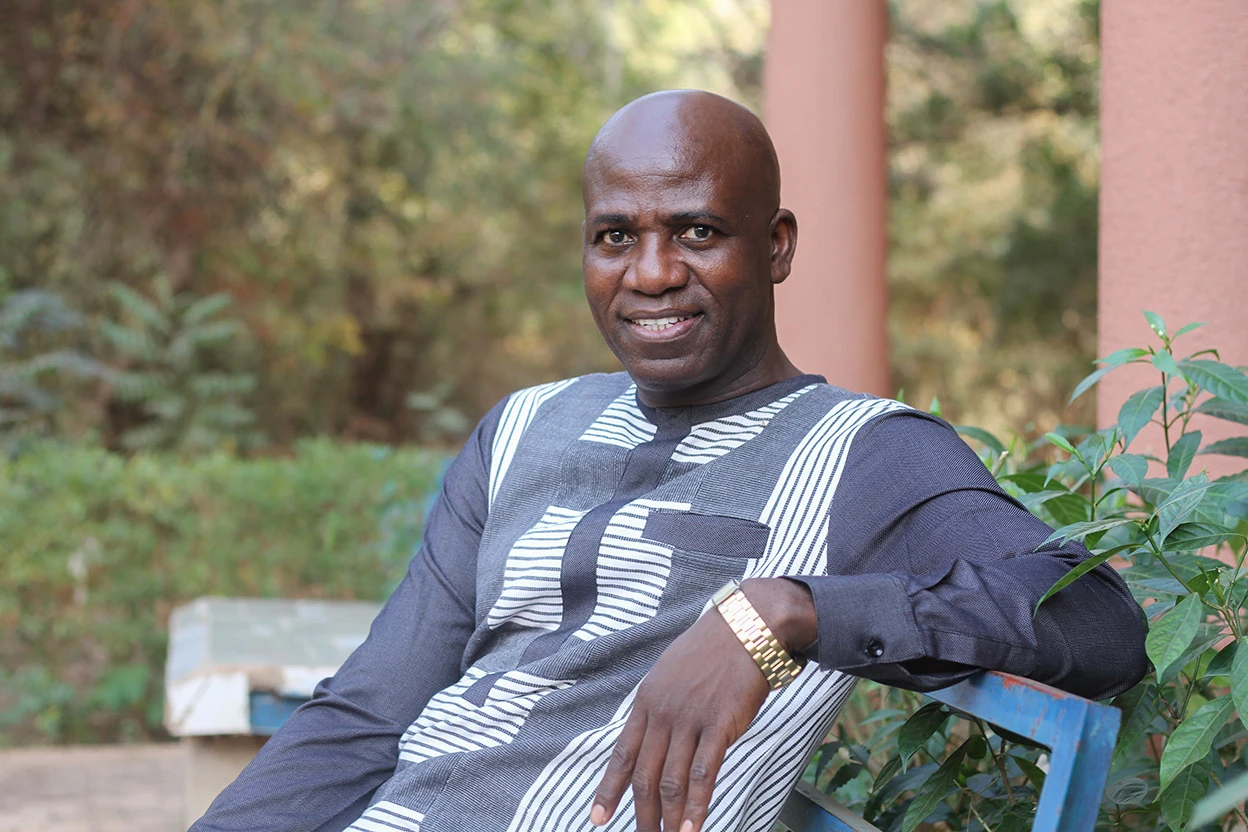
    Halidou Tinto, a dedicated malaria researcher, has significantly contributed to the advancement of science and research in Africa through his extensive work in clinical trials for malaria drugs and vaccines. In a poignant intersection of his personal and professional life, Tinto’s daughter contracted malaria in October, emphasizing the severity of the disease he has been combating for over a decade.

    I find inspiration in the opportunity to save lives – the most satisfying aspect of my work. The fight against malaria is not just a scientific endeavor but a commitment to the well-being of communities in Africa.– Halidou Tinto 2023

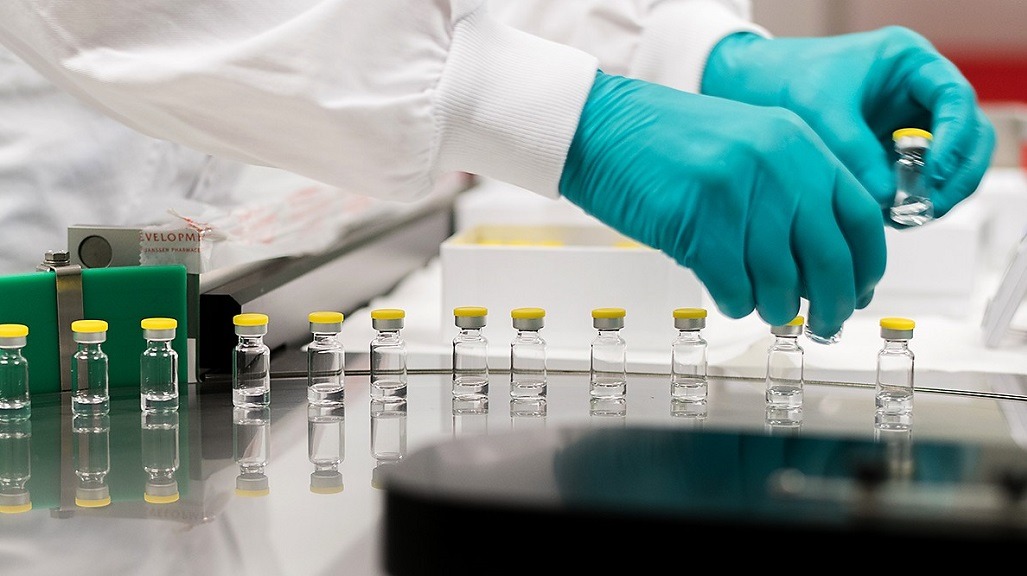
    Tinto’s pivotal role in testing the R21 vaccine, recently recommended by the World Health Organization (WHO), marks a significant milestone in malaria prevention. This vaccine, the second of its kind, holds promise in preventing millions of deaths in Africa, where the majority of malaria infections occur, causing over 200 million cases and 500,000 deaths annually, primarily affecting children under 5 years old.

    At the helm of the Clinical Research Unit of Nanoro (CRUN) in Burkina Faso, Tinto’s diligence is credited with the success of the institute, which serves as a key testing site for R21, its precursor RTS,S, and various drugs. Tinto, who earned a PhD at the University of Antwerp, specializes in studying malaria drug resistance, reflecting his commitment to advancing scientific knowledge in Africa.

    Choosing to forgo a postdoctoral opportunity in the US, Tinto returned to Burkina Faso in 2006, contributing to the establishment of CRUN in collaboration with local scientists and clinicians. Overcoming challenges such as a lack of infrastructure, Tinto successfully integrated his clinic into the late-stage clinical trials of RTS,S in 2007. His strategic efforts, including persuading the Burkina Faso government to connect Nanoro to the national grid, played a crucial role in the approval of RTS,S in Africa, associated with a significant reduction in child mortality.

    Despite the success of RTS,S, Tinto acknowledges its limited production capacity, prompting excitement around R21. Produced by the Serum Institute of India, R21 can manufacture 100 million doses annually, making it more scalable and potentially more effective. Tinto spearheaded an influential early study on R21 in 2019, demonstrating its distinct advantages. The WHO has projected that R21 will be available across Africa by mid-2024. Meanwhile, Tinto remains actively engaged in over 30 clinical trials, including the development of two additional malaria vaccines and further studies on R21. CRUN’s expansion, with over 400 staff members and associates, stands as a testament to how research can stimulate development in Africa.

    Collaborating with researchers like Umberto D’Alessandro, Tinto finds inspiration in the opportunity to save lives, considering it the most satisfying aspect of his work. His commitment to advancing science and research in Africa, coupled with his dedication to addressing the pressing issue of malaria, positions Halidou Tinto as a prominent figure in the fight against this deadly disease.


  • Cultural Competence in Social Robots: Enhancing Acceptance and Adoption in Africa’s Growing AI Landscape

    Cultural Competence in Social Robots: Enhancing Acceptance and Adoption in Africa’s Growing AI Landscape

    A recent study by Adedayo et al. explores the importance of cultural competence in social robots to enhance their acceptance and adoption in Africa. As Africa embraces artificial intelligence (AI) for economic growth, development, education, healthcare, and more, the widespread adoption of technological innovations depends on cultural sensitivity. The focus is on social robotics, a rapidly growing field globally.

    The Crucial Role of Cultural Competence in Social Robots for Meaningful Human-Interaction in Diverse Contexts

    Cultural competence in social robots involves embedding culturally sensitive body, hand, and facial gestures. The goal is to ensure that robots can interact with people based on their cultural norms and expectations. This cultural awareness is crucial for effective human-robot interaction, especially in countries like Rwanda and South Africa, where researchers are conducting ethnographic research to understand the nuances of cultural interaction.

    Nonverbal, verbal, and spatial interactions play a vital role in human-robot engagement. Nonverbal cues, such as gestures and eye contact, vary across cultures and must be considered to avoid stereotypical interactions. Verbal communication involves not only the spoken message but also the modulation of volume and timbre to respect cultural preferences. Spatial interaction requires an understanding of proxemics, considering how individuals position themselves relative to others.

    To address these challenges, researchers at Carnegie Mellon University Africa and the University of the Witwatersrand are developing a software system for Pepper social robots. The system incorporates adaptable software primitives to generate culturally sensitive human-robot interactions. It includes components for detecting people, faces, eyes, gaze direction, hands, and voices, interpreting scenarios, and generating culturally appropriate behaviors based on an African culture ontology and knowledge base.

    The study also explores the relevance of the research for students, highlighting the AI-robotics course at CMU-Africa. Students learn about the technical challenges of synchronizing lip and facial gestures with audio output, contributing to a deeper understanding of human-robot interaction technology.

    Cultural Robots: Transforming Tech, Acceptance, and Hospitality in African Context

    The cultural competence of social robots in Africa is seen as impactful in several ways. First, it provides Africans with the opportunity to develop their understanding of technology while gaining deeper knowledge of their diverse cultures. Second, it serves as a step toward the acceptance and adoption of social robotics in Africa, overcoming resistance rooted in the mismatch between Western-centric robot designs and African cultural expectations. Lastly, culturally sensitive robots can contribute to the hospitality industry by presenting African culture to tourists, acting as cultural ambassadors, and enhancing the overall tourist experience.

    In conclusion, the research demonstrates how modern advances, such as AI, can collaborate with local traditions to improve life while respecting cultural values. Culturally competent robots provide a template for the responsible integration of technology, fostering trust and mutual understanding and paving the way for the adoption of various innovations across different sectors in a way that empowers communities on their terms.