Category: ARM ARTICLES

This category presents a post from ARM Magazine, spotlighting African researchers and their contributions.

  • Innovations in Malaria Prevention: From Monoclonal Antibodies to Long-Acting Oral Formulations

    Innovations in Malaria Prevention: From Monoclonal Antibodies to Long-Acting Oral Formulations

    The persistent burden of malaria disproportionately affects the most vulnerable populations, particularly children and pregnant women in Africa. To combat this deadly disease, chemoprevention campaigns serve as a critical strategy to protect these at-risk groups. Currently, the scope of malaria chemoprevention relies heavily on just two medicines: sulfadoxine-pyrimethamine (SP) and SP + amodiaquine (SPAQ). However, the emergence of drug resistance and the complexity of implementation necessitate urgent exploration of new options for chemoprevention.

    Chemoprevention involves administering full antimalarial treatment courses to vulnerable populations in malaria-endemic areas, regardless of their malaria status. This includes seasonal malaria chemoprevention (SMC) for children, intermittent preventive treatment in pregnancy (IPTp), and post-discharge malaria chemoprevention (PDMC) for patients with severe anemia. SMC, which protects millions of children annually, involves monthly oral medication for up to five months during peak transmission seasons. SPAQ, an effective and cost-efficient option, does not require a temperature-controlled supply chain, making it suitable for rural areas. IPTp, aimed at pregnant women, involves administering SP at monthly intervals starting from the second trimester. Despite progress, IPTp coverage remains insufficient.

    Innovative long-acting injectables, like monoclonal antibodies, show promise in malaria prevention, addressing convenience, efficacy, and cost-effectiveness challenges. -Gaudinski et al., 2021

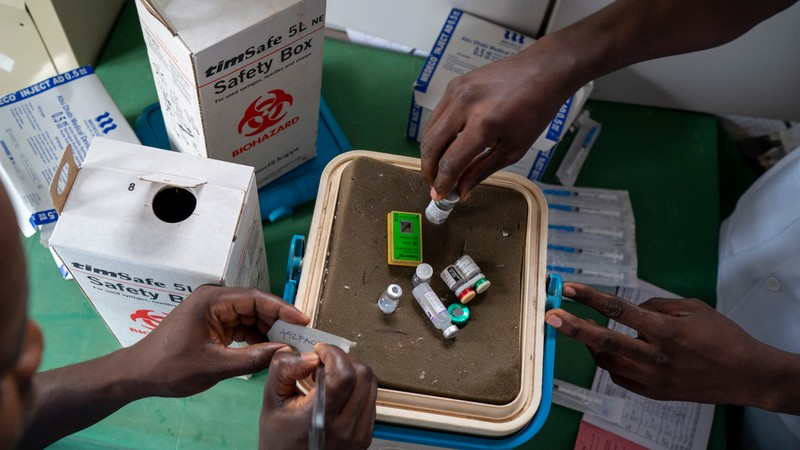
    To address the limitations of current chemopreventive measures, innovations are crucial. One promising avenue is the development of long-acting injectables (LAIs). These formulations, such as monoclonal antibody injections, offer the potential for once-per-season administration, improving convenience and effectiveness. Monoclonal antibodies represent a recent development in malaria prevention, offering a seasonal injection option. However, cost-effectiveness remains a challenge for widespread implementation. Additionally, MMV is actively researching LAI combinations in collaboration with various partners. LAIs offer high efficacy, simplicity, and low cost, with the potential to protect different populations for several months after a single injection. Their manufacturability and suitability for rural settings make them a promising addition to malaria prevention efforts. Exploration into long-acting oral formulations is also underway, aiming to match the duration of LAIs while ensuring safety and efficacy.

    Op-ed: Monoclonal Antibodies: A New Approach to Malaria Prevention

    The combination of pyronaridine and piperaquine presents a compelling avenue for malaria prevention. With rising drug resistance and limited options for pregnant women, this combination offers a viable solution. Leveraging longer-acting compounds already in use for malaria treatment, such as pyronaridine and piperaquine, shows promise for enhancing chemoprevention strategies. To promote malaria chemoprevention, WHO continuously reviews recommendations and collaborates with experts and manufacturers to develop preferred product characteristics. Operational initiatives, like the Tip Top Programme, aim to enhance the coverage of preventive chemotherapy, particularly for pregnant women, through community health worker involvement.

    In conclusion, while the burden of malaria continues to disproportionately affect vulnerable populations, innovative approaches such as long acting injectables and monoclonal antibodies offer promising avenues for enhancing chemoprevention strategies. These advancements, coupled with ongoing research into new drug combinations and operational initiatives like the Tip Top Programme, signify a concerted effort to combat malaria effectively. By prioritizing the development and implementation of these interventions, we can strive towards a future where malaria prevention is more accessible, efficient, and ultimately saves countless lives in endemic regions worldwide.

  • Upholding Electoral Integrity in Africa: Safeguarding Democracy Amidst Turmoil and Transition

    Upholding Electoral Integrity in Africa: Safeguarding Democracy Amidst Turmoil and Transition

    In the tumultuous landscape of African politics, the integrity of electoral processes stands as a crucial bulwark against democratic erosion and the specter of coups. Recent events across the continent underscore this reality, highlighting how closely tied electoral credibility is to the stability and legitimacy of governments. In 2023, amid a flurry of coup attempts and successes, several incidents spotlighted the nexus between electoral outcomes and political upheaval. Gabon, Sierra Leone, and Guinea Bissau each experienced turmoil following elections marred by controversy and dissatisfaction among opposition groups. These events emphasize the pivotal role of elections in shaping state-society relations and determining the legitimacy of governing institutions.

    The subversion of electoral processes takes various forms, including constitutional amendments aimed at prolonging presidential terms or removing term limits altogether. Such manipulations not only undermine the democratic fabric but also fuel civil unrest and citizen disenchantment. Between 2020 and 2024, thousands of demonstrations related to electoral grievances swept across Africa, with West Africa bearing the brunt of coup attempts and protests. While many of these demonstrations remained peaceful, surveys reveal troubling sentiments regarding military intervention in politics. A significant portion of the population, particularly among the youth, expressed tolerance for military intervention in cases of perceived power abuse by civilian leaders. This trend poses a serious challenge to democratic ideals and underscores the urgency of upholding electoral integrity.

    Recent developments, such as the controversial postponement of Senegal’s presidential election, further underscore the fragility of democratic norms. President Macky Sall’s attempts to extend his tenure raised alarm bells, prompting intervention by the judiciary to uphold constitutional principles. Nevertheless, such incidents erode public trust in democratic processes and highlight the need for vigilant oversight to prevent executive overreach. The role of the judiciary in electoral disputes has become increasingly contentious, with accusations of partisan influence and judicial manipulation. Political actors often exploit legal avenues to secure electoral victories, exacerbating tensions and undermining confidence in the impartiality of judicial institutions. This dynamic underscore the importance of transparent and independent electoral adjudication to ensure fairness and legitimacy.

    Amidst these challenges, proactive measures are essential to bolster electoral credibility and forestall democratic backsliding. Electoral management bodies must engage in robust communication efforts to address public concerns and implement responsive mechanisms to address credibility issues. The success of Liberia’s 2023 elections, marked by a peaceful transition of power, serves as a testament to the efficacy of such measures in restoring public trust in electoral processes. As Africa prepares for a wave of elections in 2024, the stakes for democratic consolidation have never been higher. These elections represent a pivotal opportunity to reaffirm the continent’s commitment to democratic governance and civic participation. By upholding the principles of free and fair elections, African leaders can govern with the legitimacy necessary to fulfill the aspirations of their citizens and mitigate the risk of future coups.

  • Unlocking Growth: The Booming Pharmaceutical Market in Africa – Trends, Opportunities, and Challenges

    Unlocking Growth: The Booming Pharmaceutical Market in Africa – Trends, Opportunities, and Challenges

    The pharmaceutical market in Africa is on the brink of remarkable growth, anticipated to soar into double digits by 2027. This surge is propelled by a confluence of factors including population expansion, urbanization, heightened healthcare expenditure, and a noticeable uptick in chronic diseases across the continent. Despite encountering hurdles such as infrastructural limitations and high production costs, the pharmaceutical sector in Africa presents itself as a promising arena for global corporations seeking investment opportunities.

    Urbanization and a growing awareness of health issues are acting as catalysts, driving the rapid expansion of the pharmaceutical market across Africa. Governments are actively revising policies to attract foreign investment, thus transforming the commercial landscape and offering enticing prospects for pharmaceutical companies looking to tap into this burgeoning market. Infectious diseases, notably malaria, continue to pose significant health threats in Africa, necessitating ongoing efforts to combat them. Recent advancements such as the approval of the RTS, S malaria vaccine underscore the commitment to addressing such ailments. Furthermore, the continent’s adoption of a more Westernized lifestyle has led to a surge in non-communicable diseases, thereby boosting the demand for chronic prescription drugs.

    Efforts to enhance healthcare infrastructure and improve access to medicines, coupled with the growing acceptance of generic drugs and e-commerce, are further fueling the growth trajectory of the market. However, challenges persist, including fragmented markets, weak regulatory frameworks, and limited resources for research and development. Major players in the African pharmaceutical landscape, such as Adcock Ingram, Pfizer Inc., Novartis AG, and others, are leveraging both organic and inorganic growth strategies. These include collaborations, acquisitions, and product launches aimed at solidifying their presence in the market and catering to the evolving healthcare needs of the populace.

    Recent initiatives, such as the establishment of a global training center for biomanufacturing and funding from organizations like the Bill & Melinda Gates Foundation, underscore the collective commitment to bolstering pharmaceutical manufacturing capabilities within Africa. In terms of market segments, the pharmaceutical landscape in Africa encompasses various product types and therapy areas. Branded drugs, generics, and over-the-counter medications each play vital roles in meeting the healthcare needs of the population. Therapy areas such as oncology, immunology, diabetes, cardiovascular diseases, respiratory ailments, and central nervous system disorders are witnessing increasing demand, reflecting the evolving healthcare landscape across the continent. Key countries like South Africa, Algeria, Nigeria, and others present unique challenges and opportunities for pharmaceutical companies, each with its own set of dynamics and regulatory environments. Companies seeking to expand into these regions must tailor their strategies to effectively capitalize on the growth prospects offered by these emerging markets.

    In conclusion, the pharmaceutical landscape in Africa presents a compelling narrative of growth and opportunity, driven by factors such as population expansion, urbanization, and increased healthcare expenditure. Despite challenges like infrastructural limitations and regulatory hurdles, the continent’s commitment to addressing health issues and improving access to medicines underscores a promising future. With major players leveraging strategic initiatives and emerging markets offering untapped potential, the trajectory of the pharmaceutical market in Africa is set for remarkable advancement in the years ahead.

  • Ilorin Archaeological Discoveries: Unveiling Millennia of History and Cultural Exchange

    Ilorin Archaeological Discoveries: Unveiling Millennia of History and Cultural Exchange

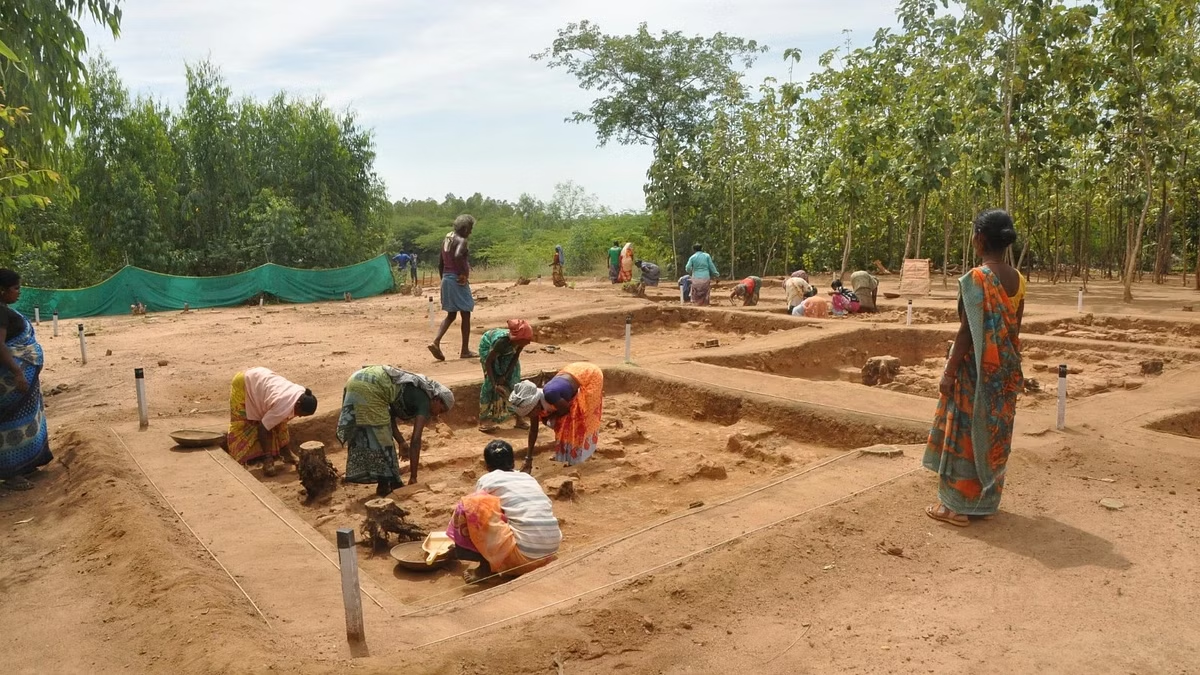
    Nestled in the heart of Nigeria, the ancient city of Ilorin stands as a testament to a rich tapestry of history that has long been shrouded in mystery. Over the centuries, this city, steeped in the Yoruba tradition, has witnessed the ebb and flow of civilizations, serving as a pivotal hub for trade, culture, and socio-political dynamics. Emerging onto the stage of history in the late 1700s, Ilorin’s strategic location bridging the savannah and forest regions of Nigeria catapulted it into prominence within the Oyo empire, a formidable force in the region during the 16th to early 19th centuries. Its position facilitated vibrant inter-regional trade networks, fostering the exchange of goods, ideas, and craftsmanship across West Africa. Renowned for its trade in horses, agricultural produce, and artisanal creations like lantana stone beads and textiles, Ilorin thrived as a bustling center of commerce and cultural convergence. However, alongside these flourishing exchanges, the city also bore witness to the harrowing trade in enslaved people, a stark reminder of darker chapters in its history.

    The 1800s ushered in a new era for Ilorin as it became enmeshed in the fold of the Islamic emirate system under the Sokoto caliphate. This integration heralded significant socio-political transformations, propelling the city into a period of expansion and influence. Despite the rich tapestry of oral traditions and written accounts that have preserved much of Ilorin’s history, the deeper layers of its pre-1800s existence remained veiled until recent archaeological endeavors. Unlike neighboring communities where archaeological studies have shed light on their settlement histories, Ilorin’s ancient past remained largely unexplored until now. Pioneering doctoral research has embarked on a journey to unravel over a millennium of human habitation in Ilorin preceding the 1800s. Through meticulous excavation and analysis, a treasure trove of material evidence has come to light, offering tantalizing glimpses into the city’s distant past and its intricate connections to the broader Yoruba cosmos.

    Delving into 10 distinct units, seven of which underwent excavation, this groundbreaking research unearthed a diverse array of artifacts spanning material technology, settlement patterns, architecture, rituals, and culinary practices. Potsherds, in particular, emerged as invaluable windows into the socio-cultural dynamics of ancient societies and their interactions with the environment. Among the most striking discoveries were potsherd pavements, ancient architectural marvels that bear testament to the ingenuity and craftsmanship of bygone eras. These pavements, adorned with intricate patterns and laid in herringbone fashion, provide tantalizing clues about regional interactions and technological preferences. A stark contrast emerged between Ilorin’s edge-laid pavements and the flat-laid pavements of the nearby Oyo kingdom, hinting at distinct cultural trajectories despite geographical proximity.

    Moreover, radiocarbon dating, and pottery analysis unveiled a chronological narrative spanning from the mid-sixth to the pre-16th centuries AD, shedding light on a millennia-old saga of human occupation in Ilorin. These findings challenge conventional narratives, positioning early Ilorin as a vibrant socio-political entity that flourished contemporaneously with or even preceding esteemed Yoruba centers like Ile-Ife and Old Oyo.

    Through the lens of archaeology, the research illuminates the fluid and dynamic nature of ancient politics, revealing how borderland regions like Ilorin served as crucibles of cultural exchange and social interaction. It underscores the transient nature of culture and the enduring significance of these liminal spaces in shaping the tapestry of human history. In essence, the journey through Ilorin’s ancient past unveils not just a city’s history but a testament to the resilience, innovation, and interconnectedness of human civilization across the ages.

  • Understanding the Urgent Intersection of Climate Change and Public Health in Africa: Insights from Dr. Ishaku Akyala

    Understanding the Urgent Intersection of Climate Change and Public Health in Africa: Insights from Dr. Ishaku Akyala

    Infectious diseases and public health epidemiologist Dr. Ishaku Akyala, speaking with Science Nigeria, emphasized the dire consequences of climate change on public health in Africa. He highlighted how extreme weather events like floods and heatwaves are significantly increasing disease burdens and fatalities across the continent. These impacts disproportionately affect vulnerable populations such as the poor, women, and children, who struggle with waterborne diseases, malnutrition, and mental health issues.

    Akyala stressed the urgent need for action to address these health challenges and implement strategies to mitigate climate change’s effects. He advocated for enhanced sensitization efforts to educate health systems, governments, and professionals about the intricate relationship between climate change and human health. Interdisciplinary research is crucial for understanding and tackling climate-related health impacts effectively. Raising awareness among the public and policymakers is essential, as governments and health systems must implement coping and adaptation strategies. These strategies should focus on improving water and food security, enhancing healthcare infrastructure, and strengthening disease surveillance and response systems.

    Despite Africa’s vulnerability to climate change, Akyala emphasized the importance of prioritizing recommended actions to better prepare for and mitigate its health impacts. This approach is crucial for safeguarding the well-being of African populations and achieving the UN Sustainable Development Goals related to environmental sustainability. Recent reports from organizations like the Intergovernmental Panel on Climate Change (IPCC) and agreements like the Paris Agreement underscore the urgent need for action to address climate-related disasters in Africa. Sensitizing public health systems and policymakers to these challenges and understanding the link between climate change and human health are vital for effective preparedness and response efforts.

  • Empowering Africa’s Future: WACREN 2024 Conference Highlights Education and Research Collaboration

    Empowering Africa’s Future: WACREN 2024 Conference Highlights Education and Research Collaboration

    Nigeria’s Minister of Education, Professor Tahir Maman, has emphasized the critical role of research in shaping Africa’s future and driving development initiatives. Speaking at the opening of the 2024 WACREN conference in Abuja, Nigeria, themed “Charting the Course: Forging Future-Ready Higher Education and Research Communities,” the minister highlighted the need for collective commitment and collaboration to advance education and research across the African region.

    According to Professor Maman, the growth and development of Africa hinge largely on the output of research. Solutions to pressing issues in healthcare, technology, agriculture, and governance are found in the innovative work of researchers and educators. He stressed the importance of leveraging the conference as a platform to exchange ideas, share best practices, and foster partnerships to propel the continent’s education systems forward. The theme of the conference underscores the significance of Research and Education Networks (RENs) in ensuring the global relevance of universities amid evolving times. Professor Maman emphasized the importance of collaboration across borders to address common challenges and seize shared opportunities. He highlighted initiatives aimed at strengthening regional ties and building networks that transcend geographical boundaries.

    Under the leadership of President Bola Ahmed Tinubu, the Federal Ministry of Education has developed a roadmap to transform Nigeria’s educational system. This includes establishing skills and innovation hubs across tertiary institutions in the country, in line with the government’s renewed hope agenda. Dr. Chris Maiyaki, Executive Secretary of the National Universities Commission (NUC) in Nigeria, noted that the conference provides an opportunity to prepare African higher education and research communities for future opportunities and challenges. He emphasized the need to embrace digital transformation, foster interdisciplinary collaboration, and promote innovation and entrepreneurship among students.

    Boubakar Barry, CEO of WACREN, highlighted the conference’s goal of positioning West and Central African nations toward the creation of a comprehensive education infrastructure environment. This infrastructure would support teachers, learners, and resource communities in addressing current and future local and global challenges. Additionally, plans are underway to establish a global exchange point in Lagos, connected to the EU Internet Alliance in Cape Town, to facilitate the development of a comprehensive infrastructure for research and education.

  • Unlocking South Africa’s Golden Legacy: A Comprehensive Guide to Gold Investment Opportunities

    Unlocking South Africa’s Golden Legacy: A Comprehensive Guide to Gold Investment Opportunities

    South Africa’s captivating history is intimately intertwined with its abundant reserves of gold. Beyond mere historical anecdotes, the journey of gold in this nation is a dynamic narrative of exploration, innovation, and investment. South Africa’s legacy in gold is unparalleled, positioning it as one of the foremost gold producers globally. This legacy not only shapes the nation’s economy but also presents a myriad of opportunities for investors keen on engaging in gold trade. In an era where global economic uncertainties prevail, the allure of gold investment in a country with such a profound relationship with the precious metal is particularly compelling.

    Historical Significance and Evolution

    The discovery of gold in South Africa during the late 19th century catapulted the nation onto the international stage, catalyzing its development and prosperity. The Witwatersrand Gold Rush of 1886 marked the genesis of large-scale gold mining operations, propelling Johannesburg from obscurity to prominence as the epicenter of gold exploration. Over the ensuing decades, South Africa’s gold mines have significantly contributed to the global gold supply, embedding gold into the economic and social fabric of the nation. Today, gold trade remains a cornerstone of South Africa’s economy, presenting both opportunities and challenges. For investors, the gold market serves as a hedge against inflation, currency fluctuations, and economic volatility. Gold’s intrinsic value and historical significance as a wealth preserver render it an attractive investment avenue, particularly in times of financial tumult.

    Diversified Investment Avenues

    Investing in gold within South Africa encompasses various modalities, ranging from acquiring physical gold, such as coins and bullion, to investing in gold mining firms and gold exchange-traded funds (ETFs). Each avenue offers distinct advantages and considerations. Physical gold entices investors with its tangibility and direct ownership benefits, whereas gold stocks and ETFs provide exposure to the gold market sans the need for physical storage. Despite encountering challenges such as deep-level mining and escalating operational costs, the South African gold mining industry continues to exert a profound influence on the global gold market. The nation’s mining enterprises spearhead technological innovations, striving for sustainable and efficient gold extraction methodologies. This sector presents investors with a glimpse into the future of gold mining and the potential for substantial returns.

    Risk Mitigation and Market Dynamics

    Nonetheless, gold investment, akin to all investments, harbors inherent risks. Gold prices are susceptible to market forces and can exhibit volatility. Factors such as shifts in global economic conditions, monetary policies, and geopolitical tensions can sway gold prices significantly. Therefore, meticulous research, comprehension of market trends, and astute timing are imperative for investors. Looking ahead, the outlook for gold investment in South Africa appears promising. The escalating global demand for gold, driven by its diverse applications spanning technology, jewelry, and investment, continues to burgeon. Furthermore, the nation’s relentless pursuit of enhancing mining practices and exploring untapped gold reservoirs augurs well for the future of its gold industry. These developments present investors with enticing prospects to participate in South Africa’s illustrious golden journey.

    Embracing Digital Innovation

    Moreover, the emergence of digital gold trading platforms has democratized gold investment, rendering it more accessible than ever. These platforms facilitate seamless online acquisition, sale, and management of gold investments, offering unparalleled convenience and flexibility to both South African and international investors. Environmental sustainability and responsible mining practices are assuming paramount importance within the gold mining industry. Investors are increasingly cognizant of the environmental repercussions of mining activities and gravitate towards companies committed to sustainable practices. This paradigm shift towards sustainability is reshaping the investment landscape, with companies prioritizing environmental and social governance principles poised to attract more significant investment inflows.

    Conclusion: South Africa’s enduring golden journey epitomizes the timeless allure and value of gold. From the epoch of the gold rush to the contemporary era of digital trading and sustainability, gold remains an integral component of the nation’s economy and an irresistible investment opportunity. As South Africa navigates the complexities and opportunities inherent in the gold market, investors have the chance to partake in a legacy that has indelibly shaped nations and withstood the vicissitudes of time. Whether through physical gold acquisitions, mining stocks, or digital platforms, the prospects for gold investment in South Africa radiate as brightly as the precious metal itself.

  • Charting Nigeria’s Path to Environmental Sustainability: Renewable Energy, Sustainable Agriculture, and Youth Empowerment

    Charting Nigeria’s Path to Environmental Sustainability: Renewable Energy, Sustainable Agriculture, and Youth Empowerment

    Amidst the global challenge of climate change, Nigeria, often referred to as the giant of Africa, is steadfastly charting a course toward a transformative and sustainable destiny. With its burgeoning population, burgeoning economy, and newfound commitment to green initiatives, Nigeria is positioning itself as a beacon of sustainability on the African continent.

    Renewable Energy Revolution

    Endowed with abundant sunshine, vast forestry, and fertile agricultural resources, Nigeria possesses immense potential for renewable energy production. Leveraging this potential, both government and private sectors are spearheading ambitious projects aimed at harnessing renewable energy sources. Notably, the deployment of solar infrastructure across rural areas is not only providing electricity to underserved communities but also reducing dependency on fossil fuels, thus mitigating harmful environmental impacts. Nigeria’s commitment to ramping up the share of renewable energy in its energy mix underscores its readiness to embrace greener alternatives. The target to generate 30% of electricity from renewable sources by 2030 serves as a pivotal milestone on the nation’s journey towards achieving full environmental sustainability.

    Sustainable Agriculture Initiatives

    Acknowledging the environmental implications of traditional agricultural practices, Nigeria is actively embracing sustainable alternatives in the agricultural sector. Farmers are increasingly adopting innovative techniques such as organic farming, agroforestry, and precision agriculture to minimize the use of harmful chemicals, preserve soil health, and enhance overall productivity. The government’s support for these sustainable practices through subsidies, training, and technology access underscores its commitment to fostering a greener agricultural landscape. Notably, the promotion of organic farming not only reduces environmental impact but also opens up lucrative export opportunities for Nigerian agricultural products in the global market.

    Charting Nigeria's Path to Environmental Sustainability: Renewable Energy, Sustainable Agriculture, and Youth Empowerment

    Illustrative Image: Charting Nigeria’s Path to Environmental Sustainability: Renewable Energy, Sustainable Agriculture, and Youth Empowerment
    Image Source & Credit: Kin carta
    Ownership and Usage Policy

    Empowering the Youth for a Green Revolution

    Recognizing the pivotal role of the younger generation in driving the green revolution, Nigeria is prioritizing efforts to equip its youth with the knowledge and skills necessary to spearhead sustainable development initiatives. By investing in education, training, and awareness campaigns, Nigeria aims to cultivate a generation of environmentally conscious leaders poised to propel the nation towards its ambitious sustainability goals.

    Decarbonization Endeavors

    In line with global efforts to combat climate change, Nigeria has embarked on the Nigeria Deep Decarbonization Project, aimed at significantly reducing carbon emissions by 2050. Led by the Ministry of Environment, this initiative seeks to formulate comprehensive strategies and models to guide Nigeria’s transition to a low-carbon, climate-resilient economy.

    Carbon Emission Reduction Initiatives

    To accelerate progress towards the 2050 target, the Energy Commission of Nigeria (ECN) has launched initiatives to slash carbon emissions, including the widespread adoption of improved wood stoves in rural areas. By promoting cleaner cooking practices, these efforts not only mitigate environmental degradation but also improve health outcomes and alleviate energy poverty among vulnerable populations.

    Financial Implications and Investment Opportunities

    Achieving Nigeria’s vision of becoming fully green by 2050 necessitates substantial financial commitments. With an estimated annual investment requirement of $4 billion, Nigeria is actively devising policies and incentives to attract investments in renewable energy projects. By fostering an enabling environment for private sector participation, Nigeria seeks to diversify its energy mix, drive sustainable development, and lead the transition towards a cleaner, greener future.

    In conclusion, Nigeria’s journey towards full environmental sustainability by 2050 represents a bold and visionary endeavor. With concerted efforts across sectors, steadfast commitment to green initiatives, and strategic partnerships, Nigeria is poised to emerge as a shining example of sustainable development on the global stage.

  • Dr. Olarotimi Ogungbemi: Bridging Environmental Advocacy from Nigeria to the World

    Dr. Olarotimi Ogungbemi: Bridging Environmental Advocacy from Nigeria to the World

    The focus of Dr. Olarotimi Ogungbemi’s research has shifted from media representation of national security issues, particularly Boko Haram terrorism, to the broader realm of global challenges like climate change and environmental justice. His upbringing in the Niger Delta, a region heavily impacted by ecological damage due to oil exploration, has deeply influenced his interest in environmental advocacy. Growing up amidst polluted rivers, degraded mangrove forests, and pervasive air pollution from gas flares, he developed a strong sense of responsibility towards environmental preservation and social justice.

    His research aims to bridge the gap between scientific understanding and public perception of environmental issues, advocating for fair and sustainable environmental policies. Dr. Ogungbemi stresses the importance of environmental education not only in imparting knowledge but also in instilling a mindset of stewardship and responsibility towards the environment. He believes that by incorporating ecological knowledge into public education systems, societies can better equip individuals to tackle environmental challenges and understand their societal and economic implications.

    Regarding collaborative research with African scholars, Dr. Ogungbemi emphasizes its critical role in addressing environmental challenges on the continent. He highlights the value of integrating indigenous knowledge systems into research and policy formation, fostering a more holistic and culturally relevant approach to environmental issues. By collaborating with African scholars, he aims to amplify the voices of local communities and contribute to more sustainable environmental policies and initiatives.

    Drawing on his experiences in the Niger Delta, Dr. Ogungbemi plans to apply insights gained from studying environmental issues to address similar challenges in the United States. He advocates for promoting ecological literacy and environmental stewardship across all levels of education, incorporating ecological principles into curricula, and engaging communities in research and advocacy efforts. Through collaborative partnerships and community-based research, he seeks to broaden access to environmental justice programs and enhance understanding of environmental issues in both local and global contexts.

    In comparing climate change discourses and environmental policies between the United States and African contexts, Dr. Ogungbemi acknowledges similarities in recognizing the need for stewardship and literacy but highlights differences in socio-economic, political, and cultural circumstances. While both regions face climate change challenges, African countries often confront more immediate and direct repercussions, necessitating different approaches to policy formulation and implementation. Indigenous knowledge and customs also play a significant role in African environmental policies, reflecting a more holistic and community-centered approach to environmental management.