Category: ARM ARTICLES

This category presents a post from ARM Magazine, spotlighting African researchers and their contributions.

  • Revna Biosciences: Pioneering Genomic Advancements for Personalized Medicine in Africa

    Revna Biosciences: Pioneering Genomic Advancements for Personalized Medicine in Africa

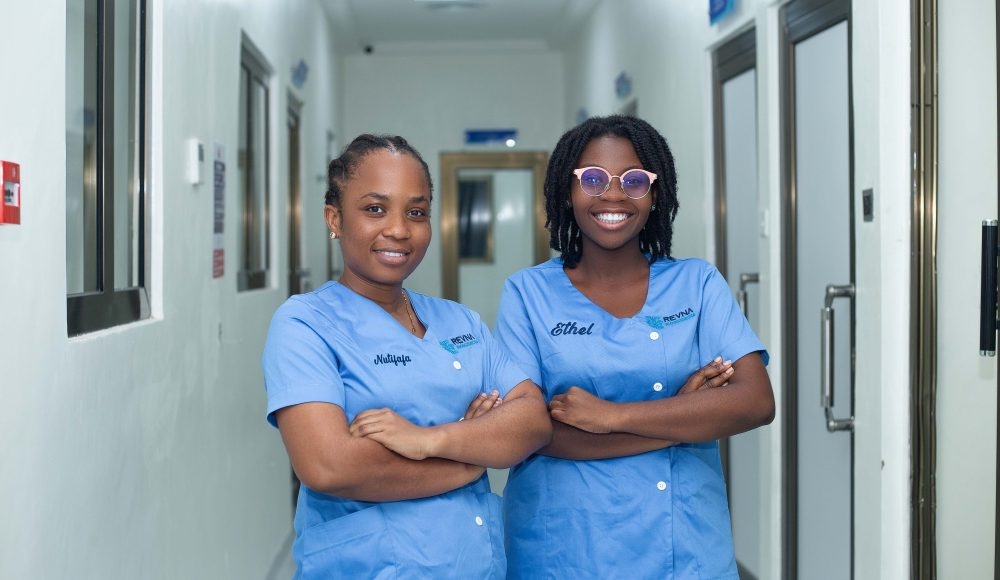
    Revna Biosciences, a startup based in Accra, Ghana, is dedicated to revolutionizing the genomics landscape in sub-Saharan Africa, with a primary focus on improving local patient care through enhanced access to personalized medicine. The company, established in 2022, has recently forged strategic partnerships with Diatech Pharmacogenetics and Qiagen to address critical knowledge and care gaps prevalent in the region.

    About Revna Biosciences

    The name “Revna” is derived from the Greek word “erevna,” meaning research or inquiry, reflecting the company’s commitment to dispel the misconception that commercial biomedical sciences cannot thrive on the African continent. The CEO and co-founder, Derrick Edem Akpalu, emphasizes the global nature of the issue, noting that people from Africa are significantly underrepresented in global genomics studies, with less than 2 percent of genomes sequenced and deposited in global databases. Despite Africa’s genetic richness, molecular diagnostic penetration in sub-Saharan Africa is limited, often occurring through external clinical trials with restricted data sharing.

    Revna’s Approach

    Revna’s approach, founded on diagnostics, clinical research, and biobanking, aims to create a comprehensive ecosystem. By addressing diagnostic needs, the company generates local public health data, fosters clinical trials, and builds a biobank across various indications. The long-term goal is to provide insights for companion diagnostics and therapeutics tailored to the African population.

    In its first year, Revna dedicated efforts to building a state-of-the-art facility and achieving ISO certification, ensuring international standards in its operations. The company has registered two molecular diagnostic test systems with the Ghana Food and Drug Authority and initiated patient testing, along with conducting clinical studies in stealth mode. Revna’s emphasis on self-sustainability led to an extensive angel round of financing, with plans to self-fund clinical studies through commercial activities, avoiding traditional venture capital pressures.

    Addressing Global Disparities

    The mantra “Where clinical goes, commercial goes” resonates with Revna’s strategy. By showcasing the need for molecular testing in the African patient population, the company aims to attract life sciences companies and therapeutics developers to the region. The treatment-naïve local population presents an opportunity for investment, and clinical trial data collected in Africa can support FDA directives on diversity in global clinical trials.

    Strategic Partnerships

    Revna has partnered with Diatech Pharmacogenetics and Qiagen to offer molecular diagnostic test services, targeting local hospitals and university research programs. The collaboration involves presenting molecular profiling panels and explaining their significance in patient-treatment matching. The company has already registered two molecular diagnostic systems with the Ghana FDA and is actively engaged in cancer clinical research.

    The collaboration with Qiagen, in particular, is viewed as part of a broader developmental plan, emphasizing not just commercial aspects but also public health and diagnostic penetration in the region. Training initiatives ensure that Revna’s scientists are well-versed in utilizing the systems, contributing to maintenance, and minimizing downtime. Qiagen’s broader strategy in Africa aligns with addressing skill gaps, increasing genomic capacity, and making diagnostics more accessible and affordable. The goal is to empower the region in precision medicine, with a focus on deepening genomic research in West Africa.

    Future Outlook

    Despite the current lag in molecular diagnostics in Africa, there is optimism about the region’s growing knowledge base in precision medicine, potentially leading to increased clinical trials. Revna aims to play a pivotal role in this transformation, keeping the community at the forefront of its work. The team is motivated by a moral imperative to bridge the gap between Africa and the rest of the world in the realm of genomics and personalized medicine. As the company moves forward, it seeks to build more collaborations, earn the trust of patients, physicians, and lab partners, and ultimately contribute to improving healthcare for both current and future generations in Africa.


  • Empowering African Research: Navigating Funding Challenges and Urging Sustainable Commitment

    Empowering African Research: Navigating Funding Challenges and Urging Sustainable Commitment

    Securing sustainable funding for research in Africa is crucial for its success. While external support has played a pivotal role, the urgent need to bolster local and government funding cannot be overstated. The article by Di Caelers and Dann Okoth explores the challenges faced by African researchers, emphasizing the necessity of diversifying funding sources and empowering local entities.

    Impact of Funding Cuts

    The consequences of funding cuts, as exemplified by the Swedish Research Council’s decision to withdraw $16.4 million in grants, extend beyond individual researchers. Ghanaian biochemist Peggy Oti-Boateng highlights that such cuts affect not only research scientists but also the students they teach. Similarly, Sue Harrison from the University of Cape Town recounts the impact of foreign funding cuts initiated by UK Research and Innovation in 2020. A recurring issue for African researchers is the exclusion of them from grant agendas. In 2021, scientists from Kenya, Nigeria, and Tanzania raised concerns about African institutions being overlooked for a significant grant awarded to PATH by the US government’s President’s Malaria Initiative. This exclusion impedes Africa’s ability to address region-specific challenges critical for influencing policy and practice.

    Broader Challenge

    The broader challenge lies in ensuring uninterrupted resources for generating knowledge and innovations to tackle Africa-specific issues. Despite Africa representing 18% of the global population, it produces only 1% to 2% of global research and innovation outputs.

    Progress and Challenges in Grant Acquisition: South Africa, Egypt, and Nigeria are making progress in securing grants, but researchers in these countries still grapple with limited financial resources. The Africa Growth Initiative’s 2023 Foresight Africa report underscores the need for high-value investments in research and development (R&D) and infrastructure.

    Unmet Commitments: Despite African Union member states committing to allocate 1% of their GDP to research and development 17 years ago, the continent’s funding remains at 0.42%, significantly below the global average of 1.7%. Notably, no country has reached the 1% target, with even South Africa, the continent’s largest spender on research and innovation, peaking at 0.85% of GDP.

    Recognition of Research’s Economic Value: Top African scientists emphasize the failure of African countries to recognize the economic value of research. Salim Abdool Karim argues that making countries competitive in science will lead to economic competitiveness, stressing the need to view research as an investment rather than an expense.

    Empowering African Researchers

    To address the challenges, there is a call to diversify funding sources, reducing reliance on foreign funding. Empowering African governments and the private sector is crucial. Joab Odhiambo raises concerns about the decreasing number of young people pursuing PhDs, highlighting potential negative implications for socio-economic development.

    Long-Term Investment and Infrastructure: Recognition of the long-term nature of research infrastructure development is crucial. Kelly Chibale’s success with the University of Cape Town Holistic Drug Discovery and Development Centre emphasizes the importance of identifying and supporting Africa’s pockets of excellence.

    Meeting Commitments: The article emphasizes the importance of African countries meeting their Abuja Declaration commitments, including allocating at least 15% of the annual budget to improving the health sector and raising national science and technology budgets to 1% of GDP.

    Conclusion:

    The article concludes by stressing that African research agendas will only be prioritized when African scientists are funded by their own countries. It calls for a departure from dependency on northern hemisphere countries, highlighting the need for sustained commitment to research funding to foster a vibrant and self-sufficient research landscape in Africa.

  • Unlocking the Mysteries of Sahara’s Green Past: Earth’s Orbital Changes Revealed as Key Driver in Climate Shifts

    Unlocking the Mysteries of Sahara’s Green Past: Earth’s Orbital Changes Revealed as Key Driver in Climate Shifts

    The Sahara Desert, now a vast expanse of arid landscapes, was once a flourishing green savannah, as evidenced by ancient rock art found in Algeria’s Tassili N’Ajjer plateau. The depictions showcase a vibrant ecosystem teeming with elephants, giraffes, rhinos, and hippos, offering a glimpse into a period called the Green Sahara or North African Humid Period, which occurred approximately 6,000–11,000 years ago.

    Scientists have identified over 230 instances of these “greenings” happening about every 21,000 years over the past eight million years, shaping the Sahara into wooded savannahs with numerous rivers and lakes spanning present-day Libya, Niger, Chad, and Mali. These events influenced species distribution and played a role in the out-of-Africa migrations of ancient humans.

    A breakthrough in climate modeling has enabled researchers to understand why these greenings occurred. A team of climate modelers and anthropologists developed a more accurate climate model that simulates atmospheric circulation over the Sahara and considers the impact of vegetation on rainfall. Their findings point to changes in Earth’s orbital precession, the slight wobbling of the planet while rotating, as the key driver behind the Sahara’s periodic greening.

    During the Green Sahara periods, Earth’s orbital precession brought the Northern Hemisphere closer to the sun during summer, resulting in warmer temperatures. Warmer air, capable of holding more moisture, intensified the West African Monsoon system, shifting the African rainbelt northwards. This increased rainfall in the Sahara, fostering the growth of savannah and wooded grassland across the desert from the tropics to the Mediterranean. The recurring wetter periods in north Africa every 21,000 years are linked to Milankovitch cycles, variations in Earth’s orbit influenced by gravitational forces from the moon and other planets. The precession cycle, specifically, appears to be the dominant driver of the Sahara’s humid phases, influencing seasonal contrasts and rainfall patterns.

    Interestingly, the study reveals that these humid periods did not coincide with ice ages when large glacial ice sheets covered polar regions. The cooling effect of the ice sheets countered the influence of precession, suppressing the expansion of the African monsoon system during those periods. The Sahara, acting as a gateway, controlled the dispersal of species between north and sub-Saharan Africa. It was open during the Green Sahara phases and closed during desert conditions. The study emphasizes the sensitivity of this ecological gate to Earth’s orbit and suggests that high-latitude ice sheets may have restricted species dispersal during glacial periods.

    Understanding the alternation of humid and arid phases in Africa’s past has significant implications for the dispersal and evolution of species, including humans. Furthermore, the research provides insights into potential future greening in response to climate change and its environmental impact, offering a tool for predicting how climate warming might influence rainfall and vegetation in the Sahara region.


  • Empowering Women in STEM: Inspiring Stories from L’Oréal-UNESCO For Women in Science Awardees in Sub-Saharan Africa 2023

    Empowering Women in STEM: Inspiring Stories from L’Oréal-UNESCO For Women in Science Awardees in Sub-Saharan Africa 2023

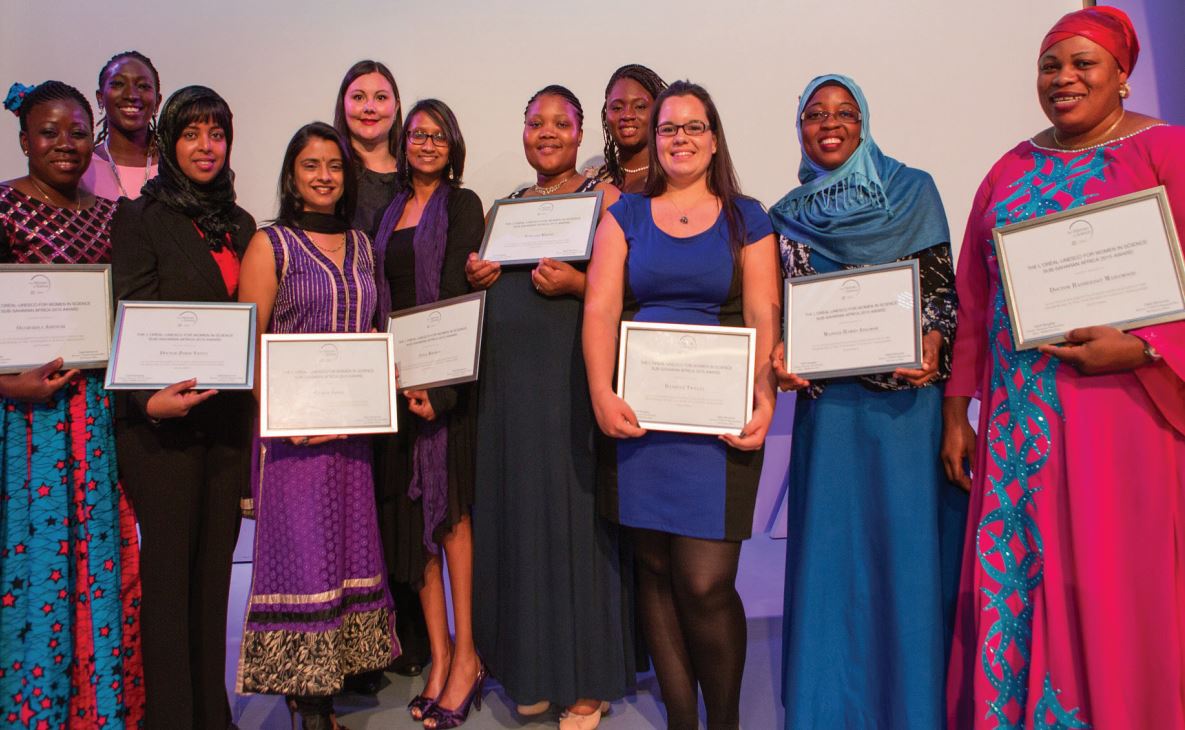
    In a momentous event on November 9, 2023, Kasane, Botswana, hosted the annual L’Oréal-UNESCO For Women in Science Young Talents Sub-Saharan Africa Awards, honoring 25 PhD candidates and five post-doctoral researchers. These exceptional women, dedicated to advancing scientific knowledge, received well-deserved recognition and financial support: €10,000 for PhD students and €15,000 for postdoctoral researchers.

    Empowering Women Through Training

    The laureates not only received awards but also participated in comprehensive training sessions. Covering topics such as leadership, negotiation, assertive communication, media skills, and combating harassment, the training aimed to equip these scientists with the tools needed for navigating their scientific journeys successfully.

    Constance Chingwaru, a second-year PhD student at Bindura University of Science Education, Zimbabwe, expressed gratitude for the informative training, foreseeing its positive impact on her scientific career.

    Tackling Global Challenges with Local Solutions

    1. Constance Chingwaru – Sustainable Pest Control in Agriculture (Zimbabwe):

    • Focus: Developing a novel biopesticide from local plants to combat the invasive fall armyworm, contributing to UN SDGs 1 (no poverty) and 2 (zero hunger).
    • Objectives: Investigating methods employed by smallholder farmers, assessing botanical interventions in laboratory and field conditions, and developing a biopesticide for sustainable maize farming.

    2. Aderonke Korede – Enhancing Shea Olein with Antioxidants (Nigeria):

    • Research: Exploring the antioxidant properties of ginger and turmeric to enhance the stability and sensory attributes of shea olein, aiming to transform it into a healthy cooking oil.
    • Vision: Bringing laboratory outcomes to marketable products, promoting a healthy and antioxidant-rich vegetable oil for African consumers.

    3. Faith Njeru – Innovative Plant Disease Detection (Kenya):

    • Area of Study: Food security and agribusiness.
    • Research Focus: Developing a cost-effective paper strip test for early plant disease detection using camel serum molecules, contributing to food security and reduced crop loss.

    4. Felicidade Noémia Xerinda Niquice—Occupational Safety in Healthcare (Mozambique):

    • Research: Assessing and managing occupational risks associated with bloodborne diseases (Hepatitis B, Hepatitis C, and HIV) among healthcare workers.
    • Significance: Addressing the high infection burden and lack of testing/treatment for Hepatitis B and C in Mozambique’s healthcare settings.

    Inspirational Stories of Determination

    1. Aderonke Korede – Breaking Age Stereotypes:

    Despite being the eldest among the awardees, turning 50 in February 2024, Korede emphasizes that age is not a barrier but rather the contribution one can make to the scientific community.

    2. Ini Adinya – Overcoming Discrimination (Nigeria):

    Adinya shares her journey of facing discrimination as a woman in science but emphasizes the rewards of resilience and hard work in her pursuit of financial models with discontinuities in the real options framework.

    Support and Inspiration Beyond Science

    1. Family Support:

    Aderonke Korede highlights the crucial support she receives from her husband, emphasizing the importance of financial support for married women pursuing STEM.

    2. Role Models:

    Felicidade Noémia Xerinda Niquice draws inspiration from her mother, Noémia Francisco Xerinda, who, as one of the few women with a mechanical engineering degree in Mozambique, serves as a source of pride and motivation.

    3. Influence of Teachers:

    Ini Adinya credits her physics and mathematics teachers for fueling her interest in science during her high school years, underscoring the significant role educators play in shaping scientific pursuits.

    The stories of these outstanding women in science not only celebrate their achievements but also shed light on the broader challenges and triumphs within STEM fields. Their dedication to tackling real-world problems reflects a commitment to sustainable development and the betterment of lives in Africa and beyond.


  • Unlocking Africa’s Scientific Potential: Navigating Disparities, Challenges, and Opportunities with the AU-EU Innovation Agenda

    Unlocking Africa’s Scientific Potential: Navigating Disparities, Challenges, and Opportunities with the AU-EU Innovation Agenda

    The trajectory of scientific development in Africa has witnessed significant growth over the past two decades, as evidenced by a fivefold increase in scientific publications involving at least one African country. However, the disparities within the continent are glaring, with most nations contributing less than 2% to the total publications. South Africa remains the sole African nation among the top 50 countries in the 2023 Nature Index annual tables. The author explores the challenges and potential of the recently announced AU-EU Innovation Agenda in addressing power imbalances in science and innovation.

    Investment Disparities

    Despite the African Union’s vision of allocating 1% of GDP to research and development, only Egypt has achieved this benchmark in recent years. Limited local investment has compelled African scientists to heavily rely on international collaborations for funding and career opportunities, with many researchers collaborating with European counterparts. The study emphasizes the need for meaningful investment to drive real progress in addressing these imbalances.

    The AU-EU Innovation Agenda

    Announced in July, the AU–EU Innovation Agenda aims to enhance the innovative capacities of European and African researchers. However, the author underscores the importance of rebalancing partnerships, addressing historical inequities, and ensuring accountability on both sides for the agenda to make a substantial difference in African research.

    Promises and Pitfalls

    The agenda focuses on four priority areas for research collaboration: public health, green transition, innovation, and technology. While the potential for two-way knowledge exchange is acknowledged, concerns arise regarding the involvement of African scientists in setting the agenda. Calls for prioritizing the entire African academic and industrial landscape over elite institutions are highlighted.

    Funding Challenges

    A call for dedicated investment in the form of an Africa–EU science fund is emphasized, with the aim of supporting research collaboration between African and European researchers. Challenges related to the timeline for fund implementation, given the next EU research program in 2028, are acknowledged.

    Existing Initiatives

    Existing initiatives, such as ARISE (African Research Initiative for Scientific Excellence), are recognized for providing research grants and fostering collaborations between African and European institutions. However, governance and coordination challenges, exemplified by the 2021 crisis involving major donors, underscore the need for improved mechanisms for ensuring transparency and accountability.

    Equitable Collaboration

    The author stresses the need for live documentation of EU-AU research collaboration grants on a public website to ensure transparency and accountability. Issues of equity in global north-south collaborations are highlighted, with calls for a shift in Africa’s focus from local problems to generating scientific knowledge for global impact.

    The Role of China

    The author briefly mentions China’s increasing scientific links with African countries and the potential benefits and risks associated with such collaborations. Some researchers welcome China’s approach, while others express concerns about dependence on external powers.

    Conclusion: While the AU-EU Innovation Agenda holds promise, the author emphasizes the importance of addressing funding challenges, ensuring equitable collaboration, and prioritizing domestic research and development to empower African scientists. The need for Africa to generate scientific knowledge for the world is underscored as a critical step in rebalancing the global science ecosystem.


  • Global Plastics Crisis: Africa’s Urgent Call for Action and the Imperative for a Sustainable Future

    Global Plastics Crisis: Africa’s Urgent Call for Action and the Imperative for a Sustainable Future

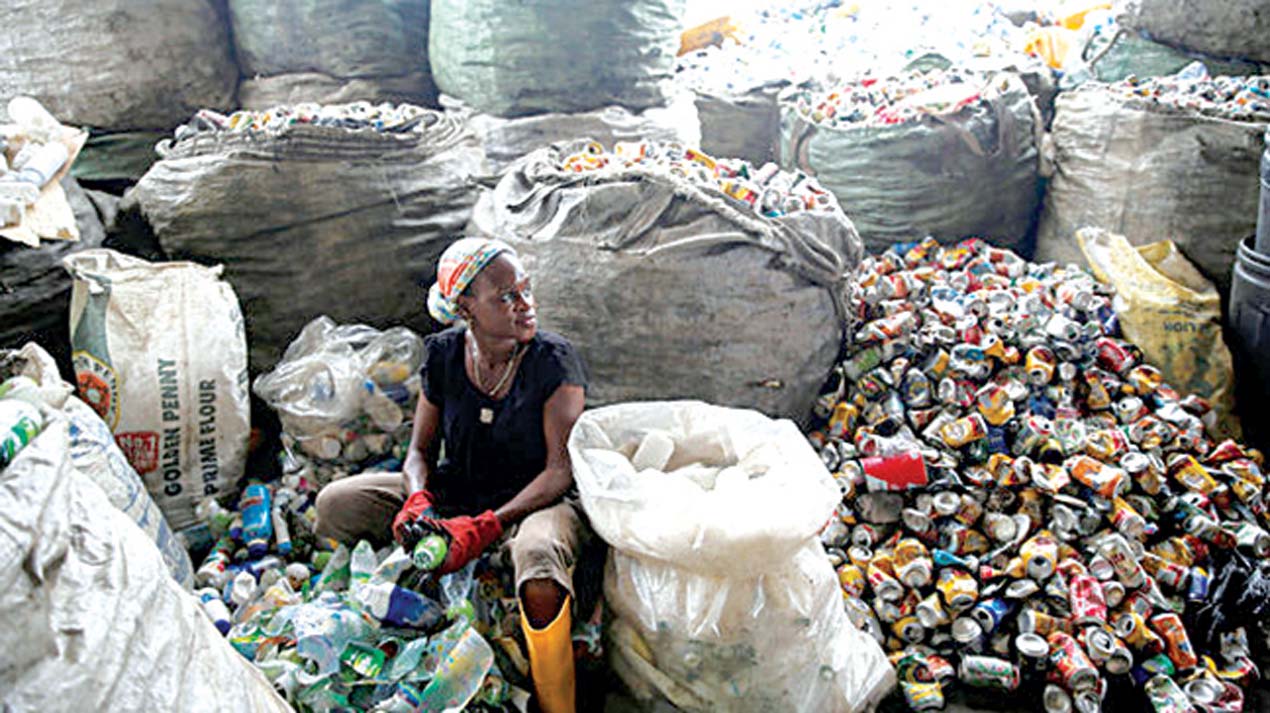
    In today’s world, plastics have become an omnipresent menace, infiltrating every aspect of our lives, from our streets and bodies to our food, soil, ecosystems, and waterways. This crisis, fueled by the profit-driven pursuits of major oil companies, spares no corner of the globe. Despite Africa being responsible for only 5% of global plastic production and 4% of consumption, the continent bears the disproportionate burden of plastic pollution through transboundary transfer of waste, a phenomenon aptly described as ‘waste colonialism.’

    While petrochemical corporations extol the virtues of plastics as cheap and convenient, the true costs remain largely invisible: biodiversity destruction, flooding, adverse impacts on human health, social injustice, and the exacerbation of the climate crisis. – Gerance Mutwol 2023

    Plastics and Health in Africa

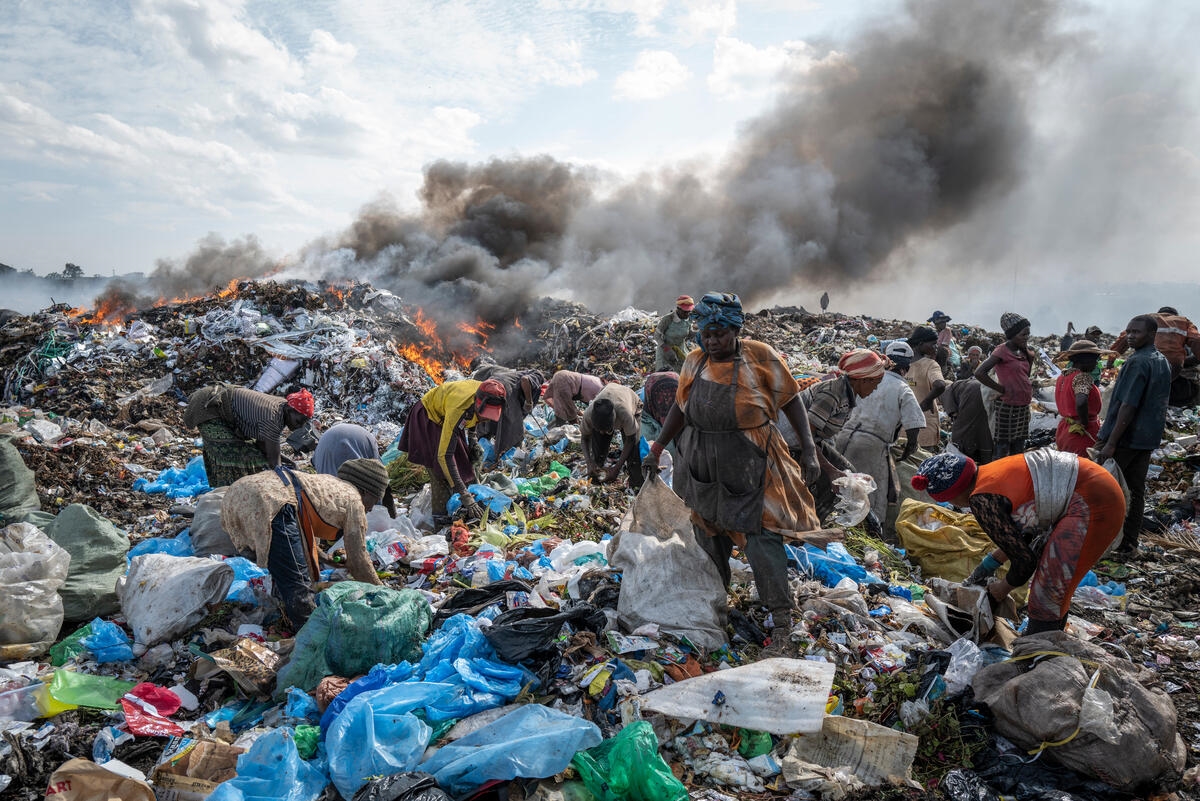
    The improper disposal of plastic waste in African cities and villages threatens the fundamental right to health. Disturbing research from Stanford University and the Technical University of Mombasa reveals a connection between plastic waste and the spread of tropical diseases such as Malaria, chikungunya, and dengue fever. Plastic waste serves as breeding grounds for disease-carrying mosquitoes, amplifying health risks. The presence of microplastics deemed an emerging human health hazard, contributes to oxidative stress, DNA damage, organ dysfunction, and reproductive toxicity. Moreover, the common practice of burning plastic waste in some African regions releases harmful pollutants, worsening respiratory problems and contributing to air pollution-related diseases.

    Plastics and the Environment

    The visual evidence of plastic pollution is overwhelming, from the deepest parts of the ocean to the remotest stretches of land. Lions with plastic bottles and birds entangled in plastics vividly illustrate the ubiquitous nature of this crisis. Marine life, including sea turtles and dolphins, faces entanglement and ingestion, leading to starvation. Plastic pollution in rivers and lakes jeopardizes freshwater biodiversity, while terrestrial ecosystems suffer from littered landscapes, putting Africa’s overall biodiversity and health at severe risk.

    Plastics and Economy in Africa

    The economic ramifications of plastic pollution in Africa are profound. The vital tourism industry, which contributes up to 4.4% of Africa’s GDP, is adversely affected by littered beaches, deterring visitors. In Senegal, picturesque sites are marred by thousands of discarded plastic bags and bottles, impacting both marine life and tourism. Agriculture, a cornerstone of Africa’s economy, faces challenges as plastic pollution harms soil fertility and water quality, exacerbating food insecurity and causing job losses. The costs associated with cleaning up plastic pollution strain already limited resources.

    The Path Forward: A Global Plastics Treaty

    In response to these pressing issues, a pivotal moment is on the horizon—the 3rd session of negotiations (INC3) to develop a global legally binding treaty on plastic pollution. Set to take place in Nairobi, Kenya, from November 13th to 19th, 2023, this marks an unprecedented opportunity to bid farewell to the age of plastic through a tangible treaty draft, the “Zero draft.”

    A robust Global Plastics Treaty should encompass key provisions to:

    • Cut total plastic production by at least 75% by 2040, aligning with climate goals and safeguarding health, rights, and communities.
    • Address the entire lifecycle of plastics, from extraction to disposal.
    • Keep oil and gas used in plastic production in the ground, advocating for a switch to refill and reuse systems to reduce single-use plastic production.
    • Hold countries accountable for managing their own waste, putting an end to waste colonialism.
    • Ensure a just transition for workers and prioritize the health of the most affected communities.

    Parting Shot

    A formidable Global Plastics Treaty is not merely crucial for Africa—it is imperative for the entire world. It presents an unparalleled opportunity for Africa to confront plastic pollution challenges, protect unique ecosystems, and enhance the health and well-being of its people. Through collaboration with the global community, the African negotiators can usher in sustainable solutions, paving the way for a cleaner, healthier, and more prosperous continent free from the shackles of plastic for future generations.

  • Cultural Coevolution: How African Honeyguide Birds Respond to Unique Human Calls, Revealing a Millennia-Old Partnership Facing Modern Threats

    Cultural Coevolution: How African Honeyguide Birds Respond to Unique Human Calls, Revealing a Millennia-Old Partnership Facing Modern Threats

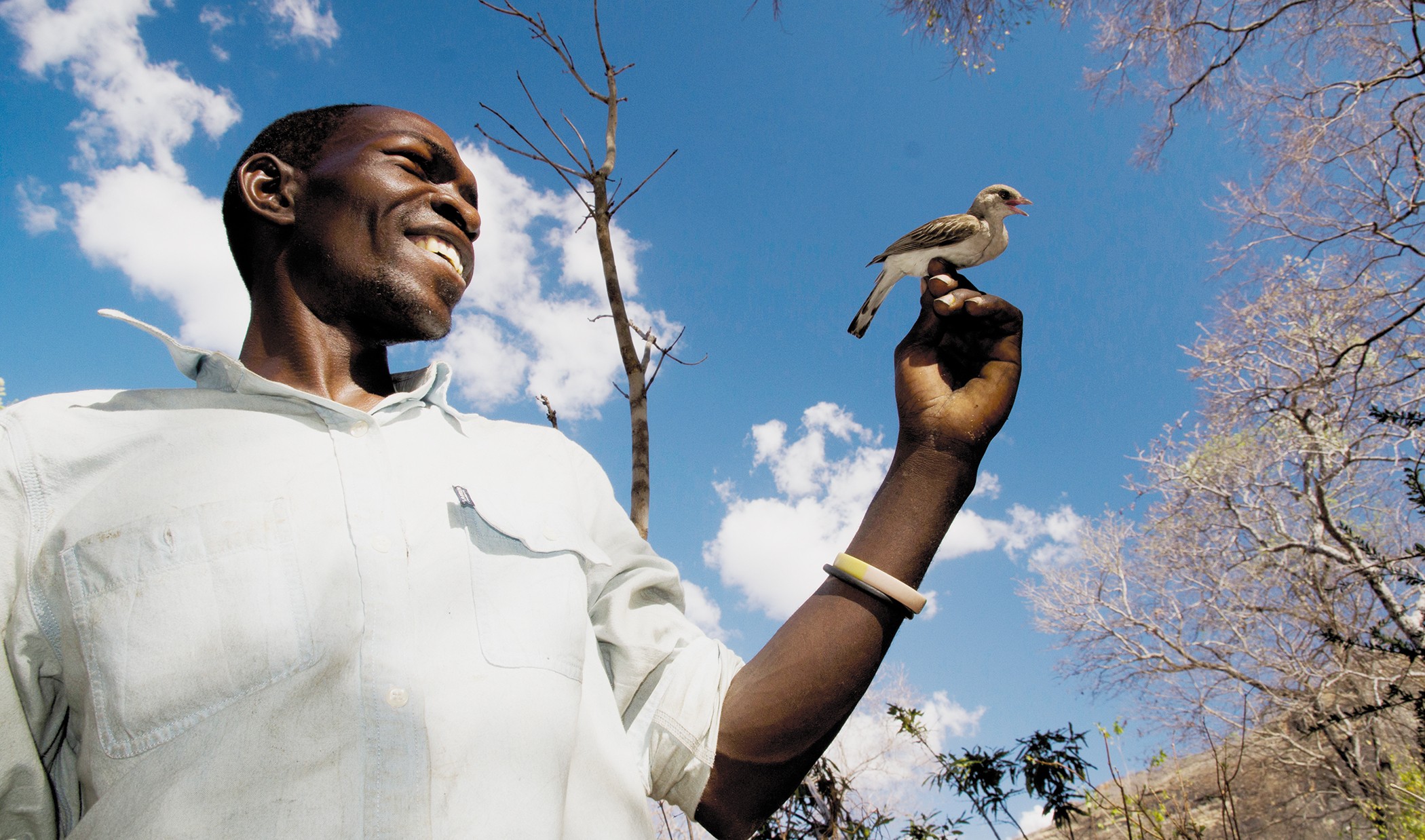
    The study explores a unique and mutually beneficial relationship between humans and honeyguide birds in Africa. The greater honeyguide, a small African bird, has been known to lead humans to wild bee nests. In return, humans open the nests to collect honey, while the honeyguides feed on the exposed beeswax. This relationship, which has likely existed for thousands of years, highlights a rare form of cooperation between humans and wild animals.

    About Honeyguide Birds

    Honeyguide birds are a group of about 17 species of birds that belong to the family Indicatoridae. They are found in the tropical regions of Africa and Asia. Honeyguides are among the few birds that can eat and digest beeswax, which is a rich source of energy for them. Some honeyguide species, such as the greater honeyguide and the scaly-throated honeyguide, have a unique relationship with humans. They guide human honey hunters to wild bee nests by making distinctive calls and flying from tree to tree. In return, the humans share some of the honey and beeswax with the birds. Honeyguides can learn and respond to different human calls that signal their readiness to hunt for honey. The calls vary across different human cultures and regions in Africa.

    How the Study was Conducted

    The study, published in Science, reveals that honeyguide birds understand and respond to culturally distinct calls made by human honey hunters in different regions of Africa. The researchers, Claire Spottiswoode and Brian Wood conducted experiments with honey hunters from the Yao cultural group in Mozambique and the Hadza cultural group in Tanzania. They played audio recordings of different honey hunter calls and observed how honeyguides from each area responded.

    What the Authors Found

    The findings indicate that honeyguides are more likely to initiate a guiding response to the distinct calls of their local human culture. For example, honeyguides in the Yao area responded more to the Yao’s trill followed by a grunt, while honeyguides in the Hadza area were more responsive to the Hadza’s melodic whistle. This suggests a form of cultural coevolution between humans and honeyguides, where the birds learn and respond to culturally specific signals.

    Why is this important?

    The study raises questions about the factors influencing cultural variations in human honey hunter calls and emphasizes the interdisciplinary nature of research in this area. The researchers hope to further explore the complexities of multi-species relationships and gain insights into the meanings embedded in collaborative communication systems between humans and birds.

    However, the article notes that this unique human-honeyguide partnership is facing threats due to recent changes such as beekeeping, urbanization, and the exclusion of people from protected wild areas. The risk of losing this ancient aspect of human interaction with the natural world underscores the importance of conservation efforts to preserve such rare and culturally significant relationships.

  • Empowering Africa’s Youth: The Vital Role of Comprehensive Climate Change Education at COP28

    Empowering Africa’s Youth: The Vital Role of Comprehensive Climate Change Education at COP28

    In recent discussions at COP28 in Dubai, academics and environmental experts emphasized the pivotal role of comprehensive climate change education, extending even to tertiary levels, as a catalyst for long-term climate solutions. Yasmine Sherif, Director of Education Cannot Wait, a UN Global Fund for Education in emergencies and protracted crises, underscored a critical perspective: the education sector itself is bearing the brunt of climate change.

    Impact on Education

    During a UN side event on December 8, Sherif articulated that the climate crisis has morphed into an education crisis, especially affecting students, particularly those in Africa. Students across all levels, including higher education, find themselves at the forefront, often being the first and worst impacted by the climate crisis. Climate-related disruptions in various parts of Africa, ranging from erratic weather to floods and landslides, are impeding learning, destroying educational infrastructure, and posing risks to the safety and well-being of both students and teachers.

    Education as a Solution

    Sherif revealed a stark statistic: more than 52% of children in climate-affected zones in Africa are compelled to stay away from schools due to the impacts of extreme weather events. The UN education expert strongly advocates for the integration of sustainability and climate education into the curricula of all institutions and at all levels. In her interactions with students and youth from Nigeria, South Sudan, the Democratic Republic of the Congo, and Ethiopia, a consistent demand emerges: the empowerment of young people in the climate movement, with education identified as the key to this empowerment.

    Advocacy and Funding

    In a bid to address these challenges, Sherif launched a compelling appeal for US$150 million to empower teachers and millions of children affected by climate change. She proposes redirecting 5% of global military expenditures towards education and the climate crisis, potentially freeing up US$100 billion annually to tackle climate change.

    Youth Empowerment

    Dr Precious Moloi-Motsepe, Chancellor of the University of Cape Town, South Africa, reinforces the idea that Africa’s youth will emerge as future climate champions. Acknowledging the anticipated severity of climate change consequences in Africa, she stresses the necessity of aligning the skills and education of the continent’s youth with the impending challenges. Drawing parallels with the transformative influence of youth in the software and digital economy, she highlights the potential for youth ideas and skills to instigate change even in traditional industries.

    Capacity Building

    Environmental experts emphasize the need for Africa to build capacity in different sectors, including water, infrastructure, energy, and agriculture, to ensure long-term climate resilience and investments. This involves training experts at the university level capable of drafting compelling project proposals to attract funding.

    Notably, universities across Africa have already taken strides in climate change education programs. Institutions like the University of Cape Town, Stellenbosch University, University of Venda, Eduardo Mondlane University, Sokoine University of Agriculture, University of Dar es Salaam, and others have initiated comprehensive climate change programs. Cameroon has introduced renewable energy aspects in all state universities.

    Holistic Approach

    Experts call for a holistic approach to education about climate change. UNESCO, in its Greening Education Partnership program, brings together 81 countries and over 1,100 organizations to address global gaps in climate change education. The initiative aims to adapt curricula, train teachers, rethink schools, and empower communities. Dr Linus Mofor, a senior environmental affairs officer at the African Climate Policy Centre, emphasizes the holistic nature of the climate crisis, spanning across various domains like forests, energy, agriculture, and water.

    Global Commitments

    The Greening Education Partnership sees commitments from 126 countries to address climate change through education. Sixty out of 81 countries plan to review their curriculum and integrate climate change and biodiversity within the next three years. Seventy out of 81 countries aim to provide training to teachers on climate education issues, highlighting the increasing global recognition of the urgent need to equip learners with the knowledge, skills, attitudes, and behaviors to effectively address the climate crisis.

    source name:University World News

    source url: Climate change and education: Two sides of the same coin (universityworldnews.com)


  • Transforming Sub-Saharan Africa’s Waste Crisis: A Call for Sustainable Solutions to Save Billions in Future Damages

    Transforming Sub-Saharan Africa’s Waste Crisis: A Call for Sustainable Solutions to Save Billions in Future Damages

    A recent research by Nkweauseh Reginald Longfor focused on waste management in 44 sub-Saharan African countries reveals a staggering 95% of landfill sites are unregulated, leading to severe economic and environmental consequences. The uncontrolled disposal of waste, comprising 70% of municipal solid waste in many regions, not only contributes to harmful greenhouse gas emissions but also results in extensive economic damage.

    From Crisis to Catalyst: Unveiling the Economic and Environmental Imperatives for Sustainable Waste Management in Sub-Saharan Africa

    The Economic and Environmental Impact

    In sub-Saharan Africa, 24% of waste is sent to landfills, while the rest is left in open dumps, streets, rivers, and other inappropriate locations. The decomposition of this poorly managed waste releases carbon dioxide, nitrates, and hydrogen sulfides, posing threats to both air quality and water sources. The economic consequences of inadequate waste management were assessed by comparing the ongoing costs across 44 countries until 2060, considering both current practices and more efficient methods like sanitary landfills and anaerobic digestion.

    Anaerobic Digestion and Sanitary Landfills

    Anaerobic digestion, a natural process utilizing microorganisms to convert organic waste into biogas, particularly methane, emerges as a viable solution. This process has been successfully employed in Europe for two decades, generating electricity, cooking gas, and heat. Sanitary landfills, on the other hand, involve collecting landfill gas, which is approximately 50% methane and 50% carbon dioxide, for various applications. Properly implemented, these technologies significantly mitigate greenhouse gas emissions and offer organic fertilizers as byproducts.

    Landfill Gas Offsetting Economic Damage

    Capturing methane from waste and converting it into energy not only reduces its harmful impact on the atmosphere but also addresses climate change-related issues such as habitat loss, property damage, disease spread, and soil and water contamination. The research demonstrates that the cost of implementing sanitary landfill and anaerobic digestion technologies is only a fraction of the economic damage caused by methane emissions. Furthermore, methane derived from organic waste presents a renewable energy source, reducing reliance on fossil fuels and subsequently lowering energy costs while enhancing energy security.

    Calculating Future Damage

    The study predicts that if current waste disposal practices persist, the economic damage from methane emissions in sub-Saharan African countries could reach $6.7 billion by 2060. This estimate, doubling every decade from 2025 to 2060, highlights the urgency of transitioning to sustainable waste management practices.

    Countries at Risk

    Certain countries, such as Angola, Mauritius, and Cape Verde, heavily relying on landfills (70%, 90%, and 91% full, respectively), face significant economic damage. Angola, for instance, could witness economic damage rising from $153 million in 2012 to a projected $1.7 billion in 2060 due to landfill reliance. Additionally, nations with growing populations and economies, including Ethiopia, Nigeria, the Democratic Republic of Congo, South Africa, Tanzania, Madagascar, Mozambique, and Uganda, risk economic losses exceeding $2 billion each by 2060 without improved waste management practices.

    The Call for Sustainable Solutions

    To address this looming crisis, all African countries must prioritize waste reduction, reuse, recycling, and energy recovery. These initiatives not only promote public health but also contribute to a green, circular economy. Importantly, policies encouraging private investment in clean waste management practices can lead to economic, social, and environmental benefits. Sub-Saharan African countries have an opportunity to turn their waste challenges into a sustainable energy solution, saving billions in future damages and fostering a more prosperous future.

  • ALMA Consortium: Advancing African Neuroscience and Fostering Gender-Inclusive Brain Health Research for Children and Adolescents

    ALMA Consortium: Advancing African Neuroscience and Fostering Gender-Inclusive Brain Health Research for Children and Adolescents

    The African Leadership for Measuring Brain Health in Children and Adolescents (ALMA) consortium, launched by the Aga Khan University Institute for Human Development, is a significant step towards understanding and promoting early-life brain development in Africa. This initiative addresses key challenges in the field of neuroscience and aims to cultivate the next generation of African research leaders with a deep understanding of the science of the young brain.

    ALMA’s Vision for Advancing African Neuroscience

    1. Localized Evidence for Tailored Interventions: One of the primary goals of ALMA is to generate locally relevant evidence that can inform interventions tailored to the African context. This is crucial for understanding the unique needs of African children and ensuring their optimal development.
    2. Training and Gender Inclusivity: ALMA recognizes the shortage of trained experts in neuroscience, particularly female scientists. The initiative is committed to training African research scientists, with a specific focus on mentoring female neuroscientists. This approach not only addresses the gender gap in the field but also ensures diverse perspectives in neuroscience research.
    3. Establishment of Centers of Excellence: The lack of centres of excellence in the field of neurosciences focused on child and adolescent development is identified as a challenge. ALMA aims to leverage existing infrastructure to establish high-quality neuroscience centres of excellence across the African continent. These centres will provide a conducive research environment for talented African scientists.
    4. Strategic Principles: ALMA’s strategy is built on four key principles, including advancing neuroscience by incorporating the latest knowledge and approaches, training and mentoring African researchers, establishing neuroscience centres of excellence, and fostering a research culture through the dissemination of findings and engagement with policymakers and local communities.
    5. Collaborative Effort and Funding: The ALMA project is a collaborative effort involving institutions such as the University of Cape Town (South Africa), the University of Zambia, Kamuzu University of Health Sciences (Malawi), the Centre of Genomic Medicine – Massachusetts General Hospital (USA), and the University of Oxford (UK). The project is funded by the Science for Africa Foundation through the DELTAS Africa initiative, with support from Wellcome and the UK Foreign Commonwealth and Development.
    6. DELTAS Africa Initiative: The ALMA project is part of the Developing Excellence in Leadership, Training, and Science in Africa (DELTAS Africa) program. DELTAS Africa, launched in 2015, is a long-term, multimillion-dollar initiative aimed at supporting collaborative consortia led by Africa-based scientists to develop world-class research and scientific leaders on the continent while strengthening African institutions.

    In summary, the ALMA consortium is a pioneering initiative that not only seeks to advance neuroscience in Africa but also focuses on building a sustainable foundation for the development of future African neuroscientists and researchers, with a special emphasis on gender inclusivity.