Category: ARM ARTICLES

This category presents a post from ARM Magazine, spotlighting African researchers and their contributions.

  • Empowering Africa: Accelerating TB Drug Discovery through African-Led Research Initiatives

    Empowering Africa: Accelerating TB Drug Discovery through African-Led Research Initiatives

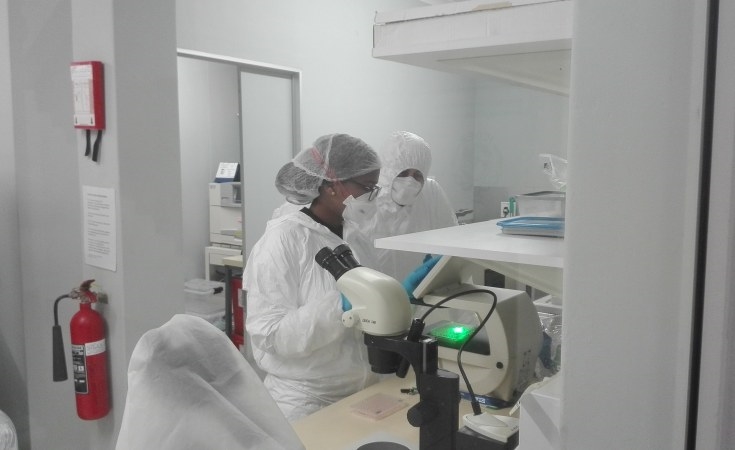
    Tuberculosis (TB), a disease with a 142-year history since its discovery, still persists as a significant global public health challenge. Despite being preventable and curable, TB claimed 1.3 million lives worldwide in 2022, with a substantial portion of fatalities occurring in Africa, notably in South Africa where the disease claimed 54,200 lives. Shockingly, this translates to one life lost every 10 minutes to TB in South Africa alone during that year. Mycobacterium tuberculosis, the bacterium responsible for TB, stands as the leading cause of death from an infectious disease globally, highlighting the urgency to address this issue.

    While strides have been made in combating TB, achieving the global goal of eradicating it by 2030 faces numerous obstacles. Weak health systems, insufficient funding, poor nutrition, co-morbidities such as HIV, and the emergence of drug resistance complicate efforts to combat the disease. Notably, in 2022, multi-drug resistant TB affected 410,000 individuals, resulting in 160,000 deaths. Although new drugs exist for treating drug-resistant TB, the extended treatment duration and heightened side effects pose significant challenges. To tackle TB effectively, a comprehensive approach rooted in African-led research and development (R&D) is imperative. Despite Africa bearing the heaviest burden of TB globally and accounting for 24% of the global disease burden, the continent contributes less than 1% of the global scientific output, severely hindering its ability to address health challenges and achieve global health objectives.

    Africa heavily relies on imported drugs and vaccines, exposing it to global supply chain dynamics. To bolster health systems and establish a strong presence in the pharmaceutical supply chain, substantial investments in robust drug R&D infrastructure are urgently needed. This entails establishing world-class academic research centers with a multidisciplinary approach to drug discovery, enhancing R&D capabilities within educational institutions, training skilled scientists, and establishing efficient supply chain models for locally developed drugs to reach patients effectively. Investments in drug discovery can yield more effective, affordable, and accessible TB treatments, hastening efforts to combat a disease that has long plagued African communities. Rather than waiting for global pharmaceutical companies to prioritize R&D for treatments needed by Africans, Africa must take the lead in this endeavor.

    Despite the evident need for increased investment in drug discovery, Africa’s expenditure on health research remains meager, falling far below the global average. Additionally, no African country has met the 2006 goal of allocating at least 1% of its GDP to R&D. However, encouraging progress has been made, with the African region achieving a 4% annual decline rate in TB cases by 2023, double the global pace. Yet, to meet the 2030 End TB Strategy targets, this decline rate must accelerate to 17%.

    By bolstering drug discovery capabilities and forging strategic partnerships, Africa can enhance its capacity to combat TB and other infectious diseases. Institutions like the Holistic Drug Discovery and Development Centre (H3D) exemplify Africa’s commitment to advancing drug discovery efforts. Additionally, initiatives such as the Grand Challenges African Drug Discovery Accelerator (GC ADDA) network, supported by significant investments from organizations like LifeArc and the Bill and Melinda Gates Foundation, are promising steps towards accelerating TB drug discovery efforts.

    To transition from reliance on external pharmaceutical innovations to becoming leaders in drug ideation, research, and design, Africa must prioritize locally led and owned drug discovery initiatives. Governments, research institutions, health professionals, and communities all have vital roles to play in supporting and advocating for African-led research and locally manufactured drugs.

  • Climate Change and Humanitarian Crises: Urgent Action Needed for Adaptation and Mitigation

    Climate Change and Humanitarian Crises: Urgent Action Needed for Adaptation and Mitigation

    In recent years, the world has witnessed an alarming escalation in humanitarian crises due to the exacerbating effects of climate change. The World Health Organization estimates that over 3 billion people reside in regions highly susceptible to climate-related adversities such as severe heatwaves, floods, droughts, and storms. If current trends persist, by 2050, an additional 250,000 deaths annually could occur from malnutrition, disease, and heat stress, attributing to the ramifications of climate change.

    El Niño Drives Climate Variability

    The El Niño Southern Oscillation (ENSO) cycle plays a pivotal role in driving climate variability, characterized by abnormal ocean temperature fluctuations in the tropical Pacific. While ENSO is a naturally occurring phenomenon, research suggests that climate change may exacerbate the intensity and frequency of El Niño events. Consequently, regions particularly vulnerable to natural disasters, such as Africa, Latin America, and Asia, experience severe repercussions including prolonged droughts, crop failures, and water shortages, thus perpetuating a cycle of agricultural distress and food insecurity.

    Devastating Impacts on Farming Communities

    In African nations like Zambia, where agriculture is a cornerstone of livelihoods, the ramifications of climate change and El Niño-induced droughts are profoundly felt. Signs of impending drought are unmistakable, with dire predictions of long-lasting effects on millions of lives through crop failures, livestock losses, and shortages of food and water. Small-scale farmers, already marginalized, face the grim reality of being unable to sustain their families. Beyond agriculture, the ramifications of drought extend to degraded water sources, diminished biodiversity, and compromised health and infrastructure, exacerbating the vulnerability of communities already on the brink.

    Climate Change and Humanitarian Crises: Urgent Action Needed for Adaptation and Mitigation

    Illustrative Image: Climate Change and Humanitarian Crises: Urgent Action Needed for Adaptation and Mitigation
    Image Source & Credit: People in need
    Ownership and Usage Policy

    Regional Agricultural Outlook

    Across southern and eastern Africa, unfavorable weather patterns pose significant challenges to crop and pastoral agriculture. Forecasts linked to El Niño predict below-average precipitation and heightened temperatures, likely diminishing yields in crucial cereal production regions. Similarly, pastoral communities in areas like southeastern Ethiopia grapple with acute food insecurity due to consecutive seasons of failed rains, resulting in widespread livestock fatalities. While some regions, such as the coastal areas of Angola, may experience favorable conditions, the overarching impact of climate fluctuations persists throughout much of sub-Saharan Africa, underscoring the urgent need for targeted intervention and support.

    Urgent Adaptation and Mitigation Needed

    In light of the escalating climate shocks, urgent measures are imperative to bolster adaptation, disaster risk management, and resilience-building efforts. Communities must be empowered to diversify livelihoods, embrace climate-smart agricultural practices, and access early warning systems to mitigate the impact of disasters. Additionally, there is a pressing need for global cooperation to curtail greenhouse gas emissions and minimize future climatic disruptions. Organizations like People in Need are at the forefront of this endeavor, working tirelessly to mitigate the impact of natural disasters and bolster the resilience of vulnerable communities worldwide.

    Conclusion
    As climate change continues to escalate, the imperative for concerted action has never been more urgent. It is imperative that we prioritize adaptation and mitigation efforts to safeguard vulnerable communities from the ravages of climate-induced humanitarian crises. Through collective action and unwavering commitment, we can strive towards a more sustainable and resilient future for all.

  • Addressing Snakebite Crisis in Africa: African Snakebite Alliance (ASA) Leads Collaborative Solutions

    Addressing Snakebite Crisis in Africa: African Snakebite Alliance (ASA) Leads Collaborative Solutions

    In a collaborative effort aimed at addressing the persistent issue of snakebites in Africa, Kenya, Eswatini, Ghana, Malawi, and Rwanda have come together under the guidance of the Liverpool School of Tropical Medicine (LSTM) to form the African Snakebite Alliance (ASA). This alliance seeks to tackle the challenges posed by snakebites and develop targeted strategies to combat them, including the creation of vaccines specific to the region.

    The formation of ASA marks a significant step towards addressing the neglected issue of snakebites, which disproportionately affects rural communities in low and middle-income countries across Africa. By pooling resources and expertise from various organizations and institutions, including the Institute of Primate Research, the World Health Organization (WHO), and local health foundations, ASA aims to devise comprehensive solutions to mitigate the impact of snakebites on affected populations.

    Addressing Snakebite Crisis in Africa: African Snakebite Alliance (ASA) Leads Collaborative Solutions

    Illustrative Image: Addressing Snakebite Crisis in Africa: African Snakebite Alliance (ASA) Leads Collaborative Solutions
    Image Source & Credit: Global Snakebite Initiative
    Ownership and Usage Policy

    Professor Ymkje Stienstra, director of ASA and a faculty member at LSTM, highlights the importance of community engagement and data-driven approaches in guiding ASA’s efforts. By soliciting input from communities and policymakers, ASA intends to identify key research questions and develop evidence-based interventions to prevent snakebites and minimize their consequences.

    A report compiled by ASA stakeholders from 15 African countries sheds light on the challenges hindering effective snakebite research and policymaking. Limited funding, inadequate data, and a lack of interest from policymakers are identified as major obstacles. However, stakeholders recognize the potential for progress through increased financial commitment, political support, and the establishment of collaborative networks dedicated to snakebite research.

    Snakebite envenoming, caused by toxins injected during snakebites, poses a significant public health threat in Africa, contributing to thousands of deaths annually. Traditional healers often treat a substantial portion of snakebite cases, indicating gaps in healthcare access and awareness. Accurate assessment of snakebite incidence and mortality rates is essential for informing targeted interventions and monitoring progress towards reducing the burden of snakebites in the region.

    The findings underscore the urgent need for concerted efforts to address the snakebite problem in Africa. By leveraging scientific expertise, community engagement, and strategic partnerships, ASA aims to make significant strides towards reducing the impact of snakebites and improving healthcare outcomes for affected populations.

  • Unlocking Sustainable Conservation: Insights from Community Perspectives in East Africa’s Virunga Landscape

    Unlocking Sustainable Conservation: Insights from Community Perspectives in East Africa’s Virunga Landscape

    The Virunga Landscape in East Africa stands as a bastion of biodiversity, sheltering endangered species like the mountain gorilla within its protected confines. Yet, despite its status, illegal activities such as poaching and resource exploitation persist, posing threats to the delicate ecological balance. Shedding light on the intricate motivations driving such actions, a recent study spearheaded by Assistant Professor Edwin Sabuhoro from Penn State College of Health and Human Development offers valuable insights into the dynamics of illegal forest use within protected parks.

    Delving into the heart of community perspectives, Sabuhoro’s team explored the underlying factors influencing participation or abstention from illegal forest activities. Their findings, published in the journal Forests, underscore a crucial link between enhanced life satisfaction and diminished reliance on illegal forest use for livelihood purposes. This suggests that addressing broader issues of well-being within communities can serve as a potent deterrent against illicit activities within protected areas. Sabuhoro emphasizes the multifaceted nature of these illegal practices, which often stem from pressing livelihood insecurities. In communities grappling with food scarcity or housing needs, the allure of forest resources can be tantalizingly strong, driving individuals to breach park boundaries in search of sustenance or shelter materials. However, the study reveals a promising trend: where perceived life satisfaction is higher, instances of illegal forest use plummet, highlighting the pivotal role of holistic well-being in fostering sustainable conservation practices.

    Yet, the narrative isn’t one-dimensional. Traditional values and cultural norms also wield considerable influence over individuals’ behaviors, sometimes even outweighing improvements in material well-being. Even amidst economic progress and access to modern amenities, some may still prioritize traditional practices, viewing them as integral to their identity and heritage. This intricate interplay between modernity and tradition underscores the need for nuanced approaches to conservation that respect and accommodate diverse cultural perspectives. To unravel these complexities, the research team conducted extensive surveys among household heads residing near Volcanoes National Park in Rwanda and Mgahinga National Park in Uganda. By engaging directly with community members and safeguarding their anonymity, the study ensured a comprehensive understanding of local dynamics and concerns—a crucial step towards crafting effective conservation strategies.

    Sabuhoro emphasizes the importance of bridging the gap between research findings and policy implementation, advocating for proactive, community-centered approaches to conservation. Rather than relying on short-term, reactive measures, he calls for sustained engagement with local stakeholders, incorporating their insights into long-term policy frameworks. By aligning conservation efforts with community aspirations and priorities, policymakers can foster a symbiotic relationship between people and parks, laying the groundwork for enduring conservation success.

    Looking ahead, Sabuhoro envisions a broader application of this research model across East Africa’s protected areas, advocating for a collaborative, research-driven approach to conservation. By empowering communities and fostering a sense of ownership over their natural heritage, he believes we can forge a path towards sustainable coexistence between humans and wildlife—a vision where thriving communities become the cornerstone of effective conservation efforts.

  • Nyarkotey Herbal Pharma: Pioneering Natural Medicine Integration in Ghana’s Healthcare Landscape

    Nyarkotey Herbal Pharma: Pioneering Natural Medicine Integration in Ghana’s Healthcare Landscape

    On March 16, 2040, Professor Raphael Nyarkotey Obu, a renowned figure in Africa’s natural medicine realm, unveiled a groundbreaking initiative by inaugurating a natural medicine pharmacy located on the Amrahia-Dodowa road, adjacent to the Potbelly Restaurant. This venture, known as the Nyarkotey Herbal Pharma, marks a significant milestone in the integration of traditional and complementary medicine into mainstream healthcare. The opening ceremony witnessed the presence of distinguished guests, including the Member of Parliament for the Shai-Osudoku Constituency, Linda Obenewaa Ocloo, who commended Prof. Nyarkotey’s substantial contributions to the natural medicine sector. With an array of offerings ranging from herbal medicines to vitamins, supplements, organic foods, spices, and honey, the Nyarkotey Herbal Pharma stands as a testament to Prof. Nyarkotey’s commitment to enhancing public health and well-being.

    At the core of Prof. Nyarkotey’s vision lies a pressing concern for the escalating rates of premature deaths and chronic illnesses such as hypertension, diabetes, and cancer plaguing society. Recognizing the imperative for preventive healthcare measures, he emphasizes the pivotal role of herbal remedies in promoting wellness. Encouraging the populace to prioritize their health, Prof. Nyarkotey advocates for the consumption of herbal teas, renowned for their therapeutic properties and documented benefits in enhancing longevity. Drawing parallels with established practices in advanced nations, Prof. Nyarkotey underscores the emergence of natural pharmacies as a progressive trend within the Ghanaian healthcare landscape. What sets Nyarkotey Herbal Pharma apart is its foundation on scientific validation, with products meticulously curated based on Prof. Nyarkotey’s extensive research spanning over a decade. This scientific rigor not only instills confidence in consumers but also addresses the longstanding quest for reliable sources of natural remedies.

    Furthermore, Prof. Nyarkotey envisions expanding this pioneering concept beyond its current location, with plans to establish similar outlets across various regions of the country. By bridging the gap between theoretical knowledge and practical accessibility, he aims to empower individuals to take charge of their health journey effectively. A cornerstone of Prof. Nyarkotey’s illustrious career lies in his multifaceted role as a scholar, educator, and advocate for holistic healthcare. As the President of the Nyarkotey University College of Holistic Medicine and Technology in Ashaiman, he has spearheaded initiatives to advance the field of naturopathy both locally and internationally.

    Through his prolific writings and scholarly endeavors, Prof. Nyarkotey has garnered widespread acclaim, with his insights transcending national borders and resonating across diverse audiences. His relentless pursuit of excellence is evident in his extensive publication record, comprising numerous articles and books on natural medicines that serve as a beacon of knowledge for enthusiasts and practitioners alike. Moreover, Prof. Nyarkotey’s academic pursuits extend beyond the realms of healthcare, as evidenced by his concurrent studies in Law and Development. Leveraging his expertise in both naturopathy and law, he aspires to enact meaningful policy reforms that safeguard the interests of traditional and complementary medicine practitioners while fostering regulatory frameworks conducive to their growth and recognition.

    Prof. Nyarkotey’s influence transcends academia, as reflected in his advisory roles within governmental bodies and professional associations. From shaping national occupational standards to providing legal counsel to traditional healer associations, his endeavors epitomize a holistic approach to healthcare governance that encompasses education, regulation, and advocacy. In essence, Prof. Raphael Nyarkotey Obu’s foray into establishing the Nyarkotey Herbal Pharma symbolizes a paradigm shift in healthcare delivery, one that harmonizes traditional wisdom with contemporary scientific rigor to usher in a new era of holistic wellness and preventive medicine.

  • Linguistic Inclusivity in AI: Dr. Ife Adebara’s Groundbreaking Work Empowering African Languages

    Linguistic Inclusivity in AI: Dr. Ife Adebara’s Groundbreaking Work Empowering African Languages

    In the rapidly evolving landscape of artificial intelligence (AI), linguistic inclusivity is emerging as a crucial frontier. Dr. Ife Adebara, a computational linguist, has been at the forefront of this movement, particularly focusing on addressing the scarcity of natural language processing (NLP) resources in African communities. Adebara’s journey began with a recognition of the staggering linguistic diversity across the African continent, where approximately 2,000 languages are spoken. However, the vast majority of these languages lack adequate technological support, leaving over a billion people marginalized in global conversations. Adebara emphasizes that linguistic inclusivity is not merely about technological advancement but also about social equity and representation in an increasingly interconnected world.

    Central to Adebara’s work is the development of language generation models that support African languages and dialects, totaling 517 in her latest project. This groundbreaking initiative not only bridges the digital divide but also instills a sense of pride and validation within the communities whose languages have long been sidelined. Adebara highlights the prevailing bias favoring foreign languages over indigenous African languages and celebrates the transformative impact of integrating these languages into technology. By empowering communities to see their languages reflected in AI, Adebara aims to challenge perceptions of linguistic hierarchy and promote the richness of Africa’s cultural heritage.

    However, the path to linguistic inclusivity is not without its challenges. Dr. Garrett Nicolai, an assistant professor in linguistics, underscores the complexities of working with under-represented languages, citing the lack of resources as a significant hurdle. Despite these challenges, Nicolai’s work with Indigenous languages in Canada demonstrates the potential for collaboration between linguists and communities to revitalize and preserve endangered languages. A key aspect of responsible AI development, as emphasized by both Adebara and Nicolai, is the need to mitigate biases inherent in computational models. While AI holds promise for language preservation and learning, there is a critical need for transparency and accountability in how these technologies are deployed.

    In addition to technological innovation, Adebara stresses the importance of community engagement in developing tools that cater to the specific needs of language communities. From creating dictionaries to facilitating language learning, the goal is to empower communities to reclaim and revitalize their linguistic heritage. Ultimately, Adebara’s work serves as a beacon of hope for linguistic diversity and representation in AI. By championing the integration of under-represented languages into technology, she not only transforms the digital landscape but also fosters a more inclusive and equitable society.

  • Addressing Conflict-Driven Hunger Crisis in Africa: Urgent Calls for International Action and Accountability

    Addressing Conflict-Driven Hunger Crisis in Africa: Urgent Calls for International Action and Accountability

    The escalation of modern conflicts in Africa is not only claiming lives through violence but also through the deliberate use of hunger as a weapon of war. This disturbing trend is reversing the progress made in combating global hunger over the past decades, with children bearing the heaviest burden. Despite advancements in agricultural production and humanitarian aid, the response from both African and international communities remains inadequate, characterized by underreporting, limited aid, and political maneuvering.

    The Devastating Impact of Conflict on Food Security

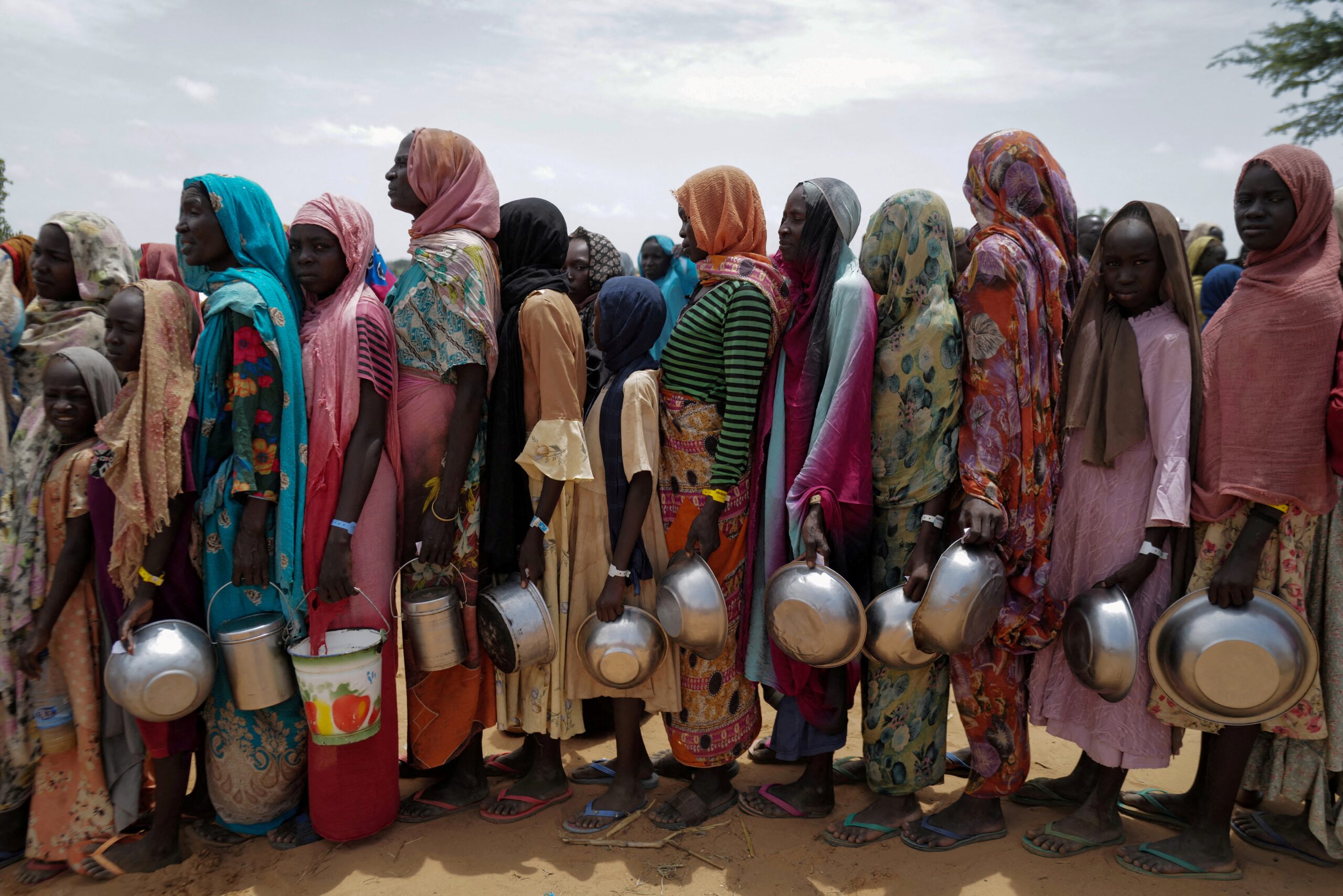
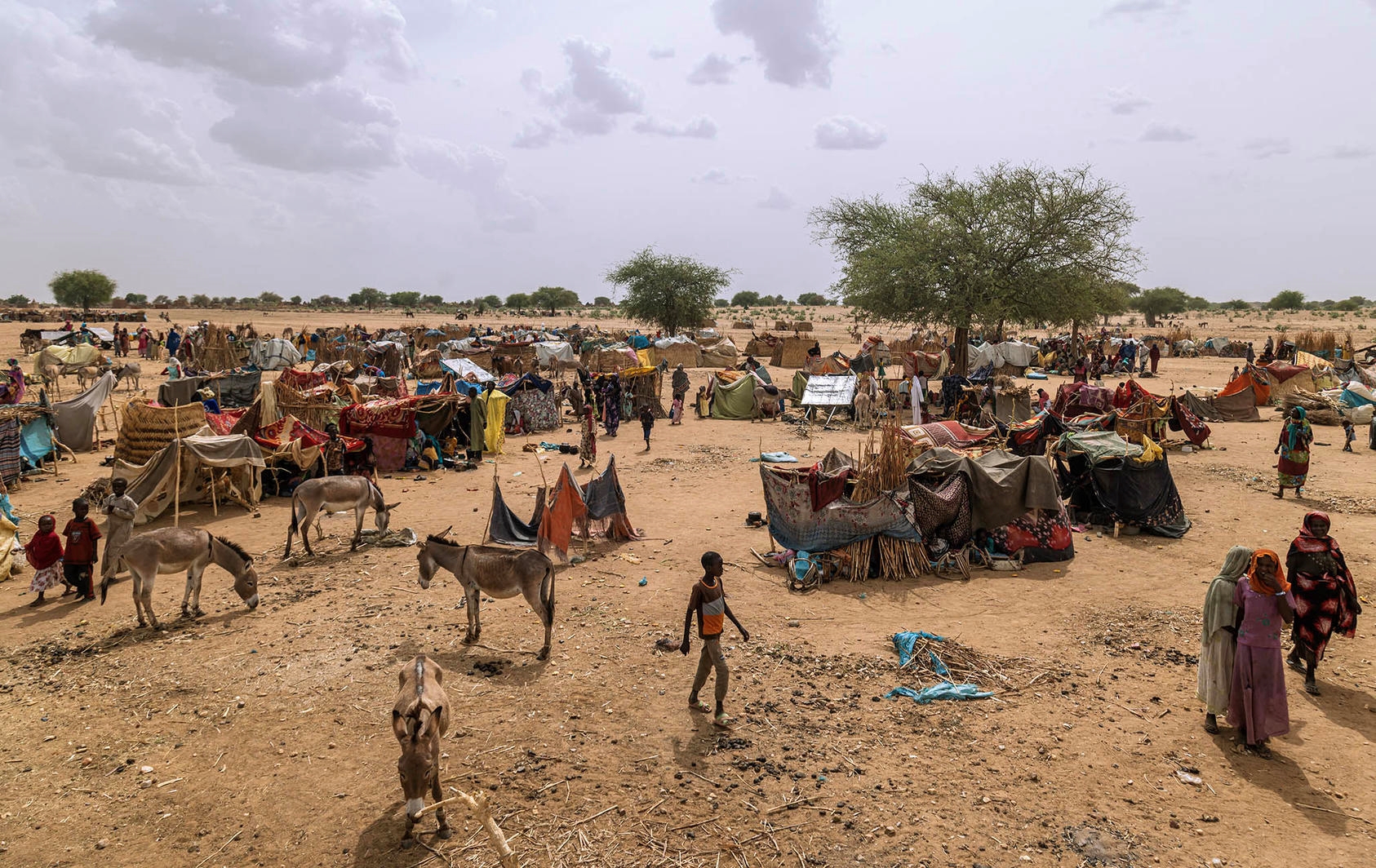
    Countries like Burkina Faso, Sudan, Ethiopia, and the Democratic Republic of the Congo (DRC) are experiencing emergency levels of hunger due to ongoing conflicts. The crisis is exacerbated by the theft of supplies, obstruction of aid, and attacks on humanitarian workers by warring parties. In Sudan, for instance, a staggering 18 million people, including four million children, are at risk of becoming victims of the world’s largest hunger crisis. The situation is compounded by a cholera outbreak and dysfunctional healthcare systems in conflict zones.

    Ethiopia, another country deeply affected by conflict and drought, urgently needs food assistance for over 20 million people. The situation in Tigray, where starvation is being used as a method of warfare, is particularly dire, with alarming rates of malnutrition and disrupted farming activities. Similarly, the DRC faces widespread food insecurity, with armed groups threatening aid delivery and exacerbating displacement.

    Impact on Children

    Children are disproportionately affected by the conflict-induced hunger crisis. In the DRC, the escalation of conflict has led to a sharp increase in child recruitment into armed groups, while in Sudan, millions of children are at risk of severe malnutrition. The grim reality of war is starkly illustrated by incidents such as the discovery of acutely malnourished orphaned twins rigged with explosive devices in the DRC.

    Funding Shortfalls and Humanitarian Response

    Despite the urgent need for humanitarian assistance, funding shortfalls severely hamper response efforts. In 2023, the World Food Programme (WFP) faced its worst funding gaps in history, resulting in ration cuts and reduced assistance coverage. Additionally, the UN’s inter-agency aid plans for countries like Sudan, Ethiopia, and the DRC are significantly underfunded, further exacerbating the crisis.

    International Response and Accountability

    The deliberate starvation of civilians and obstruction of humanitarian aid constitute war crimes under international law. However, the international community’s response to conflicts in Africa raises questions about selectivity and political will. While conflicts in regions like Ukraine receive significant attention and aid, African crises often face neglect. The African Union’s interventions, though existing, are insufficient due to funding constraints and limited resources.

    Conclusion:
    The devastating impact of conflict-induced hunger in Africa demands urgent and coordinated action from the international community. South Africa’s recent appeal to the International Court of Justice highlights the need for accountability and concerted efforts to address humanitarian crises. It is imperative to prioritize the protection of innocent civilians, particularly children, and ensure adequate funding and resources for effective response and long-term solutions to conflict-driven food insecurity.

  • Unlocking Peace in Sudan: Urgent Diplomatic Solutions and International Action Needed

    Unlocking Peace in Sudan: Urgent Diplomatic Solutions and International Action Needed

    After almost a year of relentless conflict, Sudan remains entrenched in violence with little hope for a ceasefire in sight. The situation demands concerted international efforts to sway the attitudes of military leaders and bolster democratic transitions within the country.

    Background and Analysis

    The recent adoption of a resolution by the UN Security Council, spearheaded by the UK, signifies a crucial step forward. However, this marks the first instance of such consensus after months of strife. It underscores the gravity of the situation but also raises questions about the likelihood of a prolonged conflict in Sudan.

    The root causes of the conflict trace back to Sudan’s troubled history, characterized by internal strife, marginalization of peripheral regions, and a culture of impunity regarding atrocities. The warring factions, including the Sudan Armed Forces (SAF) and the Rapid Support Forces (RSF), are products of the former regime of Omer al-Bashir, demonstrating a callous disregard for civilian lives by engaging in warfare within densely populated urban areas.

    The implications of this conflict extend beyond Sudan’s borders, potentially destabilizing neighboring nations, triggering mass migrations to Europe, and attracting extremist elements. Despite these severe consequences, global attention remains disproportionately focused on other crises, raising concerns about inconsistent international responses to conflicts, particularly those in Africa.

    Humanitarian Crisis

    Sudan faces an acute humanitarian crisis, with millions displaced and famine looming large. The World Food Programme warns of an impending hunger crisis of unprecedented proportions. However, international response remains insufficient, with only a fraction of the required funding allocated to Sudan’s Humanitarian Response Plan.

    Moreover, regional actors exacerbate the conflict by fueling proxy wars and providing support to the belligerents. The involvement of nations like Russia and Iran adds a geopolitical dimension, intertwining Sudan’s plight with broader global dynamics.

    Weaponization of Food

    Both sides in the conflict have weaponized hunger, exacerbating the humanitarian crisis. The RSF has plundered humanitarian supplies, while the SAF obstructs aid delivery to areas under its control. These tactics compound the suffering of civilians and deepen the crisis.

    International Response and Diplomatic Efforts

    Recent efforts by international bodies, including the UN Security Council, the African Union, and the League of Arab States, to call for a ceasefire during Ramadan represent a crucial escalation in diplomatic pressure. However, the effectiveness of such initiatives remains uncertain, given the fragmented command structures and the parties’ history of non-compliance with previous truces.

    The key to resolving the conflict lies in altering the calculus of military leaders and countering the influence of hardline elements from the Bashir era. This necessitates robust diplomatic intervention at the highest levels, including coordinated mediation processes, targeting financial support for the war, and unifying Sudanese factions committed to democratic transition.

    Conclusion: Sudan’s conflict demands urgent and sustained diplomatic engagement to prevent further suffering and pave the way for a peaceful resolution. It is imperative for the international community to prioritize Sudan’s plight and work tirelessly to silence the guns, restore stability, and facilitate a path towards lasting peace and prosperity.

  • Unlocking Africa’s Food Systems: International Collaboration at University of Leeds Research Week

    Unlocking Africa’s Food Systems: International Collaboration at University of Leeds Research Week

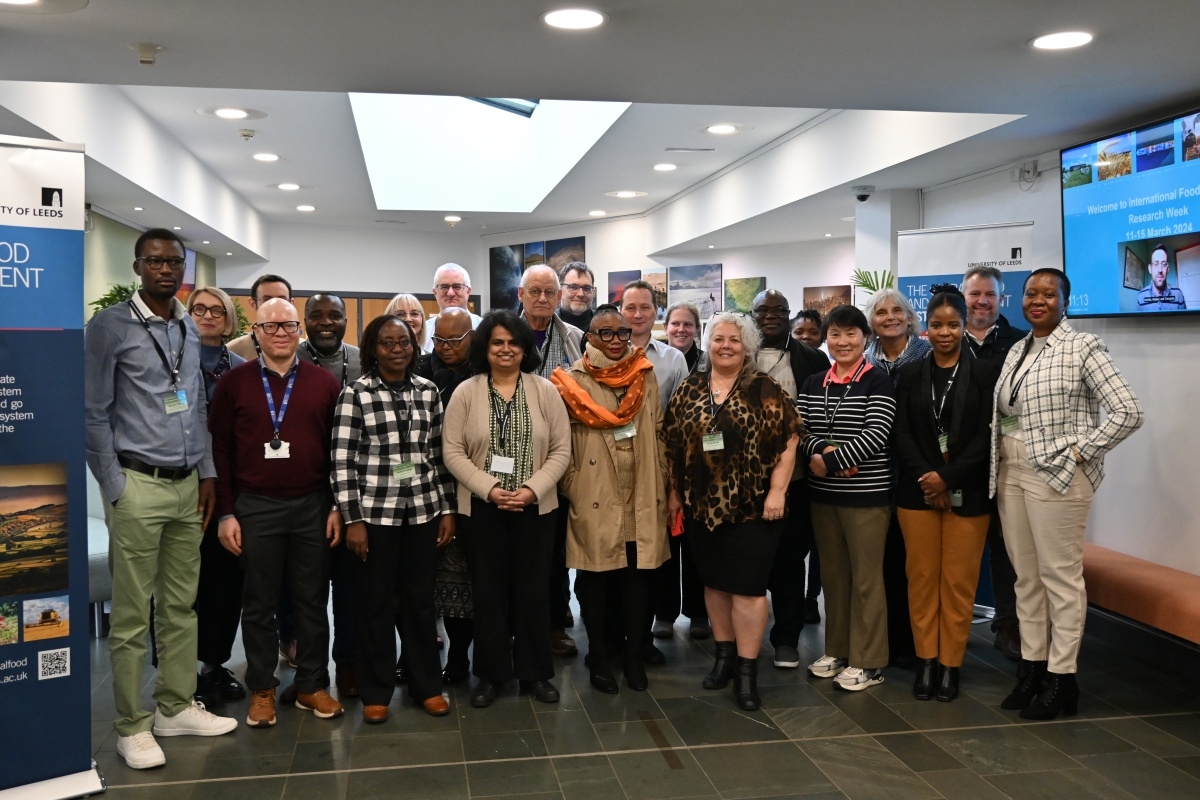
    The International Food Systems Research Week held at the University of Leeds brought together partners from across Africa to tackle challenges in food systems and supply chains. Organized by the Global Food and Environment Institute (GFEI) in collaboration with the FoSTA Health program, the week aimed to foster research and innovation collaboration opportunities across various themes including changing food systems supply chains and regulations, as well as human, animal, environmental, and plant health.

    Participants included representatives from academia, industry, and government from South Africa, Zambia, Malawi, and Tanzania. The event also featured the introduction of Cheney Fellow Cecilia Onyango, an Associate Professor of Horticulture at the University of Nairobi, who was introduced to the scheme through the FSNet-Africa project. The Cheney fellowship enables researchers to spend time at Leeds exploring new ideas and building collaborations. Professor Onyango highlighted the opportunity for interdisciplinary collaboration and connection with the Knowledge Equity Network to reduce inequalities and tackle global challenges together.

    Professor Nick Plant, Deputy Vice-Chancellor for Research and Innovation at the University of Leeds, emphasized the importance of collaboration in addressing global challenges such as food security. He stressed the need for a holistic approach and strong interdisciplinary collaboration. Throughout the week, various research programs from Leeds were shared, including FoSTA Health and FSNet-Africa, focusing on food security and African food systems in partnership with institutions such as the University of Pretoria and Food, Agriculture and the Natural Resources Policy Analysis Network (FANRPAN). Researchers discussed topics such as supply chain regulation, trade, One Health, food systems mapping, and modeling.

    The event also included a tour of research facilities at the University of Leeds, including the research farm and CIEL National Pig Centre. Professor Stephen Whitfield, Interim Director of GFEI, emphasized the importance of interdisciplinary partnerships in understanding the implications of food system changes in Africa. Moreover, the week helped identify opportunities for ongoing collaboration and a co-developed research agenda, aligning with the UK government’s commitment to strengthen science collaboration partnerships with South Africa. Overall, the event aimed to drive change and address global challenges through research and innovation collaboration.

  • Exploring Gender Bias in AI and Surveillance Capitalism: Insights from Dr. Sunday Joseph Ayodabo’s Research

    Exploring Gender Bias in AI and Surveillance Capitalism: Insights from Dr. Sunday Joseph Ayodabo’s Research

    Dr. Sunday Joseph Ayodabo, a distinguished researcher based in the United States, delves into the intricate relationship between gender bias in artificial intelligence (AI) and the pervasive framework of surveillance capitalism. With a rich background in interdisciplinary studies ranging from masculinities to children’s literature and gender studies, Dr. Ayodabo’s current focus on AI and surveillance capitalism stems from his expertise in analyzing cultural texts and understanding societal implications.

    Gender bias in AI within surveillance capitalism warrants collaborative efforts for ethical development– Dr. Sunday Joseph Ayodabo, 2023

    Drawing from his previous research on masculinity in Nigerian children’s literature, Dr. Ayodabo highlights how gender stereotypes entrenched in traditional literary forms now find expression and transformation in digital technologies and AI. He underscores the continuity from past literary representations to contemporary digital media, emphasizing the importance of analyzing how gender norms persist or evolve in new technological contexts.

    Dr. Ayodabo’s motivation to delve into AI and gender within the surveillance capitalism framework was sparked by the COVID-19 pandemic’s acceleration of digitization and AI adoption. He identifies a concerning trend wherein AI virtual assistants, such as Alexa, Siri, and Cortana, often embody feminine attributes, voices, and behaviors, reinforcing historical gender biases. Moreover, these AI entities, cloaked in feminine personas, facilitate data collection and surveillance, blurring the lines between convenience and exploitation within the platform economy. Living and conducting research in the U.S., a tech-forward society, has heightened Dr. Ayodabo’s awareness of AI’s pervasive influence and its implications for privacy and social dynamics. He observes firsthand the deployment of AI-powered surveillance technologies, such as facial recognition systems, by law enforcement agencies, raising ethical concerns regarding privacy infringement and gender bias.

    Recognizing the need for collaborative efforts, Dr. Ayodabo advocates for partnerships with U.S. scholars to address gender bias in AI algorithms and their impact on marginalized groups. Collaborative projects, such as developing ethical guidelines for AI systems like Cortana, exemplify a concerted effort to ensure fairness, privacy protection, and the mitigation of bias in AI technologies. In considering the relevance of his work to Africa, Dr. Ayodabo emphasizes the critical role of his research in informing policy and practice amidst the continent’s digital transformation. By shedding light on how AI can perpetuate gender disparities and surveillance capitalism, his work contributes to crafting inclusive digital policies that prioritize privacy, gender equity, and ethical AI development.

    Finally, Dr. Ayodabo underscores the intersection and divergence of AI systems and government policies between the U.S. and African contexts. While the U.S. boasts robust regulatory frameworks and technological infrastructure, African nations face challenges in policy formulation and technological adoption. However, these challenges present opportunities for African countries to tailor governance models that align with their socio-cultural contexts and development aspirations.

    In summary, Dr. Ayodabo’s scholarship illuminates the urgent need to address gender bias in AI within the context of surveillance capitalism, emphasizing collaboration, ethical considerations, and inclusive policy development for a more equitable digital future.