Category: ARM ARTICLES

This category presents a post from ARM Magazine, spotlighting African researchers and their contributions.

  • Driving Sustainable Energy Development in Africa: Insights from Obi Uzu at NIES 2024

    Driving Sustainable Energy Development in Africa: Insights from Obi Uzu at NIES 2024

    In a dynamic session during the Nigeria International Energy Summit (NIES) 2024, Obi Uzu, the Managing Director and Chief Executive Officer of Global Process and Pipeline Services Limited (GPPSL), delivered profound insights into the pivotal metrics necessary for driving sustainable energy development in Africa. Uzu’s expertise and strategic vision underscored the critical role of innovation, competence, capacity building, and collaboration within the energy industry, particularly in Nigeria and across the continent.

    Uzu highlighted GPPSL’s unwavering commitment to investing in competency development programs, evident in the sponsorship of 27 Nigerian professionals to esteemed institutions like Harvard and Cambridge Universities. This strategic investment not only fosters in-house expertise but also cultivates long-term loyalty and sustainability within the organization. Innovation, as Uzu emphasized, transcends merely staying ahead; it entails transforming challenges into opportunities and spearheading the journey towards a more sustainable energy future for Africa. He articulated three fundamental metrics essential for progress in the energy sector: Competence, Capacity, and Collaboration.

    Competence, according to Uzu, encompasses comprehensive knowledge, training, and continuous research and development (R&D). Understanding the entire energy ecosystem is imperative to foster collaboration and attract global expertise. Uzu cautioned against relegating companies to lower industry tiers due to insufficient knowledge. Moreover, Uzu stressed the significance of robust R&D efforts and collaboration, both internally and externally, exemplifying GPPSL’s ability to modify equipment for deep-water operations, thus maintaining an innovative edge.

    Capacity building emerged as another cornerstone of Uzu’s presentation, highlighting the necessity of deploying adequate resources to fulfill commitments and deliverables. Collaboration, he emphasized, is pivotal for risk mitigation and effective scaling of operations. By partnering with global companies and leveraging diverse expertise, GPPSL has expanded its capabilities and competitiveness within the energy sector. Uzu’s insights at NIES 2024 underscored the imperative for industry players to prioritize competence, capacity building, and collaboration to drive sustainable development in Africa’s energy sector. These pillars, Competence, Capacity, and Collaboration are crucial for navigating the complex landscape of the energy industry and fostering meaningful progress.

    GPPSL, a leading service company in the energy sector, specializes in process and pipeline services. With a steadfast commitment to excellence, innovation, and sustainability, GPPSL continues to deliver high-quality solutions to clients across Africa and beyond. The company’s recognition as the Oil Service Company of the Year 2023 at the Gala Dinner/Award Night of NIES 2024 further solidifies its position as a trailblazer in the energy sector. Obi Uzu’s visionary leadership and strategic insights serve as guiding beacons for the pursuit of sustainable energy development in Africa, laying the groundwork for a brighter, more prosperous future for the continent.

  • Advancing Social Protection for Migrant Workers in Central Africa: ECCAS Workshop Highlights Path to Inclusive Policies

    Advancing Social Protection for Migrant Workers in Central Africa: ECCAS Workshop Highlights Path to Inclusive Policies

    Government representatives from the Economic Community of Central African States (ECCAS) are poised to convene in Brazzaville, the capital of the Republic of Congo, for a significant endeavor: validating a study on extending social protection to migrant workers in the region. This initiative comes at a critical juncture, as ECCAS is home to 4.3 million international migrants, the majority of whom migrate for labor purposes, as highlighted by data from the African Union’s third report on labor migration statistics in Africa.

    Scheduled from March 26 to 28, this event is organized by the African Union, in collaboration with the International Labour Organization (ILO) and the International Organization for Migration (IOM), under the auspices of the Joint Labour Migration Programme (JLMP). The workshop, themed ‘From Vision to Action: Protecting Rights of Migrant Workers through Social Protection Extension in ECCAS’, aims to provide a platform for technical experts to engage in dialogue and cooperation on issues pertaining to social protection across ECCAS Member States.

    Mr. Sabelo Mbokazi, Head of the Labour, Employment, and Migration (LEM) Division at the African Union, underscores the importance of this gathering, citing the region’s low level of social protection coverage. He notes the existence of underdeveloped non-contributory systems that only reach a small segment of the intended populations, along with restrictive provisions hindering access to social benefits due to territorial constraints within social security systems.

    Aligning with international labor standards and frameworks such as the Migration Policy Framework for Africa and Plan of Action (MPFA), the workshop seeks to advocate for the provision of social protection and social security benefits for labor migrants, thereby ensuring decent work and advancing social justice. Mr. Coffi Agossou, Deputy Director for Africa at the ILO, emphasizes the fundamental right of social protection, aimed at reducing and preventing poverty, vulnerability, and social exclusion. He acknowledges existing gaps in coverage for migrant workers, which this effort aims to address.

    Supported by the Swiss Agency for Development and Cooperation (SDC) and the Deutsche Gesellschaft für Internationale Zusammenarbeit (GIZ), the workshop will explore the potential results of adopting a roadmap to accelerate social protection extension within ECCAS member countries. This initiative holds promise not only for ECCAS but also as a reference for neighboring Regional Economic Communities, contributing to the broader agenda of enhancing rights-based governance for labor migration and mobility in Africa.

    The Joint Labour Migration Programme (JLMP) stands as a testament to collaborative efforts between the African Union Commission (AUC), International Labour Organization (ILO), and International Organization for Migration (IOM). Emphasizing intra-African labor migration, the JLMP aligns with the AU’s Agenda 2063 and the UN Sustainable Development Goals, working towards gender-responsive regulations, increased availability of labor migration data, and the establishment of systems promoting safe, secure, and equal working conditions for migrant workers.

    In conclusion, the ECCAS workshop represents a pivotal step towards fostering greater inclusivity and protection for migrant workers in the region. By bringing together key stakeholders and leveraging international frameworks, this initiative strives to create tangible pathways for extending social protection, thereby advancing the broader goals of economic development, social justice, and human rights across Africa.

  • Unlocking Nigeria’s Agricultural Potential: Strategies for Food Security in Africa

    Unlocking Nigeria’s Agricultural Potential: Strategies for Food Security in Africa

    Nigeria, with its vast land resources and diverse agro-ecological zones, stands at a pivotal position in Africa’s agricultural landscape. The country’s agricultural sector not only provides employment for a significant portion of its population but also contributes significantly to its GDP. However, despite its immense potential, Nigeria faces challenges such as low productivity, limited market access, and the adverse impacts of climate change, hindering its ability to fully harness its agricultural resources. The significance of Nigeria’s agricultural potential extends beyond its borders, particularly concerning food security in Africa. As one of the most populous countries on the continent, Nigeria’s ability to ensure food security domestically directly affects the overall food availability and affordability in the region. Additionally, Nigeria’s agricultural success could serve as a model for other African nations striving to enhance their food production capabilities and achieve greater food security.

    This study delves into strategies aimed at unlocking Nigeria’s agricultural potential as a means to foster food security for Africa. By examining current agricultural practices, identifying areas for increased production, addressing challenges, and highlighting successful interventions, this study aims to provide valuable insights into enhancing Nigeria’s food production capacity. Moreover, the study outlines recommendations for sustainable agricultural practices and regional cooperation to ensure long-term food security for Nigeria and the African continent. Nigeria’s agricultural sector boasts a rich diversity of crops cultivated across different regions, with staples such as cassava, yams, maize, rice, and sorghum forming the cornerstone of the Nigerian diet. Additionally, cash crops like cocoa, oil palm, and rubber play a significant role in the economy.

    Traditional farming methods, characterized by manual labor and rudimentary tools, remain prevalent in many parts of Nigeria. However, there is a growing acceptance of mechanization and modern agricultural practices, particularly in commercial farming and for cash crops. Despite its potential, Nigeria’s agricultural productivity lags behind countries with similar agro-ecological conditions. Several factors contribute to this, including limited access to inputs such as improved seeds, fertilizers, and pesticides, as well as inadequate irrigation infrastructure. Challenges such as land degradation, deforestation, and climate change further exacerbate productivity constraints, along with poor market access and post-harvest losses. To unlock Nigeria’s agricultural potential, several strategies can be employed. Firstly, there is a need to expand agricultural land use sustainably by promoting land use planning and sustainable land management practices. Additionally, investing in irrigation infrastructure can mitigate the impact of climate change and ensure more reliable crop yields throughout the year.

    Furthermore, the adoption of modern farming technologies, including improved seeds, fertilizers, and pest control methods, is essential for enhancing productivity. Governance structures that prioritize transparency and accountability in natural resource management are also crucial for effective implementation of agricultural policies. Case studies such as the Growth Enhancement Support (GES) scheme demonstrate the importance of targeted interventions and the use of technology in improving farmers’ access to agricultural inputs. Similarly, sustainable agricultural practices, exemplified by initiatives like the Songhai Center in Benin, underscore the importance of integrated farming systems for resource efficiency and environmental sustainability.

    Improving infrastructure and logistics, particularly transportation networks and storage facilities, is vital for connecting farmers to markets and reducing post-harvest losses. Moreover, enhancing market access and providing farmers with market information can boost competitiveness and increase incomes. Research and innovation play a pivotal role in improving agricultural productivity and sustainability. Collaboration at regional and international levels, facilitated through organizations like ECOWAS and the AU, can foster technology transfer, market access, and knowledge sharing among countries.

    In conclusion, Nigeria holds immense potential to contribute to food security in Africa, but overcoming existing challenges is imperative. Sustainable agricultural practices, improved infrastructure, and regional cooperation are key to unlocking Nigeria’s agricultural potential and ensuring long-term food security for the continent. By implementing recommendations outlined in this study, Nigeria can enhance its food production capacity, uplift livelihoods, and contribute to food security and sustainability in Africa.

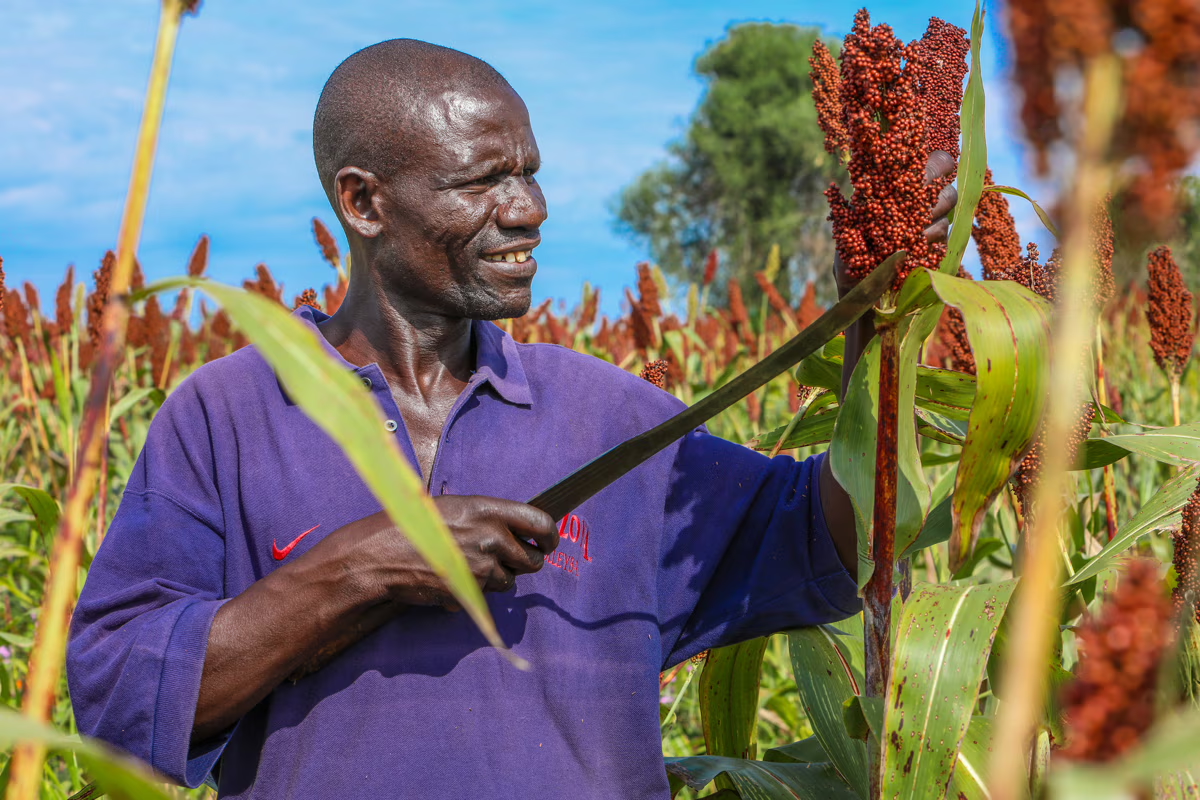
  • Revitalizing Millet Cultivation in Africa: A Blueprint for Sustainable Agriculture and Food Security

    Revitalizing Millet Cultivation in Africa: A Blueprint for Sustainable Agriculture and Food Security

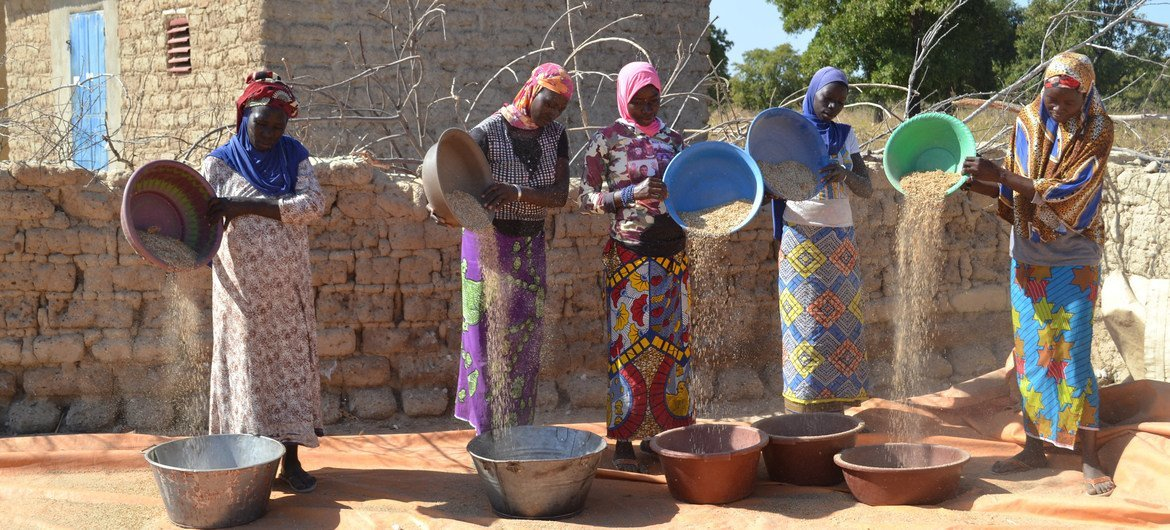
    In a groundbreaking initiative aimed at fortifying sustainable agriculture and bolstering food security, the consultative workshop titled ‘Overcoming Barriers to Expanding Pearl and Finger Millets in Africa’ marked a pivotal stride towards revitalizing millet cultivation across the continent. Spearheaded by the Bill & Melinda Gates Foundation in collaboration with CIMMYT and the Senegalese Institute of Agricultural Research (ISRA), the meeting convened in Senegal served as a rallying point for global experts, united in their mission to unlock the untapped potential of millets as a linchpin of sustainable agriculture and food security in Africa.

    The discussions convened at the workshop were multifaceted, encompassing the identification of prevailing challenges, the root causes underpinning these challenges, and the requisite interventions necessary to address them. Through collaborative endeavors among national and international entities, including governmental bodies, research institutes, and NGOs, the workshop epitomized a concerted effort towards revitalizing millet cultivation through strategic partnerships. The proclamation of 2023 as the International Year of Millets by the United Nations General Assembly stands as a testament to the growing recognition of millets’ nutritional prowess and their viability as a crop resilient to adverse and fluctuating climatic conditions. Long overshadowed but teeming with potential, millets offer a sustainable solution for both farmers and consumers alike, boasting profitability, adaptability, and environmental sustainability in farming practices, while simultaneously providing healthier dietary alternatives for consumers.

    Drawing invaluable lessons from India, a veritable powerhouse in millet production, Africa stands poised to emulate strategies that have propelled millet cultivation and consumption in the Indian context. The Indian government’s proactive measures, exemplified by the rebranding of millets from ‘coarse grains’ to ‘nutri-cereals’, have significantly elevated domestic consumption and market interest in millets, thereby illuminating a pathway for Africa to follow suit. In Africa, however, millets have been relegated to the sidelines, often stigmatized as ‘poor man’s crop’ or ‘neglected crop’, thereby influencing consumer perceptions detrimentally. By reframing the discourse surrounding millets from derogatory to empowering terminology, their image can be transfigured from a neglected option to a coveted crop in Africa.

    The workshop further delved into the realms of policy advocacy and commercialization, drawing parallels with successful initiatives in India. Insights shared by representatives from Indian institutions underscored the importance of policy interventions, such as elevating the Minimum Support Price (MSP) for millets and integrating them into public meal programs, which not only incentivized farmers but also enhanced accessibility and consumption among the populace. Millets, renowned for their adaptability to diverse climates and low water requirements, harbor immense potential to address similar challenges faced by African countries in terms of climate change and food security. As such, millets can serve as a catalyst for promoting environmental sustainability and economic viability across the continent.

    The workshop also shed light on collaborative endeavors at both national and international levels, emphasizing the synergy driving crop improvement and millet innovations. By aligning initiatives with local needs, as exemplified by Senegal’s multi-pronged approach, the endeavor ensures tangible impacts that resonate with the agricultural landscape and community exigencies. Furthermore, international initiatives, such as the African Dryland Crops Improvement Network and gene editing projects, underscore the global commitment towards advancing millet cultivation. The pivotal role played by organizations like the International Crops Research Institute for the Semi-Arid Tropics (ICRISAT) and the Food and Agriculture Organization of the United Nations (FAO) in promoting millets as a sustainable and nutritious food source highlights the imperative of global engagement in addressing food security challenges.

    CIMMYT’s initiative in advancing dryland crop innovation aligns with broader aspirations of fostering climate resilience and sustainable agricultural development in Africa. By harnessing the potential of millets, Africa stands poised to chart a course towards a resilient and nutritious future, underlining the imperative for sustained collaboration, innovation, and investment in this vital crop sector. As the workshop drew to a close, stakeholders were galvanized by a clarion call to action, urging concerted efforts to propel the growth of the millet sector across Africa.

  • Unlocking Africa’s Pharmaceutical Potential: Key Highlights from Addis Ababa Conference on Innovation and Technology Transfer

    Unlocking Africa’s Pharmaceutical Potential: Key Highlights from Addis Ababa Conference on Innovation and Technology Transfer

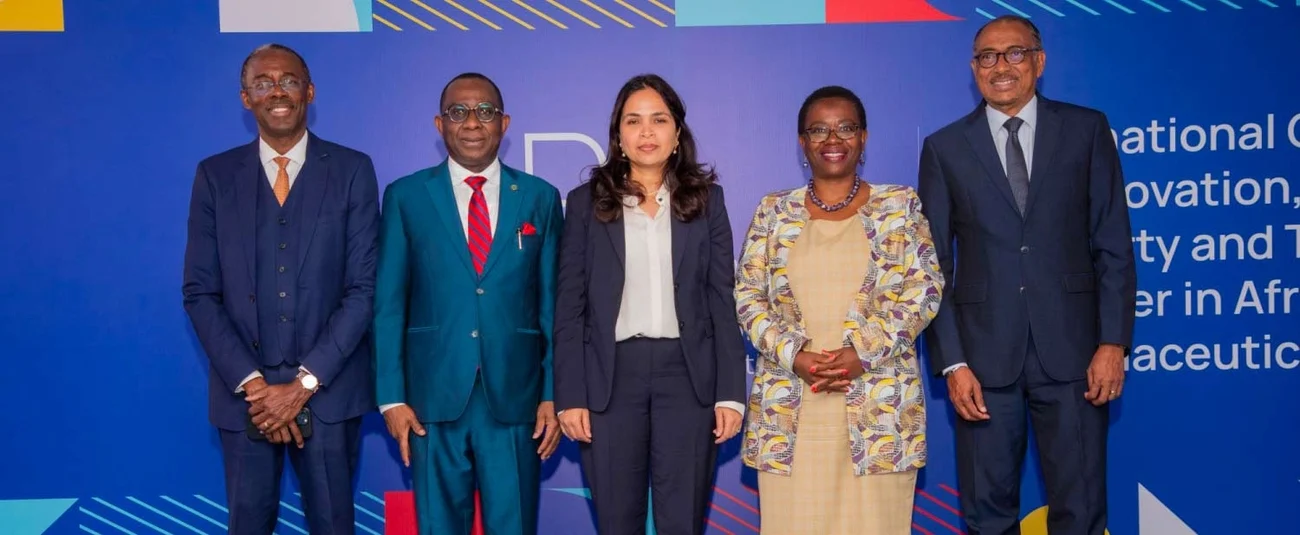
    Leaders from diverse sectors including the private industry, government, and academia have converged in Addis Ababa to address the challenges hindering Africa’s ability to manufacture its own medicines and vaccines. With Africa spending over $14 billion yearly on importing pharmaceuticals, the inaugural international conference organized by the newly established African Pharmaceutical Technology Foundation (APTF) marks a significant step towards fostering a robust and self-sufficient pharmaceutical industry across the continent.

    The conference, attended by a hundred leaders from within Africa and beyond, aims to tackle various issues ranging from ensuring regional supply security to bridging technology gaps in both private sector development and public sector research and development (R&D). Additionally, discussions revolve around striking a balance between intellectual property rights and equitable access to medicines, particularly during and after pandemics. New financing models are also under scrutiny to catalyze investment in the pharmaceutical sector. Professor Padmashree Gehl Sampath, CEO of APTF, emphasizes the significance of this conference as a pivotal moment for Africa’s pharmaceutical sector. The foundation envisions a vibrant industry capable of innovating and manufacturing pharmaceutical products tailored to the continent’s needs. With a goal to double the number of pharmaceutical companies in the region by 2040, APTF is poised to drive substantial transformation.

    Keynote speeches from prominent figures such as Mekdas Daba Feyssa, Monique Nsanzabaganwe, Ahmed Ogwell Ouma, Edward Kwakwa, Michel Sidibé, and Oyebanji Oyelaran-Oyeyinka frame the discussions around seven critical sessions spanning two days. These sessions cover a wide array of topics essential for the advancement of Africa’s pharmaceutical sector, including regional health security, technology transfer, and financing mechanisms. The conference kicked off with recorded messages from global leaders including Tedros Adhanom Ghebreyesus, Ngozi Okonjo-Iweala, and Dr. Akinwumi Adesina, demonstrating their support for strengthening Africa’s pharmaceutical capabilities. Acknowledging the pivotal role of access to health products in achieving Universal Health Coverage, Tedros emphasized the importance of bolstering the continent’s pharmaceutical sector. Ngozi Okonjo-Iweala highlighted the alignment of global interests in investing in Africa’s pharmaceutical industry and stressed the need for proactive measures such as building partnerships and facilitating technology transfer. She underscored the crucial role of APTF in this endeavor.

    The statistics underscore the urgency of the situation, with Africa importing over 70% of its medicines, despite bearing a significant disease burden. To reverse this trend, concerted efforts are required to overcome barriers to technology access and enhance research and development capabilities across the continent. Representatives from various organizations including the Science for Africa Foundation, Medicines Patent Pool, and African Vaccine Manufacturing Initiative are present, alongside executives from African pharmaceutical companies and academic institutions. Akinwumi Adesina, President of the African Development Bank, emphasized the need for a conducive environment to foster pharmaceutical and biomedical R&D ecosystems in Africa. He highlighted the role of APTF, created with support from the African Union, in promoting technology access and facilitating collaborations.

    Established in 2022, APTF serves as a catalyst for improving Africa’s access to essential pharmaceutical technologies. The foundation supports African companies in technology transactions, aids research institutions in becoming centers of excellence, and assists governments in shaping healthy product markets. Oyebanji Oyelaran-Oyeyinka, Senior Special Advisor to the president of the African Development Bank, lauded APTF as a game changer. He emphasized its role in removing barriers and facilitating partnerships that accelerate domestic production ventures in Africa. Supported by the German Ministry for Development Cooperation and Development, the International Conference on Innovation, Intellectual Property, and Technology Transfer in Africa’s Pharmaceutical Sector underscores the global commitment to bolstering Africa’s pharmaceutical capabilities.

  • Unlocking South Africa’s Digital Future: Navigating China Partnerships in the Fourth Industrial Revolution

    Unlocking South Africa’s Digital Future: Navigating China Partnerships in the Fourth Industrial Revolution

    South Africa stands at a critical juncture as it steers its digital transformation, seeking to embrace the opportunities offered by the fourth industrial revolution while carefully navigating its partnership with China. This partnership, though promising, presents challenges that require a nuanced approach. In many African capitals, China’s influence is unmistakable, with the country being hailed as a dependable ally and trade partner by African political elites. However, there are growing concerns regarding the imbalance in Sino-Africa relations, with some critics pointing to China’s extractive approach, which they argue prioritizes its own interests over those of its partners. Despite these concerns, China’s role in Africa remains pivotal for the continent’s digital evolution.

    The nature of China’s involvement in Africa’s digital landscape is a topic of debate. Some view it as profit-driven, while others see it as driven by cooperative intentions. Understanding this context is crucial, particularly concerning South Africa’s ambitions in digitalization, where China’s involvement is intricate.  South Africa has made significant strides in digitalization, boasting high rates of mobile phone and internet penetration in Africa. However, there’s recognition of the need to further accelerate this transformation, particularly through partnerships with China, which has rapidly emerged as a global leader in digital innovation.

    China’s own digital transformation has been marked by substantial government investment and a market-driven approach fostered by a highly adaptive population. This has propelled Chinese tech companies like Huawei and ZTE into major players in South Africa’s digital market. Despite their presence, challenges persist, particularly in bridging the digital divide between rural and urban areas. While South Africa has opportunities to leverage China’s expertise and infrastructure, such as through partnerships with Huawei, it has yet to fully capitalize on these advantages. The country continues to grapple with foundational challenges like limited access to electricity and the internet, especially in rural areas, exacerbating economic disparities and the digital divide.

    Moreover, South Africa’s economy remains largely undigitized, despite efforts to adopt advanced digital technologies from China. This highlights the need for more effective partnerships and strategies to propel the country’s digital transformation forward. The geopolitical dynamics further complicate South Africa’s choices, with the US expressing concerns over China’s influence in Africa and pressuring countries to reconsider their engagements with Chinese tech companies like Huawei. In this context, South Africa finds itself at a crossroads, needing to redefine its partnerships to advance its digital agenda while considering its internal readiness and interests.

    Drawing inspiration from Deng Xiaoping’s pragmatic approach, South Africa must prioritize effective partnerships and policies that drive its digital transformation forward, irrespective of their origin. Only through such concerted efforts can South Africa fully realize the potential of the fourth industrial revolution and ensure inclusive growth for its citizens.

  • Unlocking Africa’s Potential: Embracing Technology for Sustainable Development and Global Leadership

    Unlocking Africa’s Potential: Embracing Technology for Sustainable Development and Global Leadership

    In our recent TechTalk series, we explored the profound influence of technology on society, drawing parallels with historical events like the Hiroshima and Nagasaki bombings, which reshaped human history. These events underscore the transformative potential of technology and its capacity to shape the destiny of nations and civilizations. As we reflect on history, it becomes clear that responsible development and deployment of technology are essential for fostering sustainable development and inclusive growth.

    Technology’s impact extends across various sectors, from healthcare and education to commerce and communication. With advancements in artificial intelligence, machine learning, and data analytics, technology has the power to revolutionize industries, drive economic growth, and enhance the quality of life for billions worldwide. However, alongside its promise, technology also presents challenges. Automation and robotics threaten traditional employment models, while cybersecurity threats and privacy concerns raise questions about data security and personal freedoms. Addressing these challenges requires collaboration between governments, businesses, and civil society to establish robust regulatory frameworks and ethical guidelines.

    Emerging economies like Nigeria have an opportunity to leverage technology for rapid development. By investing in STEM education, fostering entrepreneurship, and promoting collaboration between academia, industry, and government, Nigeria can position itself as a global leader in technology and innovation. The success of Indian executives in global tech giants highlights the importance of high-quality education, ambition, and perseverance. Nigeria can follow a similar path, leveraging its human capital to drive technological advancement and socio-economic transformation.

    A bold STEM policy is crucial for Nigeria’s advancement, aiming to provide world-class education and opportunities for Nigerians to excel in the global IT landscape. However, success should be coupled with a commitment to uplift fellow Nigerians, fostering a culture of mutual success and national development. Imagining a future where Nigerian professionals play a significant role in the global IT corporate world could redefine Nigeria’s position as a leader in technological innovation. By nurturing human capital, Nigeria can attract international investment and drive industrial growth, avoiding marginalization as merely a consumer market.

    Furthermore, technology can address critical issues like environmental sustainability and resource management. Renewable energy sources, smart grids, and precision agriculture offer solutions to combat climate change and promote ecological balance. African nations can lead the transition to a sustainable development model through innovation and collaboration. Democratizing access to information and empowering marginalized communities are additional benefits of technology. By bridging the digital divide, Africa can unlock its human capital’s full potential and drive inclusive growth and development.

    However, realizing these opportunities requires overcoming barriers such as infrastructure limitations, digital literacy gaps, and regulatory challenges. Collaborative efforts between governments, industry leaders, and civil society are necessary to create an enabling environment for innovation and entrepreneurship. Ethical considerations surrounding emerging technologies cannot be ignored. Robust ethical frameworks and regulatory mechanisms are essential to ensure technological advancements align with societal values and contribute to the common good. Ultimately, Africa’s journey towards technological leadership requires a multifaceted approach, encompassing education, innovation, and inclusive policymaking. By fostering a culture of innovation and investing in human capital, Africa can position itself as a global hub for technological innovation and entrepreneurship.

    In conclusion, Africa’s future hinges on its ability to embrace the opportunities presented by technology while addressing its challenges. Through collective action and visionary leadership, Africa can harness technology’s power to drive economic growth, improve lives, and achieve sustainable development for all its inhabitants.

  • Unlocking Ancient Secrets: How Stone Age Humans Thrived After Toba Eruption – Insights from Nature Study

    Unlocking Ancient Secrets: How Stone Age Humans Thrived After Toba Eruption – Insights from Nature Study

    In a groundbreaking study published in Nature, researchers have uncovered remarkable insights into how Stone Age humans coped with the cataclysmic aftermath of the Toba supervolcano eruption around 74,000 years ago. The eruption, considered one of the most significant natural disasters in history, had global implications, but evidence from an archaeological site in northwest Ethiopia, known as Shinfa-Metema 1, sheds new light on human adaptability in the face of environmental upheaval. Led by paleoanthropologist John Kappelman from the University of Texas at Austin, the research team delved into the remains at Shinfa-Metema 1, discovering a shift in dietary patterns that hinted at sophisticated survival strategies. Contrary to the notion that the volcanic winter induced by Toba nearly pushed humans to extinction, the findings suggest a narrative of resilience and adaptability.

    The site, inhabited for a span of five to ten years, showed signs of human presence before and after the Toba eruption. Crucially, during dry periods associated with the eruption’s aftermath, there was a notable increase in the consumption of fish, indicating a strategic response to dwindling terrestrial resources. This adaptation, highlighted by Kappelman as “sophisticated behavior,” reflects a capacity for flexible survival strategies among early humans. Moreover, the discovery of chipped rocks possibly used as arrowheads suggests the earliest evidence of archery, providing insights into ancient hunting techniques. This technological advancement underscores the resourcefulness of Stone Age communities in optimizing their hunting methods to navigate changing environmental conditions.

    The implications of these findings extend beyond mere survival strategies. They offer tantalizing clues about early human migrations out of Africa. While previous theories suggested dispersals occurred during humid periods, the adaptation of Stone Age people to arid conditions challenges this notion. The concept of “blue highways,” seasonal river networks offering migratory routes, gains prominence in understanding how humans may have ventured out of Africa during dry spells, exploiting water resources along the way.

    However, not all experts are convinced of this interpretation. Some, like geoscientist Rachel Lupien from Aarhus University, caution against oversimplifying climatic factors in migration theories, emphasizing the need for a comprehensive understanding of environmental dynamics over time. Nevertheless, the study adds credible possibilities to our understanding of early human dispersals, suggesting that adaptability to arid conditions might have played a crucial role alongside previously proposed migration routes. In essence, the resilience of Stone Age communities in the wake of the Toba eruption offers a compelling narrative of human ingenuity and adaptability in the face of adversity.

    In conclusion, the groundbreaking insights gleaned from the study of Stone Age communities at the Shinfa-Metema 1 site provide a compelling narrative of human resilience and adaptability in the face of environmental upheaval. The evidence of sophisticated survival strategies following the Toba eruption challenges previous notions of near-extinction and offers a new perspective on early human migrations out of Africa. While further research and debate may refine our understanding, these findings underscore the remarkable ingenuity of our ancestors in navigating and thriving amidst adversity.

  • Unlocking Agricultural Innovation: NAMPO 2024 Embraces the Digital Age

    Unlocking Agricultural Innovation: NAMPO 2024 Embraces the Digital Age

    In an era where digitalization permeates every aspect of society, South Africa’s agricultural sector stands poised for a transformative journey. The forthcoming NAMPO 2024, the 56th edition of Harvest Day scheduled from May 14th to May 17th, 2024, promises to showcase the latest trends and developments shaping the agricultural landscape. Since its inception, NAMPO Harvest Day has been at the forefront of exhibiting agricultural innovation, providing a comprehensive platform for stakeholders in South Africa.

    Under the theme “Agriculture in a Digital Age,” South African producers are increasingly acknowledging the pivotal role of connectivity in enhancing efficiency, sustainability, and prosperity in farming practices. Through the adoption of digital tools and platforms, farmers are unlocking unprecedented opportunities to boost productivity, optimize resource utilization, and improve livelihoods.

    In a landscape where connectivity is rapidly becoming ubiquitous, South African farmers are harnessing digital solutions to surmount traditional challenges and propel their operations forward. This embrace of digital technologies is revolutionizing agricultural practices across remote rural communities and traditional farming districts, rendering them more resilient and adaptable to market dynamics and environmental shifts.

    Dr. Dirk Strydom, Grain SA’s Head of NAMPO, Marketing & Research Development, emphasized NAMPO’s crucial role in fostering connectivity within the agricultural sector. By providing a centralized platform for interaction and business transactions between producers and various stakeholders, NAMPO facilitates essential connections that drive growth and competitiveness in today’s agricultural landscape.

    What’s New at NAMPO 2024

    1. Enhanced Infrastructure: NAMPO has bolstered its infrastructure with the installation of three 500kVA generators, supplementing the existing 300kVA capacity to meet the electricity demands during the event. Additionally, the newly added Midas Hall accommodates 60 indoor exhibitors, reflecting the expansion and upgrading efforts among exhibitors.
    2. Culinary Delights: Visitors can indulge in a revamped culinary experience at NAMPO, courtesy of the Syngenta Boerekos Plaaskombuis. The food court offers a diverse array of delectable dishes, ranging from oversized Prego steak rolls to savory Lamb riblets and Butter Chicken sosaties. Moreover, traditional NAMPO food stalls have expanded their offerings, with proceeds benefiting schools, churches, and community organizations.
    3. Interactive Features: The kykNET Women’s Programme returns to its original location, promising engaging sessions with local television celebrities and kykNet favorites. Visitors can also explore the newly established children’s play park for supervised recreational activities. Additionally, the NAMPO App provides enhanced access to exhibitors and their locations, offering visitors a seamless navigation experience within the park.
    4. Innovative Exhibitions: The 2024 Farmer’s Plan’s Competition, in collaboration with Omnia & Landbouweekblad, introduces a new category for school learners and students. This exhibition showcases innovations across various categories, including new inventions, modifications, tools, and household and garden solutions.

    Continued Favorites

    NAMPO retains its traditional highlights, including 4×4 vehicle demonstrations, seed plots showcasing grain and feed crops, and the Nation in Conversation forum discussing local and international agricultural topics. Moreover, the livestock division features daily pedigree livestock parades, demonstrating a diverse array of large- and small-stock breeds.

    Navigating NAMPO

    To facilitate navigation across the expansive grounds of NAMPO Park, various transportation options are available. Live broadcasts from NAMPO Park by OFM, NAMPO’s official media partner, provide traffic updates for safe travel. Shuttle services operate between NAMPO Park, surrounding towns, and OR Tambo airport. Additionally, visitors can utilize tractor trailers traversing different routes within the park.

    Ticketing and Logistics

    Tickets for NAMPO 2024 are available online through TicketPro, offering discounted entry fees. Gates open at 07:00 and close at 17:00, with detailed route directions and logistical information provided on the website and NAMPO App. Notably, pets, bicycles, self-propelled carts, or motorcycles are not permitted on the premises.

    Conclusion

    NAMPO Harvest Day remains an indispensable event on the South African agricultural calendar, fostering knowledge sharing, collaboration, and networking among stakeholders. It serves as a vital platform for exchanging ideas, learning from experiences, and collectively addressing challenges. For more information and updates, visit the NAMPO website or download the NAMPO App.

  • Transforming TB Prevention in Africa: Strategies, Challenges, and Solutions for Ending the Epidemic

    Transforming TB Prevention in Africa: Strategies, Challenges, and Solutions for Ending the Epidemic

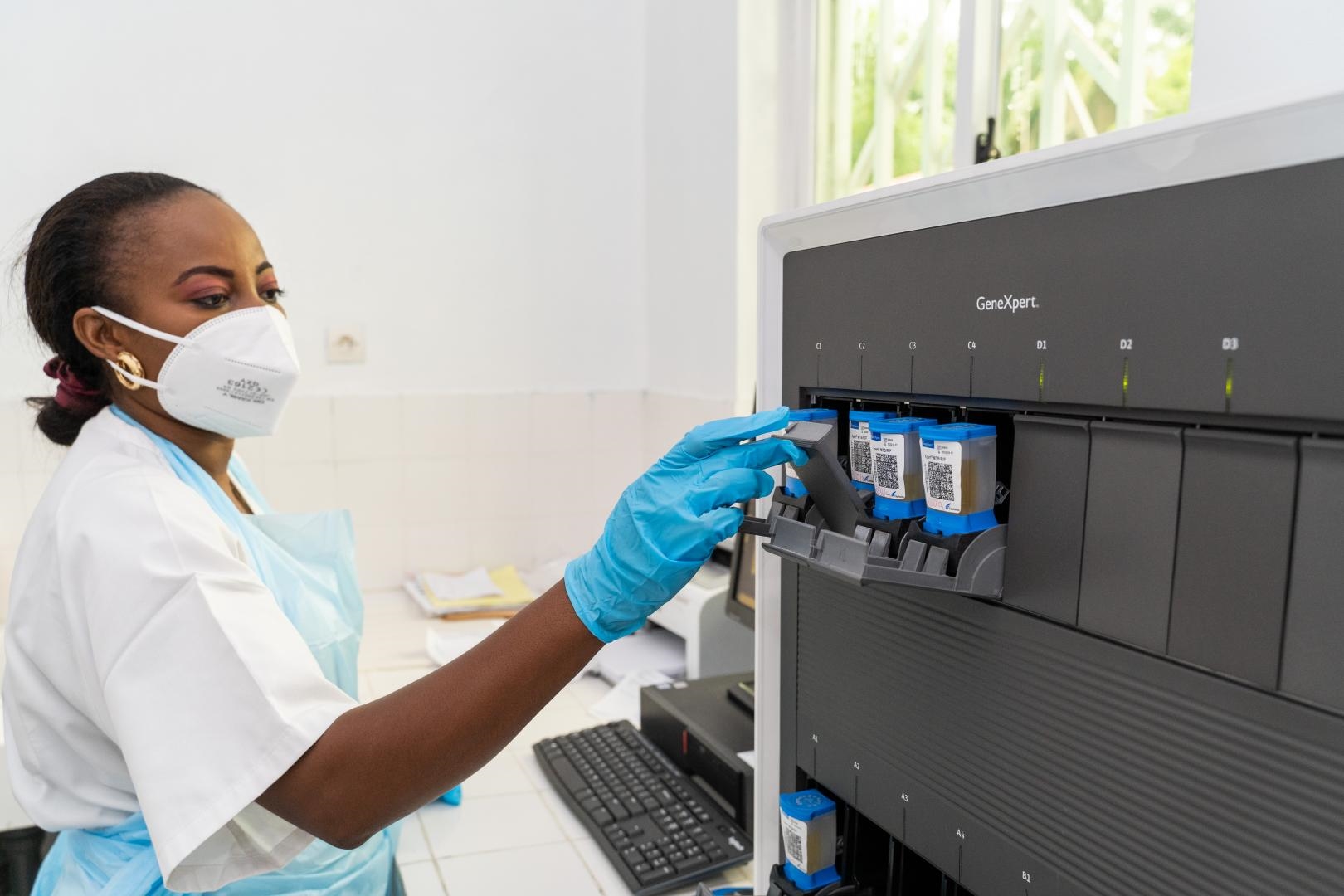
    Tuberculosis (TB) continues to pose a significant public health challenge globally, despite being preventable and curable. In 2022 alone, TB claimed approximately 1.3 million lives, making it the second leading cause of death from a single infectious agent after COVID-19. To combat this, the World Health Organization (WHO) introduced the End TB Strategy, aiming to eradicate TB by 2035 through ambitious targets such as a 90% reduction in TB incidence and zero TB-related deaths, disease, and suffering compared to 2015 levels. However, progress has been slower than anticipated, with only an 8.7% reduction in TB incidence by 2022.

    The Role of TB Preventive Treatment (TPT): Amidst advancements in TB treatment, prevention strategies are crucial for achieving the End TB targets. TB prevention encompasses various approaches including Tuberculosis infection prevention and control (IPC), Bacille Calmette-Guérin (BCG) vaccination, and TB Preventive Treatment (TPT). TPT, particularly Isoniazid Preventive Therapy (IPT), has been recommended since 1993 for contacts of TB patients under six years old and People Living with HIV (PLHIV). Despite its potential, global uptake of IPT has been slow.

    Expansion and Impact of TPT: Modelling studies have underscored the significant impact of TPT on TB control. Efforts to expand TPT were endorsed at the United Nations High-Level Meetings on TB, setting targets for TPT distribution. However, achieving these targets has proven challenging, with only 52% of the 2018 goal met by 2022.

    TB Incidence in Africa: Africa remains a key battleground in the fight against TB, with the region exhibiting the second-highest TB incidence globally. Notably, countries like South Africa have demonstrated progress, but the region still faces substantial challenges, particularly regarding TB-HIV co-infection rates.

    Implementation Challenges in Africa: While many African countries have initiated TPT programs, challenges persist, including logistical hurdles in drug procurement and distribution. Suboptimal implementation hampers efforts to address the rising TB burden.

    Addressing TB in Africa: A Multifaceted Approach: To effectively combat TB in Africa, a multifaceted approach is essential.

    1. Political Commitment and Investment: Sustained political commitment and investment are vital for scaling up TPT programs. Each country should conduct impact assessments and cost-effective analyses to tailor interventions accordingly.
    2. Target Patient Identification: Enhancing contact tracing and TB screening among high-risk groups such as PLHIV and household contacts of TB patients is critical for identifying eligible individuals for TPT.
    3. Access to Tests and Treatment: Ensuring availability of diagnostic services and uninterrupted drug supply is essential for TPT implementation.
    4. Program Management: Adverse event management, integration of TPT into national health systems, capacity building, and adherence support are crucial components of effective TPT programs.
    5. Demand Creation and Advocacy: Strong advocacy campaigns and targeted communication strategies are necessary to increase TPT uptake among at-risk populations.
    6. Critical Enablers: Engaging the private sector, leveraging data analytics and new technologies, and fostering strong leadership are critical enablers for successful TPT implementation.

    Conclusion: In conclusion, advancing TB prevention in Africa requires concerted efforts across multiple fronts. By addressing implementation challenges and adopting a comprehensive approach, Africa can make significant strides towards achieving the End TB targets and ultimately end the TB epidemic.