Category: ARM ARTICLES

This category presents a post from ARM Magazine, spotlighting African researchers and their contributions.

  • Transforming African Food Systems: Strategies for Sustainability and Climate Resilience

    Transforming African Food Systems: Strategies for Sustainability and Climate Resilience

    Africa, a continent rich in resources and cultural heritage, is at a pivotal moment in its history. The need to transform its food systems is not just about agriculture or the economy; it’s a moral, social, and ecological imperative. The continent faces significant challenges, including malnutrition, poverty, inequality, and unemployment, with food security at the heart of these issues. Tackling these challenges requires a comprehensive approach that combines technology, policy, and community action.

    The Challenges of African Food Systems

    Africa has the majority of the world’s arable land, yet food insecurity and malnutrition are widespread. This paradox is driven by various factors, such as climate change, post-harvest losses, outdated farming techniques, and inadequate supply chains. Between 2010 and 2021, the proportion of undernourished people in Africa rose from 15.5% to 20.3%. By 2050, the population in Sub-Saharan Africa is expected to nearly double, reaching 2.1 billion people, which will further strain food systems. This population growth, coupled with climate change, could lead to catastrophic food insecurity unless decisive action is taken.

    Addressing Climate Change in Africa

    Climate change is a significant threat to African food systems, intensifying the risks associated with agriculture, which is the backbone of many African economies. If climate change remains unchecked, it could lead to severe food insecurity and economic instability. However, this challenge also presents an opportunity for Africa to unite and adopt sustainable practices. The Great Green Wall initiative is a prime example of a collaborative effort to combat desertification in the Sahel region. By planting trees, restoring degraded land, and promoting agroforestry, this initiative aims to create sustainable livelihoods and improve soil fertility.

    To address climate change effectively, African governments must develop comprehensive adaptation policies. These policies should promote sustainable land use, encourage agroforestry, protect biodiversity, and foster renewable energy sources for agri-food systems. Such measures will not only mitigate the impact of climate change but also create a more resilient agricultural sector.

    Empowering Women and Youth in Agriculture

    Women and youth are vital to African agriculture, especially in smallholder farms. However, they face significant barriers, such as limited access to education, financing, and other essential resources. Empowering these groups is crucial for transforming food systems and promoting innovation. By providing opportunities for women and youth, Africa can tap into a wealth of creativity and energy to revolutionize its agricultural practices.

    Harnessing Technology for a Sustainable Food Future

    Technology plays a critical role in reshaping African food systems. Digital tools can improve the efficiency and sustainability of food production, from precision agriculture and gene editing to biological-based crop protection. Technologies that enhance traceability from farm to fork can increase transparency and accountability within food value chains.

    While technology offers numerous benefits, it also comes with risks, such as over-concentration of service providers and data governance issues. To fully realize the potential of digital technologies, African governments must ensure robust rural network coverage, promote public-private partnerships, and develop policies that protect smallholder farmers from exploitation.

    A Vision for a Resilient African Food System

    Transforming African food systems requires a collaborative approach that involves governments, private sector partners, and local communities. By focusing on sustainability, innovation, and inclusivity, Africa can create a food system that meets the needs of its growing population while addressing the challenges posed by climate change.

    The road ahead is demanding, but the rewards are immense. By uniting in a shared vision, Africa can pave the way for a sustainable, resilient, and prosperous food future. This collective effort will not only ensure food security for the continent but also set an example for the rest of the world.

  • Red Colobus Monkeys: A Keystone in Conservation of Africa’s Tropical Forests

    Red Colobus Monkeys: A Keystone in Conservation of Africa’s Tropical Forests

    Red colobus monkeys, a relatively rare and often overlooked group of primates, could play a critical role in conserving Africa’s tropical forests. A team of conservationists and scientists from nearly 20 institutions across the United States, Europe, and Africa has found that focused efforts to protect red colobus species could significantly benefit the health of tropical forests in Africa, especially given the current biodiversity crisis.

    As hunting and habitat loss lead to drastic changes in ecosystems, including declining wildlife populations and increased vulnerability to climate change and zoonotic diseases, red colobus monkeys serve as key indicators of forest health. Because of their ecological role and distinct behaviors, these monkeys are seen as flagships for both local and international conservation initiatives.

    In a paper published in the journal Conservation Letters, researchers outline five critical action areas to prioritize red colobus conservation:

    1. Legal Protections and Policy Support: Legal frameworks at the national and international levels must recognize red colobus monkeys as priority species. This involves including them in national laws and treaties to ensure their protection.
    2. Ecological Surveys: To determine which populations are most at risk, comprehensive ecological surveys are essential. Understanding where red colobus monkeys are most threatened will help target conservation efforts effectively.
    3. Investment in Protected Areas: The creation and management of protected areas are crucial. By investing in these spaces, conservationists can provide red colobus monkeys with safe habitats and reduce the impacts of hunting and deforestation.
    4. Community Engagement and Local Support: Engaging with local communities living near red colobus habitats is key to successful conservation. By involving these communities in conservation efforts, conservationists can ensure sustainable and culturally appropriate practices.
    5. Conservation Education and Awareness: Raising awareness about the importance of red colobus monkeys and their role in tropical forest health can drive public support for conservation. Education initiatives can foster a greater sense of responsibility and involvement among local communities and the wider public.

    These action points are derived from the Red Colobus Conservation Action Plan, initiated by the International Union for Conservation of Nature (IUCN) and the African Primatological Society. This plan aims to make red colobus a high-priority conservation target, reinforcing the connection between their survival and the overall health of Africa’s tropical forests.

    Florence Aghomo, coordinator for the Red Colobus Conservation Network (RCCN), emphasized the collaborative approach to protecting these monkeys. Through scientific research, community engagement, and capacity-building initiatives, the RCCN aims to elevate red colobus to flagship species status, securing their survival for future generations.

    The red colobus monkey population spans across Africa, from Senegal in the west to the Zanzibar Archipelago in the east. Of the 17 red colobus species, 14 are listed as Endangered or Critically Endangered by the IUCN, reflecting their precarious status.

    Conservationists warn that if red colobus populations continue to decline, it signals a grim future for other large-bodied terrestrial vertebrates and, by extension, the broader African tropical forest ecosystem. Given that red colobus are often the first primates to be hunted out of forests, their declining numbers could indicate deeper systemic issues within these ecosystems.

    Joshua Linder, the lead author of the Conservation Letters article, pointed out that immediate conservation efforts are crucial to prevent more red colobus species from going extinct. The potential loss of red colobus monkeys, like Miss Waldron’s red colobus, would not only affect the primate population but could also lead to significant disruptions in the forest ecosystem.

    Fiona Maisels, a Wildlife Conservation Society (WCS) researcher, noted that red colobus monkeys are especially vulnerable to hunting due to their large size, which makes them a valuable target, and their behavior of watching hunters rather than fleeing. This tendency to form large groups also makes them more susceptible to hunters.

    As a flagship species, the conservation of red colobus monkeys has broader implications for Africa’s tropical forests, including mitigating climate change, enhancing food security, and improving public health. Their survival symbolizes a collective commitment to conservation, urging us to protect these primates for a healthier, more biodiverse future.

  • Unsung Heroes of Conservation: Africa’s Pioneers Transforming Environmental Protection

    Unsung Heroes of Conservation: Africa’s Pioneers Transforming Environmental Protection

    Africa, with its breathtaking landscapes and diverse wildlife, faces numerous environmental challenges. Yet, amidst these threats, a remarkable group of individuals is leading the charge to preserve and restore the continent’s natural heritage. These are the unsung heroes of conservation, whose innovative solutions and relentless dedication are reshaping how we approach environmental protection in Africa. From tackling deforestation to addressing human-wildlife conflict, reducing plastic waste, and promoting sustainable farming, these conservationists are not just saving wildlife; they are creating new paradigms for coexistence between humans and nature.

    The Guardians of Africa’s Forests

    Deforestation is a significant threat to Africa’s rich ecosystems, with implications for climate change and biodiversity loss. In Nigeria, Professor Akin Abayomi works tirelessly to safeguard the Emerald Forest Reserve, involving local communities in conservation practices that protect this crucial biodiversity hotspot. Similarly, in Gabon, Andrea Minkwe manages the Raponda Walker Arboretum, defending it against illegal activities like logging and mining. Her commitment to responsible tourism and stewardship underscores the role individuals can play in preserving our planet’s lungs—the rainforests.

    Protecting Africa’s Marine Life

    Africa’s coasts and marine ecosystems are equally under threat, with poaching and illegal fishing causing harm to countless species. In South Africa’s Garden Route National Park, Bongani Mdaka, a ranger and environmental advocate, is addressing these challenges in Africa’s oldest Marine Protected Area. His multi-stakeholder approach not only protects marine life but also promotes sustainable practices among local communities.

    Rescuing and Rehabilitating Endangered Wildlife

    In Nigeria, Chinedu Mogbo, the founder of Greenfingers Wildlife Conservation Initiative, has dedicated over a decade to rescuing and rehabilitating endangered wildlife. His work not only saves individual animals but also educates young people about the importance of wildlife conservation. Through his efforts, over 500 animals, including primates, birds, and reptiles, have been rescued and released back into the wild. Chinedu’s initiative has expanded to include a nature school and an upcycling classroom, demonstrating that conservation can also be an educational tool for future generations.

    Art and Conservation: Bridging the Gap

    Art has the power to inspire and connect people, and in Gabon, Corailking uses his talents as an artist and graphic designer to raise awareness about environmental conservation. His work targets the youth, emphasizing the need to protect our planet’s natural resources. By blending creativity with conservation, Corailking is making a significant impact on the younger generation’s perception of nature.

    Advocacy and Education: Spreading the Message

    Desmond Olumuyiwa Majekodunmi, founder of LUFASI Nature Park, has spent over 50 years advocating for environmental conservation in Nigeria. His approach is multifaceted, using his platform on radio and through various artistic endeavors to spread the message of sustainability. Desmond’s work highlights the importance of consistent advocacy and community engagement in fostering a culture of conservation.

    Sustainable Farming for Forest Preservation

    Zimbabwe’s Douglas Mafukidze, a tobacco farmer, is leading a movement towards sustainable farming practices. By collaborating with the Forestry Commission, he promotes the use of fast-growing trees for tobacco curing, reducing the pressure on indigenous forests. This approach not only protects natural habitats but also demonstrates that farming and conservation can coexist harmoniously.

    Turning Plastic Waste into Opportunities

    Plastic waste is a global crisis, and in Nigeria, Doyinsola Ogunye is tackling this issue through initiatives like Kids Clean Club and Kids Beach Garden. Her recycling scheme empowers women and youth, providing income-generating opportunities while addressing environmental challenges. Doyinsola’s work also extends to protecting critically endangered sea turtles, proving that conservation efforts can have a far-reaching impact on both wildlife and human communities.

    Innovative Conservation for African Manatees

    Dr. Bolaji Dunsin is dedicated to saving the African manatee from extinction. By modifying fishing gear and identifying manatee vocalizations, he has not only saved these gentle marine mammals but also improved the livelihoods of local communities in Lekki Lagoon, Nigeria. His innovative approaches demonstrate that conservation can be both effective and sustainable, benefiting both wildlife and people.

    Guardians of Africa’s Elephants

    Emmanuel Olabode leads on-the-ground efforts to save forest elephants in Nigeria’s Omo Forest, one of the last pristine rainforests in the country. His work involves combating deforestation and addressing human-wildlife conflict, ensuring that these magnificent creatures have a future. Emmanuel’s efforts underscore the importance of preserving Africa’s iconic species and the habitats they rely on.

    Community-Based Conservation for Cross River Gorillas

    The Gorilla Guardians in the Mbe Mountains project, supported by the Wildlife Conservation Society (WCS), champion the conservation of the endangered Cross River gorilla. By addressing habitat loss and poaching, this community-based initiative offers hope for the survival of this critically endangered species, with fewer than 300 individuals remaining. Their success story highlights the potential for grassroots conservation efforts to make a significant impact.

    Rescuing and Caring for Endangered Species

    Dr. Mark Ofua, a veterinarian in Nigeria, runs St. Marks Animal Hospital, where he rescues and cares for endangered species impacted by the illegal bushmeat trade. His work involves rehabilitating and releasing animals back into the wild, as well as educating the public about wildlife conservation. Through his TV show, “Dr. Mark’s Animal Show,” he reaches a broader audience, inspiring the next generation to embrace conservation.

    Addressing Human-Wildlife Conflict

    Ndelende Ncube, the director of Tikobane Trust, leads efforts to address human-wildlife conflict around Hwange National Park in Zimbabwe. His innovative chilli elephant repellant has proven effective in protecting crops, promoting peaceful coexistence between humans and wildlife. The Tikobane Trust engages local communities, training them in conservation practices, and building a sense of unity with their environment.

    Conserving Africa’s Penguins

    Shanet Rutgers, the head penguin keeper at Two Oceans Aquarium in South Africa, is passionate about conserving African penguins. Her work involves studying penguin behavior and addressing the threats they face. Shanet’s ongoing research into Rockhopper penguin vocalizations is a groundbreaking step towards understanding and protecting these beloved birds.

    Engaging Youth with Nature in Zimbabwe

    Joseph Makowa, known as @thetravelmufasa, embarked on a 1,500km journey on foot through Zimbabwe to connect with the country’s wildlife and vibrant communities. His story is an inspiring reminder of the importance of engaging youth in conservation and fostering a deeper appreciation for nature.

    Protecting Nigeria’s Primates

    Rachel Ikemeh, director of the SW/Niger Delta Forest Project, has brought the rare Niger Delta red colobus monkey back from the brink of extinction. Her grassroots conservation efforts have created protected areas and helped restore vital ecosystems. Rachel’s work has also expanded to building local capacity and increasing public awareness, with the goal of creating a community education and communication hub in Lagos.

    Changing the Face of Conservation

    Twizerimana Anne-Marie, a ranger at Nyungwe Forest National Park in Rwanda, challenges traditional gender roles and reshapes the perception of conservationists. Her journey inspires women to pursue careers in environmental and wildlife conservation, demonstrating that resilience and dedication can drive meaningful change.

    The Challenges of Human-Wildlife Coexistence

    Fiston Ishimwe, the Community Liaison Manager at Akagera National Park in Rwanda, addresses the complex challenges of human-wildlife coexistence. His approach goes beyond surface-level solutions, integrating the needs of local communities into a holistic conservation strategy. By fostering a sustainable relationship between humans and wildlife, Fiston’s work paves the way for a more harmonious future.

    These conservation pioneers are the embodiment of hope and resilience, proving that with creativity and dedication, we can overcome even the most daunting environmental challenges. Their stories are a testament to the collective responsibility we share in protecting Africa’s unique natural heritage. To learn more about their inspiring journeys, you can explore Showmax or access Wild Africa Fund’s extensive video library, offering a closer look at the incredible work these conservationists are doing.
  • China Urges Language Preservation and Bilingual Education: Celebrating International Chinese Language Day in Nigeria

    China Urges Language Preservation and Bilingual Education: Celebrating International Chinese Language Day in Nigeria

    The Chinese government is urging increased investment in language preservation efforts, emphasizing the importance of bilingual education to foster a more inclusive society that appreciates linguistic diversity. This call to action was made by Mr. Li Xuda, Director of the China Cultural Centre in Nigeria, during the celebration of International Chinese Language Day in Abuja, Nigeria.

    Mr. Li highlighted the significance of language as not only a means of communication but also a cornerstone of cultural identity and heritage. He pointed out that the China Cultural Centre in Nigeria has been offering Chinese language courses for over a decade, catering to individuals interested in learning the language and enhancing cultural exchange. In acknowledging Nigeria’s rich linguistic landscape, with approximately 250 ethnic groups and over 500 languages, Mr. Li emphasized the importance of celebrating and preserving Nigeria’s indigenous languages alongside promoting Chinese language education.

    James Sule, the Permanent Secretary of Nigeria’s Ministry of Arts, Culture and Creative Economy, echoed the call for language preservation, emphasizing the urgent need to protect and revitalize indigenous languages to prevent their extinction. Drawing inspiration from China’s proactive measures, Sule advocated for the establishment of language schools, cultural centers, and the integration of indigenous languages into educational curricula as essential steps towards language preservation in Nigeria.

    Similarly, Mr. Ahmed Sodangi, Director General of the National Gallery of Art, praised China’s efforts in safeguarding its linguistic heritage and suggested that Nigeria should adopt similar measures to prevent indigenous language extinction. He proposed the allocation of specific days to celebrate the diverse languages across Nigeria’s cultures, alongside initiatives to promote language learning within homes and educational institutions.

    High Chief Mike Ugwu, Vice Chairman of the Nigeria-China Business Council, highlighted the role of language in fostering mutual understanding and cultural exchange between nations, emphasizing the importance of learning each other’s languages. The establishment of International Chinese Language Day by the United Nations in 2020 underscores the significance of multilingualism and cultural diversity on a global scale, providing a platform to celebrate linguistic heritage and promote cross-cultural dialogue.

  • Nairobi’s Retail Revolution: How Urbanization, Investment, and Entrepreneurship Are Shaping East Africa’s Shopping Hub

    Nairobi’s Retail Revolution: How Urbanization, Investment, and Entrepreneurship Are Shaping East Africa’s Shopping Hub

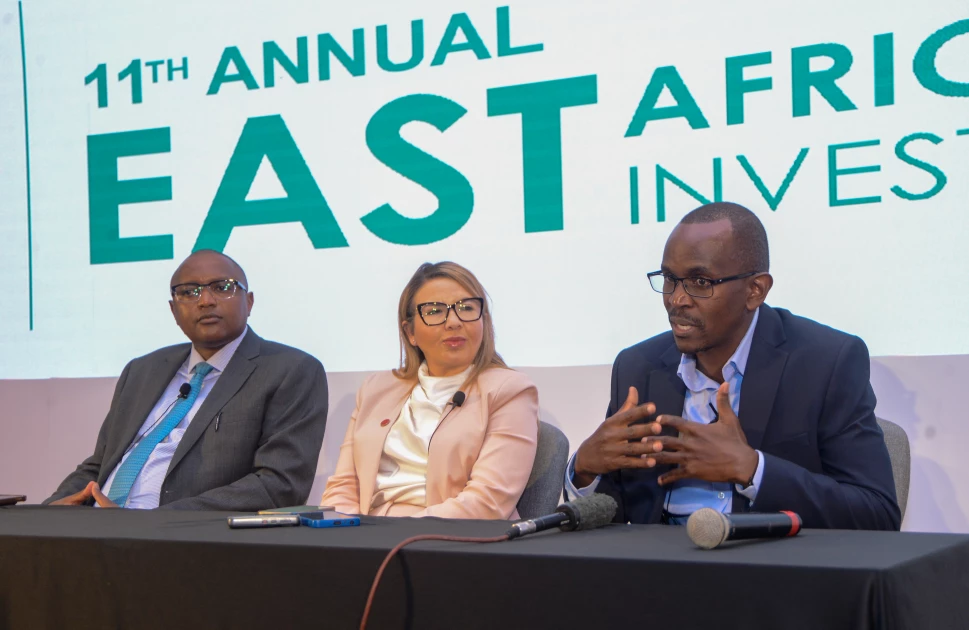
    The streets of Nairobi, Kenya’s capital, are abuzz with the sound of a retail renaissance, as the city continues to stake its claim as East Africa’s leading retail hub. The momentum behind this transformation was palpable at the 11th annual East Africa Property Investment (EAPI) Summit Retail Forum, held on April 17 and 18, 2024. Insights from the forum highlighted the key drivers of Nairobi’s burgeoning retail sector, with a focus on the city’s growing appeal to both local and international retailers.

    Urbanization: The Catalyst for Change

    Nairobi’s rapid urbanization has played a critical role in its emergence as a regional shopping destination. As the city’s population grows and becomes more cosmopolitan, the demand for modern shopping experiences has risen in tandem. This surge has attracted a diverse array of retailers, from established global brands to innovative local entrepreneurs, all seeking to capitalize on Nairobi’s evolving consumer base.

    Infrastructural Advancements: Building the Foundation

    Key infrastructural developments have been instrumental in fostering Nairobi’s retail boom. Ryan Pape, Country Manager at CBRE Excellerate Kenya, noted that improved infrastructure has not only made the city more accessible but also encouraged significant private sector investment across various industries. The expansion of road networks upgraded public transportation, and enhanced utilities have made it easier for both consumers and businesses to navigate the city, laying the groundwork for retail growth.

    Private Sector Investment and Entrepreneurial Energy

    The private sector’s role in Nairobi’s retail transformation cannot be overstated. Private equity investments have fueled the construction of new shopping centers and mixed-use developments, creating more opportunities for retailers to establish a presence in the city. Mark Dunford, CEO at Knight Frank Kenya, emphasized the impact of these investments, suggesting that they have been crucial in elevating Nairobi’s status as a retail hub.

    This influx of capital has also spurred entrepreneurial activity, with new entrants bringing fresh ideas to the market. Hooman Ehsani, Director of New Developments at Greenhill’s Investment Limited, highlighted the vibrancy of Nairobi’s food and beverage scene, attributing its success to a surge in creativity and energy among local entrepreneurs. This entrepreneurial spirit has fostered a dynamic retail ecosystem where innovation thrives.

    Diversification of Retail Partners: A New Dynamic

    Nairobi’s retail landscape is becoming increasingly diverse, offering landlords and investors a broader range of options. Wambui Mbarire, CEO of RETRAK Kenya, noted that this diversification is a positive sign, reflecting the city’s evolving retail dynamics. As more retailers enter the market, the competition fosters innovation and variety, leading to a richer consumer experience.

    Collaboration and Future Growth

    The EAPI 2024 Retail Forum provided an invaluable platform for industry stakeholders to share insights and explore opportunities in Nairobi’s retail sector. The event underscored the importance of continued collaboration among government agencies, private sector players, and industry experts to sustain the growth trajectory. Murray Anderson-Ogle, GM of Marketing and Commercial at API Events, expressed optimism about Kenya’s potential as an African retail real estate powerhouse, pointing to the success of local retail brands as evidence of Nairobi’s attractiveness as a destination for retail investment.

    In summary, Nairobi’s retail revolution is the result of a confluence of factors, including urbanization, infrastructural improvements, private sector investment, and entrepreneurial energy. The city’s transformation into a premier retail hub in East Africa is well underway, with stakeholders across the board committed to ensuring its continued success.

  • African Astronomical Society’s 2024 Conference in Marrakech: Advancing Astronomy Collaboration, Research, and Education in Africa

    African Astronomical Society’s 2024 Conference in Marrakech: Advancing Astronomy Collaboration, Research, and Education in Africa

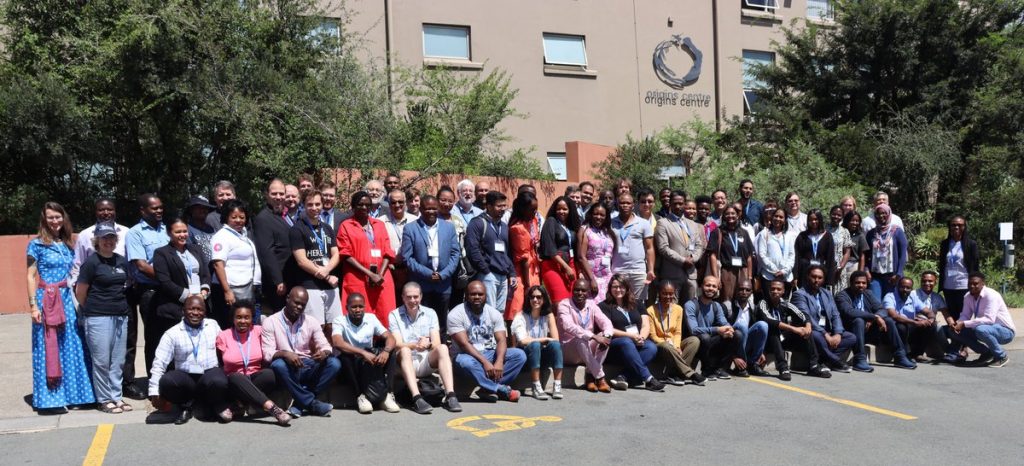
    The African Astronomical Society (AfAS) convened its 2024 annual conference in Marrakech, Morocco, from April 15 to 20, 2024. The event was co-organised by Cadi Ayyad University and the Oukaimeden Observatory, with a strong focus on advancing the goals of AfAS and promoting its strategic vision. The conference brought together a diverse group of stakeholders, expert speakers, and dedicated astronomy professionals, fostering a collaborative atmosphere throughout the five-day event.

    Conference Themes

    The conference aimed to promote astronomy research, outreach, education, and collaboration across Africa. The programme featured 31 sessions, addressing topics ranging from educational outreach and technical sessions on planetary astronomy to updates on various African astronomical organisations and their collaborations with international partners.

    Africa-Europe Astronomy Collaborations

    A key session centred on the theme of Africa-Europe astronomy collaborations. David Baratoux, Coordinator of the European team for Planetary Scientists and Geologists and Senior Scientist at the French National Research Institute for Sustainable Development, shared his perspectives on the partnership between Europe and Africa in planetary sciences. He noted that despite Africa’s considerable assets in this field, several challenges hinder closer EU-Africa collaboration, such as a lack of integration of some African scientific communities into the global landscape, reliance on external funding, and insufficient understanding of the economic benefits of such collaborations. However, Baratoux highlighted ongoing initiatives to overcome these barriers and to strengthen scientific diplomacy, expand funding opportunities, and create platforms for mutual benefit.

    African Initiative for Planetary and Space Science (AFIPS)

    Baratoux also discussed the African Initiative for Planetary and Space Science (AFIPS), particularly its first phase (2018-2023), an informal network of African planetary scientists with a shared vision. The initiative achieved significant milestones, including contributions to solar system exploration by Senegal, the establishment of meteor monitoring stations across North and West Africa, and the exploration of impact structures in various African regions. Phase two aims to expand these efforts, involving remote sensing geological mapping of planetary surfaces, impact science, meteorite studies, and space weather research. The goal is to inspire the next generation of African scientists through enhanced training opportunities and research activities.

    Square Kilometre Array Observatory (SKAO)

    Rob Adam, Managing Director of the Square Kilometre Array Observatory (SKAO), presented on the broader African strategy for deploying remote sensing stations post-2030. He emphasised the importance of the African Very Long Baseline Interferometry Network (AVN), which aims to construct SKA-MID-type antennas and develop a robust training infrastructure. Adam highlighted the ongoing consultation process with SKA member countries to gather their perspectives on expanding SKA’s global presence in Africa. Carla Mitchell, Africa Programme Manager at the South African Radio Astronomy Observatory (SARAO), discussed various initiatives under the African Radio Astronomy Programme and the pillars of the African Programme Strategy. She outlined strategic interventions, such as providing 140 bursaries to partner countries, implementing the VBLI Training Telescope project, and introducing the TART training telescope in collaboration with DARA. These initiatives aim to build a strong foundation for the growth of radio astronomy in Africa.

    Advancements in Technology and Infrastructure

    Tracy Cheetham, SKA Mid Site Construction Director, provided an update on the SKAO construction process, revealing that contracts totaling EUR 704 million have been awarded so far. The remaining contracts are expected to be finalised within the year. The SKAO is making progress on various projects, with a focus on technical design components and community partnerships. Additionally, she mentioned that by the end of the year, SKA-Low AA.0.5 and SKA-Mid AA0.5 are expected to be completed. The SKA Mid community participation programme is set to engage local stakeholders through initiatives like the SARAO-SKAO Corporate Social Investment Framework and a learnership programme.

    African Integrated Observation Systems (AIOS)

    David Buckley, Lead Investigator and South African Co-Principal Investigator, updated attendees on the status of the African Integrated Observation Systems (AIOS). He described various science drivers, such as the SALT transient programme, the SAAO’s Intelligence Observatory project, and the BRICS flagship programme. Buckley emphasised the importance of international collaboration in transient/time-domain astronomy and the development of new facilities. He also announced plans to assess the Robotic Optical Transient Search Experiment (ROTSE) telescope at the HESS site in Namibia for use by the AfAS community.

    Outreach and Education

    The Outreach and Education Committee, led by Duduzile Kubheka and Sally Macfarlane, highlighted their efforts to expand astronomy outreach across Africa. The committee discussed the IAU-OAE Shaw Workshop and teacher training, attracting over 50 participants, many of whom joined the #Africalookup Ambassadors Programme. A new Hack4Dev Framework was announced, including a trainers hackathon followed by regional hackathons. The committee also unveiled a partnership between AfAS and Writers Space Africa and indicated that a Memorandum of Understanding (MoU) was being finalised.

    African Network of Women in Astronomy (AfNWA)

    The African Network of Women in Astronomy (AfNWA) focused on fostering connections among female researchers, improving their professional skills, and attracting more women to STEM fields. The organisation also worked on outreach efforts, seed grants, and organised meetings. They highlighted upcoming African Women in Astronomy storytelling books scheduled for release during the General Assembly in 2024.

    Conference Conclusion

    The conference concluded with Professor Melusi Khumalo, Head of the Department of Mathematical Sciences, announcing that the University of South Africa (UNISA) would host the AfAS 2025 conference. This event is scheduled to occur at the University of South Africa/Universiteit van Suid-Afrika, setting the stage for another year of progress in African astronomy.

  • UM’s Impact in Kenya: Transforming Healthcare for Marginalized Sex Workers and Advancing Global Health Equity

    UM’s Impact in Kenya: Transforming Healthcare for Marginalized Sex Workers and Advancing Global Health Equity

    Sex workers in Africa, particularly in Kenya, face significant challenges due to criminalization and stigmatization of their work. This marginalization creates barriers to accessing healthcare, impacting their overall well-being and increasing their vulnerability to infectious diseases such as HIV/AIDS. Researchers from the University of Manitoba (UM) have been collaborating with the University of Nairobi since the 1980s, focusing on addressing these health disparities by working closely with the affected communities and fostering global health equity.

    UM’s Commitment to Health Equity in Kenya

    UM researchers, including Dr. Keith Fowke and Dr. Mario Pinto, have been instrumental in transforming the landscape of healthcare for marginalized populations in Kenya. Their work involves a collaborative approach that integrates laboratory research with social advocacy and community-based supports. This holistic strategy aims to address both the medical and social factors that contribute to health disparities.

    The researchers have established several major programs in Kenya, emphasizing the importance of patient-centered research and advocacy. By working with marginalized patient cohorts, they have gained insights into the community’s needs and tailored programs to provide meaningful and accessible healthcare services.

    Historical Context and Progress

    In the early 1980s, UM researchers, led by Dr. Allan Ronald and Dr. Francis Plummer, played a key role in addressing sexually transmitted infections (STIs) in Kenya. Their work uncovered the link between STIs and the emerging HIV/AIDS epidemic, leading to groundbreaking discoveries and prevention strategies.

    A notable achievement was the identification of a group of women with natural immunity to HIV-1, providing valuable insights into potential approaches to HIV prevention. Over the years, UM researchers, including Dr. Fowke, have studied the immune systems of these women, contributing to advances in HIV prevention and treatment.

    Community-Centric Research and Empowerment

    The patient-directed research model developed by Dr. Elizabeth Ngugi in the 1980s emphasized the importance of incorporating the voices and needs of sex workers into research initiatives. Her peer educator model has been adopted globally, providing education and support to sex workers as community leaders.

    Today, UM’s research encompasses 10 Sex Worker Outreach Program (SWOP) clinics in Nairobi, serving tens of thousands of female sex workers, men who have sex with men (MSM), and transgender individuals. These clinics provide HIV prevention and care services, despite the challenges posed by the criminalization of sex work and homosexuality in Kenya.

    Challenges and Strategies for HIV Prevention

    The criminalization of sex work and homosexuality creates significant barriers to accessing healthcare, as possession of HIV medications or condoms can provoke harassment. UM researchers are working on innovative approaches to HIV prevention, such as using anti-inflammatory drugs like aspirin to prevent immune cells from entering the vaginal mucosal environment.

    Community Empowerment and Advocacy

    UM’s collaborations in Kenya have empowered local communities to take charge of their own health initiatives. Organizations like SWOP Ambassadors and HOYMAS provide legal aid and support to sex workers, engage with police to ensure access to healthcare services, and advocate for human rights.

    By mapping hotspots where MSM congregate, UM’s Global Public Health team supports local clinicians and community organizations in establishing program catchments and generating accurate health data to guide funding and policy decisions.

    Impact and Future Directions

    UM’s work in Kenya has laid the groundwork for future research and advocacy initiatives in marginalized communities worldwide. The university’s commitment to health equity has fostered strong partnerships and global collaborations, leading to tangible improvements in the lives of marginalized populations.

    The shifting scope of Global Public Health research in Kenya reflects transformational success, as the work of dedicated researchers has empowered underserved communities. By promoting health as a human right and enabling self-advocacy, the research has paved the way for community-driven initiatives and international recognition.

    Lessons for Health Equity in Manitoba

    UM’s work in Kenya offers valuable lessons for addressing health disparities in Manitoba. By collaborating with local community organizations like Sunshine House and the Sex Workers of Winnipeg Action Coalition (SWWAC), UM researchers are facilitating an exchange of knowledge and strategies.

    The focus on de-monopolizing science and placing power in the hands of those most affected by health disparities is crucial for making meaningful change. By applying best practices from global research, Manitoba can improve its approach to HIV prevention and healthcare services for marginalized populations.

    In summary, UM’s global impacts on promoting health equity demonstrate the importance of collaborative, community-centered research and advocacy. By empowering marginalized communities and fostering international partnerships, UM continues to advance health as a human right and make significant strides toward achieving global health equity.

  • Strengthening African-Led Clinical Research and Trials: Challenges and Opportunities for Improved Healthcare

    Strengthening African-Led Clinical Research and Trials: Challenges and Opportunities for Improved Healthcare

    Africa’s healthcare landscape is facing a series of challenges and opportunities as the continent undergoes rapid population growth and economic transformation. To address these evolving healthcare needs, experts emphasize the importance of strengthening African-led clinical research and trials. The rise in both neglected tropical diseases and noncommunicable diseases (NCDs) across the continent underscores the necessity of expanding clinical research and trials.

    Current State of African Clinical Research

    Currently, Africa accounts for a small percentage (around 4%) of global clinical studies, according to Clinicaltrials.gov. While some studies are classified as “African” in scope, many randomized clinical trials are not continent-wide, with certain nations remaining unrepresented. The gap between drug discovery and actual public health needs can limit the potential for African-led health innovation and effective healthcare solutions.

    To improve this situation, the research community is advocating for the development of more equitable partnerships, effective resource allocation, and sustained funding for health research across the continent. This approach would lead to the discovery and development of tailored vaccines, diagnostics, and therapeutics.

    Increasing Africa’s Participation in Clinical Research

    Africa’s participation in vaccine development remains low, contributing only about 0.1% globally. To increase its role, several interrelated challenges must be addressed. These include unpredictable regulatory environments, duplication of efforts due to poor stakeholder coordination, and limited infrastructure and funding. Tackling these obstacles is crucial to enabling Africa to play a larger role in global health research and innovation.

    Efforts such as the Pan African Clinical Trials Registry and the Clinical Trials Community aim to provide comprehensive data and documentation to support the development of African-led clinical research.

    Capacity Building and Strengthening Local Health Research

    Sustained capacity development is crucial for Africa to effectively tackle its unique healthcare challenges. Building expertise through training, infrastructure enhancement, access to technology, and long-term funding can significantly increase participation in clinical research and trials.

    Existing strengths should be leveraged through equitable partnerships, ensuring efficient resource allocation and utilization. These partnerships can also help coordinate multisectoral and multi-stakeholder responses during health emergencies, as demonstrated during the COVID-19 pandemic.

    Initiatives such as the Partnerships for African Vaccine Manufacturing (PAVM) advance vaccine development and manufacturing through collaboration with pharmaceutical companies. Similarly, The H3D Foundation and the African Pharmaceutical Technology Foundation work to advance drug research and development in Africa.

    The Role of the Pharmaceutical Industry

    The pharmaceutical industry recognizes the need for increased collaboration and well-defined priorities in Africa and other underrepresented regions. Companies are beginning to facilitate the transfer of funds, knowledge, and technology to establish long-term local capacity in Africa.

    Africa’s pharmaceutical sector has seen substantial growth, reaching $66 billion in 2022, according to a UN report. This expansion presents opportunities for job creation and improved access to healthcare for African residents and their families.

    Moving Forward with Collaboration and Coordination

    Organizations like the Africa Centers for Disease Control and the African Medicines Agency are tasked with coordinating with industry players to create an equitable framework for the delivery of new healthcare products. Strong stakeholder cooperation, regulatory oversight, and coordination frameworks are essential for success.

    The Science for Africa Foundation has launched a new project promoting collaboration for clinical research capacity in Africa through its Clinical Research and Trials Community program. This initiative aims to foster partnerships and encourage industry involvement in clinical trials.

    In conclusion, the growth of Africa’s pharmaceutical industry and the potential for innovation and global health impact are promising. To truly prioritize uninterrupted healthcare access, pharmaceutical companies must invest in sustainable local capacity and align their efforts with Africa’s public health needs. Through collaboration and strategic partnerships, Africa can strengthen its healthcare research infrastructure and address the continent’s unique health challenges.

  • Understanding Africa’s Unique Health Landscape: Insights from Toyin Falola on Global Health Policies

    Understanding Africa’s Unique Health Landscape: Insights from Toyin Falola on Global Health Policies

    The discourse presented by Toyin Falola highlights a crucial issue: the misunderstanding of Africa’s health landscape within the global context. Falola emphasizes the need for international authorities and influencers to recognize Africa’s unique characteristics, investigate internal remedies, and treat African health emergencies with the urgency they deserve.

    One of the central points made is that Africa’s perspectives are often marginalized when addressing global health concerns. Despite Africa’s rich history of herbal medicine and potential solutions to global health challenges, initiatives are frequently implemented without considering Africa’s role as part of the solution. This oversight not only disregards Africa’s contributions but also undermines the continent’s ability to address its health issues effectively.

    Falola points out that Africa’s health status is often misrepresented and misunderstood. The continent’s diverse biological makeup, environmental interactions, and cultural beliefs all influence health outcomes. Understanding these factors is crucial for developing effective health policies and practices tailored to African communities. However, Africa’s health challenges are often overlooked until they become global crises, as evidenced by delayed responses to outbreaks such as Ebola.

    Moreover, the COVID-19 pandemic highlighted the need to consider Africa’s specific circumstances when implementing global health measures. While the pandemic affected Africa, its impact was mitigated by factors such as the continent’s young population and environmental variables. Despite this, global responses to the pandemic often failed to take Africa’s unique situation into account, leading to unnecessary measures like lockdowns that had detrimental effects on African economies and societies.

    Falola argues for a more nuanced approach to addressing Africa’s health challenges, one that prioritizes local remedies, promotes equitable relationships, and advocates for policy reform. This approach requires acknowledging Africa’s contributions to global health and respecting its autonomy in addressing its health issues.

    In conclusion, Falola’s discourse underscores the importance of recognizing Africa’s unique health characteristics and treating African health emergencies with the seriousness they deserve. By doing so, the global community can work towards more effective and equitable health outcomes for all.

  • Sustainable Wood-Based Value Chains in Uganda: FAO and EU Launch €15M Project

    Sustainable Wood-Based Value Chains in Uganda: FAO and EU Launch €15M Project

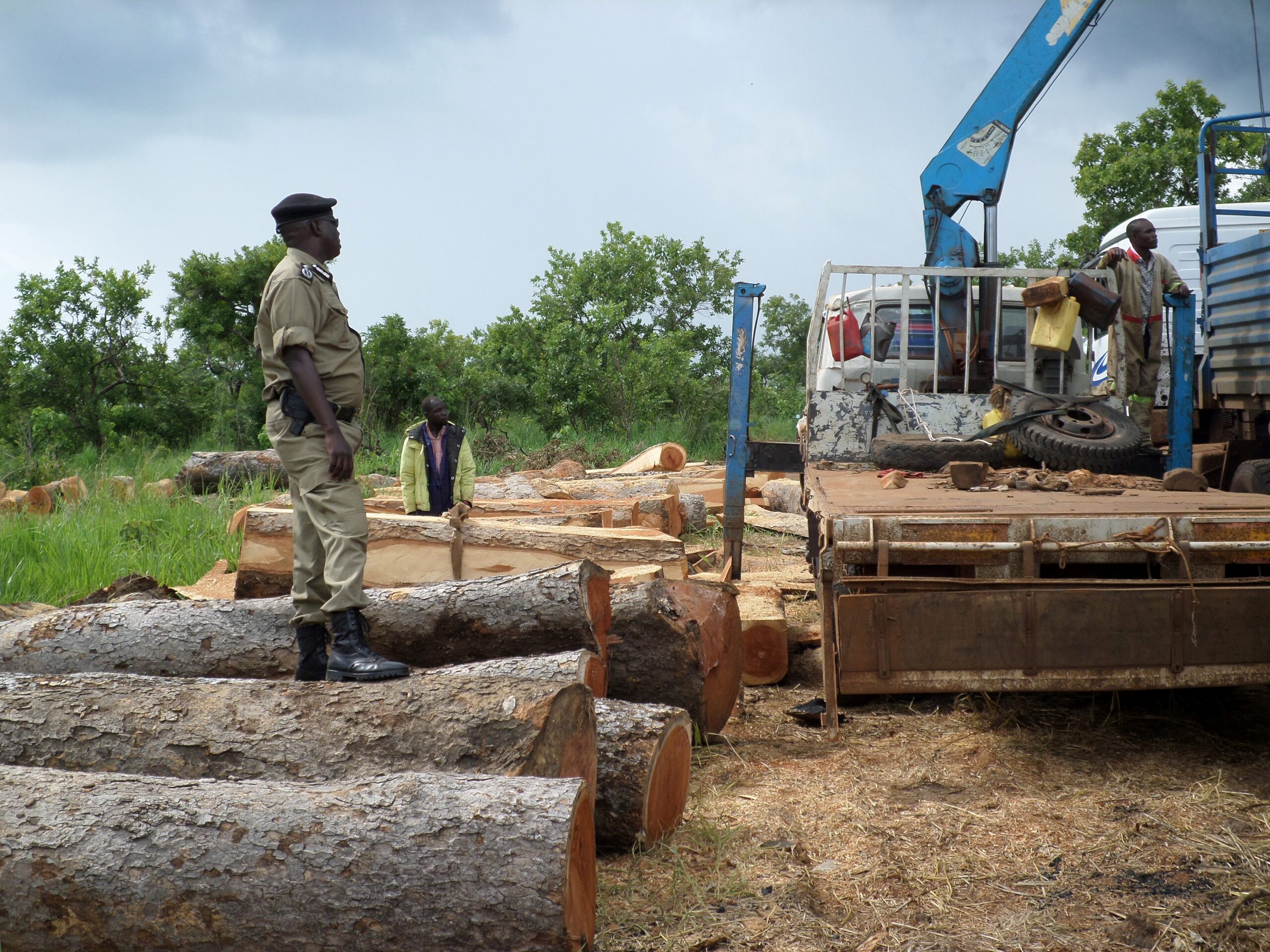
    The Food and Agriculture Organization of the United Nations (FAO), in collaboration with the European Union (EU), has announced the launch of a new 15 million euro ($16.29 million) project to promote sustainable practices in Uganda’s forestry sector. This five-year initiative, named “Sustainable Wood-Based Value Chains in Uganda,” aims to improve the contribution of Uganda’s forestry sector to both its economy and environment by ensuring a sustainable supply of legal wood raw materials from planted forests. The initiative also seeks to enhance the processing capacity and market demand for wood products and improve access to affordable finance.

    Uganda’s forests face significant threats from encroachment, deforestation, illegal timber logging, and forest degradation. Forested land has been reduced from nearly a quarter of the country’s total area in 1990 to just 13 percent in 2017. The project will address these challenges by promoting better practices and more efficient processing facilities to enhance the quality and value of planted forests.

    The EU’s commitment to supporting Uganda’s forestry sector is evident in the project, which aligns with the goals of the EU-Government of Uganda (GOU) Forest Partnership. This collaboration focuses on enhancing value addition to forestry resources, reducing environmental degradation, mitigating climate change, and improving the sustainable utilization of natural resources for economic growth and livelihood security.

    To achieve economies of scale, the project will work to aggregate smallholder tree farmers and wood processors, facilitating their integration into a cohesive value chain. This approach will also involve providing financial literacy and business management support to small and medium enterprises (SMEs) in the wood sector, while connecting them with the financial sector.

    The initiative also emphasizes the importance of transitioning Uganda towards a carbon-neutral economy by combating illegal timber trade, which causes substantial losses in tax revenue and contributes to deforestation. By supporting sustainable wood-based value chains, the project aims to incentivize the maintenance and expansion of forest assets, promote women’s economic empowerment, and enhance livelihoods.

    Through upgrading value chains, the project will ensure the forestry sector can absorb the anticipated increase in wood production in the coming years, providing additional employment opportunities and income while supporting sustainable practices over illegal logging.

    FAO’s Forestry division oversees more than 200 projects across 80 countries, including the global initiative “Sustainable Wood for a Sustainable World” (SW4SW), which aligns with the goals of the Uganda project. FAO’s expertise in the sector will contribute to the success of the initiative, working alongside the EU, the Government of Uganda, and other partners to support sustainable economic growth and environmental conservation in the region.