Author: AR Managing Editor

  • Enhancing Maternal Well-being: The Impact of Marital Satisfaction, Social Support, and Job Satisfaction on Pregnant Women’s Psychological Health – Insights from Adeoye Hospital Study

    Enhancing Maternal Well-being: The Impact of Marital Satisfaction, Social Support, and Job Satisfaction on Pregnant Women’s Psychological Health – Insights from Adeoye Hospital Study

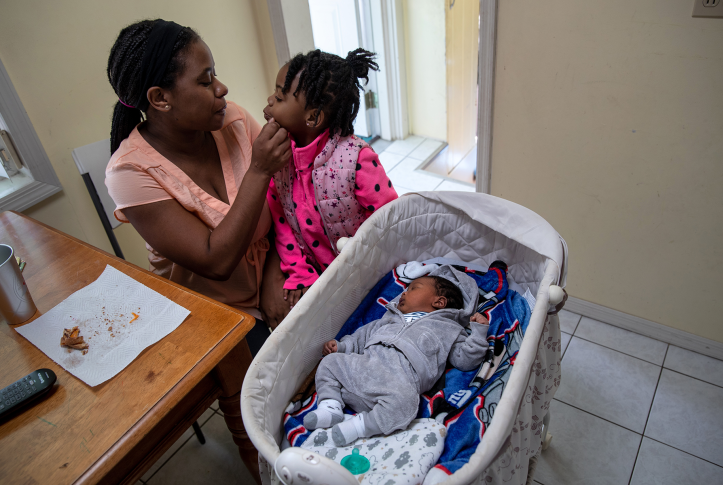
    A recent by Balogun, et al., (2024) titled “INFLUENCE OF PSYCHOSOCIAL FACTORS ON PSYCHOLOGICAL WELL-BEING AMONG PREGNANT WOMEN IN ADEOYO HOSPITAL IBADAN, OYO STATE” Published in African Journal for the Psychological Studies of Social issue shows that psychosocial factors such as social support, marital satisfaction, and job satisfaction significantly influence the psychological well-being of pregnant women.

    Marital satisfaction significantly predicts psychological well-being in pregnant women, emphasizing the importance of fostering healthy spousal relationships during pregnancy– Balogun et al., 2024

    The article delves into the impact of psychosocial factors on the psychological well-being of pregnant women at Adeoye Hospital in Ibadan, Oyo State. It investigates how social support, marital satisfaction, and job satisfaction influence their mental health. Using a cross-sectional survey involving 145 participants, the study employs multiple regression analysis to test hypotheses. The results underscore the significant role of marital satisfaction in predicting psychological well-being during pregnancy. Consequently, the article stresses the importance of fostering quality marital relationships, social support networks, and job satisfaction to improve the psychological well-being of pregnant women.

    How the Study was Conducted

    The study employed an ex-post facto method with a cross-sectional research design, meaning the variables of interest had already occurred naturally before the study began. The research was conducted at Adeoye General Hospital, a government-owned hospital in Ibadan. Purposive sampling was employed to select 145 pregnant women as participants. Data were collected using a structured questionnaire, which included socio-demographic variables and scales to measure psychological well-being, perceived social support, marital satisfaction, and job satisfaction. Ethical approval was obtained, and data were collected during antenatal care sessions over four weeks. A total of 200 questionnaires were distributed, with 146 returned and used for analysis.

    What the Authors Found

    The authors of the study found that psychosocial factors such as social support, marital satisfaction, and job satisfaction significantly influence the psychological well-being of pregnant women. Specifically, marital satisfaction was identified as having a significant independent impact on psychological well-being.

    Why is this Important

    Maternal Well-being: Pregnancy is a critical period in a woman’s life, and her psychological well-being directly impacts her overall health and the health of the developing fetus. Understanding the factors that influence maternal well-being allows healthcare providers to offer targeted support and interventions.
    Healthcare Policies: Insights from this research can inform healthcare policies and guidelines. By recognizing the role of marital satisfaction and social support, policymakers can design programs that enhance these aspects for pregnant women, leading to better mental health outcomes.
    Clinical Practice: Healthcare professionals can incorporate these findings into their clinical practice. Identifying pregnant women at risk of poor psychological well-being based on marital satisfaction levels allows for early intervention and support.
    Couple Counseling: Couples expecting a child can benefit from this knowledge. Strengthening marital bonds and fostering open communication during pregnancy can positively impact both partners’ mental health.

    What the Authors Recommend

    • The authors recommend that pregnant women should seek and maintain strong social support networks. Having friends, family, and community members who provide emotional and practical assistance can positively impact psychological well-being during pregnancy.
    • The authors also suggest that couples expecting a child should prioritize their marital relationship. Open communication, empathy, and mutual support contribute to better mental health outcomes for both partners.
    • In addition, job-related stress can affect psychological well-being. Pregnant women should explore strategies to manage work-related stress and find satisfaction in their professional lives.
    • Furthermore, the authors posit that healthcare providers should incorporate these findings into prenatal care. Identifying women at risk of poor psychological well-being allows for targeted interventions and support.

    In conclusion, this study sheds light on the crucial interplay between psychosocial factors and the psychological well-being of pregnant women. With a focus on social support, marital satisfaction, and job satisfaction, our findings underscore the significance of holistic support systems in ensuring positive mental health outcomes during pregnancy. By integrating these insights into healthcare policies, clinical practice, and personal relationships, we can empower pregnant women to navigate this transformative journey with resilience and well-being. Let us continue to prioritize the nurturing of strong social connections, thriving marital relationships, and fulfilling professional lives to cultivate an environment where every expecting mother can flourish mentally, emotionally, and physically.

  • Comparative Validity Assessment of MHC-SF in Setswana-South Africa and Indonesia: Insights for Global Mental Health Measurement

    Comparative Validity Assessment of MHC-SF in Setswana-South Africa and Indonesia: Insights for Global Mental Health Measurement

    A recent study Omega, et al., (2024) titled “Validity Source Comparison of Mental Health Continuum-Short Form (MHC-SF) in Setswana-South Africa and Indonesia” published in the 4th International Conference on Social Science, Humanity and Public Health shows that both the Setswana-South Africa and Indonesian versions of the Mental Health Continuum-Short Form (MHC-SF) have good content validity and represent three factors well.

    The validity of the Mental Health Continuum-Short Form (MHC-SF) in various cultural contexts, particularly in Setswana-South Africa and Indonesia, has been examined in a recent study. This investigation delves into multiple facets of validity based on recommendations from prior research. In terms of content validity, both the Setswana and Indonesian versions of the MHC-SF demonstrate strength by encompassing three key dimensions of well-being: Emotional, Social, and Psychological. This indicates that the content of the assessment adequately represents the construct it intends to measure.

    the MHC-SF exhibits good validity in Setswana-South Africa and Indonesia, albeit requiring additional validation in Indonesia. – Omega, et al., 2024

    Internal structure analysis through Confirmatory Factor Analysis (CFA) reveals a favorable fit for the three-factor structure in both versions. This suggests that the items within each dimension cohere well, supporting the integrity of the instrument’s internal structure. Criterion validity, however, presents a divergence between the two versions. While the Setswana iteration shows good convergent validity, indicating its alignment with other established measures of mental health, the Indonesian version lacks thorough criterion validity tests. This underscores the importance of further validation efforts, particularly in Indonesia, to ensure the accuracy of measuring positive mental health. In terms of the response process, the Setswana version generally demonstrates sound methodology. However, there is a notable consideration regarding illiterate participants who may rely on assistants for completion, highlighting the necessity for careful evaluation in such cases. Regarding the consequences of testing, both versions prove effective in measuring positive mental health. Nonetheless, the study emphasizes the need for additional validation, particularly for the Indonesian MHC-SF, to enhance its reliability and accuracy.

    How the Study was Conducted

    The study employed a methodological approach centered around a comprehensive literature review to investigate the validity of the Mental Health Continuum-Short Form (MHC-SF) in Setswana and Indonesian contexts. This review was conducted utilizing databases such as psycnet.apa.org, Google Scholar, and Elsevier, employing specific search phrases to identify relevant papers. The study deemed to offer the most comprehensive validation were selected for comparison and analysis. The evaluation of the MHC-SF was structured around five key sources of valid evidence: content, internal structure, relation to other variables, response process, and consequences of testing. Each of these sources was scrutinized to assess the robustness and appropriateness of the MHC-SF in measuring mental health in Setswana-speaking and Indonesian populations.

    What the Authors Found

    The authors found that both the Setswana-South Africa and Indonesian versions of the Mental Health Continuum-Short Form (MHC-SF) have good content validity and represent three factors well. However, the Setswana version has good convergent validity, while the Indonesian version lacks criterion validity, suggesting it needs further validation. Both versions showed a good response process, but the Setswana version had some concerns regarding illiterate participants’ independence in answering questionnaires. The consequences of testing indicated that both scales can effectively measure positive mental health.

    Why is this Important

    Cross-Cultural Validity: By comparing the MHC-SF in Setswana-South Africa and Indonesia, the study sheds light on the scale’s applicability across different cultural contexts. Understanding how well the instrument performs in diverse populations is crucial for its global use.
    Mental Health Measurement: The MHC-SF assesses positive mental health, which is essential for a holistic understanding of well-being. Validating this scale ensures accurate measurement and helps identify individuals who may need support.
    Policy and Interventions: Accurate mental health assessment informs policy decisions and intervention strategies. If the MHC-SF is valid, it can guide resource allocation and targeted interventions to promote positive mental health.
    Research and Clinical Practice: Researchers and clinicians rely on valid instruments to study mental health trends and provide evidence-based care. Validating the MHC-SF enhances its utility in both research and clinical settings.

    What the Authors Recommend

    • Given the lack of criterion validity for the Indonesian version of the Mental Health Continuum-Short Form (MHC-SF), the authors suggest conducting additional validation studies. Specifically, they recommend exploring convergent and divergent validity to ensure accurate measurement of positive mental health in the Indonesian context.
    • The study emphasizes the need to expand the validation of the MHC-SF to other countries beyond Setswana-South Africa and Indonesia. This broader validation will enhance the scale’s applicability and cross-cultural relevance.
    • While the Setswana version demonstrated a good response process, the authors highlight the importance of evaluating the independence of illiterate participants when answering questionnaires. Future research should address this concern.
    • Validating the MHC-SF contributes to a more comprehensive understanding of mental health. The authors recommend its use in research, clinical practice, and policy decisions related to mental well-being.

    In conclusion, the study underscores the significance of assessing the validity of the Mental Health Continuum-Short Form (MHC-SF) across diverse cultural contexts. While findings demonstrate promising outcomes for both Setswana-South Africa and Indonesia, further validation efforts, particularly in Indonesia, are imperative to ensure the accuracy and reliability of mental health measurement. This research not only enhances our understanding of positive mental health but also informs policy decisions, intervention strategies, and clinical practices worldwide. Moving forward, continued validation and utilization of the MHC-SF hold immense potential in fostering global well-being and advancing mental health initiatives.

  • Unlocking Mathematical Potential: How Guided Discovery Learning Transforms Grade 10 Education in South Africa

    Unlocking Mathematical Potential: How Guided Discovery Learning Transforms Grade 10 Education in South Africa

    A recent study by Mabhoza, Z., & Olawale, B. E. (2024) titled “Chronicling the Experiences of Mathematics Learners and Teachers on the Usage of Guided Discovery Learning (GDL) in Enhancing Learners’ Academic Performance” published in Research in Social Sciences and Technology, shows that GDL can significantly improve learners’ engagement and understanding of mathematics.

    Guided Discovery Learning enhances math education by fostering critical thinking, problem-solving skills, and active engagement, despite challenges like time constraints.– Mabhoza, Z., & Olawale, B. E. (2024)

    The study explores the use of Guided Discovery Learning (GDL) to improve the academic performance of Grade 10 mathematics learners in the Eastern Cape Province of South Africa. It explores how GDL, which involves learners actively searching for information with teacher guidance, can enhance critical thinking and problem-solving skills. The authors posit that while there are challenges like time constraints and evaluation methods, GDL can significantly improve learners’ engagement and understanding of mathematics. The study also highlights the difficulties faced in implementing GDL, some of the key challenges faced in implementing Guided Discovery Learning (GDL) are:
    Time Constraints: The implementation of GDL is time-consuming, making it challenging to cover all content within limited class periods.
    Learner Engagement: Maintaining high levels of concentration and motivation among learners can be difficult, leading to challenges in self-directed discovery.
    Diverse Abilities: Catering to students with varying mathematical abilities and providing individual guidance is a significant challenge for teachers.
    Assessment: Traditional forms of assessment may not accurately measure learners’ abilities, posing a challenge for evaluating the effectiveness of GDL.

    How the Study was Conducted

    The study is grounded in the interpretivist paradigm, employing a qualitative research approach to understand human experiences and make generalizations based on observations and case studies. The authors also employed data through participatory action research, allowing for reflection and practical solutions. A convenience sampling technique selected 19 Grade 10 Mathematics learners and 2 teachers from a rural school in Eastern Cape Province, South Africa. Thematic analysis is employed to identify patterns in the qualitative data. This involved reading all data, organizing it, searching for themes, reviewing the information, and reporting findings concerning the research question. Consent was obtained from the University of Fort Hare and the school for research. Participants’ confidentiality and privacy were maintained, and pseudonyms were used to protect identities. Participants had the option to participate or decline.

    What the Authors Found

    The authors posit that Guided Discovery Learning (GDL) is found to be beneficial in fostering critical thinking and problem-solving skills, which enhances mathematics learners’ academic performance. The authors also found that factors such as evaluation methods, time constraints, and insufficient motivation can impede the optimal implementation of GDL. In addition, GDL promotes active learning, collaboration, and engagement, which aligns with the constructivist theory emphasizing learner-centered approaches.

    Why is this Important

    Enhancing Learning Outcomes: The use of Guided Discovery Learning (GDL) can lead to improved academic performance in mathematics. By actively engaging learners and encouraging critical thinking, GDL helps students better understand mathematical concepts and apply them effectively.
    Addressing Educational Challenges: The study acknowledges challenges such as time constraints and evaluation methods. By identifying these obstacles, educators can develop strategies to overcome them and create a more effective learning environment.
    Pedagogical Recommendations: The recommendation to integrate technology and multimedia resources aligns with modern teaching practices. By leveraging visual aids and interactive tools, teachers can enhance the learning experience and cater to diverse student needs.
    Long-Term Impact: Implementing GDL not only benefits current learners but also contributes to their long-term cognitive development. Strengthening problem-solving skills and critical thinking abilities prepares students for future academic and professional challenges.

    What the Authors Recommend

    • The authors recommend implementing Guided Discovery Learning (GDL) this is to encourage teachers to incorporate GDL strategies in mathematics education. By actively involving learners in searching for information with guidance, GDL can enhance critical thinking and problem-solving skills.
    • The study recommends integrating technology tools and multimedia resources into GDL. Visual aids, interactive simulations, and digital platforms can enhance learners’ understanding of mathematical concepts. Despite the benefits, acknowledge challenges such as time constraints and evaluation methods. Teachers should find ways to overcome these obstacles and adapt GDL effectively.
    • Finally, the authors emphasize learner engagement and collaboration. GDL encourages active participation, aligning with constructivist theories that prioritize student-centered learning.

    In conclusion, the study underscores the transformative potential of Guided Discovery Learning (GDL) in enhancing mathematics education. By fostering critical thinking, problem-solving skills, and active learner engagement, GDL offers a promising pathway to improving academic performance and addressing educational challenges. Despite obstacles like time constraints and evaluation methods, the integration of technology and multimedia resources, along with a focus on learner-centered approaches, holds the key to unlocking students’ mathematical potential. As educators embrace GDL strategies and adapt them effectively, they pave the way for long-term cognitive development and prepare learners for success in both academic and professional spheres. This research not only highlights effective teaching methodologies but also emphasizes the imperative of prioritizing student-centered learning to shape a brighter future for mathematics education.

  • CARTA PhD Fellowships 2024/2025: Boost Your Public Health Research Career in Africa!

    CARTA PhD Fellowships 2024/2025: Boost Your Public Health Research Career in Africa!

    About the Fellowship

    The Consortium for Advanced Research Training in Africa (CARTA) is pleased to announce the opening of applications for the CARTA PhD Fellowships 2024/2025. CARTA is offering a collaborative doctoral training program in public and population health. This initiative aims to strengthen the capacity of African institutions in conducting and leading internationally competitive research.

    Eligibility Criteria

    • Applicants must hold a master’s degree in a relevant field.
    • Prior admission into a PhD program is not mandatory at the time of application but is a requirement upon selection.
    • Candidates must be teaching or research staff at one of the eligible African institutions.
    • Proposed PhD research must be related to public and population health.
    • Applicants must commit to participation in all four annual residential Joint Advanced Seminars (JASes).
    • Male applicants must be under the age of 40, and female applicants under the age of 45 by April 30, 2019.

    Field of Study: Public and Population health related fields such as public health, demography, anthropology, communication, and economics.

    Benefits of the Fellowship

    • Successful applicants will receive up to $100,000 in funding.
    • This includes the cost of participation in advanced seminars, a modest monthly stipend, research support, a laptop, funds for one international conference, and support for training programs.
    • The fellowship duration is a maximum of four years.

    Application Process

    • Interested candidates should contact the CARTA focal person at their institution for application materials.
    • Application forms and reference letters must be submitted by April 15, 2024, to the focal persons at partner institutions, with a copy to the CARTA Secretariat (carta@aphrc.org).
    • Only nominated candidates will be invited to submit a full application between June 1 and July 15, 2024.
    • The full application includes a research proposal, updated CV, letter of support from the institution, timed tasks, and completion of two online courses.
    • Applications will be accepted ONLY through the official portal.

    Deadline: April 30, 2024

    Selection Process

    • Institutional selection will take place between April 15 and May 15, 2024.
    • Final fellowship decisions will be communicated by the CARTA Secretariat by November 1, 2024.

    For more information and to access the application form, visit the Scholarship Webpage.  Call for Applications: CARTA PhD Fellowships 2025 | The Consortium for Advanced Research Training in Africa (cartafrica.org)

  • Postdoctoral Position: Space2Place Project for Soil Fertility Management in Africa | Wageningen University & Research

    Postdoctoral Position: Space2Place Project for Soil Fertility Management in Africa | Wageningen University & Research

    The Earth Systems and Global Change Group at Wageningen University and Research is seeking applications for a postdoctoral position (2 years) in an exciting project titled: “Space2Place: Development of a scientific modeling framework to underpin reliable Fertilizer Decision Support Tools for Africa,” commencing in Spring 2024.

    Funded by the USAID-BRFS program ‘Feed the Future Soil Fertility Technology Adoption, Policy Reform, and Knowledge Management,” this project aims to develop, test, and apply a Pan-African scalable Decision Support Tool to enhance the efficiency of soil fertility management in Zambia, Malawi, Tanzania, Rwanda, Uganda, Ethiopia, Niger, and Madagascar. The project targets increased yields and incomes in Africa by improving fertilizer use efficiency, thereby reducing costs and adverse environmental impacts. The primary outcome will be site-specific soil fertility and agronomic fertilizer recommendations.

    About Wageningen University & Research

    Wageningen University & Research is a leading institution in life sciences, dedicated to exploring nature’s potential to enhance quality of life. With a collaborative approach across disciplines, the university and research institutes contribute to finding solutions to global challenges in food and the living environment. The integrated approach and diverse collaborations make Wageningen University & Research a dynamic and inspiring place to work.

    As a postdoctoral researcher, your responsibilities include:

    • Expanding, testing, and validating a prototype modeling framework to assess carbon and nutrient flows on both field and regional levels for various crops and soil types. This involves integrating empirical, statistical, and process-based modules into an integrated soil, plant, and crop model. Specific focuses include macro and micronutrient interactions, water availability’s impact on phosphorus uptake, and quantifying fertilizer nutrient recoveries while considering site-specific conditions.
    • Calculating required inputs of carbon and nutrients considering nutrient recovery, crop utilization efficiency, water availability, and soil buffering capacities.
    • Applying the modeling framework to selected case study regions.
    • Comparing and evaluating various fertilizer strategies to enhance crop yield and nutritional quality.

    Work Environment

    This research is conducted within the Sub-team ‘Nutrients, Food, and Environment’ of the Earth Systems and Global Change Group at Wageningen University and Research. You will primarily be supervised by Dr. Gerard Ros and Prof. Dr. Wim de Vries, collaborating closely with soil scientists and agronomists from the Plant Science Group, ISRIC, and partners of the S2P project. This project is part of the Space2Place initiative led by the partners of the SOILS Consortium of the International Fertilizer Development Centre (IFDC).

    Candidate Requirements

    Ideal candidates possess:

    • A completed PhD degree in environmental sciences, soil science, or equivalent.
    • Advanced experience in modeling, statistics, and data handling.
    • Proven experience in scientific writing.
    • Ability to work independently and collaboratively in a team.
    • Fluency in English language (level C1).

    We Offer

    Wageningen University & Research offers excellent employment terms, including sabbatical leave, study leave, and partially paid parental leave, flexible working hours, accrual of additional compensation/holiday hours, sports facilities, a fixed December bonus, and an excellent pension scheme. Competitive gross salary ranges from €3,226 to €5,929 per month for a full-time 38-hour workweek, in accordance with the Collective Labour Agreements for Dutch Universities (CAO-NU). There are also opportunities for personal development and internal advancement.

    International Applicants

    Wageningen University & Research welcomes international applicants and provides support for visa applications and integration into the community. Further assistance is available regarding housing, schooling, and employment for partners. Certain categories of international staff may be eligible for a tax exemption on part of their salary during their first five years in the Netherlands.

    Further Information and Application

    For more information about this position, contact Dr. Gerard Ros (gerard.ros@wur.nl) or Prof. Dr. Wim de Vries (wim.devries@wur.nl). For procedural inquiries, reach out to Noorien Abbas, corporate recruiter (noorien.abbas@wur.nl). To apply, use the application button on the vacancy page of our website. The application deadline is April 22, 2024.

    Equal Opportunitie

    Wageningen University & Research promotes equal opportunities and welcomes applications from individuals with diverse backgrounds. Inclusivity is a priority, and the organization strives to provide equal career opportunities for all.

    Location: Wageningen

    Closing Date: April 22, 2024

    To Apply: Click here

  • L’Oréal-UNESCO Sub-Saharan Africa Young Talents Programme: Empowering African Women in Science

    L’Oréal-UNESCO Sub-Saharan Africa Young Talents Programme: Empowering African Women in Science

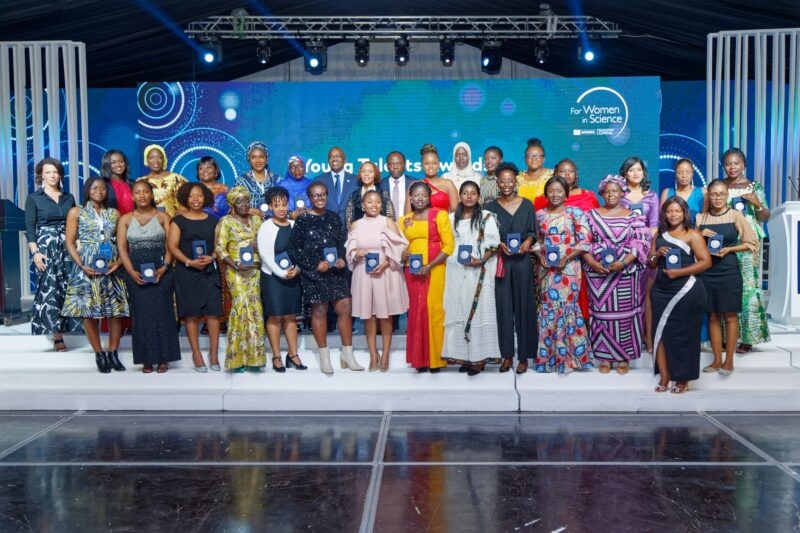
    In its ongoing commitment to fostering scientific excellence among African women, the L’Oréal-UNESCO Sub-Saharan Africa Young Talents Programme announces its call for applications for the year 2024. This initiative seeks to recognize and support talented young female scientists across Sub-Saharan Africa who are making significant contributions to their respective fields.

    About the Programme

    Established in 1998, the L’Oréal-UNESCO For Women in Science Sub-Saharan Africa Fellowships aim to promote and encourage the participation of African women in science. By offering fellowship grants, the program supports both established women scientists and promising young researchers, thereby advancing scientific knowledge and its societal benefits.

    Eligible Fields of Study

    The programme focuses on two main areas: Life Sciences and Physical Sciences. Within these broad categories, eligible fields include biology, biochemistry, physics, chemistry, genetics, mathematics, and engineering, among others.

    Eligibility Criteria

    To be eligible for the L’Oréal-UNESCO Sub-Saharan Africa Young Talents Programme, applicants must:

    • Hold a Ph.D. degree or be pursuing studies leading to a Ph.D. in Life or Physical Sciences.
    • Be nationals of a Sub-Saharan African country.
    • Be affiliated with a research laboratory or institution in one of the region’s countries, or enrolled in a doctoral programme at a university in Sub-Saharan Africa.
    • Be no more than 40 years old at the end of the application period for Ph.D. candidates and not more than 45 years old for Post-doctoral candidates.

    Selection Criteria

    Candidates will be evaluated based on:

    • Academic records, including publications, conference presentations, and patents.
    • Scientific quality and innovation of the research project.
    • Potential application of the research in advancing scientific knowledge.

    Number and Value of Awards

    The programme will award 15 fellowships to doctoral students and 5 fellowships to postdoctoral researchers annually. Each Ph.D. student will receive €10,000, while each postdoctoral researcher will receive €15,000.

    Application Process

    Applications must be submitted online through the provided platform. Required documents include a detailed curriculum vitae, certified copies of degrees or diplomas, a research project description, letters of recommendation, and a list of publications and patents.

    Important Dates

    The call for applications opens on February 1st and closes on March 29th, 2024. The final selection of candidates will be announced on July 5th, 2024.

    Program Overview

    • The programme is conducted in partnership with UNESCO.
    • It offers 25 fellowships for doctoral students and 5 fellowships for post-doctoral students.
    • Since its launch in 2010, the programme has awarded a total of 211 fellowships.

    In summary, the L’Oréal-UNESCO Sub-Saharan Africa Young Talents Programme serves as a vital platform for empowering African women in science, facilitating their contributions to scientific research and innovation across the continent.

    For more details and information document visit the official website Sub-Saharan Africa – Call for Application 2024. | For Women in Science

  • Unlocking Africa’s Space Potential: NewSpace Africa Conference 2024

    Unlocking Africa’s Space Potential: NewSpace Africa Conference 2024

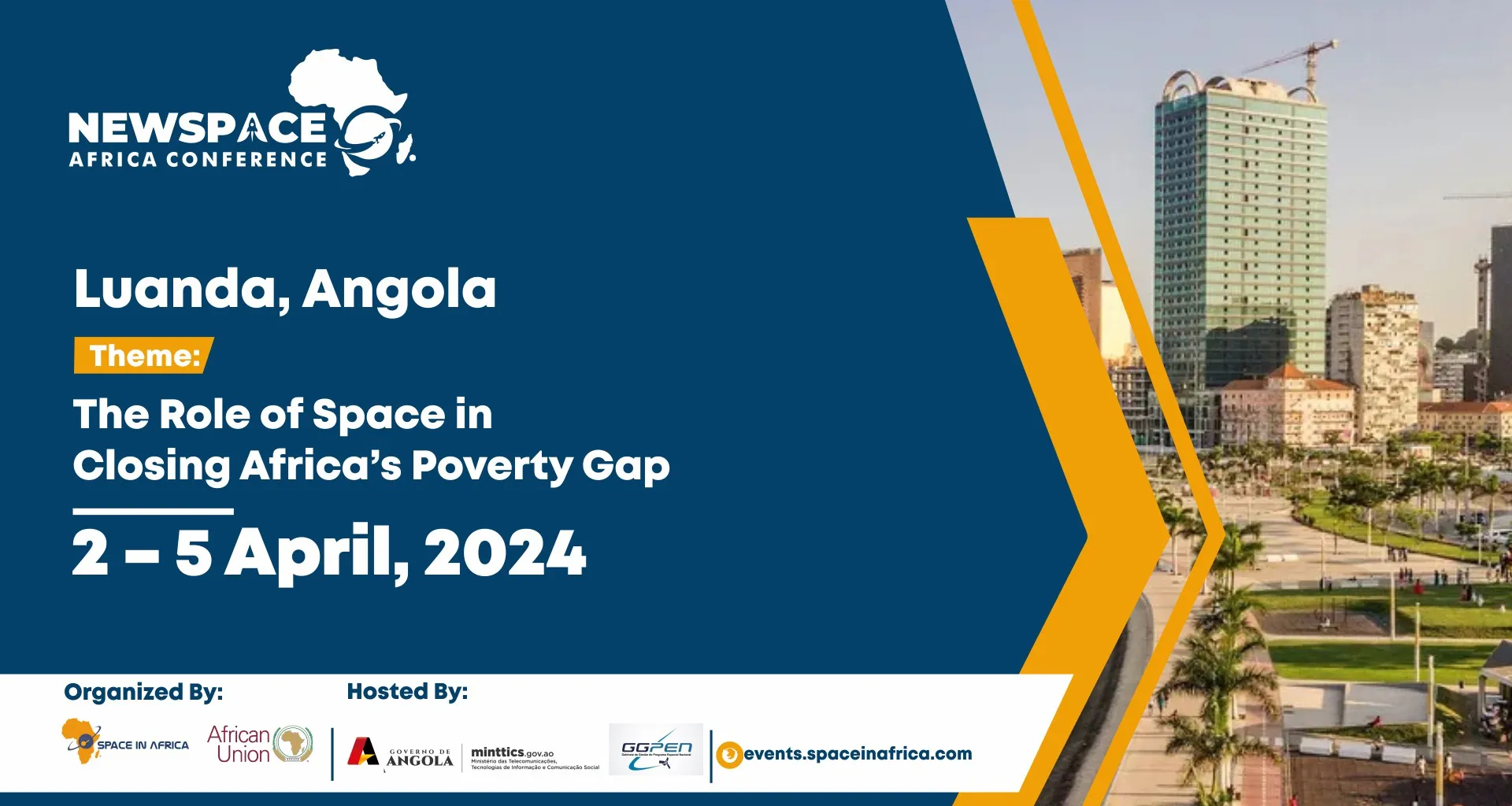
    The NewSpace Africa Conference stands as a premier gathering of luminaries, entrepreneurs, investors, and key players within the African space and satellite industry. In a global landscape where private-sector initiatives are driving space commercialization, this event serves as a focal point for exploring the burgeoning opportunities within Africa’s space sector, transcending traditional geopolitical boundaries and welcoming diverse market players.

    The African space industry’s trajectory is marked by significant growth, with a valuation of USD 19.49 billion in 2021, projected to reach USD 22.64 billion by 2026. This expansion is propelled by the increasing involvement of African nations in space endeavors, investment in space enterprises, and the proliferation of over 270 NewSpace companies across the continent. These companies are pioneering space technologies and offering services that cater to various sectors, including telecommunications, defense, agriculture, and healthcare, among others.

    The NewSpace Africa Conference, scheduled for April 2-5, 2024, at the Talatona Convention Centre in Luanda, Angola, presents a unique opportunity for stakeholders to converge and explore the vast potential of Africa’s space industry.

    Why Participate

    1. Interact, Build, Connect, and Network: The conference serves as a hub for forging new relationships and collaborations within the African space and satellite ecosystem. By facilitating interactions between government officials, industry leaders, academia, and investors, the event aims to propel the industry forward through meaningful partnerships.

    2. Exhibit Your Organization: Exhibitors gain a platform to showcase their latest products, innovations, and services to a diverse audience. This exhibition space fosters engagement with potential clients, partners, and collaborators, highlighting how their offerings contribute to advancing the industry.

    3. Stay Abreast of Industry Developments: As a unified platform, the conference brings together professionals from various segments of the space industry. This convergence fosters dialogue and collaboration, driving creative solutions to the challenges and opportunities within Africa’s space sector.

    Who Will Attend

    • Heads of Africa Space Agencies and Top Executives: Leaders shaping the direction of space exploration in Africa.
    • National Ministries and Government Officials: Policymakers and representatives from ministries of science, technology, and communications.
    • NewSpace Companies: Entrepreneurs driving innovation and commercialization within the industry.
    • Universities and Research Institutions: Academic institutions contributing to research and development in space technologies.
    • Young Professionals and Students: The next generation of talent entering the space sector.
    • Members of the Press: Media representatives covering developments in Africa’s space industry.

    In summary, the NewSpace Africa Conference provides a platform for collaboration, innovation, and exploration, driving the advancement of Africa’s space and satellite industry towards a future of unprecedented growth and opportunity.

    For more details visit: Home – NewSpace Africa Conference 2024 (spaceinafrica.com)

  • Empowering Africa’s Financial Future: Join FinTech Summit Africa 2024 for Innovation, Inclusion, and Impact

    Empowering Africa’s Financial Future: Join FinTech Summit Africa 2024 for Innovation, Inclusion, and Impact

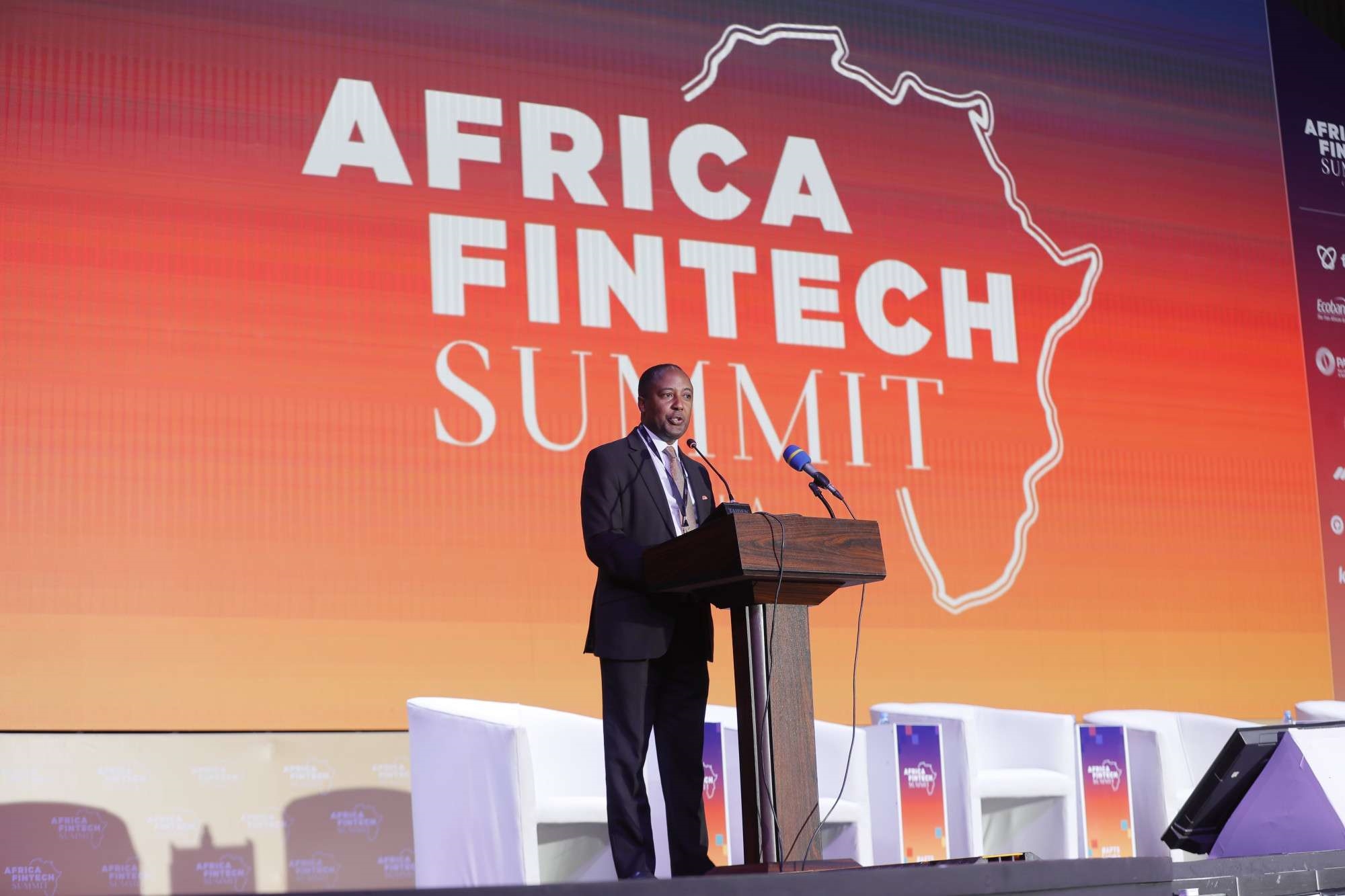
    The FinTech Summit Africa 2024 is a premier event aimed at fostering dialogue, collaboration, and innovation within the financial technology sector across the African continent. This summit serves as a platform for industry leaders, policymakers, entrepreneurs, investors, and other stakeholders to explore emerging trends, share insights, and discuss strategies for advancing financial inclusion, driving economic growth, and leveraging technology for positive social impact.

    Date: 26-27 June 2024
    Time: 09:00-17:00 SAST
    Venue: Hilton Sandton, Johannesburg, South Africa

    Empowering Africa Through Innovation, Inclusion, and Impact

    Join us at the FinTech Summit Africa 2024 where we delve into the transformative potential of financial technology in Africa. This summit is not just a gathering of minds; it’s a platform dedicated to showcasing the latest trends, solutions, and groundbreaking innovations that are reshaping the FinTech landscape across the continent.

    Why Attend?

    • Exploring Trends and Innovations: Discover the cutting-edge technologies and disruptive ideas that are shaping the future of the FinTech industry in Africa. From AI and data analytics to blockchain and cryptocurrencies, explore the frontier of financial innovation.
    • Financial Inclusion and Accessibility: Addressing the pressing need for financial inclusivity, we’ll discuss strategies to provide affordable and sustainable financial services to all segments of society, especially the underserved and unbanked communities.
    • Impact on Economic Growth: Understand the real-world impact of FinTech innovations on economic development, poverty reduction, and social empowerment throughout Africa. Learn from success stories and identify pathways for positive change.

    Themes Covered

    • Latest Trends and Innovations: Dive into the newest trends, solutions, and disruptive ideas shaping the FinTech landscape.
    • Financial Inclusion and Accessibility: Explore strategies for making financial services accessible to all, including underserved communities.
    • AI and Data Analytics: Understand the role of AI and data analytics in revolutionizing financial services and decision-making processes.
    • RegTech and Compliance: Discuss the intersection of regulatory technology, cybersecurity, and data privacy in the financial sector.
    • Sustainable Finance Solutions: Explore sustainable finance practices that promote environmental and social responsibility.
    • Digital Banking and Payments: Analyze the future of digital banking, payments, and cross-border transactions in Africa.
    • Customer Experience and Personalization: Learn how FinTech is reshaping the customer experience and personalizing financial services.
    • Insurtech and Insurance Innovation: Discover innovations in insurance technology and the future of the insurance industry.
    • Embedded Finance and Digital Transformation: Explore the concept of embedded finance and digital transformation within FinTech companies.
    • Cybersecurity Challenges and Mitigation: Address cybersecurity challenges facing the BFSI sector and strategies for mitigation.
    • Open Banking: Discuss the opportunities and challenges of open banking in Africa.

    Who Should Attend?

    C-Level Executives from financial institutions in Africa, including:

    • Head of Compliance
    • Head of Risk
    • Chief Information Officers
    • Chief Digital Officers
    • Chief Technology Officers
    • Chief Financial Officers
    • Heads of Investment
    • Investment Bankers
    • Head of Fintech
    • Insurance Technologies Managers
    • IT Infrastructure Managers
    • IT Security Managers
    • Governance, Risk, and Compliance Managers
    • Payment Systems Managers
    • Digital Banking Managers
    • Delivery Channel Managers
    • Chief Investment Officers
    • Operational Risk Managers
    • IT Managers
    • Call Center Managers

    Join Us

    Be part of the conversation that shapes the future of finance in Africa. Contact us for more details and secure your spot at FinTech Summit Africa 2024. Let’s empower Africa together through innovation, inclusion, and impact. FintechSummit – Fintech

  • Transforming TB Prevention in Africa: Strategies, Challenges, and Solutions for Ending the Epidemic

    Transforming TB Prevention in Africa: Strategies, Challenges, and Solutions for Ending the Epidemic

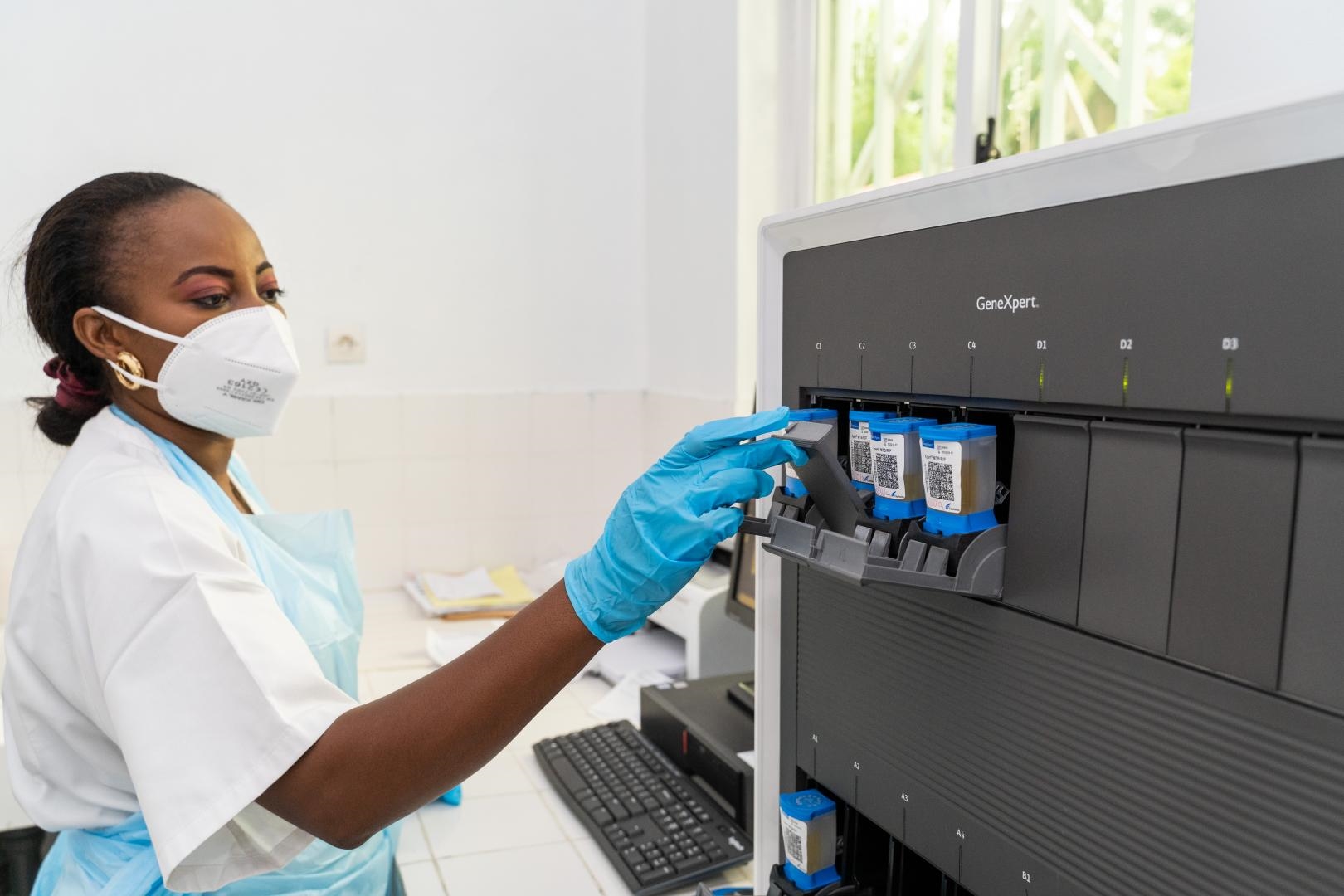
    Tuberculosis (TB) continues to pose a significant public health challenge globally, despite being preventable and curable. In 2022 alone, TB claimed approximately 1.3 million lives, making it the second leading cause of death from a single infectious agent after COVID-19. To combat this, the World Health Organization (WHO) introduced the End TB Strategy, aiming to eradicate TB by 2035 through ambitious targets such as a 90% reduction in TB incidence and zero TB-related deaths, disease, and suffering compared to 2015 levels. However, progress has been slower than anticipated, with only an 8.7% reduction in TB incidence by 2022.

    The Role of TB Preventive Treatment (TPT): Amidst advancements in TB treatment, prevention strategies are crucial for achieving the End TB targets. TB prevention encompasses various approaches including Tuberculosis infection prevention and control (IPC), Bacille Calmette-Guérin (BCG) vaccination, and TB Preventive Treatment (TPT). TPT, particularly Isoniazid Preventive Therapy (IPT), has been recommended since 1993 for contacts of TB patients under six years old and People Living with HIV (PLHIV). Despite its potential, global uptake of IPT has been slow.

    Expansion and Impact of TPT: Modelling studies have underscored the significant impact of TPT on TB control. Efforts to expand TPT were endorsed at the United Nations High-Level Meetings on TB, setting targets for TPT distribution. However, achieving these targets has proven challenging, with only 52% of the 2018 goal met by 2022.

    TB Incidence in Africa: Africa remains a key battleground in the fight against TB, with the region exhibiting the second-highest TB incidence globally. Notably, countries like South Africa have demonstrated progress, but the region still faces substantial challenges, particularly regarding TB-HIV co-infection rates.

    Implementation Challenges in Africa: While many African countries have initiated TPT programs, challenges persist, including logistical hurdles in drug procurement and distribution. Suboptimal implementation hampers efforts to address the rising TB burden.

    Addressing TB in Africa: A Multifaceted Approach: To effectively combat TB in Africa, a multifaceted approach is essential.

    1. Political Commitment and Investment: Sustained political commitment and investment are vital for scaling up TPT programs. Each country should conduct impact assessments and cost-effective analyses to tailor interventions accordingly.
    2. Target Patient Identification: Enhancing contact tracing and TB screening among high-risk groups such as PLHIV and household contacts of TB patients is critical for identifying eligible individuals for TPT.
    3. Access to Tests and Treatment: Ensuring availability of diagnostic services and uninterrupted drug supply is essential for TPT implementation.
    4. Program Management: Adverse event management, integration of TPT into national health systems, capacity building, and adherence support are crucial components of effective TPT programs.
    5. Demand Creation and Advocacy: Strong advocacy campaigns and targeted communication strategies are necessary to increase TPT uptake among at-risk populations.
    6. Critical Enablers: Engaging the private sector, leveraging data analytics and new technologies, and fostering strong leadership are critical enablers for successful TPT implementation.

    Conclusion: In conclusion, advancing TB prevention in Africa requires concerted efforts across multiple fronts. By addressing implementation challenges and adopting a comprehensive approach, Africa can make significant strides towards achieving the End TB targets and ultimately end the TB epidemic.

  • Empowering Africa: Accelerating TB Drug Discovery through African-Led Research Initiatives

    Empowering Africa: Accelerating TB Drug Discovery through African-Led Research Initiatives

    Tuberculosis (TB), a disease with a 142-year history since its discovery, still persists as a significant global public health challenge. Despite being preventable and curable, TB claimed 1.3 million lives worldwide in 2022, with a substantial portion of fatalities occurring in Africa, notably in South Africa where the disease claimed 54,200 lives. Shockingly, this translates to one life lost every 10 minutes to TB in South Africa alone during that year. Mycobacterium tuberculosis, the bacterium responsible for TB, stands as the leading cause of death from an infectious disease globally, highlighting the urgency to address this issue.

    While strides have been made in combating TB, achieving the global goal of eradicating it by 2030 faces numerous obstacles. Weak health systems, insufficient funding, poor nutrition, co-morbidities such as HIV, and the emergence of drug resistance complicate efforts to combat the disease. Notably, in 2022, multi-drug resistant TB affected 410,000 individuals, resulting in 160,000 deaths. Although new drugs exist for treating drug-resistant TB, the extended treatment duration and heightened side effects pose significant challenges. To tackle TB effectively, a comprehensive approach rooted in African-led research and development (R&D) is imperative. Despite Africa bearing the heaviest burden of TB globally and accounting for 24% of the global disease burden, the continent contributes less than 1% of the global scientific output, severely hindering its ability to address health challenges and achieve global health objectives.

    Africa heavily relies on imported drugs and vaccines, exposing it to global supply chain dynamics. To bolster health systems and establish a strong presence in the pharmaceutical supply chain, substantial investments in robust drug R&D infrastructure are urgently needed. This entails establishing world-class academic research centers with a multidisciplinary approach to drug discovery, enhancing R&D capabilities within educational institutions, training skilled scientists, and establishing efficient supply chain models for locally developed drugs to reach patients effectively. Investments in drug discovery can yield more effective, affordable, and accessible TB treatments, hastening efforts to combat a disease that has long plagued African communities. Rather than waiting for global pharmaceutical companies to prioritize R&D for treatments needed by Africans, Africa must take the lead in this endeavor.

    Despite the evident need for increased investment in drug discovery, Africa’s expenditure on health research remains meager, falling far below the global average. Additionally, no African country has met the 2006 goal of allocating at least 1% of its GDP to R&D. However, encouraging progress has been made, with the African region achieving a 4% annual decline rate in TB cases by 2023, double the global pace. Yet, to meet the 2030 End TB Strategy targets, this decline rate must accelerate to 17%.

    By bolstering drug discovery capabilities and forging strategic partnerships, Africa can enhance its capacity to combat TB and other infectious diseases. Institutions like the Holistic Drug Discovery and Development Centre (H3D) exemplify Africa’s commitment to advancing drug discovery efforts. Additionally, initiatives such as the Grand Challenges African Drug Discovery Accelerator (GC ADDA) network, supported by significant investments from organizations like LifeArc and the Bill and Melinda Gates Foundation, are promising steps towards accelerating TB drug discovery efforts.

    To transition from reliance on external pharmaceutical innovations to becoming leaders in drug ideation, research, and design, Africa must prioritize locally led and owned drug discovery initiatives. Governments, research institutions, health professionals, and communities all have vital roles to play in supporting and advocating for African-led research and locally manufactured drugs.