Author: AR Managing Editor

  • Unlocking Competitive Edge: Digital Transformation in South Africa’s Hospitality & Tourism

    Unlocking Competitive Edge: Digital Transformation in South Africa’s Hospitality & Tourism

    A recent study by Abeba, L. (2024) titled “Role of Digital Transformation and Innovation in Enhancing the Competitiveness and Sustainability of Hospitality and Tourism Businesses in South Africa” published in International Journal of Modern Hospitality and Tourism, shows that digital technologies significantly improve customer experiences and operational efficiency in South Africa’s hospitality and tourism businesses.

    Digital technologies significantly enhance customer experiences and operational efficiency, crucial for sustaining competitiveness and viability in South Africa’s hospitality industry.– Abeba, L. (2024)

    The research delves into the influence of digital transformation and innovation on the competitive edge and long-term viability of hospitality and tourism enterprises within South Africa. Its objective is to scrutinize the ways in which digital technologies can elevate customer experiences, streamline operational processes, and bolster adaptability within the market. Employing a desktop methodology, the study draws upon secondary data gleaned from a spectrum of published studies, reports, and statistical analyses. Digital transformation and innovation emerge as pivotal elements in fortifying competitiveness and sustainability within the industry. These advancements hold the potential to revolutionize customer interactions, optimize internal operations, and fortify businesses against market fluctuations. The research underscores the significance of theoretical frameworks such as the Resource-Based View, Dynamic Capabilities, and Disruptive Innovation for guiding future investigations in this domain.

    How the Study was Conducted

    The study employs a desk research methodology, which entails gathering data from pre-existing sources, termed secondary data. This approach is selected for its cost-efficiency relative to field research. The authors rely on readily available sources such as published studies, reports, and statistical data accessible through online journals and libraries. This enables the acquisition of pertinent information without necessitating on-site investigations.

    What the Authors Found

    The author found that digital technologies significantly improve customer experiences and operational efficiency in South Africa’s hospitality and tourism businesses. The author also found that digital transformation and innovation contribute to the sustainability of the sector by enabling data-driven decisions and resource optimization and the adoption of digital strategies is essential for enhancing the competitiveness of hospitality and tourism businesses in the evolving industry landscape.

    Why is this Important

    In an ever-evolving industry, businesses need to adapt to stay relevant and survive. The study highlights how digital transformation and innovation play a pivotal role in ensuring the longevity of hospitality and tourism businesses. The adoption of digital strategies enhances the competitiveness of these businesses. By leveraging technology, they can differentiate themselves, attract more customers, and provide better services.  Sustainability is a key concern. Digital tools allow businesses to make data-driven decisions, optimize resource usage, and reduce waste. This contributes to the long-term viability of the sector. Improved customer experiences lead to repeat business and positive word-of-mouth. Digital transformation enables personalized services, streamlined processes, and efficient communication.

    What the Authors Recommend

    • The author emphasizes that businesses should actively adopt digital technologies to enhance customer experiences, streamline operations, and stay competitive. This includes implementing online booking systems, mobile apps, and data analytics tools.
    • The authors emphasize the importance of innovation. Businesses should explore novel approaches, experiment with new services, and adapt to changing market dynamics and by integrating sustainable practices, such as energy-efficient operations and waste reduction, businesses contribute to the environment and their long-term viability.
    • The authors recommend collaboration with industry peers, attending conferences, and staying informed about industry trends.

    In conclusion, the study underscores the transformative potential of digital innovation in shaping the future of South Africa’s hospitality and tourism sector. By embracing digital transformation, businesses can enhance their competitiveness, ensure sustainability, and elevate customer experiences. Through the adoption of data-driven strategies, innovative approaches, and collaborative initiatives, businesses can not only thrive in today’s dynamic landscape but also contribute to the overall growth and resilience of the industry. Embracing digitalization isn’t merely a choice but a strategic imperative for businesses looking to secure their place in an increasingly digital world.

  • Unlocking the Secrets of African Skin and Hair: A Focus on Sub-Saharan Africa’s Unique Characteristics and Research Initiatives

    Unlocking the Secrets of African Skin and Hair: A Focus on Sub-Saharan Africa’s Unique Characteristics and Research Initiatives

    A recent study by De Faverney et al., (2024) titled “Support for dermatological research in Sub‐Saharan Africa: insights from African Hair and Skin Research Programs” published in International Journal of Dermatology by Wiley Online shows that the African Hair and Skin Research Grants have led to increased publications from Sub-Saharan Africa, contributing to tailored product development and public education.

    Localized research in Sub-Saharan Africa is crucial for tailored skincare solutions.– De Faverney et al., (2024)

    The study delves into the investigation of skin and hair characteristics among individuals of African descent, particularly those from Sub-Saharan Africa (SSA). It explores the distinct physiological and structural traits of skin and hair in African populations, which can significantly impact the progression of various medical conditions. Additionally, the study highlights a grant initiative supporting indigenous research in SSA, aimed at enhancing the comprehension and management of African hair and skin. It acknowledges a surge in global research publications on African skin and hair, with an increasing number of studies originating from SSA. The research underscores the significance of collaborations between industry and academia in SSA to develop tailored products and educational campaigns for local communities. Ultimately, the study stresses the necessity for region-specific research to effectively address the unique dermatological needs of individuals in SSA.

    How the Study was Conducted

    The authors employed a comprehensive search in Scopus using specific keywords related to the five topics, with filters to narrow the search to publications from Sub-Saharan Africa (SSA) and worldwide. Publications from SSA were analyzed, and the main results were briefly summarized to provide insight into the impact of the grant program. The study aimed to provide a historical and geographical overview of developments in African hair and skin research, based on the literature search results.

    What the Authors Found

    The authors found that the African Hair and Skin Research Grants have led to increased publications from Sub-Saharan Africa, contributing to tailored product development and public education. The authors also posit that while worldwide studies on African ancestry skin and hair have increased, especially in the USA, there’s a growing body of research from Sub-Saharan Africa. In addition, the authors found that due to unique genetic, lifestyle, and environmental factors, localized research in Sub-Saharan Africa is essential for accurate data and appropriate skincare and haircare practices.

    Why is this Important

    Tailored Care: Understanding the unique characteristics of African ancestry skin and hair is crucial for providing effective and tailored care. By focusing on localized research, we can develop products and educational campaigns that address the specific needs of people in Sub-Saharan Africa (SSA).
    Health Impact: Skin and hair conditions can significantly impact an individual’s quality of life. By studying these conditions in SSA, we can improve clinical outcomes, enhance well-being, and promote better health practices.
    Representation: Historically, much of the research on skin and hair has been based on populations from other continents. This study emphasizes the importance of including SSA in dermatological research, ensuring representation and relevance for local communities.
    Industry Collaboration: The collaboration between academia and industry (such as the L’Oreal Research & Innovation grant program) facilitates advancements in skincare and haircare. By investing in localized research, we can create products that cater to diverse skin and hair types.

    What the Authors Recommend

    • The authors emphasized prioritizing and investing in localized research within Sub-Saharan Africa (SSA) to understand the unique characteristics of African ancestry skin and hair. This will lead to better clinical outcomes and tailored care.
    • The authors recommend fostering partnerships between academia and industry. Collaborations like the L’Oreal Research & Innovation grant program can drive advancements in skincare and haircare products specifically designed for SSA populations.
    • Ensure that research includes SSA populations to improve representation and relevance. By studying local genetics, lifestyle, and environmental factors, we can develop effective solutions.
    • In addition, the authors argue that developing educational campaigns to raise awareness about proper skincare and haircare practices. These campaigns should be culturally sensitive and address the specific needs of SSA communities.

    In conclusion, this study underscores the critical importance of understanding the unique characteristics of African skin and hair, particularly among individuals of Sub-Saharan descent. By prioritizing localized research, fostering collaborations between academia and industry, and ensuring representation in dermatological studies, we can pave the way for tailored care, improved health outcomes, and enhanced well-being within these communities. Through ongoing efforts and initiatives like the African Hair and Skin Research Grants, we can continue to unravel the mysteries of African skin and hair, driving advancements in skincare, haircare, and public education to better serve the diverse needs of individuals across Sub-Saharan Africa and beyond.

  • Addressing Climate Change, Flooding, and Diseases in Sub-Saharan Africa: Strategies for Resilience and Community Health

    Addressing Climate Change, Flooding, and Diseases in Sub-Saharan Africa: Strategies for Resilience and Community Health

    A recent study by Angmor, G. D. M. (2024) titled “Climate Change Flooding and Diseases in Sub Sahara Africa: Trends and Adaptions Strategies (A Review)” published in Korean Journal of Physiology and Pharmacology, shows that climate change in Sub-Saharan Africa is leading to increased temperatures, shifts in precipitation patterns, and more extreme weather events.

    Climate change in Sub-Saharan Africa is leading to increased temperatures and extreme weather events. -Angmor, G. D. M. (2024)

    The research delves into the multifaceted challenges posed by climate change, flooding, and disease outbreaks within the context of Sub-Saharan Africa. The study meticulously examines the ramifications of climate change across Sub-Saharan Africa. It scrutinizes the shifting temperatures, alterations in precipitation patterns, and the surge in extreme weather phenomena. These factors collectively contribute to a heightened risk of flooding and the proliferation of diseases within the region. There is a stark illustration of how marginalized communities bear the brunt of these environmental shifts. Socio-economic inequalities are further exacerbated, emphasizing the urgent need for comprehensive adaptation strategies that account for the diverse needs of these vulnerable populations. The study critically assesses a spectrum of adaptation initiatives. These range from the implementation of early warning systems to sustainable water management practices and community-based health interventions. The emphasis lies on empowering communities to bolster their resilience in the face of environmental adversities. A holistic approach is advocated, one that amalgamates traditional wisdom with contemporary scientific methodologies. The importance of community engagement is underscored, alongside the recognition of indigenous knowledge systems. This integrated approach not only fosters sustainable development but also serves as a cornerstone for enhancing public health outcomes across the region.

    How the Study was Conducted

    The research utilized well-known databases like Google Scholar, JSTOR, Science Direct, and Research Gate. A customized search query was created to identify relevant studies. Titles and abstracts were scanned, followed by full-text assessments to filter out off-topic records. A total of 10 studies were included in the review after a rigorous selection process.This methodological approach ensures a thorough understanding of the complex issues related to climate change, flooding, and diseases in the region.

    What the Authors Found

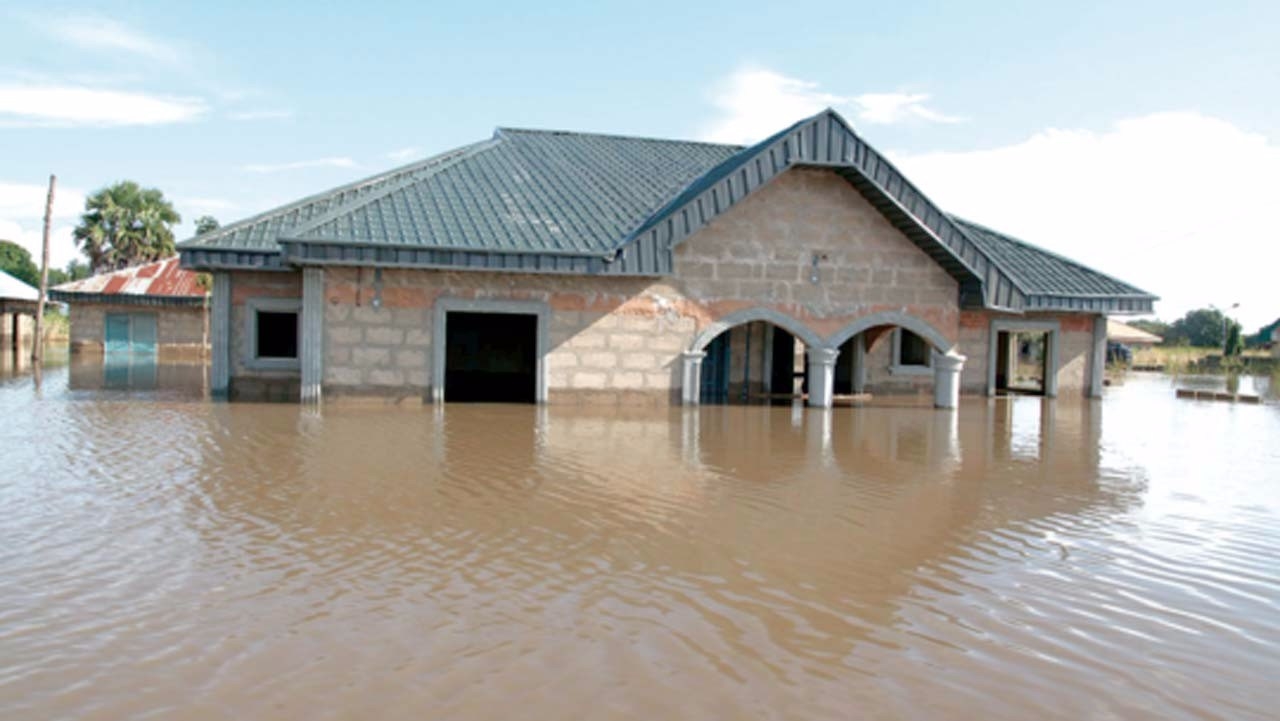
    The author found that climate change in Sub-Saharan Africa is leading to increased temperatures, shifts in precipitation patterns, and more extreme weather events. These changes are causing more frequent and intense floods, which disrupt livelihoods and infrastructure, and create environments conducive to the spread of diseases.

    Why is this Important

    Human Impact: Climate change, flooding, and diseases directly affect human lives, livelihoods, and well-being. Understanding their interconnections allows us to develop targeted interventions to mitigate their impact.
    Vulnerable Communities: Marginalized communities in Sub-Saharan Africa are disproportionately affected. By addressing these challenges, we can reduce disparities and promote social equity.
    Resilience Building: The study emphasizes the need for adaptation strategies. Building resilience at local, national, and international levels is essential to cope with the changing climate and its consequences.
    Global Health: Sub-Saharan Africa’s health is interconnected with global health. Addressing these issues contributes to global disease prevention and control.

    What the Authors Recommend

    The authors recommend several key strategies to address the challenges posed by climate change, flooding, and diseases in Sub-Saharan Africa

    • Early Warning Systems: Implement robust early warning systems to predict extreme weather events, such as floods, and disseminate timely alerts to vulnerable communities. These systems can help reduce the impact of disasters.
    • Sustainable Water Management: Enhance water resource management practices to mitigate the effects of flooding. This includes building reservoirs, improving irrigation techniques, and promoting water conservation.
    • Community-Based Health Interventions: Engage local communities in health promotion and disease prevention. Community health workers can play a crucial role in educating people about hygiene, sanitation, and disease control.
    • Integrated Approaches: Adopt an integrated approach that combines traditional knowledge with modern scientific methods. Collaborate across sectors, including health, agriculture, and disaster management, to develop holistic solutions.
    • Capacity Building: Strengthen the capacity of health systems, disaster response teams, and community organizations. Training and resources are essential for effective adaptation.

    In conclusion, the study sheds light on the interconnected challenges of climate change, flooding, and diseases in Sub-Saharan Africa, emphasizing the urgent need for comprehensive adaptation strategies. By addressing these issues, we can mitigate their impact on human lives, promote social equity, build resilience, and contribute to global health initiatives. Through collaborative efforts and integrated approaches, we can pave the way for sustainable development and improved well-being across the region.

  • Unlocking Rural Prosperity: Harnessing Photovoltaic Energy for Sustainable Agricultural Growth in Sub-Saharan Africa

    Unlocking Rural Prosperity: Harnessing Photovoltaic Energy for Sustainable Agricultural Growth in Sub-Saharan Africa

    A recent study by Ogunboyo, P. T., & Ogunlade, O. (2024) titled “Review of Photovoltaic Energy Access for Sustainable Growth in the Agricultural Sector: Economic, market and Employment Opportunities for Rural Communities of Sub-Saharan African” published in Applied Photovoltaic Technology shows that the use of photovoltaic energy in agriculture could lead to economic development and employment opportunities in rural communities.

    Integrating photovoltaic energy into agriculture in Sub-Saharan Africa can drive economic development and EMPLOYMENT. –Ogunboyo, P. T., & Ogunlade, O. (2024)

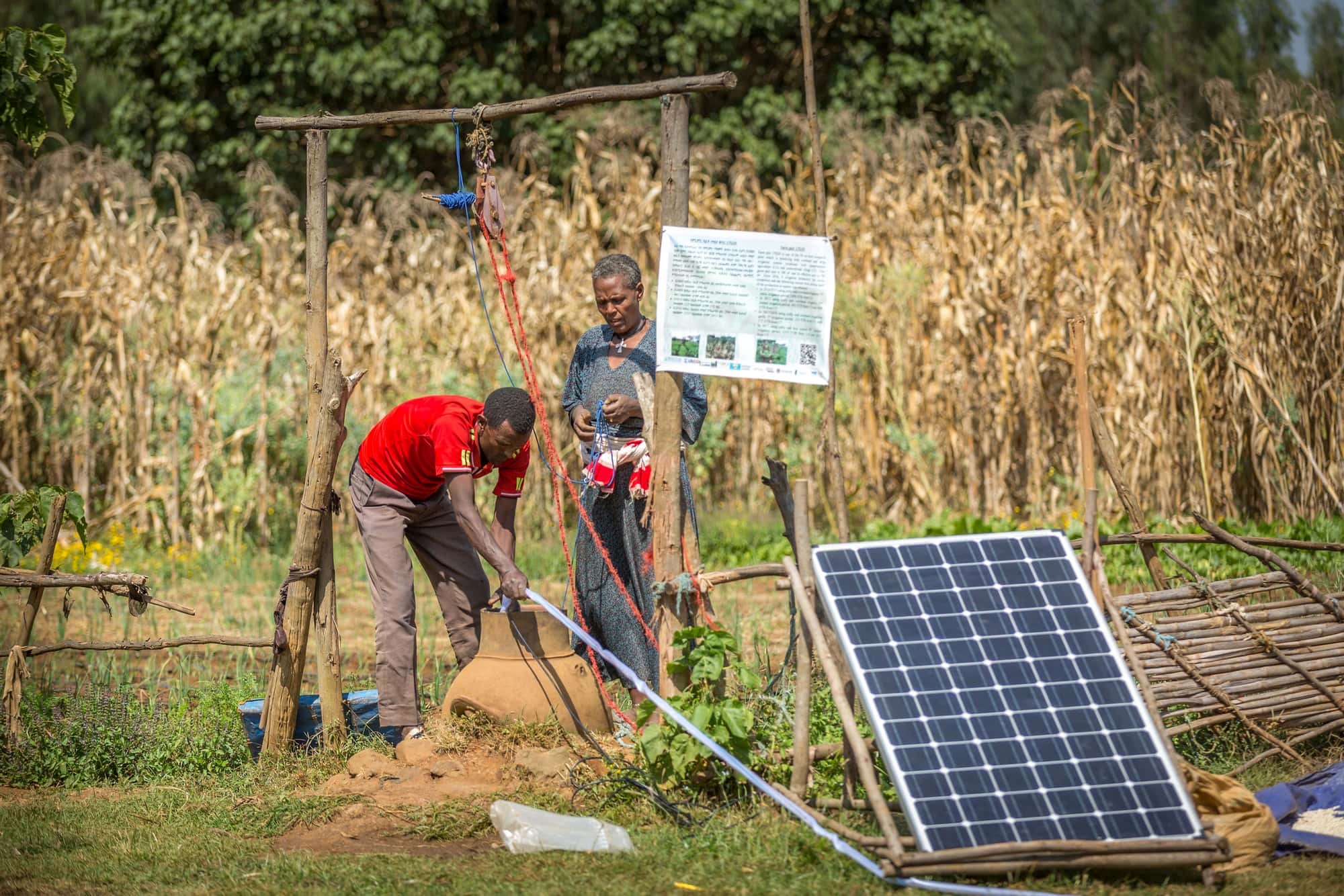
    The article delves deeply into the profound Impact of Photovoltaic Energy on Agriculture. Within the agricultural landscape of Sub-Saharan Africa, the study scrutinizes how the adoption of photovoltaic solar energy can act as a catalyst for sustainable growth. This involves exploring how such energy sources can contribute to long-term agricultural practices that maintain or enhance soil fertility, conserve water resources, and minimize environmental degradation, thereby ensuring the viability of farming operations for future generations. The research extensively investigates the multifaceted economic opportunities arising from the integration of photovoltaic energy into agricultural practices. This includes analyzing the potential for revenue generation through the sale of surplus energy back to the grid, creating new markets for solar-powered agricultural technologies, and fostering entrepreneurship and job creation within rural communities through the development and maintenance of solar infrastructure. A pivotal aspect of the study involves delving into the myriad environmental benefits associated with photovoltaic energy adoption in agriculture. By tapping into this clean and inexhaustible energy source, farmers can reduce their reliance on fossil fuels, thereby mitigating greenhouse gas emissions and contributing to climate change mitigation efforts. Additionally, the study explores how the deployment of solar-powered irrigation systems and other renewable energy technologies can help conserve natural resources and protect fragile ecosystems in Sub-Saharan Africa. In addition to highlighting the transformative potential of photovoltaic energy in agriculture, the study meticulously examines the challenges and barriers that may impede its widespread adoption. These may include technological limitations, financial constraints, and regulatory hurdles. To address these challenges, the study offers a range of policy recommendations aimed at promoting the uptake of photovoltaic energy in agriculture, such as providing financial incentives for solar energy investment, facilitating access to affordable financing options for farmers, and streamlining regulatory processes to expedite the deployment of solar infrastructure. In essence, the study provides a comprehensive analysis of the complex interplay between photovoltaic energy and agriculture in Sub-Saharan Africa, shedding light on the opportunities, challenges, and policy interventions necessary to realize the full potential of this transformative energy source in driving sustainable agricultural development and rural prosperity.

    How the Study was Conducted

    This study employed a systematic review approach to investigate the integration of photovoltaic solar energy in agricultural applications, particularly focusing on its role in improving energy access and quality in rural areas of Sub-Saharan African countries. The research aimed to assess the potential impact of photovoltaic systems on agricultural practices and rural development, with a specific emphasis on the generation of employment opportunities.

    The systematic review process involved the comprehensive examination of various scholarly works, research articles, reports, and other relevant literature pertaining to photovoltaic solar energy and its electrification in agricultural contexts. A rigorous search strategy was devised to identify relevant studies from reputable academic databases, journals, and institutional repositories.

    The inclusion criteria for the review encompassed studies that discussed the application of photovoltaic systems in agricultural settings, including but not limited to solar energy utilization for cooling storages, water pumping for irrigation purposes, greenhouse heating/cooling, and crop drying. Studies focusing on economic analysis and market-related opportunities associated with photovoltaic systems were also considered.

    Upon identification of relevant literature, a thorough screening process was undertaken to select studies that met the predefined inclusion criteria. The selected studies were then critically appraised to extract key findings, methodologies, and insights pertaining to the integration of photovoltaic energy in agriculture and its potential implications for rural development in Sub-Saharan Africa.

    What the Authors Found

    The authors found that Sub-Saharan Africa has a significant potential for photovoltaic solar energy, estimated at about 10,000 GW. The authors also posit that the use of photovoltaic energy in agriculture could lead to economic development and employment opportunities in rural communities. In addition, photovoltaic solar energy is a clean, non-pollutant source of energy that can help reduce greenhouse gas emissions and combat climate change.

    Why is this Important

    Energy Access: Photovoltaic systems provide a reliable and sustainable source of energy for rural communities. In regions where traditional grid infrastructure is lacking or unreliable, solar energy can bridge the gap and improve access to electricity.
    Agricultural Productivity: Access to electricity enables farmers to use modern agricultural technologies, such as irrigation pumps, refrigeration for crop storage, and machinery. These tools enhance productivity, crop yield, and overall farm efficiency.
    Economic Growth: The adoption of photovoltaic technology creates employment opportunities. Local installation, maintenance, and operation of solar systems generate jobs, contributing to economic development in rural areas.
    Environmental Benefits: Solar energy is clean and renewable. By reducing dependence on fossil fuels, it helps mitigate climate change and minimizes environmental pollution.
    Resilience and Adaptation: Photovoltaic systems can withstand extreme weather conditions, making them suitable for remote and vulnerable regions. They enhance community resilience by providing a consistent energy supply.
    Sustainable Development Goals (SDGs): The use of solar energy aligns with several SDGs, including affordable and clean energy (SDG 7), climate action (SDG 13), and partnerships for sustainable development (SDG 17).

    What the Authors Recommend

    • The authors recommend that governments and policymakers should create favorable policies and incentives to encourage the deployment of photovoltaic systems. This includes subsidies, tax breaks, and streamlined regulations.
    • The authors suggest that policymakers should raise awareness among farmers, local communities, and relevant stakeholders about the benefits of solar energy. Educational programs can help dispel myths, address misconceptions, and promote informed decision-making.
    • The study also ought government to invest in training programs for technicians, installers, and maintenance personnel. Building local expertise ensures the effective installation and operation of photovoltaic systems.
    • In addition, the authors suggest that the government should develop innovative financing models, microcredit schemes, and community-based financing options. These mechanisms can make solar energy more accessible to small-scale farmers and cooperatives.
    • Foster collaboration between governments, NGOs, research institutions, and private sector entities. Partnerships can accelerate technology transfer, knowledge sharing, and project implementation.
    • Involve local communities in decision-making processes. Engage farmers, women’s groups, and youth to ensure that solar energy projects align with their needs and aspirations.

    In conclusion, the study underscores the immense potential of integrating photovoltaic energy into agricultural practices in Sub-Saharan Africa. By addressing energy access challenges, enhancing agricultural productivity, fostering economic growth, and mitigating environmental impact, solar energy emerges as a pivotal driver for sustainable rural development. However, realizing these benefits requires concerted efforts from governments, policymakers, stakeholders, and local communities to overcome barriers and implement supportive policies. Through collaborative action and innovative solutions, the vision of harnessing solar energy for transformative agricultural growth can be realized, leading to a brighter, greener, and more prosperous future for rural communities across the region.

  • Unlocking the Dynamics of Convective Cold Pools in Equatorial Africa: Insights for Weather Prediction and Disaster Preparedness

    Unlocking the Dynamics of Convective Cold Pools in Equatorial Africa: Insights for Weather Prediction and Disaster Preparedness

    A recent article by Hoeller, et al., (2024) titled “Characteristics of station‐derived convective cold pools over equatorial Africa” published in Geophysical Research Letters by Wiley online examine that CP occurrence shows a pronounced diurnal cycle with an afternoon peak, attributed to low-level moisture conditions.

    Convective cold pools in equatorial Africa exhibit a pronounced diurnal cycle driven by moisture conditions.– Hoeller, et al., (2024)

    The article investigates convective cold pools (CPs) over equatorial Africa using 2019-2023 data, identifying 4,218 CPs through temperature and wind criteria.
    Convective cold pools (CPs) are phenomena caused by the evaporation of rainfall beneath deep convective clouds, leading to denser air that spreads out along the surface, creating a “gust front” with strong horizontal and vertical winds, as well as moisture and temperature anomalies. These gust fronts can trigger additional deep convective events and are significant in organizing thunderstorm systems. CPs are characterized by median temperature decreases of 5.3 K and specific humidity decreases of 2.8 g kg-1, closely correlating with satellite-observed brightness temperature discontinuities. They play a crucial role in the dynamics of tropical mesoscale convective systems, especially over land where the diurnal cycle intensifies convective activity. These CPs correlate with satellite-observed brightness temperature discontinuities, displaying a notable afternoon peak due to low-level moisture and convection depth. Stations in Cameroon, DR Congo, Nigeria, and Uganda were categorized by country to assess regional climatic disparities influencing CPs. The results offer an observational reference point to enhance simulations of CP organization and forecast thunderstorm clusters.

    How the Study was Conducted

    The authors employed data from 12 automatic weather stations across equatorial Africa, providing a near-surface time-series with a five-minute resolution. Cold pools were identified based on temperature and wind criteria. The authors analyzed nearly 43 years of station data to identify 4,218 cold pools. Infrared brightness temperature measurements were derived from satellite-measured effective radiances to verify cold pool gust fronts. The authors analyzed the effects of cold pools on various meteorological variables and characterized their seasonal and diurnal cycles in relation to precipitation, convection depth, and moisture conditions.

    What the Authors Found

    The authors identified 4,218 CPs using temperature and wind criteria and found that CP occurrence shows a pronounced diurnal cycle with an afternoon peak, attributed to low-level moisture conditions. The authors also identified CP gust fronts correlate closely with satellite-observed brightness temperature discontinuities.

    Why is this Important

    Weather Prediction and Modeling: Understanding CP behavior helps improve weather models and predictions. By incorporating CP characteristics, meteorologists can enhance forecasts related to thunderstorms, precipitation, and atmospheric processes in the region.
    Impact on Local Climate: CPs play a crucial role in the local climate. Their diurnal cycle and occurrence affect temperature, humidity, and wind patterns. Knowing how CPs behave allows for better climate monitoring and adaptation strategies.
    Ecological and Agricultural Implications: CPs influence soil moisture, evaporation rates, and vegetation growth. Farmers and ecologists can use this information to optimize irrigation practices and manage ecosystems effectively.
    Disaster Preparedness: Thunderstorm clusters associated with CPs can lead to extreme weather events. Understanding their organization and behavior is essential for disaster preparedness and risk mitigation.

    What the Authors Recommend

    • The authors emphasize the incorporation of the observed characteristics of convective cold pools (CPs) into weather and climate models. By doing so, these models can better simulate CP organization and predict thunderstorm clusters.
    • The authors recommend implementing monitoring systems that track CP behavior in real time. This information can be used for early warning systems related to extreme weather events associated with CPs.
    • Consider the impact of CPs on soil moisture, vegetation growth, and evaporation rates. Ecologists and land managers can optimize irrigation practices and ecosystem management based on CP behavior.
    • Given the influence of CPs on thunderstorm clusters, disaster preparedness strategies should account for their organization and diurnal patterns.

    In conclusion, this study sheds light on the intricate dynamics of convective cold pools over equatorial Africa, highlighting their significant role in weather patterns, climate dynamics, and ecological processes. By understanding the behavior of these phenomena, we can advance weather prediction models, enhance disaster preparedness efforts, and optimize land management practices. As we continue to delve deeper into the complexities of atmospheric processes, the insights gleaned from this research pave the way for more informed decision-making and sustainable development in the region.

  • Unlocking Carbon Neutrality in Africa: The Power of Education, Employment, and Renewable Energy

    Unlocking Carbon Neutrality in Africa: The Power of Education, Employment, and Renewable Energy

    A recent article by Elom et al., (2024) titled “Achieving carbon neutrality in Africa is possible: the impact of education, employment, and renewable energy consumption on carbon emissions” published in Carbon Research by Springer Nature shows that investment in renewable energy, education, and employment significantly reduces carbon emissions in Africa.

    Investment in education, employment, and renewable energy significantly reduces carbon emissions, fostering a sustainable future for Africa and beyond.– Elom et al., (2024)

    The study explores the relationship between education, employment, renewable energy consumption, and carbon emissions in Africa. The study analyzes the causal link between education, employment, renewable energy consumption, and carbon emissions in Africa, highlighting the potential for significant reduction in carbon emissions through these factors. Utilizing panel data from 32 African countries over 19 years, the study employs five rigorous regression models to demonstrate that investment in education, renewable energy, and employment are crucial in mitigating carbon emissions. The authors identify renewable energy, education investment, school enrolment, national income per capita, and employment as significant factors in mitigating carbon emissions. The study emphasizes the importance of achieving carbon neutrality in Africa and investigates the impact of education, employment, and renewable energy consumption on carbon emissions, utilizing a variety of panel regression models to analyze data from multiple African countries.

    How the Study was Conducted

    The authors employed panel data from World Development Indicators for 32 African countries over 19 years. The authors employed five different panel regression models to assess the effects of various predictors on carbon emissions. Focused on renewable energy consumption, carbon emissions, education expenditure, employment level, school enrolment, and net national income per capita the authors applied natural logarithmic values transformation, Granger causality test, and various unit root and cointegration tests using STATA 17 software.

    What the Authors Found

    The authors of the study found that Investment in renewable energy, education, and employment significantly reduces carbon emissions in Africa. In addition, the authors posit that there is a bidirectional causality between carbon emissions and factors like net national income per capita, education expenditure, and renewable energy consumption.

    Why is this Important

    Climate Change Mitigation: By identifying the significant role of education, employment, and renewable energy consumption, the study provides actionable insights for policymakers. Implementing the recommended strategies can contribute to reducing carbon emissions and combating climate change.
    Policy Guidance: African governments can use the study’s findings to shape effective policies. Investing in education, promoting renewable energy adoption, and creating employment opportunities aligns with global efforts to achieve carbon neutrality.
    Long-Term Benefits: The study emphasizes long-term benefits. If African nations prioritize education and sustainable energy sources, they can create a positive impact on the environment, public health, and economic stability.
    Regional Context: Given Africa’s unique challenges and opportunities, understanding the interplay between education, employment, and carbon emissions is crucial. The study contextualizes these factors within the African context.

    What the Authors Recommend

    • African governments should prioritize education by increasing investment in schools, improving access, and enhancing the quality of education. Well-educated citizens are more likely to make informed decisions related to environmental conservation.
    • Encouraging the adoption of renewable energy sources is crucial. Policymakers should create incentives for clean energy technologies, invest in infrastructure, and raise awareness about the benefits of renewable energy.
    • Addressing unemployment is essential. By promoting job creation in sustainable sectors (such as renewable energy production and environmental management), governments can simultaneously reduce poverty and contribute to carbon emissions reduction.
    • Policymakers should integrate environmental considerations into broader policies. For instance, education policies can incorporate environmental education, and employment policies can prioritize green jobs.
    • Encourage collaboration between governments, NGOs, and research institutions. Continued research on the impact of education, employment, and renewable energy on carbon emissions is essential for evidence-based policymaking.

    In conclusion, the study underscores the pivotal role of education, employment, and renewable energy in paving the way for a sustainable future in Africa. By embracing these pillars, African nations can not only significantly reduce carbon emissions but also foster economic prosperity, social equity, and environmental resilience. It is imperative for policymakers, stakeholders, and citizens alike to heed the findings and collaborate effectively towards a greener, more prosperous Africa and a healthier planet for generations to come.

  • March 2024: Paper of the Month by Popoola, et al,. 2024 – Unlocking Drought Tolerance: Hyacinth Bean’s Resilience Revealed for Climate-Smart Agriculture

    March 2024: Paper of the Month by Popoola, et al,. 2024 – Unlocking Drought Tolerance: Hyacinth Bean’s Resilience Revealed for Climate-Smart Agriculture

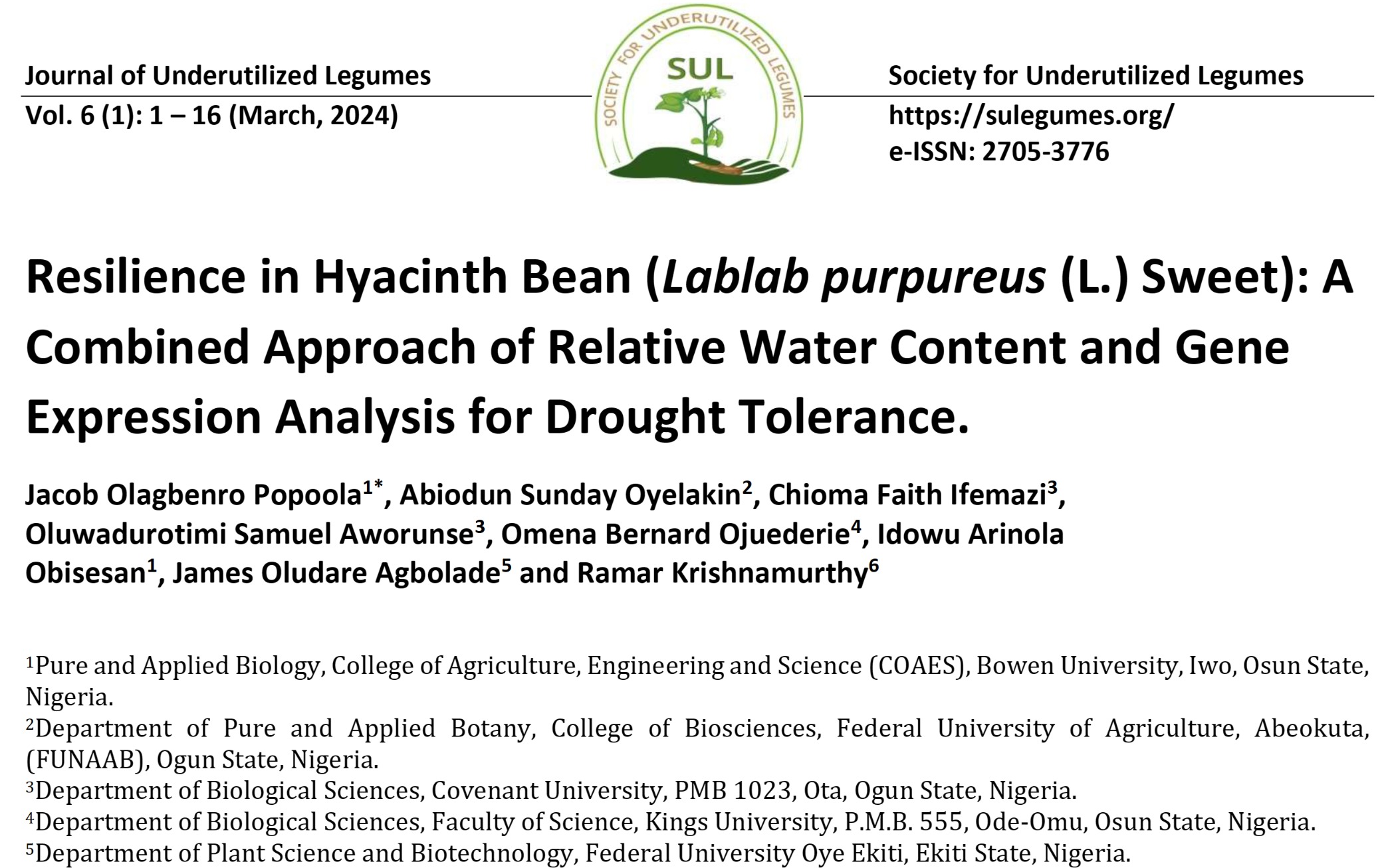
    March 2024: Paper of the Month by Popoola, et al,. 2024 – Resilience in Hyacinth Bean (Lablab purpureus (L.) Sweet): A Combined Approach of Relative Water Content and Gene Expression Analysis for Drought Tolerance.

    A recent study by Popoola, et al,. (2024) titled “Resilience in Hyacinth Bean (Lablab purpureus (L.) Sweet): A Combined Approach of Relative Water Content and Gene Expression Analysis for Drought Tolerance” published in Journal of Underutilized Legumes show that drought-treated accessions had lower RWC compared to controls, and the expression levels of PIP genes were higher in drought-treated samples, indicating their role in drought tolerance.

    Hyacinth Bean exhibits drought tolerance mechanisms through gene expression and physiological adaptations– Popoola, et al,. (2024)

    The article delves into the resilience of Hyacinth Bean (Lablab purpureus) when facing drought conditions. It presents a comprehensive study that combines the evaluation of Relative Water Content (RWC) and gene expression analysis to assess drought tolerance in this plant species. The research involved cultivating five different Hyacinth Bean accessions under both drought-stressed and well-watered conditions, followed by the measurement of their RWC and the analysis of expression levels of plasma membrane intrinsic proteins (PIPs) genes. The results indicate the presence of drought regulatory genes within Hyacinth Bean, suggesting its potential suitability as a crop for climate-smart agriculture in tropical regions. This study underscores the significance of comprehending crop responses to drought for ensuring food security and promoting sustainable agricultural practices.

    How the Study was Conducted

    The authors employed twenty accessions of Hyacinth beans from the International Institute of Tropical Agriculture (IITA) and five were selected based on seed coat color for the study. Seeds were scarified, planted in pots, and subjected to water stress by withholding water for 21 days in a greenhouse, while control plants were well-watered. The authors collected leaf samples from three-week-old seedlings for gene expression analysis and Relative Water Content (RWC) was measured in both control and drought-stressed plants to assess their water status. In addition, RNA was isolated from leaf samples, and the expression levels of plasma membrane intrinsic proteins (PIPs) drought-tolerance genes were analyzed by the authors using real-time quantitative PCR (RT-qPCR).

    What the Authors Found

    The study investigates the drought tolerance mechanisms in Hyacinth bean (Lablab purpureus) by analyzing relative water content (RWC) and gene expression of plasma membrane intrinsic proteins (PIPs). The authors found that drought-treated accessions had lower RWC compared to controls, and the expression levels of PIP genes were higher in drought-treated samples, indicating their role in drought tolerance.

    Why is this important

    Climate-Resilient Agriculture: As our planet faces increasing climate variability, understanding how crops respond to drought stress is crucial. The study sheds light on the mechanisms that allow Hyacinth Bean to survive and thrive under water-deficient conditions. By identifying drought-tolerant genes and physiological adaptations, researchers can develop more resilient crop varieties.
    Food Security: Drought is a major threat to global food security. Crops that can withstand water scarcity are essential for ensuring stable food production. Hyacinth Bean, with its inherent drought regulatory genes, could contribute to food security in regions prone to droughts.
    Sustainable Farming Practices: By studying Hyacinth Bean’s drought tolerance, scientists can develop sustainable agricultural practices. These practices may include crop rotation, soil management, and water-saving techniques. Implementing drought-tolerant crops like Hyacinth Bean can reduce the environmental impact of agriculture.
    Biodiversity Conservation: Hyacinth Bean is an underutilized legume crop with potential benefits. Understanding its drought adaptation mechanisms encourages the conservation and utilization of diverse plant species. Preserving biodiversity is essential for ecosystem health and resilience.
    Scientific Knowledge: The study contributes to our fundamental understanding of plant responses to environmental stress. It provides insights into gene expression patterns and physiological adaptations. This knowledge can inform future research and guide breeding programs for other crops.

    What the Authors Recommend

    • The authors emphasize on utilizing the knowledge of drought tolerance mechanisms in Hyacinth Bean to develop improved varieties through selective breeding. Identify and propagate accessions with higher drought tolerance traits.
    • The authors suggest further investigation of the expression patterns of plasma membrane intrinsic proteins (PIPs) genes. Understanding their regulation and function can guide genetic modification efforts to enhance drought tolerance.
    • The study recommend the conduction of field trials to validate the performance of drought-tolerant Hyacinth Bean varieties under varying water availability conditions. Assess their yield, quality, and overall agronomic suitability.
    • In addition, the authors suggest the adoption of Hyacinth Bean in regions prone to droughts. Educate farmers about its benefits and provide training on cultivation practices that maximize drought resilience.

    In conclusion, this study illuminates the remarkable resilience of Hyacinth Bean (Lablab purpureus) to drought stress, highlighting its potential as a valuable asset in the face of climate change. By unraveling the plant’s drought tolerance mechanisms through gene expression analysis and physiological assessments, we gain essential insights for bolstering food security, promoting sustainable agriculture, and conserving biodiversity. Moving forward, harnessing this knowledge to develop improved crop varieties and implementing them in drought-prone regions could significantly enhance agricultural resilience and contribute to a more sustainable future.

  • Unveiling the Silent Crisis: Young Black Men and the Urgent Call to Address Suicide Rates

    Unveiling the Silent Crisis: Young Black Men and the Urgent Call to Address Suicide Rates

    Recent research from the University of Georgia sheds light on a deeply concerning trend: young Black men are grappling with alarming rates of suicide, yet the discourse around this issue remains largely silent. The study, conducted by scholars from UGA’s Human Development and Family Science Department, underscores the urgent need to address the root causes driving these distressing statistics.

    The Disturbing Trends

    Suicide stands as the second leading cause of death for African Americans aged 15 to 24, with Black men bearing a disproportionately higher risk compared to Black women. This crisis is exacerbated among rural Black communities, where one in three young Black men report experiencing suicidal ideation or thoughts of death within a mere two-week period. The statistics paint a stark reality: an urgent need exists to unpack the underlying factors contributing to this crisis.

    Exploring Underlying Causes

    The study delves into the complex interplay of childhood adversity, racial discrimination, and their profound impact on the mental health of young Black men. Growing up in environments characterized by economic hardship and trauma, compounded by experiences of racism during young adulthood, creates a profound sense of mistrust and isolation. These individuals often struggle to cultivate healthy relationships, further exacerbating feelings of loneliness and hopelessness.

    The Role of Childhood Trauma and Racism

    Participants in the study were asked to reflect on their childhood experiences, including exposure to trauma and deprivation, as well as their encounters with racial discrimination during young adulthood. These adverse experiences not only shape their worldview but also erode their sense of self-worth and trust in others. The study reveals a distressing reality: even those who report positive childhood experiences are not immune to the detrimental effects of racial discrimination on their mental well-being.

    The Impact of Economic Disparities

    Young Black men, particularly those in rural areas, are disproportionately affected by poverty and lack of resources. These socioeconomic disparities further compound their susceptibility to childhood trauma and racial discrimination, exacerbating the risk of suicidal ideation and mental health challenges.

    The Crucial Role of Relationships

    Central to combating suicidal thoughts is the presence of strong, supportive relationships. Yet, for many young Black men, the pervasive sense of isolation and lack of community amplifies feelings of despair. Cultivating healthy relationships, therefore, emerges as a critical protective factor against suicide.

    Empowering Parents and Communities

    Parents play a pivotal role in helping their children navigate these challenges, emphasizing the importance of self-love and pride in one’s Black identity. Moreover, community support and interventions are essential in addressing the systemic factors contributing to the mental health crisis among young Black men.

    Conclusion: The findings underscore the urgent need for comprehensive, culturally sensitive interventions to address the alarming rates of suicide among young Black men. By understanding the intersecting factors of childhood trauma, racial discrimination, and socioeconomic disparities, we can begin to pave the way for meaningful change and support for vulnerable communities.

  • Diving into Chadian Literature: Nétonon Noël Ndjékéry’s Journey, Linguistic Diversity, and Literary Insights

    Diving into Chadian Literature: Nétonon Noël Ndjékéry’s Journey, Linguistic Diversity, and Literary Insights

    Chad, often overshadowed in media discussions, emerges as a literary territory through the voice of Nétonon Noël Ndjékéry, a prominent figure in French-speaking Chadian literature. In this interview, Ndjékéry sheds light on the linguistic landscape of Chad, his journey from mathematics to literature, life in Switzerland, and the perception of his work in Chad.

    Linguistic Diversity in Chad

    Ndjékéry paints a vibrant picture of Chad’s linguistic diversity, comprising 144 local languages alongside French and classical Arabic, the official languages. While French arrived with colonization, classical Arabic gained prominence through political imposition. Despite governmental neglect, local languages like Kanembu, Mundang, and Ngambay persist. However, literary productions in these languages remain scarce.

    From Mathematics to Literature

    Ndjékéry’s literary journey began early, influenced by familial storytelling and Chadian griots. He initially engaged in public writing, assisting illiterate individuals in communicating with French-speaking administrations. This experience, combined with his passion for storytelling, propelled him towards literature. Despite pursuing mathematics for practical reasons, his love for writing persisted, reflecting his commitment to bridging local experiences with universal themes.

    Life in Switzerland and Perceptions in Chad

    Living in Europe has provided Ndjékéry with a sanctuary for creative expression, contrasting with the communal life of Africa. However, he remains connected to Chad, grappling with the tensions of exile and the perspective it offers on Chadian realities. Despite limited recognition in his homeland, receiving the Grand National Literary Prize in 2017 signifies a hopeful future for his work’s impact on Chadian youth.

    Exploring Chadian Literature

    Ndjékéry highlights the emergence of Chadian literature, particularly in French, showcasing talents like Nimrod Bena, Nocky Djedanoum, Koulsy Lamko, and Mahamat-Saleh Haroun. He encourages exploration of their works to appreciate Chad’s literary contributions. Additionally, he notes significant literary events in Chad, such as the International Festival “Le Souffle de l’Harmattan” and the “book and reading month” celebration, signaling a growing appreciation for literature within the country.

    In conclusion, Nétonon Noël Ndjékéry’s insights offer a glimpse into the rich tapestry of Chadian literature, where diverse languages, personal journeys, and universal themes converge. As Chadian voices continue to resonate on the global stage, let us embrace the beauty of linguistic diversity, celebrate cultural richness, and explore the transformative power of storytelling from the heart of Africa.

  • Revolutionizing Conservation: South Africa’s Bold Biodiversity Strategy for Inclusive and Sustainable Future

    Revolutionizing Conservation: South Africa’s Bold Biodiversity Strategy for Inclusive and Sustainable Future

    South Africa’s recent unveiling of its biodiversity strategy marks a significant departure from traditional colonial conservation approaches. Spearheaded by a diverse group of experts, the strategy aims to revolutionize conservation efforts by integrating economic sustainability with ecological preservation. Contrary to alarmist views, this strategy presents a promising opportunity to propel South Africa’s conservation endeavors forward.

    The strategy recognizes the crucial role of monetization in conservation efforts. It acknowledges that conservation cannot thrive without financial support, highlighting the necessity of revenue generation from activities such as ecotourism, wildlife documentaries, and game reserves. Moreover, it emphasizes the importance of inclusive conservation practices, particularly in empowering rural communities and addressing historical exclusion.

    Building upon decades of experience, the strategy aims to rectify past shortcomings by promoting community-based conservation initiatives. By capitalizing on indigenous knowledge and diversifying revenue streams, such initiatives are poised to enhance both biodiversity conservation and community livelihoods. Drawing inspiration from successful models in neighboring countries, South Africa seeks to implement tailored approaches that prioritize inclusivity and sustainability.

    Furthermore, the strategy emphasizes landscape-level conservation efforts, fostering collaboration among stakeholders across communal, private, and state-owned lands. Through strategic partnerships and economic incentives, it envisions a shift towards integrated conservation measures that transcend traditional boundaries. This holistic approach not only fosters ecological connectivity but also addresses socio-economic disparities and promotes sustainable development.

    Crucially, the strategy aligns with South Africa’s commitments to global biodiversity targets, including the ambitious “30 by 30” goal. By leveraging the intertwined goals of conservation and economic prosperity, the strategy offers a pragmatic pathway towards achieving these targets while fostering equitable development.

    In conclusion, South Africa’s new biodiversity strategy represents a progressive shift towards inclusive and sustainable conservation practices. By embracing economic principles without compromising ecological integrity, the strategy charts a bold course towards a more harmonious relationship between humanity and nature. It is incumbent upon all stakeholders to support and actively participate in realizing this vision for the benefit of present and future generations.