Author: AR Managing Editor

  • Unlocking the Power of Digital Elevation Models: Insights from Central and Southern Africa’s Landscapes

    Unlocking the Power of Digital Elevation Models: Insights from Central and Southern Africa’s Landscapes

    A recent study by Okolie, et al, (2024) titled “Assessment of the global Copernicus, NASADEM, ASTER and AW3D digital elevation models in Central and Southern Africa” published in Geo-spatial Information Science, by Taylor & Francis group shows that Copernicus DEM displayed superior accuracy in certain scenarios while ASTER and NASADEM were better suited for other landscapes.

    There are varying accuracies of global Digital Elevation Models across Central and Southern Africa, highlighting Copernicus DEM’s superiority in certain CONDITIONS. – Okolie, et al, (2024)

    The article explores a thorough evaluation of the vertical accuracies of four prominent global Digital Elevation Models (DEMs): NASADEM, Advanced Spaceborne Thermal Emission and Reflection Radiometer (ASTER) GDEM, Copernicus GLO-30, and Advanced Land Observing Satellite (ALOS) World 3D (AW3D), through the comparison with LiDAR ground truth data. Focusing on a range of landscapes across Central and Southern Africa, including urban, agricultural, mountainous, and forested areas, the study scrutinizes the performance of these DEMs across diverse terrains and land cover types, while considering factors such as tree cover and topographic parameters. The results highlight variations in DEM accuracy, with the Copernicus DEM demonstrating superior performance under certain conditions, while ASTER and NASADEM exhibit better accuracy in others.

    How the Study was Conducted

    Grids with a substantial number of data points were generated for Cape Town and Gabon. Elevation data was extracted from LiDAR and global DEMs, and these elevations were recorded. The DEMs were cleaned to eliminate negative elevation values. The Three-sigma rule was applied to identify and filter outliers, and elevation points over water bodies were excluded. Both qualitative (visual) and quantitative analyses were employed. Absolute vertical accuracy was determined by comparing satellite DEMs with the reference DEM (LiDAR). Height Error Maps (HEMs) were created to visually estimate height error across different landscapes. The relative accuracy of the DEMs was ranked based on calculated accuracy measures.

    What the Authors Found

    The authors of the study found the global Digital Elevation Models (DEMs) evaluated—NASADEM, ASTER GDEM, Copernicus GLO-30, and ALOS World 3D (AW3D)—showed varying levels of vertical accuracy. Dense LiDAR ground-truth data was employed to validate the DEMs’ accuracy across diverse landscapes in Central and Southern Africa. The authors found that the accuracy of DEMs differed based on environmental factors such as tree cover and topographic parameters. In addition, the authors posits that Copernicus DEM displayed superior accuracy under certain conditions, while ASTER and NASADEM were better in other scenarios.

    Why is this Important

    Digital Elevation Models (DEMs) find extensive application in environmental research, spanning climate modeling, hydrology, and land cover analysis. The precision of elevation data is pivotal in comprehending terrain features, water flow dynamics, and ecological phenomena.  Within infrastructure planning, dependable elevation data holds significant importance. It aids in the development of infrastructure, urban layouts, and disaster management strategies, enabling engineers to accommodate elevation fluctuations effectively in designing roads, bridges, and buildings.

    In the realm of natural resource management, DEMs facilitate the evaluation of resources like forests, wetlands, and agricultural areas. Accurate elevation data informs decisions regarding land usage and conservation endeavors. In the context of assessing the impacts of climate change, precise elevation information becomes indispensable. It allows for the anticipation of coastal erosion, flooding, and habitat alterations, given the fluctuations in sea levels and weather patterns associated with climate change. For risk assessment purposes, DEMs play a crucial role in evaluating hazards such as landslide susceptibility, flood forecasting, and seismic risk analysis. Accurate elevation data contributes significantly to mitigating potential disasters.

    In scientific research domains like geomorphology, glaciology, and geology, DEMs serve as invaluable tools for analyzing landscape transformations, glacier retreat patterns, and tectonic activities. In essence, ensuring the accuracy of DEMs fosters well-informed decision-making across a diverse array of fields, ranging from environmental preservation to infrastructure advancement.

    What the Authors Recommend

    The authors recommend the following:

    • When choosing a Digital Elevation Model (DEM) for specific applications, consider the environmental context. Different DEMs perform better under varying conditions. For instance:
      Copernicus DEM displayed superior accuracy in certain scenarios.
      ASTER and NASADEM were better suited for other landscapes.
    • Before using DEMs, validate their accuracy against ground-truth data (such as LiDAR). Calibration and adjustment may be necessary to improve reliability.
    • Understand the limitations of DEMs. Factors like tree cover, terrain complexity, and data resolution impact accuracy. Be cautious when interpreting elevation data.
    • Consider regional variations. DEM accuracy can differ significantly across different geographic regions. Local calibration or correction factors may enhance reliability.
    • Collaborate with other researchers and institutions. Sharing groundtruth data and calibration techniques can improve overall DEM accuracy.

    In conclusion, the comprehensive evaluation of global Digital Elevation Models (DEMs) conducted in this study sheds light on their varying accuracies across diverse landscapes in Central and Southern Africa. With Copernicus DEM demonstrating superior performance under specific conditions, while ASTER and NASADEM proving more suitable for other scenarios, understanding these nuances is crucial for informed decision-making across multiple fields. By recognizing the importance of DEM accuracy, validating data against ground truth, and acknowledging regional variations and limitations, researchers and practitioners can harness the full potential of DEMs to advance environmental studies, infrastructure planning, natural resource management, and scientific research, ultimately contributing to more resilient and sustainable development.
  • Script-Based Satellite Image Analysis Reveals Land Cover Changes in West Africa: Implications for Environmental Management and Climate Action

    Script-Based Satellite Image Analysis Reveals Land Cover Changes in West Africa: Implications for Environmental Management and Climate Action

    A recent study by Lemenkova, P. (2024) titled “An automated algorithm of GRASS GIS to retrieve the data on land cover types in Guinea, West Africa, from Landsat-8 OLI/TIRS images” published in Ovidius University Annals Series: Civil Engineering, examine that a script-based computer vision approach is effective for processing, classifying, and analyzing satellite images to extract land cover classes in tropical West Africa.

    Script-based satellite analysis accurately extracts land cover classes, crucial for environmental management– Lemenkova, P. (2024)

    The study explores an automated algorithm using GRASS GIS to classify land cover types in Guinea, West Africa, from Landsat-8 OLI/TIRS images. The research evaluates Landsat OLI/TIRS multispectral images and integrates GRASS GIS, GMT, and QGIS software for accurate land cover mapping. A script-based computer vision approach is employed for image processing, classification, and analysis. This method proves effective in extracting land cover classes for environmental mapping in the tropical region of West Africa. The study area includes diverse ecosystems, from tropical forests to dry savanna woodlands. The author highlights significant land cover changes due to factors like deforestation, urban sprawl, and climate change, emphasizing the importance of satellite image processing in environmental monitoring. The study provides technical foundations using scripts for extracting information from remote sensing data. The results show high classification accuracy and demonstrate the effectiveness of the automated classification approach of GRASS GIS for image processing with scripts.

    How the Study was Conducted

    The author employed Landsat-8 OLI/TIRS multi-spectral images acquired in February of 2014 2018, and 20231. These images were used to map land cover types in Guinea, West Africa. The research combined GRASS GIS, GMT, and QGIS software for processing and cartographic visualization. GRASS GIS was employed for image processing, while GMT helped in creating topographic maps and QGIS for thematic mapping. A script-based approach was employed for image classification. K-means clustering was used to classify images into 18 classes, which were then upscaled to 10 classes for regional generalization. The accuracy of the classified images was evaluated using the kappa statistic and an error matrix, ensuring the reliability of the land cover classification results.

    What the Authors Found

    The author found that a script-based computer vision approach is effective for processing, classifying, and analyzing satellite images to extract land cover classes in tropical West Africa. The author also found that the script-based classification achieved high accuracy, with overall classification accuracies of 98.1% for 2014, 98.03% for 2018, and 98.4% for 2023.

    Why is this important

    Environmental Monitoring and Management: The ability to accurately classify land cover types using satellite imagery is crucial for environmental monitoring and management. By tracking changes in land cover over time, researchers and policymakers can identify deforestation, erosion, and desertification patterns. This information informs conservation efforts, land-use planning, and sustainable resource management.
    Climate Change Implications: Understanding land cover changes provides insights into climate change impacts. For instance, deforestation contributes to carbon emissions, affecting global climate patterns. By monitoring land cover, we can assess the impact of human activities on the environment and take necessary actions to mitigate climate change.
    Biodiversity Conservation: Different land cover types support diverse ecosystems and species. Accurate mapping helps identify areas with high biodiversity, aiding conservation efforts. For example, forests are critical habitats for various plant and animal species. Monitoring their health and changes is essential for preserving biodiversity.
    Disaster Risk Assessment: Land cover information is vital for disaster risk assessment. Knowing which areas are prone to landslides, floods, or other natural hazards allows for better preparedness and response planning. Early warning systems can be developed based on land cover data.
    Sustainable Development: Land cover classification informs sustainable development practices. It guides decisions related to urban expansion, agriculture, infrastructure development, and land use. Balancing economic growth with environmental protection relies on accurate land cover data.

    What the Authors Recommend

    • Given the success of the script-based approach and high classification accuracy, the authors emphasize the importance of continued monitoring using satellite imagery. Regular updates can provide valuable insights into land cover changes over time.
    • The accurate mapping of land cover types enables evidence-based decision-making. Policymakers and environmental agencies should utilize this information to formulate and implement effective policies related to land use, conservation, and sustainable development.
    • The study underscores the need for raising awareness among local communities, stakeholders, and the public about the significance of land cover monitoring. Educating people about the impact of land cover changes can lead to better environmental stewardship.
    • The authors encourage collaboration between research institutions, government bodies, and NGOs. Sharing data, methodologies, and best practices can enhance the accuracy and reliability of land cover assessments.

    In conclusion, the study demonstrates the efficacy of a script-based computer vision approach for processing, classifying, and analyzing satellite images to extract land cover classes in tropical West Africa. The findings underscore the importance of accurate land cover mapping for environmental monitoring, climate change mitigation, biodiversity conservation, disaster risk assessment, and sustainable development. With high classification accuracy and significant implications for policy formulation and community awareness, this research paves the way for continued advancements in satellite image analysis and informed decision-making towards a more sustainable future.

  • Addressing Human-Wildlife Conflicts in Africa: Strategies for Conservation and Coexistence

    Addressing Human-Wildlife Conflicts in Africa: Strategies for Conservation and Coexistence

    A recent study by Zumo, D. O. (2024) titled “Human-Wildlife Conflicts in Africa: A Preliminary Review” published in International Journal of Environmental Sciences indicates that human-wildlife conflicts (HWC), particularly prevalent in West Africa like Liberia, stem from competition for limited natural resources.

    Human-wildlife conflicts in Africa, particularly in West Africa, stem from competition for limited natural resources.– Zumo, D. O. (2024)

    This study explores a comprehensive review of Human-Wildlife Conflicts (HWC) in Africa, focusing on causes, impacts, and mitigation strategies. It examines the conflict between humans and wildlife in Africa due to competition for natural resources, particularly in West Africa. The author discusses various causes like habitat fragmentation, climate change, and illegal wildlife trade, along with their economic and conservation impacts.
    It explores potential solutions, including conservation efforts, community-based initiatives, and education to address these conflicts. The paper includes case studies such as the The decline in the charismatic forest-dwelling elephant population in the Democratic Republic of Congo (DRC) highlights the severity of HWC, increasing waterbuck numbers in Mozambique demonstrate the complex dynamics of human-wildlife interactions, varying lion populations near Kruger National Park underscore the need for effective conservation strategies. and highlights the importance of integrated approaches to resolve HWC. Implementing conflict resolution strategies across Africa is essential for the effective conservation of endangered mammals.

    How the Study was Conducted

    The author employed existing research and publications related to human-wildlife conflicts and the Collection of data on wildlife distribution, behavior, and natural resource availability. The author also gathers information on local communities’ perceptions and attitudes towards wildlife. Documentation of specific instances of human-wildlife conflicts as well as evaluating the damage caused to crops and livestock by wildlife aim to provide a holistic understanding of the issue, encompassing ecological, social, and economic aspects.

    What the Authors Found

    The main findings of the study indicate that human-wildlife conflicts (HWC), particularly prevalent in West Africa like Liberia, stem from competition for limited natural resources. Factors such as habitat fragmentation, climate change, and illegal wildlife trade exacerbate these conflicts, leading to economic losses, human casualties, and conservation concerns.

    Why is this Important

    Conservation efforts aimed at understanding the causes and impacts of Human-Wildlife Conflict (HWC) are crucial for developing targeted strategies to protect wildlife and human communities. HWC can lead to significant economic losses, posing risks to human safety, and threatening biodiversity. By addressing these conflicts, we can mitigate financial losses, enhance human safety, preserve biodiversity, and promote sustainable coexistence between humans and wildlife for long-term sustainability.

    What the Authors Recommend

    • The author suggests that stakeholders should engage local communities in conservation efforts. Collaborate with them to develop sustainable practices that benefit both wildlife and people.
    • The author also encourages stakeholders to raise awareness about HWC and its impact. Educate communities on coexistence measures, safety precautions, and the importance of wildlife conservation.
    • The study posits that stakeholders should implement effective conflict-resolution strategies. These may include creating buffer zones, using deterrents, and promoting non-lethal methods to prevent wildlife damage.
    • In addition, stakeholders should advocate for policies that protect wildlife habitats and regulate human activities near wildlife areas.

    In conclusion, addressing human-wildlife conflicts in Africa is imperative for the sustainable coexistence of both communities and wildlife. Through comprehensive understanding, collaborative efforts, and effective implementation of conservation strategies, we can mitigate economic losses, ensure human safety, preserve biodiversity, and foster harmonious relationships between humans and wildlife for a more resilient and balanced ecosystem. Together, we can strive towards a future where both humans and wildlife thrive in harmony.

  • Unlocking Entrepreneurship in Africa: Addressing Challenges and Driving Growth for Inclusive Development

    Unlocking Entrepreneurship in Africa: Addressing Challenges and Driving Growth for Inclusive Development

    A recent study by Odeyemi, et al., (2024) titled “ENTREPRENEURSHIP IN AFRICA: A REVIEW OF GROWTH AND CHALLENGES” published in International Journal of Management & Entrepreneurship Research, showed that entrepreneurs in Africa face challenges like infrastructure deficiencies, limited access to financing, regulatory complexities, and political instability.

    Entrepreneurs in Africa face challenges like infrastructure deficits, limited financing, regulatory complexities, and gender disparities, hindering entrepreneurial growth.– Odeyemi et al., 2024

    The article explores a comprehensive review of entrepreneurship in Africa, discussing both the growth and challenges entrepreneurs face on the continent. The authors identify factors contributing to the growth of entrepreneurship in Africa, such as a young and dynamic population, urbanization, government initiatives, international partnerships, and a culture of innovation, especially in the technology sector. The study posits that entrepreneurs in Africa face obstacles including infrastructure deficits, limited access to financing, regulatory barriers, and political instability. The review highlights educational disparities and gender inequities as significant challenges that affect the development of entrepreneurial skills and the participation of women in entrepreneurship. Entrepreneurial growth in Africa has the potential to create employment, diversify economies, and empower communities socially, contributing to sustainable development.

    What the Authors Found

    The authors found that entrepreneurs in Africa face challenges like infrastructure deficiencies, limited access to financing, regulatory complexities, and political instability. In addition, there are educational disparities and gender-related issues that affect entrepreneurship, requiring policy reforms and educational system improvements.

    Why is this Important

    Economic Growth: Entrepreneurship plays a pivotal role in driving economic growth and job creation. By understanding the growth drivers and challenges faced by entrepreneurs in Africa, policymakers and stakeholders can devise effective strategies to foster economic development.
    Inclusive Development: Addressing socio-cultural barriers and promoting entrepreneurship among marginalized communities, including women, is essential for achieving inclusive development. These findings highlight the need for targeted interventions to empower underrepresented groups.
    Policy Formulation: Policymakers can use these insights to formulate policies that encourage entrepreneurship. Streamlined regulations, improved access to financing, and practical education can create an enabling environment for aspiring entrepreneurs.
    Global Partnerships: The findings emphasize the importance of international partnerships. Collaborations between African entrepreneurs and global networks can facilitate knowledge exchange, technology transfer, and market access.

    What the Authors Recommend

    • The authors suggest that simplifying bureaucratic processes and reducing red tape can encourage more entrepreneurs to start and scale businesses. Clear and efficient regulations facilitate business operations and attract investment.
    • Access to finance remains a significant challenge for entrepreneurs. The authors propose creating financial mechanisms that cater to diverse needs, including microfinance, venture capital, and angel investors. Ensuring financial inclusion is crucial.
    • The authors further posit that strengthening entrepreneurship education at all levels is essential. Practical training, mentorship programs, and exposure to real-world business scenarios can equip aspiring entrepreneurs with the necessary skills.
    • Gender disparities persist in entrepreneurship. The authors emphasize the need for targeted support for women entrepreneurs, including access to capital, networking opportunities, and mentorship.
    • Building networks and partnerships within Africa and globally is vital. The authors emphasize Collaborations with other entrepreneurs, industry experts, and international organizations can foster knowledge exchange and market access.

    In conclusion, the study sheds light on the intricate landscape of entrepreneurship in Africa, underscoring both the remarkable growth drivers and the formidable challenges faced by entrepreneurs on the continent. Addressing infrastructure deficiencies, enhancing access to financing, streamlining regulations, and promoting inclusive development through targeted interventions are pivotal steps toward unlocking Africa’s entrepreneurial potential. By fostering an enabling environment, empowering underrepresented groups, and fostering global partnerships, Africa can harness the transformative power of entrepreneurship to drive sustainable economic growth, create employment opportunities, and uplift communities across the continent.

  • ASMEA Research Grants 2024: Exploring Diversity in the Middle East and Africa

    ASMEA Research Grants 2024: Exploring Diversity in the Middle East and Africa

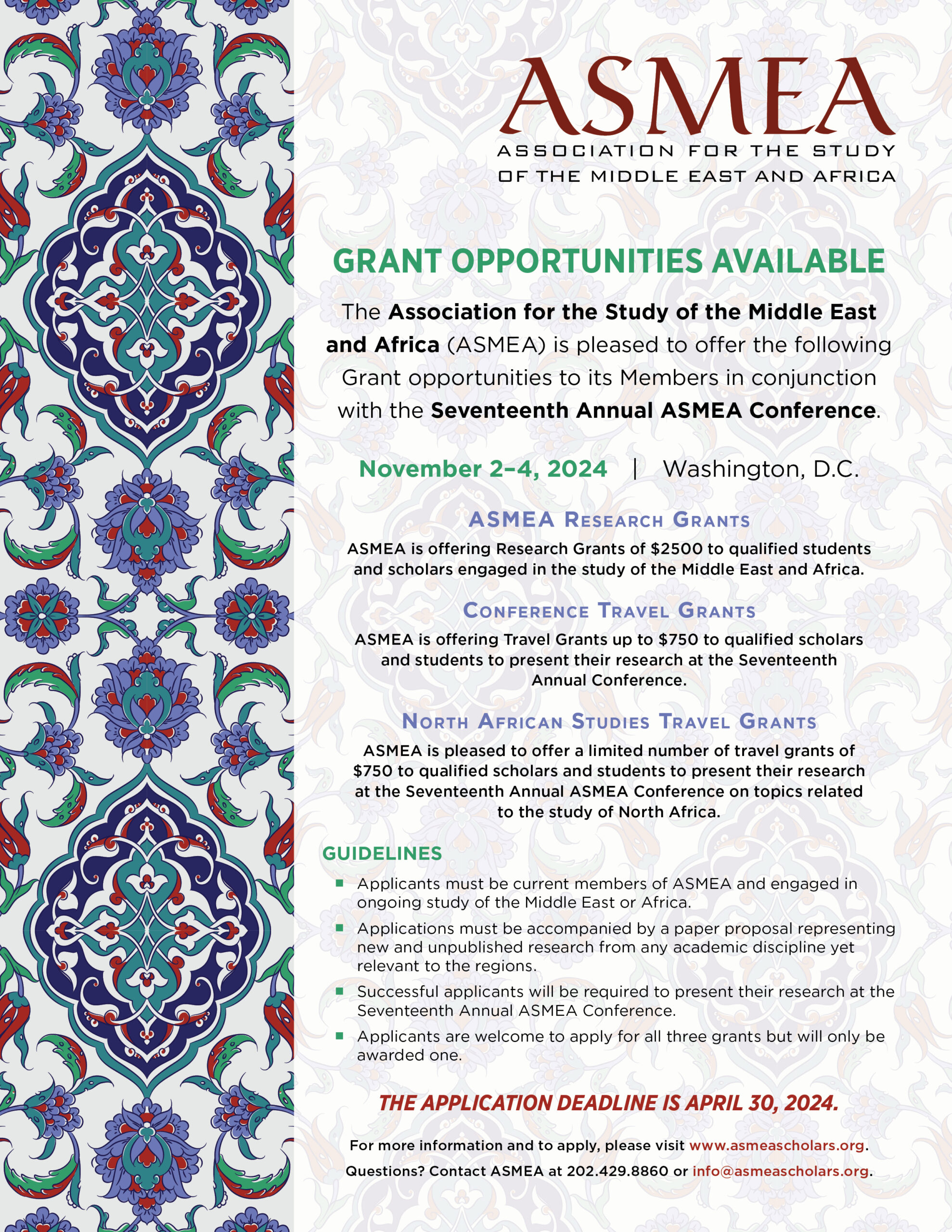
    In an effort to foster diverse discussions and promote fresh research initiatives concerning the Middle East and Africa, ASMEA (Association for the Study of the Middle East and Africa) is pleased to announce its Research Grants Program for the year 2024. The program aims to support innovative research endeavors on various pertinent topics within the region. We encourage scholars to delve into areas that merit greater attention and exploration.

    Topics of Interest

    1. Minorities and Women:
      • Exploring feminism, women’s rights, and family law within the cultural and societal contexts of the Middle East and Africa.
      • Investigating the experiences and challenges faced by minority groups, such as Christians, Alevis, Bahai, Berbers, Druze, Kurds, and Yazidis.
    2. Military History:
      • Analyzing the ideologies, intentions, and methodologies of terrorist groups operating within the region.
      • Studying conventional conflicts and proxy wars, as well as strategies for national security, deterrence, and proliferation.
    3. Governance and Economy:
      • Examining power dynamics, including electoral processes, patronage systems, and coercive tactics employed by governing bodies.
      • Investigating political and economic reform movements, as well as issues related to corruption and resource management.
    4. Faith:
      • Delving into various aspects of Islamism, Islamic heterodoxy, and reform movements within the Islamic world.
      • Exploring the dynamics of Shia-Sunni rivalry and the geopolitical implications of Iran’s influence in the region.
    5. Current Political Affairs:
      • Analyzing contemporary political developments, including center-periphery dynamics and minority-majority relations.
      • Investigating traditional and modern approaches to governance, as well as expressions of dissent through protest, cultural movements, youth engagement, migration, and violence.

    Guidelines for Applicants

    • Applicants must be current members of ASMEA engaged in the study of the Middle East or Africa, either as doctoral students, post-doc researchers, or academic professionals.
    • Proposals must represent original and unpublished research relevant to ASMEA’s designated areas of study.
    • Preference will be given to first-time and junior grant applicants, although all applications will be evaluated based on merit.
    • Each application must include a brief letter of reference from the applicant’s department chair or dissertation advisor.
    • Successful applicants are expected to present their research at the Seventeenth Annual ASMEA Conference in Washington, D.C., and grant winners must grant ASMEA the right of first refusal for potential publication of their papers in the peer-reviewed Journal of the Middle East and Africa.

    Membership Overview

    Membership in ASMEA is open to scholars, students, government employees, and interested members of the public involved in Middle Eastern and African studies. Various membership categories are available, including full, associate, student, undergraduate student, combined, and institutional memberships.

    Membership Benefits

    • Access to the peer-reviewed Journal of the Middle East and Africa, published quarterly.
    • Opportunities to compete for awards, research grants, and travel grants.
    • Discounted rates for language courses and trips to Morocco through the DC Internationals MESALI Programs.
    • Reduced registration fees for the annual ASMEA conference and special events.
    • Access to book review opportunities, the ASMEA e-newsletter, job bank, member directory, and discussion forum for collaboration and networking.

    For further inquiries or to apply for a grant, please visit the ASMEA website 2024 Research Grant Program (asmeascholars.org). The deadline for grant applications is April 30, 2024.

  • Advancing Public Health in Africa: CARTA’s Collaborative Impact on Research Excellence

    Advancing Public Health in Africa: CARTA’s Collaborative Impact on Research Excellence

    The Consortium for Advanced Research Training in Africa (CARTA) is pleased to announce the call for applications for its prestigious PhD Fellowships for the year 2025. CARTA, a collaborative initiative involving eight African universities, four African research institutes, and eight non-African partners, is committed to enhancing the capacity of African institutions to conduct globally competitive research, particularly in addressing health and development challenges in the region.

    CARTA PhD Fellowship Overview: CARTA offers a collaborative doctoral training program in public and population health, designed to address the challenges faced by African institutions in training and retaining the next generation of academics. The fellowship aims to fund candidates who demonstrate the potential to become future leaders in their institutions, fostering positive impacts on public and population health in Africa.

    Eligibility Criteria

    • Applicants must hold a master’s degree in a relevant field.
    • Prior admission to a PhD program is not required at the time of application.
    • Applicants must be full-time teaching or research staff at one of the participating African institutions, committed to capacity building.
    • Proposed PhD research must be related to public and population health.
    • Applicants must commit to participation in all four annual residential Joint Advanced Seminars (JASes).

    Application Procedure

    1. Interested candidates should contact the CARTA focal person at their institution to discuss their interest and obtain application materials. Application forms are also available for download.
    2. Submission of application forms and reference letters should be completed by April 15, 2024, to the Focal Persons at partner institutions WITH A COPY TO THE SECRETARIAT (carta@aphrc.org).
    3. CARTA partner institutions will nominate candidates for the full application process, which will take place between April 15 and May 15, 2024.
    4. Nominated candidates will be invited to submit a full application between June 1 and July 15, 2024, through the official portal.

    Important Dates

    • April 15, 2024: Deadline for submission of initial application materials
    • June 1 – July 15, 2024: Full application submission period
    • November 1, 2024: Announcement of final fellowship decisions

    Unlocking African Research Potential: The Collaborative Impact of CARTA on Public Health and Development

    The Consortium for Advanced Research Training in Africa (CARTA) represents a significant collaborative effort aimed at bolstering research capacity across the African continent. Here’s why this collaboration is crucial for Africans:

    1. Pooling Resources: By bringing together eight African universities, four African research institutes, and eight non-African partners, CARTA facilitates the pooling of resources, expertise, and networks. This pooling of resources enables African institutions to access a broader range of opportunities, including funding, mentorship, and research infrastructure, which might not be readily available individually.
    2. Enhancing Research Quality: Collaboration within CARTA ensures that African researchers have access to diverse perspectives and methodologies. This diversity enriches the research landscape and fosters the production of high-quality, globally competitive research outputs. Through collaboration, researchers can leverage each other’s strengths, address research gaps more effectively, and produce innovative solutions to complex health and development challenges in Africa.
    3. Capacity Building: CARTA’s collaborative doctoral training program plays a crucial role in building the capacity of African institutions to train and retain the next generation of academics. By providing PhD fellowships, CARTA not only supports individual researchers but also invests in institutional capacity building. Through collaboration, African institutions can enhance their teaching and research capabilities, leading to a sustainable improvement in the quality and quantity of research conducted in Africa.
    4. Knowledge Exchange: Collaboration within CARTA facilitates knowledge exchange both within Africa and with international partners. African researchers have the opportunity to learn from each other’s experiences and best practices, as well as from the expertise of non-African partners. This exchange of knowledge fosters a culture of learning and innovation, ultimately contributing to the development of evidence-based policies and interventions tailored to the African context.
    5. Networking and Advocacy: By working together, CARTA partners can collectively advocate for increased investment in research and higher education in Africa. Through networking events, joint seminars, and collaborative projects, CARTA strengthens ties within the research community and amplifies the collective voice of African researchers. This networking also opens doors to new collaborations, funding opportunities, and partnerships, further enhancing the impact of research in Africa.

    In summary, collaboration within CARTA is instrumental in advancing research excellence in Africa by pooling resources, enhancing research quality, building capacity, facilitating knowledge exchange, and strengthening advocacy efforts. By working together, African institutions and their partners can overcome common challenges, leverage opportunities, and drive positive change in public and population health across the continent.

    For detailed information on eligibility, benefits, and the application process, please visit CARTA’s website.

  • Upholding Electoral Integrity in Africa: Safeguarding Democracy Amidst Turmoil and Transition

    Upholding Electoral Integrity in Africa: Safeguarding Democracy Amidst Turmoil and Transition

    In the tumultuous landscape of African politics, the integrity of electoral processes stands as a crucial bulwark against democratic erosion and the specter of coups. Recent events across the continent underscore this reality, highlighting how closely tied electoral credibility is to the stability and legitimacy of governments. In 2023, amid a flurry of coup attempts and successes, several incidents spotlighted the nexus between electoral outcomes and political upheaval. Gabon, Sierra Leone, and Guinea Bissau each experienced turmoil following elections marred by controversy and dissatisfaction among opposition groups. These events emphasize the pivotal role of elections in shaping state-society relations and determining the legitimacy of governing institutions.

    The subversion of electoral processes takes various forms, including constitutional amendments aimed at prolonging presidential terms or removing term limits altogether. Such manipulations not only undermine the democratic fabric but also fuel civil unrest and citizen disenchantment. Between 2020 and 2024, thousands of demonstrations related to electoral grievances swept across Africa, with West Africa bearing the brunt of coup attempts and protests. While many of these demonstrations remained peaceful, surveys reveal troubling sentiments regarding military intervention in politics. A significant portion of the population, particularly among the youth, expressed tolerance for military intervention in cases of perceived power abuse by civilian leaders. This trend poses a serious challenge to democratic ideals and underscores the urgency of upholding electoral integrity.

    Recent developments, such as the controversial postponement of Senegal’s presidential election, further underscore the fragility of democratic norms. President Macky Sall’s attempts to extend his tenure raised alarm bells, prompting intervention by the judiciary to uphold constitutional principles. Nevertheless, such incidents erode public trust in democratic processes and highlight the need for vigilant oversight to prevent executive overreach. The role of the judiciary in electoral disputes has become increasingly contentious, with accusations of partisan influence and judicial manipulation. Political actors often exploit legal avenues to secure electoral victories, exacerbating tensions and undermining confidence in the impartiality of judicial institutions. This dynamic underscore the importance of transparent and independent electoral adjudication to ensure fairness and legitimacy.

    Amidst these challenges, proactive measures are essential to bolster electoral credibility and forestall democratic backsliding. Electoral management bodies must engage in robust communication efforts to address public concerns and implement responsive mechanisms to address credibility issues. The success of Liberia’s 2023 elections, marked by a peaceful transition of power, serves as a testament to the efficacy of such measures in restoring public trust in electoral processes. As Africa prepares for a wave of elections in 2024, the stakes for democratic consolidation have never been higher. These elections represent a pivotal opportunity to reaffirm the continent’s commitment to democratic governance and civic participation. By upholding the principles of free and fair elections, African leaders can govern with the legitimacy necessary to fulfill the aspirations of their citizens and mitigate the risk of future coups.

  • Unlocking Growth: The Booming Pharmaceutical Market in Africa – Trends, Opportunities, and Challenges

    Unlocking Growth: The Booming Pharmaceutical Market in Africa – Trends, Opportunities, and Challenges

    The pharmaceutical market in Africa is on the brink of remarkable growth, anticipated to soar into double digits by 2027. This surge is propelled by a confluence of factors including population expansion, urbanization, heightened healthcare expenditure, and a noticeable uptick in chronic diseases across the continent. Despite encountering hurdles such as infrastructural limitations and high production costs, the pharmaceutical sector in Africa presents itself as a promising arena for global corporations seeking investment opportunities.

    Urbanization and a growing awareness of health issues are acting as catalysts, driving the rapid expansion of the pharmaceutical market across Africa. Governments are actively revising policies to attract foreign investment, thus transforming the commercial landscape and offering enticing prospects for pharmaceutical companies looking to tap into this burgeoning market. Infectious diseases, notably malaria, continue to pose significant health threats in Africa, necessitating ongoing efforts to combat them. Recent advancements such as the approval of the RTS, S malaria vaccine underscore the commitment to addressing such ailments. Furthermore, the continent’s adoption of a more Westernized lifestyle has led to a surge in non-communicable diseases, thereby boosting the demand for chronic prescription drugs.

    Efforts to enhance healthcare infrastructure and improve access to medicines, coupled with the growing acceptance of generic drugs and e-commerce, are further fueling the growth trajectory of the market. However, challenges persist, including fragmented markets, weak regulatory frameworks, and limited resources for research and development. Major players in the African pharmaceutical landscape, such as Adcock Ingram, Pfizer Inc., Novartis AG, and others, are leveraging both organic and inorganic growth strategies. These include collaborations, acquisitions, and product launches aimed at solidifying their presence in the market and catering to the evolving healthcare needs of the populace.

    Recent initiatives, such as the establishment of a global training center for biomanufacturing and funding from organizations like the Bill & Melinda Gates Foundation, underscore the collective commitment to bolstering pharmaceutical manufacturing capabilities within Africa. In terms of market segments, the pharmaceutical landscape in Africa encompasses various product types and therapy areas. Branded drugs, generics, and over-the-counter medications each play vital roles in meeting the healthcare needs of the population. Therapy areas such as oncology, immunology, diabetes, cardiovascular diseases, respiratory ailments, and central nervous system disorders are witnessing increasing demand, reflecting the evolving healthcare landscape across the continent. Key countries like South Africa, Algeria, Nigeria, and others present unique challenges and opportunities for pharmaceutical companies, each with its own set of dynamics and regulatory environments. Companies seeking to expand into these regions must tailor their strategies to effectively capitalize on the growth prospects offered by these emerging markets.

    In conclusion, the pharmaceutical landscape in Africa presents a compelling narrative of growth and opportunity, driven by factors such as population expansion, urbanization, and increased healthcare expenditure. Despite challenges like infrastructural limitations and regulatory hurdles, the continent’s commitment to addressing health issues and improving access to medicines underscores a promising future. With major players leveraging strategic initiatives and emerging markets offering untapped potential, the trajectory of the pharmaceutical market in Africa is set for remarkable advancement in the years ahead.

  • Ilorin Archaeological Discoveries: Unveiling Millennia of History and Cultural Exchange

    Ilorin Archaeological Discoveries: Unveiling Millennia of History and Cultural Exchange

    Nestled in the heart of Nigeria, the ancient city of Ilorin stands as a testament to a rich tapestry of history that has long been shrouded in mystery. Over the centuries, this city, steeped in the Yoruba tradition, has witnessed the ebb and flow of civilizations, serving as a pivotal hub for trade, culture, and socio-political dynamics. Emerging onto the stage of history in the late 1700s, Ilorin’s strategic location bridging the savannah and forest regions of Nigeria catapulted it into prominence within the Oyo empire, a formidable force in the region during the 16th to early 19th centuries. Its position facilitated vibrant inter-regional trade networks, fostering the exchange of goods, ideas, and craftsmanship across West Africa. Renowned for its trade in horses, agricultural produce, and artisanal creations like lantana stone beads and textiles, Ilorin thrived as a bustling center of commerce and cultural convergence. However, alongside these flourishing exchanges, the city also bore witness to the harrowing trade in enslaved people, a stark reminder of darker chapters in its history.

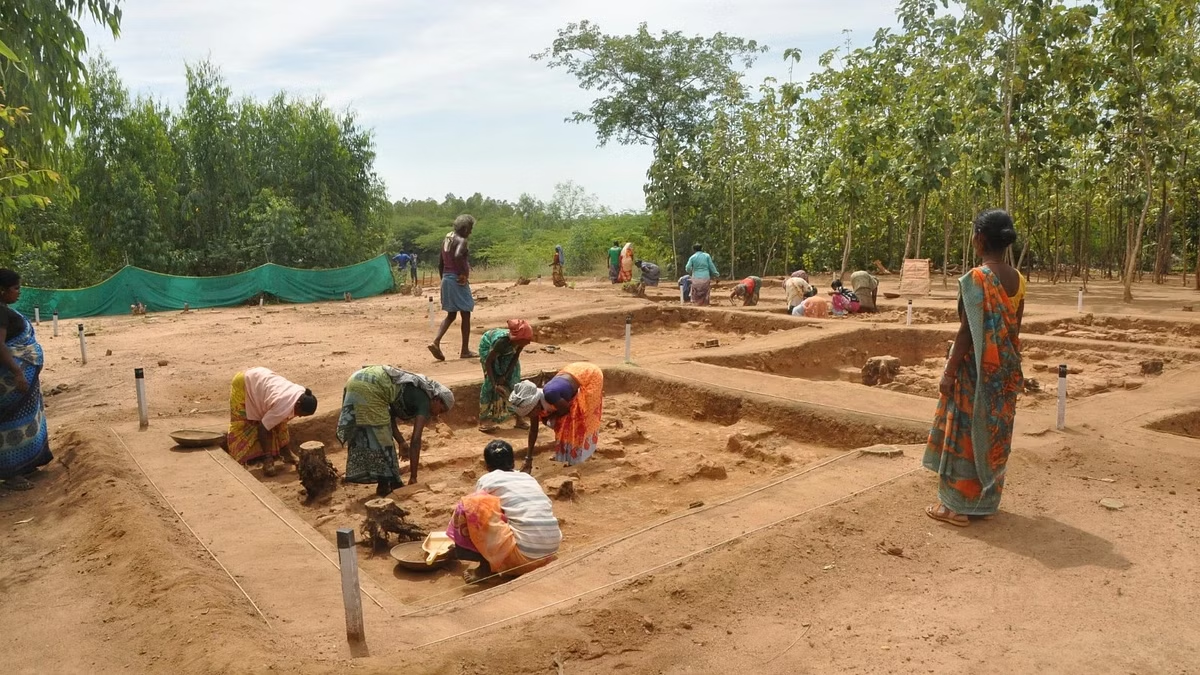
    The 1800s ushered in a new era for Ilorin as it became enmeshed in the fold of the Islamic emirate system under the Sokoto caliphate. This integration heralded significant socio-political transformations, propelling the city into a period of expansion and influence. Despite the rich tapestry of oral traditions and written accounts that have preserved much of Ilorin’s history, the deeper layers of its pre-1800s existence remained veiled until recent archaeological endeavors. Unlike neighboring communities where archaeological studies have shed light on their settlement histories, Ilorin’s ancient past remained largely unexplored until now. Pioneering doctoral research has embarked on a journey to unravel over a millennium of human habitation in Ilorin preceding the 1800s. Through meticulous excavation and analysis, a treasure trove of material evidence has come to light, offering tantalizing glimpses into the city’s distant past and its intricate connections to the broader Yoruba cosmos.

    Delving into 10 distinct units, seven of which underwent excavation, this groundbreaking research unearthed a diverse array of artifacts spanning material technology, settlement patterns, architecture, rituals, and culinary practices. Potsherds, in particular, emerged as invaluable windows into the socio-cultural dynamics of ancient societies and their interactions with the environment. Among the most striking discoveries were potsherd pavements, ancient architectural marvels that bear testament to the ingenuity and craftsmanship of bygone eras. These pavements, adorned with intricate patterns and laid in herringbone fashion, provide tantalizing clues about regional interactions and technological preferences. A stark contrast emerged between Ilorin’s edge-laid pavements and the flat-laid pavements of the nearby Oyo kingdom, hinting at distinct cultural trajectories despite geographical proximity.

    Moreover, radiocarbon dating, and pottery analysis unveiled a chronological narrative spanning from the mid-sixth to the pre-16th centuries AD, shedding light on a millennia-old saga of human occupation in Ilorin. These findings challenge conventional narratives, positioning early Ilorin as a vibrant socio-political entity that flourished contemporaneously with or even preceding esteemed Yoruba centers like Ile-Ife and Old Oyo.

    Through the lens of archaeology, the research illuminates the fluid and dynamic nature of ancient politics, revealing how borderland regions like Ilorin served as crucibles of cultural exchange and social interaction. It underscores the transient nature of culture and the enduring significance of these liminal spaces in shaping the tapestry of human history. In essence, the journey through Ilorin’s ancient past unveils not just a city’s history but a testament to the resilience, innovation, and interconnectedness of human civilization across the ages.

  • Understanding the Urgent Intersection of Climate Change and Public Health in Africa: Insights from Dr. Ishaku Akyala

    Understanding the Urgent Intersection of Climate Change and Public Health in Africa: Insights from Dr. Ishaku Akyala

    Infectious diseases and public health epidemiologist Dr. Ishaku Akyala, speaking with Science Nigeria, emphasized the dire consequences of climate change on public health in Africa. He highlighted how extreme weather events like floods and heatwaves are significantly increasing disease burdens and fatalities across the continent. These impacts disproportionately affect vulnerable populations such as the poor, women, and children, who struggle with waterborne diseases, malnutrition, and mental health issues.

    Akyala stressed the urgent need for action to address these health challenges and implement strategies to mitigate climate change’s effects. He advocated for enhanced sensitization efforts to educate health systems, governments, and professionals about the intricate relationship between climate change and human health. Interdisciplinary research is crucial for understanding and tackling climate-related health impacts effectively. Raising awareness among the public and policymakers is essential, as governments and health systems must implement coping and adaptation strategies. These strategies should focus on improving water and food security, enhancing healthcare infrastructure, and strengthening disease surveillance and response systems.

    Despite Africa’s vulnerability to climate change, Akyala emphasized the importance of prioritizing recommended actions to better prepare for and mitigate its health impacts. This approach is crucial for safeguarding the well-being of African populations and achieving the UN Sustainable Development Goals related to environmental sustainability. Recent reports from organizations like the Intergovernmental Panel on Climate Change (IPCC) and agreements like the Paris Agreement underscore the urgent need for action to address climate-related disasters in Africa. Sensitizing public health systems and policymakers to these challenges and understanding the link between climate change and human health are vital for effective preparedness and response efforts.