Author: AR Managing Editor

  • AERC PhD Fellowships 2024/2025: Empowering African Economists for Sustainable Development

    AERC PhD Fellowships 2024/2025: Empowering African Economists for Sustainable Development

    The African Economic Research Consortium (AERC) is currently accepting applications for its 2024/2025 PhD Fellowships. This opportunity is designed for students from Francophone and Anglophone sub-Saharan African countries who are pursuing advanced studies in economics. Established in 1988, the AERC is a not-for-profit organization focused on enhancing economic policy research and training across Africa. The organization plays a vital role in supporting capacity building in economic policy through policy research and graduate education.

    The fellowship program aims to strengthen the continent’s economic research capacity by providing scholarships to students admitted to AERC Collaborative PhD Programs (CPP) at various universities. These universities include:

    • University of Cape Town, South Africa
    • University of Abomey-Calavi, Benin
    • University of Dar es Salaam, Tanzania
    • University of Benin, Nigeria
    • Félix Houphouet-Boigny University, Côte d’Ivoire
    • University Cheikh Anta Diop in Dakar, Senegal
    • University of Ibadan, Nigeria
    • University of Nairobi, Kenya
    • University of Yaoundé II, Cameroon
    • University of Pretoria, South Africa
    • University of Witwatersrand, South Africa

    To be eligible, applicants must fulfill the following criteria:

    1. University Admission: Applicants must be admitted to one of the listed CPP universities for a PhD program in economics.
    2. Academic Background: A minimum of Second Class Honours (Upper Division) or equivalent in economics, agricultural economics, or related fields from an accredited institution is required. Additionally, a master’s degree with coursework and a thesis in economics, agricultural economics, or related fields is essential. The coursework must cover core economic subjects such as microeconomics, macroeconomics, quantitative methods, and econometrics.
    3. Research and Professional Experience: While not mandatory, having at least one publication in a peer-reviewed journal is an advantage. Prior involvement in economic management, research, or training within the public sector is also beneficial.
    4. Diversity and Inclusion: The program encourages applications from women and candidates from post-conflict or fragile states.

    Applicants who wish to apply should first seek admission to one of the listed universities through the respective university’s application process. Upon receiving an admission letter, they must upload the following documents to the AERC scholarship portal:

    • Application cover letter
    • Curriculum vitae
    • Evidence of admission to one of the eligible universities
    • Certified copies of academic transcripts and certificates

    The application deadline for the fellowship is August 31, 2024.

    By offering this fellowship, the AERC aims to nurture a new generation of economists who can contribute significantly to policy-making, economic development, and research in their home countries and across the African continent. This initiative is critical for ensuring the long-term sustainability and resilience of Africa’s economic systems and policy frameworks.

    Visit the Official Webpage of the African Economic Research Consortium (AERC) PhD Fellowships

  • Call for Proposals: Africa-Europe Foundation Research Partnership 2024-2025

    Call for Proposals: Africa-Europe Foundation Research Partnership 2024-2025

    The Africa-Europe Foundation (AEF) is calling for proposals to establish a multiannual research partnership from July 2024 to December 2025. This initiative seeks to foster collaboration between African and European research organizations and aims to provide a platform for deep diving into priority thematic areas within the Africa-Europe Partnership.

    Context and Background

    The call for proposals is informed by the “State of Africa-Europe Report 2024,” which outlines the progress and challenges in the existing Africa-Europe Partnership. The report reviews policy and financial commitments between the African Union (AU) and the European Union (EU), serving as a benchmarking exercise for the Africa-Europe relationship.

    Research Priorities

    The call focuses on three key areas derived from the “State of Africa-Europe Report 2024”:

    1. Sustainable Finance: Research in this area will focus on the financial mechanisms and strategies that support sustainable development across both continents. It will assess investment models and frameworks that promote environmental sustainability and equitable economic growth.
    2. Climate and Development: This chapter emphasizes the intersection of climate change and development policies. Research will explore innovative approaches to climate resilience, sustainable development, and the transition towards green economies.
    3. Science, Education, and Culture: This area highlights the role of science, education, and cultural exchanges in strengthening ties between Africa and Europe. Research will examine initiatives that promote knowledge transfer, educational partnerships, and cultural dialogues.

    Establishing the Africa-Europe Research Consortium

    The call aims to create the “Africa-Europe Research Consortium,” a collaborative network of research organizations from both continents, including think tanks, universities, CSOs/NGOs, and social enterprises. The consortium will implement AEF’s research program through a cooperative process, generating evidence-based insights to inform and enhance the Africa-Europe Partnership.

    Objectives and Outcomes

    The primary goal of the research program is to identify obstacles and opportunities within the Africa-Europe Partnership. By generating robust knowledge products, the program will support the development and implementation of policies that advance mutual interests.

    Key objectives include:

    • Providing evidence to guide the implementation of AU-EU commitments.
    • Identifying strategic topics with potential for win-win partnerships.
    • Supporting policy monitoring and advocacy efforts.
    • Leveraging AEF’s role as a knowledge organization to produce insights from and for both continents.

    Timeline and Application

    The research partnership will span 18 months, from July 2024 to December 2025. The program will operate under an agreed work plan with periodic reviews to ensure continued relevance and effectiveness.

    Interested organizations must submit their applications by 23rd May 2024 at specified times in Brussels and Addis Ababa. Applications should be sent to Research@AfricaEuropeFoundation.org.

    For more information and to apply please visit: Call for Proposals 2024: Research | Africa-Europe Foundation (africaeuropefoundation.org)https://www.africaeuropefoundation.org/areas-of-action/call-for-proposals-2024:-research/

    Conclusion

    This call represents an opportunity for African and European research organizations to contribute to shaping the future of the Africa-Europe Partnership. By focusing on priority areas and fostering collaborative research, the initiative aims to generate impactful outcomes that benefit both continents and strengthen their longstanding ties.

  • CKDu in Africa: New Insights into Chronic Kidney Disease and Public Health Impac

    CKDu in Africa: New Insights into Chronic Kidney Disease and Public Health Impac

    A recent article by Fiseha, et al., (2024) titled “Chronic kidney disease of unknown aetiology in Africa: A review of the literature” published in Nephrology by Wily Online examines that Chronic Kidney Disease of unknown aetiology (CKDu) is recognized as a significant public health issue in Africa, affecting young adults and contributing to the CKD burden.

    CKDu is a significant public health issue in Africa, affecting young adults and contributing to CKD burden.– Fiseha, et al., (2024)

    The study delves into Chronic Kidney Disease (CKD) in Africa, with a focus on a distinct form known as CKD of unknown aetiology (CKDu). It spotlights a troubling epidemic of CKDu in low- to middle-income countries, particularly affecting young adults and presenting a serious public health concern. The authors compile epidemiological evidence linking CKDu to environmental factors such as genetics, agrochemicals, and contaminated water. Additionally, the study presents statistics on CKDu’s burden in Africa, revealing a variable prevalence across different populations. The article underscores the urgent need for more research to comprehend CKDu’s impact and the contribution of environmental factors to CKD development.

    How the Study was Conducted

    The authors employed a literature search for population-based studies published from the year 2000 onwards using PubMed/Medline and the African Journals Online databases. The authors used a combination of search terms related to epidemiology, chronic kidney disease (CKD), environmental exposures, and Africa. The review included community-based studies conducted among adults in any African country that reported on CKDu, CKD attributable to CKDu, and the association of at least one environmental factor with CKD. Studies focusing on high-risk groups and traditional risk factors were excluded. Due to the limited literature base on the topic, a narrative review was deemed most appropriate to provide an overview of the existing epidemiological evidence.

    What the Authors Found

    The authors found that Chronic Kidney Disease of unknown aetiology (CKDu) is recognized as a significant public health issue in Africa, affecting young adults and contributing to the CKD burden. The authors also found that CKDu poses a serious threat to individuals, families, and communities, and places a heavy burden on healthcare systems in Africa. It is an underappreciated contributor to the overall CKD burden in the region.

    Why is this Important

    Public Health Impact: CKDu affects a significant proportion of the population in Africa, leading to morbidity and mortality. Understanding its prevalence, risk factors, and impact is crucial for public health interventions.
    Environmental Links: The study sheds light on the potential environmental factors contributing to CKDu. Identifying these factors can guide preventive measures and policies to reduce CKD burden.
    Research Gap: By emphasizing the need for more studies, the paper highlights an existing research gap. Addressing this gap will enhance our understanding of CKDu and inform evidence-based strategies.
    Global Relevance: CKDu is not limited to Africa; similar epidemics exist in other regions. Insights from this study can inform global efforts to combat CKD.

    What the Authors Recommend

    • The authors emphasize implementing robust surveillance systems to track CKDu cases, identify high-risk populations, and monitor environmental exposures. Regular health assessments can aid in early detection and management.
    • The authors also advocate raising awareness among communities, healthcare providers, and policymakers about CKDu. Educate individuals about risk factors, preventive measures, and the importance of seeking medical attention promptly.
    • The authors recommend that policymakers should address water quality issues by ensuring access to clean and safe drinking water. Regular testing and treatment of water sources can mitigate exposure to contaminants.
    • Promote safe agricultural practices, including proper pesticide use, protective gear for farmers, and sustainable farming techniques. Reducing exposure to agrochemicals is crucial.
    • Furthermore, the authors also advocate fostering collaboration between researchers, institutions, and governments. Multidisciplinary studies can deepen our understanding of CKDu and guide evidence-based interventions.

    In conclusion, addressing Chronic Kidney Disease of unknown aetiology (CKDu) in Africa is critical for safeguarding public health and enhancing the quality of life for affected populations. By focusing on robust surveillance, preventive measures, and fostering collaboration across sectors, we can gain a deeper understanding of CKDu’s causes and work towards effective interventions. Ultimately, tackling CKDu will contribute to reducing the burden of CKD, improving health outcomes, and creating a healthier future for communities in Africa and beyond.

  • Data Science in Public Health: Transforming Disease Control with Predictive Analytics in the USA and Africa

    Data Science in Public Health: Transforming Disease Control with Predictive Analytics in the USA and Africa

    A recent article by Ogugua, et al., (2024) titled “Data Science in Public Health: A Review of Predictive Analytics for Disease Control in the USA and Africa” published in World Journal of Advanced Research and Reviews, examines that there’s a significant increase in the use of predictive analytics, especially in the USA for chronic disease management and in Africa for infectious disease control.

    predictive analytics is increasingly used in the USA for chronic disease management and Africa for infectious disease control– Ogugua, et al., (2024)

    The study explores the pivotal role of data science in advancing public health, with a particular emphasis on leveraging predictive analytics to enhance disease surveillance and control. The research contrasts the focus on chronic diseases prevalent in the USA with infectious diseases primarily affecting Africa. By examining these distinct public health challenges, the study seeks to uncover innovative solutions for effective health management across different regions. The study highlights the transformative impact of predictive analytics on disease management. This technology uses historical data and machine learning algorithms to forecast disease outbreaks, trends, and potential impacts on populations. In the USA, the emphasis is on chronic diseases such as diabetes and heart disease, whereas in Africa, the focus shifts towards infectious diseases like malaria and HIV/AIDS. Predictive analytics can inform targeted interventions, resource allocation, and tailored healthcare policies. The study provides a comparative analysis of public health systems in the USA and Africa, noting key differences in healthcare infrastructure, financing, and access to resources. While the USA boasts advanced healthcare facilities and a well-structured public health system, Africa faces challenges such as limited access to healthcare, insufficient infrastructure, and inadequate funding. This disparity underscores the importance of context-specific approaches to applying data science in different settings. The ethical use of health data is a core focus of the study. The responsible handling of sensitive information is crucial, especially in ensuring patient privacy and informed consent. The research stresses the need for robust ethical frameworks to guide the use of predictive analytics in public health, safeguarding individuals’ rights while maximizing the benefits of data-driven strategies. The paper discusses the role of technological advancements in enhancing health analytics, emphasizing the potential of AI and machine learning for disease control. These technologies enable real-time data analysis, faster response times, and the identification of patterns that might otherwise go unnoticed. The study underscores how such innovations can lead to more effective disease management strategies and improved health outcomes.

    How the Study was Conducted

    The study employed specific criteria for selecting peer-reviewed literature to ensure the validity and reliability of the research outcomes. Directed qualitative content analysis was utilized, which involved interpreting and making sense of the collected data through a systematic process. The analysis was based on a variety of data sources, including industry-specific factors, optimization algorithms, and healthcare data. The study also proposed combining Data Envelopment Analysis and Spherical Fuzzy MCDM for sustainable supplier selection, illustrating the use of multi-criteria decision-making tools in qualitative analysis.

    What the Authors Found

    The authors found that there’s a significant increase in the use of predictive analytics, especially in the USA for chronic disease management and in Africa for infectious disease control. The authors also found that the future of AI and machine learning in disease control is promising, with potential for innovation and integration into healthcare and public policy.

    Why is this Important

    Improved Public Health Strategies: Understanding the role of data science and predictive analytics in public health allows policymakers and practitioners to develop more effective strategies. By leveraging data-driven insights, they can enhance disease surveillance, prevention, and control.
    Resource Allocation: With insights into trends and challenges, decision-makers can allocate resources more efficiently. For instance, identifying areas where predictive analytics can have the greatest impact helps prioritize investments.
    Global Health Equity: By comparing public health systems in the USA and Africa, the study sheds light on disparities. Addressing these inequities is crucial for achieving global health equity and ensuring that advancements benefit all populations.
    Ethical Frameworks: The ethical considerations highlighted in the study emphasize responsible data use. Establishing robust ethical frameworks ensures privacy protection, informed consent, and minimization of harm.
    Technological Advancements: Recognizing the potential of AI and machine learning in disease control encourages further research and innovation. These technologies can revolutionize healthcare delivery and policymaking.

    What the Authors Recommend

    • The authors encourage collaboration between data scientists, public health experts, and policymakers. Sharing knowledge and best practices across regions can lead to more effective disease control strategies.
    • Authors advocate for allocating resources to strengthen data infrastructure, including data collection, storage, and analysis. Robust data systems are essential for evidence-based decision-making.
    • The authors suggest investing in training programs to build data science capacity within public health institutions. Skilled professionals can drive innovation and implement data-driven solutions.
    • Integrate data science findings into public health policies. The authors recommend that policymakers should consider predictive analytics when designing health programs.

    In conclusion, the study by Ogugua et al. highlights the transformative power of predictive analytics in advancing public health, offering innovative solutions for disease control across different regions. By embracing collaboration, investing in data infrastructure, and prioritizing ethical frameworks, we can harness the full potential of data science to revolutionize healthcare and drive meaningful improvements in disease management. Through these efforts, we can work towards a healthier and more equitable global future.

  • April 2024: Walter Eugene Massey – African Male Researcher of the Month

    April 2024: Walter Eugene Massey – African Male Researcher of the Month

    African Researchers AwardApril 2024: Walter Eugene Massey – African Male Researcher of the Month

    Walter Eugene Massey is an esteemed American educator, physicist, and executive whose extraordinary career has spanned a range of prestigious institutions and leadership roles. His path is one of exceptional achievement and impactful service across multiple domains.

    Early Life and Education

    Walter Massey was born on April 5, 1938, in Hattiesburg, Mississippi, during the height of segregation in the Jim Crow South. From a young age, Massey exhibited an exceptional aptitude for learning and a keen interest in science. His academic journey led him to Morehouse College, where he earned a Bachelor of Science in Physics in 1958, becoming the first in his family to pursue higher education.

    Massey continued his studies at Washington University in St. Louis, earning a Ph.D. in Physics in 1966. His dissertation focused on the study of how liquid helium behaved near absolute zero degrees, marking the beginning of his groundbreaking contributions to theoretical physics.

    Academic Career and Contributions to Physics

    Walter Massey began his career in academia and research, making significant contributions to theoretical condensed matter physics. Early in his career, he worked at Argonne National Laboratory, where he investigated the peculiar behavior of sound waves in superfluid helium, earning recognition for his insightful observations.

    Massey’s academic journey included faculty positions at several notable institutions, such as Brown University, the University of Illinois Urbana-Champaign, and the University of California. He published seminal work on the movement of sound in superfluid helium, explaining the behavior observed at Argonne National Laboratory.

    Leadership and Advocacy

    Throughout his career, Massey has been an advocate for diversity and inclusion in science. He played a pivotal role in supporting Black students in their pursuit of scientific careers and was instrumental in founding the National Society of Black Physicists.

    Walter Massey’s leadership extends beyond academia. He served as the ninth director of the National Science Foundation (NSF) from 1991 to 1993, emphasizing improved science education, increased opportunities for underrepresented groups, and innovative teaching methods. He also held the position of director at Argonne National Laboratory, becoming the first African American to do so.

    Presidency of Morehouse College and School of the Art Institute of Chicago

    In 1995, Massey assumed the presidency of his alma mater, Morehouse College, a historically Black men’s college in Atlanta, Georgia. His leadership style was innovative and people-centric, aiming to break down barriers and create a more inclusive college experience. Massey’s impact at Morehouse College continues to inspire future generations of leaders.

    Following his tenure at Morehouse College, Massey chaired the board of the School of the Art Institute of Chicago, showcasing his diverse interests and commitment to advancing education across different fields.

    Chair of Giant Magellan Telescope and Corporate Involvement

    Massey’s diverse portfolio of achievements includes his role as chair of the board overseeing the construction of the Giant Magellan Telescope, which will be one of the largest observatories ever built. His leadership in this project demonstrates his enduring dedication to scientific advancement.

    Additionally, Massey has held significant roles in the corporate world, including his tenure as chairman of Bank of America. His experience in these roles reflects his ability to navigate complex challenges and drive progress across different sectors.

    Awards and Recognition

    Walter Massey’s exceptional contributions have earned him numerous awards and accolades throughout his career. His recognition extends to both scientific and leadership achievements, reflecting his multifaceted impact on society.

    Conclusion

    Walter E. Massey’s journey is a testament to his excellence, leadership, and dedication across a wide range of domains. From his groundbreaking work in theoretical physics to his transformative leadership roles in academia, business, and beyond, Massey’s legacy is one of profound impact. His commitment to advocacy and inclusion, coupled with his insatiable curiosity and passion for science, continues to inspire generations of scientists, leaders, and changemakers around the world.

  • April 2024: Victoria “Vickey” Moore – African Female Researcher of the Month

    April 2024: Victoria “Vickey” Moore – African Female Researcher of the Month

    African Researchers Award
    April 2024: Victoria “Vickey” Moore – African Female Researcher of the Month

    Victoria “Vickey” Moore is a distinguished computer scientist whose remarkable career spans over two decades at the U.S. Army Engineer Research and Development Center (ERDC). With a master’s degree from Mississippi State University, she embarked on a journey at ERDC over 24 years ago and has since established herself as a leading expert in her field.

    Moore’s professional journey is marked by a dedication to excellence and a passion for developing resilient systems to address complex challenges. Currently, she serves as the associate technical director of the Engineered Resilient Systems Research and Development Area within the Information Technology Lab at ERDC. Her work is at the forefront of developing innovative solutions that support the U.S. military and the Department of Defense (DOD) in navigating the ever-evolving landscape of technological challenges.

    A recent highlight in Moore’s career is her receipt of the prestigious Black Engineer of the Year Award, specifically the Modern-Day Technology Leader Award, in recognition of her significant contributions to the fields of science, technology, engineering, and mathematics (STEM). This award honors African American scientists and engineers who are shaping the future of STEM, and Moore’s achievement is a testament to her impactful work and leadership in these areas.

    Moore’s accomplishments include her involvement in programs focusing on high-fidelity modeling and simulation to predict threats to ground maneuver. Her technical expertise allowed her to develop software engineering methodologies for conceptual models, providing a solid foundation for the program’s success.

    As a project manager, Moore led a $5 million annual research effort encompassing ground mobility testing, modeling, and vehicle performance analysis to support the U.S. military. Her leadership has been pivotal in delivering trusted digital capabilities that accelerate solutions to complex challenges within DOD and the U.S. Army Corps of Engineers.

    Beyond her technical contributions, Moore’s dedication extends to promoting diversity and inclusion in STEM fields. She was instrumental in creating an employee resource group called Advancing Women in Leadership (AWIL), which focuses on identifying and addressing barriers for women at ERDC. This initiative supports aspiring female leaders and mentors those seeking to advance their careers.

    Moore’s motivation is deeply rooted in the ERDC mission and values, which emphasize solving problems to make the world safer and better. She appreciates the career versatility and diversity that ERDC offers, allowing her to work with a world-class team and contribute to cutting-edge research and development.

    Her impact extends beyond her own projects as she mentors junior computer scientists and collaborates on various initiatives. Through her efforts and leadership, she has fostered new capabilities within ERDC and DOD, further solidifying her reputation as a respected and accomplished professional.

    In summary, Victoria “Vickey” Moore is a trailblazing computer scientist whose career is marked by exceptional achievements, leadership, and a commitment to advancing STEM fields. Her receipt of the Black Engineer of the Year Award is a well-deserved recognition of her outstanding contributions and dedication to shaping the future of technology. Moore’s influence continues to inspire and drive innovation within ERDC and beyond.

  • Improving Mohair Fiber Quality: Using the FibreLux Micron Meter for Accurate On-Farm Measurement

    Improving Mohair Fiber Quality: Using the FibreLux Micron Meter for Accurate On-Farm Measurement

    A recent article by Notayi,et al., (2024) titled “The Application of the FibreLux Instrument for Measuring the Diameter of Mohair Fibres” published in Journal of Natural Fibers by Taylor & Francis examine that solvent cleaning significantly affected the results, with clean staple samples showing an average mean fiber diameter (MFD) that was 1.21 μm finer than greasy staples.

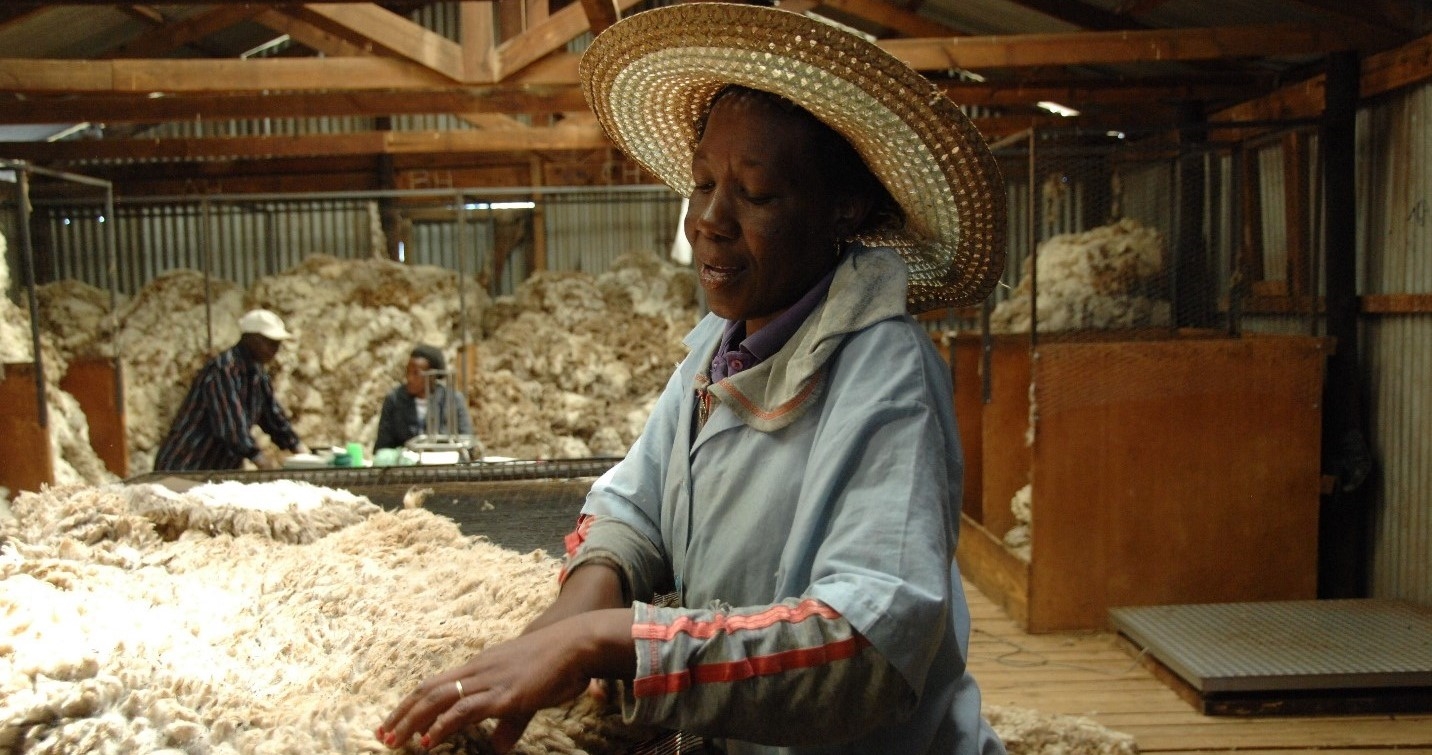
    The study delves into the application of the FibreLux Micron Meter, a technology designed to measure the diameter of mohair fibers. This investigation offers several key insights into the potential benefits and limitations of this tool in assessing fiber quality on farms. The study first addresses how the arrangement of fibers in the specimen holder and the cleaning process impact measurement accuracy. The results indicate that a random arrangement of fibers yields more precise readings compared to fibers that are carefully aligned. This finding underscores the importance of handling fibers in a manner that reflects their natural state during measurement to ensure more accurate and reliable data.

    FibreLux Micron Meter offers accurate on-farm mohair fiber diameter measurements, especially when using randomly arranged fibers.– Notayi,et al., (2024)

    In terms of measurement accuracy, the study compares FibreLux readings from greasy mohair staples with OFDA100 readings from clean staples. While there is a strong correlation between the two sets of data, discrepancies in results were observed. These differences may stem from the distinct measurement processes and sample conditions (greasy versus clean) utilized by each instrument. It suggests that the FibreLux might require calibration or further refinement to align its measurements more closely with established industry standards. A major focus of the study is the potential for using the FibreLux Micron Meter on farms for direct measurement of fiber diameter. Such a tool could revolutionize the way mohair growers and breeders assess fiber quality, offering real-time insights that can inform classing, breeding decisions, and trading practices. The study recognizes the broader implications of deploying such technology within the mohair industry. Accurate on-farm measurement of fiber diameter could provide mohair producers with a competitive edge by enabling them to make more informed decisions regarding breeding and selection processes. This advantage could ultimately improve the quality and marketability of mohair, a natural fiber that faces competition from synthetic alternatives. Additionally, the ability to assess fiber quality directly on the farm could enhance transparency and trust within the supply chain, benefiting both producers and buyers.

    How the Study was Conducted

    The authors utilized 30 samples of greasy mohair staples with a range of mean fiber diameters (MFD) representative of the South African mohair clip. The fibers were prepared in two different test specimens: one with fibers approximately parallel to each other and the other with a more randomized arrangement. The authors employed Optical Fibre Diameter Analyser (OFDA-100) as the reference method for measuring fiber diameter. Clean and greasy fibers were tested, with clean fibers being rinsed in dichloromethane (DCM), oven-dried, and conditioned. The FibreLux Micron Meter™ was evaluated for its ability to measure the mean diameter of mohair fibers. The study investigated the effects of fiber orientation in the specimen holder and the impact of solvent cleaning on the FibreLux readings. The results from the FibreLux and OFDA tests were compared using statistical methods, including the Pearson correlation matrix, to assess the correlation between the FibreLux greasy staple results and the OFDA clean staple results. Outliers were identified and excluded from the final analysis.

    What the Authors Found

    The authors found that a random arrangement of fibers in the specimen holder yielded more accurate and reproducible results compared to aligned fibers. The authors also found that solvent cleaning significantly affected the results, with clean staple samples showing an average mean fiber diameter (MFD) that was 1.21 μm finer than greasy staples.

    Why is this Important

    Quality Control in Mohair Production: Accurate measurement of mohair fiber diameter is crucial for quality control in the mohair industry. It directly impacts the value and marketability of mohair products.
    Breeding and Selection: Fiber diameter is an essential trait in breeding programs. Breeders can use this information to select animals with desirable fiber characteristics, leading to improved overall herd quality.
    Trading and Classification: Precise fiber diameter measurements allow for better classification of mohair, ensuring fair trade practices. Buyers and sellers can make informed decisions based on accurate data.
    On-Farm Application: The study suggests that the FibreLux instrument could be used on farms for real-time measurements. If validated, this would be a game-changer, allowing farmers to assess fiber quality without sending samples to laboratories.
    Sustainability and Demand: As natural fibers gain popularity, understanding and optimizing mohair quality become essential. Sustainable practices and informed decisions benefit both producers and consumers.

    What the Authors Recommend

    • The authors stress the importance of additional validation for the FibreLux instrument’s accuracy and reliability. They recommend conducting extensive field trials on a variety of farms with larger sample sizes to determine the tool’s effectiveness and consistency in real-world agricultural settings.
    • The authors emphasize on creation of standardized usage protocols for the FibreLux instrument is essential. By ensuring consistent procedures across different farms and laboratories, results will become more reliable and comparable, which is critical for industry-wide acceptance.
    • The authors suggest that educating mohair producers on the advantages of the FibreLux instrument and its proper use is vital for its successful adoption. Training programs, workshops, and educational materials can help growers effectively incorporate the technology into their operations.
    • The authors advocate for increased collaboration among researchers, breeders, and industry stakeholders. By sharing data, experiences, and knowledge, these groups can work together to advance mohair quality assessment, benefiting the entire industry.

    In conclusion, the study by Notayi et al. (2024) highlights the potential of the FibreLux Micron Meter to revolutionize mohair quality assessment on farms. By providing real-time, accurate measurements of fiber diameter, this technology can empower mohair producers to make informed decisions that enhance breeding programs, improve quality control, and boost the marketability of their products. However, further validation and standardization efforts are necessary to fully integrate the FibreLux instrument into industry practices. Collaboration among researchers, breeders, and industry stakeholders will be essential in advancing mohair quality assessment and ensuring the sustainable growth of the mohair industry.

  • Clays from Durban, South Africa: Ideal for Cosmetics – Study Shows Safety and Benefits

    Clays from Durban, South Africa: Ideal for Cosmetics – Study Shows Safety and Benefits

    A recent article by Nkosi, S. B. M., & Thembane, N. (2024) titled “Physical, chemical and biological characteristics of clays from Durban (South Africa) for applications in cosmetics” published in Analytical Science Advances, shows that clays possess qualities suitable for cosmetic applications, such as appropriate pH, color, and oil absorption.

    Durban clays possess favorable qualities for cosmetics, promoting skin health and sustainable sourcing practices– Nkosi, S. B. M., & Thembane, N. (2024)

    The study highlighted on this page focuses on analyzing the physical, chemical, and biological properties of red and white clays from Durban, South Africa, to assess their potential for use in cosmetic applications. This research delves into various attributes of these clays, such as their physiochemical and mineralogical makeup, which play a crucial role in determining their suitability for cosmetic use. The study examines clays’ pH, color, texture, and oil absorption capabilities. These properties influence the effectiveness and appeal of clays in cosmetic formulations. One of the primary advantages of using clays in cosmetics is their ability to absorb excess oil and impurities from the skin. This makes them ideal for products like face masks and scrubs that aim to cleanse and detoxify the skin. The authors explore that clays are commonly used in face masks to purify the skin by drawing out impurities and absorbing excess oils and clays can also serve as exfoliants or bleaching agents, promoting even skin tone and smoother texture. The study stresses the importance of testing clays for potential contaminants such as heavy metals. Regular monitoring and adherence to safety guidelines are crucial to ensure consumer health is not compromised. Furthermore, As clays are applied directly to the skin, they must be free of harmful levels of metals and other contaminants to avoid adverse reactions.

    How the Study was Conducted

    The authors collected red and white clay samples from uMzinyathi in KZN, South Africa, and purchased from informal traders at the Durban Berea Market. The clay samples were dried, ground into fine powder, sieved, and stored for further analysis. The authors employed various tests to determine the physical, chemical, and biological characteristics of the clays, including color determination, pH testing, oil absorption, swelling capacity, and more. Advanced techniques like X-ray fluorescence (XRF), scanning electron microscopy (SEM), and X-ray diffraction (XRD) were used to analyze the metal content and mineral composition of the clays. The authors further assessed SPF of the clay samples using a spectrophotometer and the Mansur equation. These methods provided comprehensive data on the suitability of the clays for cosmetic applications.

    What the Authors Found

    The authors found that clays possess qualities suitable for cosmetic applications, such as appropriate pH, color, and oil absorption. The authors also found that clays are free from toxic elements like As, Hg, Cd, and Se, with Pb detected below permissible levels. However, they contain metals like Fe, which may enhance UV protection. Red clay is composed mainly of Illite, Quartz, Albite, and Vermiculite, while white clay contains Illite, Albite, and Montmorillonite. In addition, authors posit thar clays did not exhibit antimicrobial activity against the tested microbial strains.

    Why is this Important

    Cosmetic Industry: Understanding the properties of these clays is crucial for the cosmetic industry. Clays are commonly used in skincare products due to their ability to absorb excess oil, cleanse the skin, and provide a natural feel. By assessing their suitability, manufacturers can create effective and safe cosmetic formulations.
    Consumer Health: The safety of cosmetic products is paramount. The study’s focus on metal content ensures that consumers are not exposed to harmful elements. By adhering to guidelines and testing standards, companies can produce cosmetics that prioritize consumer health.
    Sun Protection: The observation that these clays may enhance UV protection is intriguing. If further research confirms this, it could lead to the development of sunscreens or other protective skincare products containing these clays.
    Sustainable Sourcing: By studying local clays, researchers contribute to sustainable sourcing practices. If these clays prove beneficial, their use could support local economies and reduce the need for imported ingredients.

    What the Authors Recommend

    • The authors suggest that cosmetic manufacturers should consider integrating these clays into skincare products due to their favorable properties. These clays can enhance oil absorption, cleanse the skin, and provide a natural texture. Formulators are encouraged to explore incorporating these clays into products such as face masks and scrubs.
    • Ensuring regular safety assessments is essential. The study emphasizes the importance of adhering to guidelines and consistently monitoring metal content in facial clays. Authors posit that manufacturers should verify that the clays comply with safety standards to safeguard consumer health.
    • The authors advocate for sustainable sourcing practices due to the local origin of these clays. By utilizing indigenous materials, manufacturers can support local economies and decrease dependence on imported ingredients.

    In conclusion, the research conducted by Nkosi and Thembane offers promising insights into the potential of clays from Durban, South Africa, for cosmetic applications. With their favorable properties, including appropriate pH, oil absorption capabilities, and potential UV protection, these clays could revolutionize skincare formulations. By adhering to strict safety standards and embracing sustainable sourcing practices, manufacturers can leverage the natural benefits of these clays to create innovative, effective, and health-conscious cosmetic products that prioritize both consumer health and local economies.

  • Sustainable Wood-Based Value Chains in Uganda: FAO and EU Launch €15M Project

    Sustainable Wood-Based Value Chains in Uganda: FAO and EU Launch €15M Project

    The Food and Agriculture Organization of the United Nations (FAO), in collaboration with the European Union (EU), has announced the launch of a new 15 million euro ($16.29 million) project to promote sustainable practices in Uganda’s forestry sector. This five-year initiative, named “Sustainable Wood-Based Value Chains in Uganda,” aims to improve the contribution of Uganda’s forestry sector to both its economy and environment by ensuring a sustainable supply of legal wood raw materials from planted forests. The initiative also seeks to enhance the processing capacity and market demand for wood products and improve access to affordable finance.

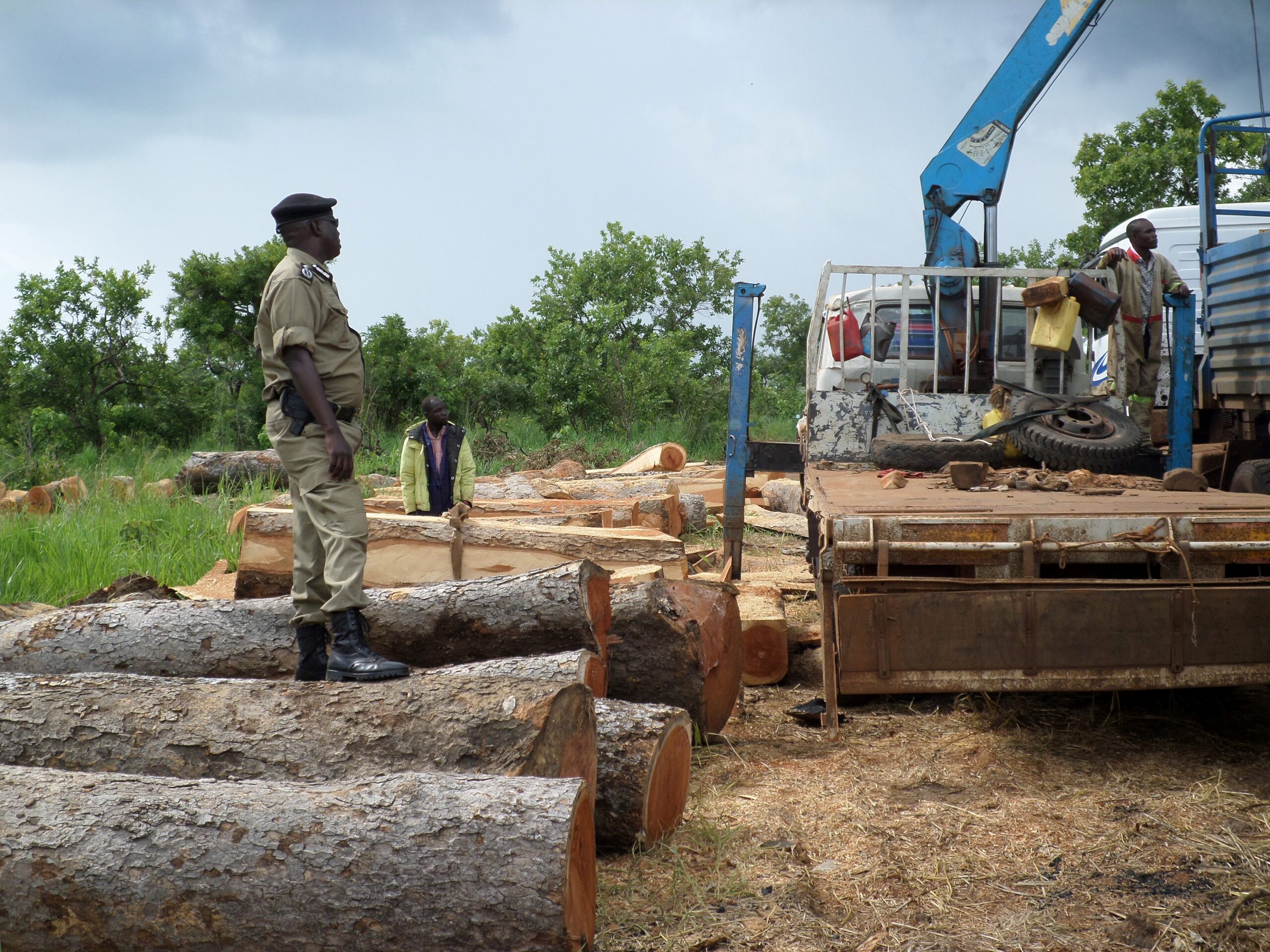
    Uganda’s forests face significant threats from encroachment, deforestation, illegal timber logging, and forest degradation. Forested land has been reduced from nearly a quarter of the country’s total area in 1990 to just 13 percent in 2017. The project will address these challenges by promoting better practices and more efficient processing facilities to enhance the quality and value of planted forests.

    The EU’s commitment to supporting Uganda’s forestry sector is evident in the project, which aligns with the goals of the EU-Government of Uganda (GOU) Forest Partnership. This collaboration focuses on enhancing value addition to forestry resources, reducing environmental degradation, mitigating climate change, and improving the sustainable utilization of natural resources for economic growth and livelihood security.

    To achieve economies of scale, the project will work to aggregate smallholder tree farmers and wood processors, facilitating their integration into a cohesive value chain. This approach will also involve providing financial literacy and business management support to small and medium enterprises (SMEs) in the wood sector, while connecting them with the financial sector.

    The initiative also emphasizes the importance of transitioning Uganda towards a carbon-neutral economy by combating illegal timber trade, which causes substantial losses in tax revenue and contributes to deforestation. By supporting sustainable wood-based value chains, the project aims to incentivize the maintenance and expansion of forest assets, promote women’s economic empowerment, and enhance livelihoods.

    Through upgrading value chains, the project will ensure the forestry sector can absorb the anticipated increase in wood production in the coming years, providing additional employment opportunities and income while supporting sustainable practices over illegal logging.

    FAO’s Forestry division oversees more than 200 projects across 80 countries, including the global initiative “Sustainable Wood for a Sustainable World” (SW4SW), which aligns with the goals of the Uganda project. FAO’s expertise in the sector will contribute to the success of the initiative, working alongside the EU, the Government of Uganda, and other partners to support sustainable economic growth and environmental conservation in the region.

  • Africa Finance Corporation’s Impactful Year: Key Infrastructure Projects and Sustainable Investments Across Africa

    Africa Finance Corporation’s Impactful Year: Key Infrastructure Projects and Sustainable Investments Across Africa

    Africa Finance Corporation (AFC), a prominent provider of infrastructure solutions in Africa, has announced what can be seen as its most impactful year yet, featuring a substantial expansion of projects and investments across key sectors such as energy, transportation, mining, food security, textiles, and climate resilience. The corporation has managed to navigate the challenging global landscape of 2023, marked by geopolitical tensions, inflation, and debt distress, to implement crucial infrastructure projects central to Africa’s sustainable development and structural transformation.

    Samaila Zubairu, President and CEO of AFC, highlighted the organization’s pivotal role in delivering impactful solutions for Africa, emphasizing its dedication to transformative projects that foster sustainable development and improve the economic trajectory of African nations. AFC’s initiatives have included landmark projects such as Djibouti’s first wind farm, which positions the country to become the first African nation entirely reliant on renewable energy. Additionally, the corporation led the development of the Lobito Corridor rail project, aiming to connect the Atlantic and Indian Oceans and mobilize industry across Angola, the Democratic Republic of Congo (DRC), and Zambia, in collaboration with the US, the European Union, and the governments of the involved countries.

    AFC’s collaboration with Arise IIP has expanded Arise Special Economic Zones to 10 West and Central African countries, focusing on essential sectors such as food security, textiles, and minerals, thereby enhancing industrialization, value creation, and livelihoods. Notable projects AFC undertook in 2023 included a partnership with Xcalibur Multiphysics to map and responsibly utilize Africa’s natural mineral resources, aiming to promote greater mineral beneficiation and support diversified economies and clean energy transitions. The corporation also made a significant commitment to overhauling Kinshasa’s mass transit system in the DRC, collaborating with Trans Connexion Congo to improve mobility and reduce pollution.

    A key achievement was the Green Climate Fund’s US$253 million commitment to AFC Capital Partners’ Infrastructure Climate Resilient Fund (ICRF), which represents a significant step towards the development of climate-resilient infrastructure across Africa. Each AFC initiative combines meaningful developmental impact and environmental sustainability with strong risk-adjusted returns, leveraging the corporation’s expertise in de-risking project development to attract capital and accelerate project completion. Despite the challenging global economic and geopolitical environment, AFC has demonstrated resilience and delivered value to stakeholders while creating jobs and prosperity through structural transformation across Africa.

    Financially, AFC’s annual profit rose by 15.3% to US$329.7 million, operating income increased by 24.2% to US$497.5 million, and total assets expanded by 17.3% to US$12.34 billion. These figures exceeded the corporation’s five-year strategy target by US$2.3 billion, underscoring its strong financial performance and commitment to unlocking practical solutions that enhance local value capture and promote industrialization across the continent.