Author: AR Managing Editor

  • Unlocking Public Health’s Future: Genomic Surveillance in Infectious Disease Control

    Unlocking Public Health’s Future: Genomic Surveillance in Infectious Disease Control

    A recent study by Anekpo, et al., (2024) titled “Application of Genomic Studies in Epidemiological Surveillance: A Mini-overview” published in the Journal of Biological Research & Biotechnology examines that the integration of genomics with epidemiological data can enhance disease control efforts and inform public health practices through targeted interventions.

    Genomic surveillance enhances infectious disease control by early detection, understanding pathogen evolution, monitoring antimicrobial resistance, and guiding precision public health interventions. -Anekpo, et al., (2024)

    Genomic technologies have ushered in a new era in public health, with whole-genome sequencing (WGS) at the forefront of efforts to track, understand, and manage infectious diseases. This transformative approach, known as genomic surveillance, uses genetic data to gain insights into pathogens’ origins, transmission patterns, and resistance mechanisms. As the world faces evolving health threats, including pandemics, this method has become indispensable in disease surveillance and control. The study discusses how genomic sequencing, particularly whole-genome sequencing (WGS), is used to track pathogens and manage outbreaks, highlighting its transformative impact on public health surveillance. The article emphasizes the struggles faced by low- and middle-income countries (LMICs), especially in Africa, in accurately diagnosing and reporting infectious diseases, despite advances in genomics. The authors underscore the critical role of epidemiological surveillance in disease tracking and monitoring, enabling timely preventive and control measures. In addition, the review acknowledges the barriers to integrating genomics into surveillance systems, such as funding, coordination, and data analysis challenges, and provides recommendations for improvement.

    How the Study was Conducted

    The authors posit that the process begins with the extraction of DNA, which is then fragmented into smaller segments. Adapters are added to the DNA fragments to facilitate attachment to the sequencing platform and provide sequencing information. Polymerase chain reaction (PCR) is used to amplify the DNA fragments, increasing the amount available for sequencing. Various technologies, including Sanger sequencing, Illumina sequencing, and newer methods like PacBio and Oxford Nanopore sequencing, are employed to read the DNA fragments and determine the nucleotide order.

    What the Authors Found

    The authors found that despite advancements, integrating genomics into surveillance systems faces significant barriers, including funding, coordination, and data integration issues. In addition, the authors found that the integration of genomics with epidemiological data can enhance disease control efforts and inform public health practices through targeted interventions.

    Why is this Important

    Early Detection and Monitoring: Genomic surveillance allows for the early detection of infectious diseases, including emerging pathogens. By analyzing the genetic material of pathogens, researchers can identify novel variants and track their spread. This information is essential for timely intervention and containment.
    Understanding Pathogen Evolution: WGS provides detailed insights into the evolution of pathogens. By comparing genomic sequences, scientists can trace the lineage of a pathogen, understand its mutational patterns, and predict its behavior. This knowledge informs vaccine development, treatment strategies, and public health policies.
    Antimicrobial Resistance (AMR): Genomic surveillance helps monitor AMR, which is a growing global concern. By analyzing the genetic basis of resistance, researchers can identify mechanisms and patterns of resistance. This information guides antibiotic stewardship and helps prevent the spread of drug-resistant strains.
    Outbreak Investigation: During outbreaks, rapid identification of the causative agent is critical. WGS allows for precise identification of pathogens, distinguishing between closely related strains. It also helps establish transmission routes, identify sources, and assess the impact of interventions.
    Precision Public Health: Integrating genomics with epidemiological data enables precision public health. By tailoring interventions based on genomic information, health authorities can target specific populations, implement effective control measures, and reduce disease burden.
    Global Collaboration: Genomic surveillance relies on international collaboration. Sharing genomic data across borders enhances our understanding of global disease dynamics. It facilitates coordinated responses to outbreaks and ensures preparedness for future health threats.

    What the Authors Recommend

    • The authors recommend increasing awareness among healthcare professionals, researchers, and policymakers about the benefits of genomic surveillance. Training programs can help build capacity and ensure effective implementation.
    • Streamlining reporting mechanisms for genomic data is crucial. The authors suggest creating user-friendly platforms and standardized formats for sharing genomic information. This simplification encourages broader participation and data exchange.
    • Providing timely feedback to stakeholders involved in genomic surveillance is essential. Researchers, public health agencies, and clinicians should receive updates on findings, variant detection, and actionable insights promptly.
    • The authors emphasize collaboration across institutions, countries, and regions. Sharing genomic data globally enhances our understanding of pathogen dynamics and facilitates coordinated responses during outbreaks.
    • The authors advocate that adequate funding and resources are necessary for successful genomic surveillance. Investment in sequencing technologies, bioinformatics tools, and personnel training ensures sustained efforts in disease monitoring.
    • The authors emphasize that Genomic surveillance should complement existing surveillance systems. Integrating genomic data with epidemiological information enhances the accuracy of outbreak investigations and informs public health decisions.

    In summary, genomic surveillance, particularly through whole-genome sequencing (WGS), has revolutionized the landscape of infectious disease tracking and public health response. Its ability to detect pathogens early, understand their evolution, monitor antimicrobial resistance, and guide precision public health interventions has proven invaluable. However, realizing the full potential of this technology requires addressing significant challenges, especially in low- and middle-income countries. Through increased funding, streamlined data sharing, international collaboration, and integration with existing surveillance systems, genomic surveillance can offer transformative insights for global health security. As we move forward, it’s crucial to build capacity, promote global cooperation, and ensure that this cutting-edge technology contributes to a safer and healthier world for all.
  • Preventing HIV/AIDS Transmission in Africa: The Power of U=U Concept and Mathematical Modeling

    Preventing HIV/AIDS Transmission in Africa: The Power of U=U Concept and Mathematical Modeling

    A recent study by Ogunmodimu, et al,. (2024) titled “A Mathematical Model for the Prevention of HIV/AIDS in the Presence of Undetectable Equals Untransmittable Viral Load” published in International Journal of Mathematical Sciences and Optimization: Theory and Applications, examines that the disease cannot spread if the viral load is kept undetectable through consistent ART treatment.

    Consistent Antiretroviral Therapy (ART) achieving an undetectable viral load prevents HIV transmission, providing a critical strategy for reducing HIV/AIDS spread in Africa. -Ogunmodimu, et al,. (2024)

    The article introduces a mathematical model aimed at preventing HIV/AIDS, with a central focus on the concept of “Undetectable Equals Untransmittable” (U=U) in the context of viral load management. The U=U Concept “Undetectable Equals Untransmittable” (U=U) is a groundbreaking idea in HIV treatment and prevention. It asserts that when an individual with HIV consistently takes antiretroviral therapy (ART) and achieves an undetectable viral load, the risk of transmitting HIV to others becomes negligible. This concept has transformative implications for reducing HIV transmission and the stigma associated with the disease. The study describes a mathematical model that explores the dynamics of HIV transmission in the context of U=U. By focusing on the impact of ART in lowering viral loads to undetectable levels, the model aims to understand the broader effects of HIV spread within a community. The model is tested through simulations to visualize how different factors impact HIV transmission and control. Using MATLAB’s ODE45 algorithm, a powerful tool for solving ordinary linear differential equations, the simulations illustrate how ART can be instrumental in achieving an undetectable viral load. The case study focuses on Cape Verde in Africa, highlighting the role of consistent ART in reducing HIV transmission rates within a community.

    How the Study was Conducted

    The authors employed a novel mathematical model for HIV/AIDS transmission in Africa is presented, using Cape Verde as a case study. The model incorporates Antiretroviral Therapy (ART) treatment, aiming to achieve an Undetectable equals Untransmittable (U=U) viral load. The qualitative properties of the model, such as boundedness and positivity of its solution, are obtained. Local and global stability analyses of the Disease-Free Equilibrium (DFE) point are performed using the next-generation matrix approach and the direct Lyapunov method, respectively. The model equations are solved using MATLAB’s ODE45 algorithm. Simulations are conducted to visualize the effects of ART on achieving a U=U viral load. Values of parameters significant to the spread and control of the disease are varied, and graphs are obtained to visualize the effects of these variations on each model compartment. The results indicate the potential to attain a U=U viral load in Africa with consistent ART treatment.

    What the Authors Found

    The study introduces a mathematical model focused on preventing HIV/AIDS in Africa through the use of Antiretroviral Therapy (ART) to achieve an “Undetectable Equals Untransmittable” (U=U) viral load. It analyzes the stability of the Disease-Free Equilibrium (DFE), the authors found that the disease cannot spread if the viral load is kept undetectable through consistent ART treatment. Simulations from the study confirm that achieving a U=U viral load is possible and crucial for reducing HIV transmission.

    Why is this Important

    HIV/AIDS Epidemic Control: The study focuses on HIV/AIDS transmission in Africa, where the epidemic has had a devastating impact. By modeling the effects of Antiretroviral Therapy (ART), the research provides insights into how to control the spread of the disease.
    U=U Concept: The concept of “Undetectable = Untransmittable” (U=U) is crucial. When an individual’s viral load is undetectable due to consistent ART treatment, they cannot transmit the virus to others. This finding emphasizes the importance of early diagnosis, access to treatment, and adherence to ART.
    Mathematical Modeling: The mathematical model used in the study helps quantify the impact of ART on the epidemic. It demonstrates that achieving an undetectable viral load is feasible in Africa with proper treatment.
    Stability of Disease-Free Equilibrium: The stability analysis of the model shows that if the basic reproduction number (( R_0 )) is less than 1, the disease cannot invade the population. This highlights the critical role of ART in reducing ( R_0 ) and preventing new infections.
    Public Health Implications: Implementing the findings could lead to significant reductions in HIV transmission rates. It underscores the need for widespread testing, treatment, and education about U=U to combat the epidemic effectively.

    What the Authors Recommend

    • Encouraging widespread HIV testing is crucial. The authors advocate that early diagnosis allows individuals to start Antiretroviral Therapy (ART) promptly, reducing their viral load and preventing further transmission.
    • Ensuring access to ART for all HIV-positive individuals is essential. The study highlights the importance of consistent treatment to achieve an undetectable viral load (U=U).
    • Promoting adherence to ART is critical. The authors emphasize that patients must take their medications consistently to maintain an undetectable viral load and reduce the risk of transmission.
    • The authors advocate that educating the public, healthcare providers, and policymakers about the U=U concept is vital. Dispelling myths and stigma related to HIV transmission can lead to better outcomes.
    • Engaging communities in HIV prevention efforts is recommended. Community-based programs can improve testing rates, treatment adherence, and overall awareness.
    • Policymakers should consider incorporating U=U principles into national and regional HIV control strategies. This includes funding ART programs, promoting testing, and addressing social determinants of health.

    In conclusion, the study underscores the transformative potential of achieving undetectable viral loads through consistent Antiretroviral Therapy (ART) in preventing HIV transmission. By implementing robust ART programs, promoting adherence, and advocating the “Undetectable Equals Untransmittable” (U=U) concept, significant strides can be made in controlling the HIV/AIDS epidemic in Africa. The insights from this mathematical model and simulation serve as a vital blueprint for policymakers, healthcare providers, and community leaders to collaboratively combat HIV and work toward a future with zero new infections.

  • Perceived Effectiveness of Online Learning for Mathematics Pre-Service Teachers During the Covid-19 Pandemic: A Qualitative Study in a Rural University

    Perceived Effectiveness of Online Learning for Mathematics Pre-Service Teachers During the Covid-19 Pandemic: A Qualitative Study in a Rural University

    A recent study by Pule, K. G., & Ngoveni, M. A. (2024) titled “Perceived Effectiveness of Online Learning for Mathematics Pre-Service Teachers in a Rural University During the Covid-19 Pandemic” published in International Journal of Social Science Research and Review, shows that online learning platforms play a new role in education, particularly highlighted during the Covid-19 pandemic.

    Online learning for mathematics pre-service teachers during Covid-19 is perceived as effective, despite challenges, with positive attitudes after training.– Pule, K. G., & Ngoveni, M. A. (2024)

    This study delves into the perceived effectiveness of online learning for mathematics pre-service teachers during the Covid-19 pandemic. This investigation takes place in the context of a rural university, offering a unique perspective on how the abrupt transition to online learning impacted future educators. Specifically, the study focuses on mathematics pre-service teachers, a group of individuals who are in training to become certified mathematics educators. Given the rural setting of their university, these pre-service teachers may face distinct challenges related to technology access, internet connectivity, and isolation from broader educational resources. The perception analysis component of the study examines how these teachers view the efficacy of online learning platforms and teaching methodologies. It seeks to understand whether the transition to virtual classrooms was smooth or if it introduced significant hurdles in terms of engagement, communication, or resource availability. Additionally, the study delves into the broader challenges introduced by the Covid-19 pandemic, which disrupted traditional educational practices. This disruption affected not only how teachers were trained but also how they would eventually interact with their students in a post-pandemic world. Aspects such as limited access to technology, reduced opportunities for hands-on learning, and increased stress levels among both teachers and students are considered.

    How the Study was Conducted

    The authors employed a qualitative approach to explore the perspectives of pre-service teachers, focusing on their experiences with online learning. authors gather information through surveys or interviews with mathematics pre-service teachers. This approach allows for in-depth insights into their opinions and experiences with online education. A thematic analysis is conducted on the collected data to identify recurring themes related to the effectiveness of online learning. This method helps to categorize and interpret the information obtained from participants. The study assesses the perceived effectiveness of online learning based on participant responses. This involves evaluating the participants’ views on the utility, challenges, and overall experience with online education.

    What the Authors Found

    The authors found that online learning platforms play a new role in education, particularly highlighted during the Covid-19 pandemic. The study also found that pre-service teachers’ attitudes towards online learning platforms changed after receiving online training and the quality of student services supporting online teaching readiness was found to be very good or effective. In addition, pre-service teachers were generally risk-taking, willing to lose something to achieve their goals.

    Why is this Important

    Educational Adaptation: The study highlights how online learning platforms have become essential tools in education, especially during the Covid-19 pandemic. Understanding their effectiveness is crucial for educators, policymakers, and institutions to adapt and improve teaching methods.
    Teacher Training: The change in pre-service teachers’ attitudes towards online learning after receiving training underscores the importance of proper teacher preparation. Institutions need to provide comprehensive training to educators to enhance their ability to use online platforms effectively.
    Student Support: The positive evaluation of student services supporting online teaching readiness emphasizes the need for robust support systems. Institutions should invest in resources that help students navigate online learning effectively.
    Risk Attitudes: Recognizing that pre-service teachers are generally risk-taking can inform instructional strategies. Educators can design online courses that encourage exploration, experimentation, and active participation.

    What the Authors Recommend

    • The authors suggest that institutions should invest in comprehensive training programs for pre-service teachers to effectively use online learning platforms. This training should cover both technical aspects and pedagogical strategies.
    • Given the positive evaluation of student services supporting online teaching readiness, institutions should continue to enhance these services. Providing timely technical support, counseling, and resources can help students succeed in online courses.
    • Recognizing that pre-service teachers tend to be risk-taking, the authors advocate that educators can design online learning experiences that encourage experimentation, collaboration, and active participation. Encouraging a growth mindset can foster adaptability and resilience.
    • In addition, the authors emphasized that institutions should regularly assess the effectiveness of the online learning platforms they use. This evaluation can involve feedback from both teachers and students, as well as monitoring learning outcomes.

    In conclusion, the study by Pule and Ngoveni provides valuable insights into the perceived effectiveness of online learning for mathematics pre-service teachers during the Covid-19 pandemic, particularly in a rural university context. Despite the unique challenges faced by these pre-service teachers, such as limited technology access and internet connectivity issues, the study demonstrates that online learning platforms can play a crucial role in continuing education during disruptive times. The findings highlight the importance of comprehensive teacher training in online pedagogies, robust student support systems, and instructional strategies that encourage experimentation and adaptability. Institutions should take note of these insights to improve their online learning infrastructure and enhance the effectiveness of virtual education, ensuring that future educators are well-equipped to navigate both current and future educational landscapes.

  • Red Colobus Monkeys: A Keystone in Conservation of Africa’s Tropical Forests

    Red Colobus Monkeys: A Keystone in Conservation of Africa’s Tropical Forests

    Red colobus monkeys, a relatively rare and often overlooked group of primates, could play a critical role in conserving Africa’s tropical forests. A team of conservationists and scientists from nearly 20 institutions across the United States, Europe, and Africa has found that focused efforts to protect red colobus species could significantly benefit the health of tropical forests in Africa, especially given the current biodiversity crisis.

    As hunting and habitat loss lead to drastic changes in ecosystems, including declining wildlife populations and increased vulnerability to climate change and zoonotic diseases, red colobus monkeys serve as key indicators of forest health. Because of their ecological role and distinct behaviors, these monkeys are seen as flagships for both local and international conservation initiatives.

    In a paper published in the journal Conservation Letters, researchers outline five critical action areas to prioritize red colobus conservation:

    1. Legal Protections and Policy Support: Legal frameworks at the national and international levels must recognize red colobus monkeys as priority species. This involves including them in national laws and treaties to ensure their protection.
    2. Ecological Surveys: To determine which populations are most at risk, comprehensive ecological surveys are essential. Understanding where red colobus monkeys are most threatened will help target conservation efforts effectively.
    3. Investment in Protected Areas: The creation and management of protected areas are crucial. By investing in these spaces, conservationists can provide red colobus monkeys with safe habitats and reduce the impacts of hunting and deforestation.
    4. Community Engagement and Local Support: Engaging with local communities living near red colobus habitats is key to successful conservation. By involving these communities in conservation efforts, conservationists can ensure sustainable and culturally appropriate practices.
    5. Conservation Education and Awareness: Raising awareness about the importance of red colobus monkeys and their role in tropical forest health can drive public support for conservation. Education initiatives can foster a greater sense of responsibility and involvement among local communities and the wider public.

    These action points are derived from the Red Colobus Conservation Action Plan, initiated by the International Union for Conservation of Nature (IUCN) and the African Primatological Society. This plan aims to make red colobus a high-priority conservation target, reinforcing the connection between their survival and the overall health of Africa’s tropical forests.

    Florence Aghomo, coordinator for the Red Colobus Conservation Network (RCCN), emphasized the collaborative approach to protecting these monkeys. Through scientific research, community engagement, and capacity-building initiatives, the RCCN aims to elevate red colobus to flagship species status, securing their survival for future generations.

    The red colobus monkey population spans across Africa, from Senegal in the west to the Zanzibar Archipelago in the east. Of the 17 red colobus species, 14 are listed as Endangered or Critically Endangered by the IUCN, reflecting their precarious status.

    Conservationists warn that if red colobus populations continue to decline, it signals a grim future for other large-bodied terrestrial vertebrates and, by extension, the broader African tropical forest ecosystem. Given that red colobus are often the first primates to be hunted out of forests, their declining numbers could indicate deeper systemic issues within these ecosystems.

    Joshua Linder, the lead author of the Conservation Letters article, pointed out that immediate conservation efforts are crucial to prevent more red colobus species from going extinct. The potential loss of red colobus monkeys, like Miss Waldron’s red colobus, would not only affect the primate population but could also lead to significant disruptions in the forest ecosystem.

    Fiona Maisels, a Wildlife Conservation Society (WCS) researcher, noted that red colobus monkeys are especially vulnerable to hunting due to their large size, which makes them a valuable target, and their behavior of watching hunters rather than fleeing. This tendency to form large groups also makes them more susceptible to hunters.

    As a flagship species, the conservation of red colobus monkeys has broader implications for Africa’s tropical forests, including mitigating climate change, enhancing food security, and improving public health. Their survival symbolizes a collective commitment to conservation, urging us to protect these primates for a healthier, more biodiverse future.

  • Unsung Heroes of Conservation: Africa’s Pioneers Transforming Environmental Protection

    Unsung Heroes of Conservation: Africa’s Pioneers Transforming Environmental Protection

    Africa, with its breathtaking landscapes and diverse wildlife, faces numerous environmental challenges. Yet, amidst these threats, a remarkable group of individuals is leading the charge to preserve and restore the continent’s natural heritage. These are the unsung heroes of conservation, whose innovative solutions and relentless dedication are reshaping how we approach environmental protection in Africa. From tackling deforestation to addressing human-wildlife conflict, reducing plastic waste, and promoting sustainable farming, these conservationists are not just saving wildlife; they are creating new paradigms for coexistence between humans and nature.

    The Guardians of Africa’s Forests

    Deforestation is a significant threat to Africa’s rich ecosystems, with implications for climate change and biodiversity loss. In Nigeria, Professor Akin Abayomi works tirelessly to safeguard the Emerald Forest Reserve, involving local communities in conservation practices that protect this crucial biodiversity hotspot. Similarly, in Gabon, Andrea Minkwe manages the Raponda Walker Arboretum, defending it against illegal activities like logging and mining. Her commitment to responsible tourism and stewardship underscores the role individuals can play in preserving our planet’s lungs—the rainforests.

    Protecting Africa’s Marine Life

    Africa’s coasts and marine ecosystems are equally under threat, with poaching and illegal fishing causing harm to countless species. In South Africa’s Garden Route National Park, Bongani Mdaka, a ranger and environmental advocate, is addressing these challenges in Africa’s oldest Marine Protected Area. His multi-stakeholder approach not only protects marine life but also promotes sustainable practices among local communities.

    Rescuing and Rehabilitating Endangered Wildlife

    In Nigeria, Chinedu Mogbo, the founder of Greenfingers Wildlife Conservation Initiative, has dedicated over a decade to rescuing and rehabilitating endangered wildlife. His work not only saves individual animals but also educates young people about the importance of wildlife conservation. Through his efforts, over 500 animals, including primates, birds, and reptiles, have been rescued and released back into the wild. Chinedu’s initiative has expanded to include a nature school and an upcycling classroom, demonstrating that conservation can also be an educational tool for future generations.

    Art and Conservation: Bridging the Gap

    Art has the power to inspire and connect people, and in Gabon, Corailking uses his talents as an artist and graphic designer to raise awareness about environmental conservation. His work targets the youth, emphasizing the need to protect our planet’s natural resources. By blending creativity with conservation, Corailking is making a significant impact on the younger generation’s perception of nature.

    Advocacy and Education: Spreading the Message

    Desmond Olumuyiwa Majekodunmi, founder of LUFASI Nature Park, has spent over 50 years advocating for environmental conservation in Nigeria. His approach is multifaceted, using his platform on radio and through various artistic endeavors to spread the message of sustainability. Desmond’s work highlights the importance of consistent advocacy and community engagement in fostering a culture of conservation.

    Sustainable Farming for Forest Preservation

    Zimbabwe’s Douglas Mafukidze, a tobacco farmer, is leading a movement towards sustainable farming practices. By collaborating with the Forestry Commission, he promotes the use of fast-growing trees for tobacco curing, reducing the pressure on indigenous forests. This approach not only protects natural habitats but also demonstrates that farming and conservation can coexist harmoniously.

    Turning Plastic Waste into Opportunities

    Plastic waste is a global crisis, and in Nigeria, Doyinsola Ogunye is tackling this issue through initiatives like Kids Clean Club and Kids Beach Garden. Her recycling scheme empowers women and youth, providing income-generating opportunities while addressing environmental challenges. Doyinsola’s work also extends to protecting critically endangered sea turtles, proving that conservation efforts can have a far-reaching impact on both wildlife and human communities.

    Innovative Conservation for African Manatees

    Dr. Bolaji Dunsin is dedicated to saving the African manatee from extinction. By modifying fishing gear and identifying manatee vocalizations, he has not only saved these gentle marine mammals but also improved the livelihoods of local communities in Lekki Lagoon, Nigeria. His innovative approaches demonstrate that conservation can be both effective and sustainable, benefiting both wildlife and people.

    Guardians of Africa’s Elephants

    Emmanuel Olabode leads on-the-ground efforts to save forest elephants in Nigeria’s Omo Forest, one of the last pristine rainforests in the country. His work involves combating deforestation and addressing human-wildlife conflict, ensuring that these magnificent creatures have a future. Emmanuel’s efforts underscore the importance of preserving Africa’s iconic species and the habitats they rely on.

    Community-Based Conservation for Cross River Gorillas

    The Gorilla Guardians in the Mbe Mountains project, supported by the Wildlife Conservation Society (WCS), champion the conservation of the endangered Cross River gorilla. By addressing habitat loss and poaching, this community-based initiative offers hope for the survival of this critically endangered species, with fewer than 300 individuals remaining. Their success story highlights the potential for grassroots conservation efforts to make a significant impact.

    Rescuing and Caring for Endangered Species

    Dr. Mark Ofua, a veterinarian in Nigeria, runs St. Marks Animal Hospital, where he rescues and cares for endangered species impacted by the illegal bushmeat trade. His work involves rehabilitating and releasing animals back into the wild, as well as educating the public about wildlife conservation. Through his TV show, “Dr. Mark’s Animal Show,” he reaches a broader audience, inspiring the next generation to embrace conservation.

    Addressing Human-Wildlife Conflict

    Ndelende Ncube, the director of Tikobane Trust, leads efforts to address human-wildlife conflict around Hwange National Park in Zimbabwe. His innovative chilli elephant repellant has proven effective in protecting crops, promoting peaceful coexistence between humans and wildlife. The Tikobane Trust engages local communities, training them in conservation practices, and building a sense of unity with their environment.

    Conserving Africa’s Penguins

    Shanet Rutgers, the head penguin keeper at Two Oceans Aquarium in South Africa, is passionate about conserving African penguins. Her work involves studying penguin behavior and addressing the threats they face. Shanet’s ongoing research into Rockhopper penguin vocalizations is a groundbreaking step towards understanding and protecting these beloved birds.

    Engaging Youth with Nature in Zimbabwe

    Joseph Makowa, known as @thetravelmufasa, embarked on a 1,500km journey on foot through Zimbabwe to connect with the country’s wildlife and vibrant communities. His story is an inspiring reminder of the importance of engaging youth in conservation and fostering a deeper appreciation for nature.

    Protecting Nigeria’s Primates

    Rachel Ikemeh, director of the SW/Niger Delta Forest Project, has brought the rare Niger Delta red colobus monkey back from the brink of extinction. Her grassroots conservation efforts have created protected areas and helped restore vital ecosystems. Rachel’s work has also expanded to building local capacity and increasing public awareness, with the goal of creating a community education and communication hub in Lagos.

    Changing the Face of Conservation

    Twizerimana Anne-Marie, a ranger at Nyungwe Forest National Park in Rwanda, challenges traditional gender roles and reshapes the perception of conservationists. Her journey inspires women to pursue careers in environmental and wildlife conservation, demonstrating that resilience and dedication can drive meaningful change.

    The Challenges of Human-Wildlife Coexistence

    Fiston Ishimwe, the Community Liaison Manager at Akagera National Park in Rwanda, addresses the complex challenges of human-wildlife coexistence. His approach goes beyond surface-level solutions, integrating the needs of local communities into a holistic conservation strategy. By fostering a sustainable relationship between humans and wildlife, Fiston’s work paves the way for a more harmonious future.

    These conservation pioneers are the embodiment of hope and resilience, proving that with creativity and dedication, we can overcome even the most daunting environmental challenges. Their stories are a testament to the collective responsibility we share in protecting Africa’s unique natural heritage. To learn more about their inspiring journeys, you can explore Showmax or access Wild Africa Fund’s extensive video library, offering a closer look at the incredible work these conservationists are doing.

  • China Urges Language Preservation and Bilingual Education: Celebrating International Chinese Language Day in Nigeria

    China Urges Language Preservation and Bilingual Education: Celebrating International Chinese Language Day in Nigeria

    The Chinese government is urging increased investment in language preservation efforts, emphasizing the importance of bilingual education to foster a more inclusive society that appreciates linguistic diversity. This call to action was made by Mr. Li Xuda, Director of the China Cultural Centre in Nigeria, during the celebration of International Chinese Language Day in Abuja, Nigeria.

    Mr. Li highlighted the significance of language as not only a means of communication but also a cornerstone of cultural identity and heritage. He pointed out that the China Cultural Centre in Nigeria has been offering Chinese language courses for over a decade, catering to individuals interested in learning the language and enhancing cultural exchange. In acknowledging Nigeria’s rich linguistic landscape, with approximately 250 ethnic groups and over 500 languages, Mr. Li emphasized the importance of celebrating and preserving Nigeria’s indigenous languages alongside promoting Chinese language education.

    James Sule, the Permanent Secretary of Nigeria’s Ministry of Arts, Culture and Creative Economy, echoed the call for language preservation, emphasizing the urgent need to protect and revitalize indigenous languages to prevent their extinction. Drawing inspiration from China’s proactive measures, Sule advocated for the establishment of language schools, cultural centers, and the integration of indigenous languages into educational curricula as essential steps towards language preservation in Nigeria.

    Similarly, Mr. Ahmed Sodangi, Director General of the National Gallery of Art, praised China’s efforts in safeguarding its linguistic heritage and suggested that Nigeria should adopt similar measures to prevent indigenous language extinction. He proposed the allocation of specific days to celebrate the diverse languages across Nigeria’s cultures, alongside initiatives to promote language learning within homes and educational institutions.

    High Chief Mike Ugwu, Vice Chairman of the Nigeria-China Business Council, highlighted the role of language in fostering mutual understanding and cultural exchange between nations, emphasizing the importance of learning each other’s languages. The establishment of International Chinese Language Day by the United Nations in 2020 underscores the significance of multilingualism and cultural diversity on a global scale, providing a platform to celebrate linguistic heritage and promote cross-cultural dialogue.

  • Nairobi’s Retail Revolution: How Urbanization, Investment, and Entrepreneurship Are Shaping East Africa’s Shopping Hub

    Nairobi’s Retail Revolution: How Urbanization, Investment, and Entrepreneurship Are Shaping East Africa’s Shopping Hub

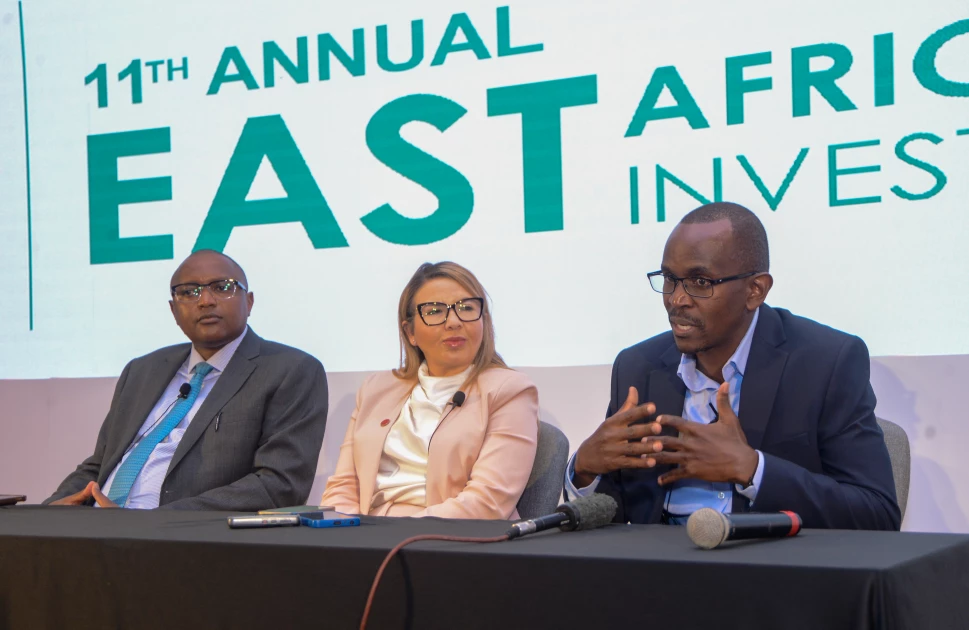
    The streets of Nairobi, Kenya’s capital, are abuzz with the sound of a retail renaissance, as the city continues to stake its claim as East Africa’s leading retail hub. The momentum behind this transformation was palpable at the 11th annual East Africa Property Investment (EAPI) Summit Retail Forum, held on April 17 and 18, 2024. Insights from the forum highlighted the key drivers of Nairobi’s burgeoning retail sector, with a focus on the city’s growing appeal to both local and international retailers.

    Urbanization: The Catalyst for Change

    Nairobi’s rapid urbanization has played a critical role in its emergence as a regional shopping destination. As the city’s population grows and becomes more cosmopolitan, the demand for modern shopping experiences has risen in tandem. This surge has attracted a diverse array of retailers, from established global brands to innovative local entrepreneurs, all seeking to capitalize on Nairobi’s evolving consumer base.

    Infrastructural Advancements: Building the Foundation

    Key infrastructural developments have been instrumental in fostering Nairobi’s retail boom. Ryan Pape, Country Manager at CBRE Excellerate Kenya, noted that improved infrastructure has not only made the city more accessible but also encouraged significant private sector investment across various industries. The expansion of road networks upgraded public transportation, and enhanced utilities have made it easier for both consumers and businesses to navigate the city, laying the groundwork for retail growth.

    Private Sector Investment and Entrepreneurial Energy

    The private sector’s role in Nairobi’s retail transformation cannot be overstated. Private equity investments have fueled the construction of new shopping centers and mixed-use developments, creating more opportunities for retailers to establish a presence in the city. Mark Dunford, CEO at Knight Frank Kenya, emphasized the impact of these investments, suggesting that they have been crucial in elevating Nairobi’s status as a retail hub.

    This influx of capital has also spurred entrepreneurial activity, with new entrants bringing fresh ideas to the market. Hooman Ehsani, Director of New Developments at Greenhill’s Investment Limited, highlighted the vibrancy of Nairobi’s food and beverage scene, attributing its success to a surge in creativity and energy among local entrepreneurs. This entrepreneurial spirit has fostered a dynamic retail ecosystem where innovation thrives.

    Diversification of Retail Partners: A New Dynamic

    Nairobi’s retail landscape is becoming increasingly diverse, offering landlords and investors a broader range of options. Wambui Mbarire, CEO of RETRAK Kenya, noted that this diversification is a positive sign, reflecting the city’s evolving retail dynamics. As more retailers enter the market, the competition fosters innovation and variety, leading to a richer consumer experience.

    Collaboration and Future Growth

    The EAPI 2024 Retail Forum provided an invaluable platform for industry stakeholders to share insights and explore opportunities in Nairobi’s retail sector. The event underscored the importance of continued collaboration among government agencies, private sector players, and industry experts to sustain the growth trajectory. Murray Anderson-Ogle, GM of Marketing and Commercial at API Events, expressed optimism about Kenya’s potential as an African retail real estate powerhouse, pointing to the success of local retail brands as evidence of Nairobi’s attractiveness as a destination for retail investment.

    In summary, Nairobi’s retail revolution is the result of a confluence of factors, including urbanization, infrastructural improvements, private sector investment, and entrepreneurial energy. The city’s transformation into a premier retail hub in East Africa is well underway, with stakeholders across the board committed to ensuring its continued success.

  • African Astronomical Society’s 2024 Conference in Marrakech: Advancing Astronomy Collaboration, Research, and Education in Africa

    African Astronomical Society’s 2024 Conference in Marrakech: Advancing Astronomy Collaboration, Research, and Education in Africa

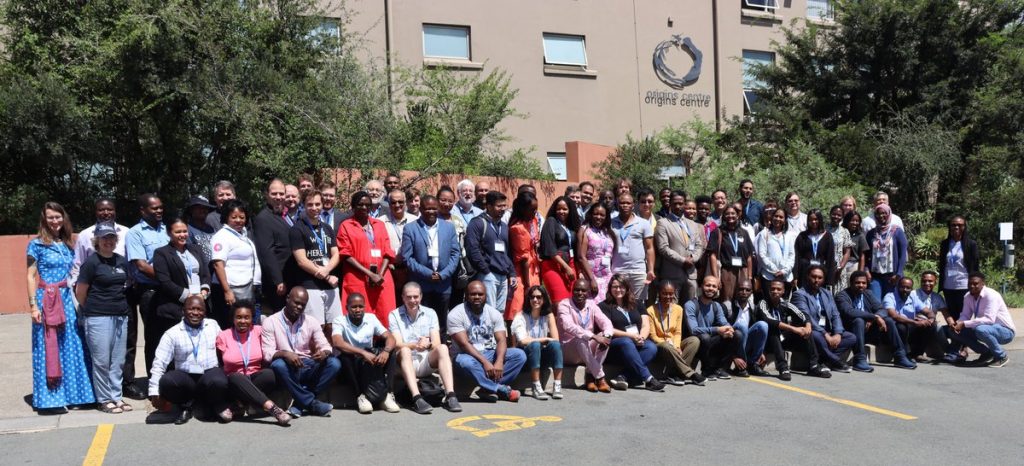
    The African Astronomical Society (AfAS) convened its 2024 annual conference in Marrakech, Morocco, from April 15 to 20, 2024. The event was co-organised by Cadi Ayyad University and the Oukaimeden Observatory, with a strong focus on advancing the goals of AfAS and promoting its strategic vision. The conference brought together a diverse group of stakeholders, expert speakers, and dedicated astronomy professionals, fostering a collaborative atmosphere throughout the five-day event.

    Conference Themes

    The conference aimed to promote astronomy research, outreach, education, and collaboration across Africa. The programme featured 31 sessions, addressing topics ranging from educational outreach and technical sessions on planetary astronomy to updates on various African astronomical organisations and their collaborations with international partners.

    Africa-Europe Astronomy Collaborations

    A key session centred on the theme of Africa-Europe astronomy collaborations. David Baratoux, Coordinator of the European team for Planetary Scientists and Geologists and Senior Scientist at the French National Research Institute for Sustainable Development, shared his perspectives on the partnership between Europe and Africa in planetary sciences. He noted that despite Africa’s considerable assets in this field, several challenges hinder closer EU-Africa collaboration, such as a lack of integration of some African scientific communities into the global landscape, reliance on external funding, and insufficient understanding of the economic benefits of such collaborations. However, Baratoux highlighted ongoing initiatives to overcome these barriers and to strengthen scientific diplomacy, expand funding opportunities, and create platforms for mutual benefit.

    African Initiative for Planetary and Space Science (AFIPS)

    Baratoux also discussed the African Initiative for Planetary and Space Science (AFIPS), particularly its first phase (2018-2023), an informal network of African planetary scientists with a shared vision. The initiative achieved significant milestones, including contributions to solar system exploration by Senegal, the establishment of meteor monitoring stations across North and West Africa, and the exploration of impact structures in various African regions. Phase two aims to expand these efforts, involving remote sensing geological mapping of planetary surfaces, impact science, meteorite studies, and space weather research. The goal is to inspire the next generation of African scientists through enhanced training opportunities and research activities.

    Square Kilometre Array Observatory (SKAO)

    Rob Adam, Managing Director of the Square Kilometre Array Observatory (SKAO), presented on the broader African strategy for deploying remote sensing stations post-2030. He emphasised the importance of the African Very Long Baseline Interferometry Network (AVN), which aims to construct SKA-MID-type antennas and develop a robust training infrastructure. Adam highlighted the ongoing consultation process with SKA member countries to gather their perspectives on expanding SKA’s global presence in Africa. Carla Mitchell, Africa Programme Manager at the South African Radio Astronomy Observatory (SARAO), discussed various initiatives under the African Radio Astronomy Programme and the pillars of the African Programme Strategy. She outlined strategic interventions, such as providing 140 bursaries to partner countries, implementing the VBLI Training Telescope project, and introducing the TART training telescope in collaboration with DARA. These initiatives aim to build a strong foundation for the growth of radio astronomy in Africa.

    Advancements in Technology and Infrastructure

    Tracy Cheetham, SKA Mid Site Construction Director, provided an update on the SKAO construction process, revealing that contracts totaling EUR 704 million have been awarded so far. The remaining contracts are expected to be finalised within the year. The SKAO is making progress on various projects, with a focus on technical design components and community partnerships. Additionally, she mentioned that by the end of the year, SKA-Low AA.0.5 and SKA-Mid AA0.5 are expected to be completed. The SKA Mid community participation programme is set to engage local stakeholders through initiatives like the SARAO-SKAO Corporate Social Investment Framework and a learnership programme.

    African Integrated Observation Systems (AIOS)

    David Buckley, Lead Investigator and South African Co-Principal Investigator, updated attendees on the status of the African Integrated Observation Systems (AIOS). He described various science drivers, such as the SALT transient programme, the SAAO’s Intelligence Observatory project, and the BRICS flagship programme. Buckley emphasised the importance of international collaboration in transient/time-domain astronomy and the development of new facilities. He also announced plans to assess the Robotic Optical Transient Search Experiment (ROTSE) telescope at the HESS site in Namibia for use by the AfAS community.

    Outreach and Education

    The Outreach and Education Committee, led by Duduzile Kubheka and Sally Macfarlane, highlighted their efforts to expand astronomy outreach across Africa. The committee discussed the IAU-OAE Shaw Workshop and teacher training, attracting over 50 participants, many of whom joined the #Africalookup Ambassadors Programme. A new Hack4Dev Framework was announced, including a trainers hackathon followed by regional hackathons. The committee also unveiled a partnership between AfAS and Writers Space Africa and indicated that a Memorandum of Understanding (MoU) was being finalised.

    African Network of Women in Astronomy (AfNWA)

    The African Network of Women in Astronomy (AfNWA) focused on fostering connections among female researchers, improving their professional skills, and attracting more women to STEM fields. The organisation also worked on outreach efforts, seed grants, and organised meetings. They highlighted upcoming African Women in Astronomy storytelling books scheduled for release during the General Assembly in 2024.

    Conference Conclusion

    The conference concluded with Professor Melusi Khumalo, Head of the Department of Mathematical Sciences, announcing that the University of South Africa (UNISA) would host the AfAS 2025 conference. This event is scheduled to occur at the University of South Africa/Universiteit van Suid-Afrika, setting the stage for another year of progress in African astronomy.

  • Exciting Opportunity: Postdoctoral Research Specialist Position in Immunobiology at Nigerian Institute of Medical Research (NIMR)

    Exciting Opportunity: Postdoctoral Research Specialist Position in Immunobiology at Nigerian Institute of Medical Research (NIMR)

    If you’re interested in joining a leading research institution in Nigeria, the Nigerian Institute of Medical Research (NIMR) is offering an exciting opportunity for a Postdoctoral Research Specialist in the field of Immunobiology. Here’s a detailed breakdown of the position and the application process:


    About the Nigerian Institute of Medical Research (NIMR)

    The Nigerian Institute of Medical Research (NIMR) was established in 1920 as the West African Council of Medical Research, originally affiliated with the Medical Research Council (MRC) in the UK. The institute was created to research prevalent diseases, including both communicable and non-communicable diseases, as well as neglected tropical diseases (NTDs) that impact various regions of Nigeria. Its mission is to conduct high-quality research aimed at improving public health in Nigeria and beyond.


    Position Details

    • Job Title: Postdoctoral Research Specialist (Immunobiology)
    • Employment Type: Full-time
    • Location: Not specified
    • Field: Medical/Healthcare, Research

    Roles and Responsibilities

    As a Postdoctoral Research Specialist, you will be expected to:

    • Conduct advanced research in immunobiology or related fields.
    • Engage in grant writing to support ongoing and future research.
    • Supervise and mentor students and research assistants.
    • Contribute to additional research-related activities within the institute.

    Eligibility Requirements

    To be considered for this position, you must meet the following criteria:

    • Hold a PhD in Biomedical Sciences or a related field, obtained within the last five years.
    • Have demonstrable research experience with a proven track record of publishing in peer-reviewed journals.
    • Possess excellent writing and presentation skills.

    Terms and Conditions

    • The position is for a two-year term, with the possibility of renewal based on performance, including the acquisition of external grants.
    • If a candidate fails to complete the two-year term, there may be penalties.
    • The position does not come with accommodation.
    • Candidates must adhere to the institute’s policies and codes of conduct.
    • Successful candidates are required to submit quarterly and final reports on their research.
    • They must also present their research findings at the institute’s annual scientific conference and publish their work in reputable peer-reviewed journals.

    Compensation and Funding

    • Remuneration: An annual salary of five million Naira (N5,000,000).
    • Research Funding: Each project is eligible for funding up to fifty million Naira (N50,000,000) over the two-year period.
    • Additional Opportunities: Successful candidates may have the chance to participate in exchange training programs with international organizations.

    Important Dates

    • Shortlisted Applicants Contacted: By July 10, 2024.
    • Notification of Awards: By July 20, 2024.

    Application Process

    To apply for the position, follow these steps:

    • Submit an application letter, your curriculum vitae, and relevant credentials in a compressed ZIP folder.
    • Include a research proposal (up to 10 pages) that outlines your research idea, budget, justification, and timeline.
    • Provide two reference letters, one of which must be from your academic supervisor.

    Email your application to both nimrgrantsunit@gmail.com and research-call@nimr.gov.ng. Make sure to use the subject line format “SURNAME, first name, post doc.”

    For further inquiries, you can reach out to Prof. Olaoluwa P. Akinwale, FPPSN Chairman, NIMR Grants.


    This is a compelling opportunity for researchers looking to make a meaningful impact in the field of Immunobiology. Good luck with your application! If you need additional guidance, feel free to ask.

    For more information visit the application portal: https://www.myjobmag.com/job-application/708743.

  • Raising Sustainable Development Goal Awareness in Africa: Insights from Ghana’s Study on Communication Strategies and Public Perception

    Raising Sustainable Development Goal Awareness in Africa: Insights from Ghana’s Study on Communication Strategies and Public Perception

    A recent study by Odoom, et al., (2024) titled “Examining the Level of Public Awareness on the Sustainable Development Goals in Africa: An empirical evidence from Ghana” published in Environment, Development and Sustainability by Springer examines that the communication strategies used to raise SDG awareness were generally ineffective, with stakeholder engagement, radio, and TV programs being moderately effective, while community dialogue and social media were not.

    Ghana’s awareness of the Sustainable Development Goals is uneven, with low recognition of certain goals, necessitating improved communication and engagement strategies.– Odoom, et al., (2024)

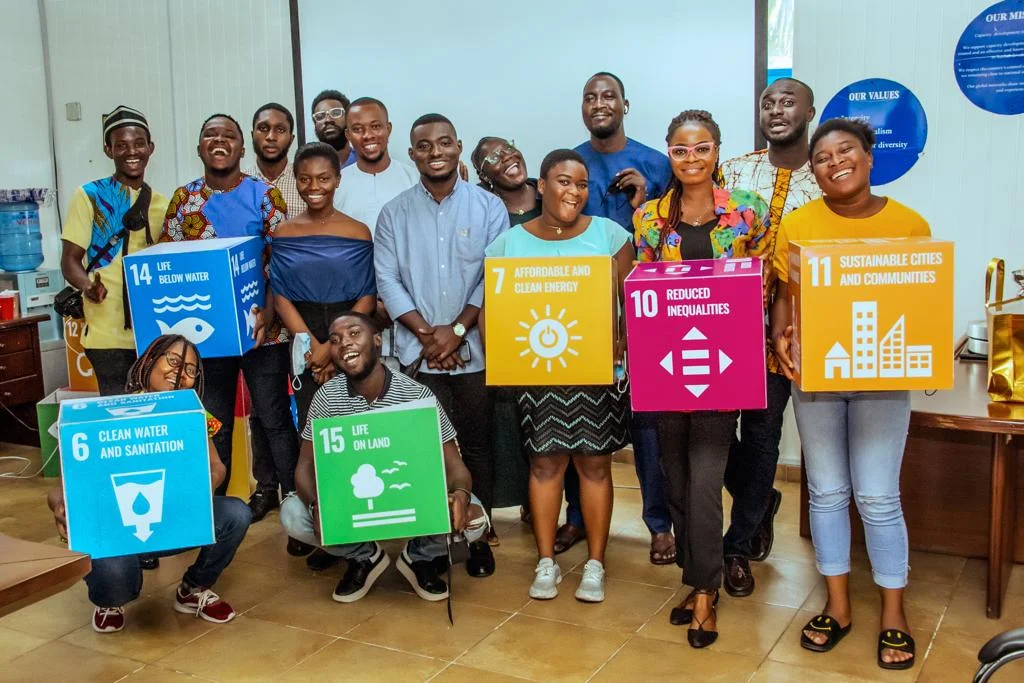
    The article “Examining the level of public awareness on the Sustainable Development Goals in Africa: An Empirical Evidence from Ghana,” investigates the awareness of Ghanaians regarding the United Nations’ Sustainable Development Goals (SDGs). The research assesses the awareness among Ghanaians about various SDGs, finding high awareness for goals related to poverty, hunger, health, gender equality, and clean water, but very low awareness for goals related to industry, life below water, and peace and justice. The study evaluates the effectiveness of communication strategies in raising SDG awareness and suggests that the government should re-examine its approach to involve grassroots populations more effectively. It reveals no significant difference in awareness between male and female respondents but shows that educational levels impact the overall awareness of the SDGs.

    How the Study was Conducted

    The authors employed a descriptive survey design within a quantitative research approach. The authors utilized convenience sampling to select 431 respondents. Data was collected through a questionnaire administered in two ways: as a Google Form distributed via social media and as a self-administered questionnaire by the research team. The data collection occurred over two months, from August to October 2021, and was analyzed using Means, standard deviation, Mann–Whitney U test, Kruskal Wallis, and Pearson Product-Moment Correlations. The study also ensured ethical considerations such as confidentiality, anonymity, and voluntary participation.

    What the Authors Found

    The authors of the study found high awareness among Ghanaians about SDGs related to poverty, hunger, health, gender equality, and clean water. However, awareness of SDGs concerning industry, life below water, and peace was very low. The authors also found that there is no significant difference in awareness levels between male and female Ghanaians. In addition, the authors found that the communication strategies used to raise SDG awareness were generally ineffective, with stakeholder engagement, radio, and TV programs being moderately effective, while community dialogue and social media were not.

    Why is this Important

    Policy Implications: The low awareness of certain SDGs highlights the need for targeted communication strategies. Policymakers can use this information to design more effective awareness campaigns and engage grassroots populations.
    Equity and Inclusivity: By understanding which goals have low awareness, efforts can be directed toward ensuring that all SDGs receive equal attention. This promotes inclusivity and ensures that no goal is left behind.
    Sustainable Development: The SDGs are critical for global development. Raising awareness about them is essential for achieving sustainable development, poverty reduction, and environmental protection. Without awareness, progress toward these goals may be hindered.
    Education and Advocacy: The study emphasizes the role of education in increasing awareness. Policymakers, educators, and civil society organizations can collaborate to educate citizens about the SDGs and encourage advocacy.
    Global Cooperation: The SDGs are a global agenda. When citizens are aware of them, they can actively participate in advocating for their implementation, fostering global cooperation.

    What the Authors Recommend

    • Given the low awareness of certain SDGs, the authors recommend developing targeted communication strategies. These strategies should focus on raising awareness for specific goals that currently lack public attention. For example, industry-related goals, life below water, and peace-related goals could benefit from tailored communication efforts.
    • The authors advocate that policymakers and organizations should actively engage grassroots populations. Community dialogues, workshops, and educational programs can help disseminate information about the SDGs. By involving local communities, awareness can be increased more effectively.
    • While radio and TV programs were moderately effective, social media and community dialogue were less so. The authors suggest exploring innovative ways to use social media platforms and community engagement to improve awareness. Collaborating with media outlets can also enhance communication efforts.
    • Educational institutions play a crucial role in raising awareness. The authors recommend integrating SDGs into school curricula. Educators can incorporate SDG-related content into lessons, promoting understanding and advocacy among students.
    • In addition, the authors emphasize that the government should allocate resources to SDG awareness campaigns. Public service announcements, billboards, and community events can be effective tools. Additionally, policymakers should collaborate with civil society organizations and private sector entities to amplify awareness efforts.
    • Regular monitoring and evaluation of awareness levels are essential. Policymakers should assess the impact of communication strategies and adjust them as needed. Data-driven decision-making will lead to more effective awareness campaigns.

    The study conducted by Odoom, et al., sheds light on the varying levels of awareness about the Sustainable Development Goals in Ghana and identifies critical gaps in communication strategies. With high awareness of goals relating to poverty, hunger, and health, but lower recognition of industry, life below water, and peace, the findings underscore the need for a strategic overhaul to ensure all SDGs are equally prioritized. The recommendations to engage grassroots populations, enhance community dialogue, and leverage educational institutions highlight practical pathways to boost public understanding and advocacy. These insights not only guide policymakers in Ghana but also serve as a blueprint for similar efforts across Africa and beyond. Ultimately, the success of the SDGs depends on informed and engaged citizens who are committed to driving sustainable development forward.