Author: AR Managing Editor

  • Brain Drain in African Genomics and Healthcare Challenges: Strategies for Retention and Solutions for Overcoming Obstacles

    Brain Drain in African Genomics and Healthcare Challenges: Strategies for Retention and Solutions for Overcoming Obstacles

    The brain drain phenomenon is posing a significant threat to Africa’s progress in the field of genomics. Despite a proliferation of training opportunities for young scientists at cutting-edge African genomics centers such as South Africa’s Centre for Epidemic Response and Innovation and Nigeria’s African Centre of Excellence for Genomics of Infectious Diseases, many of these researchers are leaving the continent after completing their training. These talented individuals are moving abroad to institutions that offer higher salaries and more resources, leading to significant human resource gaps in Africa’s genomics capabilities.

    One proposed solution to retain these scientists in Africa is to provide more well-funded postdoctoral fellowship opportunities within the continent. This approach could help keep researchers from seeking opportunities elsewhere and contribute to building a stronger local scientific community. The challenge, however, lies in securing the necessary investments to create these positions.

    In the realm of pharmaceutical manufacturing, African leaders are faced with the challenge of scaling up local production. One major hurdle is gaining access to patents for producing medicines, vaccines, and other pharmaceutical products. Few patents are held by African entities, which means local manufacturers must navigate complex licensing arrangements to produce patented products. The Medicines Patent Pool has had some success in obtaining voluntary licenses from patent holders, but such licenses come with restrictions on the countries included and are not always guaranteed.

    To overcome these obstacles, African countries may need to adopt a regional approach to issuing compulsory licenses, which would allow them to produce patented medicines without the patent holder’s agreement during health emergencies. However, powerful global entities, such as the United States, have actively discouraged African governments from employing compulsory licenses, citing various concerns.

    USAID is another key player in global health initiatives, with plans to spend $25.6 billion on various projects, including a significant portion earmarked for global health programs. The funding includes large contracts for HIV/AIDS services and health systems strengthening, as well as a regional approach to combating tuberculosis. Meanwhile, Dr. Michael Ryan of the World Health Organization is expanding his responsibilities as the organization’s new deputy director-general. He will now represent Director-General Tedros Adhanom Ghebreyesus on various matters internally and externally.

    In another area of concern, a recent study from India highlights the health risks faced by pregnant women working in extreme heat. These risks include a higher likelihood of adverse pregnancy outcomes such as miscarriage, stillbirth, and low birth weight. As global temperatures rise due to climate change, the health impacts of extreme heat on expectant mothers may become more severe.

    In response to these findings, policymakers in regions with high temperatures and labor-intensive industries are considering measures such as improved heat wave warnings and protective policies for pregnant women working in harsh outdoor environments. Such initiatives could help mitigate the risks associated with extreme heat exposure during pregnancy.
  • ADIS24 Highlights African Diaspora Engagement in Shaping Africa’s Climate Resilience and Economic Development

    ADIS24 Highlights African Diaspora Engagement in Shaping Africa’s Climate Resilience and Economic Development

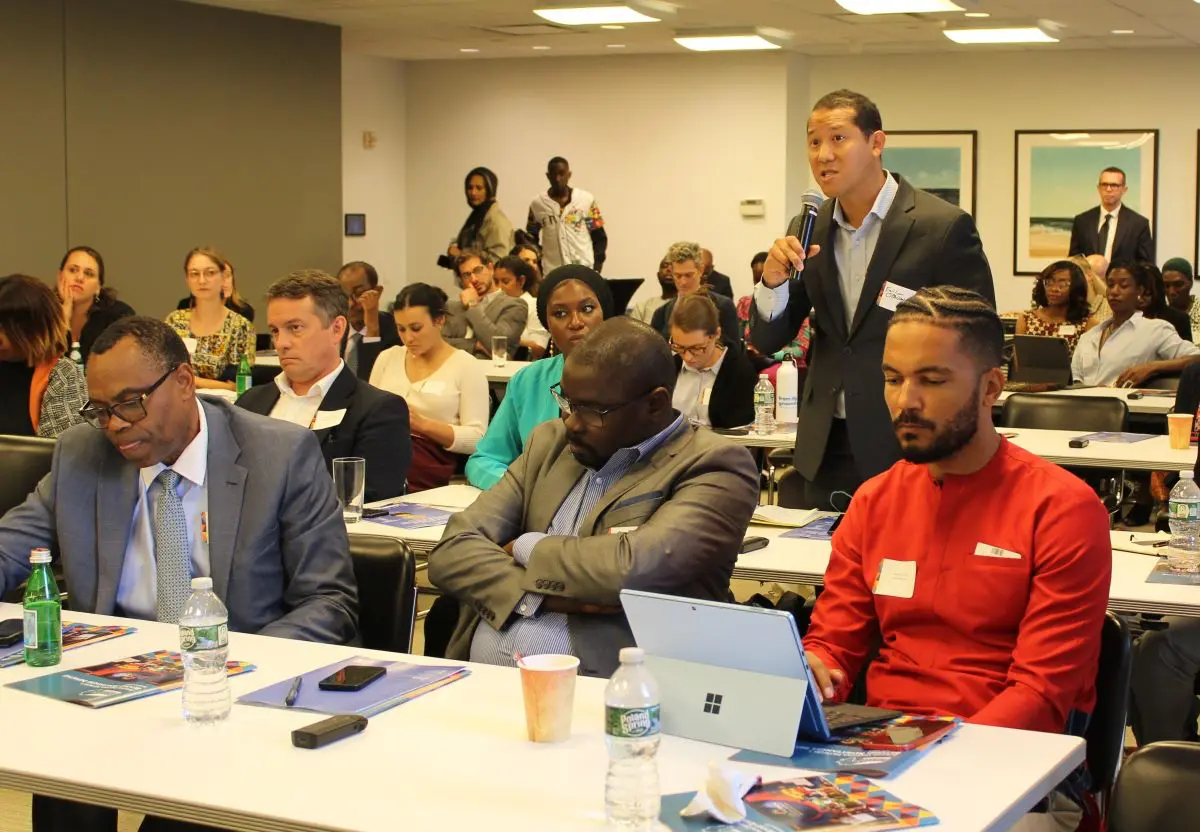
    The 9th annual African Diaspora Investment Symposium (ADIS24) recently took place in San Jose, California, illuminating the significant role diaspora engagement plays in shaping Africa’s future. Hosted by the African Diaspora Network (ADN) in Silicon Valley, the symposium gathered global investors, entrepreneurs, and industry leaders to confront urgent issues, notably climate change. Themed “Activate With Africa: Climate Change, Connections, And Action,” discussions revolved around President Biden’s commitment to diaspora engagement, African innovation, impact investments, the African Union’s Agenda 2063, and Africa-driven climate solutions.

    Amidst innovative strategies for climate resilience and fostering economic partnerships, ADIS24 underscored the benefits of collaboration between the diaspora and stakeholders across the continent. Esteemed speakers led discussions on humanitarian assistance, climate adaptation, and economic development. Santa Clara County Supervisor Suzan Ellenberg emphasized the county’s role in providing essential services to vulnerable populations and the African Diaspora, highlighting extensive support in housing, healthcare, and social services. Almaz Negash, Founder of ADN, reflected on the organization’s journey, citing collaborative efforts that have expanded its reach and impact. Notably, Negash’s appointment to President Biden’s Advisory Council on African Diaspora Engagement (PAC-ADE) underscores the growing recognition of diaspora voices in shaping policy and initiatives.

    Key discussions at ADIS24 highlighted the shift from reactive humanitarian aid to proactive investment in long-term development projects. The President’s African Diaspora Engagement Council discussed the imperative of reducing future humanitarian crises through strategic investments in community resilience. Executive Director of PAC-ADE, Deniece Laurent-Mantey, emphasized President Biden’s commitment to climate resilience and proactive approaches to climate action, leveraging partnerships and resource mobilization.

    USAID’s efforts to mobilize finance for climate adaptation, including private sector partnerships, were lauded. Monde Muyangwa, Assistant Administrator in the USAID Bureau for Africa, highlighted initiatives aimed at increasing resilience in vulnerable communities and accessing public and private finance. Formalizing diaspora engagement efforts was underscored as crucial for aligning with broader strategic objectives. Muyangwa discussed USAID’s plans to establish an African diaspora bureau, reflecting a commitment to harnessing diaspora expertise and resources for sustainable development.

    Initiatives like Prosper Africa were hailed for catalyzing economic partnerships between the United States and Africa, fostering innovation in key sectors. Anie Akpe emphasized the importance of investing in Africa’s youth, citing initiatives like the Young African Leaders Initiative (YALI) as pivotal for driving economic growth and combating climate change.

    Nigeria’s potential was showcased through the launch of President Tinubu’s impact investment platform, aiming to unlock new business opportunities for young entrepreneurs. Thelma Ekiyor-Solanke highlighted Nigeria’s entrepreneurial landscape and job creation agenda, ready to catalyze innovation in partnership with young creatives.

    The symposium concluded with optimism and determination, emphasizing the need for concrete action to leverage diaspora engagement for Africa’s sustainable development. ADIS24 served as a platform for collaboration, innovation, and resource mobilization, paving the way for a prosperous and resilient future for the continent.

  • Unlocking Sustainable Economic Growth in Africa: Strategic Investments and Inclusive Development

    Unlocking Sustainable Economic Growth in Africa: Strategic Investments and Inclusive Development

    Unlocking sustainable economic growth in Africa requires a multifaceted approach that encompasses strategic investments, collaborative efforts, and a focus on long-term resilience. Isayas Desale Berhe, CEO of Heran Group, advocates for a vision where Africa emerges as a prosperous and equitable continent through concerted action and innovative thinking.

    Investing in key sectors such as manufacturing, technology, and tourism holds the key to diversifying African economies away from overreliance on natural resource extraction. This diversification not only reduces vulnerability to volatile commodity prices but also fosters innovation and job creation.

    Central to sustainable growth is the concept of inclusive development, where investments prioritize equity, inclusivity, and community well-being. This entails not only economic prosperity but also improved access to healthcare and education, ultimately reducing poverty and income inequality. Moreover, respecting local perspectives and cultural nuances is essential for building consensus and fostering meaningful connections within communities.

    Environmental consciousness is another pillar of sustainable development. Investments must minimize ecological footprints, embrace renewable energy sources, and promote sustainable agricultural practices. By doing so, African economies can mitigate the impact of climate change and pave the way for long-term environmental resilience. Infrastructure development plays a crucial role in facilitating trade, enhancing connectivity, and fostering regional integration. Projects like the Lamu Port-South Sudan-Ethiopia-Transport (LAPSSET) Corridor demonstrate the transformative potential of strategic infrastructure investments in driving economic growth.

    The burgeoning tech scene in Africa presents significant opportunities for innovation and entrepreneurship. Success stories like M-PESA highlight the potential of technology to address local challenges and drive economic progress. Renewable energy initiatives, such as the Noor Ouarzazate Solar Complex in Morocco, not only reduce reliance on fossil fuels but also create new revenue streams while contributing to climate resilience.

    Investments in healthcare, exemplified by Ghana’s National Health Insurance Scheme (NHIS), lead to a healthier and more productive workforce, ultimately fueling economic growth. Collaboration emerges as a critical enabler of sustainable development, fostering joint innovation, expanding markets, and promoting job creation. By investing in people and fostering a culture of innovation, businesses can drive sustainable growth while empowering communities and promoting long-term prosperity.

    Ultimately, the success of sustainable economic growth in Africa hinges on strategic investments, collaborative efforts, and a commitment to inclusivity, environmental stewardship, and resilience. Through initiatives like Heran Group’s pharmaceutical plant in Angola, which combines job creation with technological innovation and community empowerment, Africa can unlock its vast potential and build a brighter future, one sustainable project at a time.

  • Kenyan Smallholder Farmers Thrive with Climate-Smart Agriculture and Organic Innovations for Sustainable Farming

    Kenyan Smallholder Farmers Thrive with Climate-Smart Agriculture and Organic Innovations for Sustainable Farming

    Kenyan smallholder farmers are transitioning from survival to thriving by embracing climate-smart agricultural innovations that enhance resilience to the challenges posed by climate change. Farmers like Pauline Mogambi and Serah Ndung’u, from Nakuru County, have shifted to conservation agriculture and organic pest control methods, resulting in increased crop yields and improved food security.

    Conservation Agriculture and Organic Methods

    Mogambi’s adoption of conservation agriculture has transformed her farming practices. By integrating minimal tillage, intercropping, and the use of compost manure, her one-acre farm now produces enough crops to sustain her family and generate surplus income from local market sales. This shift from traditional farming techniques has tripled her maize, legume, kale, tuber, and fruit harvests, significantly boosting her family’s nutrition and financial stability.

    Challenges Faced by Farmers

    Farmers in Nakuru County face various challenges such as pest infestations, diseases, and shrinking arable land due to climate change. However, with support from initiatives like the Consultative Group on International Agriculture Research (CGIAR)’s “Ukama Ustawi,” farmers are receiving assistance in implementing technologies that improve climate resilience and food security.

    Innovative Practices

    Mogambi’s farm serves as a model for innovative farming practices, including zero tillage, intercropping, crop rotation, mulching, and agroforestry. Her success demonstrates how these climate-smart methods can lead to increased crop yields and greater income. For instance, she now harvests 36 bags of maize and 20 tonnes of silage annually, a significant improvement from the seven bags she previously harvested.

    Indigenous Knowledge and Innovation

    Soil scientist Boaz Waswa from the Alliance of Bioversity International and the International Center for Tropical Agriculture (CIAT) emphasizes the importance of indigenous knowledge and innovation in boosting the resilience of smallholder farmers. Empowering farmers to diversify crops, adopt zero tillage, use organic manure, and implement drip irrigation can help combat hunger, poverty, and malnutrition.

    Gender-Inclusive Empowerment

    The “Ukama Ustawi” initiative prioritizes gender inclusivity by empowering women and youth farmers to cope with climatic shocks. This approach ensures that a wider range of farmers benefit from the deployment of climate-smart innovations.

    Sustainable Farming Practices

    Serah Ndung’u, another farmer from Nakuru County, champions sustainable practices such as agroforestry, intercropping, and mulching. These methods have enabled her to grow various crops successfully, including maize, beans, kales, potatoes, and avocados, even during dry periods. The skills and knowledge she gained through the initiative have allowed her to retain soil moisture and cultivate a diverse range of crops.

    Overall, Kenyan smallholder farmers are embracing climate-smart innovations that not only improve their resilience to environmental challenges but also boost food production, enhance nutritional security, and increase income. These advances are a step towards ensuring a sustainable future for the region’s agricultural sector.

  • IDRC Launches CAD 1.2 Million Grants for SRHR Research in Sub-Saharan Africa: Empowering African Researchers and Communities

    IDRC Launches CAD 1.2 Million Grants for SRHR Research in Sub-Saharan Africa: Empowering African Researchers and Communities

    The International Development Research Centre (IDRC) has launched a funding initiative titled “Addressing Neglected Areas of Sexual and Reproductive Health and Rights in Sub-Saharan Africa” (ANSRHRA) for 2024. This initiative aims to improve sexual and reproductive health and rights (SRHR) for underserved populations, particularly women and girls, across sub-Saharan Africa by supporting transformative gender-based research projects.

    Award Overview

    • Application Deadline: May 13, 2024, by 23:59 ET.
    • Award Type: Grants
    • Grant Funding: Up to CAD 1.2 million per implementation research team, with a duration of up to 36 months.

    Eligibility and Priority Areas: The ANSRHRA Initiative is specifically focused on five key areas of SRHR:

    1. Improving access to family planning and contraceptive services.
    2. Expanding access to safe abortion where legally permitted and providing post-abortion care.
    3. Upholding SRHR rights and ensuring access to services for adolescents.
    4. Preventing and improving services for those experiencing sexual and gender-based violence.
    5. Strengthening advocacy for SRHR.

    Successful projects must address at least one of these focus areas and demonstrate a commitment to gender-transformative change and feminist research methodologies. This includes integrating health systems research perspectives, collaborative approaches, and working with local priorities and knowledge, especially from underserved populations.

    Project Team Requirements

    • A research team must include:
      • An African-based principal investigator from an eligible institution in the same country as the project.
      • A senior member of a civil society organization prioritizing or led by underserved populations, active in supporting priority SRHR areas, as a co-principal investigator.
      • An independent researcher based at a Canadian institution as a co-principal investigator.
      • At least one decision-maker at the local, district, or national level from the same country as the principal investigator.

    Application Process: The application process involves a two-stage approach:

    1. Letter of Interest (LOI): In the initial stage, applicants must submit a letter of interest, which includes completing an eligibility checklist and uploading supporting documents.
    2. Full Technical Proposal: Only successful applicants from the LOI stage will be invited to submit a detailed technical proposal.

    Important Dates and Resources:

    • Virtual Q&A Webinar: Scheduled for March 26, 2024, from 8:00-9:30 a.m. EDT/3:00-4:30 p.m. CAT, with simultaneous French interpretation.
    • Registration for Webinar: Closes on March 25, 2024, at 5:00 p.m. EDT/11:00 p.m. CAT.
    • Further Information and Resources: Applicants are encouraged to consult the call document and FAQs for detailed requirements and eligibility criteria.

    Empowering African Research and Innovation in Sexual and Reproductive Health and Rights

    The International Development Research Centre (IDRC) funding initiative “Addressing Neglected Areas of Sexual and Reproductive Health and Rights in Sub-Saharan Africa” (ANSRHRA) for 2024 presents a significant opportunity for research grants to Africans, particularly in the following ways:

    1. Local Empowerment and Ownership: By emphasizing the inclusion of African-based principal investigators and research teams, the initiative fosters local ownership and empowerment in tackling SRHR issues. This approach ensures that research is grounded in the local context and tailored to meet the specific needs of African communities.
    2. Capacity Building: The grants offer an avenue for African researchers and institutions to strengthen their research capacity in SRHR. This includes gaining access to international collaborations, methodologies, and best practices that can enhance local research expertise and contribute to sustainable development.
    3. Focus on Underserved Populations: By prioritizing research that addresses the SRHR needs of underserved populations such as women, girls, and adolescents, the grants empower local researchers to identify and address pressing issues within their communities. This targeted approach can lead to more effective and relevant interventions.
    4. Interdisciplinary and Collaborative Approaches: The initiative’s requirement for a collaborative team, including researchers from Canadian institutions and local decision-makers, promotes interdisciplinary and cross-cultural approaches to research. This collaboration can lead to innovative solutions and a more comprehensive understanding of SRHR challenges.
    5. Policy and Advocacy Impact: By including decision-makers as part of the research team, the grants facilitate the translation of research findings into actionable policy changes and advocacy efforts. This integration can lead to long-term improvements in SRHR services and rights for African populations.
    6. Fostering Gender-Transformative Change: The focus on gender-transformative change and feminist research methodologies emphasizes the importance of challenging traditional norms and power structures. This approach can contribute to greater gender equality and empowerment within African societies.
    7. Access to Funding and Resources: The grants provide substantial financial support (up to CAD 1.2 million per team) for research projects over an extended period (up to 36 months). This level of funding enables researchers to undertake comprehensive studies and implement transformative initiatives.
    8. Promoting Sustainable Change: By supporting projects that integrate local priorities and knowledge, the grants promote sustainable, community-driven change that aligns with the values and needs of African populations.

    Overall, the IDRC’s ANSRHRA Initiative offers African researchers and institutions a unique and impactful opportunity to contribute to the advancement of sexual and reproductive health and rights in the region, fostering sustainable and meaningful change for underserved populations.

    For the complete eligibility requirements, including a list of eligible countries and frequently asked questions (FAQs), please visit the links below:

    1. Call for letters of interest document
    2. FAQ document 

    Visit Award Webpage for Details

  • Transforming African Education: AFRICA-ai-JAPAN Initiative Drives Science, Technology, and Innovation

    Transforming African Education: AFRICA-ai-JAPAN Initiative Drives Science, Technology, and Innovation

    The government of Japan, in collaboration with local partners, is spearheading an ambitious initiative to transform a Kenyan university into a leading regional hub for science, technology, and innovation (STI) across Africa. This groundbreaking project, known as AFRICA-ai-JAPAN, launched in June 2020 and is facilitated by the Japan International Cooperation Agency (JICA). With a focus on sectors crucial to Africa’s development, such as agriculture, engineering, and information and communications technology (ICT), the initiative aims to leverage indigenous knowledge and resources to address the continent’s pressing challenges.

    One of the key objectives of the project is to enhance the capacity of partner institutions, particularly the Jomo Kenyatta University of Agriculture and Technology (JKUAT) and the Pan African University Institute for Basic Sciences, Technology and Innovation (PAUSTI), hosted by JKUAT. By empowering students to innovate and fostering collaboration with industry, the initiative seeks to drive impactful research and development activities.

    The project is not confined to Kenya alone but extends its reach across the African continent. Collaborations are being established with universities in 10 African countries, including Uganda, Botswana, South Africa, Rwanda, Tanzania, Malawi, Zambia, Zimbabwe, Egypt, and South Sudan. Through these partnerships, the aim is to enhance skills and promote scientific research for the benefit of Africa as a whole.

    A significant aspect highlighted by Dr. Beatrice Inyangala, Kenya’s Principal Secretary for Higher Education and Research, is the emphasis on South-to-South linkages between African institutions. This approach fosters robust partnerships that transcend borders, laying the groundwork for collaboration on various shared interests. The recent Regional Linkages workshop served as a platform for representatives from the 10 countries to exchange ideas and explore avenues for cooperation.

    The impact of the AFRICA-ai-JAPAN project is already tangible, with 42 research and innovation projects funded to date. These initiatives have not only enhanced infrastructure and learning facilities at JKUAT but have also contributed to the development of a skilled workforce in STI across Africa. Additionally, the project aligns with Kenya’s efforts to increase research funding, aiming to reach the globally recommended rate of 2% of GDP.

    JKUAT has emerged as a frontrunner in educational and research excellence, thanks to its partnership with JICA. Through outreach activities and collaborations with universities across East and Southern Africa, JKUAT is fostering mutual collaboration, particularly in agriculture, engineering, and ICT – areas crucial for Africa’s sustainable development.

    The commitment of the Japanese government, channeled through JICA, underscores its dedication to the project’s objectives. These objectives, focused on capacity-building, research support, industry dissemination, and network building, are pivotal for driving innovation and technology adoption across Africa.

    Moving forward, the initiative aims to tailor curricula to address regional challenges and establish joint grant application platforms to tackle sustainability issues. By harnessing research and innovation, particularly in agriculture and engineering, the AFRICA-ai-JAPAN project has the potential to propel Africa towards a brighter and more prosperous future.

    In summary, the collaboration between Japan, represented by JICA, and African institutions like JKUAT and PAUSTI, signifies a transformative effort to advance science, technology, and innovation across the continent. Through strategic partnerships and targeted initiatives, the project aims to address Africa’s development challenges and foster sustainable growth and prosperity.

  • MIT-Empowering the Teachers (MIT-ETT) Programme: Transforming Science and Engineering Education in Nigeria

    MIT-Empowering the Teachers (MIT-ETT) Programme: Transforming Science and Engineering Education in Nigeria

    Application Deadline: May 26, 2024

    The MIT-Empowering the Teachers (MIT-ETT) Programme invites applications for its upcoming cycle. This initiative targets engineering professors currently teaching at local Nigerian universities who have recently attained their Ph.D. degrees.

    The essence of the MIT-ETT Program lies in its commitment to fostering innovation in science and engineering education across African tertiary institutions. By selecting cohorts of faculty members (ETT Fellows) and immersing them in an intensive, semester-long teaching-focused experience, the program aims to introduce cutting-edge, student-centered teaching methodologies.

    At its core, MIT-ETT strives to cultivate young African faculty leaders in science and engineering education, instilling in them the capacity to drive change and infuse creativity into curricular development. This is pursued through two primary objectives:

    1. Exposing junior African professors to MIT’s advanced, problem-solving pedagogical methods.
    2. Providing a platform for American faculty, particularly those interested in engaging with emerging economies, to connect and collaborate with counterparts from African universities.

    During their semester at MIT, ETT Fellows engage in a multifaceted learning journey:

    • Observing at least two MIT courses within their own disciplines.
    • Participating in a curriculum design course, where they implement research-based instructional design principles in their own teaching.
    • Engaging in discussions and explorations on curricular enrichment and reform through formal and informal interactions with the MIT community.
    • Participating in a range of activities aimed at developing critical change-agent skills, such as entrepreneurship, effective communication, experiential learning, reflection, collaboration, systems thinking, and perseverance.

    Ultimately, the vision for the universities where ETT Fellows teach is to nurture undergraduate students who are equipped with the requisite skills for today’s job market, including hands-on problem-solving and critical thinking capabilities.

    The MIT-ETT Program boasts corporate sponsorship from NNPC Ltd. & TotalEnergies EP Nigeria, underscoring the significance of industry collaboration in driving educational innovation.

    The application process for the MIT-Empowering the Teachers Programme is now open until May 26, 2024. Prospective applicants are encouraged to visit the registration page and follow the outlined instructions for submission.

    For further inquiries regarding the application process, applicants may reach out to ett.support@mit.edu.

    Visit the Official Webpage of the MIT Africa Empowering the Teachers Fellowship Programme

  • Empowering Ethiopian Artisans: Indigenous Handcrafting Industry Insights and Recommendations for Sustainable Growth

    Empowering Ethiopian Artisans: Indigenous Handcrafting Industry Insights and Recommendations for Sustainable Growth

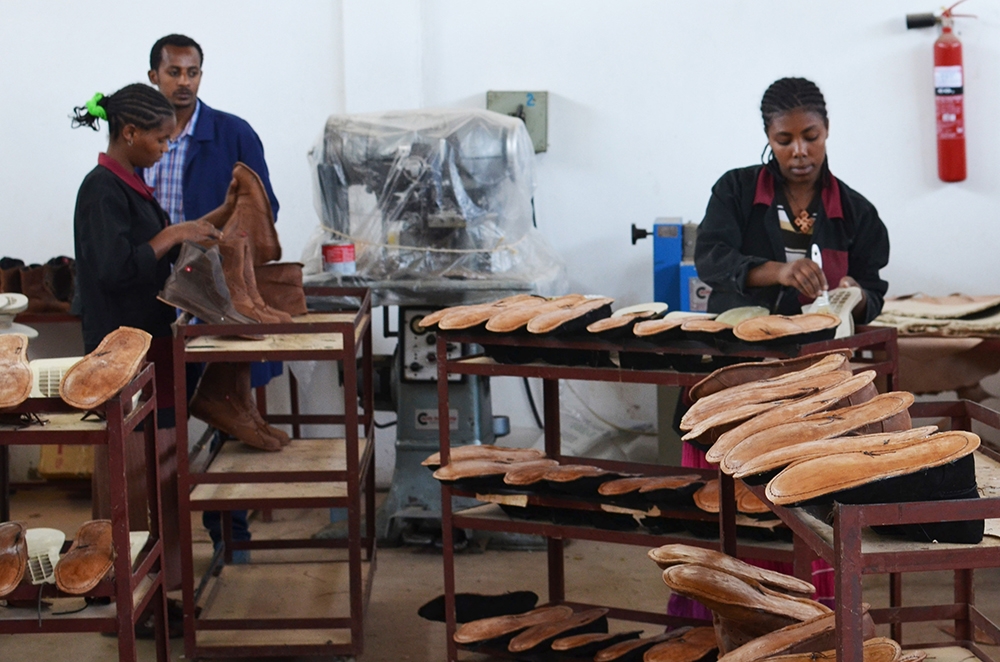
    A recent study by Mekonen, A. A., & Eshetu, A. A. (2024) titled “Understanding the Indigenous Knowledge-based Tub and Griddle Pan Handcrafting Business in Dessie, Ethiopia” published in Cogent Social Sciences by Taylor & Francis Online shows that Artisans create various goods for indoor and outdoor use, primarily unique products like tubs and griddle pans.

    Artisans in Dessie, Ethiopia face challenges due to inadequate safety measures and facilities.– Mekonen, A. A., & Eshetu, A. A. (2024)

    The research delves into the indigenous knowledge-based handcrafting industry centered around tubs and griddle pans in Dessie, Ethiopia. It sheds light on the significance of indigenous handcrafting not only as a cultural practice but also as a vital economic contributor in Ethiopia. Employing both exploratory and descriptive research methodologies, the authors utilized questionnaires, interviews, and field observations to collect comprehensive data. One of the primary findings of the study underscores the challenges faced by artisans in this sector. These challenges include inadequate safety gear, lack of access to proper utilities, and insufficient facilities, all of which have a tangible impact on production and distribution processes. For instance, without proper safety gear, artisans are exposed to risks that could affect their health and overall productivity. Similarly, the absence of essential utilities and facilities hampers their ability to scale up production and meet market demands effectively.

    In light of these challenges, the study advocates for measures aimed at bolstering support for the handcrafting business. This support could manifest in various forms, such as providing artisans with better tools and equipment to enhance their efficiency and output. Moreover, facilitating access to credit enables artisans to invest in their businesses, purchase necessary materials, and expand their operations. Additionally, there’s a recognized need for skill development initiatives to empower artisans with the necessary expertise to innovate and adapt to changing market dynamics. Ultimately, this study is not just about understanding the dynamics of traditional handcrafting industries; it’s also about fostering their sustainability and growth within the context of developing economies like Ethiopia. By addressing the challenges faced by artisans and providing them with the support they need, policymakers, organizations, and stakeholders can contribute to preserving indigenous knowledge and heritage while also driving economic development and empowerment within local communities.

    How the Study was Conducted

    The authors employed an exploratory and descriptive research design to understand the industry. Data was gathered through in-depth questionnaires and interviews with 97 business owners and employees, supplemented by first-hand field observation and secondary data from offices. The collected data was analyzed using descriptive statistical factors such as percentages and frequencies, and content analysis was used for non-numeric qualitative information.

    What the Authors Found

    The authors found that Artisans create various goods for indoor and outdoor use, primarily unique products like tubs and griddle pans. Most artisans acquired their skills through apprenticeships or hands-on training, using manual tools and traditional knowledge. In addition, the authors also found that the manufacturing area was littered with waste, and artisans faced injury risks due to a lack of proper safety gear.

    Why is this Important

    The findings from this study on indigenous knowledge-based Tub and Griddle Pan handcrafting in Dessie, Ethiopia, hold significant importance for several reasons:

    Cultural Preservation: The handcrafting industry is deeply rooted in Ethiopian culture. By understanding and supporting it, we contribute to the preservation of traditional knowledge and skills passed down through generations.
    Economic Impact: The handcrafting business provides livelihoods for artisans and their families. By addressing challenges such as lack of credit and market access, we can enhance economic opportunities and stability.
    Sustainable Development: Supporting local industries aligns with sustainable development goals. Empowering artisans with better tools, safety measures, and training contributes to a more resilient and self-sufficient community.
    Global Perspective: This study sheds light on the challenges faced by artisans in developing contexts. It encourages a global conversation about equitable economic growth and the role of indigenous knowledge in shaping industries.

    What the Authors Recommend

    • The authors recommend that actors and stakeholders should provide artisans with better tools and equipment that can enhance their productivity and product quality.
    • The authors emphasize that facilitating access to credit or microloans enables artisans to invest in their businesses, purchase raw materials, and expand production.
    • Furthermore, offering training programs and workshops can enhance artisans’ skills, improve product design, and foster innovation.
    • The authors also argue that creating market linkages and exploring new distribution channels can help artisans reach a wider audience and increase sales.
    • Finally, the authors emphasize that implementing safety protocols and providing safety gear can protect artisans from workplace hazards.

    In conclusion, the study illuminates the intricate interplay between cultural heritage, economic resilience, and sustainable development within the indigenous handcrafting industry of Dessie, Ethiopia. By addressing the challenges faced by artisans and advocating for tailored support measures, we can not only preserve traditional knowledge but also foster vibrant local economies and empower communities for generations to come. This research underscores the importance of recognizing and nurturing indigenous industries as vital contributors to global socio-economic progress and cultural richness.

  • Weaving Social Capital: Empowering Women Artisans in Sub-Saharan Africa through Cooperatives

    Weaving Social Capital: Empowering Women Artisans in Sub-Saharan Africa through Cooperatives

    A recent study by Brogan, G. S., & Dooley, K. E. (2024) titled “Weaving together Social Capital to Empower Women Artisan Entrepreneurs” published in International Journal of Gender and Entrepreneurship, shows that Women experienced economic and social benefits from cooperative membership, such as consistent income, improved living standards, and community support.

    Artisan cooperatives in Sub-Saharan Africa empower women economically and socially, fostering consistent income, improved living standards, and community support.-Brogan, G. S., & Dooley, K. E. (2024)

    The study explores the impact of artisan cooperatives on women employed in Sub-Saharan Africa, using social capital theory to examine the networks within cooperatives that lead to social and economic benefits. It employs a phenomenological approach, analyzing interviews with leaders of artisan cooperatives and documents from the cooperatives. The findings reveal key partnerships, benefits of the cooperative, and changes and growth among women and communities, highlighting empowerment through economic and social impacts. The study aims to provide models for other cooperatives to create sustainable work and impact women’s lives positively. It contributes to research on social entrepreneurship within artisan cooperatives and supports sustainable development goals like gender equality and economic growth.

    How the Study was Conducted

    The study employed a naturalistic inquiry within the interpretivist qualitative research paradigm, focusing on the lived experiences of women leading artisan cooperatives in Sub-Saharan Africa. The sample consisted of founders of social enterprises and cooperatives (FSECs), selected based on their English proficiency and operation of a women’s artisan cooperative or social enterprise. Data was gathered through semi-structured interviews conducted over Zoom, complemented by documents from the cooperatives for triangulation. Interpretative phenomenological analysis involved open and axial coding to identify themes from the transcribed interviews and secondary data sources.

    What the Authors Found

    The authors found that the formation of key partnerships was crucial for the growth and success of artisan cooperatives, providing avenues for advancement and empowerment. Women experienced economic and social benefits from cooperative membership, such as consistent income, improved living standards, and community support. In addition, the authors found that participation in cooperatives led to personal development, skill enhancement, and increased agency among women artisans.

    Why is this Important

    The study sheds light on how artisan cooperatives empower women in Sub-Saharan Africa. By providing consistent income, skill development, and community support, these cooperatives enhance women’s agency and well-being. The research aligns with sustainable development goals, particularly gender equality and economic growth. Understanding the impact of cooperatives helps policymakers and organizations create sustainable work opportunities for women. The study contributes to the field of social entrepreneurship by showcasing successful models. Cooperatives can serve as vehicles for positive change, benefiting both individuals and communities.

    What the Authors Recommend

    The authors recommend the following:

    • Encourage capacity building within artisan cooperatives by providing training programs, workshops, and mentorship. Strengthening leadership skills and business acumen will enhance cooperative sustainability.
    • Foster collaboration and networking among cooperatives. Encourage knowledge sharing, joint ventures, and partnerships to amplify impact and reach.
    • Advocate for policies that recognize and support artisan cooperatives. Governments and NGOs can create an enabling environment through tax incentives, legal frameworks, and funding opportunities.
    • Ensure gender-inclusive practices within cooperatives. Promote women’s leadership, equal representation, and decision-making power.
    • Facilitate market access for cooperative products. Link cooperatives with local and international markets to improve income and livelihoods.

    In conclusion, the study illuminates the transformative power of artisan cooperatives in Sub-Saharan Africa, showcasing how they serve as catalysts for women’s empowerment and sustainable development. By fostering economic stability, social support networks, and opportunities for skill development, these cooperatives not only elevate individual lives but also contribute to broader societal progress. Through strategic partnerships, capacity building initiatives, and advocacy for gender-inclusive practices, the potential for positive change within these cooperatives is vast. As we move forward, it is essential to heed the lessons learned from this research and continue championing the vital role of artisan cooperatives in advancing gender equality and fostering inclusive economic growth across the region.

  • Climate Change Threatens African Great Apes: Urgent Conservation Strategies Needed

    Climate Change Threatens African Great Apes: Urgent Conservation Strategies Needed

    A recent study, led by Razak Kiribou, a Ph.D. student at Haramaya University’s African Center of Excellence for Climate Smart Agriculture and Biodiversity Conservation in Ethiopia, sheds light on the escalating challenges faced by African great apes due to climate change. These majestic primates, humans’ closest relatives, are already experiencing and are projected to face intensified climate-related events such as heat waves, wildfires, and flooding over the next three decades.

    The research underscores the critical role played by primates within their ecosystems, contributing significantly to forest community structure through activities like seed dispersal and plant pollination. However, their vital ecosystem services are under threat as climate projections reveal that a substantial portion of primate habitat across Africa is likely to face significant temperature increases and altered precipitation patterns.

    To delve into the effects of climate change on African great apes, the study analyzed climate data from 363 sites across Africa, examining both past trends and future projections. The researchers identified six types of extreme events—such as droughts, wildfires, and crop failures—that have the potential to negatively impact ape populations directly or indirectly.

    The findings highlight that nearly half of the sites studied from 2007 to 2016 had already experienced temperatures above average, with eastern chimpanzees facing the most extreme temperature anomalies. These rising temperatures are predicted to persist and escalate in the coming years, leading to widespread crop failures and frequent wildfires, which can exacerbate habitat destruction due to human activities seeking alternative food sources.

    The study emphasizes the urgent need for conservation strategies that consider the resilience of African great apes to climate change. Kiribou stresses the importance of integrating climate change impacts into conservation efforts and advocating for increased awareness and education at both local and global levels. By understanding how these extreme events affect ape behavior and habitat, conservationists can develop more effective strategies to mitigate the impacts of climate change on these endangered species.

    In conclusion, the study serves as a wake-up call, highlighting the pressing need for concerted action to protect Africa’s great apes in the face of escalating climate change impacts. By incorporating climate resilience into conservation plans and fostering greater public awareness, there is hope for securing a more sustainable future for these iconic and invaluable creatures.