Author: AR Managing Editor

  • May 2024: Professor Rose-Margaret Ekeng-Itua – African Female Researcher of the Month

    May 2024: Professor Rose-Margaret Ekeng-Itua – African Female Researcher of the Month

    African Researchers Award
    May 2024: Professor Rose-Margaret Ekeng-Itua – African Female Researcher of the Month

    In the annals of academic history, certain names stand out as beacons of progress and change. Among them is Professor Rose-Margaret Ekeng-Itua, a trailblazer whose remarkable journey has not only shattered glass ceilings but has also paved the way for countless others to follow. As the world’s first black woman to achieve a Ph.D. in Cybernetics, her story is one of resilience, passion, and unwavering dedication to excellence.

    Early Life and Education

    Rose-Margaret Ekeng-Itua’s journey into the realm of technology began in her childhood in Nigeria. Surrounded by a culture that often discouraged girls from pursuing scientific fields, she defied societal norms and pursued her passion for understanding how things worked. From a young age, she displayed a keen interest in Mathematics and Physics, setting the stage for her future endeavors.

    Her thirst for knowledge led her to pursue a bachelor’s degree in Electrical and Electronic Engineering, laying the foundation for her illustrious career. Undeterred by geographical barriers, she ventured to the United Kingdom to further her studies, earning a master’s degree in Mobile and Satellite Communications Engineering. It was during this time that her fascination with technology deepened, fueling her ambition to make a lasting impact in the field.

    A Trailblazing Career

    Armed with a strong educational background and a relentless desire to break boundaries, Ekeng-Itua embarked on a journey that would redefine the landscape of Cybernetics. With over 20 years of experience in engineering and STEM education, she emerged as a leading figure in the field, transcending continents and inspiring generations to come.

    Her Ph.D. journey culminated at the University of Reading in the United Kingdom, under the guidance of her mentor, Prof. Kevin Warwick, a notable figure in the realm of cybernetics. It was here that she made history, becoming the first black woman to earn a doctorate degree in Cybernetics. This groundbreaking achievement not only solidified her place in academic history but also served as a beacon of hope for underrepresented groups in STEM fields worldwide.

    Championing Diversity and Inclusion

    Ekeng-Itua’s achievements extend beyond academia; she is a staunch advocate for diversity and inclusion in STEM fields. Despite facing extra-layered challenges as a woman of color in a male-dominated field, she refused to let these obstacles define her. Instead, she used her platform to amplify the voices of marginalized communities and pave the way for future generations of aspiring scientists and engineers.

    In a recent interview, Ekeng-Itua spoke about the challenges she encountered on her journey to success, emphasizing that every obstacle only fueled her determination. Her success, she noted, not only opened doors for herself but also served as an example for other women and girls who might otherwise doubt their capabilities.

    A Vision for the Future

    As a self-proclaimed “Dreamer-Doer-Thinker,” Ekeng-Itua’s vision extends far beyond personal achievement. Her passion for creating positive change and disrupting societal norms has guided her throughout her career. Whether through innovative programs in STEM education or purposeful design of technologies for society, she remains committed to making a meaningful impact on the world.

    In her own words, Ekeng-Itua’s journey is not just about being the first in anything; it’s about creating positively transformative impact. Her pioneering spirit, coupled with her dedication to excellence, serves as an inspiration to us all. As we celebrate her remarkable accomplishments, let us also recognize the path she has paved for future generations and the boundless possibilities that lie ahead.


  • Unlocking Sustainable Supply Chains: Insights from USA and Africa – A Comprehensive Review

    Unlocking Sustainable Supply Chains: Insights from USA and Africa – A Comprehensive Review

    A recent study by Okoye, et al., (2024) titled “Sustainable Supply Chain Practices: A Review of Innovations in the USA and Africa” published in International Journal of Applied Research in Social Sciences, shows that socioeconomic factors and resource constraints influence Africa’s sustainable supply chain practices.

    Socio-economic factors and resource constraints shape sustainable supply chain practices in Africa and the USA, emphasizing global relevance and collaboration. – Okoye, et al., 2024

    The study delves into the realm of sustainable supply chain practices, exploring innovative approaches within supply chains across both the USA and Africa. It meticulously examines the intersection of environmental and social responsibility within the supply chain industry, shedding light on its pivotal role in addressing pressing environmental challenges and fostering social responsibility. Furthermore, the study underscores the transformative potential of technological advancements such as Internet of Things (IoT) and blockchain technology in enhancing transparency and efficiency within supply chains. However, it doesn’t shy away from acknowledging the hurdles on the path to sustainability, such as regulatory frameworks and infrastructural limitations. Nevertheless, it offers valuable insights and strategic directions for shaping future sustainable supply chain strategies, aiming to overcome these challenges and pave the way for a more environmentally conscious and socially responsible global supply network.

    What the Authors Found

    The authors found that socio-economic factors and resource constraints influence Africa’s sustainable supply chain practices. Initiatives focus on local sourcing, community engagement, and fair trade practices, with innovative approaches like alternative materials and eco-friendly packaging solutions. Both regions face challenges such as regulatory frameworks, infrastructure limitations, and the need for capacity building. Despite these, there is a growing recognition of sustainability as a critical business imperative. In addition, the future of sustainable supply chains in both regions is characterized by a focus on resilience, adaptability, and sustainability integration across various supply chain management levels.

    Why is this Important

    Business Impact: Sustainable supply chain practices have a direct impact on business performance. Companies that adopt environmentally responsible practices can reduce costs, enhance brand reputation, and attract socially conscious consumers.
    Global Relevance: The study covers innovations in both the USA and Africa, highlighting the importance of sustainable supply chains on a global scale. It emphasizes that sustainability is not limited to developed countries but is relevant across diverse contexts.
    Resource Efficiency: By integrating advanced technologies like IoT and blockchain, supply chains can achieve greater transparency, traceability, and efficiency. This leads to better resource utilization and reduced waste.
    Social Responsibility: Sustainable supply chains contribute to social well-being by promoting fair labor practices, community engagement, and ethical sourcing. They address social issues such as child labor, worker safety, and human rights.
    Long-Term Viability: As environmental challenges intensify, businesses must adapt to remain viable. Sustainable practices ensure long-term resilience and competitiveness.

    What the Authors Recommend

    • Encourage cross-regional collaboration between supply chain practitioners, policymakers, and researchers. the authors argue that sharing best practices, lessons learned, and innovative approaches can accelerate sustainable supply chain adoption.
    • The authors advocate investing in capacity-building programs to enhance supply chain professionals’ understanding of sustainability practices. Training workshops, certifications, and educational initiatives can empower individuals to drive positive change.
    • The authors advocate for supportive regulatory frameworks that incentivize sustainable practices. Governments and industry associations play a crucial role in shaping policies that promote environmental responsibility and social well-being.
    • Continue leveraging advanced technologies like IoT, blockchain, and data analytics. These tools enhance transparency, traceability, and efficiency, leading to more sustainable supply chains.
    • Furthermore, the authors recommend Educating consumers about the importance of sustainable supply chains. Transparent labeling, eco-friendly packaging, and awareness campaigns can influence purchasing decisions.

    In conclusion, the study underscores the imperative of sustainable supply chain practices in addressing pressing environmental challenges and fostering social responsibility. By examining innovations in both the USA and Africa, it highlights the global relevance of sustainability across diverse contexts. Through cross-regional collaboration, investment in capacity-building programs, supportive regulatory frameworks, and leveraging advanced technologies, businesses can drive positive change towards resilient, efficient, and socially responsible supply chains. With a commitment to sustainability, we can pave the way for a more environmentally conscious and socially equitable future.

  • May 2024: Senegal Alfred Mabry – African Male Researcher of the Month

    May 2024: Senegal Alfred Mabry – African Male Researcher of the Month

    African Researchers AwardMay 2024: Senegal Alfred Mabry – African Male Researcher of the Month

    Senegal Alfred Mabry, a young African American, is a rising star in the fields of neuroscience, education, and community advocacy. He is recognized for his groundbreaking work in Parkinson’s disease research and his unwavering commitment to empowering marginalized communities. As a doctoral student at Cornell University, Mabry’s journey from the Bronx, New York, to the forefront of scientific inquiry epitomizes resilience, courage, and a profound dedication to making a positive impact.

    Early Years and Academic Journey

    Born and raised in the vibrant cultural landscape of the Bronx, New York, Mabry encountered numerous challenges as a young Black man aspiring to pursue a career in STEM. Despite facing systemic barriers to educational opportunities, he emerged as a beacon of hope, using his voice to shed light on issues affecting his community. His formative years were marked by his contributions to the New York Amsterdam News, where he shared stories of resilience and advocated for educational equity.

    Mabry’s advocacy continued into his collegiate years, where he distinguished himself as a change agent within the New York State Education Department and as a member of President Obama’s ‘My Brother’s Keeper’ initiative. His experiences navigating the intersection of education policy and social justice fueled his passion for leveraging science as a tool for empowerment and societal change.

    Parkinson’s Disease Research

    At Cornell University, Mabry found his calling in neuroscience, with a particular focus on Parkinson’s disease. Inspired by the stories of resilience within his community, he embarked on a mission to unravel the mysteries of this debilitating neurodegenerative disorder. His research explores the intricate interplay between the autonomic nervous system, particularly the heart, and Parkinson’s symptoms and pathology.

    Mabry’s groundbreaking work has taken him from the rural fields of Upstate New York to international scientific conferences, where he has presented his findings to esteemed audiences. His dedication to amplifying the voices of Parkinson’s patients and underserved communities has earned him recognition as a trailblazer in the field of neuroscience.

    Community Engagement and Advocacy

    Beyond the laboratory, Mabry is a tireless advocate for inclusivity and equity in science. Recognizing the need for greater representation and participation from underrepresented groups, he spearheaded initiatives to bridge the gap between diverse communities and scientific research. As the founder of a coalition in Upstate New York, he brings together universities, clinicians, researchers, and nonprofits to enhance Parkinson’s care and outreach.

    Mabry’s commitment to community engagement extends to the classroom, where he teaches a groundbreaking course titled ‘Science as the Greatest Good’ at Cornell University. Through this course, he empowers undergraduate students to democratize science and address the pressing issues facing marginalized communities. As a mentor and role model, he instills in his students a sense of purpose and social responsibility, shaping the next generation of scientific leaders.

    Recognition and Future Impact

    Alfred Mabry’s remarkable achievements have not gone unnoticed. As a recipient of the Rising Black Scientists Award and a member of prestigious organizations such as the Obama Foundation’s My Brother’s Keeper Alliance, he continues to inspire others with his vision and leadership. With the rates of Parkinson’s disease on the rise and disparities in healthcare widening, Mabry remains steadfast in his mission to advocate for those whose voices have been marginalized.

    As he continues to make strides in neuroscience research and community advocacy, Mabry’s legacy serves as a testament to the transformative power of science and the indomitable spirit of those who dare to challenge the status quo. With his unwavering commitment to equity, inclusion, and social justice, Senegal Alfred Mabry is not only reshaping the landscape of scientific inquiry but also paving the way for a brighter, more equitable future for all.

  • May 2024: Paper of the Month by Bengtson, et al., 2024 – Exploring Cardiometabolic Health in Pregnant Women: Insights from South African Cohort Study on HIV and ART Effects

    May 2024: Paper of the Month by Bengtson, et al., 2024 – Exploring Cardiometabolic Health in Pregnant Women: Insights from South African Cohort Study on HIV and ART Effects

    African Researchers Award
    May 2024: Paper of the Month by Bengtson, et al 2024 – Exploring Cardiometabolic Health in Pregnant Women: Insights from South African Cohort Study on HIV and ART Effects

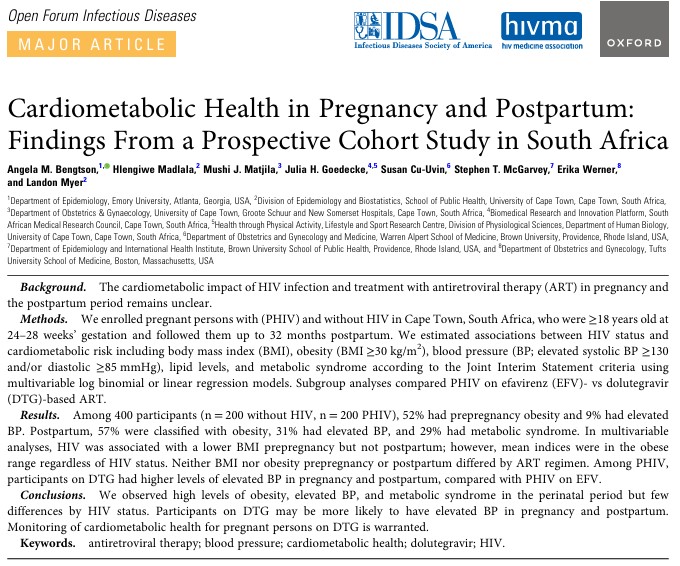
    A recent article by Bengtson, et al., (2024) titled “Cardiometabolic health in pregnancy and postpartum: Findings from a prospective cohort study in South Africa” published In Open Forum Infectious Diseases by Oxford University Press shows that both groups of women, regardless of HIV status, exhibited high levels of obesity and elevated blood pressure postpartum.

    Regardless of HIV status, pregnant women in South Africa showed high obesity and elevated blood pressure postpartum, necessitating comprehensive care.-Bengtson, et al., 2024

    This article presents a thorough investigation into the cardiometabolic health of pregnant and postpartum women in South Africa, focusing particularly on the influence of HIV infection and antiretroviral therapy (ART) on various risk factors such as obesity, blood pressure, and metabolic syndrome. The study adopts a prospective cohort approach, comparing pregnant women with and without HIV. Its primary objective is to analyze how HIV infection and the use of ART affect cardiometabolic risks during and after pregnancy. By observing these factors over time, researchers aimed to gain insights into the long-term implications for maternal and child health. Following the analysis of the collected data, several noteworthy findings emerged. Firstly, both groups of women, regardless of HIV status, exhibited high levels of obesity and elevated blood pressure postpartum. This suggests that factors beyond HIV may significantly contribute to cardiometabolic health issues during this period. Secondly, a potential association between the use of Dolutegravir (DTG)-based ART and higher blood pressure levels during and after pregnancy was observed. This finding underscores the importance of closely monitoring the cardiovascular health of pregnant women receiving DTG therapy. The findings from this study carry significant implications for clinical practice and public health interventions. The observed prevalence of obesity and metabolic syndrome among pregnant and postpartum women underscores the urgent need for comprehensive cardiometabolic screening protocols during prenatal care and beyond. This study was conducted in Cape Town, South Africa, providing valuable insights into the unique challenges faced by women in this region regarding HIV management and maternal health. By contributing to the existing body of knowledge on the cardiometabolic effects of HIV and ART, particularly during pregnancy and postpartum, this research informs future interventions aimed at improving maternal and child health outcomes in resource-limited settings.

    How the Study was Conducted

    The authors employed a prospective cohort study named the Cardiometabolic Health in Pregnancy (CAMP) study to investigate the influence of HIV and ART regimens on cardiometabolic risk during the perinatal period. Pregnant persons with and without HIV, aged ≥18 years, at 24–28 weeks gestation, were enrolled from Gugulethu, Cape Town, South Africa, between November 2019 and June 2022. Anthropometry measurements, blood pressure evaluations, and fasting blood samples for lipid and plasma glucose assessments were taken at 24–28 weeks gestation and a postpartum visit was planned at 6 months but extended up to 32 months due to COVID-19. Indicators of cardiometabolic risk such as BMI, obesity, blood pressure, and serum lipids were assessed. Multivariable log-binomial or linear regression models were used to estimate associations between HIV status, ART regimen, and cardiometabolic risk factors.

    What the Authors Found

    The authors found that there were high levels of obesity, elevated blood pressure, and metabolic syndrome observed in the perinatal period. Few differences were noted by HIV status in terms of cardiometabolic risk. However, participants on dolutegravir (DTG) may be more likely to have elevated blood pressure during pregnancy and postpartum. The authors also found that over half of the participants had prepregnancy obesity, and this increased postpartum.

    Why is this Important

    Maternal Health: Understanding cardiometabolic risks during pregnancy and postpartum is crucial for maternal health. High blood pressure, obesity, and metabolic syndrome can impact both the pregnant person and the developing fetus.
    HIV and ART Considerations: The study sheds light on the impact of HIV and antiretroviral therapy (ART) on cardiometabolic health. Pregnant individuals with HIV may have unique considerations, especially if they are on specific ART regimens like dolutegravir (DTG).
    Clinical Practice: Healthcare providers can use these findings to inform clinical practice. Monitoring blood pressure, weight, and metabolic markers in pregnant individuals, particularly those with HIV, is essential for early detection and intervention.
    Public Health: Addressing cardiometabolic risks during pregnancy contributes to overall public health. By identifying potential risk factors and understanding their prevalence, healthcare systems can implement preventive measures and improve outcomes.

    What the Authors Recommend

    • The authors suggest that healthcare providers should closely monitor cardiometabolic health during pregnancy and postpartum. Regular blood pressure checks, weight assessments, and lipid profiles can help detect any abnormalities early.
    • Pregnant individuals with HIV, especially those on dolutegravir (DTG), may require tailored care. The authors suggest that clinicians should consider the impact of ART regimens on blood pressure and metabolic markers.
    • The authors advocate that encouraging healthy lifestyle choices is essential. This includes promoting physical activity, a balanced diet, and weight management to reduce the risk of obesity and related complications.
    • In addition, the authors emphasize on educating pregnant individuals about cardiometabolic risks and the importance of adherence to ART is crucial. Awareness campaigns can help empower patients to take charge of their health.

    In conclusion, the findings from Bengtson et al.’s study underscore the critical importance of understanding and addressing cardiometabolic health in pregnant and postpartum women, particularly in the context of HIV and ART. The observed high levels of obesity, elevated blood pressure, and metabolic syndrome highlight the urgent need for comprehensive screening and tailored care interventions during prenatal and postpartum periods. By implementing regular monitoring, promoting healthy lifestyle choices, and ensuring awareness of cardiometabolic risks, healthcare providers can significantly impact maternal and child health outcomes, ultimately contributing to the well-being of communities in resource-limited settings.

  • Enhancing Economic Empowerment for Female Shea Actors in Ghana: Challenges, Solutions, and Policy Implications

    Enhancing Economic Empowerment for Female Shea Actors in Ghana: Challenges, Solutions, and Policy Implications

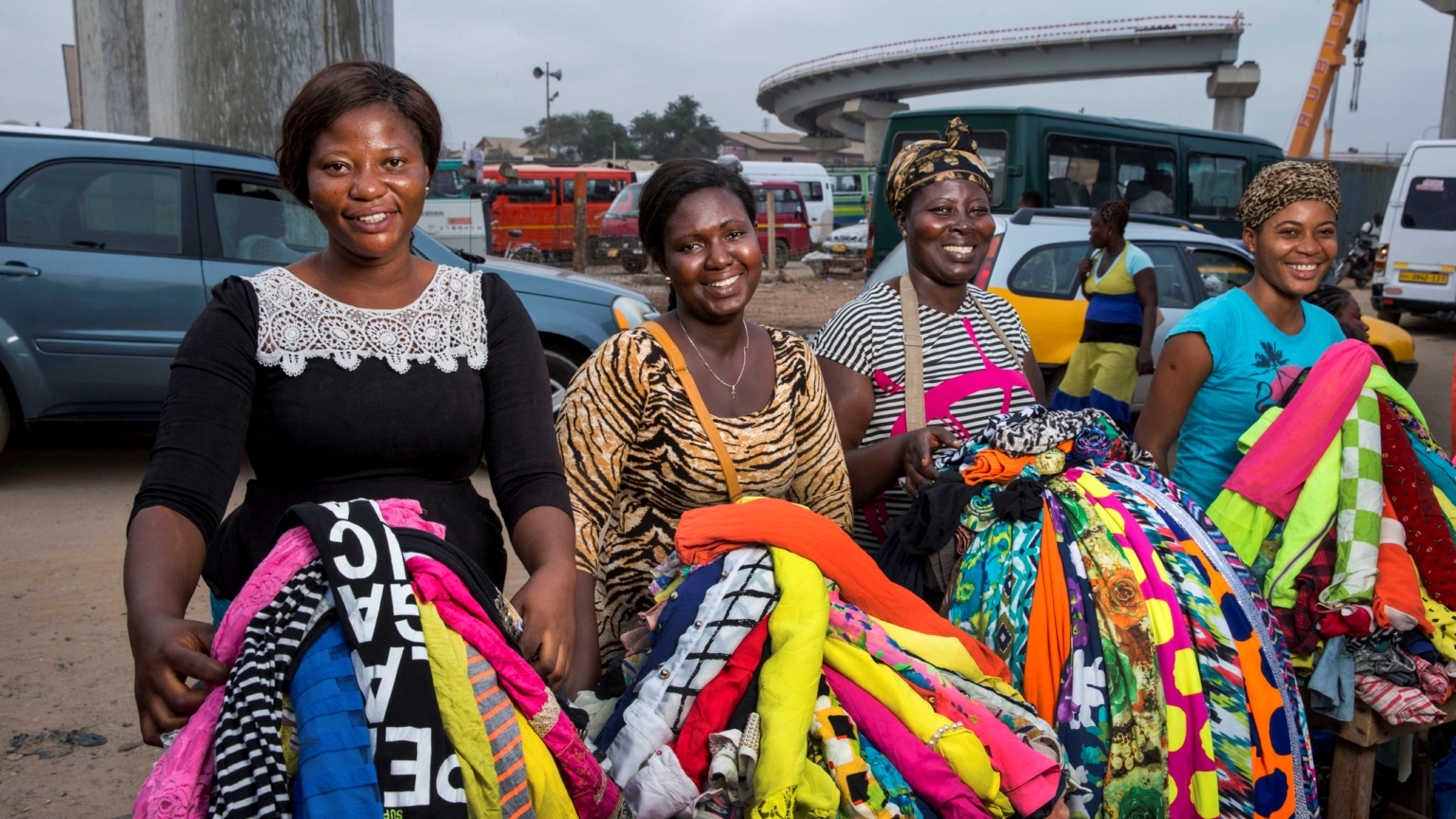
    A recent study by Katsekpor, et al., (2024) titled “Economic empowerment among female shea actors: the case of Savelugu District, Ghana” published in Cogent Social Sciences, shows that female shea actors encounter challenges such as inaccessibility to land, finance, markets, and inadequate storage facilities, impacting their operations.

    There is a significant disparities in economic empowerment among female shea actors in Ghana’s Savelugu District– Katsekpor, et al., 2024

    The study explores the economic empowerment of women engaged in the shea industry within Ghana’s Savelugu District. The study delves into the degree of economic empowerment experienced by these women and identifies various factors that impede their progress in this regard. Employing a convergent mixed-methods approach, the research collected data from 384 female shea actors, encompassing producers, collectors, and marketers, alongside insights from 12 experienced older women within the industry. Noteworthy findings indicate notable disparities in economic empowerment across different roles within the shea value chain. Challenges such as limited access to land, financial resources, and inadequate storage facilities were identified as significant barriers to empowerment. In response to these findings, the study advocates for the formation of groups to facilitate improved access to loans and to enable better control over product pricing. Additionally, it calls upon development agents to take proactive measures to enhance women’s access to land, finance, and storage facilities, thereby fostering a more conducive environment for their economic empowerment within the shea industry.

    How the Study was Conducted

    The authors utilized a convergent mixed-methods approach to gather both quantitative and qualitative data. Data were collected from 384 female shea actors (producers, collectors, marketers) and 12 experienced older women in the industry, totaling 396 participants. Qualitative data underwent thematic analysis, while quantitative data were analyzed using the non-parametric Kruskal-Wallis test to compare levels of economic empowerment among the three groups of shea actors. The study found significant differences in economic empowerment levels among the groups, with collectors, marketers, and producers showing varied mean ranks, indicating that economic empowerment varies among the shea actors.

    What the Authors Found

    The authors found significant differences in economic empowerment among the three groups of female shea actors—producers, collectors, and marketers—in the Savelugu District of Ghana. Collectors had the highest economic empowerment with a mean rank of 236.60, followed by producers at 205.31, and marketers at 131.24. The authors also found that female shea actors encounter challenges such as inaccessibility to land, finance, markets, and inadequate storage facilities, impacting their operations.

    Why is this Important

    Policy Implications: Understanding the economic empowerment levels of female shea actors helps policymakers design targeted interventions. By addressing specific challenges faced by these actors, such as inaccessibility to land, finance, and markets, policies can be tailored to enhance their economic well-being.
    Gender Equity: Focusing on female shea actors acknowledges the gender disparities in economic opportunities. Empowering women in the shea industry contributes to overall gender equity and economic development.
    Sustainable Livelihoods: Shea production is a significant livelihood activity in Ghana. Enhancing the economic empowerment of shea actors ensures sustainable livelihoods for them and their communities.
    Industry Growth: A better understanding of economic empowerment can lead to improved practices, increased productivity, and growth in the shea industry. This benefits not only the actors but also the entire value chain.

    What the Authors Recommend

    • The authors suggest that shea actors should form collective groups. These groups can help increase access to loans, enhance bargaining power, and provide mutual support.
    • To address financial challenges, the study suggests improving access to microfinance institutions. This would allow shea actors to invest in their businesses and improve their economic well-being.
    • The authors propose that shea actors should have more control over prices. This can be achieved through collective bargaining and market information sharing.
    • Inadequate storage facilities hinder the shea actors’ operations. The study recommends investing in better storage infrastructure to prevent spoilage and ensure product quality.

    In conclusion, the study sheds light on the multifaceted challenges faced by female shea actors in Ghana’s Savelugu District, highlighting disparities in economic empowerment across different roles within the industry. By identifying these obstacles and proposing targeted solutions, such as forming collective groups, improving access to finance, and enhancing market control, the research underscores the importance of tailored interventions to foster gender equity, sustainable livelihoods, and industry growth. Addressing these issues not only benefits the shea actors themselves but also contributes to the overall development of the shea value chain and the communities it supports.

  • Unlocking the Impact of Weirs on River Ecology: Insights from Luvuvhu River Catchment Study

    Unlocking the Impact of Weirs on River Ecology: Insights from Luvuvhu River Catchment Study

    A recent article by Munzhelele, et al., (2024) titled “Impact of weirs in altering benthic macroinvertebrate assemblages and composition structure in the Luvuvhu River Catchment, South Africa” published in Frontiers in Environmental Science, shows that habitat Integrity plays a crucial role in driving aquatic abundance and assemblage in the Luvuvhu River Catchment (LRC), emphasizing the importance of maintaining ecological integrity.

    Weirs significantly alter benthic macroinvertebrate assemblages, emphasizing the critical role of habitat integrity in river ecosystems – Munzhelele, et al., 2024

    The study delves into the impact of weirs on benthic macroinvertebrate assemblages in the Luvuvhu River Catchment, South Africa. Assessing six weirs across five streams, the research utilizes a year-long sampling approach, employing the South African Scoring System (SASS) and Average Score per Taxon (ASPT) indices for analysis. The findings, drawn from 18,914 macroinvertebrate individuals representing 65 families, highlight the pivotal role of habitat integrity in shaping aquatic abundance and assemblage composition. These results underscore the ecological significance of preserving river integrity to sustain diverse aquatic ecosystems.

    How the Study was Conducted

    The research was conducted at six weirs within the Luvuvhu River Catchment (LRC) in South Africa. The catchment area and geographic coordinates of the sampling sites are detailed. Bi-monthly measurements of water temperature, dissolved oxygen, pH, total dissolved solids, and electrical conductivity were taken at sites upstream and downstream of each weir. The authors employed macroinvertebrates from three main biotopes at each sampling point over a 12-month period. The sampling involved kick sampling and the use of a standard SASS kick net. Statistical analyses were performed using R software. The South African Scoring System (SASS) score and Average Score per Taxon (ASPT) indices were used to assess macroinvertebrate assemblages. Generalized linear mixed models (GLMM) and canonical correspondence analysis (CCA) were employed to analyze the data.

    What the Authors Found

    The authors found that habitat Integrity plays a crucial role in driving aquatic abundance and assemblage in the Luvuvhu River Catchment (LRC), emphasizing the importance of maintaining ecological integrity. The authors also found that the presence of weirs significantly alters benthic macroinvertebrate assemblages and composition structure both upstream and downstream, affecting the river’s functionality and biodiversity. In addition, a total of 18,914 macroinvertebrate individuals from 65 families were observed, indicating a diverse range of species affected by the weirs.

    Why is this Important

    Habitat Integrity: It highlights the significance of maintaining the ecological integrity of rivers for the abundance and assemblage of aquatic life.
    Impact Assessment: It provides an impact assessment of weirs on benthic macroinvertebrate assemblages in the Luvuvhu River Catchment, which is crucial for understanding human impacts on river ecosystems.
    Bioassessment Tool: The study utilizes the South African Scoring System (SASS) as a bioassessment tool, demonstrating its effectiveness in detecting water quality impacts.
    Conservation Efforts: The findings can inform conservation efforts and sustainable management practices for rivers affected by flow modifications due to weirs.

    What the Authors Recommend

    • The authors advocate that implementing conservation measures to maintain the ecological integrity of rivers, especially those impacted by weirs, is crucial. These measures could include habitat restoration, flow management, and minimizing human disturbances.
    • The authors emphasize that establishing long-term monitoring programs for river ecosystems can help assess the impact of weirs on aquatic life. Regular monitoring allows for adaptive management and timely interventions.
    • When constructing or modifying weirs, consider their design and placement carefully. Optimal weir design can minimize negative effects on benthic macroinvertebrate assemblages.
    • In addition, the study also emphasizes on educating the public and stakeholders about the importance of maintaining healthy river ecosystems. Awareness campaigns can promote responsible behavior and reduce human impacts.

    In conclusion, the study underscores the critical importance of maintaining habitat integrity in river ecosystems, particularly in the context of weirs’ impact on benthic macroinvertebrate assemblages. By revealing the significant alterations caused by weirs in the Luvuvhu River Catchment, South Africa, the research highlights the urgent need for conservation measures and responsible management practices. Through ongoing monitoring, informed interventions, and public education initiatives, we can strive towards preserving the ecological balance of rivers, safeguarding the diverse aquatic life they support for generations to come.

  • Unveiling Candida auris in Africa: Prevalence, Resistance, and Public Health Imperatives

    Unveiling Candida auris in Africa: Prevalence, Resistance, and Public Health Imperatives

    A recent article by Yerbanga, et al., (2024) titled “Epidemiology, Clinical Features and Antifungal Resistance Profile of Candida auris in Africa: Systematic Review” published in Journal of Biosciences and Medicines, examines that Candida auris shows very high resistance to fluconazole, moderate resistance to amphotericin B, and high susceptibility to echinocandins.

    Candida auris prevalence in Africa, its resistance profile, and urgent need for proactive public health interventions.-Yerbanga, et al., 2024

    The systematic review on the current page scrutinizes the prevalence and resistance patterns of Candida auris across Africa, shedding light on its epidemiology, clinical manifestations, and resistance to antifungal treatments. Notably, it underscores the paucity of comprehensive data in many African nations, indicating a critical gap in our understanding of this emerging pathogen’s impact on the continent’s healthcare landscape. Highlighting Candida auris as a formidable healthcare menace, the review accentuates its formidable resistance profile against conventional antifungal therapies, compounded by its propensity to incite outbreaks within healthcare facilities. This dual threat underscores the pressing need for proactive measures to curb its spread and mitigate its clinical consequences. Moreover, the study delves into the genetic diversity of C. auris, delineating four distinct phylogenetic clades prevalent in Africa. Within these clades, the review elucidates specific genetic mutations associated with antifungal resistance, providing valuable insights into the pathogen’s evolutionary trajectory and adaptive mechanisms. In light of these findings, the review advocates for a multifaceted approach to public health intervention, emphasizing the imperative of heightened awareness, stringent infection control measures, and robust research initiatives. By amplifying awareness and bolstering surveillance efforts, healthcare systems can better detect and contain outbreaks, thereby curtailing the dissemination of this insidious pathogen.

    How the Study was Conducted

    The authors utilized databases like PubMed, ScienceDirect, Google Scholar, and AJOL for articles related to the epidemiology, clinical features, and antifungal resistance of Candida auris in Africa. The authors explore original data reports such as case reports, series, and observational studies without date or design restrictions. Excluded commentary articles and studies outside African countries and also extract data which involved screening titles, abstracts, and full texts by two independent reviewers, with discrepancies resolved through discussion or a third reviewer. In addition, the authors followed PRISMA guidelines for systematic reviews, focusing on prevalence, risk factors, case fatality rate, phylogenetic clades, clinical features, and antifungal resistance profile of C. auris

    What the Authors Found

    The authors found that the prevalence of Candida auris in Africa is 8.74%, with data reported from only 6 African countries. South Africa has the most reported cases. The authors also found that the main risk factors include cardiovascular disease, renal failure, diabetes, HIV, recent intake of antimicrobial drugs, ICU admissions, surgery, hemodialysis, parenteral nutrition, and indwelling devices. In addition, the study posits that Candida auris shows very high resistance to fluconazole, moderate resistance to amphotericin B, and high susceptibility to echinocandins.

    Why is this important

    Healthcare Preparedness: Understanding the prevalence, risk factors, and resistance patterns of C. auris helps healthcare systems prepare for potential outbreaks. Early detection and containment are critical to prevent its spread.
    Antifungal Treatment Strategies: The high resistance to fluconazole and moderate resistance to amphotericin B highlight the need for alternative antifungal therapies. Echinocandins remain effective, but targeted treatment based on resistance profiles is essential.
    Phylogenetic Insights: Clade-specific mutations associated with antifungal resistance provide insights into the evolution of C. auris. This knowledge can guide research on novel drug targets and therapeutic approaches.
    Public Health Interventions: The study emphasizes the importance of surveillance, infection control measures, and awareness campaigns. Healthcare professionals and policymakers can use this information to develop effective strategies.
    Global Impact: As a multidrug-resistant pathogen, C. auris poses a global threat. By studying its behavior in Africa, we contribute to the broader understanding of this emerging pathogen.

    What the Authors Recommend

    • The authors suggest that stakeholders should improve surveillance systems to track the prevalence, incidence, and distribution of C. auris cases across African countries. This includes standardized reporting mechanisms and collaboration between healthcare facilities.
    • The authors suggest that stakeholders implement strict infection control protocols in healthcare settings. These should include measures to prevent nosocomial transmission, such as proper hand hygiene, isolation precautions, and environmental cleaning.
    • The study recommends that healthcare authorities develop guidelines for appropriate antifungal use. Given the high resistance to fluconazole, judicious use of antifungal agents is crucial. Echinocandins should be considered as first-line therapy.
    • Healthcare authorities should strengthen laboratory infrastructure for accurate identification and antifungal susceptibility testing of C. auris. This includes training personnel, ensuring access to necessary reagents, and quality assurance, and educating healthcare professionals, patients, and the public about C. auris. Awareness campaigns can help prevent outbreaks and promote early detection.
    • Furthermore, healthcare authorities should encourage research on novel antifungal agents, vaccine development, and understanding the genetic basis of resistance. Collaborate across borders to share knowledge and resources.

    In conclusion, the systematic review sheds crucial light on the evolving landscape of Candida auris in Africa, emphasizing its prevalence, resistance patterns, and the imperative for proactive public health measures. With a pressing need for enhanced surveillance, robust infection control protocols, and judicious antifungal strategies, stakeholders must unite in a concerted effort to combat this formidable pathogen. By fostering collaboration, bolstering research endeavors, and amplifying awareness, we can fortify healthcare systems and mitigate the impact of Candida auris, safeguarding the health and well-being of communities across the continent and beyond.

  • Kenya Floods Highlight Need for Enhanced Disaster Preparedness: Insights from IWMI’s AWARE Platform

    Kenya Floods Highlight Need for Enhanced Disaster Preparedness: Insights from IWMI’s AWARE Platform

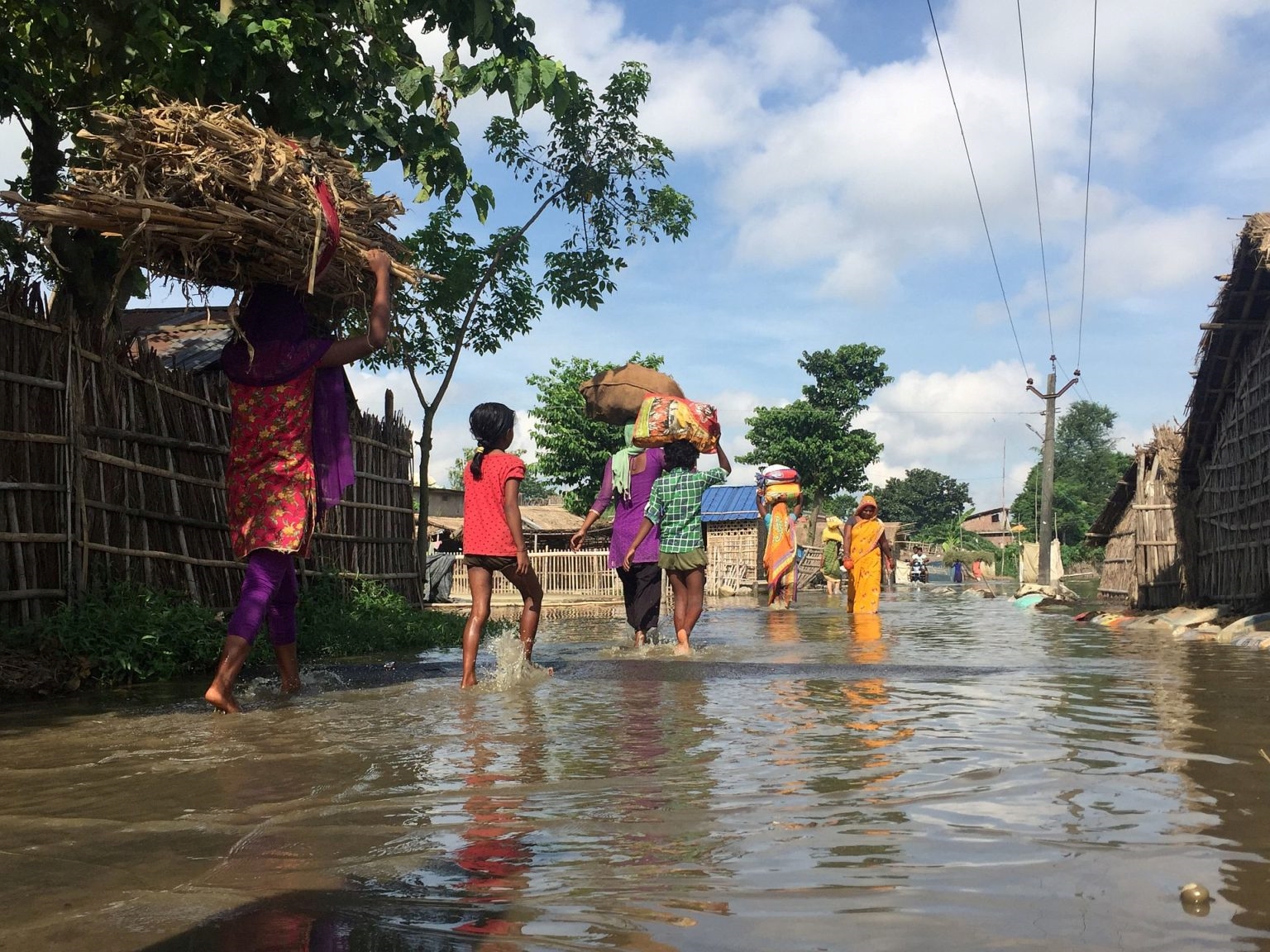
    The recent floods in Kenya have resulted in the tragic loss of at least 228 lives and have displaced over 212,630 people, while torrential rains have triggered mudslides and severely damaged infrastructure across East Africa. This disaster is a stark reminder of the urgent need for integrated planning and effective disaster response systems. The unusually intense precipitation in April has exposed vulnerabilities in preparedness and underscored the importance of robust forecasting, reliable communication, and sustainable land-use planning.

    The International Water Management Institute (IWMI) has provided critical insights into the flood situation through its flood maps, which utilize data from Sentinel-1 satellites to visualize the extent of flooding in regions such as Nairobi, Kiambu, and Machakos. The combination of intense rainfall, steep terrains, and rapid runoff has caused rivers to overflow, leading to widespread damage and disruption. With forecasts predicting continued heavy rain, immediate action is essential to prevent further catastrophe. Understanding rainfall patterns and their impacts is key to building long-term resilience against such disasters.

    IWMI’s Early Warning, Early Action and Early Finance (AWARE) platform offers a proactive approach to disaster management. By facilitating early detection and mitigation strategies, AWARE enables countries to respond to disasters before they escalate. The current floods in Kenya have revealed the interconnected nature of environmental and infrastructural systems, demonstrating that effective resilience strategies must encompass multi-sectoral planning. Coordination across different agencies, including those managing dams, land use, and weather forecasting, is crucial to prevent confusion and delays during emergency situations.

    AWARE serves as a central hub for comprehensive information, providing data on climate patterns, market trends, health, nutrition, and population displacement. This platform encourages collaboration among diverse stakeholders and promotes joint action to strengthen disaster preparedness and streamline response mechanisms. Designed for anticipatory action, AWARE prioritizes multi-level coordination to ensure that responses are both timely and effective.

    To address the complex challenges posed by disasters like the floods in Kenya, policymakers must adopt a holistic approach. This includes integrating early warning systems, promoting sustainable land-use practices, and fostering cross-agency collaboration. By embracing these strategies, governments and organizations can better prepare for and respond to future crises, ultimately reducing the impact on vulnerable communities.

  • Building Resilient Education Systems in Lesotho: Addressing Climate Change Challenges and Disaster Preparedness

    Building Resilient Education Systems in Lesotho: Addressing Climate Change Challenges and Disaster Preparedness

    Background and Context

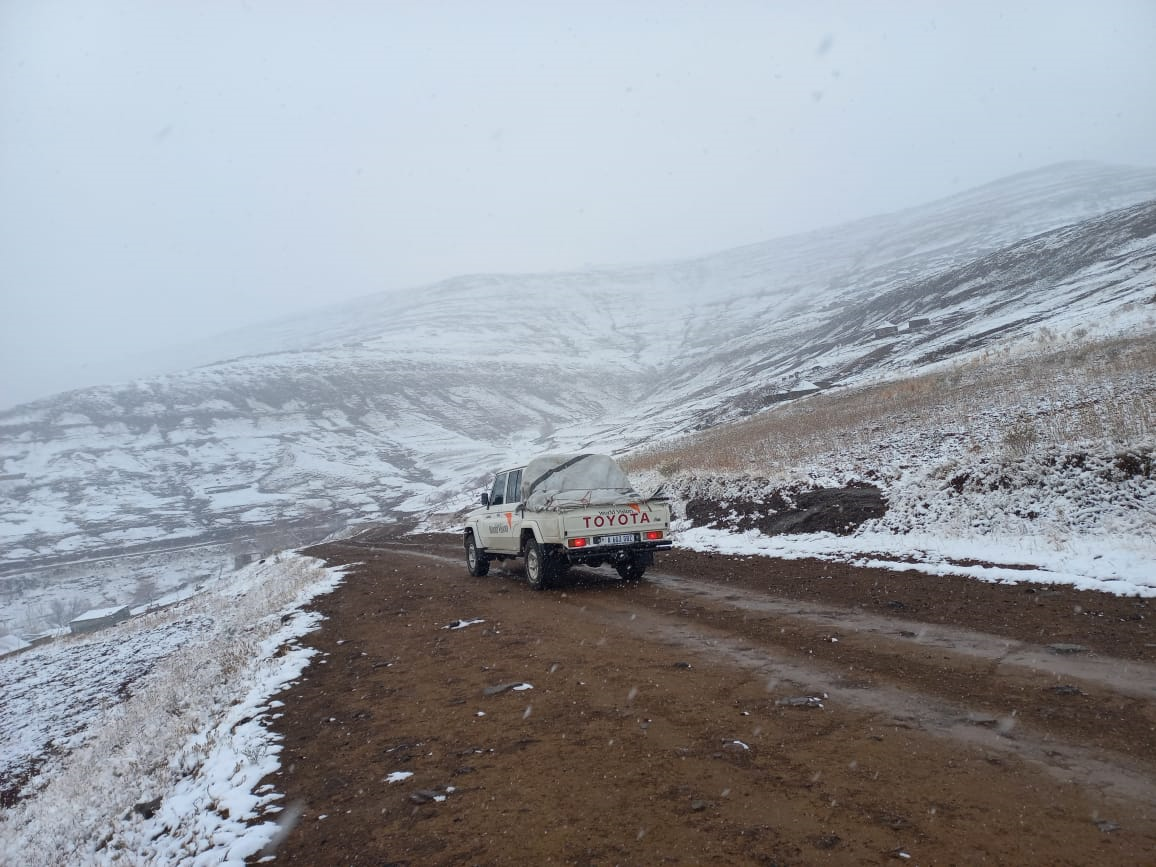
    Lesotho, a small, landlocked country in Southern Africa, is vulnerable to climate change-induced weather extremes, such as droughts, floods, and heavy snowfall. Although it is not prone to frequent natural disasters like earthquakes or hurricanes, climate change has resulted in erratic weather patterns that impact various sectors, especially education.

    These disruptions often lead to school closures, hazardous conditions for students, and difficulties in maintaining regular educational activities. Climate-related disasters can damage infrastructure, making school buildings unsafe, and cause transportation problems, impacting students’ ability to attend classes. Additionally, these events can displace families, create economic strains, and lead to health risks, further complicating the educational landscape.

    The Impact on Education

    When disasters strike, children are among the most affected. In Lesotho, more than 50% of those impacted by such events are children, leading to significant disruptions in their education. School buildings may be damaged, transportation becomes challenging due to flooded roads or snow-covered paths, and families may be displaced, forcing children to miss school. Health risks, such as waterborne diseases and respiratory illnesses, can also lead to extended school absences.

    Challenges Faced by Students and Schools

    In rural areas, where resources are limited, schools face additional hardships. Many schools lack clean water, proper sanitation facilities, and safe buildings, posing significant risks to students’ health and safety. Economic constraints from disasters can further limit children’s access to education, as families struggle to afford school fees or supplies. Additionally, the psychological trauma resulting from these events can affect children’s ability to concentrate in school, requiring additional support from educators and mental health professionals.

    World Vision’s Efforts to Build Resilient Education Systems

    World Vision International Lesotho, with support from the European Union Humanitarian Aid, is implementing the “Consolidating and Strengthening Disaster Risk Reduction (CSDRR)” project. This initiative aims to enhance both national and community capacities for effective disaster preparedness and response, with a specific focus on safeguarding children’s education. Through comprehensive approaches, the project promotes anticipatory action and community-level resilience.

    The project’s coordinator, Ms. ‘Mamokobo Lebeko, emphasized the importance of strengthening disaster response capabilities to protect children’s education. This involves training teachers on disaster risk reduction, developing School Disaster Preparedness Plans (SDPPs), and integrating Disaster Risk Reduction and Management (DRRM) into the school curriculum. These efforts aim to ensure that children continue their education even during emergencies.

    Collaborative Approaches to Strengthening Disaster Response

    World Vision collaborates with Lesotho’s Disaster Management Authority (DMA) and the Ministry of Education & Training to foster a coordinated response to disasters. By engaging in dialogues with key stakeholders, they aim to develop integrated strategies to address the lack of resources during emergencies. This collaborative effort underscores the need for nationwide coordination to support education during disasters.

    Mr. Tseliso Ncheke, World Vision’s Grants & Acquisition Lead, highlighted the importance of pooling resources and sharing initiatives to strengthen Lesotho’s disaster response. He referenced lessons learned from the COVID-19 pandemic, emphasizing that if society does not address current challenges, the same issues that arose during the pandemic could resurface.

    Conclusion: Building Resilient Education Systems in Lesotho

    Addressing disaster risks and strengthening education systems in Lesotho requires a comprehensive approach involving multiple stakeholders. World Vision International Lesotho’s efforts to build resilience and improve disaster preparedness aim to ensure that children have access to education, even in the face of climate-related challenges.

    To achieve these goals, a collaborative effort involving government institutions, multilateral agencies, educational institutions, civil society organizations, and the business community is essential. By pooling resources and implementing strategic interventions, Lesotho can create a more resilient education system that withstands climate-induced disruptions. These efforts will ensure that children can continue to learn, grow, and thrive, regardless of the challenges they face.

  • Strengthening Disaster Preparedness in the Horn of Africa: Key Insights from Regional Training in Djibouti

    Strengthening Disaster Preparedness in the Horn of Africa: Key Insights from Regional Training in Djibouti

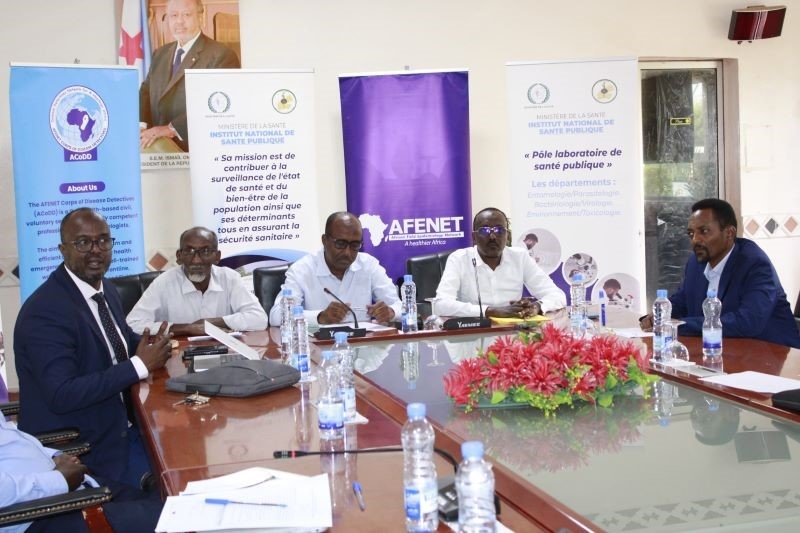
    The Horn of Africa has taken a pivotal step in enhancing its public health readiness through a groundbreaking regional disaster preparedness and response Training of Trainers (ToT) held in Arta Region, Djibouti, from May 5 to May 9, 2024. This five-day training program represents a collaborative effort involving the US Centers for Disease Control and Prevention (CDC), the African Field Epidemiology Network (AFENET), and Djibouti’s Ministry of Health. The initiative aims to foster a coordinated approach to managing disasters and public health emergencies across the region.

    High-Profile Inauguration and Attendance

    The ToT inauguration was graced by an array of dignitaries and key stakeholders. His Excellency Mohammod Ali, the Secretary General of Djibouti’s Ministry of Health, officially opened the event, signaling its significance to the country’s health policy framework. Among the notable attendees were Dr. Houssein Youssouf Darar, Director General of Djibouti’s National Institute of Health; Elmi Bouh, President of the Regional Council of Arta; and Hassan Dabaleh, Prefect of the Arta region. The event also saw participation from representatives of the US-CDC, including Dr. Bayleyegn Tesfaye and Dr. Schnall Amy, both from the National Center for Environmental Health, and Dr. Tatek Bogale, the AFENET Regional Technical Coordinator for the Horn of Africa.

    Training Focus and Objectives

    The training brought together 24 healthcare professionals from various AFENET member countries, including Djibouti, Ethiopia, and Somaliland/Somalia. Using the latest Disaster Epidemiology and Toxic Outbreak Investigation materials, participants underwent rigorous training designed to equip them with advanced skills for conducting rapid needs assessments and setting up effective surveillance systems. These skills are critical for effective disaster response and public health emergency management. The ultimate goal is for these trained professionals to become trainers themselves, enabling them to share their knowledge and skills within their respective countries, thereby strengthening regional resilience.

    Acknowledgment of Partnerships and Collaborative Efforts

    During the opening ceremony, the speakers highlighted the invaluable role of the US-CDC and AFENET in supporting the initiative. Their contributions have been instrumental in enhancing the region’s capacity to respond to public health crises. The collaboration between Djibouti’s Ministry of Health, the National Institute of Health, and other stakeholders was emphasized as key to building a robust health system in the region.

    Importance of Regional Preparedness

    The regional disaster preparedness and response training represents more than just a capacity-building exercise; it marks a significant stride toward creating a coordinated and robust public health infrastructure in the Horn of Africa. The ability to respond swiftly to disasters and public health emergencies can save lives and mitigate broader societal impacts. The skills and knowledge shared through this training aim to ensure that healthcare professionals across the region are better prepared to handle emergencies, thus strengthening the overall resilience of the health system.

    Looking Forward

    As the training concludes, the participants return to their respective countries with a wealth of knowledge and a mandate to disseminate what they have learned. The continued collaboration among regional health authorities, international partners, and local stakeholders will be crucial in maintaining and building upon the progress made during this training. The success of such initiatives not only improves immediate response capabilities but also contributes to the long-term goal of creating a more resilient and health-secure Horn of Africa.