Author: AR Managing Editor

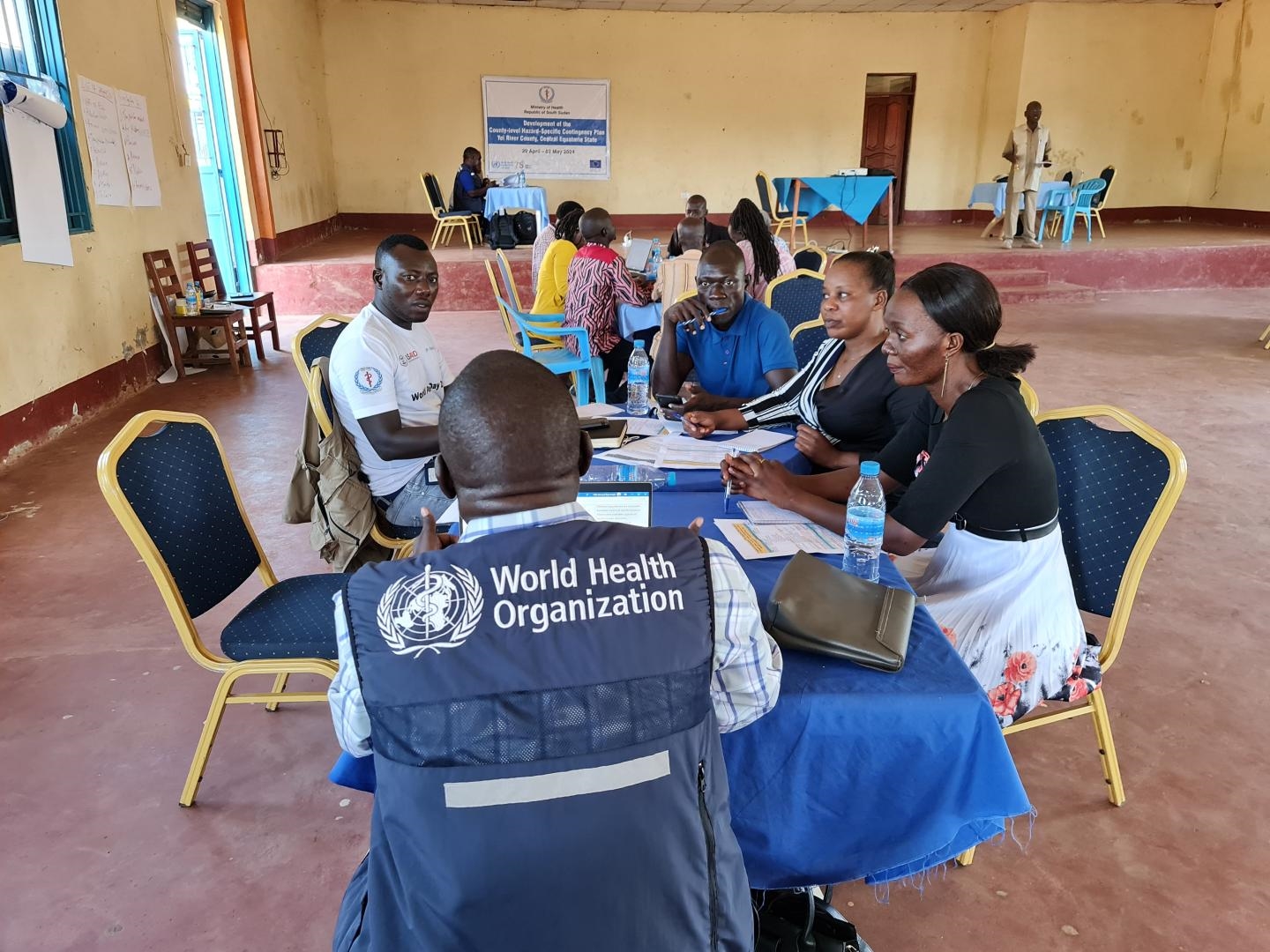
  • South Sudan’s Central Equatoria State Develops County-Level Disaster Preparedness Plans

    South Sudan’s Central Equatoria State Develops County-Level Disaster Preparedness Plans

    In a world prone to sudden emergencies and unexpected disasters, the importance of strategic preparation is undeniable. Central Equatoria State in South Sudan is making strides in building resilience to potential threats through the creation of county-level hazard-specific contingency plans. By proactively addressing the risks, the State aims to protect public health and safety while fostering a culture of resilience among its citizens.

    The newly developed plans take into account the unique characteristics and risks of each county, particularly in regions like Yei River County, which are prone to specific hazards. Ms. Agnes Agnes Nyoka, Primary Health Care Supervisor for Yei River County, explains, “The County contingency plans are designed to prepare for potential hazards and ensure a swift and effective response. These plans include hazard-specific strategies, response scales, scenarios, and a multi-hazard core response mechanism.”

    Assessing Risks at a Local Level

    Central Equatoria State faces a range of threats, from armed conflict to infectious diseases and environmental challenges. A comprehensive sub-national risk assessment conducted in October 2023 provided valuable insights into the specific risks that the State faces. The assessment identified a spectrum of dangers, including malaria, Ebola Virus Disease (EVD), and road traffic accidents, among others.

    Based on these findings, Central Equatoria State developed hazard-specific contingency plans tailored to individual counties. The initiative focused on Kajo-keji, Morobo, and Yei River Counties, selected due to their unique geographical attributes and varying levels of risk. The goal of these plans is not only to respond to emergencies and disasters but also to proactively mitigate their impact through effective preparation.

    Developing County-Level Contingency Plans

    The county-level contingency plans are designed with several key objectives in mind. First, they aim to anticipate potential threats and vulnerabilities, allowing the State to implement proactive measures to minimize harm to public health. The plans identify specific needs associated with each hazard and outline customized mitigation actions to address them.

    A detailed roadmap is also provided for implementing these actions, covering resource allocation, time estimates, and other logistical considerations. These plans include the mobilization of necessary resources—personnel, equipment, logistics capabilities, and supplies—to support effective response efforts. Furthermore, ongoing monitoring and evaluation are built into the process to ensure that the plans remain effective and adaptable to changing conditions.

    Building a Culture of Resilience

    By focusing on proactive planning, monitoring, and coordination, Central Equatoria State aims to build a culture of resilience within its communities. The State’s commitment to disaster risk reduction and community involvement is evident in its approach. As Mr. Yona Kenyi, Surveillance Officer for Central Equatoria State, notes, “South Sudan has taken proactive steps to address public health challenges. Our approach prioritizes community involvement in identifying potential hazards and ensures that county-level, hazard-specific contingency plans are developed and fully understood.”

    The development of these contingency plans involved collaboration across various sectors and partner organizations. This inclusive approach ensured a comprehensive understanding of risks and incorporated expertise from a wide range of stakeholders. By involving the community, the State seeks to foster a sense of ownership and commitment to implementing the plans.

    A Model for Disaster Preparedness

    The significance of Central Equatoria State’s initiative extends beyond its borders. The generous support from the European Union for Humanitarian Aid has been crucial in driving this initiative, which now serves as a model for other States facing similar challenges. As Dr. Humphrey Karamagi, WHO Representative for South Sudan, points out, “By prioritizing preparedness, disaster risk reduction, and collaboration, Central Equatoria State demonstrates that proactive measures can mitigate even the most daunting hazards. This approach ensures a safer and more resilient future for all.”

    By investing in proactive preparedness and fostering collaboration across different sectors, Central Equatoria State is taking a significant step toward building a safer, more resilient community. The initiatives in place are not just reactive; they are designed to anticipate and address the unique risks that each county may face, ensuring that the State can respond swiftly and effectively when emergencies occur.

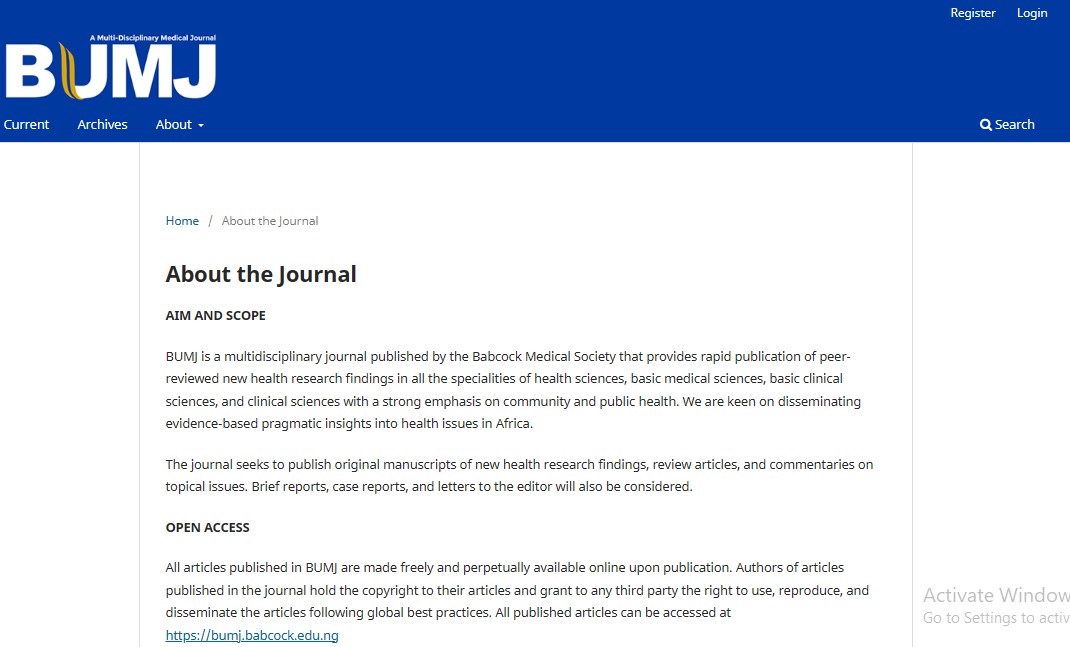
  • Elevating African Scholarship: Babcock University Medical Journal (BUMJ) in the African Research (AR) Index

    Elevating African Scholarship: Babcock University Medical Journal (BUMJ) in the African Research (AR) Index

    In a rapidly evolving global academic landscape, the need for reliable sources of African scholarship is more crucial than ever. The African Research (AR) Index plays a pivotal role in elevating and disseminating the valuable contributions of African researchers. One standout journal indexed in the AR Index is the Babcock University Medical Journal (BUMJ), a multidisciplinary publication from Nigeria dedicated to health sciences.

    The Importance of the AR Index for African Research

    The AR Index is a comprehensive scholarly directory designed to improve the visibility and accessibility of African research. By indexing journals from across the continent, the AR Index ensures that the contributions of African scholars are acknowledged and accessible to a global audience. This effort bridges knowledge gaps, fosters equitable representation, and promotes cultural diversity in academia. Furthermore, it encourages international collaborations, benefiting not only African researchers but also the global scholarly community.

    Babcock University Medical Journal: A Hub for Health Sciences

    The Babcock University Medical Journal is one of the distinguished journals listed in the AR Index. Affiliated with Babcock University, a leading institution in Nigeria, BUMJ has carved a niche in publishing peer-reviewed research in various health sciences disciplines, from basic and clinical sciences to community and public health. This multidisciplinary approach underscores the journal’s commitment to providing evidence-based insights into health issues specific to Africa.

    BUMJ offers a platform for original research, review articles, commentaries, brief reports, case studies, and letters to the editor, with a special focus on topics that resonate with the African context. By featuring content across a broad spectrum of health sciences, the journal serves as a valuable resource for researchers, clinicians, and policymakers.

    Accessibility and Open Access

    One of the key features of BUMJ is its commitment to open access. By operating under a Creative Commons Attribution-NonCommercial (CC BY-NC) license, the journal ensures that its content is freely accessible to readers worldwide, facilitating wider dissemination and impact. The journal has a nominal publication fee of $200, with no submission fees, making it accessible to a broad range of contributors.

    Quality Assurance and Ethical Standards

    BUMJ adheres to rigorous quality standards, employing a double-blind review process with one to two review rounds per article. The editorial board, led by Professor Franklin Ani, follows the recommendations of esteemed bodies like the Committee on Publication Ethics (COPE) and the International Committee of Medical Journal Editors (ICMJE), ensuring that all submissions meet the highest ethical standards.

    A Platform for African Voices

    The inclusion of BUMJ in the AR Index is a testament to the journal’s commitment to advancing African scholarship in health sciences. By providing a platform for African researchers to share their work, BUMJ not only elevates the voices of African scholars but also contributes to the global academic community’s understanding of health issues in Africa.

    In summary, the Babcock University Medical Journal stands as a beacon of excellence in the African academic landscape. Its inclusion in the AR Index reinforces the significance of African research and underlines the journal’s role in promoting cultural diversity and advancing scholarly work on a global scale. As the AR Index continues to grow, journals like BUMJ will play a vital role in shaping the future of African research and fostering a more inclusive academic community.

    for more information, visit the journal in AR index: AR Index – African Researchers Magazine (ISSN: 2714-2787)

  • Digital Currency Adoption in Africa: A Comprehensive Review of Opportunities, Challenges, and Global Comparisons

    Digital Currency Adoption in Africa: A Comprehensive Review of Opportunities, Challenges, and Global Comparisons

    A recent study by Adeleye, et al,. (2024) titled “Digital currency adoption in Africa: A critical review and global comparison” published in World Journal of Advanced Research and Reviews show that digital currencies have the potential to enhance financial inclusion by providing services to the unbanked and underbanked, leveraging mobile technology.

    The study provides a thorough examination of the digital currency landscape across African countries, shedding light on the socio-economic, technological, and regulatory factors that shape the adoption of digital currencies on the continent. Through a detailed comparative analysis, the study seeks to understand how Africa’s digital currency adoption patterns align with or differ from global trends. It identifies unique challenges and opportunities that are specific to the African context, and offers strategic recommendations for stakeholders interested in fostering a conducive environment for the growth of digital currencies in Africa.

    Digital currencies in Africa have significant potential to improve financial inclusion and drive economic growth, but require clear regulations and robust infrastructure.– Adeleye, et al,. 2024

    The Digital Currency Landscape in Africa
    The report explores the key drivers behind the adoption of digital currencies in African nations. It considers a wide range of elements, from the level of economic development to technological infrastructure and regulatory frameworks. It notes that many African countries have seen significant interest in digital currencies due to factors like high mobile phone penetration, limited access to traditional banking services, and a growing entrepreneurial ecosystem. However, it also points out the varying degrees of regulatory clarity and digital infrastructure that can either support or hinder this trend.

    Comparative Analysis with Global Trends
    The study conducts a comparative analysis to understand how Africa’s approach to digital currencies fits into the broader global landscape. It identifies certain unique characteristics in the African context, such as the widespread use of mobile money, which has paved the way for alternative financial services. The analysis reveals that, while Africa shares some similarities with other emerging markets in terms of digital currency adoption, it also faces distinct challenges, including infrastructural limitations and regulatory uncertainty.

    Opportunities and Challenges
    In assessing the opportunities for digital currencies in Africa, the study highlights their potential to promote financial inclusion and drive economic growth. Digital currencies can offer affordable and accessible financial services to a large unbanked population, facilitate cross-border transactions, and support the growing digital economy in Africa. However, the study also identifies significant challenges, such as inadequate technological infrastructure, cybersecurity risks, and the need for clearer regulatory frameworks. These challenges must be addressed to fully realize the benefits of digital currency adoption in Africa.

    How the Study was Conducted

    The authors employed existing literature on digital currencies, financial inclusion, and economic development in Africa. Data was collected from various sources, including government reports, academic papers, industry reports, and relevant databases. The authors gathered information on digital currency adoption rates, usage patterns, regulatory frameworks, and technological infrastructure in African countries. The study included in-depth case studies of specific African nations. Researchers examined the adoption of digital currencies in these countries, considering factors such as cultural norms, technological infrastructure, and regulatory policies. Surveys were conducted among individuals, businesses, and financial institutions to assess their attitudes toward digital currencies. Interviews with key stakeholders, including policymakers, central bank officials, and industry experts, provided qualitative insights. The authors analyzed quantitative data related to digital currency usage, transaction volumes, and adoption rates. Statistical methods were used to identify trends and correlations. The study compared digital currency adoption in Africa with global trends. Researchers assessed how African nations differed from other regions in terms of adoption rates, challenges faced, and opportunities. Researchers evaluated existing policies and regulations related to digital currencies in African countries. They considered the impact of regulatory frameworks on adoption and innovation.

    What the Authors Found

    The authors found that digital currencies have the potential to enhance financial inclusion by providing services to the unbanked and underbanked, leveraging mobile technology. The authors also added that adoption of digital currencies could stimulate economic growth by streamlining financial processes and reducing transaction costs.

    Why is this Important

    Financial Inclusion: Digital currencies have the potential to enhance financial inclusion by providing services to the unbanked and underbanked populations. In many African countries, a significant portion of the population lacks access to traditional banking services. By leveraging mobile technology and digital currencies, individuals can participate in financial transactions, savings, and investments more easily.
    Economic Growth: Adoption of digital currencies can stimulate economic growth. By streamlining financial processes and reducing transaction costs, businesses and individuals can engage in cross-border trade, remittances, and investment more efficiently. This, in turn, contributes to overall economic development.
    Regulatory Challenges: Clear and adaptive regulatory frameworks are crucial for responsible digital currency adoption. While innovation is essential, regulations help mitigate risks associated with digital currencies, such as fraud, money laundering, and consumer protection. Policymakers need to strike a balance between fostering innovation and safeguarding users.
    Infrastructure Limitations: Investments in digital infrastructure are necessary to support widespread adoption. Reliable internet connectivity, secure platforms, and user-friendly interfaces are prerequisites for successful digital currency usage. Addressing infrastructure limitations is essential for ensuring equitable access.
    Global Trends and Collaboration: Understanding how Africa’s digital currency adoption compares to global trends provides insights into the continent’s position in the evolving financial ecosystem. International collaboration and knowledge sharing can accelerate progress and address common challenges.

    What the Authors Recommend

    • The authors recommends that policymakers should create clear and adaptive regulatory frameworks for digital currencies. These regulations should encourage innovation while mitigating risks related to fraud, money laundering, and consumer protection.
    • The authors advocate that collaboration among African nations and international bodies is essential to harmonize regulations and create a conducive environment for digital currency adoption.
    • The authors emphasize that African countries need to invest in digital infrastructure, including reliable internet connectivity and secure platforms. This infrastructure is crucial for widespread adoption and equitable access.
    • The authors recommend that developing user-friendly interfaces for digital currency platforms will enhance adoption among diverse user groups, and educating the public about digital currencies is vital. Awareness campaigns can dispel misconceptions, build trust, and encourage informed decision-making.
    • The authors ought policies makers to implement financial literacy programs that will empower individuals to understand digital currencies, manage risks, and make informed choices.
    • The authors argue that researchers and policymakers should continuously monitor digital currency adoption trends, usage patterns, and challenges. Data-driven insights will inform policy decisions.
    • Policymakers and financial institutions should assess risks associated with digital currencies and develop strategies to mitigate them. This includes addressing cybersecurity threats and ensuring consumer protection.
    • In addition, funding research initiatives related to digital currencies will advance knowledge and inform evidence-based policies. Grants can encourage academic institutions and researchers to explore this field.

    In conclusion, the adoption of digital currencies in Africa presents a transformative opportunity to bridge the gap in financial inclusion and stimulate economic growth. However, realizing this potential requires concerted efforts to address regulatory challenges, enhance digital infrastructure, and mitigate cybersecurity risks. Collaboration among African nations and international bodies, coupled with robust public education and financial literacy programs, will be key to fostering a secure and inclusive digital economy. By aligning strategies with global trends and continuously monitoring evolving patterns, stakeholders can unlock the full benefits of digital currencies while ensuring a balanced approach to innovation and regulation. Ultimately, the path forward involves building a resilient ecosystem where technology empowers individuals and businesses across Africa, laying a strong foundation for sustainable development and financial empowerment.
  • Unlocking Africa’s Potential: Navigating the Complexities of GM Crop Adoption for Sustainable Agriculture and Food Security

    Unlocking Africa’s Potential: Navigating the Complexities of GM Crop Adoption for Sustainable Agriculture and Food Security

    A recent study by Sadikiel Mmbando, G. (2024) titled “The Adoption of Genetically Modified Crops in Africa: the Public’s Current Perception, the Regulatory Obstacles, and Ethical Challenges” published in GM Crops & Food, by Taylor & Francis shows that the public’s view of GM crops in Africa is diverse, influenced by cultural and socio-economic contexts.

    The adoption of GM crops in Africa is influenced by cultural and socio-economic factors, facing regulatory challenges and ethical concerns, requiring harmonized approaches.– Sadikiel Mmbando, G. 2024

    The recent study delves into the adoption of genetically modified (GM) crops in Africa, providing a comprehensive exploration of the underlying factors that shape this adoption process. The study encompasses multiple dimensions, including public perception, regulatory challenges, ethical implications, and the broader impacts of GM crops on African agriculture and food security. The study identifies a wide array of beliefs and attitudes toward GM crops among African populations. Cultural and socio-economic backgrounds significantly shape these perceptions, with some communities showing enthusiasm for the technological advancements in agriculture, while others express skepticism due to traditional beliefs, fear of foreign influence, or misinformation. The study indicates that public education and awareness campaigns are crucial for shifting perceptions toward a more balanced view of GM crops. The paper explores the varying regulatory landscapes across different African nations. Some countries have stringent prohibitions on the cultivation and importation of GM crops, citing safety and environmental concerns, while others take a more permissive approach, allowing controlled adoption. The regulatory inconsistency creates a complex environment for farmers, researchers, and policymakers, complicating efforts to promote GM crops. The study suggests that harmonized regulations and international cooperation could help overcome these obstacles, fostering a more conducive environment for GM crop adoption. The study discusses the ethical issues associated with GM crops in Africa. Key concerns include the potential impact on biodiversity, with fears that GM crops could lead to monoculture and loss of genetic diversity among native plant species. Social equity is another significant ethical challenge, as the adoption of GM crops could favor larger agribusinesses, leaving small-scale farmers at a disadvantage. The authors propose that ethical guidelines and equitable practices be developed to ensure that the benefits of GM crops are shared across all segments of society. In terms of adoption, the study suggests that GM crops hold the potential to improve nutrition and food security in Africa, with the ability to enhance crop yields, resist pests, and withstand harsh climates. However, the adoption rates are relatively low, hindered by the factors mentioned above. To address this, the study advocates for increased public engagement, better harmonization of regulations across countries, and adherence to ethical principles to create a more favorable environment for GM crop adoption. These measures could lead to broader acceptance of GM crops and contribute to addressing food insecurity on a global scale. By embracing these approaches, the study argues that African nations can harness the benefits of GM crops while addressing the associated challenges, ultimately promoting sustainable agriculture and improved food security.

    How the Study was Conducted

    The author synthesized existing literature and data related to GM crops in Africa. The author analyzed studies, reports, and available information on GM crop adoption. They considered both biotic (e.g., pests, diseases) and abiotic (e.g., drought, climate change) stress factors affecting crop production.

    What the Authors Found

    The author found that the public’s view of GM crops in Africa is diverse, influenced by cultural and socio-economic contexts. The author also posit that African countries face complex regulatory environments ranging from strict prohibitions to cautious acceptance and significant ethical concerns exist regarding the use of GM crops in African agriculture.

    Why is this Important

    Food Security and Nutrition: Africa faces significant challenges related to food security and malnutrition. GM crops have the potential to enhance crop yields, improve resistance to pests and diseases, and increase nutritional content. By adopting GM crops, African countries can contribute to addressing hunger and malnutrition.
    Economic Impact: Agriculture is a major contributor to African economies. The adoption of GM crops can lead to increased agricultural productivity, reduced production costs, and improved livelihoods for farmers. It can also stimulate economic growth by creating new markets and employment opportunities.
    Environmental Sustainability: GM crops can be engineered to withstand environmental stresses such as drought, extreme temperatures, and soil salinity. By using these crops, farmers can reduce the need for chemical pesticides and fertilizers, leading to more sustainable agricultural practices.
    Scientific Advancement: Research on GM crops provides insights into genetic engineering techniques, crop breeding, and biotechnology. This knowledge can be applied beyond GM crops to address broader agricultural challenges and contribute to scientific progress.
    Ethical and Regulatory Considerations: The study highlights ethical dilemmas associated with GM crops, including concerns about biodiversity, unintended effects, and long-term impacts. Developing robust regulatory frameworks ensures responsible adoption and safe use of GM technology.
    Global Collaboration: Understanding the adoption patterns and challenges in Africa can inform global efforts to promote sustainable agriculture. Collaborative research and knowledge-sharing can lead to innovative solutions for food security worldwide.

    What the Authors Recommend

    • The author emphasizes on developing a comprehensive approach that considers ethical, environmental, and socioeconomic factors in the adoption of GM crops.
    • The author advocate on establishing coherent regulations across African nations to facilitate responsible use and research of GM crops.
    • In addition, the author also recommends on enhancing communication and participation strategies to address public concerns and misconceptions about GM crops.

    In summary, the adoption of GM crops in Africa presents a complex yet promising opportunity to address food security, economic growth, and environmental sustainability. However, this journey is fraught with regulatory inconsistencies, cultural skepticism, and ethical concerns. To navigate these challenges, African nations must embrace comprehensive strategies that prioritize public education, harmonized regulations, and ethical practices. By doing so, the continent can tap into the potential benefits of GM technology while mitigating risks, ensuring that the journey toward sustainable agriculture and improved food security is inclusive and equitable. This balanced approach will not only foster a more resilient agricultural sector in Africa but also contribute to global efforts in addressing hunger and climate change.

  • Exploring the Nexus of Terrorism and Migration in West Africa: A Call for Solidarity and Cooperation

    Exploring the Nexus of Terrorism and Migration in West Africa: A Call for Solidarity and Cooperation

    A recent study by David, J. O., & Mabudusha, A. S. (2024) titled “Being My Neighbours’ Keeper: Interrogating the Management of the Terrorism–Migration Nexus in West Africa Sub-Region” published in Journal of Asian and African Studies, shows that despite the close geographical proximity of West African countries, their cooperation in addressing security threats such as terrorism and migration is limited by several factors, including a lack of solidarity.

    West African nations face challenges in cooperation due to terrorism-driven migration, requiring stronger solidarity and cross-border strategies– David, J. O., & Mabudusha, A. S. (2024)

    The study explores the management of the terrorism-migration nexus in the West African sub-region. The authors emphasize the importance of cooperation among West African nations to combat Islamist terrorism and support individuals affected by it across borders. The study examines how terrorism-driven migration impacts regional security, peace, and development, highlighting the challenges of cooperation. The study applies the African socio-moral worldview of Ubuntu, advocating for shared responsibility and proactive international solidarity to address insecurity. The research provides insights into the dynamics of terrorism and migration in the region, particularly focusing on the influence of Boko Haram and related groups.

    How the Study was Conducted

    The study employs a qualitative research methodology, incorporating the following components:

    Primary Sources: The data for the study is gathered from reputable sources such as mainstream media reports, policy briefs, and analyses from esteemed organizations like the Sahel and West Africa Club (SWAC) and the Global Terrorism Database.
    Secondary Sources: The research is enriched by a comprehensive doctoral study conducted between 2015 and 2019. Additional insights are drawn from academic literature, including journal articles, books, and dissertations focusing on security and migration issues.
    Content Analysis: To examine the relationship between terrorism and migration in West Africa, the study utilizes a qualitative content analysis approach, allowing for in-depth exploration of the collected sources.
    Scope: The focus of the research is on countries within the Lake Chad Basin and Mali. It delves into the complex interactions among terrorism, migration, and international cooperation in these regions.

    What the Authors Found

    The authors found that the proximity of West African countries, and cooperation against security threats like terrorism and migration is hindered by various factors, including a lack of solidarity, which impacts regional peace and stability. The study examines how Islamist terrorism-driven migration affects regional security, peace, and development, highlighting the challenges in cooperation among West African nations.

    Why is this Important

    Regional Security and Cooperation: The West African sub-region faces security challenges due to terrorism and migration. Understanding the dynamics of this nexus is crucial for regional stability and cooperation among neighboring countries.
    Humanitarian Impact: The study sheds light on the impact of terrorism-driven migration on affected individuals. By examining the link between terrorism and migration, policymakers can develop targeted interventions to support those displaced by violence.
    Policy Implications: The research provides insights into policy formulation. Cooperation among West African nations is essential to address shared security threats. The Ubuntu philosophy, emphasizing solidarity and shared responsibility, can guide policy decisions.
    Transnational Approach: The study’s use of the Regional Security Complex Theory and transnationalism highlights the need for cross-border collaboration. Terrorism and migration are not isolated issues; they require collective efforts.
    Peace and Development: Managing the terrorism-migration nexus contributes to regional peace and development. By addressing security challenges, countries can create an environment conducive to economic growth and well-being.

    What the Authors Recommend

    • The authors advocate strengthens cooperation among West African countries to combat terrorism and manage migration effectively. This includes sharing intelligence, joint operations, and coordinated efforts to address security threats.
    • Embrace the Ubuntu philosophy, which emphasizes shared responsibility, compassion, and solidarity. The authors recommend that by fostering a sense of community and collective well-being, nations can work together to mitigate the impact of terrorism and displacement.
    • Develop cross-border strategies that recognize the interconnectedness of security and migration. Policymakers should consider regional dynamics, transnational networks, and the movement of displaced populations when formulating policies.
    • The authors emphasize that providing humanitarian assistance to those affected by terrorism-driven migration. This includes support for refugees, internally displaced persons (IDPs), and vulnerable communities. Access to education, healthcare, and livelihood opportunities is crucial.
    • Invest in capacity building for security forces, border agencies, and relevant institutions. The authors
      also advocate that training and resources are essential to enhance the ability to respond to security threats and manage migration flows effectively.
    • Align national policies and legal frameworks to address the terrorism-migration nexus. Harmonizing laws related to asylum, refugee protection, and counterterrorism efforts can facilitate cooperation and information sharing.
    • In addition, the study posits that collaborating with international organizations, neighboring regions, and global partners. Joint efforts can enhance security, promote stability, and address the root causes of terrorism and displacement.

    In conclusion, the study by David, J. O., & Mabudusha, A. S. (2024) underscores the urgency for West African nations to strengthen their cooperation in the face of escalating security threats posed by the terrorism-migration nexus. By embracing the Ubuntu philosophy, these countries can work collaboratively to address the complex challenges impacting regional security, humanitarian outcomes, and economic development. The recommendations outlined in the study call for coordinated cross-border strategies, robust policy frameworks, and enhanced support for those displaced by violence. By fostering a spirit of solidarity and shared responsibility, West African nations can pave the way for a more stable and peaceful future.

  • Malaria Elimination in Southern Africa: The Critical Role of Inter-Country Cooperation and the SADC E8 Initiative

    Malaria Elimination in Southern Africa: The Critical Role of Inter-Country Cooperation and the SADC E8 Initiative

    A recent study by Sikaala, et al., (2024) titled “Malaria elimination and the need for intensive inter-country cooperation. a critical evaluation of regional technical co-operation in Southern Africa” published in Malaria Journal by Springer examines effective malaria elimination in Southern Africa requires intensive inter-country cooperation.

    Intensive inter-country cooperation is essential for successful malaria elimination in Southern Africa, with the SADC E8 initiative driving significant progress.– Sikaala, et al., (2024)

    This study examines malaria elimination efforts in Southern Africa. The study evaluates the Southern Africa Development Community (SADC) Malaria Elimination Eight (E8) initiative, which aims to coordinate malaria interventions across eight countries to eliminate malaria by 2030. It emphasizes the importance of intensive inter-country cooperation for malaria elimination, highlighting the need for cross-border coordination to strengthen surveillance, planning, knowledge exchange, and resource optimization. The study describes the role of technical working groups composed of specialists from member countries and partner institutions, focusing on areas such as surveillance, vector control, diagnosis, case management, and research. The authors also outline the achievements and challenges faced by the E8 collaboration, including the establishment of malaria border health posts, the development of a regional malaria microscopy slide bank, and capacity building for regional malaria parasite genomic surveillance.

    How the Study was Conducted

    The study is overseen by the ministers of health from the E8 countries, supported by an intergovernmental technical committee and specialized working groups. These groups consist of technical personnel from member countries and partner institutions. They focus on areas such as surveillance, vector control, diagnosis, case management, and research. The working groups have initiated collaborative projects that lay the groundwork for malaria elimination. Examples include establishing border health posts and developing a regional malaria microscopy slide bank. Efforts include training and certifying laboratory personnel, entomology fellowships, and developing a facility for regional external competency assessment in collaboration with the World Health Organization.

    What the Authors Found

    The authors found that effective malaria elimination in Southern Africa requires intensive inter-country cooperation. The authors also found that the Elimination Eight (E8) initiative has made significant strides in coordinating malaria interventions across eight countries. Despite progress, there are challenges such as maintaining funding and building capacities for malaria elimination. The groundwork for malaria elimination has been laid, but the sustainability of these efforts is crucial for future success.

    Why is this Important

    Collaboration and Synergy: The study underscores the critical role of inter-country cooperation in tackling malaria. By pooling resources, expertise, and efforts, the eight countries involved (the E8) can achieve more significant impact than if they worked independently. This collaborative approach fosters synergy, allowing for shared knowledge, joint research, and coordinated interventions.
    Policy Alignment: The study’s findings emphasize the need for policy alignment across borders. When countries harmonize their malaria control strategies, it becomes easier to address cross-border challenges such as migration of infected individuals, movement of mosquitoes, and drug resistance. A unified approach ensures that policies are complementary rather than conflicting.
    Resource Optimization: Regional cooperation enables efficient use of limited resources. Countries can share best practices, optimize funding, and avoid duplication of efforts. For instance, if one country successfully implements a vector control program, neighboring countries can learn from its experience and adapt similar strategies.
    Surveillance and Early Detection: The study highlights the importance of surveillance systems that span national boundaries. Early detection of malaria cases and outbreaks requires real-time data sharing. By collaborating, countries can identify hotspots, track transmission patterns, and respond promptly to prevent further spread.
    Cross-Border Movement: People move across borders for various reasons—trade, work, family visits, etc. The study emphasizes the need for cross-border health services, including malaria diagnosis and treatment. Harmonizing health systems ensures that travelers receive consistent care regardless of their location.
    Capacity Building: The study’s methodology includes capacity-building efforts. By training healthcare workers, entomologists, and laboratory personnel across countries, the region can build a skilled workforce capable of sustaining malaria elimination efforts.
    Political Commitment: The study indirectly highlights the role of political commitment. When ministers of health collaborate and prioritize malaria elimination, it sends a powerful message. Political will drives resource allocation, policy changes, and sustained efforts.
    Sustainability: The study’s success lies not only in initial progress but also in sustainability. Countries must commit to long-term elimination goals, even beyond the study period. This involves maintaining funding, strengthening health systems, and engaging communities.

    What the Authors Recommend

    • The authors recommend strengthening inter-country cooperation among the E8 countries (Angola, Botswana, Eswatini, Mozambique, Namibia, South Africa, Zambia, and Zimbabwe). This involves regular communication, joint planning, and collaborative implementation of malaria control strategies.
    • To address cross-border challenges, the study suggests harmonizing policies related to malaria prevention, diagnosis, and treatment. Consistent policies facilitate data sharing, surveillance, and coordinated responses.
    • The authors emphasize the need for optimal resource allocation. Countries should allocate funds, personnel, and equipment strategically to maximize impact. Sharing best practices and avoiding duplication is essential.
    • The study recommends capacity-building efforts across countries. Training healthcare workers, entomologists, and laboratory staff ensures a skilled workforce capable of sustaining malaria elimination efforts.
    • The authors advocate that establishing cross-border surveillance systems is critical. Early detection of cases and outbreaks requires real-time data exchange. Collaborative efforts can enhance surveillance effectiveness.
    • The authors stress the importance of political commitment. Ministers of health and policymakers must prioritize malaria elimination, allocate resources, and advocate for sustained efforts.
    • Engaging communities is vital. The study suggests involving local leaders, community health workers, and residents in malaria control programs. Community participation improves adherence to interventions.
    • Beyond the study period, the focus should be on sustainability. Countries must commit to long-term goals, secure funding, and integrate malaria control into broader health systems.

    In conclusion, the study by Sikaala, et al., underscores the paramount importance of inter-country cooperation for effective malaria elimination in Southern Africa. The collaborative efforts of the SADC E8 initiative have demonstrated that regional coordination, joint planning, and shared resources can drive significant progress in combating malaria. While challenges such as sustained funding and capacity building remain, the groundwork laid by the E8 countries offers a strong foundation for achieving the 2030 malaria elimination goal. By fostering cross-border coordination, harmonizing policies, and engaging local communities, Southern Africa can lead the way in the global fight against malaria. The study emphasizes that sustained political commitment, robust surveillance systems, and ongoing community involvement are key to ensuring the long-term success and sustainability of malaria elimination efforts.

  • AFC Invests $14.1 Million in Morocco-UK Power Project to Supply Renewable Energy from Sahara to the UK

    AFC Invests $14.1 Million in Morocco-UK Power Project to Supply Renewable Energy from Sahara to the UK

    Africa Finance Corporation (AFC) has committed $14.1 million to the Morocco-UK Power Project, an ambitious initiative by Xlinks aimed at delivering affordable, clean energy from Morocco to the United Kingdom. This massive project intends to harness renewable energy sources like wind and solar from the Sahara Desert to generate electricity that can be transmitted via a subsea cable to the UK. The estimated capacity is sufficient to power up to seven million British homes, presenting a significant contribution to Europe’s green energy transition.

    The project is more than just a transcontinental energy solution; it promises to create new job opportunities and foster the development of a robust renewable energy ecosystem within Morocco. By investing in this project, AFC is not only endorsing its potential to reduce greenhouse gas emissions but also its potential to stimulate economic growth in Morocco.

    Samaila Zubairu, AFC’s President & CEO, emphasized that this initiative underscores Africa’s critical role in supporting global net-zero targets. Zubairu stated, “Africa, with its immense renewable energy potential and vast natural resources, stands at the forefront of global net zero aspirations.” He added that the Morocco-UK Power Project epitomizes how African energy sources can power Europe’s transition to sustainable energy while addressing urgent climate challenges.

    Furthermore, Zubairu pointed out that the project would significantly contribute to Morocco’s economic growth through substantial export revenues and stimulate the growth of local clean energy industries. This suggests that the project’s impact extends far beyond its primary goal of supplying renewable energy; it could also transform Morocco into a hub for clean energy technology and expertise.

    James Humfrey, CEO of Xlinks First, expressed excitement about the collaboration with AFC, highlighting their joint focus on African infrastructure development. AFC’s investment in the project is a testament to its strategic importance and adds to a growing list of notable backers, including Abu Dhabi National Energy Company (TAQA), TotalEnergies, and Octopus Energy.

    By bringing together these major players in the energy sector, the Morocco-UK Power Project could set a precedent for future transcontinental energy collaborations, demonstrating that clean energy infrastructure can transcend borders and play a significant role in tackling global climate challenges.

  • OCP Group and Fortescue Energy Form Joint Venture to Boost Green Energy and Fertilizer Production in Morocco

    OCP Group and Fortescue Energy Form Joint Venture to Boost Green Energy and Fertilizer Production in Morocco

    OCP Group, a major player in plant nutrition and phosphate-based fertilizers, has entered into a joint venture (JV) with Fortescue Energy, part of the Australian global green energy, metals, and technology company Fortescue Ltd. This new partnership aims to establish a significant supply chain for green hydrogen, ammonia, and fertilizers in Morocco, with potential distribution to European and global markets.

    Joint Venture Overview

    The joint venture seeks to achieve equal collaboration between the two companies, leveraging their expertise to develop manufacturing facilities and research and development (R&D) hubs. The overall objective is to advance Morocco’s growing renewable energy industry and expand the reach of green energy products. The JV aligns with the shared goal of both companies to reduce carbon emissions and embrace sustainability.

    The four key projects proposed under this JV include:

    1. Green Ammonia and Green Fertilizer Production: This project aims to develop large-scale facilities for producing green ammonia and fertilizers. The process encompasses renewable energy generation, electrolysis, ammonification, and fertilizer production, ensuring a sustainable approach to these industries.
    2. Manufacturing of Green Technology and Equipment: This segment focuses on producing equipment necessary for green energy production, fostering a domestic manufacturing industry and reducing dependence on imports.
    3. Research and Development Hub: Located near the Mohammed VI Polytechnic University (UM6P) in Marrakech, this R&D hub will concentrate on innovations in renewable energy, green hydrogen, and mineral processing. It is intended to support the joint venture, as well as the broader ecosystem, by fostering research and attracting other players in the sector.
    4. Investment in Green Technology: The JV plans to establish corporate venture capital funds to drive investment in key technology advancements, further bolstering the renewable energy ecosystem in Morocco.

    Strategic Importance

    The collaboration between OCP Group and Fortescue is a pivotal step toward Morocco’s transformation into a green energy powerhouse. Morocco’s abundant wind and solar resources, coupled with its strategic location with access to both Europe and the Americas, make it an ideal base for developing renewable energy projects. The joint venture has the potential to create thousands of jobs and invigorate local industries, contributing to Morocco’s economic growth and sustainability goals.

    Company Backgrounds

    OCP Group, headquartered in Morocco, has a long history of expertise in plant nutrition and phosphate-based fertilizers. With a turnover exceeding USD 9 billion in 2023, the company serves customers across five continents. OCP’s strategic plan includes a USD 13 billion investment in renewable energy from 2023 to 2027, aiming to achieve 100% renewable energy by 2027 and carbon neutrality by 2040. The group also targets increased water desalination capacity and green fertilizer production.

    Fortescue Energy, part of Fortescue Ltd, is focused on green energy, hydrogen, and technology development. It is dedicated to producing green hydrogen, which involves zero carbon emissions when derived from renewable energy sources. This form of hydrogen could revolutionize heavy industry, providing an environmentally friendly alternative to fossil fuels. Fortescue’s aim is to lead the green industrial revolution, building a global portfolio of renewable green hydrogen and green ammonia projects, while contributing to the decarbonization of hard-to-abate sectors.

    Concluding Remarks

    The joint venture between OCP Group and Fortescue represents a significant move toward a sustainable and green energy future. With a focus on innovation, renewable energy, and technology, this partnership holds promise for Morocco’s economic development and the global transition to greener industries. The success of these projects could serve as a blueprint for similar ventures around the world, driving forward the collective effort to combat climate change and promote sustainability.

  • Transforming African Food Systems: Strategies for Sustainability and Climate Resilience

    Transforming African Food Systems: Strategies for Sustainability and Climate Resilience

    Africa, a continent rich in resources and cultural heritage, is at a pivotal moment in its history. The need to transform its food systems is not just about agriculture or the economy; it’s a moral, social, and ecological imperative. The continent faces significant challenges, including malnutrition, poverty, inequality, and unemployment, with food security at the heart of these issues. Tackling these challenges requires a comprehensive approach that combines technology, policy, and community action.

    The Challenges of African Food Systems

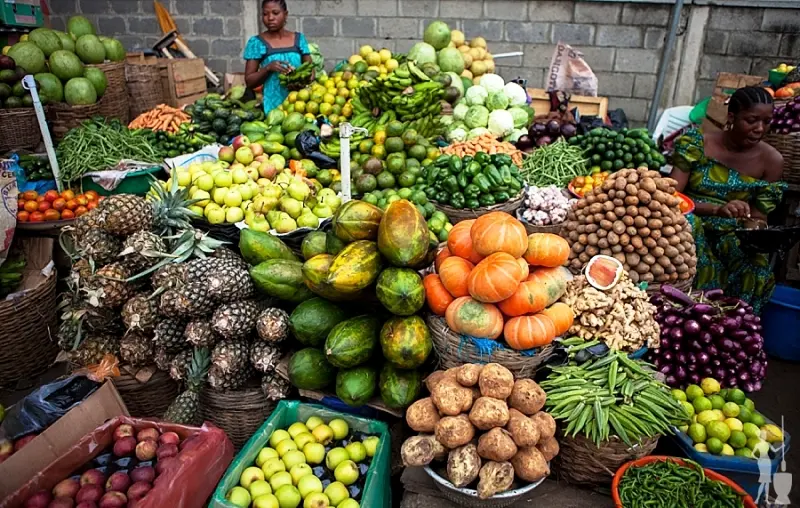
    Africa has the majority of the world’s arable land, yet food insecurity and malnutrition are widespread. This paradox is driven by various factors, such as climate change, post-harvest losses, outdated farming techniques, and inadequate supply chains. Between 2010 and 2021, the proportion of undernourished people in Africa rose from 15.5% to 20.3%. By 2050, the population in Sub-Saharan Africa is expected to nearly double, reaching 2.1 billion people, which will further strain food systems. This population growth, coupled with climate change, could lead to catastrophic food insecurity unless decisive action is taken.

    Addressing Climate Change in Africa

    Climate change is a significant threat to African food systems, intensifying the risks associated with agriculture, which is the backbone of many African economies. If climate change remains unchecked, it could lead to severe food insecurity and economic instability. However, this challenge also presents an opportunity for Africa to unite and adopt sustainable practices. The Great Green Wall initiative is a prime example of a collaborative effort to combat desertification in the Sahel region. By planting trees, restoring degraded land, and promoting agroforestry, this initiative aims to create sustainable livelihoods and improve soil fertility.

    To address climate change effectively, African governments must develop comprehensive adaptation policies. These policies should promote sustainable land use, encourage agroforestry, protect biodiversity, and foster renewable energy sources for agri-food systems. Such measures will not only mitigate the impact of climate change but also create a more resilient agricultural sector.

    Empowering Women and Youth in Agriculture

    Women and youth are vital to African agriculture, especially in smallholder farms. However, they face significant barriers, such as limited access to education, financing, and other essential resources. Empowering these groups is crucial for transforming food systems and promoting innovation. By providing opportunities for women and youth, Africa can tap into a wealth of creativity and energy to revolutionize its agricultural practices.

    Harnessing Technology for a Sustainable Food Future

    Technology plays a critical role in reshaping African food systems. Digital tools can improve the efficiency and sustainability of food production, from precision agriculture and gene editing to biological-based crop protection. Technologies that enhance traceability from farm to fork can increase transparency and accountability within food value chains.

    While technology offers numerous benefits, it also comes with risks, such as over-concentration of service providers and data governance issues. To fully realize the potential of digital technologies, African governments must ensure robust rural network coverage, promote public-private partnerships, and develop policies that protect smallholder farmers from exploitation.

    A Vision for a Resilient African Food System

    Transforming African food systems requires a collaborative approach that involves governments, private sector partners, and local communities. By focusing on sustainability, innovation, and inclusivity, Africa can create a food system that meets the needs of its growing population while addressing the challenges posed by climate change.

    The road ahead is demanding, but the rewards are immense. By uniting in a shared vision, Africa can pave the way for a sustainable, resilient, and prosperous food future. This collective effort will not only ensure food security for the continent but also set an example for the rest of the world.

  • Livestock Disease Control in Southeast Nigeria: Key Challenges and Innovative Solutions for Biosecurity and Food Security

    Livestock Disease Control in Southeast Nigeria: Key Challenges and Innovative Solutions for Biosecurity and Food Security

    A recent study by Ikeogu, et al., (2024) titled “Prevalent Livestock Diseases in South East Nigeria and their Control Measures: A Review” published in e-Proceedings of the Faculty of Agriculture International Conference show that underreporting and inaccurate disease identification are significant challenges.

    Underreporting and inadequate diagnostic resources hinder effective livestock disease control in Southeast Nigeria, highlighting the need for improved biosecurity and digital surveillance.– Ikeogu, et al., (2024)

    In a recent study presented at the Second Faculty of Agriculture International Conference at Nnamdi Azikiwe University in Nigeria, researchers explored the intersection of digitalization, bio-conservation, and food security in the context of agriculture. The study provided critical insights into the state of livestock diseases in Southeast Nigeria, public health concerns, and innovative recommendations for improving disease control and food security through digital technologies. The study examined common livestock diseases in the region, analyzing their economic impact and implications for public health. It also reviewed current control measures and highlighted areas for improvement. The authors explore the role of digital technologies in agriculture, emphasizing their potential to improve food security and bio-conservation. This theme underlines the importance of modern technology in tracking and managing livestock health. The study addressed zoonotic diseases—illnesses that can be transmitted from animals to humans—and their public health implications. It stressed the need for robust disease surveillance and reporting systems to prevent outbreaks and protect community health.

    How the Study was Conducted

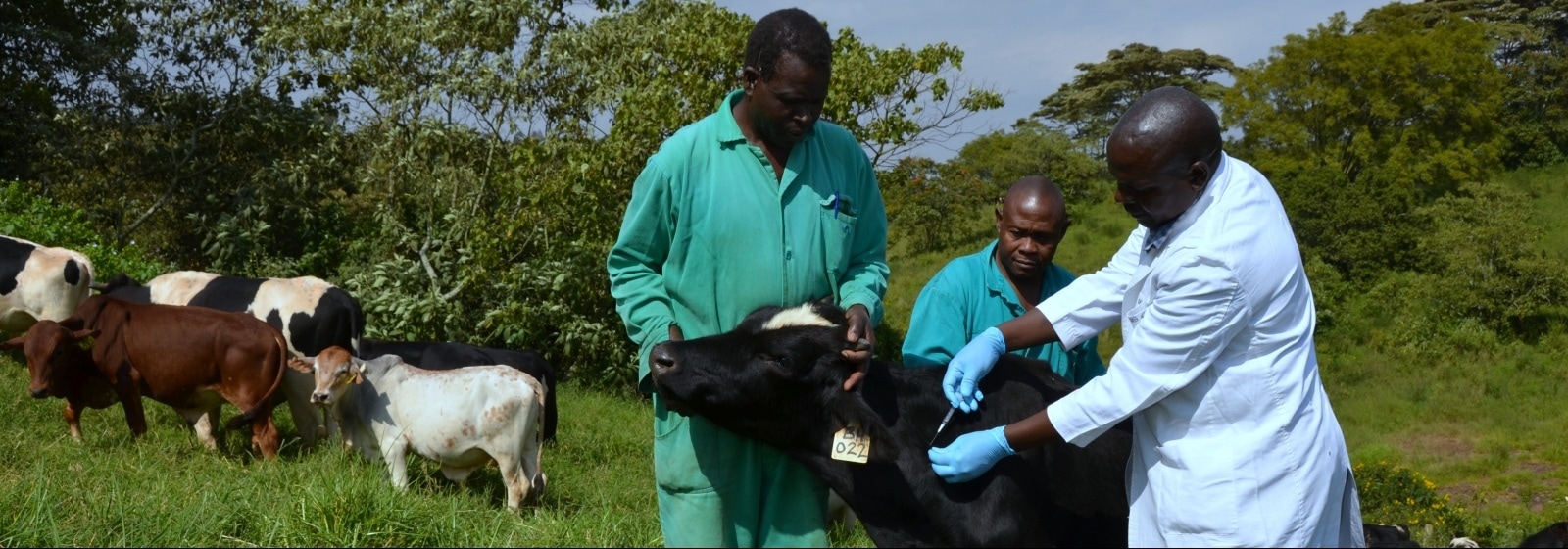
    The study evaluated livestock diseases prevalent in Southeast Nigeria based on data collected from January 2010 to June 2023 from the epidemiology unit of the Federal Department of Veterinary and Pest Control Services, Federal Ministry of Agriculture and Rural Development Abuja, Nigeria. The study reviewed notifiable diseases reported by the Nigeria Center for Disease Control through its Integrated Disease Surveillance and Response System (IDSR), which are known to be zoonotic. The authors discussed control programs that included biosecurity measures, disease surveillance in flocks and farms, seromonitoring of animals, routine vaccination, accurate diagnosis and treatment of sick animals, and stamping out flocks once a disease is detected.

    What the Authors Found

    The study found that underreporting and inaccurate disease identification are significant challenges. These issues are compounded by a lack of adequate veterinary diagnostic facilities and resources. This makes it difficult to assess the full extent of disease prevalence and economic impact. In addition, the authors found that livestock diseases have a substantial economic impact due to reduced productivity, loss of income, and increased production costs. Addressing these diseases is crucial for sustaining the economic viability of the livestock industry.

    Why is this Important

    Livestock Health and Welfare: Understanding the prevalence of diseases helps improve the health and welfare of livestock. By identifying common diseases, farmers and veterinarians can take preventive measures and provide timely treatment to reduce suffering and mortality.
    Economic Impact: Livestock diseases can have a substantial economic impact. They lead to reduced productivity, loss of income, and increased production costs. By addressing prevalent diseases, the livestock industry can enhance its economic viability.
    Public Health: Some of these diseases are zoonotic, meaning they can be transmitted from animals to humans. By controlling livestock diseases, we also mitigate the risk of human infections. For instance, Tuberculosis and Brucellosis are zoonotic diseases mentioned in the study.
    Food Security: Livestock contributes significantly to food security. Ensuring healthy livestock populations is crucial for meeting protein demands and sustaining food availability.
    Policy and Management: Policymakers can use this information to formulate effective disease control strategies. Recommendations such as improving diagnostic facilities and employing a one health approach can guide policy decisions.

    What the Authors Recommend

    • Given the challenges related to underreporting and inaccurate disease identification, the authors recommend improving veterinary diagnostic facilities. This includes investing in better equipment, training personnel, and ensuring widespread access to accurate diagnostic tools.
    • Biosecurity practices play a vital role in preventing disease spread. The study suggests implementing biosecurity measures on livestock farms, such as controlling animal movement, maintaining hygiene, and preventing contact between healthy and infected animals.
    • Regular surveillance is essential for early detection of diseases. The authors recommend establishing robust disease surveillance systems at both local and national levels. This involves monitoring disease prevalence, outbreaks, and trends.
    • Vaccination is a powerful tool for disease prevention. The study emphasizes the importance of vaccination programs tailored to specific livestock species. Properly administered vaccines can significantly reduce disease incidence.
    • The authors advocate for a “one health” approach, which recognizes the interconnectedness of human, animal, and environmental health. Collaborating across disciplines (veterinary medicine, public health, and environmental science) can lead to more effective disease control strategies.
    • To address data gaps and improve disease reporting, the study proposes developing a digital livestock information system. This system would facilitate real-time data collection, analysis, and reporting.

    In conclusion, addressing livestock diseases in Southeast Nigeria requires a multi-faceted approach that integrates digital technology, robust biosecurity practices, and comprehensive disease surveillance. This study underscores the significant challenges of underreporting and inadequate diagnostic resources, emphasizing the need for better infrastructure, consistent training, and a “one health” strategy that acknowledges the interconnectedness of animal and human health. By implementing effective control measures, investing in digital solutions, and fostering cross-disciplinary collaboration, the livestock industry can reduce disease impact, enhance food security, and safeguard public health. These measures will not only improve the economic viability of livestock farming but also contribute to a more resilient agricultural system in Nigeria.