Author: AR Managing Editor

  • Impact of Green Technology, Energy Transition, and Resource Rents on Load Capacity Factor in South Africa: Study Insights

    Impact of Green Technology, Energy Transition, and Resource Rents on Load Capacity Factor in South Africa: Study Insights

    A recent study by Uche, E., & Ngepah, N. (2024) titled “How green-technology, energy-transition and resource rents influence load capacity factor in South Africa” published in the International Journal of Sustainable Energy, by Taylor & Francis shows that green technology significantly improved the Load Capacity Factor (LCF) only at the upper quantile, indicating its effectiveness is limited to certain conditions.

    Green technology and clean energy improve South Africa’s Load Capacity Factor significantly at higher quantiles, indicating effectiveness under favorable conditions.– Uche, E., & Ngepah, N. (2024)

    The article delves into the nuanced relationship between green technology, energy transition, and resource rents on South Africa’s load capacity factor (LCF), a key indicator of environmental quality.
    The study explores how the adoption of green technology impacts South Africa’s LCF. The findings reveal that green technology’s ability to enhance LCF is significant only at higher quantiles. This suggests that the effectiveness of green technology in improving environmental quality is conditional and becomes more pronounced under specific circumstances, likely when other supporting factors such as infrastructure, regulatory frameworks, and economic conditions are favorable. Thus, while green technology holds potential, its benefits are not uniformly distributed across all situations. The research highlights the positive effects of transitioning towards clean energy on South Africa’s LCF. A substantial improvement in LCF is observed at certain quantiles, indicating that shifting from fossil fuels to renewable energy sources can lead to better environmental outcomes. This finding underscores the importance of clean energy in enhancing environmental quality, though the extent of its impact varies across different contexts. The positive correlation at various quantiles suggests that policy measures supporting clean energy adoption can lead to significant improvements in LCF, reflecting better air quality, reduced emissions, and overall environmental sustainability. The study presents a mixed picture regarding the influence of resource rents (revenues generated from natural resources like minerals, oil, and gas) on LCF. At upper and middle quantiles, resource rents show partial improvement in LCF, implying that in some cases, the financial benefits from natural resources can be leveraged to enhance environmental quality. However, at lower quantiles, resource rents appear ineffective in improving LCF. This indicates that simply having access to resource rents does not guarantee better environmental outcomes. The variability in impact suggests that how resource rents are managed and invested is crucial. Effective governance, transparency, and strategic allocation of these funds are necessary to translate resource wealth into environmental benefits.

    How the Study was Conducted

    The study utilizes annual time-series data from 1970 to 2018, sourced from the Global Footprint Network (GFN), Organization for Economic Cooperation and Development (OECD), Our World in Data (OWID), and World Development Indicator (WDI). A transformed Cobb–Douglas production function is constructed to explore the responses of the ecological load capacity factor (LCF) to changes in green-technology, energy transition, natural resources rents, and economic growth. The study employs both the conventional autoregressive distributed lag (ARDL) procedure and the quantile autoregressive distributed lag (QARDL) model to provide reliable estimates over the long and short terms. The QARDL technique is used to explore the effects of explanatory variables across the quantile distributions of the explained variable, offering insights into potential short- and long-term distributional asymmetries.

    What the Authors Found

    The study found that green technology significantly improved the Load Capacity Factor (LCF) only at the upper quantile, indicating its effectiveness is limited to certain conditions. The authors also found that a substantial improvement in LCF was observed at some quantiles following the transition to clean energy, suggesting a positive impact of energy transition on environmental quality. Resource rents were found to promote LCF partially at the upper and middle quantiles but were ineffective towards the lower quantile of the distributions. In addition, economic growth was shown to improve LCF within the upper and middle quantiles, while it minimized LCF at the upper quantiles, highlighting a complex relationship between economic development and environmental sustainability.

    Why is this Important

    Environmental Sustainability: Understanding the impact of green technology and energy transition on LCF helps policymakers make informed decisions. By promoting clean energy and green technology, countries can improve their environmental sustainability and reduce their carbon footprint.
    Resource Management: The study highlights the role of resource rents in LCF. Efficient utilization of natural resources is crucial for maintaining a balance between economic growth and environmental quality. Policymakers can use these insights to manage resource rents effectively.
    Policy Recommendations: The authors provide policy recommendations based on their findings. These include monitoring green technology adoption, promoting energy transition, and setting emission standards. Implementing these policies can lead to better LCF outcomes.
    Quantile Analysis: The use of quantile analysis allows for a nuanced understanding of the effects. Policymakers can tailor interventions based on specific quantiles, addressing different segments of the population and industries.

    What the Authors Recommend

    • The authors suggest that policymakers should focus on promoting green technology adoption and energy transition. Encouraging the use of clean energy sources and incentivizing green technology development can lead to better environmental outcomes.
    • Efficient utilization of natural resources is crucial. Policymakers should monitor resource rents and ensure their sustainable use. Balancing economic growth with environmental protection is essential.
    • The study suggests setting emission standards to reduce environmental impact. Implementing and enforcing such standards can contribute to improving load capacity factor (LCF).
    • Policymakers can tailor interventions based on specific quantiles. For example: At higher quantiles, focus on green technology adoption. At middle quantiles, address resource rents. At lower quantiles, consider economic growth implications.

    In conclusion, the study by Uche and Ngepah (2024) underscores the conditional effectiveness of green technology and clean energy transitions in enhancing South Africa’s Load Capacity Factor (LCF). The research highlights the crucial role of supportive infrastructure, regulatory frameworks, and economic conditions in maximizing the benefits of green technology. It also emphasizes the importance of efficient resource rent management and strategic economic growth in achieving environmental sustainability. Policymakers are encouraged to adopt tailored interventions that address specific quantiles, promote green technology, and ensure sustainable resource use to improve environmental outcomes and advance South Africa’s ecological footprint positively.
  • Call for Papers: African Economic Conference 2024 – Theme: Securing Africa’s Economic Future Amidst Rising Uncertainty

    Call for Papers: African Economic Conference 2024 – Theme: Securing Africa’s Economic Future Amidst Rising Uncertainty

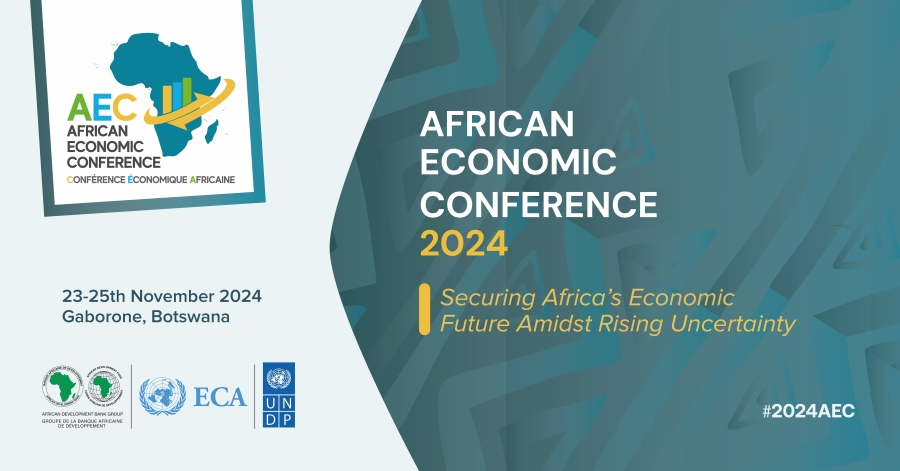
    The African Development Bank (AfDB), the Economic Commission for Africa (ECA), and the United Nations Development Programme (UNDP) are pleased to announce the 2024 African Economic Conference (AEC), scheduled to take place in Gaborone, Botswana, from November 23-25, 2024.

    Since its inception in 2006, the AEC has been a pivotal platform for fostering research, expert analysis, policy dialogue, and the exchange of knowledge on various issues and challenges confronting Africa.

    Theme: Securing Africa’s Economic Future Amidst Rising Uncertainty

    This year’s conference will center around the theme “Securing Africa’s Economic Future Amidst Rising Uncertainty,” focusing on four critical subthemes:

    1. Global, Regional, and National Uncertainty Impacts on Africa’s Development Prospects
      • Global, regional, and national uncertainties pose significant risks to trade, investment, and economic growth in Africa. Geopolitical tensions, ongoing conflicts, and shifting alliances add complexity to the continent’s economic environment. Trade restrictions, sanctions, and disruptions in global supply chains heavily impact African economies, particularly those dependent on a narrow range of exports.
      • Fluctuations in global financial markets, influenced by variable interest rates and international relations, contribute to economic instability. African economies, especially those reliant on commodities like oil, minerals, and agricultural products, face vulnerability to price shocks. This volatility can lead to inflation, currency instability, and strained economies, reducing their capacity to finance development initiatives.
      • The COVID-19 pandemic has exacerbated these challenges by disrupting global trade and investment flows, diminishing tourism revenues, and straining healthcare systems. Understanding these dynamics is crucial for developing strategies to enhance economic resilience and stability.
    2. Practical African Strategies to Build Resilience to Emerging Shocks
      • Discussions will explore how African economies can enhance their stability and growth by diversifying beyond limited export commodities. The role of the African Continental Free Trade Area (AfCFTA) in increasing intra-African trade will be examined for its potential to mitigate global economic turbulence.
      • The development and expansion of social safety nets, governance reforms, and stable macroeconomic environments are vital for long-term resilience. Climate-smart agricultural practices and economic sovereignty through better monetary policies and control over exchange rates will also be key topics. The aim is to foster a comprehensive approach to building resilient African economies.
    3. Innovative Development Financing in an Era of Growing Uncertainty
      • Securing development financing amidst high-risk and uncertain environments presents significant challenges. Innovative financing mechanisms, including public-private partnerships (PPPs), green bonds, and blended finance instruments, are essential for supporting development. Domestic resource mobilization will be emphasized as a sustainable way to finance development projects through internal revenue sources like taxes and royalties.
      • The role of international financial institutions in providing support and leveraging private sector investments for critical infrastructure projects will be critically assessed. These strategies are crucial for enhancing investment in high-impact sectors and promoting sustainable development.
    4. The Role of Technology in Fostering Predictability, Creativity, and Resilience
      • Technology is a driving force for economic development and innovation. Digital tools enhance predictability through better data for decision-making in sectors like agriculture, finance, and entrepreneurship. Mobile banking and fintech innovations improve financial inclusion and economic resilience.
      • Technology also fosters creativity and entrepreneurship, essential for economic diversification and job creation. The emergence of tech hubs across Africa highlights the role of technology in developing a new creative economy. This subtheme will delve into how technology can shape Africa’s economic future by improving outcomes across various sectors.

    Submission Guidelines

    Interested authors are invited to submit their papers to rba.aec@undp.org by August 15, 2024. Only full papers addressing the conference theme will be considered for presentation. Submissions should be policy- and solution-oriented with a strong empirical foundation.

    Important Dates:

    • Submission of papers: August 15, 2024
    • Notification of acceptance: September 30, 2024
    • Last day for registration for presenters: October 20, 2024
    • Conference dates: November 23-25, 2024

    Format Guidelines:

    • Manuscripts should be submitted in both PDF and Word formats with 1.5 line spacing, and should not exceed 40 pages including references, figures, and tables.
    • Use 12-point Times New Roman or a similar font, with 1.5-inch margins on all sides.
    • Include a title page with each author’s name, affiliation, and contact information.
    • Provide an abstract of no more than 100 words.

    All submissions will undergo a blind peer-review process conducted by the co-organizing institutions. Only original, high-quality work will be accepted. A distinguished panel will evaluate the papers presented and award a prize to the best paper by a young researcher, announced during the closing ceremony.

    Sponsorship: Authors may indicate if they require support to cover expenses related to travel, accommodation, and daily subsistence. Sponsorship is primarily available for presenters and young researchers from Africa, with support limited to one author per accepted paper.

    For more details and updates, please refer to the Concept Note.

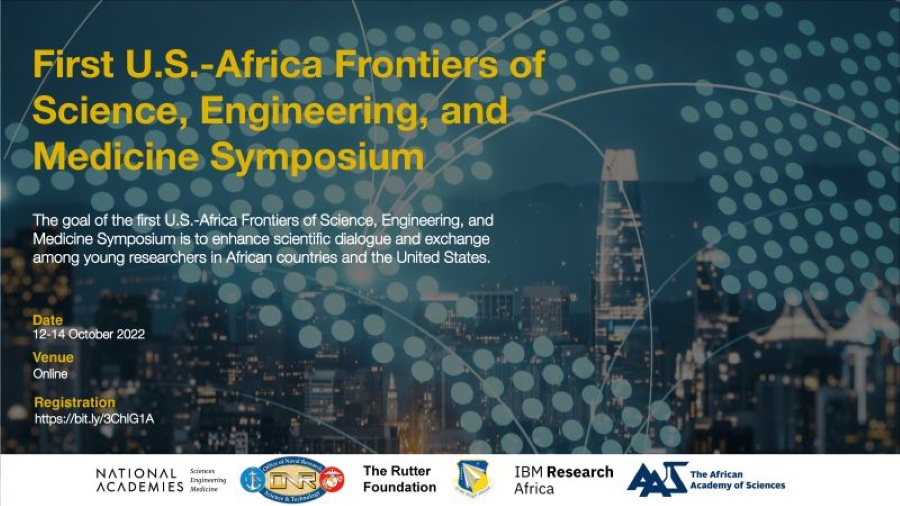
  • Join the 3rd U.S.-Africa Frontiers of Science, Engineering, and Medicine Symposium in Kigali, February 2025

    Join the 3rd U.S.-Africa Frontiers of Science, Engineering, and Medicine Symposium in Kigali, February 2025

    The U.S. National Academies of Sciences, Engineering, and Medicine is excited to announce the 3rd U.S.-Africa Frontiers of Science, Engineering, and Medicine Symposium. This symposium, organized in partnership with and hosted by the Republic of Rwanda, will take place from February 18-20, 2025, in Kigali, Rwanda. Applications are now open for scientists, engineers, and medical professionals from the United States and African Union member countries to apply online by July 7, 2024, at 11:59 PM ET (Washington D.C. time).

    Symposium Overview

    The U.S.-Africa Frontiers program aims to bring together outstanding early to mid-career scientists, engineers, and medical professionals—within 15 years of their most recent degree—from the United States and African Union member countries. This series of symposia provides a platform for participants to discuss exciting advances and opportunities in their fields, fostering scientific exchange and dialogue. The program also seeks to enhance research collaboration within and beyond the region by facilitating interactions among participants with diverse backgrounds and research interests.

    Goals and Objectives

    One of the main objectives of this symposium is to advance the understanding of cutting-edge science and technology trends in the U.S. and Africa, fostering dialogue and collaborations across disciplines. The multidisciplinary nature of the event is designed to bridge various fields, promoting a holistic approach to research and innovation.

    Sessions and Topics

    The upcoming symposium will feature five plenary sessions, each led by two co-chairs, addressing the following topics:

    1. New Solutions for Decarbonization: Exploring innovative approaches to reduce carbon emissions and combat climate change.
    2. Biotechnology: Discussing advancements in biotechnology and their applications in medicine, agriculture, and industry.
    3. Precision Agriculture: Highlighting the latest techniques and technologies in agriculture to increase efficiency and sustainability.
    4. Advances in Space Research: Examining recent developments in space exploration and research.
    5. Smart and Connected Cities: Investigating the integration of technology in urban planning to create smarter and more connected urban environments.

    Eligibility Criteria: To qualify for the U.S.-Africa Frontiers program, applicants must meet the following criteria:

    • Be an emerging leader in science, engineering, or medicine, with a terminal degree and active involvement in research or professional work in industry, academia, public service, non-profit, or other sectors.
    • Have completed their highest degree within the past 15 years, typically within 10-12 years, holding a position equivalent to assistant/associate professor or similar in non-academic settings.
    • Possess professional proficiency in English.
    • Be employed in the U.S. or one of the African Union member countries, with citizenship of the country of residence not required.
    • Demonstrate significant accomplishments in their field, contributing to advancing science, engineering, or medical research.
    • Show interest in interdisciplinary developments and the ability to relate advances in other fields to their own work.
    • Conduct research with strong potential for developmental impact in the U.S. and/or Africa, participating in scientific projects and promoting science and technology within society.

    Application and Participation

    Selected participants will have the opportunity to present their research during poster sessions. Travel expenses for selected participants will be covered. More details on the symposium, organization, and program can be found on the symposium webpage.

    Application Deadline: July 7, 2024, at 11:59 PM ET

    For more information on the U.S.-Africa Frontiers Program, please visit the program website Third U.S.-Africa Frontiers of Science, Engineering, and Medicine Symposium | National Academies

    Or contact Rose Parker at (202) 334-2709 or via email at USAfricaSTEM@nas.edu.

    Support and Sponsorship

    This symposium is supported by the Republic of Rwanda, the Rutter Foundation, and Pennsylvania State University. The U.S.-Africa Frontiers of Science, Engineering, and Medicine program builds on the success of the NAS’s Kavli Frontiers of Science Program and the NAE’s Frontiers of Engineering, initiating a series of symposia to enhance scientific capacities in participating African countries.

    By drawing from the scientific, engineering, and medical resources in Africa, each symposium is designed to discuss cutting-edge research and address critical issues relevant to the region, ultimately aiming to build capacities and foster collaboration.

    Contact Information:

    • Responsible Staff Officers: Dalal Najib
    • Additional Project Staff: Rose Parker, Daniel Placht, Arianne Gandy

    Join us in Kigali for the Third U.S.-Africa Frontiers of Science, Engineering, and Medicine Symposium, a unique opportunity to engage with leading minds from the United States and African Union member countries. This event promises to foster interdisciplinary collaboration and showcase groundbreaking advancements across various fields. Don’t miss your chance to be part of this transformative experience. Apply by July 7, 2024, and contribute to shaping the future of science, engineering, and medicine. For more information and to submit your application, visit the symposium webpage or contact Rose Parker at USAfricaSTEM@nas.edu. We look forward to seeing you in Kigali!

  • Post-Doctoral Research Opportunity at Lincoln Institute: Sustainable Agri-Food Systems in Kenya

    Post-Doctoral Research Opportunity at Lincoln Institute: Sustainable Agri-Food Systems in Kenya

    About the Role

    The Lincoln Institute for Agri-Food Technology (LIAT) in collaboration with the Department of Geography at the University of Lincoln, invites applications for the position of Post-Doctoral Research Associate. This role involves active participation in a British Academy-funded interdisciplinary research project focusing on underutilised crops in Kenya, particularly in the counties of Bomet and Baringo. These regions face declining yields of mainstream crops due to factors such as diseases, pests (including invasive species), and extreme weather conditions.

    The project collaborates with esteemed partners such as the National Museums of Kenya in Nairobi and its regional stations, as well as Moi University in Eldoret, Kenya. It aims to:

    1. Explore Historical Changes: Investigate the historical significance and the socio-cultural dynamics that have led to the underutilisation of indigenous crops.
    2. Reimagine Future Scenarios: Develop possible and preferred future scenarios for these crops to enhance their value and utility.
    3. Revive Public Imagination: Engage the community and stakeholders to revive and enhance the perceived value of underutilised crops.

    Responsibilities

    As a Post-Doctoral Research Associate, you will:

    • Conduct participatory social research, including the collection and analysis of oral histories and interviews, to understand the shifts in socio-cultural attitudes towards indigenous crops.
    • Co-create knowledge with local farming and food communities to develop innovative approaches for sustainable food production and consumption.
    • Design, implement, and execute interdisciplinary research aligned with the project’s objectives.
    • Publish high-impact research findings and seek additional funding opportunities to expand the research program.
    • Regularly meet with project team members and travel to Kenya for field visits and research campaigns.

    Candidate Profile

    We are looking for a candidate who holds (or is near to completing) a PhD in fields such as:

    • History
    • Agricultural Economics
    • Human Geography
    • Food Security
    • Agricultural Sciences
    • Related areas

    Essential Criteria:

    • Demonstrated evidence of authorship of research outputs of international standing.
    • Ability to work effectively as part of an interdisciplinary team.
    • Excellent written and spoken communication skills.

    Desirable Criteria:

    • Experience in participatory social research, qualitative research methods, and/or oral history.
    • Language skills relevant to the Kenyan project areas.

    Application and Contact Information

    For further information or an informal discussion about this exciting opportunity, please contact:

    To Apply: Apply Online

    Further Details: Job Description and Person Specification

    Additional Information

    The University of Lincoln is committed to fostering a diverse and inclusive environment. We encourage applications from underrepresented groups, including:

    • Black, Asian, and other minoritised/marginalised ethnic groups
    • LGBTQIA+ community members
    • Candidates with disabilities
    • Individuals practicing different faiths and beliefs

    Closing Date:   Wednesday 19 June 2024
    Interview Date:   Tuesday 02 July 2024

    We aim to create a One Community where we strive to be kind, patient, and supportive of each other.


    This position offers an exceptional opportunity for individuals looking to make a significant impact through multidisciplinary research in sustainable agri-food systems.

  • Apply Now: Postdoctoral Fellowships at the University of Johannesburg’s IPATC – Shape Africa’s Future Through Innovative Research

    Apply Now: Postdoctoral Fellowships at the University of Johannesburg’s IPATC – Shape Africa’s Future Through Innovative Research

    Fellowship Overview

    The Institute for Pan-African Thought and Conversation (IPATC) at the University of Johannesburg (UJ) is inviting applications for postdoctoral fellowships. These fellowships offer a unique opportunity for scholars to contribute to critical research themes pertinent to the African continent. The fellowships will be awarded on a competitive basis, considering the candidate’s academic accomplishments, research potential, and alignment with the specific requirements of the fellowship categories. Successful candidates will primarily engage in remote work.

    About the University of Johannesburg (UJ) and IPATC

    The University of Johannesburg (UJ) is a dynamic and cosmopolitan university that is deeply rooted in Africa. UJ is committed to shaping the future through innovation, collaboration in knowledge creation, and striving for global excellence and stature (GES). The Institute for Pan-African Thought and Conversation (IPATC) is a premier research institute at UJ, focused on addressing critical issues facing Africa through scholarly dialogue and research.

    Fellowship Categories

    Postdoctoral fellows will engage in research across a variety of critical themes, including but not limited to:

    1. Technology/Innovation/4IR/Digital Africa
      • Exploring the impacts and potential of the Fourth Industrial Revolution (4IR) on the African continent.
      • Investigating digital innovations and their applications in African contexts.
    2. Public Health/Well-Being/Livelihoods in Africa
      • Addressing pressing public health issues and promoting well-being across the continent.
      • Developing strategies to improve livelihoods and socio-economic conditions.
    3. Africa and Global Governance (G20/BRICS)
      • Analyzing Africa’s role in global governance structures such as the G20 and BRICS.
      • Investigating the impact of global governance on African development.
    4. African Cities/Local Government/Spatial Transformation
      • Studying urbanization, local governance, and spatial transformation in African cities.
      • Proposing solutions to enhance sustainable urban development.

    Fellowship Requirements

    To be eligible for the fellowship, applicants must meet the following criteria:

    • Comprehensive CV and Cover Letter: Submit a detailed curriculum vitae and a cover letter that includes references.
    • Research Proposal: Outline a research plan that aligns with one of the fellowship categories.
    • Academic Transcripts: Provide transcripts demonstrating academic achievements.
    • Age Requirement: Applicants must be 45 years or younger.
    • Publication Record: Demonstrate the ability to write and publish in accredited peer-reviewed journals.

    Responsibilities of Postdoctoral Fellows

    • High-Quality Publications: Commit to producing high-quality research publications.
    • Research Management: Manage a research team and contribute to various research initiatives.
    • Teaching Contribution: Participate in teaching activities as required.
    • Capacity Building Projects: Contribute to related research and capacity building projects at the institute.

    Application Process

    Interested candidates should send their applications, including all required documents, to Ms. Reshika Dwarika at reshikam@uj.ac.za. It is essential to adhere to the application deadline as late or incomplete submissions will not be considered.

    Application Deadline: 30 June 2024


    This fellowship represents an exciting opportunity to engage in impactful research and be part of a prestigious institution committed to advancing knowledge and fostering innovation in Africa. Apply now to contribute to UJ’s mission of shaping the future of the continent.

  • TDR Postgraduate Scholarship in Implementation Research: Apply Now for MPH Programme 2024-2025 at BRAC University

    TDR Postgraduate Scholarship in Implementation Research: Apply Now for MPH Programme 2024-2025 at BRAC University

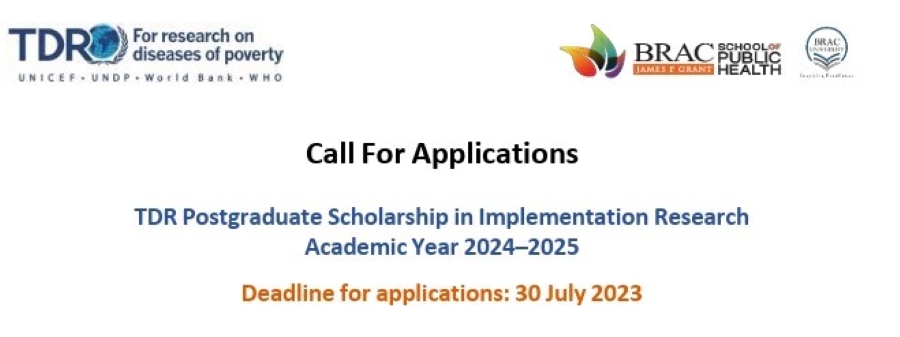
    The BRAC James P. Grant School of Public Health (BRAC JPGSPH) at BRAC University in Dhaka, Bangladesh, is thrilled to invite applications for the prestigious TDR Postgraduate Scholarship in Implementation Research. This scholarship is tailored for the Master of Public Health (MPH) Programme for the academic year 2024–2025, commencing in January 2024. Supported by TDR, the renowned UNICEF/UNDP/World Bank/WHO Special Programme for Research and Training in Tropical Diseases, this opportunity is a gateway to cutting-edge research and academic excellence in global health.

    Eligibility

    Candidates must fulfill the criteria for both the MPH Programme and the TDR Scholarship, including meeting BRAC University’s postgraduate admission standards. Additionally, applicants must:

    • Hail from low- and middle-income countries (LMICs).
    • Possess a keen interest in scientific pursuits and possess a healthcare background with an inclination towards analytical approaches to program implementation.

    Funding Details

    The scholarship covers:

    • Economy class airfare between the student’s home country and Dhaka, Bangladesh.
    • Tuition and academic fees.
    • Basic medical and accident insurance.
    • Monthly stipend for living expenses, including accommodation equivalent to local costs.
    • Financial support for Thesis/Summative Learning Project expenses during data collection.

    Programme Focus

    The MPH Programme emphasizes problem-based experiential learning, delivered in English. It equips students with skills crucial for independent leadership in implementation research. This field, vital for identifying and overcoming health system obstacles, is particularly impactful in LMICs. By fostering a cohort of skilled researchers, the programme aims to enhance graduate training capacity and elevate research standards in LMICs.

    Research Areas

    Recipients of the scholarship will delve into implementation research on infectious diseases of poverty, encompassing Neglected Tropical Diseases, TB/HIV, Malaria, among others. The research scope extends to emergency preparedness, One Health perspectives, climate change, and intersectional gender analysis.

    Alumni Engagement

    Scholarship recipients will be enrolled as postgraduate students and closely monitored through the TDR postgraduate alumni platform, IR Connect. This platform serves to track the program’s impact, facilitate networking, and enhance visibility for students and alumni.

    Application Process

    Applicants must complete both the TDR postgraduate scholarship application form and the Master’s Programme application. Following successful online submissions, candidates will undergo assessment, including written tests and interviews conducted by expert panels. Final selection hinges on meeting all requirements and criteria set forth by BRAC University.

    Deadline: Applications must be submitted by July 30, 2023.

    Contact Information: For further details, please reach out to:

    • Humayra Binte Anwar, Lecturer, Focal Point for WHO TDR Postgraduate Training Scheme on Implementation Research, Email: humayra.anwar@bracu.ac.bd, Phone: +880 2 48812213 18
    • Tahsin Madani Hossain, Deputy Coordinator, Master of Public Health Programme, Email: tahsin.hossain@bracu.ac.bd, Phone: +880 2 48812213 18

    Read more here.

  • Call for Proposals: GPE KIX Observatory on Education System Resilience Initiative – IDRC and GPE Inviting Applications

    Call for Proposals: GPE KIX Observatory on Education System Resilience Initiative – IDRC and GPE Inviting Applications

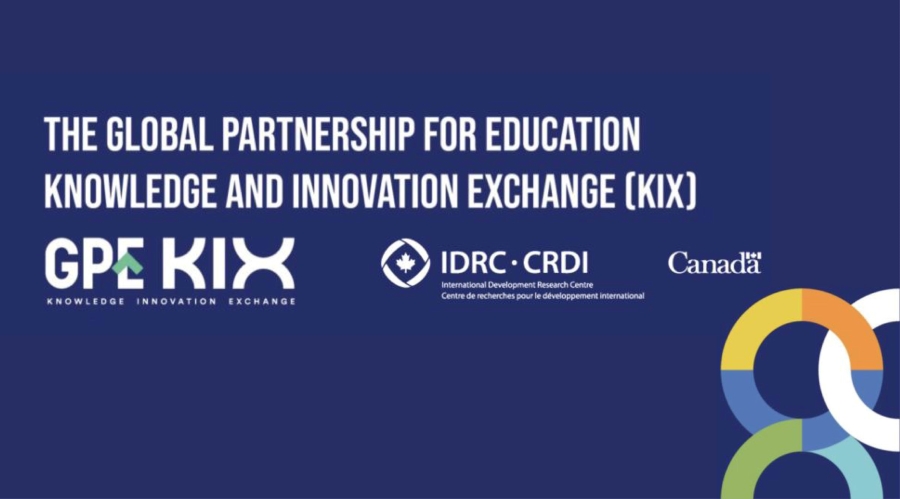
    The International Development Research Centre (IDRC) and the Global Partnership for Education (GPE) are inviting proposals from individual organizations or consortia of up to three organizations to serve as implementing partners for the new GPE KIX Observatory on Education System Resilience initiative. This initiative aims to enhance the resilience of education systems in GPE partner countries through rigorous research and evidence dissemination. Implementing partners will be responsible for setting up and managing regional observatories, conducting applied research, and disseminating their findings.

    The initiative will establish six regional observatories: one in Latin America and the Caribbean (LAC), one in East, West, Central, and Southern Africa, and four in Europe, the Middle East and North Africa, Asia, and the Pacific (EMAP). These observatories will focus on exploring and enhancing the resilience of education systems to withstand potential disruptions.

    This initiative is part of the Knowledge and Innovation Exchange (KIX), a collaborative effort between GPE and IDRC. KIX supports GPE partner countries by providing them with the evidence and innovative solutions they need to improve access to education, learning outcomes, and gender equality. It facilitates direct knowledge sharing among GPE partner countries through four regional hubs and funds applied research on their educational priorities. KIX aims to drive transformative change in education systems across low- and middle-income countries (LMICs).

    The GPE KIX Observatory on Education System Resilience builds on the earlier GPE KIX COVID-19 Observatory project, which focused on collecting, synthesizing, and sharing evidence about education policy and practice responses to the COVID-19 pandemic in sub-Saharan Africa. The new initiative expands its geographical scope to include the LAC and EMAP regions and broadens its focus to encompass the concepts and practices of education system resilience, as well as preparedness for future disruptions.

    Key details for the call for proposals are as follows:

    Deadline for Proposal Submission

    • July 11, 2024, by 23:59 EDT.

    Program Information

    • Program: Education and Science Knowledge and Innovation Exchange Program
    • Duration: 28 months
    • Topic(s): Education
    • Funded by: The Global Partnership for Education Knowledge and Innovation Exchange, a joint endeavor with IDRC
    • Type: Grant
    • Status: Open

    Budget

    • The total budget for the entire initiative is CAD 4 million. The allocated budgets for the regional observatories are:
      • Latin America and the Caribbean: up to CAD 400,000
      • East, West, Central, and Southern Africa: up to CAD 1.5 million
      • Europe, Middle East and North Africa, Asia, and the Pacific: up to CAD 2.1 million, distributed across four sub-regions (Eastern Europe, Caucasus and Central Asia; Middle East and North Africa; South Asia and Southeast Asia; and the Pacific)

    Eligibility

    • This opportunity is open to individual organizations or consortia of up to three organizations that are nationally or internationally registered or incorporated and headquartered in low- and middle-income countries. For specific eligibility requirements, please refer to the detailed call document.

    Scope

    • The initiative seeks to improve the resilience of education systems in GPE partner countries through research and evidence dissemination. Implementing partners will establish and manage regional observatories, conduct applied research, and mobilize their findings to contribute to education system resilience.

    Enhancing Education Resilience in Africa: Key Benefits of the GPE KIX Observatory Research Grants Initiative

    The GPE KIX Observatory on Education System Resilience initiative is highly significant for African researchers and institutions in terms of research grants for several key reasons:

    1. Substantial Funding Allocation: The initiative allocates up to CAD 1.5 million specifically for the East, West, Central, and Southern Africa regions. This substantial funding can support extensive research projects and capacity building within these regions.
    2. Focus on Resilience: By concentrating on the resilience of education systems, this initiative addresses critical challenges that African countries face, such as political instability, economic hardships, and environmental disruptions. Research funded through this grant can lead to more robust and adaptable educational frameworks.
    3. Capacity Building: The initiative provides an opportunity for African organizations to enhance their research capabilities. This includes setting up and managing regional observatories, which can foster local expertise and long-term sustainable research practices.
    4. Policy Impact: The research findings from these grants can directly influence education policies in African countries. By providing evidence-based recommendations, researchers can help shape more effective and resilient education systems that can better withstand future disruptions.
    5. Collaborative Opportunities: African researchers can collaborate with international and regional partners, gaining access to a broader network of expertise and resources. This can enhance the quality and impact of their research projects.
    6. Knowledge Exchange: Through the KIX initiative, African researchers can participate in knowledge sharing with other GPE partner countries. This facilitates the exchange of best practices and innovative solutions, further enriching the research environment.
    7. Focus on Educational Priorities: The initiative supports applied research on educational priorities specific to African contexts, ensuring that the funded projects are relevant and address the most pressing issues faced by the continent’s education systems.

    In summary, the GPE KIX Observatory on Education System Resilience initiative offers a valuable opportunity for African researchers to secure research grants that can significantly enhance the resilience and quality of education systems across the continent.

    To learn more about KIX, visit the KIX webpage: KIX call for proposals: GPE KIX regional observatories on education system resilience | IDRC – International Development Research Centre (idrc-crdi.ca)

    Apply here:KIX call for proposals: GPE KIX regional observatories on education system resilience – IDRC – CRDI (smapply.io)

  • How Human Capital Investment Can Mitigate the Negative Impact of Natural Resource Rents on Welfare in Sub-Saharan Africa

    How Human Capital Investment Can Mitigate the Negative Impact of Natural Resource Rents on Welfare in Sub-Saharan Africa

    A recent study by Amoaning, et al., (2024) titled “Impact of natural resource rents on well-being in sub-Saharan Africa: The role of human capital” published in Research in Globalization by Elsevier Ltd, shows that natural resource rents in sub-Saharan Africa (SSA) have a negative impact on human welfare.

    Natural resource rents negatively impact sub-Saharan Africa’s welfare, but investing in human capital can mitigate these effects effectively. – Amoaning, et al., 2024

    The study explores the “resource curse” hypothesis in sub-Saharan Africa (SSA), which suggests that regions rich in natural resources often experience less economic growth and worse development outcomes compared to those with fewer natural resources. This research specifically focuses on non-monetary measures of welfare, such as health and education. It aims to understand the impact of natural resource rents—income derived from natural resources—on human welfare in SSA and investigates how human capital, defined as the collective skills, knowledge, and abilities of a population, can mitigate the negative effects of resource dependence. The study also seeks to determine the minimum threshold of human capital necessary to counteract the detrimental impacts of the resource curse in SSA.

    How the Study was Conducted

    The study utilized a panel dataset from 32 selected sub-Saharan African countries, spanning from 2004 to 201912. The dependent variables considered were the Human Development Index (HDI) and poverty. The main independent variables were total natural resources rents as a share of GDP and human capital variables, measured by the human capital index and tertiary school enrollment (% gross). Control variables included infrastructure index, gross capital formation, trade openness, total unemployment, financial development index, and democracy. The theoretical framework adopted was the augmented version of Solow’s growth model developed by Mankiw et al. (1992), which accounts for physical capital, natural resources, human capital, or labor, and technology. The production function was extended to incorporate natural resources and knowledge level into the equation. The growth rate function was derived, and the human development index was used to capture the multidimensional human welfare measure. The study employed the system Generalized Method of Moment (GMM) econometric approach to control for endogeneity and to accommodate the fact that the cross-sections exceeded the time period.
    The two-step system GMM was specifically adapted as it is robust to autocorrelation and heteroscedasticity. A panel stationarity test was conducted to examine the smoothness of the variables.
    The Variance Inflation Factor (VIF) was used to test for multicollinearity among the variables. The Hansen test for over-identification and the Arellano-Bond second-order-AR(2) autocorrelation test of residuals were used as diagnostics.

    What the Authors Found

    The authors of the study found that natural resource rents in sub-Saharan Africa (SSA) have a negative impact on human welfare. However, they also discovered that investing in human capital can mitigate these negative effects. Specifically, they identified a minimum threshold level for human capital score and tertiary school enrollment rate necessary to counteract the resource curse.

    Why is this Important

    Economic Development: Understanding the impact of natural resource rents on well-being is crucial for economic policy and planning. It helps in formulating strategies that can turn natural resource wealth into sustainable economic growth.
    Resource Curse: The study provides empirical evidence on the ‘resource curse,’ where countries rich in natural resources often have less economic growth and worse development outcomes than countries with fewer natural resources.
    Human Capital Investment: Highlighting the role of human capital as a mitigating factor emphasizes the importance of investing in education and skills development to counteract the negative effects of resource dependence.
    Policy Implications: The research offers actionable insights for policymakers to improve human welfare by increasing educational investments and achieving higher human capital thresholds.
    Sustainable Development: It aligns with the Sustainable Development Goals (SDGs) by addressing how to leverage natural resources for human progress while ensuring environmental sustainability and social equity.

    What the Authors Recommend

    • The study recommends that policymakers increase investment in education to boost tertiary school enrollment above the estimated threshold and implement policies to enhance the average years of schooling for the productive population
    • The authors emphasize implementing policies that will increase the average years the productive unit spends in schooling, aiming to elevate the human capital score above the identified threshold.
    • The authors advocate that policymakers should focus on human capital development to offset the negative repercussions of natural resource dependence on welfare.
    • In addition, the authors recommend that policymakers should align natural resource management policies with human capital development strategies to ensure that natural resource wealth translates into human development gains.

    In conclusion, the study by Amoaning et al. (2024) underscores the significant impact of natural resource rents on human welfare in sub-Saharan Africa, confirming the presence of the resource curse. However, it also highlights the crucial role of human capital investment in mitigating these negative effects. By identifying specific thresholds for human capital development, particularly in education, the research provides actionable insights for policymakers. These findings advocate for a strategic alignment of natural resource management with human capital development to ensure that resource wealth translates into sustainable human development. Emphasizing education and skill enhancement is essential for transforming the economic landscape of sub-Saharan Africa, turning potential resource-related challenges into opportunities for growth and well-being.

  • Psychosocial Work Factors and Driver Safety: Key Insights from a Ghana Study on Long-Distance Bus Drivers

    Psychosocial Work Factors and Driver Safety: Key Insights from a Ghana Study on Long-Distance Bus Drivers

    A recent study by Amoadu, et al., (2024) titled “Psychosocial work factors affecting safety incidents of long-distance bus drivers in Ghana: Mediating role of psychological well-being” published in Heliyon shows that the psychological well-being of drivers is identified as a critical mediating factor, linking the quality of the work environment to on-the-road safety outcomes.

    Psychosocial work factors significantly influence safety incidents among long-distance bus drivers, mediated by psychological well-being.

    – Amoadu,et al., 2024

    The article explores the psychosocial work factors that affect safety incidents among long-distance bus drivers in Ghana, particularly examining how these factors influence drivers’ psychological well-being and, consequently, their on-the-road safety. The study addresses the significant gap in research concerning the work environment of long-distance bus drivers in Ghana and other developing nations. It aims to understand how psychosocial work factors, such as job demands and job resources, influence safety incidents. Additionally, it explores the mediating role of drivers’ psychological well-being in this relationship.

    How the Study was Conducted

    A cross-sectional survey was conducted, involving 7,315 long-distance bus drivers from the major transport hubs of Accra and Tema. The study utilized Partial Least Squares Structural Equation Modelling (PLS-SEM) to test its hypotheses. This advanced statistical technique is particularly useful in exploring complex relationships among variables, allowing the researchers to assess both the direct and indirect effects of psychosocial work factors on safety incidents.

    What the Authors Found

    The study found that high job demands, such as long working hours, tight schedules, and stressful conditions, significantly contribute to increased safety incidents. Conversely, job resources, including supportive management, adequate rest breaks, and good communication, play a crucial role in enhancing drivers’ psychological well-being, which in turn reduces the likelihood of safety incidents. The psychological well-being of drivers was identified as a critical mediating factor, linking the quality of the work environment to on-the-road safety outcomes.

    Why is this Important

    Understanding Driver Safety: By examining the influence of psychosocial work factors (such as job demands and resources) on safety incidents among long-distance bus drivers, this study sheds light on critical aspects affecting driver safety. Understanding these factors can inform interventions and policies to enhance road safety.
    Occupational Health and Well-Being: The study highlights the role of psychological well-being in mediating the relationship between work conditions and safety incidents. Recognizing the impact of mental and emotional states on driving behavior emphasizes the importance of considering drivers’ well-being in occupational health and safety strategies.
    Policy and Interventions: Findings from this research can guide policymakers, transport companies, and road safety organizations in developing evidence-based interventions. Addressing both external work conditions (e.g., road quality, traffic conditions) and drivers’ psychological well-being can lead to safer transportation systems.
    Generalizability: While this study focuses on Ghana, its findings may apply to other developing nations with similar occupational contexts. Thus, the methodology contributes to broader knowledge about driver safety worldwide.

    What the Authors Recommend

    • The authors emphasize that providing drivers with high job control and supportive work culture can help them feel equipped and supported, recognizing the critical roles they play in the transport sector.
    • The authors recommend that implementing strategies like the bottom-up communication approach can improve the dialogue between management and drivers.
    • The study also advocates on conducting regular assessments to identify and address drivers’ precarious work conditions can create a safer road environment and reduce crashes and associated fatalities.
    • Furthermore, the study argues that improving the psychosocial work environment is essential for the drivers’ psychological well-being and on-the-road safety.
    • In addition, the author posits that managers of bus transport companies and individual bus owners should integrate effective policies and practices that prioritize driver safety over productivity.

    In conclusion, the study by Amoadu et al. sheds valuable light on the intricate interplay between psychosocial work factors, psychological well-being, and safety incidents among long-distance bus drivers in Ghana. By identifying high job demands and supportive job resources as key determinants of driver safety, the research underscores the critical need for interventions that prioritize drivers’ well-being while addressing precarious work conditions. Implementing strategies to enhance communication, empower drivers, and regularly assess work environments can pave the way for safer roads and a more sustainable transport sector.

  • Revolutionizing Drug Delivery: Advancements and Challenges in Microbial Nanotechnology

    Revolutionizing Drug Delivery: Advancements and Challenges in Microbial Nanotechnology

    A recent article by Enitan, et al., (2024) titled “Leveraging on Microbial Nanotechnology for Drug Delivery and Targeting: Challenges and Prospects” published in Journal of Scientific & Technical Research shows that microbial nanotechnology, which combines microbiology and nanotechnology, offers significant advancements in drug delivery systems.

    Microbial nanotechnology offers significant advancements in drug delivery, enhancing treatment precision and effectiveness while reducing side effects and overcoming biological barriers. – Enitan, et al., 2024

    The article explores the emerging and innovative field of Microbial Nanotechnology, which synergizes microbiology and nanotechnology to develop nanoscale materials utilizing microorganisms. This groundbreaking approach holds significant promise, particularly in the realm of precise drug delivery and targeting. Microbial nanotechnology represents a cutting-edge intersection of microbiology and nanotechnology. By harnessing the unique properties of microorganisms, scientists can create nanoscale materials designed for highly precise drug delivery systems. These microbial nanoparticles can be tailored to navigate the complex environments within the human body, ensuring that therapeutic agents are delivered directly to specific cells or tissues. One of the most compelling aspects of microbial nanotechnology is its potential for targeted therapy. By engineering microbial nanoparticles, researchers can enhance the effectiveness of treatments while minimizing adverse side effects. These nanoparticles can be programmed to recognize and bind to specific biomarkers on diseased cells, ensuring that drugs are released only where needed. This targeted approach not only improves therapeutic outcomes but also reduces the risk of damage to healthy tissues, making treatments safer and more efficient.

    Challenges and Prospects

    Despite its promising potential, the field of microbial nanotechnology is not without its challenges. Safety concerns are paramount, as the introduction of microbial nanoparticles into the human body must be carefully controlled to avoid unintended immune responses or toxicity. Scaling up production from laboratory settings to industrial levels also presents significant hurdles. Additionally, navigating the complex regulatory landscape to ensure the safety and efficacy of microbial nanotechnology-based treatments requires meticulous planning and robust clinical trials. Addressing these challenges is crucial for the successful translation of this technology from research to clinical practice.

    Broad Applications

    The potential applications of microbial nanotechnology extend far beyond traditional drug delivery. In gene therapy, these nanoparticles could facilitate the precise insertion of genetic material into cells, offering new treatments for genetic disorders. Overcoming the blood-brain barrier, a significant obstacle in treating neurological diseases, could become feasible with microbial nanoparticles engineered to traverse this barrier. Environmental remediation is another exciting application, where microbial nanotechnology could be used to detect and neutralize pollutants at a nanoscale, offering new solutions for environmental protection and sustainability.

    What the Authors Found

    The authors of the article found that microbial nanotechnology, which combines microbiology and nanotechnology, offers significant advancements in drug delivery systems. The authors also highlighted the potential for targeted drug delivery, enhanced therapeutic effectiveness, and reduced side effects. The field holds promise in various areas including gene therapy, overcoming the blood-brain barrier, and environmental remediation.

    Why is this Important

    Targeted Drug Delivery: By using engineered microbial nanoparticles, researchers can precisely deliver drugs to specific sites in the body. This enhances treatment effectiveness while minimizing side effects.
    Overcoming Biological Barriers: Microbial nanotechnology allows drugs to bypass biological barriers like the blood-brain barrier, enabling treatments for central nervous system disorders.
    Environmental Applications: Beyond medicine, microbial nanotechnology has potential in environmental remediation, such as cleaning up pollutants or hazardous materials.
    Future Innovations: Continued research in this field could lead to breakthroughs in gene therapy, personalized medicine, and other areas.

    What the Authors Recommend

    • The authors stress the importance of fostering collaboration among microbiologists, nanotechnologists, and medical researchers. These interdisciplinary efforts are crucial for advancing the field of microbial nanotechnology. By working together, these experts can develop innovative solutions and overcome the complex challenges associated with this emerging technology.
    • Safety is a paramount concern when it comes to microbial nanoparticles. The authors recommend rigorous safety assessments and comprehensive risk evaluations to address potential safety issues. Ensuring that microbial nanoparticles are safe for clinical use is essential before they can be integrated into therapeutic applications.
    • The authors emphasize the need for developing specific regulatory guidelines for microbial nanotechnology. Clear and well-defined regulations will help facilitate the integration of microbial nanotechnology into medical practice. These guidelines will provide a framework for ensuring the safety and efficacy of microbial nanoparticles in healthcare.
    • For microbial nanotechnology to be practically implemented, scalable production methods are essential. The authors recommend research into efficient and cost-effective methods for large-scale manufacturing of microbial nanoparticles. Scaling up production is critical for translating laboratory research into real-world medical applications.
    • The final recommendation is to conduct thorough clinical trials to validate the efficacy and safety of microbial nanotechnology-based drug delivery systems. These trials are necessary to demonstrate the potential benefits and identify any risks associated with the use of microbial nanoparticles in treating diseases. Successful clinical trials will pave the way for the adoption of this technology in healthcare.

    In conclusion, microbial nanotechnology stands at the forefront of innovation in drug delivery and beyond. By merging the principles of microbiology and nanotechnology, this field offers unprecedented precision in targeting therapeutic agents, potentially transforming treatments for various medical conditions and addressing significant challenges such as the blood-brain barrier and environmental pollution. Despite its promise, the path forward requires overcoming safety, production, and regulatory hurdles. Interdisciplinary collaboration, rigorous safety assessments, and comprehensive clinical trials are essential to unlock the full potential of microbial nanotechnology. With continued research and development, this groundbreaking technology could usher in a new era of medical and environmental advancements.