Author: AR Managing Editor

  • Egerton and Makerere Universities Lead Climate-Smart Agriculture Initiatives to Boost Food Security in East Africa

    Egerton and Makerere Universities Lead Climate-Smart Agriculture Initiatives to Boost Food Security in East Africa

    Two prominent universities, Kenya’s Egerton University and Uganda’s Makerere University, are spearheading efforts to bolster agricultural productivity and resilience through sustainable, climate-smart agricultural practices aimed at improving food and nutrition security in East Africa. This initiative is crucial as the region grapples with increasing food insecurity driven by climate change.

    Establishing Centers of Food Security and the Environment

    Egerton and Makerere Universities are aligning with global trends by establishing institutes dedicated to food security and environmental studies. These centers are pivotal in helping governments identify and address challenges related to food security.

    “These centers, integrated within our faculties, directorates, and institutes, are expected to propose solutions to the complex issues surrounding food systems and the growing challenge of feeding a rapidly increasing population,” stated Professor Isaac Ongubo Kibwage, Vice-Chancellor of Egerton University.

    Launching the Centre of Excellence in Regenerative Agriculture

    The universities are key players in the Reduce, Reuse, Recycle Rice Initiative for Climate Smart Agriculture (R4iCSA) project. This initiative, driven by Kilimo Trust, a non-profit organization focused on sustainable agricultural development, aims to promote science-based, market-driven agricultural practices in East Africa. Kilimo Trust is also establishing a Centre of Excellence in Regenerative Agriculture at Egerton University, as announced by Anthony Mugambi, Kilimo Trust Kenya team leader, during the Africa Fertilizer and Soil Health Summit organized by the African Union in Nairobi.

    R4iCSA Project Phases and Goals

    The R4iCSA project commenced with a pilot phase in 2020 and entered its second phase in October 2022. Funded by the IKEA Foundation, this five-year, $5 million project initially benefited 5,000 smallholder farmers in Kenya and Uganda and now aims to reach 10,000 households.

    Egerton University’s Agro-Sciences Park Seed Unit hosts the Kilimo Trust’s Kenya office. Established as part of Kenya’s Vision 2030 development program, this unit is instrumental in transferring technology from the lab to the market, supporting economic growth through innovative agricultural practices.

    Strategic Activities and Research Focus

    The Agro Sciences Park Seed Unit’s strategic activities include:

    • Providing infrastructure for incubating agro-innovations.
    • Facilitating partnerships in agro-value chain development.
    • Managing knowledge and technology transfer between universities, the private sector, and entrepreneurs.

    The unit, led by Professor Paul Kimurto, a specialist in dryland research and drought stress physiology, has successfully introduced high-yielding upland rice varieties in Kenya and Uganda. This marks the first-time upland rice is being cultivated in semi-arid regions, showcasing significant potential for enhancing food security.

    Multi-Partner Collaboration and EAC Support

    Recognizing the critical role of agricultural faculties in addressing food security, the East African Community (EAC) supports research initiatives aimed at building resilience and increasing agricultural productivity. The R4iCSA project involves collaboration among EAC governments, universities, the private sector, and research institutions such as KALRO (Kenya Agriculture and Livestock Research Organization), NARO (National Agricultural Research Organization), and NACRRI (National Crops Resources Research Institute).

    Makerere University works closely with the Buginyanya Zonal Agricultural Research and Development Institute (BugiZARDI) under NARO’s guidance. BugiZARDI focuses on protocols involving biochar, vermicast, and rice-legume integration to improve rice production and soil health.

    Generating Evidence for Sustainable Practices

    The second phase of the R4iCSA project aims to generate robust evidence on the economic benefits of sustainable and regenerative agricultural practices. This evidence will support stakeholder engagement and policy development to promote regenerative agriculture in the rice sub-sector.

    Expected outcomes of R4iCSA II include:

    • Increased adoption of sustainable rice production practices.
    • Enhanced awareness of wetland conservation.
    • Greater integration of legumes with rice farming.
    • Improved access to markets for rice and its by-products.
    • Influencing policy shifts through evidence-based knowledge products.

    Addressing Climate Challenges

    With climate change disproportionately affecting Africa, targeted government support for research and development in agriculture is vital. The EAC’s new strategy to improve rice production aims to reduce import dependence and boost intra-regional trade. This strategy, supported by the Coalition for African Rice Development, was adopted in May 2023 to consolidate efforts in the rice sub-sector.

    Egerton and Makerere Universities, through their innovative research and strategic partnerships, are playing a crucial role in addressing the pressing issues of food security and agricultural sustainability in East Africa.


  • The Secret Behind Beetle Diversity: Chemical Defenses and Evolutionary Success

    The Secret Behind Beetle Diversity: Chemical Defenses and Evolutionary Success

    As life on Earth diversified, certain groups of organisms thrived exceptionally well, while others dwindled or went extinct. One of the greatest mysteries in evolutionary science is understanding why evolution favors some groups over others. Beetles, with their extraordinary diversity, epitomize evolutionary success. Around 400,000 beetle species are known, comprising about a quarter of all described lifeforms, and potentially hundreds of thousands more await discovery. The diversity and beauty of beetles captivated both Charles Darwin and Alfred Russell Wallace, the co-discoverers of natural selection. But what accounts for their remarkable success?

    Traditional Hypotheses on Beetle Diversification

    Several theories have been proposed to explain beetles’ diversity. One suggests that beetles gained an advantage through the evolution of elytra, the hardened forewings that protect their delicate flight wings, allowing them to inhabit a variety of ecological niches. Another hypothesis posits that beetles co-evolved with flowering plants, with the diversification of these plants driving the diversification of beetles that feed on them.

    The Enigma of Rove Beetles

    These theories, however, do not fully explain the success of the rove beetles (Staphylinidae), the largest beetle family with over 66,000 species. Rove beetles are particularly puzzling as they have largely forsaken the protective elytra and are predominantly predatory rather than herbivorous. Despite this, they have colonized virtually every terrestrial habitat over the past 200 million years.

    Discovering the Chemical Secret to Success

    A new study led by researchers in Joe Parker’s lab at Caltech, including former postdoctoral scholar Sheila Kitchen, sheds light on the rove beetles’ evolutionary success. Published on June 17 in the journal Cell, the study identifies the evolution of two cell types forming a chemical defense gland as a key factor behind their global radiation.

    In 2021, Parker’s lab investigated the “tergal gland” in rove beetles, located at the tip of their flexible abdomens. They discovered that this gland comprises two unique cell types: one producing toxic benzoquinones and another producing a solvent in which the benzoquinones dissolve, creating a potent defensive mixture against predators.

    The Genetic Basis of Chemical Defense

    In their latest research, Kitchen, Parker, and their team assembled whole genomes from various rove beetle species and analyzed the genes expressed in the tergal gland’s two cell types. This analysis uncovered an ancient genetic toolkit that evolved over 100 million years ago, enabling these beetles to develop their powerful chemical defenses.

    Kitchen, now an assistant professor at Texas A&M University, notes the remarkable similarity in the genetic architecture of the gland across diverse beetle species. By examining specific gene families, the team identified hundreds of ancient genes repurposed for the gland and a small set of new genes essential for its function.

    Evolutionary Innovation and Diversification

    The study revealed that rove beetles evolved a mechanism to safely produce and secrete toxic benzoquinones, akin to how plants manage their chemical defenses. This mechanism involves binding the toxin to a sugar molecule to render it inactive, cleaving the toxin from the sugar only when it is safely outside the beetle’s cells. This innovation, which evolved in the Early Cretaceous, sparked a significant diversification of rove beetles into tens or possibly hundreds of thousands of species. Related lineages lacking this gland have not diversified to the same extent.

    Adaptive Chemistries for Diverse Niches

    Further exploration of rove beetle chemistries showed that while the two cell types of the tergal gland remained consistent, the chemicals they produce evolved dramatically. This adaptability allowed rove beetles to specialize in various ecological niches. For example, some rove beetles produce mite sex pheromones to prey on mites, while others secrete chemicals that pacify ants, enabling them to live symbiotically and prey upon them within ant colonies.

    The Gland’s Role in Evolutionary Success

    The tergal gland acts as a versatile chemical laboratory, allowing beetles to synthesize compounds needed for new environments. However, in some cases, the gland became redundant. For instance, beetles living inside army ant colonies lost their glands, as the ants provided protection, eliminating the need for chemical defenses.

    Conclusion: Evolution at the Cellular Level

    This study highlights how changes at the cellular level can drive significant ecological and evolutionary diversification, contributing to the incredible success of beetles. The interdisciplinary team of evolutionary biologists, chemical ecologists, protein biochemists, and microscopists at Caltech has provided valuable insights into the molecular innovations that underlie the vast diversity of beetles. This research underscores nature’s “inordinate fondness for beetles” and the intricate evolutionary mechanisms that have enabled their proliferation across the globe.

  • Maximizing Urban Sustainability: The Importance of SUDS and Setback Compliance in Amuwo-Odofin, Lagos

    Maximizing Urban Sustainability: The Importance of SUDS and Setback Compliance in Amuwo-Odofin, Lagos

    A recent study by Akagwu, et al., (2024) titled “INVESTIGATION OF SUSTAINABLE URBAN DRAINAGE UTILIZATION IN RESIDENTIAL PLOTS IN AMUWO-ODOFIN, LAGOS, NIGERIA” published in the Journal of African Innovation and Advanced Studies shows residential plots do not follow approved design setbacks during development, leading to limited open spaces covered with impervious materials.

    Non-compliance with setback regulations limits open spaces, hindering effective SUDS implementation and compromising urban sustainability in Amuwo-Odofin– Akagwu, et al., 2024

    The article explores the implementation of Sustainable Urban Drainage Systems (SUDS) in residential areas of Amuwo-Odofin, Lagos, Nigeria. The primary focus is on integrating SUDS into site planning for residential plots to enhance environmental sustainability. The study delves into how SUDS can be effectively utilized within residential plots to manage stormwater, reduce flood risk, and promote sustainable urban development. It emphasizes the importance of incorporating SUDS in the initial stages of site planning and development.

    How the Study was Conducted

    The study focused on residential plots in three categories of estates in Satellite Town. The total research population was 1,343 residential plots. A sample size of 567 residential plots was calculated using a sample size calculator with a 95% confidence level and a 5% confidence interval. The authors employed data through questionnaires distributed to the house heads of the selected residential plots. The questionnaire was divided into four subsections to gather information on social status, residential site plan, SUDS status, and effects and perceptions of SUDS. The authors sorted collected data and analyzed using the Statistical Package for Social Sciences (SPSS) Version 21. Spearman correlation analysis was employed to assess the relationship between site setbacks and SUDS potential.

    What the Authors Found

    The authors found that most residential plots do not follow approved design setbacks during development, leading to limited open spaces covered with impervious materials. In addition, the author posits that increasing setback distances within residential plots can create more opportunities for Sustainable Urban Drainage Systems (SUDS) implementation.

    Why is this Important

    Urban Sustainability: By examining the utilization of Sustainable Urban Drainage Systems (SUDS), the study contributes to urban sustainability efforts. SUDS help manage stormwater runoff, reduce flooding, and enhance water quality in urban areas.
    Environmental Impact: The research highlights the impact of setback distances on open spaces within residential plots. Increasing these distances can lead to more unpaved areas, promoting natural elements and biodiversity.
    Policy Implications: The study’s recommendations emphasize government enforcement of setback regulations and education about the importance of SUDS. Implementing these recommendations can enhance urban planning and environmental resilience.

    What the Authors Recommend

    The authors recommend that the government should strictly enforce setback distance regulations to ensure adequate unpaved areas are maintained within residential plots. Additionally, it suggests the introduction of natural elements, such as vegetation and permeable surfaces, into these unpaved areas. This approach would not only enhance the aesthetic value of residential environments but also improve their ecological sustainability by facilitating natural water infiltration and reducing surface runoff.

    In conclusion, the study by Akagwu et al. underscores the critical importance of adhering to setback regulations and integrating Sustainable Urban Drainage Systems (SUDS) in residential plots to foster urban sustainability in Amuwo-Odofin, Lagos. By ensuring adequate unpaved areas and promoting natural elements within residential environments, cities can significantly enhance stormwater management, reduce flood risks, and improve ecological resilience. The research highlights a vital pathway towards sustainable urban development, emphasizing the need for strict enforcement of setback policies and public education on the benefits of SUDS. Implementing these measures will not only enhance the aesthetic and environmental quality of urban areas but also contribute to a more sustainable and resilient future for rapidly growing cities.

  • Exploring Economic Growth and Carbon Emissions in Nigeria and Ghana: Insights from the Environmental-Kuznets Curve Hypothesis Study

    Exploring Economic Growth and Carbon Emissions in Nigeria and Ghana: Insights from the Environmental-Kuznets Curve Hypothesis Study

    A recent study by Osayande, M., & Omena, A. O. (2024) titled “ECONOMIC GROWTH AND CARBON EMISSION POLLUTION: TESTING THE ENVIRONMENTAL–KUZNETS CURVE HYPOTHESIS IN NIGERIA AND GHANA” published in African Banking and Finance Review-Journal, shows that economic growth activities increase carbon emission (CE) in Nigeria both in the short and long run, while in Ghana, economic growth activities decrease CE in both periods.

    Economic growth affects carbon emissions differently in Nigeria and Ghana over time– Osayande, M., & Omena, A. O. 2024

    The study explores the intricate relationship between economic growth and carbon emission pollution in Nigeria and Ghana, specifically testing the Environmental-Kuznets Curve (EKC) hypothesis. The study investigates the dynamic link between economic growth, measured by the Gross Domestic Product (GDP) growth rate, and carbon emissions from 1980 to 2021. This analysis is crucial as it helps to understand how economic activities influence environmental sustainability in these two West African countries over a significant period. The EKC hypothesis posits that as an economy grows, environmental degradation initially increases, but after reaching a certain level of income per capita, the trend reverses, leading to improvements in environmental quality. This results in an inverted U-shaped relationship between economic growth and environmental degradation. The study seeks to determine whether this hypothesis holds true for Nigeria and Ghana.

    How the Study was Conducted

    The study adopted a longitudinal survey research design, focusing on Nigeria and Ghana within the ECOWAS sub-region. Data spanning from 1980 to 2021 were obtained from the World Bank Development Indicators (WBDI) database. The study examined the impact of economic growth on carbon emission using a functional model that included variables such as trade openness, human capital investment, and electricity consumption. Descriptive statistics, correlation analysis, and the ECM Auto Regressive Distributed Lag (ARDL) estimation techniques were employed to analyze the data and test the Environmental Kuznets Curve hypothesis.

    What the Authors Found

    The authors found that economic growth activities increase carbon emission (CE) in Nigeria both in the short and long run, while in Ghana, economic growth activities decrease CE in both periods. The study also posits that in Nigeria, electricity consumption significantly reduced CE in the long run, whereas in Ghana, human capital investment significantly reduced CE in the long run. The study shows no evidence of the EKC hypothesis being valid in either Nigeria or Ghana.

    Why is this Important

    Economic and Environmental Impact: The study examines how economic activities affect carbon emissions, which is crucial for understanding the environmental impact of economic growth.
    Policy Implications: The findings can inform government policies on sustainable development, industrial technology, and environmental protection.
    Regional Significance: It focuses on Nigeria and Ghana, providing insights into the environmental challenges and progress in West Africa.
    Scientific Contribution: The research adds to the academic literature on the EKC hypothesis, offering empirical evidence from a cross-country perspective.

    What the Authors Recommend

    • The authors suggest that policymakers should focus on sustainable development that considers both economic growth and environmental impact. Striking a balance is essential to avoid detrimental effects on the environment.
    • Encouraging investment in clean technologies and promoting eco-friendly practices can help mitigate carbon emissions. The authors recommend that governments and industries should prioritize research and development in this area.
    • Regular monitoring of carbon emissions and implementing effective regulations are crucial. Policies should incentivize environmentally friendly practices while discouraging harmful ones.
    • The study highlights the differences between Nigeria and Ghana. The authors further suggest that Policymakers should tailor their approaches to address specific regional challenges and opportunities.

    In conclusion, the study underscores the complex interplay between economic growth and environmental sustainability in Nigeria and Ghana. While challenging the applicability of the Environmental Kuznets Curve hypothesis in these contexts, it highlights the critical need for tailored policies that balance economic development with environmental stewardship. By promoting clean technologies, fostering sustainable practices, and enhancing regulatory frameworks, policymakers can pave the way for a more resilient and eco-friendly future in West Africa and beyond.

  • How Technological Progress Impacts Environmental Sustainability in Central and Southern Africa: Insights from Fossil Fuels and Institutional Quality

    How Technological Progress Impacts Environmental Sustainability in Central and Southern Africa: Insights from Fossil Fuels and Institutional Quality

    A recent study by Okere, K. I., & Fasanya, I. O. (2024) titled “Technological Progress in Achieving Environmental Sustainability in Central and Southern Africa: The Role of fossil fuels and institutional quality” published Energy Sources, Part B: Economics, Planning, and Policy, shows that technological advancement can initially reduce carbon emissions due to cleaner technologies, but may later increase emissions due to factors like urbanization and reliance on fossil fuels.

    Technological progress can initially reduce carbon emissions but may later increase them, influenced by fossil fuels and institutional quality.– Okere, K. I., & Fasanya, I. O. 2024

    The article explores the relationship between technological progress and environmental sustainability in Central and Southern Africa, emphasizing the roles of fossil fuels and institutional quality. The study investigates how technological innovation impacts environmental sustainability, questioning the U-shaped relationship which suggests that technology initially reduces carbon emissions but may increase them over time due to factors like urbanization and energy-intensive technologies. The authors examines the influence of fossil fuels on the nexus between technological innovation and environmental sustainability, considering the carbon curse theory and the region’s reliance on fossil fuels for energy. The article explores the role of strong institutions in balancing the positive and negative effects of technology adoption on the environment, highlighting the differences between developed and developing countries in this regard. The study aims to provide empirical insights and policy directions for Central and Southern Africa, addressing gaps in previous research and offering a new perspective on the intersection of technology, fossil fuels, and institutional quality in relation to environmental sustainability.

    How the Study was Conducted

    The study utilizes data on energy mix from IRENA 2021 and employs a distinctive measure of technological progress (medium- and high-tech manufacturing value-added) to assess technological advancement over time. The authors apply the Jackknife causality test technique proposed by Juodis, Karavias, and Sarafidis (2021) to decipher causal directions among the variables. The research investigates the relationship between technological progress and environmental sustainability, considering the role of fossil fuels and institutional quality in Central and Southern Africa.

    What the Authors Found

    The authors found that technological advancement can initially reduce carbon emissions due to cleaner technologies but may later increase emissions due to factors like urbanization and reliance on fossil fuels. The study highlights the “carbon curse” theory, suggesting that reliance on fossil fuels can hinder the transition to clean energy and contribute to environmental degradation. The authors also found strong institutional frameworks in developed nations help mitigate the negative environmental impacts of technology. However, in the Global South, weak institutions fail to direct finance towards green-compliant technologies, leading to adverse effects.

    Why is this Important

    Environmental Impact: Understanding the relationship between technological progress and environmental sustainability is crucial. As technology evolves, its impact on the environment becomes more pronounced. By identifying the tipping point at which technological advancement either benefits or harms the environment, policymakers can make informed decisions.
    Policy Implications: Policymakers can use these findings to design effective policies. For instance, promoting cleaner technologies during the early stages of technological progress can help mitigate environmental damage. Additionally, addressing institutional weaknesses in developing countries can foster sustainable technology adoption.
    Global Context: The study’s focus on Central and Southern Africa sheds light on a region with unique challenges. It highlights the need for tailored strategies that consider local contexts, energy sources, and institutional frameworks. These insights can inform global efforts toward sustainable development.
    Long-Term Planning: As we strive for a greener future, understanding the interplay between technology, fossil fuels, and institutions is essential. Long-term planning requires balancing economic growth with environmental protection, and this research contributes to that balance.

    What the Authors Recommend

    • Policymakers should encourage the adoption of cleaner technologies during the early stages of technological progress. By doing so, they can mitigate environmental damage and reduce carbon emissions. This proactive approach ensures that technology benefits the environment rather than harming it.
    • In developing countries, weak institutions often fail to direct financial resources toward green-compliant technologies. The authors recommend strengthening institutional frameworks to facilitate sustainable technology adoption. This includes promoting policies that incentivize environmentally friendly practices.
    • Long-term planning requires striking a balance between economic growth and environmental protection. The authors suggest that policymakers should consider the impact of technology on the environment and design policies that promote sustainable development. This involves collaboration between governments, industries, and civil society.

    In conclusion, the study by Okere and Fasanya offers critical insights into the complex relationship between technological progress and environmental sustainability in Central and Southern Africa. By highlighting the dual potential of technology to both reduce and increase carbon emissions, the authors underscore the importance of strong institutional frameworks and proactive policy measures. As the region grapples with urbanization and a reliance on fossil fuels, the findings emphasize the urgent need for tailored strategies that promote cleaner technologies and sustainable development. Strengthening institutional quality and fostering international collaboration are pivotal steps toward balancing economic growth with environmental protection, ensuring a greener and more sustainable future for the region.

  • Leveraging HR Metrics and Analytics for Sustainable Work Environments: A Data-Driven Approach to Employee Well-Being and Organizational Resilience

    Leveraging HR Metrics and Analytics for Sustainable Work Environments: A Data-Driven Approach to Employee Well-Being and Organizational Resilience

    A recent study by Kaaria, A. G. (2024) titled “Essential Human Resource Metrics and Analytics for Sustainable Work Environments: Literature Mapping and Conceptual Synthesis” published in East African Journal of Business and Economics, shows that organizations can make informed decisions and implement targeted interventions by adopting a data-driven approach using relevant metrics and analytics tools.

    HR metrics and analytics are vital for making informed decisions, enhancing employee well-being, and fostering sustainable work environments -Kaaria, A. G. 2024

    The study explores the importance of Human Resource (HR) Metrics and Analytics in creating sustainable work environments. The study investigates critical HR metrics and analytics necessary for sustainable work environments through literature mapping and conceptual synthesis. It examines a range of sustainability factors such as employee engagement, retention, productivity, well-being, diversity, equality, and inclusion (DEI), and environmental sustainability practices. The research emphasizes a data-driven approach using HR metrics and analytics tools to make informed decisions, implement targeted interventions, and cultivate work environments that foster employee well-being and organizational resilience. The findings of the study contribute to understanding the strategic role of HR metrics and analytics in promoting organizational sustainability and providing guidance for HR practitioners, researchers, and policymakers.

    How the Study was Conducted

    The author employed a systematic examination of existing literature and academic sources to identify key HR metrics and analytics frameworks that support sustainable work practices. The study clarifying the interactions and connections between HR analytics and indicators and their impact on sustainable work environments. The author also utilized relevant metrics and analytics tools to make informed decisions and implement targeted interventions for fostering employee well-being and organizational resilience.

    What the Authors Found

    The author found that organizations can make informed decisions and implement targeted interventions by adopting a data-driven approach using relevant metrics and analytics tools.

    Why is this Important

    Informed Decision-Making: HR metrics provide data-driven insights, enabling organizations to make informed decisions about employee engagement, retention, productivity, and well-being.
    Organizational Resilience: By analyzing relevant metrics, organizations can implement targeted interventions to enhance resilience, adaptability, and long-term sustainability.
    Employee Well-Being: Metrics help assess factors like work-life balance, diversity, and inclusion, directly impacting employee well-being and satisfaction.
    Strategic Role: HR analytics play a strategic role in shaping organizational culture, policies, and practices, ultimately contributing to sustainable success.

    What the Authors Recommend

    • The author emphasized that organizations should adopt a data-driven approach by leveraging HR metrics and analytics. These tools provide insights into employee engagement, retention, productivity, and well-being, enabling informed decision-making.
    • Organizations should recognize the strategic role of HR metrics in promoting sustainability. By focusing on factors like diversity, equality, inclusion, and environmental practices, they can create resilient work environments.
    • Finally, the author advocates using relevant metrics to identify areas for improvement. Implement targeted interventions to enhance organizational resilience and foster sustainable practices.

    In conclusion, the study highlights the pivotal role of HR metrics and analytics in cultivating sustainable work environments. By leveraging data-driven insights, organizations can make informed decisions that enhance employee engagement, retention, productivity, and overall well-being. The strategic application of these tools not only fosters a resilient and adaptable workforce but also promotes diversity, equality, inclusion, and environmental sustainability. Ultimately, adopting a comprehensive HR analytics approach enables organizations to thrive sustainably, benefiting employees and the broader community.

  • Reversing Africa’s Healthcare Brain Drain: Strategies for Sustainable Development and Improved Health Systems

    Reversing Africa’s Healthcare Brain Drain: Strategies for Sustainable Development and Improved Health Systems

    Cairo — The adage “health is wealth” underscores a critical reality: without robust health systems, Africa’s aspirations for escaping poverty and achieving high human development are unattainable. True development transcends mere GDP growth; it encompasses GDP per capita and critical human development indicators such as quality healthcare, education, nutrition, access to safe water, and life expectancy.

    The Collapse of Africa’s Health Systems

    Africa’s healthcare infrastructure is crumbling, leaving millions without access to adequate medical services. A significant contributing factor is the mass exodus of health professionals—doctors, nurses, pharmacists, and laboratory scientists—seeking better opportunities abroad. This “brain drain” depletes the continent of essential skilled workers, exacerbating its healthcare crisis.

    Despite housing 18% of the world’s population, Africa has only 3% of the global health workforce. This disparity highlights the severe impact of one-directional migration, which benefits the receiving countries while devastating the source nations. The trend of skilled professionals leaving Africa has persisted for decades and shows no signs of abating. This migration is particularly detrimental in the healthcare sector.

    For instance, 65% of Egypt’s doctors are employed overseas. Nigeria lost 9,000 doctors between 2016 and 2018, primarily to the UK, USA, and Canada—a phenomenon known locally as the “japa” syndrome, from a Yoruba term meaning “to run” or “to flee”. Between 1986 and 1995, 61% of graduates from one Ghanaian medical school migrated abroad. An Ethiopian official once lamented that there were more Ethiopian doctors in Chicago than in Ethiopia.

    Underappreciated Healthcare Workers

    The governance of most African countries does not reflect the critical importance of healthcare workers. Recognition, appreciation, and reward—beyond financial aspects—are lacking. This includes social status and the value attributed to scientific research and professional publications.

    Africa and the developed world are divided between the “brain drainers” and the “brain drained”. Fifteen of the world’s wealthiest countries host 55,000 African doctors and an even greater number of nurses and other healthcare professionals. These numbers may be conservative.

    The UK, USA, France, Canada, Germany, Ireland, and Australia are the primary destinations for African health professionals. In contrast, Egypt, Nigeria, South Africa, Algeria, and Sudan are the top countries experiencing this brain drain. Political instability, insecurity, weak economies, and insufficient investment in public health systems drive skilled practitioners to Europe and North America. Inadequate equipment, drug supplies, and low pay—where healthcare workers earn between $200 and $500 monthly—further motivate this migration, as their counterparts in developed countries earn significantly more.

    Consequences and Solutions

    The failure of wealthy nations to invest adequately in training their healthcare workforce, coupled with aging populations, has made them increasingly reliant on skilled workers from Africa. For example, the UK saw a 38% increase in new doctor registrations from abroad between 1993 and 2022. In England, the need for doctors and nurses has dramatically increased over the past decades.

    The COVID-19 pandemic exacerbated these needs, leading to aggressive recruitment campaigns targeting health workers from developing countries. The lack of effective health insurance in these countries further complicates the situation.

    The brain drain has severe repercussions for Africa. The World Health Organization (WHO) recommends a minimum ratio of 1 doctor to 600 people, yet Nigeria’s ratio is 1 to 9,000, and South Africa’s is 1 to 3,198. Interns and residents bear most of the workload, leading to overwork and burnout, with dangerous implications for health outcomes.

    A Call to Action

    Reversing the brain drain requires urgent and strategic action. It should be a top priority for public policy, but few African countries currently prioritize healthcare. The future of many African nations hinges on their ability to retain and support their healthcare workforce.

    A state exists to foster the welfare and prosperity of its citizens, enabling them to thrive. Health is a fundamental aspect of this equation. Without it, economic productivity and personal fulfillment are unattainable. The following strategies are essential to address the healthcare brain drain:

    1. Invest in Healthcare Systems: African Union member countries pledged in 2001 to allocate 15% of their national budgets to health. To date, only Eritrea, Mauritius, and Seychelles have met this target. Effective investments, coupled with efficient spending and robust monitoring and evaluation, are crucial.
    2. Expand Training Programs: A significant shift in education policies is needed to prioritize science, technology, and health sciences. Training more health professionals, including nurses and laboratory technologists, is vital.
    3. Improve Incentive Structures: Enhanced remuneration for public sector healthcare workers is necessary. Incentives should also be provided for those working in underserved rural areas.
    4. Increase Health Insurance Coverage: Viable health systems require comprehensive health insurance policies to subsidize costs and adequately compensate medical workers.
    5. Engage the Diaspora: Establishing and investing in Diaspora return strategies, particularly for healthcare and education, is critical. A proposed Diaspora Fund could incentivize returnees by offering 50-75% of their developed country salaries for a fixed period.
    6. Leverage Remote Work and Telemedicine: Skills training for remote healthcare work could create a “brain gain”. Telemedicine can allow African healthcare professionals abroad to support health systems in their home countries.
    7. Enhance Economic Conditions: Improving the overall productivity of African economies, through better infrastructure, security, and housing, will help retain health workers.
    8. Control Population Growth: Slowing population growth is essential as it outpaces economic growth and healthcare advancements.
    9. Engage with WHO’s Global Code of Practice: African countries need to actively participate in the WHO’s framework for ethical recruitment of health personnel. Only eight African countries have reported on its implementation as of 2022.

    Africa must address the brain drain challenge with determination. Migration, driven by various factors, is part of human history, but a serious response is necessary to retain a viable health workforce. Without this, effective healthcare delivery remains a distant dream, and with it, true development.

  • Impact of Global Health Volunteers in Zambia: Examining Relational Harm and Healthcare Dynamics

    Impact of Global Health Volunteers in Zambia: Examining Relational Harm and Healthcare Dynamics

    Every year, thousands of global health volunteers, predominantly from the United States, travel to Africa with the goal of improving health outcomes and gaining insight into “global health.” These volunteers come from diverse backgrounds and have varying levels of medical expertise, including surgeons, anesthesiologists, nurses, and medical students.

    Research Overview

    James Wintrup, a senior researcher, has investigated the impact of these volunteers in Zambia. Between 2014 and 2016, he conducted research at a rural hospital where medical volunteers from the US provided various forms of medical care, including eye surgeries, cesarean sections, and treatments for malaria, tuberculosis, and HIV.

    Wintrup’s latest research paper delves into how the presence of these volunteers affected the lives and relationships of local Zambian healthcare professionals and patients, identifying a significant form of “relational harm.”

    Key Findings: Relational Harm

    Wintrup’s key finding is that the presence of medical volunteers has caused damage to the relationships between Zambian health professionals and their patients. This relational harm is crucial because effective healthcare delivery relies not only on material infrastructure—such as power, water, hospital beds, medical gloves, and technical devices—but also on strong relationships of cooperation, trust, and mutual recognition.

    Impact on Local Relationships

    Based on long-term ethnographic research and interviews with Zambian health workers and patients, Wintrup discovered divided local opinions about global health volunteers:

    • Patients’ Perspective: Patients often praised the volunteers, noting their dedication and perceived higher quality of care compared to local staff. For instance, one patient described a volunteer as having “a heart for patients,” indicating a lack of discrimination in their care approach. Volunteers often had the means to provide additional support, such as transport money, which endeared them to patients.
    • Health Workers’ Perspective: Many Zambian health professionals were critical of the volunteers. They felt overshadowed by the volunteers’ ability to offer extended care hours, use newer technologies, and provide financial incentives to patients. This created a perception of disparity in the quality of care, leading to feelings of inadequacy and resentment among local staff. One Zambian staff member noted that the volunteers appeared superior, not due to better skills but because they had fewer external obligations and more resources.

    Consequences of Volunteer Presence

    The study revealed several negative consequences of the volunteers’ presence:

    • Erosion of Trust: The preference of patients for foreign volunteers, sometimes even those with less expertise, undermined the trust and rapport between local health professionals and their patients.
    • Feelings of Alienation: Zambian health workers felt like strangers in their own country when patients explicitly requested treatment from white volunteers, exacerbating racial and professional tensions.
    • Long-term Tensions: These dynamics fostered anxiety, resentment, and division, with potential long-term impacts on the healthcare environment even after the volunteers departed.

    Recommendations for the Future

    Wintrup’s findings contribute to ongoing debates about the benefits and risks of global health volunteering. Critics argue that medical volunteering can reinforce inequality and paternalism and cause direct harm through medical negligence. Supporters claim that these risks can be mitigated through responsible and informed volunteer practices.

    Focusing on the relational impact offers a new perspective on this debate. Wintrup suggests that global health volunteers and the organizations that promote them should critically reflect on whether their work is harming relationships within healthcare settings. In under-resourced contexts, these relationships are particularly fragile.

    Conclusion

    Volunteers must consider whether they are leaving healthcare relationships in a better or worse condition than they found them. If the aim is to improve health outcomes, they should focus on using their resources to strengthen these relationships rather than undermine them. Effective global health initiatives should prioritize building and maintaining strong, trusting relationships within local healthcare systems to ensure sustainable and positive outcomes.

  • Addressing the Lung Cancer Crisis in Nigeria and Sub-Saharan Africa: Insights from Prof. Kelechi Okonta’s Landmark Lecture

    Addressing the Lung Cancer Crisis in Nigeria and Sub-Saharan Africa: Insights from Prof. Kelechi Okonta’s Landmark Lecture

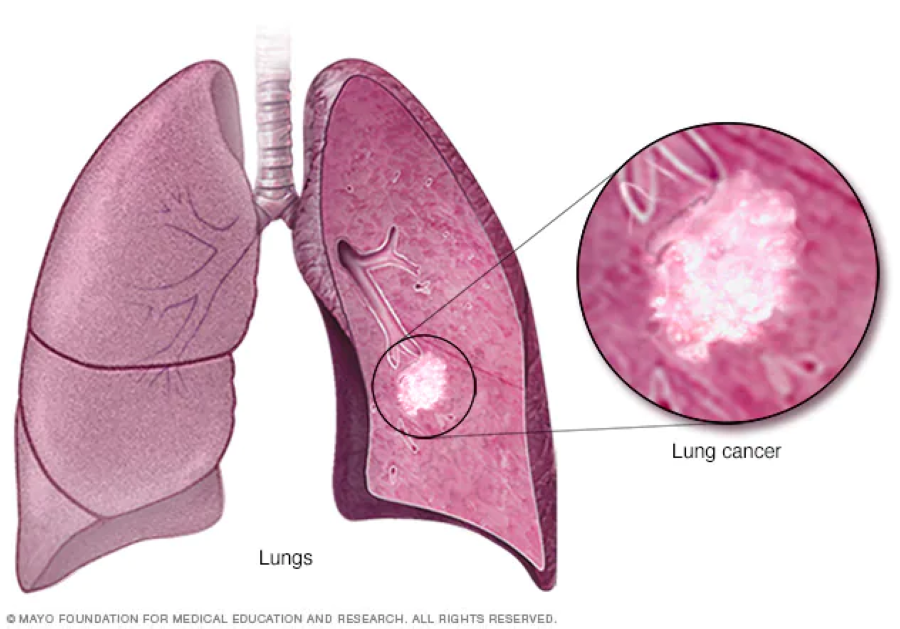
    The burden of lung cancer is significant and severely underreported in Nigeria and across sub-Saharan Africa, according to Professor Kelechi Okonta. Prof. Okonta, a consultant cardiothoracic surgeon and public health expert at the University of Port Harcourt Teaching Hospital in Rivers State, Nigeria, emphasized this issue during a lecture at the Princess Margaret Cancer Centre, Prosserman Centre for Health Research, Mount Sinai Hospital, University of Toronto, Canada. This occasion marked the first time an African was invited to present a lecture on lung cancer at the institution, underscoring Prof. Okonta’s prominence in lung cancer research globally.

    During his lecture titled “Epidemiological Molecular Characteristics and Challenges with the Management of Lung Cancer: An Inquisitive Look at Nigeria and Sub-Saharan Africa,” Prof. Okonta highlighted that many individuals in these regions suffer from lung cancer without being aware of it, largely due to a lack of awareness and proper diagnostic facilities.

    Challenges in Reporting and Diagnosing Lung Cancer

    Prof. Okonta pointed out that the poor reportage of lung cancer in Nigeria and sub-Saharan Africa poses a severe challenge to the health systems of these regions. The underreporting stems from inadequate data collection, poor recording practices, and the absence of a lung cancer registry in Nigeria. This lack of structured data hinders effective lung cancer awareness and management strategies.

    He also noted that the risk of lung cancer is higher among populations infected with Human Immunodeficiency Virus (HIV) compared to the general population. Despite a consistent association between lung cancer and cigarette smoking, many lung cancer patients in Nigeria are non-smokers. This indicates that other carcinogens, particularly those from petroleum products, may play a significant role in the development of lung cancer. Prof. Okonta highlighted the impact of polycyclic aromatic hydrocarbons present in both tobacco and petroleum products, which are known to cause cancer after prolonged exposure.

    Environmental and Occupational Risk Factors

    Increased refinery activities, urban pollution, and occupational exposure to various chemicals significantly contribute to the rising incidence of lung cancer in Nigeria and sub-Saharan Africa. Prof. Okonta emphasized that various chemicals emitted during refinery processes can cause cancer following prolonged exposure to their carcinogens.

    Systemic Challenges in Lung Cancer Care

    Prof. Okonta identified several systemic challenges that hinder effective lung cancer care in Nigeria:

    • Resource Limitations: There is a gross lack of resources and general awareness regarding the burden of lung cancer and the available diagnostic and treatment resources.
    • Impact of Smoking: The negative impact of cigarette smoking is exacerbated by the absence of a centrally coordinated population-based lung cancer registry.
    • Lack of National Strategy: There is no centrally coordinated, well-designed, evidence-based national lung cancer control plan. The referral system within the national healthcare framework is cumbersome.
    • Screening and Guidelines: Nigeria lacks a clear national lung cancer screening strategy, relevant policies, treatment algorithms, and care pathways, particularly for early disease detection. Additionally, the implementation of multidisciplinary teams (MDTs) for comprehensive care is uncommon.

    Proposed Solutions

    To address these challenges, Prof. Okonta proposed several solutions:

    • Skill Development and Technology: Emphasis should be placed on skills development in diagnostics and addressing the technological gaps in practice.
    • Healthcare Funding: The issue of underdiagnosis and inadequate healthcare funding needs to be resolved.
    • Minimally Invasive Diagnostics: There should be a focus on minimally invasive methods for obtaining lung cancer biopsies and subjecting them to molecular testing to identify targetable driver mutations.
    • Awareness and Data Collection: Creating lung cancer awareness through dedicated websites and comprehensive data collection is crucial.
    • Advanced Therapies and Research Collaboration: Newer targeted therapies and advancements in genetic research should be pursued, along with collaboration and peer review in research. Prof. Okonta also advocated for molecular profiling in patient management to improve survival rates.

    Building International Collaboration

    The ultimate aim of Prof. Okonta’s lecture was to foster collaboration with the Princess Margaret Cancer Centre in Toronto in the area of lung cancer research and treatment, starting from Nigeria and extending to sub-Saharan Africa. Prof. Geoffrey Liu, the host of the lecture, expressed enthusiasm for collaborating with Prof. Okonta, recognizing his extensive contributions to lung cancer research.

    This collaboration aims to leverage international expertise to address the significant challenges of lung cancer in Nigeria and sub-Saharan Africa, improving diagnosis, treatment, and overall patient outcomes.

  • Tony Elumelu Advocates for Global Health Equity and Sustainable Solutions at Abu Dhabi Global Healthcare Week

    Tony Elumelu Advocates for Global Health Equity and Sustainable Solutions at Abu Dhabi Global Healthcare Week

    Tony Elumelu, Chairman of the United Bank for Africa (UBA), highlighted the significant challenges facing Africa’s healthcare systems, citing limited budgets and inadequate infrastructure. Speaking at the Abu Dhabi Global Healthcare Week in the UAE, invited by his friend Badr Jafar, Elumelu underscored the global implications of Africa’s healthcare issues.

    Elumelu pointed out that climate change exacerbates healthcare challenges, noting that 40% of healthcare facilities in Africa lack a reliable power supply. He emphasized the interconnectedness of global health, using the rapid spread of COVID-19 from China as an example, to illustrate how poor health outcomes in one region can affect the entire world. He urged global stakeholders to prioritize health equity, stressing that improving healthcare in the world’s poorest regions is essential for global health security.

    Solutions for Global Health Equity

    Elumelu called for collaborative efforts from the private sector, public institutions, and the development community to allocate appropriate capital and invest in health research and technology. He shared that the Tony Elumelu Foundation (TEF) has supported 700 healthcare entrepreneurs, with a nearly equal gender distribution, demonstrating the potential for entrepreneurial initiatives to enhance healthcare delivery in Africa.

    He further stressed the importance of reforming the current patent system to balance incentivizing innovation and ensuring accessibility. He advocated for incentives to encourage big pharmaceutical companies to engage in research and development (R&D) for diseases prevalent in lower-income countries and to establish manufacturing facilities in developing regions. This approach, according to Elumelu, would leverage the global trade system to foster global health equity.

    Energy Deficiency and Healthcare Delivery

    Addressing Africa’s energy deficiency, Elumelu called on the global renewable energy sector to help bridge this gap. Reliable energy is critical for effective healthcare delivery, and innovation in both thermal and hydro energy sectors could significantly improve health outcomes in Africa.

    Climate Change and Healthcare Delivery

    Elumelu highlighted the compounded impact of climate change on healthcare, advocating for a multifaceted approach involving private sector innovation, funding from foundations and financial institutions, supportive health policies, and cross-sector collaboration. He believes that such an integrated strategy can drive humanity forward and improve health outcomes globally.

    Conclusion

    Tony Elumelu’s remarks at the Abu Dhabi Global Healthcare Week underline the urgent need for a collective global effort to address healthcare challenges in Africa. By fostering innovation, reforming systems, and investing in sustainable energy solutions, he argues that the world can achieve better health outcomes for all, illustrating the profound interconnectedness of global health.