Author: AR Managing Editor

  • Climate Resilience: How Leshan Koisikir is Transforming Pastoral Communities in Narok, Kenya

    Climate Resilience: How Leshan Koisikir is Transforming Pastoral Communities in Narok, Kenya

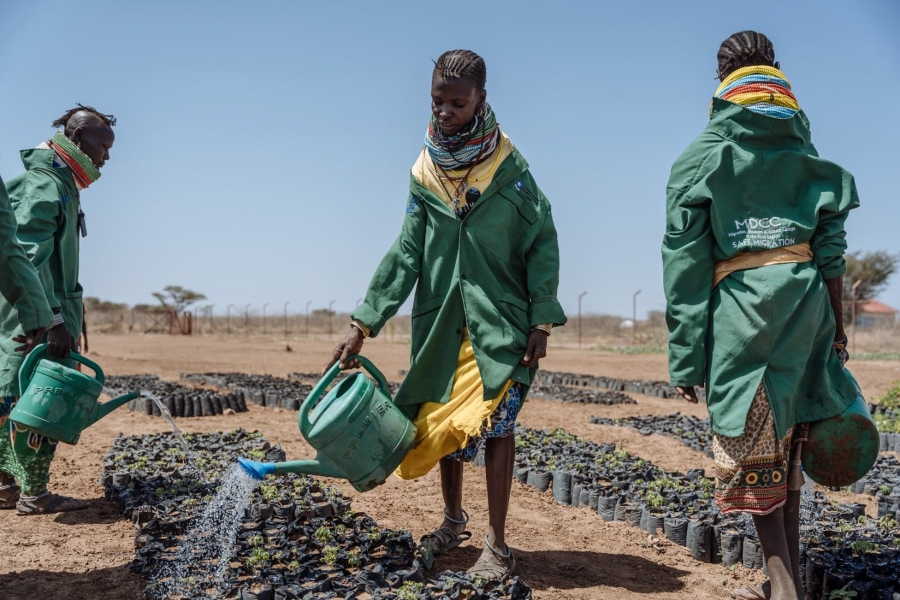
    In the arid and semi-arid regions of Narok, Kenya, pastoral communities are making significant shifts in their livelihoods to adapt to the changing climate. Leshan Koisikir, a 29-year-old environmentalist, exemplifies this transformation at his Olepolos farm. With a background in Community Health and Development from Moi University, Leshan turned to environmental conservation and agriculture after struggling to find stable employment in his field.

    Embracing Agribusiness for Sustainability

    Leshan’s 20-acre farm, inherited from his father, is a model of diversified agriculture. He cultivates beans, maize, sorghum, vegetables, and sweet potatoes, along keeping bees, poultry, and rabbits. His efforts are bolstered by the proximity of the Ewaso Nyiro River, which provides essential water for irrigation in an area that experiences minimal rainfall. Additionally, he grows fruit trees like avocados and sweet berries, as well as indigenous trees, underscoring his commitment to both agribusiness and environmental conservation.

    Challenges and Community Impact

    Despite his success, Leshan faces significant challenges, including a lack of market access for his honey and inadequate professional harvesting equipment. Yet, his work is crucial, especially given the climate crisis that threatens traditional pastoral livelihoods. His father, James Koisikir, also an environmentalist, acknowledges the profound impact of climate change on their community. “Residents now keep livestock in proportion to their land size and are gradually adopting farming,” James notes.

    Adapting to Climate Change

    Experts like Kennedy Oyugi, an agricultural economist at Africa Harvest, emphasize the importance of short-season crops in ensuring food security for pastoral homes. “Diversification allows pastoralists to harvest crops despite limited rainfall,” Oyugi explains. This adaptation is vital, as agriculture accounts for approximately 40% of human-caused methane emissions, a potent greenhouse gas. Reducing methane emissions is one of the fastest ways to slow global warming, and livestock farming is a major contributor.

    Innovative Practices for Emission Reduction

    To tackle methane emissions, practices such as maintaining productive herds, selling animals when their productivity declines, feeding livestock protein-rich fodder, and managing manure are recommended. Dr. Joel Onyango from the African Centre of Technology Studies highlights the goal of reducing emission intensity rather than absolute emissions. “The aim is to emit less methane per unit of product,” he says.

    Global and Local Efforts

    Kenya is a signatory to the global methane pledge, aiming to reduce methane emissions by 30% by 2030. Although Leshan Koisikir may not be aware of this pledge, his daily efforts contribute to this global goal. Roy Bouwer from the African Climate Action Partnership supports the idea of pastoralists diversifying their agricultural practices. “This gradual adaptation increases their income and enhances resilience to climate change,” Bouwer asserts.

    Vision for the Future

    Leshan envisions his land as a demonstration farm, inspiring others in his community to embrace agricultural diversification. “I want my farm to be a learning center where people can implement new practices on their own land,” he says. By selling livestock and adopting farming, his pastoral community is slowly but surely adapting to the new environmental realities, ensuring both their livelihoods and food security in the face of climate change.

    This shift among pastoralists like Leshan Koisikir underscores the broader efforts to mitigate climate change impacts and promote sustainable agricultural practices in Kenya and beyond.
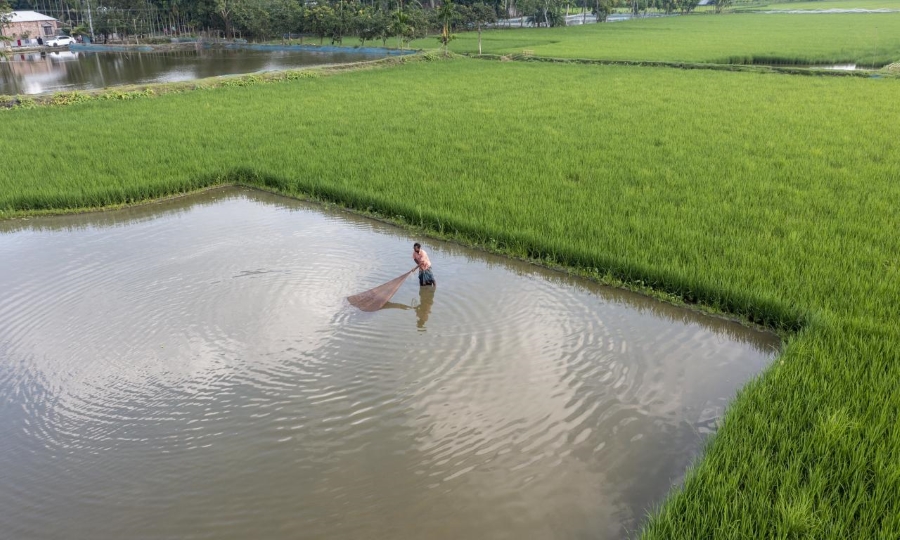
  • Addressing Climate Change in Ghana: Building Resilient Agriculture and Sustainable Development Pathways

    Addressing Climate Change in Ghana: Building Resilient Agriculture and Sustainable Development Pathways

    Africa, despite contributing minimally to global greenhouse gas emissions, is experiencing some of the harshest effects of climate change. The continent is grappling with intensified weather events such as droughts, erratic rainfall, windstorms, and cyclones. These phenomena exacerbate land degradation, diminish soil fertility, and lead to pest proliferation, all of which threaten Africa’s health, livelihoods, and food security.

    Ghana, like many African nations, is witnessing shifts in temperature, altered rainfall patterns, and a rise in the frequency and severity of extreme weather events. Floods are more common in high-rainfall areas in the center and west of the country, while droughts predominantly impact the north and southeast. Additionally, storms have intensified over recent decades. These climatic changes significantly affect Ghana’s economy, food security, and the lives of its people, given that agriculture is the backbone of the country’s economy.

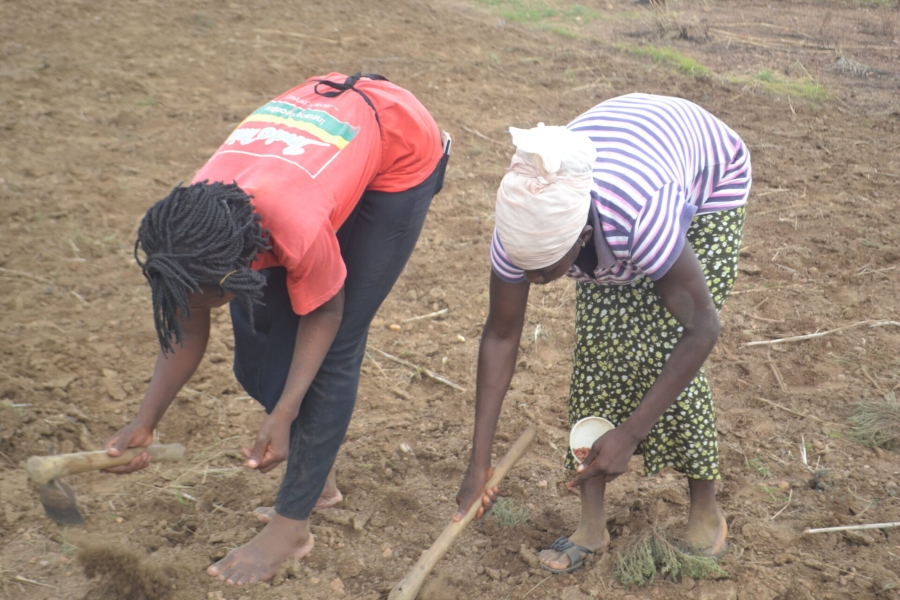
    Agriculture supports over 50% of Ghana’s workforce, contributes more than 60% of rural household income, and plays a crucial role in food security through smallholder farmers. These farmers, often among the poorest in the country, are particularly vulnerable to climate change due to their limited resources and capacity to manage unforeseen crises. Hence, targeted policies and practices that enhance resilience to climate impacts are essential. Adapting to climate change requires localized and context-specific strategies tailored to the unique challenges faced by different communities.

    Addressing these challenges involves adopting an integrated approach to agriculture and environmental management, enhancing risk preparedness, promoting sustainable energy production, modernizing transportation systems, and building resilient infrastructure. The Ghanaian government has initiated several reforms to transform the agricultural sector, with the flagship “Planting for Food and Jobs” (PFJ) program aimed at improving food security and livelihoods. This program focuses on enhancing public expenditure, strengthening extension systems, improving market access, promoting relevant agricultural technologies, and building capacity among key sector players. Strategic investments in infrastructure have also been made to boost sector efficiency.

    Investing in climate-resilient practices across the agricultural value chain—encompassing production, storage, processing, and marketing—is crucial yet challenging. An integrated approach that combines climate change adaptation with agricultural interventions is necessary to stabilize crop yields, enhance incomes, improve nutritional value, and build systems for early warning and resource management. These efforts at the community level can collectively contribute to national impact.

    Ghana’s Nationally Determined Contributions (NDCs) and National Adaptation Policy Framework underscore the importance of community-led adaptation and contextually relevant climate measures. These policies highlight the need for sustainable forest management, climate-resilient agriculture, expanded agricultural insurance, community-led conservation, early warning systems for floods, droughts, and pest infestations, and strengthened disaster risk management. However, Ghana, like many African countries, must ensure that national policies and resources are effectively integrated and outcome focused.

    To address the unpredictable challenges posed by climate change, Africa must build its development pathways on a foundation of evidence, science, and continuous learning. Data-driven research and evidence-based policies are essential for identifying effective interventions. For instance, research can determine the most resilient agricultural practices to drought, enabling policymakers and the private sector to support farmers in adapting to a changing climate. Similarly, scientific analysis can uncover the root causes of economic downturns, guiding the development of targeted policies for growth and job creation. Predictive modeling and evidence-based policymaking are vital for designing interventions that avoid unintended consequences.

    In the upcoming week, AGRA, ICED, and their partners will gather in Accra, Ghana, to showcase evidence-based approaches and learning in building resilience. Their focus will include climate-smart agriculture, seed system development, integrated soil health, and regenerative systems. This convergence underscores the importance of leveraging evidence and science to navigate Africa’s complex food systems and build a more resilient future.

  • Climate Change Impacts on Aquaculture in Zambia: Vulnerabilities, Adaptation Strategies, and Sustainable Solutions

    Climate Change Impacts on Aquaculture in Zambia: Vulnerabilities, Adaptation Strategies, and Sustainable Solutions

    A recent study by Maulu, et al., (2024) titled “Perceived effects of climate change on aquaculture production in Zambia: status, vulnerability factors, and adaptation strategies” published in Frontiers in Sustainable Food Systems, shows that aquaculture producers in Zambia, especially in certain regions, are highly vulnerable to climate change impacts.

    Aquaculture producers in Zambia are highly vulnerable to climate change, facing increased costs and adaptation challenges due to financial constraints.– Maulu, et al., 2024

    This study investigates the perceived impacts of climate change on aquaculture production in Zambia, identifying vulnerability factors and adaptation strategies used by aquaculture producers. The authors suggest that rising temperatures, altered rainfall patterns, cyclones, and disease outbreaks contribute to increased production costs. They highlight common adaptation strategies, including livelihood diversification and adjustments in fish growing periods and production facilities. However, adaptation is hindered by financial constraints, limited fish species diversity, and insufficient knowledge. To enhance sustainability, the study recommends promoting financial services, investing in research for diverse aquaculture species, and improving producer-specific extension programs.

    How the study was conducted

    The authors employed data from surveys and interviews with aquaculture producers. This helped in understanding their experiences and perceptions regarding climate change impacts. A representative sample of aquaculture producers was selected to ensure the findings could be generalized to a broader population. The authors analyzed the collected data to identify common themes and patterns. Statistical methods were used to quantify the extent of climate change impacts and the effectiveness of adaptation strategies. The findings were validated through cross-referencing with existing literature and expert opinions to ensure accuracy and reliability.

    What the authors found

    The authors found that aquaculture producers in Zambia, especially in certain regions, are highly vulnerable to climate change impacts, and many producers are not implementing adaptation measures due to financial limitations, species diversity constraints, and insufficient knowledge of alternative economic pursuits. In addition, the authors posit that the main strategies involve livelihood diversification and adjustments in fish cultivation periods and infrastructure.

    Why is this important?

    Sustainability of Aquaculture: Understanding the impacts of climate change on aquaculture helps in developing strategies to ensure the long-term sustainability of this vital food source.
    Economic Stability: Aquaculture is a significant source of income for many communities. Addressing climate change impacts can help protect livelihoods and promote economic stability.
    Food Security: As a key component of food security, ensuring the resilience of aquaculture to climate change is crucial for maintaining a stable food supply.
    Policy Development: The study provides valuable insights for policymakers to create informed and effective policies that support aquaculture producers in adapting to climate change.
    Research and Innovation: Highlighting the need for diverse aquaculture species and improved financial services encourages further research and innovation in the field.

    What the authors recommended

    • The authors argue that developing and providing access to financial services such as farm insurance can help aquaculture producers manage risks associated with climate change.
    • The authors suggest that conducting research to diversify aquaculture species can help producers adapt to changing environmental conditions and reduce dependency on a limited number of species.
    • The study advocates tailoring extension programs to the specific needs of aquaculture producers to improve their knowledge and capacity to implement effective adaptation strategies.
    • The authors advocate encouraging and supporting producers to diversify their livelihoods to reduce their vulnerability to climate change impacts.

    In conclusion, the study by Maulu et al. (2024) underscores the significant vulnerability of aquaculture producers in Zambia to the effects of climate change. Rising temperatures, shifting rainfall patterns, and increased disease outbreaks are elevating production costs and threatening livelihoods. Despite some adaptation efforts, financial limitations, lack of species diversity, and inadequate knowledge hinder effective responses. To bolster sustainability and resilience, it is crucial to enhance financial support, invest in research for diverse species, and tailor extension programs to meet the specific needs of producers. Addressing these challenges not only supports economic stability and food security but also paves the way for more robust and adaptive aquaculture practices in the face of a changing climate.

  • Plagiarism Scandal at Brock University: Charles Conteh’s Paper Retracted for Uncredited Use of Amy Lemay’s Work

    Plagiarism Scandal at Brock University: Charles Conteh’s Paper Retracted for Uncredited Use of Amy Lemay’s Work

    Plagiarism Scandal at Brock University: Charles Conteh’s Paper Retracted for Uncredited Use of Amy Lemay’s Work

    Charles Conteh, a political scientist at Brock University in St. Catharines, Ontario, has been found to have plagiarized the work of his postdoctoral fellow, Amy Lemay. This conclusion came from a university inquiry and led to the retraction of Conteh’s paper from the journal “Outlook on Agriculture.”

    The Incident

    In October 2023, a paper by Charles Conteh was published in Sage’s “Outlook on Agriculture.” The paper, which has garnered one citation according to Clarivate’s Web of Science, came under scrutiny after Lemay discovered that it contained her work without proper credit. An inquiry by Brock University, finalized in March 2024, identified instances of plagiarism and uncredited authorship in the article. The university report emphasized that such actions can significantly harm post-doctoral fellows, both reputationally and financially.

    Background

    Amy Lemay, now a science analyst and founder at VISTA Science & Technology Inc., served as Conteh’s postdoctoral fellow from August 2020 to January 2023. In March 2023, Conteh had sought feedback from Lemay and another faculty member on a draft of the article. Conteh later expressed reservations about Lemay’s suggestion to publish separate papers based on their policy reports for Niagara’s Community Observatory platform. Conteh eventually decided not to proceed with the project collaboratively.

    Discovery and Reaction

    Lemay accidentally found the published paper months later and realized it included her work without acknowledgment. Feeling betrayed, she reached out to Conteh, requesting to be added as a co-author. Conteh reluctantly agreed but framed his decision as an act of nobility rather than one of merit. Despite this, the journal editor at “Outlook on Agriculture” informed them it was too late to update the authorship.

    Retraction Process

    Lemay then requested the journal retract the paper due to misrepresented authorship and the use of her unpublished work without citation. In response, Conteh argued that Lemay had no basis for claiming co-authorship, comparing her role to that of a research assistant. He contended that acknowledgment in the manuscript should suffice.

    Lemay criticized Conteh’s stance on authorship, arguing it undermines fundamental academic principles and poses a risk to the integrity of academic contributions by graduate students and postdoctoral fellows. The paper was ultimately retracted in May 2024, with a notice stating that unattributed text called into question the author’s contributions.

    Aftermath

    Conteh maintained his disagreement with the retraction and reiterated his role as the principal investigator. Meanwhile, Lemay highlighted that the retraction citations inaccurately credited Conteh as the lead author instead of her. Sage Publications is reportedly working on correcting these citations.

    Broader Implications

    Lemay, who has extensive experience in academia, stressed that the power imbalance in academic settings often deters younger scholars from challenging such issues. She believes that addressing these attitudes is crucial to protecting the rights and contributions of graduate students and postdoctoral fellows.

    This case underscores the importance of ethical conduct in academia and highlights the need for clear guidelines and enforcement to protect the intellectual contributions of all researchers, regardless of their position.

    For more information visit retraction watch

  • Impact of Cosmic Rays and Solar Activity on Weather Dynamics in Nigeria: Insights from a 55-Year Study

    Impact of Cosmic Rays and Solar Activity on Weather Dynamics in Nigeria: Insights from a 55-Year Study

    A recent study by Oloketuyi, J., & Omole, O. (2024) titled “Investigating the influence of cosmic ray and solar activities on atmospheric weather dynamics within the equatorial electrojet region (Nigeria)” published in Discover Atmosphere by Springer Link examines that the northern region of Nigeria (Guinea and Sahel Savannah) has higher temperatures and relative humidity compared to the southern region (Coastal and Derived), which experiences higher precipitation.

    Cosmic rays and solar activity significantly influence weather patterns in Nigeria, affecting temperature, humidity, and precipitation.

    The study investigates the influence of cosmic rays and solar activities on atmospheric weather dynamics within the equatorial electrojet region of Nigeria. It analyzes parameters such as solar magnetic activity, cosmic ray intensity, temperature, relative humidity, and precipitation across major cities and zones in Nigeria over five solar cycles. The study aims to understand how these factors affect weather conditions, particularly in the northern and southern regions of Nigeria.

    How the study was conducted

    The study utilized solar and atmospheric weather data from 1964 to 2019, covering five solar cycles. Data sources included the Solar Flare Index, Cosmic Ray Intensity, and ERA5 atmospheric weather data. This statistical technique evaluated the degree of association between two continuous functions, such as temperature, precipitation, relative humidity, solar flare index, and cosmic ray intensity. The authors employed wavelet coherence (WTC). This method assessed the correlation between two time-varying data sets in both time and frequency domains, focusing on atmospheric weather parameters and solar activity parameters. The data was processed using a 13-month moving average to smooth out short-term fluctuations and highlight longer-term trends.

    What the authors found

    The authors found that the northern region of Nigeria (Guinea and Sahel Savannah) has higher temperatures and relative humidity compared to the southern region (Coastal and Derived), which experiences higher precipitation. The authors also found that there are distinct correlation patterns between solar parameters (solar flare index, cosmic ray intensity) and atmospheric weather parameters (temperature, relative humidity, precipitation) across different regions. Solar activity, including solar flares and cosmic rays, influences atmospheric conditions, with cosmic rays showing positive correlations with weather parameters and solar flares showing negative correlations.

    Why is this important?

    Weather Prediction and Preparedness: Understanding the influence of cosmic rays and solar activity on weather dynamics can enhance weather prediction models. Accurate predictions are crucial for disaster preparedness, agriculture, and infrastructure planning.
    Climate Change Implications: Solar activity affects Earth’s climate. By studying these connections, researchers can refine climate models and assess the impact of solar variability on global climate change.
    Regional Variability: The distinct differences in weather parameters between Northern and Southern Nigeria highlight regional variations. This knowledge can guide localized climate adaptation strategies.
    Technology Development: The recommendation to use locally built equipment for data capture emphasizes the need for technological advancements in weather monitoring. Developing robust, cost-effective instruments can improve data accuracy.

    What the authors recommended

    • The authors recommend developing and deploying locally built equipment for in-situ data capture. This would enhance the accuracy of weather parameter measurements within Nigeria’s equatorial electrojet region.
    • To improve data accuracy, the study suggests using locally installed equipment alongside satellite data. Combining ground-based measurements with satellite observations can provide a comprehensive view of atmospheric conditions.

    In conclusion, the study by Oloketuyi and Omole provides valuable insights into how cosmic rays and solar activity influence weather patterns in Nigeria. By analyzing data spanning five solar cycles, the research uncovers distinct regional differences in temperature, humidity, and precipitation, and highlights the significant role of solar parameters in shaping these conditions. The findings underscore the importance of integrating cosmic ray and solar activity data into weather prediction models and climate assessments. Additionally, the recommendation for developing and deploying locally built equipment for more accurate data capture can enhance weather monitoring efforts, leading to better preparedness and adaptation strategies for Nigeria’s diverse climate regions.

  • Discovering the Universe: Mookodi’s Role in Rapid Follow-Up Observations of Astronomical Transient Events

    Discovering the Universe: Mookodi’s Role in Rapid Follow-Up Observations of Astronomical Transient Events

    A recent study by Erasmu et al. (2024) titled “Mookodi: multi-purpose low-resolution spectrograph and multi-filter photometric imager for rapid follow-up observations of astronomical transient events” published in Journal of Astronomical Telescopes, Instruments, and Systems, by spiedigitallibrary examines that Mookodi is a versatile instrument with a low-resolution spectrograph and multi-filter imaging mode, designed for rapid follow-up observations of astronomical transient events.

    Mookodi is a versatile, dual-function instrument enabling rapid, automated follow-up observations of astronomical transient events, significantly advancing celestial research. – Erasmu et al., 2024

    The study delves into Mookodi, an innovative multi-purpose instrument crafted for the rapid follow-up of astronomical transient events. This versatile tool functions as both a low-resolution spectrograph and a multi-filter photometric imager. It is mounted on the 1-meter Lesedi telescope at the South African Astronomical Observatory (SAAO). One of Mookodi’s key features is its ability to swiftly alternate between spectrograph and imaging modes, making it particularly suited for rapid-response observations. This agility allows astronomers to quickly capture critical data on fleeting celestial phenomena such as supernovae and near-Earth asteroids. Mookodi is a crucial component of the SAAO’s Intelligent Observatory project, which aims to enhance the observatory’s capabilities through automation and robotics. This integration not only boosts the efficiency of data collection but also ensures that the observatory can promptly respond to transient events, significantly advancing our understanding of dynamic astronomical occurrences. By enabling quick-reaction observations, Mookodi supports a wide array of scientific research, including the study of the life cycles of stars, the dynamics of asteroid movements, and the immediate aftermath of explosive cosmic events. The instrument’s dual functionality and rapid switching capability represent a significant technological advancement, facilitating more comprehensive and timely astronomical investigations.

    How the study was conducted

    Mookodi, mounted on the 1-m Lesedi telescope at the South African Astronomical Observatory, is a multipurpose instrument. It has a low-resolution spectrograph mode (similar to the SPRAT instrument) and a multi-filter imaging mode. Testing and calibrating its performance were crucial. Astronomers conducted observations using Mookodi, targeting transient events like supernovae and near-Earth asteroids. The collected data underwent reduction using pipelines (ASPIRED for spectroscopy and TEA-Phot for photometry). Researchers analyzed the resulting spectra and light curves. Mookodi’s integration into the South African Astronomical Observatory’s Intelligent Observatory project involved software development, automation, and remote-control capabilities.

    What the authors found

    The authors found that Mookodi is a versatile instrument with a low-resolution spectrograph and multi-filter imaging mode, designed for rapid follow-up observations of astronomical transient events. The study also posits that the instrument has a resolution of R ≈ 350 and operates in the visible wavelength range (4000 to 8000 Å). It can switch between spectrograph and imaging modes quickly. In addition. Mookodi is integrated into the South African Astronomical Observatory’s Intelligent Observatory project, enabling automated and rapid-response observations, and the instrument is effective for quick-reaction observations, such as following up on newly discovered near-Earth asteroids and supernovae.

    Why is this important?

    Astronomical Observations: Mookodi enables rapid follow-up observations of transient events, such as supernovae and near-Earth asteroids. Its ability to switch between spectrograph and imaging modes quickly allows astronomers to capture critical data during these events.
    Automated Observations: Integration into the South African Astronomical Observatory’s Intelligent Observatory project means Mookodi can operate autonomously. This automation streamlines data collection and response times, enhancing our understanding of celestial phenomena.
    Scientific Advancements: By providing a versatile instrument for transient event follow-up, Mookodi contributes to our knowledge of the universe. It aids in characterizing these events, studying their properties, and refining our models of cosmic processes.

    In conclusion, the Mookodi instrument, with its dual functionality as a low-resolution spectrograph and multi-filter photometric imager, represents a significant advancement in astronomical research. Mounted on the 1-meter Lesedi telescope at the South African Astronomical Observatory, Mookodi’s rapid switching capabilities and integration into the Intelligent Observatory project enable swift, automated responses to transient celestial events. This technological innovation not only enhances the efficiency of data collection but also broadens our understanding of dynamic astronomical phenomena, paving the way for groundbreaking discoveries in the field.

  • Overcoming Physics Challenges: The Critical Role of Mathematics and Effective Teaching Strategies

    Overcoming Physics Challenges: The Critical Role of Mathematics and Effective Teaching Strategies

    A recent study by Badmus, O. T., & Jita, L. C. (2024), titled “Physics difficulty and problem-solving: Exploring the role of mathematics and mathematical symbols” published in the Interdisciplinary Journal of Education Research, shows that students face significant challenges in physics due to mathematical deficiencies and the complexity of applying mathematical concepts in physics.

    Students struggle with physics mainly due to mathematical deficiencies, emphasizing the need for integrated curricula and comprehensive teacher training in both subjects.– Badmus, O. T., & Jita, L. C. 2024

    The study titled “Physics Difficulty and Problem-Solving: Exploring the Role of Mathematics and Mathematical Symbols” delves into the significant challenges students encounter while learning physics, attributing these difficulties largely to the mathematical demands of the subject. It underscores that the complexity of physics is often intensified by the necessity to comprehend and apply mathematical principles, including the use of symbols and equations. The study suggests that a carefully structured and sequential approach to teaching both mathematics and physics can greatly enhance students’ ability to transfer knowledge between these disciplines. By aligning the teaching methods and curricula of both subjects, students can develop a more cohesive understanding, thereby improving their problem-solving skills and reducing the cognitive load associated with mastering physics concepts. Moreover, the study emphasizes the critical role of teachers in this process. It highlights the need for educators to possess strong competencies in both mathematics and physics to effectively support and guide students. Teachers with a robust understanding of both subjects can bridge the gap between the two, making it easier for students to grasp the interconnectedness and apply mathematical reasoning within the context of physics. This dual expertise enables teachers to anticipate and address common areas of difficulty, provide clearer explanations, and create more effective learning experiences for their students.

    How the study was conducted

    The authors employed theory synthesis, which integrates literature and theories, to develop a new understanding of physics difficulties by connecting separate empirical studies. The authors reviewed and analyzed literature on the nature of physics, its teaching, learning, and challenges, focusing on the application of mathematics and mathematical symbols. A comprehensive review of global and local contexts related to the study was conducted to gain a novel understanding of physics teaching and learning. No ethical issues were violated, as no primary data were collected from human participants. All intellectual works were properly cited.

    What the authors found

    The authors found that students face significant challenges in physics due to mathematical deficiencies and the complexity of applying mathematical concepts in physics. The author also found that effective physics teaching requires teachers to have strong content knowledge, pedagogical skills, and the ability to integrate mathematical concepts into physics lessons.

    Why is this important?

    Educational Improvement: By identifying the challenges students face in learning physics, especially those related to mathematics, educators can develop targeted strategies to enhance teaching and learning experiences.
    Curriculum Alignment: The study emphasizes aligning physics and mathematics curricula. When these subjects are integrated effectively, students can better grasp complex concepts.
    Teacher Training: Recognizing the need for teachers to have strong competencies in both physics and mathematics highlights the importance of teacher training programs.
    Student Success: Addressing mathematical barriers can lead to improved student performance in physics, ultimately contributing to their overall academic success.

    What the authors recommended

    • The authors suggest that physics and mathematics curricula should be aligned to facilitate better understanding and integration of mathematical concepts in physics.
    • The authors also recommend that teachers should receive training that enhances their competencies in both physics and mathematics. This will enable them to effectively teach and address students’ difficulties.
    • The authors advocate that providing step-by-step guidance to address mathematical deficiencies can help students overcome barriers and improve their problem-solving skills in physics.

    In conclusion, the study by Badmus and Jita sheds light on the critical interplay between mathematics and physics in education, revealing the significant challenges students face due to mathematical deficiencies. By advocating for a well-structured, integrated approach to teaching both subjects and emphasizing the need for teacher training in these areas, the study offers a pathway to improved student comprehension and success in physics. Addressing these mathematical barriers not only enhances problem-solving skills but also fosters a deeper understanding of complex physics concepts, ultimately contributing to the overall academic achievement and confidence of students.

  • Boosting Academic Publication Output: Insights from a Virtual Writing Retreat for Mathematics Education Lecturers

    Boosting Academic Publication Output: Insights from a Virtual Writing Retreat for Mathematics Education Lecturers

    A recent study by Mbhiza, H. W. (2024), titled “Mathematics education lecturers’ experiences of a virtual writing retreat and its impact on publication output” published in Research in Social Sciences and Technology, shows that participants achieved greater publication outputs during the retreat, with many manuscripts being ready for submission.

    Virtual writing retreats significantly increase mathematics education lecturers’ publication outputs by providing focused time, community support, and feedback – Mbhiza, H. W. 2024

    The study investigates the experiences of mathematics education lecturers participating in a virtual writing retreat and examines how this experience impacted their publication output. Employing a collaborative autoethnographic reflexivity approach, the study is framed within Wenger’s Community of Practice theory. The retreat provided a structured environment where lecturers could dedicate uninterrupted time to their writing tasks. This focused period allowed them to concentrate on their work without the usual distractions of their daily academic responsibilities. The virtual format ensured that they could access this dedicated writing time from any location, further enhancing their ability to engage deeply with their writing projects. The retreat fostered a sense of community among the participants, creating a supportive network of peers. This community of practice enabled lecturers to share their experiences, challenges, and strategies for overcoming obstacles in their writing. The collaborative environment encouraged mutual learning and provided a platform for feedback and encouragement, which was instrumental in enhancing their motivation and productivity. Another crucial factor was the emphasis on addressing reviewers’ comments post-submission. The retreat included sessions focused on understanding and effectively responding to feedback from journal reviewers. This process helped lecturers refine their manuscripts, improve the quality of their submissions, and increase the likelihood of their work being accepted for publication.

    How the study was conducted

    The author employed the collaborative autoethnographic reflexivity approach, this approach emphasizes describing, systematically presenting, and analyzing the lived experiences of multiple participants in a shared activity. All academics who participated in the writing retreat were invited to engage in reflexive conversations and provided permission for their utterances to be used for writings. The author drawn information from participants’ statements during the writing sessions and email conversations post-retreat. The author employed Fairclough’s CDA to analyze the reflective experiences, focusing on the dialectical relationship between language and society.

    What the authors found

    The author found that the virtual writing retreat was effective due to protected quality time and space to write, formation of a community of practice, and attending to reviewers’ post-review comments. The study also posit that participants achieved greater publication outputs during the retreat, with many manuscripts being ready for submission. In addition, the retreat provided a supportive environment for feedback and collaboration, enhancing the quality of the manuscripts.

    Why is this important?

    Enhanced Publication Output: The retreats provide uninterrupted time and space for academics to focus on writing, leading to increased publication outputs.
    Community of Practice: Participants form supportive communities, sharing feedback and improving each other’s work.
    Addressing Reviewers’ Comments: The retreats help participants effectively respond to journal reviewers’ feedback, improving the quality of their submissions.
    Professional Development: Academics gain insights into writing processes, reducing isolation and fostering collaboration.

    What the authors recommended

    • The author recommends that groups participating in virtual writing retreats should decide and agree on the frequency and duration of their sessions to ensure targets are met.
    • The author suggests that groups participating in virtual writing retreats should establish a clear agenda for each session, outlining processes, topics, or themes to be covered, and times for different activities.
    • Furthermore, the author advocates engaging in continuous reflection and reflexivity regarding experiences in the virtual writing space to critically examine biases, assumptions, and positionality.
    • In addition, study suggests that groups participating in virtual writing retreats should encourage the entire group to be involved in all aspects of the collaborative process, including analysis and writing phases.

    In conclusion, the study by Mbhiza (2024) underscores the significant benefits of virtual writing retreats for mathematics education lecturers. By providing dedicated, uninterrupted time for writing, fostering a supportive community of practice, and offering targeted sessions on addressing reviewers’ comments, these retreats substantially enhance publication outputs and manuscript quality. The collaborative environment not only boosts productivity but also facilitates professional development through mutual learning and feedback. The recommendations for establishing clear agendas, engaging in continuous reflexivity, and encouraging comprehensive participation highlight the importance of structured and reflective approaches to maximize the efficacy of virtual writing retreats. This innovative model offers a promising avenue for academics to overcome writing challenges and achieve greater success in their scholarly pursuits.

  • Disability Rights and ICT in Africa: 2024 Conference on Legal Frameworks, Innovations, and Inclusion

    Disability Rights and ICT in Africa: 2024 Conference on Legal Frameworks, Innovations, and Inclusion

    Conference Title: Disability Rights, Information, and Communication Technologies in Africa

    Date: November 13–14, 2024

    Location: Hybrid (In-person and Virtual)

    Organizer: Centre for Human Rights, Faculty of Law, University of Pretoria


    Conference Overview

    The Centre for Human Rights at the University of Pretoria is pleased to announce the upcoming Annual Disability Rights in Africa Conference, set to explore the intersection of disability rights and Information and Communication Technologies (ICT) in Africa. This year’s conference, themed “Disability Rights, Information, and Communication Technologies in Africa,” seeks to critically assess and discuss the evolving landscape of disability rights within the context of technological advancements across the continent.

    Objectives

    1. Examine Current Legal and Policy Frameworks: The conference will scrutinize existing laws, policies, practices, and ideologies concerning the rights of individuals with disabilities in Africa, focusing specifically on their interaction with ICTs.
    2. Promote Innovative Solutions: Discussions will center on novel and effective solutions designed to enhance the human rights of individuals with disabilities through the strategic use of ICTs.

    Following the conference, selected papers will be invited for refinement and potential publication in the 2025 edition of the African Disability Rights Yearbook.

    Background

    Technological progress in recent decades has significantly transformed global interactions, economic activities, and educational systems. Despite the proliferation of ICTs, many individuals with disabilities in Africa continue to face digital exclusion. Major barriers include high technology costs, inadequate infrastructure—especially in rural areas—insufficient funding for infrastructure enhancements, and low levels of digital literacy. Addressing these challenges is vital for ensuring that all segments of African society can benefit equitably from technological advancements.

    As technology will play a crucial role in facilitating the full inclusion of persons with disabilities in all societal spheres, there is a pressing need for collaborative efforts among stakeholders. These include regional bodies, governmental and non-governmental organizations, to improve ICT accessibility for persons with disabilities. Strategies might involve reviewing and enhancing legal frameworks, launching awareness campaigns, building capacity, and improving digital literacy. The conference aims to provide a platform for stakeholders to devise strategies and promote ICT accessibility across Africa.

    Participants

    The conference seeks to gather a diverse array of stakeholders committed to advancing disability rights through ICT. Participants will include:

    • Individuals with disabilities
    • Civil society organizations focusing on disability rights
    • Legal academics and researchers
    • Policymakers
    • Telecommunications industry representatives
    • Government officials

    Potential Topics

    We invite submissions on a wide range of topics related to disability rights and ICT, including but not limited to:

    • Legal frameworks for ICT and disability rights in Africa
    • Digital inclusion and exclusion of persons with disabilities
    • Assistive devices and their impact on education
    • ICT’s role in skills development and employment
    • Access to government services via ICT
    • Information accessibility for persons with disabilities
    • Use of ICT in elections by persons with disabilities
    • Affordability and accessibility of assistive devices
    • Accessibility of mobile applications and services
    • Socio-economic barriers to ICT access
    • Collaboration strategies for enhancing ICT accessibility
    • ICT’s impact on persons with disabilities during crises
    • Improving digital literacy among persons with disabilities
    • Advocacy for digital rights
    • Intersectional issues and best practices for digital inclusion

    Submission Guidelines

    Abstracts should adhere to the following requirements:

    • Language: English
    • Length: 300-350 words
    • Format: MS Word document (not PDF)

    Each abstract should include:

    • Title of the abstract
    • Author’s name
    • Affiliation
    • Qualifications
    • Email address

    Submission Deadline: 31 August 2024

    Authors will be notified of abstract acceptance by 9 September 2024. Accepted presenters must submit their full presentations by 31 October 2024.

    Inquiries

    For further information, please contact: Sabeeha Majid
    Email: sabeeha.majid@up.ac.za

    For more information, visit website

    We look forward to your submissions and to engaging in meaningful discussions on advancing disability rights through ICT at this year’s conference.

  • 7th CBR/CBID Africa Conference 2024: Advancing Disability-Inclusive Development in Uganda

    7th CBR/CBID Africa Conference 2024: Advancing Disability-Inclusive Development in Uganda

    About the Conference

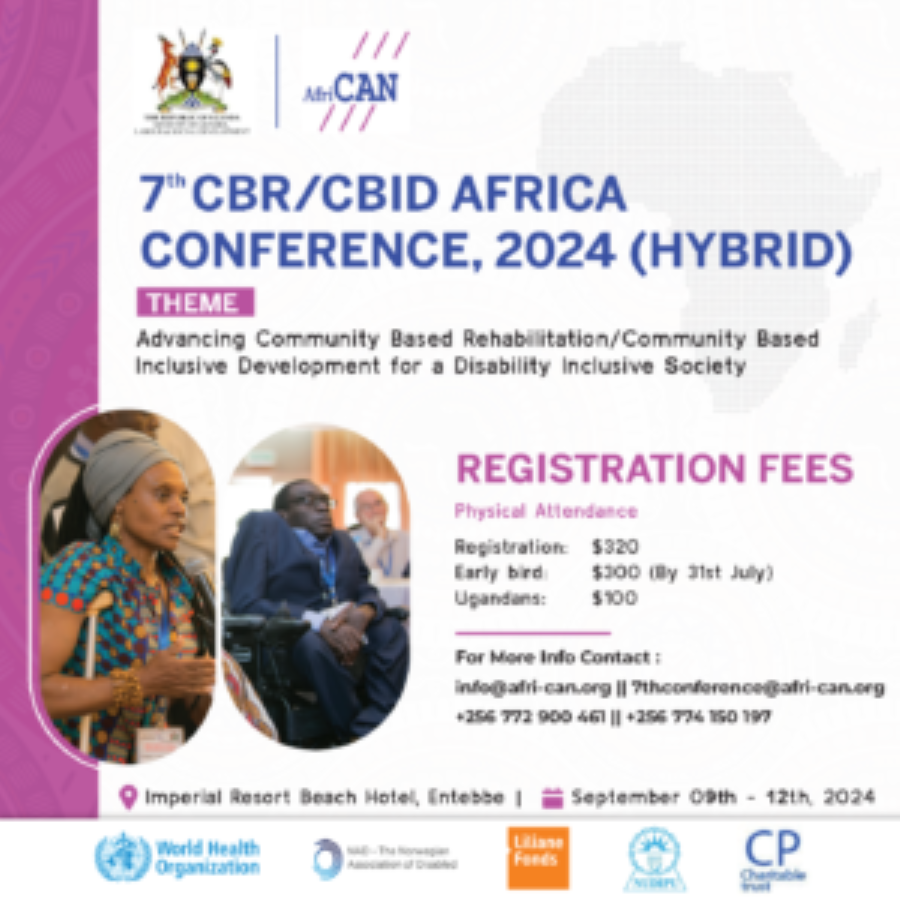
    The 7th Community Based Rehabilitation (CBR) / Community Based Inclusive Development (CBID) Africa Conference is a premier event organized by the CBR Africa Network (CAN) and hosted by the Government of Uganda, spearheaded by the Ministry of Gender, Labour, and Social Development (MGLSD). This significant conference will take place from September 9th to 12th, 2024, at the Imperial Resort Beach Hotel in Entebbe, Uganda.

    About CBR Africa Network (CAN)

    Founded in Uganda in 2001, the CBR Africa Network (CAN) is a continental civil society organization dedicated to promoting networking, generating, documenting, and sharing information on CBR and CBID among stakeholders. CAN works to enhance collaboration and knowledge exchange related to disability, rehabilitation, and inclusive development across Africa. The MGLSD is the lead government entity responsible for disability and rehabilitation policy and service provision in Uganda.

    Conference Overview

    This three-day conference will bring together a diverse group of stakeholders, including persons with disabilities and their careers, policymakers, government officials, advocates, researchers, practitioners, development partners, and representatives from organizations of and for persons with disabilities. The conference aims to foster dialogue on the role of CBR/CBID in promoting disability-inclusive development and to inspire stakeholder engagement in innovative and transformative approaches for creating inclusive communities.

    The timing of the conference marks several key milestones:

    • 46 years of CBR’s contribution to enhancing participation, inclusion, and well-being of persons with disabilities globally.
    • 23 years of CAN’s efforts in CBR/CBID information sharing and networking in Africa.
    • The return of the CBR conference to Uganda, the birthplace of CAN.

    Conference Theme

    The theme for this year’s conference is “Advancing Community Based Rehabilitation and Community Based Inclusive Development for a Disability Inclusive Society.” This theme will guide discussions and presentations, focusing on transformative approaches to foster disability-inclusive communities.

    Sub-Themes

    1. Community Based Inclusive Development (CBID): Comprehensive strategies for developing inclusive communities, blending community-based interventions with mainstream approaches.
    2. Rehabilitation Service Provision and Assistive Technologies: Personalized rehabilitation care, innovative technologies for rehabilitation and accessibility, and appropriate technologies for personal care, education, employment, and social participation.
    3. Community Support for Socioeconomic Development: Economic inclusion, resilience, and effective community support for socioeconomic advancement, including early childhood development and inclusive education.
    4. Disability Intersectionality and CBR/CBID: Addressing issues of disability in relation to aging, HIV, gender, forced migration, and other intersectional challenges.
    5. Multi-Stakeholder Collaboration: Enhancing service delivery and inclusion through comprehensive rehabilitation services and equity in health.
    6. Health Equity for Persons with Disabilities: Addressing health inequalities and epidemiological trends related to neglected tropical diseases, non-communicable diseases, and disabling conditions.
    7. Emergencies and Disability-Inclusive Humanitarian Action: Strategies for disability inclusion in emergencies, disaster management, and lessons learned from recent global crises like COVID-19.
    8. Global Commitments and National Developments: Updates on global disability summits, the Rehabilitation 2030 agenda, the UN Convention on the Rights of Persons with Disabilities, and the African Protocol.
    9. Justice, Choice, and Power: Exploring justice and power dynamics, ethical dilemmas, and social justice movements.

    Conference Methodology

    The conference will adopt a hybrid approach, accommodating both in-person and remote participation. Activities will include:

    • Plenary Sessions: Keynote speakers and major discussions on overarching topics.
    • Parallel Sessions: Focused discussions on specific themes.
    • Interactive Workshops: Hands-on sessions for active engagement on key issues.
    • Interactive Exchanges: Sharing experiences and strategies among persons with disabilities and caregivers.
    • Networking Events: Opportunities for idea exchange and collaboration.
    • Exhibition: Showcasing innovations and new technologies in rehabilitation and inclusive development.

    Conference Management

    The conference will be managed by a Continental Organizing Committee (COC) and a National Organizing Committee (NOC) to oversee communication, logistics, and fundraising, with support from local and international partners.

    Registration and participation

    Registration is open for both Ugandan and international participants, with options for online participation. Early registration is encouraged to take advantage of discounted rates.

    Expected Outcomes

    The conference will culminate in a digital publication of the proceedings, including abstracts and summaries of sessions. A comprehensive CAN book will also be published to document key insights and innovations.

    Conclusion

    Hosting the 7th CBR/CBID Africa Conference in Uganda underscores a strong commitment to advancing disability rights and inclusive development. By fostering collaboration and sharing knowledge, the conference aims to drive positive change and enhance the participation and well-being of persons with disabilities across Africa and beyond.

    For more information and an application, click here.