Author: AR Managing Editor

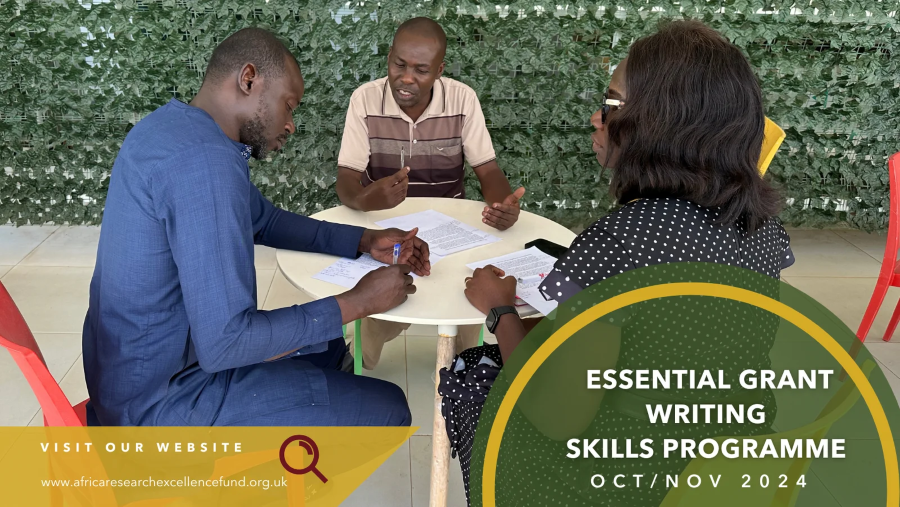
  • Essential Grant Writing Skills Programme 2024: AREF Invites Applications from Early-Career African Health Researchers

    Essential Grant Writing Skills Programme 2024: AREF Invites Applications from Early-Career African Health Researchers

    The Africa Research Excellence Fund (AREF) is committed to enhancing the health research capabilities of African scientists who are addressing critical health challenges within the continent. AREF is inviting applications from emerging biomedical and health researchers in Africa to participate in its Essential Grant Writing Skills Programme, an initiative designed to equip researchers with the skills needed to successfully secure competitive research funding.

    Programme Overview

    The Essential Grant Writing Skills Programme is an intensive, fully online series aimed at empowering early-career health researchers in Africa. Participants will engage in eight 3-hour sessions held over two separate weeks: from October 21st to 25th, 2024, and from December 9th to 11th, 2024. During the six-week interval between these sessions, participants are expected to draft a mini research proposal and engage in peer review activities. This structure is designed to ensure that by the end of the programme, participants will have made substantial progress toward a well-crafted grant proposal.

    Target Audience

    This programme is specifically tailored for early-career researchers who are actively seeking independent funding and have perhaps already secured smaller grants but have not yet attained the larger grants necessary for advancing their research careers. It is ideal for researchers who are at a pivotal point in their careers where acquiring grant writing skills could significantly enhance their ability to secure funding for independent research projects.

    Programme Objectives

    The main goal of the programme is to enable promising early-career researchers from African countries to develop the skills required to create compelling research and fellowship proposals that meet the standards for securing international, regional, and national funding. The programme will focus on:

    • Defining and communicating a unique research niche: Participants will learn how to effectively express their research focus and articulate its importance.
    • Formulating research questions: The programme will guide researchers in crafting clear and impactful research questions that align with funders’ priorities.
    • Understanding funders’ requirements: Participants will gain insights into the expectations of various funding bodies.
    • Writing in plain English: The ability to convey complex scientific ideas in clear, concise language will be emphasized.
    • Developing a proposal’s key sections: Researchers will learn how to structure a proposal, covering essential elements such as project descriptions and budgets.
    • Managing collaborations and teams: The programme will also cover strategies for managing research teams and collaborations effectively.
    • Preparing for Fellowship interviews: Participants will receive guidance on how to present their research and themselves in fellowship interviews.

    What the Programme Will Not Cover

    The programme will not address specific tasks such as obtaining research ethics approval, completing individual funders’ application forms, managing intellectual property, or practicing research communication.

    Programme Format and Participation Requirements

    The programme will be conducted online via Zoom, with participants expected to actively engage in interactive sessions, both individually and in groups. Daily sessions will be held from 08:30 to 11:30 GMT, with corresponding times provided for various African time zones. Participants must commit to attending all sessions and completing additional assignments outside of the scheduled sessions. Failure to attend all sessions will result in not receiving a certificate of completion.

    AREF does not provide financial support for equipment, internet services, or any other expenses related to participation in the programme.

    Eligibility and Selection Criteria

    To be eligible for this programme, applicants must:

    • Be citizens of an African country and employed in Africa by a recognized university or specialist research institution.
    • Be in the early stages of their research careers, having completed a research doctorate or a medical/clinical qualification plus a research-relevant master’s degree, awarded within the last six years.
    • Be actively involved in health research as a significant part of their current role.
    • Not have participated in similar grant-writing training before.
    • Not already have a significant portfolio of international research grants (defined as a combined value of £250,000 or more).

    The selection process will assess applicants based on their research experience, potential to benefit from the programme, and commitment to applying the skills learned. AREF will also ensure diversity and inclusivity by limiting the selection of participants from any one institution and aiming for a balanced representation in terms of gender and language.

    How to Apply

    Interested researchers must apply via the AREF portal (https://programmes.aref-africa.org.uk/) by creating an account and completing the application form. The call for applications opened on August 2nd, 2024, with a submission deadline of August 30th, 2024, at 13:00 GMT. Applicants will be informed of the outcome by September 30th, 2024.

    For any enquiries, applicants can contact AREF through by emailing programmes@africaresearchexcellencefund.org.uk for issues related to portal registration. Other enquiries sent to different AREF emails may not receive a timely response.

    Key Dates

    • Call Launch: August 2nd, 2024
    • Application Deadline: August 30th, 2024, 13:00 GMT
    • Outcome Notification: September 30th, 2024

    This programme represents a valuable opportunity for early-career researchers to enhance their grant writing skills and increase their chances of securing funding for impactful health research in Africa.
  • 2024 AGNES-BAYER Science Foundation Research Grant for Biodiversity Conservation & Sustainable Agriculture in Sub-Saharan Africa

    2024 AGNES-BAYER Science Foundation Research Grant for Biodiversity Conservation & Sustainable Agriculture in Sub-Saharan Africa

    2024 Call for Applications

    The AGNES-BAYER Science Foundation Research Grant, dedicated to Biodiversity Conservation and Sustainable Agriculture in Sub-Saharan Africa, is now open for applications. This prestigious grant is generously funded by the BAYER Foundation and supported by the Alexander von Humboldt Foundation (AvH) of the Federal Republic of Germany. The grant is specifically designed to empower junior researchers (PhD students) in Africa, aiming to enhance their scientific capabilities and foster groundbreaking research in the fields of biodiversity conservation and sustainable agriculture.

    I. Program Overview

    The AGNES-BAYER Science Foundation Research Grant serves as a vital resource for doctoral students hailing from sub-Saharan African countries who are engaged in exceptional research within the realms of biodiversity conservation and sustainable agriculture. The grant is intended to support research activities that are integral to the completion of a doctoral degree, which may include but are not limited to field experiments, data collection, or laboratory studies. The research should not only be innovative but also demonstrate a clear and significant impact on the socio-economic development of the applicant’s home country.

    Each successful applicant will receive a grant of up to EUR 7,000. This funding is intended to cover the costs associated with conducting the proposed research activities, thereby enabling young scientists to pursue their academic endeavors with greater focus and fewer financial constraints.

    II. Eligibility Criteria

    To be eligible for this grant, applicants must meet the following criteria:

    1. Academic and Research Background: Applicants should be doctoral students currently enrolled in a university or tertiary institution within sub-Saharan Africa. They must be nationals of a sub-Saharan African country and must be working in the field of biodiversity conservation and/or sustainable agriculture.
    2. Research Relevance: The proposed research must be directly relevant to the development of sub-Saharan Africa, addressing critical issues in biodiversity conservation and sustainable agriculture that have the potential to contribute to the region’s socio-economic advancement.
    3. Publication Requirement: Candidates must have published at least one scientific paper in a non-predatory journal. Publications must be in peer-reviewed international journals indexed in SCOPUS or Web of Science (WoS). Applicants must provide the SCOPUS or WoS links (URL) to each publication.
    4. Academic Excellence: Only candidates with outstanding academic records and a demonstrated history of impactful research will be considered for the grant.

    III. Application Requirements

    Applicants must submit a comprehensive application package, which includes the following documents:

    1. Research Proposal: An original research/project proposal not exceeding five pages. This document should outline the proposed research activities, including a detailed schedule for achieving the objectives. The proposal must be written in English and will be subjected to a plagiarism test to ensure originality.
    2. Curriculum Vitae: A standard CV following the AGNES template, also in English. The template can be downloaded from the provided link.
    3. Proof of Registration: Official documentation confirming the applicant’s current registration in a doctoral program at a recognized university or tertiary institution in sub-Saharan Africa.
    4. Academic Transcripts: Copies of official academic transcripts reflecting the grades obtained in both undergraduate and postgraduate studies. If the transcripts are in a language other than English, an official explanation of the grading system in English must be included.
    5. List of Publications: A list of published articles in non-predatory journals, including SCOPUS or WoS links to each publication. An e-copy of the first page of each publication, showing the title, authors, and abstract, must also be provided.
    6. Budget Plan: A detailed budget outlining the financial requirements for the proposed research activities.

    IV. Application Submission

    Applications must be submitted online through the provided application form link. All required documents should be uploaded in a single submission, ensuring the total file size does not exceed 15MB.

    Deadline for submission: All applications must be submitted by August 30th, 2024, at 00:00 GMT. Applications that do not adhere to the guidelines or are incomplete will be automatically disqualified. Late submissions will not be accepted under any circumstances.

    V. Grant Details

    The AGNES-BAYER Science Foundation Research Grant provides a one-time award of up to EUR 7,000. This funding is intended exclusively for future research activities and cannot be applied retroactively to previous work. Upon being awarded the grant, recipients and their supervisors must sign and submit a letter of acceptance and a contractual agreement to the AGNES Governing Board within two weeks.

    VI. Selection Process

    The selection meeting will be held in October 2024. Only candidates who are selected will be notified. The research activities funded by the grant are expected to commence between December 1, 2024, and February 28, 2025.

    VII. Contact Information

    For further inquiries regarding the application process or other related questions, applicants may contact the following individuals:

    This grant represents a unique opportunity for young African researchers to contribute to critical areas of biodiversity conservation and sustainable agriculture, thereby playing a crucial role in the sustainable development of the African continent.

    Click here to apply

  • Unlocking South Africa’s Constitutional Potential: Strategies for Effective Governance in a New Multiparty Era

    Unlocking South Africa’s Constitutional Potential: Strategies for Effective Governance in a New Multiparty Era

    In the wake of South Africa’s 2024 general election, which resulted in a multiparty government, the country’s constitution stands as its most formidable asset amidst severe socioeconomic and political challenges. South Africa faces high unemployment, rampant crime, ineffective policing, and a dysfunctional public service. Despite the 1996 constitution’s remarkable provisions, its full potential has often been undermined. Francois Venter, who played a role in drafting South Africa’s 1993 transitional and 1996 final constitutions, argues that applying the constitution effectively could provide solutions to these pressing issues.

    The Constitution’s Potential and Its Implementation Challenges

    The 1996 constitution is widely esteemed for its forward-thinking framework, designed to foster broad cooperation and reconstruction of the nation. It envisions a government that is effective, transparent, accountable, and coherent, as outlined in Chapter 3’s principles of “cooperative government.” Despite this, the promise of cooperative reconstruction has been marred by instances of governance failure, notably during President Jacob Zuma’s tenure (2009-2018). Zuma’s administration saw a weakening of parliamentary oversight, which contributed to significant state capture.

    Initially, the 1993 transitional constitution proposed a system with two executive deputy presidents to preside over cabinet meetings, promoting consensus. However, the 1996 final constitution consolidated both the executive and legislative powers in the presidency, a move that concentrated authority and allowed subsequent presidents to exert near-total control over the cabinet and legislative processes.

    The principles enshrined in the constitution, such as those governing public administration in Section 195, aimed to uphold a professional civil service and prevent corruption. Additionally, the principles of participatory democracy in Sections 59, 72, and 118 were intended to ensure public involvement in lawmaking. Yet, these principles have often been sidelined, leading to political favoritism and ineffective public administration.

    Remedies for Effective Governance

    To address these issues, the new multiparty government must negotiate a robust coalition agreement that aligns with constitutional values. This agreement should outline how parties will cooperate, ensuring adherence to constitutional principles while allowing for practical governance. The coalition pact should define how the constitution will be implemented and may include provisions for cabinet autonomy and mechanisms to resolve policy deadlocks.

    The coalition agreement should emphasize:

    1. Effective Public Administration: Ending political favoritism in state appointments and enhancing accountability are crucial for restoring public service functionality.
    2. Abandoning Ideological Rigidity: A diverse country like South Africa requires a departure from narrow ideological frameworks and slogans. Coalition partners must focus on pragmatic solutions rather than ideological purity.
    3. Promoting Participatory Democracy: Introducing citizens’ assemblies could revitalize democratic engagement. These assemblies, based on objective criteria rather than political elections, can facilitate genuine public consultation and participation in governance.

    Prioritizing Reconstruction and Cooperation

    To govern effectively, the unity government should adopt a clear and inclusive approach, such as “cooperative reconstruction.” This banner would embody the necessity for both cooperation among parties and the reconstruction of a nation in crisis. Key areas of focus should include:

    • Reforming Public Administration: Addressing corruption and political favoritism.
    • Adopting Pragmatic Ideologies: Moving beyond traditional catchphrases to practical governance strategies.
    • Enhancing Participatory Democracy: Implementing mechanisms like citizens’ assemblies to improve public engagement in governance.

    The enduring strength of South Africa’s constitution, coupled with a well-structured coalition pact, provides a foundation for addressing the nation’s crises. By harnessing the constitutional principles of cooperative governance and participatory democracy, the new government can work towards a more effective and inclusive administration, capable of navigating the complex challenges facing South Africa today.


    Disclosure: Francois Venter has previously received funding from the South African National Research Foundation and the Alexander von Humboldt-Stiftung for research in constitutional law. The Conversation is funded by several academic institutions and strategic partners, including the Bill & Melinda Gates Foundation.

  • South Africa’s Science Sector: New Chapter with Independent DSI Under Blade Nzimande

    South Africa’s Science Sector: New Chapter with Independent DSI Under Blade Nzimande

    In June 2024, South Africa entered a new chapter in its political history, with the African National Congress (ANC) forming its first coalition government since the advent of democracy in 1994. This shift was accompanied by significant changes in the administration of the country’s science and education sectors. The president, Cyril Ramaphosa, made a notable decision to separate the Department of Science and Innovation (DSI) from the Department of Higher Education, which had previously been merged as part of a cost-saving measure. Blade Nzimande, the former minister of higher education, was appointed as the head of the newly independent DSI.

    Himla Soodyall, a renowned human geneticist and the executive officer of the Academy of Science of South Africa (ASSAf), shared her insights on these developments. Soodyall, who was involved in the international Genographic Project that mapped human migrations using DNA, expressed optimism about the separation of the two departments. She highlighted that the standalone DSI would allow for greater focus on science, technology, and innovation, which she sees as crucial responsibilities of the state.

    She acknowledged that while the merger of the two departments had created opportunities for alignment and synergies, the DSI and its affiliated entities, including ASSAf, had always operated with a degree of independence. This autonomy, she argued, allowed them to manage their responsibilities effectively, even when collaboration with the Department of Higher Education was necessary. With the DSI now functioning independently, Soodyall believes that the department can better implement its goals, particularly those outlined in the Science, Technology, and Innovation Decadal Plan 2022-2032.

    Despite her confidence in the new structure, Soodyall did not shy away from discussing the challenges facing South African science. One of the most pressing issues is the significant budget cuts that have affected the National Research Foundation (NRF), the main conduit for government funding to research institutions. These cuts have led to a reduction in support for postgraduate students, particularly those from disadvantaged backgrounds. Soodyall explained that while the NRF has tried to ensure that students who do receive support are adequately funded, this has resulted in fewer students being supported overall, which could have long-term implications for the country’s research output.

    The situation is further complicated by the high attrition rates among postgraduate students, particularly those in disciplines like pathology, where internships are required for graduation. These internships are in short supply, and the lack of support for them means that fewer graduates are entering the workforce with the skills they need. Soodyall emphasized that this creates a gap in the system, where the training and education provided do not fully translate into employable skills.

    Soodyall also touched on the role of the private sector in supporting scientific research and training. While she acknowledged that public-private partnerships are desirable, she pointed out that the private sector often relies on the public sector to produce skilled graduates. Given the economic challenges brought about by the COVID-19 pandemic, there is uncertainty about the extent to which the private sector can step in to fill the funding gaps left by government cuts.

    Despite these challenges, Soodyall remains optimistic about the future of science in South Africa. She believes that the DSI, under the leadership of Blade Nzimande, is well-positioned to continue its work in advancing science and innovation. She also stressed the importance of better communication from the department to ensure that the public is aware of the significant scientific advancements being made in the country. Soodyall concluded by expressing confidence in the quality of South African science, which she believes is on par with international standards, and she called for continued efforts to build on the progress made so far.

  • China’s Growing Influence in Africa: CCP’s Political Party Training and Its Impact on Governance

    China’s Growing Influence in Africa: CCP’s Political Party Training and Its Impact on Governance

    The article, “China Escalates Its Political Party Training in Africa” by Paul Nantulya, explores the increasing influence of the Chinese Communist Party (CCP) in shaping political and governance models in Africa. Despite China’s long-standing principle of non-interference in the internal affairs of other nations, recent developments indicate a shift in this approach, particularly concerning Africa. The CCP is actively promoting its dominant party model across the continent through various training programs designed for African party and government officials.

    China’s Evolving Strategy in Africa

    Historically, China has maintained that it does not export its governance model to other nations. However, the article highlights a significant change in this stance, especially under CCP General Secretary Xi Jinping’s leadership. Xi’s “new model of party-to-party relations” has led to an escalation in the CCP’s training initiatives across Africa, targeting ruling parties and government officials in various countries. This effort aligns with China’s broader strategy of deepening ties with the Global South, particularly Africa, where political party training has become a key tool of influence.

    Institutionalizing China’s Governance Model in Africa

    One of the most prominent examples of China’s influence is the Mwalimu Julius Nyerere Leadership School, established in 2022. This institution, modeled after the CCP Central Party School, serves as a training ground for members of the Former Liberation Movements of Southern Africa (FLMSA) coalition, which includes ruling parties from Angola, Mozambique, Namibia, South Africa, Tanzania, and Zimbabwe. The school represents a new level of engagement, as it is the first of its kind to cater to multiple African political parties simultaneously, marking a departure from China’s earlier, more localized efforts.

    China’s involvement in Africa’s political education is not limited to physical institutions. The CCP has also supported the refurbishment of the Herbert Chitepo School of Ideology in Zimbabwe, a ZANU-PF party school. Additionally, the CCP’s National Academy of Governance, which functions as the external arm of the CCP Central Party School, has established year-round training partnerships with governance academies in countries such as Algeria, Ethiopia, Kenya, and South Africa. These efforts underscore China’s growing role in shaping the governance structures of African nations, with a particular focus on entrenching single, dominant party models.

    The Appeal of China’s Political Model

    China’s governance model, characterized by party supremacy, fragmented authoritarianism, political meritocracy, and party-led economic governance, is particularly appealing to many African ruling parties. This model emphasizes the dominance of the ruling party over the state and government, a concept that resonates with the leadership of several African nations. The CCP’s training programs often stress the benefits of a strong, centralized party system, which some African leaders view as a means to maintain power and stability without the “messiness” of multiparty democracy.

    The article points out that China’s model is attractive to African elites because it offers a template for maintaining political control while pursuing economic development. However, this model is fundamentally at odds with the multiparty democratic systems that many African constitutions and the African Union (AU) conventions endorse. Despite this, the CCP’s governance and party training programs are gaining traction across the continent, with a growing number of African ruling parties seeking Chinese support to solidify their political dominance.

    Implications for African Democracy and Governance

    The expansion of CCP training in Africa raises significant concerns about the future of democracy on the continent. While China’s economic model has been admired for its success, its political model has not been as widely embraced by African citizens. According to polls, nearly 80 percent of Africans reject one-party rule, preferring instead the democratic systems that many countries adopted during the 1990s. However, the CCP’s influence threatens to undermine these democratic gains by promoting single-party systems that could entrench authoritarian rule.

    The article emphasizes the disconnect between the ruling elites in Africa and the democratic aspirations of their citizens. Many African ruling parties are eager to replicate China’s model, seeing it as a way to extend their rule indefinitely. However, this approach is at odds with the desires of the African populace, who overwhelmingly favor democracy. The entrenchment of single-party rule could lead to increased corruption, societal divisions, and instability, as history has shown that autocratic governance often exacerbates these issues.

    The Broader Context of China-Africa Relations

    China’s increasing involvement in Africa’s political and governance systems is part of a broader strategy to expand its influence on the continent. The CCP’s extensive network of over 3,000 political schools, many of which have established training programs in Africa, reflects the systematic and expansive nature of this effort. The CCP has ongoing relations with 110 African ruling and opposition parties, 35 parliaments, and 59 politically oriented organizations, underscoring the depth of its engagement.

    The CCP’s training programs are not just about spreading its governance model; they are also a means of shaping the future leadership of African nations. By targeting younger generations of party and government leaders through scholarships and training programs, China is positioning itself as a key player in the development of Africa’s political landscape. This long-term strategy is likely to have lasting implications for the continent, particularly if the trend towards single-party dominance continues.

    Conclusion

    China’s escalation of political party training in Africa represents a significant shift in its approach to the continent. By promoting its dominant party model, the CCP is influencing the governance structures of numerous African nations, potentially entrenching authoritarian rule and undermining democratic gains. While this model is appealing to some African ruling parties, it is at odds with the preferences of the majority of African citizens, who continue to favor democracy. As China’s influence in Africa grows, the future of governance on the continent remains uncertain, with significant implications for both political stability and economic development.

  • Enhancing Mental Well-Being in Sub-Saharan Africa: Key Findings and Recommendations from a Comprehensive Literature Review (2014-2022)

    Enhancing Mental Well-Being in Sub-Saharan Africa: Key Findings and Recommendations from a Comprehensive Literature Review (2014-2022)

    A recent study by Oladele, et al. (2024) titled “A Literature Review of Health and Mental Well-being Indicators and Its Assessment in Sub-Saharan Africa (2014–2022)” published in the Journal of Research and Health, shows that mental health research in South Africa began earlier and is more prevalent in academic settings, while in Nigeria, it involves various stakeholders.

    Mental health research in South Africa is more academic, while in Nigeria, it involves diverse stakeholders. – Oladele, et al. 2024

    A recent literature review titled “A Literature Review of Health and Mental Well-being Indicators and Its Assessment in Sub-Saharan Africa (2014–2022)” offers valuable insights into the factors influencing health and mental well-being (MWB) in Sub-Saharan Africa. This study underscores the necessity for a thorough evaluation to enhance both health and MWB across the region. The review delves into various factors shaping health and MWB in Sub-Saharan Africa. It highlights the importance of a detailed assessment to address the unique challenges faced by the population in this region. The study aims to provide a clearer understanding of these challenges to improve overall health and well-being.

    How the Study was Conducted

    The study conducted a literature review using the POWER framework (planning, operationalizing, writing, embedding, and reflecting). This framework guided the creation and assessment of the literature review paper. The Web of Science (WoS) database was the primary source, complemented by random Google-led searches. The search included keywords related to mental well-being (MWB), focusing on literature published between 2014 and 2022 in South Africa and Nigeria. The study involved three phases: Initialization (planning and operationalizing), impression (writing), and impact (reflection and evaluation).

    What the Authors Found

    The authors found that the key indicators of mental health and well-being include the ability to realize potential, cope with normal stresses, work productively, and engage meaningfully in the community. Mental health research in South Africa began earlier and is more prevalent in academic settings, while in Nigeria, it involves various stakeholders.

    Why is this Important?

    Contextual Relevance: It addresses the unique health and mental well-being challenges faced by populations in Sub-Saharan Africa, which are often different from those in other regions.
    Cultural Appropriateness: By highlighting the need for culturally adaptive assessment tools, the study ensures that mental health evaluations are more accurate and relevant to the local context.
    Holistic Health: Emphasizing both objective and subjective well-being provides a more comprehensive understanding of mental health, which is crucial for effective health promotion and illness prevention.
    Policy and Practice: The findings can inform policymakers and healthcare providers, helping them develop better strategies and interventions tailored to the specific needs of Sub-Saharan African communities.

    What the Authors Recommend

    • The authors advocate developing and using mental well-being assessment tools that are culturally appropriate for Sub-Saharan Africa to ensure accurate and relevant evaluations.
    • The authors emphasize adopting a holistic approach to mental health that includes both objective and subjective well-being indicators.
    • Encourage collaboration across various disciplines to create comprehensive strategies for health promotion and illness prevention.
    • Integrate mental well-being indicators into public health policies to effectively address the specific needs of sub-Saharan African populations.
    • Involve local communities in the development and implementation of mental health initiatives to ensure they are contextually relevant and sustainable.

    In conclusion, the literature review by Oladele et al. (2024) offers invaluable insights into the unique challenges and factors influencing mental health and well-being in Sub-Saharan Africa. By emphasizing the importance of culturally appropriate assessment tools and a holistic approach to mental wellness, this study provides a critical foundation for developing effective health promotion and illness prevention strategies. The recommendations call for collaborative efforts across disciplines and the integration of mental well-being indicators into public health policies, ensuring that initiatives are contextually relevant and sustainable. This comprehensive evaluation aims to improve the overall health and well-being of populations in the region, paving the way for a brighter, healthier future.

  • Empowering Women Through Mobile Money: The Role of Financial Management in Economic Inclusion

    Empowering Women Through Mobile Money: The Role of Financial Management in Economic Inclusion

    A recent study by Dorfleitner, G., & Nguyen, Q. A. (2024) titled “Mobile money for women’s economic empowerment: The mediating role of financial management practices,” published in Review of Managerial Science by Springer Link, shows that mobile money adoption significantly promotes women’s economic empowerment

    Mobile money significantly boosts women’s economic empowerment, with financial management practices enhancing this impact, especially in rural areas.– Dorfleitner, G., & Nguyen, Q. A.2024

    The article “Mobile money for women’s economic empowerment: the mediating role of financial management practices” investigates the relationship between mobile money adoption and women’s economic empowerment, highlighting the importance of financial management practices as a mediating factor. The study examines how the adoption of mobile money services, such as digital wallets and mobile banking, influences the economic empowerment of women. Economic empowerment for women generally means having the ability to make and act on economic decisions, access financial resources, and improve their overall financial status and independence. The central finding of the study is that financial management practices significantly mediate the relationship between mobile money adoption and economic empowerment. This means that simply having access to mobile money services is not enough. The way women manage their finances, including budgeting, saving, and planning, enhances the positive impact of mobile money on their economic empowerment. The effects of mobile money adoption and financial management practices on women’s economic empowerment are more pronounced in rural areas compared to urban areas. In rural settings, women often have limited access to traditional banking services and financial infrastructure. Mobile money provides an alternative that can be more easily adopted and utilized for financial activities. As a result, rural women can experience a greater transformation in their economic status through improved financial management facilitated by mobile money.

    How the Study was Conducted

    The authors employed data from a diverse sample of women in both rural and urban areas. Three different measures were used to reflect the extent of engagement with mobile money services. The study examined the impact of mobile money adoption on women’s economic empowerment and the mediating role of financial management practices. The effects were analyzed separately for rural and urban samples to identify any differences. This comprehensive approach allowed the authors to draw robust conclusions about the relationship between mobile money adoption and women’s economic empowerment.

    What the Authors Found

    The authors found that mobile money adoption significantly promotes women’s economic empowerment, and better financial management practices mediate the relationship between mobile money adoption and women’s economic empowerment.
    The authors also found that the positive effects of mobile money are more significant in rural areas compared to urban areas.

    Why is this Important

    Economic Inclusion: It highlights how mobile money can be a powerful tool for including women in the financial system, especially in regions where traditional banking services are limited.
    Empowerment: By showing that mobile money adoption leads to greater economic empowerment, the study underscores the potential for technology to improve women’s lives and increase their financial independence.
    Policy Implications: The findings can inform policymakers and development organizations about the importance of promoting mobile money services and financial literacy programs, particularly in rural areas.
    Targeted Interventions: Understanding the mediating role of financial management practices helps in designing targeted interventions that can maximize the benefits of mobile money for women.
    Rural Focus: The study’s emphasis on rural areas, where the impact is more significant, draws attention to the need for tailored solutions that address the unique challenges faced by women in these regions.

    What the Authors Recommended

    • The authors emphasize equipping women with financial management skills to maximize the positive impact of mobile money adoption.
    • The authors advocate for developing programs specifically aimed at rural women, where the effects of mobile money are more pronounced.
    • The author encourages policymakers to support mobile money initiatives and integrate financial literacy into broader economic development strategies.
    • Foster partnerships between mobile money providers, financial institutions, and development organizations to create comprehensive support systems for women.

    In conclusion, the study by Dorfleitner and Nguyen underscores the transformative potential of mobile money in enhancing women’s economic empowerment, particularly in rural areas where traditional banking services are limited. While mobile money adoption itself is a significant step forward, the findings highlight that effective financial management practices play a crucial role in maximizing its benefits. By integrating mobile money services with robust financial literacy programs and targeted support for rural women, policymakers and development organizations can create impactful solutions that drive economic inclusion and empower women to achieve greater financial independence. This approach not only addresses immediate financial needs but also fosters long-term economic resilience and growth.

  • August 2024: Dr. Yaw Bediako – African Male Researcher of the Month

    August 2024: Dr. Yaw Bediako – African Male Researcher of the Month

    African Researchers AwardAugust 2024: Dr. Yaw Bediako – African Male Researcher of the Month

    Early Life and Education

    Dr. Yaw Bediako, an accomplished immunologist, was born and raised in Ghana, where he was influenced by his parents, both esteemed academics. His mother, Gillian Mary Bediako, and his father, Kwame Bediako, instilled in him a passion for education and research. Yaw’s academic journey took him across continents, starting with his undergraduate studies at Calvin University in Grand Rapids, Michigan. He later earned his Ph.D. in microbiology and immunology from Northwestern University in Chicago, Illinois.

    Professional Journey and Challenges

    Yaw Bediako’s early career was marked by notable achievements, including a prestigious two-year fellowship from the Royal Society in 2021. However, the fellowship was unexpectedly canceled due to the economic impacts of the COVID-19 pandemic, which led to a significant funding cut. This setback prompted Yaw to re-evaluate his career trajectory and led him to a pivotal decision: to create his own research infrastructure in Africa rather than relying on external funding sources.

    Founding Yemaachi Biotech

    In response to the funding challenges, Yaw Bediako co-founded Yemaachi Biotech, an immunogenomics research company based in Accra, Ghana. The company’s mission is to advance cancer research by focusing on African populations, addressing a critical gap in global research. Yemaachi Biotech aims to conduct world-class research while fostering local talent and contributing to the scientific community in Africa.

    Under Yaw’s leadership, Yemaachi Biotech has become a beacon of innovation in Africa, employing a diverse team of 40 professionals and securing significant funding. Notably, Yemaachi was the only Ghanaian-based startup to receive funding from Y Combinator, one of the most prestigious Silicon Valley startup accelerators, among 15,000 applicants.

    Impact and Recognition

    Dr. Bediako’s work has made a substantial impact on cancer research, particularly in understanding immune function and cancer among African populations. His focus on diversifying research to include underrepresented groups is crucial for developing effective precision medicine.

    In 2024, Yaw Bediako was honored with the Calestous Juma Science Leadership Fellowship, awarded by the Bill & Melinda Gates Foundation. This fellowship recognizes his outstanding contributions to science and his leadership in advancing cancer research in Africa.

    International Collaborations and Achievements

    Yaw’s commitment to expanding cancer research has led to significant collaborations, including the Cancer Grand Challenges initiative. Team SAMBAI, led by Melissa Davis of the Morehouse School of Medicine and supported by Yemaachi Biotech, secured a historic US$25 million grant for research on cancer inequities. This initiative aims to study cancer across the African diaspora, addressing critical gaps in current research.

    Legacy and Future Aspirations

    Dr. Yaw Bediako’s journey from an academic setback to becoming a trailblazer in immunogenomics highlights his resilience and dedication. Through Yemaachi Biotech, he is changing the narrative about Africa’s role in biomedical research, paving the way for increased scientific excellence, local investment, and the retention of local talent.

    Yaw’s bold decision to leave academia and build a research company in Ghana reflects his commitment to his homeland and its potential to contribute significantly to global science. His work continues to inspire and drive progress in cancer research and beyond, ensuring that Africa’s diverse populations are represented and prioritized in scientific studies.

  • August 2024: Professor Rose Leke – African Female Researcher of the Month

    August 2024: Professor Rose Leke – African Female Researcher of the Month

    African Researchers AwardAugust 2024: Professor Rose Leke – African Female Researcher of the Month

    Early Life and Education

    Born and raised in Cameroon, Professor Rose Leke showed an early interest in science and a deep commitment to public health. She pursued her higher education at the University of Yaoundé, where she earned her undergraduate degree. Driven by her passion for medical research, she moved to France to further her studies, obtaining a doctorate in medicine from the prestigious University of Paris. This solid educational foundation set the stage for her illustrious career in immunology, parasitology, and public health.

    Career and Research Achievements

    Professor Leke’s career is marked by her relentless pursuit of solutions to some of Africa’s most pressing health challenges. She is a leading figure at the Institute of Medical Research and Studies of Medicinal Plants (IMPM) in Cameroon, where she has spearheaded numerous groundbreaking research initiatives. Her work primarily focuses on maternal and child health, with significant contributions to the understanding and treatment of pregnancy-associated malaria.

    Her research has not only advanced scientific knowledge but also improved clinical outcomes for countless women and children across Africa. Professor Leke’s efforts in malaria research have been pivotal in reducing the incidence and severity of the disease, particularly among pregnant women, who are at a higher risk of severe complications. Additionally, her work in immunization and polio eradication has had a profound impact on public health, significantly contributing to the decline of polio cases on the continent.

    International Recognition and Leadership

    In recognition of her exceptional contributions to science and public health, Professor Leke has received numerous prestigious awards and honors throughout her career. Notably, she was the recipient of the African Union’s Kwame Nkrumah Scientific Award in 2011, an accolade that celebrates outstanding African scientists. In 2018, Women in Global Health honored her as a “Héroïne de la santé,” acknowledging her heroic efforts in improving health outcomes.

    In 2021, the Cameroonian Medical Council bestowed upon her the title of “reine mère” (queen mother) of the medical community, a testament to her leadership and influence. The following year, the Africa Centres for Disease Control and Prevention recognized her contributions to global health with the “Achievement in Global Health Leadership” prize.

    Her leadership roles extend beyond her research. In February 2023, Professor Leke was appointed Chair of the Independent Review Committee (IRC) of Gavi, the Vaccine Alliance. In this capacity, she plays a crucial role in reviewing vaccine funding applications from various countries and making recommendations for grant allocations. Her work with Gavi ensures that vaccines reach those in need, ultimately saving countless lives.

    Mentorship and Advocacy

    One of Professor Leke’s most enduring legacies is her commitment to nurturing the next generation of African scientists. She is a fervent advocate for young scientists, particularly women, and has dedicated much of her career to mentoring and guiding aspiring researchers. Her efforts have paved the way for numerous young scientists to embark on successful careers in science and medicine, contributing to the development of robust scientific communities across Africa.

    2024 L’Oréal-UNESCO Prize for Women in Science

    In May 2024, Professor Leke’s remarkable career reached a new pinnacle when she was named the laureate for the Africa and Arab States region of the L’Oréal-UNESCO International Prize for Women in Science. This prestigious award, announced by UNESCO on May 14, recognizes her outstanding research and pioneering efforts to improve outcomes in pregnancy-associated malaria, support the eradication of polio, and enhance immunization in Africa. UNESCO’s statement also highlighted her unwavering commitment to public health and her dedication to fostering the careers of young scientists.

    The award ceremony, scheduled for May 28 at UNESCO headquarters in Paris, will formally celebrate Professor Leke’s achievements. This honor adds to her impressive collection of accolades and underscores her status as a leading educator, role model, and advocate for young female scientists.

    Legacy and Impact

    Professor Rose Leke’s contributions to science and public health have had a lasting impact on Africa and beyond. Her research has saved lives, improved health outcomes, and inspired a new generation of scientists. As a role model and mentor, she has empowered countless young researchers to pursue their scientific aspirations. Her work with organizations like Gavi, the Vaccine Alliance, ensures that her influence will continue to be felt in global health initiatives for years to come.

    In sum, Professor Rose Leke’s career is a testament to the power of dedication, innovation, and leadership in the field of science. Her achievements not only advance scientific knowledge but also bring hope and improved health to millions. As she continues to inspire and lead, her legacy will undoubtedly endure, shaping the future of public health and scientific research in Africa and around the world.

  • Enhancing Global Supply Chains: Comparative Study on Blockchain Adoption in USA and Africa

    Enhancing Global Supply Chains: Comparative Study on Blockchain Adoption in USA and Africa

    A recent study by Ejairu, et al. (2024) titled “Blockchain in global supply chains: A comparative review of USA and African practices” published in International Journal of Science and Research Archive, shows that both the USA and African countries can enhance transparency, traceability, and efficiency in supply chains through blockchain technology.

    The study conducts a comparative review of blockchain adoption in global supply chains, focusing on the USA and African countries. It examines how blockchain technology is utilized to enhance transparency, traceability, and efficiency within supply chains. Specifically, the study highlights the implementation of smart contracts to automate processes and reduce delays. In the USA, one of the primary challenges identified is the need for standardized protocols and regulatory frameworks. The lack of uniform standards across different states and industries creates inconsistencies that can hinder the seamless integration of blockchain technology. Additionally, navigating the complex regulatory landscape poses a significant barrier to widespread adoption. However, the USA has the advantage of advanced technological infrastructure and a higher level of digital literacy, which can facilitate the deployment of blockchain solutions.

    Blockchain can significantly enhance transparency, traceability, and efficiency in supply chains, despite differing challenges and opportunities in the USA and Africa. – Ejairu, et al., 2024

    Conversely, in African countries, the challenges are more centered around limited technological infrastructure and the need for capacity building. Many regions in Africa lack the necessary digital infrastructure, such as reliable internet access and advanced computing resources, which are critical for the implementation of blockchain technology. Furthermore, there is a pressing need for capacity building to equip stakeholders with the knowledge and skills required to effectively use and manage blockchain systems. Despite these challenges, there is a growing interest in leveraging blockchain to address issues such as fraud and lack of trust in supply chains. Both regions can benefit significantly from blockchain technology. By reducing fraud and improving trust among stakeholders, blockchain can enhance the overall integrity of supply chains. For instance, blockchain’s immutable ledger can provide verifiable records of transactions, thereby reducing the risk of tampering and fraud. This increased transparency can also foster greater trust among supply chain participants, from producers to consumers. The study emphasizes the importance of understanding local contexts for the successful implementation of blockchain technology. In the USA, this involves addressing regulatory and standardization issues, while in Africa, it entails developing the necessary technological infrastructure and building local capacity. Tailoring blockchain solutions to meet the specific needs and conditions of each region is crucial for maximizing their potential benefits in enhancing supply chain operations.

    How the Study was Conducted

    The study compares the adoption, challenges, and benefits of blockchain technology in supply chains between the USA and African countries. The authors draw on existing research and studies to highlight the potential of blockchain technology in enhancing supply chain efficiency, transparency, and traceability. Specific examples from the USA and Africa are examined to illustrate the practical applications and impacts of blockchain technology in different socio-economic contexts. The study identifies and analyzes the unique challenges and opportunities faced by each region in adopting blockchain technology.

    What the Authors Found

    The authors found that both the USA and African countries can enhance transparency, traceability, and efficiency in supply chains through blockchain technology. The study posits that the USA faces issues like standardizing protocols and regulatory frameworks, while Africa deals with limited technological infrastructure and capacity building. In addition, the USA has more advanced integration of blockchain, focusing on smart contracts and automation, whereas Africa is leveraging blockchain to combat counterfeit goods and fraud.

    Why is this Important

    Enhanced Transparency and Traceability: Blockchain can provide an immutable record of transactions, making it easier to track products from origin to consumer. This is crucial for ensuring product authenticity and safety.
    Efficiency Improvements: By automating processes and reducing the need for intermediaries, blockchain can streamline supply chain operations, reducing costs and time delays.
    Combatting Fraud and Counterfeiting: In regions like Africa, blockchain can help address significant issues with counterfeit goods, ensuring that consumers receive genuine products.
    Regulatory Compliance: Blockchain can help companies comply with regulatory requirements by providing a transparent and auditable trail of transactions.
    Global Collaboration: The study underscores the need for collaboration between different regions to overcome challenges and leverage blockchain’s full potential, fostering innovation and economic growth.

    What the Authors Recommended

    • The authors recommend developing standardized protocols and regulatory frameworks to ensure interoperability and compliance across different regions. This would involve creating uniform standards that facilitate seamless integration and consistent application of blockchain technology.
    • Investing in technological infrastructure and training is crucial, particularly in regions with limited resources. This includes enhancing digital infrastructure and providing education and training to build the necessary skills and knowledge among stakeholders.
    • Encouraging collaboration between governments, private sectors, and international organizations is essential. By sharing knowledge, resources, and best practices, these entities can work together to advance the adoption and effective implementation of blockchain technology.
    • Implementing pilot projects is recommended to test and refine blockchain applications in real-world supply chain scenarios. These pilot projects can help identify practical challenges and solutions, paving the way for broader deployment.
    • Raising public awareness about the benefits and potential of blockchain technology is important to gain broader acceptance and support. Educating the public on how blockchain can enhance supply chain efficiency, transparency, and security will help build a supportive environment for its adoption.

    In conclusion, the comparative study by Ejairu et al. (2024) underscores the transformative potential of blockchain technology in global supply chains, highlighting its ability to enhance transparency, traceability, and efficiency. While the USA benefits from advanced technological infrastructure and higher digital literacy, it faces regulatory and standardization challenges. Conversely, African countries confront limited technological resources and the need for capacity building yet show a growing interest in blockchain to combat fraud and enhance trust. The study calls for standardized protocols, investment in infrastructure, collaboration across sectors, pilot projects, and public awareness to fully harness blockchain’s benefits, paving the way for more secure and efficient supply chains worldwide.