Author: AR Managing Editor

  • Enhancing Disaster Management in Zambia: Key Findings, Strategies, and Policy Recommendations

    Enhancing Disaster Management in Zambia: Key Findings, Strategies, and Policy Recommendations

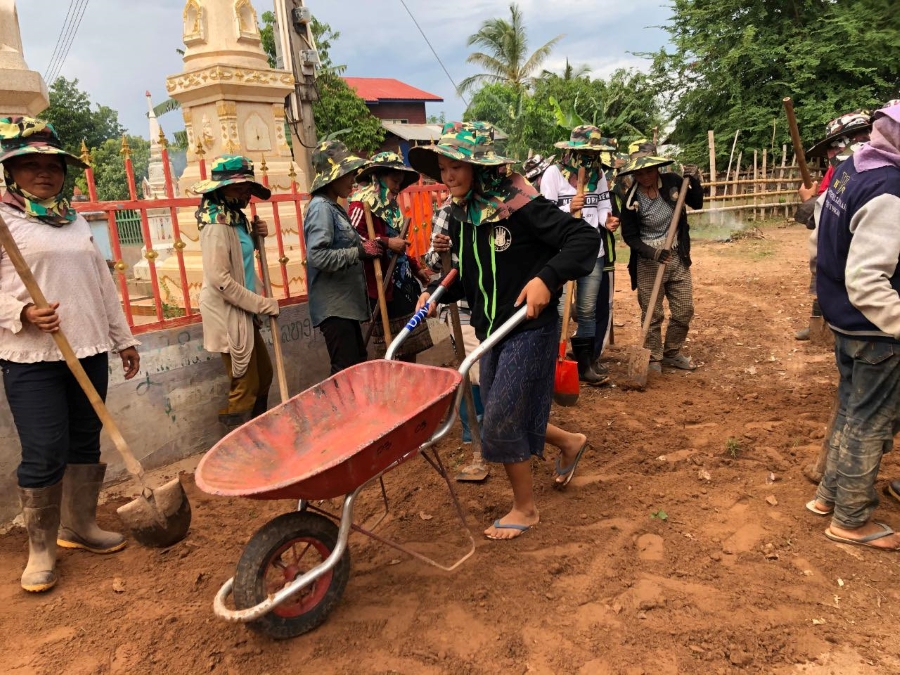
    A recent study by Chitondo, et al. (2024) titled “Disaster Management and Mitigation Strategies in Zambia: A Systematic Review” published in World Journal of Advanced Research and Reviews, shows that the existing disaster management framework in Zambia involves multiple institutions and stakeholders, but there are gaps in coordination and resource allocation.

    Zambia’s disaster management framework requires improved coordination and resource allocation among multiple institutions and stakeholders.-Chitondo, et al. 2024

    The study focuses on disaster management and mitigation strategies in Zambia, exploring a range of natural and human-induced disasters, including floods, droughts, disease outbreaks, and industrial accidents. It provides a detailed analysis of Zambia’s disaster management framework, shedding light on the key institutions, policies, and stakeholders that play a critical role in disaster preparedness, response, and recovery efforts. A central theme of the study is the importance of a comprehensive, multi-dimensional approach to disaster management. Effective strategies must encompass several key elements: preparedness, risk reduction, community engagement, innovation, and global cooperation. Preparedness involves the proactive identification of potential risks and the development of strategies to address them before disasters strike. Risk reduction focuses on minimizing the vulnerability of communities and infrastructure to disaster impacts. Community engagement is crucial, as local populations are often the first responders, and their involvement can enhance the effectiveness of disaster response efforts. Innovation plays a pivotal role in developing new tools and methods to predict, prevent, and respond to disasters more efficiently. Finally, global cooperation is essential, as disasters often transcend national borders, requiring coordinated efforts from multiple countries and international organizations.

    How the Study was Conducted

    The research employs a mixed-methods approach, combining both qualitative and quantitative analyses to provide a comprehensive understanding of the subject. Qualitative analysis involves a thorough examination of policy documents and literature, offering insights into existing frameworks and strategies. This is complemented by quantitative assessments derived from data collected through interviews, questionnaires, and project observation schedules involving 250 respondents. These methods ensure a robust and well-rounded analysis of disaster management practices in Zambia.

    What the Authors Found

    The authors found that effective disaster management requires a multi-dimensional strategy that includes preparedness, risk reduction, community engagement, innovation, and global cooperation. The authors posit that the existing disaster management framework in Zambia involves multiple institutions and stakeholders, but there are gaps in coordination and resource allocation.

    Why is this Important

    Enhanced Preparedness: By understanding the current disaster management framework and identifying gaps, the study helps improve preparedness for future disasters. This can save lives and reduce economic losses.
    Policy Improvement: The findings highlight discrepancies between policy and implementation, providing a basis for policymakers to refine and enforce more effective disaster management policies.
    Community Resilience: Emphasizing community involvement and capacity building ensures that local populations are better equipped to handle disasters. This fosters resilience and self-reliance.
    Resource Allocation: Identifying areas where resources are lacking allows for better allocation and utilization of funds and materials, ensuring that they reach the most vulnerable populations.
    Global Cooperation: The study underscores the need for international collaboration in disaster management, promoting the sharing of knowledge, technology, and resources.

    What the Authors Recommended

    • The authors suggest improving coordination among various institutions and stakeholders involved in disaster management to ensure a unified and efficient response.
    • The authors recommend fostering greater involvement of local communities in disaster preparedness and response activities. This includes leveraging local knowledge and encouraging community-based initiatives.
    • The author suggests that policymakers should invest in training and resources to build the capacity of both institutions and communities to handle disasters more effectively.
    • In addition, policymakers should encourage the use of innovative technologies and practices in disaster management to improve efficiency and effectiveness.

    In conclusion, the study by Chitondo et al. (2024) provides valuable insights into the strengths and shortcomings of Zambia’s disaster management framework. By highlighting the importance of a multi-dimensional approach that includes preparedness, risk reduction, community engagement, innovation, and global cooperation, the research underscores the need for enhanced coordination, resource allocation, and policy refinement. The findings offer a clear pathway for improving disaster management strategies, ensuring that Zambia is better equipped to handle future crises, protect its communities, and build long-term resilience.
  • Comparative Study Highlights Challenges in Environmental Legislation and Disaster Resilience: Insights from Nigeria and the USA

    Comparative Study Highlights Challenges in Environmental Legislation and Disaster Resilience: Insights from Nigeria and the USA

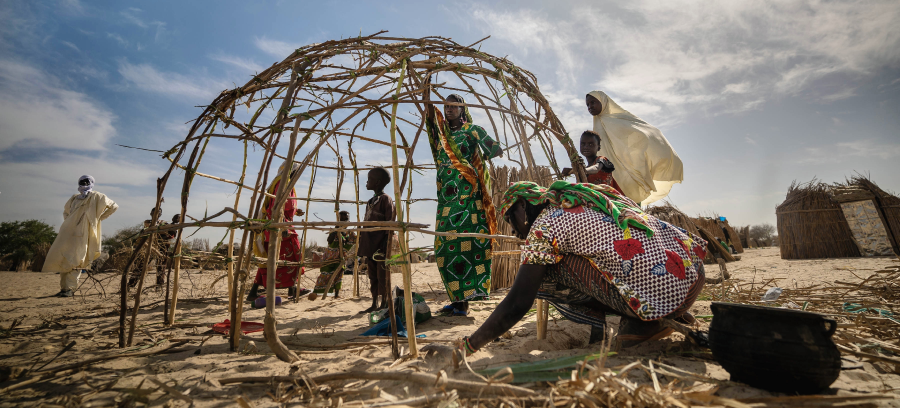
    A recent study by Eneh, et al. (2024) titled “Evaluating environmental legislation on disaster resilience: Data insights from Nigeria and the USA” published in the World Journal of Advanced Research and Reviews, shows that Nigeria faces significant challenges in enforcing environmental legislation due to institutional weaknesses, corruption, and inadequate resources.

    Nigeria struggles with enforcing environmental laws due to institutional weaknesses, unlike the USA, which has stronger disaster resilience.-Eneh, et al. 2024

    The study explores the role of environmental legislation in bolstering disaster resilience, offering a comparative analysis between Nigeria and the United States. By examining how these countries’ legislative frameworks influence disaster preparedness, response, and recovery, the study aims to shed light on the effectiveness of their environmental laws.
    The analysis delves into key areas such as regulatory compliance, enforcement mechanisms, stakeholder engagement, and institutional capacity. It uncovers significant differences between the two nations. In the United States, the legislative framework for environmental protection and disaster resilience is more structured, with well-established systems for enforcement and compliance. This has led to a more robust approach to managing environmental risks and responding to disasters. In contrast, Nigeria faces substantial challenges in enforcing its environmental laws. The study highlights issues such as weaker regulatory frameworks, limited institutional capacity, and lower levels of stakeholder engagement. These challenges undermine the country’s ability to effectively prepare for and respond to environmental disasters, leading to gaps in disaster resilience. By comparing these two nations, the study emphasizes the disparities in how environmental legislation is implemented and its impact on disaster resilience. It suggests that while the United States benefits from a more organized and enforceable legal framework, Nigeria must address significant hurdles to improve its disaster preparedness and response capabilities. This comparison underscores the importance of strong environmental governance in enhancing a nation’s resilience to disasters.

    How the Study was Conducted

    The authors reviewed existing literature on environmental legislation, disaster resilience, and related policies in both countries. Data was gathered from various sources, including government reports, academic articles, and international databases.
    Interviews and Surveys: Stakeholders such as policymakers, environmental experts, and community leaders were interviewed to gain insights into the practical implementation of laws. Specific case studies of past disasters in both countries were analyzed to understand the effectiveness of legislative frameworks. The data was compared to identify differences and similarities in legislative approaches and their impact on disaster resilience. The effectiveness of the legislation was evaluated based on criteria such as regulatory compliance, enforcement mechanisms, and institutional capacity.

    What the Authors Found

    The authors found that Nigeria faces significant challenges in enforcing environmental legislation due to institutional weaknesses, corruption, and inadequate resources. In contrast, the USA has more robust regulatory mechanisms and enforcement practices.
    The authors also found that in Nigeria, communities remain vulnerable to recurrent disasters, exacerbating socio-economic disparities and environmental degradation. The USA shows greater resilience and adaptive capacity due to effective disaster preparedness and response measures. Both countries need to strengthen institutional capacity, enhance public awareness, promote sustainable practices, and foster international cooperation to bolster disaster resilience.

    Why is this Important?

    Policy Improvement: By highlighting the gaps in Nigeria’s environmental legislation and enforcement, the study provides a roadmap for policymakers to strengthen laws and improve disaster resilience.
    Global Relevance: The comparative analysis with the USA offers valuable insights that can be applied to other countries facing similar challenges, promoting global best practices.
    Community Impact: Understanding the effectiveness of environmental laws helps protect vulnerable communities from the adverse effects of disasters, thereby improving their quality of life.
    Sustainable Development: Effective environmental legislation is crucial for sustainable development, ensuring that natural resources are managed responsibly and future generations are protected.
    International Cooperation: The study underscores the importance of international cooperation in addressing environmental challenges and fostering collaboration between nations to build a more resilient world.

    What the Authors Recommended

    • The authors suggest bolstering the capabilities of institutions responsible for enforcing environmental laws to ensure better compliance and effectiveness.
    • The authors advocate that increasing public awareness about environmental laws and disaster preparedness is crucial. This can be achieved through education campaigns and community engagement.
    • Encouraging sustainable practices in both the public and private sectors can help mitigate the impact of disasters and promote long-term resilience.
    • The authors emphasize the importance of international collaboration to share best practices, resources, and knowledge to tackle environmental challenges more effectively.
    • The authors suggest that updating and refining existing environmental laws to address current and emerging challenges is essential for better disaster management.

    In conclusion, the study by Eneh et al. (2024) highlights the critical role of robust environmental legislation in enhancing disaster resilience. The comparative analysis between Nigeria and the USA underscores significant disparities in the effectiveness of their legal frameworks, with the USA demonstrating stronger regulatory compliance and disaster preparedness. For Nigeria to bolster its disaster resilience, it must address institutional weaknesses, enhance enforcement mechanisms, and engage stakeholders more effectively. The study’s findings serve as a valuable roadmap for policymakers, emphasizing the need for stronger environmental governance, sustainable practices, and international collaboration to build a more resilient future for vulnerable communities.

  • Acute Toxicity Study of Parkia biglobosa Stem Bark Extract in West African Dwarf Goats Reveals High Safety Margin and Non-Toxic Effects

    Acute Toxicity Study of Parkia biglobosa Stem Bark Extract in West African Dwarf Goats Reveals High Safety Margin and Non-Toxic Effects

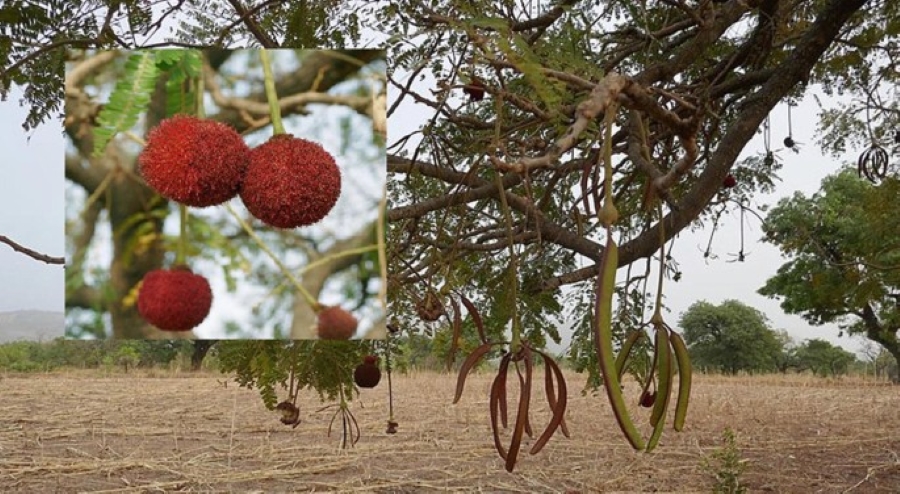
    A recent study by Josiah, et al. (2024) titled “Acute toxicity profile of crude methanolic stem bark extract of Parkia biglobosa in West African Dwarf (WAD) goats” published in the Journal of Bioscience and Biotechnology Discovery, by ResearchGate, examines that the extract did not produce any significant toxic effects, with the median lethal dose (LD50) calculated to be greater than 5000 mg/kg.

    Parkia biglobosa stem bark extract is safe for West African Dwarf goats, with no significant toxicity.– Josiah, et al. 2024

    The study focused on evaluating the acute toxicity profile of the crude methanolic stem bark extract of Parkia biglobosa in West African Dwarf (WAD) goats. The research aimed to determine the potential toxic effects of the extract on these goats. The methodology involved collecting and processing the stem bark, followed by phytochemical screening to identify the active compounds present. Subsequently, acute toxicity tests were conducted to assess the immediate effects of the extract, along with biochemical and histopathological analyses to observe any underlying changes in the goats’ physiological and cellular structures. The findings revealed that the extract did not produce any significant toxic effects, with the median lethal dose (LD50) calculated to be greater than 5000 mg/kg. This result indicates that the extract has a wide margin of safety when administered to the goats.

    How the study was conducted

    The authors employed the stem bark of P. biglobosa and processed it to obtain a crude methanolic extract. The authors employed phytochemical screening; this step involves identifying the chemical compounds present in the extract. The extract was administered to the goats in varying doses to determine its lethal dose (LD50), which is the dose required to kill half the test population. Blood samples were taken from the goats to analyze biochemical parameters and assess any potential toxic effects. The authors examined tissue samples from the goats under a microscope to check for any cellular or tissue damage.

    What the authors found

    The authors found that the extract contained alkaloids, anthraquinones, cardiac glycosides, glycosides, oils, phlobatannins, reducing sugar, saponins, and tannins. The study found that no mortality was observed at doses up to 5000 mg/kg body weight, indicating a high safety margin. The extract had no significant effect on biochemical parameters, though slight changes in glucose, cholesterol, and triglyceride levels were noted. Furthermore, no deleterious effects on tissue morphology were observed, supporting the extract’s non-toxic nature.

    Why is this important?

    Safety Assessment: It helps determine the safety of the extract for potential use in traditional medicine or as a pharmaceutical ingredient. Knowing that the extract has a high safety margin (LD50 > 5000 mg/kg) is crucial for its safe application.
    Phytochemical Insights: The identification of various phytochemicals (like alkaloids, saponins, and tannins) provides a basis for understanding the potential therapeutic effects and mechanisms of action of the extract.
    Baseline Data: The study provides baseline data on the biochemical and histopathological effects of the extract, which is essential for future research and development.
    Ethnoveterinary Medicine: For communities that rely on traditional medicine, such studies validate the safety and efficacy of their practices, potentially leading to improved animal health and productivity.

    What the authors recommended

    • The authors recommend conducting further detailed toxicological and pharmacological studies in other animals. Despite the non-toxicity observed in West African Dwarf goats, additional research is necessary to confirm the safety and potential therapeutic benefits of the crude methanolic stem bark extract of Parkia biglobosa across different species and contexts. This would help ensure its safe application in traditional medicine and potential pharmaceutical uses.

    In conclusion, the study on the acute toxicity profile of Parkia biglobosa stem bark extract in West African Dwarf goats demonstrates a significant safety margin, with no observed toxic effects even at high doses. The presence of various phytochemicals and the lack of adverse impacts on biochemical parameters and tissue morphology underscore the extract’s potential for safe use. These findings are pivotal for validating its application in traditional medicine and warrant further investigation to explore its therapeutic benefits across different species. The study provides a solid foundation for future research, ensuring that the extract can be safely integrated into both traditional and pharmaceutical contexts.

  • Utilizing Water Hyacinth as Cost-Effective Livestock Feed: A Study on Nutritional Impact in Doyogena Sheep and Woyto-Guji Goats

    Utilizing Water Hyacinth as Cost-Effective Livestock Feed: A Study on Nutritional Impact in Doyogena Sheep and Woyto-Guji Goats

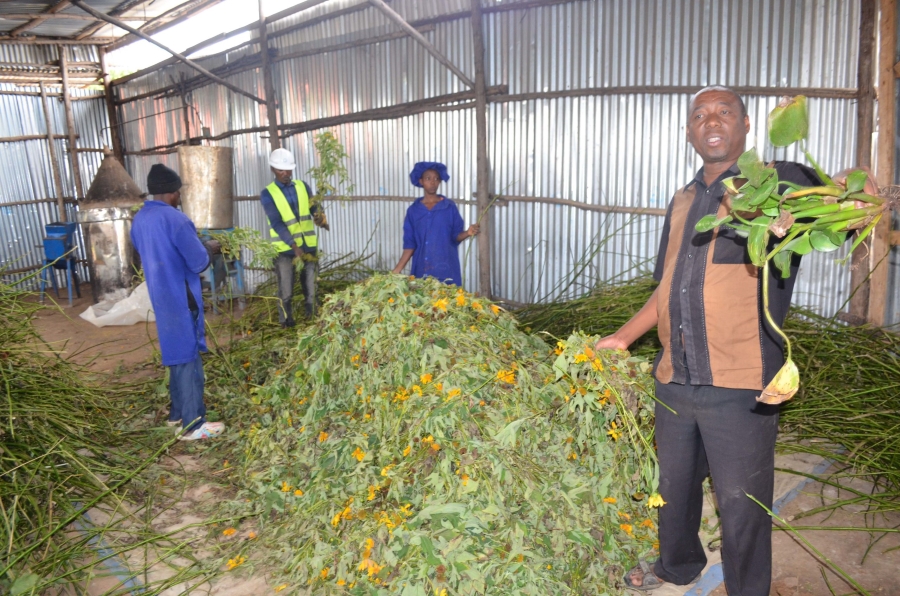
    A recent study by Fanta, et al. (2024) titled “Nutritional response to water hyacinth (Eichhornia crassipes) challenges via blood biochemical profiles in goats and sheep” published in Heliyon examines that substituting water hyacinth (Eichhornia crassipes) for commercial concentrate had no adverse effects on the serum biochemical profiles of Doyogena sheep and Woyto-Guji goats.

    Water hyacinth can replace up to 75% of commercial concentrate in sheep and goat diets without adverse effects.– Fanta, et al. 2024

    The research focused on evaluating the effects of incorporating varying levels of water hyacinth (Eichhornia crassipes) into the diets of Doyogena sheep and Woyto-Guji goats on their blood biochemical profiles. To achieve this, a 2×4 randomized crossover design was employed, involving a total of 24 animals. These animals were divided into four dietary treatment groups, with each group receiving a different proportion of water hyacinth as a substitute for commercial concentrate feed. The substitution levels were set at 0%, 25%, 50%, and 75%, allowing for a comparative analysis of the effects of increasing the inclusion rate of water hyacinth. The findings revealed significant differences in certain blood biochemical parameters between sheep and goats, indicating species-specific responses to dietary changes. However, the inclusion of water hyacinth in the diets did not result in any adverse effects on the serum biochemical profiles of either species. This suggests that water hyacinth, despite being an unconventional feed source, can be safely used as a partial replacement for commercial concentrates.

    How the study was conducted

    The authors employed a 2×4 randomized crossover design with two species (Doyogena sheep and Woyto-Guji goats), four diets (0%, 25%, 50%, and 75% water hyacinth), and four phases (15-day adaptation plus 7-day experimental diets). 24 animals (12 sheep and 12 goats) were used. They were housed individually, fed twice daily, and had access to water and mineralized salt licks. The authors collected blood samples on the last day of each experimental period for serum biochemical analysis. Data were analyzed using SAS software (PROC GLM), and Pearson’s correlation coefficient was computed for serum biochemical indices.

    What the authors found

    The authors found that substituting water hyacinth (Eichhornia crassipes) for commercial concentrate had no adverse effects on the serum biochemical profiles of Doyogena sheep and Woyto-Guji goats. The authors also found that significant differences were observed between sheep and goats in certain serum biochemical parameters, such as AST, ALP, GLB, and AST/ALT. In addition, positive correlations were found between ALT and AST, TP and ALB, and A/G and ALB in sheep, and between AST/ALT with ALT and AST, and ALB with TP and A/G in goats. Furthermore, water hyacinth can replace up to 75% of commercial concentrate in the diets of sheep and goats without affecting their metabolic, protein, or energy profiles.

    Why is this important?

    Cost-Effective Feed: Water hyacinth is an abundant and inexpensive resource. Using it as a feed alternative can significantly reduce the cost of livestock production, especially in regions where commercial feed is expensive or scarce.
    Environmental Management: Water hyacinth is often considered a problematic invasive species. Utilizing it as animal feed helps manage its overgrowth, contributing to better environmental control.
    Nutritional Value: The study shows that water hyacinth can replace up to 75% of commercial concentrate without negatively impacting the health of sheep and goats. This indicates its potential as a nutritious feed source.
    Sustainable Agriculture: Incorporating water hyacinth into livestock diets promotes sustainable agricultural practices by recycling a natural resource and reducing reliance on commercial feeds.
    Species-Specific Insights: The study provides valuable insights into the biochemical differences between sheep and goats, which can inform more tailored and effective feeding strategies for different livestock species.

    What the authors recommended

    • The authors suggest that water hyacinth can be included in the diets of Doyogena sheep and Woyto-Guji goats up to 75% without any adverse effects on their health. This can be a cost-effective alternative to commercial concentrates.
    • The authors recommend conducting further studies to explore the long-term effects of water hyacinth on different breeds and under various environmental conditions to validate its broader applicability.
    • Utilizing water hyacinth as animal feed can help manage its overgrowth in water bodies, thus contributing to environmental conservation efforts.

    In conclusion, the study by Fanta et al. (2024) demonstrates that water hyacinth, often considered an invasive species, can be effectively repurposed as a cost-efficient and sustainable feed alternative for Doyogena sheep and Woyto-Guji goats. The findings reveal that incorporating water hyacinth into livestock diets, even up to 75%, does not adversely affect the animals’ serum biochemical profiles, indicating its potential as a viable substitute for commercial concentrates. This not only offers a practical solution for reducing feed costs but also contributes to environmental conservation by managing water hyacinth overgrowth. Future research is encouraged to explore the long-term impacts across various breeds and conditions, further validating water hyacinth’s role in sustainable agriculture.

  • Impact of Plant-Based Silver and Copper Nanoparticles from Carica Papaya and Bryophyllum Pinnatum Against Antibiotic-Resistant Bacteria: A Sustainable Antimicrobial Solution

    Impact of Plant-Based Silver and Copper Nanoparticles from Carica Papaya and Bryophyllum Pinnatum Against Antibiotic-Resistant Bacteria: A Sustainable Antimicrobial Solution

    A recent study by Igiebor, et al. (2024) titled “Impact of plant-based nanoparticles synthesized from Carica papaya and Bryophyllum pinnatum against selected microorganisms” published in Studia Universitatis Babeş-Bolyai, Biologia, examines that synthesized nanoparticles showed significant antimicrobial activity against multiple antibiotic-resistant bacteria, including S. aureus, E. coli, P. aeruginosa, H. pylori, and B. alvei.

    Plant-based silver and copper nanoparticles effectively combat antibiotic-resistant bacteria, showing significant antimicrobial activity and potential.-Igiebor, et al. 2024

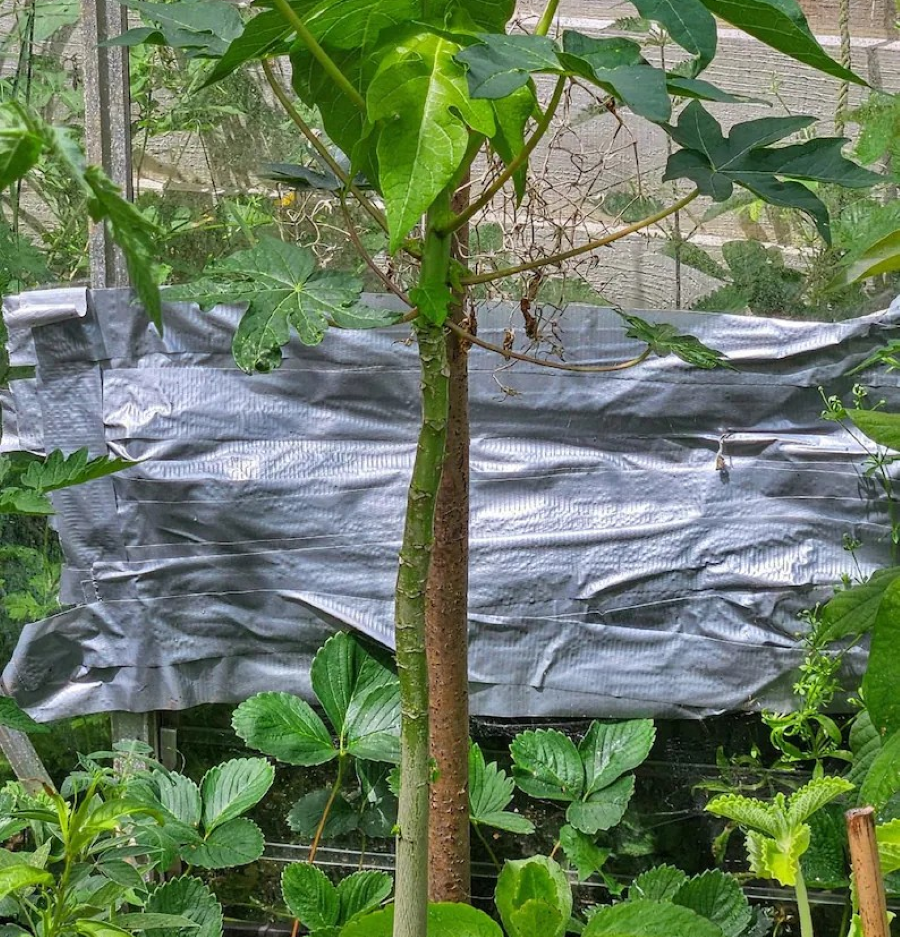
    The study examines the antimicrobial effects of nanoparticles synthesized from Carica papaya and Bryophyllum pinnatum against specific microorganisms. It focuses on the antimicrobial properties of silver and copper nanoparticles (AgNPs and CuNPs) derived from these plant extracts. The nanoparticles were tested against five clinical isolates and demonstrated significant antimicrobial activity, effectively inhibiting the growth of multiple antibiotic-resistant bacteria. The findings suggest that plant-mediated nanoparticles could serve as a sustainable and eco-friendly alternative to traditional antimicrobial agents. However, further research is necessary to evaluate their safety and effectiveness in clinical applications.

    How the study was conducted

    The synthesis of nanoparticles began with the preparation of plant extracts from Carica papaya and Bryophyllum pinnatum. These extracts were utilized to synthesize silver and copper nanoparticles (AgNPs and CuNPs). The authors characterize the nanoparticles using various techniques, including UV-Vis spectroscopy, X-ray diffraction (XRD), and scanning electron microscopy (SEM), to confirm their formation and analyze their properties. The antimicrobial activity of the synthesized nanoparticles was then tested against five clinical isolates using standard antimicrobial assays. The authors thoroughly analyzed the results of these tests to evaluate the effectiveness of the nanoparticles in inhibiting bacterial growth. This comprehensive methodology enabled the researchers to assess the potential of plant-based nanoparticles as effective antimicrobial agents.

    What the authors found

    The authors found that synthesized nanoparticles showed significant antimicrobial activity against multiple antibiotic-resistant bacteria, including S. aureus, E. coli, P. aeruginosa, H. pylori, and B. alvei, and then both silver (AgNPs) and copper nanoparticles (CuNPs) synthesized from the plant extracts were effective, with CuNPs showing slightly better inhibition levels. In addition, the authors found that plant extracts alone did not inhibit bacterial activity, highlighting the importance of nanoparticle synthesis.

    Why is this important?

    Antibiotic Resistance: With the rise of antibiotic-resistant bacteria, finding new and effective antimicrobial agents is crucial. The study’s findings suggest that plant-based nanoparticles could be a viable alternative to traditional antibiotics.
    Sustainability: The use of plant extracts for nanoparticle synthesis is eco-friendly and sustainable. This method reduces the reliance on chemical processes that can be harmful to the environment.
    Innovation in Medicine: The study opens up new avenues for research in nanomedicine. Plant-mediated nanoparticles could potentially be used in various medical applications, including drug delivery and wound healing.
    Cost-Effectiveness: Using readily available plant materials for nanoparticle synthesis can be more cost-effective compared to conventional methods, making it accessible for wider use, especially in resource-limited settings.
    Safety and Efficacy: Although further research is needed, the study provides a foundation for assessing the safety and efficacy of these nanoparticles in clinical settings, potentially leading to new treatments for bacterial infections.

    What the authors recommended

    • The authors suggest conducting more extensive studies to fully understand the safety and efficacy of plant-based nanoparticles in clinical settings.
    • The study recommends initiating clinical trials to evaluate the potential of these nanoparticles as alternative antimicrobial agents.
    • The authors encourage exploring other plant species for nanoparticle synthesis to identify more effective and diverse antimicrobial agents.
    • They highlight the need for studies on the environmental impact of using plant-based nanoparticles to ensure they are truly sustainable and eco-friendly.

    In conclusion, the study by Igiebor et al. (2024) underscores the promising potential of plant-based silver and copper nanoparticles synthesized from Carica papaya and Bryophyllum pinnatum as effective antimicrobial agents against antibiotic-resistant bacteria. The significant antimicrobial activity demonstrated by these nanoparticles highlights their potential as sustainable and eco-friendly alternatives to traditional antibiotics. While the study paves the way for innovative applications in nanomedicine, further research and clinical trials are essential to fully assess their safety, efficacy, and practical applications. As the search for new solutions to combat antibiotic resistance continues, plant-based nanoparticles offer a promising avenue for developing cost-effective and sustainable treatments.

  • Belmont Forum: Advancing Global Sustainability Through Collaborative Research Actions (CRAs)

    Belmont Forum: Advancing Global Sustainability Through Collaborative Research Actions (CRAs)

    The Belmont Forum is an international partnership that supports research addressing global environmental challenges. It aims to foster collaboration among scientists, stakeholders, and policymakers worldwide to tackle pressing issues related to sustainability and climate change. The Forum’s primary mechanism for supporting this research is through Collaborative Research Actions (CRAs), which are equivalent to calls for proposals.

    Collaborative Research Actions (CRAs)

    The CRAs are designed to:

    1. Address Belmont Challenge Priorities: These priorities focus on global sustainability and environmental challenges, such as climate change, biodiversity loss, and natural resource management.
    2. Leverage Existing Investments: The CRAs utilize the current investments and expertise of Belmont Forum members to maximize impact and efficiency.
    3. Foster New Partnerships: By bringing together researchers from various disciplines and countries, the CRAs promote international collaboration and innovation.

    Current Opportunities

    The Belmont Forum regularly announces open CRAs, inviting researchers to submit proposals that align with the identified themes. Some of the ongoing and recent calls include:

    • Africa Regional Call (ARC): This call supports the African Union’s goals for climate, environment, and sustainability, as outlined in Agenda 2063. It focuses on addressing climate change vulnerability through research on themes like the Water-Energy-Food-Health Nexus, pollution, and disaster preparedness. The call also emphasizes the integration of blue and green economies and encourages educational and awareness activities.
    • Tropical Forests Call: This call seeks to understand the global implications of tropical forests and promotes actions to address urgent environmental concerns related to these ecosystems.

    Proposal Requirements

    To be considered for funding, proposals must:

    • Be Transdisciplinary: Proposals should include researchers from social sciences, humanities, economics, natural sciences, physical sciences, engineering, and technology. They should also involve societal partners like citizens, industry, and civil society organizations, using a participatory, co-designed, and co-implementation approach.
    • Include International Collaboration: Each proposal must involve collaborators from at least three different countries, ensuring a diverse and global perspective.
    • Address Identified Themes: Proposals must tackle at least one of the identified themes and demonstrate cross-cutting linkages across multiple areas, such as integrating blue and green economies, education, and awareness.

    Application Process

    1. Accessing the Call Documents: Interested researchers can find detailed call documents in multiple languages (English, French, Portuguese, and Spanish) and the necessary registration forms and instructions on the Belmont Forum’s website.
    2. Registration: Applicants must register their proposals by a specified deadline (e.g., September 2, 2024, for the Africa Regional Call).
    3. Funding Annexes: These documents outline the eligibility criteria and funding availability for various countries and regions. They list the participating funding agencies, such as the French National Research Agency (ANR), the National Research Fund of Kenya (NRF KE), and the National Science Foundation (NSF) of the United States.
    4. Proposal Submission: Only one proposal is submitted per team, and researchers not eligible for funding from participating agencies must provide their monetary resources or in-kind support.

    The Belmont Forum encourages researchers to contact their national funding agencies for guidance before preparing proposals and offers training modules on its YouTube channel to assist applicants.

    Overall, the Belmont Forum plays a crucial role in facilitating international collaboration and advancing scientific research to address complex environmental challenges, fostering sustainable solutions for the future.

    For more information, visit Belmont Forum

  • DAAD PRIME Fellowship Program 2024: Full Funding for Postdoctoral Research in Germany

    DAAD PRIME Fellowship Program 2024: Full Funding for Postdoctoral Research in Germany

    The German Academic Exchange Service (DAAD) is inviting applications for the prestigious DAAD PRIME Fellowship Program 2024. This program is designed to foster global research mobility by supporting postdoctoral researchers who are looking to advance their careers in Germany. Here’s an in-depth look at the fellowship’s offerings, eligibility, and application process.

    Overview of the DAAD PRIME Fellowship Program

    Host Country: Germany
    Study Abroad: Europe
    Category: Fellowships
    Eligible Countries: Open to all countries
    Award: Full sponsorship including an annual salary of up to €80,000, travel costs, and more
    Language Requirement: No IELTS required
    Application Deadline: August 30, 2024

    The DAAD PRIME Fellowship Program is a fully-funded initiative aimed at supporting the international mobility of postdoctoral researchers. Funded by the Federal Ministry of Education and Research (BMBF), this fellowship covers various expenses, including an annual salary, travel, accommodation, and dependents’ costs, if they accompany the fellow abroad for more than a month.

    Key Details of the DAAD PRIME Fellowship

    1. Funding Structure:
      • Salary: Fellows receive a temporary 18-month employment contract at a German university with a salary ranging between €70,000 and €80,000 per year. The exact amount is determined based on the fellow’s previous experience.
      • Expatriate Allowance: A monthly allowance is provided to cover costs during the research stay abroad. The amount is based on the destination’s classification and the fellow’s gross income.
      • Travel Allowance: A lump sum travel subsidy is provided for the research stay abroad. Spouses and children accompanying the fellow for at least one month are also eligible for travel costs.
      • Research Stay: The fellowship includes a 12-month research stay abroad and a 6-month reintegration phase back in Germany, providing a total of 18 months of support.
    2. Eligibility Requirements:
      • Applicants must have above-average qualifications from any faculty and can be from any nationality.
      • The fellowship is open to postdoctoral researchers who plan to continue their careers in Germany.
      • Applicants must be within six years of completing their doctorate and must have completed their doctorate with excellent results.
      • Those with a permanent employment contract at the prospective host institution are not eligible.
      • Both the research stay abroad and the return phase to Germany are mandatory components of the program.
    3. Required Documents:
      • Application Form
      • Curriculum Vitae (CV) in EU standard format
      • Binding declaration from the German host university
      • Invitation letter from the German host institution
      • Time schedule for the research work abroad and in Germany
      • Detailed research proposal
      • One confidential letter of recommendation from a university professor
      • Short summary/abstract of the research project
      • One-page career plan

    Application Process

    1. Visit the DAAD Website: Access the DAAD PRIME Fellowship details and application portal through the DAAD website.
    2. Complete the Application Form: Register on the DAAD application portal to generate and download the application form.
    3. Submit Required Documents: Upload all required documents, including the letter of recommendation, in PDF format.
    4. Language Requirements: All documents, except for certificates, should be submitted in English. The selection process involves international reviewers.
    5. Update and Supplement: Applications can be updated and supplemented until the deadline.

    The DAAD PRIME Fellowship is a remarkable opportunity for postdoctoral researchers aiming to enhance their research careers while contributing to the global scientific community. For more information and to apply, visit the DAAD application portal.

    By supporting researchers with comprehensive funding and a structured international experience, the DAAD PRIME Fellowship fosters significant advancements in research while promoting academic and professional growth.

  • Navigating Health Challenges: How Zimbabwean Migrant Women in Giyani Use Traditional Medicine and Spiritual Practices to Overcome Public Health Barriers

    Navigating Health Challenges: How Zimbabwean Migrant Women in Giyani Use Traditional Medicine and Spiritual Practices to Overcome Public Health Barriers

    A recent study by Chekero, T. (2024) titled “Traditional medicine and religious approaches in adapting to maternal and infant health threats among Zimbabwean migrant women in Giyani, South Africa” published in Canadian Journal of African Studies/Revue canadienne des études africaines, by Taylor & Francis, shows that Zimbabwean migrant women and their children in Giyani face significant health threats due to a lack of access to public health services.

    Zimbabwean migrant women in South Africa rely on traditional and spiritual practices due to limited public health access. – Chekero, T. 2024

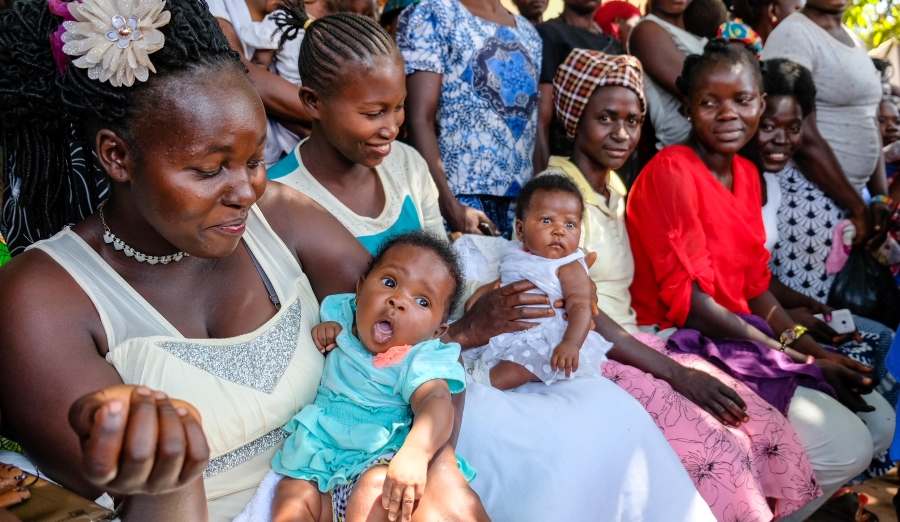
    The article delves into the experiences of Karanga Zimbabwean migrant women residing in Giyani, South Africa, and how they navigate health challenges through traditional medicine and religious practices. These women, who often encounter obstacles such as limited access to public health services and xenophobia, adopt a blend of traditional and spiritual approaches to safeguard their health and that of their children. In the absence of adequate public healthcare, these migrant women rely heavily on traditional healers and Christian spiritual practices to address health concerns. Traditional medicine plays a crucial role in their healthcare strategies, particularly for treating conditions like nhova (a sunken fontanelle in infants) and rigoni (strawberry haemangiomas, which are benign vascular tumors). The use of traditional remedies and spiritual healing not only provides them with practical solutions but also reinforces their cultural identity and community ties. The study employs a range of qualitative research methods, including key informant interviews, unstructured interviews, and life histories, to gather comprehensive data on the women’s experiences and coping mechanisms. By exploring their narratives, the research underscores the significance of integrating traditional and spiritual practices into healthcare strategies, particularly in contexts where formal health services are inaccessible or inadequate. This approach highlights the resilience and resourcefulness of migrant communities in overcoming health disparities and navigating the complexities of their new environments.

    How the study was conducted

    The study triangulated both primary and secondary techniques. Primary data was collected using focus group discussions (FGDs) and open-ended interviews. Three FGDs were conducted, each involving twelve adult Zimbabwean migrant women. Additionally, 12 individual open-ended interviews were conducted using snowballing and availability sampling techniques. The participants were Zimbabwean migrant women who had resided in South Africa for at least two years. They were identified through social networks and collaboration with the Treatment Action Campaign (TAC). The University of Cape Town’s ethics committee provided methodological recommendations to ensure sensitivity to spousal relations and other ethical concerns. Discourse analysis was employed to gain insights into the experiences of migrant women within the Tsonga social and cultural context.

    What the authors found

    The author found that Zimbabwean migrant women and their children in Giyani face significant health threats due to a lack of access to public health services. These women use traditional medical and spiritual faith-healing approaches to mitigate health risks. In addition, their healthcare choices are influenced by how they detect, diagnose, and define illness, blending traditional and religious practices. Furthermore, the study found that despite their vulnerabilities, the women demonstrated creativity and agency in devising strategies to protect their health and that of their children.

    Why is this important?

    Highlighting Health Inequities: It brings attention to the health disparities faced by Zimbabwean migrant women in South Africa, particularly their limited access to public health services.
    Cultural Sensitivity: By understanding the traditional and spiritual practices these women use, healthcare providers can develop more culturally sensitive and inclusive health services.
    Policy Implications: The findings can inform policymakers to create better support systems and policies that address the unique needs of migrant communities, reducing the impact of xenophobia and improving overall health outcomes.
    Empowerment and Agency: The study showcases the creativity and resilience of these women, highlighting their agency in protecting their health and that of their children despite significant challenges.

    What the authors recommended

    • The author emphasizes the need for better access to public health services for migrant women to reduce their reliance on traditional and spiritual healing practices.
    • Healthcare providers should incorporate an understanding of traditional and religious practices into their services to make them more inclusive and effective for migrant communities.
    • The author recommends that policymakers should address the systemic issues that contribute to the health vulnerabilities of migrant women, including xenophobia and a lack of healthcare access.
    • The author advocates that strengthening support networks for migrant women can help them navigate health challenges more effectively.

    In conclusion, the study illuminates the significant health challenges faced by Zimbabwean migrant women in Giyani, South Africa, due to inadequate access to public health services. It reveals how these women navigate their health concerns through a combination of traditional medicine and spiritual practices, highlighting their resilience and resourcefulness in the face of adversity. The findings underscore the importance of culturally sensitive healthcare services and the need for policy reforms that address the systemic barriers affecting migrant communities. By integrating traditional and faith-based approaches into broader health strategies, and improving access to formal healthcare, we can better support these women in overcoming health disparities and ensuring the well-being of their families.

  • Indigenous Knowledge of Fossils in Africa: Preserving Geomyths and Cultural Heritage for Geoheritage Conservation

    Indigenous Knowledge of Fossils in Africa: Preserving Geomyths and Cultural Heritage for Geoheritage Conservation

    A recent study by Benoit, et al. (2024) titled “Indigenous knowledge of palaeontology in Africa” published in Geological Society, London, Special Publications, shows that Indigenous knowledge of fossils in Africa spans from the 1800s to pre-colonial times, with some traditions dating back millennia.

    The study delves into the rich indigenous knowledge of palaeontology in Africa, focusing on the diverse traditions, geomyths, and folklore associated with fossils found across various African cultures. This body of knowledge underscores the deep-rooted human interaction with fossils that dates back to pre-colonial times and stretches back thousands of years, illustrating a long-standing connection between humans and the natural world.

    Indigenous African cultures have deep-rooted knowledge of fossils, emphasizing preservation for geoheritage conservation. – Benoit, et al. 2024/strong>

    African cultures have historically engaged with fossils not only as natural artifacts but also as integral parts of their storytelling and myth-making traditions. These geomyths and folklore serve as cultural narratives that explain the origins, significance, and mysteries of fossils, offering insights into how ancient communities understood and related to their environments. By incorporating fossils into their myths, these cultures have created a unique tapestry of stories that reflect their cosmologies, values, and historical experiences. The article emphasizes the critical importance of documenting and preserving this fossil-related folklore as a means to promote geo-heritage conservation. By acknowledging and valuing these traditional narratives, we can foster stronger connections with local communities, ensuring that their voices and perspectives are integral to conservation efforts. This approach not only enriches our understanding of palaeontology but also empowers Indigenous communities by recognizing their historical and cultural contributions to science. Furthermore, the study advocates for future research to further explore and preserve indigenous knowledge of fossils in Africa. This involves engaging with local communities, historians, and cultural practitioners to gather oral histories and stories that have been passed down through generations. By doing so, researchers can create a comprehensive record of these traditions, ensuring that they are preserved for future generations and incorporated into broader scientific and conservation frameworks.

    How the study was conducted

    The authors reviewed existing literature on Indigenous knowledge of palaeontology in Africa, focusing on traditions, geomyths, and folklore related to fossils. The authors gathered evidence from various sources, including oral traditions, archaeological records, and documented folklore. The study examined several prominent fossil-bearing sites in Africa, organizing data by site and geological age. The authors compared the African record with indigenous knowledge from other continents to highlight unique aspects and challenges.

    What the authors found

    The authors found that indigenous knowledge of fossils in Africa spans from the 1800s to pre-colonial times, with some traditions dating back millennia. Unlike other continents, Africa has a scarce record of using fossils for traditional medicine. The study posits that documenting fossil-related folklore is crucial for preserving Geo heritage and discovering new sites. In addition, Africa holds the earliest records of fossils collected by hominins, such as the Makapansgat pebble and the Erfoud manuport.

    Why is this important?

    Cultural Preservation: It helps preserve indigenous knowledge and traditions related to fossils, which are an integral part of Africa’s cultural heritage.
    Geoheritage Conservation: By documenting fossil-related folklore, the study promotes the conservation of geoheritage sites, ensuring they are protected for future generations.
    Educational Value: The findings can be used to educate both local communities and the global audience about the historical and cultural significance of fossils in Africa.
    Research Opportunities: The study opens up new avenues for research, encouraging further exploration of indigenous knowledge and its applications in palaeontology.

    What the authors recommended

    • The authors emphasize the need to document fossil-related folklore and traditions to preserve this knowledge for future generations.
    • The authors suggest involving local communities in Geo heritage conservation efforts to foster a sense of ownership and responsibility.
    • The authors encourage more research into indigenous knowledge of fossils, particularly in underexplored regions of Africa.
    • The authors recommend developing educational programs that integrate Indigenous knowledge with scientific understanding to enhance public awareness and appreciation of palaeontology.

    In conclusion, the study “Indigenous knowledge of palaeontology in Africa” by Benoit et al. (2024) underscores the rich and ancient connections between African cultures and fossils, highlighting the importance of preserving and documenting these traditions. By valuing Indigenous knowledge and integrating it with scientific research, we can deepen our understanding of palaeontology while promoting geoheritage conservation. This collaborative approach not only preserves cultural heritage but also empowers local communities, fostering a sense of ownership and responsibility for their natural history. As we continue to explore and document these unique traditions, we open new avenues for research and education, ensuring that the voices and wisdom of Indigenous peoples are respected and included in the global narrative of scientific discovery.

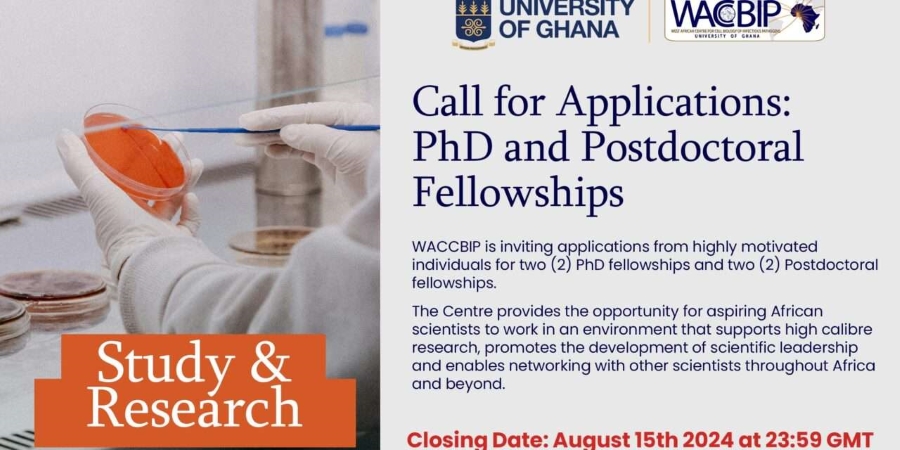
  • Fully-Funded PhD and Postdoctoral Fellowships at WACCBIP: Advance Your Research Career in Africa

    Fully-Funded PhD and Postdoctoral Fellowships at WACCBIP: Advance Your Research Career in Africa

    Overview

    The West African Centre for Cell Biology of Infectious Pathogens (WACCBIP) is recognized as a premier Centre of Excellence in biomedical research. In collaboration with international partners, WACCBIP is offering fully-funded PhD and Postdoctoral fellowships. These fellowships provide a unique opportunity for aspiring African scientists to engage in cutting-edge research, gain scientific leadership skills, and establish vital networks within the global scientific community.

    PhD Fellowships

    WACCBIP invites applications from highly motivated individuals for two fully-funded PhD fellowships. Successful candidates will embark on a four-year PhD program at the University of Ghana, specializing in Chemistry, Biochemistry, or Molecular Cell Biology of Infectious Diseases.

    Eligibility Criteria

    • Applicants must be African nationals with a relevant Master’s degree.
    • Candidates should demonstrate a strong interest in the specified research areas and a high level of motivation.

    Fellowship Expectations

    • Fellows will conduct high-quality research aimed at producing at least two publications in peer-reviewed journals.
    • Participants will contribute to the training and mentorship of undergraduate students.
    • Successful completion of the program will result in the award of a PhD degree from the University of Ghana.

    Fellowship Benefits

    • Full tuition coverage at the University of Ghana.
    • A monthly stipend to cover living expenses.
    • Provision of research supplies and reagents.

    Available Research Projects

    1. Plasma Cell Longevity Markers as Predictors of Long-term Protection Post Vaccination and Infection
      • Required Background: Strong foundation in immunology and molecular biology.
      • Techniques: PBMC isolation, Serum collection, MACS, FACS, Fluorescence microscopy, Nucleic acid isolation, PCR/qPCR.
      • Principal Investigator: Dr. Abdouramane Camara
    2. Structural Characterization of Key Maturation Intermediates for Structure-Guided Discovery of HIV Inhibitors Using X-Ray Crystallography and Single Particle Cryo-EM
      • Required Background: Strong background in physical, biological, or biomedical sciences.
      • Techniques: Cloning, Protein expression in bacteria or leishmania, Protein purification, Crystallization, CryoEM (experience advantageous).
      • Principal Investigator: Dr. Jerry Joe Harrison

    Postdoctoral Fellowships

    WACCBIP is also offering two fully-funded Postdoctoral fellowships. These fellowships are designed for recent PhD graduates who are eager to pursue a research career in the biosciences within Africa. Fellows will be based at the University of Ghana and may collaborate with partner institutions such as the Medical Research Council Unit The Gambia, University of Lagos, and other prestigious institutions.

    Eligibility Criteria

    • Applicants must be African nationals who have obtained their PhD degree within the last five years.
    • A strong interest in advancing research in the biosciences in Africa is essential.
    • Candidates should have the ability to develop an innovative research proposal that can be completed within three years.
    • A commitment to high research ethics standards and an interest in specified priority disease areas and research themes is required.

    Fellowship Expectations

    • Fellows are expected to conduct high-quality research leading to at least two publications in peer-reviewed journals.
    • Fellows will contribute to the training and mentorship of graduate students.
    • They are encouraged to secure external funding for new research projects.
    • Fellows will enhance the research capacity at their host laboratories.

    Fellowship Benefits

    • A competitive monthly salary.
    • Provision of research supplies and reagents.
    • Opportunities to attend international conferences.
    • Coverage of relocation costs for international fellows.

    Priority Disease Areas Include

    • Congenital and non-communicable diseases (e.g., Sickle Cell Disease, Cancer).
    • Infectious diseases (e.g., Malaria, HIV/AIDS, Tuberculosis, COVID-19).
    • Other pathogens (e.g., Schistosomiasis, Filariasis).

    Research Themes Include

    • Human genetics
    • Disease pathogenesis and immunogenetics
    • Pathogen genomics and bioinformatics
    • Host-pathogen interactions
    • Diagnostics and molecular epidemiology
    • Pandemic preparedness
    • Antimicrobial resistance
    • Drug and vaccine discovery

    Additional Opportunities

    All fellowship recipients will have the opportunity to undertake three-month research visit to collaborating institutions such as the University of Cambridge, Francis Crick Institute, London School of Hygiene and Tropical Medicine, and others in the UK and USA.

    Application Process

    Interested applicants must download and complete the appropriate fellowship application form:

    Completed applications should be saved as a single PDF file with the applicant’s full name and emailed to waccbipapplications@ug.edu.gh. The email subject line should clearly indicate the fellowship being applied for (PhD fellowship or Postdoctoral fellowship).

    This is an excellent opportunity for emerging African scientists to contribute to vital research in the biosciences and to further their careers within a supportive and resource-rich environment. Don’t miss the chance to be part of this transformative program!

    For more information, please CLICK HERE