Author: AR Managing Editor

  • TWAS Fellowships 2024/2025: Apply Now for Research and Advanced Training Opportunities for Young Scientists in Developing Countries

    TWAS Fellowships 2024/2025: Apply Now for Research and Advanced Training Opportunities for Young Scientists in Developing Countries

    The TWAS Fellowships for Research and Advanced Training 2024/2025 are now accepting applications. These prestigious fellowships, offered by The World Academy of Sciences (TWAS), are designed to support young scientists from developing countries, enabling them to spend three to twelve months at a research institution in a different developing country. The primary aim of these fellowships is to enhance the research capabilities of emerging scientists, particularly those at the early stages of their research careers. The program also seeks to foster international collaboration and build lasting professional networks that can continue to benefit the scientific community long after the fellowship period.

    Eligibility Criteria

    To be eligible for the TWAS Fellowships, applicants must meet the following criteria:

    • Educational Qualifications: Applicants must hold at least an MSc or equivalent degree.
    • Employment: Applicants must be citizens of a developing country and must be employed by a research institution in a developing country.
    • Field of Study: The fellowships are open to young scientists working in any area of the natural sciences.
    • Age Consideration: Although there is no strict age limit, preference is given to young scientists who are at the beginning of their research careers, with particular emphasis on those working in Least Developed Countries (LDCs).

    Benefits of the Fellowship

    The TWAS Fellowships offer a variety of benefits designed to facilitate the research and training experience:

    • Duration: The fellowships are available for a period ranging from a minimum of three months to a maximum of twelve months.
    • Financial Support: TWAS covers international low-cost airfare for the fellows. In addition, a contribution towards subsistence expenses, amounting to a maximum of USD 300 per month, is provided. It is important to note that TWAS does not cover any other costs.
    • Host Institution Support: The host institution is expected to provide accommodation, food, and the necessary research facilities to the fellows.
    • Selection Criteria: Fellowships are awarded by the TWAS Fellowships Committee, primarily based on the scientific merit of the applicant.

    Application Process

    Interested candidates must complete the online application form by the deadline of October 7, 2024. As part of the application process, the following documents must be uploaded:

    1. A scanned copy of the applicant’s passport, including the page with the name and surname.
    2. A curriculum vitae (CV) of no more than five pages, including a list of publications.
    3. A Supporting Statement from the Head of the applicant’s Home Institution.
    4. Two reference letters from senior scientists who are familiar with the applicant’s work. The Head of the Home Institution cannot serve as a referee.
    5. An MSc certificate along with relevant university transcripts.
    6. An official invitation letter from the Head of the Host Institution, confirming their willingness to host the applicant.

    For additional details and to apply, prospective applicants can visit the official webpage of the TWAS Fellowships for Research and Advanced Training.

    This fellowship represents a valuable opportunity for young scientists to expand their research horizons, gain international experience, and build collaborations that could significantly impact their future scientific endeavors.

    Click here for more details

  • How Aquaculture Farming is Transforming Ogun State: Boosting Income, Creating Jobs, and Enhancing Food Security

    How Aquaculture Farming is Transforming Ogun State: Boosting Income, Creating Jobs, and Enhancing Food Security

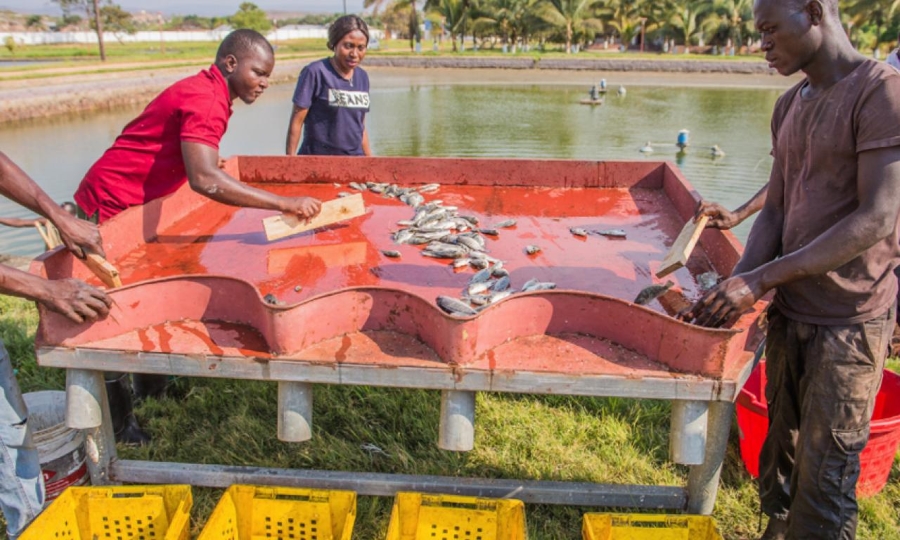
    A recent study by OLUDIPE, B and OMOLOLA L,O. (2024) titled “SURMOUNTING THE CHALLENGES OF POVERTY THROUGH AQUACULTURE FARMING IN OGUN STATE, NIGERIA” published in AAU Journal of Business Educators, shows that aquaculture farming has significantly improved the income levels of participating households, helping to alleviate poverty.

    Aquaculture significantly boosts income, creates jobs, and enhances food security, alleviating poverty in Ogun State.– OLUDIPE, B and OMOLOLA L,O. 2024

    The article explores aquaculture as a powerful means to alleviate poverty in the region by generating employment opportunities and enhancing food security. It underscores the vital role that aquaculture can play in transforming the economic landscape of Ogun State, particularly in rural areas where poverty is most pervasive. Aquaculture, or fish farming, has the potential to provide a sustainable source of income for local communities, thus reducing their reliance on subsistence agriculture, which is often vulnerable to climatic changes and market fluctuations. By creating jobs and stimulating local economies, aquaculture can significantly contribute to poverty reduction. Additionally, it can improve nutritional outcomes by increasing the availability of affordable, high-protein food sources, thereby addressing food insecurity. However, the article also highlights several challenges that impede the growth of aquaculture in Ogun State. These include inadequate funding, which limits the ability of farmers to invest in necessary equipment and resources; a lack of technical knowledge, which hinders farmers from adopting best practices; and poor infrastructure, such as inadequate access to water resources and transportation networks, which makes it difficult to sustain and scale operations.

    How the study was conducted

    The authors distributed surveys and questionnaires to local farmers to gather information on their experiences, challenges, and needs. The authors conducted interviews with key stakeholders, including government officials, aquaculture experts, and community leaders, to gain deeper insights. The authors visited various aquaculture farms to observe practices, infrastructure, and the overall environment. The study review of existing literature, reports, and statistics related to aquaculture and poverty alleviation in the region. Both qualitative and quantitative data were analyzed to identify patterns, challenges, and potential solutions. This comprehensive approach allowed the researchers to develop well-rounded recommendations and highlight successful strategies from other regions.

    What the authors found

    The authors found that aquaculture farming has significantly improved the income levels of participating households, helping to alleviate poverty. The study posits that the sector has created numerous job opportunities, particularly for youth and women, contributing to reduced unemployment rates.

    Why is this important?

    Poverty Alleviation: The study demonstrates how aquaculture can significantly improve the income levels of local households, providing a sustainable way to lift people out of poverty.
    Employment Creation: By highlighting the job opportunities created, especially for youth and women, the study shows how aquaculture can reduce unemployment and empower marginalized groups.
    Food Security: Aquaculture contributes to food security by increasing the availability of fish, a vital source of protein, thus improving the nutritional status of the community.
    Sustainable Development: The emphasis on sustainable practices ensures that the benefits of aquaculture can be enjoyed long-term without degrading the environment.
    Policy Guidance: The study provides valuable recommendations for policymakers to support and enhance aquaculture initiatives, which can lead to more effective and targeted interventions.

    What the authors recommended

    • The authors suggest that the government should provide more financial assistance and subsidies to local farmers to help them overcome funding challenges.
    • The authors advocate that implementing comprehensive training programs to improve farmers’ technical knowledge and skills in aquaculture practices is crucial.
    • The study recomment investing in better infrastructure, such as improved water supply systems and transportation networks, to support aquaculture activities.
    • Facilitating easier access to credit facilities for farmers to enable them to invest in necessary equipment and resources.
    • In addition, creating better market linkages and opportunities for farmers to sell their produce, ensuring they get fair prices and reducing post-harvest losses.
    • Furthermore, promoting sustainable aquaculture practices to ensure long-term environmental and economic benefits.

    In conclusion, the study underscores the transformative potential of aquaculture farming in Ogun State as a robust tool for poverty alleviation and economic development. By creating job opportunities, enhancing food security, and improving income levels, aquaculture offers a promising path towards sustainable growth in rural communities. Despite existing challenges such as inadequate funding, technical knowledge gaps, and infrastructure limitations, the recommendations provided aim to address these issues and unlock the full potential of this sector. With targeted support and strategic investments, aquaculture can drive significant positive change, fostering both economic resilience and improved quality of life for local residents.

  • How Aquaculture is Transforming Rural Livelihoods in Zimbabwe: A Case Study of Seke Rural District

    How Aquaculture is Transforming Rural Livelihoods in Zimbabwe: A Case Study of Seke Rural District

    A recent study by Chipfakacha, C. T. (2024) titled “Aquaculture: The New Way of Creating Sustainable Livelihoods Among Rural Populations in Africa. A Case of Seke Rural District Zimbabwe” published in the International Journal of Agricultural Extension and Rural Development Studies, shows that aquaculture has provided a sustainable livelihood for rural populations, especially in areas affected by drought and poor harvests.

    Aquaculture, particularly fish farming, is emerging as a sustainable and vital livelihood for rural communities in Zimbabwe, with the Seke Rural District serving as a prime example of this transformative industry. This burgeoning sector is not only providing a new source of income for many households but also playing a crucial role in enhancing food security and nutrition in the region.

    Aquaculture in Seke Rural District, Zimbabwe, is providing sustainable livelihoods, improving food security, and creating economic opportunities for rural communities.– Chipfakacha, C. T. 2024

    Economic and Nutritional Benefits

    Fish farming offers substantial economic benefits by creating jobs and generating income for rural populations. Many families in Seke have embraced aquaculture as a viable alternative to traditional farming, which is often hampered by unpredictable weather patterns and land degradation. Fish farming, on the other hand, is less dependent on climatic conditions and offers a more reliable source of income. Additionally, the practice of aquaculture significantly contributes to dietary supplementation by providing a readily available source of protein. In regions where malnutrition is a pressing concern, the inclusion of fish in the local diet is invaluable.

    Challenges Facing Aquaculture

    However, the expansion of aquaculture in Zimbabwe is not without challenges. One of the most pressing issues is the availability of water. Sustainable fish farming requires consistent water sources, but many rural areas, including Seke, face water scarcity. This challenge is exacerbated by the effects of climate change, which has led to reduced rainfall and shrinking water bodies. Another significant hurdle is the lack of proper training and technical knowledge among fish farmers. Without adequate expertise, many farmers struggle to maintain healthy fish stocks and maximize their yields, leading to losses and discouragement.

    Role of Government and NGOs

    Recognizing the potential of aquaculture to uplift rural economies and improve food security, both the government and non-governmental organizations (NGOs) have been actively promoting this sector. Their efforts include providing funding to support the establishment and expansion of fish farms, as well as offering training programs to equip farmers with the necessary skills and knowledge. These initiatives are crucial in helping farmers overcome the challenges they face, particularly in terms of water management and technical know-how.

    How the study was conducted

    The author interviewed local fish farmers, government officials, and NGO representatives to gather qualitative data on the impact and challenges of aquaculture in the region. The author employed quantitative data on fish production, income levels, and employment rates among the rural population involved in aquaculture. The author engaged in participant observation, spending time with the fish farmers to understand their daily activities, practices, and the overall aquaculture process. These methods helped provide a comprehensive understanding of how aquaculture is contributing to sustainable livelihoods in Seke Rural District.

    What the authors found

    The author found that aquaculture has provided a sustainable livelihood for rural populations, especially in areas affected by drought and poor harvests. Fish farming has supplemented diets with high-protein fish, offering a healthier alternative to red meat. The study posits that the practice has created jobs, particularly for the youth, who are involved in pond construction and maintenance as well as helped utilize idle land throughout the year, making it a viable alternative to traditional seasonal farming.

    Why is this important?

    Sustainable Development: It highlights how aquaculture can be a sustainable livelihood option, especially in regions facing agricultural challenges due to climate change.
    Economic Empowerment: By creating jobs and generating income, aquaculture helps alleviate poverty and improve the economic status of rural communities.
    Nutritional Improvement: The introduction of fish farming provides a reliable source of protein, enhancing the nutritional intake of the local population.
    Resource Utilization: It demonstrates effective use of idle land and water resources, promoting efficient land management practices.
    Policy Implications: The findings can inform government and NGO policies, encouraging support and investment in aquaculture as a viable development strategy. Understanding these aspects can help replicate the success of aquaculture in other regions, contributing to broader sustainable development goals.

    What the authors recommended

    • The author suggests that governments should provide subsidies, low-interest loans, and grants to support the initial setup and ongoing operations of aquaculture farms.
    • The study advocates implementing comprehensive training programs for farmers on best practices, disease management, and sustainable techniques.
    • The author recommends the government invest in essential infrastructure such as hatcheries, feed mills, and cold storage facilities to support the aquaculture supply chain.
    • The study suggests that the government should fund research to improve fish breeds, feed quality, and disease resistance, as well as to develop innovative farming techniques.
    • The government should create policies that facilitate better market access for aquaculture products, including export incentives and local market development.

    In conclusion, aquaculture has proven to be a transformative force in Seke Rural District, Zimbabwe, offering a sustainable and reliable livelihood for rural populations. By providing economic empowerment, enhancing food security, and effectively utilizing natural resources, fish farming addresses the challenges posed by climate change and declining agricultural productivity. However, to fully realize its potential, ongoing support from the government, NGOs, and the local community is essential. With the right investments and training, aquaculture could become a cornerstone of rural development, not only in Zimbabwe but across Africa.

  • Understanding the Hidden Cognitive Load of Household Chores: How Unequal Distribution Impacts Mothers’ Mental Health

    Understanding the Hidden Cognitive Load of Household Chores: How Unequal Distribution Impacts Mothers’ Mental Health

    Household chores are often viewed through the lens of physical tasks: washing dishes, running errands, or preparing meals. It’s well-known that mothers frequently shoulder a significant portion of these tasks. However, there’s an often-overlooked dimension of domestic work: the cognitive effort involved in managing household responsibilities. This cognitive burden includes anticipating needs, planning, organizing, and delegating tasks. In other words, someone has to remember to restock the dish soap and decide which vegetables to prepare.

    Recent research has highlighted the disproportionate cognitive load carried by mothers and its substantial impact on their mental health. Published in the Archives of Women’s Mental Health, the study reveals that this mental load—often termed the “mental load”—is not only unevenly distributed between partners but also contributes significantly to mothers’ psychological stress.

    The Study’s Findings

    The study involved 322 mothers of young children and explored how household tasks were divided between partners. Collaborating with the creators of the Fair Play system—a tool designed to quantify and address household labor division—the researchers broke down each task into two components: cognitive (planning, anticipating, and organizing) and physical (the actual execution of the tasks). The findings showed a stark gender imbalance: mothers were responsible for approximately 73% of the cognitive load and 64% of the physical tasks, while fathers handled 27% of the cognitive load and 36% of the physical tasks.

    The only area where fathers performed more was taking out the garbage, although they also handled more maintenance tasks. Despite this, mothers typically managed more of the planning related to these tasks. This disparity was consistent across all tasks surveyed, with cognitive labor being disproportionately high for women.

    Impact on Mental Health

    The study underscores that while an unequal division of physical chores affects relationship quality, the cognitive load has a more profound impact on women’s mental well-being. Mothers who bear a greater share of cognitive household labor report higher levels of stress, depression, burnout, and relationship dissatisfaction. This mental load, often invisible and unacknowledged, drains mental energy and detracts from other personal and professional priorities.

    Broader Implications

    The unequal distribution of household labor has far-reaching consequences, contributing to gender inequities both at home and in the workplace. It limits women’s ability to fully participate in paid work and affects their overall health and well-being. This study is pioneering in its focus on cognitive labor and its implications for maternal mental health, suggesting that this often-underestimated aspect of domestic work deserves more attention.

    Future research could expand on these findings by including both partners in surveys, directly observing household tasks, and exploring different relationship configurations, such as same-sex couples. Additionally, understanding the long-term effects of cognitive labor on women’s mental health and cognitive functioning remains an area for further investigation.

    Addressing the cognitive load of household chores is crucial for improving relationship dynamics and mental health. Couples’ therapists, mental health counselors, and relationship educators should consider this aspect of domestic work in their practices to foster more equitable and supportive home environments.

  • Addressing Africa’s Mental Health Crisis: Innovative Solutions and Community-Based Initiatives

    Addressing Africa’s Mental Health Crisis: Innovative Solutions and Community-Based Initiatives

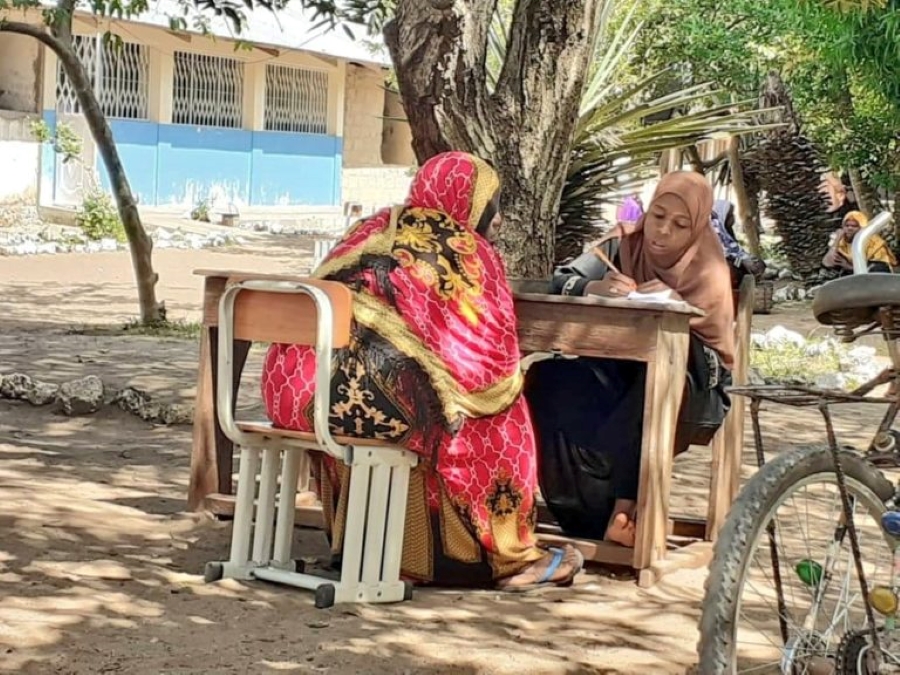
    In a small gathering in Zanzibar, participants meet at a Friendship Bench, a community initiative designed to tackle the growing mental health crisis across the African continent. This scene is part of a broader effort to combat the alarming rates of suicide and mental illness in Africa, a region that paradoxically faces the highest suicide rates in the world while having the lowest per capita spending on mental health services. The challenges are exacerbated by a severe shortage of community health workers and facilities, which are critical in preventing mental health conditions from deteriorating further.

    Recent high-profile suicides in Tanzania have cast a harsh light on the nation’s deepening mental health crisis, reflecting a wider struggle across Africa. On May 16, 2024, Archbishop Joseph Bundala of the Methodist Church in Tanzania was tragically found dead, having taken his own life inside his church in the Dodoma Region. Just days later, on May 21, 25-year-old Rogassion Masawe, a Roman Catholic seminarian, was discovered hanged in his room at a seminary. These incidents are emblematic of a larger, pervasive issue—a continent in the throes of a mental health emergency.

    The Scope of Africa’s Mental Health Crisis

    Africa has the world’s highest suicide rate, driven primarily by depression and anxiety. According to the World Health Organization (WHO), Africa records approximately 11 suicides per 100,000 people, significantly higher than the global average of 9 per 100,000. African men are particularly vulnerable, with suicide rates soaring to 18 per 100,000, well above the global male average of 12.2 per 100,000. These statistics are likely underestimates, as mental health data collection in Africa is often inadequate.

    Despite the severity of the crisis, mental health services across Africa remain grossly underfunded. In 2020, Africa spent less than $1 per capita on mental health, in stark contrast to Europe’s $46.49 per capita expenditure. This underinvestment correlates directly with higher suicide rates and poorer mental health outcomes across the continent. Africa’s average of one mental health worker per 100,000 people pales in comparison to the global average of nine, creating a significant treatment gap. As a result, many Africans who need mental health care do not receive it. The annual rate of mental health outpatient visits in Africa is a mere 14 per 100,000 people, far below the global rate of 1,051.

    Tanzania: A Microcosm of the Continental Crisis

    Tanzania’s mental health workforce reflects the broader continental challenges. With just 1.31 mental health workers per 100,000 people—including 38 psychiatrists, 495 mental health nurses, 17 psychologists, and 29 social workers for a population of 65.5 million—the country is ill-equipped to meet the growing demand for mental health services. Community-based mental health services are sparse, and despite policies aimed at integrating mental health into primary healthcare, resources remain woefully inadequate, particularly for children and adolescents.

    The situation at Tanzania’s only mental health hospital, Mirembe National Mental Health Hospital in Dodoma, is dire. Perched on the rolling hills outside the capital, the facility struggles with overcrowding and limited resources. With only 600 beds in the capital and an additional 300 in satellite buildings, Mirembe is overburdened and under-resourced. Patients’ recovery and discharge times average six weeks, but many relapse due to long distances from the hospital, financial difficulties, and the side effects of antipsychotic medications. The lack of preventive services at the community level often results in patients with mental health issues ending up in prison, where conditions can be harsh and inhumane.

    At Isanga Correctional Facility, a unit designated for convicted criminals with mental health issues, the situation is bleak. Aggressive patients are sometimes chained to metal beds, a practice defended by officials as necessary to prevent violence, though it is a stark reminder of the systemic inadequacies in Tanzania’s mental health care.

    Beyond the immediate care challenges, Mirembe Hospital faces another troubling issue: some fully recovered patients remain on the hospital grounds because their families refuse to take them back. Without familial support, these patients remain in limbo, unable to reintegrate into society. This abandonment not only increases the hospital’s costs but also prevents it from caring for new patients who desperately need help.

    The Role of Socioeconomic Factors and Cultural Stigma

    Socioeconomic crises, including unemployment, failed relationships, and domestic abuse, are strongly correlated with suicide rates in Africa. In Tanzania, poverty and unemployment are major contributors to the mental health crisis, leading to chronic stress, anxiety, and depression. The lack of basic needs and uncertainty about the future exacerbates these conditions, with inadequate nutrition further compromising brain function and development, increasing vulnerability to mental health disorders.

    Cultural stigma also plays a significant role in the mental health crisis. Traditional beliefs and societal expectations often prevent individuals, particularly men, from seeking help for mental health issues. Mental illness is frequently perceived as a sign of weakness or a failure to conform to societal norms, leading many to suffer in silence.

    Desperate Need for Solutions at the Primary Healthcare Level

    The Health Ministry in Tanzania is exploring innovative solutions to bridge the mental health care gap. One promising approach involves leveraging mobile technology to connect patients with health workers, potentially reducing the need for patients to physically visit hospitals. A recent feasibility study conducted by Perpetua Mwambingu at the University of Dodoma suggests that an ICT/mobile phone-driven platform could significantly improve mental health service delivery by allowing patients to receive medical advice, medication reminders, and therapeutic interventions remotely.

    Grassroots Initiatives and Long-term Strategies

    In response to the mental health crisis, several grassroots initiatives have emerged across Africa. The Friendship Bench (FB) project, an innovative mental health initiative founded in Zimbabwe, exemplifies how community-based approaches can make a significant impact. The FB project employs ‘grandmothers’ as lay health workers who provide problem-solving therapy to individuals suffering from anxiety and depression. Since 2006, the project has trained over 600 grandmothers who have provided free therapy to more than 30,000 people in over 70 communities. This model has expanded beyond Zimbabwe to Malawi, Zanzibar, and even New York City, demonstrating the potential of low-cost, community-driven mental health interventions.

    In Zanzibar, the Zanzibar Mental Health Shamba (ZAMHS) has been instrumental in enhancing mental health services, particularly in rural areas. Established in 2014 by UK mental health nurses, ZAMHS has provided consistent support for mental health care, including medication delivery to remote areas. Despite limited resources, these initiatives have made significant progress, but the challenges remain immense.

    The Path Forward

    Experts emphasize the need for long-term strategies to build a robust mental health support system in Africa. These strategies include policy reform to prioritize mental health, workforce development to increase the number of mental health professionals, and infrastructure expansion to improve facilities and services. Community-based care initiatives, education campaigns to reduce stigma, and increased research and innovation are also crucial. Improved data collection and policy advocacy will be essential to guide these efforts effectively and address the diverse mental health needs of Africa’s population.

    In a region where the mental health crisis is deepening, innovative solutions and strong community-based initiatives offer a glimmer of hope. However, without significant investment and a commitment to integrating mental health into primary healthcare systems, Africa will continue to face the devastating consequences of its mental health crisis.

  • Prof. Stella Ifeanyi Smith: Pioneering Helicobacter pylori Research and Advancing Medical Science in Africa

    Prof. Stella Ifeanyi Smith: Pioneering Helicobacter pylori Research and Advancing Medical Science in Africa

    Prof. Stella Ifeanyi Smith, the Director of Research in Molecular Biology and Biotechnology at the Nigerian Institute of Medical Research (NIMR) and a Professor of Microbiology at Mountain Top University, has established herself as a formidable force in medical research. Her groundbreaking work on Helicobacter pylori, a bacterium known for causing ulcers, has not only made a significant impact in Africa but also gained international recognition. Her contributions have earned her esteemed positions, including Fellowships at the Nigerian Academy of Science (FAS), the Academy of Medicine Specialties of Nigeria (FAMedS), and the African Academy of Sciences (FAAS).

    In addition to these accolades, Prof. Smith was appointed as the sole African Consultant for the European Maastricht VI/Florence Italy Consensus project and the Real-World Gastritis Initiative (RE.GA.IN) project, which includes 29 countries and 42 members. Further solidifying her leadership in the field, Prof. Smith launched the African Helicobacter and Microbiota Study Group (AHMSG) in 2022, where she serves as the Founding President. With an impressive portfolio of 206 publications and a Google Scholar citation of 4,954, her work is globally recognized and respected.

    On Being Elected as a Fellow

    Prof. Smith reflects on her recent election as a Fellow of the Academy of Medicine Specialties of Nigeria and the African Academy of Sciences with a sense of accomplishment and gratitude. She attributes her success to hard work, consistency, and divine grace. “These Fellow awards are a confirmation of years of dedication to my field,” she states, emphasizing that such recognition comes with perseverance and a deep commitment to one’s area of specialty.

    The Unexpected Journey

    When Prof. Smith began her journey in 1999, she never imagined that her work with Helicobacter pylori would lead to such significant professional achievements. At the time, the research landscape was dominated by studies on HIV/AIDS, tuberculosis, malaria, and more recently, COVID-19. These areas attracted substantial funding and attention, while H. pylori remained largely neglected. However, Prof. Smith, driven by a passion to address this oversight, dedicated her career to advancing the diagnosis and management of H. pylori in Africa.

    Her determination led to the establishment of the African Helicobacter and Microbiota Study Group, an initiative aimed at improving the diagnosis and treatment of H. pylori infections across the continent. This group will hold its first scientific conference in Cape Town, South Africa, in August, bringing together international experts to discuss the latest advancements in this field.

    Career Progression and Challenges

    Prof. Smith’s career began at the Nigerian Institute of Medical Research, where she was mentored by Dr. D. K. Olukoya, the Head of the Division of Genetics and Blood Disorders. It was under his guidance that she developed a keen interest in molecular epidemiology, particularly focusing on pathogens of significant medical importance. Her work on H. pylori began after a pre-doctoral fellowship in the UK in 1994 and has been the cornerstone of her research ever since.

    Despite facing numerous challenges, including the difficulty of working with H. pylori due to the expensive reagents and the lack of funding, Prof. Smith’s commitment never wavered. She secured a seven-year grant from the German Research Foundation (DFG), which provided the resources needed to advance her research. This persistence has earned her recognition both within and outside Nigeria, culminating in the formation of the African Helicobacter and Microbiota Study Group.

    Global Recognition

    Prof. Smith’s unwavering focus on H. pylori has earned her a prestigious role as the sole African representative in the Maastricht VI and RE.GA.IN projects. These initiatives, which involve leading researchers from around the world, are dedicated to improving the diagnosis and treatment of gastrointestinal diseases, including those caused by H. pylori. Her extensive experience and consistent contributions to the field have made her a vital member of these projects.

    Founding the African Helicobacter and Microbiota Study Group

    The African Helicobacter and Microbiota Study Group (AHMSG), established in 2022, is one of Prof. Smith’s most significant accomplishments. The group aims to address the gaps in the diagnosis and management of H. pylori infections in Africa. By bringing together researchers and healthcare professionals from across the continent, AHMSG seeks to develop region-specific solutions to combat the bacterium and its associated diseases.

    The upcoming conference in Cape Town will be a landmark event, featuring experts from Europe, the US, and Japan. The gathering will provide a platform for researchers to share their findings, collaborate on new projects, and strengthen the global network of scientists dedicated to this cause. At the conference, Prof. Smith will hand over the presidency of the group to Prof. Mashiko Setshedi of South Africa, ensuring that the work she started will continue to thrive under new leadership.

    Commitment to Capacity Building

    Beyond her research, Prof. Smith is also passionate about education and capacity building. Since 2009, she has been organizing molecular biology hands-on training workshops, aimed at equipping the next generation of scientists with the skills needed to conduct high-quality research. These workshops have been instrumental in training university lecturers, medical laboratory scientists, and other stakeholders in Nigeria.

    In recent years, she has extended this training to the students of Mountain Top University, where she annually teaches final-year students the intricacies of polymerase chain reaction (PCR) techniques. Her commitment to mentoring young scientists ensures that her legacy will continue through those she has trained.

    Personal Life and Inspirations

    Prof. Smith’s passion for research is deeply rooted in her upbringing and personal values. Despite losing her father at a young age, her mother, Mrs. Stella Okwui Ebigwei, instilled in her the importance of discipline, hard work, and faith. These values have guided Prof. Smith throughout her career and personal life. Her role models include her mother, Bishop Mike and Peace Okonkwo, and her mentor, Professor D. K. Olukoya.

    Her strong Christian faith is reflected in her lifestyle, including her simple approach to fashion, where she emphasizes natural beauty and modesty. Prof. Smith’s marriage of nearly 32 years is a testament to the support and encouragement she receives from her husband, who has been instrumental in her success. Together, they manage their household without external help, relying on each other to balance work and family life.

    Looking Forward

    As Prof. Smith prepares to hand over the presidency of the AHMSG, she remains committed to advancing research in Africa. Her most inspiring moments come from seeing those she has mentored succeed in their careers. With a strong foundation in place, she is confident that the work she has started will continue to grow, bringing better health outcomes to millions across Africa and beyond.

  • African Economic Conference 2024: Securing Africa’s Economic Future Amidst Rising Uncertainty

    African Economic Conference 2024: Securing Africa’s Economic Future Amidst Rising Uncertainty

    Dates: 23–25 November 2024
    Location: Gaborone, Botswana
    Website: African Economic Conference 2024

    The 2024 African Economic Conference (AEC 2024), organized jointly by the African Development Bank (AfDB), the UN Economic Commission for Africa (UNECA), and the UN Development Programme (UNDP), will take place in Gaborone, Botswana, from November 23 to 25, 2024. This year’s theme, “Securing Africa’s Economic Future Amidst Rising Uncertainty,” underscores the need to navigate and capitalize on opportunities in a world marked by increasing unpredictability.

    Conference Focus Areas

    1. Impact of Uncertainty on Africa’s Development: The conference will delve into how global, regional, and national uncertainties—such as economic fluctuations, climate change, and shifting trade dynamics—affect Africa’s development trajectory. It will explore how these factors influence the continent’s economic stability and growth prospects, providing a comprehensive analysis of their implications.
    2. Building Resilience to Emerging Shocks: Practical strategies to bolster resilience against emerging shocks will be a central theme. Participants will examine methods for strengthening Africa’s ability to withstand and recover from crises, including political instability, conflicts, and pandemics like COVID-19. The focus will be on actionable solutions that enhance the continent’s capacity to handle future disruptions.
    3. Innovative Development Financing: In an era characterized by financial uncertainty, innovative approaches to development financing will be critical. The conference will explore new financial models and mechanisms that can support sustainable development goals amidst economic volatility. Discussions will include how to attract and effectively utilize investment for long-term growth and stability.
    4. Technology’s Role in Promoting Resilience and Creativity: The conference will highlight the transformative potential of technology in fostering predictability, creativity, and resilience. It will address how technological advancements can be leveraged to create more robust systems and solutions, enabling Africa to better navigate uncertainties and drive innovative development.

    Purpose and Goals

    AEC 2024 aims to foster a deep exchange of knowledge and ideas among policymakers, development practitioners, academics, and young researchers. The conference will provide a platform for presenting solution-oriented research and strategies to address Africa’s challenges, contributing to the achievement of the Sustainable Development Goals (SDGs) and the African Union’s Agenda 2063.

    Participants will have the opportunity to reflect on Africa’s experiences with past shocks, including the COVID-19 pandemic, conflicts, and political upheavals. The goal is to identify lessons learned and opportunities for developing resilient development pathways that can withstand future uncertainties and support sustainable economic growth across the continent.

    The conference represents a crucial step in shaping Africa’s economic future by addressing current challenges and leveraging emerging opportunities to ensure long-term prosperity and stability.

    For more details, visit website

  • Africa CDC Youth Pre-Conference 2024: Amplifying Youth Voices in Health Policy and Research – Apply by August 31

    Africa CDC Youth Pre-Conference 2024: Amplifying Youth Voices in Health Policy and Research – Apply by August 31

    Background

    The Africa CDC Youth Pre-Conference (YPC) is a prominent initiative by the Africa Centers for Disease Control and Prevention (Africa CDC), held annually in conjunction with the International Conference on Public Health in Africa (CPHIA). The YPC provides a dynamic platform for young public health professionals from across Africa and the diaspora to network, exchange ideas on pressing health issues, and showcase their contributions to a broad audience.

    The 2022 and 2023 editions of YPC were themed “Meaningful Youth Engagement for Advancing Sustainable Health Security in Africa” and “Youth Leadership for a Safer and Healthier Africa,” respectively. These events brought together over 250 delegates from 48 African Union Member States, offering engagement with high-level officials, workshops on critical thematic areas, and collaborative sessions to develop Africa CDC’s Youth Engagement Strategy and the Bingwa Initiative 2.0.

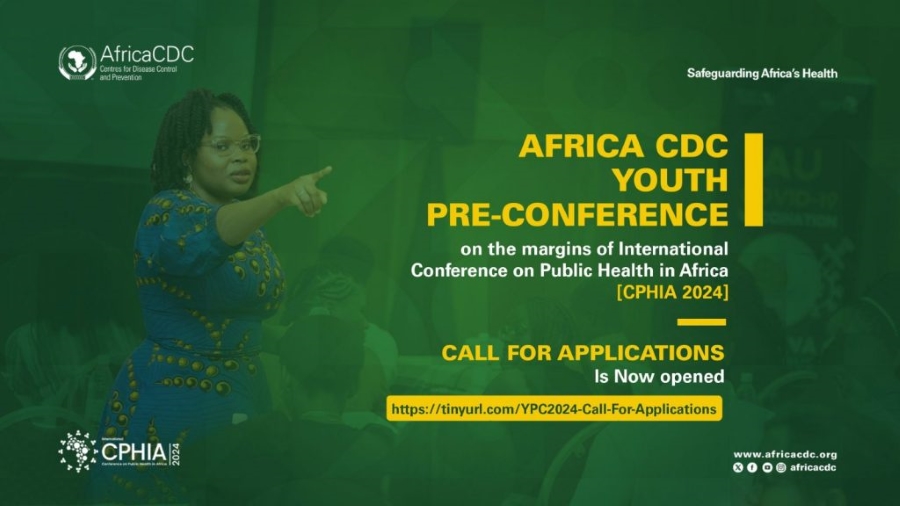
    The Africa CDC is excited to announce the 2024 Africa CDC Youth Pre-Conference (YPC 2024), which will be held in-person from November 23-24, 2024, in Rabat, Morocco. This year’s theme, “Amplifying Youth Voices: Youth Shaping Health Policy, Practice, and Research in Africa,” aims to highlight and expand the role of young Africans in shaping the continent’s health landscape.

    Conference Goals

    YPC 2024 seeks to:

    1. Showcase Contributions: Highlight the significant impact young Africans are making in health policy, practice, and research.
    2. Empower Young Leaders: Explore strategies to broaden engagement and empower youth to drive transformation in the health sector across Africa.

    Conference Tracks

    The conference will focus on six key areas where youth are leading innovations and efforts:

    1. Youth and Digital Health Innovations: Exploring how young people are leveraging technology to advance health solutions.
    2. Empowering Youth: Developing workforce skills and creating job opportunities in the health sector.
    3. Advancement of Local Pharmaceutical Manufacturing: Supporting youth-driven initiatives to enhance local pharmaceutical production.
    4. Championing Reproductive Health and HIV/AIDS: Highlighting youth-led efforts in addressing reproductive health and HIV/AIDS challenges.
    5. Support for Community Health Workers (CHWs): Fostering youth involvement in supporting and improving CHW programs.
    6. One Health for a Healthier Future: Promoting integrated approaches that connect human, animal, and environmental health.

    Objectives and Expected Outcomes

    General Objective

    The 2024 Youth Pre-Conference aims to foster advocacy and enhance meaningful youth engagement, active participation, and inclusive leadership in public health. It also seeks to educate and empower youth to contribute to strengthening health security and universal health coverage (UHC) across Africa.

    Specific Objectives

    1. Assess Youth Engagement: Evaluate the current levels and types of youth engagement in health policy, practice, and research.
    2. Improve Engagement: Provide insights on enhancing and broadening youth involvement in line with the Africa CDC’s Strategy for Youth Engagement and Participation in Global Health.
    3. Highlight Contributions: Showcase the impact of African youth on public health and explore ways to strengthen their capacities.
    4. Showcase Innovations: Present youth-driven innovations and contributions to health policy, practice, and research.
    5. Increase Enrollment in CHW Programs: Emphasize the importance of involving youth in CHW programs as a strategy for disease outbreak response and reducing youth unemployment.
    6. Identify UHC Opportunities: Identify aspects of UHC and health security where youth can play a leading role.

    Expected Outcomes

    1. Presentation Opportunities: Provide a platform for young professionals and researchers to present their work across the six tracks.
    2. Networking: Facilitate connections among African youth in public health and leading professionals.
    3. Documented Contributions: Showcase and document the contributions of young African professionals to the public health evidence base.
    4. Justification for Youth Involvement: Establish the benefits of including youth in community health programs and their impact on social-political capital.
    5. Additional Engagement Opportunities: Identify new opportunities for youth involvement in health.

    Conference Details

    • Dates: November 23-24, 2024
    • Venue: Rabat, Morocco

    Format

    • Plenary Sessions and Keynotes: Presentations by high-level officials and experts.
    • Parallel Sessions and Workshops: Interactive sessions and workshops across various formats.
    • Oral and Poster Presentations: Opportunities to present youth-led or youth-focused research and projects.
    • Networking: Opportunities for attendees to connect and collaborate.

    Eligibility and Application Process

    Eligibility Criteria

    • Age: 18 to 35 years
    • Citizenship: Must be a citizen of an African Union (AU) member state.
    • Experience: At least an undergraduate education and initial professional experience in health or related fields. Extensive work experience may supplement degrees in non-health disciplines.
    • Leadership and Commitment: Demonstrated leadership potential and strong commitment to public health through involvement in youth-led initiatives, advocacy, or community organizing.
    • Equity Statement: The selection process will ensure diverse representation, considering factors such as gender, geographical balance, ethnic and social diversity, and disability status.

    How to Apply

    • Application Form: Complete the online application form here by August 31, 2024, 05:00 pm EAT.
    • Submission Requirements: Submit your CV and a 300-word abstract or article related to one of the six tracks.

    Article/Abstract Submission Guidelines

    • Alignment: Ensure the abstract/article aligns with the chosen track and relates to youth in Africa.
    • Original Submission: Submit each abstract/article only once and under a single track.
    • Word Limit: The abstract/article must not exceed 300 words.

    Submission Options

    1. Policy or Implementation Project Abstract: Detail the theory of change or lessons learned from a policy or program.
    2. Article or Commentary: Provide a detailed analysis or commentary on an issue related to the selected track.
    3. Research Abstract: Present research findings with details on methods, results, and conclusions.

    Important Dates

    • Application Open: August 12, 2024
    • Application Deadline: August 31, 2024, 05:00 pm East Africa Time
    • Notification of Selection: By end of September 2024
    • Confirmation of Attendance: By October 20, 2024
    • Conference Dates: November 23-24, 2024

    For more details and to apply, visit the website

    application form here.

  • August 2024: Paper of the Month by Heinz, et al.., 2024-Longitudinal Study Reveals Alarming Rise in Klebsiella Pneumoniae Infections and Antimicrobial Resistance in Sub-Saharan Africa: Key Insights for Vaccine Development and Hospital Infection Control

    August 2024: Paper of the Month by Heinz, et al.., 2024-Longitudinal Study Reveals Alarming Rise in Klebsiella Pneumoniae Infections and Antimicrobial Resistance in Sub-Saharan Africa: Key Insights for Vaccine Development and Hospital Infection Control

    African Researchers Award
    August 2024: Paper of the Month by Heinz, et al.., 2024-Longitudinal Study Reveals Alarming Rise in Klebsiella Pneumoniae Infections and Antimicrobial Resistance in Sub-Saharan Africa: Key Insights for Vaccine Development and Hospital Infection Control


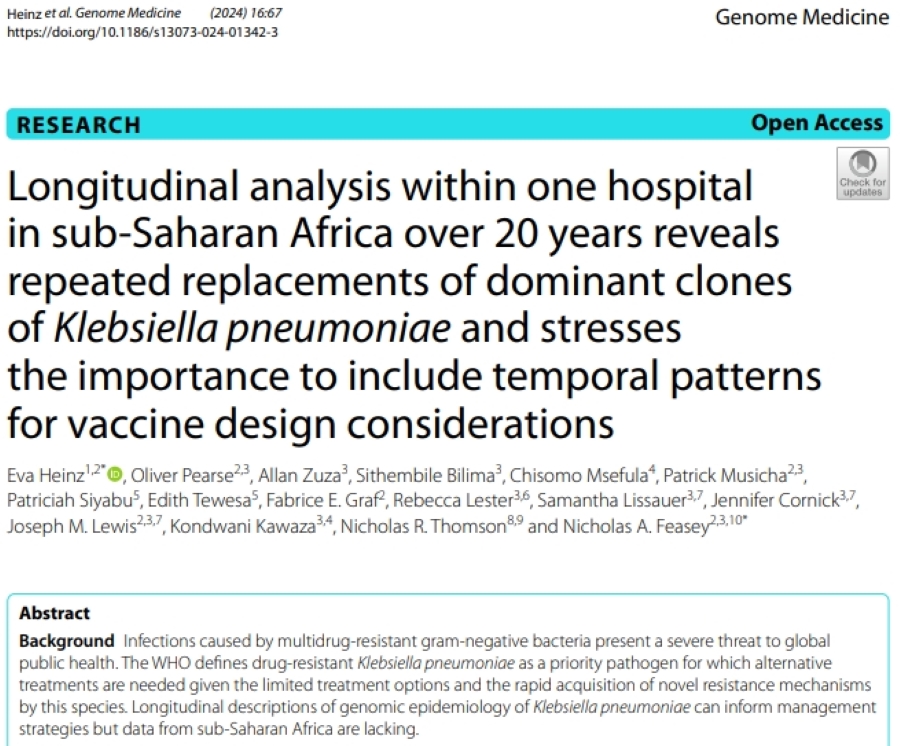
    A recent study by Heinz, et al. (2024) titled “Longitudinal analysis within one hospital in sub-Saharan Africa over 20 years reveals repeated replacements of dominant clones of Klebsiella pneumoniae and stresses the importance to include temporal patterns for vaccine design considerations” published in Genome Medicine by springer Link, examines that there was a dramatic rise in Klebsiella pneumoniae infections from 2016, particularly among neonates.

    There is dramatic rise in Klebsiella pneumoniae infections, driven by hospital-associated clonal expansions and increasing antimicrobial resistance.– Heinz, et al. 2024

    The study by Heinz et al. provides an in-depth longitudinal analysis of Klebsiella pneumoniae infections at a hospital in Blantyre, Malawi, spanning a period of 20 years. The research reveals a significant rise in the incidence of infections, particularly among neonates, starting from 2016. This increase in cases is linked to repeated waves of clonal expansion of different K. pneumoniae lineages, indicating a pattern of hospital-associated transmission. The study’s findings underscore the critical role of hospital environments in the spread of these infections. A key aspect of the study is the identification of temporal trends in antibiotic resistance and the variability of surface antigens in K. pneumoniae. These trends are vital for informing vaccine development, as understanding the shifting landscape of resistance and antigenic diversity can guide the design of more effective vaccines. The research highlights the importance of continuously monitoring these trends to stay ahead of evolving bacterial strains.

    How the study was conducted

    The authors employed blood and cerebrospinal fluid (CSF) samples from patients with suspected sepsis or meningitis at Queen Elizabeth Central Hospital (QECH) in Blantyre, Malawi, from 1998 to 2020. Blood cultures were processed using the BacT/Alert system, and antimicrobial susceptibility testing was performed using the disc diffusion method. DNA from Klebsiella pneumoniae isolates was sequenced using the Illumina HiSeq X10 instrument. Quality control included species confirmation and contamination checks. Comparative analyses were performed using various bioinformatics tools to assess resistance genes, sequence types, and phylogenetic relationships.

    What the authors found

    The authors found that there was a dramatic rise in Klebsiella pneumoniae infections in 2016, particularly among neonates. The authors also found a clonal expansion increase. The increase was driven by repeated waves of clonal expansion, suggesting hospital-associated transmission. The study also posit that there was a significant rise in resistance to third-generation cephalosporins, making infections harder to treat.

    Why is this important?

    Rising Infections: The significant increase in Klebsiella pneumoniae infections, especially among vulnerable populations like neonates, highlights an urgent public health issue.
    Hospital-Associated Transmission: The identification of clonal expansions suggests that the infections are spreading within the hospital, indicating a need for better infection control practices.
    Antimicrobial Resistance: The rise in resistance to third-generation cephalosporins makes these infections more difficult to treat, underscoring the need for new treatment strategies and antibiotics.
    Vaccine Development: Understanding the genetic makeup and resistance patterns of the bacteria can inform the development of effective vaccines, which could prevent future infections.
    Infection Prevention and Control (IPC): The study emphasizes the importance of IPC measures to reduce healthcare-associated infections, which can save lives and reduce healthcare costs.

    What the authors recommended

    • The authors advocate implementing stricter infection prevention and control (IPC) measures in hospitals to reduce the spread of Klebsiella pneumoniae.
    • The study emphasizes establishing robust surveillance systems to monitor the incidence and spread of infections, particularly in neonatal units.
    • The authors advocate promoting the judicious use of antibiotics to combat the rise in antimicrobial resistance.
    • In addition, the authors suggest formulating and enforcing public health policies that address the prevention and control of healthcare-associated infections.

    The study by Heinz et al. serves as a critical reminder of the evolving threat posed by Klebsiella pneumoniae in hospital settings, particularly among neonates. The findings highlight the urgent need for enhanced infection control measures, vigilant monitoring of resistance patterns, and the development of targeted vaccines. By addressing these challenges, healthcare systems can better protect vulnerable populations and curb the spread of these life-threatening infections.

  • Prostate Cancer in Africa: Addressing Rising Incidence, Mortality, and Health Disparities Among Black Men

    Prostate Cancer in Africa: Addressing Rising Incidence, Mortality, and Health Disparities Among Black Men

    A recent study by Marais, et al. (2024) titled “Prostate Cancer Perspective: Africa versus the World” published in the South African Medical Journal, shows that prostate cancer (PCa) is more common and deadlier among black African men compared to their non-black counterparts, with a significant rise in incidence and mortality rates in recent years.

    Black African men face higher prostate cancer incidence and mortality due to disparities in healthcare access and resources.– Marais, et al. 2024

    The study reviews the global and African burden of prostate cancer (PCa), underscoring significant disparities in incidence, diagnosis, and mortality between developed countries and Africa. It emphasizes that black African men are disproportionately affected, often presenting with more advanced diseases and facing higher mortality rates due to various factors. The research highlights the stark challenges and differences in PCa screening and diagnosis practices in Africa, where limited resources and access to care exacerbate these issues. Additionally, the study draws attention to the substantial financial burden that PCa imposes on healthcare systems in resource-limited African countries, further complicating efforts to manage the disease effectively.

    How the Study was Conducted

    The authors analyzed a wide range of scientific articles, reports, and studies related to prostate cancer, focusing on global and African contexts. The authors examined statistical data on incidence, diagnosis, and mortality rates of PCa, comparing figures between developed countries and African nations. The study compared screening and diagnosis practices, highlighting differences and challenges faced in Africa. The authors evaluated the economic burden of PCa on healthcare systems, particularly in resource-limited settings in Africa. This approach allowed the researchers to identify key disparities and challenges in managing prostate cancer across different regions.

    What the Authors Found

    The authors found that prostate cancer (PCa) is more common and deadlier among black African men compared to their non-black counterparts, with a significant rise in incidence and mortality rates in recent years. The study posits that black African men often present with more advanced stages of PCa, leading to higher mortality rates. This is attributed to factors like poor access to healthcare and delayed health-seeking behavior. In addition, there is a significant disparity in resources for diagnosing and treating PCa between developed countries and Africa, affecting early detection and treatment outcomes. Furthermore, the authors posits that differences in tumor biology, genetics, and socioeconomic status contribute to the higher incidence and aggressiveness of PCa in black African men.

    Why is this important?

    Health Disparities: It highlights significant disparities in prostate cancer incidence and outcomes between African men and those in developed countries. Understanding these disparities is crucial for developing targeted interventions.
    Early Detection and Treatment: By identifying the challenges in screening and diagnosis, the study underscores the need for improved healthcare infrastructure and access in Africa. Early detection can significantly improve survival rates.
    Resource Allocation: The study’s findings on the financial burden of PCa can inform policymakers and healthcare providers about the need for better resource allocation and support for cancer care in resource-limited settings.
    Genetic and Socioeconomic Factors: Understanding the genetic and socioeconomic factors contributing to higher PCa rates in African men can lead to more personalized and effective treatment strategies.
    Global Health: Addressing the disparities in PCa care can contribute to global health equity, ensuring that all men, regardless of their location or background, have access to quality cancer care.

    What the Authors Recommended

    • The authors advocate for the implementation of more effective and widespread screening programs in Africa to facilitate early detection of PCa.
    • The authors emphasize that there is a need for significant investment in healthcare infrastructure to ensure better access to diagnostic and treatment facilities.
    • The authors recommend increasing public awareness about PCa, particularly in African communities, to encourage early health-seeking behavior.
    • In addition, the study emphasizes the importance of conducting more research to understand the genetic and environmental factors contributing to higher PCa rates in African men.
    • Furthermore, the study calls for stronger policy support and increased funding for PCa research and healthcare services in Africa.

    In conclusion, the study by Marais et al. (2024) sheds light on the alarming disparities in prostate cancer incidence and mortality among black African men compared to their counterparts in developed countries. It underscores the urgent need for improved screening, better healthcare infrastructure, and targeted interventions to address the unique genetic, socioeconomic, and healthcare challenges faced by this population. By prioritizing research, public awareness, and policy support, we can work towards reducing the burden of prostate cancer in Africa and ensuring that all men have access to the care they need, regardless of their geographical or economic circumstances.