Author: AR Managing Editor

  • Exploring African Herbal Contraceptives: A Comprehensive Study on Natural Alternatives for Women’s Reproductive Health

    Exploring African Herbal Contraceptives: A Comprehensive Study on Natural Alternatives for Women’s Reproductive Health

    A recent study by Adedokun, et al. (2024) titled “Testaments of Female Natural Contraceptives: An Update on the Usage of African Herbal Remedies” published in Tropical Journal of Natural Product Research, shows that over 70 plants were identified with anti-pregnancy effects, including acting as abortifacients, inhibiting sperm motility, and mimicking or interfering with female reproductive hormones.

    Over 70 African plants with anti-pregnancy effects, highlighting the need for more research on their contraceptive efficacy.-Adedokun, et al. 2024

    The article delves into the use of African herbal remedies as natural contraceptives for women, providing a comprehensive update on their current status and effectiveness. It examines the rich tradition of using medicinal plants in various African cultures as a natural alternative to modern contraceptives. The article reviews the scientific evidence supporting these remedies, shedding light on their potential benefits and limitations. Additionally, it features personal testimonies from women who have used these herbal contraceptives, offering insight into their experiences, challenges, and outcomes. These firsthand accounts highlight both the successes and potential risks associated with these natural methods, emphasizing the need for further research and understanding. Through this exploration, the article underscores the importance of integrating traditional knowledge with modern scientific inquiry to enhance women’s reproductive health options.

    How the Study was Conducted

    Women who have used or are currently using African herbal remedies for contraception were selected for the study. The authors employed data through interviews and surveys, where participants shared their experiences and outcomes. The specific types of herbal remedies used were documented, including their preparation and administration methods. The effectiveness of these remedies was assessed based on the participants’ feedback and any recorded side effects. The study compared the effectiveness of these herbal remedies with conventional contraceptives.

    What the Authors Found

    The authors found that over 70 plants were identified with anti-pregnancy effects, including acting as abortifacients, inhibiting sperm motility, and mimicking or interfering with female reproductive hormones. More than 15 substances were highlighted for their contraceptive effects, such as ferutinin, quinovic acid glycosides, nimbolide, resveratrol, and gossypol.Despite the benefits, the adoption of natural contraceptives remains low due to the lack of rigorous scientific studies and clinical trials validating their efficacy and safety.

    Why is this Important

    Expanding Contraceptive Options: It provides additional contraceptive choices, especially for women in regions with limited access to conventional methods.
    Cultural Acceptance: These remedies are rooted in traditional practices, making them more culturally acceptable and easier to integrate into local healthcare practices.
    Natural Alternatives: Highlighting natural contraceptives can offer solutions with potentially fewer side effects compared to synthetic options.
    Research and Validation: The study emphasizes the need for more scientific research and clinical trials to validate the effectiveness and safety of these natural remedies.
    Policy Influence: The findings could inform health policies, encouraging the inclusion of traditional medicine in mainstream healthcare systems.

    What the Authors Recommended

    • The authors advocate for more rigorous scientific studies and clinical trials to validate the efficacy and safety of these herbal remedies.
    • The study suggests integrating these natural contraceptives into mainstream healthcare systems, especially in regions where they are culturally accepted.
    • The authors recommend that policymakers support the inclusion of traditional medicine in health policies to provide more diverse contraceptive options.
    • Furthermore, the study emphasizes the need for educational programs to raise awareness about the potential benefits and proper use of these natural contraceptives.

    In conclusion, the study by Adedokun et al. (2024) underscores the rich potential of African herbal remedies as natural contraceptives, offering a compelling alternative to conventional methods. By identifying over 70 plants with anti-pregnancy effects and highlighting key substances with proven contraceptive properties, the research opens the door to a broader range of reproductive health options. However, the low adoption of these remedies points to the urgent need for further scientific validation and clinical trials. Integrating traditional knowledge with modern scientific inquiry could significantly enhance contraceptive choices, particularly in culturally receptive regions. The study advocates for policy support and educational initiatives to raise awareness and ensure the safe, effective use of these natural alternatives. Through such efforts, we can enrich women’s reproductive health options and foster a more inclusive approach to contraceptive care.

  • Scoping Review Reveals Strong Antimicrobial Activity in Medicinal Plants for Diarrhea Treatment in Sub-Saharan Africa

    Scoping Review Reveals Strong Antimicrobial Activity in Medicinal Plants for Diarrhea Treatment in Sub-Saharan Africa

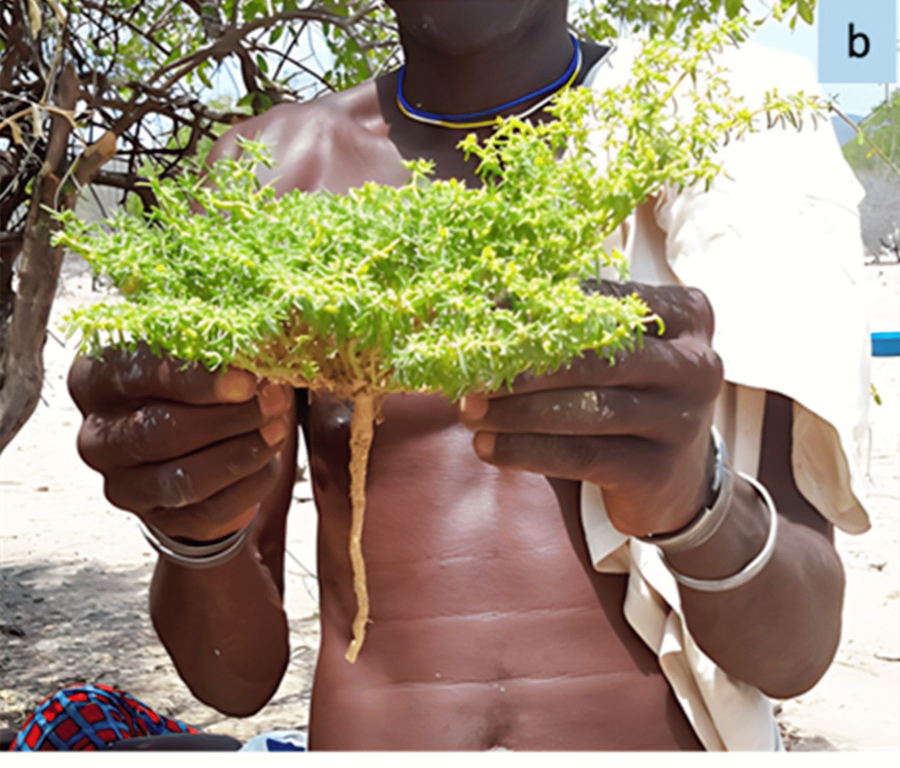
    A recent study by Plaatjie, et al. (2024) titled “A scoping review on efficacy and safety of medicinal plants used for the treatment of diarrhea in sub-Saharan Africa” published in Tropical Medicine and Health, by Springer Link, shows that Indigofera daleoides and Punica granatum showed the strongest antimicrobial activity.

    Indigofera daleoides and Punica granatum exhibit strong antimicrobial activity, offering potential as effective anti-diarrheal treatments.– Plaatjie, et al. 2024

    This article is a scoping review that explores the efficacy and safety of medicinal plants used to treat diarrhea in sub-Saharan Africa (SSA). Diarrhea remains a leading cause of illness and death in SSA, particularly due to the prevalence of antimicrobial-resistant pathogens, which complicates treatment. The review systematically maps the existing literature on various medicinal plants traditionally employed in the region for their anti-diarrheal properties. By assessing the potential of these plants, the review aims to identify natural remedies that could provide effective and safe alternatives to conventional treatments, especially in the face of rising antibiotic resistance.

    How the Study was Conducted

    The authors searched for studies published between 1990 and April 2022. The search included various databases to ensure comprehensive coverage. The review included different types of studies, such as ethnobotanical studies: These document traditional knowledge and use of medicinal plants. In vitro studies: laboratory experiments testing the plants’ effects on pathogens. In vivo studies: experiments conducted on living organisms to observe the plants’ effects. Observational studies analyze data from a population at a specific point in time. The authors extracted data on the plant species, their families, and their reported anti-diarrheal efficacy and safety. The study analyzed the data to identify the most commonly used and effective plants, as well as the geographical distribution of the studies.

    What the Authors Found

    The review identified 587 plant species from 123 families, primarily from South Africa, Ethiopia, and Uganda, with the Fabaceae family being the most studied; significant knowledge gaps exist in under-researched countries, and six anti-diarrheal compounds were isolated from Hydnora johannis, highlighting the need for further documentation and phytochemical analysis. In addition, the study also found that Indigofera daleoides and Punica granatum showed the strongest antimicrobial activity.

    Why is this Important

    Health Impact: Diarrhea is a major cause of illness and death in sub-Saharan Africa, especially among children. Finding effective treatments can significantly reduce morbidity and mortality rates.
    Antimicrobial Resistance: Many pathogens causing diarrhea are becoming resistant to conventional antibiotics. Medicinal plants offer alternative treatments that could help combat this resistance.
    Traditional Knowledge: The study documents traditional medicinal knowledge, which is valuable for preserving cultural heritage and providing insights into natural remedies that have been used for generations.
    Research Gaps: By identifying gaps in current research, the study highlights areas that need more attention, such as underresearched regions and the need for phytochemical investigations. This can guide future research efforts and funding.
    Potential for New Drugs: The identification of plants with strong anti-diarrheal properties opens the door for developing new, plant-based drugs that could be more accessible and affordable for people in sub-Saharan Africa.

    What the Authors Recommended

    • The study emphasized the need to document traditional medicinal knowledge from less-studied countries in sub-Saharan Africa. This can help preserve valuable cultural heritage and provide a broader understanding of medicinal plant use.
    • The authors recommended conducting more phytochemical investigations on widely used medicinal plants. This can help identify active compounds and understand their mechanisms of action, potentially leading to the development of new drugs.
    • The authors highlighted the importance of focusing future research efforts on regions that have received less attention. This can help fill knowledge gaps and ensure a more comprehensive understanding of medicinal plant use across the entire region.
    • The authors suggested conducting more studies on the safety and efficacy of these medicinal plants to ensure they are safe for use and effective in treating diarrhea.

    In conclusion, the scoping review by Plaatjie et al. underscores the significant potential of medicinal plants like Indigofera daleoides and Punica granatum in combating diarrhea, particularly in the context of rising antimicrobial resistance in sub-Saharan Africa. By highlighting both the efficacy and safety of these plants, the study not only preserves invaluable traditional knowledge but also paves the way for future research and the development of accessible, plant-based therapies. Continued exploration and documentation of these natural remedies are crucial for addressing health challenges in the region and beyond.

  • Medicinal Plants for Skin Disorders: Nyamwezi Community’s Traditional Remedies in Tanzania

    Medicinal Plants for Skin Disorders: Nyamwezi Community’s Traditional Remedies in Tanzania

    A recent study by Kacholi, D. S. (2024) titled “Medicinal plants used for dermatological disorders among the Nyamwezi community in Tabora region, Tanzania” published in Ethnobotany Research and Applications, examine that the Nyamwezi community uses a variety of medicinal plants to treat skin disorders

    The Nyamwezi community effectively uses traditional medicinal plants to treat various skin disorders, preserving cultural knowledge.– Kacholi, D. S. 2024

    This article delves into the medicinal plants employed by the Nyamwezi community in Tanzania’s Tabora region to treat dermatological conditions. It provides an understanding of how the Nyamwezi people utilize indigenous plants for skin-related health concerns, including a detailed list of specific plants along with their medicinal properties. Additionally, the article describes traditional methods of preparing and applying these plants for therapeutic purposes, emphasizing the cultural significance of these practices within the community.

    How the Study was Conducted

    The author visits the community to collect plant samples and observe their natural habitats. Engaging with local healers and knowledgeable community members to gather information on the plants used, preparation methods, and application techniques. The author records the traditional knowledge, including the names of plants, parts used, and specific ailments treated. The author analyzes the collected plant samples to identify their chemical constituents and potential medicinal properties. In addition, the study compiles and analyzes the data to draw conclusions about the efficacy and cultural significance of the medicinal plants.

    What the Author Found

    The author found that the Nyamwezi community uses a variety of medicinal plants to treat skin disorders, and the community relies heavily on traditional knowledge passed down through generations for identifying and using these plants. The study also found that many of these plants have shown effectiveness in treating various dermatological conditions.

    Why is this Important

    Preservation of Traditional Knowledge: Documenting the traditional use of medicinal plants helps preserve valuable cultural knowledge that might otherwise be lost over time.
    Biodiversity Conservation: Highlighting the medicinal value of local plants can promote efforts to conserve these species and their natural habitats, which are often threatened by environmental changes and human activities.
    Healthcare Access: For communities with limited access to modern healthcare, traditional medicine provides an essential and accessible means of treating health issues.
    Scientific Research: The study can serve as a basis for further scientific research to validate the efficacy of these plants and potentially develop new treatments based on traditional remedies.
    Cultural Significance: Understanding and respecting the cultural practices of the Nyamwezi community fosters greater appreciation and support for their way of life.

    What the Author Recommended

    • The author emphasized the need to conserve medicinal plants and their natural habitats to ensure their availability for future generations.
    • Encouraging more scientific research to validate the medicinal properties of the plants and explore their potential for developing new treatments.
    • The author highlights the importance of documenting traditional knowledge and practices to preserve cultural heritage and support the community’s healthcare practices.
    • The study recommends educational programs to raise awareness within the community about sustainable harvesting practices and the importance of biodiversity conservation.
    • In addition, the author suggesting ways to integrate traditional medicine with modern healthcare systems to provide more comprehensive and accessible healthcare solutions.

    In conclusion, the study by Kacholi D. S. underscores the profound significance of the Nyamwezi community’s traditional knowledge in utilizing medicinal plants for dermatological disorders. By documenting these practices, the research not only preserves invaluable cultural heritage but also highlights the potential of these natural remedies in modern healthcare. The findings advocate for the conservation of biodiversity and the sustainable use of medicinal plants, ensuring that this traditional wisdom continues to benefit future generations while opening new avenues for scientific exploration and healthcare innovation.

  • Challenges Faced by Research Ethics Committees in MENA: Informed Consent, Data Sharing, and Community Engagement in Genomic Research

    Challenges Faced by Research Ethics Committees in MENA: Informed Consent, Data Sharing, and Community Engagement in Genomic Research

    A recent study by Mohammed, et al. (2024) titled “Opinions and Attitudes of research ethics committees in Arab countries in the Middle East and North African region toward ethical issues involving biobank research” published in Research Ethics shows that research ethics committees (RECs) in the Middle East and North Africa face challenges with informed consent, data sharing, and community engagement in biobank research.

    Research Ethics Committees in MENA struggle with informed consent, data sharing, and community engagement in genomic research.– Mohammed et al. 2024

    The article delves into the ethical challenges that Research Ethics Committees (RECs) in Arab countries encounter when evaluating genomic research. It emphasizes critical issues such as informed consent, data sharing, and community engagement—areas that are particularly sensitive in the context of genomic studies. The study draws from a survey conducted among REC members in Egypt, Morocco, Sudan, and Jordan, providing insights into their perspectives and attitudes regarding these ethical challenges. The findings underscore the varying levels of awareness and preparedness among REC members when it comes to navigating the complex ethical landscape of genomic research. One of the key challenges highlighted is the process of obtaining informed consent. In genomic research, informed consent is not just a one-time event but an ongoing process that requires participants to understand the implications of sharing their genetic information. This becomes even more complex in Arab countries, where cultural and social norms may influence individuals’ willingness to participate or share sensitive data. Another significant issue is data sharing. Genomic research often involves large-scale data collection and sharing across borders, raising concerns about privacy, confidentiality, and the potential misuse of genetic information. REC members expressed varying degrees of concern and awareness regarding the ethical implications of data sharing, particularly in the absence of robust regulatory frameworks. Community engagement is also a critical aspect, as genomic research can have profound implications for entire communities. Engaging communities in the research process helps to ensure that their values, concerns, and interests are respected. However, the survey findings suggest that REC members may not always be fully equipped to assess the adequacy of community engagement efforts in genomic studies.

    How the Study was Conducted

    The authors employed a cross-sectional questionnaire to gather data from members of Research Ethics Committees (RECs) in Egypt, Morocco, Sudan, and Jordan. The questionnaire aimed to capture their opinions and attitudes towards ethical issues in genomic research. The responses were then analyzed using detailed statistical methods to identify trends and insights.

    What the Authors Found

    The authors found that research ethics committees (RECs) in the Middle East and North Africa face challenges with informed consent, data sharing, and community engagement in biobank research. The study posits that REC members had varied preferences for the type of consent, with broad consent being the most commonly used but opinions split between broad, specific, and dynamic consent. A slight majority of REC members believed that individual research results should be returned to participants if a medical intervention could address the genetic abnormality.

    Why is this Important?

    Ethical Standards: They highlight the need for clear ethical guidelines and training for Research Ethics Committees (RECs) in genomic research, ensuring that participants’ rights and well-being are protected.
    Informed Consent: Understanding REC members’ preferences for different types of consent (broad, specific, and dynamic) can help in designing consent processes that are both ethical and practical.
    Data Sharing and Community Engagement: The emphasis on data sharing and community involvement underscores the importance of transparency and trust in research, which can lead to better public support and participation.
    Return of Results: The finding that many REC members support returning individual research results to participants can influence policies to ensure participants benefit directly from research findings, especially when medical interventions are possible.

    What the Authors Recommended

    • The authors suggest that Research Ethics Committee (REC) members should be better familiarized with the ethical requirements of biobank research. This includes understanding different types of consent and the implications of data sharing.
    • The authors recommend conducting more research on the types of consent (broad, specific, and dynamic) and the use of Material/Data Transfer Agreements to ensure ethical standards are maintained.
    • The study emphasizes the importance of involving the community in biobank governance and decision-making processes to build trust and ensure transparency.
    • In addition, the study proposes that policies should be developed to address the return of individual research results to participants, especially when these results have potential medical benefits.

    In conclusion, the study by Mohammed et al. sheds light on the complex ethical challenges faced by Research Ethics Committees in the Middle East and North Africa, particularly in the context of genomic research. The findings emphasize the need for more comprehensive ethical guidelines, enhanced training for REC members, and greater community involvement to ensure that genomic research is conducted with the highest ethical standards. By addressing these issues—ranging from informed consent to data sharing and community engagement—stakeholders can foster trust and transparency, ultimately improving the quality and impact of biobank research in the region.

  • Margaret Obiageli Olele: Advancing U.S.-Nigeria Trade and Technology through Effective Communication and Collaboration

    Margaret Obiageli Olele: Advancing U.S.-Nigeria Trade and Technology through Effective Communication and Collaboration

    Margaret Obiageli Olele, the current Chief Executive Officer and Executive Secretary of the American Business Council (ABC), recently emphasized the critical role that effective communication plays in enhancing the impact of significant events like the Global Tech Africa (GTA) conference. In an exclusive interview, she discussed the Council’s mission, the value of international collaborations for economic growth, and the role of communication in fostering technological innovation in Nigeria and across Africa.

    The Vision of the American Business Council: Expanding U.S.-Nigeria Trade Relations

    Olele highlighted that the primary vision of the American Business Council is to serve as a pivotal vehicle for expanding trade and investment opportunities between Nigeria and the United States. The Council focuses on advocating for policies that support business operations, facilitating cross-border trade, and promoting cultural exchange. By nurturing strong partnerships between the two nations, the ABC aims to significantly contribute to Nigeria’s economic transformation and the prosperity of American businesses in the region.

    International Collaborations: A Catalyst for Economic and Technological Progress

    Drawing from her extensive experience in the pharmaceutical and food industries, Olele emphasized the indispensable nature of international collaborations in driving economic growth and technological advancement in Nigeria. She pointed out that through platforms like the Global Tech Africa conference, key stakeholders can come together to address complex challenges—such as vaccine accessibility and counterfeit drug detection in the pharmaceutical sector—by leveraging global expertise and innovation. Olele believes that such collaborations are crucial for improving vital sectors like healthcare, agriculture, and education, thereby creating jobs and boosting Nigeria’s economic development.

    American Business Council’s Sponsorship of the Global Tech Africa Conference: Motivations and Goals

    The ABC’s sponsorship of the Global Tech Africa conference is rooted in its commitment to Nigeria’s digital transformation, particularly in the technology sector. Olele explained that technology is a powerful tool for driving economic growth and creating opportunities for both businesses and individuals. The Council’s ICT Committee, which actively participated in the conference, underscores ABC’s vested interest in the tech ecosystem. By sponsoring this event, ABC aims to connect Nigeria’s dynamic tech community with American businesses, facilitating knowledge exchange and identifying potential partnerships. The ultimate goal is to support Nigeria’s rise as a leading tech hub in Africa.

    Effective Communication: Key to Amplifying the Impact of the GTA Conference

    Olele asserted that effective communication is essential for maximizing the impact of the Global Tech Africa conference. A multi-channel communication strategy, combining both traditional and digital media, is necessary to reach a diverse audience. By showcasing the conference’s potential to drive innovation, generate employment, and improve living standards, the Council hopes to spark widespread interest and engagement. Leveraging social media platforms to foster discussions, share success stories, and build a robust online community is also a key part of this strategy.

    Leveraging Relationships for Enhanced Collaboration in the Tech Ecosystem

    With her deep background in public affairs and communication, Olele plans to leverage her relationships with government committees and trade associations to enhance collaboration between American businesses and the African tech ecosystem. During the GTA conference, members of ABC’s ICT Committee participated in panel discussions, providing insights into forging partnerships with larger corporations and the government. Post-conference, ABC intends to build on these connections to create tangible opportunities for knowledge transfer, technology adoption, and joint ventures, all aimed at accelerating Africa’s digital transformation and fostering sustainable economic growth.

    The Role of American Businesses in Africa’s Technological and Economic Development

    Olele highlighted several areas where American businesses can significantly contribute to Africa’s technological and economic development. These include infrastructure development, fintech innovation, healthcare technology, education, and skills development. Companies like Amazon Web Services, Visa, Google, and Zipline are already making impactful contributions in these areas through initiatives like cloud computing education, financial inclusion programs, and the use of drones for medical deliveries. Such collaborations not only drive economic growth but also address critical socio-economic challenges in Africa.

    Lessons from Healthcare for Sustainable Growth in the Tech Sector

    Olele’s extensive experience in the healthcare sector has taught her the importance of public-private partnerships, capacity building, and impact-focused strategies. She believes these principles are equally applicable to the tech sector. To ensure sustainable growth, partnerships between government and businesses must be prioritized, workforce development should be a key focus, and the impact of technological innovations should be regularly assessed to ensure they address real-world challenges and improve lives.

    Building Strong Partnerships for a Conducive Business Environment

    Olele’s approach to fostering strong partnerships involves active engagement with the Nigerian government, knowledge sharing among businesses, advocacy for supportive policies, and maintaining trust through consistent delivery of commitments. These efforts are crucial for creating a conducive environment for American businesses to thrive in Nigeria.

    Navigating Challenges in the African Tech Landscape

    Olele acknowledged that there are challenges in facilitating greater involvement of American businesses in Africa’s tech landscape, such as regulatory complexities, infrastructure deficits, and policy inconsistencies. However, the American Business Council is actively addressing these challenges by advocating for regulatory reforms, providing market intelligence, and engaging in continuous dialogue with the Nigerian government to create a more business-friendly environment.

    A Bright Future for American-Nigerian Business Relations

    In conclusion, Olele expressed optimism about the future of American-Nigerian business relations and technological collaboration. She views the Global Tech Africa conference as a crucial platform for stakeholders to come together, share ideas, and build partnerships that will shape the future of the continent. By working collaboratively, the U.S. and Nigeria can unlock the full potential of Africa’s tech sector and create a more prosperous and inclusive future.

    Margaret Obiageli Olele: A Brief Profile

    Margaret Obiageli Olele is the CEO and Executive Secretary of the American Business Council. With over 30 years of experience engaging African governments on behalf of the private sector and 25 years of leadership in the food and pharmaceutical industries, Olele has a wealth of expertise in public affairs, business development, regulatory compliance, and communication. She has been instrumental in various initiatives to improve healthcare access and strengthen health systems across Africa. Olele is also a Fellow of the Advertising Practitioners’ Council of Nigeria and holds multiple academic degrees, including a BA in English and Literature, an MA in English, and an MSc in Mass Communication. She is passionate about teaching and has served as an adjunct faculty member at the Pan Atlantic University. Through her work, Olele continues to make significant contributions to the growth and development of business and technology in Nigeria and Africa.

  • AAU Unveils Ambitious 6-Year Strategic Plan: Key Focus on Research, Mobility, and Capacity-Building in African Higher Education

    AAU Unveils Ambitious 6-Year Strategic Plan: Key Focus on Research, Mobility, and Capacity-Building in African Higher Education

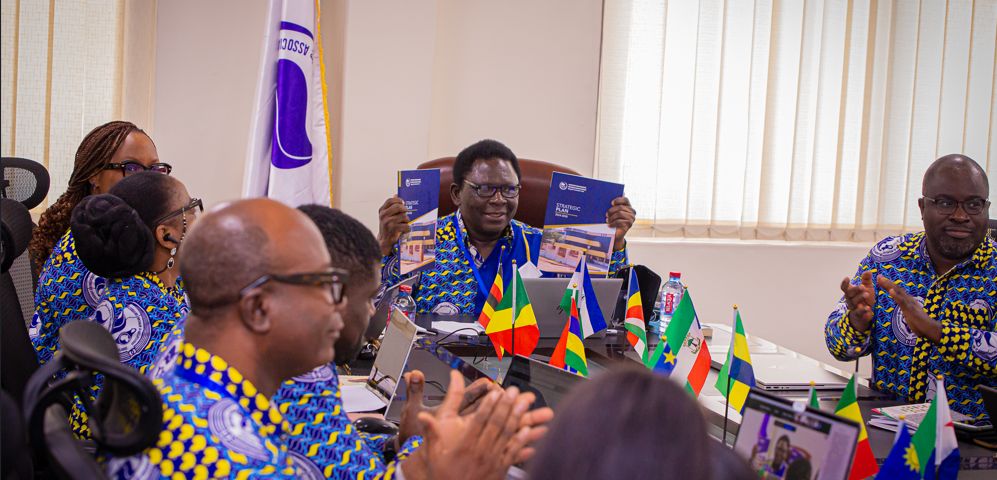
    The Association of African Universities (AAU) has unveiled an ambitious six-year strategic plan, delineating 11 key focal areas to steer its operations. This plan places a strong emphasis on enhancing research, expanding access to higher education, fostering mobility, and addressing new and emerging challenges in the academic landscape. The strategy also prioritizes capacity-building, empowerment, and the growth of the African Higher Education Centres of Excellence (ACEs) model, along with nurturing the AAU Diaspora Programme.

    The document outlines a comprehensive approach to revitalizing continental initiatives, enhancing collaborations, and expanding networking opportunities. A significant part of this effort is dedicated to strengthening the Africa Research, Innovation, and Development Network (AFRID), which was established in 2023 to champion research across the continent. The AAU also aims to bolster its public outreach through its television and broadcasting services.

    Strengthening Research

    In its commitment to strengthening research, the AAU aims to position higher education as a cornerstone of science, technology, and innovation in Africa. This involves cultivating a new generation of researchers, with a particular focus on climate change and the support of the United Nations Sustainable Development Goals (SDGs). The AAU plans to balance this emphasis by also promoting the arts, social sciences, and languages. The concept of knowledge diplomacy will be central to these efforts, as will initiatives aimed at “greening” higher education and fostering engaged universities.

    Enhancing Mobility and Access

    One of the top priorities in the new strategic plan is increasing access to higher education and promoting mobility across the continent. This includes the promotion of staff exchange programs, strengthening relationships among higher education stakeholders, and encouraging youth mobility schemes. Staff mobility and study-in-Africa programs are also key components. The AAU aims to showcase Africa’s excellent universities to attract international students and reduce the outflow of African students to other continents.

    Responding to Emerging Issues

    The AAU recognizes the importance of adapting to emerging issues, particularly in the realm of new technologies. The strategic plan emphasizes the integration of artificial intelligence, machine learning, and other technological advancements into teaching and learning. There will be a renewed focus on arts, culture, and social sciences, as well as the promotion of African languages within the educational system.

    Leadership and Management

    Improving leadership and management within universities is another critical area of focus. The AAU plans to offer capacity-building initiatives for staff, including librarians, registrars, bursars, and other support personnel. Additionally, webinars aimed at enhancing ICT and digital skills, academia-industry linkages, and regional integration will be prioritized under the capacity-building and empowerment component. The AAU is committed to promoting regional integration and South-South collaborations, ensuring that African universities can connect with global institutions and participate in programs led by virtual diaspora faculties.

    Communication and Outreach

    Effective communication is a central pillar of the new strategic plan. The AAU intends to launch AAU TV programs and news, strengthen its social media presence, and revamp its website. Under the AFRID platform, the AAU will work to enhance networking among African researchers, brand African universities with specialized research areas, and promote a viable study-in-Africa program.

    Strategic Result Areas

    The strategic plan outlines five overarching result areas. These include creating a favorable higher education policy environment supported by evidence-based advocacy, strengthening the capacities of member universities, and harmonizing curricula to enhance inter-institutional collaboration, networking, and competitiveness. Another key goal is to advance research excellence and management as a mechanism for impacting Africa’s development.

    Alignment with Continental Goals

    This strategic plan is designed to catalyze higher education’s contribution to achieving the Sustainable Development Goals and the African Union’s Agenda 2063. These goals emphasize inclusive growth, good governance, democracy, respect for human rights, justice, the rule of law, and people-driven development that unleashes the potential of women and youth. The AAU’s strategy is directly aligned with the continental education strategy for Africa, ensuring that it remains relevant and responsive to the needs of the region.

    Evaluation and Adaptation

    The AAU has built in a mechanism for continuous evaluation of the strategic plan. A mid-term evaluation will be conducted in 2027 to assess the effectiveness of the strategies and make necessary adjustments. A comprehensive final evaluation at the end of the six-year period will measure the success of the plan in achieving its anticipated outputs and outcomes, and will document lessons learned.

    Stakeholder Engagement

    The strategic plan was developed through a participatory approach that involved multiple consultations with stakeholders across various levels. Surveys in four international languages spoken in Africa were conducted, involving vice-chancellors, development partners, students, and other higher education stakeholders. The AAU expects stakeholders to support its mission to raise academic excellence and research in Africa, foster collaborations, and create partnership opportunities for faculty, staff, and students.

    The AAU also anticipates that stakeholders such as industry partners will engage in collaborative research and act as a talent pipeline, contributing to workforce development. Government agencies are expected to support policy-relevant research and knowledge-led economic growth, while community organizations will be engaged for higher social impact. Accreditation bodies and professional associations will play roles in ensuring quality assurance, standards, and professional development.

    This strategic plan represents a bold and comprehensive effort by the AAU to position African higher education as a global leader, while addressing the unique challenges and opportunities faced by the continent.

  • WHO and Angola’s MESCTI Strengthen Collaboration to Enhance Health and Education through Strategic Research Initiatives

    WHO and Angola’s MESCTI Strengthen Collaboration to Enhance Health and Education through Strategic Research Initiatives

    LUANDA, 15 August 2024 – The intersection of health and education is a critical nexus for sustainable development and societal well-being. Education serves as a conduit for disseminating scientific knowledge, fostering innovation, and ensuring that health practices are grounded in robust evidence. The synergy between these two sectors is vital for the formulation of effective policies and programs that benefit the entire population. In this light, the World Health Organization (WHO) and the Ministry of Higher Education, Science, Technology, and Innovation (MESCTI) of Angola convened a highly productive meeting to fortify their collaborative efforts. This partnership aims to drive scientific research with a focus on enhancing health outcomes in Angola through strategic alliances with academic institutions and the launch of new joint initiatives.

    During the meeting, Dr. Zabulon Yoti, the WHO Acting Representative in Angola, accompanied by Mr. Omotola Akindipe, WHO’s External Relations Officer in Angola, extended congratulations to Dr. Paula Regina Simões de Oliveira on her recent appointment as Minister of MESCTI. Dr. Yoti reaffirmed WHO’s steadfast commitment to supporting Angola in a comprehensive manner, transcending the health sector alone. He emphasized WHO’s strategic priorities, which include “promoting health, ensuring universal access to healthcare, and strengthening responses to health emergencies.”

    The discussion underscored the critical importance of collaboration between WHO and Angolan universities. Existing partnerships, formalized through Memoranda of Understanding (MoUs) with institutions such as the Private University of Angola, Agostinho Neto University in Luanda, and Katyavala Bwila University in Benguela, were highlighted. Minister Paula de Oliveira voiced MESCTI’s dedication to deepening these collaborations, particularly in the realm of research. She stressed that “research is essential for the advancement of the research sector in Angola,” and is a cornerstone for scientific and technological progress.

    One of the meeting’s key highlights was Angola’s recent inclusion in the global research platform, Research4Life. This platform grants access to a vast repository of peer-reviewed academic content, significantly bolstering the research capabilities of Angolan institutions. The discussion also touched on ongoing research endeavors, including a comprehensive study on vaccine coverage and hesitancy across eight provinces. This study is aimed at addressing the challenges of suboptimal vaccination rates and improving public health outcomes.

    Both parties expressed a strong commitment to exploring new initiatives. These include organizing a health research dissemination event to bridge the gap between research findings and practical implementation, and formalizing their collaboration through a structured protocol. This meeting represents a pivotal step towards a more robust partnership, one that will not only enhance health education and research but also contribute significantly to Angola’s sustainable development.

    This strengthened collaboration between WHO and MESCTI underscores the vital role of interdisciplinary partnerships in driving progress. By integrating health and education, Angola is poised to develop more effective, evidence-based policies and programs that will benefit the entire population, ensuring a healthier, more prosperous future.

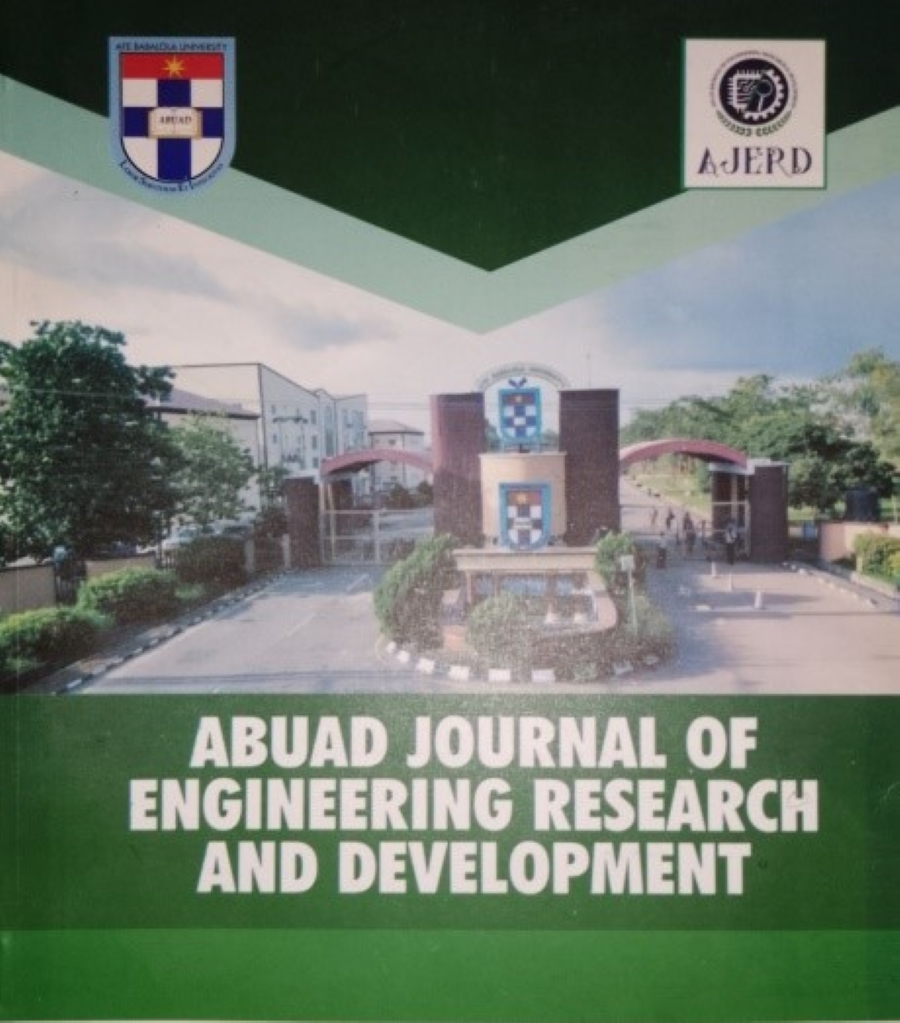
  • ABUAD Journal of Engineering Research and Development (AJERD) Achieves AR Indexing Milestone, Advancing Global Engineering Research

    ABUAD Journal of Engineering Research and Development (AJERD) Achieves AR Indexing Milestone, Advancing Global Engineering Research

    The ABUAD Journal of Engineering Research and Development (AJERD) is steadily establishing itself as a significant contributor to the global engineering community. Recently, the journal achieved an important milestone by being indexed in the AR Index, a notable database for academic research publications. This recognition underscores the journal’s commitment to promoting innovative research and fostering the development of engineering knowledge.

    About AJERD

    AJERD is a double-blind peer-reviewed open access journal, operating under the auspices of the College of Engineering at Afe Babalola University, Ado-Ekiti (ABUAD), Ekiti State, Nigeria. The journal is dedicated to the dissemination of original research and development findings across various branches of engineering, making it a vital resource for academics, researchers, and industry professionals.

    Key Features of AJERD

    1. Peer Review Process: AJERD maintains a rigorous double-blind peer review process, ensuring that every article published meets high academic standards. The review process typically involves 1-2 rounds and spans 3-5 months, offering thorough feedback and evaluation to authors.

    2. Open Access and Licensing: One of the key advantages of AJERD is its open access policy, which allows readers from around the world to access research articles freely. The journal operates under the CC BY-NC-SA license, encouraging the sharing of knowledge while protecting the authors’ rights.

    3. Submission and Publication Fees: To sustain its operations and ensure the high quality of its publications, AJERD charges a submission fee of $50 and a publication fee of $150. These fees support the journal’s editorial process, peer review, and the wide dissemination of research findings.

    4. Indexing and Archiving: The journal’s inclusion in the AR Index reflects its growing influence and the quality of research it publishes. This indexing will enhance the visibility of articles published in AJERD, facilitating their discovery by a broader audience. In addition to being indexed, the journal provides DOIs (Digital Object Identifiers) for all articles, ensuring they are permanently accessible and citable.

    Journal Details and Contact Information

    • Title: ABUAD Journal of Engineering Research and Development
    • Acronym: AJERD
    • Publisher: College of Engineering, Afe Babalola University, Ado-Ekiti (ABUAD)
    • ISSN (Online): 2645-2685
    • ISSN (Print): 2756-6811
    • Frequency: Semi-annual
    • Editor: Engr. Prof. J.O. Dada
    • Managing Editor: Engr. Dr. M.A. Lala
    • Official Email: ajerd@abuad.edu.ng

    Manuscript Submission and Publication Ethics

    Authors interested in submitting their work to AJERD should adhere to the journal’s submission guidelines. Manuscripts must be original, unpublished, and not under consideration elsewhere. AJERD emphasizes ethical research practices, discouraging any form of data fabrication or falsification. Consistency in the use of language (either US or UK English) is also required.

    Conclusion

    The ABUAD Journal of Engineering Research and Development (AJERD) is making notable strides in the engineering field. Its recent indexing in the AR Index is a testament to the journal’s quality and its dedication to advancing engineering research. For researchers and professionals in the engineering community, AJERD offers an invaluable platform for sharing and discovering cutting-edge research.

    For more information, visit the Index Status

    .

  • Integrated Care for NCDs and IDs in Sub-Saharan Africa: Challenges, Solutions, and Policy Recommendations

    Integrated Care for NCDs and IDs in Sub-Saharan Africa: Challenges, Solutions, and Policy Recommendations

    A recent study by Ibro, et al. (2024) titled “Mapping the evidence on integrated service delivery for non-communicable and infectious disease comorbidity in sub-Saharan Africa: protocol for a scoping review” published in BMJ Open, shows that Sub-Saharan Africa faces a significant burden of both non-communicable diseases (NCDs) and infectious diseases (IDs), with high comorbidity rates.

    Integrated care models are crucial for managing NCD-ID comorbidities in sub-Saharan Africa, improving patient outcomes.– Ibro, et al. 2024

    The article explores the healthcare challenges in sub-Saharan Africa (SSA) due to the simultaneous presence of infectious diseases (IDs) and non-communicable diseases (NCDs). It emphasizes the importance of developing integrated care models to manage these comorbidities effectively. The study is guided by the Joanna Briggs Institute (JBI) framework for scoping reviews and involves an extensive search of peer-reviewed and grey literature from 2018 onward. The goal is to identify and analyze integrated care models for managing NCD-ID comorbidities in SSA. The article also addresses the unique obstacles faced by healthcare systems in SSA, such as resource constraints and fragmented services, which make managing these comorbidities more challenging.

    How the Study was Conducted

    The authors searched both peer-reviewed and grey literature from 2018 onwards to gather relevant studies and data. The collected data was analyzed to identify and evaluate integrated care models for managing non-communicable diseases (NCDs) and infectious diseases (IDs) comorbidities in sub-Saharan Africa (SSA). Since the study synthesized already published data, ethical approval was not required. This approach allowed the researchers to systematically review and synthesize existing knowledge on integrated care models for NCD-ID comorbidities in SSA.

    What the Authors Found

    The authors found that Sub-Saharan Africa faces a significant burden of both non-communicable diseases (NCDs) and infectious diseases (IDs), with high comorbidity rates. The study posits that the region’s healthcare systems are often fragmented and underresourced, making it difficult to address the complex needs of patients with both NCDs and IDs. In addition, the authors also found that integrated care models are essential for improving patient outcomes, optimizing resource allocation, and reducing healthcare costs, and there is variability in the uptake and implementation of integrated care models across different countries in the region, influenced by systemic, cultural, and policy-related factors.

    Why is this Important

    Healthcare Improvement: By identifying effective integrated care models, the study aims to improve the management of patients with both non-communicable diseases (NCDs) and infectious diseases (IDs) in sub-Saharan Africa (SSA). This can lead to better health outcomes and quality of life for patients.
    Resource Optimization: Integrated care models can help optimize the use of limited healthcare resources in SSA. This is crucial in a region where healthcare systems are often under-resourced and fragmented.
    Policy and Practice: The findings can inform healthcare policies and practices, guiding the development and implementation of integrated care strategies. This can lead to more efficient and effective healthcare delivery.
    Research and Knowledge: The study contributes to the existing body of knowledge on NCD-ID comorbidities and integrated care. It highlights gaps in current research and suggests areas for future investigation.
    Global Health: Addressing the dual burden of NCDs and IDs is a global health priority. The insights from this study can be applied to other regions facing similar challenges, promoting global health equity.

    What the Authors Recommended

    • The authors emphasize the need for healthcare systems in sub-Saharan Africa to adopt and implement integrated care models to effectively manage the comorbidities of non-communicable diseases (NCDs) and infectious diseases (IDs).
    • The study calls for stronger policy support to facilitate the integration of services. This includes creating policies that promote collaboration between different healthcare sectors and stakeholders.
    • The authors highlight the importance of allocating sufficient resources to support integrated care initiatives. This includes financial, human, and infrastructure resources.
    • The authors also recommend investing in training and capacity building for healthcare workers to ensure they are equipped to deliver integrated care.
    • Continuous research and monitoring are recommended to evaluate the effectiveness of integrated care models and to identify areas for improvement.

    In conclusion, the study by Ibro et al. underscores the urgent need for integrated care models to address the dual burden of non-communicable and infectious diseases in sub-Saharan Africa. By fostering collaboration, optimizing resources, and supporting healthcare workers, these models can significantly enhance patient outcomes and strengthen healthcare systems across the region. The findings serve as a crucial call to action for policymakers, healthcare providers, and researchers to prioritize and invest in integrated care strategies, paving the way for more effective, equitable, and sustainable healthcare delivery in sub-Saharan Africa and beyond.

  • Empowering African Entrepreneurs: The Impact of Microfinancing on Growth, Innovation, and Social Equity

    Empowering African Entrepreneurs: The Impact of Microfinancing on Growth, Innovation, and Social Equity

    A recent study by Falaiye, et al. (2024) titled “A review of microfinancing’s role in entrepreneurial growth in African Nations” published in the International Journal of Science and Research Archive shows that microfinancing significantly empowers aspiring entrepreneurs, especially in marginalized communities, by providing access to capital, fostering innovation, and generating employment opportunities.

    Microfinancing significantly empowers marginalized entrepreneurs in Africa by providing access to capital, fostering innovation, and promoting gender equity.– Falaiye, et al. 2024

    Microfinancing plays a pivotal role in fostering entrepreneurial growth across African nations by offering small-scale financial services to individuals who are often excluded from traditional banking systems. These services, which include microloans, savings accounts, and insurance, are designed to help overcome significant barriers such as the lack of collateral and credit history, which typically prevent marginalized individuals from accessing financial support. By providing these essential resources, microfinancing enables aspiring entrepreneurs to start and grow their businesses, ultimately driving innovation, economic development, and job creation in their communities. One of the most profound impacts of microfinancing is its ability to empower women entrepreneurs, who often face additional challenges in accessing financial services due to cultural and societal norms. By offering financial products tailored to their needs, microfinancing not only promotes gender inclusivity but also contributes to broader social equity. Women who gain financial independence through entrepreneurship can reinvest in their families and communities, leading to improved education, health, and overall well-being. However, the article also addresses the challenges associated with the sustainability and scalability of microfinancing programs. While these programs have proven effective in many cases, their long-term success often depends on factors such as the availability of resources, the effectiveness of management, and the ability to adapt to changing economic conditions. The article identifies best practices for maximizing the impact of microfinancing, such as focusing on financial literacy training, building strong partnerships with local organizations, and implementing robust monitoring and evaluation systems to ensure that the programs are meeting their objectives.

    How the study was conducted

    The study begins with an overview of the economic landscape in African nations, highlighting barriers to entrepreneurial growth. The authors analyze case studies and empirical evidence from diverse African contexts to illustrate the impact of microfinancing on entrepreneurship. The study compares different microfinancing models, such as the Grameen Bank model and Village Savings and Loan Associations (VSLAs), to identify best practices. It critically assesses the effectiveness, challenges, and potential pitfalls of various microfinancing programs, focusing on sustainability, scalability, and regulatory frameworks

    What the authors found

    The authors found that microfinancing significantly empowers aspiring entrepreneurs, especially in marginalized communities, by providing access to capital, fostering innovation, and generating employment opportunities. In addition, microfinancing has a profound impact on empowering women entrepreneurs, promoting gender inclusivity, and contributing to social equity.

    Why is this important?

    Informed Decision-Making: Research provides evidence-based insights that help policymakers, organizations, and individuals make informed decisions. For instance, knowing which microfinancing models are most effective can guide the implementation of successful programs.
    Identifying Best Practices: Studies highlight best practices and successful strategies that can be replicated or adapted in different contexts. This can lead to more effective and sustainable programs.
    Addressing Challenges: Research identifies potential challenges and pitfalls, allowing stakeholders to anticipate and mitigate issues. This proactive approach can enhance the success and longevity of initiatives.
    Promoting Innovation: By analyzing what works and what doesn’t, research fosters innovation and continuous improvement. It encourages the development of new approaches and solutions to existing problems.
    Empowering Communities: Studies often focus on the impact of interventions on specific groups, such as women entrepreneurs. This can lead to targeted efforts that empower marginalized communities and promote social equity.

    What the authors recommended

    • The authors emphasize the importance of financial education for entrepreneurs to ensure they can effectively manage loans and investments.
    • The authors recommend developing robust regulatory frameworks to ensure the sustainability and scalability of microfinancing programs.
    • The authors highlight the need for targeted programs that support women entrepreneurs, promoting gender equity and social inclusion.
    • The integration of technology in microfinancing operations is suggested to improve efficiency, accessibility, and transparency.
    • The authors stress the importance of involving local communities in the design and implementation of microfinancing programs to ensure they meet the specific needs and contexts of the beneficiaries

    In conclusion, microfinancing serves as a powerful catalyst for entrepreneurial growth in African nations, particularly within marginalized communities. By offering vital financial resources and fostering innovation, these programs not only spur economic development but also promote social equity, especially for women entrepreneurs. However, to ensure their long-term success, it is crucial to focus on sustainability, effective management, and the adaptability of microfinancing models. As we look toward the future, the integration of technology and the involvement of local communities will be key to maximizing the impact of these initiatives, driving further progress and empowerment across the continent.