Author: AR Managing Editor

  • 2025 Crowder-Messersmith Conservation Fund: Grant Application Guidelines for Nature Conservation Projects

    2025 Crowder-Messersmith Conservation Fund: Grant Application Guidelines for Nature Conservation Projects

    The Crowder-Messersmith Conservation Fund provides seed funding for nature conservation projects that are primarily located in developing countries. These grants are designed to support small-scale, local efforts aimed at protecting endangered or threatened species and habitats, with a strong emphasis on engaging and educating local communities. Below are the essential details and criteria for submitting a grant application.

    General Criteria for All Grants

    To be eligible for a grant, a proposed project must:

    • Focus on nature conservation and education. The project should aim to preserve natural habitats or endangered species while incorporating educational components for local communities.
    • Benefit endangered or threatened species or habitats. Projects must focus on species or ecosystems facing significant threats.
    • Include a public education component. Raising awareness among local populations about conservation issues is critical to the project’s success.
    • Involve the local population. Active participation from local communities in both project activities and long-term conservation efforts is necessary.
    • Have a lasting impact on local residents. The project should leave a meaningful, sustainable benefit for the community involved.
    • Be completed within one year. The project should have clear, achievable objectives within a 12-month time frame.

    General Exclusions

    The following types of projects are not eligible for funding:

    • Projects located in the United States or other advanced economies.
    • Pure scientific research or data collection that lacks clear, practical conservation benefits.
    • Expeditions, especially those requiring participants to fundraise for personal involvement.
    • Projects that focus on species listed as “Least Concern” in the IUCN Red List of Threatened Species. Projects should prioritize species at higher risk of extinction.
    • Projects that are part of larger, well-funded initiatives. The fund focuses on smaller, independent projects with limited financial backing.
    • Expenses for international travel, overhead, taxes, utilities, or insurance.
    • Transfers of funds to personal bank accounts.

    Additional Information

    • Preference is given to applicants with a track record of previous conservation work related to the proposed project.
    • Applicants from countries outside of the United States are strongly encouraged to apply.
    • U.S.-based researchers working in foreign countries must have at least one local collaborator and should demonstrate how their project will benefit local communities.

    Grant Application Time Frame

    • Applications open on September 1, 2024.
    • The deadline for submissions is January 6, 2025.
    • Decisions will be announced in May 2025.
    • Projects may begin in June 2025 and must be completed within 12 months of the start date.

    Maximum Grant Amount

    The maximum grant available for a single project is $3,000 USD for one year.

    Grant Acceptance Requirements

    Successful applicants must:

    • Provide bank information for an international bank transfer.
    • Submit a project status report six months after the project start date.
    • Provide a full project report within 12 months, including:
      • An accounting of funds spent.
      • A detailed description of project activities and populations reached through education or training.
      • Copies of any developed materials or publications.
      • A thorough evaluation of the project’s successes and challenges.
      • Photos and videos documenting project activities.

    2025 Grant Application Instructions

    Where to Submit Your Application

    • Email your application as an attachment to: CMaward@natureforward.org.
    • Use the subject line to provide a concise version of your project title.

    Transmittal Email

    • In your transmittal email, describe your relationship with the organization requesting funds. This is your opportunity to explain the nature of your involvement, as the application form itself does not have a designated section for this information.

    Document Formatting

    • The entire application must be no longer than four pages.
    • Use Times New Roman, 12-point font.
    • Submit the document in RTF or MS Word format.

    Applicant Details

    • The application should be submitted by the person responsible for preparing and transmitting the proposal (the “requester”), not the field manager or another representative. Communication will be conducted solely via email.

    Title

    • The project title should include:
      • The specific activity you are proposing (e.g., “habitat restoration” rather than simply “conservation”).
      • The species you are focusing on (use the common name).
      • The location, including the country where the project will take place.

    Project Summary

    • Provide concise details on what the project will entail and how the grant funds will be used. The selection committee is most interested in the specific actions you plan to take. For instance:
      • If it’s a school/education program, state how many schools, teachers, or students will be involved.
      • If the project is aimed at reducing poaching or hunting, describe the methods you will use to influence local behaviors.

    Budget

    • Be as detailed as possible in your budget. The more clarity you provide on how the funds will be allocated, the stronger your application will be.

    Relation to Previous Work

    • Discuss any relevant conservation experience you have that is connected to the proposed project. If you have received a previous Crowder-Messersmith grant, indicate the year and how the current project differs from the prior one.

    How Did You Hear About the Crowder-Messersmith Fund?

    • Let the fund know how you learned about the opportunity, whether through personal research, recommendation, or another source.

    2025 Crowder-Messersmith Grant Application Form

    • Section A – Person Requesting Grant:
      • Organizational Affiliation:
      • Name:
      • Address:
    • Section B – Project Information:
      • Name of Organization:
      • Amount Being Requested:
      • Title of Project:
      • Summary of Project:
      • Schedule of Project:
    • Section C – Budget Breakdown:
      • Personnel Costs:
      • Supplies and Materials:
      • Food and Lodging:
      • Travel Expenses:
      • Publication Costs:
      • Other:
    • Section D – Additional Information:
      • How does this project relate to previous work done by your organization?
      • Have any other organizations provided support for this project?
      • Have you received a Crowder-Messersmith grant previously? If yes, what year?
      • How does the current project differ from the previous one?
      • How did you hear about the Crowder-Messersmith Fund?
      • Provide the names, organizations, and email addresses of two people familiar with your professional activities.

    Make sure to follow these guidelines carefully to ensure your application adheres to all the specified requirements.


    How to apply                          Application form

  • Achieving Sustainable Abundance: A Strategic Vision for Future Growth and Innovation

    Achieving Sustainable Abundance: A Strategic Vision for Future Growth and Innovation

    A Vision for the Future

    Sustainable abundance represents a strategic aim to meet our present needs while ensuring that future generations can also meet theirs. This concept requires forward-thinking planning and innovation to reconcile economic growth with environmental stewardship, ensuring resources are both accessible and affordable. Business leaders and policymakers face increasing demands to shape a future that balances these dual objectives through a collaborative, multi-stakeholder approach.

    The Context of Change

    We are at a critical juncture in history. Each generation confronts its unique set of challenges and opportunities, which often seem unprecedented. Today, technological advancements—particularly in artificial intelligence (AI) and synthetic biology—offer tremendous potential benefits but also pose significant risks. These technologies are reshaping traditional economic and societal systems, and combined with political, geopolitical, and environmental shifts, they create a complex landscape requiring large-scale, innovative responses.

    The current global climate necessitates a radical shift from traditional economic models. While previous generations have tackled monumental issues, today’s problems demand a unified and visionary approach. The idea of sustainable abundance challenges the conventional trade-offs between economic growth and environmental sustainability, advocating for a balanced approach that integrates economic, social, and environmental objectives.

    The Concept of Sustainable Abundance

    Sustainable abundance is rooted in the principles outlined by the 1987 United Nations Brundtland Commission report. It emphasizes the need to provide for current generations without depleting resources or compromising the ability of future generations to do the same. This approach demands a significant departure from traditional practices, focusing on reducing environmental impacts while ensuring equitable access to essential resources.

    Achieving sustainable abundance involves a holistic strategy that harmonizes human desires for survival, prosperity, and environmental preservation. This requires innovative solutions across various sectors, from energy production and food supply to economic models and policy frameworks. Leadership and collective commitment are essential to drive these innovations and create a balanced, inclusive future.

    Addressing Contemporary Challenges

    In today’s world, several critical areas require attention:

    1. Responsible Business Practices: The historical emphasis on maximizing short-term shareholder value has led to significant negative externalities. Moving towards stakeholder capitalism, which focuses on creating value for all stakeholders, is crucial for fostering sustainable abundance.
    2. Reimagining Globalization: While globalization has previously driven economic growth, its benefits have been uneven. Modern globalization is characterized by distributed innovation and shared global challenges. Businesses must adapt to this dynamic landscape, balancing global interdependence with local resilience.
    3. The Role of Government: Effective government intervention has historically spurred innovation and industrial success. Today, there is a renewed need for strategic government involvement to address global challenges and coordinate efforts across sectors.
    4. Networked Power: Power dynamics are shifting from centralized to decentralized forms. Digital platforms and grassroots movements are reshaping economic and social structures, demanding new approaches to governance and collaboration.
    5. Radical Technological Advances: Technologies such as biotechnology and nanotechnology are driving rapid advancements. Businesses and governments must leverage these technologies to address global challenges and drive progress.

    The Innovation Agenda

    To move towards sustainable abundance, several key areas of focus are emerging:

    1. Ensuring Essentials: Innovating ways to provide basic needs—food, water, and energy—sustainably is fundamental. This includes developing new technologies and practices that minimize environmental impact and enhance resource efficiency.
    2. Advancing Human Progress: Reimagining education, healthcare, and community development is essential for promoting well-being and ensuring equitable access to opportunities.
    3. Reconnecting with Nature: Embracing indigenous knowledge, biomimicry, and synthetic biology can help integrate human activities with natural systems, fostering environmental stewardship and sustainability.
    4. Reducing Environmental Footprints: Adopting circular economy principles, advancing materials science, and embracing digital technologies are critical for minimizing ecological impacts and promoting sustainable practices.

    Business Leadership and Strategic Innovation

    Business leaders play a pivotal role in driving this agenda. They must:

    • Learn from Past Movements: The pursuit of sustainability can be likened to the quality movement in its potential for transformative impact, requiring comprehensive and collaborative efforts.
    • Cultivate Innovation Intelligence: Staying informed about emerging technologies and trends is essential for shaping the future and remaining competitive.
    • Explore Beyond Monetization: Transformative innovations often start with fundamental questions that transcend mere profit, opening up new possibilities and value creation.
    • Accelerate Collaboration: Partnering with startups and other organizations can expedite the development and deployment of sustainable solutions.
    • Forge Ecosystems for Innovation: Collaboration across industries can drive breakthroughs and facilitate radical progress.
    • Integrate Long-Term Strategies: Balancing short-term gains with long-term investments is crucial for sustainable development and innovation.

    Conclusion

    No single entity can single-handedly shape the path to sustainable abundance. However, each can contribute to the collective effort required to implement this vision over the coming decade. As transformative changes unfold, businesses and leaders have a choice: to lead and shape these changes or to follow those who do. Embracing sustainable abundance is not just a strategic investment but a moral imperative, honoring the legacy of past generations and securing a better future for all.

  • Hydrogen Production, Storage, and Transportation: Key Advances and Role in a Sustainable Energy Future

    Hydrogen Production, Storage, and Transportation: Key Advances and Role in a Sustainable Energy Future

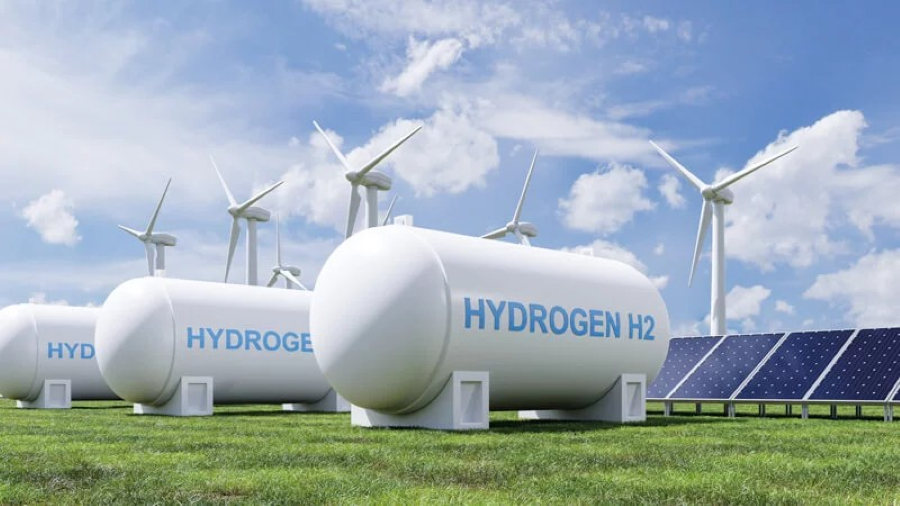
    A recent study by Rampai, et al. (2024) titled “Hydrogen production, storage, and transportation: recent advances” published in RSC Advances, shows that hydrogen is a clean energy carrier that produces only water as a by-product when used, making it a key player in reducing greenhouse gas emissions and combating climate change.

    This article offers an in-depth review of the key aspects of hydrogen production, storage, and transportation, focusing on the critical role hydrogen can play in future energy systems. It explores multiple methods of hydrogen storage, including gaseous, liquid, and solid-state options, analyzing both their benefits and the challenges associated with each. For gaseous hydrogen, the simplicity of storage is balanced against the challenge of needing high-pressure containment systems. Liquid hydrogen, while offering greater energy density, presents issues like cryogenic temperatures and energy losses during liquefaction. Solid-state hydrogen storage, using materials like metal hydrides, offers promising solutions in terms of safety and capacity but faces challenges in terms of cost and efficiency.

    Hydrogen is a promising clean energy carrier with potential to significantly reduce greenhouse gas emissions and support sustainability.– Rampai, et al. 2024

    The article delves into the concept of a hydrogen-based energy system, which is seen as a key enabler of decarbonization across various sectors such as transportation, industry, and power generation. Hydrogen can serve as a clean fuel alternative, producing no carbon emissions when used in fuel cells, thus aiding in the reduction of greenhouse gases and promoting sustainability. The discussion also touches on hydrogen’s potential within a circular economy framework, where its use contributes to creating sustainable energy loops, minimizing waste, and optimizing resource use. Moreover, the article covers different hydrogen production techniques, each with distinct advantages and drawbacks. Electrolysis, for example, which splits water into hydrogen and oxygen using electricity, is seen as a green solution when powered by renewable energy sources. Natural gas reforming, the most common method of hydrogen production today, is more economically viable but releases carbon emissions unless coupled with carbon capture and storage technologies. Biomass conversion is another option that leverages organic materials to produce hydrogen, offering a renewable but complex pathway with its own environmental considerations. Finally, the article examines the role of advanced materials, including metal hydrides, carbon-based materials, and nanomaterials, in improving hydrogen storage. These materials can significantly increase the storage capacity, safety, and efficiency of hydrogen systems. Metal hydrides, for instance, allow for safer and more compact storage, but the development of lightweight and cost-effective hydrides remains a challenge. Carbon-based materials and nanotechnology offer new frontiers for enhancing hydrogen adsorption and release properties, pushing the boundaries of storage capabilities in both gaseous and solid forms.

    How the Study was Conducted

    The authors employed an extensive review of existing literature to gather information on various hydrogen storage methods, production techniques, and advanced materials. This helped in understanding the current state of technology and identifying gaps in knowledge. Various hydrogen storage techniques were experimentally analyzed. This included testing different storage materials like metal hydrides, carbon-based materials, and nanomaterials to evaluate their storage capacity, kinetics, and safety. The study compared different hydrogen production methods such as electrolysis, natural gas reforming, and biomass conversion. The efficiency, sustainability, and environmental impact of each method were assessed. The use of nanotechnology was explored to enhance the properties of storage materials. This involved fine-tuning material properties at the molecular and atomic levels to improve hydrogen storage capacity and safety. The collected data from experiments and literature reviews were analyzed to draw conclusions about the most effective and sustainable methods for hydrogen production, storage, and transportation.

    What the Authors Found

    The study posits that hydrogen is recognized as a promising clean energy carrier, producing only water as a by-product, making it highly environmentally friendly. The envisioned hydrogen economy positions hydrogen as a crucial element in decarbonizing sectors such as transportation, industry, and power generation, thereby supporting the transition to a circular economy.

    Why is this important?

    Environmental Impact: Hydrogen is a clean energy carrier that produces only water as a by-product when used, making it a key player in reducing greenhouse gas emissions and combating climate change.
    Energy Security: Hydrogen can be produced from various sources, including renewable energy, which can help diversify the energy supply and reduce dependence on fossil fuels.
    Technological Advancements: The exploration of advanced materials and nanotechnology for hydrogen storage can lead to more efficient and safer storage solutions, which are crucial for the widespread adoption of hydrogen as an energy source.
    Economic Benefits: Developing a hydrogen economy can create new industries and job opportunities, driving economic growth and innovation.
    Decarbonization: Hydrogen has the potential to decarbonize hard-to-abate sectors like heavy industry, transportation, and power generation, supporting global efforts to achieve net-zero emissions.

    What the Authors Recommend

    • The authors emphasize the need for continued investment in R&D to improve hydrogen production methods, storage technologies, and the development of advanced materials.
    • The authors recommend strong policy support from governments to promote the adoption of hydrogen technologies. This includes subsidies, tax incentives, and regulations that encourage the use of hydrogen in various sectors.
    • Building a robust infrastructure for hydrogen production, storage, and distribution is crucial. This includes developing hydrogen refueling stations and integrating hydrogen into existing energy systems.
    • The study highlights the importance of collaboration between industry, academia, and government to drive innovation and overcome technical and economic challenges.
    • Increasing public awareness and understanding of hydrogen technologies is essential for gaining public support and acceptance.

    In conclusion, the study by Rampai et al. (2024) underscores the transformative potential of hydrogen as a clean and versatile energy carrier. By highlighting the advancements in hydrogen production, storage, and transportation, the research illustrates how hydrogen can significantly contribute to reducing greenhouse gas emissions and fostering a sustainable energy future. With ongoing research, technological innovations, and supportive policies, hydrogen holds the promise of revolutionizing various sectors, from transportation to power generation, while promoting environmental sustainability and economic growth. The study calls for continued investment and collaboration to address existing challenges and unlock the full potential of hydrogen in the global energy landscape.

  • Impact of Road Transport Infrastructure on Property Values in West Africa: A Comparative Study of Ghana and Nigeria

    Impact of Road Transport Infrastructure on Property Values in West Africa: A Comparative Study of Ghana and Nigeria

    A recent study by Alexander, C. B., & Okpakam, I. (2024) titled “The Role of Road Transport Infrastructure in Shaping Property Values in West Africa (Ghana and Nigeria): A Review of Literature” published in Frontiers in Management Science shows that improved road transport infrastructure generally leads to an increase in property values.

    Improved road transport infrastructure significantly increases property values in Ghana and Nigeria by enhancing accessibility, economic activity, and urbanization.– Alexander, C. B., & Okpakam, I. 2024

    The article explores the significant impact of road transport infrastructure on property values in West Africa, with a particular focus on Ghana and Nigeria. It investigates how the development and quality of road networks influence property values in both urban and rural settings. By providing a comparative analysis between the two countries, the article highlights the similarities and differences in how road infrastructure shapes real estate markets, contributing to broader economic development. The study delves into how improved road connectivity enhances accessibility, reduces transportation costs, and promotes economic activity, all of which drive up property values, particularly in urban areas. Conversely, rural regions often experience a different dynamic where the presence or absence of infrastructure can either stimulate or hinder real estate growth.

    How the Study was Conducted

    The study involves a comprehensive review of existing literature to understand the relationship between road transport infrastructure and property values. It compares findings from different studies conducted in Ghana and Nigeria to identify common trends and differences. The study relies on secondary data from previous research, government reports, and academic publications. An analytical framework is used to assess the impact of road transport infrastructure on property values, considering various factors such as accessibility, economic development, and urbanization.

    What the Authors Found

    The authors found that improved road transport infrastructure generally leads to an increase in property values. The study also posits that enhanced infrastructure supports economic activities, which in turn boosts property values. In addition, infrastructure development often drives urbanization, further increasing property values.

    Why is this Important?

    Economic Development: Improved infrastructure can stimulate economic growth by enhancing connectivity, reducing transportation costs, and attracting investments. This, in turn, can lead to higher property values.
    Urban Planning: Insights from such studies can guide urban planners and policymakers in making informed decisions about infrastructure development. This ensures that resources are allocated efficiently and that infrastructure projects have the maximum positive impact on communities.
    Real Estate Market: For real estate developers and investors, understanding the relationship between infrastructure and property values can help in making strategic decisions about where to invest. This can lead to more profitable ventures and sustainable development.
    Social Equity: Improved infrastructure can enhance access to essential services and amenities, contributing to a better quality of life. It can also help in reducing disparities between urban and rural areas by making remote areas more accessible and attractive for development.
    Environmental Impact: Well-planned infrastructure can reduce traffic congestion and pollution, contributing to a healthier environment. This is particularly important in rapidly urbanizing regions like West Africa.

    What the Authors Recommend

    • The authors emphasize the need for continuous investment in road transport infrastructure to support economic growth and enhance property values.
    • The authors recommend integrated urban and rural planning to ensure that infrastructure development is aligned with broader economic and social goals.
    • The study suggests policy reforms to streamline the process of infrastructure development, reduce bureaucratic hurdles, and encourage private sector participation.
    • The study highlights the importance of using data and evidence-based approaches in planning and implementing infrastructure projects.
    • Engaging local communities in the planning process is recommended to ensure that infrastructure projects meet the needs of the people and have a positive impact on their lives.
    • The authors stress the importance of sustainable infrastructure development that considers environmental impacts and promotes long-term benefits.

    In conclusion, the study by Alexander and Okpakam underscores the pivotal role of road transport infrastructure in shaping property values and driving economic growth in West Africa, particularly in Ghana and Nigeria. By improving accessibility and reducing transportation costs, enhanced infrastructure fosters urbanization and economic activity, leading to higher property values, especially in urban areas. The authors emphasize the need for continued investment, integrated planning, and policy reforms to ensure sustainable infrastructure development that benefits both urban and rural communities while minimizing environmental impact. These insights provide valuable guidance for policymakers, urban planners, and real estate investors aiming to stimulate economic growth and improve quality of life.

  • Kenya Space Agency Installs Transient Array Radio Telescope (TART), Boosting East Africa’s Space Research

    Kenya Space Agency Installs Transient Array Radio Telescope (TART), Boosting East Africa’s Space Research

    The Kenya Space Agency (KSA) has successfully completed the installation of the Transient Array Radio Telescope (TART), marking a significant milestone in the advancement of radio astronomy within East Africa. This groundbreaking development was announced during a week-long workshop hosted by the Technical University of Kenya (TUK), in collaboration with the South African Radio Astronomy Observatory (SARAO) and the Electronic Research Foundation of New Zealand.

    The TART network, which comprises a series of low-cost radio telescopes, is designed to facilitate real-time observations of astronomical phenomena. This innovation promises to significantly enhance Kenya’s capabilities in space research and is poised to make a substantial impact on the broader African scientific community. The TART network will be deployed across seven additional African countries, further strengthening the continent’s position in the global space research arena.

    With the installation of TART, Kenya joins South Africa and Mauritius as one of the few African nations equipped with advanced radio astronomy technology. This positions Kenya as a pivotal player in space science on the continent, highlighting its growing role in global scientific endeavors.

    The workshop provided an invaluable opportunity for students, astronomers, and researchers to gain hands-on experience with the TART telescope. The event not only demonstrated the telescope’s functionalities but also fostered knowledge exchange between Kenyan participants and South African experts. This collaborative learning is expected to enhance Kenya’s technical expertise and contribute to future scientific discoveries in the field of radio astronomy.

    Brig. Hillary Kipkosgey, CEO of the Kenya Space Agency, underscored the importance of such initiatives for Kenya’s aspirations to become a central hub for space science in Africa. “By introducing radio astronomy through this workshop, we have laid the foundation for the development of essential infrastructure, academic programs, and research projects that will drive Kenya’s future in space science,” Kipkosgey remarked.

    Looking ahead, the Kenya Space Agency plans to further expand its capabilities by establishing an astronomical observatory in Kitui later this year. This new facility is set to play a crucial role in advancing the nation’s space research infrastructure and will contribute to its growing prominence in the global space community.

  • Godzilla Sandstorm Triggered Traveling Ionospheric Disturbances Over Morocco: Study Reveals Impact on Space Weather and Communication Systems

    Godzilla Sandstorm Triggered Traveling Ionospheric Disturbances Over Morocco: Study Reveals Impact on Space Weather and Communication Systems

    A recent study by Edward, et al. (2024) titled “Observation of Traveling Ionospheric Disturbances over Morocco during the Godzilla Sand and Dust Storm of 15th to 26th June 2020 Using GNSS” published in the International Astronomy and Astrophysics Research Journal, confirms that the Godzilla SDS event generated TIDs, which were observed as wave-like structures in the Total Electron Content (TEC) data.

    The Godzilla Sand and Dust Storm generated Traveling Ionospheric Disturbances, influencing space weather and ionospheric CONDITIONS. – Edward, et al. 2024

    The article explores the occurrence of Traveling Ionospheric Disturbances (TIDs) over Morocco during the “Godzilla” Sand and Dust Storm (SDS) event, which took place from June 15th to 26th, 2020. This powerful SDS event provided a unique opportunity to study its influence on the ionosphere using Global Navigation Satellite System (GNSS) data. Specifically, the research focuses on analyzing Vertical Total Electron Content (VTEC) data from four GNSS receiver stations spread across Morocco, allowing for precise tracking of ionospheric disturbances over time. To better understand the underlying causes of these disturbances, the study also examines solar wind parameters and geomagnetic indices, both of which play significant roles in ionospheric dynamics. The findings reveal that during the SDS event, the TIDs propagated poleward, driven in part by neutral winds in the upper atmosphere. This suggests that the SDS event was capable of generating atmospheric gravity waves (AGWs), which, in turn, manifested as TIDs. The results highlight a strong connection between SDS events and ionospheric activity, confirming that such storms can serve as significant sources of energy, capable of triggering Medium Scale Traveling Ionospheric Disturbances (MSTIDs). This discovery is important as it establishes a link between terrestrial weather phenomena, like sand and dust storms, and space weather, broadening our understanding of how surface-level events can influence the behavior of the ionosphere. In addition, the study enhances our comprehension of the complex interactions between the Earth’s atmosphere and ionosphere during extreme weather events, shedding light on the mechanisms by which SDS events can influence space weather. These insights are crucial for improving our ability to predict and mitigate the impacts of TIDs on communication systems, satellite operations, and other technologies dependent on stable ionospheric conditions. Overall, the research contributes valuable knowledge to the fields of atmospheric science and space weather, emphasizing the role of SDS events as an underexplored driver of ionospheric disturbances.

    How the Study was Conducted

    The authors employed Vertical Total Electron Content (VTEC) data from four GNSS (Global Navigation Satellite System) receiver stations located in Morocco. The authors analyzed solar wind parameters and geomagnetic indices to understand the external influences on the ionosphere during the SDS event. The VTEC data was used to identify and track the propagation of TIDs. The researchers looked for patterns and disturbances in the ionospheric electron content that indicated the presence of TIDs. The study correlated the occurrence and characteristics of TIDs with the timing and intensity of the SDS event. They examined how the SDS might have generated atmospheric gravity waves (AGWs), which in turn manifested as TIDs. The authors observed the direction and speed of TID propagation, noting that they moved poleward and were influenced by neutral winds.

    What the Authors Found

    The study confirmed that the Godzilla SDS event generated TIDs, which were observed as wave-like structures in the Total Electron Content (TEC) data. The TIDs propagated poleward, as indicated by the TEC data from the GNSS receiver stations.
    The study also posits that neutral winds played a significant role in the propagation of atmospheric gravity waves (AGWs), which are manifestations of TIDs. The study ruled out geomagnetic activity as a significant factor, attributing the TIDs primarily to the SDS event.

    Why is this important?

    Understanding Atmospheric Dynamics: The study provides insights into how sand and dust storms (SDS) can influence the ionosphere by generating atmospheric gravity waves (AGWs), which manifest as travelling ionospheric disturbances (TIDs). This helps in understanding the complex interactions between the Earth’s surface events and the upper atmosphere.
    Impact on Communication Systems: TIDs can affect radio wave propagation, which is crucial for communication and navigation systems that rely on GNSS signals. By understanding the sources and behavior of TIDs, we can improve the reliability and accuracy of these systems.
    Climate and Weather Prediction: The study highlights the role of neutral winds in the propagation of TIDs, which can be important for climate and weather models. Accurate modeling of these disturbances can lead to better predictions of weather patterns and climate changes.
    Scientific Knowledge: This research adds to the body of knowledge about ionospheric disturbances and their causes, contributing to the broader field of space weather research. It helps scientists develop more comprehensive models of the ionosphere and its behavior under different conditions.

    What the Authors Recommended

    • The authors suggest conducting more studies to explore the relationship between SDS events and ionospheric disturbances in different geographical regions and under various atmospheric conditions. This would help in understanding the global impact of such events.
    • The authors recommend enhancing the monitoring of SDS events and their effects on the ionosphere using a network of GNSS receiver stations. This would provide more comprehensive data and improve the accuracy of detecting and analyzing TIDs.
    • The study proposes integrating the findings into existing weather and climate models to better predict the impact of SDS events on the ionosphere. This could improve the accuracy of weather forecasts and climate predictions.
    • The study highlights the need for developing strategies to mitigate the impact of TIDs on communication and navigation systems. This could involve improving the robustness of GNSS signals and developing algorithms to correct for ionospheric disturbances.

    In conclusion, the study by Edward et al. (2024) significantly advances our understanding of the complex interplay between terrestrial weather phenomena and space weather. By analyzing the effects of the Godzilla Sand and Dust Storm on the ionosphere, the research highlights how such extreme weather events can generate Traveling Ionospheric Disturbances through atmospheric gravity waves. This underscores the broader impact of surface-level events on space weather and emphasizes the importance of enhancing our predictive capabilities for ionospheric disturbances. The insights gained from this study not only contribute to scientific knowledge but also have practical implications for improving communication systems and refining weather and climate models. Continued research and monitoring will be crucial in developing strategies to mitigate the effects of TIDs and enhance the resilience of technologies reliant on stable ionospheric conditions.

  • Temporal and Spatial Variations of Ionospheric F2-Layer During Solar Cycle 25: Insights from Equatorial Stations in Africa and South America

    Temporal and Spatial Variations of Ionospheric F2-Layer During Solar Cycle 25: Insights from Equatorial Stations in Africa and South America

    A recent study by Onori, et al. (2024) titled “Temporal and Spatial Variation of The Virtual Height of Ionosperic F2–layer Over Two Equatorial Stations During the Minimum to Ascending Phase of Solar Cycle 25” published in Asian Journal of Research and Reviews in Physics, examines that peak values of the F2-layer’s virtual height were observed around midday and the post-noon period, reflecting the influence of solar activity.

    The ionospheric F2-layer’s virtual height varies significantly with solar activity, time of day, and location. – Onori, et al. 2024

    The study explores the temporal and spatial variations in the virtual height of the ionospheric F2-layer across two equatorial stations: Ilorin, located in Africa, and Boa Vista, situated in South America. The research focuses on the period from the minimum to the ascending phase of Solar Cycle 251. It was found that the virtual height of the F2-layer responds more dynamically during the daytime compared to nighttime. Significant seasonal and annual variations were observed, indicating that the ionosphere behaves differently based on both time of year and geographical location. Peak values of the F2-layer’s virtual height were observed around midday and the post-noon period, reflecting the influence of solar activity. Notable differences emerged between the two stations, suggesting that regional factors like geomagnetic variations and localized atmospheric conditions contribute to these variations. The study utilized hourly monthly mean h’F2 data, collected from ionosonde stations, to conduct a statistical analysis of diurnal, seasonal, and annual patterns in the ionospheric F2-layer’s virtual height. These insights into the ionosphere’s variability have important implications for improving our understanding of ionospheric behavior, particularly in relation to radio wave propagation and space weather forecasting. By providing a deeper comprehension of how the ionosphere fluctuates, especially over equatorial regions, the findings offer valuable information for optimizing radio communication systems and predicting space weather phenomena.

    How the Study was Conducted

    The authors employed hourly monthly mean h’F2 data from ionosonde stations located in Ilorin (Africa) and Boa Vista (America). Ionosondes are instruments that measure the virtual height of the ionosphere by sending radio waves and recording the time it takes for them to return. The collected data was analyzed statistically to understand the diurnal (daily), seasonal, and annual variations in the virtual height of the F2-layer. This involved comparing the data across different times of the day, seasons, and years. The study compared the variations observed at the two different equatorial stations to identify any significant differences or patterns. The focus was on understanding how the virtual height of the F2-layer changes over time (temporal variations) and across different locations (spatial variations). This approach helped the authors gain insights into the behavior of the ionosphere, which is crucial for improving radio communication and space weather forecasting.

    What the Authors Found

    The authors found that the virtual height (h’F2) shows greater responsiveness during the daytime (06:00–18:00 LT) compared to nighttime (18:00 – 05:00 LT) and peak values of h’F2 occur around noon and post-noon periods, with significant differences during equinoxes and solstices. The study also found that during the minimum phase of Solar Cycle 25, Ilorin had higher h’F2 values compared to Boa Vista. This trend reversed during the ascending phase. Furthermore, the study found substantial variability and sensitivity to solar influences in equatorial stations across Africa and America.

    Why is this Important

    Improved Radio Communication: Understanding the behavior of the ionospheric F2-layer helps in predicting and mitigating disruptions in radio communication, which relies on ionospheric reflection.
    Space Weather Forecasting: The ionosphere is affected by solar activity. By studying its variations, scientists can better forecast space weather events, which can impact satellite operations, GPS systems, and power grids.
    Scientific Knowledge: The study adds to the body of knowledge about the ionosphere, particularly in equatorial regions. This can lead to more accurate models and simulations of ionospheric behavior.
    Technological Applications: Insights from this research can be applied to improve technologies that depend on ionospheric conditions, such as navigation systems and communication networks.

    What the Authors Recommended

    • The authors suggest ongoing monitoring of the ionospheric F2-layer to better understand its variations and improve predictive models.
    • The study emphasizes increasing the number of ionosonde stations, especially in equatorial regions, to gather more comprehensive data.
    • The authors advocate encouraging collaboration between researchers from different regions to compare findings and develop more accurate global models.
    • In addition, the author recommends applying the insights gained from the study to enhance technologies that rely on ionospheric conditions, such as communication and navigation systems.

    In conclusion, the study by Onori et al. (2024) provides valuable insights into the temporal and spatial variations of the ionospheric F2-layer across equatorial regions during Solar Cycle 25. By highlighting the dynamic response of the ionosphere to solar activity and regional factors, the research enhances our understanding of ionospheric behavior, which is crucial for improving radio communication and space weather forecasting. The findings underline the importance of continued monitoring and increased collaboration to refine predictive models and optimize technologies dependent on ionospheric conditions.

  • September 2024:  Dr. Evidence AKHAYERE – African Male Researcher of the Month

    September 2024: Dr. Evidence AKHAYERE – African Male Researcher of the Month

    African Researchers AwardSeptember 2024: Dr. Evidence AKHAYERE – African Male Researcher of the Month

    Educational Background

    • PhD in Environmental Science (2019) – Cyprus International University
    • Master’s in Environmental Science (2015) – Cyprus International University
    • Undergraduate degree in Biochemistry Technology (2010) – Delta State University, Nigeria

    Academic Career

    Dr. Evidence Akhayere is a highly respected academic specializing in Environmental Science at Cyprus International University. Since completing his doctoral studies, Dr. Akhayere has rapidly ascended in his field, making substantial contributions to the scientific community. He is a key faculty member at his institution, where he not only teaches and supervises students but also serves as the Rector’s Adviser—a role he has held since 2020. This administrative position reflects leadership, commitment to academic excellence, and dedication to fostering the next generation of environmental scientists.

    Research Focus and Impact

    Dr. Akhayere’s research spans several critical areas within environmental science, including nanotechnology, toxicology, agricultural and solid waste management, nanomaterials, water treatment, and material chemistry. His work is especially notable for its application of nanotechnology to environmental challenges. One of his key contributions is the development of nanomaterials—such as nanosilica and nanozeolite—from agricultural by-products like barley grass straw, which are then used in practical applications like water purification and removal of petrol contaminants from water. These environmentally sustainable solutions have the potential to address both global water shortages and industrial pollution problems.

    Publications

    Dr. Akhayere has authored numerous articles in high-impact, peer-reviewed international journals. Some of his standout publications include:

    1. Effective and reusable nano-silica synthesized from barley and wheat grass for the removal of nickel from agricultural wastewater.
    2. Nano-silica and nano-zeolite synthesized from barley grass straw for effective removal of gasoline from aqueous solution.
    3. Thermal performance analysis of a parabolic trough collector using water-based green-synthesized nanofluids.

    His research not only demonstrates academic rigor but also emphasizes real-world applications, bridging the gap between cutting-edge science and environmental sustainability.

    Projects

    One of Dr. Akhayere’s most notable projects is the Removal of Petrol Contaminants from Water Using Synthesized Nano Silica, which underscores his expertise in nanotechnology and water treatment. This project exemplifies his approach to tackling environmental challenges by using green-synthesized nanomaterials to create effective, low-cost solutions for water purification.

    Award-Winning Work in Nanotechnology

    In July 2024, Dr. Akhayere was awarded the prestigious Top Researcher Award in Nanotechnology. This highly coveted honor recognized his innovative research and groundbreaking contributions to the field of nanotechnology, particularly for his work on synthesizing eco-friendly nanomaterials for environmental applications. The award ceremony, held at Cyprus International University, celebrated his outstanding achievements and the positive global impact of his work.

    Receiving this award solidified Dr Akhayere’s status as a leading figure in nanotechnology, not only within Cyprus but on a global scale. In his acceptance speech, he highlighted the transformative potential of nanotechnology to address some of the world’s most pressing environmental challenges, such as water scarcity, industrial pollution, and sustainable energy solutions. He expressed deep gratitude to his family, colleagues, and students, emphasizing the importance of collaborative research in pushing the boundaries of science.

    Vision and Leadership

    As an academic leader, Dr. Akhayere is committed to mentorship and collaboration. His role as the Rector’s Adviser has allowed him to influence policy and academic programs at Cyprus International University, where he works to create an environment that fosters research innovation and student success.

    His future endeavors aim to further explore the intersections of nanotechnology and environmental sustainability, with a particular focus on the potential of nanomaterials to revolutionize industries such as medicine, agriculture, and energy.

    Conclusion

    Dr. Evidence Akhayere is a trailblazer in the fields of environmental science and nanotechnology. His contributions to sustainable nanomaterials, water treatment, and environmental management have had far-reaching implications, influencing not only academic research but also practical applications in global environmental challenges. As he continues to lead and innovate, his work will undoubtedly shape the future of both nanotechnology and environmental science for years to come.

  • September 2024: Shavani Naicker – African Female Researcher of the Month

    September 2024: Shavani Naicker – African Female Researcher of the Month

    African Researchers AwardSeptember 2024: Shavani Naicker – African Female Researcher of the Month

    Shavani Naicker, a final-year PhD candidate in Applied Mathematics at the University of KwaZulu-Natal (UKZN), is a rising star in the fields of astronomy and theoretical physics. At only 25 years old, Naicker has already made significant contributions to the study of gravity, specifically in the framework of Lovelock gravity and Einstein-Gauss-Bonnet (EGB) gravity. Her cutting-edge research has earned her prestigious accolades, including the South African Women in Science Award (SAWiSA) and the DSI-Esther Mahlangu Doctoral Fellowship, solidifying her as a leader in the next generation of scientists.

    Early Life and Education

    Born and raised in Queensburgh, South Africa, Naicker’s passion for mathematics and the cosmos was evident from a young age. She pursued her undergraduate and postgraduate studies at UKZN, where she quickly distinguished herself as a student with an exceptional academic track record. Her love for complex mathematical problems led her to the realm of astrophysics and theoretical physics, where she focused her research on gravitational systems—a challenging yet highly rewarding area of study.

    Groundbreaking Research in Lovelock Gravity

    Shavani Naicker’s PhD research is centered on Lovelock gravity, a generalization of Einstein’s theory of general relativity. Specifically, her work focuses on studying astrophysical objects within Einstein-Gauss-Bonnet (EGB) gravity, a higher-dimensional extension of general relativity that has gained significant attention for its potential to address unresolved questions in cosmology and black hole physics.

    Her research involves solving intricate nonlinear differential equations, which are essential for understanding the behavior of gravitational systems. These equations help describe the dynamics of massive cosmic objects, such as black holes and neutron stars, under extreme conditions. By advancing our understanding of these systems, Naicker’s work not only pushes the boundaries of theoretical physics but also contributes to the broader scientific community’s efforts to explore the mysteries of the universe.

    Contributions to Global Projects

    Naicker’s research aligns closely with major national and international astronomical research initiatives, such as the Square Kilometre Array (SKA) and the MeerKAT radio telescope. Both projects are at the forefront of efforts to understand the universe’s most fundamental properties, including the nature of dark matter and the behavior of black holes. Naicker’s work on Lovelock gravity provides essential theoretical underpinnings that complement the observational data collected by these advanced astronomical instruments.

    Her contributions to these projects highlight the significance of her research beyond theoretical advancement—it plays a critical role in supporting large-scale efforts to answer some of the biggest questions in modern astronomy.

    Prestigious Awards and Recognition

    In 2024, Naicker was honored with the South African Women in Science Award (SAWiSA) and the DSI-Esther Mahlangu Doctoral Fellowship. The SAWiSA award, presented by the Department of Science and Innovation (DSI), recognizes outstanding women scientists in South Africa who are pushing the boundaries of knowledge and innovation. The award, which includes a R95,000 prize, is aimed at supporting Naicker’s continued academic and research pursuits.

    Upon receiving the award, Naicker expressed her gratitude:
    “I am honored to receive this award, which acknowledges my hard work and dedication in the field of astronomy. It is also a testament to the support and guidance from my supervisors and mentors,” she said.

    This recognition is not only a reflection of her exceptional academic performance but also of the relevance and impact of her research. Her innovative approach to studying astrophysical phenomena within the context of Lovelock gravity impressed the selection committee, as did her commitment to advancing both theoretical and practical knowledge in her field.

    Mentorship and Support

    Throughout her academic journey, Naicker has been fortunate to receive mentorship from prominent figures in her field, including Professor Sunil D. Maharaj and Dr. Byron P. Brassel. Their guidance has been instrumental in shaping her approach to research and has helped her navigate the complexities of her studies. Naicker has consistently expressed deep appreciation for their support, stating that their mentorship has been invaluable in her development as a scientist.

    A Vision for the Future

    Naicker’s achievements are not only a reflection of her individual talent but also of her vision for the future of science, particularly in South Africa. She is deeply committed to inspiring the next generation of women in STEM (Science, Technology, Engineering, and Mathematics) fields. As part of her role as a SAWiSA award recipient, Naicker hopes to serve as a role model for young women, encouraging them to pursue careers in science and research.

    Her work is a testament to the transformative power of perseverance, intellectual curiosity, and the ability to break barriers in traditionally male-dominated fields like theoretical physics and astronomy.

    Conclusion

    Shavani Naicker’s journey from Queensburgh to the forefront of gravitational research is an inspiring story of dedication, innovation, and achievement. As she continues to push the boundaries of knowledge in her field, she is not only contributing to important scientific discoveries but also paving the way for future generations of women scientists. With numerous accolades to her name and a bright future ahead, Naicker is poised to make lasting contributions to the world of astronomy and beyond.