Author: AR Managing Editor

  • September 2024: Paper of the Month by Ossai, et al., 2024-High Rates of Depression and Anxiety Among Leprosy and Buruli Ulcer Patients in Nigeria: A Community-Based Study Highlights Mental Health Crisis

    September 2024: Paper of the Month by Ossai, et al., 2024-High Rates of Depression and Anxiety Among Leprosy and Buruli Ulcer Patients in Nigeria: A Community-Based Study Highlights Mental Health Crisis

    African Researchers Award
    September 2024: Paper of the Month by Ossai, et al., 2024-High Rates of Depression and Anxiety Among Leprosy and Buruli Ulcer Patients in Nigeria: A Community-Based Study Highlights Mental Health Crisis

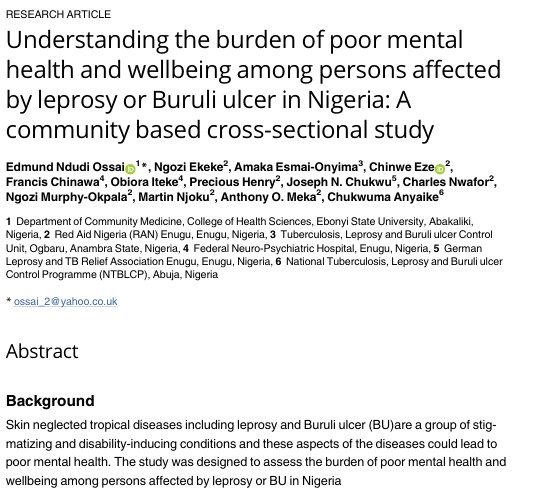
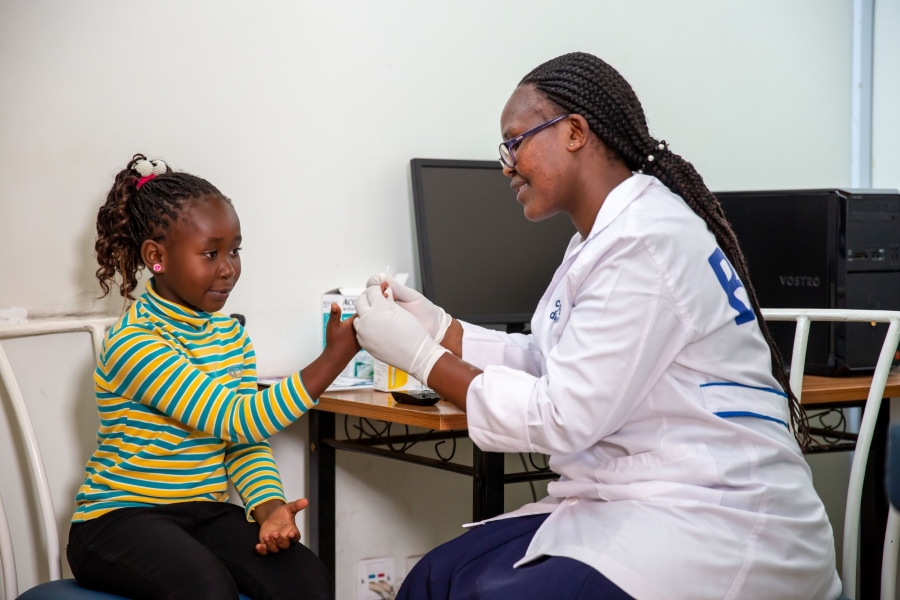
    A recent study by Ossai, et al. (2024) titled “Understanding the burden of poor mental health and wellbeing among persons affected by leprosy or Buruli ulcer in Nigeria: A community based cross-sectional study” published in PloS One shows high rates of depression, anxiety, and poor mental wellbeing, especially among uneducated, unemployed, and socially unsupported individuals.

    There are alarmingly high rates of depression, anxiety, and poor mental well-being among Nigerian patients with leprosy and Buruli ulcer. – Ossai, et al. 2024

    The article explores the heavy toll of poor mental health and well-being on individuals impacted by leprosy and Buruli ulcer in Nigeria. This research, a community-based cross-sectional study, was carried out across ten local government areas in southern Nigeria, involving a total of 635 participants. The findings reveal a significant mental health crisis among those affected by these neglected tropical diseases, with an alarming 89.9% of participants showing signs of depressive symptoms, 79.4% suffering from anxiety disorders, and 66.1% reporting poor overall mental well-being. These results underscore the psychological and emotional strain that comes with the stigma, isolation, and physical consequences of living with leprosy or Buruli ulcer. Beyond the physical health challenges, the social exclusion and discrimination often associated with these diseases further exacerbate mental health issues, leading to a cycle of poor mental and emotional health.

    How the Study was Conducted

    The study involved 635 participants who were affected by leprosy or Buruli ulcer. The authors employed data through structured interviews and questionnaires to assess mental health and well-being. The study used standardized tools to measure depressive symptoms, anxiety disorders, and overall mental well-being. The collected data was analyzed to determine the prevalence of mental health issues among the participants. This approach helped the researchers gather comprehensive data on the mental health burden faced by individuals with these conditions.

    What the Authors Found

    The authors found that a significant proportion of respondents (89.9%) had depressive symptoms, 79.4% had anxiety disorders, and 66.1% had poor mental well-being. The study further posits that there was a strong positive correlation between depression and anxiety scores, and a weak negative correlation between these scores and mental wellbeing. Poor mental health was more likely among those with no formal education, the unemployed, those affected by Buruli ulcer, and those with poor social support.

    Why is this important?

    Highlighting Mental Health Needs: It underscores the significant mental health burden among individuals affected by leprosy and Buruli ulcer, which is often overlooked in favor of physical health concerns.
    Guiding Interventions: By identifying the prevalence of depressive symptoms, anxiety disorders, and poor mental wellbeing, the study provides a basis for integrating mental health interventions into existing healthcare programs.
    Informing Policy: The results can inform policymakers and healthcare providers about the necessity of comprehensive care that includes mental health support for these populations.
    Improving Quality of Life: Addressing mental health issues can significantly improve the overall quality of life for affected individuals, helping them to lead more productive and fulfilling lives.
    Educational and Social Support: The study highlights the importance of improving educational status and social support, which are crucial for mental wellbeing.

    What the Authors Recommended

    • The authors suggest incorporating mental health support into the management of leprosy and Buruli ulcer to address the high prevalence of depressive symptoms and anxiety disorders.
    • The study recommends enhancing educational opportunities for affected individuals, as lack of formal education was linked to poorer mental health outcomes.
    • Increase social support networks to help mitigate the mental health burden. This includes community-based support systems and family involvement.
    • The authors further suggest that encouraging those affected to engage in productive activities, such as vocational training or employment opportunities, can help restore a sense of purpose and self-worth, contributing to improved mental health outcomes.

    In conclusion, the study by Ossai et al. sheds light on the severe mental health challenges faced by individuals affected by leprosy and Buruli ulcer in Nigeria. With alarmingly high rates of depression, anxiety, and poor overall mental well-being, the findings emphasize the urgent need for integrated mental health interventions. Addressing the social, educational, and economic factors contributing to this mental health crisis is crucial for improving the quality of life for those impacted by these neglected tropical diseases. By prioritizing comprehensive care that includes psychological support and social reintegration, healthcare systems can offer more holistic solutions to those most in need.
  • Exploring Cultural Interconnectivity Between Jewish and Yoruba Traditions: Enhancing Peaceful Coexistence and Socio-Economic Development

    Exploring Cultural Interconnectivity Between Jewish and Yoruba Traditions: Enhancing Peaceful Coexistence and Socio-Economic Development

    A recent study by Okediji, et al. (2024) titled “Cultural Interaction: An Overview of the Interconnectivity Between Jewish and Yoruba Traditional Cultures” published in the African Journal of Humanities and Contemporary Education Research shows that the cultural interaction between the two societies can enhance peaceful coexistence and socio-economic development.

    Cultural interactions between Jewish and Yoruba traditions can enhance peaceful coexistence and promote socio-economic development.– Okediji, et al. 2024

    This article provides a comprehensive overview of the interconnections between Jewish and Yoruba traditional cultures, exploring how these two rich cultural traditions have influenced and intersected with each other over time. It delves into the historical backgrounds of both cultures, tracing their points of contact and interactions across different periods and regions. By examining specific cultural practices, rituals, and traditions, the article highlights notable similarities, exchanges, and mutual influences between the Jewish and Yoruba communities, offering insights into the shared elements that have shaped their cultural identities.

    How the Study was Conducted

    The study compares cultural elements from both Jewish and Yoruba traditions to identify similarities and differences and examines historical interactions and influences between the two cultures. The study reviews existing literature on both cultures to provide a comprehensive background and also includes field research to gather primary data from cultural practitioners and communities. The study used historical, anthropological, and sociocultural methodologies to reconstruct past events and analyze the cultural interactions. This approach helps to provide a thorough understanding of the cultural interactions between the Jewish and Yoruba traditions.

    What the Authors Found

    The authors found a possibility of historical contact between the Jewish and Yoruba societies, which has led to significant cultural interconnectivity and convergence. The authors posit that the cultural interaction between the two societies can enhance peaceful coexistence and socio-economic development.

    Why is this Important?

    Cultural Preservation: It helps preserve and document the rich cultural heritage of both societies, ensuring that valuable traditions and practices are not lost over time.
    Promoting Unity: Highlighting commonalities and shared histories, it fosters a sense of unity and mutual respect between different cultural groups.
    Socio-economic Development: Positive cultural exchanges can lead to collaborative efforts that boost socio-economic development and innovation.
    Conflict Resolution: Understanding and appreciating cultural interconnectivity can play a crucial role in resolving conflicts and promoting peaceful coexistence.
    Educational Value: It provides valuable insights for academic research and education, enriching our understanding of human history and cultural evolution.

    What the Authors Recommended

    • The authors emphasize and encourage cultural practices that foster development and peaceful coexistence.
    • The authors advocate for identifying and eliminating cultural practices that are detrimental to societal progress.
    • Furthermore, the study recommends continuing to use historical, anthropological, and socio-cultural methodologies to understand further and strengthen cultural interconnectivity.
    • In addition, facilitate discussions and exchanges between different cultural groups to promote mutual understanding and respect.

    In conclusion, the study by Okediji et al. underscores the profound cultural interconnectivity between Jewish and Yoruba traditions, offering valuable insights into how these shared histories can foster peaceful coexistence and socio-economic progress. By promoting mutual respect, understanding, and collaboration, cultural exchanges between diverse societies hold the potential to preserve heritage, resolve conflicts, and drive collective development. This research encourages continued exploration of such interactions, emphasizing the importance of cultural preservation and unity in an increasingly interconnected world.

  • Boosting Patient Care and Research: Key Insights and Strategies for Successful International Collaborations in Resource-Limited Settings

    Boosting Patient Care and Research: Key Insights and Strategies for Successful International Collaborations in Resource-Limited Settings

    A recent study by Mekonnen, H. D., & Topazian, M. (2024) titled “Opportunities for international collaboration in resource-limited settings: insights from Africa” published in Techniques and Innovations in Gastrointestinal Endoscopy shows that international collaborations can significantly improve patient care, research, and education, benefiting all parties involved.

    International collaborations significantly enhance patient care, research, and education in resource-limited settings through mutual benefits, cultural understanding, and communication. – Mekonnen, H. D., & Topazian, M. 2024

    The article underscores the significance of international collaborations in enhancing patient care, education, and research, particularly in resource-limited environments. It addresses the challenges posed by cultural differences, limited resources, and communication barriers, while offering strategies to overcome these obstacles. Key factors for successful partnerships are highlighted, such as mutual benefits, effective communication, and cultural understanding. The article also offers recommendations for building strong, mutually beneficial collaborations between resource-rich and resource-limited settings.

    How the Study was Conducted

    The authors interviewed colleagues who have established sustainable international collaborations to gather insights and best practices. The authors reviewed existing literature on international collaborations, focusing on clinical, educational, and research settings. Examples of successful collaborations, such as the Ethiopian Hepatitis B Program, were analyzed to identify key elements and strategies. The study developed a conceptual outline to guide the discussion on starting and nurturing successful cross-cultural collaborations.

    What the Authors Found

    The authors found that international collaborations can significantly improve patient care, research, and education, benefiting all parties involved. Understanding and respecting cultural differences is crucial for successful collaborations. The study also posits that clear communication, mutual benefit, and proper planning are essential for maintaining long-term, productive partnerships, and short-term visits and training programs can enhance local medical education and raise awareness of health issues

    Why is this important?

    Improved Patient Care: By sharing knowledge and resources, international collaborations can enhance the quality of healthcare in resource-limited settings, leading to better patient outcomes.
    Enhanced Research: Collaborations can lead to more comprehensive and diverse research, incorporating different perspectives and expertise, which can result in more robust and applicable findings.
    Educational Benefits: These partnerships often include training and educational programs that can significantly improve the skills and knowledge of healthcare professionals in resource-limited areas.
    Cultural Exchange: Understanding and respecting cultural differences can lead to more effective and harmonious collaborations, fostering mutual respect and learning.
    Sustainability: Well-planned and mutually beneficial collaborations are more likely to be sustainable, ensuring long-term benefits for all parties involved.

    What the Authors Recommended

    • The study suggests establishing open and transparent communication channels to ensure all parties are on the same page.
    • The authors also suggest setting shared objectives that benefit all collaborators, ensuring the partnership is equitable and mutually beneficial.
    • The study recommended developing long-term plans that include sustainability measures to ensure the collaboration can continue to thrive.
    • In addition, the study emphasizes continuously assessing the progress and impact of the collaboration to make necessary adjustments and improvements.

    In conclusion, international collaborations offer immense potential to transform healthcare, education, and research, particularly in resource-limited settings. By fostering mutual understanding, clear communication, and sustainable strategies, these partnerships can significantly enhance patient care and empower local healthcare systems. With a focus on long-term benefits and cultural respect, international collaborations not only address immediate challenges but also pave the way for ongoing improvements in global health outcomes.

  • Rising Antibiotic Use and AMR in Sub-Saharan Africa During COVID-19: Insights from the ANDEMIA Study

    Rising Antibiotic Use and AMR in Sub-Saharan Africa During COVID-19: Insights from the ANDEMIA Study

    A recent study by Wieters, et al. (2024) titled “Reported antibiotic use among patients in the multicenter ANDEMIA infectious diseases surveillance study in sub-Saharan Africa,” published in Antimicrobial Resistance & Infection Control by Springer Link, examines that the use of Watch antibiotics increased during the COVID-19 pandemic, especially among patients with acute febrile disease of unknown cause (AFDUC).

    Patients with respiratory conditions showed different usage patterns compared to those with gastrointestinal or febrile diseases– Wieters, et al. 2024

    The study examines antibiotic use patterns among patients in sub-Saharan Africa, emphasizing its significant role in contributing to the growing problem of antimicrobial resistance (AMR). Conducted across 12 health facilities located in Côte d’Ivoire, Burkina Faso, the Democratic Republic of the Congo, and South Africa, the research focused on individuals presenting with acute respiratory infections, gastrointestinal illnesses, and febrile conditions. Among a total cohort of 19,700 patients, 36.8% reported having used antibiotics, with a concerning prevalence of antibiotics listed in the World Health Organization’s (WHO) “Watch” category, such as ceftriaxone. These antibiotics are classified as those with a higher risk of leading to AMR, necessitating careful monitoring and restricted use. The study found notable variations in antibiotic consumption based on both the type of illness and geographic location. For example, patients with respiratory conditions showed different usage patterns compared to those with gastrointestinal or febrile diseases, and the accessibility and type of antibiotics used varied significantly across the countries involved in the study. The over-reliance on broad-spectrum antibiotics like ceftriaxone raises concerns about inappropriate prescribing practices and the broader implications for AMR in the region.

    How the Study was Conducted

    The study employed a descriptive analysis of data from the ANDEMIA infectious disease surveillance network, covering 12 urban and rural health facilities in Côte d’Ivoire, Burkina Faso, the Democratic Republic of Congo, and the Republic of South Africa from February 2018 to May 2022. Clinical, demographic, socio-economic, and behavioral data were collected using standardized questionnaires. The data included patient demographics, symptoms, medical history, hospitalization, medication, and other relevant factors. Antibiotic use was defined as self-reported use in the ten days prior to study enrollment. Antibiotics were categorized according to the WHO AWaRe classification and analyzed by location, disease syndrome, and patient factors. Data were cleaned and analyzed using Stata software. Variables such as climatic region, pandemic period, and biometric measures were also considered in the analysis.

    What the Authors Found

    The author found that among 19,700 patients, 36.8% reported antibiotic use, with a significant portion using WHO Watch antibiotics like ceftriaxone, and antibiotic use varied by country, health facility location, and disease syndrome, highlighting the need for tailored interventions. No reserve antibiotics were reported, but some recommended antibiotics were used, particularly in the Democratic Republic of Congo. In addition, the use of Watch antibiotics increased during the COVID-19 pandemic, especially among patients with acute febrile disease of unknown cause (AFDUC).

    Why is this important?

    Antimicrobial Resistance (AMR): High antibiotic use, especially of WHO Watch antibiotics, can drive the development of AMR, making infections harder to treat and increasing the risk of disease spread, severe illness, and death.
    Tailored Interventions: The variation in antibiotic use by location and disease syndrome suggests that interventions need to be customized to specific contexts to be effective. This can help in designing better policies and practices for antibiotic use.
    Public Health Policies: Understanding the patterns of antibiotic use can inform public health policies and strategies to promote the rational use of antibiotics, ensuring they remain effective for future generations.
    Impact of COVID-19: The increase in antibiotic use during the COVID-19 pandemic highlights the need for careful monitoring and management of antibiotic prescriptions during health crises to prevent unnecessary use and resistance.

    What the Authors Recommended

    • The authors advocate that tailored antibiotic use interventions are needed to address the specific patterns of use observed in different locations and among different disease syndromes.
    • Enhanced monitoring and regulation of antibiotic use, especially WHO Watch antibiotics, to prevent the development and spread of antimicrobial resistance (AMR).
    • The study emphasizes further evaluation of the accessibility and affordability of antibiotics to ensure that patients can obtain the necessary treatments without contributing to misuse or overuse.
    • Furthermore, the development of public health strategies that promote rational antibiotic use, particularly during health crises like the COVID-19 pandemic, to avoid unnecessary prescriptions and resistance.

    In conclusion, the study by Wieters et al. underscores the critical need for tailored interventions and stricter regulation of antibiotic use in sub-Saharan Africa, particularly during health crises like the COVID-19 pandemic. The overuse of WHO Watch antibiotics, such as ceftriaxone, poses a significant risk in accelerating antimicrobial resistance (AMR), which could severely undermine global public health efforts. To combat this, enhanced monitoring, responsible prescribing practices, and context-specific strategies are essential to preserving the effectiveness of antibiotics for future generations.

  • Exploring Anfillo: Archaeology Uncovers Forgotten Kingdom in Southern Ethiopia

    Exploring Anfillo: Archaeology Uncovers Forgotten Kingdom in Southern Ethiopia

    A recent study by González-Ruibal, A. (2024) titled “Landscapes of Memory and Power: The Archaeology of a Forgotten Kingdom in Ethiopia” published in African Archaeological Review by Springer Link examines that the kingdoms of southern Ethiopia, like Anfillo, have been largely overlooked in archaeological research compared to their northern counterparts.

    Southern Ethiopian kingdoms like Anfillo used fortified landscapes and oral traditions to legitimize social divisions.– González-Ruibal, A. 2024

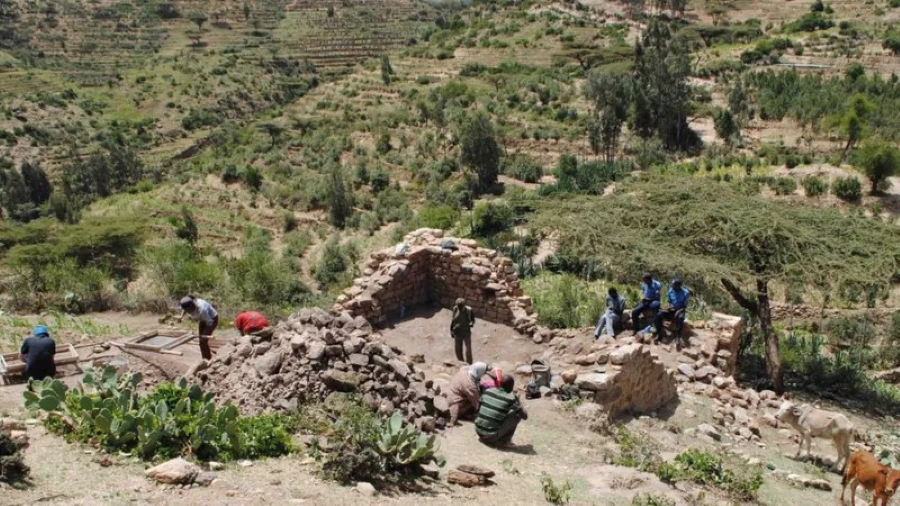
    This article, “Landscapes of Memory and Power: The Archaeology of a Forgotten Kingdom in Ethiopia”, explores the kingdom of Anfillo in southern Ethiopia. Unlike northern Ethiopian kingdoms, southern Ethiopian polities like Anfillo have received little archaeological attention due to their late emergence and lack of written records. The study is based on two seasons of fieldwork, including surveys, teUncovering Anfillo: A Forgotten Kingdom in Southern Ethiopia Revealed Through Archaeology!st pits, and oral history, revealing fortified landscapes used for conflict and memory. Landscapes in Anfillo served as mnemonic devices for the ruling classes to legitimize social divisions and tell history. The article discusses the political complexity and social hierarchy of Anfillo, highlighting its unique features compared to other African states.

    How the Study was Conducted

    The author conducted fieldwork over two seasons in 2009 and 2010—interviews with Oromo elders, descendants of old aristocratic families, and Boro elders. The author studies the cultural practices and material culture of the region. The author explores the physical examination of the landscape and excavation of test pits. The author utilizes satellite imagery and GIS analyses to study the geographical and spatial aspects of the region and focuses on pottery-making, distribution, and consumption.

    What the Authors Found

    The author found that the kingdoms of southern Ethiopia, like Anfillo, have been largely overlooked in archaeological research compared to their northern counterparts. Anfillo and other southern Ethiopian polities developed fortified landscapes that served as mnemonic devices for the ruling classes to legitimize social divisions. In addition, the study found that landscapes of memory, including natural landmarks and sacred places, played a significant role in telling history and legitimizing authority in the absence of written records.

    Why is this Important

    Filling Historical Gaps: It sheds light on the lesser-known southern Ethiopian kingdoms, which have been largely neglected in historical and archaeological research.
    Understanding Cultural Memory: The research highlights how landscapes and oral traditions were used to preserve and convey history, especially in the absence of written records.
    Social and Political Insights: It provides a deeper understanding of the social hierarchy, political structures, and cultural practices of the Anfillo kingdom.
    Archaeological Techniques: The study demonstrates the effectiveness of combining various archaeological methods, such as fieldwork, oral history, and GIS analyses, to uncover and interpret historical data.

    What the Authors Recommended

    • The author suggests more extensive archaeological and ethnohistorical research in southern Ethiopia to uncover and document other neglected kingdoms and polities.
    • The study emphasizes the importance of preserving the cultural landscapes and oral histories of the region to maintain the cultural heritage.
    • The study advocates for the use of interdisciplinary methods, combining archaeology, oral history, and modern technologies like GIS, to gain a comprehensive understanding of historical societies.
    • Furthermore, the study encourages involving local communities in the research process to ensure that their knowledge and perspectives are integrated and respected.

    In conclusion, the study of the Anfillo kingdom offers valuable insights into the overlooked southern Ethiopian polities, revealing their rich cultural heritage, social complexity, and political structures. By utilizing interdisciplinary approaches such as fieldwork, oral history, and modern technologies like GIS, the research bridges historical gaps and underscores the importance of preserving these cultural landscapes and traditions. This exploration not only contributes to our understanding of the region’s history but also highlights the significance of involving local communities in preserving and interpreting their past.

  • 2024 Young African AI Research Fellowship: Empowering Africa’s Next AI Leaders at InstaDeep Rwanda

    2024 Young African AI Research Fellowship: Empowering Africa’s Next AI Leaders at InstaDeep Rwanda

    The 2024 Young African AI Research Fellowship was first introduced at the Deep Learning Indaba 2023, thanks to a generous sponsorship from Jeff Dean, the Chief Scientist at Google DeepMind and Google Research, who was present at the event. This forward-thinking program is tailored to nurture and accelerate emerging AI talent across the African continent. Today, the fellowship is set to be officially launched at Deep Learning Indaba 2024, where the first awards for the best poster presentations will be bestowed, marking the beginning of a significant initiative.

    Fellowship Focus and Opportunities

    Designed specifically for master’s graduates, this fellowship offers an invaluable platform for young researchers to gain substantial hands-on experience in the ever-evolving field of Artificial Intelligence (AI). By engaging in cutting-edge research at InstaDeep Rwanda, participants will have the opportunity to immerse themselves in advanced AI projects, equipping them with the expertise necessary to make significant contributions not only to African AI innovation but also to the broader global AI community.

    Fellows will be expected to present their research findings at prestigious international AI conferences, including Deep Learning Indaba, ICLR (International Conference on Learning Representations), NeurIPS (Conference on Neural Information Processing Systems), and ICML (International Conference on Machine Learning). This exposure positions the fellows to become central figures in the development of AI technologies, while also increasing African representation on the global AI stage.

    A key goal of the fellowship is to create a pathway for African AI researchers to further their careers, including potential PhD opportunities that can expand their contributions to the field. The fellowship provides a foundation for researchers to explore areas such as Machine Learning, Deep Learning, Reinforcement Learning, and other AI technologies critical to both Africa’s development and global innovation.

    The Partnership and Vision

    The program is supported by ASCEND360, a non-profit organization co-founded by one of the IndabaX organizers. This partnership between ASCEND360, InstaDeep, and Deep Learning Indaba reflects a broader vision to enhance Machine Learning (ML) and AI research across Africa. The collaboration is rooted in a mission to empower African researchers and address their underrepresentation in the global AI landscape. By offering the next generation of African researchers a platform to excel, the fellowship seeks to elevate African voices in shaping AI’s future.

    About InstaDeep

    As a key partner, InstaDeep is a pioneering company specializing in decision-making AI. Their expertise lies in applying Machine Learning, particularly Reinforcement Learning, to real-world problems. InstaDeep works with businesses and communities across various sectors—including logistics, biotechnology, and electronics design—helping them leverage AI to tackle complex challenges. InstaDeep’s approach centers on human values, combining technical expertise with a commitment to democratizing AI and nurturing emerging talent. Their acquisition by the BioNTech Group in 2023 has only amplified their global impact and ability to innovate at the intersection of AI and biomedicine.

    In line with their ethos of AI for Good, InstaDeep is deeply invested in sharing knowledge, creating an inclusive AI community, and fostering the next generation of African AI researchers. By participating in the Young African AI Research Fellowship, fellows will benefit from InstaDeep’s innovative culture and gain access to cutting-edge tools, frameworks, and collaborative opportunities.

    Fellowship Structure and Benefits

    The 2024 Young African AI Research Fellowship is a six-month intensive program, beginning in October 2024, with a full-time, on-site commitment at InstaDeep’s facility in Kigali, Rwanda. Fellows will receive a monthly stipend of $1,000 USD, designed to cover living expenses and allow them to focus entirely on their research. In addition, round-trip transportation costs, up to $1,000 USD, will be provided to ensure seamless participation in the program.

    The fellowship is open to master’s graduates and current PhD students from across Africa who can dedicate themselves to full-time research for six months. Candidates must reside on the African continent, with a strong preference for fostering local talent. This initiative seeks to tap into the potential of young African researchers, providing them with the resources, mentorship, and collaborative environment they need to drive innovation.

    Eligibility Criteria

    To apply for the fellowship, candidates must meet the following criteria:

    • Hold a Master’s degree or PhD in Computer Science, Machine Learning, Data Science, or related fields.
    • Demonstrate proficiency in machine learning frameworks such as PyTorch, TensorFlow, or Jax.
    • Possess strong English communication skills—both written and verbal—for collaboration and effective reporting.
    • Be enthusiastic about contributing to team-based research and committed to a six-month, full-time on-site engagement in Kigali, Rwanda.

    Preferred Qualifications and Skills

    Candidates with the following expertise are particularly encouraged to apply:

    • Research experience in AI, demonstrated by contributions to deep learning models and AI applications.
    • Proficiency in AI development tools, including software engineering skills like Object-Oriented Programming, Unit Testing, Continuous Integration/Continuous Deployment (CI/CD), and Docker.
    • Experience working on AI for Social Good (AI4SG) projects, reflecting an interest in applying AI to solve real-world societal challenges.
    • A collaborative mindset and the ability to publish research findings at major AI conferences.

    Fellowship Application Deadline

    Applications for the 2024 Young African AI Research Fellowship are due by September 17, 2024.

    This fellowship represents a groundbreaking opportunity for African researchers to immerse themselves in AI research, contribute to global innovation, and help address the unique challenges of the African continent through AI technology.

    To apply for this opportunity, click this link.

  • New IITA-CGIAR and China Agriculture University Partnership Boosts African Agricultural Innovation, Trade, and Development

    New IITA-CGIAR and China Agriculture University Partnership Boosts African Agricultural Innovation, Trade, and Development

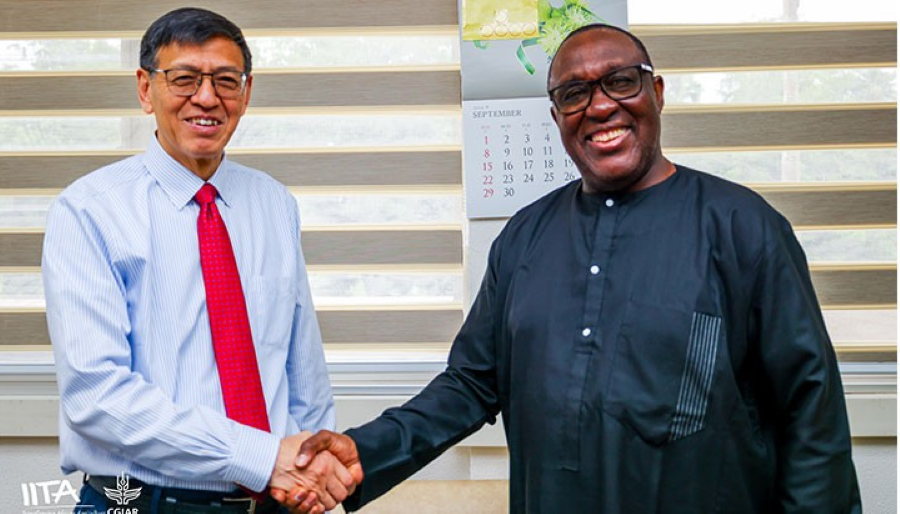
    In a significant development aimed at fostering agricultural research and trade collaboration between Africa and China, the International Institute of Tropical Agriculture (IITA-CGIAR) and China Agriculture University (CAU) have forged a new partnership. From 28 August to 1 September 2024, a Chinese delegation led by IITA Board member Dr. Fan Shenggen visited the IITA-CGIAR headquarters to explore avenues for joint research, agricultural development, and innovation across the African continent. The visit marked an important step toward strengthening ties between China and Africa in key areas like climate-smart agriculture, mechanization, and trade.

    During the week-long visit, IITA Director General and CGIAR Regional Director for Continental Africa, Dr. Simeon Ehui, welcomed the delegation, which comprised both academic and research experts. Dr. Ehui emphasized the importance of learning from China’s advancements in agricultural technology and expressed optimism about the opportunities this partnership would create. He stated, “There is so much Africa can learn from China. With this partnership, we can explore many opportunities like staff exchange, student exchange, research collaboration, and more.” The visit also involved IITA research scientists and management staff, who engaged in productive discussions on various collaboration fronts.

    Dr. Fan Shenggen underscored the Chinese government’s commitment to supporting agricultural development in Africa, particularly through academic research and technology transfer. “We are excited about forging collaborations with IITA in the area of breeding and research, especially in academics. We are also keen on nutrition and climate-smart agriculture,” he stated. These collaborations aim to enhance the resilience of African agriculture in the face of climate change and other pressing challenges.

    Several key areas of collaboration were highlighted during the discussions, including academic exchange programs for young researchers, small-scale mechanization to improve agricultural productivity, and digital data collection to facilitate precision agriculture. These initiatives will allow Africa and China to share knowledge and expertise, creating a mutually beneficial relationship that fosters innovation.

    One of the most critical points raised was the need for enhanced trade relations, particularly addressing issues that hinder Africa’s agricultural exports. The teams discussed trade analysis and how factors like aflatoxin contamination have negatively impacted the export of crops such as maize and groundnuts, resulting in reduced incomes for African farmers. Aflatoxin is a naturally occurring toxin produced by certain molds that can grow on food crops, and its presence in crops has been a significant barrier to accessing global markets. By leveraging IITA’s research capacity, the partnership seeks to tackle such barriers and boost trade opportunities for African farmers.

    To address these issues, both parties proposed the establishment of dedicated export zones in Nigeria, which would focus on improving the quality and safety of agricultural produce for international markets. These zones could significantly enhance the livelihoods of local farmers by providing them with better access to global markets while ensuring that their products meet international quality standards.

    The delegation also identified the importance of empowering youth by improving their access to agricultural technologies and innovations. One way to achieve this is through data collection for nutrition surveys, leveraging IITA’s expertise to enhance the nutritional quality of food systems in Africa. The focus on youth engagement in agricultural development reflects the need to equip the next generation of farmers and researchers with the tools and skills necessary to lead Africa’s agricultural transformation.

    Both teams committed to setting clear goals and timelines for implementing the initiatives discussed. Actionable plans were drawn up, with milestones to measure progress and deliverables to ensure accountability. Future meetings in China and other CGIAR Centers in Africa were also proposed to further strengthen this partnership and expand its scope.

    In summary, this new collaboration between IITA-CGIAR and China Agriculture University has the potential to transform African agriculture by combining China’s technological advancements and Africa’s rich agricultural resources. By focusing on areas such as climate-smart agriculture, mechanization, trade enhancement, and youth empowerment, the partnership aims to foster sustainable agricultural development across the continent.

  • Postdoc Position: Biota-Sediment Feedback Research in the Wadden Sea – NIOZ & Utrecht University | Apply by October 8, 2024

    Postdoc Position: Biota-Sediment Feedback Research in the Wadden Sea – NIOZ & Utrecht University | Apply by October 8, 2024

    Job Overview

    The Department of Coastal Systems (COS) at the Royal Netherlands Institute for Sea Research (NIOZ) and the Department of Physical Geography at Utrecht University are inviting applications for a 3.5-year postdoctoral position. This opportunity is part of two larger projects funded by the Netherlands Organisation for Scientific Research (NWO): WADSED and SEDWAY. The successful candidate will contribute to pioneering research exploring the interactions between biota (living organisms) and sediment, and how these feedback loops influence sediment composition and dynamics in the Wadden Sea. The role is jointly supervised by Prof. T. van der Heide at NIOZ and Dr. Valerie Reijers at Utrecht University.

    About Royal NIOZ

    NWO-NIOZ, the Royal Netherlands Institute for Sea Research, is the premier oceanographic institute in the Netherlands. It conducts multidisciplinary, high-level marine research that spans fundamental to applied topics, addressing key scientific and societal questions about ocean functioning. NIOZ supports cutting-edge marine science with its National Marine Research Facilities (NMF), which include a fleet of research vessels and state-of-the-art seagoing equipment. The institute fosters collaboration and excellence in marine research, education, and policy development.

    About the Department of Coastal Systems (COS)

    The COS department at NIOZ uses a blend of laboratory work, field studies, and numerical modeling to investigate how physical, chemical, and biological processes interact in marine ecosystems. These studies cover the full spectrum from primary producers to top predators, and coastal to pelagic (open sea) environments. By analyzing how these processes govern the distribution, composition, and productivity of marine species and habitats, COS research is pivotal for understanding the functioning of marine systems and their responses to global changes such as climate shifts and biodiversity loss.

    Utrecht University’s Department of Physical Geography

    At Utrecht University, the Faculty of Geosciences is dedicated to studying Earth’s systems—from its deep core to its surface—and understanding humanity’s interaction with natural landscapes. With over 3,400 students and 720 staff members, the department excels in research and education across Earth Sciences, Human Geography & Spatial Planning, and Sustainable Development. The Department of Physical Geography focuses on understanding the dynamics of continental and coastal systems, which is essential for managing Earth’s resources sustainably and preparing for future environmental challenges.

    Project Overview

    The research within this postdoc position will focus on tidal basins and estuaries, which are known for their pronounced environmental gradients influencing sedimentation processes across various scales. At the macro-scale, tidal flows and current dynamics create gradients of increasing mud concentrations, moving from tidal inlets and channels to more sheltered tidal mudflats. However, superimposed upon these large-scale processes are localized interactions where ecosystem engineers—species that modify their environment—play a significant role. For example, seagrass meadows or bivalve reefs can dramatically alter sediment composition and hydrodynamic conditions, shaping the ecosystems they inhabit.

    This project hypothesizes that:

    1. Ecosystem engineering species can impact sediment composition at the tidal basin scale.
    2. Human activities in these ecosystems may have far-reaching effects on sediment dynamics beyond the immediate vicinity of the habitats they modify.

    The postdoctoral researcher will explore these hypotheses by analyzing existing datasets on habitat distribution, sediment characteristics, hydrology, and environmental management. They will work closely with experts from the WADSED and SEDWAY projects and present findings to societal partners and at international conferences.

    Candidate Requirements

    • A completed PhD in ecology, biology, geomorphology, marine or environmental science, or a related field.
    • Strong interest and knowledge in coastal ecology, geomorphology, particularly the Wadden Sea or other intertidal systems.
    • Advanced analytical and computational skills for working with large datasets and performing complex (spatial) statistical analyses.
    • Enthusiasm for interdisciplinary collaboration with scientists, policymakers, and NGOs involved in large-scale research projects.
    • Strong written and verbal communication skills in English.
    • A commitment to conducting multi-disciplinary work in an international and collaborative environment.

    Position Benefits

    • 42-month full-time position with NWO-I (Dutch Research Institutes Organisation).
    • Salary scale 10 or 11, based on experience, compliant with CAO-WVOI (Collective Labour Agreement for Dutch Research Institutes).
    • Annual leave of 338 hours for a full-time 40-hour workweek.
    • Pension scheme with ABP (Algemeen Burgerlijk Pensioenfonds).
    • Holiday allowance of 8% and a year-end bonus of 8.33%.
    • Full reimbursement of public transportation costs for 2nd-class travel.
    • Flexible employment benefits plan to exchange part of the salary for additional days off or for purchasing a bicycle with tax advantages.
    • Support for relocation expenses for international hires and assistance in finding suitable accommodation.

    Application Process and Deadline
    For more information about this position, potential candidates can contact Prof. Dr. Ir. Tjisse van der Heide at NIOZ. For inquiries about the application procedure, email working@nioz.nl. or visit website
    The deadline for applications is October 8, 2024.

  • Allan Gray Centre for Africa Entrepreneurship 2024 Postdoctoral Scholarships: Apply Now for Fully-Funded Opportunities

    Allan Gray Centre for Africa Entrepreneurship 2024 Postdoctoral Scholarships: Apply Now for Fully-Funded Opportunities

    Applications are now open for the Allan Gray Centre for Africa Entrepreneurship (AGCAE) 2024 Postdoctoral Scholarship, targeting South African graduates. The deadline to apply is September 30, 2024.

    Overview of the Allan Gray Centre for Africa Entrepreneurship (AGCAE) 2024 Postdoctoral Scholarship:

    The Allan Gray Centre for Africa Entrepreneurship (AGCAE) is an initiative under the School of Public Leadership within Stellenbosch University’s Faculty of Economic and Management Sciences. The Centre is focused on generating research and knowledge aimed at fostering entrepreneurial ecosystems in Africa. Its goal is to use entrepreneurship as a tool to enhance the well-being of African communities by addressing social and economic challenges.

    For 2024, the AGCAE is offering fully funded doctoral and master’s scholarships. These scholarships provide financial support to students pursuing advanced research in entrepreneurship, with the aim of developing innovative solutions that contribute to the advancement of African societies.

    Scholarship Details:

    1. Doctoral Scholarships:
      • Full-time scholarships valued at R250,000 per year for three years.
      • Open to students pursuing a PhD in entrepreneurship or closely related fields.
    2. Master’s Scholarships:
      • Full-time scholarships valued at R150,000 per year for two years.
      • Open to students pursuing a master’s degree in entrepreneurship or closely related fields.

    Fields of Study:

    The scholarships are specifically available for research in the field of entrepreneurship. The AGCAE encourages applicants whose research aligns with one of their core research themes, which focus on innovative solutions that build sustainable entrepreneurial ecosystems in Africa.

    Eligibility Criteria:

    Applicants must meet the following requirements:

    • Doctoral Scholarships:
      • Must meet Stellenbosch University’s PhD admission requirements, including holding a relevant master’s degree.
      • Preference is given to South African citizens and African nationals, with special consideration for historically disadvantaged individuals.
      • Applicants must have achieved a minimum of 70% in their master’s program.
    • Master’s Scholarships:
      • Must meet Stellenbosch University’s Master’s admission criteria, which includes holding a relevant honors degree.
      • Open to South African citizens and African nationals, with preference given to previously disadvantaged individuals.
      • Applicants must have achieved a minimum of 70% in their honors program.

    Required Documents:

    Applicants are required to submit the following:

    • Academic transcripts and records
    • Copy of ID or passport
    • Proof of English language proficiency

    Duration and Value of the Award:

    The duration of the awards is:

    • Doctoral Scholarships: Up to three years of funding at R250,000 per year.
    • Master’s Scholarships: Up to two years of funding at R150,000 per year.

    How to Apply:

    Interested applicants must apply through the official scholarship webpage. Ensure that your research proposal aligns with AGCAE’s focus on entrepreneurial ecosystems and innovation in Africa.

    This scholarship offers a transformative opportunity for scholars dedicated to advancing entrepreneurial development in Africa. Through this support, successful candidates can engage in research that promotes economic empowerment and societal well-being across the continent.

    For more information and to apply, visit the official webpage.

    Conclusion:

    The AGCAE Postdoctoral Scholarship is a prestigious and generous funding opportunity designed to support entrepreneurial research in Africa. By providing full financial support, the Centre empowers the next generation of researchers and leaders to contribute to Africa’s entrepreneurial growth and social development. If your research aligns with this vision, consider applying before the deadline of September 30, 2024.

  • STEG Small Research Grants 2024: Apply for £10,000-£25,000 Funding for Structural Transformation and Economic Growth Research

    STEG Small Research Grants 2024: Apply for £10,000-£25,000 Funding for Structural Transformation and Economic Growth Research

    The Small Research Grants (SRGs) program, organized by the Structural Transformation and Economic Growth (STEG) initiative, is now accepting applications for its eighth call for proposals, with a submission deadline set for Monday, 30 September 2024, at 23:59 BST. These grants are aimed at supporting research projects focused on understanding the processes of structural transformation and economic growth, particularly in low- and middle-income countries.

    Grant Details

    Researchers can apply for grants ranging from £10,000 to £25,000, which can be used to fund research assistance, data collection or purchase, and potentially stipends or teaching buyouts, depending on eligibility. The grants may also cover travel costs to field sites, which STEG views as essential for researchers who are new to conducting studies in their chosen regions. The application budgets must adhere to the STEG Budget Guidelines, emphasizing cost-effectiveness and value for money.

    Research projects are expected to be completed within 12 months from the start of the grant period, and decisions on funding are typically issued within three months following the deadline.

    Focus Areas and Research Themes

    Research proposals should explore broad patterns of structural transformation and growth across various countries or time periods. Alternatively, they can address one or more of the following six STEG research themes:

    1. Data, measurement, and conceptual framing
    2. Firms, frictions, spillovers, and industrial policy
    3. Labour, home production, and structural transformation at the household level
    4. Agricultural productivity and sectoral gaps
    5. Trade and spatial frictions
    6. Political economy and public investment

    STEG encourages research proposals that engage with one or more of its cross-cutting issues:

    • Gender
    • Climate change and environmental impact
    • Inequality and social inclusion

    Projects that address these issues will receive additional consideration during the evaluation process.

    Evaluation Criteria

    Each proposal will be evaluated on several key criteria:

    1. Quality of proposed research
    2. Relevance to policy, especially in low-income and Sub-Saharan African countries
    3. Feasibility and credibility of the research plan
    4. Value for money
    5. Contributions to the broader field of structural transformation and growth

    Proposals focused on middle- or high-income countries must demonstrate how their findings will be relevant to policy in low-income countries, particularly in Sub-Saharan Africa.

    Eligibility

    Researchers from around the world are encouraged to apply. Principal investigators should hold a PhD or be enrolled in a PhD program, although exceptions can be made for those with a strong history of academic or policy-relevant research. PhD students are also eligible to apply for SRGs but must submit a letter of support from their PhD supervisor within two weeks of the application deadline.

    Due to current political and economic sanctions, STEG is not accepting applications from researchers affiliated with Russian institutions.

    COVID-19 Considerations

    Given the potential for delays due to COVID-19, applicants relying on face-to-face surveys or fieldwork must include alternative plans in case the pandemic affects field research. Proposals should also outline how researchers intend to ensure the safety of both themselves and their participants during fieldwork.

    Application Process

    Applicants are required to submit their proposals using the templates provided on the STEG website. These templates include guidelines for structuring both the research proposal and the budget. Applications should be submitted through the SRG Application Form on the Hub.

    The grants are contracted directly with individual researchers, and no overhead fees can be applied to the grant funding. Full details regarding the grant contracts, evaluation process, and budget guidelines can be found in the SRG Applicant Guide, available on the STEG website.

    For any additional questions, applicants are encouraged to reach out to the STEG Team at steg@cepr.org.

    Important Dates

    • Deadline for submission: 23:59 BST, Monday, 30 September 2024
    • Funding decisions issued: Within three months of the deadline
    • Project start date: One month after contract signature

    The STEG Small Research Grants program presents a unique opportunity for researchers to contribute to the understanding of key issues related to structural transformation and economic growth, with a particular emphasis on policies relevant to low-income countries, especially in Sub-Saharan Africa.