Author: AR Managing Editor

  • How Indigenous Knowledge and Gorilla Behavior Unveil Medicinal Plant Properties in Gabon

    How Indigenous Knowledge and Gorilla Behavior Unveil Medicinal Plant Properties in Gabon

    A recent study conducted in Gabon reveals how the symbiotic relationship between humans and gorillas, along with traditional Indigenous knowledge, has uncovered potential medicinal properties in certain plants. The research team, seeking plants with bioactive compounds, turned to two sources for guidance: the Vungu healers, a group of Indigenous people living near Gabon’s Moukalaba-Doudou National Park, and the park’s resident western lowland gorillas (Gorilla gorilla gorilla). Gorillas are known to harbor pathogens such as E. coli without developing serious illnesses, suggesting that their diet may hold clues to their resilience.

    In an innovative approach, the researchers conducted interviews with Vungu healers and herbalists to learn about their use of local plants for medicinal purposes. Simultaneously, they observed gorillas within the park, focusing on the plant species the apes consumed. Over 10 days in August 2022, botanists on the team, guided by the Vungu community’s traditional knowledge, collected samples from plants that were part of both human and gorilla diets. The research team eventually narrowed their focus to four species: Ceiba pentandra, Myrianthus arboreus, Ficus spp., and Milicia excelsa.

    Subsequent lab tests on bark extracts from these plants revealed promising bioactive properties. The extracts demonstrated antimicrobial and antioxidant activities, along with organic compounds known to combat malaria, diarrhea, inflammation, and muscle spasms. This reinforces the medicinal value of these plants and underscores their potential for pharmaceutical applications.

    One of the key takeaways from the study is the shared evolutionary history between humans and gorillas. Both species have long coexisted in these ecosystems, relying on similar plant species for medicinal purposes. For the Vungu people, who are intimately familiar with these forest environments, the gorillas’ use of medicinal plants was unsurprising. They have long observed the animals’ behaviors and recognize the therapeutic benefits of the same plant species.

    The study, published in PLOS ONE and led by Leresche Oyaba Yinda from the Interdisciplinary Medical Research Center of Franceville in Gabon, illustrates the value of combining ethnobotanical knowledge with modern science. Yinda emphasized that the collaboration with Indigenous communities was pivotal to the success of the research. The Vungu people expressed interest in the findings, recognizing that the study could enhance their knowledge of traditional medicine.

    The implications of this research go beyond understanding gorillas’ dietary habits. The results highlight the need to preserve the rich biodiversity of tropical rainforests, where both humans and gorillas live in harmony. Protecting these ecosystems not only conserves species like gorillas but also safeguards a natural pharmacy that could provide future medicinal resources.

    Experts like Cameroonian primatologist Denis Ndeloh Etiendem, who previously studied the relationship between humans and Cross River gorillas, believe the study underscores the interconnectedness between humans and other great apes. He warns that the extinction of gorillas due to habitat loss and hunting would have devastating effects—not only on biodiversity but on human survival. Gorillas’ knowledge of medicinal plants could be key to advancing human medicine, particularly as they live in areas rich with known and emerging infectious diseases.

    Ultimately, the research serves as a reminder of the profound wisdom embedded in traditional ecological knowledge. It highlights the necessity of protecting both the species that use these plants and the habitats that sustain them, ensuring that humans and gorillas can continue to benefit from these natural resources for generations to come.


  • AI-Powered African Drug Discovery: Unlocking the Potential of Biodiversity for Homegrown Healthcare Solutions

    AI-Powered African Drug Discovery: Unlocking the Potential of Biodiversity for Homegrown Healthcare Solutions

    In an exciting development reported by Gavi, the Vaccine Alliance, African researchers are using cutting-edge artificial intelligence (AI) to uncover the potential of the continent’s natural biodiversity for drug discovery. This effort is spearheaded by Fidele Ntie-Kang, an associate professor at the University of Buea in Cameroon, who leads a multidisciplinary team striving to create homegrown healthcare solutions using Africa’s vast array of unique plant species.

    A Vision for Homegrown Solutions

    With over 40,000 unique plant species, Africa represents a vast and largely untapped resource for natural compounds that could lead to groundbreaking treatments for neglected diseases. Ntie-Kang emphasized that AI is pivotal to speeding up this process, which has traditionally been slow, costly, and complex. He explains, “By tapping into our own natural and human resources and applying new technologies like AI, we can develop homegrown solutions to our healthcare challenges.”

    The potential for this approach is immense. For instance, the team’s research is focused on screening hundreds of natural compounds to discover less toxic, more effective treatments, reducing reliance on external pharmaceutical solutions. This could mark a significant shift in Africa’s ability to tackle its healthcare challenges independently, using its natural resources in combination with cutting-edge technology.

    Unexplored Potential of African Medicinal Plants

    Africa’s medicinal plants have long been a cornerstone of traditional healthcare, with over 80% of the population relying on natural remedies for their primary healthcare needs. Despite this, the medicinal properties of many of these plants remain unstudied or insufficiently explored. According to Ntie-Kang, the continent boasts more than 40,000 plant species, with at least 5,000 used in traditional African medicine. These plants contain unique molecules that have been key to the development of modern drugs, such as quinine for malaria and salicylic acid for aspirin. However, limited systematic exploration by pharmaceutical researchers has left the vast potential of these plants largely untapped.

    This disparity is partly due to the challenges associated with drug discovery itself, which has historically been a resource-intensive process. Infrastructure challenges, such as frequent power outages in research facilities, have also hindered progress. Ntie-Kang noted that his team overcame these obstacles by installing solar panels to ensure uninterrupted research.

    Overcoming Systemic Barriers

    Beyond infrastructural challenges, African researchers face difficulties in sourcing necessary research materials and establishing international collaborations. Ntie-Kang explained that sourcing reagents from Europe can take weeks or even months, while European researchers can have similar orders fulfilled in days at a fraction of the cost. Furthermore, restrictive visa policies have made it difficult for African scientists to receive training abroad or collaborate with international research institutions.

    To counteract these barriers, Ntie-Kang’s team is building a comprehensive online database of African natural compounds. This platform will be freely accessible to researchers across the continent and will feature compounds derived from fungi, plants, corals, and bacteria. Such a resource is crucial for accelerating drug discovery and ensuring that Africa’s natural products are integrated into global pharmaceutical development.

    Revolutionizing Drug Discovery with AI

    The integration of AI into drug discovery is transforming the way molecules are screened and studied. What once took weeks or months to complete can now be done in less than a day with the help of machine learning algorithms, which can efficiently identify molecules that interact with proteins in beneficial ways. Ntie-Kang’s team has made remarkable progress by adopting these AI-powered techniques to screen hundreds of African natural compounds, with the goal of identifying new antiviral drugs for diseases such as COVID-19 and HIV.

    The team is in the process of establishing a state-of-the-art regional drug discovery center at the University of Buea, which will utilize over 400 natural compounds to develop novel treatments for a range of viral diseases. This interdisciplinary effort brings together experts in biology, chemistry, genetics, and computer science to implement innovative screening techniques.

    Broader Implications for African Healthcare

    The implications of this work are profound. Not only does it promise new, locally sourced treatments for diseases like tuberculosis, malaria, and neglected tropical diseases such as schistosomiasis and chikungunya, but it also showcases Africa’s capability to lead innovative drug discovery efforts. By leveraging both its natural biodiversity and human capital, Africa could reduce its dependence on foreign pharmaceutical solutions and develop treatments tailored to its specific healthcare needs.

    Ntie-Kang’s team is playing a critical role in changing the narrative around African medicinal research. Through their work, they are gradually dispelling the skepticism that has long surrounded the continent’s potential in drug discovery. By publishing in reputable scientific journals and building capacity within the continent, they are laying the foundation for Africa’s future as a hub of biomedical innovation.

    In summary, this initiative underscores the transformative power of combining Africa’s natural resources with modern technologies like AI. It holds the promise of developing sustainable, homegrown solutions for Africa’s pressing healthcare challenges while contributing to global efforts to discover new, less toxic treatments for diseases that have long plagued the continent.

  • Africa Academy Conference: Global Scientists to Convene in Nigeria for Scientific Advancement

    Africa Academy Conference: Global Scientists to Convene in Nigeria for Scientific Advancement

    In an unprecedented gathering, over 1,000 scientists from across the globe will converge in Abuja, Nigeria, for the 15th General Assembly and Scientific Conference, organized by the African Academy of Sciences (AAS). Scheduled from December 9 to 12, 2024, this landmark event will carry the theme, “Empowering and Advancing Africa’s Scientific Enterprise”, and aim to redefine the continent’s approach to science by leveraging its vast potential to foster development and innovation.

    This highly anticipated conference will not only bring together a diverse array of international scientists but will also engage key stakeholders, including policymakers, development partners, regional scientific bodies, and notable leaders from across Africa. The goal is to cultivate a collaborative platform where discussions on the most pressing issues facing the continent can take place, underscoring the role science must play in driving Africa’s future.

    A Focus on Multidisciplinary Solutions

    The scope of the conference is vast, with discussions set to cover critical areas such as health, climate change, science diplomacy, infrastructure for scientific advancement, agriculture, social sciences, engineering, and even the digital and creative economy. By addressing these domains, the conference seeks to generate a holistic understanding of how scientific enterprise can accelerate sustainable development across Africa. There will also be a focus on future funding mechanisms to ensure that Africa’s scientific efforts are adequately supported in the long term.

    Keynote Speakers and Special Guests

    The opening ceremony of the conference is expected to be a major highlight, with Nigerian President Bola Ahmed Tinubu set to officially declare the event open. In addition, the keynote address will be delivered by Professor Akinwunmi Adesina, President of the African Development Bank, who is expected to underscore the role of scientific research and innovation in Africa’s economic growth.

    Other prominent presenters include Professor Patrick Lumumba, a renowned advocate for African development from Nairobi, Kenya, Professor Olubayi Olubayi from Uganda, and Professor Oyewale Tomori, the current President of the West African Network of Science Academies. These thought leaders, along with others, will contribute to thought-provoking discussions aimed at reshaping Africa’s scientific landscape.

    The Role of the African Academy of Sciences

    Founded in 1985, the African Academy of Sciences (AAS) is a non-political, not-for-profit pan-African organization committed to promoting the development of science across the continent. Headquartered in Nairobi, Kenya, the AAS operates under a General Assembly of nearly 560 elected Fellows representing all African countries. The current Governing Council, elected in 2023, consists of key officials, including a President, Secretary General, Treasurer, and five Vice Presidents, each representing a major African region.

    A Milestone Event for West Africa

    Notably, the 2024 conference will be the first time the AAS General Assembly is held in West Africa, marking the 5th consecutive edition of the biennial gathering. The event is expected to be a significant milestone, reinforcing the region’s growing influence in scientific research and innovation.

    In addition to the scientific discourse, the conference will also include the induction of new Fellows into the AAS, as well as the announcement of several prestigious awards, including the recipient of the Olusegun Obasanjo Prize, which recognizes excellence in scientific achievements that have a profound impact on Africa.

    Shaping the Future of Science in Africa

    The 2024 conference offers a critical opportunity for Africa to redefine its relationship with science and embrace new strategies that harness the continent’s intellectual and natural resources. By fostering interdisciplinary collaborations and addressing the continent’s unique challenges through science, the AAS aims to reposition Africa as a global leader in innovation and sustainable development.

    The anticipated outcomes of the conference hold great promise in establishing a fresh paradigm for Africa’s scientific enterprise—one that not only meets the continent’s needs but also enables it to contribute significantly to global knowledge and technological advancements.

  • Unlocking Africa’s Bioeconomy: Sustainable Growth through Biodiversity and Innovation

    Unlocking Africa’s Bioeconomy: Sustainable Growth through Biodiversity and Innovation

    Developing a bioeconomy in Africa presents a significant opportunity to drive nature-positive economic growth, leveraging the continent’s rich biodiversity and emerging innovations in sustainable technologies. Key to this vision is the potential to turn natural resources and waste materials into valuable products, creating jobs and addressing socio-economic challenges in the process. The water hyacinth, one of the world’s most invasive aquatic plants, is a case in point. Often clogging rivers and disrupting ecosystems, it is now being transformed into biogas, packaging materials, fertilizers, and even thermal insulation. This transformation reflects the broader goals of a bioeconomy, where nature is used sustainably to generate economic value.

    One area of innovation is the use of mushroom mycelium (the root system of fungi) to create biodegradable composites. These mycelium-based materials, which are cultivated by feeding fungi on organic biomass like agricultural waste, offer an eco-friendly alternative to traditional building materials. Without requiring high-tech equipment, these materials can be grown anywhere, making them accessible and sustainable. They can replace plastic-based packaging, serve as insulation, and even be used for floor tiles and furniture. Importantly, they are being studied for their potential to create self-healing and self-growing structures, which could transform construction in Africa and beyond.

    Such technologies exemplify the bioeconomy’s potential to merge biological processes with cutting-edge innovation. Ventures like this help to diversify value chains and bring sustainability to industries traditionally reliant on harmful processes. As young innovators across sub-Saharan Africa explore these possibilities, the bioeconomy offers a unique platform for youth-driven solutions to environmental and economic challenges. With 70% of the region’s population under 30, there is immense potential to tap into the creativity and resourcefulness of millions of young people, harnessing their ideas to reshape industries and unlock new economic opportunities.

    At a global level, the G20 Initiative on the Bioeconomy, introduced by Brazil’s presidency, aims to position the bioeconomy as a catalyst for sustainable development. This initiative aligns with goals for social inclusion, climate action, and nature-positive growth. According to the World Bioeconomy Forum, the current global bioeconomy is valued at $4 trillion, and estimates suggest that it could grow to $30 trillion by 2050, signaling the massive potential for growth.

    Africa’s bioeconomy can be broadly divided into three categories. First, there are products for which there is already a market, and Africa is a leading or unique supplier. Moringa, for example, is a tropical tree native to Africa whose seeds can be used as a natural coagulant for water purification. Moringa also has industrial potential in the production of biodiesel, fertilizer, and livestock feed. Similarly, wood processing, which benefits from Africa’s forests, could contribute billions to the economy if industrialized, potentially creating millions of jobs. However, single-species plantations must be managed carefully to avoid negative impacts on biodiversity.

    Second, there are goods for which Africa has intrinsic competitiveness but lacks sufficient market demand. In Kenya and Rwanda, businesses are turning food waste into fertilizers and animal feed. Such ventures can position Africa as a green processing and export hub, helping pioneer sustainable industries. Additionally, there is untapped potential in wild African foods like South Africa’s buchu and rooibos or West Africa’s shea tree, all of which have global appeal in the health and wellness sectors.

    Lastly, there are opportunities in bio-based innovation and technology. Mushroom-derived mycelium materials, for instance, have already gained popularity in Europe and the U.S. as alternatives to plastic and conventional building materials. In Africa, these mycelium composites could help address environmental problems while adding value to agricultural waste streams, providing a greener route for waste management, including plastics and other carbon-based materials.

    Realizing the full potential of Africa’s bioeconomy, however, requires the integration of these efforts into national and regional economic plans. There is a need for more research, development, and innovation to ensure sustainable use of bio-resources. This also includes developing biodegradable biomaterials and avoiding harmful practices, like using essential food crops for biofuel production or engaging in mass monoculture, which could damage ecosystems.

    Financial support is critical in scaling the bioeconomy. Both public and private sectors need to realign financial flows toward nature-positive outcomes, supporting the development of green industries. African countries must move quickly up the technological innovation curve to fully capitalize on the bioeconomy’s potential. This requires not only policy and regulatory reforms but also the attraction of investors who understand the economic and environmental opportunities within this sector. Achieving this will involve overcoming challenges such as global debt, technological gaps, and the impacts of climate change, all while fostering sustainable development and social inclusion across the continent.

    James Irungu Mwangi, founder of Africa Climate Ventures and the Climate Action Platform – Africa, and Simon Zadek, co-chief executive of NatureFinance, highlight that scaling Africa’s bioeconomy will not only drive economic growth but also serve as a key tool in tackling climate change and promoting sustainable jobs.

  • Biogas Production and Upgrading: Renewable Energy Solutions, Technology Innovations, and Environmental Impact

    Biogas Production and Upgrading: Renewable Energy Solutions, Technology Innovations, and Environmental Impact

    A recent study by Ijaola, et al. (2024) titled “Biogas Production, Upgrading, and Utilization: A Comprehensive Review” published in the Journal of Engineering and Applied Sciences shows that biogas is renewable, cost-effective, and improved through co-digestion, while membrane technology offers lower costs but requires higher investment.

    Biogas is a renewable, cost-effective energy source enhanced by co-digestion and advanced upgrading technologies.– Ijaola, et al. 2024

    The article explores biogas production through anaerobic digestion (AD), a process where organic matter is broken down without oxygen. Various feedstocks, including agricultural waste, kitchen waste, and sewage sludge, are utilized. It reviews several technologies for upgrading biogas to meet quality standards, such as water scrubbing, chemical scrubbing, and membrane technology, evaluating each based-on factors like cost, methane recovery, and maintenance requirements. The environmental benefits of biogas, including reduced greenhouse gas emissions and its role as a renewable energy source, are emphasized. The article also discusses government policies that promote and support biogas production.

    How the Study was Conducted

    The study employed pressure swing adsorption (PSA), this method uses adsorbent materials like clinoptilolite to selectively adsorb gas molecules based on size and affinity. The process involves four steps: pressurization, feed, blowdown, and purge. The study also employed pressurized water scrubbing, this technique relies on the solubility of CO2 and H2S in water under high pressure and low temperature. It involves countercurrent movement of gas and liquid to enhance gas-liquid interaction. In addition, the study utilizes chemical absorption (amine scrubbing). This method uses amines like MDEA to chemically react with CO2, forming a reversible bond that allows for efficient gas separation.

    What the Authors Found

    The study posits that biogas is a renewable, environmentally friendly, and inexpensive energy source. It can be produced from various feedstocks, including municipal solid waste and microalgae, through anaerobic digestion (AD). The efficiency of biogas upgrading technologies varies. Membrane technology has lower operating and maintenance costs but requires significant investment compared to chemical absorption technology. Furthermore, the study found that microalgae offer advantages like fast growth and CO2 absorption but face challenges such as low biogas yield and VFAs buildup. Co-digestion and pretreatment can enhance biogas production.

    Why is this important?

    Environmental Impact: It addresses the global threat of climate change by promoting biogas as a renewable energy source that reduces greenhouse gas emissions and carbon footprint.
    Energy Efficiency: The study evaluates various biogas upgrading technologies, aiming to improve the quality and efficiency of biogas for different uses, from residential consumption to power generation.
    Sustainable Waste Management: It highlights the potential of biogas production from diverse feedstocks, including agricultural waste, food waste, and sewage sludge, contributing to waste reduction and resource recovery.
    Policy and Future Work: The study explores government regulations and future research directions to facilitate the broader implementation and advancement of biogas technologies.

    What the Authors Recommended

    • The authors emphasize the importance of improving biogas quality to meet consumption requirements. They suggest using efficient upgrading technologies to enhance methane recovery and reduce impurities.
    • The authors recommend that government policies and regulations should support the implementation of biogas technologies to promote sustainable energy solutions.
    • The authors encourage further research into biogas production, upgrading, and utilization to address existing challenges and improve efficiency.
    • The authors highlight the need for optimizing the use of various feedstocks, including agricultural waste, sewage sludge, and microalgae, to maximize biogas production and sustainability.

    In conclusion, biogas presents a promising renewable energy solution with significant environmental and economic benefits. By optimizing production through anaerobic digestion and leveraging advanced upgrading technologies like membrane filtration and chemical absorption, biogas can serve as a sustainable alternative to fossil fuels. Continued research, policy support, and innovation in feedstock utilization, such as co-digestion and microalgae, are essential for maximizing its potential. As global energy needs rise, biogas offers a viable path towards reducing greenhouse gas emissions, promoting efficient waste management, and driving a greener, more sustainable future.

  • Enhancing Biogas Production from Food Waste in Sub-Saharan Africa: The Role of Anaerobic Co-Digestion and Pyrolysis

    Enhancing Biogas Production from Food Waste in Sub-Saharan Africa: The Role of Anaerobic Co-Digestion and Pyrolysis

    A recent study by Emmanuel, et al. (2024) titled “Biogas generation from food waste through anaerobic digestion technology with emphasis on enhancing circular economy in Sub-Saharan Africa–A review” published in Energy Reports shows that anaerobic co-digestion of FW with animal manure and integrating pyrolysis with AD can significantly address these challenges, enhancing biogas production.

    Combining food waste with animal manure enhances biogas production and supports sustainable energy initiatives. – Emmanuel, et al. 2024

    This article examines the promising potential of generating biogas from food waste using anaerobic digestion technology in Sub-Saharan Africa, focusing on its significance in fostering a circular economy. Biogas production from food waste not only addresses waste management issues but also serves as a sustainable energy source, contributing to various socio-economic and environmental goals. The review delves into the challenges associated with utilizing food waste for biogas production. Key issues include the availability of suitable feedstock, which can be inconsistent due to seasonal variations and collection difficulties. Additionally, structural challenges such as inadequate infrastructure for waste collection, transportation, and processing can hinder the effective implementation of biogas systems. Technology limitations, including the need for efficient anaerobic digestion processes that can handle diverse waste compositions, also pose obstacles to maximizing biogas yields. To overcome these challenges, the article proposes several innovative solutions. One such approach is anaerobic co-digestion, which combines food waste with animal manure. This strategy not only enhances the nutritional content of the feedstock but also improves microbial activity, leading to higher biogas production. Another promising solution is the integration of pyrolysis with anaerobic digestion. Pyrolysis can convert organic waste into biochar, which, when used as a supplement in the digestion process, can significantly enhance biogas yields by providing a stable carbon source and improving the overall efficiency of the anaerobic digestion process. The article further emphasizes the connection between biogas production and the achievement of Sustainable Development Goal 7 (SDG7), which aims to ensure universal access to affordable, reliable, and modern energy services by 2030. By harnessing biogas as a renewable energy source, communities can reduce their reliance on fossil fuels, promote energy security, and provide cleaner alternatives for cooking and heating.

    How the Study was Conducted

    The research employed a cross-sectional design to gather data at a single point in time. The study included 500 participants selected through random sampling from the target population. Data was collected using structured questionnaires that were pre-tested for reliability and validity. The collected data was analyzed using statistical software to perform descriptive and inferential statistics.

    What the Authors Found

    The authors found that the impact of energy retrieved from food waste (FW) alone through anaerobic digestion (AD) is minimal due to feedstock, structural, and AD technology challenges. The study also found that anaerobic co-digestion of FW with animal manure and integrating pyrolysis with AD can significantly address these challenges, enhancing biogas production. In addition, the potential impact of biogas from FW can be as high as 57% in urban areas and 43% in rural areas if challenges are addressed.

    What the Authors Recommend

    • The authors emphasize that combining food waste (FW) with animal manure can significantly enhance biogas production.
    • The study advocates integrating pyrolysis with anaerobic digestion (AD) processes can improve biogas yield and quality.
    • Furthermore, overcoming feedstock, structural, and technological challenges is crucial for maximizing biogas production from FW.
    • In addition, utilizing FW for biogas can reduce environmental pollution, promote clean energy access, and support the achievement of Sustainable Development Goal 7 (SDG7).

    In conclusion, the study highlights the transformative potential of biogas generation from food waste in Sub-Saharan Africa, presenting a dual solution for waste management and sustainable energy production. By addressing the existing challenges related to feedstock availability, infrastructure, and technology, innovative approaches such as anaerobic co-digestion and the integration of pyrolysis can significantly enhance biogas yields. This not only contributes to local energy security and economic resilience but also aligns with global sustainability goals. Ultimately, harnessing biogas from food waste can pave the way for cleaner energy alternatives, reduce environmental pollution, and support communities in achieving Sustainable Development Goal 7, fostering a more sustainable and circular economy in the region.

  • Impact of Microfinance Banks on SME Performance in Maiduguri, Nigeria: Enhancing Growth and Financial Inclusion

    Impact of Microfinance Banks on SME Performance in Maiduguri, Nigeria: Enhancing Growth and Financial Inclusion

    A recent study by MODU, A. U., & MAINA, A. M. (2024) titled “IMPACT OF MICROFINANCE BANK ON THE PERFORMANCE OF SMALL AND MEDIUM ENTERPRISES IN MAIDUGURI METROPOLIS, NIGERIA” published in the International Journal of Financial Research and Business Development shows that microfinance banks significantly enhance the performance of small and medium enterprises (SMEs) by providing essential financial services.

    Microfinance banks significantly improve SME performance in Maiduguri by enhancing financial health, productivity, and growth.-MODU, A. U., & MAINA, A. M. 2024

    This article investigates the impact of microfinance banks on the performance of small and medium enterprises (SMEs) in Maiduguri Metropolis, Nigeria. The study aims to evaluate how these banks affect the growth and sustainability of SMEs in the region. It includes data collection from SMEs and analysis of their performance metrics before and after receiving microfinance support. The results suggest that microfinance banks significantly enhance the financial health and operational efficiency of SMEs.

    How the Study was Conducted

    The study employs a descriptive survey design to gather data from SMEs in the Maiduguri Metropolis. The target population consists of SMEs in the area, with a sample size determined using specific sampling techniques. Data is collected through structured questionnaires distributed to the selected SMEs. The collected data is analyzed using statistical tools to determine the impact of microfinance banks on SME performance.

    What the Authors Found

    The authors found that microfinance banks significantly enhance the performance of small and medium enterprises (SMEs) by providing essential financial services, and access to microfinance leads to increased productivity and growth of SMEs. The authors also posit that despite the benefits, SMEs face challenges such as high interest rates and stringent loan conditions.

    Why is this important?

    Economic Growth: It highlights how microfinance banks can stimulate economic growth by supporting SMEs, which are crucial for job creation and innovation.
    Financial Inclusion: The study underscores the role of microfinance banks in promoting financial inclusion, especially for underserved populations.
    Policy Development: insights from the study can inform policymakers on how to enhance the effectiveness of microfinance institutions.
    SME Performance: It provides valuable data on how access to microfinance impacts the performance and sustainability of SMEs in the region.

    What the Authors Recommended

    • The authors suggest improving access to microfinance services for small and medium enterprises (SMEs) to boost their performance.
    • The study recommends providing training and capacity-building programs for SME owners to enhance their business skills.
    • The authors advocate for supportive government policies to create a conducive environment for SMEs to thrive.
    • Furthermore, the authors emphasize the importance of regular monitoring and evaluation of microfinance programs to ensure their effectiveness.

    In conclusion, the study by Modu and Maina highlights the crucial role microfinance banks play in enhancing the performance of SMEs in Maiduguri, Nigeria. By providing vital financial services, these institutions drive business growth, promote financial inclusion, and contribute to broader economic development. However, to maximize their impact, challenges such as high interest rates and stringent loan conditions must be addressed. With the right policies and support systems in place, microfinance can be a powerful tool for sustaining the growth and success of SMEs, fueling innovation and job creation in the region.

  • Start-Up Microenterprise Financing Boosts Microfinance Institution Performance: Insights from a Global Study

    Start-Up Microenterprise Financing Boosts Microfinance Institution Performance: Insights from a Global Study

    A recent study by Adusei, M., & Adeleye, N. (2024) titled “Start-up microenterprise financing and financial performance of microfinance institutions” published in the Journal of Small Business & Entrepreneurship by Taylor & Francis Group shows start-up microenterprise financing generally improves the financial performance of microfinance institutions (MFIs)

    Start-up microenterprise financing generally enhances MFI financial performance, but its effectiveness diminishes as MFI size increases.-Adusei, M., & Adeleye, N. 2024

    The study explores the impact of start-up microenterprise financing on the financial performance of microfinance institutions (MFIs). It reveals that providing financial support to start-up microenterprises generally leads to improvements in the financial performance of MFIs. However, this positive effect diminishes as the size of the MFI increases, indicating that larger institutions benefit less from financing start-ups compared to smaller ones. To investigate this relationship, the study employs a range of panel estimation techniques, allowing for robust analysis across different MFIs over time. In addition, an interaction analysis is conducted to specifically examine how MFI size moderates the impact of start-up microenterprise financing on financial outcomes. The interaction analysis is critical in understanding the nuances of this relationship, as it highlights that while start-up financing can enhance performance, its effectiveness is not uniform across all MFIs.

    How the Study was Conducted

    The study utilizes data from various sources, including Mix Market, the World Bank, and World Governance Indicators, covering a sample of 532 microfinance institutions (MFIs) across 73 countries between 2010 and 2018. The financial performance of these MFIs is assessed through two key metrics: operational self-sufficiency (OSS) and return on assets (ROA). Start-up microenterprise financing is quantified by the percentage of financed microenterprises classified as start-ups, while MFI size is measured using the natural logarithm of total assets. The study also accounts for a range of control variables, including efficiency, credit risk, capital adequacy ratio, breadth and depth of outreach, financial development, and GDP growth rate, to provide a comprehensive analysis of the factors influencing MFI performance.

    What the Authors Found

    The study found that start-up microenterprise financing generally improves the financial performance of microfinance institutions (MFIs) and the positive impact decreases when start-up financing interacts with the size of the MFI, meaning larger MFIs benefit less.

    Why is this important?

    Financial Performance Insight: The study provides evidence that start-up microenterprise financing improves the financial performance of microfinance institutions (MFIs), which is crucial for their sustainability and growth.
    Risk Management: It highlights that the positive impact of financing start-ups decreases with the size of MFIs, suggesting that larger MFIs might benefit less from such financing, which is important for risk assessment and management.
    Policy Implications: The findings offer valuable insights for policymakers and stakeholders in the microfinance sector, helping them to formulate strategies that enhance the effectiveness and sustainability of MFIs.
    Literature Contribution: This research fills a gap in the existing literature by exploring the relationship between start-up microenterprise financing and MFI financial performance, contributing to a better understanding of the factors influencing MFI success.

    What the Authors Recommended

    • The authors emphasize the importance of collaboration between different stakeholders to improve outcomes.
    • The study suggests implementing policy reforms to address existing challenges and gaps.
    • The study advocates for more research to explore new solutions and validate findings.
    • In addition, the authors recommend increasing education and training opportunities to build capacity and expertise.

    In conclusion, the study by Adusei and Adeleye offers valuable insights into the impact of start-up microenterprise financing on the financial performance of microfinance institutions. While this type of financing generally enhances the operational efficiency and returns of MFIs, its effectiveness is moderated by the size of the institution, with smaller MFIs benefiting more. The findings emphasize the need for targeted strategies and policies that account for the varying effects of start-up financing across different MFI sizes. This research not only contributes to the academic literature but also provides practical guidance for policymakers, stakeholders, and microfinance practitioners in optimizing financial support to drive sustainable growth and performance in the microfinance sector.

  • Wetech 2024 Conference: Empowering Women in Tech – Keynotes, PitchHER Competition, and Networking Opportunities in Lagos

    Wetech 2024 Conference: Empowering Women in Tech – Keynotes, PitchHER Competition, and Networking Opportunities in Lagos

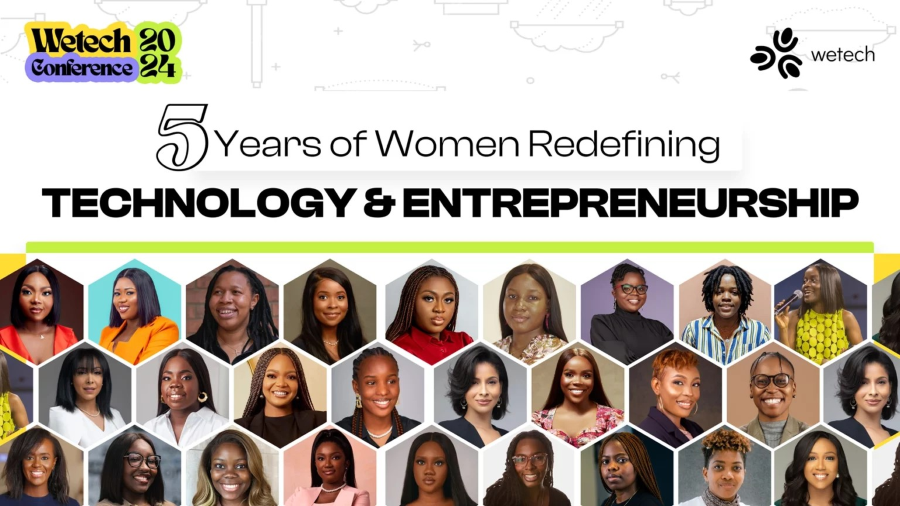
    Wetech, a non-profit organization dedicated to advancing gender equality in the technology sector, is excited to announce its flagship event, the Wetech 2024 Conference. This year marks a significant milestone as Wetech celebrates five years of impactful initiatives aimed at empowering women in tech. The theme for this year’s conference is “5 Years of Women Redefining Technology and Entrepreneurship.”

    The conference will take place on September 28, 2024, at the Landmark Event Centre in Victoria Island, Lagos. It is expected to attract over 1,500 women from various tech backgrounds, making it a significant gathering for networking, learning, and innovation.

    What to Expect at Wetech 2024

    Keynote Addresses and Panel Discussions
    The conference will feature keynote addresses and panel discussions with industry leaders who will share their experiences, challenges, and visions for the future of women in technology. Attendees can look forward to in-depth conversations on key topics such as venture capital, cloud computing, artificial intelligence, machine learning, cybersecurity, and strategic business management.

    PitchHER Competition
    One of the highlights of the event is the PitchHER competition, where female entrepreneurs will have the opportunity to pitch their innovative startup ideas to a global audience and a panel of expert judges. The winner of the competition will receive a grand prize of ₦4 million in funding, sponsored by Flutterwave. Additionally, the top three finalists will gain 12 months of free access to SpurtX, a valuable resource for startup growth.

    Product Exhibitions
    Attendees will have the chance to explore the latest technological advancements from women-led companies. The product exhibitions will offer a unique opportunity to engage with creators and witness firsthand the innovations driving the tech industry forward.

    Networking Opportunities
    The conference will facilitate numerous networking opportunities, enabling participants to connect with industry leaders, hiring organizations, and fellow tech enthusiasts. This is a chance to build valuable relationships, explore career opportunities, and engage in meaningful discussions about the future of technology.

    Meet the Speakers

    Keynote Speaker: Adora Nwodo
    Adora Nwodo is a distinguished Senior Software Engineer specializing in cloud engineering and developer platforms. She also serves as the Vice President of the Nigerian chapter of the VRAR Association, where she promotes advancements in Virtual and Augmented Reality technologies.

    Main Stage Panel: Strategies For Career Advancement in Tech

    • Samira Nwaturuocha: Co-Founder and Risk, Governance, and Security Leader at Scuriti Limited. With over 18 years of experience, she excels in risk management and security protocols.
    • Folake Owodunni: CEO & Co-Founder of Emergency Response Africa (ERA). She has extensive experience in healthcare and management consulting.
    • Antoinette Edodo: Chief Strategy Officer at Heirs Technologies and Chief Experience Officer at Kaizen Stairs Ltd. She has over 16 years of experience in fintech.
    • Lamide Akinola: General Manager of Glovo Nigeria, with over a decade of experience driving growth in digital marketplaces.
    • Oluwafemi Akintilo: Head of Engineering at BeerTech Africa, known for leading teams that have saved and generated millions of dollars.

    Moderator
    Nkemdilim Uwaje Begho, CEO of FutureSoft Resources Limited, a veteran IT professional with over 15 years in Nigeria’s tech sector.

    Breakout Panel: Sustainable Business Practices for African Startups

    • Amaka Okechukwu Opara: Founding Partner at WEAV Capital, known for her work in leading significant investments and supporting female founders.
    • Atinuke Idowu: Co-Founder and COO of Termii Group, specializing in operational strategy and ICT.
    • Bode Abifarin: Founder/CEO of Strata, a fintech visionary with extensive experience in financial services.
    • Ciku Mugambi: CEO of Kobo360, a leader in tech-driven logistics solutions and venture capital.
    • Opeoluwa Abitoye: VP of Relationship Management at Flutterwave, focused on driving enterprise client success.

    Moderator:
    Cynthia E. Chisom, a respected Startup Advisor and Principal Partner at SDC Startup School, recognized as one of Nigeria’s 100 Most Inspiring Women.

    Who Can Attend?

    The conference is open to all women interested in technology, with a particular focus on mid to senior-level professionals in fields such as software engineering, data science, UX/UI design, and product management.

    How to Register

    Registration for Wetech 2024 is currently open and free, but tickets are limited. Secure your spot now by visiting event.wetechng.com.

    Meet the Sponsors and Partners

    • Aurora Tech Award by inDrive — Gold Sponsor: Recognizes and empowers women entrepreneurs in IT, with a global reach and over 150 million downloads.
    • Flutterwave — PitchHER Award Sponsor: A leading fintech company supporting female entrepreneurs with a ₦4 million funding prize.
    • International Breweries Nigeria, part of AB InBev — Bronze Sponsor: Supports sustainable growth and entrepreneurship through its foundation.
    • AnitaB — Exhibition Partner: Empowers women and non-binary technologists through supportive programs and collaborations.
    • WEAV Capital — Founder Mixer Sponsor: Supports female founders across Africa, facilitating valuable networking opportunities.

    Don’t miss out on this transformative event. Reserve your seat today at event.wetechng.com and follow Wetech on Instagram, LinkedIn, and Twitter for updates.

  • Apply for the 2024 West African Research Center (WARC) Travel Grant: Up to $3,000 for African Scholars and Graduate Students

    Apply for the 2024 West African Research Center (WARC) Travel Grant: Up to $3,000 for African Scholars and Graduate Students

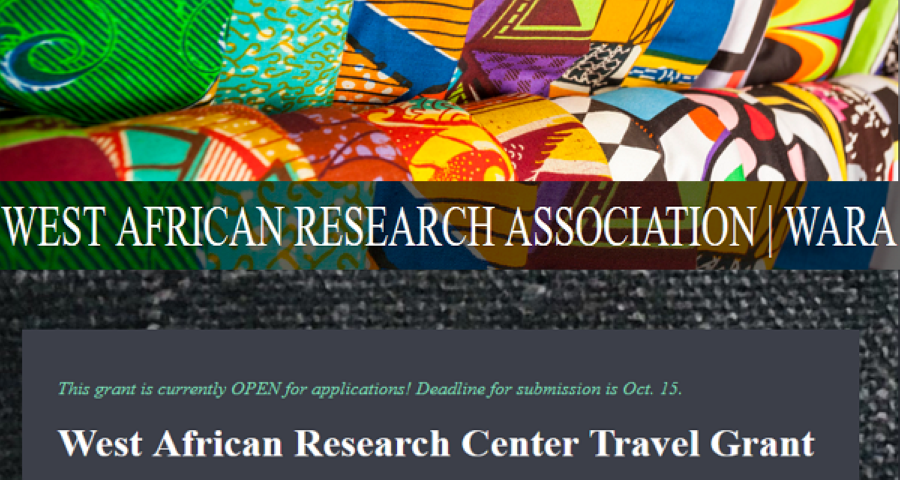
    The West African Research Center (WARC) is excited to announce the 2024 Travel Grant Program aimed at fostering intra-African collaboration and knowledge exchange among scholars and graduate students. This initiative provides financial support to facilitate research visits within Africa, promoting deeper connections and cooperative ventures across the continent.

    Grant Details

    • Funding Amount: Up to $1,500 for travel expenses and an additional $1,500 stipend.
    • Usage of Funds:
      • Travel to libraries or archives within Africa that house critical resources for your research.
      • Collaborative projects with colleagues at different African institutions.
      • Visits to research sites located across Africa.

    Eligibility Requirements

    • Open exclusively to West African nationals.
    • Priority is given to applicants affiliated with academic or research institutions based in West Africa.

    Application Components

    1. Abstract: Provide a concise summary (50–80 words) outlining your proposed activity and its purpose.
    2. Project/Research Description: Detail your research project in up to six double-spaced pages, including an explanation of why the travel is essential. The description should be accessible to non-specialist readers.
    3. Proposed Budget: Outline how you plan to use the grant funds.
    4. Curriculum Vitae: Include your academic and teaching history.
    5. Passport Copy: A photocopy of your passport is required to confirm West African nationality.
    6. Recommendation Letter: A letter of recommendation must accompany your application.
    7. Supporting Documents:
      • Institutional Visit: An invitation letter from the host institution.
      • Archive Consultation: A description of the collections you plan to consult and their relevance to your research.
      • Graduate Students: A letter of recommendation from your supervising professor.

    Submission Instructions

    • All application materials should be submitted online in PDF format.
    • For more information or to address inquiries, please contact Mariane Yade at warccroa@gmail.com.

    Application Deadline: October 20, 2024

    Funding Support: The WARC Travel Grant Program is funded by the Bureau of Educational and Cultural Affairs of the US Department of State, through a grant from the Council of American Overseas Research Centers.

    Further Information: For additional details and to access the application, visit the official webpage of the West African Research Center (WARC) Travel Grant Program.