Author: AR Managing Editor

  • Ecological Forest Restoration Boosts Soil Carbon Stocks and Resilience in Sub-Saharan Africa: A Systematic Review

    Ecological Forest Restoration Boosts Soil Carbon Stocks and Resilience in Sub-Saharan Africa: A Systematic Review

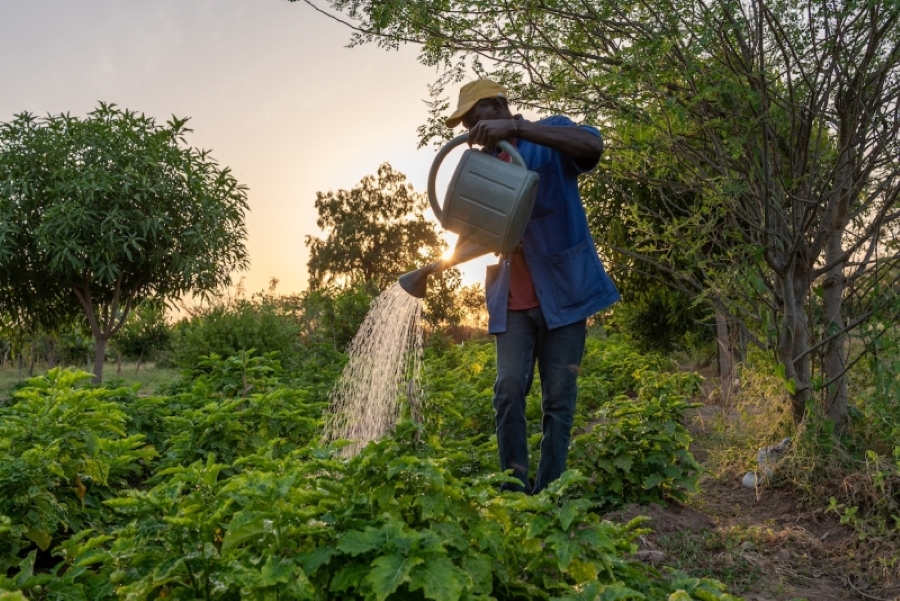
    A recent study by Qasha, et al. (2024) titled “Assessing the Impact of Ecological Forest Restoration on Soil Carbon Stocks in Sub-Saharan Africa: A Systematic Review” published in Carbon Management by Taylor & Francis shows that ecological restoration initiatives bolster ecosystem resilience, helping forests withstand environmental changes and disruptions.

    Ecological forest restoration in Sub-Saharan Africa significantly increases soil carbon stocks, enhancing ecosystem resilience and promoting sustainable land use. – Qasha, et al. 2024

    This article explores a systematic review evaluating the influence of ecological forest restoration on soil carbon (C) stocks across Sub-Saharan Africa (SSA). Deforestation, driven by agricultural expansion and other human activities, has played a significant role in exacerbating the global climate crisis by contributing to the release of greenhouse gases, including carbon dioxide. These emissions are key drivers of climate change. In response, ecological restoration strategies—such as agroforestry, forest and landscape restoration, and selective logging—are increasingly seen as effective means to enhance soil carbon sequestration. The review synthesizes results from 22 studies that examine these various restoration approaches. It demonstrates that ecological restoration practices not only increase soil C stocks but also contribute to improved ecosystem resilience. This increase in soil carbon helps stabilize ecosystems, making them more resistant to environmental stresses such as droughts, extreme weather events, and soil degradation. Additionally, these practices promote sustainable land use, helping communities in SSA to mitigate the impacts of climate change while supporting agricultural productivity and biodiversity conservation.

    How the Study was Conducted

    The study adhered to the Preferred Reporting Items for Systematic Reviews (PRISMA) guidelines to ensure a comprehensive and transparent synthesis of evidence. A comprehensive search was conducted across three electronic databases: Scopus, Web of Science, and Google Scholar. The search was limited to publications from 1990 to 2024. The search terms included combinations like “active forest restoration,” “ecological forest restoration,” “afforestation,” and “Soil C sequestration,” among others, using Boolean operators. Tools like Mendeley and Excel were used for exporting articles and managing references, ensuring the elimination of duplicates and the development of a streamlined reference library.

    What the Authors Found

    The authors found that ecological restoration efforts, such as agroforestry and selective logging, significantly enhance soil carbon stocks, improving ecosystem resilience and promoting sustainable land use practices. The authors further posit that restoration initiatives bolster ecosystem resilience, helping forests withstand environmental changes and disruptions.

    Why is this important?

    Climate Change Mitigation: Enhancing soil carbon stocks through restoration efforts helps sequester carbon dioxide, a major greenhouse gas, thereby contributing to climate change mitigation.
    Biodiversity Conservation: Restoring forests improves habitat quality and supports biodiversity, which is crucial for maintaining ecosystem services and resilience.
    Sustainable Land Use: By promoting sustainable practices like agroforestry, these efforts help prevent land degradation and ensure long-term productivity of the land.
    Policy and Practice: The research highlights gaps and biases in current studies, guiding future research and informing policymakers and practitioners about effective restoration strategies.
    Global Goals: These efforts align with and support the achievement of Sustainable Development Goals (SDGs), particularly SDG 13 (Climate Action) and SDG 15 (Life on Land), which are essential for global sustainability.
    Understanding these impacts helps prioritize ecological restoration as a key strategy in environmental conservation and sustainable development.

    What the Authors Recommend

    • The authors emphasize the need for more comprehensive studies covering a wider geographic area and addressing language biases to ensure a complete understanding of restoration impacts.
    • The study emphasizes that incorporating indigenous and local knowledge into restoration practices is crucial for the success and sustainability of these efforts.
    • Stronger policy frameworks and support from governments and international organizations are necessary to promote and implement effective restoration strategies.
    • Continuous monitoring and evaluation of restoration projects are essential to assess their long-term impacts and make necessary adjustments.
    • Engaging local communities in restoration activities not only enhances the effectiveness of these projects but also ensures that they are socially and economically beneficial.

    Conclusion

    In conclusion, ecological forest restoration in Sub-Saharan Africa plays a critical role in enhancing soil carbon sequestration, improving ecosystem resilience, and supporting sustainable land use. By mitigating climate change, promoting biodiversity conservation, and strengthening local communities, these restoration efforts present a powerful solution for environmental and socioeconomic challenges. However, continued research, stronger policy frameworks, and active community involvement are essential to ensure the long-term success and scalability of these initiatives, aligning with global sustainability goals.

  • Unlocking Energy Access: The Economic Viability of Decentralized Biogas Plants in Sub-Saharan Africa

    Unlocking Energy Access: The Economic Viability of Decentralized Biogas Plants in Sub-Saharan Africa

    A recent study by Robin, T., & Ehimen, E. (2024) titled “Exploring the Potential Role of Decentralized Biogas Plants in Meeting Energy Needs in Sub-Saharan African Countries: a Techno-Economic Systems Analysis” published in the Sustainable Energy Research by Springer Link shows that feasibility of biogas technology is highly influenced by national economic factors like inflation, electricity prices, and construction material costs.

    Decentralized biogas plants can be economically viable and environmentally beneficial, enhancing energy access in rural Malawi.– Robin, T., & Ehimen, E. 2024

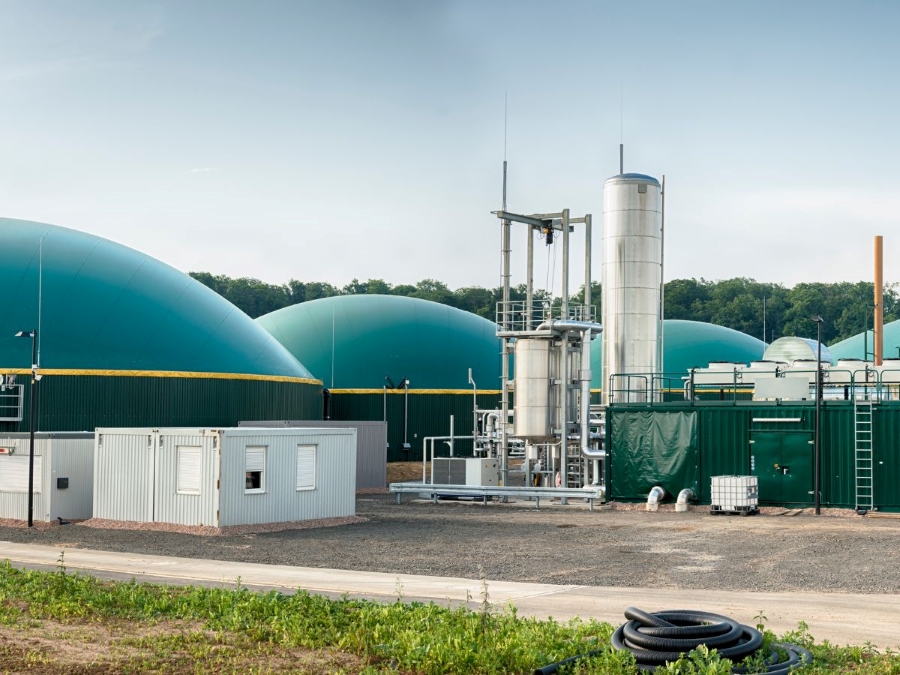
    This article examines the potential of decentralized biogas plants to address energy needs in sub-Saharan Africa, focusing on Malawi as a case study. It assesses the feasibility of producing biogas through anaerobic digestion, considering various reactor sizes and feedstock options. The economic analysis reveals positive net present values when biogas and fertilizers are sold, depending on factors like national inflation and electricity prices. The study also emphasizes the environmental advantages of biogas production, including reduced deforestation and better waste management. Ultimately, the feasibility of such projects hinges on the broader economic conditions of the country.

    How the Study was Conducted

    The research focused on rural areas in Malawi, assuming households were not connected to the national grid and had an average of 4.5 people. Different scenarios were considered based on the number of cows owned and various feedstocks. The study examined different sizes of fixed dome reactors (3, 6, 12 m³) and various feedstocks like cow dung, human faeces, grass, and maize residue. The biogas production process and the efficiency of the reactors were analyzed. The economic feasibility was assessed using net present value (NPV) calculations, considering factors like inflation, electricity prices, and construction costs. Sensitivity analysis was performed to evaluate the impact of external economic fluctuations. The study calculated the environmental benefits, such as carbon dioxide savings, and examined the thermal energy produced by the reactors. The design and construction of the reactors were also detailed.

    What the Authors Found

    The authors found that co-generating cow dung and grass silage in a 12 m³ reactor with six cows yielded a positive NPV of $8962, demonstrating economic feasibility. Additionally, a 25% rise in electricity costs could transform the negative NPV of biogas generation from cow dung alone into a positive one. The overall feasibility of biogas technology is highly influenced by national economic factors like inflation, electricity prices, and construction material costs.

    Why is this Important

    Economic Feasibility: Demonstrating a positive net present value (NPV) for biogas production indicates that this technology can be economically viable. This is crucial for encouraging investment and adoption in rural areas.
    Energy Access: By providing a sustainable and local source of energy, decentralized biogas plants can improve access to electricity for households not connected to the national grid. This can enhance the quality of life and support economic activities.
    Environmental Benefits: The use of biogas reduces reliance on traditional biomass fuels like wood, which can help decrease deforestation and carbon emissions. This contributes to environmental conservation and climate change mitigation.
    Income Generation: The sale of biogas and digestate (a byproduct used as fertilizer) can provide an additional source of income for rural households, helping to alleviate poverty.
    Resilience to Economic Fluctuations: The sensitivity analysis shows that biogas technology can remain viable under varying economic conditions, such as changes in electricity prices and inflation. This resilience makes it a reliable energy solution.

    What the Authors Recommend

    • The authors suggest promoting biogas technology in rural areas to improve energy access and economic conditions. This includes raising awareness and providing education on the benefits and operation of biogas plants.
    • The authors advocate for government policies and incentives to support the adoption of biogas technology. This could include subsidies for construction materials, tax incentives, and financial support for households and communities.
    • The study recommends ongoing research to optimize biogas production processes and improve the efficiency of reactors. This includes exploring different feedstocks and reactor designs to maximize output and economic benefits.
    • The authors highlight the importance of integrating biogas production with agricultural practices. Using agricultural residues and animal waste as feedstocks can enhance the sustainability and economic viability of biogas plants.
    • The authors emphasize the need for community-based approaches to biogas plant implementation. Engaging local communities in the planning, construction, and operation of biogas plants can ensure long-term success and sustainability.

    In conclusion, the study on decentralized biogas plants in Malawi highlights a promising pathway to meet energy needs while simultaneously addressing economic and environmental challenges. By leveraging locally available feedstocks and optimizing reactor designs, biogas technology can significantly improve energy access for rural communities, fostering sustainable development and resilience against economic fluctuations. The positive net present values obtained from various scenarios underscore the economic viability of biogas production, making it an attractive investment opportunity. Furthermore, the environmental advantages, including reduced deforestation and improved waste management, position biogas as a crucial player in combating climate change. By promoting awareness, supporting policy initiatives, and engaging local communities, stakeholders can effectively harness potential of biogas technology to create a more sustainable and prosperous future for sub-Saharan Africa.

  • Decentralized Energy in African Cities: Challenges, Opportunities, and Governance in Uganda’s Renewable Projects

    Decentralized Energy in African Cities: Challenges, Opportunities, and Governance in Uganda’s Renewable Projects

    A recent article by Hermanus, L., & Rose Cirolia, L. (2024) titled “Distributed energy technologies, decentralizing systems, and the future of African cities” published in Environment & Urbanization shows local governments often lack the capacity to significantly shape emerging infrastructure configurations, with foreign and national actors driving many projects.

    The article delves into the critical role that decentralization of renewable electricity plays in advancing decarbonization, improving energy access, and facilitating equitable transitions in African cities. It focuses on four pioneering electricity projects in Uganda, shedding light on the various stakeholders engaged in these initiatives and how they interact with the established national grid. The discussion highlights the intricate dynamics between these decentralized energy solutions and existing urban infrastructure, underscoring both the potential opportunities and the inherent challenges they present.

    Decentralized energy projects in African cities often bypass local governments, limiting their role in energy transitions.

    – Hermanus, L., and Rose Cirolia, L. 2024

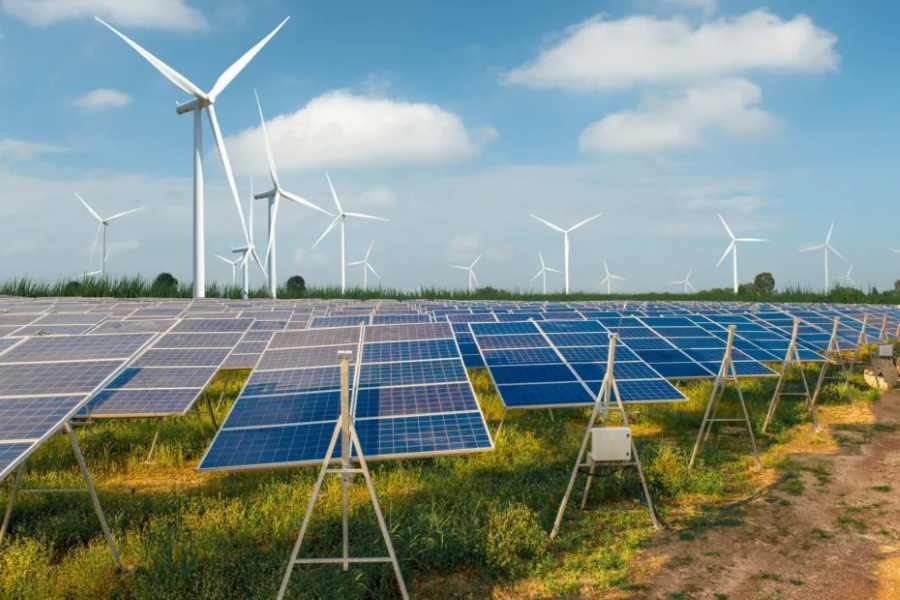
    Decentralized energy systems, such as solar mini-grids, rooftop solar installations, and battery storage solutions, offer significant advantages over traditional, centralized electricity networks. They can be quicker to deploy, more resilient to outages, and better suited to remote or underserved areas. In African urban contexts, where access to reliable electricity remains a persistent challenge, such systems represent a transformative opportunity to address energy poverty while reducing reliance on fossil fuels. Moreover, decentralized systems align well with climate goals, as they encourage the use of renewable energy sources like solar and wind, which are abundant in many parts of Africa.

    The article also emphasizes the importance of governance in ensuring that decentralized systems contribute to just transitions—shifts in energy that prioritize social equity, economic inclusion, and environmental sustainability. In Uganda, for example, the projects under study involve a range of actors, including local governments, private sector innovators, non-governmental organizations, and communities themselves. These actors often collaborate with or operate independently of the incumbent grid, leading to new governance challenges and opportunities. While decentralization can empower communities and promote local ownership of energy resources, it also poses risks, such as regulatory gaps, potential conflicts with national utilities, and uneven access to the benefits of renewable technologies.

    How the Study was Conducted

    The research employs a multi-case study approach, concentrating on four distinct examples of technological innovation in energy provision in Uganda. Conducted in January 2022, the study involved 15 interviews and two focus group discussions with experts and practitioners in the electricity sector. In addition, field visits to the project sites were carried out. The collected data—interview transcripts, photos, field notes, and supplementary materials—were carefully analyzed within the study’s conceptual framework and guided by key research questions specific to the paper. The insights gained from the Ugandan case studies were further enriched by triangulating the findings with the authors’ prior experience in the energy sector and a targeted review of policy and institutional developments related to energy and urban governance over the past decade. This combined analysis provided a comprehensive understanding of how these innovative energy projects fit within broader trends in African energy transitions and governance.

    What the Authors Found

    The study reveals that local governments often lack the capacity to significantly shape emerging infrastructure configurations, with foreign and national actors driving many projects. In addition, there is a tendency for distributed technology projects to bypass local governments, reducing their ability to contribute effectively to the energy transition

    Why is this Important

    Understanding Decentralization: By highlighting the complexity and risks associated with decentralized electricity technologies, the study provides valuable insights into how these systems can be effectively implemented in African contexts, particularly in Uganda.
    Policy and Governance: The revelation that local governments often lack the capacity to shape infrastructure projects underscores the need for stronger local governance and capacity-building initiatives. This is crucial for ensuring that energy transitions are inclusive and sustainable.
    Institutional Dynamics: The tendency for projects to bypass local governments points to a significant gap in the institutional framework. Addressing this gap can help ensure that local authorities are better integrated into the planning and execution of energy projects, leading to more cohesive and effective energy policies.
    Practical Implications: The case studies of innovative projects provide practical examples of what works and what doesn’t, offering lessons that can be applied to similar contexts across Africa and other developing regions.

    What the Authors Recommend

    • The authors emphasize the need to build the capacity of local governments to engage more effectively in the planning and implementation of decentralized energy projects. This includes providing training and resources to local authorities.
    • The authors suggest developing policy frameworks that ensure local governments are integral to the decision-making process. This can help prevent the bypassing of local institutions and promote more inclusive governance.
    • Encouraging collaboration between local, national, and international stakeholders is recommended to leverage diverse expertise and resources. This can enhance the sustainability and impact of energy projects.
    • Implementing robust monitoring and evaluation mechanisms to track the progress and outcomes of decentralized energy projects is advised. This can help identify best practices and areas for improvement.
    • The authors highlight the importance of engaging local communities in the design and implementation of energy projects to ensure they meet the needs and preferences of the people they are intended to serve.

    In conclusion, the decentralization of energy technologies presents both promising opportunities and significant challenges for African cities striving toward equitable and sustainable energy transitions. While innovative projects in Uganda highlight the potential of decentralized systems to improve energy access and reduce reliance on fossil fuels, the study underscores the need for stronger local governance, inclusive policy frameworks, and effective collaboration among diverse stakeholders. Empowering local governments and communities is essential to ensuring that these technologies contribute to just transitions that prioritize social equity, economic inclusion, and long-term environmental sustainability.

  • October 2024: Paper of the Month by Alhassan et al., 2024-Enhancing Food Safety in Africa: How Biotechnology & Molecular Biology Are Revolutionizing Contaminant Detection and Food Processing



    October 2024: Paper of the Month by Alhassan et al., 2024-Enhancing Food Safety in Africa: How Biotechnology & Molecular Biology Are Revolutionizing Contaminant Detection and Food Processing
    African Researchers AwardOctober 2024: Paper of the Month by Alhassan et al., 2024-Enhancing Food Safety in Africa: How Biotechnology & Molecular Biology Are Revolutionizing Contaminant Detection and Food Processing

    A recent study by Alhassan et al. (2024) titled “Improving Food Safety in Africa Using Cutting-Edge Biotechnology & Molecular Biology Approaches” published in the Asian Journal of Biochemistry, Genetics, and Molecular Biology, shows that advanced biotechnology and molecular biology techniques, such as whole genome sequencing and CRISPR systems, can enhance food safety by rapidly detecting contaminants and improving food processing.

    Advanced biotechnology techniques, like whole genome sequencing and CRISPR, can significantly improve food safety in Africa.– Alhassan et al. 2024

    The article highlights the significant health and economic challenges posed by foodborne diseases and African contamination, affecting millions annually. It explores advanced biotechnology and molecular biology approaches, such as whole genome sequencing, CRISPR systems, and foodomics, to enhance food safety through rapid detection of contaminants and improved food processing. Integrating these cutting-edge techniques can mitigate risks associated with foodborne pathogens, reduce post-harvest losses, and ensure safe, nutritious food production.

    How the Study was Conducted

    The authors curated data and articles from online sources to gather relevant information on food safety in Africa. The study utilized advanced molecular biology techniques such as whole genome sequencing (WGS), next-generation sequencing (NGS), foodomics, and CRISPR systems to detect foodborne pathogens and contaminants. The work was carried out in collaboration among all authors, with contributions to data curation, manuscript review, and funding acquisition. The study involved reviewing existing literature and analyzing the potential of biotechnological methods to improve food safety and processing in Africa.

    What the Authors Found

    The author found that Africa faces significant challenges with foodborne diseases, contributing to numerous health and economic issues. In addition, advanced biotechnology and molecular biology techniques, such as whole genome sequencing and CRISPR systems, can enhance food safety by rapidly detecting contaminants and improving food processing.

    Why is this important?

    Health Impact: Foodborne diseases are a major health concern in Africa, causing numerous illnesses and deaths. By using advanced biotechnology and molecular biology techniques, the study aims to reduce the prevalence of these diseases.
    Economic Benefits: Food contamination leads to substantial economic losses due to healthcare costs and reduced productivity. Improving food safety can help mitigate these losses and boost the economy.
    Global Standards: Aligning Africa’s food safety practices with global standards ensures that food products are safe for consumption and can be traded internationally, enhancing market opportunities.
    Innovation and Technology: The study promotes the use of cutting-edge technologies like whole genome sequencing and CRISPR systems, which can revolutionize food safety practices and lead to more efficient and effective solutions.
    Sustainability: Reducing post-harvest losses and ensuring the production of safe, nutritious food contributes to food security and sustainability, which are critical for the well-being of the population.

    What the Authors Recommend

    • The authors emphasize the need for widespread adoption of biotechnology and molecular biology techniques, such as whole genome sequencing, next-generation sequencing, foodomics, and CRISPR systems, to enhance the detection and control of foodborne pathogens.
    • The authors suggest investing in training and capacity building for local scientists and food safety professionals to effectively use these advanced technologies.
    • Strengthening policy and regulatory frameworks to support the implementation of these technologies and ensure compliance with global food safety standards.
    • Furthermore, it encourages collaboration between governments, research institutions, and the private sector to foster innovation and share best practices in food safety.
    • In addition, the study emphasizes raising public awareness about food safety issues and the benefits of using advanced technologies to ensure safe and nutritious food.

    In conclusion, the study by Alhassan et al. highlights the transformative potential of advanced biotechnology and molecular biology techniques in improving food safety across Africa. By leveraging tools like whole genome sequencing, CRISPR systems, and foodomics, the continent can not only address the significant health and economic challenges posed by foodborne diseases but also align with global standards and enhance food security. To fully realize these benefits, investments in training, innovation, regulatory support, and public awareness are essential, fostering a safer, more sustainable food production system for the future.

  • October 2024: Adewunmi Akingbola – African Male Researcher of the Month

    October 2024: Adewunmi Akingbola – African Male Researcher of the Month

    African Researchers AwardOctober 2024: Adewunmi Akingbola – African Male Researcher of the Month


    Adewunmi Akingbola, a distinguished medical doctor and scientist, has been named one of 12 global recipients of the 2024 Passion in Science Award by New England BioLabs. This prestigious recognition honors individuals who demonstrate a deep commitment to using science to drive humanitarian efforts, and Akingbola’s outstanding work in infectious diseases research has earned him the award in the humanitarian category.

    Akingbola is an alumnus of Lagos State University College of Medicine in Ikeja, Nigeria, and is currently affiliated with the University of Cambridge. His groundbreaking research has focused on addressing the significant burden of infectious diseases, particularly those that disproportionately affect vulnerable populations. His notable work with people who inject drugs in the United Kingdom has enhanced the understanding of disease transmission and treatment, specifically for viral hepatitis C. His use of sophisticated statistical techniques such as Complete Case Analysis and Multiple Imputation to manage missing epidemiological data has contributed to more accurate and reliable public health research outcomes.

    Akingbola’s Humanitarian Vision: HealthDrive Nigeria

    Beyond his academic contributions, Akingbola is a visionary leader in global health through his initiative, HealthDrive Nigeria. Founded with the mission of addressing infectious diseases in underserved and rural communities in Nigeria, HealthDrive Nigeria has been at the forefront of health education, disease prevention, and providing access to critical medical care. The project focuses heavily on combating viral hepatitis—a disease that remains a serious public health concern in Nigeria—by offering subsidized vaccinations, preventive measures, and awareness campaigns. Through strategic partnerships with local healthcare providers, Akingbola and his team have made tangible improvements in the health outcomes of countless Nigerians.

    HealthDrive Nigeria’s approach is multifaceted, engaging communities through educational outreach while simultaneously increasing access to vaccinations and essential healthcare services. This initiative embodies the intersection of Akingbola’s scientific expertise and his deep commitment to social impact, striving to bridge the gap between innovative research and practical, life-saving interventions.

    The Passion in Science Award: Honoring Scientific Excellence and Humanitarian Impact

    As part of the Passion in Science Award, Akingbola will be honored with a fully-funded trip to New England BioLabs’ headquarters in Boston, USA, where he will participate in collaborative discussions and events with other global awardees. Additionally, he has selected HealthDrive Nigeria as the recipient of a cash prize from the award, which will further support the expansion of the organization’s efforts to tackle infectious diseases in Nigeria’s underserved regions. This prize will enable HealthDrive to scale up its vaccination drives and improve access to preventive healthcare in even more remote areas, extending its impact to thousands more individuals in need.

    In his acceptance of the award, Akingbola expressed deep gratitude for the recognition, emphasizing the critical importance of combining scientific innovation with humanitarian work. He highlighted the need for ongoing collaboration between researchers, healthcare providers, and community organizations to address pressing global health challenges, particularly in low-resource settings where the burden of infectious diseases is often the greatest.

    Bridging Science and Humanity: A Lasting Legacy

    Akingbola’s contributions to both science and society serve as a model for how researchers can leverage their expertise to make a profound social impact. His work not only advances scientific knowledge but also translates into real-world applications that improve the lives of marginalized populations. By addressing both the epidemiological and practical aspects of infectious disease management, Akingbola is building a legacy that demonstrates the transformative power of science when driven by a passion for human welfare.

    This recognition by New England BioLabs shines a spotlight on Akingbola’s remarkable achievements and his ongoing efforts to merge the worlds of scientific research and humanitarian action. As he continues his work at the University of Cambridge and with HealthDrive Nigeria, Akingbola is poised to make even more significant contributions to global health, particularly in the fight against infectious diseases.

    The Passion in Science Award is a testament to his dedication, and with this honor, Adewunmi Akingbola is further empowered to expand the reach of his work, providing hope and health to the communities that need it most.

  • October 2024: Ms. Nomthandazo Precious Sibiya – African Female Researcher of the Month

    October 2024: Ms. Nomthandazo Precious Sibiya – African Female Researcher of the Month

    African Researchers AwardOctober 2024: Ms. Nomthandazo Precious Sibiya – African Female Researcher of the Month

    Introduction and Early Education

    Ms. Nomthandazo Precious Sibiya is an exemplary figure in the world of science and engineering, recently emerging as a recipient of the prestigious 2024 L’Oréal-UNESCO For Women in Science (FWIS) Young Talents in South Africa Award. Her dynamic personality, dedication to sustainable development, and passion for impactful research have earned her wide recognition, setting her apart as a young leader in the fields of Chemical Engineering and environmental sustainability.

    Sibiya’s academic journey began at the Durban University of Technology (DUT), where she graduated with a Bachelor of Technology (BTech) in Chemical Engineering in 2018, achieving Cum Laude honors. Her commitment to excellence continued as she pursued her Master of Engineering (MEng), which she also completed with Cum Laude and received the distinguished Dean’s Merit Award in 2022. During this time, Sibiya not only excelled academically but also developed a strong foundation in project management and continuous improvement, earning a Lean Six Sigma White Belt certification.

    Doctoral Studies and Research

    Currently, Sibiya is in her second year of doctoral studies, pursuing a Doctor of Engineering (DEng) in Chemical Engineering at DUT. Her research focuses on wastewater treatment, a critical area for achieving the United Nations Sustainable Development Goals (SDGs), particularly concerning clean water and sanitation. With over four years of experience in this field, her work is expected to have a significant impact on sustainable development and environmental conservation.

    In addition to her research, Sibiya has demonstrated leadership and a commitment to the academic community through her involvement in the Grow Your Own Timber (GOOT) academic mentorship programme at DUT. As part of this initiative, she is training as a lecturer in the Department of Chemical Engineering, guiding the next generation of engineers and fostering a culture of academic excellence.

    International Experience

    Sibiya’s commitment to expanding her knowledge and gaining international exposure led her to participate in the Erasmus Student Exchange Programme in 2021, where she spent five months at the University of Valladolid in Spain. This experience allowed her to deepen her understanding of international research collaborations and innovative approaches to solving global engineering challenges.

    Awards and Recognition

    Ms. Sibiya’s list of accolades is impressive, reflecting her unwavering dedication to her field. Notably, she was honored with the 2023 NRF Research Excellence Award for Next Generation Researchers, underscoring her potential to contribute significantly to the International System of Innovation.

    In 2022, Sibiya earned two coveted awards within DUT’s Faculty of Engineering and Built Environment: Best Graduating Student and Master Student of the Year. These awards not only highlight her academic prowess but also recognize her commitment to continuous learning and research excellence.

    Winning the 2024 L’Oréal-UNESCO For Women in Science Young Talents Award

    Among her many achievements, Sibiya’s most recent recognition, the 2024 L’Oréal-UNESCO For Women in Science (FWIS) Young Talents in South Africa Award, stands out as a testament to her dedication and impactful research. She was one of seven awardees selected from 140 applicants, including three postdoctoral candidates. This prestigious award is part of a national program aimed at promoting and encouraging young women scientists in various fields, including Formal Sciences, Life Sciences, Environmental Sciences, Physical Sciences, and Engineering.

    The award recognizes Sibiya’s groundbreaking work in wastewater treatment, which is both relevant and aligned with the pressing challenges of environmental sustainability. Winning this award not only brings pride to her faculty and university but also serves as an inspiration to other young women in science. In recognition of her achievements, Sibiya received an R80,000 scholarship and will be traveling to Cotonou, Benin, in December 2024 to attend the week-long FWIS Sub-Saharan Africa (SSA) programme, where she will meet laureates from across the region.

    Reflecting on the significance of the award, Sibiya shared that she was “overwhelmed” by the honor, especially considering the tough competition. During a session with one of the selection committee members, Professor Patience Mthunzi-Kufa, it was revealed that the selection process was particularly challenging this year, requiring three meetings to finalize the awardees. Ultimately, Sibiya’s project stood out for its relevance and potential to make a tangible difference in the world.

    Personal Life and Support System

    Ms. Sibiya attributes much of her success to the unwavering support of her family and mentors. She expressed deep gratitude to her supervisor, Professor Sudesh Rathilal, and her co-supervisor, Dr. Thembisile Mahlangu, for their constant guidance throughout her academic journey. She also acknowledged the importance of her family, particularly her husband, Mr. Khanyisani Dlomo, and her daughter, Ms. Ongeziwe Dlomo, who have been her pillars of strength and motivation.

    Future Aspirations and Vision

    With the recognition and support she has garnered, Sibiya is poised to continue making significant contributions to the scientific community and beyond. Her future goals include advancing research that not only addresses critical environmental issues but also contributes to the sustainable development of her country and the world. Sibiya hopes her journey will inspire others, particularly young women, to pursue their passions and make a difference through science and innovation.

    Her recent accolades align perfectly with DUT’s ENVISION2030 strategy, which emphasizes innovation, research, and excellence across disciplines. Sibiya’s success is a reflection of the collective efforts toward this vision, and she remains committed to contributing to these objectives through her research and mentorship.

    In her own words, Sibiya encourages others to look at her journey and believe in their own potential: “Anyone who has lost hope should look at my path and believe that if I can do it, so can they. I am excited to continue advancing research that makes a tangible difference in our world.”

    Conclusion

    Ms. Nomthandazo Precious Sibiya is a shining example of excellence in the field of Chemical Engineering. Her dedication to sustainable development, her impactful research in wastewater treatment, and her continuous pursuit of academic and professional growth have earned her numerous accolades, including the coveted 2024 L’Oréal-UNESCO For Women in Science Young Talents Award. As she continues to make strides in her field, Sibiya remains an inspiration to aspiring scientists and a beacon of hope for the future of environmental sustainability.

  • Cybersecurity in Africa: Automating and Predicting Threats for a Secure Digital Transformation

    Cybersecurity in Africa: Automating and Predicting Threats for a Secure Digital Transformation

    As digital transformation accelerates worldwide, the vast amount of data being generated presents significant opportunities for innovation and growth. However, this surge in data also creates heightened risks for cybercrime. In Africa, where digital adoption is increasing rapidly, the threats posed by cybercriminals are more sophisticated than ever before. The continent’s evolving digital landscape makes it a target for cyberattacks that could cause severe financial losses, disrupt business operations, and compromise sensitive information.

    A Growing Market for Cybersecurity

    The global digital economy is expanding, with the big data market projected to grow from USD 138.9 billion in 2020 to USD 229.4 billion by 2025. Much of this growth is driven by the demand for data-driven decision-making, which is transforming how businesses operate. However, with the increased collection, storage, and analysis of data comes the need for more robust cybersecurity measures.

    In Africa, where digital infrastructure is developing rapidly, the cyber risk profile is also growing. With internet users on the continent expected to reach 1.1 billion by 2029, cybersecurity is a critical concern. South Africa, for example, ranks cyber incidents as the second most pressing risk, behind infrastructure failures, according to the Allianz Risk Barometer. The continent is already grappling with a range of cyber threats, from ransomware and phishing to malware and large-scale data breaches.

    Unfortunately, many African organizations are ill-equipped to handle these sophisticated attacks. Outdated legacy security systems that rely on manual processes are struggling to keep up with the scale of the data being generated. This gap leaves businesses vulnerable to attacks that can go undetected until it’s too late.

    The Role of Automation and Predictive Analysis

    In response to the increasing complexity and frequency of cyberattacks, businesses in Africa are turning to advanced technology companies, such as Liquid Intelligent Technologies, to implement automation in their cybersecurity strategies. Automation enables the handling of tasks traditionally done by human analysts, including network monitoring, vulnerability detection, and incident response. This shift leads to greater efficiency, fewer errors, and significantly faster response times, freeing up human resources to focus on other critical aspects of the business.

    Even more transformative is the integration of predictive analytics. Powered by machine learning algorithms, predictive analytics analyze the massive amounts of data generated by businesses to detect patterns and predict potential threats before they manifest. Unlike traditional manual systems that react after an attack occurs, predictive analytics can proactively address vulnerabilities, significantly improving an organization’s defenses.

    These intelligent systems offer continuous monitoring and real-time analysis, identifying abnormal behavior and signs of potential threats far more accurately than older, manual approaches. The ability to learn from data patterns and adapt over time makes these systems invaluable, especially as the number of internet-connected devices in Africa continues to grow.

    Legislative Support for Cybersecurity

    African governments are also recognizing the critical importance of cybersecurity. In South Africa, for example, the Cybercrimes Act of 2020 establishes a legal framework for combating cyber threats. Such legislation creates a foundation for countries across the continent to develop more comprehensive cybersecurity policies, which are essential as Africa becomes more interconnected and digitally driven.

    A Multi-Layered Approach to Cyber Defense

    One of the key strengths of modern cybersecurity solutions is the ability to combine multiple layers of protection. A collaborative approach, using a variety of technologies in tandem, ensures that businesses are protected on multiple fronts. For instance, companies like Liquid Intelligent Technologies use a combination of AI-driven tools to monitor networks for threats, block suspicious traffic, and isolate devices showing signs of malicious activity.

    Automated platforms are also employed to analyze logs from various systems, detecting anomalies that could indicate a security breach. Chatbots assist security teams by guiding them through response protocols during potential incidents. Machine learning algorithms assess risk, suggest fixes for vulnerabilities, and optimize security measures based on real-time data. This multi-layered defense strategy offers businesses the highest level of protection, ensuring that all aspects of their digital infrastructure are covered.

    Preparing Africa for Digital Transformation

    Although advanced automation and predictive analytics represent the future of cybersecurity, the journey toward full digital transformation in Africa is complex. Many countries still face challenges related to infrastructure, such as fiber connectivity, as well as issues like limited awareness, skills shortages, and economic disparities.

    However, organizations that have already begun adopting these cutting-edge technologies are experiencing significant benefits. As they embrace digital transformation, they are able to innovate and grow while knowing that their digital assets are protected from cybercriminals. For Africa to fully realize its digital potential, investments in infrastructure, education, and cyber awareness must accompany the introduction of advanced cybersecurity solutions. Only then can the continent move forward securely into the digital age.

    In conclusion, the future of cybersecurity in Africa lies in embracing automation and predictive technologies. These innovations will play a pivotal role in protecting businesses from the ever-evolving threats posed by cybercriminals, ensuring that Africa’s digital transformation is not only successful but secure.

  • FOCAC 2024: China’s Expanding Digital Influence in Africa Raises Human Rights Concerns

    FOCAC 2024: China’s Expanding Digital Influence in Africa Raises Human Rights Concerns

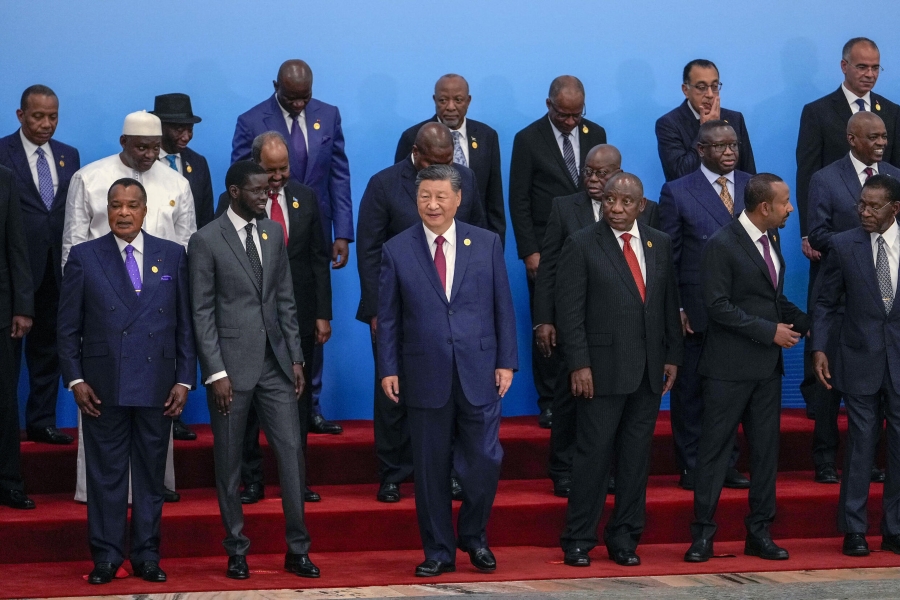
    The 9th Forum on China-Africa Cooperation (FOCAC), held from September 4 to 6, 2024, marked another chapter in China’s deepening relations with African nations. This summit, hosted in Beijing, was designed to strengthen cooperation across various sectors, but one area that has raised particular concerns is the intersection of digital governance, freedom of expression, and human rights in Africa. Despite China’s promotion of its growing investment in infrastructure and technology, critics are concerned about the implications for freedom of expression and privacy on the continent, given China’s track record in digital governance.

    China has long utilized FOCAC as a platform to showcase its influence in Africa, and this year’s summit was no different. Among the key areas of focus were cybersecurity, artificial intelligence (AI), and the development of digital norms, all tied to China’s broader efforts to establish itself as a leader in global digital governance. However, these efforts come with significant concerns about potential human rights violations, particularly in terms of freedom of expression and privacy.

    China’s Expanding Digital Influence in Africa

    China is already Sub-Saharan Africa’s largest bilateral trading partner, with a trade volume of $282 billion USD in 2023, according to the International Monetary Fund (IMF). Over the last decade, this partnership has expanded beyond traditional infrastructure projects to include digital development under the Belt and Road Initiative (BRI). China’s Digital Silk Road, a subset of the BRI, has further solidified its role in shaping Africa’s digital landscape.

    At the 2024 FOCAC, China pledged $51 billion USD in funding over the next three years, continuing its investment in Africa’s digital infrastructure. While this is an increase from 2021’s $40 billion USD, it remains lower than the $60 billion USD committed in 2018. In line with President Xi Jinping’s vision of focusing on “small but smart” projects, China has shifted its approach from large-scale infrastructure to smaller initiatives in areas like green technology and AI.

    While these developments may offer opportunities for technological advancement in Africa, they also carry risks. China’s model of digital governance is characterized by state control, surveillance, and censorship, raising concerns that African nations adopting Chinese technologies could inadvertently erode free speech and privacy rights.

    Digital Governance and Human Rights Concerns

    A key concern emerging from FOCAC 2024 is China’s influence on digital governance in Africa. Beijing’s emphasis on cybersecurity, AI, and data sovereignty reflects its broader goal of exporting an authoritarian model of internet governance, where state control supersedes individual rights. The term “digital sovereignty,” introduced by China over a decade ago, reflects a governance model that allows nations to control and regulate their internet spaces according to state interests. This model runs counter to global human rights norms, which prioritize multi-stakeholder internet governance and uphold freedom of expression.

    One of the documents guiding China-Africa digital cooperation is the “Initiative on Jointly Building a Community with a Shared Future in Cyberspace,” introduced by Xi Jinping in 2015. This framework promotes China’s version of internet governance, where the state has significant control over the digital space. Critics warn that this model undermines the universality of human rights in favor of a more authoritarian structure that stifles dissent and restricts free expression.

    The potential for mass surveillance is another significant concern. China has already deployed sophisticated AI-driven surveillance technologies domestically, particularly in Xinjiang and Tibet, where these systems are used to monitor and control minority populations. If these technologies are exported to African nations, they could be used to suppress political opposition and curtail civil liberties.

    Media and Information Control

    Another area of focus at the 2024 FOCAC summit was media cooperation. China has pledged to deepen its media partnerships with African nations, ostensibly to promote mutual understanding and strengthen the narrative of China-Africa cooperation. However, this move raises red flags about potential information manipulation and media control.

    China’s strategy of “telling China’s story well” – a directive given by Xi Jinping in 2013 – involves shaping international narratives in favor of the Chinese government’s policies and values. This propaganda effort extends to Africa, where China has invested in media training programs and encouraged African media outlets to join the Belt and Road News Network (BRNN), which is chaired by China’s Communist Party media outlet, the People’s Daily. By promoting pro-China narratives, these media initiatives could limit the space for critical journalism in Africa and contribute to the spread of state-controlled information.

    The Role of Cybersecurity in Expanding China’s Influence

    Cybersecurity cooperation between China and Africa is a critical area of concern. Under the 2024 FOCAC Action Plan, both parties agreed to enhance cybersecurity cooperation, including cross-border case studies, information sharing, and emergency response coordination. While cybersecurity is vital for protecting digital infrastructure, there are fears that China’s involvement may introduce surveillance backdoors, as seen in the African Union’s headquarters in Addis Ababa, which was built with Chinese support. In 2018, it was revealed that China had installed digital backdoors in the building, allowing sensitive data to be transferred to China for several years.

    Increased cooperation on cybersecurity also positions China to normalize its practices in Africa. The Chinese government’s National Computer Network Emergency Response Technical Team (CNCERT), which is responsible for enforcing the Great Firewall and other censorship mechanisms, could export these tools and strategies to African nations under the guise of cybersecurity collaboration. This raises the prospect of African nations adopting more restrictive internet governance models that undermine freedom of expression and personal privacy.

    The Future of China-Africa Cooperation

    Moving forward, it is clear that China’s vision for its partnership with Africa prioritizes its own strategic goals, particularly in the digital space. The 2024 FOCAC Action Plan reflects China’s expanding ambitions to lead global rule-making in digital governance, which could result in the spread of its censorship and surveillance practices across the African continent.

    While African nations stand to benefit from Chinese investments in infrastructure and technology, they must also be vigilant in safeguarding human rights. Independent monitoring and greater transparency are essential to ensuring that these partnerships do not come at the cost of freedom of expression and privacy. African nations must work to balance their digital development needs with their international human rights obligations, ensuring that cooperation with China does not lead to the erosion of democratic freedoms.

    Conclusion

    China’s growing influence in Africa, especially in the digital and media sectors, presents a complex challenge for the continent. While the cooperation outlined at FOCAC 2024 offers opportunities for technological advancement, it also carries significant risks. The adoption of China’s authoritarian digital governance model could undermine freedom of expression, stifle dissent, and restrict civil liberties across Africa. Therefore, it is crucial for African governments and civil society to engage in careful oversight, ensuring that human rights and transparency are not sacrificed in pursuit of development.