Author: AR Managing Editor

  • Transforming Governance in Africa: Insights on E-Government Development and Public Administration in Ghana

    Transforming Governance in Africa: Insights on E-Government Development and Public Administration in Ghana

    A recent study by Tiika et al. (2024) titled “Evaluating E-Government Development among Africa Union Member States: An Analysis of the Impact of E-Government on Public Administration and Governance in Ghana” published in the journal of Sustainability shows that e-government development has significantly progressed in some African countries, including Ghana, due to the alignment of digital strategies with national policies.

    e-government development in Africa, particularly Ghana, has significantly advanced through digital strategy alignment with national policies.-Tiika et al. 2024

    The article examines the evolution and influence of e-government initiatives among African Union member states, with a particular emphasis on Ghana. It explores the transformative potential of e-government in enhancing public administration and governance through the integration of digital strategies aligned with national development policies. Utilizing a mixed-methods research design, the study analyzes secondary data through the TOPSIS method and collects primary data via interviews. The findings reveal that several African countries, including Ghana, have achieved notable progress in e-government implementation, fundamentally reshaping public administration and governance. The study underscores the importance of interagency collaboration and effective data-sharing frameworks to sustain these advancements, further improving public service delivery. It also highlights the critical role of e-government in modernizing governance practices and fostering efficiency within public institutions.

    How the Study was Conducted

    The study employs a mixed-methods approach, combining both quantitative and qualitative data to provide a comprehensive analysis of e-government development among African Union member states, with a focus on Ghana.

    Quantitative analysis
    The authors employed secondary data sourced from the UN e-Government Report for sixteen African Union member states based on their e-government performance. The Technique for Order Preference by Similarity to the Ideal Solution (TOPSIS) method was used for multi-criteria decision making (MCDM). This method evaluates alternatives based on their relative similarity to an ideal solution. The evaluation was based on key indicators such as online services, e-participation, human capital development, telecommunications infrastructure development, e-government development, and open government development. Various software packages, including Triptych package, SANNA-2014, and TOPSIS Solver, were used for the analysis.

    Qualitative Analysis
    The authors employed primary data through semi-structured interviews with thirty individuals from the private and public sectors, academia, and civil society. Purposive sampling was used to select respondents based on their expertise in Internet governance and public administration. The interviews were conducted during the Ghana Internet Governance Forum, allowing participants to share in-depth knowledge and experiences. The qualitative data were analyzed to understand the impact of e-government on public administration and governance in Ghana.

    What the Authors Found

    The authors found that e-government development has significantly progressed in some African countries, including Ghana, due to the alignment of digital strategies with national policies. The integration of technology in Ghana’s public sector is reshaping public administration and governance. The authors also found that some African countries have made notable advancements in e-government, which has positively impacted public administration and governance.

    Why is this important?

    Improved Public Service Delivery: By adopting e-government, public services can become more efficient, accessible, and transparent. This can lead to better service delivery for citizens, reducing bureaucracy and improving satisfaction.

    Enhanced Governance: E-government can enhance governance by promoting transparency, accountability, and citizen participation. This can help build trust between the government and its citizens.

    Economic Development: The integration of digital strategies can drive economic development by creating new opportunities for businesses and improving the overall business environment.

    Policy Development: The study provides valuable insights for policymakers on how to develop and implement effective e-government strategies. This can help in shaping policies that support sustainable development and good governance.

    Interagency Collaboration: The research highlights the importance of interagency collaboration and data-sharing mechanisms. This can lead to more coordinated and effective public administration.

    Sustainability: By focusing on long-term sustainability, the study emphasizes the need for continuous investment in e-government infrastructure and policies. This can ensure that the benefits of e-government are sustained over time.

    What the Authors Recommend

    • The authors emphasize strengthening interagency collaboration: To achieve long-term sustainability, it is crucial to foster interagency collaboration and data-sharing mechanisms between the public and private sectors. Breaking down silos will promote efficient service delivery.
    • The study recommends continued investment in e-government infrastructure and policies is essential. This includes upgrading technological capabilities and ensuring reliable internet connectivity.
    • Comprehensive training programs for public officials in digital competencies are necessary. Empowering public officials will enable them to effectively manage e-government systems and ensure efficient public service delivery.
    • The authors also advocate for establishing robust monitoring and evaluation mechanisms to regularly assess the effectiveness of e-government initiatives. Key performance indicators should be aligned with e-government objectives and reviewed periodically to make informed policy adjustments.
    • In addition, the study recommends launching public awareness campaigns to educate citizens on the benefits of using e-government services, which can enhance adoption and trust in e-government platforms.

    In conclusion, the study underscores the transformative impact of e-government on public administration and governance in African countries, particularly Ghana. The alignment of digital strategies with national policies has proven to be a catalyst for significant progress in enhancing service delivery, transparency, and citizen engagement. However, for these advancements to be sustainable, continued investment in infrastructure, interagency collaboration, and training programs for public officials is essential. By fostering these elements, African nations can build resilient, efficient, and inclusive governance systems that not only benefit the public sector but also drive economic growth and development across the continent.

  • Project A Black Planet: Exploring Pan-Africanism’s Impact on Art and Culture at the Art Institute of Chicago (2024-2025)

    Project A Black Planet: Exploring Pan-Africanism’s Impact on Art and Culture at the Art Institute of Chicago (2024-2025)

    The Art Institute of Chicago is proud to present a groundbreaking exhibition, “Project A Black Planet: The Art and Culture of Pan-Africa,” running from December 15, 2024, to March 30, 2025. This ambitious exhibition is the first of its kind, offering a comprehensive exploration of the profound influence of Pan-Africanism on art and culture. Spanning more than a century, the exhibition brings together over 350 objects created by artists across four continents—Africa, North America, South America, and Europe—highlighting the enduring and expansive impact of Pan-Africanist ideologies.

    Unpacking Pan-Africanism Through Art

    Pan-Africanism, coined around 1900, embodies a vision of global solidarity and self-determination among people of African descent. While it is often associated with political movements and activism, its influence on art, culture, and identity is equally significant but less thoroughly explored. This exhibition bridges that gap, presenting a multidisciplinary collection that includes paintings, video installations, record albums, sculptures, and historical documents. These works collectively tell the story of Pan-Africanism’s evolution and its ability to inspire generations of artists and thinkers.

    “Many visitors will recognize iconic symbols of Pan-Africanism, such as the red, green, and black of the Pan-African flag,” says Antawan I. Byrd, Associate Curator of Photography and Media at the Art Institute of Chicago and Assistant Professor of Art History at Northwestern University. “However, they may be less aware of how deeply these ideas have shaped artistic practices and cultural identities for over a century. This exhibition reveals the layered and dynamic history of Pan-Africanist thought as expressed through art.”

    Key Movements in Focus

    The exhibition is structured around three foundational Pan-Africanist movements:

    1. Garveyism – Inspired by Marcus Garvey, this movement emphasized Black pride, economic independence, and the reclamation of African heritage.
    2. Négritude – Emerging from Francophone Africa and the Caribbean, this literary and cultural movement celebrated Black identity and resilience in the face of colonialism.
    3. Quilombismo – Rooted in Brazil, this movement connects the struggle of Afro-Brazilian communities with broader Pan-African ideals of resistance and cultural preservation.

    Through these lenses, “Project A Black Planet” examines how Pan-Africanism transcended borders and influenced artistic expression globally.

    A Collaborative Citywide Effort

    This exhibition is part of a broader initiative involving nearly a dozen organizations throughout Chicago. The Art Institute has already set the stage with complementary installations exploring African history and cinema, culminating in “After the End of the World: Pictures from Panafrica,” a photography exhibition running through April 21, 2025. This show delves into themes of environmental sustainability, spiritual renewal, and freedom, offering additional perspectives on Pan-Africanist ideals.

    “Pan-Africanism is inherently collaborative,” says Matthew S. Witkovsky, Vice President for Strategic Art Initiatives and Sandor Chair of Photography and Media at the Art Institute. “Through partnerships and diverse installations, we aim to create an enriching experience that reveals new dimensions of this multifaceted movement.”

    A Richly Illustrated Publication

    Accompanying the exhibition is a major catalog, produced by the Art Institute in collaboration with Polymode Studio. Featuring essays by the exhibition’s four curators and contributions from twelve external scholars, the publication offers a comprehensive visual timeline of Pan-Africanism alongside analyses of its cultural impact. Adom Getachew, Professor of Political Science at the University of Chicago, describes the catalog as “a vital resource that invites deeper exploration of Pan-Africanism’s cultural reach and its enduring significance.”

    Curatorial Vision

    The exhibition is curated by:

    • Antawan I. Byrd, Associate Curator of Photography and Media, Art Institute of Chicago
    • Elvira Dyangani Ose, Director, Museu d’Art Contemporani de Barcelona
    • Adom Getachew, Professor of Political Science and Race, Diaspora, and Indigeneity, University of Chicago
    • Matthew S. Witkovsky, Vice President for Strategic Art Initiatives, Art Institute of Chicago

    Their collaboration reflects the interdependence that Pan-Africanism itself embodies, bringing together diverse perspectives to illuminate its cultural significance.

    Themes of Restoration and Representation

    A central theme of the exhibition is the restoration of African heritage, including the restitution of looted artefacts, a cause championed by Pan-Africanist movements. Works like Kerry James Marshall’s “Africa Restored (Cheryl as Cleopatra)”—a sculptural installation reimagining African identity through layered historical references—underscore the ongoing struggle to reclaim and celebrate Africa’s cultural legacy.

    Support and Sponsorship

    The exhibition is supported by a diverse group of foundations, organizations, and individuals, including:

    • The Chauncey and Marion Deering McCormick Family Foundation
    • The Emily Hall Tremaine Foundation (seed funding)
    • The National Endowment for the Humanities
    • Members of the Luminary Trust

    A Global Conversation

    As “Project A Black Planet” opens its doors, it invites global audiences to engage with Pan-Africanism not only as a historical or political movement but as a living, evolving cultural force. By showcasing how Pan-Africanism has influenced art and identity across continents, the exhibition challenges us to reconsider the role of culture in shaping a shared future.

    Visit the Art Institute of Chicago from December 15, 2024, to March 30, 2025, to experience this landmark exploration of Pan-Africanism’s transformative power.

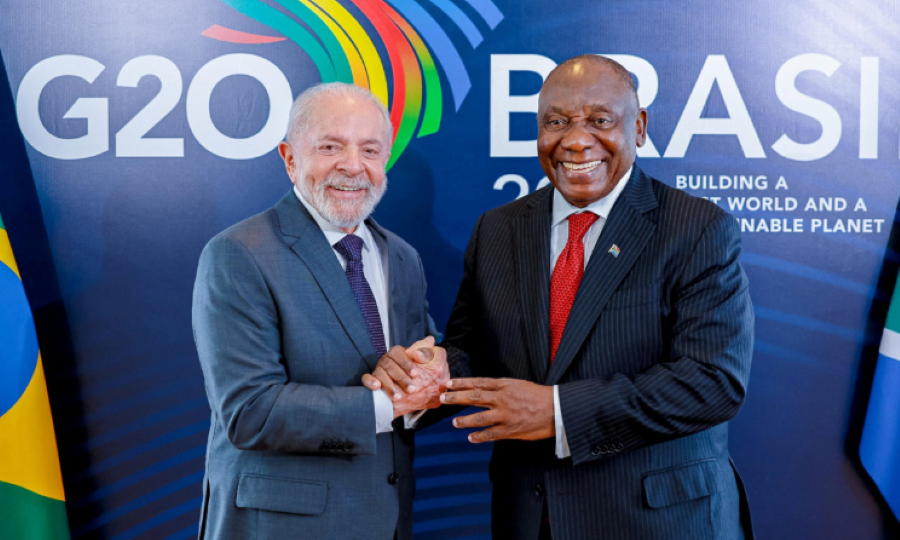
  • How South Africa’s G20 Presidency Can Elevate Africa’s Arts and Culture on the Global Stage

    How South Africa’s G20 Presidency Can Elevate Africa’s Arts and Culture on the Global Stage

    The G20 Rio de Janeiro Leaders’ Declaration, adopted in November 2024, provides a groundbreaking framework that underscores the transformative role of arts and culture in fostering global unity, sustainability, and dialogue. For Africa, this declaration arrives at a pivotal juncture, offering an opportunity to assert the continent’s cultural richness as a driver of global progress. However, the real challenge lies in translating this aspirational framework into actionable policies that address the struggles faced by the arts and culture sector across Africa.

    A Historic Leadership Opportunity

    In an unprecedented milestone, South Africa assumed the G20 presidency following the conclusion of the summit in Rio de Janeiro. This marks the first time an African nation has held the reins of this influential global forum. President Cyril Ramaphosa’s declaration that Africa’s development will be central to the G20 agenda under the theme “Solidarity, Equality, and Sustainability” reflects a commitment to inclusive growth, food security, and the exploration of technologies like artificial intelligence (AI). Yet, while these goals are commendable, the omission of arts and culture from the list of priorities highlights a recurring oversight: culture, despite its significant economic and social contributions, remains underrepresented in global development discussions.

    Culture’s Untapped Potential in Africa

    Culture is not merely a repository of traditions or entertainment—it is an economic powerhouse, a vehicle for social cohesion, and a spark for innovation. Across Africa, however, the arts and culture sector faces chronic underfunding and neglect. The African Union’s pledge to allocate 1% of national budgets to culture by 2030 is a step in the right direction, but implementation has been inconsistent. Countries like Zambia allocate less than 0.1% of their budgets to cultural initiatives, a stark disparity given the sector’s potential to diversify economies and create jobs.

    Artistic Freedom and Policy Gaps

    One of the key pillars of the G20 declaration is the promotion of artistic freedom, a principle that resonates deeply in Africa, where creators often face challenges such as political interference, censorship, and economic insecurity. In nations like Mozambique and Uganda, the absence of robust legal protections leaves artists vulnerable. The G20’s emphasis on fair pay and decent work for cultural workers is promising, but without active enforcement mechanisms, these commitments risk remaining abstract ideals. African artists need champions who can advocate for their rights and ensure that international policies translate into tangible protections on the ground.

    The Digital Frontier and Copyright Challenges

    Digital platforms and AI offer both opportunities and challenges for Africa’s creative industries. The Salvador da Bahia Declaration, crafted during the G20 Culture Ministers’ meeting, calls for equitable policies in the digital sphere, including robust copyright enforcement and fair remuneration for creators. This is particularly relevant in African countries like Nigeria, where a thriving music industry continues to grapple with piracy and exploitative contracts. By leveraging the G20 platform, Africa can advocate for international frameworks that address these vulnerabilities, ensuring creators are fairly compensated in the digital economy.

    Heritage Preservation and Restitution

    Africa’s cultural heritage is not only a source of identity but also a vital link to its historical legacy. However, this heritage faces existential threats from climate change, conflict, and illegal trade. The G20’s commitment to safeguarding cultural memory aligns with the African Union’s Agenda 2063, which prioritizes the restitution of looted artefacts as a step toward healing and reclaiming African identity. South Africa’s G20 presidency presents an opportunity to bring these issues into sharper focus on the global stage, ensuring that heritage preservation and restitution are recognized as essential components of sustainable development.

    A Platform for Unity and Advocacy

    South Africa’s leadership at the G20 provides a unique platform to spotlight the continent’s rich cultural diversity and advocate for its integration into global development agendas. For South Africa, this is a chance to showcase its achievements in culture, heritage, and innovation. For the broader continent, it is a rare opportunity to unite around shared goals such as increased public investment, stronger protections for artistic freedom, and improved access to global markets.

    By prioritizing culture as a core pillar of development, Africa can redefine its narrative on the global stage. Creativity is not just an expression of identity; it is a cornerstone for economic growth, social cohesion, and sustainable progress.

    Seizing the Moment

    The question is not whether Africa has the capacity to lead in cultural advocacy but whether it will seize this historic moment. South Africa, as the G20 president, has the power to champion a transformative cultural agenda that benefits the entire continent. By doing so, it can demonstrate that culture is not secondary to development but integral to achieving a future of equality, solidarity, and sustainability. Let this presidency mark the beginning of a new chapter where Africa’s artistic and cultural potential takes center stage in shaping a more equitable and inclusive global order.

  • December 2024: Professor Caroline Ncube – African Female Researcher of the Month

    December 2024: Professor Caroline Ncube – African Female Researcher of the Month

    African Researchers AwardDecember 2024: Professor Caroline Ncube – African Female Researcher of the Month
    Overview

    Professor Caroline Ncube is an esteemed academic at the University of Cape Town (UCT), where she serves as a professor in the Faculty of Law. Her groundbreaking work in intellectual property (IP) law has established her as a thought leader in understanding and leveraging IP to foster societal and economic progress. With a career spanning significant academic contributions, thought leadership, and impactful teaching, Professor Ncube’s work exemplifies the transformative power of legal scholarship in addressing global challenges.

    In recognition of her contributions, Professor Ncube was named the 2024 Distinguished Women Researcher in Humanities and Social Sciences by the South African Women in Science Awards (SAWiSA). This prestigious honor from the Department of Science and Innovation (DSI) highlights her pivotal role in advancing innovation and addressing critical issues through her research.

    Academic and Research Excellence

    Professor Ncube’s research focuses on intellectual property law and its intersections with innovation and development. She has a keen interest in the societal impacts of IP, particularly in:

    • Education: Exploring how IP can improve access to educational resources and support inclusive learning environments.
    • Health: Investigating how IP frameworks can enhance the development and dissemination of healthcare innovations.
    • Climate Change: Analyzing the role of IP in driving sustainable solutions for environmental challenges.
    • Economic Development: Highlighting the ways IP can serve as a tool for fostering entrepreneurship and economic resilience, especially in developing nations.

    Her research is distinguished by its multidisciplinary approach, bridging law, social justice, and sustainable development. Her commitment to knowledge dissemination extends beyond academia, as she actively engages policymakers and industry leaders to promote equitable and inclusive IP systems.

    Award Recognition: SAWiSA 2024

    The 2024 SAWiSA awards ceremony, held in Mbombela, Mpumalanga, celebrated women leaders in science, technology, engineering, and mathematics (STEM). The event’s theme, “Transition towards an Innovation Economy: The Role of Women Leaders in STEM,” emphasized inclusivity and the often-overlooked contributions of women to diverse innovation sectors.

    Upon receiving the award, Professor Ncube remarked:

    “Being among all the finalists of the 2024 SAWiSA awards was a great affirmation. Just looking around and seeing generations of women in science all on a mission to heal the nation and world with their work was so inspiring. It shows us what women in science and academia can achieve and what those following us can also achieve. Igama lamakhosikazi malibongwe (Praise be to womankind).”

    Leadership and Impact

    Professor Ncube has consistently demonstrated leadership in her field by mentoring emerging scholars and promoting diversity in legal research. Her work embodies a vision of inclusive legal systems that empower marginalized communities and support global equity in innovation.

    Her influence extends to the Emerging Researcher Programme (ERP) at UCT, which supports early-career researchers, particularly women, in strengthening their academic capabilities. This initiative reflects her commitment to fostering a diverse and dynamic academic landscape.

    Thought Leadership and Advocacy

    Professor Ncube is a sought-after voice in national and international forums on intellectual property. Her ability to connect legal theory with practical applications has positioned her as an advocate for progressive IP policies that prioritize public good over private monopoly. She collaborates with stakeholders across sectors, including governments, non-governmental organizations, and private industries, to ensure that IP laws support sustainable and equitable innovation.

    Inspiring Future Generations

    As an award-winning researcher, mentor, and advocate, Professor Caroline Ncube continues to inspire future generations of women in STEM and law. Her work not only addresses critical global challenges but also underscores the importance of empowering women leaders to drive innovation and societal transformation.

    Her recognition as a 2024 SAWiSA Distinguished Women Researcher solidifies her legacy as a beacon of excellence in intellectual property law and a champion for inclusive innovation economies.

  • December 2024: Dr. Katumusiime Jacob – African Male Researcher of the Month

    December 2024: Dr. Katumusiime Jacob – African Male Researcher of the Month

    African Researchers AwardDecember 2024: Dr. Katumusiime Jacob – African Male Researcher of the Month

    Dr. Katumusiime Jacob is a distinguished Ugandan scholar whose work has profoundly impacted the fields of African history, politics, and socio-religious studies. As a postdoctoral research fellow at the Makerere Institute of Social Research (MISR) in Kampala, Uganda, Dr. Katumusiime is renowned for his interdisciplinary approach, combining history, sociology, and political science to address complex issues shaping the African continent.

    Academic Journey and Research Focus

    Dr. Katumusiime’s academic journey began with a strong foundation in history and political science, disciplines in which he exhibited exceptional aptitude from an early age. He pursued his undergraduate and master’s degrees at Makerere University, one of Africa’s premier institutions, where his scholarly excellence earned him multiple accolades.

    His Ph.D. research, completed in 2023, epitomizes his intellectual rigor and innovative thinking. Titled “Beyond Religio-Cultural Violence: A Historico-Political Re-contextualisation of the Movement for the Restoration of the Ten Commandments of God,” his dissertation offers a groundbreaking analysis of one of East Africa’s most contentious religious movements.

    The study not only deconstructs the tragic events surrounding the movement but also reinterprets them through a historico-political lens, providing a nuanced understanding of the interplay between religion, culture, and politics in postcolonial Uganda. The thesis has been lauded for its methodological sophistication, its ability to weave together multiple disciplinary perspectives, and its implications for policy-making in Africa.

    Recognition and Prestigious Award

    Dr. Katumusiime’s academic excellence reached a new pinnacle in 2024 when he won the Rahamon Bello Best PhD Thesis Award, organized by the Institute of African and Diaspora Studies (IADS) at the University of Lagos, Nigeria. This award, named after a former vice chancellor of the University of Lagos, recognizes the best doctoral dissertation in African Studies from scholars across the continent.

    Out of 56 entries submitted from institutions in countries such as South Africa, Morocco, Ghana, and Nigeria, Dr. Katumusiime’s thesis was adjudged the best after rigorous evaluation by independent assessors. His work was praised as “fascinating and technically sound,” exemplifying the intellectual depth and societal relevance that the award seeks to celebrate.

    The award included a cash prize of $1,000, a commemorative plaque, and access to opportunities for academic collaboration and dissemination of his research. It underscores Dr. Katumusiime’s status as one of Africa’s leading voices in understanding and addressing the challenges of religio-political dynamics on the continent.

    Contributions to Scholarship and Public Discourse

    Beyond his award-winning thesis, Dr. Katumusiime has contributed extensively to academia through publications in prestigious journals and presentations at international conferences. His research topics include:

    • The intersections of religion, culture, and governance in postcolonial Africa.
    • Comparative studies of socio-political movements in East Africa.
    • The role of memory and historiography in shaping national identities.

    His work not only enriches scholarly understanding but also informs public discourse and policymaking, particularly in areas concerning reconciliation and governance in divided societies.

    Advocacy for Research and Education in Africa

    Dr. Katumusiime is also an outspoken advocate for strengthening research infrastructure and higher education across Africa. He has called for increased funding for academic research, emphasizing that robust scholarship is essential for addressing the continent’s pressing socio-economic and political challenges.

    His leadership at MISR has fostered collaborations with other African and international institutions, further positioning Uganda as a hub for cutting-edge social science research.

    Looking Ahead

    As a rising star in African academia, Dr. Katumusiime Jacob continues to inspire young scholars and contribute to transformative research. His work not only sheds light on historical and cultural complexities but also offers actionable insights for building a more inclusive and equitable society.

    With his Rahamon Bello Award win and an ever-growing reputation, Dr. Katumusiime stands as a testament to the power of intellectual excellence and the potential of African scholarship on the global stage.

  • KSJ 2025 Fellowship: Advancing Science Journalism in Africa and the Middle East at MIT

    KSJ 2025 Fellowship: Advancing Science Journalism in Africa and the Middle East at MIT

    The Fellowship for Advancing Science Journalism in Africa and the Middle East is a transformative one-semester program designed to empower journalists from these regions with the knowledge and skills to excel in science journalism. This prestigious fellowship, hosted by the Knight Science Journalism (KSJ) Program at the Massachusetts Institute of Technology (MIT), combines academic study, practical training, and networking opportunities, equipping participants to elevate science communication in their home countries and globally.


    About the Fellowship

    Launched to enhance the quality and impact of science journalism in Africa and the Middle East, this program honors the legacy of Mohammed Yahia, an influential Egyptian science journalist and former editor of Nature Middle East. It aims to nurture talent in these regions and foster a deeper understanding of science and its cultural, health, and environmental intersections.

    The fellowship will provide one journalist with unparalleled access to MIT’s academic resources, seminars, and workshops, enabling them to connect with global leaders in science communication while spotlighting advancements from Africa and the Middle East on a global stage.


    Key Features and Benefits

    • Financial Support
      • A stipend of $40,000 for the semester.
      • Travel and housing allowances.
      • Comprehensive health insurance is provided through MIT.
    • Academic and Cultural Enrichment
      • Access to courses at MIT, Harvard, and other Boston-area universities.
      • Participation in seminars, workshops, and field trips designed for professional growth.
      • Full access to MIT’s facilities, including libraries, museums, and transportation subsidies.
    • Networking and Mentorship
      • Collaboration with a vibrant cohort of science journalists from around the world.
      • Guidance from seasoned professionals in science communication.

    Eligibility Criteria

    Applicants must meet the following requirements:

    1. Professional Experience:
      • At least three years of journalism experience focusing on science, health, or environmental issues in Africa or the Middle East.
      • Eligible professions include reporters, writers, editors, producers, illustrators, filmmakers, and photojournalists working in various media, including print, digital, radio, and television.
    2. Language Proficiency:
      • Fluency in spoken and written English is mandatory. Applicants whose native language is not English are encouraged to demonstrate proficiency through tests such as IELTS or TOEFL.
    3. Residency Requirements:
      • The selected fellow must reside full-time in the Boston-Cambridge area during the program (August 16, 2025 – mid-December 2025).

    Expectations for Fellows

    • Develop and pursue a personalized course of study that includes auditing at least one science-related course.
    • Participate actively in all seminars, field trips, and training sessions.
    • Refrain from external paid work unless explicitly authorized by the program director.

    Application Process

    Interested candidates must submit the following:

    1. Statement of Purpose:
      • A 500-word essay detailing why the fellowship aligns with their professional aspirations and how it will contribute to their career development.
    2. Resume or Curriculum Vitae (CV):
      • A comprehensive summary of education, work history, and professional achievements. Freelancers should include a list of recent projects with publication dates and platforms.
    3. Work Samples:
      • Three examples of relevant work showcasing their expertise and interest in science journalism. Non-English samples must include translations.
    4. Letter of Recommendation:
      • At least one letter from a professional reference familiar with the applicant’s work and commitment to journalism.

    Timeline for Application

    • November 15, 2024: Applications open.
    • January 15, 2025: Application deadline (references have until January 21, 2025, to upload letters).
    • January–March 2025: Review of applications, followed by video interviews for semi-finalists.
    • March 2025: Announcement of the selected fellow.

    Visa Requirements

    The fellow will require a J-1 visa, sponsored by MIT’s International Scholars Office. This visa process includes verification of English proficiency, which may involve an interview or language test. Documentation for the visa will be facilitated post-selection.


    Why This Fellowship Matters

    The KSJ Fellowship provides a rare opportunity for journalists to deepen their understanding of science and its societal impacts, enabling them to improve the quality and depth of science reporting in Africa and the Middle East. By fostering high-caliber journalism, the program not only enriches public discourse on critical issues but also bridges the gap between global scientific advancements and their regional contexts.

    For more information and to apply, visit the Knight Science Journalism Program website.

  • Engineering Journal Retracts Two Papers Over Unauthorized Use of FLOW-3D Software

    Engineering Journal Retracts Two Papers Over Unauthorized Use of FLOW-3D Software

    Two papers published in the Ain Shams Engineering Journal have been retracted following complaints by a U.S.-based engineering software company, Flow Science, Inc., which alleged unauthorized use of its proprietary software, FLOW-3D. This case underscores the intersection of academic publishing, intellectual property rights, and the ethical use of licensed tools in research.

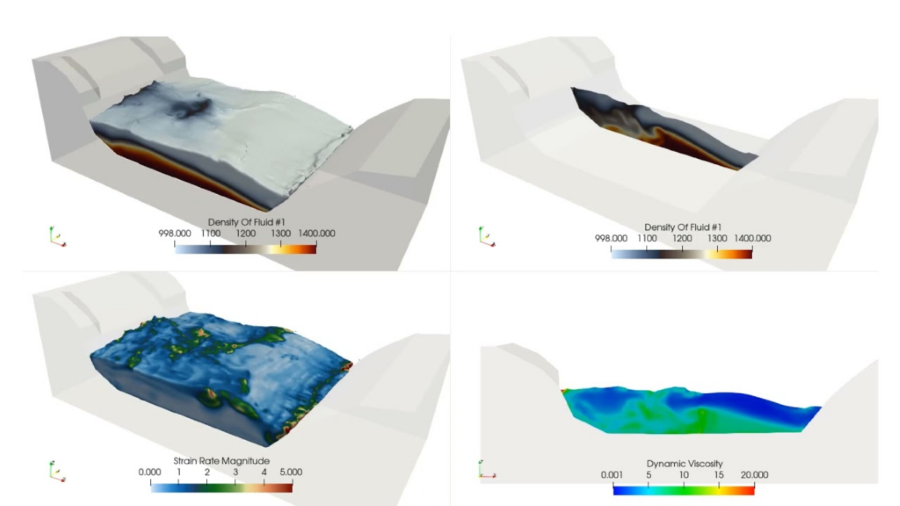
    FLOW-3D is a specialized software widely employed to simulate fluid dynamics, essential for research and development in engineering and environmental sciences. According to Tom Jensen, vice president of Flow Science, the company discovered the unauthorized usage during routine internet monitoring of citations referencing its software. Researchers, he noted, often fail to obtain valid licenses, sometimes resorting to illegal means such as downloading cracked versions of software from the dark web.

    When the company identified unlicensed usage in the two papers, they contacted the authors and offered them the opportunity to rectify the situation by purchasing an academic license. Despite providing this option, Flow Science received no response. Consequently, they sought retractions from the journal, citing violations of intellectual property rights. “We offer greatly reduced pricing for academic licenses and support numerous academic users globally,” said Jensen, emphasizing the availability of legitimate access options.

    Ethical Concerns in Academic Research

    The Ain Shams Engineering Journal, an Elsevier publication, retracted the two articles, citing violations of its submission requirements, which mandate that all software used in published work must be legally licensed. The retraction notices issued by the journal stated:

    One of the conditions of submission of a paper for publication is that the article does not violate any intellectual property rights of any person or entity and that the use of any software is made under a license or permission from the software owner.

    The retracted studies were authored by Egyptian researchers affiliated with universities in Zagazig and Alexandria. The first paper, titled “Investigating the peak outflow through a spatial embankment dam breach,” was published in November 2022 and retracted in September 2023. It had already garnered three citations according to Clarivate’s Web of Science. The second paper, “Effect of tailwater depth on non-cohesive earth dam failure due to overtopping,” was published in August 2023 and retracted in October of the same year, after receiving two citations. Despite attempts to contact the authors for comment, none responded to inquiries from Retraction Watch.

    Broader Implications for Research and Intellectual Property

    This case highlights the risks associated with the unlicensed use of proprietary tools in academic research, which not only violates intellectual property laws but also raises ethical concerns. Researchers may inadvertently undermine the integrity of their work and face reputational damage. For journals, the incident underscores the importance of enforcing policies that ensure compliance with intellectual property rights. While publishers like Elsevier hold individual journals accountable for verifying license validity, gaps in enforcement can lead to high-profile retractions.

    A Broader Pattern

    The retractions are not isolated incidents. Similar cases have occurred across disciplines, with researchers facing consequences for misusing copyrighted material. For instance, in 2017, a scientist demanded substantial licensing fees for the unauthorized use of a copyrighted questionnaire, leading to the withdrawal of several papers. Ironically, a foundational paper for that same questionnaire was later retracted in 2023, highlighting the complexities of intellectual property in academia.

    Lessons for the Research Community

    These retractions serve as a cautionary tale for researchers, institutions, and publishers. Researchers should prioritize using legally obtained resources and verify the licensing status of any tools employed in their studies. Academic institutions can support this by negotiating site licenses or subsidizing access to essential software. Journals, on the other hand, must adopt robust mechanisms to vet submissions for compliance with ethical and legal standards, safeguarding the credibility of published research.

    In an era where software tools play an increasingly pivotal role in research, the ethical and lawful use of these resources is not just a legal obligation but a cornerstone of academic integrity.

    For more details, visit Retraction Watch

  • Spotlight on the African Development Finance Journal: A Premier Resource for Development Finance Research

    Spotlight on the African Development Finance Journal: A Premier Resource for Development Finance Research

    In the dynamic world of academic publishing, the African Development Finance Journal (ADFJ) stands out as a beacon for scholars, professionals, and practitioners in the field of development finance. As of November 2024, the ADFJ is actively listed in the prestigious AR Index (AR Index Number: 644406), underscoring its credibility and impact in advancing the frontiers of financial management and development finance research.


    About the African Development Finance Journal (ADFJ)

    Established in 2015 and hosted by the Department of Finance and Accounting at the University of Nairobi, ADFJ is a high-quality, open-access, peer-reviewed journal that caters to a global audience. It provides a vibrant platform for researchers to share groundbreaking insights in disciplines such as corporate finance, public finance, and financial management, among others.

    Key features of the journal include:

    • Frequency: Published bimonthly, ensuring timely dissemination of cutting-edge research.
    • Review Type: A rigorous double-blinded peer-review process that takes 1-2 months.
    • Open Access: Free accessibility under a Creative Commons License (CCO), democratizing knowledge for readers worldwide.
    • Publication Focus: Welcome diverse submissions, from theoretical and empirical research to case studies and technical notes.

    A Journal with a Mission

    The ADFJ is driven by its commitment to supporting the academic and professional community through:

    1. Inclusion and Accessibility: By being an open-access journal, ADFJ makes research available to readers without subscription barriers, fostering global collaboration and knowledge exchange.
    2. Ethical Standards: The journal upholds rigorous publication ethics, ensuring originality, integrity, and transparency in all its published works.
    3. Support for New Voices: With a submission fee of $0 and a nominal publication fee of $100, ADFJ promotes affordability, making it an excellent choice for emerging researchers.

    ADFJ’s Role in the AR Index

    The AR Index listing reinforces ADFJ’s status as a reputable journal. This indexing provides visibility to the journal’s content, ensuring that articles are accessible to a broad audience and discoverable by academic databases. For authors, this translates to increased citation potential and academic recognition.


    Submission and Publishing Guidelines

    For prospective authors, ADFJ offers detailed submission guidelines to streamline the publication process:

    • Manuscript Length: Up to 25 pages.
    • Language: English (either American or British, but not a mix of both).
    • Structure: A clear and concise format, emphasizing clarity and brevity without compromising on detail.
    • Ethical Compliance: Authors must guarantee originality and adhere to strict anti-plagiarism standards.

    The journal’s editorial leadership, spearheaded by Dr. Duncan Elly Ochieng, ensures that each submission meets these high standards.


    How to Access the Journal

    Readers and contributors can explore the ADFJ’s archives and submission guidelines via its official website. For further inquiries, the editorial team can be contacted at editoradfj@uonbi.ac.ke.


    Final Thoughts

    The African Development Finance Journal (ADFJ) is more than just a publication; it is a cornerstone for research in financial management and development. Its inclusion in the AR Index attests to its quality, relevance, and commitment to advancing the academic discourse in development finance. Whether you’re a researcher, student, or practitioner, ADFJ offers a unique opportunity to engage with pioneering studies and contribute to a global conversation that shapes financial practices and policies.

    So, whether you’re aiming to publish your next paper or seeking robust resources for your research, the ADFJ should undoubtedly be on your radar.

    For more information, visit the Index Status

  • Silent Asthma Epidemic in Africa: Causes, Impact, and Urgent Solutions

    Silent Asthma Epidemic in Africa: Causes, Impact, and Urgent Solutions

    Millions of adolescents across Africa may unknowingly suffer from asthma, a chronic respiratory condition that affects millions globally, due to underdiagnosis and limited access to treatment. A study recently published in The Lancet highlights a pressing issue in African healthcare systems: the lack of awareness, diagnosis, and treatment for asthma among young people. This silent epidemic has serious implications for public health, given that asthma is a leading cause of chronic respiratory death worldwide.

    Key Findings of the Study

    Conducted between 2018 and 2021, researchers from Queen Mary University of London (QMUL) studied over 20,000 adolescents aged 12 to 14 in six urban centers: Blantyre (Malawi), Durban (South Africa), Harare (Zimbabwe), Kampala (Uganda), Kumasi (Ghana), and Lagos (Nigeria). The results are alarming:

    • Prevalence of Symptoms: About 12% of participants showed severe asthma symptoms, yet 80% had never been diagnosed by a clinician.
    • Lack of Treatment: One-third of adolescents previously diagnosed with asthma reported severe symptoms but were not using medication to manage their condition. Many lacked awareness of asthma therapies and underestimated the severity of the disease.
    • Geographical Disparities: Durban had the highest prevalence of asthma symptoms, while Blantyre had the lowest. This variance reflects how environmental and socio-economic factors influence asthma prevalence across regions.

    The study suggests that if these results were extrapolated, as many as 15 million adolescents in sub-Saharan Africa could have undiagnosed asthma, leaving them vulnerable to complications and preventable deaths.

    The Burden of Asthma in Africa

    Asthma is a chronic disease characterized by inflammation of the airways that leads to breathing difficulties, wheezing, chest tightness, and coughing. While asthma can be managed effectively with proper treatment, the condition remains a significant health burden in Africa.

    • Rising Cases: The number of asthma cases on the continent increased from 94 million in 2000 to 119 million in 2010. Adolescents account for roughly 14% of cases.
    • Underdiagnosis: Poor access to healthcare and limited awareness about asthma contribute to underdiagnosis, particularly in low-income areas.
    • High mortality rates: severe asthma can lead to fatal complications, with mortality rates disproportionately higher in African countries due to inadequate treatment options.

    Urbanization and Environmental Factors

    Africa’s rapid urbanization, the fastest in the world at 3.5% annually, has contributed significantly to the rise in asthma cases. Expanding cities bring economic opportunities but also increase exposure to environmental triggers, including:

    • Air Pollution: Vehicle emissions, industrial waste, and coal-powered energy plants contribute to poor air quality. For instance, South Africa’s reliance on coal for electricity has resulted in some of the worst pollution levels on the continent.
    • Climate Change: Global warming exacerbates asthma risks by intensifying dust storms, wildfires, and temperature fluctuations.

    Socioeconomic Barriers to Asthma Management

    Economic inequality remains a significant barrier to asthma care in Africa. Over 60% of urban dwellers live in informal settlements, where access to healthcare is limited. Additionally, the high cost of asthma medication is prohibitive for many families. In Nigeria, for example, the price of inhalers has tripled recently due to inflation and the exit of major pharmaceutical companies like GlaxoSmithKline.

    Impacts on Adolescents

    Asthma’s impact on adolescents extends beyond physical health:

    • Education: Frequent absences from school due to asthma attacks hinder academic performance.
    • Mental Health: Chronic illness, stigma, and anxiety about asthma attacks can affect psychological well-being.
    • Social Activities: Limited participation in sports and play due to breathing difficulties isolates affected adolescents from their peers.

    Solutions and Recommendations

    To address this silent epidemic, a multifaceted approach is required:

    1. Improved Air Quality: Governments must prioritize controlling urban air pollution by adopting clean energy policies and enforcing emissions standards.
    2. Enhanced Healthcare Access: Investments in healthcare infrastructure and subsidies for asthma medications can make treatment more accessible. This includes preventive care, which is cost-effective in the long term compared to crisis-driven approaches.
    3. Community Awareness: Public health campaigns are essential to educate families and schools about asthma symptoms, triggers, and management strategies.
    4. School-Based Interventions: Mobile clinics that visit schools to screen for asthma, provide diagnoses, and offer treatments could significantly improve early detection rates. With high attendance rates at the start of secondary school, this approach could efficiently reach adolescents at risk.
    5. Research and Data Collection: More localized studies are needed to understand regional variations in asthma prevalence and inform tailored healthcare policies.

    A Call to Action

    The asthma crisis in Africa highlights the urgent need for systemic change in how respiratory diseases are identified and managed. Collaboration between governments, international health organizations, and pharmaceutical companies is critical to ensuring that adolescents receive timely diagnoses and affordable treatments. Proactive measures today can save lives and improve the quality of life for millions across the continent.

  • Air Pollution and Cardiovascular Diseases in Africa: A Growing Public Health Crisis

    Air Pollution and Cardiovascular Diseases in Africa: A Growing Public Health Crisis

    Experts have raised urgent concerns about the need for more comprehensive research and monitoring of air pollution across Africa to curb the rise of cardiovascular diseases (CVDs). A recent report highlights the potential for heart attacks, strokes, and other cardiovascular illnesses to surpass infectious diseases as the leading cause of death on the continent.

    The study, conducted by researchers from the Universities of Edinburgh and Essex in collaboration with the World Heart Federation (WHF), underscores the dire consequences of inadequate monitoring and the lack of evidence-based policies tailored to African contexts. Without sufficient data, interventions designed to mitigate these health risks remain ineffective, leaving millions vulnerable.

    Alarming Gaps in Air Quality Monitoring

    The research, published in the Journal of the American College of Cardiology, reveals startling statistics about air quality monitoring in Africa: only 30% of African countries have legal mandates to track air quality, and just 18% require reporting of their findings. This lack of comprehensive oversight hampers efforts to understand the true scale of air pollution’s impact on cardiovascular health.

    Furthermore, the study shows that research on this topic is extremely limited. To date, only six academic studies have investigated the relationship between air pollution and cardiovascular diseases on the continent, with most of them focused on urban areas in South Africa. This narrow focus makes it challenging to gauge the broader implications for rural areas and other regions across Africa.

    A Looming Public Health Crisis

    The WHF’s 2024 Global Report reinforces these findings, indicating that only 24 of Africa’s 54 nations have any mechanisms for measuring air quality. This lack of data is particularly concerning as the continent’s population—currently over one billion—becomes increasingly urbanized. Within the next decade, it is estimated that half of Africa’s population will live in cities, where air pollution is often most severe.

    Professor Mariachiara Di Cesare, a member of the World Heart Observatory expert group, has described the situation as a “time bomb.” She warns that the rising burden of CVDs combined with escalating air pollution levels will lead to disproportionate mortality and morbidity rates, particularly in low- and middle-income regions with limited access to healthcare.

    Dr. Mark Miller, Chair of the Air Pollution and Climate Change Expert Group at the WHF, adds that while air pollution is a global health issue, Africa faces unique challenges. High levels of pollution, compounded by other health stressors and inadequate medical infrastructure, create a perfect storm for cardiovascular health crises.

    Pathways to Prevention

    To mitigate this impending crisis, the researchers emphasize the need for robust, region-specific strategies. These include:

    1. Improved Air Quality Monitoring: Establishing systems to measure air pollution across diverse regions, including rural and urban areas, to create a more accurate picture of exposure levels.
    2. Source Identification and Mitigation: Identifying primary sources of pollution and implementing targeted strategies to reduce emissions and exposure.
    3. Community Engagement: Developing public health guidelines tailored to local conditions and educating communities about the risks of air pollution.
    4. Expanded Research: Conducting longitudinal studies to explore both short- and long-term links between air pollution and cardiovascular health. This includes examining out-of-hospital health events and clinical outcomes.
    5. Policy and Multi-Sector Collaboration: Encouraging policymakers, healthcare sectors, and community organizations to collaborate on initiatives that prioritize both air quality improvement and cardiovascular health.

    The Human Cost of Inaction

    Without immediate action, Africa is likely to face a disproportionate share of global cardiovascular mortality. This growing burden underscores the urgent need for data-driven solutions and proactive measures to safeguard public health. By addressing air pollution now, Africa can take a significant step toward improving life expectancy and quality of life for its rapidly growing population.

    As the report makes clear, air pollution is more than an environmental issue; it is a silent but deadly threat to millions, particularly in regions with fragile healthcare systems. Addressing this challenge requires both local and global efforts, ensuring that Africa is equipped to meet its evolving health challenges.