Author: AR Managing Editor

  • Colonial Zambia’s Tsetse Control and Wildlife Management: Historical Impacts and Lessons for Sustainable Conservation

    Colonial Zambia’s Tsetse Control and Wildlife Management: Historical Impacts and Lessons for Sustainable Conservation

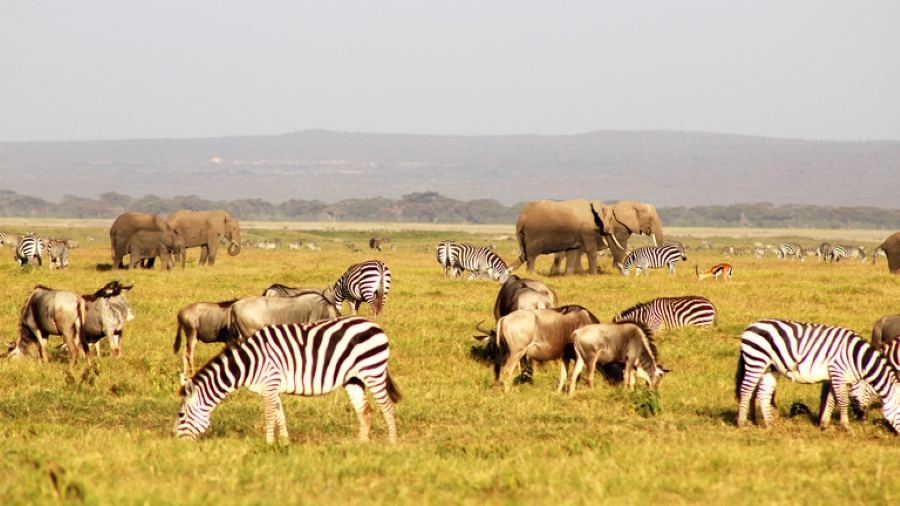
    A recent study by Lacan, L. (2024) titled “Killing tsetse and/or saving wildlife? A multispecies assemblage in colonial Zambia (1895–1959)” published in the Journal of Anthropology Southern Africa by Taylor & Francis shows that the tsetse control efforts in colonial Zambia were deeply intertwined with wildlife management.

    Colonial Zambia’s tsetse control efforts were deeply intertwined with wildlife management, shaping lasting ecological impacts.– Lacan, L. 2024

    The article examines the historical efforts to control the tsetse fly in colonial Zambia (1895–1959), providing a nuanced exploration of how these measures were deeply intertwined with the broader colonial project of reshaping the natural and social landscape. Tsetse control efforts were driven by the threat posed by the fly, a vector for trypanosomiasis (sleeping sickness) in both humans and livestock, which significantly hindered colonial agricultural and economic goals. Central to these efforts was the management of wildlife, which was viewed through a dual lens: as both a threat and a resource. On the one hand, wild animals were seen as reservoirs for the tsetse fly, perpetuating the disease cycle, leading to widespread campaigns of game elimination. On the other hand, wildlife was valued as a source of revenue through hunting and tourism, complicating the narrative around its eradication.

    To control tsetse populations, colonial authorities employed aggressive and often disruptive methods, including the mass culling of wildlife, clearing large tracts of vegetation to destroy the fly’s habitat, and forcibly resettling human populations to create “fly-free zones.” These interventions reflected the colonial vision of separating “civilized” human spaces from the untamed wilderness, reinforcing a dichotomy between humans and nature. This separation was not only physical but ideological, shaping policies that prioritized agricultural and economic development at the expense of ecological balance and local livelihoods. The article also explores the long-term consequences of these colonial policies on Zambia’s wildlife management and conservation efforts. Many of the practices and attitudes established during this period, such as the demarcation of conservation areas and the displacement of local communities, continue to influence contemporary conservation strategies. These legacies highlight the enduring tensions between conservation goals, economic development, and the rights of indigenous populations, offering critical insights into the intersection of environmental and colonial histories.

    How the Study was Conducted

    The study employed a combination of archival research and analysis of historical records. The author examined various methods used for tsetse control, such as game elimination, vegetation clearing, and resettlement of populations, and also analyzed the impact of these methods on wildlife management and conservation areas. The study involved reviewing documents, reports, and correspondence from the colonial period to understand the strategies and policies implemented for tsetse control and their long-term effects on the environment and local communities

    What the Authors Found

    The authors found that the tsetse control efforts in colonial Zambia were deeply intertwined with wildlife management. The author also discovered that wildlife was viewed both as a threat to be eliminated and as a resource to be conserved.

    Why is this important?

    This study is important because it sheds light on the historical practices of tsetse control and wildlife management in colonial Zambia, revealing how these efforts were deeply intertwined. The findings highlight the lasting impact of colonial policies on current wildlife management and conservation areas. Understanding this history helps us appreciate the complexities of managing human-wildlife interactions and the long-term consequences of past interventions on the environment and local communities. It also underscores the need for sustainable and ethical approaches to wildlife conservation and disease control in the present day.

    What the Authors Recommended

    • The authors recommend a more integrated and holistic approach to tsetse control and wildlife management.
    • The study suggests that future efforts should consider the complex multispecies relationships and the historical context of past interventions.
    • The authors emphasize the importance of balancing tsetse control with wildlife conservation, ensuring that both human and ecological needs are met.
    • In addition, the study also highlight the need for sustainable and ethical practices that take into account the long-term impacts on local communities and the environment

    In conclusion, the study by Lacan (2024) highlights the intricate connections between tsetse control, wildlife management, and colonial policies in Zambia, revealing the profound and lasting effects of these historical interventions on the environment and local communities. By examining the past, the research underscores the need for sustainable, ethical, and inclusive approaches to conservation and disease control that acknowledge the complex relationships between humans, wildlife, and ecosystems. These insights serve as a critical reminder of the importance of integrating historical lessons into present-day strategies for managing ecological and social challenges.
  • Therapeutic Potential of Justicia Carnea Leaf Extract in Diabetes Management: A Histopathological Study on Pancreas, Liver, and Kidneys

    Therapeutic Potential of Justicia Carnea Leaf Extract in Diabetes Management: A Histopathological Study on Pancreas, Liver, and Kidneys

    A recent study by Ojeaburu, S. I., & Eimoga, N. (2024) titled “Histopathological Investigation of the Effects of Methanol Extract of Justicia Carnea Leaves on the Pancreas, Liver, and Kidney of Streptozotocin-Induced Diabetic Wistar Rats” published in the International Journal of Research and Scientific Innovation examined that the methanol extract of Justicia carnea leaves had significant therapeutic potential in managing diabetes mellitus and its complications in the pancreas, liver, and kidney of streptozotocin-induced diabetic Wistar rats.

    The methanol extract of Justicia carnea leaves effectively restores pancreatic, liver, and kidney health in streptozotocin-induced diabetic rats.Ojeaburu, S. I., and Eimoga, N. 2024

    The article examines the therapeutic potential of Justicia carnea leaf extract in managing diabetes, focusing on its effects on the pancreas, liver, and kidneys in diabetic rats. The study utilized methanol extract of the leaves and investigated its impact on diabetes induced in rats using streptozotocin (STZ). Thirty-six male Wistar rats were divided into six groups: a control group and five experimental groups, which were induced with diabetes and treated with varying doses of the methanol extract or metformin. Results revealed that the Justicia carnea extract significantly restored normal histopathological features in the pancreas, liver, and kidneys of diabetic rats. This suggests the extract’s potential as an effective antidiabetic treatment. The study also posit that the methanol extract of Justicia carnea leaves holds promise for the development of antidiabetic drugs or as a complementary therapy to existing treatments

    How the Study was Conducted

    Collection and Preparation of Plant Sample
    Fresh leaves of Justicia carnea were harvested, washed, air-dried, and pulverized. The methanol extract was obtained through maceration over 72 hours, filtered, and condensed using a rotary evaporator. The final extract was stored at -4°C until use.

    Experimental Design
    Thirty-six male Wistar rats were divided into six groups:

    Group 1: Normal control, received only water and grower’s pellet.

    Group 2: Diabetic untreated group.

    Group 3: Diabetic group treated with 50 mg/kg body weight (bw) of metformin.

    Groups 4, 5, and 6: Diabetic groups treated with 100, 200, and 500 mg/kg bw of methanol extract of Justicia carnea leaves, respectively.

    Induction of Diabetes
    Diabetes was induced by intraperitoneal injection of 50 mg/kg bw of streptozotocin (STZ). Rats with fasting blood glucose levels >200 mg/dL were considered diabetic.

    Administration of Extracts
    The methanol extract of Justicia carnea was orally administered to the rats daily for 21 days.

    Histological Study
    After 21 days of treatment, the rats were sacrificed, and the pancreas, liver, and kidney were harvested. The organs were processed for histopathological screening using hematoxylin and eosin staining for microscopic evaluation. The authors employed acute toxicity test using the Lorke method to determine the safety of the methanol extract. The test involved administering varying doses of the extract to rats and observing them for signs of toxicity and mortality. Data were expressed as mean ± standard error of mean and analyzed using SPSS. Statistical significance was assumed at p < 0.05.

    What the Authors Found

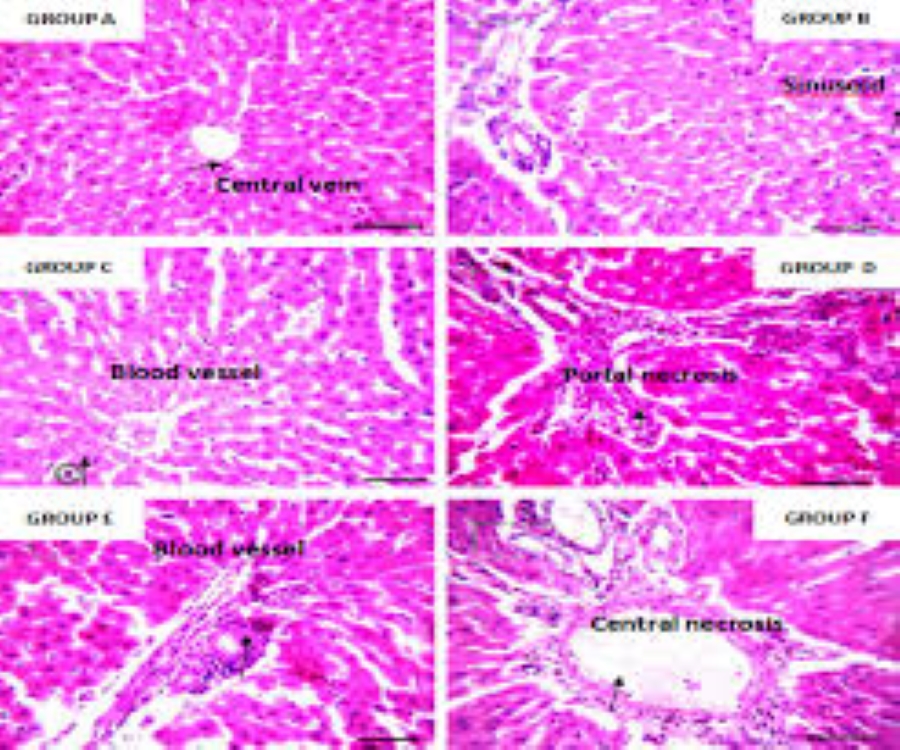
    The authors found that the methanol extract of Justicia carnea leaves had significant therapeutic potential in managing diabetes mellitus and its complications in the pancreas, liver, and kidney of streptozotocin-induced diabetic Wistar rats. The authors also found that the diabetic rats showed degenerating islets, vascular congestion, and stenosis. However, treatment with Justicia carnea extract resulted in the regeneration of islets and amelioration of these conditions. The 100 mg/kg body weight dose was particularly effective in restoring normal pancreatic histology. In addition, diabetic rats exhibited severe vascular ulceration, congestion, and periportal infiltrates of inflammatory cells. Treatment with Justicia carnea extract helped restore normal hepatocytes, portal veins, and bile ducts. The 100 mg/kg body weight dose was most effective in reversing liver damage. Furthermore, the authors also posit that the diabetic rats had interstitial congestion, glomerular shrinkage, and tubular necrosis. The Justicia carnea extract treatment normalized these conditions, with the 100 mg/kg body weight dose showing the best results in restoring kidney histology.

    Why is this important?

    Potential Antidiabetic Treatment: The findings suggest that the methanol extract of Justicia carnea leaves could be a promising candidate for developing new antidiabetic drugs or as an adjunct to existing treatments. This is significant given the global rise in diabetes cases and the need for effective treatments.

    Organ Protection: The study demonstrated that the extract helped restore normal histopathological features in the pancreas, liver, and kidney of diabetic rats. This indicates its potential to protect these vital organs from diabetes-induced damage, which is crucial for improving the quality of life and health outcomes for diabetic patients.

    Natural Medicine: Justicia carnea is a plant widely used in traditional medicine. This research provides scientific validation for its traditional use and highlights the importance of exploring natural remedies for modern medical conditions.

    Further Research: The study opens avenues for further research and clinical trials to fully explore the potential of Justicia carnea as an antidiabetic treatment. It also emphasizes the need for standardized dosing regimens and understanding the mechanisms of action.

    Economic Impact: Developing effective treatments from locally available plants like Justicia carnea can be cost-effective and accessible, especially in regions where access to conventional medicine is limited.

    What the Authors Recommended

    • The methanol extract of Justicia carnea leaves shows significant therapeutic potential in managing diabetes mellitus and its complications. The authors propose it as a potential candidate for developing antidiabetic drugs or as an adjunct to existing treatments.
    • The authors emphasize the need for further research and clinical trials to fully explore the potential of Justicia carnea. This includes establishing standardized dosing regimens for therapeutic applications and determining the mechanism of action of the leaf extract.
    • The study highlights the importance of determining the optimal dose for therapeutic use. The 100 mg/kg body weight dose was particularly effective in ameliorating diabetes-induced damage across all examined organs.
    • In addition, understanding the mechanism by which Justicia carnea exerts its antidiabetic effects is crucial. This will help in developing more effective treatments and ensuring the safety and efficacy of the extract.

    In conclusion, the study by Ojeaburu and Eimoga highlights the significant therapeutic potential of the methanol extract of Justicia carnea leaves in managing diabetes mellitus and its complications. By demonstrating its ability to restore normal histopathological features in the pancreas, liver, and kidneys, the research provides compelling evidence for its use as a natural and effective antidiabetic treatment. These findings not only validate the traditional medicinal use of Justicia carnea but also open avenues for further research and clinical applications. With its promising efficacy, safety profile, and accessibility, Justicia carnea extract could serve as a valuable addition to diabetes care, potentially improving health outcomes and offering an affordable alternative for regions with limited access to conventional therapies.

  • Antibiotic Use in Sub-Saharan Africa: Insights from the ANDEMIA Study on AMR Challenges and Stewardship Solutions

    Antibiotic Use in Sub-Saharan Africa: Insights from the ANDEMIA Study on AMR Challenges and Stewardship Solutions

    A recent article by Wieters et al. (2024) titled “Reported antibiotic use among patients in the multicenter ANDEMIA infectious diseases surveillance study in sub-Saharan Africa” published in Antimicrobial Resistance & Infection Control, reveals variations in antibiotic use based on disease type, country, and the location of healthcare facilities.

    There is significant variations in antibiotic use, with high prevalence of Watch antibiotics like ceftriaxone, across sub-Saharan Africa.– Wieters et al. 2024

    The article examines data from the African Network for Improved Diagnostics, Epidemiology, and Management of Common Infectious Agents (ANDEMIA), focusing on self-reported antibiotic use among patients with acute respiratory infections, gastrointestinal infections, and acute febrile illnesses of unknown origin. The study spans multiple countries, including Côte d’Ivoire, Burkina Faso, the Democratic Republic of the Congo, and South Africa. A significant proportion of the antibiotics used were from the WHO Watch group, with ceftriaxone being particularly prevalent. The findings reveal variations in antibiotic use based on disease type, country, and the location of healthcare facilities. The study underscores the urgent need for targeted strategies to regulate antibiotic use and combat antimicrobial resistance (AMR) in these regions. It highlights the critical role of monitoring antibiotic consumption and implementing antimicrobial stewardship policies to alleviate the growing burden of AMR in low- and middle-income countries.

    How the Study was Conducted

    The study was a descriptive analysis of data collected from 12 urban and rural health facilities in Côte d’Ivoire, Burkina Faso, the Democratic Republic of the Congo, and the Republic of South Africa. Patients with acute respiratory infection (RTI), acute gastrointestinal infection (GI), and acute febrile disease of unknown cause (AFDUC) were enrolled. Clinical, demographic, socio-economic, and behavioral data were collected using standardized questionnaires. The data collection period spanned from February 2018 to May 2022. Information on antibiotic use in the ten days prior to study enrollment was recorded, including the name and date of the last dose taken. The data were analyzed using Stata software. Antibiotic use was defined as self-reported use of one or more antibiotics in the ten days prior to study enrollment. The antibiotics were categorized according to the WHO AWaRe classification (Access, Watch, Reserve, and Not Recommended). The frequency of antibiotic use was stratified by location, disease syndrome, and individual patient factors. The study adhered to national legislation and ethical standards, including the Declaration of Helsinki. Institutional ethics approval was obtained in all participating countries. Written informed consent was obtained from all participants or their legal guardians.

    What the Authors Found

    The authors found that among the 19,700 patients enrolled in the ANDEMIA study, 36.8% reported antibiotic use in the ten days prior to study enrollment. A total of 9,695 antibiotics were reported, with 54.7% from the WHO Access antibiotic group and 44.7% from the WHO Watch antibiotic group. The most commonly reported antibiotic was ceftriaxone, a Watch antibiotic, accounting for 31.7% of the reported antibiotics. The study revealed significant differences in antibiotic use by disease syndrome, country, and health facility location. Notably, Watch antibiotic use ranged from 17.4% among RTI patients in urban facilities in Côte d’Ivoire to 73.7% among AFDUC patients in urban facilities in Burkina Faso.

    Why is this important?

    This study is important because it highlights the significant use of antibiotics, particularly Watch antibiotics like ceftriaxone, in sub-Saharan Africa. The findings underscore the need for targeted interventions to improve antibiotic stewardship in these regions. High usage of Watch antibiotics can contribute to the development of antimicrobial resistance (AMR), which poses a major global health threat. By understanding antibiotic use patterns, healthcare providers and policymakers can develop strategies to promote the appropriate use of antibiotics, reduce the risk of AMR, and improve patient outcomes. Additionally, the study sheds light on the challenges of antibiotic accessibility and affordability in low-resource settings, which are crucial factors to address in the fight against AMR.

    What the Authors Recommended

    • The authors recommend implementing targeted interventions to improve antibiotic stewardship, particularly focusing on reducing the use of watch antibiotics like ceftriaxone.
    • Policymakers should address the challenges of antibiotic accessibility and affordability in low-resource settings to ensure that patients have access to appropriate antibiotics.
    • The authors emphasize that policymakers should enhance education and training for healthcare providers on the appropriate use of antibiotics and the importance of adhering to the WHO AWaRe classification.
    • Strengthen surveillance and monitoring systems to track antibiotic use and resistance patterns, enabling timely and effective responses to emerging AMR threats.
    • In addition, the study advocates developing and enforcing policies and regulations to control the sale and distribution of antibiotics, reducing the risk of inappropriate use and self-medication.

    In conclusion, the study by Wieters et al. underscores the critical need for robust antimicrobial stewardship strategies to address the high usage of Watch antibiotics, particularly in low-resource settings across sub-Saharan Africa. By highlighting significant variations in antibiotic use by disease type, location, and healthcare facility, the findings provide essential insights to guide policymakers, healthcare providers, and public health organizations in combating the growing threat of antimicrobial resistance. Strengthened monitoring, improved accessibility to appropriate antibiotics, and targeted education efforts are vital steps toward ensuring the responsible use of antibiotics and safeguarding global health.

  • Hybrid Power Systems in Mining: Benefits, Challenges, and Global Insights from Canada, USA, and Africa

    Hybrid Power Systems in Mining: Benefits, Challenges, and Global Insights from Canada, USA, and Africa

    A recent study by Omole et al. (2024) titled “Hybrid power systems in mining: review of implementations in Canada, USA, and Africa” published in the Engineering Science & Technology Journal shows that the integration of renewable and traditional energy sources in HPS can lead to significant long-term cost savings.

    Hybrid Power Systems in mining offer significant cost savings, environmental benefits, and energy security.– Omole et al. 2024

    The article explores various facets of Hybrid Power Systems (HPS), focusing on their components, technologies, economic benefits, environmental impacts, and technological challenges. It highlights the integration of renewable and traditional energy sources in HPS as a transformative approach to achieving sustainable energy solutions. The discussion emphasizes economic advantages, including long-term cost savings and significant reductions in greenhouse gas emissions.

    The authors identified key challenges that trigger HPS

    Intermittency of Renewable Energy Sources: Solar and wind power generation depend on weather conditions and time of day, introducing variability into the energy supply. This intermittency requires advanced energy storage solutions to ensure a consistent power supply.

    System Optimization: Achieving the optimal configuration of HPS components is complex. It involves balancing renewable and conventional energy sources, as well as effective energy storage and distribution.

    Technical Expertise and Infrastructure: The successful deployment of HPS necessitates specialized technical expertise and robust infrastructure. In regions where the workforce lacks the necessary skills or the existing infrastructure is inadequate, implementing HPS can be challenging.

    Upfront Costs: The initial capital investment required for HPS can be a barrier to adoption, particularly for smaller-scale applications. Overcoming these cost challenges requires innovative financing models and continued technological advancements.

    Cybersecurity: As HPS become more interconnected and reliant on digital technologies, the risk of cybersecurity threats increases. Ensuring the reliability and security of the energy infrastructure is paramount.

    The authors propose several solutions to address the identified challenges, including the following:

    Advanced Energy Storage Solutions: To tackle the intermittency of renewable energy sources, the authors recommend the use of advanced energy storage technologies such as lithium-ion and flow batteries. These storage systems can capture and store excess energy during peak production periods and release it when renewable sources are less productive, ensuring a consistent power supply.

    Smart Grids and Microgrids: Implementing smart grids and microgrids can enhance the adaptability of HPS to varying energy inputs. These systems facilitate real-time monitoring and control, optimizing energy distribution from diverse sources and improving overall grid resilience.

    Hybrid Inverter Technology: The development of hybrid inverters allows for the seamless integration of diverse energy sources. These inverters efficiently manage the conversion of direct current (DC) from renewable sources to alternating current (AC) compatible with the grid, contributing to the harmonious functioning of HPS.

    Capacity-Building Initiatives: The successful deployment of HPS necessitates specialized technical expertise and robust infrastructure. Capacity-building initiatives and training programs are essential to empower a skilled workforce capable of designing, installing, and maintaining HPS. Educational programs geared towards renewable energy technologies contribute to developing a proficient workforce.

    Innovative Financing Models: Overcoming the upfront costs associated with implementing HPS requires innovative financing models. Governments and international organizations can promote HPS adoption by offering financial incentives, subsidies, and tax breaks. These measures can offset initial capital costs and stimulate investment in sustainable energy solutions.

    Robust Cybersecurity Protocols: As HPS become more interconnected and reliant on digital technologies, the risk of cybersecurity threats increases. Developing and implementing robust cybersecurity protocols are essential to protect HPS from potential threats. This includes encryption technologies, secure communication channels, and continuous monitoring of network vulnerabilities.

    How the Study was Conducted

    The authors embarked on a journey through the existing literature, offering an insightful overview of HPS and their pertinence in the mining sector. They explored global literature to uncover the key benefits and challenges associated with implementing HPS in mining operations. The study included practical implementations of HPS in mining operations globally. authors investigated the performance of HPS in diverse climatic conditions, offering practical considerations for implementation in different geographic settings. The mining landscapes of Canada, the United States, and Africa were examined to provide a comprehensive exploration of the diverse realities that shape these crucial sectors. The study compared the mining industries in these regions, highlighting the contrasts and similarities in their approaches to HPS. The authors analyzed the economic significance of HPS, especially in remote or off-grid mining locations. They also examined the environmental impacts of HPS, focusing on their potential to mitigate the environmental footprint of mining activities while enhancing operational efficiency.

    What the Authors Found

    The authors found that the integration of renewable and traditional energy sources in HPS can lead to significant long-term cost savings. While the initial investment may be high, the operational costs are lower due to reduced fuel consumption and maintenance. The study also posits that HPS significantly reduces greenhouse gas emissions and resource depletion. By incorporating renewable energy sources like solar and wind, these systems help mitigate the environmental footprint of mining activities.

    Why is this important?

    Sustainability: HPS integrates renewable energy sources with traditional ones, significantly reducing greenhouse gas emissions and promoting environmental stewardship. This aligns with global efforts to combat climate change and achieve sustainability goals.

    Economic Benefits: While the initial investment in HPS can be high, the long-term cost savings from reduced fuel consumption and maintenance make them economically viable. This is particularly beneficial for remote or off-grid mining operations where energy costs are typically higher.

    Energy Security: By diversifying energy sources, HPS enhances energy security and reliability. This is crucial for mining operations that require a consistent and reliable power supply to maintain productivity.

    Technological Innovation: The study highlights the advancements in energy storage, smart grids, and microgrid technologies that address the intermittency of renewable energy sources. These innovations are essential for optimizing the performance of HPS and ensuring a stable power supply.

    Policy and Collaboration: The study emphasizes the need for supportive policies, international collaboration, and public awareness to advance the adoption of HPS. This is important for creating a conducive environment for sustainable energy solutions and fostering global cooperation.

    What the Authors Recommended

    • The study advocates establishing comprehensive education and training programs is essential to cultivate a skilled workforce capable of designing, implementing, and maintaining HPS. These programs should be tailored to address the specific needs of different regions and industries.
    • The study suggests that governments should provide consistent policy support, financial incentives, and subsidies to encourage the adoption of HPS. Clear and supportive regulatory frameworks can stimulate private sector investment and accelerate the transition to sustainable energy solutions.
    • The study emphasizes collaborative efforts on an international scale are crucial for setting universal standards, sharing best practices, and fostering a global environment conducive to HPS development. Knowledge exchange and mutual support can accelerate progress and address common challenges.
    • Public awareness campaigns can play a crucial role in promoting understanding and acceptance of HPS. Encouraging community participation in the planning and implementation phases of HPS projects promotes transparency and social acceptance.
    • In addition, continued focus on technological innovation is imperative to overcome existing challenges and make HPS more efficient, affordable, and adaptable. Embracing emerging technologies, such as artificial intelligence and advanced materials, can further enhance the capabilities of HPS.

    In conclusion, the study by Omole et al. (2024) underscores the transformative potential of Hybrid Power Systems (HPS) in revolutionizing energy solutions for the mining industry. By integrating renewable and traditional energy sources, HPS not only addresses critical environmental challenges but also offers substantial economic and operational benefits. While obstacles such as high initial costs, technical expertise, and cybersecurity risks persist, innovative solutions and collaborative efforts are paving the way for wider adoption. As global sustainability goals and energy demands evolve, the implementation of HPS represents a pivotal step toward a cleaner, more efficient, and resilient mining future.

  • Technological Advancements in Food Supply Chain Management: A Comparative Analysis of the U.S. and Africa

    Technological Advancements in Food Supply Chain Management: A Comparative Analysis of the U.S. and Africa

    A recent study by Oriekhoe et al. (2024) titled “Review of technological advancements in food supply chain management: a comparative study between the US and Africa” published in the International Journal of Management & Entrepreneurship Research, shows that technological advancements in food supply chain management have significantly impacted both the United States and Africa, albeit in different ways.

    Technology significantly enhances food supply chains, with the U.S. and Africa leveraging innovations uniquely yet effectively.– Oriekhoe et al. 2024

    The article explores the challenges faced by the global food supply chain, such as demand volatility, perishability, and the need for efficient and sustainable practices. The study highlights how the U.S., with its advanced infrastructure and technology, uses tools like blockchain, IoT, and AI to enhance transparency, traceability, and efficiency. In contrast, Africa leverages mobile-based platforms, data analytics for smallholder farmers, and blockchain for transparent transactions to overcome infrastructural constraints and diverse agricultural practices. The article aims to provide insights for policymakers, industry stakeholders, and researchers to foster cross-cultural learning and collaborative efforts for resilient, sustainable, and technologically advanced food supply chains worldwide.

    How the Study was Conducted

    The study employed a comprehensive review of existing literature and case studies. The authors compared the technological landscapes of the United States and Africa, examining how each region adopts and adapts technology to address challenges in the food supply chain. The study focused on key technologies such as blockchain, IoT, and AI, and analyzed their impact on transparency, traceability, and efficiency.

    What the Authors Found

    The authors found that technological advancements in food supply chain management have significantly impacted both the United States and Africa, albeit in different ways. The U.S. has a highly advanced and intricate food supply chain, leveraging technologies like blockchain, IoT, and AI to enhance transparency, traceability, and efficiency. Whereas Africa faces unique challenges such as infrastructural constraints and diverse agricultural practices. Despite these challenges, Africa has shown remarkable ingenuity in leveraging technology to overcome them. Innovations such as mobile-based supply chain platforms, data analytics for smallholder farmers, and blockchain for transparent transactions are being utilized.

    Why is this important?

    Enhanced Efficiency: By understanding and adopting advanced technologies, regions can optimize their food supply chains, reducing waste and improving overall efficiency.

    Sustainability: The study highlights sustainable practices that can be adopted to ensure long-term food security while minimizing environmental impact.

    Cross-Cultural Learning: By comparing the technological landscapes of the U.S. and Africa, the study fosters cross-cultural learning and collaboration, enabling regions to learn from each other’s successes and challenges.

    Policy Development: Insights from the study can inform policymakers, helping them create supportive frameworks that encourage the adoption of innovative technologies in the food supply chain.

    Resilience: The study emphasizes the importance of building resilient food supply chains that can withstand disruptions, such as those caused by climate change or global pandemics.

    What the Authors Recommended

    • The study suggests that both regions should prioritize investment in technology infrastructure to improve connectivity, implement IoT solutions, and adopt digital platforms.
    • The authors advocate for foster international collaboration in research and development to address shared challenges, promote knowledge exchange, and accelerate the adoption of innovative technologies.
    • The authors also recommend that policymakers should establish programs to empower local farmers and stakeholders with the skills required to leverage advanced technologies effectively.
    • Governments should enact policies that incentivize innovation in the food supply chain, provide support for startups, offer research grants, and create regulatory frameworks that encourage the adoption of new technologies.
    • Finally, governments should encourage partnerships between public and private entities to facilitate the integration of technological solutions into the food supply chain, sharing resources, expertise, and funding for impactful initiatives.

    In conclusion, the study by Oriekhoe et al. (2024) underscores the transformative potential of technology in addressing global food supply chain challenges. By examining the contrasting yet complementary approaches of the United States and Africa, it highlights the importance of innovation, cross-cultural collaboration, and policy support in building resilient and sustainable food systems. Embracing these insights can pave the way for more efficient, equitable, and future-ready food supply chains worldwide.

  • Obstetric Violence in Sub-Saharan Africa: Addressing Maternal Care Abuse and Systemic Failures

    Obstetric Violence in Sub-Saharan Africa: Addressing Maternal Care Abuse and Systemic Failures

    In August 2013, Josephine Majani, a mother of three from Bungoma County in Kenya, endured an appalling birth experience. Despite her desperate cry for help during labor, hospital nurses ignored her plight. Struggling to walk to the labor ward amid excruciating pain, she discovered that all the beds were occupied. With no alternative, she was forced to give birth on the cold concrete floor.

    Majani’s ordeal did not end there. The attending nurses subjected her to verbal and physical abuse, even compelling her to carry her placenta back to the labor ward. Seeking justice for this traumatic experience, she turned to Kenya’s judiciary. In February 2024, Kenya’s Court of Appeal upheld an earlier High Court decision in her favor—a ruling that came six years after the initial judgment and eleven years after the incident.

    Her story sheds light on obstetric violence, a widespread but underreported form of abuse in maternal healthcare across Sub-Saharan Africa. This case underscores urgent systemic failures that allow such mistreatment to persist, raising critical questions about the state of maternal care in Kenya and beyond.

    The Silent Epidemic of Obstetric Violence

    Obstetric violence, as defined by the United Nations Special Rapporteur on Violence Against Women, encompasses verbal and physical abuse, neglect, non-consensual medical procedures, and unlawful detention for unpaid medical bills during childbirth. It is a gender-based violation of women’s rights to health, dignity, autonomy, and freedom from cruel, inhumane treatment.

    Despite its prevalence, obstetric violence remains underreported, earning it the label of a “silent epidemic.” Data on the issue is sparse even globally, limiting understanding of its true scope. Where data does exist, the findings are alarming. For instance, 20% of women in Kenya report mistreatment during childbirth—a figure mirrored in countries like Tanzania, Ghana, Nigeria, and Ethiopia. Given the lack of comprehensive statistics, the actual rates are likely higher.

    Addressing obstetric violence requires a multifaceted approach, including increased research funding to illuminate its prevalence and nuanced solutions tailored to specific countries.

    Abuse and Neglect Across the Region

    Kenya:
    Even with initiatives like Linda Mama, which offers free maternity services, Kenya’s public hospitals remain chronically underfunded, understaffed, and overwhelmed. Reports indicate that approximately one-third of adolescent mothers experience stigma or abuse from healthcare workers, with 10% suffering outright neglect during childbirth.

    Although Kenya’s Constitution guarantees the right to the highest attainable standard of health (Article 43(1)(a)) and the Maputo Protocol affirms women’s rights to dignity and health, implementation remains weak. Josephine Majani’s court victory, while a step forward, underscores the systemic obstacles women face when seeking justice.

    Uganda:
    In Uganda, one of the most egregious forms of obstetric violence is the detention of women post-delivery for failing to pay medical fees. This practice not only violates international human rights laws but also highlights the systemic inequalities in access to maternal care. With a maternal mortality rate of 375 deaths per 100,000 live births, women—especially in rural areas—face compounded risks from inadequate healthcare access.

    Despite ratifying international human rights instruments, Uganda struggles with enforcement, leaving countless women vulnerable to mistreatment.

    Nigeria:
    In Nigeria, chronic underfunding of the healthcare system exacerbates obstetric violence. In 2024, Nigeria allocated just 4.47% of its national budget to healthcare, falling far short of the 15% target set by the Abuja Declaration. High maternal mortality rates and widespread mistreatment during childbirth remain stark reminders of systemic inadequacies.

    While the African Commission on Human and Peoples’ Rights acknowledged the gravity of Nigeria’s maternal health crisis in a 2024 decision, aligning these efforts with international human rights standards remains a critical challenge.

    The Systemic Drivers of Obstetric Violence

    The persistence of obstetric violence is rooted in intersecting systemic issues:

    1. Weak Accountability Mechanisms:
      Healthcare systems often lack oversight structures to prevent and address mistreatment. This allows abuse to continue unchecked, particularly in resource-constrained settings.
    2. Societal Norms:
      Deeply entrenched gender inequalities marginalize vulnerable women, especially those from rural or impoverished backgrounds.
    3. Resource Deficits:
      Chronic underfunding of maternal healthcare leads to overwhelmed facilities, inadequate staffing, and insufficient training, creating environments where abuse thrives.

    Strategies for Addressing Obstetric Violence

    Combatting obstetric violence requires a multi-pronged approach:

    1. Strengthen Accountability:
      Ombudsman systems should be established in hospitals to provide women with transparent, impartial avenues for reporting mistreatment. This model, effective in countries like Malawi, could be adopted in Kenya, Uganda, and Nigeria.
    2. Legal Advocacy:
      Strategic litigation, like Josephine Majani’s case, plays a pivotal role in setting legal precedents and compelling governments to address systemic violations.
    3. Enhance Research and Data Collection:
      Governments and international bodies must prioritize funding for research to accurately capture the prevalence and drivers of obstetric violence. Such data is essential for crafting targeted, effective policies.
    4. Increase Healthcare Investment:
      Nations must align with international commitments, such as the Abuja Declaration, by allocating adequate resources to maternal healthcare. This includes addressing staffing shortages, improving infrastructure, and providing essential medical supplies.
    5. Training Healthcare Workers:
      Mandatory training on respectful and dignified maternity care is essential to curb abuse and ensure adherence to human rights standards.

    A Path to Dignity

    The battle against obstetric violence is not just about improving healthcare systems—it is about affirming women’s fundamental rights to dignity, respect, and safe maternal care. Governments across Sub-Saharan Africa must translate human rights commitments into actionable reforms that prioritize the well-being of mothers.

    Ending obstetric violence requires a collective commitment to systemic change, driven by accountability, advocacy, and investment. Only then can women like Josephine Majani give birth in environments that honor their humanity rather than degrade it.

  • Apply Now: IHRB 2025 Junior Research Fellowship for Global Social Justice Leaders

    Apply Now: IHRB 2025 Junior Research Fellowship for Global Social Justice Leaders

    The Institute for Human Rights and Business (IHRB) has opened applications for its prestigious 2025 Junior Research Fellowship, a unique opportunity for professionals passionate about human rights, climate justice, and development economics. This fellowship is designed for individuals eager to contribute to solutions-oriented research, analysis, and advocacy on pressing global challenges.

    Application Details

    Deadline: Applications must be submitted by 9:00 am GMT, December 31, 2024.

    This role offers flexibility in location, the potential for significant professional growth, and the chance to collaborate with a diverse, remote team.


    About the Fellowship

    The fellowship is part of IHRB’s commitment to addressing complex social justice issues at the intersection of human rights, environmental sustainability, and economic development. The program seeks individuals with demonstrated expertise to develop actionable recommendations and support impactful advocacy initiatives. Fellows will work closely with a global team, leveraging interdisciplinary approaches to address challenges in various regions.


    Eligible Fields

    Applications are welcomed from individuals with backgrounds in:

    • Human Rights: Focus on advancing the rights and dignity of marginalized communities.
    • Climate Justice: Addressing environmental sustainability and equitable adaptation strategies.
    • Development Economics: Understanding economic systems to foster inclusive growth and mitigate disparities.

    Eligibility Criteria

    To qualify for the fellowship, applicants must meet the following requirements:

    • Proven Expertise: Demonstrated research and writing experience in human rights, climate, or development economics.
    • Analytical Skills: Proficiency in data and quantitative analysis, including advanced use of tools like Google Sheets.
    • Language Proficiency: Strong English skills in reading, writing, speaking, and understanding are mandatory. Additional language skills are advantageous.
    • Work Authorization: Permission to work in the applicant’s country of residence.
    • Geographic Proximity: Located within 3–4 hours of GMT to ensure efficient coordination with the project team.

    Selection Criteria

    The fellowship emphasizes the following qualities in applicants:

    • Social Justice Expertise: A track record of impactful work in human rights, climate, or development economics.
    • Solution-Oriented Research: The ability to produce well-researched analyses and actionable recommendations.
    • Remote Work Management: Proven ability to handle multiple priorities and deliver outcomes in a remote work environment.
    • Collaboration and Adaptability: Strong teamwork and the ability to navigate diverse cultural and professional settings.
    • Political and Commercial Awareness: sensitivity to global and regional political dynamics and commercial contexts.

    Documents Required

    Applicants must submit the following:

    1. Updated CV/Resume: Detailing relevant professional experience and achievements.
    2. References: Contact information for two referees.

    Eligible Regions

    The fellowship is open globally to candidates residing within 3–4 hours of GMT. Special consideration is given to applicants from areas of programmatic focus, including:

    • Africa
    • Brazil
    • Indonesia
    • Senegal
    • Middle East
    • Central and South America

    Benefits of the Fellowship

    Selected fellows will enjoy:

    • A flexible, home-based role with global outreach opportunities.
    • Collaboration within a diverse, supportive remote team.
    • Professional development in addressing social justice and human rights challenges.

    Duration

    The duration of the fellowship is not explicitly specified but offers opportunities for long-term impact and learning.


    How to Apply

    Interested candidates can apply by completing the official application form here.


    Conclusion

    The IHRB Junior Research Fellowship represents a transformative opportunity for professionals committed to addressing global social justice issues. By combining research expertise with advocacy and collaboration, fellows will play a crucial role in shaping solutions to some of the world’s most pressing challenges. Apply today to join this impactful initiative and make a difference on a global scale.

  • Digital Transformation of Welfare in Africa: Challenges, Opportunities, and Inclusive Solutions

    Digital Transformation of Welfare in Africa: Challenges, Opportunities, and Inclusive Solutions

    The digital transformation of welfare systems in Africa represents both a milestone in accessibility and a critical challenge for inclusivity. Welfare payments—government financial support provided to individuals who cannot work due to pregnancy, disability, illness, or old age—constitute an essential part of social protection. This framework is vital for upholding basic human rights, alleviating poverty, and ensuring societal dignity and health.

    Historically, social protection systems are funded through a mix of worker contributions and general taxation, creating a safety net for those in need. As of 2010, only five African nations—Ethiopia, Ghana, Malawi, Rwanda, and South Africa—had comprehensive social protection policies. By 2019, this number had grown to 35 out of 54 countries, showcasing the continent’s commitment to expanding these programs.

    The Digital Leap in Social Protection

    Recent years have seen a rapid shift toward digitalizing social protection systems. Digital platforms allow individuals to apply for and receive welfare payments online or via mobile phones. This shift offers numerous advantages: reduced travel to government offices, decreased waiting times, elimination of excessive paperwork, and the convenience of 24/7 access to services.

    However, the digital transformation also reveals significant inequalities. Millions of marginalized people face barriers that prevent them from benefiting from these advancements. The two largest obstacles are a lack of internet access and smartphones, compounded by inadequate digital literacy.

    The Digital Divide in Sub-Saharan Africa

    In sub-Saharan Africa, only about 51% of the population owns a smartphone, and less than one-third have internet access. These statistics highlight the inequities of digital transformation, particularly for vulnerable groups such as informal sector workers, people with disabilities, and rural communities. While digital systems streamline processes for some, they unintentionally exclude those most in need of social protection.

    Research Findings: Challenges in Digital Social Protection

    A 2023 study—the largest of its kind—investigated the impacts of digital social protection systems on marginalized workers across seven African nations: Ghana, Kenya, Nigeria, South Africa, Tanzania, Uganda, and Zambia. Conducted in partnership with labor, disability, and digital rights organizations, the research involved 276 surveys, 36 interviews with key informants, and 421 focus group participants.

    The study unveiled numerous barriers marginalized workers face:

    1. Availability: Many workers live in areas without reliable 4G networks or electricity, rendering digital systems inaccessible. These infrastructural gaps hinder registration and payment processes.
    2. Affordability: The high costs of smartphones and mobile data remain prohibitive. As a domestic worker from Zambia explained, “Most of us don’t have big phones with internet.”
    3. Awareness: Workers often lack awareness of their rights or knowledge of how to access digital systems. Campaigns to educate informal workers on these platforms are insufficient.
    4. Abilities: The lack of digital literacy, financial skills, and access to services in local languages limits participation. Online forms are predominantly in English, further excluding non-English speakers.
    5. Accessibility: Platforms often fail to accommodate disabilities. For instance, blind users lack adaptive technologies, and ATMs are not wheelchair-friendly.
    6. Accountability: Digital systems can diminish accountability and transparency. When errors occur, there is no human intermediary to assist, leaving workers frustrated and powerless. Additionally, concerns about data privacy and misuse of personal information were repeatedly raised.

    Structural Drivers of Digitalization

    The study highlighted that the shift to digital systems was largely driven by senior managers seeking efficiency gains and development donors like the World Bank, Mastercard, and private IT corporations. While proponents emphasize reduced corruption and cost savings, the top-down nature of these initiatives often excludes the voices of the very people they aim to serve. Marginalized workers, particularly those in the informal sector, are rarely consulted or involved in designing these systems.

    Addressing the Six “A”s of Social Protection Access

    The research findings stress the importance of addressing six critical dimensions to ensure equitable access to social protection systems:

    1. Availability: Expanding network and electricity infrastructure is essential for broader access.
    2. Affordability: Reducing the cost of smartphones and mobile data is necessary to bridge the economic divide.
    3. Awareness: Launching robust awareness campaigns to educate workers about their rights and system usage is crucial.
    4. Ability: Providing training in digital and financial literacy can empower marginalized groups.
    5. Accessibility: Designing platforms with inclusivity in mind—offering services in local languages and accommodating disabilities—is vital.
    6. Accountability: Ensuring mechanisms for error correction and data protection can build trust in the system.

    The Way Forward: Inclusivity and Participatory Design

    To prevent digital exclusion, governments must retain non-digital options for accessing social protection systems, such as in-person registration and cash payments. Furthermore, marginalized groups and their representatives must be actively involved in every stage of the design, implementation, and evaluation of digital systems. Collaborative governance ensures that the tools meet the diverse needs of all stakeholders and leave no one behind.

    In conclusion, while the digitalization of welfare systems in Africa holds promise for greater efficiency and convenience, it must prioritize equity and inclusivity. By addressing systemic barriers and involving marginalized communities, governments can ensure that technological advancements benefit everyone, not just the digitally privileged.

  • Advancing DNA and Ancient DNA Research in Africa: Challenges, Progress, and Future Directions

    Advancing DNA and Ancient DNA Research in Africa: Challenges, Progress, and Future Directions

    A recent study by Sawchuk et al. (2024) titled “Charting a landmark-driven path forward for population genetics and ancient DNA research in Africa” published by The American Journal of Human Genetics shows that there has been a significant increase in human DNA and aDNA research in Africa over the past decade.

    There is an increase in African DNA research; therefore, local scholar leadership, equitable practices, heritage conservation, and inclusive scientific collaboration are highly needed. – Sawchuk et al. 2024

    The article discusses the significant advancements and challenges in the field of population genetics and ancient DNA (aDNA) research in Africa. It highlights the increased interest and research in human DNA and aDNA on the continent over the past decade, which has led to more detailed investigations into Africa’s genetic diversity and population history. The article emphasizes the need for African scholars to lead and engage in this research, as well as the importance of involving local communities and ensuring they benefit from the research outcomes. It also discusses the structural barriers that limit African scholars’ participation and the need for effective communication, capacity building, and structural changes to support a more inclusive and equitable research ecosystem. The authors propose a vision for the future of DNA and aDNA research in Africa, focusing on leadership by African scholars, heritage conservation, equitable partnerships, training and capacity building, community engagement, and effective communication. They also outline the gaps between the current situation and the desired future, and suggest areas of focus to achieve this vision

    How the Study was Conducted

    The DNAirobi workshop was held in Nairobi, Kenya, in May 2023. It was hosted by the National Museums of Kenya and attended by around 100 people, 80% of whom were based in Africa. The workshop included presentations and roundtable discussions that highlighted the challenges and opportunities in DNA and aDNA research in Africa. The study involved the collection of DNA samples from present-day people and ancient remains. This included genome-wide data from hundreds of ancient African individuals, which helped to challenge existing narratives of population histories and spark new questions for geneticists, archaeologists, linguists, and other scholars. The analysis of DNA from present-day people was transformed by dense sampling of genetic information, facilitating a more nuanced understanding of genetic diversity and demographic histories. African aDNA research has grown rapidly, despite early pessimism regarding biomolecular degradation in hot and humid environments. The study emphasized the importance of involving local communities and ensuring they benefit from the research outcomes. Ethical considerations and community engagement were central to the discussions, with a focus on creating an inclusive and equitable research ecosystem.

    What the Authors Found

    The authors found that there has been a significant increase in human DNA and aDNA research in Africa over the past decade. This has led to more detailed investigations into the continent’s genetic diversity and population history. The authors also posits that despite the growing interest, African scholars face major structural barriers that limit their ability to lead and engage in this research. These barriers also impede local communities from partnering with researchers and benefiting from research outcomes.

    Why is this important?

    Understanding Genetic Diversity: Africa is the most genetically diverse continent, and studying its population genetics and aDNA helps us understand human evolution and migration patterns. This research provides insights into the genetic makeup and history of African populations, which is crucial for understanding the broader human story.

    Addressing Structural Barriers: The study highlights the significant structural barriers that African scholars face in leading and engaging in DNA and aDNA research. By addressing these barriers, the research aims to create a more inclusive and equitable research ecosystem, ensuring that African scholars and communities benefit from the research outcomes.

    Promoting African Leadership: Emphasizing the need for African scholars to lead and drive DNA and aDNA research is crucial for ensuring that the research is relevant and beneficial to local communities. This leadership can help preserve and celebrate African heritage and ensure that research findings are communicated effectively to diverse audiences.

    Ethical and Equitable Research: The study underscores the importance of ethical considerations and community engagement in DNA and aDNA research. By involving local communities and respecting their values and norms, the research aims to create a more ethical and equitable research environment.

    Capacity Building and Training: The study highlights the need for capacity building and training opportunities for African scholars. This includes funding mechanisms for educational opportunities, local and international training programs, and the establishment of infrastructure for DNA and aDNA research in Africa. Building this capacity is essential for sustainable and long-term research collaborations.

    Global Impact: Increased equity, diversity, and inclusion in research will improve the quality and impact of scientific work. By involving a diverse range of voices and perspectives, the research can provide more comprehensive and accurate interpretations of genetic data, benefiting the global scientific community.

    What the Authors Recommended

    • The authors recommend that African scholars should lead and drive DNA and aDNA research. This includes having African scholars as lead and senior authors on publications and principal investigators on grants.
    • DNA and aDNA research should contribute to the conservation of heritage. This involves creating infrastructure to preserve and celebrate heritage and ensuring that institutions managing heritage are sustainable in the long term.
    • Collaborations should reflect equal partnerships among scholars, including those involving partners from the Global North. All partners should feel equitable investment in the project and ownership of research products.
    • The study emphasizes that there should be funding mechanisms to support African researchers in pursuing top-level educational opportunities and experiences. This includes local, continental, and international training programs.
    • Effective community engagement is crucial. Researchers should respect the values, norms, and practices of communities and communicate research findings in ways that are meaningful and accessible to them.
    • DNA and aDNA research findings should be shared with a wide range of audiences, including specific communities, school-aged children, policymakers, and the general public. Communication should be clear, accessible, and respectful of privacy concerns.

    In conclusion, the study by Sawchuk et al. underscores the transformative potential of DNA and ancient DNA research in Africa for unraveling the continent’s rich genetic diversity and population history. By addressing structural barriers, fostering African leadership, and prioritizing ethical and community-centered practices, the field can achieve a more inclusive and equitable future. Through capacity building, equitable partnerships, and effective communication, this research has the power to preserve African heritage, empower local scholars, and contribute significantly to the global understanding of human history and genetics. The path forward lies in collaboration, innovation, and a shared commitment to ethical and impactful scientific progress.

  • Revolutionizing Climate Crisis Management in Africa: Remote Sensing Applications for Risk Mapping, Resilience, and Humanitarian Response

    Revolutionizing Climate Crisis Management in Africa: Remote Sensing Applications for Risk Mapping, Resilience, and Humanitarian Response

    A recent study by Egbebike et al. (2024) titled “REMOTE SENSING APPLICATIONS IN MAPPING RISKS ASSOCIATED WITH CLIMATE CRISIS, RESILIENCE, AND HUMANITARIAN RESPONSE: THE AFRICAN PERSPECTIVE” published in Nnamdi Azikiwe University Journal of Civil Engineering (NAUJCVE) shows that remote sensing technologies, such as NDVI and SAR, were highly effective in mapping climate-related risks like droughts and floods.

    Remote sensing technologies effectively map climate risks, enhance disaster response, support resilience, and improve climate adaptation strategies in Africa. – Egbebike et al. 2024

    This study investigates how remote sensing technology can address the challenges posed by the climate crisis in Africa. It highlights the use of remote sensing in mapping climate-related risks such as droughts and floods, enhancing resilience through early warning systems, and supporting sustainable resource management. The research emphasizes the critical role of remote sensing in humanitarian response efforts, including damage assessment and coordination of relief operations after climate-induced disasters. Key tools and technologies discussed include the Normalized Difference Vegetation Index (NDVI) and the Soil Moisture Active Passive (SMAP) mission, which are used to monitor and predict drought conditions. Additionally, Synthetic Aperture Radar (SAR) and high-resolution optical imagery are employed to monitor and evaluate the impacts of floods, detect drought stress in vegetation, and track surface temperature changes. Data from MODIS sensors on NASA’s Terra and Aqua satellites has been instrumental in monitoring droughts and forecasting crop failures. The study also references the pivotal role of remote sensing during Cyclone Idai in 2019, where it provided rapid damage assessments that supported the humanitarian response. However, challenges such as limited access to high-resolution data and inadequate infrastructure hinder its broader application. The research underscores the importance of building local capacity through training and education to maximize the benefits of remote sensing technology.

    How the Study was Conducted

    High-resolution satellite images from sources like MODIS, Landsat, and Sentinel were used to gather data on various environmental parameters. Field data were also employed to validate and calibrate the satellite data, ensuring accuracy and reliability. The authors also employed Normalized Difference Vegetation Index (NDVI) to monitor vegetation health and detect drought conditions as well as Soil Moisture Active Passive (SMAP) which aimed to provided data on soil moisture levels, crucial for drought prediction and monitoring. Synthetic Aperture Radar (SAR) also employed for flood monitoring, as it can penetrate cloud cover and provide high-resolution images even in adverse weather conditions. In addition, Thermal Infrared Imaging (TIR) were used to detect drought stress in vegetation by measuring surface temperatures. The authors used Geographic Information Systems (GIS) to analyze spatial data and create risk maps. Time-series analysis was conducted to monitor changes over time and identify trends in climate-related risks.

    What the Authors Found

    The authors found that remote sensing technologies, such as NDVI and SAR, were highly effective in mapping climate-related risks like droughts and floods. These tools provided critical data for early warning systems and disaster preparedness. Remote sensing played a crucial role in humanitarian response efforts. High-resolution satellite imagery was instrumental in assessing damage and coordinating relief efforts during climate-induced disasters, such as floods and cyclones.

    Why is this important?

    Addressing Climate Vulnerability: Africa is highly susceptible to the impacts of climate change, including severe weather events, prolonged droughts, and shifting agricultural zones. This study provides valuable insights into how remote sensing can help mitigate these risks by offering accurate and timely data for early warning systems and disaster preparedness.

    Enhancing Resilience: By leveraging remote sensing technologies, the study highlights ways to enhance the resilience of communities against climate impacts. This includes sustainable resource management and improved disaster response capabilities.

    Supporting Humanitarian Efforts: Remote sensing plays a critical role in humanitarian response efforts by providing rapid damage assessments and guiding relief operations during climate-induced disasters. This can significantly improve the efficiency and effectiveness of aid distribution and recovery efforts.

    Technological Advancements: The study showcases the potential of advanced remote sensing technologies, such as Synthetic Aperture Radar (SAR) and Thermal Infrared Imaging (TIR), in monitoring and managing climate-related risks. These technologies offer high-resolution data that can be crucial for detailed analysis and decision-making.

    Capacity Building and Local Expertise: Emphasizing the need for capacity building, the study underscores the importance of training and education in maximizing the benefits of remote sensing technologies. This can empower local communities and institutions to better manage and respond to climate challenges.

    Policy and decision-making: The findings of the study can inform policy and decision-making processes by providing evidence-based insights into the effectiveness of remote sensing applications. This can lead to more informed and strategic approaches to climate adaptation and mitigation.

    What the Authors Recommended

    • The authors advocate improving access to high-resolution remote sensing data for African countries. This includes making satellite imagery more affordable and readily available to local institutions and governments.
    • The study emphasizes investing in training and education programs to build local expertise in remote sensing technologies. This will empower communities and institutions to effectively use remote sensing data for climate risk management and resilience building.
    • The authors ought Africans to develop and improve the infrastructure needed to process and analyze remote sensing data. This includes investing in advanced computing facilities and software tools that can handle large datasets.
    • The study also advocates fostering collaboration between international organizations, governments, and the private sector to support the implementation of remote sensing technologies. Partnerships can help share resources, knowledge, and best practices.
    • Integrate remote sensing data into national and regional policies for climate adaptation and disaster risk management. This will ensure that decision-makers have access to accurate and timely information for planning and response.
    • Promote the use of remote sensing for sustainable resource management. This includes monitoring land use changes, deforestation, and water resources to support conservation efforts and sustainable development.
    • In addition, enhance early warning systems for climate-related hazards by incorporating remote sensing data. This will improve the accuracy and timeliness of warnings, helping communities prepare for and respond to disasters more effectively.

    In conclusion, the study by Egbebike et al. (2024) underscores the transformative potential of remote sensing technologies in addressing the multifaceted challenges of the climate crisis in Africa. By providing critical data for early warning systems, disaster response, and sustainable resource management, these tools offer actionable solutions to enhance resilience and mitigate risks. However, unlocking their full potential requires addressing challenges like data accessibility, infrastructure development, and capacity building. Collaborative efforts among governments, institutions, and international partners are essential to leverage these technologies for a sustainable and climate-resilient future across the continent.