Author: AR Managing Editor

  • Postdoctoral Fellowships at CARTA Discourse Research Hub (2025-2026): Apply Now for Infectious Diseases & Oncology Research Opportunities

    Postdoctoral Fellowships at CARTA Discourse Research Hub (2025-2026): Apply Now for Infectious Diseases & Oncology Research Opportunities

    Application Deadline: December 30, 2024, 23:59 hrs EAT

    Overview: The Consortium for Advanced Research Training in Africa (CARTA) is reopening its call for applications for postdoctoral fellowships at the DISCOURSE CARTA Research Hub. These fellowships, available for the 2025-2026 period, provide an opportunity for early career researchers to engage in cutting-edge research, build capacity, and contribute to multidisciplinary studies in areas related to infectious diseases and oncology.

    CARTA is in its third strategic phase, known as CARTA2025, and has set up two prominent research hubs: one focusing on Emerging and Re-emerging Infectious Diseases (ERID), hosted at Makerere University, and the other, DISCOURSE, which is dedicated to exploring Infectious Diseases and Oncology research. The DISCOURSE hub is anchored at the University of the Witwatersrand, Johannesburg, and plays a critical role in addressing pressing health challenges faced by the region and globally.

    The postdoctoral fellowships are designed to offer a collaborative environment where emerging scholars can conduct research, engage in professional development, and mentor others. The program fosters research knowledge, capacity building, and academic growth through its dynamic, multidisciplinary approach while also contributing to the partner institutions’ research culture.

    Fellowship Highlights

    • Duration: 12 months, with the possibility of renewal for a second year based on performance.
    • Research Focus: Fellows will focus on specific thematic areas related to Infectious Diseases and Oncology, addressing regional and global health challenges.
    • Capacity Building: Fellows will participate in CARTA’s training programs, taking on roles as both trainees and trainers. This process not only enhances their skills but also strengthens the educational and developmental goals of the hub.

    What the Fellowship Will Cover

    • A monthly stipend of $3,000 for the 12-month fellowship period.
    • Coverage for travel expenses and research costs.
    • No support for dependents during the fellowship period, due to the short-term nature of the program.

    Eligibility Criteria

    • Applicants must have completed their PhD within the last 8 years.
    • Applicants should be staff members at one of the CARTA African partner institutions, located in South Africa, Rwanda, or Uganda.
    • Preference will be given to CARTA graduates.
    • Applicants must be based full-time at the research site in the country of the selected project. Some flexibility is possible if the research requires cross-site collaboration within the three countries.
    • The fellow must commit to the selected project exclusively, with no other part-time commitments, unless directly related to the research and capacity-building objectives of DISCOURSE.

    Application Process

    • Interested applicants must submit their application through the REDCap platform by December 30, 2024.
    • Compulsory Documentation:
      • Letter of motivation (max 2 pages), where applicants should:
        • Rank their top 3 preferred research projects from the list provided (1 = most preferred).
        • Detail their motivation for applying to the CARTA Postdoctoral Fellowship and explain why they are a good fit for their chosen projects.
        • Highlight relevant research qualifications and technical skills.
      • Curriculum Vitae (CV): Include research outputs such as peer-reviewed publications, patents, or impact stories.
    • Optional Documentation:
      • A brief description of the preferred research location (institution and country).
      • PhD certificate.

    Additional Notes

    • Preference will be given to fellows who choose institutions different from where they completed their PhD, as the goal of CARTA is to provide a broader skill set and experience by fostering exposure to new environments.
    • The DISCOURSE hub aims to create a strong network of postdoctoral researchers who contribute not only to their research themes but also to the mentorship and development of the next generation of African scholars in the fields of Infectious Diseases and Oncology.

    For inquiries about the fellowship or specific research themes, please contact carta@aphrc.org and copy rkaroki@aphrc.org.

    Conclusion: These postdoctoral fellowships at the DISCOURSE Research Hub represent a unique opportunity for scholars to expand their research horizons, contribute to significant regional health challenges, and strengthen the research capacity of African academic institutions. Through collaboration, capacity building, and a focus on policy-relevant, multidisciplinary research, CARTA is cultivating the next generation of leaders in global health research.

    For more details visit CARTA.
  • AMARI-II Post-Doctoral Fellowship 2024/2025: Advance Mental Health Research in Africa

    AMARI-II Post-Doctoral Fellowship 2024/2025: Advance Mental Health Research in Africa

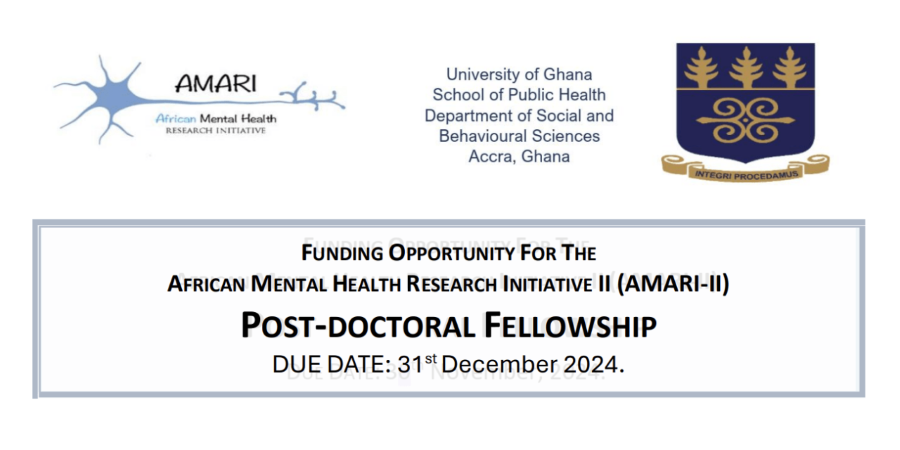
    The African Mental Health Research Initiative II (AMARI-II) is inviting applications for its prestigious Post-Doctoral Fellowship program for the 2024/2025 academic year. This initiative represents a significant effort to advance scientific excellence in mental health research across Africa. By focusing on mental, neurological, and substance use (MNS) disorders, AMARI-II seeks to address the critical treatment gap in mental health care on the continent through innovative research, intervention development, and community engagement.

    About the AMARI-II Fellowship Program

    AMARI-II is part of the broader Developing Excellence in Leadership, Training, and Science in Africa (DELTAS Africa) initiative, which is funded by Wellcome and the UK’s Foreign, Commonwealth & Development Office (FCDO) under the Science for Africa Foundation (SFA). The program’s mission is to cultivate a new generation of African researchers equipped to lead transformative projects in Global Mental Health (GMH), thereby improving access to quality mental health care and interventions tailored to African contexts.

    Purpose and Goals

    The primary objectives of the AMARI-II Post-Doctoral Fellowship include:

    1. Building Scientific Excellence: Strengthen the capacity of African researchers in the field of MNS disorders by offering specialized training in research methodologies and advanced data analysis.
    2. Enhancing Leadership and Mentorship: Provide fellows with skills in research leadership, project management, and mentorship, fostering a culture of academic excellence and sustainability.
    3. Developing Community-Based Interventions: Support the creation and implementation of culturally appropriate and scalable interventions to address mental health challenges, particularly in under-resourced settings.

    Fellows will collaborate with leading universities in Africa and the UK, gaining access to world-class mentorship, resources, and a network of like-minded scholars dedicated to improving mental health outcomes across Sub-Saharan Africa.

    Eligibility Criteria

    Applicants must meet the following requirements:

    • Possess a PhD in a mental health-related discipline (e.g., Global Mental Health, Psychiatry, Psychology, Neuroscience, Public Health, or equivalent), completed within the last four years.
    • Demonstrate a strong personal motivation to advance research in mental, neurological, and substance use disorders.
    • Have a proven track record of research or professional experience in mental health or related fields.
    • Show potential for independent research and academic leadership.

    Fellowship Benefits

    Selected fellows will receive a comprehensive support package, including:

    1. Tuition Coverage: Full payment of tuition fees for the post-doctoral program.
    2. Research Support: Access to mentorship from experienced faculty members and funding for a well-defined research project.
    3. Stipend: A monthly allowance to cover living expenses.
    4. Travel Grants: Financial support for attending relevant conferences, workshops, and specialized training sessions.

    Research Focus Areas

    AMARI-II encourages research projects that tackle critical challenges in mental health. Priority areas include:

    • Intervention Development: Exploring the acceptability, feasibility, and effectiveness of culturally sensitive mental health interventions.
    • Diagnostic Tools: Validating and adapting mental health assessment tools to suit African cultural and socio-economic contexts.
    • Social Determinants: Investigating the impact of social determinants such as poverty, education, and stigma on mental health outcomes.
    • Pandemic Impact: Studying the long-term effects of COVID-19 on mental health and healthcare systems in Africa.
    • Capacity Building: Identifying strategies to support early-career researchers in establishing sustainable and independent research careers in mental health.

    Application Process

    To apply for this transformative opportunity, candidates must submit the following documents:

    1. A completed application form (request the form via email).
    2. A comprehensive CV detailing academic qualifications, research experience, and professional achievements.
    3. Certified academic transcripts and copies of all post-secondary qualifications (compiled into a single PDF).
    4. A certified copy of the applicant’s passport or an equivalent identity document.
    5. Two academic references, sent directly by referees to the program’s email address.

    Submission Details

    All application materials must be submitted by 31st December 2024 to the following address:

    Postal Address: University of Ghana
    School of Public Health
    Department of Social and Behavioral Sciences
    P.O. Box LG 13
    Accra, Ghana

    Email: amariugsph@gmail.com

    Incomplete or late applications will not be considered.

    Additional Information

    • Successful applicants will register for their studies at the University of Ghana.
    • Fellows are expected to participate in workshops and summer schools focusing on cutting-edge research methodologies.
    • Previous involvement in mental health research projects or programs is considered advantageous.

    Why Apply?

    The AMARI-II Post-Doctoral Fellowship offers a unique platform for African scholars to:

    • Contribute to groundbreaking research addressing the urgent need for effective mental health interventions in Africa.
    • Gain world-class training and mentorship in global mental health.
    • Join a vibrant network of researchers committed to reducing the mental health treatment gap.
    • Shape policies and practices that promote sustainable mental health systems across the continent.

    This fellowship is not just an academic opportunity; it is a chance to be part of a movement transforming mental health care in Africa.

    For further inquiries or to request the application form, please contact amariugsph@gmail.com. Don’t miss this opportunity to make a meaningful impact on mental health research and practice in Africa!

  • UNESCO-Equatorial Guinea International Life Sciences Prize 2025: Application Details and Eligibility

    UNESCO-Equatorial Guinea International Life Sciences Prize 2025: Application Details and Eligibility

    Deadline for Applications: 31 March 2025

    The UNESCO-Equatorial Guinea International Prize for Research in the Life Sciences recognizes the extraordinary contributions of individuals, groups, institutions, and non-governmental organizations to improving human life. This prestigious award, established by UNESCO’s Executive Board in 2008, plays a pivotal role in advancing global knowledge, fostering innovation, and strengthening capacities for sustainable development in line with the 2030 Agenda for Sustainable Development.

    About the Prize

    The Prize underscores the transformative power of life sciences in enhancing human well-being. Funded by the Republic of Equatorial Guinea, the prize celebrates groundbreaking work across fields such as medicine, biology, agriculture, environmental sciences, and emerging technologies. Each year, up to three laureates share the US$ 300,000 monetary award, which honors their efforts to advance knowledge and develop solutions that significantly improve the quality of life for individuals and communities around the globe.

    The Prize also aims to contribute directly to achieving Sustainable Development Goals (SDGs), particularly SDG 1 (No Poverty), SDG 2 (Zero Hunger), SDG 5 (Gender Equality), SDG 8 (Decent Work and Economic Growth), and SDG 10 (Reduced Inequalities).

    Eligibility Criteria

    Candidates for this distinguished recognition must have demonstrated outstanding achievements in research that tangibly contribute to the betterment of human life. Eligible nominees include:

    • Individuals or groups of scientists making significant advancements in their fields.
    • Institutions and non-governmental organizations (NGOs) recognized for transformative contributions to the life sciences.

    Candidatures can only be submitted by:

    • UNESCO Member States, via their National Commissions.
    • Non-governmental organizations officially partnered with UNESCO and are active in relevant fields.

    Each submitting entity may present up to five nominations.

    Selection Process

    1. Submission and Preliminary Review:
      The Secretariat of the Prize reviews all submissions to ensure they meet eligibility requirements.
    2. Jury Evaluation:
      An international jury, comprised of experts in relevant disciplines, assesses eligible applications.
    3. Final Decision:
      Based on the jury’s recommendations, the UNESCO Director-General selects the laureates.
    4. Award Ceremony:
      The Prize is formally awarded at an official ceremony organized by UNESCO, celebrating the winners’ achievements on a global stage.

    Application Process

    Interested candidates must first be endorsed by their National Commission or a partnering NGO. The process includes:

    1. Registration:
      Candidates must create an account via the UNESCO-Equatorial Guinea International Prize application portal.
    2. Completion of Online Application:
      After registration, candidates will complete an application form in English or French. Required components include:

      • Background Information: Details of the candidate or organization.
      • Contribution Outline: Explanation of how the nominee’s work aligns with the objectives of the Prize.
      • Research Summary: A concise overview of the key achievements and their impact.
      • Publications: A list of major scientific publications supporting the nominee’s candidacy.

    Note: Self-nominations and incomplete applications will not be considered.

    How to Submit Nominations

    • Designating authorities must invite and endorse candidates before submissions are made.
    • Only officially endorsed applications will be received by the UNESCO Secretariat for evaluation.

    Contact Information

    For further inquiries, applicants and endorsing authorities may contact the Secretariat of the UNESCO-Equatorial Guinea International Prize for Research in the Life Sciences:
    Email: lifesciencesprize@unesco.org

    This prize represents a unique opportunity to highlight and honor transformative contributions in the life sciences that improve lives and drive sustainable development. Take this chance to nominate or support groundbreaking work that inspires global progress!

    For more information, visit UNESCO.

  • Apply Now: 2025 TDR Implementation Research Grants for Infectious Diseases in Urban Settings

    Apply Now: 2025 TDR Implementation Research Grants for Infectious Diseases in Urban Settings

    The TDR (UNICEF/UNDP/World Bank/WHO Special Programme for Research and Training in Tropical Diseases), based at the World Health Organization in Geneva, Switzerland, invites applications for its 2025 initiative. This program seeks to enhance the use of an intersectional gender approach in implementation research related to infectious diseases in urban environments.

    Key Objectives of the Program

    The primary goal is to advance knowledge and generate actionable evidence to address barriers and enablers in delivering health interventions in urban settings. Researchers are expected to explore how gender and other factors of inequity—such as socioeconomic status, ethnicity, and disability—shape urban health outcomes. This evidence will inform health systems’ responses, ensuring they are inclusive, equitable, and effective.

    This initiative aligns with the TDR Intersectional Gender Research Strategy and the broader TDR Strategy (2024–2029). It aims to integrate a gender perspective into urban health challenges while addressing infectious diseases of poverty, including those exacerbated by climate change and urbanization.

    Focus Areas

    Research proposals should address one or more of the following priority topics, emphasizing the intersection of gender and other social determinants:

    1. Urban Health Access
      • Investigating bottlenecks that impede access to health services in urban settings, particularly in vulnerable populations.
      • Exploring how intersecting factors—such as gender, income level, and housing conditions—influence healthcare accessibility.
    2. Climate Change and Health Vulnerabilities
      • Examining the impact of climate variability on health outcomes, with a focus on gender disparities.
      • Studying how water, sanitation, hygiene (WASH), food insecurity, and housing conditions affect infectious disease vulnerability.
    3. Gender Dynamics in Health Interventions
      • Analyzing how gender norms, roles, and relations affect the planning, development, and implementation of health programs in urban areas.
      • Assessing how health systems respond to gender-based violence and mental health challenges in the context of infectious diseases.
    4. Evidence-Based Policy Recommendations
      • Generating data on health literacy, prevention strategies, and healthcare access among marginalized groups.
      • Identifying ways to modify interventions for better real-world implementation and sustained health impacts.

    Funding Information

    • Funding Envelope: Up to USD 60,000 per proposal.
    • Number of Awards: A maximum of two applications will be selected.

    Expected Outcomes

    Selected projects will produce actionable evidence to address gaps in urban health interventions from an intersectional gender perspective. The findings will:

    • Support the creation of inclusive policies and strategies to improve urban health delivery systems.
    • Enhance preparedness for health emergencies, ensuring interventions are resilient and context-specific.
    • Contribute to addressing social inequities in health systems, particularly during epidemics and crises, such as the COVID-19 pandemic.

    Eligibility Criteria

    The call is open to research institutions and consortia from low- and middle-income countries (LMICs). Specific requirements include:

    1. Expertise in Gender and Intersectionality
      • Demonstrated knowledge and application of gender and intersectionality research in public health.
    2. Experience in Implementation Research
      • A track record in infectious disease research, particularly in urban and peri-urban settings.
    3. Institutional Affiliation
      • Affiliation with a public health institution, university, research body, or NGO under the purview of a Ministry of Health.
    4. Inclusivity and Diversity
      • Researchers from diverse backgrounds are encouraged to apply. Applications from female researchers and first-time young researchers are particularly welcomed.

    Evaluation Process

    Applications will be reviewed competitively based on:

    • Scientific Merit: The quality and robustness of the proposed research.
    • Relevance: Alignment with program objectives and focus areas.
    • Equity Components: Inclusion of gender and social equity in the research design.
    • Feasibility: Practicality of implementation within the urban context.
    • Impact Potential: Likelihood of producing meaningful public health outcomes.

    Application Deadline

    The final date for submission is 17 January 2025.

    For additional information and detailed application guidelines, visit the official WHO website.

    This initiative represents an exciting opportunity for researchers to contribute to transformative health interventions, ensuring that urban health systems are more inclusive, equitable, and resilient in addressing the challenges of infectious diseases.

  • December 2024: Paper of the Month by Kiburi et al. 2024 – Healthcare Providers’ Positive Attitudes Toward Digital Interventions in Substance Use Disorder Treatment: Insights from a Nairobi Methadone Clinic Study


    December 2024: Paper of the Month by Kiburi et al. 2024 – Healthcare Providers’ Positive Attitudes Toward Digital Interventions in Substance Use Disorder Treatment: Insights from a Nairobi Methadone Clinic Study
    African Researchers AwardDecember 2024: Paper of the Month by Kiburi et al. 2024 – Healthcare Providers’ Positive Attitudes Toward Digital Interventions in Substance Use Disorder Treatment: Insights from a Nairobi Methadone Clinic Study
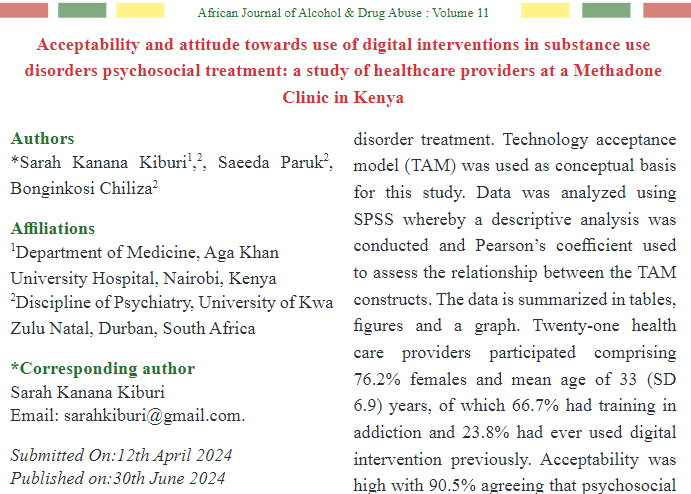
    A recent study by Kiburi et al. (2024) titled “Acceptability and attitude towards use of digital interventions in substance use disorders psychosocial treatment: a study of healthcare providers at a Methadone Clinic in Kenya” published in the African Journal of Alcohol and Drug Abuse, shows that healthcare providers at Nairobi’s methadone clinic exhibit high acceptability and positive attitudes toward using digital interventions for psychosocial SUD treatment.

    Healthcare providers at a Nairobi methadone clinic demonstrate high acceptability and positive attitudes towards digital interventions for substance use disorders.– Kiburi et al. 2024

    The article explores the acceptability and attitude towards the use of digital interventions in the psychosocial treatment of substance use disorders (SUDs) in Kenya. The study was conducted among healthcare providers at a methadone clinic in Nairobi. It aimed to assess their views on the use of digital interventions for treating SUDs, particularly opioid use disorder (OUD). The study found high acceptability and positive attitudes towards digital interventions among healthcare providers. Most participants believed that digital interventions could improve access to treatment, be cost-effective, and benefit patients. The study used the Technology Acceptance Model (TAM) to analyze the data, showing that perceived ease of use and perceived usefulness were associated with positive attitudes and intentions to use digital interventions.

    How the Study was Conducted

    The participants were healthcare providers at the methadone clinic, including medical officers, clinical officers, nurses, pharmacists, addiction counselors, clinical psychologists, laboratory technologists, and medical social workers. Out of 25 eligible healthcare providers, 21 participated in the study. The authors employed a structured self-administered questionnaire to collect data. The questionnaire included sociodemographic variables and questions on the acceptability and attitude towards the use of digital interventions in substance use disorder (SUD) treatment. The Technology Acceptance Model (TAM) was used as the conceptual basis for the study.

    Variables Measured:

    Sociodemographic Data: Age, gender, cadre, prior training in mental health or addiction, and prior experience with digital interventions.

    Attitude: Participants’ perceptions of various treatments for SUD and opioid use disorder (OUD), the effectiveness of digital interventions, and their cost-effectiveness.

    Acceptability: Willingness to use or refer patients to digital interventions for psychosocial treatment of OUD and confidence in using a text-based intervention.

    The authors analyzed data using SPSS. Descriptive analysis was conducted, and Pearson’s coefficient was used to assess the relationship between the TAM constructs. The statistical significance was set at p < 0.05. Ethical approval was obtained from the University of Nairobi and Kenyatta National Hospital ethics committee, the University of KwaZulu Natal Biological Research Ethics Committee, and other relevant bodies. Written informed consent was obtained from all participants.

    What the Authors Found

    The authors found that there was a high acceptability and positive attitude towards the use of digital interventions for psychosocial treatment of substance use disorders (SUDs) among healthcare providers at the methadone clinic in Nairobi, Kenya. The study also found that 90.5% of participants agreed that psychosocial treatment can be provided through digital interventions, and 80.9% believed that digital interventions would improve access to treatment. Additionally, 76.2% viewed digital interventions as cost-effective.

    Why is this important?

    Addressing Treatment Gaps: Substance use disorders (SUDs) are prevalent globally and locally, with significant treatment gaps. Digital interventions can help bridge these gaps by providing accessible and cost-effective treatment options.

    Positive Attitudes and High Acceptability: The study found high acceptability and positive attitudes towards digital interventions among healthcare providers. This indicates a readiness to adopt these technologies, which can improve treatment outcomes for individuals with SUDs.

    Technology Acceptance Model (TAM): The study used the TAM to analyze the data, showing that perceived ease of use and perceived usefulness were associated with positive attitudes and intentions to use digital interventions. This highlights the importance of designing user-friendly and beneficial digital interventions.

    Policy and Practice Implications: The findings can inform the design and implementation of digital interventions in Kenya and similar settings. By demonstrating the acceptability and potential benefits of these interventions, the study can guide policymakers and healthcare providers in integrating digital technologies into routine care.

    Training and Support: The study emphasizes the need for training healthcare providers on the benefits and implementation of digital interventions. This can enhance their confidence and competence in using these technologies, ultimately improving patient outcomes.

    What the Authors Recommend

    • The authors emphasize the importance of training healthcare providers on the benefits and implementation of digital interventions. This training can enhance the perceived ease of use and positive attitudes towards these technologies, leading to better uptake and use.
    • The study advocates that the findings can guide the development of policies to implement digital interventions among individuals with substance use disorders (SUDs). This can help improve treatment outcomes and address the treatment gap in Kenya.
    • The authors suggest conducting further research to gain additional insights into the use of digital interventions in SUD treatment. Future studies should include larger samples and multiple healthcare facilities to compare findings and allow for generalizability. They also recommend using qualitative methods to explore various perceptions in more depth.
    • In addition, the authors highlight the importance of involving healthcare providers and patients in the design of digital interventions. This can ensure that the interventions are tailored to the needs and preferences of the users, leading to higher acceptability and effectiveness.

    In conclusion, the study by Kiburi et al. (2024) highlights the promising potential of digital interventions in addressing treatment gaps for substance use disorders in Kenya. The high acceptability and positive attitudes among healthcare providers at Nairobi’s methadone clinic underscore the readiness to embrace these technologies in psychosocial treatment. By leveraging user-friendly and effective digital tools, supported by training and policy development, significant strides can be made in improving access to and outcomes of SUD treatment. Future research and stakeholder collaboration will be crucial in scaling and tailoring these interventions to meet the unique needs of diverse populations, ultimately transforming addiction care in resource-limited settings.

  • Bridging the Digital Divide: ICT Access and Socio-Economic Development in Rural Africa and the US

    Bridging the Digital Divide: ICT Access and Socio-Economic Development in Rural Africa and the US

    A recent study by Kuteesa et al. (2024) titled “Theoretical perspectives on digital divide and ICT access: comparative study of rural communities in Africa and the United States,” published in Computer Science & IT Research Journal, shows that in rural Africa, ICT infrastructure remains a significant challenge despite advancements in mobile technology.

    Rural areas in Africa and the US face significant ICT access challenges despite advancements.– Kuteesa et al. 2024

    The article explores the digital divide and Information and Communication Technology (ICT) access in rural communities across Africa and the United States. It employs a comparative analysis to understand the multifaceted nature of digital disparities. The study delves into theoretical frameworks such as Technology Acceptance Models, Socio-Economic Models, and Cultural and Policy Analysis to highlight the complex interplay of factors influencing ICT access. In addition, the article examines the current state of ICT infrastructure, digital literacy, and the impact of ICT on socio-economic development in these communities. It also assesses policy and regulatory environments, identifying challenges and opportunities for bridging the digital divide. The authors concludes by offering insights into future directions for research, policy reforms, and innovative solutions aimed at enhancing digital inclusion.

    How the Study was Conducted

    The study explored various theoretical perspectives, including technology acceptance models, socio-economic models, and cultural and policy analysis. These frameworks helped in understanding the factors influencing ICT access and usage. The authors gathered data on ICT infrastructure, digital literacy, and socio-economic development in rural communities. This included both qualitative and quantitative data from various sources, such as government reports, academic studies, and field surveys. The study compared the current state of ICT access, digital literacy, and the impact of ICT on socio-economic development in rural communities in Africa and the United States. This involved analyzing the differences and similarities in ICT infrastructure, policy environments, and cultural factors.The researchers assessed the policy and regulatory environments in both regions, identifying challenges and opportunities for bridging the digital divide. This included evaluating government initiatives, public-private partnerships, and community-driven projects.This comprehensive approach allowed the researchers to uncover the nuances and complexities of the digital divide in different socio-economic and geographical contexts.

    What the Authors Found

    The authors found that in rural Africa, ICT infrastructure remains a significant challenge despite advancements in mobile technology. The quality of connectivity varies greatly, and the cost of data and digital services is often prohibitively high. In the United States, rural areas also face challenges with broadband access speed and reliability, attributed to the high cost of extending fiber-optic networks to sparsely populated areas. The study also posits that digital literacy levels in rural Africa are generally low due to educational and infrastructural constraints. In the United States, while schools and libraries play a critical role in providing digital literacy education, adults who are not in school may have fewer opportunities to improve their skills.

    Why is this important?

    Socio-Economic Development: ICT access is a key driver of socio-economic development. It enables advancements in education, healthcare, governance, and commerce. Without equitable access, rural communities may be left behind, exacerbating existing inequalities.

    Educational Opportunities: Digital literacy and access to online resources are essential for modern education. Bridging the digital divide ensures that students in rural areas have the same opportunities as their urban counterparts, reducing the “homework gap” and enhancing overall educational outcomes.

    Healthcare Access: Telehealth services can significantly improve healthcare access in rural areas, where medical facilities may be scarce. Ensuring ICT access allows rural populations to benefit from remote consultations, health information, and emergency services.

    Economic Inclusion: ICT access can open up new economic opportunities, such as e-commerce, remote work, and mobile banking. This is particularly important in rural areas, where traditional economic activities may be limited.

    Social Inclusion: ICT access enables individuals to participate in the digital society, access government services, and connect with social networks. This fosters a sense of community and inclusion, reducing social isolation.

    Policy and Innovation: Understanding the digital divide helps policymakers develop targeted, context-sensitive strategies to address ICT disparities. It also encourages innovation in technology and policy, leading to more effective solutions for digital inclusion.

    What the Authors Recommend

    • The recommends that governments should develop integrated national digital strategies, simplify regulatory frameworks to encourage investment in rural ICT infrastructure, and allocate sufficient funding for digital literacy programs. Policies should emphasize affordable access to both connectivity and devices.
    • The study advocates leveraging emerging technologies like satellite internet, 5G, and low-cost computing devices to help overcome traditional barriers to infrastructure deployment and provide more affordable access options.
    • The study also emphasizes that collaboration between government entities, ISPs, technology companies, and NGOs is crucial for expanding access and affordability. These partnerships can mobilize resources, share best practices, and develop scalable solutions for digital inclusion.
    • Furthermore, empowering local communities to participate in the design and implementation of ICT projects ensures that solutions are relevant and sustainable. Community-driven initiatives can facilitate localized content development, promote digital literacy, and advocate for community-centric policies.
    • In addition, more research is needed to understand the unique barriers to ICT access in rural contexts and evaluate the effectiveness of various interventions. Studies should focus on the social, economic, and cultural dimensions of the digital divide, exploring how technology adoption impacts rural communities and identifying factors that facilitate or hinder digital inclusion.

    In conclusion, bridging the digital divide in rural communities is essential for fostering socio-economic development, enhancing educational opportunities, and improving healthcare access. While both rural Africa and the United States face significant challenges in ICT infrastructure, the solutions lie in strategic investments, policy reforms, and innovative technologies. By focusing on affordability, digital literacy, and community-driven initiatives, governments and stakeholders can ensure that rural populations are not left behind in the digital age. Collaborative efforts, along with further research into the specific barriers to ICT access, will be crucial in creating a more inclusive, connected, and equitable future.

  • Enhancing Network Management in East Africa: Challenges, Innovations, and Strategic Solutions for Sustainable Development

    Enhancing Network Management in East Africa: Challenges, Innovations, and Strategic Solutions for Sustainable Development

    A recent study by Echegu Darlington Arinze (2024) titled “Enhancing Network Management Practices in East Africa: A Comprehensive Review” published in IDOSR JOURNAL OF COMPUTER AND APPLIED SCIENCES, examines that network management in East Africa faces several challenges, including inadequate infrastructure, complex regulations, and cybersecurity issues.

    East Africa’s network management faces challenges like infrastructure gaps and regulations, while successful initiatives foster digital inclusion.– Echegu Darlington Arinze., 2024

    The article examines the critical role of network management in East Africa, addressing the challenges posed by rapid urbanization, population growth, and technological advancements. It emphasizes the region’s struggles with inadequate infrastructure, complex regulations, and cybersecurity concerns. The discussion covers traditional and modern technologies employed in network architecture, particularly mobile networks and fiber optic systems. Key challenges include spectrum allocation issues, regulatory inconsistencies, and diverse network management practices across service providers. The article highlights successful initiatives, such as Kenya’s National Optic Fibre Backbone Infrastructure and Rwanda’s Smart Kigali program, showcasing effective strategies for infrastructure development and urban management. Additionally, innovative models like Uganda’s Village Phone program and Kenya’s M-PESA platform are recognized for fostering digital inclusion and economic empowerment. To improve network management, the article suggests several strategies: expanding rural connectivity projects, harmonizing regulatory policies, adopting advanced technologies, implementing capacity-building programs, and promoting cross-border collaboration. Ultimately, the article aims to offer actionable insights for policymakers, industry stakeholders, development partners, and researchers to advance sustainable and inclusive development through enhanced communication infrastructure and network management practices in East Africa.

    How the Study was Conducted

    The study was conducted by analyzing recently published material from various highly reliable databases, covering the period from 2004 to 2014. The author focused on examining the current state of mobile networks, internet connections, and data centers, as well as other telecommunication network infrastructure in East Africa. They aimed to identify the strengths, weaknesses, and possibilities for further enhancement in network management practices. The study also involved analyzing regulatory frameworks and policies that influence the telecom environment in East Africa. The author identified and analyzed the main challenges faced by network managers, such as limited infrastructure, complex regulations, cybersecurity risks, and economic considerations.

    What the Authors Found

    The authors found that network management in East Africa faces several challenges, including inadequate infrastructure, complex regulations, and cybersecurity issues. The author also identified successful initiatives like Kenya’s National Optic Fibre Backbone Infrastructure and Rwanda’s Smart Kigali program, which demonstrate effective ways to develop infrastructure and urban management. Innovative models such as Uganda’s Village Phone program and Kenya’s M-PESA platform promote digital inclusion and economic empowerment.

    Why is this important?

    This study addresses the critical need for effective network management in East Africa, a region experiencing rapid urbanization, population growth, and technological advancements. By identifying the challenges and proposing strategies for improvement, the study aims to enhance the region’s communication infrastructure, which is essential for economic growth, digital inclusion, and regional cooperation. Improved network management can lead to better connectivity, increased access to information and services, and greater opportunities for economic development. It also promotes digital inclusion, ensuring that more people can benefit from technological advancements and participate in the digital economy. Additionally, by highlighting successful initiatives and innovative models, the study provides valuable insights and best practices that can be adopted by policymakers, industry stakeholders, and development partners to foster sustainable and inclusive development in East Africa.

    What the Authors Recommended

    • The author recommends that governments and regulatory authorities should prioritize infrastructure development initiatives, especially in rural and underserved areas, through targeted investments, public-private partnerships, and regulatory incentives.
    • The author also recommends that policymakers should focus on regulatory reform and harmonization efforts to streamline licensing processes, promote competition, and ensure consistency across national and regional regulatory frameworks.
    • Network operators and service providers should embrace advanced technologies such as AI, IoT, and big data analytics to improve network performance, optimize resource allocation, and enhance cybersecurity resilience.
    • Stakeholders should invest in capacity-building programs and training initiatives to develop a skilled workforce capable of managing and operating modern communication networks effectively.
    • Furthermore, regional organizations and industry associations should facilitate cross-border cooperation, knowledge sharing, and collaboration among East African countries to address common challenges and promote best practices in network management.

    In conclusion, effective network management is crucial for addressing the pressing challenges faced by East Africa’s telecommunications sector and for harnessing the opportunities brought by technological advancements. By investing in infrastructure, harmonizing regulatory policies, adopting innovative technologies, and fostering regional collaboration, the region can build a resilient and inclusive communication network. These efforts not only support economic growth and digital inclusion but also position East Africa as a leader in leveraging technology for sustainable development. The insights and recommendations from this study provide a roadmap for policymakers, industry stakeholders, and development partners to transform network management practices and create a more connected and empowered region.

  • Celebrating 30 Years of ECOFAC: Achievements and Challenges in Central Africa’s Biodiversity Conservation

    Celebrating 30 Years of ECOFAC: Achievements and Challenges in Central Africa’s Biodiversity Conservation

    The Support Program for the Preservation of Biodiversity and Fragile Ecosystems in Central Africa (ECOFAC) has reached a significant milestone—celebrating three decades of conservation efforts in the region. Launched in 1992 by the European Union (EU), ECOFAC has made notable strides in biodiversity protection, conservation of endangered species, and the reduction of poaching, though it has faced considerable challenges along the way. A comprehensive evaluation report highlights both its successes and areas for improvement, providing insights into the complex dynamics of biodiversity conservation in Central Africa.

    The Evolution of ECOFAC

    ECOFAC, now in its sixth and final phase, has been the EU’s longest-running program in Central Africa, having invested over EUR 250 million into the region’s environmental conservation. Implemented under the coordination of the Economic Community of Central African States (ECCAS), ECOFAC has spanned several countries including Cameroon, the Democratic Republic of Congo (DRC), Gabon, Central African Republic (CAR), Chad, Sao Tomé & Principe, Equatorial Guinea, and the Republic of Congo (RoC). Its overarching mission has been to balance the sustainability of forest ecosystems with the rational use of natural resources, contributing to both environmental protection and socio-economic development.

    From the outset, ECOFAC sought to increase knowledge of Central Africa’s forest ecosystems, raise awareness of conservation issues, train specialists, and restore protected areas. It has also focused on poverty reduction, enhancing local infrastructure, and improving surveillance to combat illegal activities such as poaching and deforestation. The program’s broad goals reflect a holistic approach to sustainable development, striving to harmonize conservation efforts with economic growth in the region.

    Evaluating ECOFAC’s Impact

    The recent evaluation of ECOFAC’s three-decade journey involved a multifaceted assessment that used a triangulation approach. Data was collected through 15 in-depth interviews, a global survey of 371 experts, satellite imagery analysis, and case studies of two protected areas—Gabon’s Lopé National Park and Cameroon’s Dja Wildlife Reserve. This approach allowed the evaluators to measure both direct and indirect impacts across a range of domains: species and habitat conservation, socio-economic development, institutional capacity, resilience to climate change, and more.

    Martin Tchamba, a researcher involved in the report, emphasized the effectiveness of this method in gaining a comprehensive understanding of the program’s outcomes. However, he also noted limitations, including a lack of full representation of all ECOFAC stakeholders and challenges with satellite data analysis. These limitations highlight the complexities of measuring conservation success, particularly in such vast and ecologically diverse areas.

    Key Achievements of ECOFAC

    Despite the challenges of implementation, ECOFAC has recorded significant achievements. One of the most notable successes has been the expansion of protected areas. Prior to ECOFAC’s launch, there were 103 protected areas covering 497,345 square kilometers. Today, there are 233 protected areas spanning 835,814 square kilometers, with 28 of these areas having joined the ECOFAC program. This expansion is crucial for conserving biodiversity, especially in a region where many species are endangered.

    The program has also made strides in improving the protection of wildlife, with 41 percent of threatened species and 29 percent of endemic species benefiting from enhanced conservation measures. Moreover, the establishment of wildlife corridors has improved connectivity between protected areas, facilitating the movement of species and enhancing biodiversity. These efforts have helped to combat the growing threat of habitat fragmentation, which is a major concern in the region.

    ECOFAC has also contributed to the reduction of deforestation and degradation of critical habitats. In some areas, it has helped to slow the conversion of forests into agricultural land, though challenges persist. The development of tourism in protected areas, such as Lopé National Park, has created new income-generating opportunities for local communities, further integrating conservation with socio-economic development.

    Challenges and Limitations

    Despite these successes, ECOFAC’s evaluation report underscores several ongoing challenges in the region. The population pressures around protected areas have been steadily increasing, leading to conflicts between human activities (such as agriculture and livestock grazing) and wildlife conservation. These conflicts continue to pose a significant threat to biodiversity, and conservation efforts must account for the social and economic needs of local communities to be truly effective.

    Moreover, the issue of poaching remains prevalent, with illegal hunting still a serious problem, especially in areas with limited enforcement capacity. The rise of heavily armed poachers and illegal miners, combined with climate change impacts, further complicates the conservation landscape. As Richard Eba’a Atyi, a senior scientist at CIFOR, points out, the geographical distribution of threatened species has worsened, requiring more robust management and protection strategies.

    The Future of Conservation in Central Africa: NaturAfrica

    As ECOFAC draws to a close, the EU has introduced a new initiative for 2024—NaturAfrica, which is set to replace ECOFAC. NaturAfrica is a forward-looking program that emphasizes a people-centered approach to biodiversity conservation across the African continent. Unlike ECOFAC, which primarily focused on protected areas, NaturAfrica aims to integrate conservation into broader societal development, recognizing the critical role that local communities, Indigenous peoples, and national governments play in sustaining natural resources.

    NaturAfrica will build on the lessons learned from ECOFAC, seeking to address the socio-economic and ecological challenges that remain in the region. It aims to empower communities to take active roles in conservation, promote sustainable land-use practices, and foster collaboration among various stakeholders.

    Conclusion: A Legacy of Progress and Challenges

    ECOFAC’s legacy in Central Africa is one of significant progress, but also one of lessons learned. It has made substantial contributions to the protection of biodiversity, the establishment of protected areas, and the development of conservation-related infrastructure. However, challenges such as population pressures, human-wildlife conflict, poaching, and the impacts of climate change remain significant barriers to long-term success.

    As ECOFAC transitions to NaturAfrica, it is clear that conservation in Central Africa must continue to evolve, integrating both environmental and socio-economic factors to ensure sustainable outcomes. The experience gained from ECOFAC offers invaluable insights into the complexities of conservation in this ecologically diverse and resource-rich region. Moving forward, a more holistic, inclusive, and adaptive approach will be crucial to preserving the natural heritage of Central Africa for future generations.

  • FOLAREP: Kenya’s Bold Strategy for Tackling Land Degradation and Climate Change

    FOLAREP: Kenya’s Bold Strategy for Tackling Land Degradation and Climate Change

    Tackling Land Degradation in Kenya: A Critical Priority

    Land degradation and climate change are global crises that directly affect over 1.3 billion people worldwide, particularly those residing on degraded agricultural lands. These challenges are drivers of food insecurity, poverty, and environmental instability, necessitating urgent and innovative solutions. Kenya is no exception, grappling with severe deforestation, intense land-use competition, overgrazing, and erratic climatic changes. The country faces alarming annual forest loss of approximately 5,000 hectares, underscoring the critical need for effective and sustainable strategies to restore degraded ecosystems.

    Restoring these landscapes is more than an environmental goal—it is a nature-based solution with far-reaching implications for local, national, and global efforts to combat climate change. Forest and landscape restoration (FLR) is emerging as a comprehensive approach to address these challenges. FLR combines ecological restoration with the socio-economic well-being of communities, offering an integrated pathway to enhance biodiversity, productivity, ecosystem services, and the overall quality of life for affected populations.

    FOLAREP: A Strategic Framework for Restoration

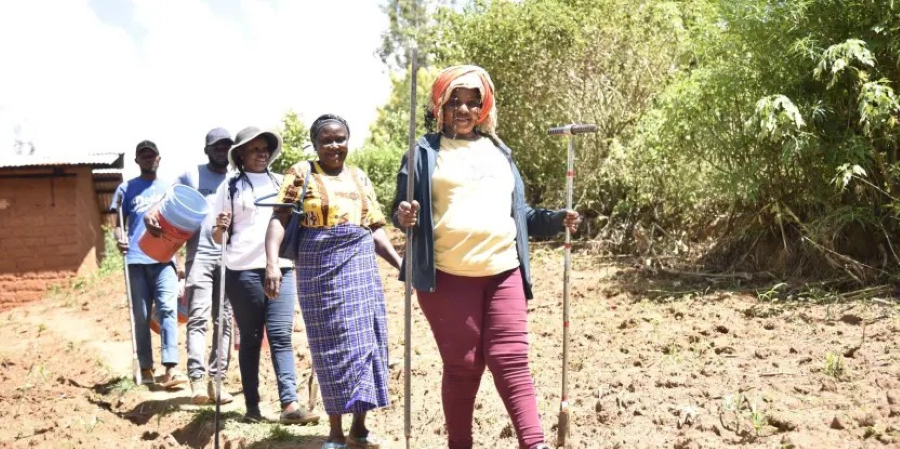
    In a landmark effort to combat land degradation, the Center for International Forestry Research and World Agroforestry (CIFOR-ICRAF) has partnered with the Food and Agriculture Organization (FAO) and the African Wildlife Foundation (AWF) to implement the Forest and Landscape Restoration Implementation Action Plan (FOLAREP) 2024–2032. This initiative focuses on Taita-Taveta and Makueni counties, located in Kenya’s arid and semi-arid regions, where land degradation and deforestation have severely impacted ecosystems and livelihoods.

    FOLAREP aligns with Kenya’s National Landscape and Ecosystem Restoration Strategy and supports the country’s commitment to global restoration targets such as the Bonn Challenge and the AFR100. These initiatives aim to restore 5.1 million hectares of degraded land by 2030, with the broader national goal of restoring 10.6 billion hectares by 2032. The plan’s domestication at the county level in Taita-Taveta and Makueni represents a crucial step toward achieving these ambitious objectives.

    Funded by the UK PACT Nature-based Solutions Project, FOLAREP focuses on bridging policy gaps and enhancing institutional capacity to deliver nature-based solutions. This initiative integrates technical expertise, local knowledge, and community participation to ensure sustainable and inclusive restoration outcomes.

    Developing FOLAREP: A Collaborative Process

    Taita-Taveta and Makueni counties were selected for the initial implementation of FOLAREP due to their significant restoration potential and vulnerability to degradation. The domestication process began in November 2023 with the formation of technical working groups comprising diverse stakeholders, including national agencies, county governments, community representatives, and environmental experts.

    The participatory approach ensures that the perspectives, needs, and aspirations of all stakeholders are integrated into the plan. A series of workshops, consultations, and technical reviews have guided the formulation of the restoration strategies, emphasizing inclusivity and collaboration at every stage.

    In Taita-Taveta County, a milestone was achieved during a two-part workshop held in September 2024. The County Executive Committee and County Assembly endorsed the FOLAREP plan after extensive sensitization and deliberation. This approval marked the transition to the implementation phase, with Governor Andrew Mwadime voicing strong support for the initiative. The plan is now being finalized for official signing and launch.

    Makueni County has also made significant progress, completing the formulation stages and adapting the national strategy to its unique local context. The county aims to restore 200,000 hectares of degraded land, leveraging FLR techniques to enhance environmental resilience and socio-economic outcomes.

    Transformative Goals and Long-Term Vision

    The Taita-Taveta FOLAREP aims to restore 226,420 hectares of degraded landscapes, incorporating forests, rangelands, croplands, riparian zones, grasslands, and urban areas. By employing integrated FLR techniques, this plan will accelerate Kenya’s national restoration objectives and serve as a replicable model for other counties.

    Governor Andrew Mwadime emphasized the importance of collaboration in addressing the pressing challenges facing his county. “Our equitable share, given our large land area and small population, falls short of adequately supporting essential services. Therefore, I deeply value the support of our esteemed partners in achieving sustainable restoration outcomes,” he remarked.

    A Model for Sustainable Development

    The success of FOLAREP in Taita-Taveta and Makueni is expected to provide evidence-based recommendations for scaling up restoration efforts across Kenya. By addressing both ecological and institutional challenges, the initiative aims to deliver nature-based solutions that enhance ecosystem health, improve livelihoods, and build community resilience against climate change.

    In conclusion, the Forest and Landscape Restoration Implementation Action Plan (FOLAREP) exemplifies Kenya’s commitment to tackling land degradation and climate change through collaborative, evidence-based, and nature-driven approaches. By restoring degraded landscapes in Taita-Taveta and Makueni counties, the initiative not only aligns with global restoration targets but also strengthens local ecosystems, enhances livelihoods, and promotes long-term sustainability. As a model for future restoration efforts, FOLAREP underscores the transformative power of partnerships and integrated strategies in securing a greener, more resilient future for Kenya and beyond.

  • Urban Agriculture as Climate-Smart Practice: Key Determinants, Benefits, and Food Security Impact in Wolaita Sodo, Ethiopia

    Urban Agriculture as Climate-Smart Practice: Key Determinants, Benefits, and Food Security Impact in Wolaita Sodo, Ethiopia

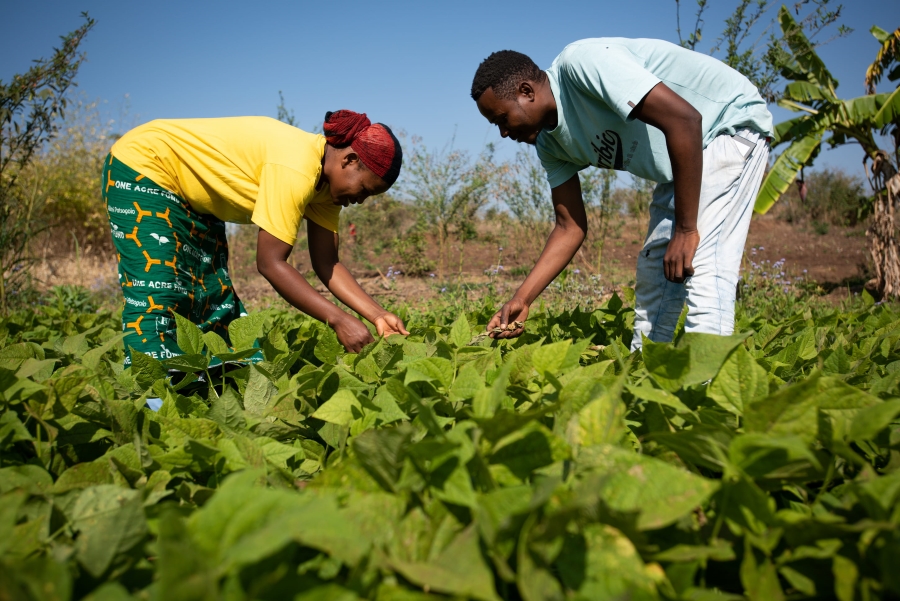
    A recent study by Masha et al. (2024) titled “Determinants of adoption of urban agriculture (UA) as climate-smart agriculture (CSA) practices and its impact on food security: evidence from Wolaita Sodo city, South Ethiopia” published in Discover Sustainability by Springer Nature, shows that 53.53% of respondents practiced UA, and factors such as family size, home ownership, household head’s occupation, perceptions of UA, market demand, and access to training and support influenced UA adoption.

    Urban agriculture adoption, influenced by socio-economic factors, significantly improves food security, economic stability, and climate resilience in Wolaita Sodo. – Masha et al. 2024

    The article explores the determinants of adopting urban agriculture (UA) as climate-smart agriculture (CSA) practices and its impact on food security in Wolaita Sodo city, South Ethiopia. The study investigates the factors influencing the adoption of UA and its effects on food security. Data was collected from 384 urban households through surveys, interviews, focus group discussions, and observations. The study found that 53.53% of respondents practiced UA, and factors such as family size, home ownership, household head’s occupation, perceptions of UA, market demand, and access to training and support influenced UA adoption.

    How the Study was Conducted

    This study employed a comprehensive methodology to examine the factors influencing the adoption of urban agriculture (UA) as a climate-smart agriculture (CSA) practice and its impact on food security in Wolaita Sodo city, South Ethiopia. Data collection occurred at a single point in time to analyze the relationships between key determinants of UA practices and food security outcomes. The researchers gathered primary data through face-to-face interviews using semi-structured questionnaires, focus group discussions (FGDs), and key informant interviews (KIIs). Responses were obtained from 384 randomly selected urban households, including both UA adopters (206) and non-adopters (178). Additional data were sourced from institutional reports, agricultural offices, unions, cooperatives, and scholarly articles. The sample size was calculated using Cochran’s formula, with a 5% margin of error and a 95% confidence level.

    Data Analysis:

    Descriptive Statistics: Socio-economic characteristics of the households were analyzed using measures such as mean, minimum and maximum values, frequency, percentages, and standard deviation.
    Chi-square Test and t-Test: These were used to compare the percentage distributions and mean differences between UA adopters and non-adopters.
    Binary Logistic Regression: This model identified the socio-economic factors influencing UA adoption.
    Propensity Score Matching (PSM): This method compared UA adopters with non-adopters to assess the impact of UA on food security while ensuring comparability and minimizing selection bias.
    Logit Model: Used to estimate propensity scores and predict the likelihood of UA adoption based on socio-economic variables.

    What the Authors Found

    The authors found that family size, home ownership, household head’s occupation, perceptions of UA, market demand, and access to training and support significantly influenced UA adoption. The study also posit that UA adoption significantly improved food security. Households practicing UA were more likely to achieve food security compared to non-adopters. In addition, there were significant mean differences between adopters and non-adopters in employment level, UA attitudes, and household size.

    Why is this important?

    Food Security: Urban agriculture (UA) significantly improves food security by providing affordable and nutritious food options, especially for economically disadvantaged urban populations. This is crucial in areas like Wolaita Sodo city, where food insecurity is a pressing issue.

    Climate Adaptation: UA as a climate-smart agriculture (CSA) practice helps mitigate the impacts of climate change. By producing food locally, it reduces greenhouse gas emissions associated with transportation and refrigeration. It also promotes sustainable practices like rainwater harvesting and composting, which build resilience to climate change impacts such as droughts and floods.

    Economic Benefits: UA provides economic opportunities for urban households, particularly those without formal employment. It can serve as a source of income and reduce household expenses on food, thereby improving overall economic stability.

    Community Resilience: By promoting UA, communities can become more self-sufficient and resilient in the face of economic and environmental challenges. This can lead to improved health and well-being for urban residents.

    Policy Implications: The study highlights the need for increased support and education for UA practices. Policymakers can use these findings to develop strategies that promote UA, enhance food security, and support sustainable urban development.

    What the Authors Recommend

    • The authors recommend that municipal education offices, UA offices, and cooperative offices should create integrated functional adult education programs for urbanites. This will help increase awareness and knowledge about UA practices.
    • The study emphasizes that there should be increased support for cooperative entities to promote UA. This includes providing resources, training, and support to help urban farmers adopt and sustain UA practices.
    • Policymakers should recognize the benefits of UA and incorporate its demands and advantages into physical planning, such as land tenure, water availability, and drainage. This will help create a conducive environment for UA practices.
    • The government should engage job seekers in UA by providing training to improve their perception and entrepreneurial skills. This will help them see UA as a viable livelihood option.
    • Furthermore, urban consumers, especially those who are economically disadvantaged, should be educated on food production, processing, storage, preparation, and distribution. This will enable them to make informed decisions and benefit from UA practices.

    In conclusion, the study by Masha et al. (2024) highlights the transformative potential of urban agriculture (UA) as a climate-smart agricultural practice in addressing food security, economic challenges, and climate adaptation in Wolaita Sodo, Ethiopia. By identifying key determinants such as family size, home ownership, and access to training, the research provides valuable insights for policymakers, urban planners, and communities to foster sustainable urban development. Promoting UA not only enhances food security but also empowers urban households economically and strengthens community resilience against environmental and economic challenges. As cities continue to face growing pressures from urbanization and climate change, integrating UA into urban policy and planning offers a promising path toward sustainable and self-reliant urban living.