Author: AR Managing Editor

  • Critical Insights on Social Policy and Peacebuilding in MENA: Challenges, Opportunities, and Future Directions

    Critical Insights on Social Policy and Peacebuilding in MENA: Challenges, Opportunities, and Future Directions

    A recent study by Jawad et al. (2025) titled “A critical review of the state-of-the-art on social policy, conflict, and peace in the Middle East and North Africa region: Why social policy matters for peace and why it is also not enough” published in World Development by Science Direct, shows that social policy plays a crucial role in fostering peace in the Middle East and North Africa (MENA) region, but it also has limitations.

    Social policy fosters peace in MENA by addressing inequalities but faces limitations, including potential misuse for control and co-option.– Jawad et al. 2025

    The article critically examines the intersections between social policy, conflict, and peace in the Middle East and North Africa (MENA) region. It emphasizes the importance of social policy in fostering peace but also highlights its limitations. The paper situates itself within the conceptual framework of positive peace and assesses the role of social policy in a landscape of compounding risks, such as climate change, environmental degradation, structural inequality, and state fragility, which negatively affect peace. The authors advocate for a broader perspective on social policy’s role in peacebuilding, arguing that it should be seen as a comprehensive framework for action rather than just focusing on welfare, protection, and service delivery. They also address the mixed record of social policy in relation to war and peace, noting that while it can be a positive tool, it can also be used for social control or political co-option, leading to negative forms of peace.

    How the Study was Conducted

    The study was conducted through a comprehensive desk-based review of the literature in the Middle East and North Africa (MENA) region. The authors critically assessed the current state of knowledge on the intersections between social policy and peace, situating their analysis within the conceptual framework of positive peace. They examined the role of social policy in a landscape of compounding risks, such as climate change, environmental degradation, structural inequality, and state fragility. The authors conducted a thorough literature search using major databases like Scopus, Web of Science, and Google Scholar. They reviewed peace studies, climate security literature, sociological, international development, and international relations literatures on peacebuilding, social policy literature, and perceptions of peace among MENA citizens, including searches of the Arab Barometer Surveys and literature on riots. The study also incorporated empirical insights from the MENA region as part of an ongoing AHRC-GCRF research project. This approach allowed the authors to develop new arguments that align with and enhance current global policy shifts among security studies scholars and international policy actors.

    What the Authors Found

    The authors found that social policy plays a crucial role in fostering peace in the Middle East and North Africa (MENA) region, but it also has limitations. They highlighted that social policy can act as a positive, peace-sensitive tool, promoting social cohesion and addressing structural inequalities. However, it can also be used for social control or political co-option, leading to negative forms of peace. The authors also noted the mixed record of social policy in relation to war and peace, acknowledging that while it can be a positive tool, it can also maintain law and order in ways that reflect hegemonic pacification.

    Why is this important?

    This study is important because it highlights the critical role of social policy in fostering peace in the Middle East and North Africa (MENA) region. It emphasizes that social policy can promote social cohesion and address structural inequalities, which are essential for building positive peace. However, it also points out the limitations of social policy, such as its potential use for social control or political co-option, leading to negative forms of peace.

    Understanding the role of social policy in peacebuilding is crucial for policymakers, researchers, and practitioners working in conflict-affected regions. It provides insights into how social policy interventions can be designed to address the root causes of conflict and promote sustainable peace. Additionally, the study’s focus on the compounding risks of climate change, environmental degradation, structural inequality, and state fragility underscores the need for comprehensive and context-specific social policy frameworks.

    By advocating for a broader perspective on social policy’s role in peacebuilding, the study contributes to the ongoing global policy shifts among security studies scholars and international policy actors. It also calls for future research to explore what types of social policy interventions work in different conflict situations and to develop better peace-sensitive social policy indicators. This knowledge is vital for creating effective strategies to promote peace and stability in the MENA region and beyond.

    What the Authors Recommended

    • The authors suggest a greater focus on identifying what types of social policy interventions work best at different points in time and in various conflict situations. This involves understanding the specific contexts and conditions under which social policies can effectively contribute to peacebuilding.
    • The authors emphasize the need for a better understanding of peace-sensitive social policy indicators. This includes developing metrics and indicators that can accurately measure the impact of social policies on peace and conflict dynamics.
    • The study advocates for a broader and more critical perspective on the role of social policy in peacebuilding. This means viewing social policy as a comprehensive framework for action, rather than just focusing on welfare, protection, and service delivery.
    • The authors highlight the importance of addressing structural inequalities through social policy. This involves creating policies that promote social cohesion, reduce inequalities, and foster positive peace.
    • In addition, the authors call for greater interactions and dialogue between advocates of both security and social pathways to peace. This interdisciplinary approach can help bridge the gap between different fields and create more holistic and effective peacebuilding strategies.

    In conclusion, the study by Jawad et al. (2025) underscores the complex yet pivotal role of social policy in fostering peace within the MENA region. While social policy has the potential to address structural inequalities, promote social cohesion, and contribute to positive peace, its limitations, such as susceptibility to political co-option and its use as a tool for social control, cannot be overlooked. By advocating for a more comprehensive, context-sensitive approach to social policy and emphasizing the development of peace-sensitive indicators, the study provides valuable insights for policymakers, researchers, and peacebuilders. Ultimately, addressing the compounding risks of conflict in the MENA region requires a holistic framework that bridges the gap between social and security strategies, paving the way for sustainable peace and stability.


  • Sustainable Transport in Johannesburg: Challenges, Opportunities, and Solutions for a Greener Future

    Sustainable Transport in Johannesburg: Challenges, Opportunities, and Solutions for a Greener Future

    A recent study by Thaba, S. C. (2025) titled “Possibilities of sustainable transport in the City of Johannesburg (CoJ) in South Africa” published in Proceedings of the International Conference on Industrial Engineering and Operations Management shows that the major challenges hindering sustainable transport include poverty, unemployment, and high crime rates.

    Poverty, unemployment, and crime hinder sustainable transport in Johannesburg, requiring renewable energy and socio-economic reforms.– Thaba, S. C. 2025

    The article delves into the prospects of establishing sustainable transport in Johannesburg, South Africa. It examines both the challenges and opportunities associated with creating a transport system that is eco-friendly, reliable, affordable, and safe for both people and the environment. Through exploratory research, the study assesses the current state of transportation in South Africa, identifying key obstacles to progress. These include overpopulation, socio-economic challenges such as poverty and unemployment, and high crime rates within the city. The article highlights initiatives by the Department of Transport (DoT) aimed at providing effective and integrated transport services. These efforts include promoting the use of clean fuels such as natural gas and biofuels. Furthermore, the study underscores the importance of integrated planning strategies, increased investment in renewable energy, and addressing underlying socio-economic issues to achieve a sustainable transport system in Johannesburg.

    How the Study was Conducted

    The author employed descriptive research; this method was used to describe and understand the current status of sustainable transport in Johannesburg. It involved collecting data and information to describe “what exists” with respect to variables or conditions in the situation.The author also employed exploratory research; this method was chosen due to the early development of literature on sustainable transport in South Africa. It aimed to lay the groundwork for future studies and to understand more about the idea of sustainable transport. The study focused on the experiences of the City of Johannesburg (CoJ). Data was collected using observation methods, including attending conference seminars and workshops on transport to observe and take notes. The research relied on qualitative data, where collected information was described, discussed, and evaluated to come up with findings and recommendations.

    What the Author Found

    The author found that the major challenges hindering sustainable transport include poverty, unemployment, and high crime rates. These socio-economic issues make it difficult to implement sustainable transport solutions effectively. The study also posits that there is a significant potential for using renewable energy sources like biofuels and biogas to replace fossil fuels in the transport sector. However, the production of biofuels is currently at a very small scale, and most of the manufacturers are small and medium-sized enterprises (SMMEs) that are unlicensed. The transport sector needs to focus on enterprise and supplier development to create sustainable job opportunities. This includes supporting the production and use of renewable energy sources within the transport sector.

    Why is this important?

    Environmental Impact: Sustainable transport reduces reliance on fossil fuels, which helps mitigate climate change and environmental degradation. This is crucial for a city like Johannesburg, which faces significant pollution and environmental challenges.

    Socio-Economic Benefits: By focusing on renewable energy and enterprise development, the study highlights ways to create job opportunities and reduce poverty. This is particularly important in Johannesburg, where high unemployment and poverty rates are major concerns.

    Health and Safety: Sustainable transport systems can improve public health by reducing air pollution and promoting active modes of transport like cycling and walking. Additionally, addressing safety concerns for cyclists and pedestrians can make the city more livable.

    Economic Growth: Investing in sustainable transport can boost economic growth by improving mobility, reducing traffic congestion, and supporting local businesses involved in renewable energy production.

    Future Planning: The study provides a framework for future research and policy development, helping to guide the city towards a more sustainable and resilient transport system.

    What the Author Recommended

    • The author recommends that the transport sector should shift its focus from merely providing transport services to addressing poverty and unemployment through sustainable enterprise and supplier development.
    • There should be a strong push towards using renewable energy sources, such as biofuels and biogas, to replace fossil fuels in the transport sector. This can help reduce environmental impact and promote sustainability.
    • The study advocates support for small and medium-sized enterprises (SMMEs) involved in the production of renewable energy should be increased. This can create job opportunities and stimulate economic growth within local communities.
    • Stakeholders, including government, the private sector, and higher education institutions, should collaborate to develop a sound value chain for renewable energy. This can ensure a sustainable market for renewable energy within Johannesburg.
    • In addition, the author emphasizes there should be integrated planning strategies that consider socio-economic challenges and aim to create a sustainable transport system that benefits all citizens.

    In conclusion, achieving sustainable transport in Johannesburg requires addressing deeply rooted socio-economic challenges while leveraging renewable energy and innovative planning strategies. By fostering collaboration among stakeholders and investing in enterprise development, the city can create a transport system that is environmentally friendly, economically viable, and socially inclusive. This approach not only enhances mobility but also contributes to poverty alleviation, job creation, and long-term urban resilience. With the right policies and initiatives, Johannesburg has the potential to become a model for sustainable urban transport in Africa.

  • Revolutionizing Driver’s License Testing in South Africa: How Virtual Reality Promotes Efficiency, Sustainability, and Fairness

    Revolutionizing Driver’s License Testing in South Africa: How Virtual Reality Promotes Efficiency, Sustainability, and Fairness

    A recent study by Maebela, M., & Dehinbo, J. (2025) titled “Enhancing Sustainable Development with the Development of a Virtual Driving License Testing System in Mabopane, South Africa” published in OIDA International Journal of Sustainable Development, shows that the current driver’s license testing centers in South Africa face significant challenges, including long queues, delays in scheduling test dates, and the environmental and financial costs associated with traveling to these centers.

    Virtual Reality driving simulators enhance efficiency, sustainability, and transparency in South Africa’s driver’s license testing system. – Maebela, M., & Dehinbo, J. 2025

    The article explores the development of a Virtual Driving License Testing System in Mabopane, South Africa, aimed at enhancing sustainable development. The study addresses the inefficiencies and challenges faced by drivers’ license testing centers in South Africa, such as long queues, delays in scheduling test dates, and the environmental and financial costs associated with traveling to these centers. The researchers propose using virtual reality (VR) technology to create a driving simulator system that can evaluate prospective drivers in a virtual environment. This system aims to reduce the need for physical presence at testing centers, thereby promoting environmental and financial sustainability. The article highlights the potential benefits of implementing VR technology in the driver’s license testing process, including reducing bribery and corruption, improving the efficiency of the testing process, and enhancing the overall experience for applicants. The researchers believe that this study could serve as a foundation for further innovations that can benefit South Africa and the research community.

    How the Study was Conducted

    The authors employed existing literature on Virtual Reality (VR) and its applications in various fields, including education and training. This helped them understand the current state of VR technology and its potential benefits for driver’s license testing. Surveys were used to gather data from prospective drivers and other stakeholders. The surveys aimed to validate the proposed VR system and gather feedback on its potential effectiveness and usability. The authors developed a prototype of the VR driving simulator. This prototype was designed to simulate a driving environment and evaluate the driving skills of prospective drivers. The prototype included features such as visual, auditory, and haptic feedback to create a realistic driving experience.The prototype was tested and validated through user feedback and performance assessments. The researchers used the data collected from the surveys and prototype testing to refine the system and ensure its effectiveness in evaluating driving skills.

    What the Authors Found

    The authors found that the current driver’s license testing centers in South Africa face significant challenges, including long queues, delays in scheduling test dates, and the environmental and financial costs associated with traveling to these centers. These issues are not aligned with the goals of sustainable development. By implementing a Virtual Reality (VR) driving simulator system, the authors believe that these challenges can be addressed. The VR system can evaluate prospective drivers in a virtual environment, reducing the need for physical presence at testing centers. This approach promotes environmental and financial sustainability by minimizing travel and associated costs.

    Why is this important?

    Efficiency and Convenience: The current driver’s license testing centers in South Africa face significant challenges, including long queues, delays in scheduling test dates, and the environmental and financial costs associated with traveling to these centers. Implementing a Virtual Reality (VR) driving simulator system can address these challenges by allowing prospective drivers to be evaluated in a virtual environment, reducing the need for physical presence at testing centers.

    Sustainability: The VR system promotes environmental and financial sustainability by minimizing travel and associated costs. This aligns with the goals of sustainable development, as it reduces the carbon footprint and financial burden on applicants.

    Corruption Reduction: The study highlights the potential benefits of using VR technology in the driver’s license testing process, such as reducing bribery and corruption. By automating the evaluation process and reducing human intervention, the system can help ensure a fair and transparent testing process.

    Innovation and Future Research: The research serves as a foundation for further innovations that can benefit South Africa and the research community. It encourages the use of advanced technologies like VR to solve real-world problems and improve public services.

    Enhanced User Experience: The VR system can improve the overall experience for applicants by providing a more efficient, convenient, and fair testing process. This can lead to higher satisfaction rates and better compliance with driving regulations.

    What the Authors Recommended

    • The authors suggest that the South African government should adopt Virtual Reality (VR) technology for driver’s license testing. This would help eliminate the long queues, delays, and environmental and financial costs associated with the current system.
    • The study advocates for the use of online systems for booking and scheduling tests. This would reduce the need for physical presence at testing centers, promoting environmental and financial sustainability.
    • By automating the evaluation process with VR technology, the authors believe that the opportunities for bribery and corruption can be significantly reduced, ensuring a fair and transparent testing process.
    • Furthermore, the authors encourage further research and innovations in the use of VR and other advanced technologies to improve public services and promote sustainable development.
    • In addition, the authors emphasize the need for government support and investment in these technologies to ensure their successful implementation and to address the challenges faced by the current driver’s license testing system.

    In conclusion, the study by Maebela and Dehinbo highlights the transformative potential of Virtual Reality technology in addressing the inefficiencies and challenges faced by driver’s license testing centers in South Africa. By promoting efficiency, sustainability, and transparency, the proposed VR driving simulator system offers a groundbreaking solution that aligns with the goals of sustainable development. Its adoption could pave the way for innovative public service improvements, reduce environmental impacts, and enhance the user experience for prospective drivers. With government support and continued research, this innovative approach could set a benchmark for leveraging technology to solve real-world challenges, ensuring a brighter and more sustainable future for public services in South Africa.

  • January 2025: Professor Ali Baklouti – African Male Researcher of the Month

    January 2025: Professor Ali Baklouti – African Male Researcher of the Month


    African Researchers AwardJanuary 2025: Professor Ali Baklouti – African Male Researcher of the Month

    Professor Ali Baklouti is a distinguished Tunisian mathematician recognized for his exceptional contributions to non-commutative harmonic analysis and geometry on homogeneous spaces. In 2024, his groundbreaking work earned him the prestigious Royal Society Africa Prize, a testament to his profound influence in advancing mathematical research and applications. The Royal Society, the world’s oldest scientific academy, bestowed this honor upon Baklouti in recognition of his pioneering research, particularly his significant progress in solving two long-standing mathematical conjectures.

    Academic Background and Research Contributions

    Professor Baklouti’s research primarily focuses on non-commutative harmonic analysis, Lie group representations, and differential geometry. His work has been instrumental in extending the mathematical understanding of symmetry, structure, and transformation properties within various spaces, particularly homogeneous spaces.

    Among his most notable contributions is his work on the Corwin-Greenleaf conjecture and the polynomial conjecture for nilpotent restrictions. These conjectures had remained unresolved for decades, posing significant challenges to the field of mathematical analysis. By developing innovative approaches, Baklouti not only provided substantial progress toward proving these conjectures but also paved the way for their application in broader scientific and technological domains, including quantum mechanics, signal processing, and theoretical physics.

    In addition to his independent research, Professor Baklouti has collaborated with esteemed mathematicians, including Professor Akila Sellami Baklouti, Professor Sadok Kallel, and Professor Fujiwara, acknowledging their valuable contributions to his work.

    The Royal Society Africa Prize 2024

    The Royal Society Africa Prize, awarded on 28 August 2024, recognizes outstanding research conducted by scientists in Africa that advances scientific knowledge and has the potential for significant impact. Baklouti’s receipt of this award highlights his groundbreaking contributions and his influence in shaping the future of mathematics, both on the African continent and globally.

    This honor also underscores the importance of mathematical sciences in Africa and serves as a source of inspiration for young scholars aiming to push the boundaries of knowledge in fundamental and applied mathematics.

    Educational Leadership and Impact in Africa

    Beyond his research, Professor Baklouti is deeply committed to mathematics education and academic mentorship. As a prominent educator, he has been actively involved in training the next generation of mathematicians in Africa, particularly through his teaching and supervision of postgraduate students.

    Baklouti has expressed concerns about the challenges facing mathematics education on the continent, emphasizing that inadequate resources, limited funding, and the declining interest in fundamental sciences could hinder Africa’s scientific and technological progress. He advocates for stronger academic collaborations, increased investment in mathematical sciences, and the promotion of STEM (Science, Technology, Engineering, and Mathematics) education to ensure that Africa remains competitive in the global scientific arena.

    Global Influence and Recognition

    Professor Baklouti’s work has received international acclaim, and he continues to be an influential figure in mathematical circles worldwide. His research contributions are widely cited, and he has been invited to speak at prestigious international mathematics conferences, where he shares insights into non-commutative harmonic analysis and its applications.

    In addition to the Royal Society Africa Prize, his contributions have earned him numerous accolades from academic institutions and scientific organizations. His dedication to advancing mathematical sciences and fostering academic excellence in Africa solidifies his reputation as one of the continent’s most influential mathematicians.

    Conclusion

    Professor Ali Baklouti’s groundbreaking contributions to mathematics, particularly in solving complex conjectures, have rightfully earned him the Royal Society Africa Prize 2024. His work not only advances theoretical mathematics but also has the potential for transformative applications across various scientific disciplines. Furthermore, his advocacy for stronger mathematics education and research in Africa positions him as a key figure in shaping the continent’s scientific future.

    With a career defined by academic excellence, research innovation, and a commitment to mentorship, Professor Baklouti continues to inspire mathematicians and scientists worldwide, leaving an enduring impact on the field of mathematics and beyond.

  • Antimicrobial Resistance in Africa: The Silent Epidemic Threatening Millions

    Antimicrobial Resistance in Africa: The Silent Epidemic Threatening Millions

    By Eniola Akinkuotu

    In the face of an ongoing global health crisis, antimicrobial resistance (AMR) has emerged as a stealthy, deadly epidemic—claiming more lives in Africa than malaria, HIV, and tuberculosis combined. Unlike these well-known diseases, AMR often goes undetected until it is too late, making it one of the most significant but invisible threats to public health in the 21st century.

    What is AMR?

    Antimicrobial resistance occurs when microorganisms—bacteria, viruses, fungi, or parasites—develop the ability to withstand the medications designed to kill or inhibit them. This resistance renders standard treatments ineffective, leaving infections to persist and spread unchecked. The World Health Organization (WHO) describes AMR as a “silent killer,” responsible for over 1.3 million deaths annually and contributing to an additional five million fatalities worldwide.

    In Africa, where infectious diseases remain a significant public health burden, AMR compounds an already dire situation. The African Centre for Disease Control (CDC) reports that the continent has the highest mortality rate from AMR globally, with 27.3 deaths per 100,000 people.

    A Personal Face to the Crisis

    Isaiah’s Story
    Fourteen-year-old Isaiah, a sickle-cell anaemia patient from Nigeria, has become resistant to common malaria medications. His condition exemplifies how indiscriminate use of antimalarial drugs has driven resistance in his community. For years, his family relied on a popular prophylactic antimalarial medication taken weekly—a practice common in Nigerian households.

    When Isaiah fell ill in 2022, doctors prescribed a new antimalarial treatment. However, the drugs failed to alleviate his symptoms, leaving him in a constant cycle of illness. His recurring bouts of malaria have disrupted his education and dashed his dreams of becoming a lawyer.

    The Tragedy of Kingsley Ogbonna
    Isaiah’s plight mirrors that of Kingsley Ogbonna, a 62-year-old trader living with HIV. Despite accessing free antiretroviral therapies provided by the government, his condition worsened due to drug resistance. His inability to afford a $29 drug resistance test prevented timely intervention. Kingsley eventually succumbed to complications, leaving behind a legacy of sorrow and highlighting the socioeconomic barriers that exacerbate the AMR crisis.

    Drivers of the Epidemic

    1. Self-Medication and Drug Misuse
    Self-medication is rampant in many African nations, including Nigeria, where antibiotics and other medicines are easily accessible without prescriptions. Many individuals discontinue treatment as soon as symptoms subside, unaware that incomplete courses of antibiotics fuel resistance by allowing surviving pathogens to adapt and thrive.

    Additionally, unregulated traditional remedies—such as “agbo,” a herbal concoction often mixed with antibiotics—further contribute to the misuse of antimicrobial drugs. Consumers unknowingly ingest sub-therapeutic doses, which weaken the potency of these life-saving treatments.

    2. Overuse in Agriculture
    Antimicrobial agents are widely used in farming to promote growth and prevent disease in livestock. These practices introduce resistant bacteria into the food chain and environment, ultimately affecting human populations.

    3. Environmental Contamination
    Pharmaceutical wastewater and agricultural runoff containing residual antibiotics contaminate water sources, promoting the spread of resistant microbes. This environmental exposure compounds the AMR problem, creating a feedback loop that reinforces resistance across ecosystems.

    Economic and Social Consequences

    The financial burden of AMR is staggering. Testing for drug resistance in HIV patients can cost up to $180 in Nigeria, an insurmountable expense in a country where the monthly minimum wage is $45. This cost disparity denies access to critical diagnostic tools for millions, leaving them vulnerable to ineffective treatments.

    Globally, AMR is projected to result in $100 trillion in economic losses by 2050, surpassing the financial impact of cancer. In Africa, where healthcare infrastructure is already strained, the repercussions could be catastrophic, further deepening poverty and inequality.

    Addressing the Crisis

    1. Strengthening Healthcare Policies
    Efforts like Nigeria’s Second National Action Plan on Antimicrobial Resistance (AMR 2.0) aim to address the issue comprehensively. This initiative seeks to regulate drug usage, increase awareness, and enhance surveillance systems. However, the success of such programs hinges on robust funding and sustained political will.

    2. Improving Access to Diagnostics
    Subsidizing drug resistance tests and integrating them into universal healthcare schemes can ensure early detection and timely intervention. Investments in local manufacturing of diagnostics and treatments could reduce costs and improve accessibility.

    3. Public Education Campaigns
    Widespread educational initiatives are needed to promote responsible drug use. Communities must understand the risks associated with self-medication and incomplete treatments.

    4. Global Collaboration
    AMR is a global problem that requires international cooperation. High-income nations must support African countries through technology transfer, funding for research, and capacity building.

    A Call to Action

    Antimicrobial resistance threatens to dismantle decades of progress in global health. Without immediate and coordinated action, this silent epidemic will continue to devastate communities, economies, and healthcare systems worldwide. Africa, bearing the brunt of this crisis, must prioritize AMR in public health strategies and mobilize resources to protect its population from this invisible killer.

  • Unlocking Africa’s Genetic Potential: The African Genomics Program Transforming Global Healthcare

    Unlocking Africa’s Genetic Potential: The African Genomics Program Transforming Global Healthcare

    The African Genomics Program (AGP) is an ambitious initiative uniting African researchers, governments, non-profit organizations, multilateral bodies, and the private sector to accelerate genomic research across the African continent. This transformative collaboration seeks to address the significant gaps in genomic data representation, which have historically limited scientific and medical advancements in understanding human diversity. By harnessing Africa’s unparalleled genomic richness, the program aims to enhance healthcare, drive innovation, and advance personalized medicine, not only for Africans but also for global populations.

    Genomics: A Gateway to Understanding Human Health

    Genomic research holds the key to revolutionizing healthcare. It provides profound insights into how genetic variations influence health, disease, and responses to medications. Beyond the realm of genetics, genomic discoveries enable scientists and clinicians to:

    • Improve the safety and efficacy of treatments: Tailoring medical interventions based on genetic profiles enhances outcomes and reduces adverse effects.
    • Optimize clinical trials: Diverse genomic data ensures trials are inclusive and outcomes are broadly applicable.
    • Develop preventive strategies: Understanding genetic predispositions helps design interventions to mitigate risks.
    • Enhance drug development: Genomic insights double the success rate of identifying viable drug targets.

    Africa’s Untapped Genomic Wealth

    Africa is home to the most genetically diverse population on the planet, with over 99% of human evolutionary history rooted on the continent. Despite this, less than 3% of global genomic datasets derive from individuals of recent African descent. This imbalance limits scientific understanding and perpetuates inequities in global health research. Compounding this issue is the underrepresentation of Africa in global R&D investment (1.3%) and clinical trials (2.5%).

    The African Genomics Program is designed to bridge these gaps, leveraging Africa’s rich genetic tapestry to propel scientific advancements. By focusing on inclusive and equitable representation, the program has the potential to address global health disparities and enable groundbreaking medical discoveries.

    The Vision of the African Genomics Program

    The AGP, spearheaded by Roche, aims to establish a robust, African-led genomic research ecosystem. This ecosystem will feature an open, federated network of clinical, genomic, and outcome biobanks hosted across the continent. The program’s five pillars of action include:

    1. Expanding Data Access
      Supporting African institutions in hosting and managing genomic data while ensuring open accessibility for researchers within and beyond Africa.
    2. Accelerating Research
      Sequencing over 50,000 genomes from diverse African samples, leading genomic consortiums, and fostering research collaborations to amplify impact.
    3. Building Capacity
      Investing in talent development, infrastructure, and scientific networks to empower African researchers and institutions.
    4. Partnerships for Greater Impact
      Creating synergies among African researchers, healthcare providers, NGOs, governments, academia, and industry to maximize efficiency and reach.
    5. Investing in Personalized Healthcare
      Using population-level data to inform health policies and develop precision medicine tailored to African populations.

    Key Partnerships Driving Change

    The AGP collaborates with numerous institutions and initiatives to achieve its goals:

    • Together for Change Genomics Initiative: The world’s largest study of African American ancestry, complemented by the collection of 20,000 African genomic samples.
    • AREF-Roche Fellowship: Empowering emerging African scientists with training in clinical pharmacology, pathology, and human genetics, including a nine-month residency at Genentech laboratories.
    • Discover Me South Africa: A pioneering research initiative integrating health and genetic data from 100,000 South African participants to build extensive genetic datasets.
    • Swiss Tropical and Public Health Institute (Swiss TPH): Collaborating to expand genomic research in Côte d’Ivoire, focusing on chronic diseases, environmental exposures, and dual disease burdens.
    • Genomic Centers of Excellence (GenCoE): Establishing Africa’s first unified network of genomic research centers to drive discovery, train the next generation of scientists, and reduce global health disparities.
    • University of the Witwatersrand: Supporting the Sydney Brenner Institute for Molecular Bioscience through the Roche Research Chair for Precision Medicine and Genomics, fostering cutting-edge research tailored to Africa’s unique challenges.

    Transforming the Future of Genomics in Africa

    Through the African Genomics Program, Africa is poised to become a global leader in genomic science. By empowering African scientists, fostering collaborations, and investing in infrastructure, the program lays the groundwork for transformative breakthroughs in healthcare. These advancements will benefit not only Africa but also the global community, addressing health challenges with innovative, equitable solutions.

    As the AGP continues to grow, it underscores a critical truth: the future of genomics is inextricably linked to Africa’s genetic diversity. Roche and its partners remain committed to this inspiring journey, striving to advance science and improve health outcomes for all. The African Genomics Program exemplifies the power of collaboration in achieving sustainable, impactful change in global healthcare.

  • Comprehensive Bibliometric Review of IFRS Adoption and Compliance Research in Africa: Key Findings and Future Directions

    Comprehensive Bibliometric Review of IFRS Adoption and Compliance Research in Africa: Key Findings and Future Directions

    A recent study by Effah, N. A. A. (2024) titled “A bibliometric review of IFRS adoption and compliance research in Africa” published in the Journal of Business and Socio-economic Development, shows that there are existing collaborations among authors in the field, but more research is needed to enhance the intellectual structure of the domain.

    While collaborations exist in IFRS adoption research in Africa, more studies are needed to strengthen its intellectual structure.– Effah, N. A. A. 2024

    The study aims to identify and review existing studies on the adoption and compliance of International Financial Reporting Standards (IFRS) in Africa. The study involves focusing on studies conducted with an African sample, using a bibliometric method and data from the Web of Science (WoS) database. Visualizations from VOSViewer and Biblioshiny software are employed to identify the dominant authors, journals, and countries contributing to research in the region. The study reveals existing collaborations among authors in the field and emphasizes the need for additional research to enhance the intellectual structure of the research domain. The study underscores the importance of collaboration among corporations, experts, and regulatory agencies involved in IFRS adoption and compliance in Africa. By fostering collaborative efforts and knowledge-sharing, practitioners can enhance their understanding, streamline implementation processes, and improve compliance methods. This review is one of the few to explicitly conduct a bibliometric review of IFRS adoption and compliance studies in Africa, providing a foundation for future research to determine the current direction of IFRS studies in this region.

    How the Study was Conducted

    The author employed the Web of Science (WoS) database to gather relevant studies and focused on articles that specifically dealt with IFRS adoption and compliance in Africa. The search was confined to the “Topic” field, using terms like “IFRS,” “International Financial Reporting Standards,” “IFRS adoption,” and various African regions and countries. This yielded an initial set of 98 articles, which was refined to 83 articles after applying filters for business, finance, economics, and management categories. The articles were further screened to include only those that focused exclusively on IFRS adoption in Africa, resulting in a final sample of 60 articles. The study utilized VOSviewer and Biblioshiny software to create visualizations. These tools helped identify dominant authors, journals, and countries contributing to the research, as well as the most cited documents and keywords. The author conducted a network analysis and visualization of prior research, focusing on collaborations among authors, citations, sources of publications, keyword analysis, and regional contributions of authors, and also examined the social, intellectual, and conceptual structure of the research domain.

    The study was guided by three main research questions:

    How do key journals, dominant authors, and contributing countries influence IFRS adoption research in Africa? How does the current research exhibit a social (collaborative) and intellectual (citation) structure? How do popular evolving themes manifest in IFRS adoption research, and what areas necessitate further studies? This comprehensive approach allowed the researchers to map out the intellectual landscape of IFRS adoption and compliance research in Africa and identify areas for future investigation.

    What the Author Found

    The author found that there are existing collaborations among authors in the field, but more research is needed to enhance the intellectual structure of the domain. The majority of related documents are concentrated within twenty articles with at least one citation. The review identified the dominant authors, journals, and countries contributing to IFRS research in Africa. This information helps map out the intellectual landscape of the field and highlights the key contributors.

    Why is this important?

    Enhanced Understanding: By reviewing existing research on IFRS adoption and compliance in Africa, the study provides a comprehensive understanding of the current state of knowledge. This helps identify gaps and areas that need further exploration, which is crucial for advancing the field.

    Collaboration and Knowledge Sharing: The study highlights the importance of collaboration among corporations, experts, and regulatory agencies. By fostering cooperative efforts and sharing knowledge, stakeholders can improve their understanding of IFRS, streamline implementation processes, and enhance compliance methods.

    Practical Implications: The findings have practical implications for practitioners involved in IFRS adoption and compliance. By understanding the challenges and best practices identified in the study, practitioners can develop more effective strategies for implementing and complying with IFRS.

    Policy Formulation: Policymakers can use the insights from this study to formulate policies that align with international standards and address regional issues. This can promote successful IFRS adoption and compliance, ultimately leading to improved financial reporting quality and transparency.

    Future Research Directions: The study provides a foundation for future research by identifying dominant authors, journals, and countries contributing to IFRS research in Africa. It also suggests potential areas for further investigation, such as the impact of IFRS adoption on financial reporting quality, corporate governance, and economic growth.

    What the Author Recommended

    • The author emphasizes the importance of collaboration among corporations, experts, and regulatory agencies involved in IFRS adoption and compliance in Africa. By fostering cooperative efforts and knowledge-sharing, stakeholders can enhance their understanding, streamline implementation processes, and improve compliance methods.
    • The author highlights the need for additional research to enhance the intellectual structure of the IFRS adoption and compliance domain. This includes exploring new areas and addressing gaps in the existing literature.
    • Policymakers are encouraged to use the insights from this study to formulate policies that align with international standards and address regional issues. This can promote successful IFRS adoption and compliance, ultimately leading to improved financial reporting quality and transparency.
    • The study underscores the practical implications of IFRS adoption and compliance. Practitioners involved in these processes can benefit from understanding the challenges and best practices identified in the study, which can help develop more effective strategies for implementation and compliance.
    • The authors suggest potential areas for further investigation, such as the impact of IFRS adoption on financial reporting quality, corporate governance, and economic growth. They also recommend exploring the effects of IFRS adoption on social disclosure, corporate social responsibility (CSR) reporting, and other disclosures.

    In conclusion, Effah’s bibliometric review provides invaluable insights into the current state of IFRS adoption and compliance research in Africa. By mapping the intellectual structure, identifying key contributors, and highlighting gaps in the existing literature, the study lays a robust foundation for future research. It emphasizes the critical role of collaboration among stakeholders, including corporations, experts, and regulatory agencies, in advancing the adoption and compliance of IFRS. Moreover, the study underscores the practical implications for policymakers and practitioners, offering strategies to enhance financial reporting quality, transparency, and alignment with international standards. As the field continues to evolve, these findings and recommendations serve as a guiding framework to foster growth, innovation, and improved financial practices across the African continent.

  • Challenges and Solutions for Educating Girls with Physical Disabilities in Kisumu, Kenya: A Qualitative Study

    Challenges and Solutions for Educating Girls with Physical Disabilities in Kisumu, Kenya: A Qualitative Study

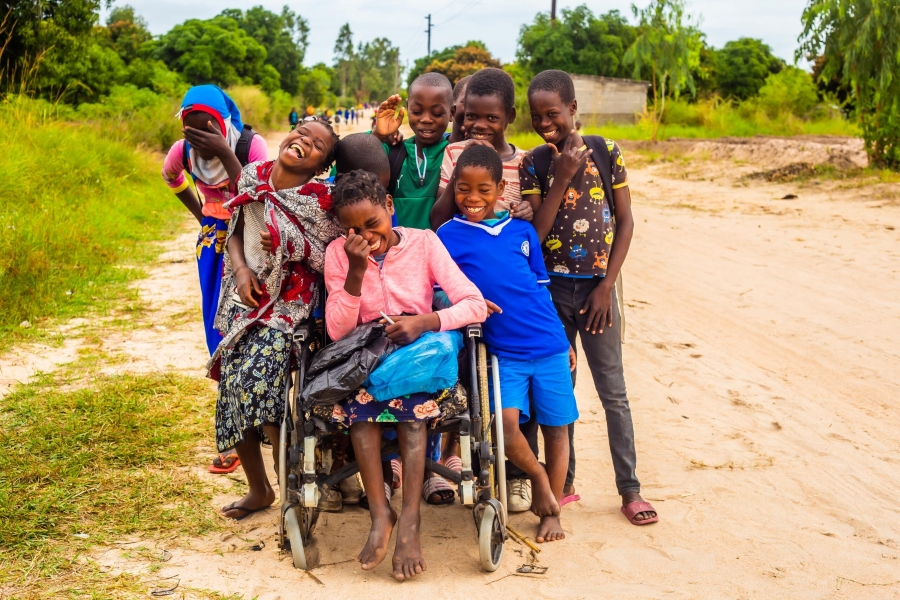
    A recent study by Odhiambo, J. A. (2024) titled “Exploring the attitudes of girl learners with physical disabilities towards education in Kisumu, Kenya” published in the International Journal of Studies in Inclusive Education, reveals that most girl learners with physical disabilities (GLwPDs) in Kisumu, Kenya, hold negative attitudes toward education due to societal discrimination, low expectations from teachers and parents, and a lack of role models.

    Societal discrimination, low expectations, and lack of role models hinder GLwPDs’ education.– Odhiambo, J. A. 2024

    The article examines the perspectives of girl learners with physical disabilities (GLwPDs) on their education in Kisumu, Kenya, shedding light on the numerous challenges they encounter. These include societal prejudice, discrimination, and insufficient support, which adversely affect their attitudes towards schooling. Employing a descriptive exploratory design within a qualitative framework, the study gathered data through interviews, focus group discussions, and document analysis involving 50 participants. These participants included GLwPDs, their parents, teachers, and community opinion leaders. The findings reveal that GLwPDs often harbor negative attitudes toward education, primarily due to societal discrimination, limited encouragement from teachers and parents, and the absence of positive role models. The study underscores the importance of providing greater support and encouragement to these girls to enhance their educational experiences and boost their self-esteem. It also calls for collaborative efforts among parents, educators, and stakeholders to address these barriers and promote gender equality in education.

    How the Study was Conducted

    The study involved 50 participants, including 18 girl learners with physical disabilities (GLwPDs), 20 parents of GLwPDs, 10 teachers from a special school for the physically challenged, and 2 opinion leaders. Participants were selected through convenience and purposive sampling techniques. In-depth interviews were conducted with GLwPDs, teachers, and opinion leaders. The questions were open-ended to provide detailed responses. Two focus group discussions were held with 10 parents in each group. These discussions allowed participants to freely share their opinions, perceptions, beliefs, and ideas. Data on admission, attendance, performance, fee payment, and completion rates of GLwPDs were collected through document analysis. The qualitative data were analyzed using thematic analysis. This involved summarizing, categorizing, rearranging, and ordering the data thematically according to the study objectives. The six steps of thematic analysis were followed: familiarization with data, generation of initial codes, identification of themes, review and definition of themes, and writing. Informed consent was obtained from participants, and they were assured of anonymity and confidentiality. Participants were informed of their right to withdraw from the study without prejudice and were treated respectfully. Any risks and benefits were distributed fairly.

    What the Authors Found

    The study reveals that most girl learners with physical disabilities (GLwPDs) in Kisumu, Kenya, hold negative attitudes toward education due to societal discrimination, low expectations from teachers and parents, and a lack of role models. Many GLwPDs drop out before completing primary education, often facing challenges such as being the last to be enrolled, transportation issues, and struggling to keep up with peers. Discrimination and lack of support undermine their enthusiasm, while low expectations from teachers and parents lead to poor academic performance and self-motivation. A sense of hopelessness about future employment further diminishes their self-esteem and interest in education. Additionally, the absence of successful role models with disabilities discourages them from pursuing education. Parents often prioritize the education of non-disabled children, reflecting a negative attitude toward their daughters’ education and reinforcing these challenges.

    Why is this important?

    Highlighting Challenges: It brings to light the specific challenges faced by girl learners with physical disabilities (GLwPDs) in accessing education. Understanding these challenges is crucial for developing targeted interventions.

    Promoting Inclusivity: The study emphasizes the need for inclusive education practices that cater to the needs of GLwPDs. This can help create a more equitable education system where all students have the opportunity to succeed.

    Changing Attitudes: By documenting the negative attitudes and discrimination faced by GLwPDs, the study aims to change societal perceptions and attitudes towards these learners. This can lead to greater acceptance and support for GLwPDs in educational settings.

    Policy Development: The findings can inform policymakers and educators about the necessary changes and support systems required to improve the educational experiences of GLwPDs. This can lead to the development of policies that promote gender equality and inclusivity in education.

    Empowering GLwPDs: The study highlights the importance of role models and support systems for GLwPDs. By addressing the lack of role models and providing encouragement, the study aims to empower GLwPDs to pursue their education and achieve their full potential.

    Addressing Discrimination: The study underscores the need to address discrimination and low expectations from teachers, parents, and society. By tackling these issues, the study aims to create a more supportive and encouraging environment for GLwPDs.

    What the Authors Recommend

    • The author recommends that parents, teachers, and peers of GLwPDs should collaborate with other stakeholders in education to recognize the challenges faced by these girls and provide strategies to overcome the obstacles.
    • The study also emphasizes that GLwPDs should be exposed to opportunities to interact with female role models with physical disabilities in promising careers. This can motivate them to complete their education and aspire to achieve their goals.
    • In addition, the government and the Ministry of Education should put more effort into advancing gender equality in special needs education and inclusive education. This includes creating policies and programs that support the education of GLwPDs and promote gender equality.

    In conclusion, the study by Odhiambo (2024) underscores the critical need for targeted interventions to address the challenges faced by girl learners with physical disabilities in Kisumu, Kenya. By highlighting the adverse impacts of societal discrimination, low expectations, and a lack of role models, the research calls for collaborative efforts among parents, teachers, policymakers, and the broader community to create an inclusive and supportive educational environment. Empowering these girls through encouragement, representation, and equitable policies not only enhances their educational opportunities but also contributes to a more just and inclusive society. The findings serve as a foundation for meaningful action to break down barriers and inspire positive change for GLwPDs.

  • Leveraging AI to Advance Sustainable Development Goals in South Africa’s Higher Education

    Leveraging AI to Advance Sustainable Development Goals in South Africa’s Higher Education

    A recent study by Opesemowo, O. A. G., & Adekomaya, V. (2024) titled “Harnessing Artificial Intelligence for Advancing Sustainable Development Goals in South Africa’s Higher Education System: A Qualitative Study,” published in the International Journal of Learning, Teaching and Educational Research, examines that AI technologies have transformed student learning by providing individualized and adaptable learning experiences.

    AI significantly enhances education in South Africa, promoting personalized learning, inclusivity, and SDG advancement, despite infrastructural and resource challenges.– Opesemowo, O. A. G., & Adekomaya, V. (2024

    This article examines the role of artificial intelligence (AI) in advancing Sustainable Development Goals (SDGs) within South Africa’s higher education sector. It delves into the adoption of AI technologies in South African universities, highlighting challenges, strategies, and potential future directions. Using a qualitative research approach, the study focuses on the experiences and perspectives of lecturers from the Department of Information Sciences at the University of Johannesburg. AI is utilized to enhance student learning and engagement by offering personalized learning experiences and improving educational outcomes. By addressing educational disparities, enhancing access to quality education, and fostering inclusive learning environments, AI significantly contributes to achieving SDGs. However, the integration of AI in higher education is hindered by challenges such as infrastructural limitations, skills shortages, and budgetary constraints.

    How the Study was Conducted

    The study employed a qualitative research methodology based on constructivist principles to explore the dynamics of AI in advancing Sustainable Development Goals (SDGs) within South Africa’s higher education system. The study involved lecturers from the Department of Information Sciences at the University of Johannesburg. These participants were purposefully selected based on their experience and knowledge of AI technologies. In-depth interviews and focused group discussions were conducted to gather insights. The interviews were audio-recorded to ensure accuracy in capturing the participants’ responses. Thematic content analysis was used to analyze the data. This method helped identify patterns and insights related to the use of AI in education, its impact on SDGs, and the challenges faced by higher education institutions in South Africa. The authors ensured ethical considerations were met, including obtaining consent from participants and maintaining their confidentiality. Triangulation of responses was performed to ensure the credibility and accuracy of the identified themes, challenges, and future directions.

    What the Authors Found

    The authors found that AI technologies have been significantly adopted in South African higher education institutions, leading to more efficient, adaptive, and effective educational models. The authors also found that AI technologies have transformed student learning by providing individualized and adaptable learning experiences. Tools like virtual reality simulations and personalized learning platforms have made teaching and learning more engaging and interactive. The study also posits that AI has facilitated collaborative learning by enabling students to interact and collaborate with peers, even in different locations. This has fostered a sense of community and allowed for the exchange of ideas and perspectives. In addition, AI has improved personalized learning experiences for students with diverse learning styles and abilities. This has led to a more inclusive and interactive classroom environment where students feel more motivated and supported in their learning journey.

    Why is this important?

    Advancing Education: By integrating AI into South Africa’s higher education system, the study highlights how AI can enhance student learning, engagement, and personalized experiences. This is crucial for improving the overall quality of education and ensuring that students are better prepared for the future.

    Addressing Inequalities: The study emphasizes AI’s potential to bridge educational disparities, particularly in marginalized communities. By providing equitable access to quality education, AI can help reduce socio-economic inequalities and promote inclusive learning environments.

    Supporting Sustainable Development Goals (SDGs): AI’s role in advancing SDGs, such as quality education (SDG 4), reduced inequalities (SDG 10), and gender equality (SDG 5), is a key focus. The study demonstrates how AI can contribute to achieving these global objectives, which are essential for sustainable development in South Africa.

    Policy and Strategy Development: The study provides valuable insights and recommendations for policymakers, educators, and institutions. By formulating comprehensive AI education policies and addressing challenges such as infrastructural limitations and skills gaps, South Africa can create a supportive environment for AI integration in higher education.

    Future Directions: The study identifies potential future directions for AI in education, offering guidance for further research and innovation. This is important for continuously improving the education system and ensuring that it remains relevant and effective in a rapidly changing world.

    What the Authors Recommend

    • The authors recommend that the South African government should develop national AI education policy guidelines to regulate and harmonize the usage of AI in higher education. These policies should outline objectives, principles, and guidelines for integrating AI into educational practices.
    • To ensure equitable access to AI technologies, the government should invest in improving digital infrastructure, particularly in underserved and rural areas. This includes expanding broadband internet access and addressing power infrastructure issues like loadshedding.
    • Educators and students need practical training to effectively use AI technologies. The government and educational institutions should offer training programs, workshops, and ongoing support to help educators integrate AI tools into their teaching methods.
    • Ethical norms and regulations should be implemented to ensure that AI algorithms are unbiased and do not perpetuate societal inequalities. This includes addressing data privacy concerns and algorithmic bias.
    • The authors advocate that collaboration between universities, research institutions, industry, and government is essential for driving AI innovation and ensuring that AI initiatives align with the needs of the education sector.
    • Furthermore, efforts should be made to bridge the digital divide and ensure that AI technologies are accessible to all students, including those in remote areas or with disabilities. This promotes inclusivity and aligns with SDG 4 (Quality Education).

    In conclusion, the integration of AI into South Africa’s higher education system presents transformative opportunities for advancing Sustainable Development Goals, improving educational quality, and fostering inclusivity. While challenges such as infrastructural limitations and skills shortages persist, strategic investments, comprehensive policies, and collaborative efforts between stakeholders can bridge these gaps. By harnessing AI technologies effectively, South Africa can create an equitable, innovative, and future-ready education system, ensuring that students are empowered to succeed in a rapidly evolving global landscape.

  • Africa Health Collaborative Research Fund 2025: Call for Expressions of Interest for ECRs in Health Systems Strengthening

    Africa Health Collaborative Research Fund 2025: Call for Expressions of Interest for ECRs in Health Systems Strengthening

    Overview of the Call

    The Africa Health Collaborative (Health Collaborative) invites early-career researchers (ECRs) to submit expressions of interest for the Africa Health Collaborative Research Fund 2025. This fund is designed to foster collaborative research projects aimed at strengthening health systems in Sub-Saharan Africa, particularly within the context of primary health care (including public health, community health, and related areas). The funding is aimed at providing initial support for high-quality research initiatives, enabling ECRs to establish partnerships that can lead to larger-scale projects and greater impact on health systems in Africa.

    The Africa Health Collaborative is a collective of member institutions that are committing matching funds to support bilateral and multilateral research partnerships. Successful proposals will receive joint funding, with the potential to scale the research activities and provide foundational support for subsequent applications for larger grants. The fund will support up to 9 projects, each with a maximum funding period of 18 months.

    Funding Details

    • Bilateral Projects: These proposals, which involve two institutions, can receive a maximum of $22,000 USD. Each participating institution may award up to $11,000 USD to researchers at their respective institutions.
    • Multilateral Projects: Proposals involving three or more institutions will be funded similarly, with $11,000 USD available per participating institution.

    The funding is intended to support research activities, such as workshops, researcher exchanges, and the formation of research collaboration groups. Funding may also be used for travel expenses for ECRs, post-doctoral fellows, and graduate student researchers involved in the project, as well as research-related costs, including costs for meetings and workshops.

    Eligibility

    To apply for the Africa Health Collaborative Research Fund 2025, the following criteria apply:

    1. Principal Investigator: The proposal must be led by an Early Career Researcher (ECR) from one of the following eligible institutions:
      • Addis Ababa University
      • African Institute for Mathematical Sciences
      • African Leadership University
      • Amref International University
      • Ashesi University
      • Kwame Nkrumah University of Science and Technology
      • Moi University
      • University of Cape Town
      • University of Toronto
    2. Collaboration: Proposals can either be bilateral (involving two institutions) or multilateral (involving three or more institutions). Each proposal must include participation from masters, doctoral, or post-doctoral trainees.
    3. Limitations: Eligible applicants may only serve as the principal investigator for one proposal. If an applicant does not yet have a co-investigator from another eligible institution, the applicant’s proposal will be made available publicly through a repository, allowing them to identify potential collaborators from other Health Collaborative member institutions.
    4. External Collaborators: Researchers from institutions outside the Health Collaborative network, including international universities or non-academic organizations such as government agencies and NGOs, can be involved in the research activities but cannot lead a proposal. Their participation must be clearly justified in the application, emphasizing the value they bring to the collaboration.

    Research Scope and Objectives

    The key aim of the Africa Health Collaborative Research Fund 2025 is to encourage the development and expansion of high-quality research activities focused on health systems strengthening in primary health care. This includes public health, community health, and related fields, particularly in Sub-Saharan Africa. The projects should focus on improving primary healthcare delivery systems and addressing pressing health challenges within the region. The successful proposals will contribute to the translation of research into practical, community-level solutions that can transform the health sector in Africa.

    The research can cover a broad range of topics related to health systems strengthening, including but not limited to healthcare delivery models, health policy, health workforce development, and community health interventions.

    Evaluation Criteria

    Each proposal will undergo a joint peer review process conducted by representatives from the member institutions of the Africa Health Collaborative. The assessment will be based on the following criteria:

    1. Project Design and Rationale: The clarity of the project’s objectives and the soundness of the proposed methodology.
    2. Collaborator Complementarity: The strength and relevance of the partnership between the collaborating institutions.
    3. Potential Translational Impact: How the project will benefit communities and contribute to improving health systems in Africa.
    4. Capacity for Future Collaboration/Funding: The potential for continued collaboration and the ability to leverage future funding.
    5. Relevance to Health Collaborative Activities: How the project aligns with the mission and goals of the Health Collaborative.

    Application Process

    The application process will occur in two stages:

    1. Expression of Interest (EoI)
      • Deadline: February 19, 2025 (12 PM GMT)
      • The EoI should outline the project’s objectives, the collaborating institutions, and the expected impact. Results will be announced on March 5, 2025.
    2. Full Proposal Submission
      • If your EoI is successful, you will be invited to submit a full proposal by April 16, 2026.
      • The results of the full proposal assessment will be announced on May 7, 2026, and the projects will officially begin on June 1, 2026, for a duration of 18 months.

    Support and Queries

    For further inquiries or assistance, please contact the secretariat at:
    Email: africasecretariat@utoronto.ca

    Visit: Africa Health Collaborative

    This call for proposals aims to empower early-career researchers to embark on impactful collaborations that will contribute significantly to the improvement of primary health care systems in Sub-Saharan Africa, leveraging their expertise to address urgent health challenges and create sustainable change within the region. The Africa Health Collaborative is committed to facilitating transformative research that enhances health and well-being through innovation, knowledge sharing, and cross-institutional partnerships.