Author: AR Managing Editor

  • An African Perspective on Biodiversity Conservation: Challenges, Opportunities, and Key Strategies for the 21st Century

    An African Perspective on Biodiversity Conservation: Challenges, Opportunities, and Key Strategies for the 21st Century

    A recent study by Bezeng et al. (2025) titled “An African perspective to biodiversity conservation in the twenty-first century,” published in Philosophical Transactions B, reveals that Africa’s rich biodiversity is under significant threat due to various factors such as habitat destruction, overexploitation of natural resources, climate change, and pollution.

    Africa’s rich biodiversity is under significant threat from habitat destruction, resource overexploitation, climate change, and pollution, requiring urgent conservation.– Bezeng et al. 2025

    The article explores the unique challenges and opportunities for biodiversity conservation in Africa. The study highlights the continent’s rich biodiversity and the threats it faces, such as habitat destruction, overexploitation of natural resources, climate change, and pollution. The article emphasizes the importance of involving local communities and stakeholders in conservation efforts and highlights successful examples of community-led initiatives.

    How the Study was Conducted

    The study was conducted by contacting 49 conservationists and researchers in Africa to gather their opinions on the key challenges and recommendations for biodiversity conservation. Out of the initial list, 25 responded, and their responses were aggregated into five major recommendations. The authors of the article, along with the respondents, have extensive experience in delivering conservation outcomes in Africa, ranging from research and capacity building to advocacy and policy-making.

    What the Authors Found

    The authors found that Africa’s rich biodiversity is under significant threat due to various factors such as habitat destruction, overexploitation of natural resources, climate change, and pollution.

    Why is this important?

    This study is crucial because it addresses the urgent need for biodiversity conservation in Africa, a continent with rich biodiversity that is under significant threat. The recommendations provided by the authors aim to enhance conservation efforts, involve local communities, and integrate indigenous knowledge, which are essential for sustainable and effective conservation strategies. By implementing these recommendations, Africa can make significant strides towards preserving its unique biodiversity, fostering a healthier society, and contributing to global conservation efforts. This is not just about protecting wildlife; it’s about ensuring the well-being of African societies and the planet as a whole.

    What the Authors Recommended

    The authors recommend five key strategies to enhance biodiversity conservation in Africa:

    • Accelerate data collection and sharing: Improve data collection, sharing, and analytics to inform policy and decision-making.
    • Innovate education and capacity building: Develop innovative education and capacity-building programs for future generations.
    • Enhance and expand protected areas: Strengthen and expand protected areas, ecological networks, and legal frameworks.
    • Unlock creative funding channels: Develop new and innovative funding mechanisms for conservation initiatives.
    • Integrate indigenous and local knowledge: Incorporate indigenous and local knowledge into conservation strategies.

    In conclusion, Africa’s biodiversity is a vital global treasure that faces unprecedented challenges requiring urgent and collaborative action. By implementing the recommendations outlined in this study—accelerating data collection, fostering education, expanding protected areas, unlocking creative funding, and integrating indigenous knowledge—Africa has the potential to not only safeguard its unique ecosystems but also to set a global benchmark for sustainable and inclusive conservation. These efforts are crucial, not only for preserving the continent’s natural heritage but also for ensuring the well-being of its people and contributing to the global fight against biodiversity loss.

  • AJCEM Joins AR Index: Advancing Medical Microbiology with Open-Access Research and Ethical Publishing

    AJCEM Joins AR Index: Advancing Medical Microbiology with Open-Access Research and Ethical Publishing

    The African Journal of Clinical and Experimental Microbiology (AJCEM) is making notable strides in the field of medical microbiology as it continues to serve as a valuable platform for researchers across the globe. As of January 2025, this prestigious journal has been officially indexed in the AR Index, further solidifying its reputation in the scientific community. This recognition marks a significant achievement for the journal, which has long been a key player in the dissemination of critical research related to microbiology, infectious diseases, and clinical practices.

    About AJCEM: A Platform for Groundbreaking Research

    The African Journal of Clinical and Experimental Microbiology is the official journal of the African Society for Clinical Microbiology. It has been in publication since 1999, and it offers a dedicated space for original research in various subfields of microbiology, such as bacteriology, virology, rickettsiology, chlamydiology, mycology, mycobacteriology, actinomycetes, parasitology, and molecular genetics. It also extends its scope to cover clinical microbiology and clinical veterinary microbiology, ensuring a comprehensive approach to the discipline.

    With an ISSN online of 1595-689X, AJCEM is a significant resource for researchers, clinicians, and educators alike, providing cutting-edge research and reviews that span the diverse landscape of medical microbiology. It is published annually by the African Society for Clinical Microbiology, with its home base at LAUTECH Teaching Hospital in Ogbomoso, Nigeria.

    Indexed in AR Index: A Mark of Academic Excellence

    The inclusion of AJCEM in the AR Index represents a major milestone for the journal. The AR Index is an academic indexing platform that recognizes high-quality research publications with rigorous peer review processes. For a journal to be included in the AR Index, it must meet stringent criteria, including maintaining a consistent standard of quality, having a substantial contribution to its field, and showcasing a high volume of impactful research. AJCEM’s inclusion underscores its importance in the scientific community and highlights its role in advancing research in medical microbiology.

    As an open-access journal, AJCEM makes its content freely available to readers worldwide, ensuring that its research can reach a broad audience. This is especially significant in the context of Africa, where access to high-quality research can sometimes be limited. By promoting free online access to its articles through platforms like AJOL (African Journals Online), AJCEM is helping bridge the knowledge gap in global microbiology research.

    Submission and Publication Fees

    For researchers seeking to contribute to AJCEM, the journal has transparent submission and publication fees. Submission fees are set at $15, which covers the administrative costs associated with the initial processing of submissions. Once a paper is accepted, authors are required to pay publication fees of $100 to help cover the costs of open-access publication. It’s important to note that authors from certain countries may be eligible for a waiver on the article processing charges (APC), which are granted at the discretion of the editorial board based on gross national income (GNI) classification by the World Bank.

    Commitment to Ethical Publishing

    AJCEM maintains a strong commitment to academic integrity and publication ethics. The journal follows the guidelines of the International Committee of Medical Journal Editors (ICMJE) and adheres to the Committee on Publication Ethics (COPE). This ensures that all research published in AJCEM is of the highest standard, and authors are required to comply with ethical publishing practices, including disclosure of conflicts of interest and adherence to research ethics.

    Furthermore, AJCEM publishes under the Creative Commons Attribution 4.0 International License, meaning that authors retain the copyright to their work but allow others to share and distribute it, as long as proper attribution is given. This licensing model aligns with the journal’s goal of maximizing the reach and impact of the research it publishes.

    A Bright Future Ahead

    As AJCEM continues to grow in stature and influence, its role in advancing the field of medical microbiology—particularly in the African context—becomes ever more critical. Researchers and healthcare professionals can look to AJCEM not only as a source of knowledge but also as an essential partner in the global fight against infectious diseases.

    With its peer-reviewed and open-access model, combined with the recent recognition in the AR Index, the journal is poised to further solidify its reputation as a cornerstone of scientific excellence in the African and global research communities.

    For more information, including submission guidelines and access to current articles, visit the African Journal of Clinical and Experimental Microbiology website.

    Conclusion

    The African Journal of Clinical and Experimental Microbiology is a cornerstone in the field of microbiology, particularly within the African continent. With its recent AR Index inclusion, open-access model, and commitment to ethical publishing, AJCEM remains a vital resource for researchers and healthcare professionals dedicated to advancing our understanding of infectious diseases and microbiological science.

  • January 2025: Florence Aghomo – African Female Researcher of the Month

    January 2025: Florence Aghomo – African Female Researcher of the Month
    African Researchers AwardJanuary 2025: Florence Aghomo – African Female Researcher of the Month
    Florence Aghomo is a trailblazer in the field of conservation biology, celebrated for her leadership, dedication, and impactful work in primate conservation. As a doctoral student in the Interdepartmental Doctoral Program in Anthropological Sciences at Stony Brook University, Aghomo is committed to advancing the science of conservation while advocating for endangered species and preserving ecosystems in Africa. In recognition of her extraordinary contributions to conservation, she was honored with the prestigious Young Women in Conservation Biology (YWCB) Award from the Society for Conservation Biology (SCB) Africa Region in December 2023.

    Background and Education

    Florence Aghomo is currently pursuing her Ph.D. under the mentorship of Dr. Patricia C. Wright, a distinguished professor at the State University of New York (SUNY) and an icon in conservation biology. As a member of the Institute for the Conservation of Tropical Environments (ICTE), Aghomo is building a robust foundation in anthropological sciences with a focus on conservation biology. Her academic pursuits are deeply intertwined with her passion for wildlife conservation and the preservation of biodiversity in tropical ecosystems.

    Award Recognition and Impact

    The YWCB Award, which acknowledges young women in Africa who have made remarkable contributions to the conservation biology field, was awarded to Aghomo for her exemplary leadership and dedication to advancing the discipline in Africa. The award highlights her ability to inspire others, demonstrate creativity in conservation practices, and effectively work across various social, ethnic, and gender lines to achieve tangible conservation outcomes.

    The Young Women in Conservation Biology Working Group, established by SCB Africa Region, aims to bridge the gender gap in conservation science in Africa. Florence’s recognition as a recipient of the award exemplifies her role in this mission, as she not only excels in her own research but also actively supports and uplifts other women in the field, particularly those from diverse backgrounds.

    Red Colobus Conservation Network Leadership

    One of Florence Aghomo’s most notable accomplishments is her coordination of the Red Colobus Conservation Network, a project she has led since 2019 under the Primates Specialist Group of the International Union for Conservation of Nature (IUCN/SSC). As the network’s coordinator, Aghomo oversees the implementation of the Red Colobus Conservation Action Plan (ReCAP), which works to protect the endangered Red Colobus monkeys across various African habitats.

    The Red Colobus Conservation Network involves more than 300 primatologists, conservationists, and researchers from around the world, all working collaboratively to ensure the survival of these critically endangered primates. Aghomo’s role requires technical expertise, administrative oversight, fundraising, and the facilitation of partnerships between conservation organizations and stakeholders. She also plays a critical role in fostering youth engagement in conservation through training programs, mentorship, and capacity-building initiatives, helping to ensure the future of wildlife conservation.

    Contributions to Primate Conservation

    Aghomo’s conservation journey began in 2010 when she was drawn to the study of endangered Red Colobus monkeys in the Korup National Park in Cameroon. The local communities around the park had deep knowledge of the primates, and Florence began to collect detailed behavioral and ecological data about these monkeys. Over time, she realized that the Red Colobus was facing severe threats, including over-hunting and habitat loss.

    In response, Aghomo initiated a series of conservation actions, including creating awareness within local communities and organizing conservation groups to protect both the monkeys and their forest habitats. As part of her efforts, she facilitated the creation and legalization of the Cameroon Primatological Society in 2020, which serves as a platform for primate researchers and conservationists in Cameroon to collaborate and address conservation challenges.

    Aghomo’s work also extends beyond Cameroon. In Madagascar, she founded the Flor’Afrique organization, which has supported the creation of a Language and Environmental Center in Ranomafana. This center aims to combine education with conservation efforts, contributing to the protection of Madagascar’s high biodiversity hotspot, which is home to a rich array of primate species.

    Personal Philosophy and Legacy

    Aghomo’s work is driven by her deep passion for primate welfare and ecosystem conservation. She views Red Colobus monkeys as “perfect indicators of ecosystem health” due to their sensitivity to environmental disturbances. Their unique presence in African forest bioregions provides vital insights into habitat changes and ecosystem stability. Through her work, Aghomo has highlighted the importance of preserving not only endangered species but also the entire ecosystem that supports them.

    Her fieldwork often takes her deep into dense forests, where she studies the behavior and ecology of these elusive primates. For Aghomo, the moment of sighting a Red Colobus monkey is a moment of awe and connection with nature, reinforcing her commitment to their conservation. Her firsthand experiences with these animals have led her to advocate for their protection and to raise awareness about the urgent need to address habitat destruction and illegal hunting.

    Global Recognition and Future Aspirations

    Aghomo’s leadership and impact in the field of conservation have earned her global recognition. In 2021, she was named one of the Top 100 Conservation Leaders in Africa, further cementing her role as a rising star in global conservation efforts. Her work is recognized by colleagues and mentors, including Dr. Patricia C. Wright, who has lauded Aghomo as “a conservation hero” whose contributions have made a significant difference in the protection of wildlife in Africa.

    Looking ahead, Aghomo remains focused on scaling her conservation efforts, expanding her network, and continuing to advocate for the protection of Red Colobus monkeys and other endangered species. Her work with Re:wild, IUCN, and other international partners ensures that her influence extends across continents, inspiring the next generation of conservationists.

    Conclusion

    Florence Aghomo’s career is a testament to the power of passion, leadership, and innovation in conservation. Her receipt of the Young Women in Conservation Biology Award is just one of many milestones in a career that continues to inspire and impact the world of primate conservation. Through her work, Florence has demonstrated the profound influence one individual can have in shaping the future of wildlife protection, and her dedication to preserving biodiversity in Africa will continue to resonate for years to come.

  • Health Benefits of African Yam Bean: Enhancing Liver, Kidney, and Antioxidant Functions – Insights from Wistar Rat Study

    Health Benefits of African Yam Bean: Enhancing Liver, Kidney, and Antioxidant Functions – Insights from Wistar Rat Study

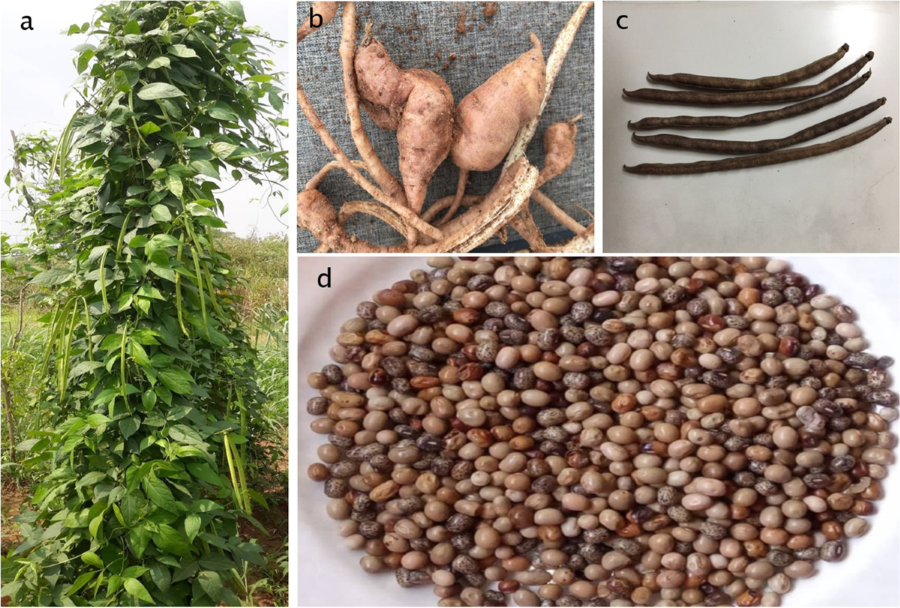
    A recent study by Chiaka-Onyemeze et al. (2025) titled “Biochemical and histological evaluation of kidney, liver, and hematological indices in normal Wistar rats administered dietary formulations of roasted Sphenotylis stenocarpa seeds (African yam bean)” published in the International Journal of Plant-Based Pharmaceuticals reveals that moderate consumption of roasted Sphenostylis stenocarpa seeds (African yam bean) enhances hepatic and renal well-being in Wistar rats.

    Moderate consumption of roasted African yam bean seeds enhances liver and kidney health, boosts antioxidants, and reduces oxidative stress. – Chiaka-Onyemeze et al. 2025

    The study explores the biochemical and histological impact of dietary formulations containing roasted Sphenostylis stenocarpa seeds, commonly known as African yam beans, on kidney and liver functions, as well as hematological parameters in healthy Wistar rats. The findings reveal that moderate consumption of these seeds promotes hepatic and renal health by significantly enhancing antioxidant enzyme activity and improving blood health markers. Additionally, the research highlights a notable reduction in lipid peroxidation and oxidative stress, which are linked to various chronic conditions. These results suggest that African yam beans may serve as a functional food ingredient with potential benefits in managing lifestyle diseases such as hypertension and diabetes, offering a natural approach to improving overall health and preventing oxidative damage.

    How the Study was Conducted

    The study was conducted using a variety of methods to evaluate the effects of roasted Sphenostylis stenocarpa seeds (African yam bean) on kidney, liver, and hematological indices in Wistar rats. Fresh seeds of S. stenocarpa were collected from a farm in Orba village, Enugu, Nigeria. The seeds were roasted at about 300°C for an hour, then pulverized into fine particles. Twenty-five Wistar rats were used in the study. They were acclimatized for fourteen days under optimal conditions and then randomly assigned into five groups of five rats each. The rats were fed different diet formulations of roasted S. stenocarpa seeds mixed with standard rat chow at specified ratios (10%, 20%, 30%, and 40%) for five weeks. Blood samples were collected for hematological analysis using a Sysmex KX-21N hematology analyzer. Liver function markers, lipid profile indices, and kidney function parameters were determined using a Roche Cobas 6000 biochemistry analyzer. Liver and kidney tissues were excised, fixed in 10% buffered formalin, and processed for histological examination. Photomicrographs were captured to assess the state of the liver and kidney tissues. Data were analyzed using one-way and two-way analysis of variance (ANOVA) with the SPSS tool. The significance level was set at p = 0.05.

    What the Authors Found

    The authors found that moderate consumption of roasted Sphenostylis stenocarpa seeds (African yam bean) enhances hepatic and renal well-being in Wistar rats. The study posits that there was a significant increase in the activity of catalase, superoxide dismutase, and glutathione peroxidase in the liver, indicating enhanced antioxidant defense mechanisms. The level of malondialdehyde (MDA), a marker of lipid peroxidation, decreased significantly, suggesting reduced oxidative stress.

    Why is this important?

    Nutritional Value: The African yam bean is an underutilized legume with high nutritional value. The study highlights its potential as a dietary component that can enhance liver and kidney health, improve antioxidant enzyme activity, and boost hematological indices.

    Health Benefits: The findings suggest that moderate consumption of roasted Sphenostylis stenocarpa seeds can help manage conditions like hypertension and diabetes by improving lipid profiles and reducing oxidative stress.

    Scientific Validation: The study provides scientific validation for the traditional use of African yam bean in African folklore as a remedy for various diseases. This can lead to increased acceptance and utilization of this legume in modern diets.

    Food Security: By promoting the use of underutilized legumes like the African yam bean, the study contributes to food security, especially in regions plagued by food insecurity. It offers an affordable and nutritious food source that can help combat malnutrition.

    Future Research: The study opens avenues for further research into the long-term effects of consuming roasted African yam bean seeds and their potential benefits for human health.

    What the Authors Recommended

    • The authors suggest incorporating roasted African yam bean seeds into the diet to enhance hepatic and renal well-being, improve antioxidant enzyme activity, and boost hematological indices.
    • The authors highlight the potential of these seeds in managing conditions like hypertension and diabetes, given their ability to improve lipid profiles and reduce oxidative stress.
    • The study recommends further research to assess the long-term effects of consuming roasted African yam bean seeds, especially in individuals with hypertension, diabetes, or renal impairment.
    • The authors emphasize the importance of careful dietary recommendations, particularly regarding sodium and chloride levels, to avoid potential risks such as electrolyte imbalances.
    • The study advocates for increased awareness and utilization of underutilized legumes like the African yam bean to promote food security and combat malnutrition.

    In conclusion, the study by Chiaka-Onyemeze et al. underscores the significant health benefits of roasted Sphenostylis stenocarpa seeds (African yam bean), particularly in enhancing hepatic and renal functions while reducing oxidative stress and improving hematological indices. These findings not only validate the traditional use of this underutilized legume but also highlight its potential as a functional food ingredient for managing chronic conditions such as hypertension and diabetes. By promoting the dietary incorporation of African yam beans, this research contributes to food security, nutritional diversity, and the global fight against malnutrition, paving the way for further studies to explore its long-term effects on human health.

  • January 2025: Paper of the Month by Chiaka-Onyemeze et al. 2025 – African Yam Bean Benefits: Study Reveals Hepatic and Renal Health Boost in Wistar Rats

    January 2025: Paper of the Month by Chiaka-Onyemeze et al. 2025 – African Yam Bean Benefits: Study Reveals Hepatic and Renal Health Boost in Wistar Rats

    African Researchers AwardJanuary 2025: Paper of the Month by Chiaka-Onyemeze et al. 2025 – African Yam Bean Benefits: Study Reveals Hepatic and Renal Health Boost in Wistar Rats

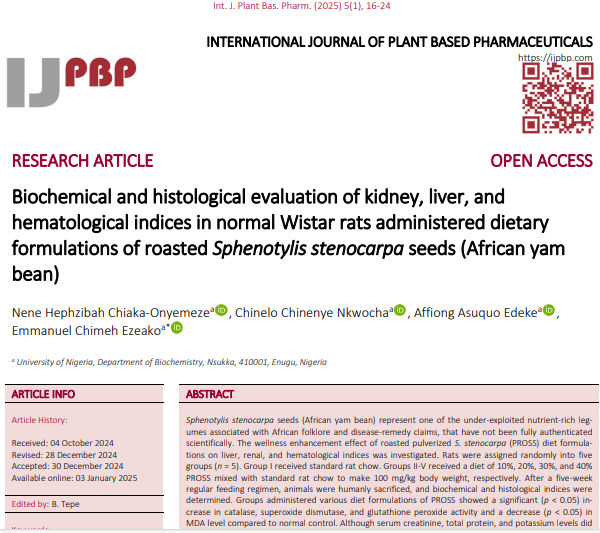
    A recent study by Chiaka-Onyemeze et al. (2025) titled “Biochemical and histological evaluation of kidney, liver, and hematological indices in normal Wistar rats administered dietary formulations of roasted Sphenotylis stenocarpa seeds (African yam bean)” published in the International Journal of Plant-Based Pharmaceuticals reveals that moderate consumption of roasted Sphenostylis stenocarpa seeds (African yam bean) enhances hepatic and renal well-being in Wistar rats.

    Moderate consumption of roasted African yam bean seeds enhances liver and kidney health, boosts antioxidants, and reduces oxidative stress. – Chiaka-Onyemeze et al. 2025

    The study explores the biochemical and histological impact of dietary formulations containing roasted Sphenostylis stenocarpa seeds, commonly known as African yam beans, on kidney and liver functions, as well as hematological parameters in healthy Wistar rats. The findings reveal that moderate consumption of these seeds promotes hepatic and renal health by significantly enhancing antioxidant enzyme activity and improving blood health markers. Additionally, the research highlights a notable reduction in lipid peroxidation and oxidative stress, which are linked to various chronic conditions. These results suggest that African yam beans may serve as a functional food ingredient with potential benefits in managing lifestyle diseases such as hypertension and diabetes, offering a natural approach to improving overall health and preventing oxidative damage.

    How the Study was Conducted

    The study was conducted using a variety of methods to evaluate the effects of roasted Sphenostylis stenocarpa seeds (African yam bean) on kidney, liver, and hematological indices in Wistar rats. Fresh seeds of S. stenocarpa were collected from a farm in Orba village, Enugu, Nigeria. The seeds were roasted at about 300°C for an hour, then pulverized into fine particles. Twenty-five Wistar rats were used in the study. They were acclimatized for fourteen days under optimal conditions and then randomly assigned into five groups of five rats each. The rats were fed different diet formulations of roasted S. stenocarpa seeds mixed with standard rat chow at specified ratios (10%, 20%, 30%, and 40%) for five weeks. Blood samples were collected for hematological analysis using a Sysmex KX-21N hematology analyzer. Liver function markers, lipid profile indices, and kidney function parameters were determined using a Roche Cobas 6000 biochemistry analyzer. Liver and kidney tissues were excised, fixed in 10% buffered formalin, and processed for histological examination. Photomicrographs were captured to assess the state of the liver and kidney tissues. Data were analyzed using one-way and two-way analysis of variance (ANOVA) with the SPSS tool. The significance level was set at p = 0.05.

    What the Authors Found

    The authors found that moderate consumption of roasted Sphenostylis stenocarpa seeds (African yam bean) enhances hepatic and renal well-being in Wistar rats. The study posits that there was a significant increase in the activity of catalase, superoxide dismutase, and glutathione peroxidase in the liver, indicating enhanced antioxidant defense mechanisms. The level of malondialdehyde (MDA), a marker of lipid peroxidation, decreased significantly, suggesting reduced oxidative stress.

    Why is this important?

    Nutritional Value: The African yam bean is an underutilized legume with high nutritional value. The study highlights its potential as a dietary component that can enhance liver and kidney health, improve antioxidant enzyme activity, and boost hematological indices.

    Health Benefits: The findings suggest that moderate consumption of roasted Sphenostylis stenocarpa seeds can help manage conditions like hypertension and diabetes by improving lipid profiles and reducing oxidative stress.

    Scientific Validation: The study provides scientific validation for the traditional use of African yam bean in African folklore as a remedy for various diseases. This can lead to increased acceptance and utilization of this legume in modern diets.

    Food Security: By promoting the use of underutilized legumes like the African yam bean, the study contributes to food security, especially in regions plagued by food insecurity. It offers an affordable and nutritious food source that can help combat malnutrition.

    Future Research: The study opens avenues for further research into the long-term effects of consuming roasted African yam bean seeds and their potential benefits for human health.

    What the Authors Recommended

    • The authors suggest incorporating roasted African yam bean seeds into the diet to enhance hepatic and renal well-being, improve antioxidant enzyme activity, and boost hematological indices.
    • The authors highlight the potential of these seeds in managing conditions like hypertension and diabetes, given their ability to improve lipid profiles and reduce oxidative stress.
    • The study recommends further research to assess the long-term effects of consuming roasted African yam bean seeds, especially in individuals with hypertension, diabetes, or renal impairment.
    • The authors emphasize the importance of careful dietary recommendations, particularly regarding sodium and chloride levels, to avoid potential risks such as electrolyte imbalances.
    • The study advocates for increased awareness and utilization of underutilized legumes like the African yam bean to promote food security and combat malnutrition.

    In conclusion, the study by Chiaka-Onyemeze et al. underscores the significant health benefits of roasted Sphenostylis stenocarpa seeds (African yam bean), particularly in enhancing hepatic and renal functions while reducing oxidative stress and improving hematological indices. These findings not only validate the traditional use of this underutilized legume but also highlight its potential as a functional food ingredient for managing chronic conditions such as hypertension and diabetes. By promoting the dietary incorporation of African yam beans, this research contributes to food security, nutritional diversity, and the global fight against malnutrition, paving the way for further studies to explore its long-term effects on human health.

  • Spatiotemporal Analysis of African Drought Trends (1960–2018): Insights for Climate Adaptation and Water Resource Management

    Spatiotemporal Analysis of African Drought Trends (1960–2018): Insights for Climate Adaptation and Water Resource Management

    A recent study by Ogunrinde et al. (2025) titled “Spatiotemporal analysis of drought patterns and trends across Africa: a multi-scale SPEI approach (1960–2018)” published in the International Journal of Digital Earth reveals significant spatial variations in drought trends, with increasing dryness particularly evident in the Mediterranean and Sahara regions.

    There is increasing drought intensity, duration, and regional variability across Africa, emphasizing worsening dryness, particularly post-1990 in Mediterranean and Sahara regions.– Ogunrinde et al. 2025

    The article examines drought trends across Africa from 1960 to 2018 using the Standardized Precipitation-Evapotranspiration Index (SPEI). Leveraging methodologies like the Modified Mann-Kendall test, Sen’s Slope estimator, and copula functions, the study analyzes drought characteristics across eight African subregions using the CRU TS4.05 dataset. The findings reveal significant spatial variations in drought trends, with increasing dryness particularly evident in the Mediterranean and Sahara regions. A marked shift towards drier conditions began after 1990, with mean drought duration increasing from 1.5 months (SPEI-3) to over 6 months (SPEI-24). Additionally, drought intensity has risen by 0.2 units annually, while frequency has declined by 20%. The Sahara region exhibits the steepest increase in drought trends across all timescales. Return period analyses indicate that most subregions experience short-term droughts with lower severity, though extreme events are less frequent. The study highlights the complex and region-specific nature of drought patterns across Africa, stressing the need for adaptive climate strategies tailored to each subregion. Furthermore, it emphasizes the importance of integrated drought monitoring and management systems to mitigate the adverse impacts of climate change on water resources, agriculture, and socio-economic stability across the continent.

    How the Study was Conducted

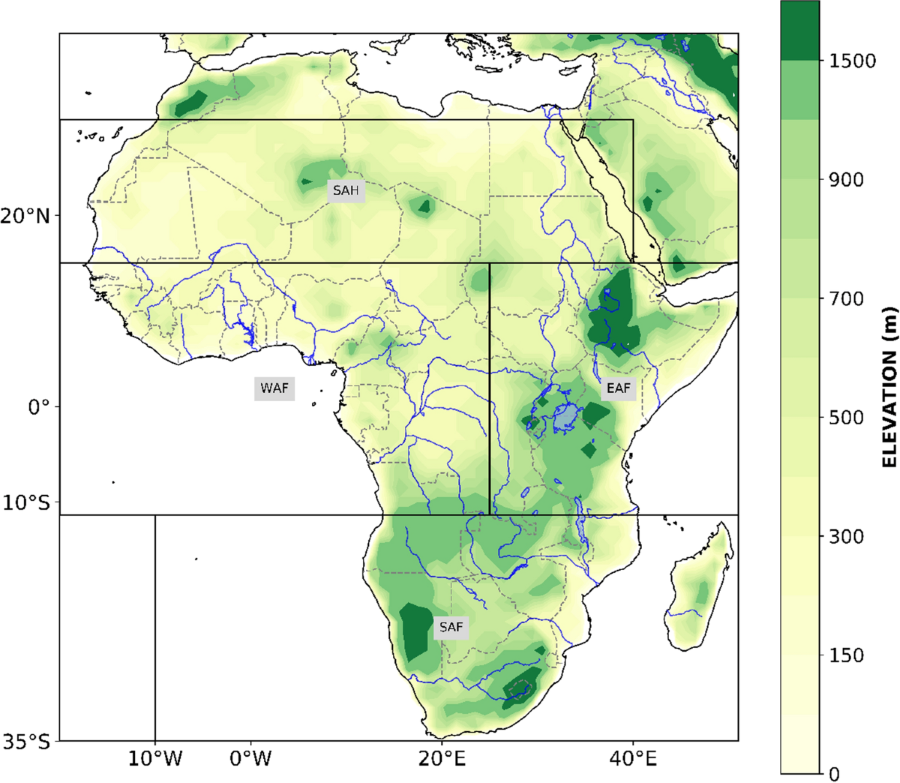
    The study covered the entire African continent, which is divided into eight distinct regions based on climatic and ecological characteristics: Mediterranean (MED), Western Africa (WAF), North Eastern Africa (NEAF), Sahara Africa (SAH), West Southern Africa (WSAF), East Southern Africa (ESAF), Central Africa (CAF), and South Eastern Africa (SEAF). The authors employed monthly precipitation and potential evaporation data from the Climatic Research Unit Version 4.05 (CRU TS4.05) dataset, covering the period from 1960 to 2018. This dataset provides long-term climate data essential for characterizing drought events. The Standardized Precipitation-Evapotranspiration Index (SPEI) was used to analyze drought intensity, duration, and spatial extent. It operates on a climatic water balance principle, highlighting the disparity between precipitation and potential evapotranspiration (PET). The Penman-Monteith method was employed to calculate PET. The run theory was used to identify drought events and derive various drought parameters, including drought duration (DD), drought frequency (DF), drought severity (DS), drought intensity (DI), and drought peak (DP). The modified Mann-Kendall (MMK) test was also employed to detect trends in the time series data, accounting for serial correlation. It calculates the S statistic and its variance, considering the autocorrelation structure of the data. Sen’s Slope Estimator, a non-parametric method, was used to quantify the rate of change in time-series data. It calculates the median value of all possible slope calculations between data point pairs in a time series. In addition, copula functions were used for advanced joint modeling of correlated drought characteristics, such as duration and severity. The Gamma distribution and Gumbel copula were employed to establish the joint distribution of drought duration and severity.

    What the Authors Found

    The study found a significant increase in dryness, particularly in the Mediterranean and Sahara regions, with trends intensifying after 1990. Mean drought duration grew from 1.5 to over 6 months, while intensity rose by 0.2 units annually, and frequency dropped by 20%. The Sahara showed the highest drought trend, with most subregions experiencing short, low-severity droughts and infrequent extreme events.

    Why is this important?

    Water Resource Management: Understanding drought patterns helps in managing water resources more effectively. This is vital for regions that rely heavily on rain-fed agriculture and have limited water infrastructure.

    Agricultural Planning: With 95% of Africa’s agriculture being rain-fed, knowing the trends and patterns of drought can help in planning agricultural activities, ensuring food security, and mitigating the impacts of drought on crop yields.

    Climate Change Adaptation: The study highlights the increasing frequency and intensity of droughts, which are likely exacerbated by climate change. This information is essential for developing adaptive strategies to cope with the changing climate.

    Socio-Economic Stability: Droughts have significant socio-economic impacts, including displacement of populations, loss of livelihoods, and increased poverty. Understanding drought trends can help in creating policies to support affected communities and enhance their resilience.

    Ecological Balance: Droughts affect ecosystems and biodiversity. By understanding drought patterns, conservation efforts can be better directed to protect vulnerable species and habitats.

    Policy Development: The findings provide a scientific basis for policymakers to develop region-specific strategies to address drought-related challenges, ensuring sustainable development and environmental protection.

    What the Authors Recommended

    • The study emphasizes the need for tailored climate strategies that address the unique ecological challenges of different African subregions. This includes developing localized drought monitoring and management systems.
    • The authors highlight the importance of integrated systems that combine various drought indices and metrics to provide a comprehensive understanding of drought dynamics. This can help in early warning and better preparedness.
    • The study calls for sustainable management practices that ensure the efficient use of water resources. This includes investing in infrastructure that can store and distribute water more effectively during drought periods.
    • Given the reliance on rain-fed agriculture in Africa, the authors recommend adopting agricultural practices that are resilient to drought. This includes using drought-resistant crop varieties and improving irrigation techniques.
    • The findings provide a scientific basis for policymakers to develop strategies that mitigate the impacts of drought. This includes creating policies that support affected communities and enhance their resilience to drought conditions.
    • The authors suggest that future research should focus on understanding the socio-economic impacts of drought and exploring the effectiveness of different adaptation strategies. This can help in developing more effective solutions to address the challenges posed by drought.

    In conclusion, the study by Ogunrinde et al. underscores the critical need for region-specific climate adaptation strategies to address the growing challenges of drought across Africa. By providing a comprehensive analysis of drought trends, intensities, and patterns, the research highlights the urgency of integrated monitoring systems, sustainable water management practices, and resilient agricultural solutions. These findings offer a valuable foundation for policymakers, researchers, and stakeholders to develop adaptive strategies that not only mitigate the impacts of drought but also promote sustainable development, enhance socio-economic stability, and protect Africa’s vulnerable ecosystems in the face of climate change.

  • Unlocking the Potential of Tetragonia decumbens (Dune Spinach): Nutritional, Therapeutic, and Economic Benefits for Bio-Saline Agriculture in South Africa

    Unlocking the Potential of Tetragonia decumbens (Dune Spinach): Nutritional, Therapeutic, and Economic Benefits for Bio-Saline Agriculture in South Africa

    A recent study by Sogoni et al. (2025) titled “Evaluating the nutritional, therapeutic, and economic potential of Tetragonia decumbens Mill.: A promising wild leafy vegetable for bio-saline agriculture in South Africa” published in Open Agriculture reveals that Tetragonia decumbens Mill., also known as dune spinach, has significant potential for bio-saline agriculture in South Africa.

    Tetragonia decumbens (dune spinach) offers exceptional potential for bio-saline agriculture, providing nutritional, therapeutic, economic, and environmental benefits in saline conditions.– Sogoni et al. 2025

    This review explores the potential of Tetragonia decumbens Mill., commonly known as dune spinach, as a valuable crop for bio-saline agriculture in South Africa. It highlights the nutritional, therapeutic, and economic benefits of this underutilized halophyte, emphasizing its remarkable tolerance to high salinity. The article delves into its applications in human health, its role in the phytoremediation of saline soils, and its use as a natural source of dietary salt. Additionally, the review examines the plant’s morphology, ecological adaptations, propagation techniques, and cultivation requirements, aiming to encourage further research and promote the adoption of this promising wild vegetable in agricultural and commercial contexts.

    How the Study was Conducted

    The authors employed research articles from databases such as Scopus, PubMed, Web of Science, and Google Scholar. The authors used keywords like “Dune spinach,” “Tetragonia,” “Wild edible halophytes,” “Phytoremediation,” “Medicinal value of Tetragonia,” and “Nutritional value of halophytes” to find relevant articles. The initial screening of search results was based on titles and abstracts to identify potentially relevant articles. The articles used for the research were limited to original research articles written in English. The study aimed to examine the potential of domesticating wild dune spinach as a leafy vegetable, describing its morphology and ecology, propagation and cultivation requirements, and its potential benefits to human health and phytoremediation.

    What the Authors Found

    The authors found that Tetragonia decumbens Mill., also known as dune spinach, has significant potential for bio-saline agriculture in South Africa. Dune spinach is rich in essential nutrients such as sodium, potassium, calcium, magnesium, and iron. It can be a valuable source of dietary minerals. The authors also found that the plant has antioxidant and anti-inflammatory properties, which could be beneficial for human health. The study also posit that the commercial cultivation of dune spinach could provide economic benefits, especially in regions with saline soils where conventional crops struggle to grow.

    Why is this important?

    Food Security: With the global population expected to rise significantly by 2050, there is an urgent need to increase food production. Dune spinach, being a salt-tolerant plant, can be cultivated in saline soils where conventional crops struggle, thus contributing to food security.

    Nutritional Value: Dune spinach is rich in essential nutrients like sodium, potassium, calcium, magnesium, and iron. It can help address micronutrient deficiencies, which affect millions of people worldwide.

    Therapeutic Potential: The plant has antioxidant and anti-inflammatory properties, which could be beneficial for human health. This makes it a potential source of natural remedies for various health conditions.

    Phytoremediation: Dune spinach can be used to remediate saline soils by accumulating and removing toxic ions. This helps improve soil health and makes it suitable for growing other crops.

    Economic Potential: The commercial cultivation of dune spinach could provide economic benefits, especially in regions with saline soils. It can create new agricultural opportunities and improve livelihoods.

    Climate Change Adaptation: As climate change leads to increased soil salinity and water scarcity, plants like dune spinach that can thrive in such conditions become crucial for sustainable agriculture.

    What the Authors Recommended

    • The authors suggest that more studies should be conduct on the plant’s nutritional composition, therapeutic potential, and phytoremediation capabilities to support its use as a leafy vegetable and in soil remediation.
    • The study emphasize developing easy, suitable, and cost-effective propagation protocols to prevent over-harvesting and promote large-scale production.
    • The study also recommends performing field experiments to assess the plant’s growth performance and phytoremediation effects in salt-affected soils.
    • The authors also advocate increasing awareness and education about the benefits of dune spinach through agricultural education curricula and public campaigns.
    • Advocate for policy changes and improved research funding to support the cultivation and commercialization of halophytes like dune spinach.
    • In addition, publish research findings in journals, conferences, and reports to disseminate knowledge and promote the plant’s use.

    In conclusion, Tetragonia decumbens Mill., or dune spinach, emerges as a highly promising solution for addressing key challenges in agriculture, nutrition, and environmental sustainability. Its exceptional tolerance to saline conditions, coupled with its rich nutritional profile and therapeutic properties, makes it an invaluable crop for bio-saline agriculture in South Africa and beyond. By promoting its cultivation, raising awareness of its benefits, and investing in further research and development, dune spinach has the potential to contribute significantly to food security, economic growth, and climate change adaptation. This underutilized halophyte represents a beacon of hope for sustainable agricultural practices in the face of global challenges.

  • CAADP 2026-2035: Transforming Africa’s Agriculture for Food Security and Economic Growth

    CAADP 2026-2035: Transforming Africa’s Agriculture for Food Security and Economic Growth

    About CAADP

    Established in 2003 through the Maputo Declaration and reaffirmed in the 2014 Malabo Declaration, the Comprehensive Africa Agriculture Development Programme (CAADP) is the cornerstone of Africa’s agricultural transformation agenda under AU Agenda 2063. Its mission is to enhance agricultural productivity, foster economic growth through agriculture-led development, and eradicate hunger and poverty across the continent.

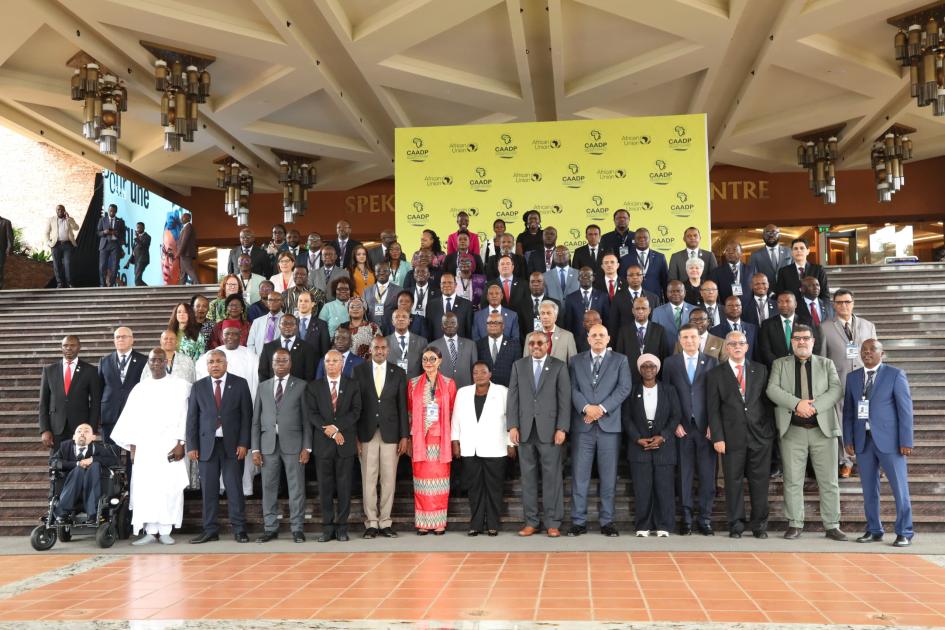
    The African Union (AU) has launched a pivotal three-day extraordinary summit in Kampala, Uganda, where ministers of agriculture from the 55 AU member states are convening to adopt the groundbreaking Kampala Declaration and a 10-Year Comprehensive Africa Agriculture Development Programme (CAADP) Strategy and Action Plan. This ambitious initiative is poised to redefine agricultural development, sustainability, and food systems across Africa, setting a transformative path for 2026-2035.

    A Strategic Vision for Africa’s Agricultural Future

    The CAADP Strategy and Action Plan, developed over the past 10 months with input from diverse stakeholders, embodies the African Union’s commitment to addressing systemic challenges in agriculture. Its roots lie in the Malabo Declaration of 2014, which called for accelerated agricultural growth and transformation to enhance prosperity and livelihoods on the continent. The strategy aligns with the African Common Position on the 2021 United Nations Food Systems Summit and AU Agenda 2063, ensuring a cohesive and inclusive framework for agricultural innovation and sustainability.

    Collaborative Stakeholder Engagement

    The strategy reflects extensive collaboration among regional economic communities, researchers, development partners, parliamentarians, farmers’ organizations, women in agriculture, youth groups, and the private sector. It underwent rigorous review processes, including evaluation by the AU Specialized Technical Committee on Agriculture, Rural Development, Water, and Environment (ARDWE). This collaborative effort ensures that the strategy not only addresses the complex realities of African agriculture but also empowers marginalized groups to participate equitably in the agrifood system.

    Core Objectives of the CAADP Strategy

    The 10-Year CAADP Strategy emphasizes:

    • Climate-Resilient Agriculture: Developing systems to withstand climate change impacts and other environmental challenges.
    • Enhanced Food Security: Reducing chronic hunger and ensuring Africa’s capacity to feed itself sustainably.
    • Economic Growth and Job Creation: Transforming agriculture into a leading economic driver, creating millions of jobs for youth and women.
    • Intra-African Trade Expansion: Boosting agricultural value chains and fostering regional trade in agricultural goods.
    • Infrastructure Development: Improving rural infrastructure and reducing post-harvest losses to support efficient food production and distribution.
    • Inclusive Growth: Ensuring women, youth, and marginalized groups have access to resources and decision-making processes.

    Addressing Africa’s Pressing Food Security Challenges

    Africa faces significant agricultural and food security challenges, exacerbated by climate change, conflicts, rapid population growth, and economic disruptions. Over 280 million Africans currently suffer from chronic hunger, and the continent remains heavily dependent on food imports, costing over USD 100 billion annually. The CAADP Strategy seeks to change this narrative by prioritizing local production, reducing food waste, and building resilient food systems.

    Leadership and Calls to Action

    Ugandan Prime Minister, Rt. Hon. Robinah Nabbanja, emphasized the urgency of achieving food self-sufficiency:
    “For us to guarantee our future as Africans, we must feed ourselves,” she stated, urging delegates to develop actionable proposals for reducing Africa’s food import dependency.

    H.E. Ambassador Josefa Sacko, AU Commissioner for Agriculture, Rural Development, Blue Economy, and Sustainable Environment, underscored the transformative potential of the CAADP strategy:
    “This plan aims to boost food production, expand value addition, and create millions of jobs, all while building resilient and inclusive agrifood value chains.”

    Ethiopia’s Minister of Agriculture, H.E. Dr. Girma Amente, highlighted Ethiopia’s success in integrating CAADP principles into its National Agricultural Investment Plan (NAIP), achieving consistent agricultural growth and resilience.

    Uganda’s Minister of Agriculture, Hon. Frank Tumwebaze, who chaired the drafting of the strategy, stressed the need for immediate implementation:
    “We must move into execution mode to make a meaningful impact on our people. This calls for technological innovation, agro-industrialization, and climate-resilient agricultural systems.”

    Towards a Prosperous and Food-Secure Africa

    The Kampala Summit marks a critical juncture in Africa’s journey toward food security, sustainable development, and agricultural transformation. The meeting will conclude on January 11 with the adoption of the Kampala Declaration by AU Heads of State and Government, marking the beginning of a decade-long commitment to reshaping Africa’s agricultural landscape.

    The adoption of the Kampala Declaration and the 10-Year CAADP Strategy and Action Plan represents a bold step toward transforming Africa’s agricultural landscape. By prioritizing sustainability, inclusivity, and resilience, this initiative aims to address the continent’s pressing food security challenges while driving economic growth and empowering marginalized communities. As Africa embarks on this transformative journey, the unwavering commitment of all stakeholders will be crucial in building a prosperous, food-secure future that ensures no one is left behind.

  • African Youth Entrepreneurs Explore South Korea’s Tech Ecosystem to Drive Innovation and Growth

    African Youth Entrepreneurs Explore South Korea’s Tech Ecosystem to Drive Innovation and Growth

    A group of twenty talented young entrepreneurs from across Africa’s tech ecosystem has embarked on a transformative two-week study tour to the Republic of Korea. Selected by the African Development Bank Group’s (AfDB) Innovation and Entrepreneurship Lab, these innovators represent some of the brightest minds in African technology ventures. The initiative seeks to connect African startups with South Korea’s dynamic technology landscape, fostering knowledge exchange, partnership opportunities, and investment in Africa’s burgeoning tech sector.

    The entrepreneurs, chosen from a competitive pool of 133 ventures that participated in the recent Africa Tech Startup Forum, showcased exceptional business models during the Forum’s virtual market access and acceleration program. This program provided intensive preparation, training, and opportunities to connect with global markets, setting the stage for their Korean tour.

    A Cross-Continental Collaboration for Innovation

    Hailing from eight diverse nations—Egypt, Ghana, Kenya, Morocco, Nigeria, Rwanda, South Africa, and Uganda—the delegation spans a variety of high-impact technological sectors, including agritech, health tech, and fintech. The study tour aligns with the Lab’s broader Leveraging the Entrepreneurial and Innovation Success of Korea to Strengthen African Enterprise Support project, an initiative designed to harness Korea’s technological success to bolster Africa’s entrepreneurial landscape.

    The delegation’s itinerary includes visits to South Korea’s most prestigious innovation hubs, including the Global Startup Centre, LG Science Park, and the Korea Software Technology Association. These entrepreneurs will also engage with unicorn startups—companies valued at over $1 billion—and institutions like the Global Digital Innovation Network, which supports the scaling of South Korean startups globally.

    Building Bridges Across Borders

    Uche Ezadinachi, founder of Kenya-based health tech company Zuri Health, expressed her excitement about the trip.

    “Korea is a leading technology-driven society, and this tour presents a unique opportunity to learn from their advancements. We aim to bring those innovations back to Africa to address pressing challenges in health and other sectors,” she said.

    Ezadinachi also emphasized the reciprocal nature of the tour. “This isn’t just about learning from Korea—it’s about collaboration. We’ll share our experiences and perspectives as African entrepreneurs, fostering mutual growth.”

    David Chen, co-founder of Rwandan health data venture Kapsule, highlighted the importance of the trip in creating meaningful connections.

    “This tour allows us to build relationships through face-to-face interactions with Asian health tech companies. These connections could be pivotal for future collaborations and scaling efforts,” he noted.

    Empowering Africa’s Next Generation of Entrepreneurs

    The delegation, composed of young leaders aged 18 to 35, reflects a strong commitment to diversity and inclusion, with over one-third of participants being women. Their agenda includes participation in key South Korean events like the K Startup Grand Challenge, an accelerator program supported by the South Korean government; the Africa Innovation Networking Gala; and COMEUP Korea, an event linking Korean startups with global investors and corporations.

    This initiative is financially supported by the Korea-Africa Economic Cooperation Trust Fund and forms part of the AfDB’s broader Jobs for Youth in Africa Strategy.

    The Broader Vision

    Martha Phiri, Director of Human Capital, Youth, and Skills Development at the African Development Bank, highlighted the initiative’s transformative potential.

    “This program equips young entrepreneurs with critical skills to expand their businesses and create jobs. By fostering innovation and enterprise, we can accelerate Africa’s economic growth and development,” she stated.

    Ndeye Absa Gningue, Innovation Platform Officer managing the Bank’s Innovation and Entrepreneurship Lab, stressed the long-term benefits of the program.

    “Platforms like the Africa Tech Startup Forum empower young people to nurture their talents and grow their ventures. Our work doesn’t stop here; we will continue supporting these entrepreneurs as they develop into global players,” she remarked.

    A Blueprint for Future Growth

    As the entrepreneurs immerse themselves in South Korea’s cutting-edge tech ecosystem, this initiative represents more than a learning opportunity—it’s a strategic move toward redefining Africa’s role in the global innovation landscape. By bridging continents and fostering collaboration, the African Development Bank’s program is sowing the seeds for a vibrant future where African startups not only thrive locally but also make a global impact.

    This tour is a testament to the power of cross-border collaboration in driving technological advancement, economic empowerment, and sustainable development.

  • Challenges in PFAS Detection in Africa: The Impact of Mass Spectrometry Shortages and Solutions for Improved Monitoring

    Challenges in PFAS Detection in Africa: The Impact of Mass Spectrometry Shortages and Solutions for Improved Monitoring

    A recent study by Aborode et al. (2025) titled “Challenges Associated With PFAS Detection Method in Africa” published in Environmental Health Insights, reveals that the shortage of mass spectrometry (MS) instruments in Africa significantly hampers the detection and analysis of per- and polyfluoroalkyl substances (PFAS).

    Shortage of mass spectrometry instruments in Africa hinders effective PFAS detection.

    – Aborode et al. 2025

    The article explores the challenges associated with detecting per- and polyfluoroalkyl substances (PFAS) in Africa. PFAS are man-made chemicals found in various industrial and consumer products, and they pose significant environmental and human health concerns due to their persistence and adverse effects. The article highlights the shortage of mass spectrometry (MS) techniques in Africa, which are essential for accurately detecting and analyzing PFAS. This shortage hampers the ability to assess contamination levels and implement effective mitigation strategies. The article emphasizes the need for financial support, regional centers of excellence, and training programs to address the gap in PFAS monitoring in Africa. It also discusses the importance of developing targeted interventions and policies to safeguard the environment and public health from PFAS contamination. The article provides an overview of the current state of PFAS research in Africa, the instruments used for monitoring PFAS, and the limitations and challenges faced in detecting these substances on the continent.

    How the Study was Conducted

    The authors employed a comprehensive review of existing literature and data. The authors assessed the scope and impact of the shortage of mass spectrometry (MS) instruments in Africa, which are essential for accurately detecting and analyzing PFAS. They analyzed the current state of PFAS monitoring, the accessibility of MS instruments, and the technical capabilities within the continent. The study involved reviewing various analytical techniques and instruments used for PFAS detection, such as liquid chromatography-tandem mass spectrometry (LC-MS/MS), gas chromatography-mass spectrometry (GC-MS), and ion chromatography (IC). The authors also examined the limitations and challenges faced in detecting PFAS in Africa, including the lack of financial support, regional centers of excellence, and training programs. By analyzing the existing PFAS monitoring efforts and the availability of MS instruments, the study highlighted the significant underreporting of environmental data and related public health issues in Africa. The researchers proposed financial support and programs to address these difficulties and emphasized the importance of developing regional centers of excellence for PFAS monitoring using MS instruments.

    What the Authors Found

    The authors found that the shortage of mass spectrometry (MS) instruments in Africa significantly hampers the detection and analysis of per- and polyfluoroalkyl substances (PFAS). This shortage leads to underreporting of environmental data and related public health issues.

    Why is this important?

    The importance of this study lies in its potential to address significant environmental and public health challenges in Africa. Per- and polyfluoroalkyl substances (PFAS) are persistent chemicals that can accumulate in the environment and in human bodies, leading to adverse health effects such as cancer, liver damage, and immune system disruption. The shortage of mass spectrometry (MS) instruments in Africa hampers the detection and analysis of PFAS, resulting in underreporting of contamination levels and hindering effective mitigation strategies.

    By highlighting the need for financial support, regional centers of excellence, and training programs, the study aims to improve PFAS monitoring capabilities in Africa. This would enable more accurate assessment of contamination levels, better-informed policy decisions, and targeted interventions to protect both the environment and public health. Addressing the gap in PFAS monitoring is crucial for developing effective strategies to mitigate the risks associated with these harmful chemicals and ensure a safer and healthier future for African communities.

    What the Authors Recommended

    • The authors emphasize that increased funding is essential to acquire mass spectrometry (MS) instruments and other necessary equipment for PFAS monitoring.
    • The study recommends establishing regional centers dedicated to PFAS monitoring that can help centralize resources and expertise.
    • Implementing training programs to build local expertise in using MS techniques and other analytical methods.
    • Furthermore, developing and enforcing policies to manage and mitigate PFAS contamination effectively.
    • In addition, the authors emphasize encouraging collaboration between African researchers and international partners to share knowledge, resources, and best practices.

    In conclusion, the shortage of mass spectrometry instruments in Africa presents a significant barrier to effective PFAS detection and monitoring, with serious implications for both environmental health and public safety. The underreporting of PFAS contamination limits the ability to assess risks accurately and implement necessary mitigation strategies. Addressing this gap requires increased financial support, the establishment of regional centers of excellence, and the implementation of comprehensive training programs to build local expertise. By fostering international collaborations and developing targeted policies, Africa can improve its capacity to monitor and manage PFAS contamination, ultimately safeguarding the health of its communities and the environment.